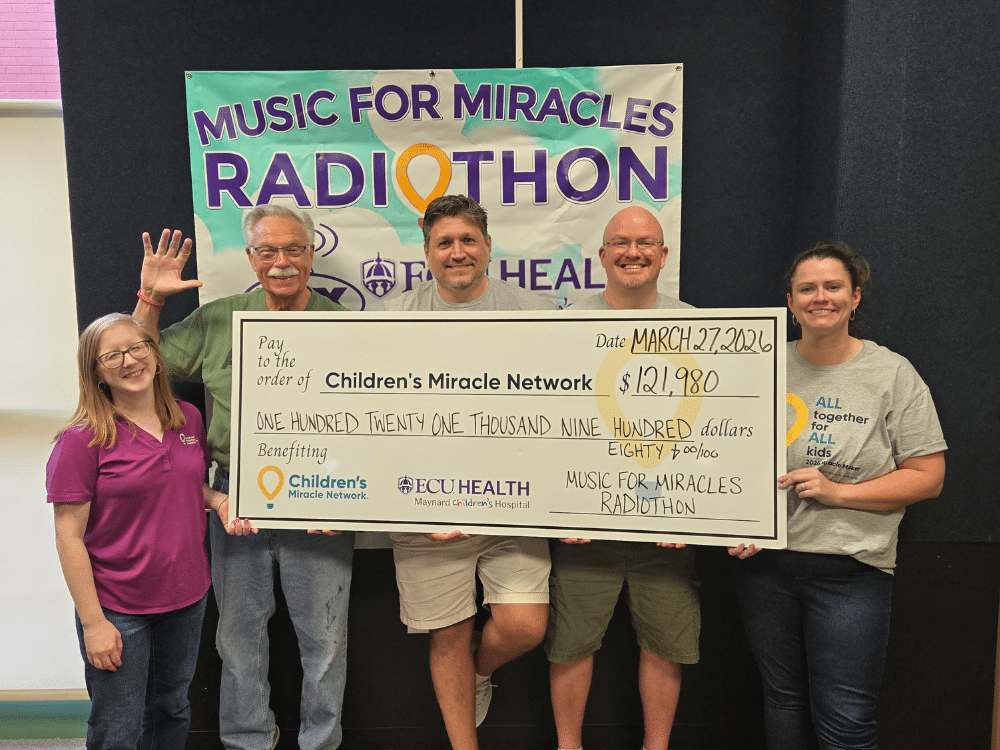
Greenville, N.C. – Listeners from all over the East phoned in their support for children and raised $121,890 during the 29th annual Music for Miracles Radiothon on 107.9 WNCT and all Inner Banks Media stations. Since its inception in 1998, the radiothon has now raised over $4.1 million, directly enhancing James and Connie Maynard Children’s Hospital’s programs and services.
“Each year, I am touched by the extraordinary generosity of this community,” said Elise Ironmonger, director of programs for the ECU Health Foundation. “Their steadfast dedication to improving health care for children across eastern North Carolina continues to inspire me. I’m also so grateful to the families who bravely share their stories — these children truly are miracles. It’s an honor to highlight the exceptional care they’ve received at Maynard Children’s Hospital.”
This year’s radiothon aired on all Inner Banks Media radio stations on March 26 and 27. In addition to 107.9, participating stations included: Talk 96.3 and 103.7; Oldies 94.1 and 102.7; and 94.3 The Game.
All funds raised through Children’s Miracle Network (CMN) events like the radiothon are allocated entirely to supporting programs and services at Maynard Children’s Hospital. These contributions help procure life-saving medical equipment, enhance educational opportunities for patients and staff, provide comforting resources for children and develop new, state-of-the-art facilities. This year’s radiothon included a $20,000 match from Craig Goess and Greenville Toyota.
“For 29 years now, the generosity of our listeners has allowed us to raise funds for this great hospital,” said Henry Hinton, president, Inner Banks Media. “I’m so appreciative to all who tuned in and offered their support to the sick and injured children of eastern North Carolina. This year’s successful radiothon is something I am really proud of.”
Children’s Miracle Network is a fundraising program of the ECU Health Foundation. Maynard Children’s Hospital in Greenville serves children and their families living throughout a 29-county region in eastern North Carolina. For those who missed the radiothon but would still like to contribute, donations can be made at www.GiveToCMN.com.
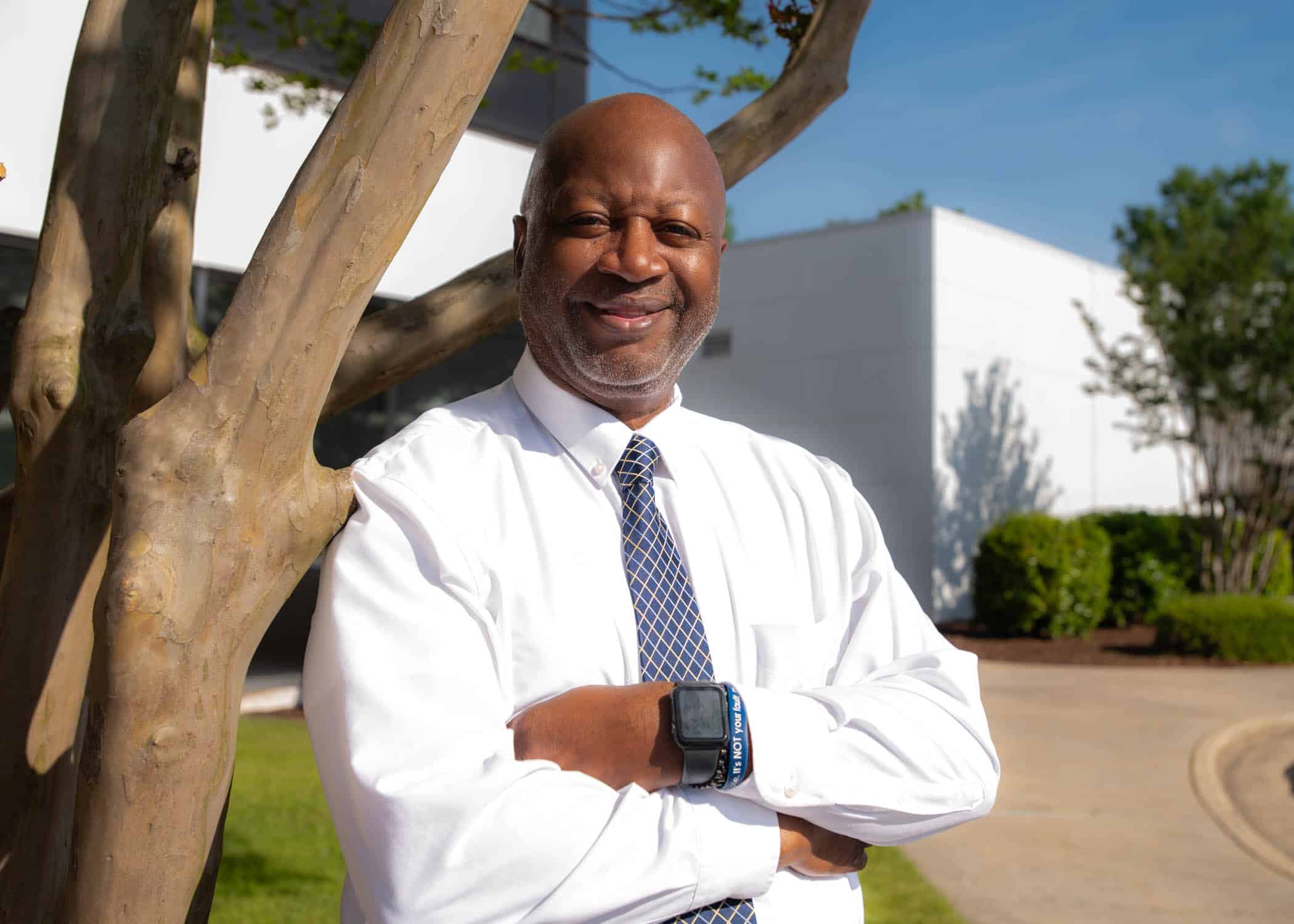
Robert Williams, a Greenville resident and member of the Philippi Church of Christ, says he first connected with ECU Health through a Blue Zones presentation at his church. “KaSheta Jackson and her team invited churches to participate in the Blue Zones challenge. I attended several meetings, and I learned a lot about that. It was through that process I learned about ECU Health’s Lifestyle Medicine Clinic and the Wellness Center,” Williams said. It was that initial spark that ignited Robert’s interest not only in improving his own health, but also in improving the health and well-being of his church community.
HealTHY Neighbor program
“Community health is more than flyers,” KaSheta Jackson, the vice president of Community Health at ECU Health said. “We’re transitioning the way we look at community health and how it functions. It should be a prevention and promotion model.”
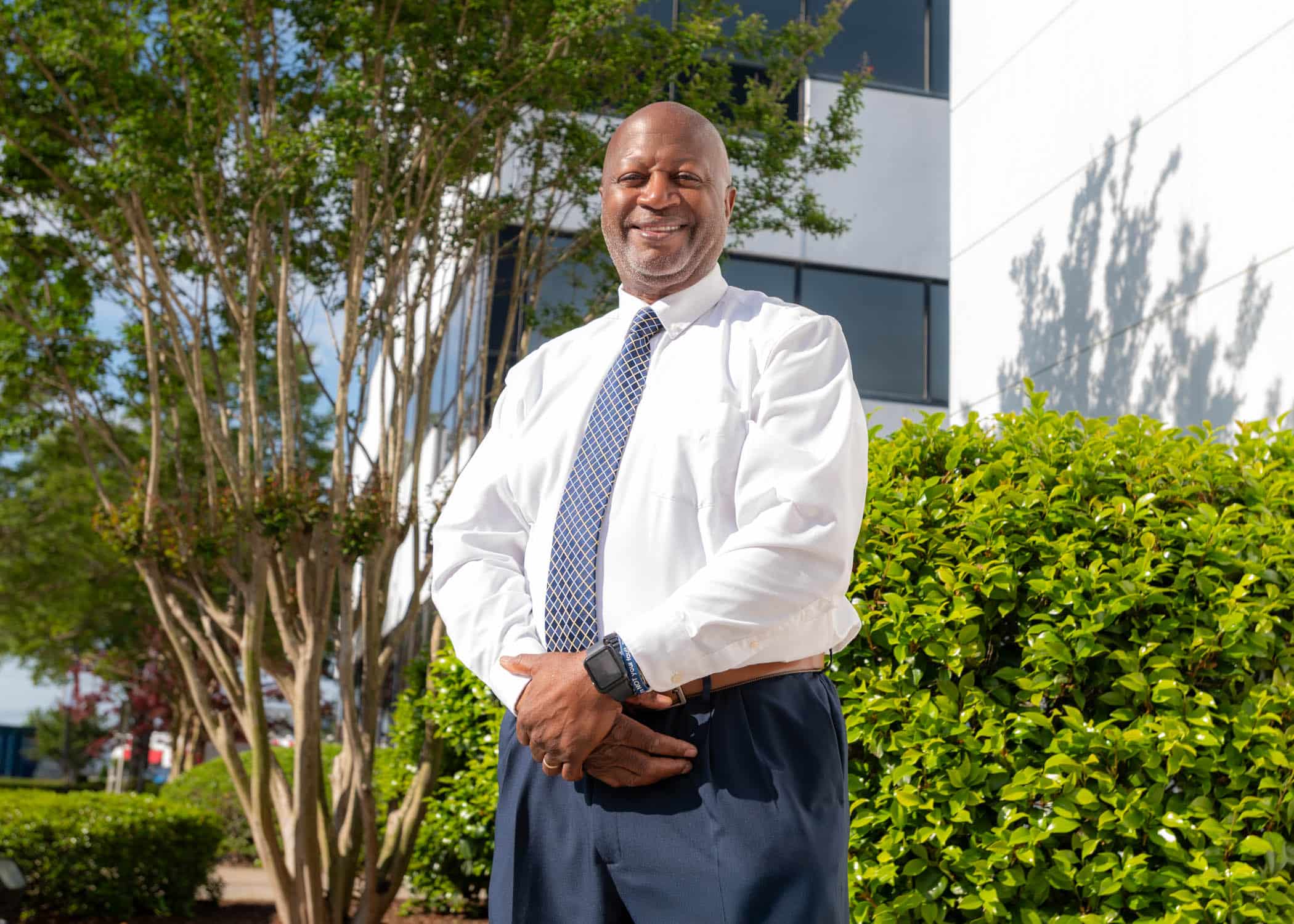
That model includes the HealTHY Neighbor program, which offers health screening every six months, cooking demonstrations, walking challenges, webinars and educational sessions, including the Blue Zones challenge presentations Robert attended. “We serve as a resource for the congregation,” said De’Vette Thomas, the manager of Community Health Improvement at ECU Health. “Each church has a well-being ambassador and the pastor is involved. Mr. Williams is the ambassador for Philippi.”
Jackson and Thomas both agree that funneling resources through churches is a great way to connect with the surrounding community. “Community members often go to their churches for resources – whether they be health, healing, wealth or faith-based,” Jackson said. “De’Vette works with these churches, screens the congregation and analyzes the data. She shares with the pastor opportunities to make changes and then partners with the pastor and the ambassadors on how to implement those changes. We encourage the church community to work on improving their health, which aligns with our mission to improve the well-being in eastern North Carolina.”
Philippi Church of Christ has a food pantry open every Wednesday, and Williams shared that ECU Health has taken steps to help there, as well. “ECU Health asked if they could come out and pass out samples of healthy foods and share information about healthy eating,” he said. Qua’Tavia White, a community health improvement coordinator, said she connected with Williams and Philippi Church of Christ through the Healthy People, Healthy Carolinas initiative, which supports Pitt Partners for Health. “I first met Mr. Williams at a Blue Zones meeting, and Pitt Partners does a monthly Dining with a Doc session where you learn to make a healthy, plant-based meal,” she said. “Another thing we do is go to existing food pantries and offer healthy samples of food. We went to Philippi’s pantry and offered butternut squash soup and gave them a bag of ingredients and a recipe card so they could take it home and make it for their families.”
That connection through food pantries is important, White said, because it helps her team reach people they might not otherwise see. “We get a chance to work with an underserved population and engage positively on behalf of the system,” she said. “We don’t want people in the hospital; we want to keep them healthy. It’s good they know we do these things.”
Making healthy changes
After his experience with the Blue Zones challenge and connecting with the HealTHY Neighbor program, Williams took steps to manage his own health. “I was screened and learned I was a borderline diabetic. I attended nutrition classes and connected with Jessica Wakefield in Lifestyle Medicine, and she was valuable in coaching me around lifestyle changes, such as how to eat better. My wife and I learned how to read nutrition labels when grocery shopping,” he said. “During my two or three meetings with Jessica, she gave me great insight toward taking charge of my own health.” Jessica Wakefield, a lifestyle coach IV, said of the interaction that, “Our conversations were a catalyst for him to make important health changes, and based on what we discussed, I encouraged him to consider meeting with a registered dietitian. He also focused on finding a work-life balance and reducing

Those insights helped Williams learn how to deal with what he called “interference.” “A lot of times we don’t do what we need to do, not because we don’t know what we should do, but because there’s interference,” he said. “Mine was time. I’m a small business owner, a father and a grandfather, and there is a lot pulling on me. Jessica helped me understand that with preparation, I can overcome that interference.”
Williams also was given a 90-day free membership to the Wellness Center, through his Blue Zone participation, which gave him a chance to see what the facility offers. “I loved the Wellness Center,” he said. “You have exercise, a physician, a dietitian and more all right there.”
As a result of his hard work, Williams said he has lost weight, is lowering his A1C, has seen a decrease in his blood pressure, is exercising more regularly, is being more conscious about what he’s eating and is undergoing important preventative health screening. As importantly, he said, he’s made vital connections between ECU Health and his church. “I advocate for my friends, my church members and my family. We implemented the HealTHY Neighbor program, we have a walking trail for the community to use and we just signed our partnership agreement with ECU Health to be a Health Hub site.”
Health Hubs
Launched in May 2023, the Health Hub initiative is a strategic effort to bridge the gap between high demand for health services in rural communities and the barriers to receiving care.
“We have a lot of different programs to build relationships in the community to bridge gaps in the health care system and build trust with organizations, and the Health Hub initiative is one of those,” said Charmaine Reeder, a community health engagement coordinator who works with the Health Hub program. “The goal is to bring two access points: virtual health care and access to resources that address the social determinants of health.”
Virtual care is available to anyone throughout eastern North Carolina and can be accessed on a computer or mobile device. It’s free to register and make an account, and it only costs $55 per visit when you speak with a provider. Williams added. “That’s responding to the need of our community.”
Reeder said Williams’ church has utilized many of their resources. “Mr. Williams was the go-to person for updates in his church. He advocates really well for his community and for Pitt County. He’s so positive, and he truly cares about his church and community.”
Williams said working with ECU Health has been a valuable and easy partnership. “They really listen and respond – that’s a big thing,” he said. “If we say we want to set up a Health Hub, right away they get things set up.” That willingness to listen makes all the difference. “When you listen, you hear what someone’s needs are and what interferences they have, and you can come up with action items to address those issues. We’re so happy to have that level of responsiveness.”
“These connections show the collective impact of churches, the health department, hospitals, county schools and more,” White added. “We appreciate seeing people come together for one purpose.”
Resources
Health Hubs
ECU Health’s Community Health Services
Lifestyle Medicine
Wellness Centers

Greenville, N.C. – ECU Health and the national nonprofit Undue Medical Debt are pleased to announce an initiative that will help eliminate more than $186 million worth of past-due hospital medical debt for more than 32,000 qualifying patients. Debt relief letters will arrive over the course of December’s holiday season into the New Year on a rolling basis given the size of this relief effort
Eligible community members do not need to apply, and there is no application process. Instead, community members who qualify for this one-time debt relief will receive a branded letter from Undue Medical Debt indicating which past-due hospital debt or debts have been eliminated. Undue Medical Debt works with hospital systems and other providers across the country to purchase past due medical debt belonging to those least able to pay in large portfolios for pennies or less on the dollar and then erases the debt.
ECU Health’s collaboration with Undue Medical Debt pre-dates North Carolina Department of Health and Human Services’ medical debt relief initiative which spans all hospitals in the state and lays out a plan for medical debt relief coupled with changes to Medicaid/Medicare reimbursement policy and financial aid standards in 2025.
Under Undue Medical Debt guidelines, those who qualify for this medical debt relief have hospital medical debts that are 5% or more than their annual income or earn at or below four times poverty-level income. The current federal poverty level is an annual income of under $31,200 for a family of four which means a qualifying family of four would make under $124,800. Community members do not need to take any action, as the eligible hospital medical debt will automatically be eliminated for those who qualify.
“We’re grateful to collaborate with ECU Health to help ease the burden of medical debt in eastern North Carolina,” said Undue Medical Debt CEO and President Allison Sesso. “Helping community members burdened by medical debt takes thoughtful collaboration and I’m proud of the results: over 30,000 people helped this holiday season. We hope this program provides financial and emotional relief to recipients and encourages them to continue engaging with the healthcare system.”
The collaboration with Undue Medical Debt is one of many ways in which ECU Health is living its mission to improve the health and well-being of eastern North Carolina. The initiative aligns with the health system’s commitment to serving underserved communities in the East, many of which have disproportionate numbers of low-income and uninsured or underinsured people. The initiative is also in alignment with ECU Health’s long-standing practice of non-predatory billing practices, which emphasize charity care, zero-interest payment plans, transparent pricing and dedicated resources to help patients navigate financial requirements.
“At ECU Health, our commitment to our mission and patients is at the heart of all we do,” said ECU Health Chief Operating Officer Brian Floyd. “We have always been guided by a deep desire to support our patients in whatever way we can, and this collaboration with Undue Medical Debt will make an enormous impact on so many in our largely underserved region. We could not be more thankful to find an organization like Undue Medical Debt which shares our vision for making high-quality rural health care accessible here in eastern North Carolina.”
Community members who are 18 and older can schedule an appointment by visiting VidantHealth.com/Vaccinate or by calling 252-847-8000 — available from 8 a.m. to 5 p.m. seven days a week.
Appointments for community members who are 16 or 17 years old can be scheduled by calling 252-847-8000.
Vidant currently offers the vaccine at a variety of locations throughout eastern North Carolina, including the Vidant/Pitt County Large-Scale Vaccine Clinic at the Greenville Convention Center. Community members are encouraged to check the scheduling tool on VidantHealth.com/Vaccinate or call 252-847-8000 for the latest list of available locations.
Although the vaccine offers great hope, Vidant encourages everyone to do their part to keep communities in the region safe from COVID-19: wear a mask, social distance and wash hands. Those who receive the vaccine should still practice these important safety measures. Importantly, a high number of COVID-19 patients are relying on Vidant for care and our team members are not immune from community spread. Please do your part to protect yourself and those around you.
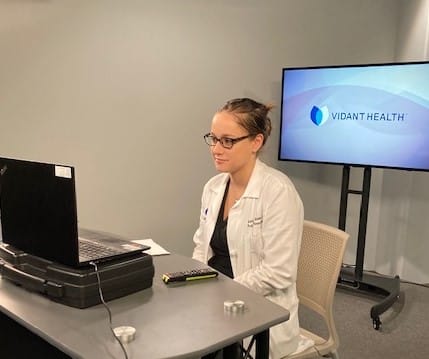
Pediatric neurosurgery is the surgical treatment of diseases of the brain and spine in children. This includes a wide variety of conditions, from ones that children are born with, to others that children acquire later in life.
Dr. Kathleen Knudson, a pediatric neurosurgeon with Vidant Neurosurgery, shares her experiences and her process for working with patients and their families.
“When I am trying to decide on the best plan for the patient, I look at the entire person,” she said. “I talk to them and find out what they are concerned about and get a detailed neurological exam. I often get an imaging study, depending on what their concern is. Then, I use all this information together, (the history, exam, and imaging) to make a recommendation on surgery. I don’t just look at the imaging alone to make a recommendation.”
In this process, Dr. Knudson works together with the patient and their families to come up with the right treatment for the child.
“It is a team effort,” she said. “I work closely with other Vidant team members, including pediatric oncologists, pediatric neurologists, general surgeons, pediatric orthopedic surgeons, and many other providers to help take care of the patient.”
Dr. Knudson added, “Often, there is more than one surgical option for patients. I go over these different options with the family to decide what is the best plan for everyone. I often recommend minimally invasive surgery, so the child will have a smaller incision and a faster recovery.”
Pediatric neurosurgery patients are seen and treated at the Maynard Children’s Hospital in Greenville. If your child may require neurosurgery, talk to your provider for a referral to Vidant Neurosurgery. If you do not have a Primary Care Provider, Vidant Health can help you find one by calling 1-800-472-8500. You can also learn more on the Neurological Care page.