For one week each summer, Camp Needles in the Pines transforms a traditional summer camp experience into something much more meaningful for children living with Type 1 diabetes. Located at Camp Boddie in Blounts Creek, campers spend their days kayaking, swimming, climbing, creating crafts and making lifelong friendships. Unlike most summer camps, however, every child at Camp Needles in the Pines shares a common bond: managing Type 1 diabetes.
Founded in 1985, Camp Needles in the Pines serves children ages 8 to 14, while older teens participate as counselors-in-training before eventually becoming counselors themselves. The camp is supported through a partnership between the Brody School of Medicine at East Carolina University, ECU Health and ECU Health Foundation, with funding assistance from Children’s Miracle Network and community donors.
For Camp Director Mindy Saenz, a registered dietitian and diabetes educator with ECU Health Pediatric Specialty Care, the camp’s impact extends far beyond outdoor activities and summer fun.
For Camp Director Mindy Saenz, a registered dietitian and diabetes educator with ECU Health Pediatric Specialty Care, the camp’s impact extends far beyond outdoor activities and summer fun.
“A lot of the kids might be the only one in their whole school who has Type 1 diabetes,” Saenz said. “Here at camp, every single camper has Type 1 diabetes. Everybody counts carbs together, gets insulin together and understands exactly what everyone else is going through.”
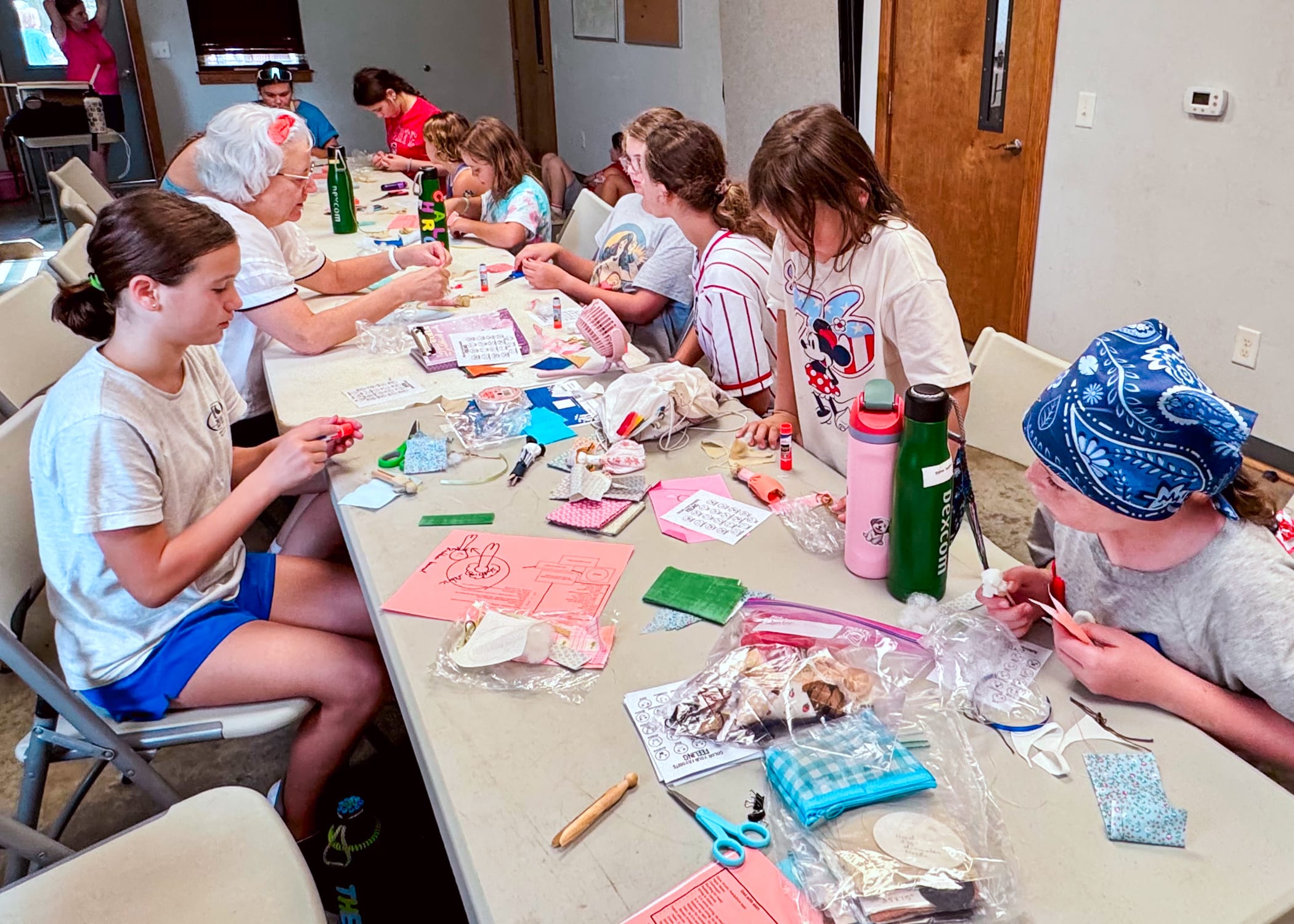
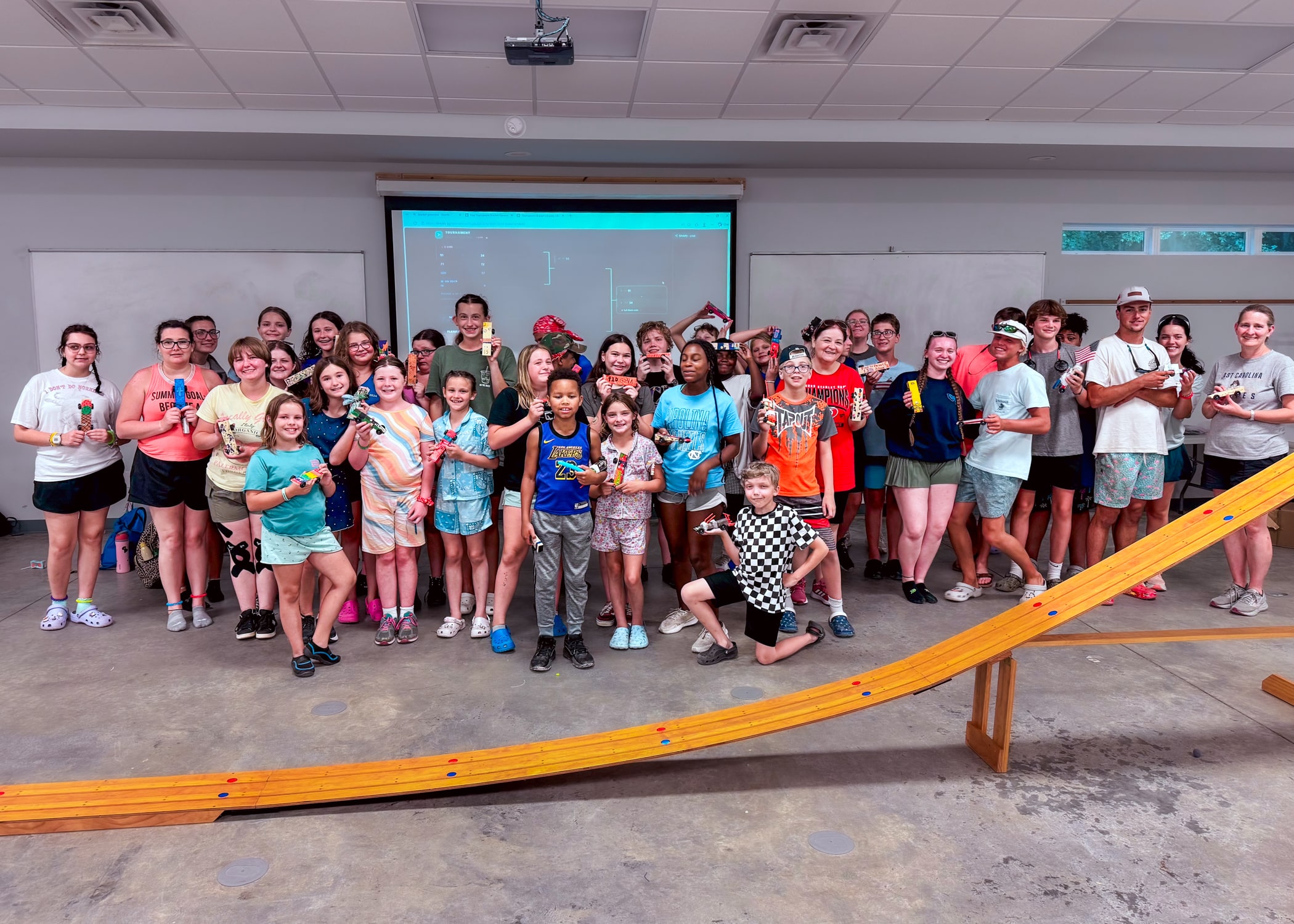
This year, 51 campers from across North Carolina – and even one from Texas – attended camp. Throughout the week, they participated in activities including paddleboarding, archery, rifle and shotgun shooting, arts and crafts, STEM projects, ecology programs and a traditional camp talent show.
While camp looks like a typical summer camp on the surface, extensive planning ensures every camper can safely participate.
“The biggest thing is making sure we have enough medical staff,” Saenz said. “Each group has a medical staff person assigned to be with them at all times.”
Camp leaders also coordinate donated insulin, blood glucose testing supplies, glucose treatments and other medical necessities. Daily diabetes education and nutrition classes are woven into the schedule, helping campers build confidence in managing their condition.
Perhaps most importantly, campers are encouraged to celebrate milestones. Whether it is checking their blood sugar independently for the first time or changing an insulin pump site on their own, each achievement is recognized in front of fellow campers.
“We announce it and everybody cheers,” Saenz said. “It’s really about fostering independence and helping them realize they can do these things themselves.”
That sense of support and belonging is what keeps many campers coming back year after year.
Madelyn Sutter knows that feeling well. Now 18 and serving as a counselor-in-training, she has attended Camp Needles in the Pines since she was 8 years old.
“At home, my only experience was my sister also being Type 1,” Sutter said. “There was no one else in my school or sports. Being at camp, everyone is the same for once. Everyone has diabetes and everyone’s going through the same thing.”
Today, she enjoys helping younger campers navigate challenges she once faced herself.
“A lot of them have that same experience where there’s no one at home that’s going through the same thing as them,” she said. “I remember being their age, so I can help them get through whatever’s going on.”
Sutter said the community campers find at Camp Needles in the Pines is unlike anything else.
“It’s my favorite week of the year,” she said. “I count down the days.”
For 16-year-old counselor-in-training Kade McLawhorn, the relationships built at camp are the reason he returns every summer.
“It’s just the people,” McLawhorn said. “Year after year, having the same people you can hang out with and bond with. Sometimes we don’t get to see each other that much, but at least once a year we come together and make some great memories.”
In addition to supporting campers, Camp Needles in the Pines provides a unique learning environment for future health care providers. Dr. Caleb Oakley, a fourth-year Internal Medicine-Pediatrics resident at
ECU Health volunteered at camp this year while completing a pediatric endocrinology rotation.
“In the hospital, things are very black and white with protocols,” Dr. Oakley said. “When you come to camp, you get to see the art of medicine and how individualized diabetes care really is.”
Working alongside campers allowed Dr. Oakley to gain experience with insulin pumps, continuous glucose monitors and the day-to-day realities of living with diabetes.
One of the moments that left the biggest impression on him was watching campers reach personal milestones.
“You can see how proud they are of themselves,” he said. “They’re away from home, outside their comfort zone, and taking big steps in managing their own care.”
Beyond the clinical experience, Dr. Oakley said camp also showed him the importance of community for children living with Type 1 diabetes.
“One thing I underappreciated before coming here was how different it can feel being a kid with Type 1 diabetes,” he said. “At camp, they’re not outsiders. This is the norm. They get to just be kids.”
For Saenz, that feeling of belonging remains at the heart of Camp Needles in the Pines nearly four decades after its founding.
“It’s really about being with other people who understand,” she said. “The friendships they build here last a lifetime.”