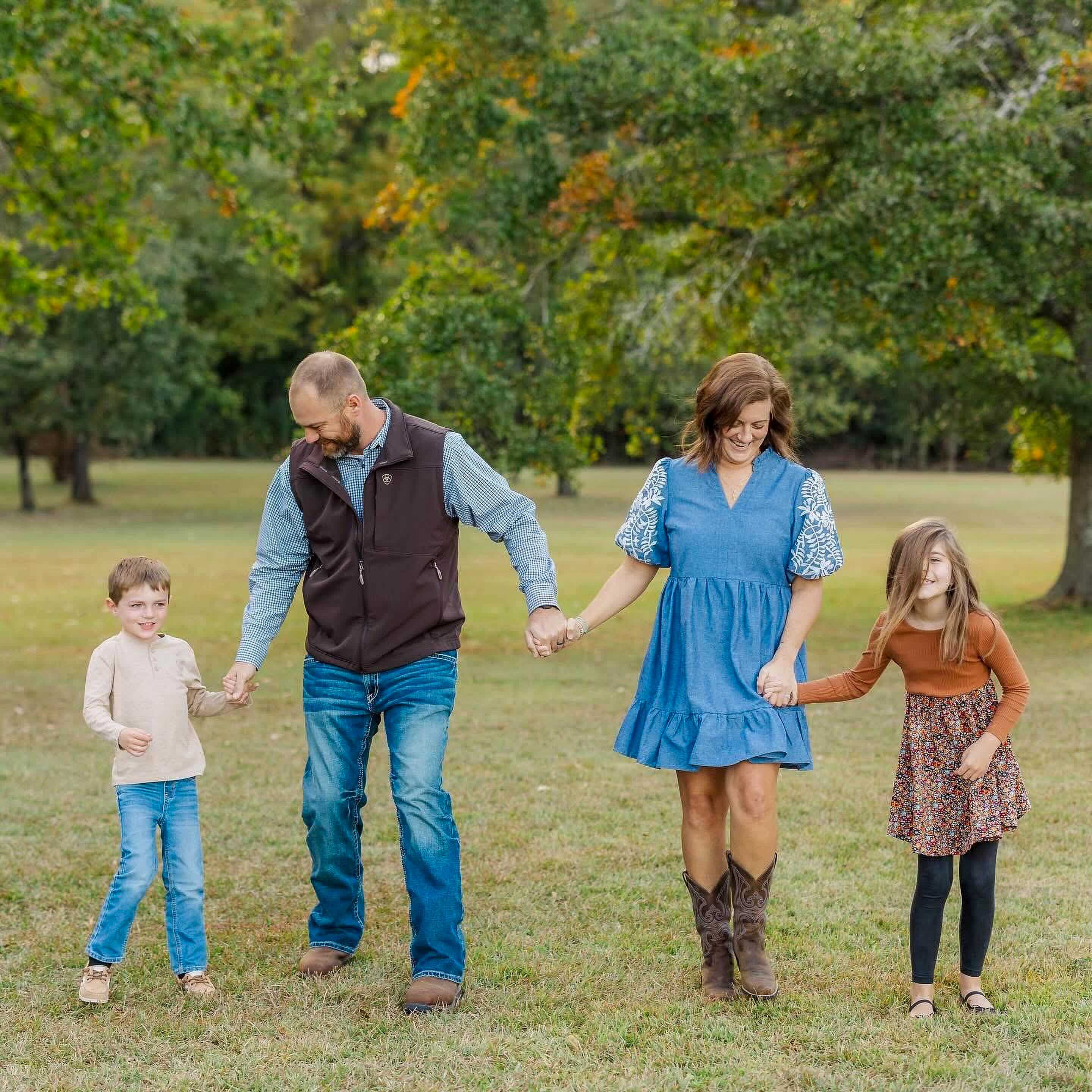
Casey Allen, a staff nurse IV at ECU Health Beaufort Hospital, was drawn to nursing – and working in oncology – after seeing many people in her family battle cancer. What she didn’t expect, however, was being diagnosed with cancer herself.
In October 2025, Casey attempted to donate blood but was told her lab counts were too low. Concerned, she called her primary care provider and further tests were needed. She went to the Marion L. Shepard Cancer Center in Washington, where she also worked, for blood tests, and in Greenville she received a bone marrow biopsy. The results: Acute Myeloid Leukemia (AML).
AML is a rare cancer that affects bone marrow and blood. Approximately four in every 100,000 adults are diagnosed with AML every year, and although most are over the age of 60, it can affect younger adults or children.
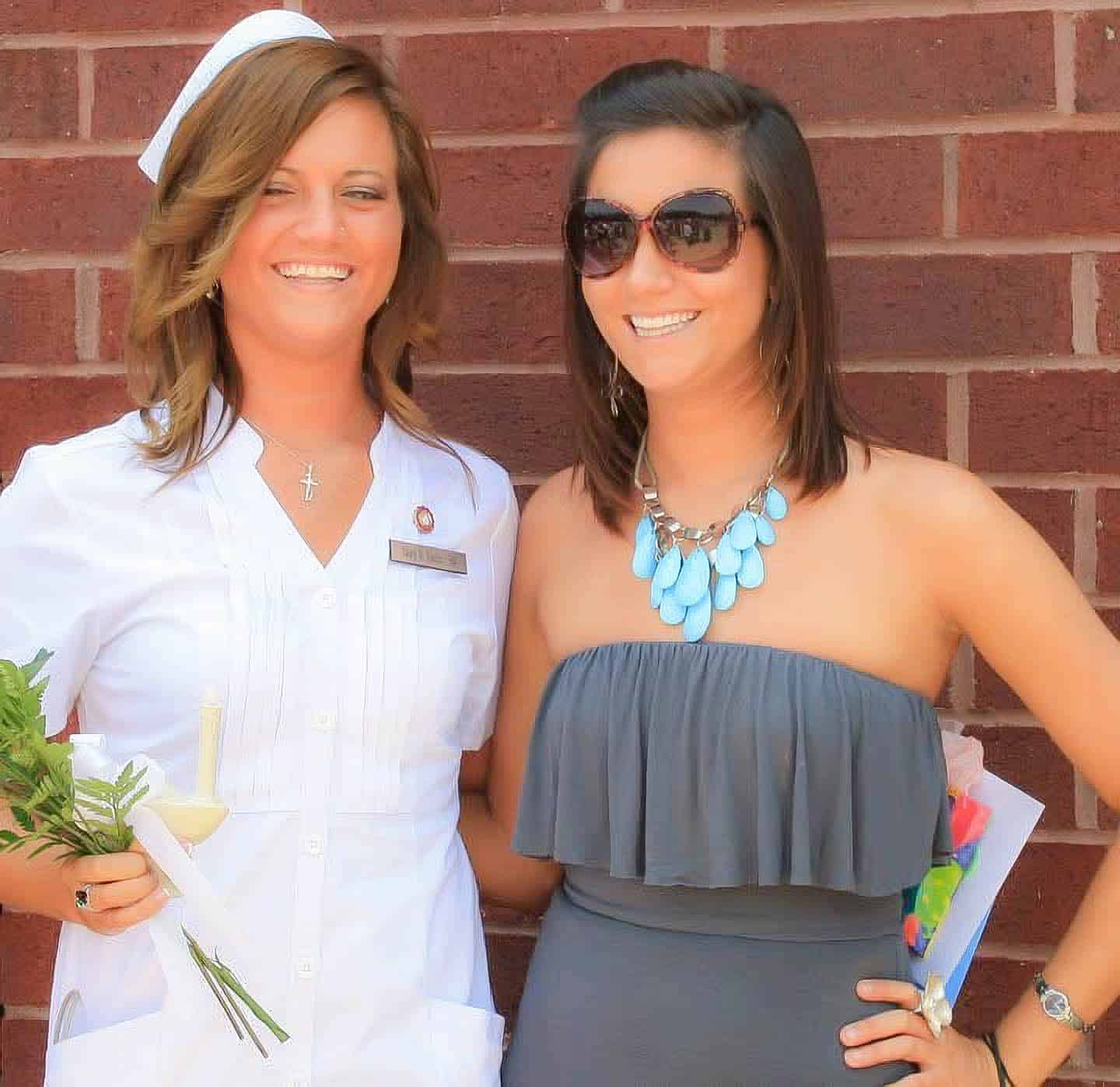
“AML can be very aggressive,” said Jessica Hardin, Casey’s twin sister. Jessica is also a care manager and Medicare wellness nurse with ECU Health Family Medicine – Chocowinity and the multispecialty clinic in Belhaven.
Casey and Jessica grew up in Washington, and with their mother’s encouragement, they both chose to attend nursing school.
When Casey joined ECU Health, she encouraged Jessica to apply the next year, and they both worked on the same unit for a time.
“We worked on 3 West, but she worked the night shift and I worked the day shift,” Jessica recalled.
“We had to explain to our patients that we were twins and not one person on the floor all day. That was always a hoot.”
While Jessica transitioned from oncology to other roles in the system, Casey stayed on 3 West for several more years. She then transitioned to Marion L. Shepard in 2020.
“She is a dedicated oncology nurse,” Jessica said. “She just received her bachelor of science in nursing (BSN) from UNC Wilmington last year and has enjoyed working in radiation oncology at Marion Shepard.”
As twins, Jessica said she and Casey have “been together since the womb,” and that hasn’t changed as they both progressed through their careers and lives.
“We went to school together, and now we live close to each other,” Jessica shared. “Casey is a great mom of two kids, and she is brilliant. She strives to be better and better every year, and she pushes me even though I just go with the flow.”
Support from the community
Jessica said the rapid testing and diagnosis Casey received from ECU Health helped her begin a path towards essential care. She also highlighted the supportive community that surrounds Casey, her family and Jessica.
“Our oncologists have been so great in Beaufort and Greenville,” Jessica said. “They support my sister and me and check up on us. Even physicians who graduated from medical school here and moved away keep in contact. Since we grew up in the same area we work, everyone knows us and wants her to be okay. The amount of calls and messages I get to check on her – it’s all day.”
Casey received a high-dose inpatient chemotherapy treatment, and once she is home, she will have labs drawn, symptom management and any required blood products at Marion L. Shepard. The hope is that once her bone marrow blast cell count is high enough, she can be put on a list for a bone marrow transplant.
“She’s receiving hardcore treatment and taking it like a champ. Because we’re identical twins, our bone marrow is too much alike so I can’t be a donor,” Jessica said. “So we have to hope for a match and then she’ll have to stay near the hospital for 100 days after the transplant because transplant patients can have a lot of complications. You’re like a newborn baby.”
Jessica said it was important for people to consider being a bone marrow or stem cell donor.
“You have to be between the ages of 18 and 35 to donate, and you can sign up to be tested. They make sure it’s safe for you to donate and help you through every step. It’s very easy.”
In the meantime, Jessica said her sister has been very positive.
“I don’t know where her strength comes from. I’m up nights crying. She hasn’t been able to see her kids and she’ll joke on the phone about her hair falling out. She Facetimes her family and sometimes gets to go outside for a picnic,” Jessica shared. “And she wants to get back to work. She told me, ‘I hate cancer and love the care I can provide for families. Cancer doesn’t discriminate and I hope I can come back to the field I love.’”
To learn more about how to be a bone marrow or stem cell donor, or about other ways you can help, visit the National Marrow Donor Program (NMDP) site (formerly Be the Match).