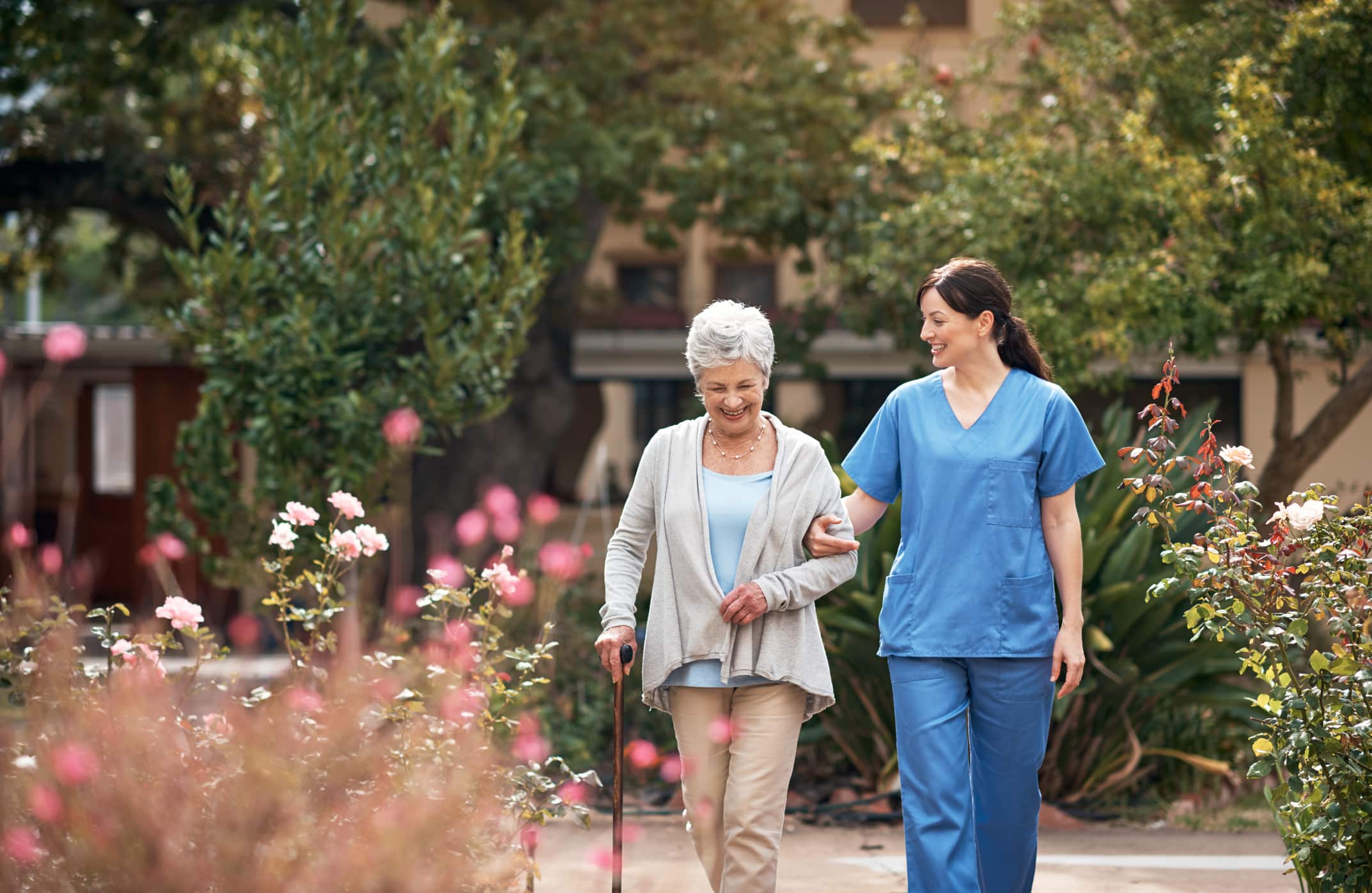
A fall is any unintentional coming to rest on the floor or ground and anyone can be at risk, especially older people. The negative health impacts of falls increase dramatically at or above the age of 80, when a substantial number of fractures and spinal cord injuries can occur.
Statewide, statistics show the unfortunate impact of falls on North Carolina residents. Sarah Taylor, marketing manager for Vidant Health Home & Hospice and co-chair of The Eastern NC Falls Coalition, said many members of our community may not realize how serious falls can be.
Falls are the second leading cause of unintentional injury death for North Carolinians of all ages, and in every year from 1999 to 2019 it was the number one cause of injury death for individuals 65 and older. According to the National Institute on Aging, ever year 30 percent of people over the age of 65 will sustain a fall, of which 10 percent will result in serious injury.
However, there is good news. Falls are preventable and there are several proactive steps community members can take to avoid falls and their impact.
“There are several classes of medications that can cause an increased risk of falls, and though they can have an effect on patients of all ages, they can especially impact seniors age 65 and older,” Conrad Kirby, adult nurse practitioner with Vidant Internal Medicine said.
It is important to talk to your provider about the medications you take and what side effects could impact your balance and awareness.
As risks of falls increase with age, there are recommended ways to avoid them. Make sure your home is as safe as possible and create an environment that is conducive for your daily household activities. Some of the recommended steps to creating a safer home include the following:
- Have adequate lighting at night (nightlight in bathrooms)
- Have handrails/grab bars in bathrooms
- Clear pathways
- Maintain proper footwear
- Remove loose rugs
- Account for proper toilet seat height
“Pets are part of the family, but in terms of falls, pets can also be a danger to the safety of humans,” said Taylor. “It is crucial to keep them from getting entangled in your legs and causing a fall.”
According to the Center for Disease Control, it is estimated that more than 86,000 fall injuries are caused by pets. There are certain tasks you can perform that can protect both pets and the people who love them:
- Before hauling in groceries put your pet in a different room to eliminate trips and falls
- Leave a light on at night so pets can be seen when walking to the bathroom
- Teach the pet to sit when someone knocks or rings the doorbell.
- Purchase a reflective collar for the pet
- Discourage pets from lingering in the kitchen during meal preparation
- Teach the pet to stay at the top or bottom of the steps until everyone is off the stair case
“Keeping up with vision checks with your eye doctor is one of most important ways of staying ahead of potential falling risks,” Kirby said. “Also, regular physical activity, proper diet and avoidance of excessive alcohol use can help you stay safe and reduce your risk for injury.”
Glen Newman, a physical therapist for Vidant Health added, “Preventative measures like exercise can help strengthen the body. Certain exercises which help build strength and balance can help you avoid falls.”
It is recommended to do some strengthening exercises as least twice a week to maintain independence and coordination.
For more information about resources regarding falls prevention visit https://ncfallsprevention.org/ and to learn more about exercise and wellness services, visit https://www.ecuhealth.org/services/wellness-prevention/
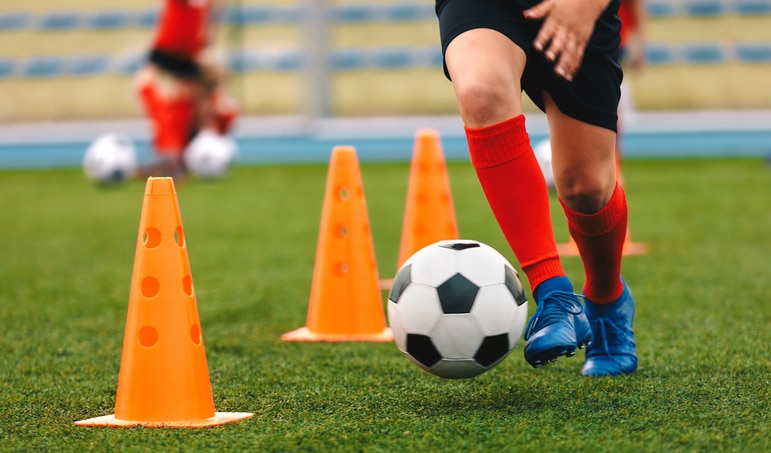
With easing COVID-19 restrictions, we are on the move again, especially children and teens in sports. With that comes the potential for injury and Vidant Orthopedics and Sports Medicine is here to help.
Vidant Orthopedic surgeon Dr. Robert Palmer appeared on WITN to discuss common sports injuries and how to prevent them.
He said the most common sports-related injuries he sees are broken wrists and clavicle fractures. The most important things you can do for yourself or your child to prevent sports injuries is to maintain a typical healthy lifestyle and get plenty of Vitamin D.
Dr. Palmer said a unique risk this year is young people returning to sports after a year away.
“I’ve seen quite a number of children in my clinic who have gone back, and just participating in a field day event at school and they’ve actually gotten stress-related fractures from what we would consider everyday events,” Dr. Palmer said. “That is probably just because their bodies aren’t used to the load from sports. I think taking it slow and easing back into things and making sure they have a good healthy diet is a good start to prevent injuries.”
He also discussed the importance of the implementation of rules to limit overuse injuries. An example of this is rules set by youth baseball organizations in conjunction with Major League Baseball to keep children safe. Dr. Palmer encouraged coaches and parents to educate themselves on these rules and stay on top of them to keep children healthy.
While many sports-related injuries in children just require typical treatment like rest and ice, some are more serious. It can be challenging to know when it’s time to consult a physician but Dr. Palmer gave some tips on what to look for.
“When we see a patient, if they have limited range of motion, inability to weight bear, swelling about a joint, reduced motion about that joint,” Dr. Palmer said, “certainly if there’s a bone sticking out of the skin or there’s bleeding, those are more urgent things that we should address and potentially may need surgery. Other sports-related injuries are ACL tears or ligament tears and shoulder instability that we think about.”
Visit the Orthopedics and Sports Medicine section of VidantHealth.com to learn more about services Vidant offers.