GREENVILLE, N.C. (WITN) – It’s the most wonderful time of the year, but in 2020, it can feel like there’s not much to celebrate.
As your holiday plans are canceled or altered because of the pandemic, Dr. Ashley Britton, an assistant clinical professor at ECU’s Brody School of Medicine, is reminding us all to be compassionate to ourselves and others.
Britton says the holiday blues are heightened this year because of increased levels of anxiety and depression caused by the pandemic. Many have experienced loss and isolation this year, which can take a greater toll during the holiday season.
If you notice changes in your sleep or appetite, lack of motivation, increased irritability, social withdrawal, or poorer focus/memory, you may be experiencing the holiday blues. If your symptoms persist into the spring but alleviate once the sun sticks around longer, you may be experiencing Seasonal Affective Disorder.
To manage these feelings, Britton suggests setting realistic goals for yourself and to pace yourself. She says you should prioritize important activities, work on being present, and to spend time with loved ones.
If you need to talk to someone, you can call any of the following crisis lines:
· Local Crisis Line: 252-413-1637
· Real Crisis Center: 252-758-4357
· Mobile Crisis 24 Hr X 7 Days A Week 1-866-437-1821
· Suicide Prevention Hotline: 1-800-273-TALK (8255)
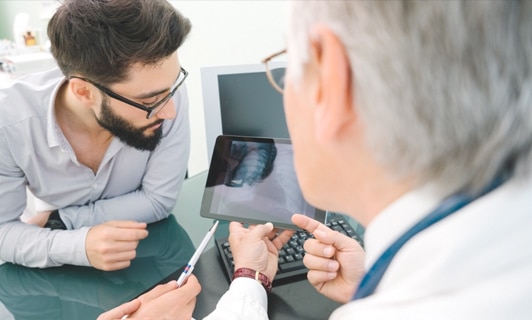
One of the most important actions to take to preserve your health is to know your risks and to get a lung cancer screening if recommended by your health care provider. The only recommended screening test for lung cancer is low-dose computed tomography, also called a low-dose CT scan or LDCT.
Dr. Mark Bowling, chief of pulmonary & critical care, and director of thoracic oncology program at ECU and ECU Health Medical Center, said, “Early identification is key and right now the best chance for a cure is early detection and surgical resection. Early-stage lung cancer may not remain early for long, so take action now.”
There are ways to reduce risk for lung cancer that should serve as a checklist to anyone concerned about their health. One of the primary causes of lung cancer is smoking and vaping. Quitting smoking makes a positive impact on lung health. Avoiding secondhand smoke is another factor in reducing lung cancer risks. It is important to have your home or residence tested for radon. This odorless gas is the second leading cause of lung cancer in smokers and the leading cause of lung cancer in non-smokers. Finally, lower exposure to cancer-causing substances at work or in the home. These substances include asbestos, arsenic, nickel and chromium.
Advances in the therapies for lung cancer are encouraging. “Treatments for lung cancer, despite the stage, are advancing at an incredible pace,” Dr. Bowling said. “Hope and optimism for not only long-term control of the disease, but for a cure is in the realm of possibility.”
For more information about the risks and prevention of lung cancer, or if you do not have a primary care provider, please contact the Prevention Clinic at ECU Health Cancer Care (252) 816-RISK (7475)
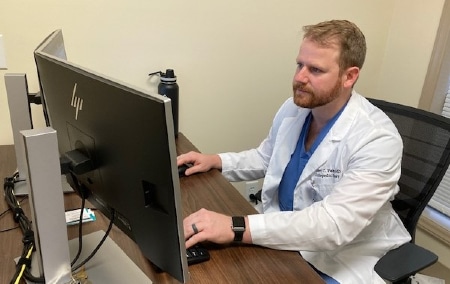
“Being a pediatric orthopedic surgeon is unique because we are responsible for treating the whole child,” Dr. Palmer said. “We see so many unique cases, from limb deficiencies, to physical deformities and traumatic injuries like broken bones. This means the relationship I build with my patients and their family is not centered around a single surgical event, but rather the unique treatment and healing process catered to help that child get back to life.”
Pediatric orthopedists specialize in treating bone, joint or muscle problems and the care continuum using both surgical and nonoperative treatment modalities for pediatric patients depending on the severity of their condition. Cases range from physical conditions from birth to sports-related injuries. Using innovative rehabilitation strategies, the goal is to safely and expediently get the patient back to his or her baseline level of function.
Patients and families can expect a coordinated process that usually involves the primary pediatrician, orthopedic surgeon, physical therapist and sometimes even the child life specialists at the Vidant Health Maynard Children’s Hospital at ECU Health Medical Center, who specialize in supporting pediatric patients throughout the healing journey.
“One of the most important aspects of treating pediatric patients is being able to clearly communicate,” Dr. Palmer said. “There is a lot of fear that can come with a patient, especially the younger ones that may not understand their condition or injury. I have a young daughter myself and my approach is to treat the patient and family as if I was in their shoes.”
With resources across Vidant’s 29-county service area, the healing process post-surgery is designed to keep care as close to home as possible, reducing the need for long car rides which can be a hindrance for children in pain.
“This is the best job in the world,” Dr. Palmer said. “I get to help a child and their parents through one of their most difficult times. It is an amazing feeling and I am incredibly grateful to have that opportunity.” For more information about pediatric orthopedics, please call Vidant Orthopedics-Greenville at 252-816-4001.
Read more in The Daily Reflector

In Phase 1, the following Vidant team members and other community health care providers will be among the first to be offered the vaccine: Health care workers and first responders who are caring for a COVID or “very likely” COVID patient and those highest at-risk for infection or severe illness.
“The vaccine offers incredible hope for our health care workers, families, friends, neighbors and the world,” said Dr. Michael Waldrum, CEO, Vidant Health. “While this is a monumental step in overcoming the pandemic, we do not yet know when the vaccine will be available to the broader community. It remains vitally important that the community helps us stop the spread now by wearing a mask, social distancing and washing hands often. We need your help.”
Vidant has full confidence in the products that have come to market and highly advocates that the public get vaccinated when the vaccines are available to the general public. Furthermore, Vidant is ready and available to partner with state agencies as plans for vaccine deployment evolve over the next few months.
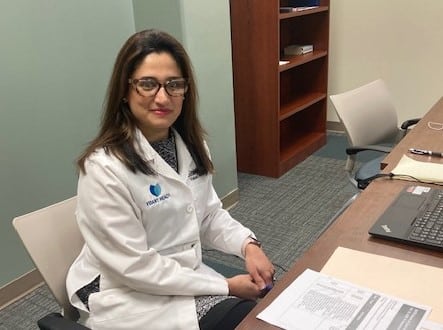
Dr. Zilfah Younus, a headache specialist at Vidant Health, says the signs of a potentially serious headache include: sudden onset of an intense headache, weakness or numbness on one side of the body, visual disturbances, speech difficulty and facial droop. Younus says a headache associated with fever, chills, weight loss or neck stiffness is also a red flag.
A thunder clap headache that appears suddenly is another example of a serious headache as are those that appear in patients without a history of headaches. Someone with these red flag symptoms should seek prompt medical attention and emergency assessment, with complete evaluation, imaging and further management accordingly. The evaluation should include a thorough examination of the brain and the vascular regions around the head.
For patients with a long standing history of headaches, there are a variety of options for treatments to help reduce pain and improve quality of life. Dr. Younus said, “Even if patients who have been experiencing migraines or long time headache pain, they should not accept this suffering as something they just have to live with.”
Treatment for headaches include both pharmacologic and non-pharmacologic options, and lifestyle modification plays an important role. Dr. Younus said certain changes to your diet and exercise routines can make an impact on headaches. She encourages patients to develop regular eating and sleeping patterns to decrease headaches. She added, “Those patients who decrease caffeine intake and develop a regular bedtime pattern can experience an improvement. Also, avoiding foods that could trigger a headache can make a big difference.”
Dr. Younus advises community members who are experiencing headaches to contact their primary care physician or visit www.ecuhealth.org to learn more about Vidant Neurology.
Medical professionals at Vidant Health say lung cancer is the second most common cancer across the U.S. and the leading cause of cancer death. On average, about 13 people in North Carolina die from lung cancer every day. Doctors say one of the best steps you can take to protect yourself is to know your risks.
Smokers are at high risk of being diagnosed with lung cancer, but it’s not uncommon for non-smokers to be diagnosed, too. Experts say secondhand smoke and gas in your home can also play a factor. Doctors say it’s important to get tested for radon in your home because that is the second leading cause of lung cancer, especially in non-smokers.
Researchers estimate secondhand smoke contributes to about 7,300 cancer diagnoses and radon to about 2,900.
Other substances that could increase your exposure to cancer include asbestos, arsenic, nickel and chromium.
The U.S. Preventive Services Task force recommends yearly lung cancer screening with low-dose CT scan for people who have a history of heavy smoking (at least a 30 pack year smoking history-packs per day times number of years smoked), smoke now or have quit within the past 15 years and are between 55-80 years old.
If you believe you may be at risk or meet the requirements, talk to your primary care provider about getting a screening. For more information or if you do not have a primary care provider, call the Prevention Clinic at ECU Health Cancer Care at (252) 816-7475.
The Greenville COVID-19 Drive-up Testing Site will be open, Saturday, Dec. 5 from 9 a.m. to 3 p.m.
COVID-19 testing is covered through the CARES Act and currently there are no out-of-pocket costs to the public. Insurance is not needed for a COVID-19 test at the Greenville site, however, health care organizations must collect and submit insurance information for patients that have it, per the CARES Act.
The Greenville COVID-19 Drive-up Testing Site is at the corner of Stantonsburg Road and Wellness Center Drive.
Visit VidantVerified.com for more information
Type 1 diabetes results when a person’s body cannot produce insulin, the hormone needed to regulate blood sugar levels, and you have to receive insulin injections. Type 2 diabetes occurs when your pancreas works, but not as well as it should. Lack of exercise and eating too many carbohydrates can affect insulin levels and contribute to Type 2 diabetes. Prediabetes is a signal to make lifestyle changes before becoming type 2 diabetes.
The best steps to take in your journey to control blood sugar levels include healthier eating, physical activity, stress reduction and coping skills, all of which are important in diabetes prevention, according to Vidant Lifestyle Nurse Specialist Susan Houston.
Houston said, “One of the most important steps or changes someone who is facing diabetes can make is to accept this status and start a plan to embrace a new, healthier lifestyle.” One of the first steps is to monitor your blood sugar levels. Knowing these numbers will help gauge how well a person is maintaining a healthy blood sugar level. Another key step is making changes in diet and exercise. Watching carbohydrate intake and portion size will make an impact on glucose levels as will moving your body more.
Houston said, “Holiday eating can be a tricky time for diabetics, but there are some simple techniques to help with the food temptations this season.” She suggests using a smaller plate and not going back for seconds and placing a teaspoon in your macaroni and cheese and sweet potato casserole. Use the big serving spoons for the vegetables like green beans, Brussel sprouts and salads; foods that would be lower in carbohydrates. And for dessert, cut the pies and cakes into smaller pieces to help with calorie consumption.
For more information about diabetes prevention information, contact Susan Houston at 252-847-1436.
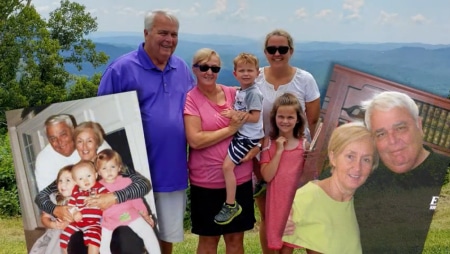
Washington, and eastern North Carolina in general, is a small, tight-knit community. Something that affects one of us, affects us all. The outpouring of support that my family received when my dad passed away on Aug. 12 due to complications from COVID-19 only confirmed this.
This holiday season, our family is one person smaller. I want to take this moment to share our family’s experience with COVID-19 in the hopes that those in our community consider taking added precautions to make their holiday gatherings as safe as possible.
Dad’s personal experience with COVID-19 taught us a lot about the dangers of this virus. Early on, our family took some steps to protect ourselves, like wearing masks at community events and staying at home more than usual. We were following safety guidelines, but we weren’t doing things perfectly.
Everything hit home when our family was directly affected. In total, we had six family members who caught COVID-19, including my children and myself. It was different for all of us and some barely had any symptoms at all. My dad got the worst of it, though, and it was not long before he was at Vidant Beaufort Hospital and later ECU Health Medical Center to get intubated and receive treatment.
The care team that treated my dad at both Vidant Beaufort and VMC were amazing. They patiently answered our questions, helped us understand potential treatments and kept us in the loop on his status. In the end, the virus took its toll and my dad passed away.
Make no mistake, this virus is real and it does not care about who it infects. I encourage everyone, especially my fellow Washington community members, to take extra precautions this holiday season: wear a mask, social distance and practice the safety measures that can help us care for each other.
Dad always encouraged us to get outside of our comfort zones and penning this letter is not easy. In life, my dad was a community servant committed to doing what was right. In death, that spirit continues to live on. If he was still here with us, he would want us all to work together, wear a mask, social distance and take care of each other because our community depends on it.
Sara Hodges Bell is the daughter of the late Washington, N.C., mayor, Mac Hodges.
“The fear of regularly-scheduled health screenings in the time of this pandemic is making a huge impact on early diagnosis, when it is easier to treat cancer,” said Nikki Hyatt, ECU Health Cancer Care outreach coordinator.
Dr. Emmanuel Zervos, surgical oncologist for ECU Brody School of Medicine and Vidant, and executive director of ECU Health Cancer Care, echoed those sentiments, noting that early detection leads to improved outcomes.
“Monitoring patients at risk for certain cancers or who meet recommended age criteria is the key to the early detection. Cancer screening is the best way to detect cancer before symptoms arise,” Dr. Zervos said. “The easiest cancer to treat is the one that never happens. The later we diagnose a cancer, the more limited and less effective treatment options become.”
Screening is recommended as early as age 30 for some cancers, especially in higher risk patients as part of their regular health routine. The American Cancer Society is now recommending PSA testing beginning as early as age 40 for high risk patients like African-American males with strong family histories of prostate cancer.
For breast cancer, mammography screening should begin at age 40 for normal risk patients and 30 for patients with known genetic mutations or syndromes or a history of radiation treatment to their chest between the ages of 10 and 30.
Dr. Zervos shared that anytime you are experiencing symptoms before the recommended age of screening, you should consult your primary care physician. Certain risk factors including race, family history, smoking tobacco and drinking alcohol all factor in to the need to initiate cancer screenings.
For those concerned about their risk for cancer, the Vidant Cancer Prevention Clinic is open and offers information about cancer prevention as well as treatment resources. For more information about the programs and resources at ECU Health Cancer Care, please call 816-RISK (7475).