Frostbite isn’t the only concern with the frigid temperatures expected in eastern North Carolina this weekend.
“You can’t smell it. You can’t see it. You can’t taste it,” said ECU Health Chief for the Division of Medical Toxicology Dr. Jason Hack
Dr. Hack said carbon monoxide poisoning can sicken people when their furnaces malfunction or they use other means to heat their homes.
He said that includes, “HVAC, our heaters in our home. Portable heaters, propane portable heaters that some people might bring in, or if they lose their electricity because of an ice storm or something along those lines, they might want to bring in a generator out of the storm or close to the home.”
Dr. Hack also said people should never sit in a running car to escape the cold if the heat is out at their home.
“Some people would tend to sit in their car and turn on turn on their vehicle while it’s still in their attached garage,” he said, “Even with the door open, these can be sources of enough carbon monoxide to injure or even, unfortunately, kill people within the home itself.”
It’s not a good idea, but a dangerous one, to use the gas stove in your kitchen to warm up the house. Dr. Hack said, “It could be producing low levels of carbon monoxide that might accumulate.”
And the symptoms of carbon monoxide poisoning can be non-specific.
“It can look like a lot of other things,” he said, “Such as weakness or dizziness. Some people complain of some shortness of breath. Headache is one of the most common presenting symptoms of carbon monoxide. Confusion. Some people actually complain of chest pain or palpitations and fainting.”
Dr. Hack said the best defense is a working carbon monoxide detector in every bedroom and living space in the house; he recommends that people to make sure the batteries are fresh and they’re working properly before the cold air arrives this weekend.
According to the National Institutes of Health, about 1,200 people die in the U.S. from accidental CO poisoning annually and more than 100,000 people visit the emergency department each year.
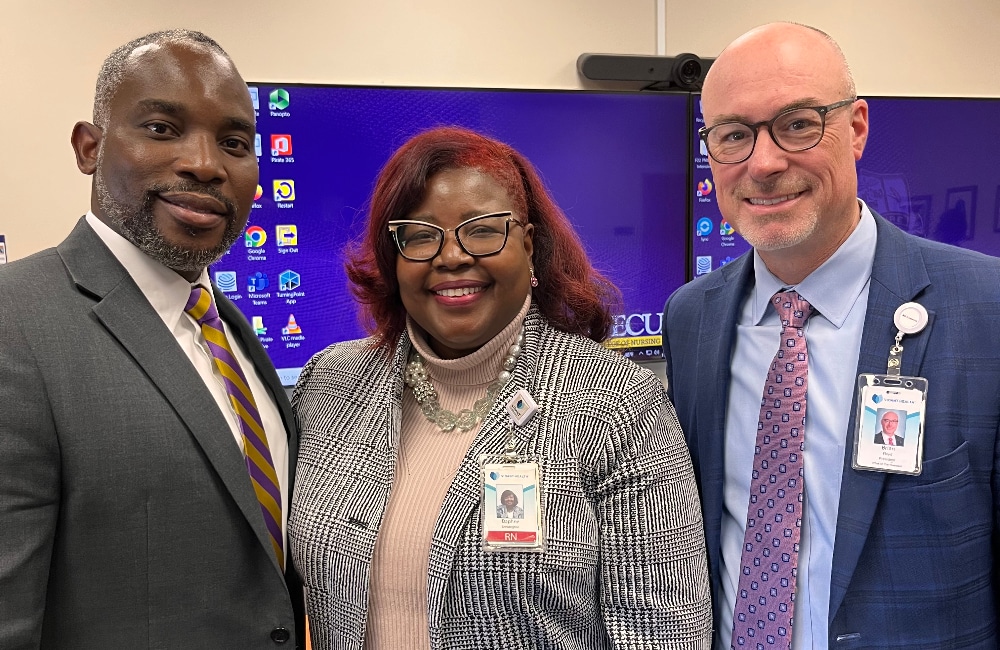
Greenville, N.C. – East Carolina University and ECU Health are launching an initiative to increase the number of adult gerontology acute care nurse practitioners serving as advanced practice health care professionals in ECU Health’s critical care settings. This effort builds on the collective commitment of both organization to solve the rural health challenges in the region as well as the state.
The effort – conceived by nursing and education leaders from ECU’s College of Nursing and ECU Health – will benefit both the university and the health system, said Dr. Bim Akintade, the dean of ECU’s College of Nursing. An investment of nearly $1.5 million over five years from ECU Health will increase the College of Nursing’s capacity to graduate trained and qualified nurses who can meet the growing need for acute care practitioners to treat the hospital’s sickest patients.
“ECU Health is proud of its close relationship with ECU and the College of Nursing, particularly as it pertains to our efforts to adapt to the national health care workforce shortage,” said Dr. Daphne Brewington, ECU Health’s vice president of nursing. “Our success as an academic health system is predicated on our ability to leverage clinical and academic excellence in order to ensure we can provide high quality health care for the residents of eastern North Carolina.”
Nationally, the aging population is growing, accompanied by the shortage of health care workers. This collaboration not only strengthens the health care workforce in eastern North Carolina but also contributes to improved health outcomes and increased accessibility to specialized care for older adults in the communities of eastern North Carolina.
Through this effort, ECU Health is helping fund the development of a new Adult Gerontology Acute Care Nurse Practitioner Post Graduate Certificate, which will train current nurse practitioners to treat acute care adult patients. The investment also provides funding for a program director who teaches and an additional part-time faculty member as well as administrative support and operational costs.
The program will reserve six enrollments per enrollment cycle for current ECU Health employees, highlighting the importance of providing specialized training that benefits the region.
“Our plan is to take the next few months to work with our partners at ECU Health and find clinical placement sites in critical care environments for ECU Health employees who enroll in the program,” Akintade said. “They need nurses, and training nurses is our business and passion. This collaboration is a win-win and makes complete sense for the University, the Heath System, the region, and the state.
Clinical placements for students employed by ECU Health will take place at ECU Health facilities, which will help to alleviate a major sticking point for training advance practice nurses – finding clinical placements for students in training. It also has the potential to create pathways for those in the program to experience acute care at both ECU Health Medical Center and in ECU Health’s regional community hospitals.
The initiative isn’t limited to the current arrangement and both ECU and ECU Health continue to explore ways to leverage this effort to design innovative solutions that benefit the people of eastern North Carolina.
“Eastern North Carolina depends on institutions like ECU Health and ECU to collaborate on innovative solutions that drive us towards our mission of improving the health and well-being of the region,” said Dr. Trish Baise, ECU Health’s chief nursing executive. “As a health system serving 1.4 million people, we need more nurses at every level in order to meet the region’s immense needs. The College of Nursing is one of the premiere nursing education schools in the nation and our health system is great training ground for developing a health care workforce with a focus on rural health challenges. I am excited to see the benefit this program will have on our patients and team members.”
Dr. Carl E. Haisch, professor of surgery in surgical immunology and transplantation and vice chair of surgical education in the Brody School of Medicine at East Carolina University, has been inducted into the American College of Surgeons Academy of Master Surgeon Educators.
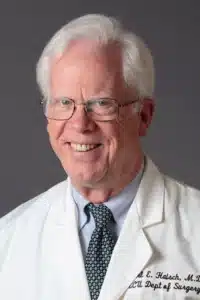
Dr. Carl E. Haisch
Haisch is among a cohort of 63 surgical educators to be inducted into the academy in Chicago this fall.
“Dr. Haisch has contributed greatly to the education mission of the ECU Department of Surgery over many years,” said Dr. Eric J. DeMaria, interim chair of Brody’s Department of Surgery. “We continue to rely upon his expertise and experience as we develop new and better ways to educate surgeons both at ECU and around the world going forward. We are extremely pleased that the American College of Surgeons has recognized him for his many important contributions to education.”
Haisch is a dedicated educator whose experience in the field includes attending surgeon in transplant and trauma surgery. He served as chief of transplant at ECU for 20 years and was a member of the trauma team for 15 years. He has served on numerous local, regional and national committees and served as chair of the board of Carolina Donor Services. He is also a member in numerous transplant and trauma societies and is a member of the Society of University Surgeons, the American Surgical Association, the American Society of Transplant Surgeons and the Southern Surgical Association.
Once inducted, members actively engage in advancing the academy’s programs and goals, which are to advance the science and practice of innovative lifelong surgical education, training, and scholarship in the changing milieu of health care; foster the exchange of creative ideas and collaboration; support the development and recognition of faculty; underscore the importance of lifelong surgical education and training; positively impact quality and patient safety; disseminate advances in education and training to all surgeons; and offer mentorship to surgeon educators throughout their professional careers.
“The Academy of Master Surgeons Educators, a vital and ‘living body’ of the American College of Surgeons, continues its legacy of advancing the science and practice of surgical education. The academy is pleased to induct the 2023 cohort of distinguished and highly accomplished educators. This recognition is a true testament to the unwavering commitment of the college to develop and promote ‘best practices’ in surgical education, with the overarching goal to always improve patient care,” said Dr. L.D. Britt, past president of the ACS and co-chair of the academy’s steering committee.
Haisch’s other activities and honors as a surgeon educator include serving on the executive committee of the Association of Program Directors in Surgery and its foundation. He has served as a general surgery program director, surgery clerkship director, associate dean for faculty development and interim associate dean for student affairs. He has received numerous teaching awards including the Bernard Vick Teaching Award, the Distinguished Professor for Teaching from the UNC Board of Governors and the ECU Achievement in International Teaching Award. He was the honorary first recipient of the Carl Haisch Humanism Award initiated by the surgical residents in Brody’s Department of Surgery.
The ACS Academy of Master Surgeon Educators works to advance the science and practice of education across all surgical specialties. Individuals are selected as members, associate members, or affiliate members following a stringent peer review process. This year’s cohort includes 27 member inductees, 35 associate members, and one affiliate member. The first inaugural cohort was inducted in 2018 and the academy has grown to 358 professionals who represent 10 surgical specialties other than general surgery. Inductees are from 18 states and the District of Columbia. They come from 10 countries including the United States.
The ACS is a scientific and educational organization of surgeons that was founded in 1913 to raise the standards of surgical practice and improve the quality of care for all surgical patients. The college is dedicated to the ethical and competent practice of surgery. Its achievements have significantly influenced the course of scientific surgery in America and have established it as an influential advocate for all surgical patients. The college has more than 88,000 members and is the largest organization of surgeons in the world.
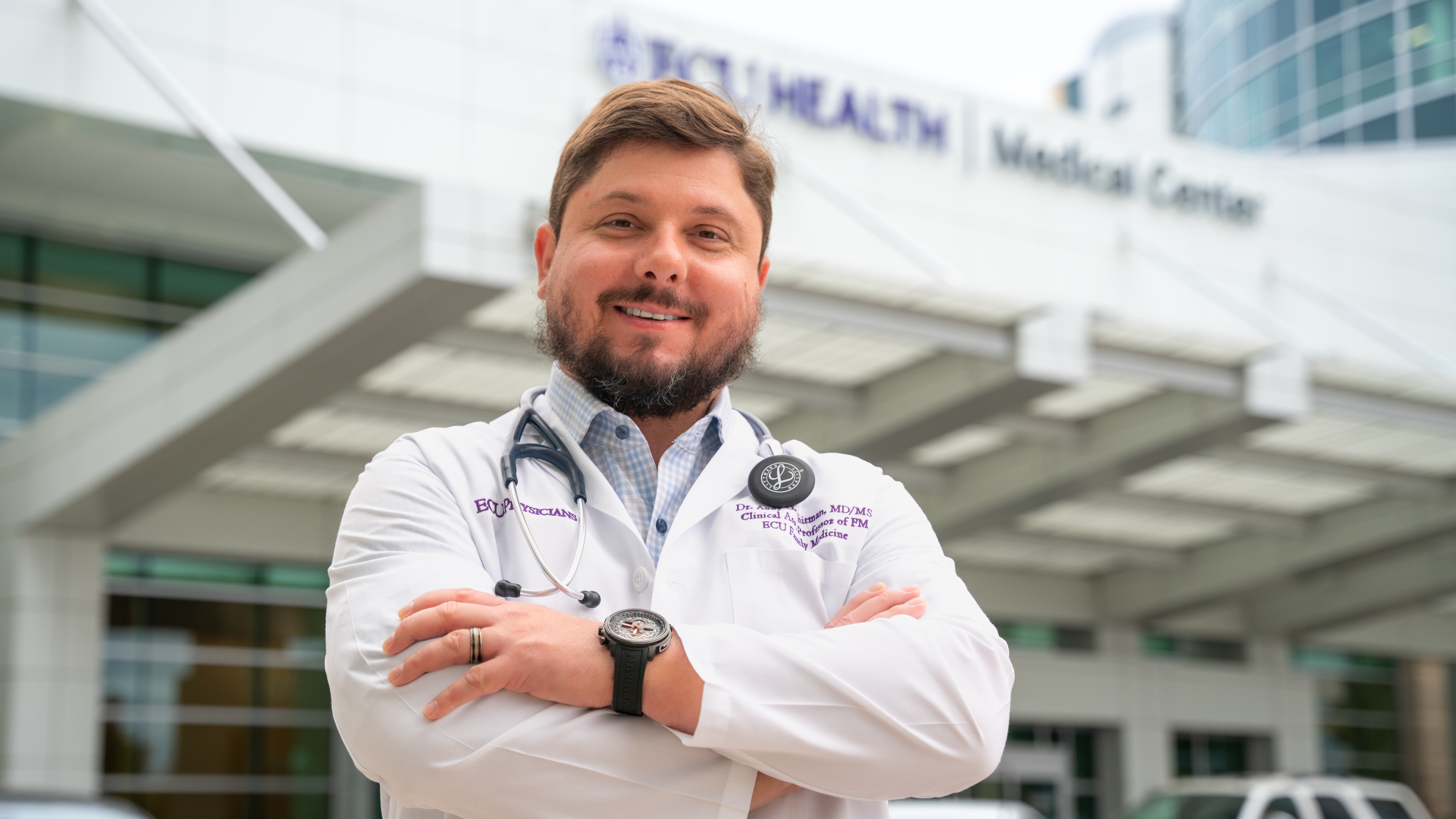
Dr. Audy Whitman is an eastern North Carolinian, through and through. He was born in the farming town of Seven Springs – a town of roughly 80 people – in Wayne County.
Like in many towns in eastern North Carolina, its citizens struggle with poverty and access to health care. It is there, in Seven Springs, where Dr. Whitman’s rural upbringing helped him discover a love for medicine that influences his work today.
Today, Dr. Whitman is a family medicine physician for ECU Health and clinical assistant professor at the Brody School of Medicine at East Carolina University, but back in Seven Springs, he was a helping hand in the tobacco fields, braving the eastern North Carolina heat and humidity.
“There is no more powerful motivator in the universe, in my humble opinion, than standing in the middle of a tobacco field in the late summer with 99 percent humidity, no shade and it’s 100 degrees outside,” Dr. Whitman said. “Your hands are caked with tobacco gum. The nicotine is soaking through your skin, so you feel nauseous all the time. Those long days taught me a great work ethic but they were also powerful motivators.”
Rural health care realities
Americans who live in rural areas make up 20% of the United States population and residents in these areas face a myriad of challenges: shorter life expectancy, higher mortality, higher rates of poverty, fewer local doctors and greater distances to travel to see health care providers. Only 10% of U.S. physicians currently practice in rural areas.
Physician shortages are no secret across the country, with the Association of American Medical Colleges estimating a shortage of up to 124,000 physicians by 2034, and rural areas are at an even greater risk.
The Brody School of Medicine was founded over 40 years ago to train primary care physicians to provide care for rural eastern North Carolina. These challenges inform the medical school’s mission and its proven track record is best represented by the fact that Brody is No. 1 in North Carolina and No. 2 in the United States in the percent of graduates in the last decade who chose careers in family medicine.
Programs like the Rural Family Medicine Residency Program take that work a step further by focusing on initiatives that help place providers in rural areas. Studies show that family medicine residents who spent 50% or more of their training time in rural settings were at least five times more likely than residents with no rural training to practice in a rural setting.
“Rural health care is under duress, and our rural communities need solutions,” said Dr. Michael Waldrum, ECU Health CEO and dean of the Brody School of Medicine. “The Rural Family Medicine Residency Program is another great example of ECU Health and Brody understanding what the community needs are and creating new pathways to educate physicians to meet the community’s needs and improve the health and well-being of those communities.”
Setting a path forward
After Dr. Whitman was approached to create and administer the program, things moved quickly. A “national guru for all things family medicine” made a visit to eastern North Carolina to consider the best locations for residents to begin their rural training. Dr. Whitman and team reached out to other universities and health systems with established programs and traveled to learn about rural organization structure and rural curriculum best practices. Two years later, the Rural Family Medicine Residency Program had its first cohort ready for training.
The first year of the program features training at ECU Health Medical Center, a Level I Trauma Center, and helps set the residents up for success when they get to the rural environments in their second year.
“Anything and everything you can imagine seeing in residency training, you’re going to see at the medical center,” Dr. Whitman said. “We provide this very intense, inpatient-heavy first-year experience for these rural residents where they get to see really sick, really complicated patients with lots of resources at their disposal so they can learn how to take care of these really complicated patients. After their first year of training, when they’ve taken all of these lessons learned, they can go out into these rural communities and apply those lessons learned where they’re the only show in town.”
Dr. Whitman added that while Greenville and eastern North Carolina are rural, the more than 1.4 million patients served through the ECU Health system creates a high volume of patients at ECU Health Medical Center, and the exposure to so many patients during their training is also hugely beneficial for the rural residents.
“An institution like ECU Health boasts a 974 bed, Level I academic medical center where residents train alongside some of the best and brightest health care minds in the state,” said Dr. Jason Higginson, executive dean at Brody. “Medical residents can then serve in our more rural hospitals to apply that knowledge to underserved populations, building a connection to the community in which they serve and making a real difference in the lives of patients.”
Dr. Zeel Shah
Drs. Zeel Shah and Jim Jaralene Porquez were part of the inaugural cohort for rural family medicine residents. Dr. Shah practiced and trained at Roanoke-Chowan Community Health Center in Ahoskie and Dr. Porquez at Goshen Medical Center in Beulaville, both of which are Federally Qualified Health Centers (FQHC) that serve at-risk and underserved rural populations. The mission and vision of these FQHC organizations align with the mission and vision of ECU Health. Together, they seek to augment scarce health care resources in rural communities, improve the health metrics of the communities they serve, and encourage the residents that train in these rural communities to establish roots and continue serving these rural communities after graduation from their residency training program.
Dr. Shah said the year in Greenville was a great experience before continuing her residency training with a focus on serving the rural community of Ahoskie.
“In Greenville you have a lot of resources, but it’s a learning curve to rotate through the different specialties,” Dr. Shah said. “In Ahoskie, the challenges are different. Social determinants of health care, such as finances and distance, play a significant role, and you don’t have the same resources. You learn quite a lot about how to make your limited resources go a long way by relying on creative strategies while using medical expertise you picked up in Greenville.”
Now, as graduates of the program and full-time physicians with ECU Health, Drs. Shah and Porquez feel established in their respective communities and have built trusting relationships with patients, families and fellow team members. Both said the community aspect and truly knowing their patients are among the most rewarding parts of their rural experience. For Dr. Porquez, feeling love, trust and appreciation from her patients has made her time in Duplin County special and a place that she plans to call home after her residency.
“What really drew me into my community clinic in Duplin County specifically, is that my patients are very appreciative of what I do for them,” Dr. Porquez said. “They care so much about my time, my effort and my expertise, and I think in just a couple of years I have built that strong trust and relationship with them. I feel like I don’t just treat them with their disease, but I go further than that. I treat them as a whole, and I get to know their whole well-being. I see them as a whole person and not just the disease that I treat.”
Early milestones
Dr. Jim Jaralene Porquez
For Drs. Shah and Porquez, the personal connections built through the program are so strong that both decided to practice in eastern North Carolina following the completion of the program in 2024. Their graduation, along with the other residents in the first cohort, represent a significant milestone in the program’s short history and help ensure rural communities have access to specially trained, high-quality rural family medicine providers.
Dr. Whitman said he’s proud to see two members of the first cohort choose to stay and make a difference in communities like the one in which he was raised. The successful launch enabled the team to think bigger, and the program now features a new site in Halifax County with an expanded class size of nine residents. The program in general will grow from its original size of 10 residents to a total of 27 residents by 2026.
“Moving forward, I see nothing but growth for us,” Dr. Whitman said. “We are truly doing mission-driven work and trying to bridge the chasm of health care disparities of urban centers and rural areas here in North Carolina.”
Dr. Waldrum agreed and said he sees the program as the beginning of something special for eastern North Carolina and rural medicine.
“My hope is that we can take the knowledge gained through the Rural Family Medicine Residency Program and apply those lessons towards other specialized clinical areas of expertise in the near future,” Dr. Waldrum said. “We are proving that we can be highly successful in creating rural residency tracks and our historic success training rural providers who go on to practice here in North Carolina is a further testament of our ability to create unique solutions that meet the needs of those we serve.”
Resources
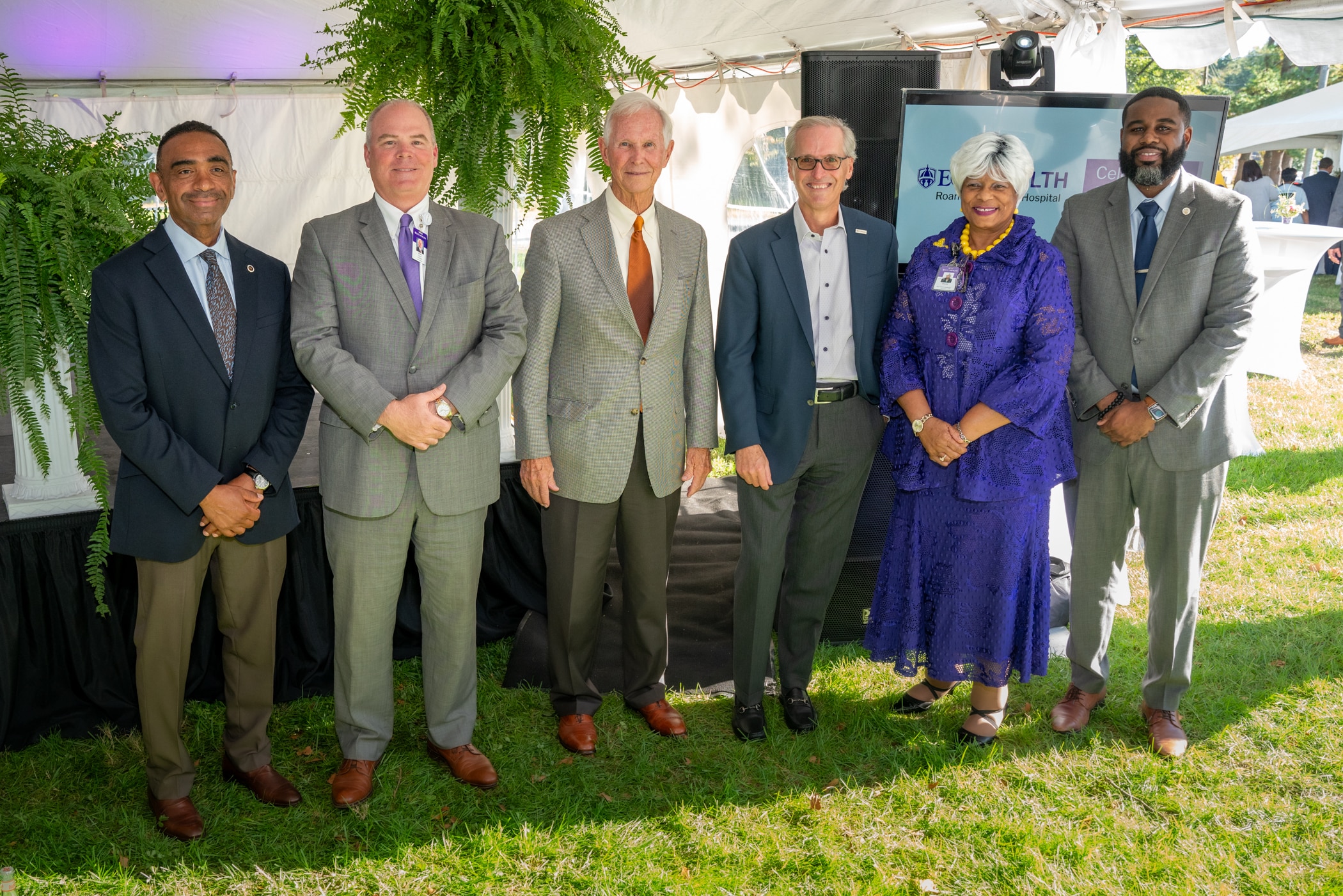
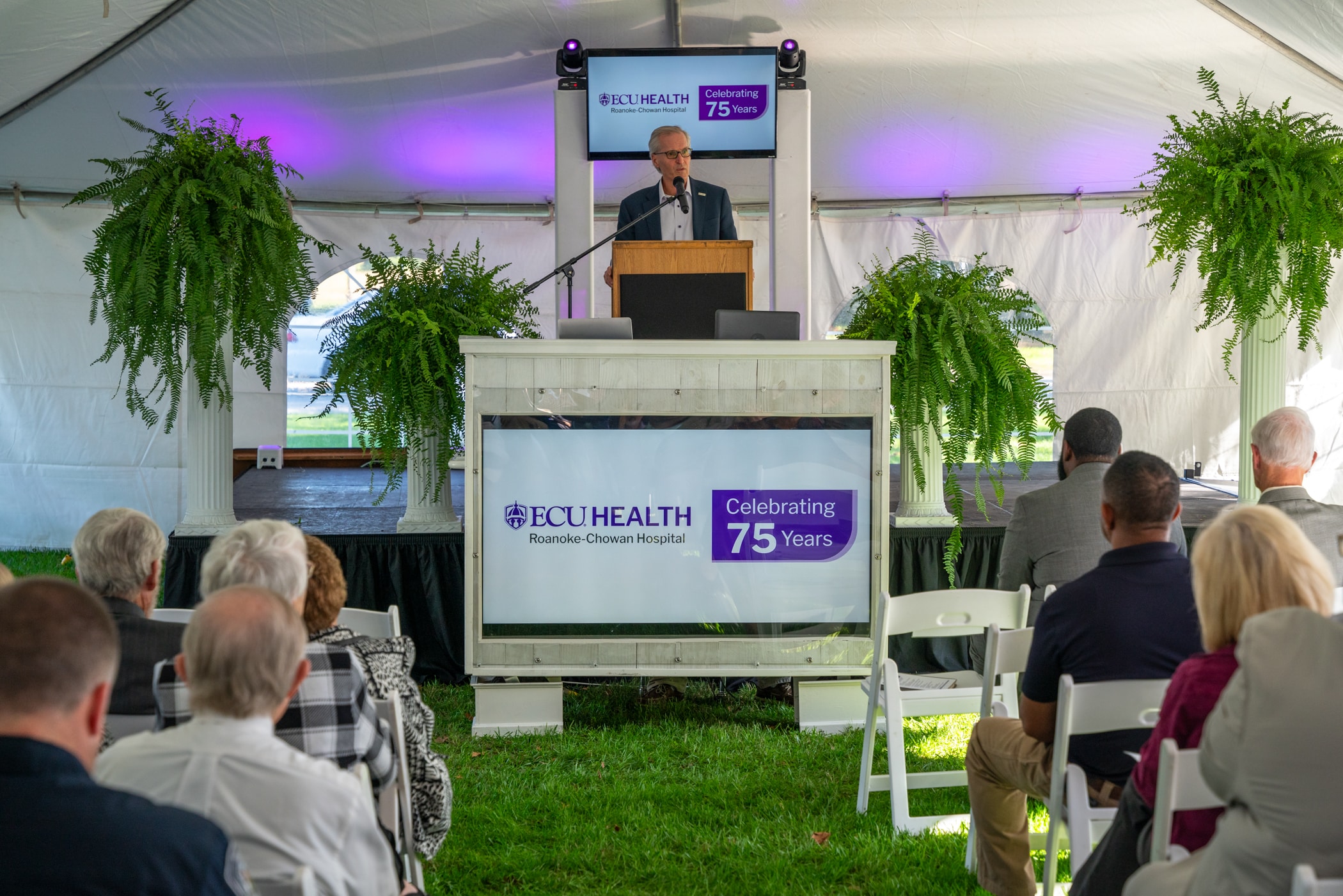
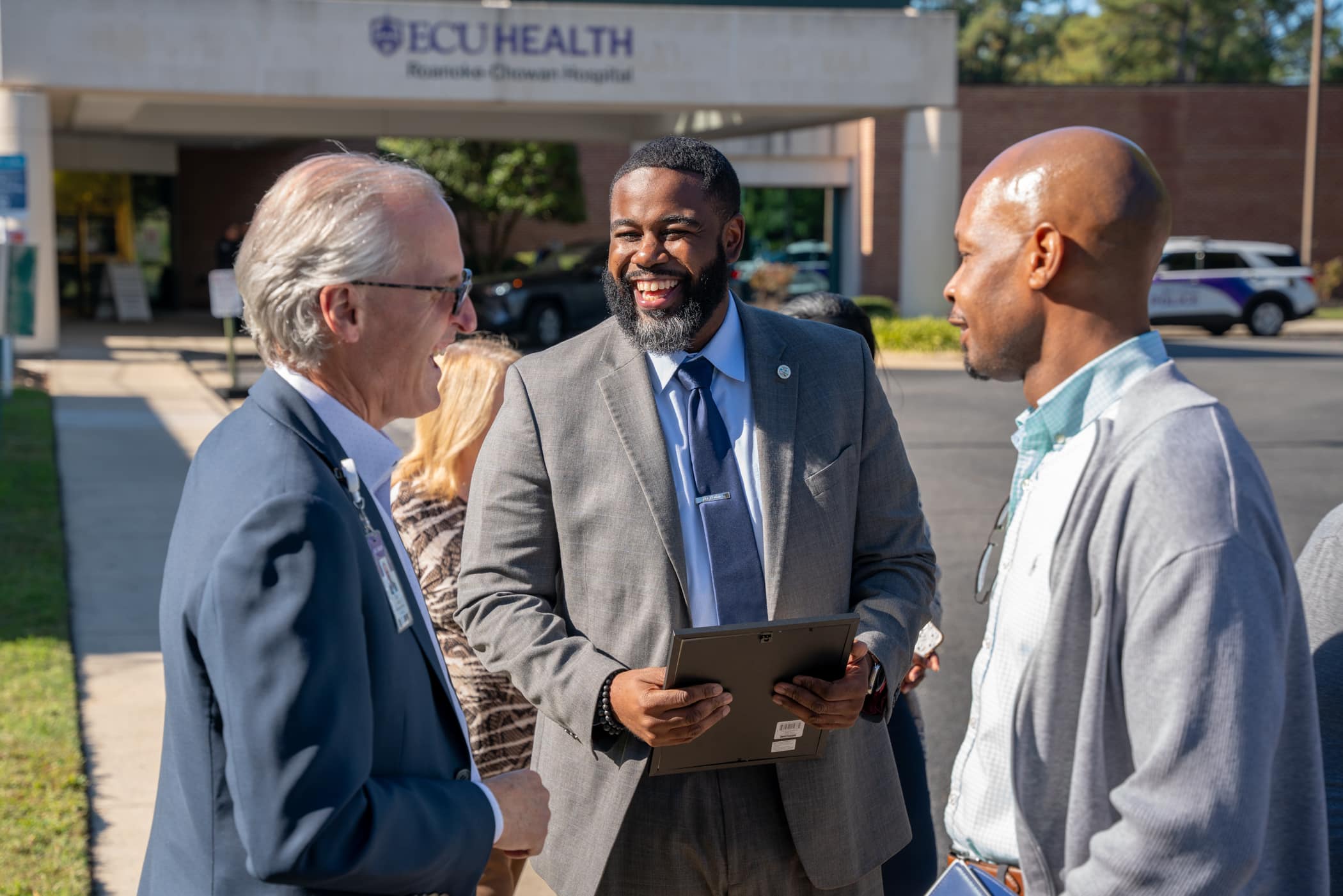
Ahoskie, N.C. – ECU Health Roanoke-Chowan Hospital hosted a community celebration Tuesday to proudly commemorate 75 years of dedicated service to eastern North Carolina.
Established in 1948, the hospital is dedicated to providing exceptional health care services to its community and has expanded and evolved to meet the changing health care needs of the region.
“We are immensely proud to celebrate 75 years of serving our community,” said Brian Harvill, president, ECU Health Roanoke-Chowan. “Throughout the years, we have strived to provide high-quality health care services with a patient-centered approach. Our commitment to excellence and compassionate care for our community has been the driving force behind our success and continues to positively impact those we are proud to serve.”
Situated in Ahoskie, this 114-bed hospital has been a cornerstone of health care, offering comprehensive services to nearly 40,000 residents spanning Hertford, Bertie, Northampton, and Gates counties. ECU Health Roanoke-Chowan Hospital offers a number of specialty services, including behavioral health, cancer care, pain management, wound healing, sleep services, pediatric asthma management and an ECU Health Wellness Center location in Ahoskie. The pediatric asthma program at ECU Health Roanoke-Chowan Hospital helps children in Hertford and Northampton counties miss fewer days of school, participate more fully in physical activities and look forward to a brighter future.
“Over the past 75 years, ECU Health Roanoke-Chowan has been dedicated to providing exceptional health care services, and this milestone marks a testament to its unwavering commitment to the well-being of the community it serves,” said Jay Briley, president of ECU Health Community Hospitals. “These achievements reflect the hospital’s dedication to improving the overall health and well-being of the community. Today is a day to celebrate the contributions of our current team members and those that came before them to help build a legacy of quality, compassionate care.”
Since its founding in 1948, ECU Health Roanoke-Chowan Hospital has continuously evolved to meet the changing health care needs of the community. On Oct. 24, 1948, the original 40-bed hospital celebrated with a community open house, officially welcoming patients on Nov. 1, 1948. ECU Health Roanoke-Chowan Hospital holds the distinction of being the first hospital licensed by the Medical Care Commission, still bearing license number 1, marking it as the first hospital in the nation constructed using federal funds provided by the Hill-Burton Act. In 1952, the facility expanded with the addition of its first wing, accommodating 25 additional beds, followed by another 34-bed expansion. By 1975, an extra 50 beds, 10 intensive care units and a third floor were added. In response to the growing community’s needs, the original structure was replaced, culminating in the dedication of the present-day hospital in 1992.
“As we celebrate 75 years of service, our hospital’s commitment to clinical excellence remains unwavering,” said Dr. David Lingle, chief of staff, surgeon, ECU Health Roanoke-Chowan. “Our legacy is built on a foundation of dedicated health care professionals who continuously strive to reach the highest standards of care, ensuring that every patient receives the best possible treatment, and making each year better than the last. It is an honor to serve alongside such a great team of professionals.”
ECU Health Roanoke-Chowan has achieved numerous milestones throughout its journey, including recertification as a primary stroke center by The Joint Commission and the American Heart Association/American Stroke Association, Get with the Guidelines – Stroke Gold Plus with Target: Type 2 Diabetes Honor Roll and earning accreditation by the American College of Surgeons Commission on Cancer as a Community Cancer Program.
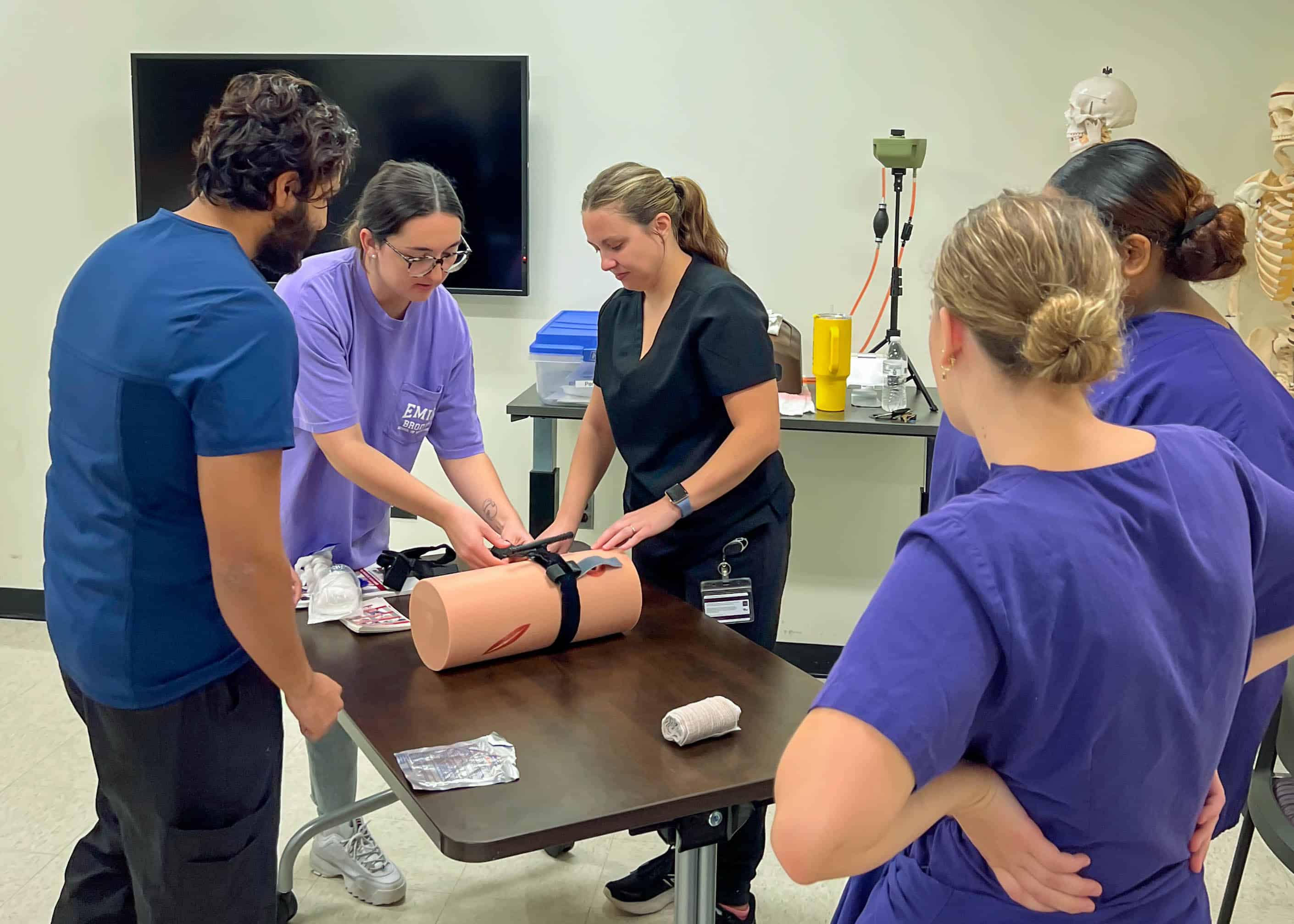
Students from the Brody School of Medicine, ECU College of Nursing, and Department of Physician Assistant Studies participated in the Interprofessional Triage and Emergency Assessment and Management (ITEAM) Day mass casualty training event hosted by the Brody School of Medicine’s Emergency Medicine Interest Group Saturday, Oct. 14. The training provides a unique opportunity for students from different health care disciplines to collaborate and gain hands-on experience in managing emergency events.
Experts from the ECU College of Nursing, Brody School of Medicine, Department of Physician Assistant Studies and ECU Health EastCare gave students interactive instruction in procedural skills, such as basic airway management, hemorrhage control and triage techniques. Students then applied these skills during a mass casualty simulation at the Interprofessional Clinical Simulation Center at the Brody School of Medicine.
“ITEAM Day was beneficial to promote collaboration and interprofessionalism among different health care providers,” said Stephiya Sabu, first year Brody School of Medicine student. “Doing this in the setting of a mass casualty event was important as they can be very stressful, and having this experience beforehand will help in the future if we are ever in that situation.”
This year’s simulation was a mass shooting incident. The Office of Clinical Skills Assessment and Education provided simulated patients, portraying symptoms and behaviors consistent with injuries sustained in a mass shooting, including confusion and panic.
Adding an extra layer of realism to the exercise, the ECU School of Theatre and Dance lent its expertise in moulage and makeup to create lifelike wounds on the simulated patients. The ECU Student Government Association provided funding for food and materials.
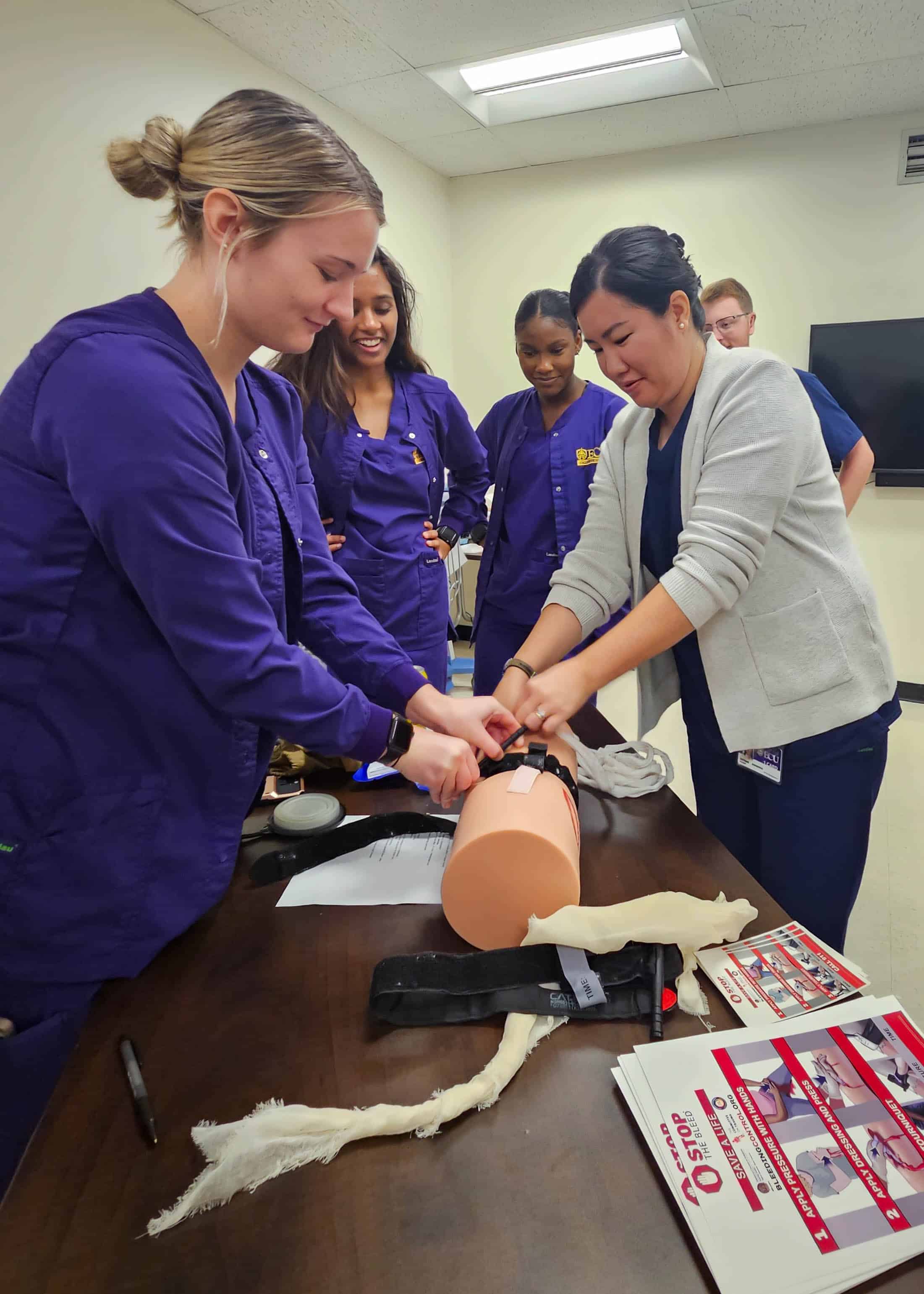
Students participating in the simulation were coached by a multi-disciplinary team of experts who provided feedback throughout the training. Chuck Strickland, outreach coordinator with EastCare, served as an instructor and provided invaluable insights into the role Emergency Medical Services (EMS) plays in a mass casualty incident. Students were educated on EMS’s initial response, patient management and treatment strategies.
“It is important for students to know the role EMS plays in initial patient triage and how we would request resources and determine patient destinations,” said Strickland. “EMS identifies the volume of patients and their acuity levels, then gets nurses, physicians and physician assistants to do on-scene care for high acuity patients. Students also learned the role of critical care transport and how those professionals would be engaged.”
Nursing students, medical students and physician assistant students shared their respective expertise while working together to promptly triage and treat patients. Both students and instructors underscored the significance of applying classroom learning to simulated real-life scenarios, highlighting the practical value of such experiences.
“Recent events in our community emphasize the unpredictability of mass casualties and just how terrifying they are,” said Lachlan Younce, first year Brody School of Medicine student. “As a medical student, I seek to understand my role as a medical professional in those situations. Participating in this mass casualty exercise exposed me to vital skills like patient triage, resource-efficient care and the importance of teamwork when working alongside my health care colleagues, including PAs and nurses. I am thankful for how this ITEAM training experience helped me develop my readiness as a medical professional.”
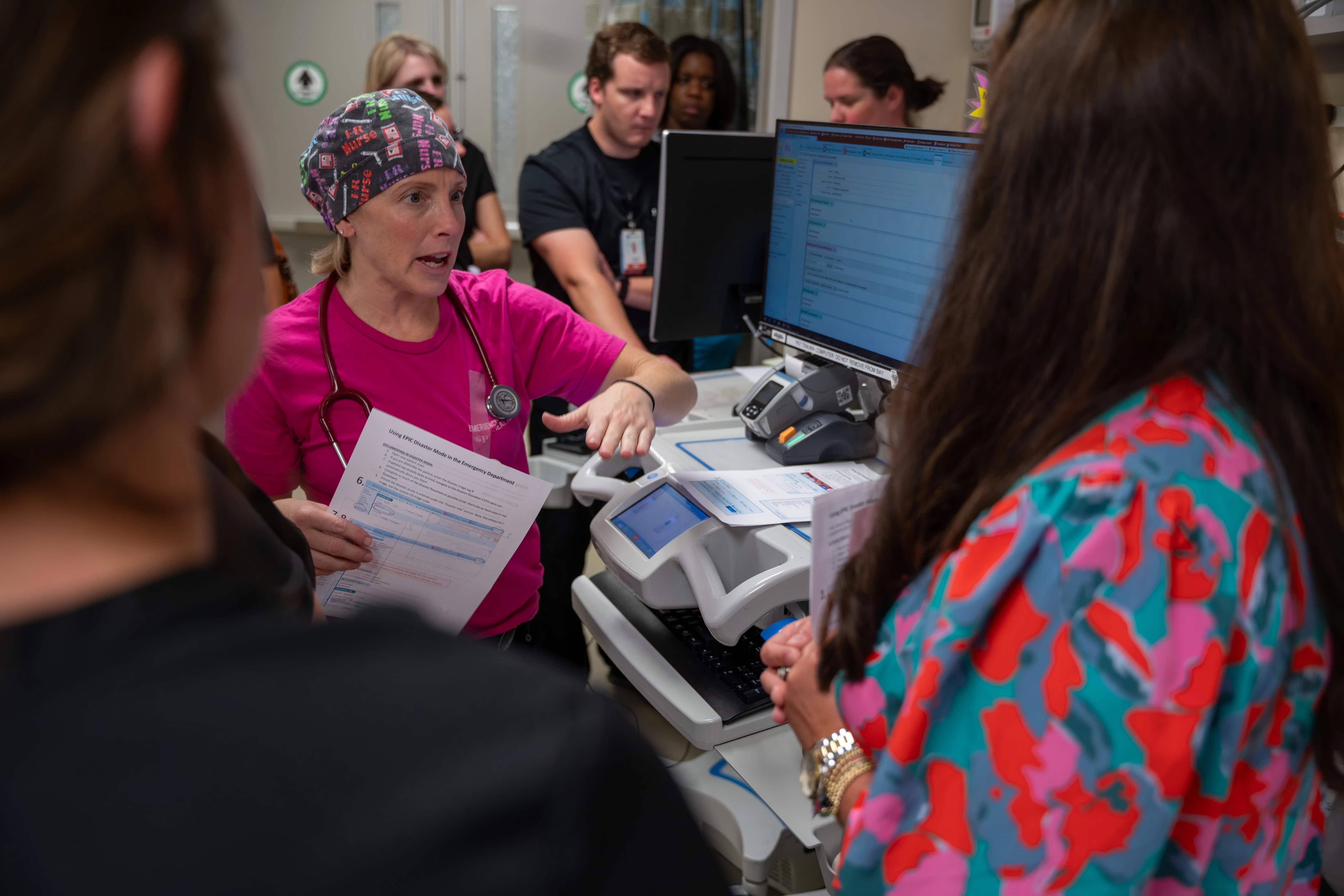
Doctors, nurses and support teams in the ECU Health Medical Center emergency department understand the importance of being prepared for any scenario. That is why the Medical Center ED and Trauma Department teams took part in a mass casualty disaster drill Sept. 7 in an effort to test and improve knowledge of triaging, EPIC documentation, response roles and more as part of the American College of Surgeons accreditation process.
“The more prepared we are now, the more lives we can save,” said exercise director Dr. David Trisler, critical care surgeon at ECU Health Medical Center and clinical assistant professor of trauma and surgical critical care at the Brody School of Medicine at East Carolina University. “Our community depends on us to be there for them during the most difficult circumstances. These types of exercises ensure we will be able to meet that need.”
Mass casualty situations can be difficult to imagine, especially ones that happen here in our local community.
With the use of inflatable mannequins representing the both children and adult patients, the disaster drill consisted of 30-40 casualties brought to the ED following a simulated mass shooting at a local event. Drill participants worked through triaging the patients based on their medical status and moving them through the emergency care and surgical process, using real-time information like numbers of ORs and beds in use during the time of the drill.
For Dr. Eric Toschlog, chief of trauma and acute care surgery for ECU Health Medical Center and Brody and the rest of the emergency department team, preparing for those situations comes with the territory of working at the only Level I Trauma Center in eastern North Carolina.
“The ECU Health Medical Center emergency department serves as a hub for 1.4 million people who live across the region, which highlights the importance of being prepared for any circumstance imaginable,” said Dr. Toschlog. “The more we work to improve our process and understanding, the better prepared we will be to save lives.”
Those involved met immediately following the drill to debrief on the exercise, closely examining strengths and weakness, as well as plans for improvements, all in an effort to ensure the Medical Center emergency department team is well-positioned to provide high-quality care to the community during a time of dire need. The common thread throughout the event and debrief was the direct correlation between preparation and lives that could be saved.
“This was a great opportunity for us to test our knowledge and we certainly learned a lot of valuable lessons that will serve us well,” said Dr. Trisler. “I could not be more proud of the entire ED team for taking the time to participate in this disaster drill.”
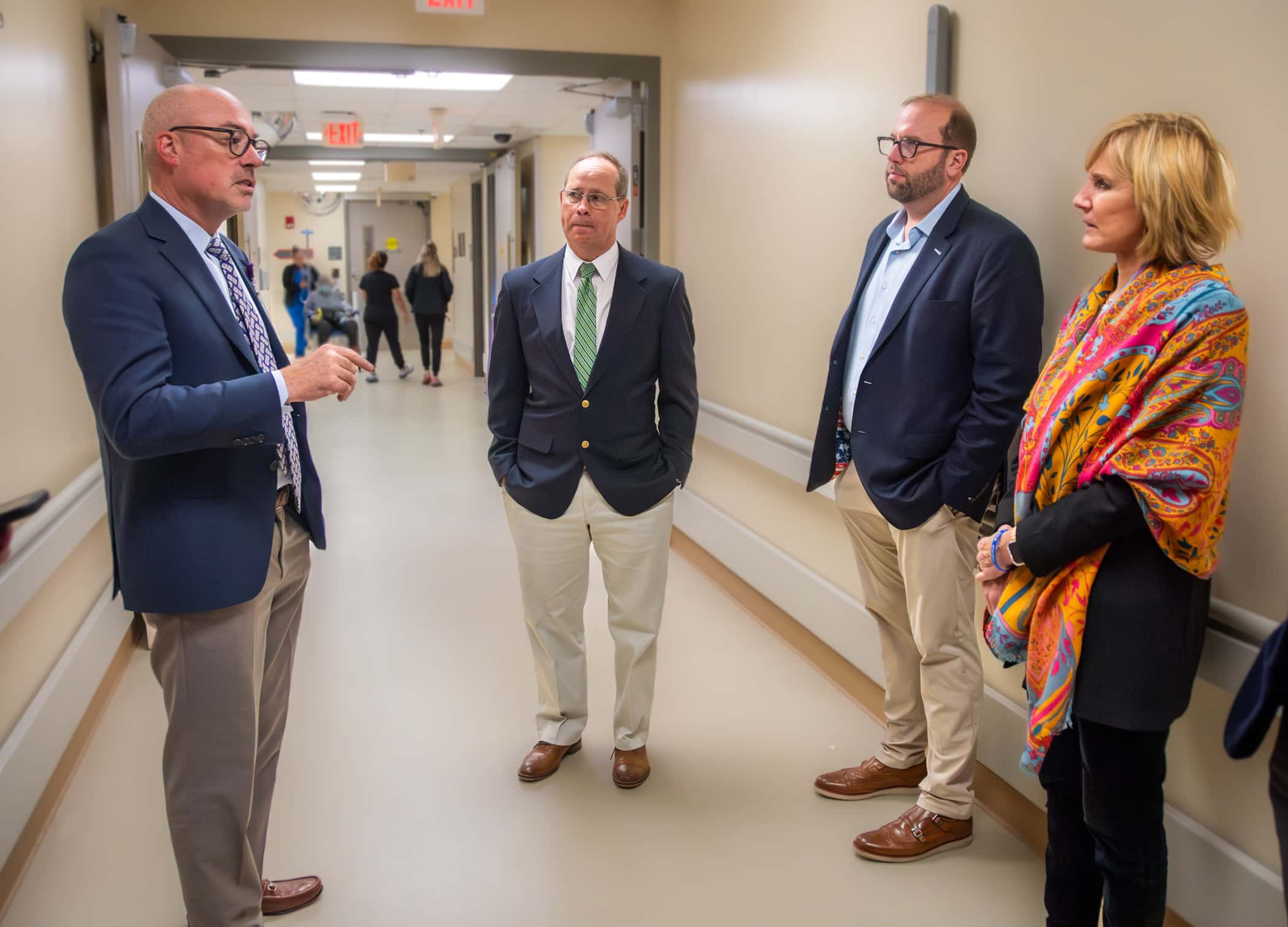
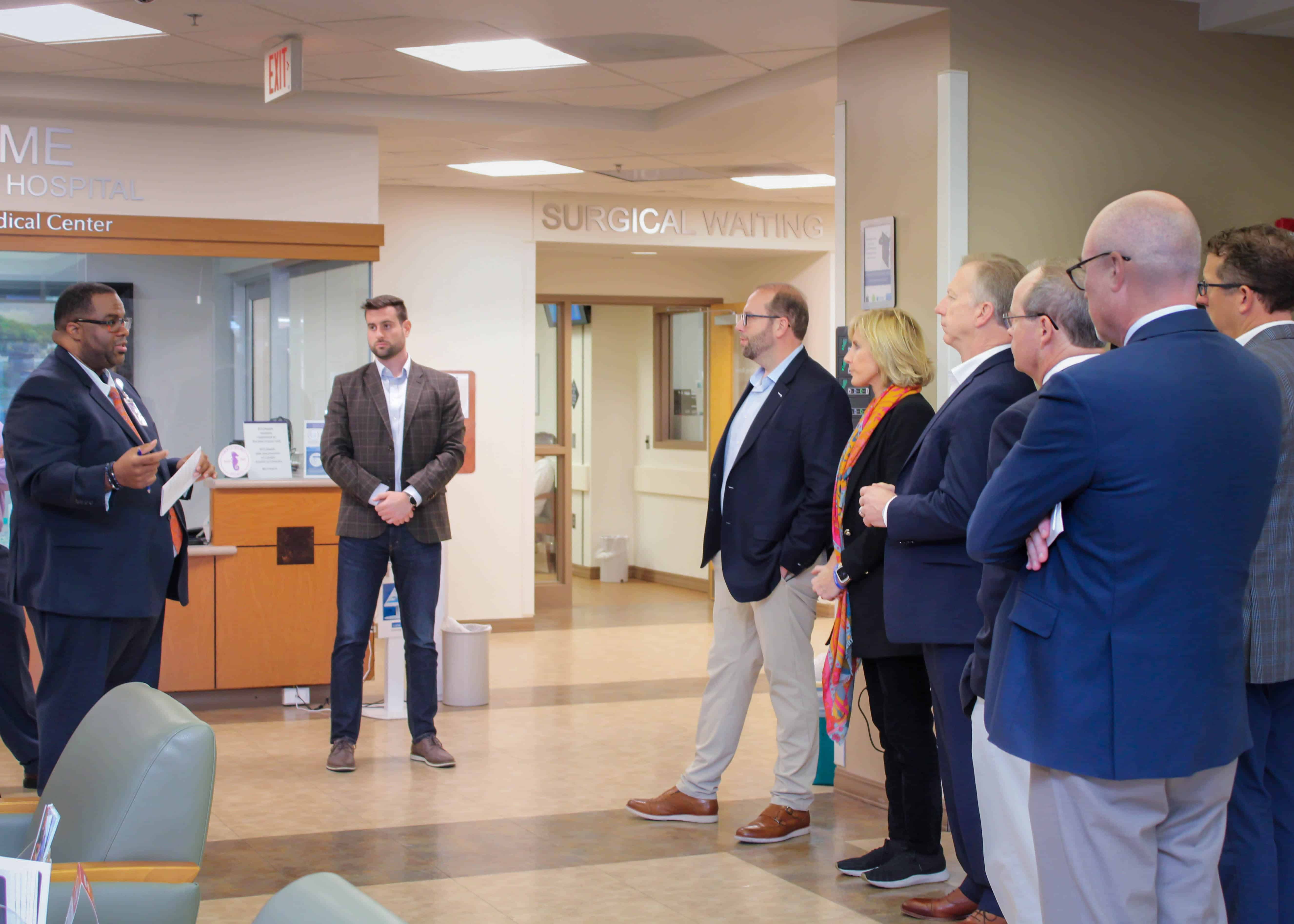
Greenville, N.C. – Members of the U.S. House Committee on Ways and Means visited Beaufort and Pitt counties Monday, Oct. 16, 2023, to engage with the community, tour ECU Health Beaufort Hospital and ECU Health Medical Center, hear from community care leaders and discuss the challenges facing rural health care in America. The committee visit consisted of Rep. Greg Murphy, Chairman Jason Smith, and Reps. Adrian Smith, Kevin Hern, and Claudia Tenney.
“Whether it’s in my home state of Missouri or eastern North Carolina, rural communities are facing a health care crisis,” Chairman Smith said. “Today we heard from health care providers and local leaders about the struggles their communities face ranging from patients traveling long distances to receive emergency care to health facilities finding and keeping a quality health care workforce with the scarce resources available. On our current path, access to health care for a huge portion of America will continue to erode, putting the health of millions more rural Americans at risk. The Ways and Means Committee will take what we learned today from patients and doctors on the frontlines of this crisis and use it to inform the best way to expand access to health care in rural communities.”
Committee members and county leaders started the day by visiting Belhaven before touring ECU Health Beaufort Hospital, built in 1957 under the Hill-Burton Act that provided federal funding to support rural hospitals. There, committee members joined a roundtable conversation with ECU Health leaders and Beaufort County community leaders about the importance of finding collaborative solutions to the complex rural health care challenge.
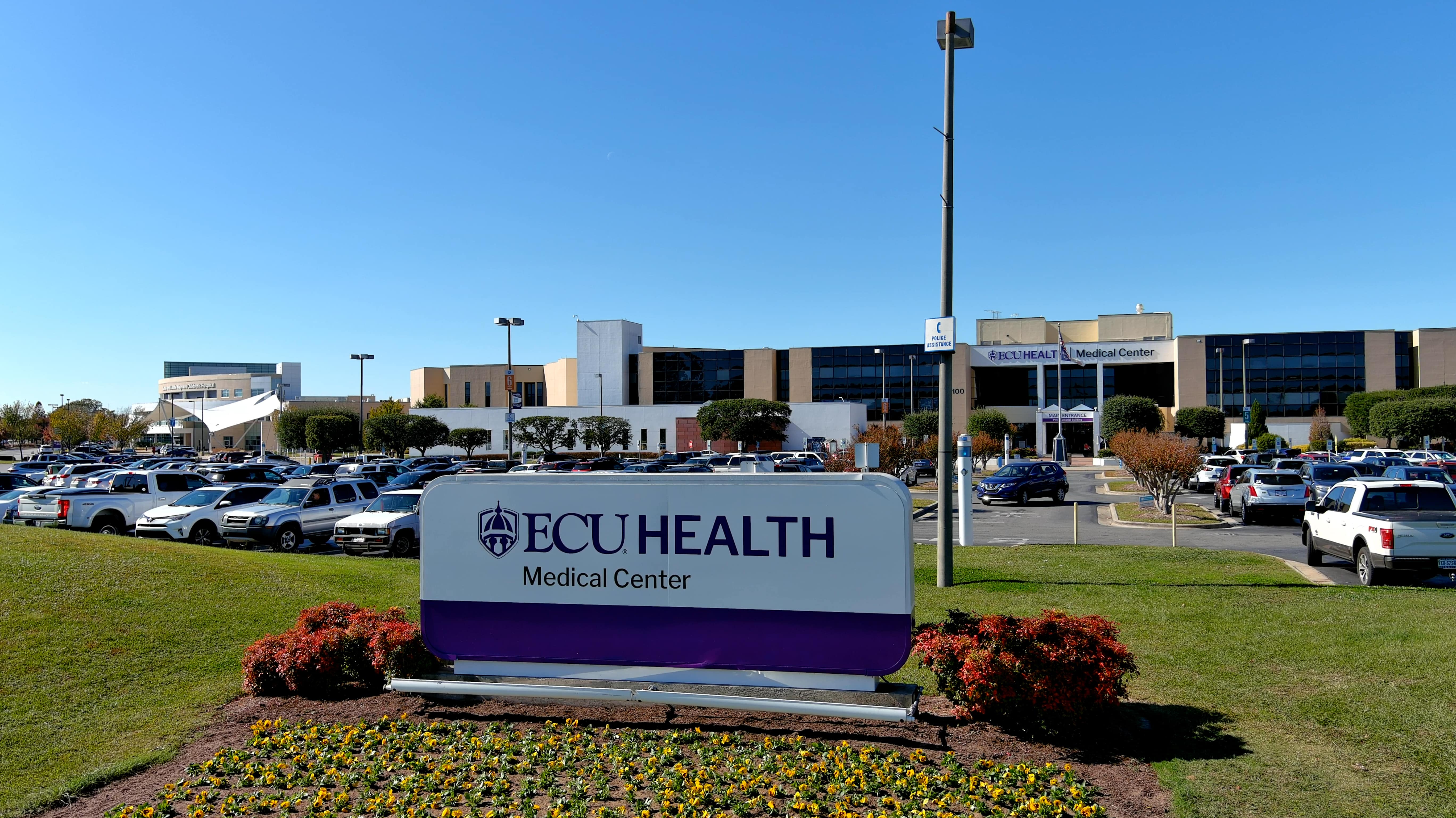
The day concluded with committee members visiting ECU Health Medical Center in Greenville, a state-of-the-art academic facility that delivers high-level care to residents of eastern North Carolina. ECU Health Medical Center is the only Level I trauma center east of Raleigh, showcasing ECU Health’s unique system of care that serves as a national model for providing high-quality rural health care.
“Chairman Smith has been gracious enough to organize field hearings in the country this year on various issues,” said Rep. Murphy. “I am glad to have him and other members of the Ways and Means Committee spend time in eastern North Carolina to look at rural health care. We had the opportunity to witness firsthand the efforts of clinicians striving for quality in medicine while ensuring access to care for all.”
Throughout the tours, lawmakers walked through the emergency departments, intensive care units and labor and delivery units and engaged in conversations with clinicians regarding the challenges faced by rural health care, the aging infrastructure and the difficulties associated with sustaining essential services. Leaders discussed the importance of preserving services such as labor and delivery units within ECU Health, which are a lifeline for expectant mothers, providing essential access to safe and skilled maternity care, often in regions where other health care options are limited. Maintaining units like these ensures that rural families do not have to endure the significant burden of traveling long distances to access critical services.
“ECU Health has long advocated for solutions at the state and national level to combat the intensifying rural health care crisis facing America,” said Dr. Michael Waldrum, ECU Health CEO and dean of the Brody School of Medicine at East Carolina University. “We are pleased legislators not only recognize the need to explore solutions to maintain rural health care, but also recognize ECU Health as a leading voice on this important topic. The visit to Beaufort County and Greenville gave us an opportunity to show our mission in action, and we are deeply appreciative of the committee for spending time with us discussing rural health care.”
By North Carolina Health Care Association
North Carolina’s hospitals and health systems provide more than just healthcare services. They also blend medical know-how with community engagement and technology to help prevent and manage chronic conditions and to address factors affecting health like access to healthy food and transportation. Learn how health systems and hospitals work with local employers, schools, faith organizations and other partners to build healthier, vibrant communities.
Five rural healthcare leaders from across the state recently came together for a virtual town hall to discuss how their hospitals and health systems are creating healthier communities. This program is part of a series hosted by the North Carolina Healthcare Association.
Here are some key takeaways from the conversation.
Hospitals help support the livelihood of rural communities.
Hospitals are pillars in their communities and support economic development by providing education and employment opportunities that create stronger, more resilient citizens. “Our approach here at Northern Regional Hospital is to be engaged in all areas of community life. We recognize, like most hospitals, that we are the largest employer in the city of Mount Airy and one of the largest in the region,” said Chris Lumsden, President and CEO of Northern Regional Hospital. Lumsden emphasized that hospitals engage in a mutually beneficial relationship with the surrounding community. “If the hospital is healthy, the community [members] in a rural community will be healthy, and vice versa.”
Penney Burlingame Deal, President and CEO of Onslow Memorial Hospital, also touched on the relationship that hospitals share with their community. “In rural settings, hospitals play a part in community resilience,” expressed Burlingame Deal. Communities can support and sustain quality health and social services by attracting and retaining well trained healthcare professionals. This can then lead to a stronger economy, which in turn supports a stronger local healthcare system. “It’s recognition of that link between rural healthcare, economic strength, and overall vitality…it’s kind of this self-perpetuating feedback loop.”
John Green, President and CEO of Iredell Health System discussed how every hospital and health system is driven by a mission and vision statement, and while each is different, they all guide people towards optimal health. More importantly, this is not always done within the four walls of the hospital. Often times, hospitals are working outside of their brick-and-mortar establishments – directly in the communities they serve – to accomplish their goals. “We do that throughout the whole community, and we do it based on the needs of each part of that community,” said Green.
To that point, Annie Carpenter, Assistant Vice President of Community Engagement at Mission Health added, “We go beyond the hospital walls with our community approaches, and not just because we serve the community, but because we are the community.”
Hospitals invest in their communities to address the unique and diverse challenges they face.
Every community is unique, so it is important that hospitals listen to the needs of their community members when developing programs and initiatives. Patrick Woodie, President and CEO of the NC Rural Center, and the moderator of this conversation, shared a saying from his years of work in rural health, “when you’ve seen one rural community, you’ve seen one rural community.” This underscores that each community is characterized by its distinct array of challenges, and they must be addressed in their own unique ways.
Todd Hickey, Chief Strategy Officer of ECU Health mentioned how ECU Health is always assessing how they can invest back into the community. They do this by donating funds to support community partners, developing initiatives aimed at improving health, and through other avenues. “We see that as a role of a good steward of healthcare in a community, but also recognizing that it’s our partnerships that really connect our services to our patients, and if you will, our population,” said Hickey.
Hospitals also play a big role in strengthening the local workforce. Chris Lumsden noted that 85 percent of Northern Regional Hospital’s employees were raised and live within a 25-mile radius of the hospital. In addition, 85 percent of high school students that leave this area for work or college, do not return. “The message is, we have to grow our own. And that’s a theme that we have created through education assistance scholarship programs,” expressed Lumsden. To combat this, Northern Regional Hospital has stood up multiple programs that encourage students to not only pursue careers in healthcare, but to also stay and serve in their community.
Hospitals in rural communities use innovation to expand their reach and build more accessible health care.
Hospitals and health systems in rural communities are evolving with the changing landscape of health care. They are overcoming barriers to care and expanding access to care through innovative solutions, emphasizing a focus on maintaining good health for all.
Telehealth has blossomed as an accessible option to care, but internet connection can be sparse in some rural communities and hospitals are creating solutions to bridge the gap. “Working with our civic partners, counties and townships, trying to build out and create the funding through grants, through alignment of federal funding to help expand that [broadband] is a big deal,” said Todd Hickey. Hickey connects the availability to broadband with a greater opportunity for people in rural communities to get preventative care and early intervention for serious conditions.
Related to telehealth, Penney Burlingame-Deal said, “it is a great way of really thinking outside of the box and using innovation to make things happen that wouldn’t happen otherwise”. In addition, John Green touched on a need for stable internet access in all rural communities and technology training, especially for aging populations, highlighting the digital-based resources that will lead the future of health care.
Care options combatting opioid addiction are expanding and improving as well. Annie Carpenter mentioned a pilot program newly introduced to Blue Ridge Regional Hospital and Mission Hospital, where patients can receive medication-assisted treatment within the emergency department, an effective evidence-based practice to disrupt the addiction cycle. According to Carpenter, this care approach can impact the capacity and volume the health system while combatting the rise in opioid overdoses in the region.
“The community has been working together on responses at such a rapid rate to save lives. [The pilot] It’s something our partners in the community have been eager to see as well,” said Carpenter.
Launching more impactful programs that promote better health within rural communities often requires research and advocacy to accelerate the implementation of those programs. John Green mentioned at smaller rural hospitals, a detailed approach is necessary to implement new ideas in order to make the most of time and funding. It may be more difficult to find an effective solution using a trial-and-error approach. To advance new initiatives and programs, hospitals may glean successful ideas from other hospitals in areas with similar populations in communities with similar challenges, implementing what worked in the pilot program as a potential solution for their own community.
“I think research that allows us to see this is going to work, or we believe this should work is a huge difference to us,” said John Green.

Health and well-being are at the very heart of creating economic vibrancy in a community. That is why Brian Floyd, chief operating officer of ECU Health and president of ECU Health Medical Center, joined a group of statewide health care leaders at the NC Chamber Health Care Conference on a panel titled “Working Together to Create Healthier Communities” on Sept. 14 in Durham.
Speaking to a packed room of health care, business, industry and government leaders from across the state, Floyd spoke about ECU Health’s unique position in eastern North Carolina as both the largest health care system and employer in the 29 county region, and the importance of maintaining high quality and high value care in rural communities.
“Thinking about the NC Chamber and what we’re here to talk about today, it’s important to remember North Carolina is the second largest rural state in the country,” said Floyd. “One-in-three people in North Carolina lives in a rural community so rural health care is a very critical and very personal endeavor. At ECU Health, we take our mission seriously to improve the health and well-being of eastern North Carolina, which is a region with some of the highest levels of poverty in the state.”
ECU Health is a leader in rural health care, Floyd said, and is constantly exploring new ways to improve access to care for rural communities. Speaking to topics such as improving mental health resources, partnering closely with schools, colleges and universities and investing in the health and well-being of team members, Floyd made it clear ECU Health’s role in the East goes far beyond just delivering health care.
“ECU Health is a health care provider, an educator and an economic engine for our 29 county region and we understand that collaboration is key to solving health care challenges,” Floyd said. “When I think about what we do, the reason we have a 974 bed hospital in a town of more than 80,000 people is because of the tremendous burden of disease in the communities we serve. Improving quality and cost is our goal and our clinical care component certainly plays a role in that, but we know that value is created by improving wellness through initiatives that tackle social determinants of health.”
Floyd was joined on the panel by Dr. Art Apolinario, board president of the N.C. Medical Society, Dr. Creagh Milford, senior vice president of retail health for CVS Health and Jennifer Sacks, associate director of the clinical operations program lead for Biogen. The panel was moderated by Gary Salamido, president and CEO of the NC Chamber.