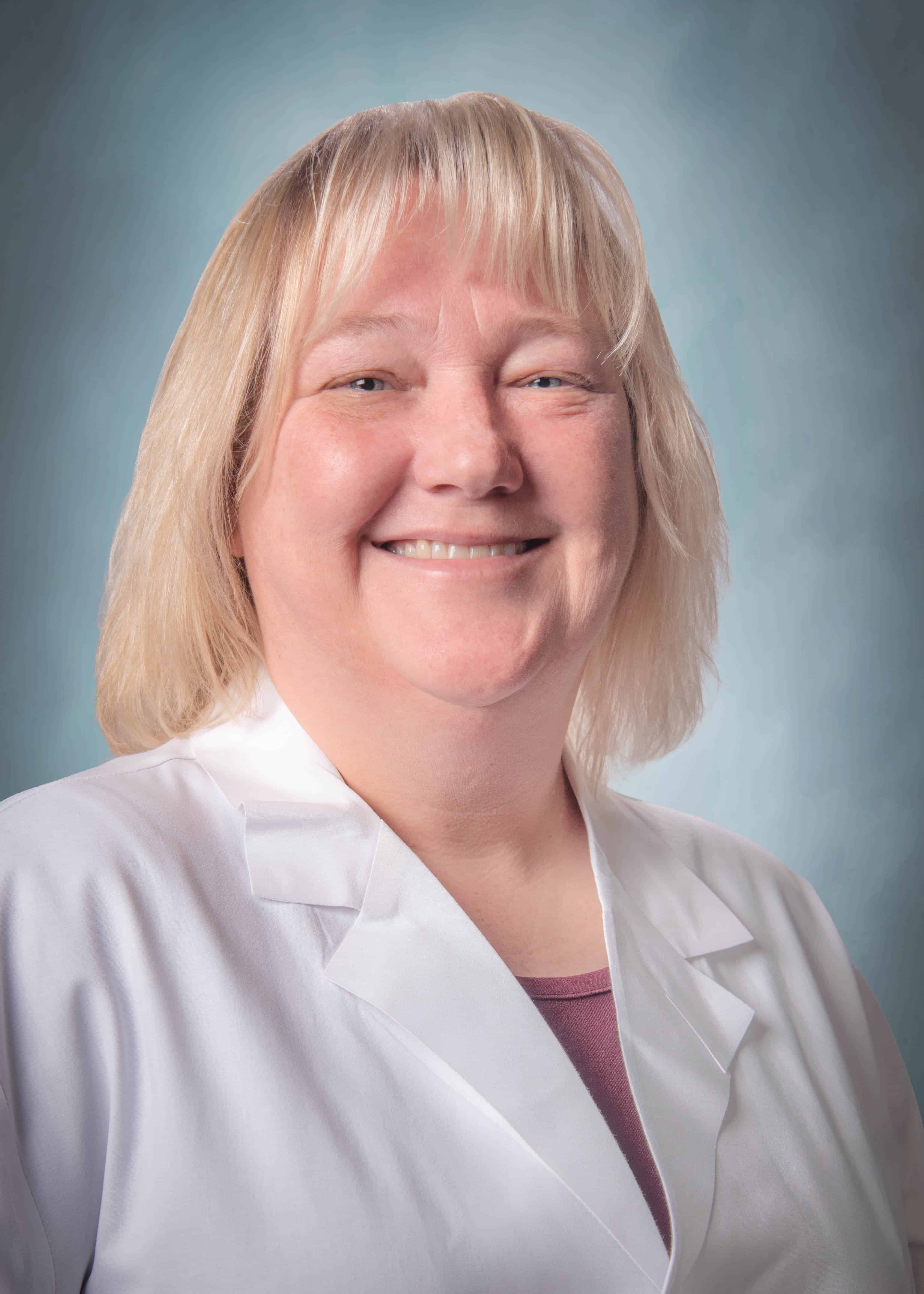
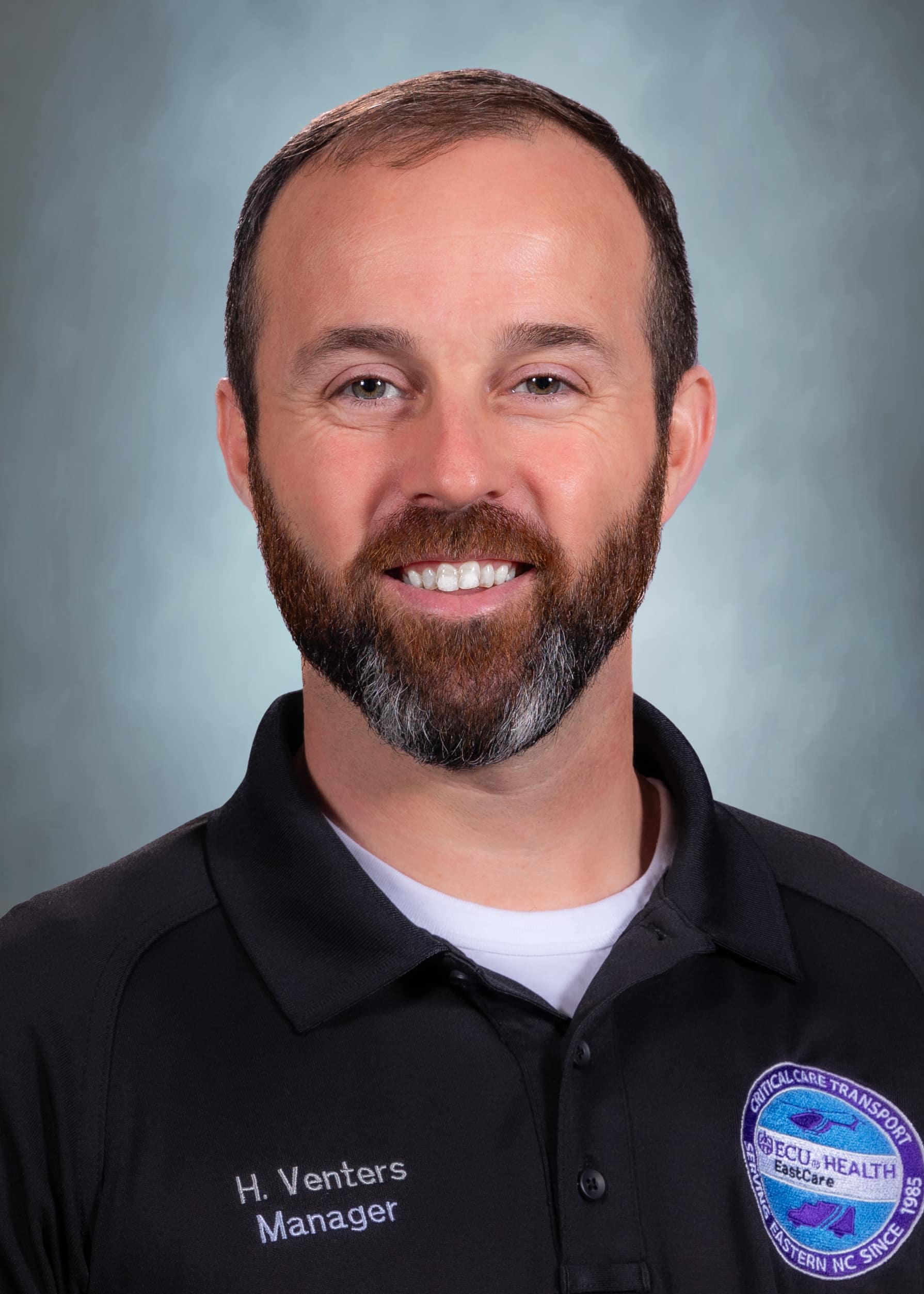
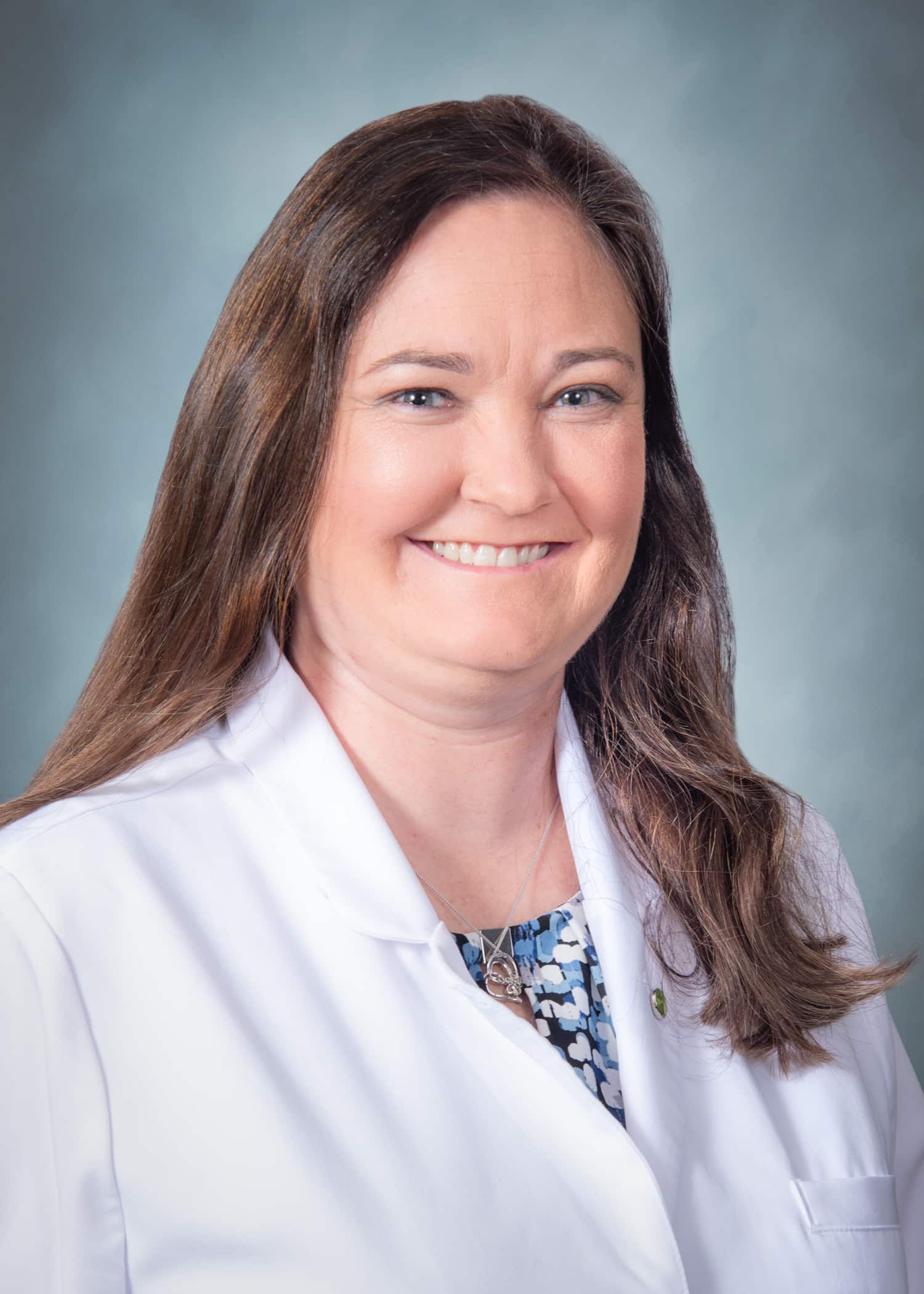
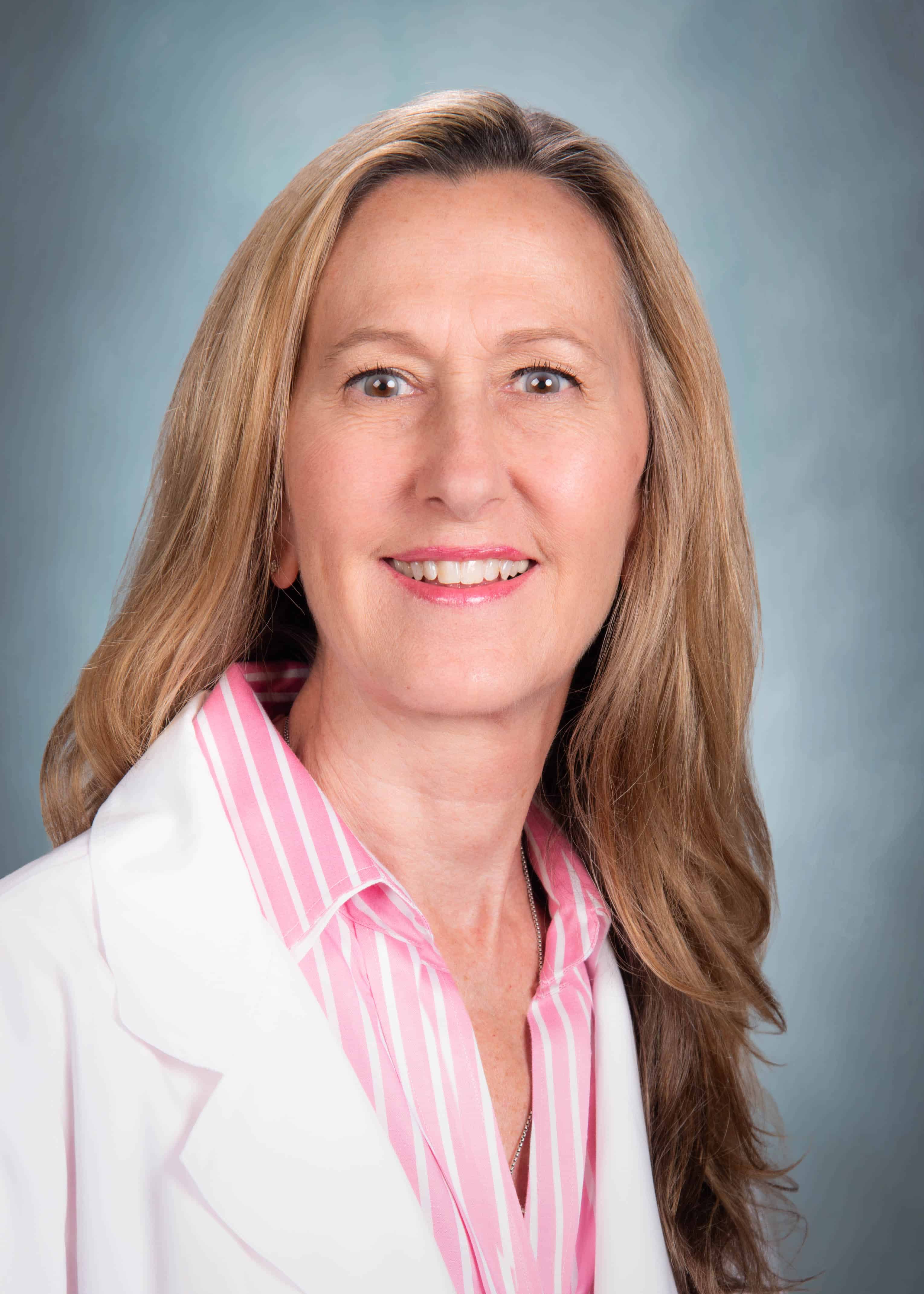
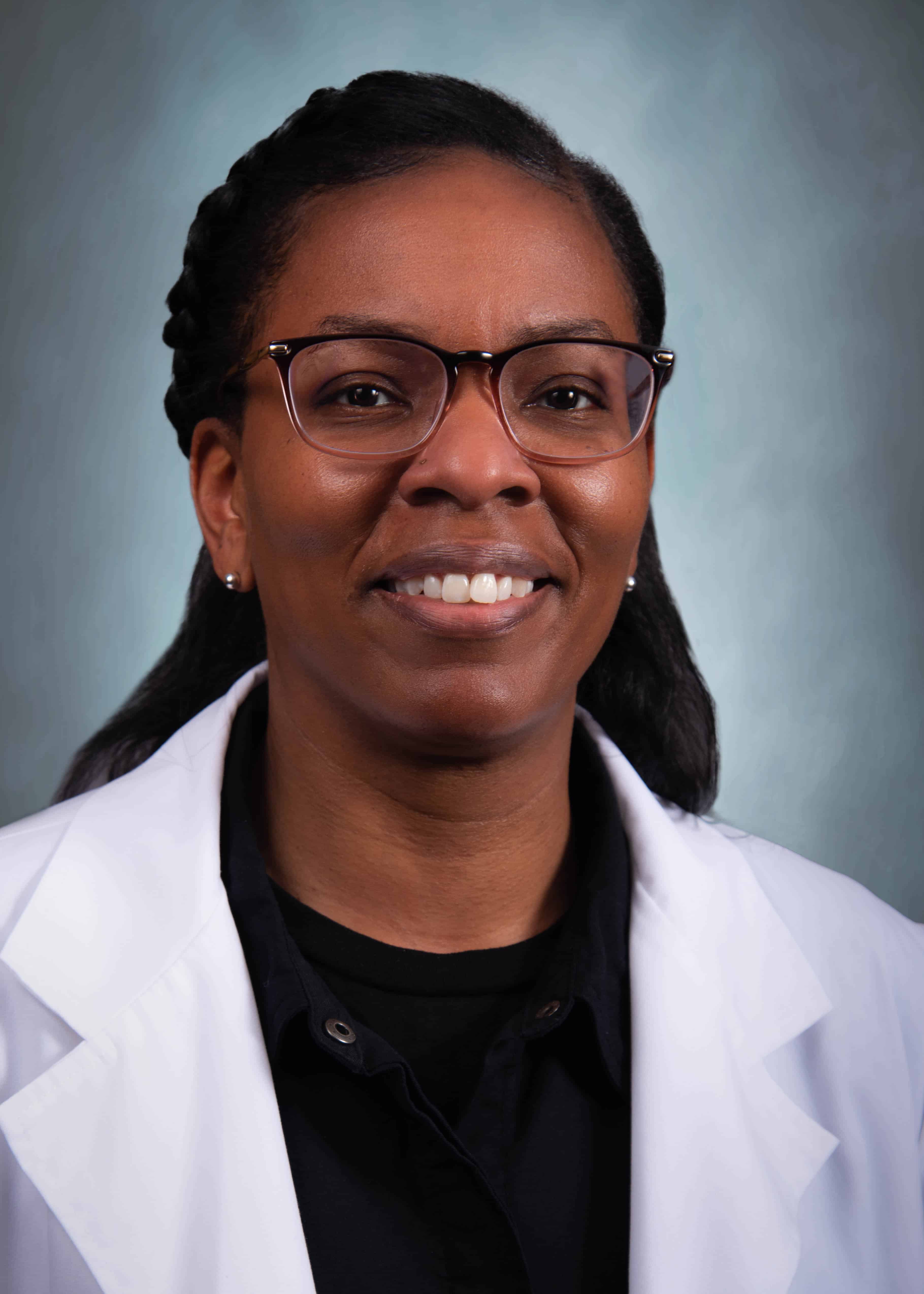
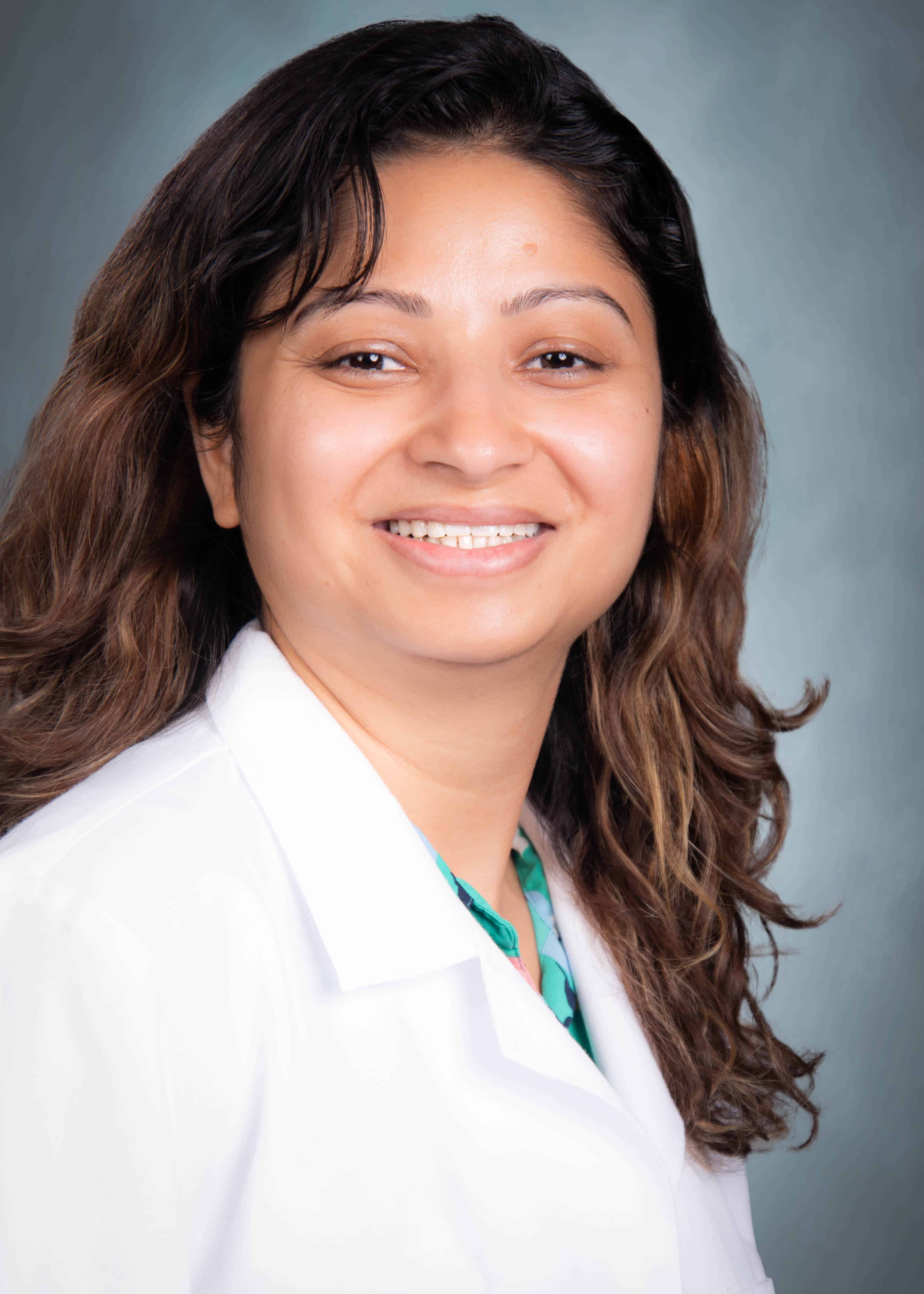
East Carolina University’s College of Nursing launched an Adult Gerontology Acute Care Nurse Practitioner (AGACNP) post-graduate certificate program in 2025. The program’s first cohort of five – Charlsie Woodard, Hunter Venters, Rachel Ferrell, Richa Dhungana and Angela Jones – graduated and say the experience strengthened their skills and expanded opportunities to care for critically ill patients.
Filling the gaps
Dr. Kristie Hertel was asked to serve as the program’s director, something that seemed a natural progression of her education and practice.
“As a bedside nurse, I worked in the trauma ICU and have a passion for that patient population,” she said.
During those years, she had mentors who encouraged her to think critically and to continue her education. That mentality shaped how Dr. Hertel led the AGACNP program.
“I had no plans to be a program director, and there was a steep learning curve,” she shared. “But I love hearing from the students thanking me for guiding them through the program and helping them find a new career path.”
“I had some amazing preceptors, and Dr. Hertel runs a first-class program,” Hunter Venters said. “She focused on the things we needed to know.”
As the clinical manager of critical care air and ground transport with ECU Health EastCare, Venters said his work as a flight nurse exposed him to some of the sickest patients, but this program helped fill the gaps.
Rachel Ferrell, a nurse practitioner at ECU Health Chowan Hospital, was in a similar situation: she has worked in the emergency and hospitalist departments for much of her career but wanted to take the next step and get her certification.
“I had been looking at other programs when I found out ECU was putting together this program,” she said. “I preferred ECU because my BSN, MSN and FNP are all with the university and it has a great reputation.”
In her 36 years as a nurse – 19 have been in acute care – Charlsie Woodard, a nurse practitioner in internal medicine, said much of her early training was on-the-job.
“I wanted to improve my skills, and this program was such a great learning experience. I’m honored to be in this first class,” Woodard said.
For Angela Jones, a nurse practitioner at Bertie Hospital, the program came at exactly the right time.
“I was transitioning to work in the emergency department (ED) and I quickly saw how medically complex our patients are,” she said. “It was clear I needed this program. Having advanced training and experience has been so advantageous.”
Learning beyond the classroom
The graduates said the program took strong time management and sacrifice to balance work and life with the clinical rotations and coursework, but the support they received from each other made it possible. The cohort had a group chat they still use today, and when it was time to prepare for an exam, they often studied together.
“The members of that first class brought so much knowledge and experience,” Jones said. “Some had more than 20 years working in acute care. We worked in different areas and specialties, and everyone was willing to share their knowledge. It took many late nights and early mornings, but I most definitely apply what I’ve learned.”
Although the program was primarily remote learning, the graduates were able to access the skills simulation lab at ECU, and the exposure to different settings and patient populations during clinical rotations gave them opportunities to practice skills they may not have encountered in their day-to-day roles.
“In the smaller hospitals you don’t always have the opportunities to perform procedures such as insertion of dialysis catheters or multi-lumen access catheters, but I was able to see and do that during my clinical rotations,” Ferrell said.
While some graduates are already considering their next academic or professional steps, they agreed the program has made them more confident clinicians and strengthened the care they provide.
“With this training, I feel more confident I can serve those who walk through the doors,” Woodard said.
“Patients don’t come from a textbook world,” Jones added. “We have to critically think and look at the literature. Being in environment conducive to learning makes all the difference.”