In 2025, Caroliena McCoy was a junior in ROTC teaching marksmanship to a few kids in her group when another student accidentally stepped on Caroliena’s right leg. A week later, she experienced a medical emergency.
“My right leg hurt but after four days it improved and we thought everything was okay,” Caroliena said. “By the following Tuesday, I was limping.”
“I picked her up from school and she was pale and looked tired,” added Caroliena’s aunt, Connie. “Before I could get out of the parking lot, her eyes rolled back and she started sucking air like she couldn’t breathe. I thought she was having a seizure.”
The assistant principal of Ayden-Grifton High School directed Connie to pull over and brought out two teachers: Ms. Alphin and Ms. James. Sylvia James was the health science teacher and she and Ms. Alphin were both first responders; before joining the school system, Sylvia worked at James and Connie Maynard Children’s Hospital for 33 years as a nurse.
“I had started to come out of it by then, but Ms. James recommended we call 911,” Caroliena said. The EMTs could only determine Caroliena had high blood sugar, but Ms. James recommended she still go to the emergency department at Maynard Children’s Hospital.
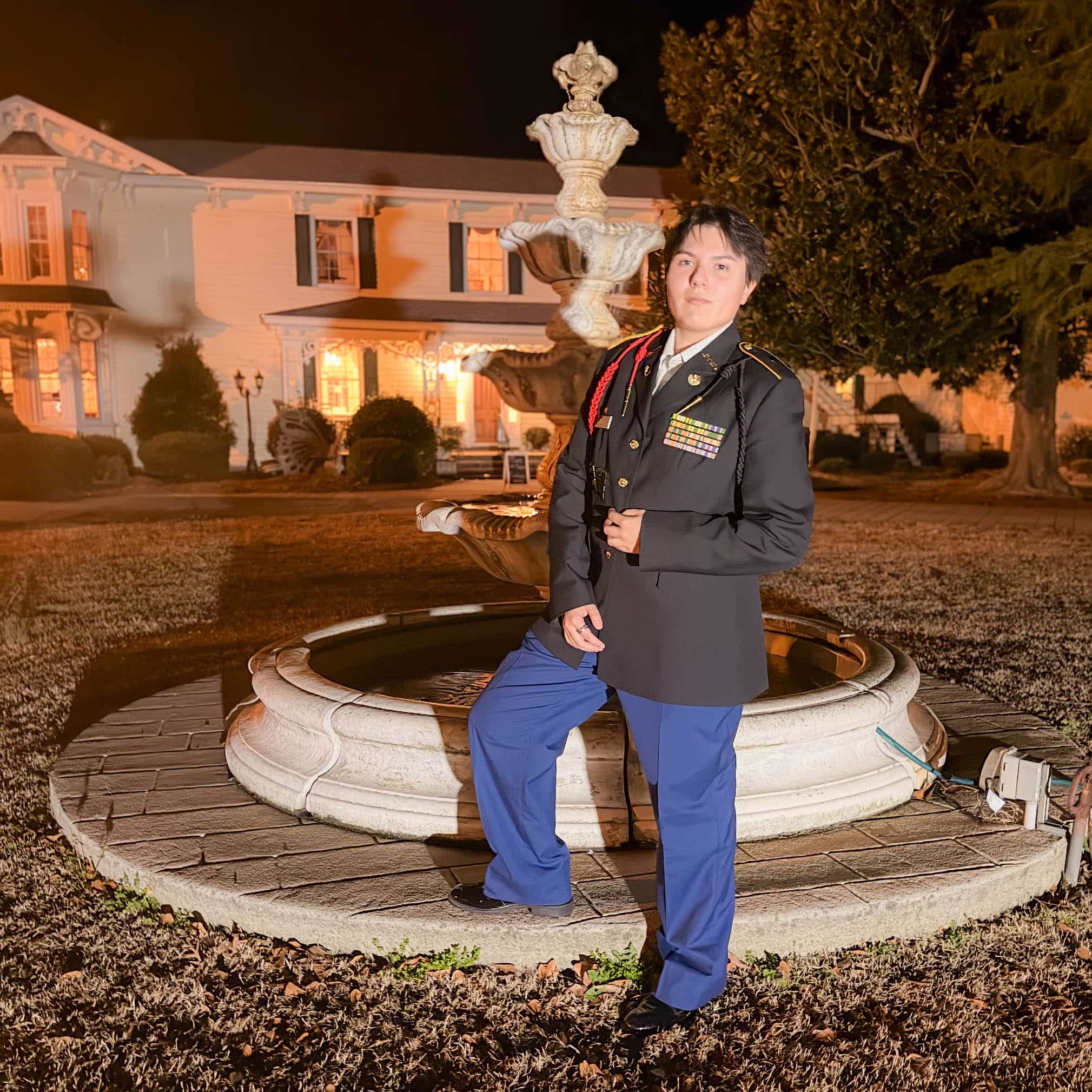
“Ms. James saved me because she thought I was showing signs of respiratory distress,” Caroliena said.
“I was called out because they said someone had a seizure, but then I saw how dusky blue Caroliena was, and her oxygen saturation wasn’t good,” Sylvia said. “I had seen her just the day before and knew about her leg pain, and it sounded like she had complications from an injury that caused the respiratory distress. I called the rescue squad right away.”
At the hospital, the emergency department team acted quickly by running tests, including x-rays, a CT scan and ultrasounds, to figure out what was going on with the 17-year-old. It turns out Ms. James was right.
“I had blood clots in both lungs and my right leg,” Caroliena said. “My episode in the car was the result of me not getting oxygen to my brain.”
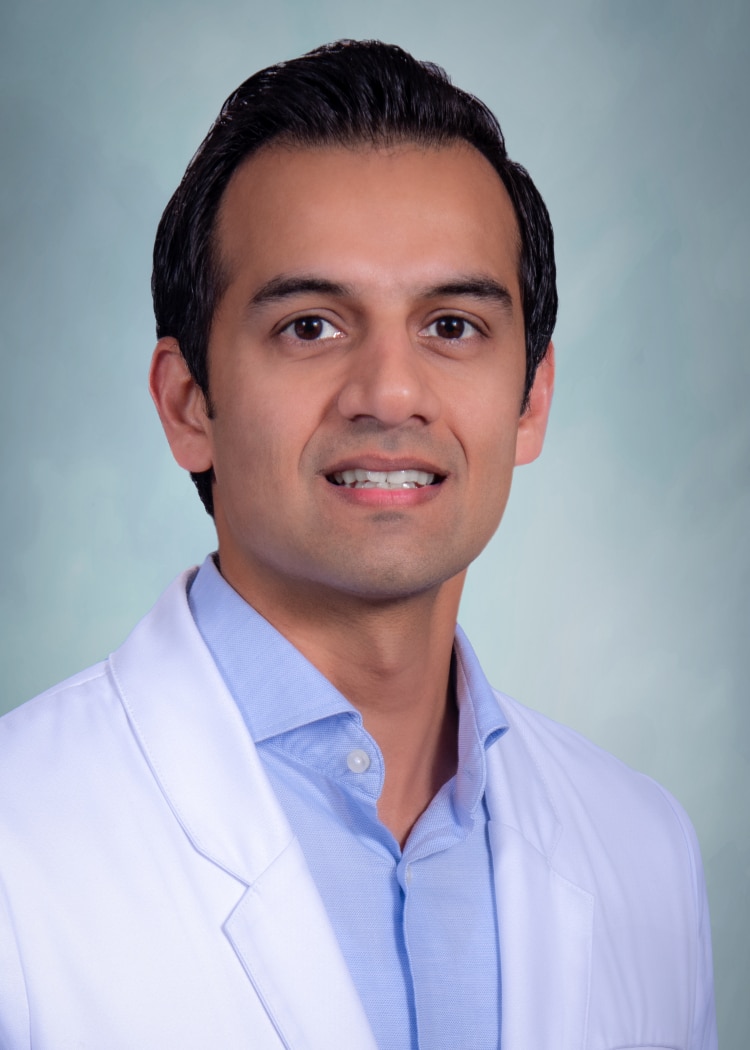
Dr. M. Umer Tariq
That’s where Dr. M. Umer Tariq stepped in.
“We recommended she have a mechanical thrombectomy for pulmonary embolism immediately,” Dr. Tariq said. “It’s a minimally invasive, percutaneous treatment—meaning you aspirate the clots out with a catheter. It’s done while the patient is awake and it’s a life-saving procedure. Pulmonary embolism is the third leading cause of cardiovascular deaths behind stroke and heart attack.”
This was an unusual situation, as 17-year-olds don’t often present with blood clots, but Dr. Tariq felt confident about the treatment plan.
“Our program has been doing this for at least six years now and it’s performed by cardiology and vascular surgery. The novelty in this case was working with the pediatric ICU and cardiology teams,” Dr. Tariq said. “We told Caroliena that when the clot in the lungs are large and another breaks off from the leg, it can be fatal.”
“Dr. Tariq explained everything very well and answered all our questions. I’m glad he was her doctor,” Connie said.
Caroliena looks back on her experience with gratitude for the care she received—both at the school and the hospital.
“Ms. James recognized the urgency of the situation,” she said. “Dr. Tariq was very straight forward and talked to us about the procedure, and during the procedure a nurse—I don’t remember her name—stayed with me and held my hand.”
Her favorite part was getting a visit from Sam, Maynard Children’s Hospital’s facility dog.
“That was really special,” Caroliena said. “She made me think of my dog at home that I was missing, and that made me feel a lot better.”
Caroliena is doing well now. Her care team determined she has a Factor V Leiden mutation of one of the clotting factors in blood, which raises the risk for developing harmful blood clots; that means she has to be on a low-dose blood thinner from now on.
“I still have some limitations,” she said. “If I am in one position for too long my leg hurts, and my plan to join the military after college had to change. Now I plan to attend Pitt Community College and then transfer to East Carolina University to study geology.”
“I’m so thankful I was at school that day,” Sylvia said. “I knew Caroliena was in trouble the minute I saw her. Those nurse instincts just kicked in. I’m so thankful the emergency department providers acted quickly and they got her into surgery. Caroliena was incredibly brave through the whole thing. She showed resilience and bounced back quickly.”