Dr. Lorrie Basnight grew up in Chapel Hill, and after seven years working as an exercise physiologist, she went back to school to become a doctor. She found a passion for pediatrics unexpectedly, and since 1995, she’s loved working with children and their families.
“Children can be delightful and challenging,” she said. “I thought I was a compassionate physician; I was happy to talk with families and let them feel their feelings. But after my diagnosis, I realized what the other side feels like.”
In 2025, Dr. Basnight was diagnosed with breast cancer, a total shock because she considered herself to be in good health.
“I was going to the gym and doing all the things you should do. I have no genetic background or family history of breast cancer. The year before my diagnosis, I did a 100-mile hike in Spain, and in the spring of 2025, I did a 200-mile bike ride in Belgium and the Netherlands,” she said. “Two weeks after I got back from that trip, I got my diagnosis.”
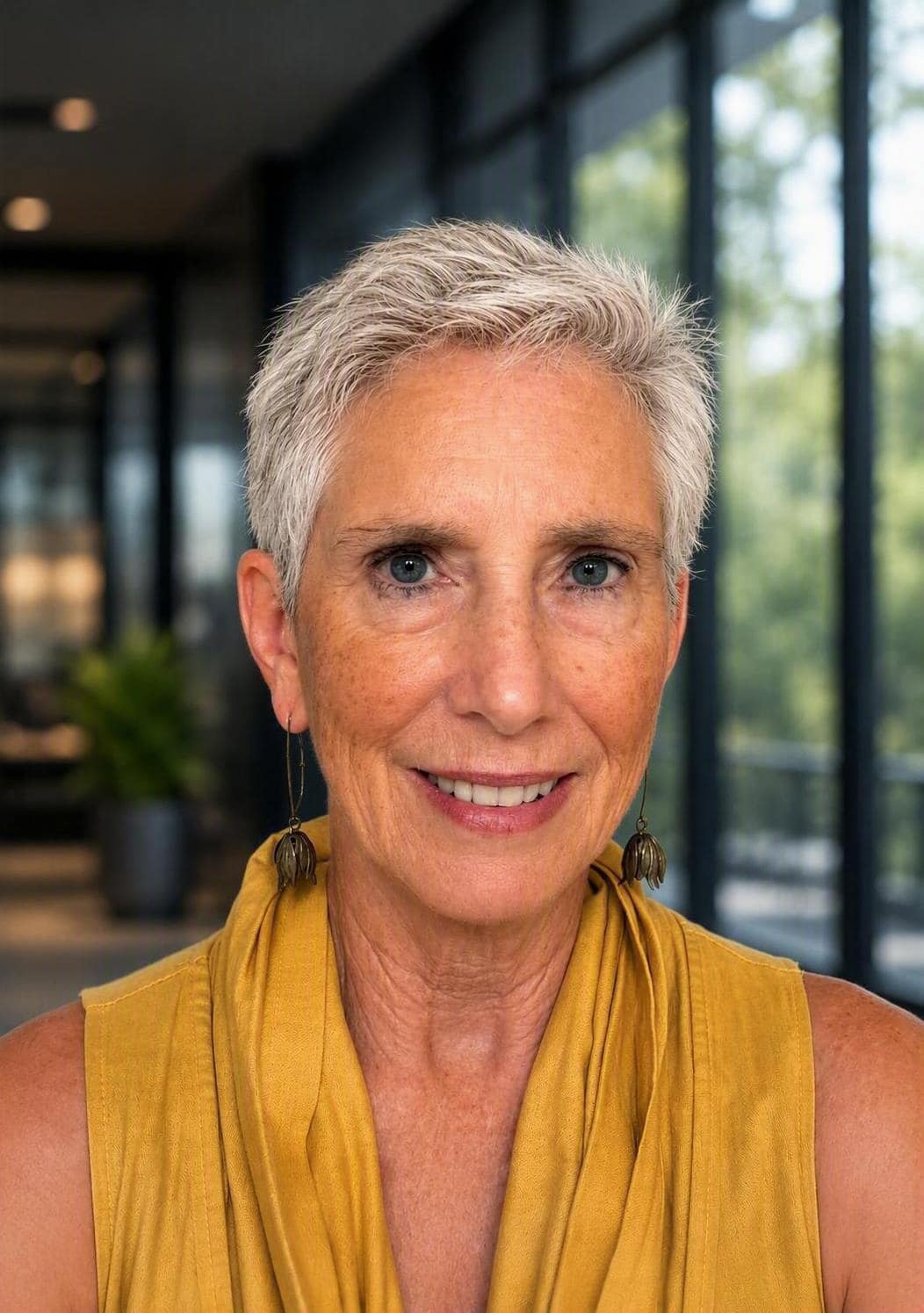
Immediately following her diagnosis, Dr. Basnight said she struggled with fear and anxiety.
“Not 15 minutes after I left the doctor’s office I started thinking I needed to make my funeral plans,” she said. “That’s where my head went. Getting that under control has been a process.”
A path forward
The first step was creating a plan, which Dr. Basnight said was accomplished with her doctor, Dr. Mahvish Muzaffar.
“I had an intense regimen of 16 doses of chemo, followed by surgery,” Dr. Basnight said. “Dr. Muzaffar and the team did a great job of controlling my side effects, and before surgery, my MRI showed no signs of cancer.”
That didn’t mean she was out of the woods quite yet; her post-surgical pathology report showed residual cancer cells. She required additional treatment, which she is still receiving, including 20 rounds of radiation and targeted drugs and hormone blockers. Through it all, however, Dr. Basnight said her doctor and the cancer center team took care of her and put her mind at ease.
During her treatments, she contracted COVID twice and suffered a heart arrythmia as a side effect from one of her medications, which required her to be admitted to the hospital, but Dr. Basnight said she felt supported the entire time.
“It’s weird to have this serious illness and say I’ve had such a great experience,” she said. “When I first met Dr. Muzaffar, she talked with me and my daughter and then asked to speak with me alone. Then she gave me a big hug and said, ‘I know this is scary, but you’re going to be okay.’”
Over the last year, Dr. Basnight said Dr. Muzaffar has reminded her that her medications are working very well and if she did have a recurrence, there are new cancer drugs and treatments coming out all the time.
“She told me that people like me with stage three cancer have lived many years, so she pulled me get out of that ditch of thinking this is the end of my life,” she said. “It’s just the start of a different part of my life.”
Dr. Basnight said it’s also been helpful to use all the resources available to her through the cancer center, including speaking with a therapist to get her anxiety under control.
“When I was first diagnosed, I’d wake up in the middle of the night panicking. My therapist, Dr. Rachelle Evans, has given me many exercises to help with my anxiety, like thought interrupting exercises,” she said. “When I start worrying about something, I say or think, ‘Not helpful,’ and that stops the spiral. I really feel like I’ve become a new person who’s moved into a state of acceptance.”
More than a patient
From her doctor and her therapist to pharmacists and front desk staff to her nurse navigator, Dr. Basnight said the Cancer Center provides an exceptional level of care.
“They talk to you and treat you like you’re more than an MRN number,” she said. “They talk to my family and include them in the conversation. They get you through check-in quickly, they know you and ask about your life and sort out appointments easily. I had a friend who received cancer care from another facility and she came to a few appointments with me at ECU Health. She told me later, ‘I’m sure I got excellent medical care where I went, but my oncologist never acknowledged how scary this is for me.’ My friend ended up switching to ECU Health to get her radiation and she had a great experience.”
For now, Dr. Basnight is continuing her cancer treatment and making plans for future biking and travel. She’s back in the gym and says anyone with cancer should figure out how to still do the things they love.
“One of the things Dr. Evans helped me do was define what’s important to me: relationships,” she said. “Last year, my four siblings and I rented a house in Manteo and had the best time. It was the first time in a long time we’d all been together for a whole week, and it’s special to be with the ones you love. Next spring, we plan a boat and biking trip, and I’m looking forward to that.”