A local initiative is helping residents rethink how they shop for food. The Penny Pinchers Health Grocery Store Tours, led by the Pitt Partners for Health Coalition, shows that healthy eating does not have to be expensive. Through hands-on grocery store tours and practical budgeting strategies, the program equips participants with the tools to make healthier choices without overspending.
Healthy eating is crucial to long-term well-being, helping to prevent chronic diseases like obesity, diabetes and heart conditions. While cost is often seen as a barrier, nutritious diets can be affordable with smart planning. According to the Pew Research Center, roughly 70 percent of Americans say the increased cost of healthy food in recent years has made it more difficult to eat healthy.
Despite rising food prices, making informed choices and cooking at home can dramatically reduce expenses while boosting health, according to Qua’Tavia White, community health improvement coordinator at ECU Health.
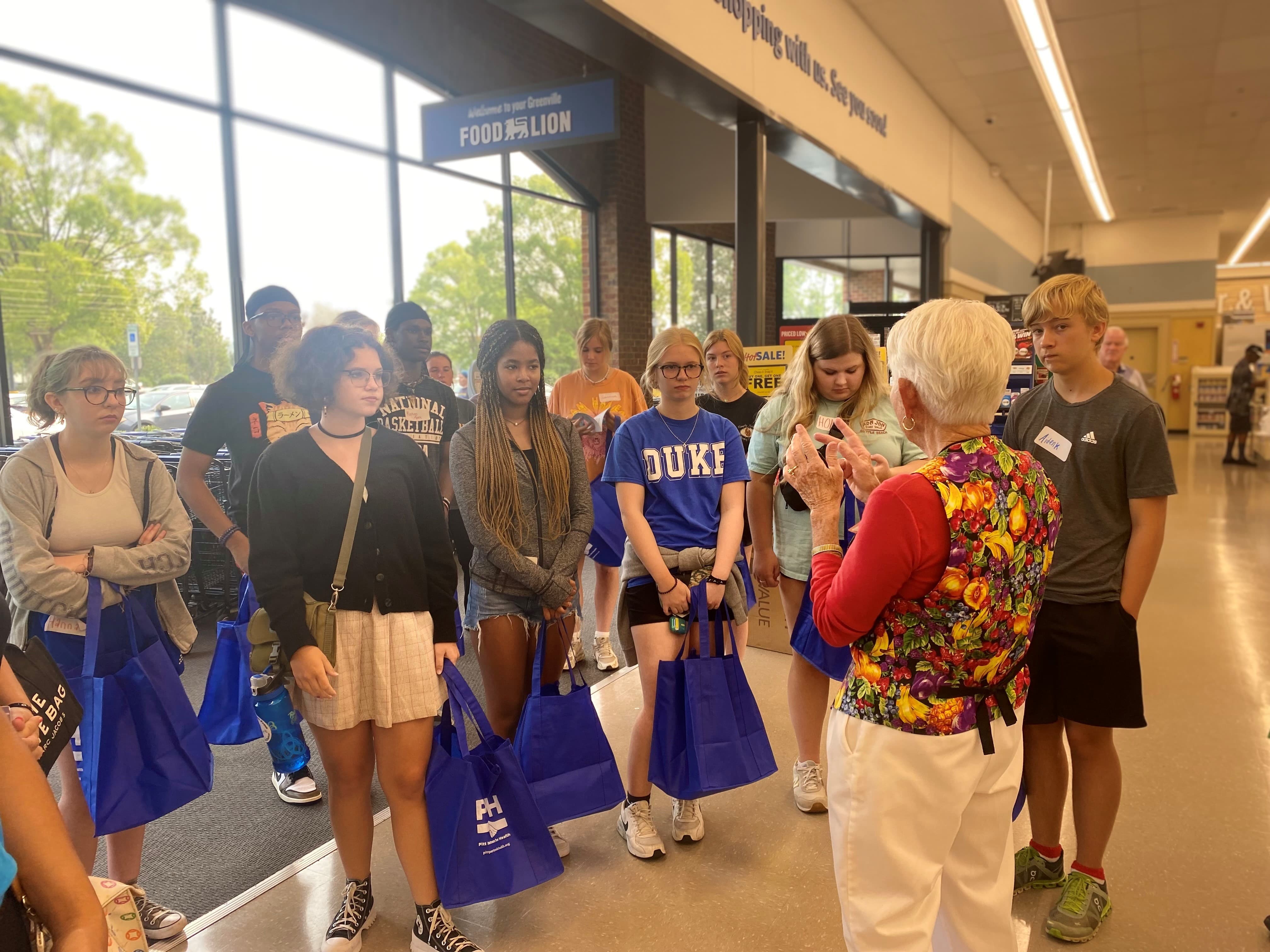
Founded through the long-standing Pitt Partners for Health Coalition, the Penny Pinchers Program is powered by a grant from The Duke Endowment’s “Healthy People, Healthy Carolinas” initiative. While ECU Health Medical Center is one of the coalition’s organizations, the program itself is community-led, with volunteers from across Pitt County driving its success.
“This is a coalition effort,” said White. “We have partners from all over the county helping lead it and we are grateful to our local Food Lions for allowing us to host this program at their stores.”
At the heart of Penny Pinchers is the $15 challenge, a hands-on grocery store tour designed to teach participants how to shop smart and eat healthily on a tight budget. Led by volunteers like De’Vette Thomas, a community health improvement manager at ECU Health, the tours take place at rotating Food Lion locations across Pitt County.
Each session begins with a brief orientation followed by a guided walk through the store. Participants learn how to use unit pricing to compare products, read nutrition labels, identify healthier options using Food Lion’s Guiding Stars system and understand the value of frozen, canned and fresh produce. After the educational portion, participants are given a $15 gift card and challenged to build a complete, healthy meal.
“The rules are to stay under budget and include at least three of four key components: a healthy protein, grain, fruit, dairy, and vegetable,” said Thomas. “Deli meats and processed items like bacon are off-limits for the challenge due to them not having any Guiding Stars and being high in sodium and fat. Participants are encouraged to eat from this food group less often. We want people to know they can eat healthily and still not spend a lot of money. It’s about teaching them how to get the most bang for their buck.”
Tours typically host 10-13 participants, with special sessions tailored for groups like public health students, senior clubs or the Diabetes Prevention Program at the Pitt County Health Dept. The program runs at least once a month, sometimes twice, depending on community demand.
Feedback has been overwhelmingly positive. Participants often share photos of their meals and complete pre and post surveys to help organizers measure impact. One participant, Lydia Best, described her experience as “fantastic.”
“I enjoyed meeting the other people who were there as well as all the information we were given,” said Best. “I had never noticed those stars at Food Lion for how to shop in a healthier fashion. We shared so much information between each other. It was fabulous.”
Best recalled the challenge of creating a balanced meal with the $15 gift card.
“I had chicken and broccoli, and I grilled it on top of the stove–nothing fried,” she said. “It was good, and my husband enjoyed it too.”
She emphasized the importance of programs like Penny Pinchers in helping people realize that healthy eating is possible on a budget.
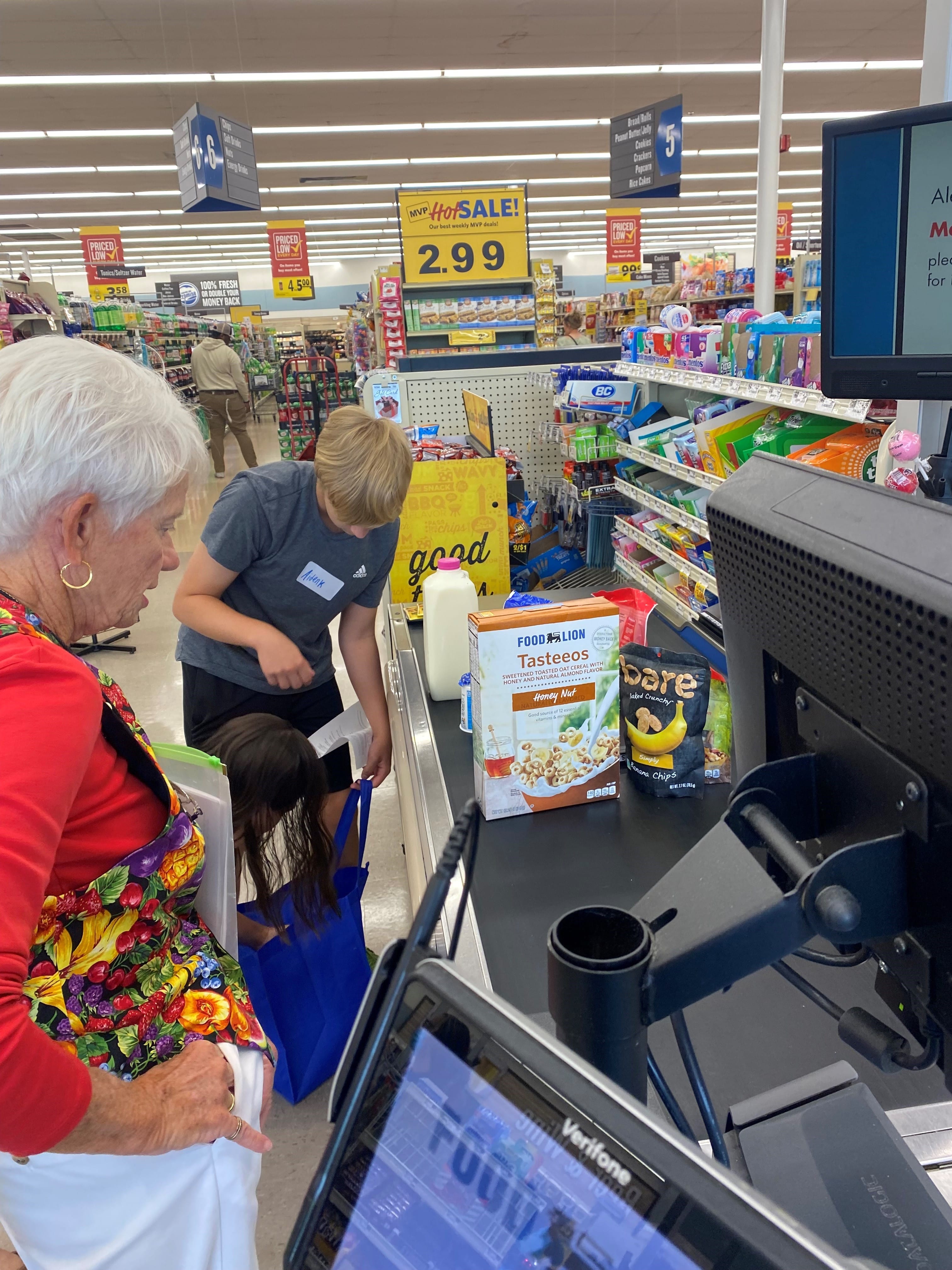
“A lot of people feel that they cannot eat healthy on a budget, and this proves that they can,” Best said. “Just knowing how to choose the right foods and even getting ideas for preparation makes a difference. It’s important to take time to shop for nourishment, and people need to know they can do this and have fun doing it.”
Best praised the volunteers who led the tour, describing them as “knowledgeable and friendly,” and encouraged others to take part.
“I encourage anyone who has the opportunity to participate in Penny Pinchers to do so,” Best said. “It’s worthwhile. It will open your eyes and help you see that you can eat healthy on a budget.”
Both Thomas and White are passionate about debunking the myth that healthy eating is unaffordable.
“People say it’s expensive to be healthy,” White said. “But this program shows that’s not necessarily true.”
By combining education, empowerment and community support, Penny Pinchers is helping residents in eastern North Carolina rethink their relationship with food and proving that with the right tools, anyone can be a health-conscious shopper.
To register, contact De’Vette Thomas at 252-847-6497 or [email protected].