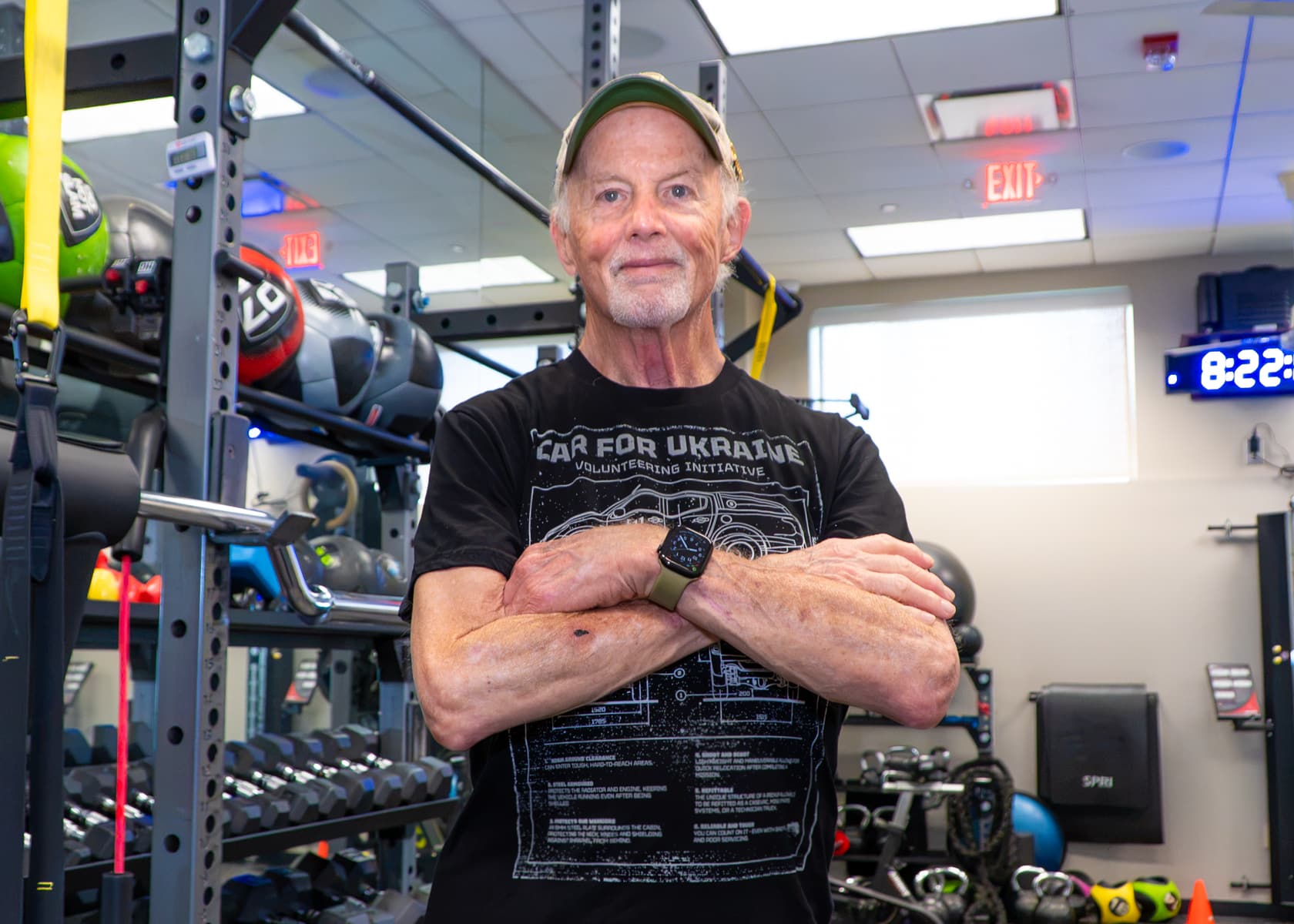
For most of his life, Robby McPhail has faced challenges head-on.
A Vietnam veteran, retired Army National Guard artillery officer, East Carolina University graduate and longtime business professional, McPhail has spent decades overcoming obstacles through discipline, perseverance and faith.
But nothing prepared him for the summer day in 2024 when a fall from a ladder left him paralyzed from the neck down.
“I never lost consciousness, so I knew exactly what was happening,” he said. “I was lying there on the porch, my phone within arm’s reach, and I couldn’t move anything. That’s a pretty sobering experience.”
Today, just over two years later, McPhail walks several miles a day, exercises regularly and is preparing to participate in ECU Health Rehab’s Run, Walk & Roll to Independence Race for the first time.
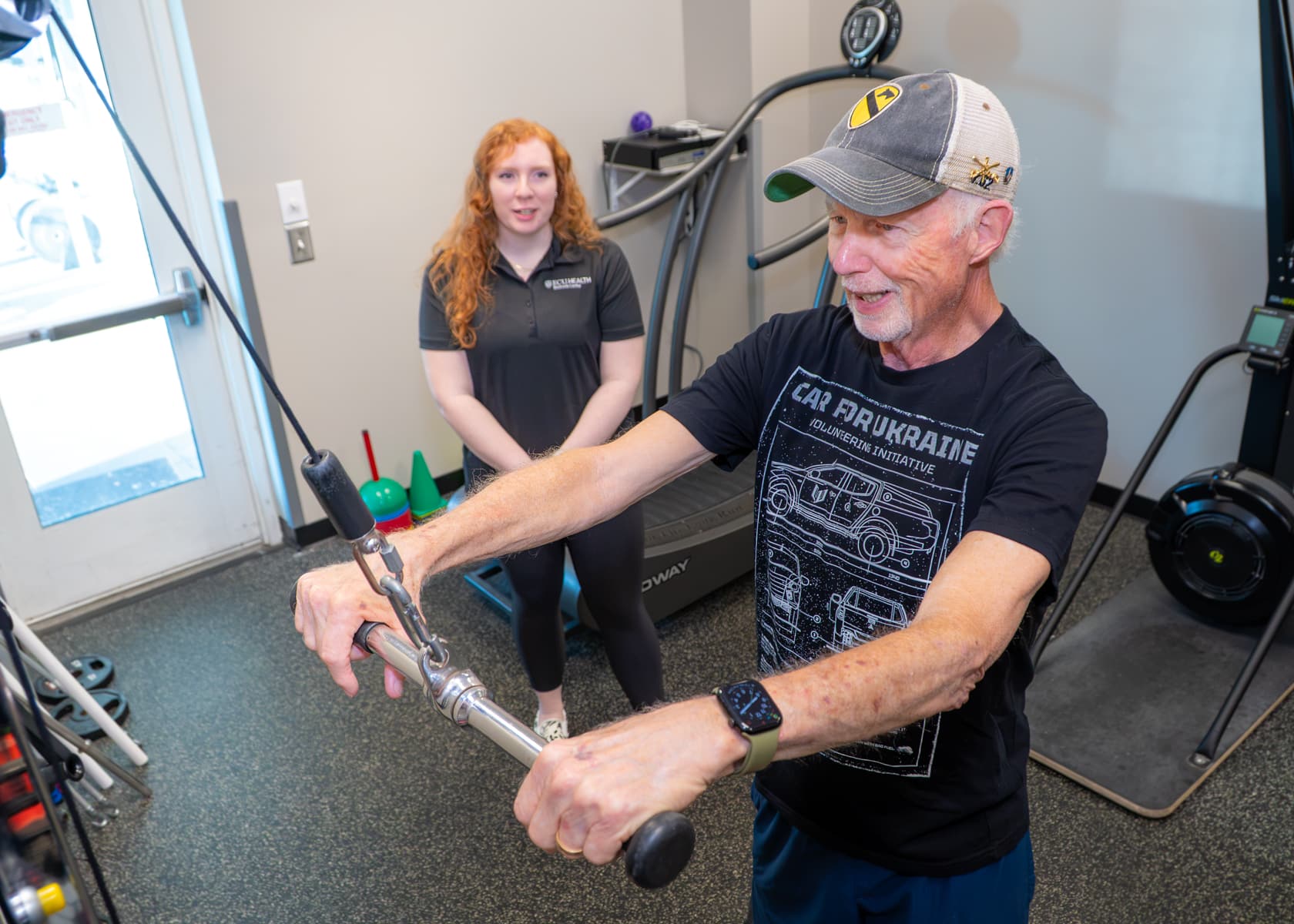
“It’s nothing short of a miracle based on what I came into the hospital with,” McPhail, 75, said. “I went from being totally paralyzed to getting my life back.”
The path to recovery began almost immediately. A retired labor and delivery nurse who lived nearby responded to his calls for help and emergency responders quickly transported him to ECU Health Medical Center.
Following surgery, McPhail began the long and challenging process of rehabilitation.
At first, even the smallest steps felt overwhelming.
During his inpatient rehabilitation stay, McPhail worked closely with physical, occupational and recreational therapists who helped him regain strength, mobility and confidence. Their expertise, encouragement and willingness to push him beyond what he thought was possible made a lasting impact.
“The professionalism of everyone I worked with was tremendous,” McPhail said. “They were knowledgeable, compassionate and always encouraging.”
Some of the most powerful moments of his recovery came from therapists challenging him to believe in a future beyond his injury.
One day, an occupational therapist told him she needed to measure him for a wheelchair.
“In my mind, that got my attention immediately,” McPhail recalled. “It motivated me to do everything I could to get back on my feet.”
Later, after transitioning to outpatient rehabilitation, a physical therapist delivered another challenge.
“She told me, ‘Next time you come back, don’t bring that walker,'” he said. “That walker had become my security blanket, but hearing that pushed me to keep moving forward.”
As he progressed through outpatient therapy, McPhail found himself surrounded by a team that celebrated every milestone while continuing to raise the bar for what he could accomplish. He credits the entire rehabilitation staff with helping him regain independence and restore confidence in everyday activities.
“When you’re going through something like that, you become very dependent on the people helping you,” he said. “They weren’t just providing therapy. They were giving me hope.”
Following outpatient therapy, McPhail was introduced to additional resources within ECU Health that helped him continue his journey to recovery. He began working with a trainer at the ECU Health Wellness Center, where he still exercises regularly, and became a patient of the ECU Health Lifestyle Medicine Clinic.
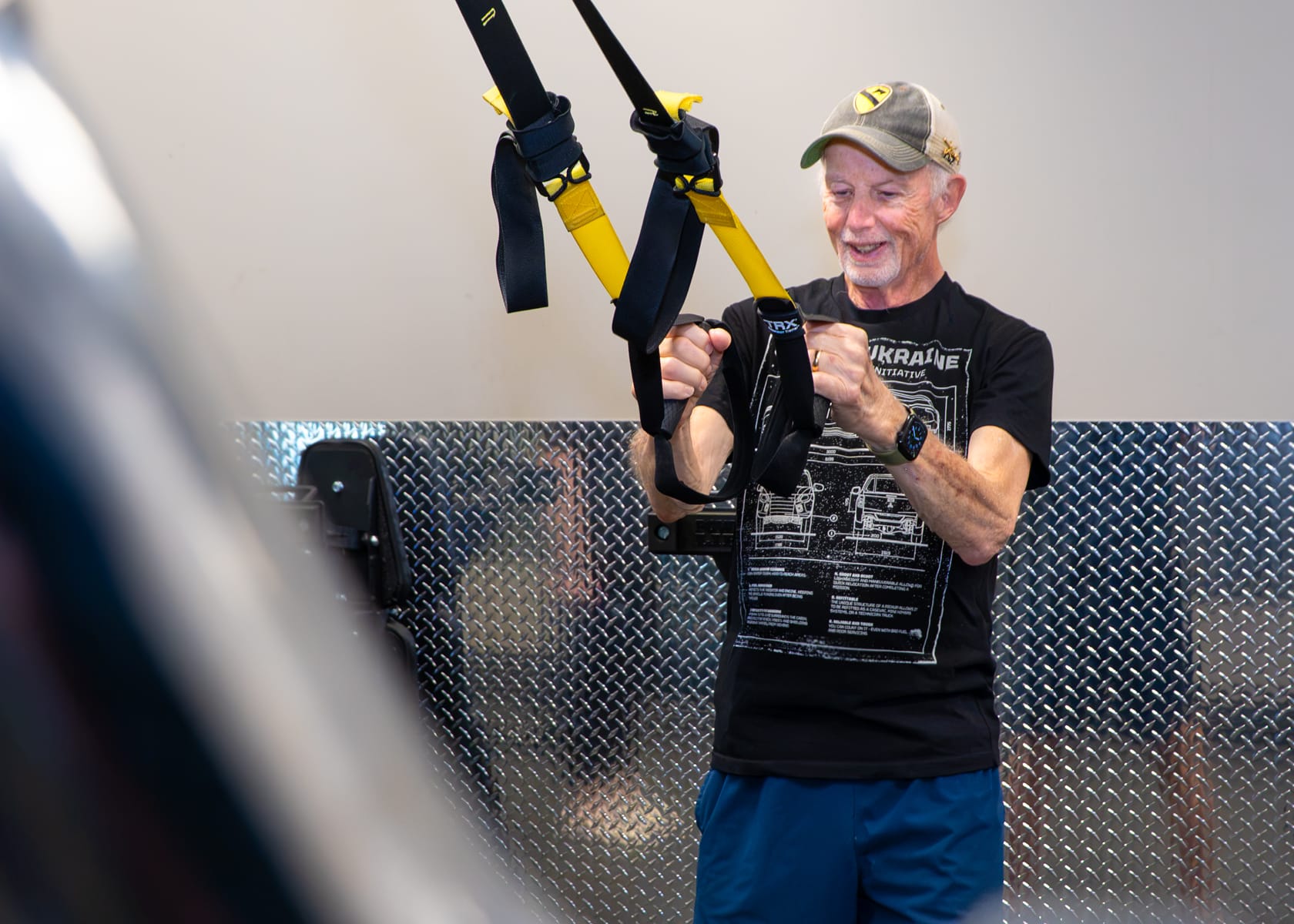
Together, the programs helped McPhail build healthy habits, improve his strength and endurance and manage chronic health conditions while continuing to recover from his initial injury.
“The Rehab team got me started, but the Wellness Center and Lifestyle Medicine Clinic helped me keep moving forward,” McPhail said.
Working with his wellness coach and Lifestyle Medicine providers, McPhail focuses on nutrition, exercise and overall wellness, developing a routine that has become a cornerstone of his recovery.
Today, he walks on the treadmill for an hour five days a week, regularly surpasses 10,000 steps a day and remains committed to maintaining his health and independence.
“I’m in the fourth quarter of life, and I want to play the whole fourth quarter,” McPhail said. “I want to stay active, independent and enjoy every day I’ve been given.”
Along the way, he has also found comfort and strength in his faith, family and community. He credits the prayers and encouragement of loved ones, along with the support of his rehabilitation team, for helping him navigate the physical and emotional challenges of recovery.
The progress has been so significant that rehabilitation staff have invited McPhail to share his story with current patients facing similar obstacles. He happily accepts every opportunity.
Whether speaking with patients or volunteering alongside staff, McPhail hopes his experience can inspire others who are navigating difficult recoveries of their own.
“If my story can encourage somebody else, I’m glad to do it,” he said. “When you’re sitting there facing the unknown, it helps to hear from someone who’s been through it.”
In addition, he volunteers on Thursday afternoons at ECU Health Outpatient Rehabilitation, a role he views as an extension of his recovery journey.
“It’s my way of giving back to the team of professionals who aided me in my recovery,” McPhail said.
That desire to give back is one reason McPhail immediately signed up when he learned about the Run, Walk & Roll to Independence race.
“This is the first year I’ve heard about it, and I signed up right away,” he said. “The Rehab team did so much for me. It’s a chance to support them and celebrate what they’re doing for people every day.”
As he prepares to join fellow patients, team members and community supporters at the starting line, McPhail hopes others will recognize the life-changing impact rehabilitation can have.
“The care I received, the professionalism, the encouragement, everything they did helped put me back together,” said McPhail.
For McPhail, the race represents far more than a community event. It’s a celebration of recovery, resilience and the people who helped him transform one of the worst days of his life into a story of hope.
“I’m thankful every day,” he said. “Thankful to wake up, thankful for the people who helped me and thankful that I can keep moving forward.”
To join McPhail at the Run, Walk & Roll to Independence race, please visit: www.ecuhealthfoundation.org/event/run-walk-roll-to-independence-5k-and-1-mile-fun-run-walk-2/
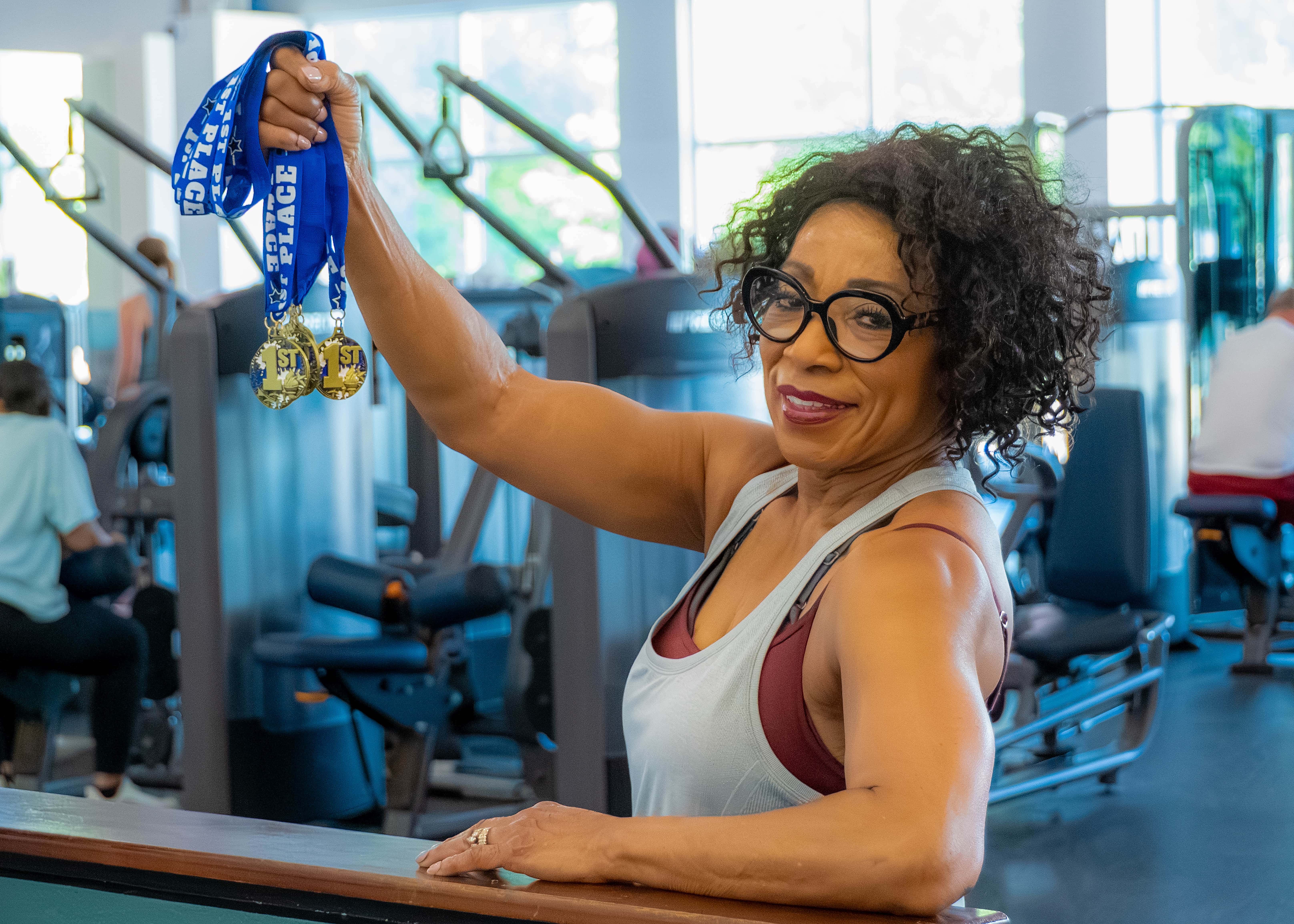
As seniors across the state flex their muscles at their regional North Carolina Senior Games, two top competitors in Pitt County said they are grateful for ECU Health’s Wellness Centers where they can train for competition, learn a new skill and above all keep moving.
The North Carolina Senior Games began in 1983, as did the local Greenville-Pitt County Senior Games. The local event invites athletes aged 50 and above from Beaufort, Bertie, Hertford, Martin and Pitt counties to compete in over 40 events encompassing sports like bowling, bocce ball, basketball and track and field. Medalists are then invited to the state and, should they keep winning, the national games.
Shirley Darden-Gibson, 71, has competed in 13 Greenville-Pitt County Senior Games. “The Beast from the East” as she is known by friends and competitors regularly takes first place in track and field sprinting events, and last year clinched a silver medal at the National Senior Games in Des Moines, Iowa. Darden-Gibson said the games feed her competitive fire, a fire that is sparked in part by her workouts at the ECU Health Wellness Center in Greenville.
“Our wellness centers in Greenville, Washington and Ahoskie provide members and guests with a wide array of resources, equipment, facilities and classes to improve their overall wellness,” said Jonathon Unger, director of ECU Health Wellness Centers. “People of all ages can depend on these resources to keep themselves moving and prepared not only in competition, but in their day-to-day lives. Improving health through flexibility, strength and cardio exercise is important for people of all ages and ECU Health is grateful for organizations like the Greenville-Pitt County Senior Games who promote recreation and wellness across our 29-county region.”

Darden-Gibson works out five days a week for two and a half to three hours each session. She taught aerobics at the wellness center in Greenville for 20 years and takes full advantage of the center’s many resources, where she can run on the indoor and outdoor tracks, lift weights and participate in classes like yoga and Pilates. She also does aquarobics in the center’s indoor pool and enjoys finding new activities.
“The wellness center is very important to me,” Darden-Gibson said. “Fitness has always been part of my life. I believe that the body is a temple, and I believe in taking care of my temple. It belongs to us and I believe we are responsible for its maintenance.
“The gym is a great resource to train for my competitions. I know a lot of people here because I taught here, and they are very supportive. They’ll tell me ‘You’re the beast!’ and I’ll tell them they’re right, but there’s a lot more beasts out there. That’s why I have to stay at the top of my game.”
Don English, 87, has taught yoga at the wellness center in Greenville since 2002, with a short break to move into the private sector. He also competes in cycling at the senior games, where last year he won a silver medal in the 5K time trial and a gold in the 10K time trial at the national games in Des Moines, Iowa. English said he cycles between 75 and 100 miles a week with friends and teaches three to four yoga classes a week, too.. He said he hopes cycling and yoga will keep him fit well into his 90s.
“I feel very strongly that, as we age, it’s so important to keep our legs strong,” English said. “It’s so easy to lose leg strength. I have read that you should lift weights, to tighten and strengthen your muscles, should do something to lengthen and stretch the muscles, for me that’s yoga, and then a cardiovascular exercise. For me, that’s cycling.”
English also teaches chair yoga, for people who can’t or don’t want to get down on a mat, and teaches seniors how to get up and down off the floor in the event of a fall. NC Department of Health and Human Services data indicates that more than 20,000 residents aged 65 or older were hospitalized by falls in 2024.
Darden-Gibson said she finds maintaining her “temple” is a great step toward injury prevention and healing from injuries when they do occur. She said in 2015, an abdominal surgery that was estimated to take six months recovery time only took three months because she was in excellent physical shape.
“I believe we can have a better handle on sickness, illnesses, disease if we take the initiative to care for own health,” she said. “They have meds, and thank God for meds and doctors, but I think there’s more that we can do ourselves, that can maybe help us stay on top of that.”
ECU Health Wellness Centers are located in Greenville, Ahoskie and Washington and offer a broad range of fitness and exercise programs, and aquatic and wellness services for all ages and fitness levels. The medical fitness facilities are designed to empower users to achieve their optimal health. More information about ECU Health Wellness Centers is available here.
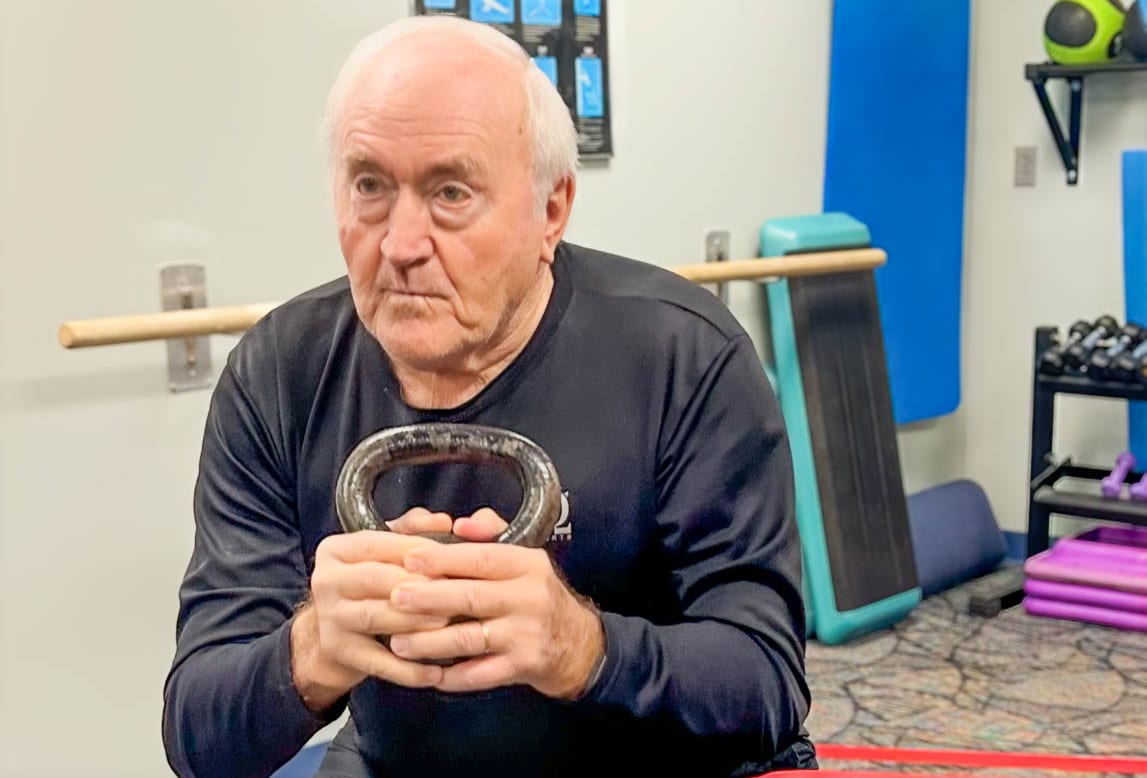
The first thing 83-year-old Sam Fulmer asked when he discovered he needed shoulder replacement surgery was, “when can I play tennis again?”
“I am an athletic nut, and I’ve played tennis since the Cuban Missile Crisis,” Sam joked. “That’s what, 62 years? But it got to where it hurt to hit a tennis ball, and that’s when I knew I needed to see a doctor.”
Pain on the court
After his service as a Marine – which is where he picked up his tennis habit – Sam found a job in North Carolina as a statistician and bookkeeper for a phosphate mine. Through the years, he’s remained active by playing tennis and riding bikes.
As a result, Sam is no stranger to joint replacement; he’s had both knees and a hip replaced. While he’s seen several doctors over the years, his most recent experience with Dr. Shawn Yeazell, a fellowship-trained orthopedic surgeon at ECU Health Orthopedics, was especially positive.
“My daughter works with ECU Orthopedics and she recommended Dr. Yeazell. I was able to get seen by him quickly, which was a great selling point for me.”
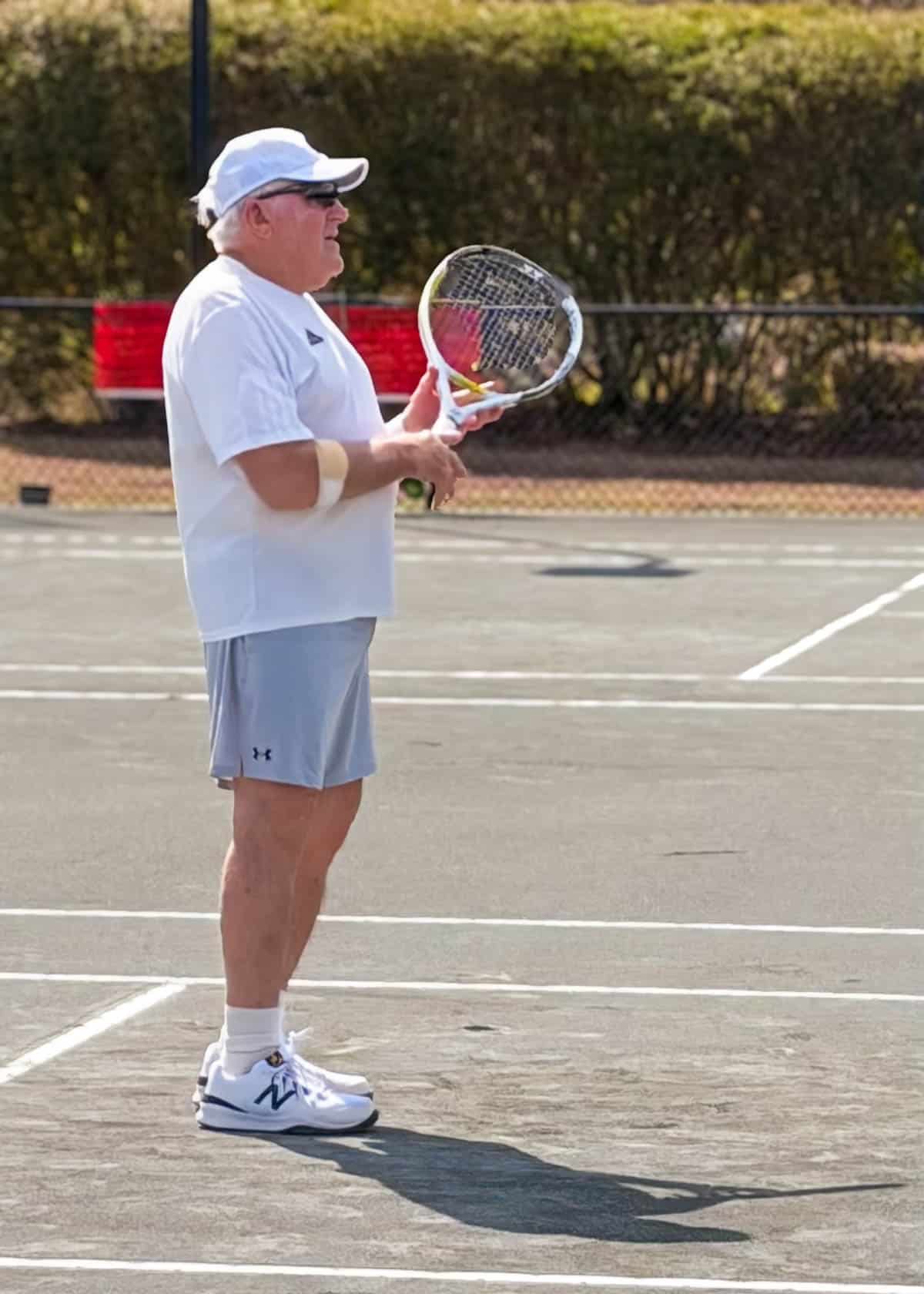
Another benefit, Sam said, was how quickly he was scheduled for surgery, and on Oct. 3, Sam had his reverse shoulder replacement at the ECU Health Medical Center.
Trusted care close to home
“Surgery went well and I had zero pain, which is practically unheard of for shoulder surgery,” Sam said.
Sam was eager to begin his recovery, and in a few days, he began physical therapy at ECU Health Beaufort Hospital Outpatient Rehabilitation.
“It was so easy to set up my appointments, and they have great people working there,” he said. “I worked with Rhonda Sillitoe and Jennifer Bylykbashi, and what a wonderful experience that was. I wanted to do more, but they told me they have to follow the surgeon’s protocol. The surgeons track your progress and we had to follow their rules, which isn’t easy because I’m a little hard headed. But they were right.”
In two weeks, Sam “passed with flying colors,” but his daughter encouraged him to continue his rehabilitation.
Rebuilding strength
Sam and his wife, Davey, were already members of the ECU Health Wellness Center – Washington, so it was easy to transition his recovery from outpatient rehab to the Wellness Center.
“I got to work with Russ Sohooli, who we already knew from going there, and he scheduled me for eight sessions. I can’t tell you how good Russ is; he’s in a class by himself.”
Sam recently completed his eight weeks with Russ, but after a short break, he plans to do eight more sessions.
“Being active is part of our lifestyle,” Sam said. “If you embrace that, you’ll have a better life – especially when you get to 65. That’s when you can make a bad turn. But if exercise is a part of your life, it’s a joy.”
Sam said he was most impressed with the smooth and easy coordination among the ECU Health locations and people.
“Everyone talked to everyone – even Russ was aware of my surgery and its protocol and what I’d already done in therapy,” he said. “We refer everyone to ECU Health Orthopedics because you get seen quickly and they help you get back to what you want to do.”
Two months ago, Sam got the green light to play tennis again.
“Dr. Yeazell told me to start easy, to not start by playing matches but just to hit the ball around with Davey or the bank board,” he said. “You have to work your way back and at first you might be afraid that it will hurt, but you have to build back that confidence and now I can hit the ball as hard as ever.”
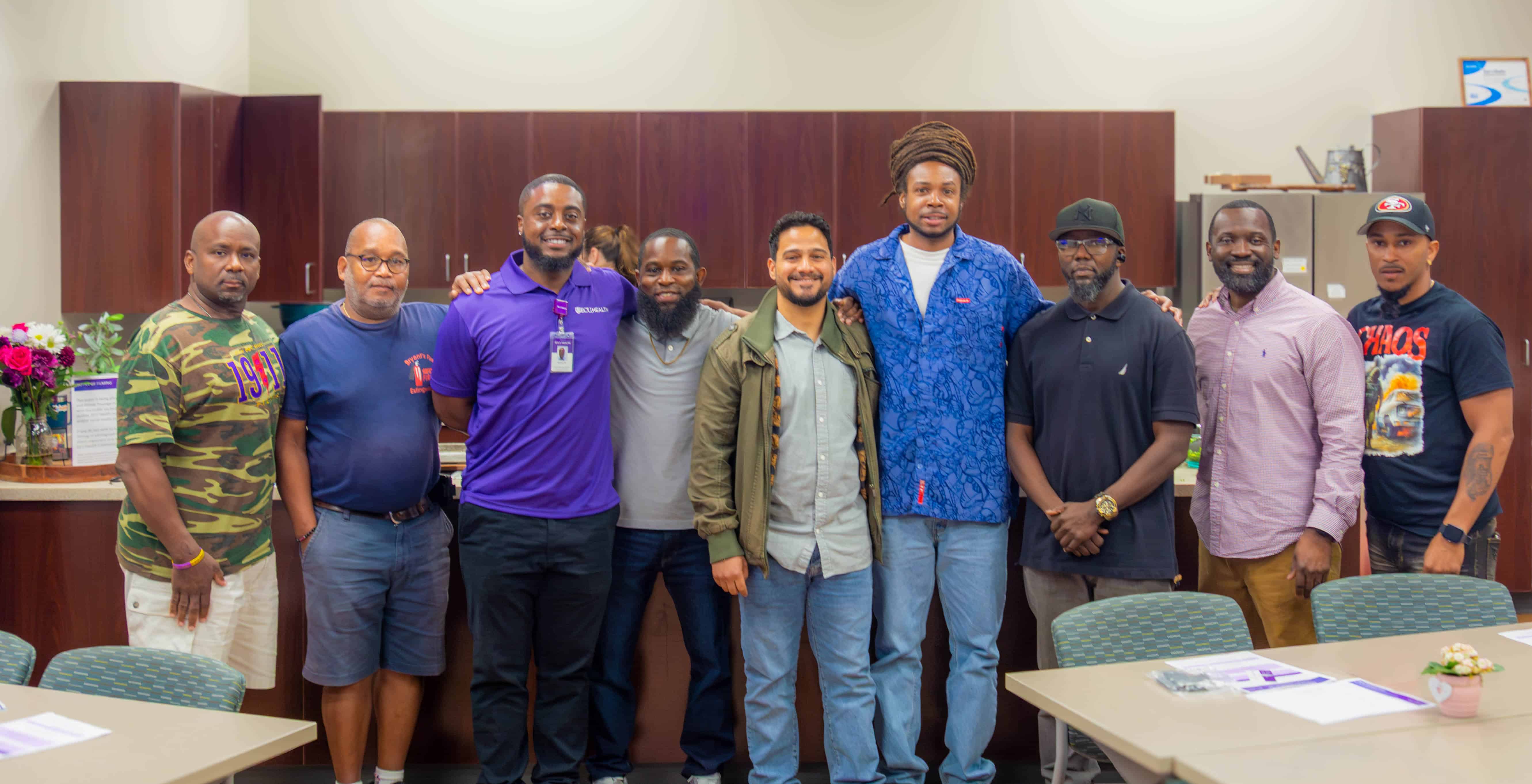
The Office of Community Health at ECU Health brought barbers and health professionals together for an afternoon of education, fellowship and hands‑on learning during its Barbers for Life men’s health event.
ECU Health Lifestyle Medicine hosted a Dining with the Doc event especially for barbers throughout eastern North Carolina. The gathering highlighted the essential role barbers play as trusted community leaders, often serving as the first line of conversation when it comes to well-being.
“Today is all about empowering barbers as community health leaders,” said Almon‑Re Alston, community health engagement coordinator, ECU Health.
Alston organized the event alongside the ECU Health Lifestyle Medicine Clinic, which routinely hosts Dining with the Doc.
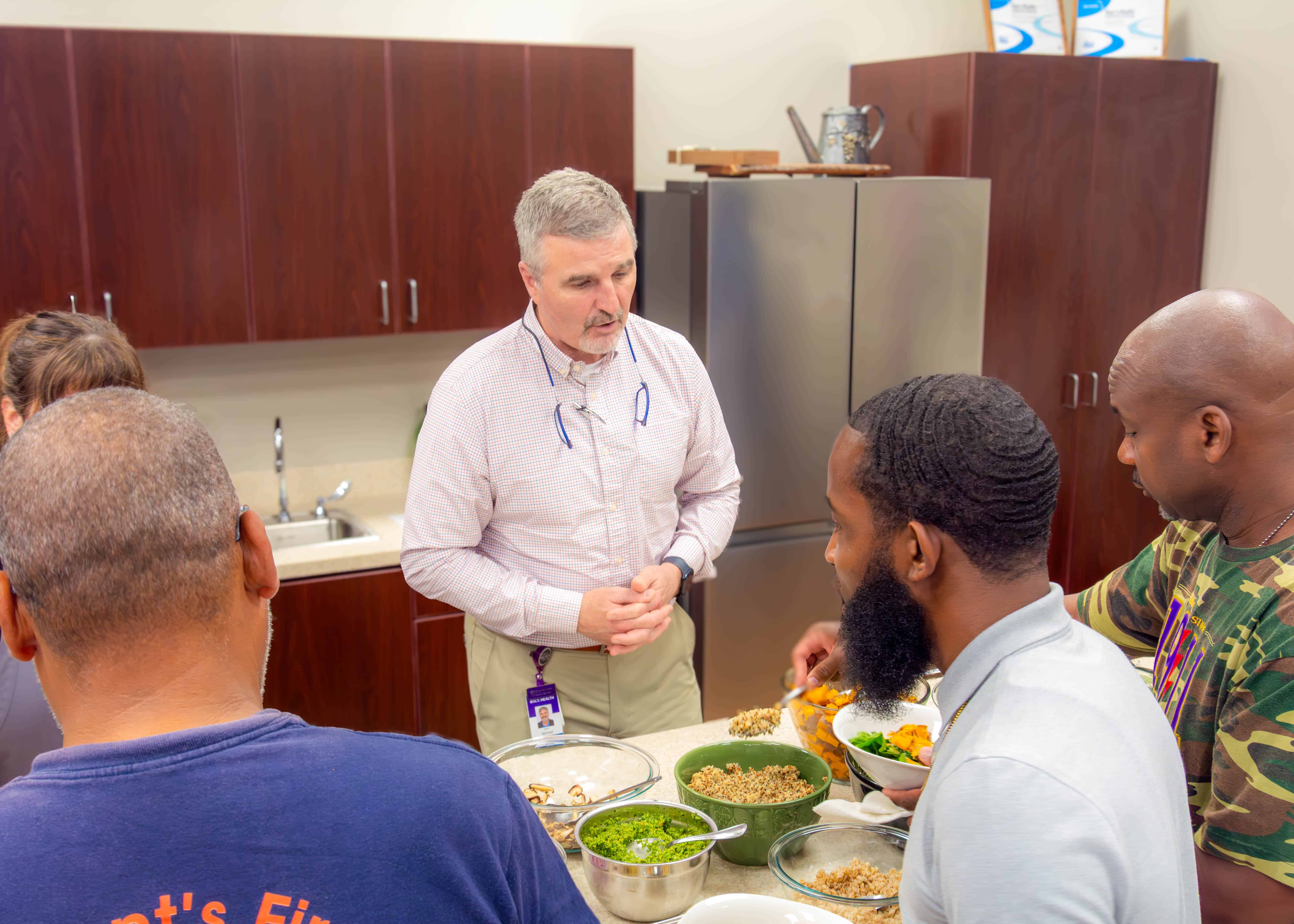
This particular demonstration stemmed from a previous meeting where barbers expressed interest in learning more about healthy food choices – not only for themselves, but so they could share practical guidance with their clients. Because barbers are often trusted confidants, equipping them with knowledge about healthy lifestyles can help strengthen community well being and support long term health improvements across the region.
Ariana Lohmann, a lifestyle coach and chef at the ECU Health Lifestyle Medicine Clinic, hosted the live cooking demonstration and began by demystifying tofu, showing barbers how to marinate and roast it for flavor and texture.
“It’s a really inexpensive, high protein option,” she explained, noting that all ingredients were purchased from everyday grocery stores. In addition to tofu, the menu included salad ingredients, homemade dressing and fresh vegetables.
Lohmann emphasized that healthy eating doesn’t have to be expensive. The meal she prepared cost about $4.85 a serving.
Lohmann said events like this matter because they expose people to possibilities they may not have considered.
“A lot of times, the food we prepare at Dining with the Doc are things people haven’t tried, and so they’re hesitant to try it,” she said. “They get an opportunity to try new things and be in a group of community members who are doing the same things.”
Beyond nutrition, Alston hopes the initiative chips away at long‑standing barriers.
“We have to push back against the stigma that says Black men don’t go to the doctor or don’t take care of themselves,” Alston said. “Every man deserves to feel comfortable getting screened, asking questions and talking about his health. When barbers come together like this, it shows the community that taking care of yourself is something to be proud of.”
Dining with the Doc includes a live cooking demonstration preparing a simple, affordable, heart‑healthy dish while discussing the benefits of whole‑food, plant‑forward eating.
The centerpiece of the afternoon was a men’s health awareness talk by Dr. David Michael, medical director for the ECU Health Lifestyle Medicine Clinic and clinical informaticist, who covered the six pillars of lifestyle medicine: nutrition, exercise, sleep, substance abuse, stress management and healthy relationships. Dr. Michael also discussed the rising rates of chronic disease, especially among Black and Latino men, and the importance of early detection. Drawing from decades of clinical experience, he emphasized that lifestyle changes can prevent, and in some cases reverse, chronic conditions such as type 2 diabetes and hypertension.
Dr. Michael also highlighted the unique role barbers play in health conversations. He encouraged barbers to ask simple questions about sleep, stress and daily habits, noting that these conversations can open the door to life changing awareness.

“When you’ve got someone in your chair, you talk about everything — and health can be one of those conversations,” Dr. Michael said. “Whether it’s social connection, nutrition or even checking blood pressure, you have opportunities to bring these things up. The truth is that a lot of people are living with chronic conditions they don’t even know about.”
“That connection between barbers and community health is exactly why the Barbers for Life initiative exists,” said Kelly Spivey, community health improvement coordinator, ECU Health. “Barbers see so many people in their chairs, and they can make such an impact in so many people’s lives. Barbers for Life is our way of giving the barbers all the tools in their toolbox to be able to inform their clientele about all these amazing, healthy initiatives.”
Spivey believes events like this strengthen the network of barbers across the region.
“It brings them together, it lets them know what resources we have,” she said. “If they see it firsthand, then they’ll be able to do it more. I hope the barbers gain a new vision on how they can prepare good food. We all have traditions and culture, but we can tweak little things that make a really big difference.”
For many attendees, the event wasn’t just informative – it was personal. Barber Wady Santos of Bongos Barbershop in Greenville said participating in the initiative is part of giving back.
“We as barbers tend to give back to the community,” Santos said. “Getting educated about health gives us the opportunity to help our customers learn about their own health.”
Santos plans to bring what he learned straight back to his shop.
“I’m excited to start changing my nutrition habits and helping my customers do that as well,” he said. “We’re very thankful that ECU Health has provided that for us.”
Event organizers also trained the barbers on taking blood pressure and gifted each barber a blood pressure cuff for their shops.
“Today just proves that when barbers are equipped with knowledge, resources and support, they become more powerful advocates for healthier communities,” said Alston.
To learn more about future Dining with the Doc events free and open to the public, please visit www.ecuhealth.org/events.

“I was 58, worn out and tired,” said Monica Joyner, a senior secretary in the Sterile Processing Department. Her husband had recently passed away, and she was caring for her aging mother. “I took an inventory of my life and felt trapped. I wanted to change, but I didn’t know where to start.”
That’s when Monica learned about Health and Well-being offerings at ECU Health.
“I saw information about ECU Health Lifestyle Medicine and working with a lifestyle coach,” she said.
“As team members, we get some sessions for free, so I thought what did I have to lose?”
Monica made an appointment with Jessica Wakefield, a lifestyle coach with ECU Health Lifestyle Medicine, and the connection was instant.
“She was so easy to talk to, and together we determined what areas were critically important to me,” Monica said. “We developed a realistic plan to improve those areas and I’ve been thrilled with my success.”

Jessica emphasized that her work as a lifestyle coach is a partnership.
“I focused on meeting Monica where she was in her change journey, finding out what was important to her and what was motivating her to make these changes now,” Jessica said. “As Monica saw that it was possible to make changes, she became motivated to make further changes.”
Initially, Monica and Jessica met twice a month, during which time, they established specific, measurable, achievable, relevant and time-bound (S.M.A.R.T) goals. Monica said she was honest with Jessica about what goals seemed achievable and what goals did not, and they included incorporating more fruits and vegetables into her diet, drinking more water and finding ways to move her body – which didn’t include going to the gym.
“I found exercise videos on Facebook because I knew I couldn’t stay consistent going to the gym,” she shared. “But working out at home is working out for me.”
But it wasn’t just about working out and eating better. Monica and Jessica also talked about strategies for handling stress and getting a good night’s rest. One goal Monica set was to improve her sleeping habits.
“I created a nightly routine to wind down by journaling with a devotional and listening to relaxing gospel music around 9 p.m. This routine soothed me right to sleep,” Monica said.
Together, these small changes yielded a 15-pound weight loss, a normal blood pressure reading and improved lab work. “I feel so much better than I did this time last year,” Monica said. “I feel alive.”
The keys to her success were the realistic goals and Jessica’s support. “I was honest with myself and Jessica, and if an idea wasn’t working, I felt free to say that. Then we’d try something else,” Monica explained. “Jessica was my much-needed accountability partner, and I felt like I couldn’t let her down.”
Now, Monica said she recommends the lifestyle coach services to anyone who asks. “I’m a commercial, and I’ve told people it can help them get things in order,” she said. “People walk up to me and tell me I look amazing, and I tell them 60 is the new 40. I’m living proof that simple goals can be set and achieved, and it’s never too late to take care of yourself. ECU Health’s Lifestyle Medicine can get you started on your journey.”
Want to learn more about Lifestyle Medicine or lifestyle coaching? Check out the website here.
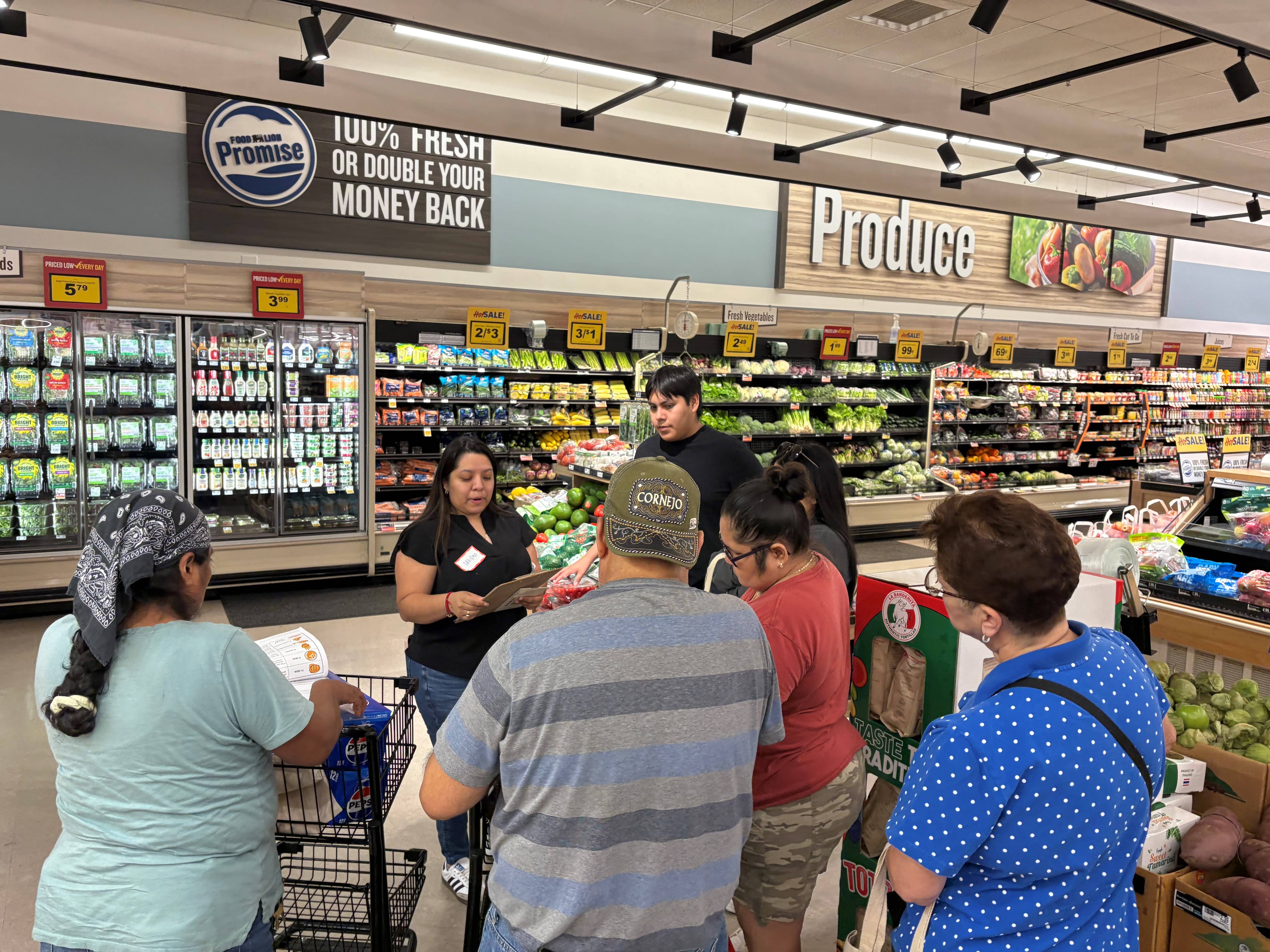
A local initiative is helping residents rethink how they shop for food. The Penny Pinchers Health Grocery Store Tours, led by the Pitt Partners for Health Coalition, shows that healthy eating does not have to be expensive. Through hands-on grocery store tours and practical budgeting strategies, the program equips participants with the tools to make healthier choices without overspending.
Healthy eating is crucial to long-term well-being, helping to prevent chronic diseases like obesity, diabetes and heart conditions. While cost is often seen as a barrier, nutritious diets can be affordable with smart planning. According to the Pew Research Center, roughly 70 percent of Americans say the increased cost of healthy food in recent years has made it more difficult to eat healthy.
Despite rising food prices, making informed choices and cooking at home can dramatically reduce expenses while boosting health, according to Qua’Tavia White, community health improvement coordinator at ECU Health.
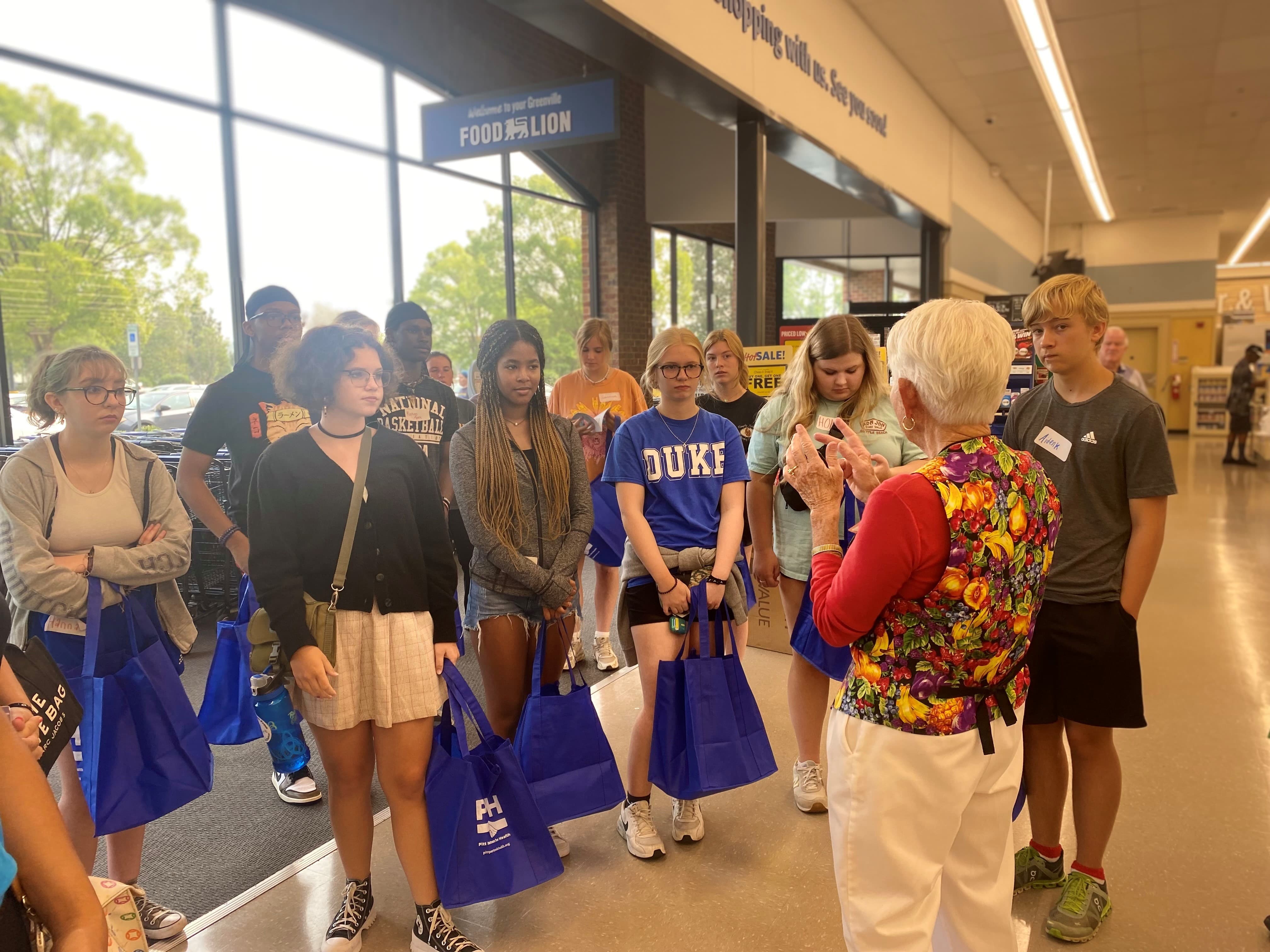
Founded through the long-standing Pitt Partners for Health Coalition, the Penny Pinchers Program is powered by a grant from The Duke Endowment’s “Healthy People, Healthy Carolinas” initiative. While ECU Health Medical Center is one of the coalition’s organizations, the program itself is community-led, with volunteers from across Pitt County driving its success.
“This is a coalition effort,” said White. “We have partners from all over the county helping lead it and we are grateful to our local Food Lions for allowing us to host this program at their stores.”
At the heart of Penny Pinchers is the $15 challenge, a hands-on grocery store tour designed to teach participants how to shop smart and eat healthily on a tight budget. Led by volunteers like De’Vette Thomas, a community health improvement manager at ECU Health, the tours take place at rotating Food Lion locations across Pitt County.
Each session begins with a brief orientation followed by a guided walk through the store. Participants learn how to use unit pricing to compare products, read nutrition labels, identify healthier options using Food Lion’s Guiding Stars system and understand the value of frozen, canned and fresh produce. After the educational portion, participants are given a $15 gift card and challenged to build a complete, healthy meal.
“The rules are to stay under budget and include at least three of four key components: a healthy protein, grain, fruit, dairy, and vegetable,” said Thomas. “Deli meats and processed items like bacon are off-limits for the challenge due to them not having any Guiding Stars and being high in sodium and fat. Participants are encouraged to eat from this food group less often. We want people to know they can eat healthily and still not spend a lot of money. It’s about teaching them how to get the most bang for their buck.”
Tours typically host 10-13 participants, with special sessions tailored for groups like public health students, senior clubs or the Diabetes Prevention Program at the Pitt County Health Dept. The program runs at least once a month, sometimes twice, depending on community demand.
Feedback has been overwhelmingly positive. Participants often share photos of their meals and complete pre and post surveys to help organizers measure impact. One participant, Lydia Best, described her experience as “fantastic.”
“I enjoyed meeting the other people who were there as well as all the information we were given,” said Best. “I had never noticed those stars at Food Lion for how to shop in a healthier fashion. We shared so much information between each other. It was fabulous.”
Best recalled the challenge of creating a balanced meal with the $15 gift card.
“I had chicken and broccoli, and I grilled it on top of the stove–nothing fried,” she said. “It was good, and my husband enjoyed it too.”
She emphasized the importance of programs like Penny Pinchers in helping people realize that healthy eating is possible on a budget.
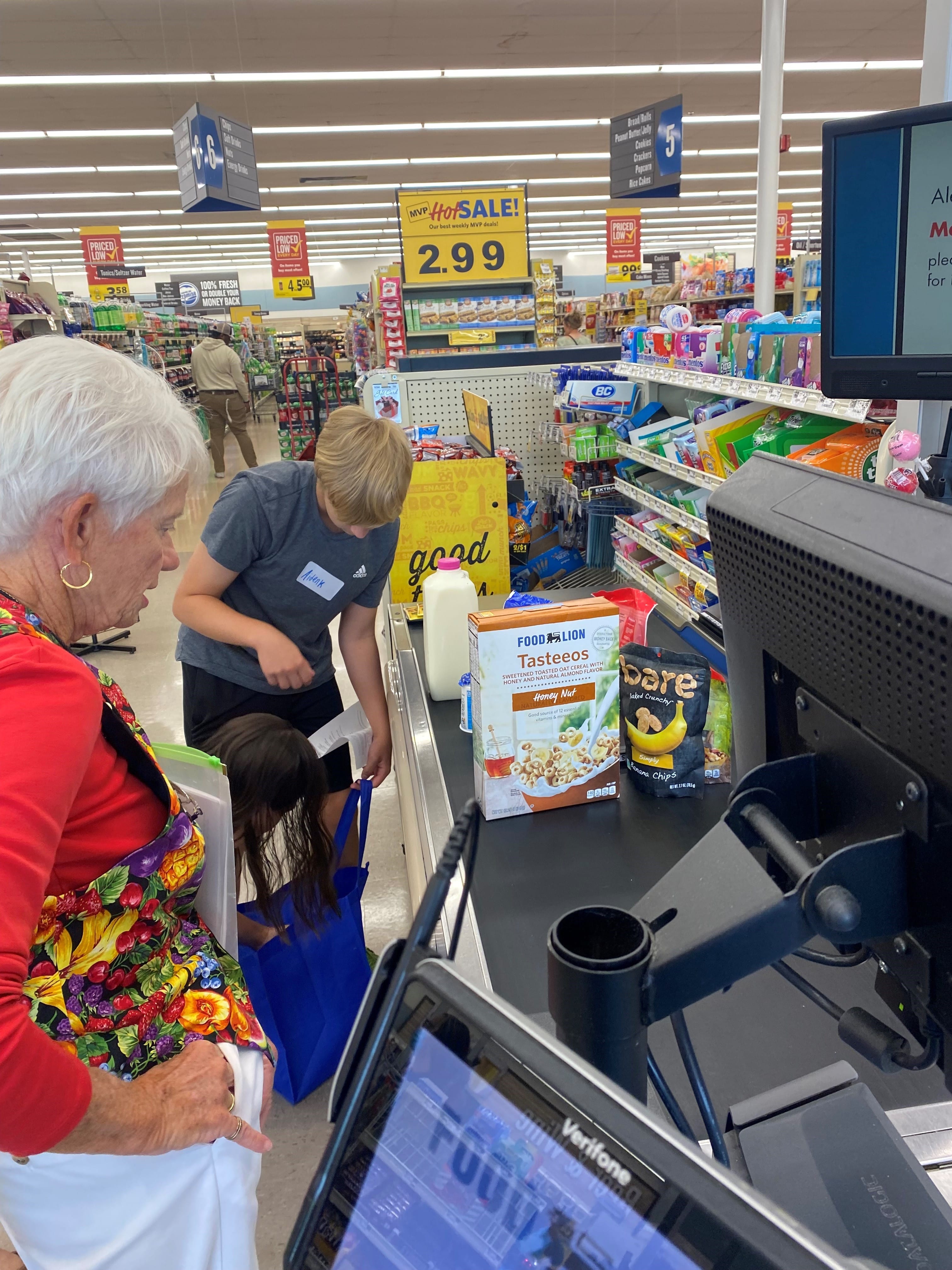
“A lot of people feel that they cannot eat healthy on a budget, and this proves that they can,” Best said. “Just knowing how to choose the right foods and even getting ideas for preparation makes a difference. It’s important to take time to shop for nourishment, and people need to know they can do this and have fun doing it.”
Best praised the volunteers who led the tour, describing them as “knowledgeable and friendly,” and encouraged others to take part.
“I encourage anyone who has the opportunity to participate in Penny Pinchers to do so,” Best said. “It’s worthwhile. It will open your eyes and help you see that you can eat healthy on a budget.”
Both Thomas and White are passionate about debunking the myth that healthy eating is unaffordable.
“People say it’s expensive to be healthy,” White said. “But this program shows that’s not necessarily true.”
By combining education, empowerment and community support, Penny Pinchers is helping residents in eastern North Carolina rethink their relationship with food and proving that with the right tools, anyone can be a health-conscious shopper.
To register, contact De’Vette Thomas at 252-847-6497 or [email protected].
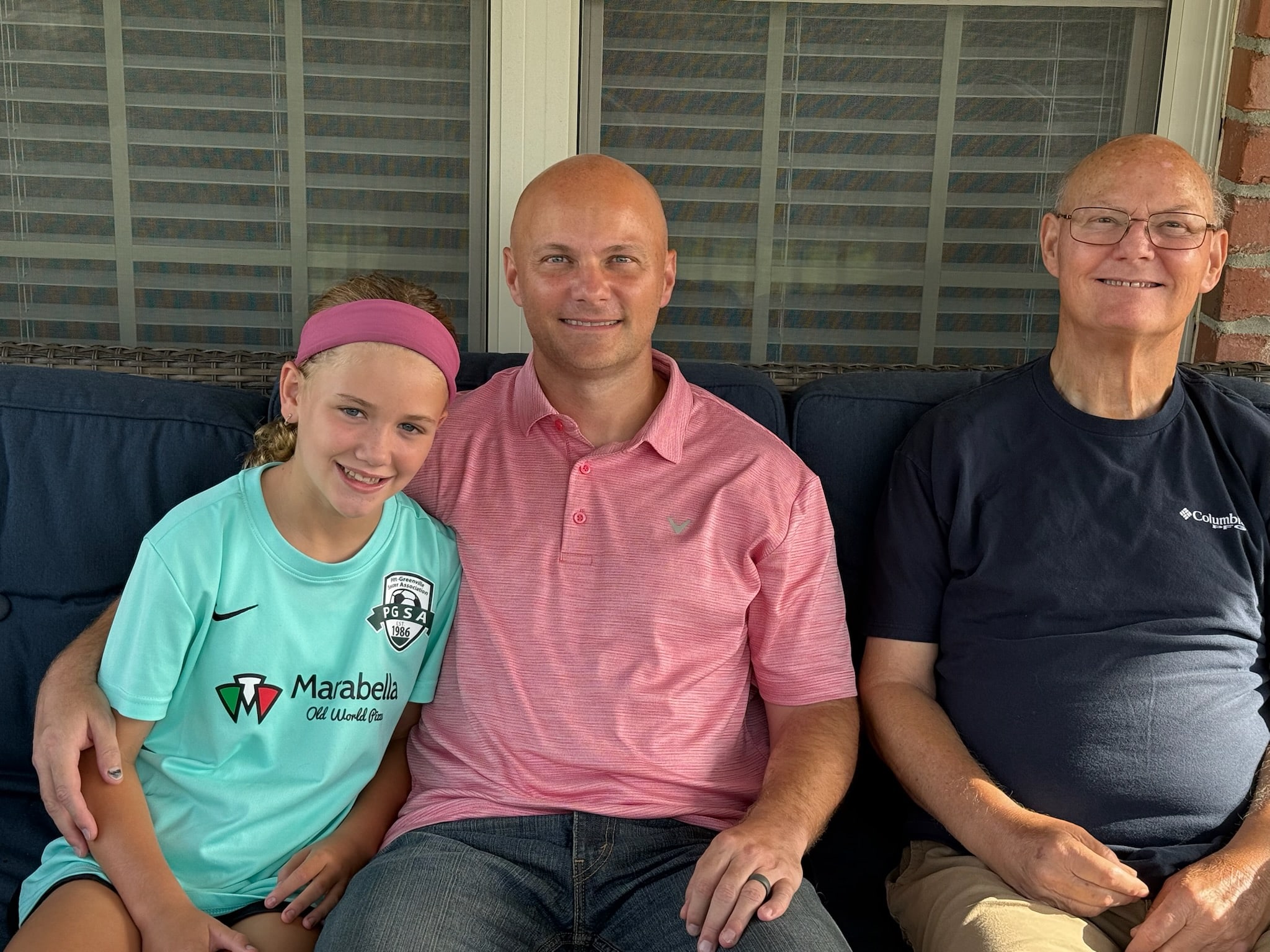
Tom Stanley, manager in Marketing and Communications, discovered the importance of advance care planning (ACP) one afternoon at swim practice.
“My parents were in town to visit the grandkids and dad’s heart suddenly stopped,” Tom shared. “It just so happened there were two physicians right there and they got CPR going immediately.”
Tom’s father, Bill, was transported to ECU Health Medical Center, where he was admitted for testing. During a stress test, his heart stopped for a second time.
“The doctors brought him back and declared him an official heart patient,” Tom said. “He ended up staying in the hospital for several weeks after needing a bypass surgery and a pacemaker.”
During this unexpected event, Tom discovered that his dad had already completed his advanced directives, a step that removed a great deal of worry for Tom and his family because his dad was able to communicate his preferences for care.
Advance care planning, which gives adults the opportunity to plan and record their health care choices in situations where they are unable to communicate what they want, can be a tricky topic to discuss, said Ellie Ward, advance care planning coordinator. As a patient-centered health care system, ECU Health supports informed and shared decision making for our patients and their families.
Two primary advance directive documents Ellie recommended that all adults complete are the
HCPOA and a living will, because the conversations surrounding a person’s wishes are key.
“There is so much nuance around understanding someone’s care preferences,” Ellie said. “Being able to ask clarifying questions is key. For example, if someone says, ‘I don’t want to be a burden to my family,’ do they mean a financial burden? An emotional burden? That’s why these conversations are the cornerstone to good advance care planning.”
“Dad had a stroke 10 years ago, and he put together his health care power of attorney and living will at that time,” Tom explained. “Having everything in place – and knowing what he wanted – allowed us to focus on what the doctors were saying, what he was saying and spending time together ahead of a serious surgery rather than completing these in the midst of all that was going on.”
“It’s not often that family members all agree on a course of treatment if there’s been no prior discussion,” Ellie said. “That can create friction in an already stressful situation. This paperwork, and the conversations around each person’s preferences, gives you and your family peace of mind. You are preparing others to represent your wishes, and it allows you to be the captain of your own ship.”
Witnessing his father’s situation helped Tom realize the importance of having these conversations and completing these documents before the unexpected.
“This turned on the lightbulb for me,” he said. “I realized that it’s necessary because, not only do you make your wishes known, but you also provide comfort and reduce stress for your family, so they don’t have to do this later without you.”
Tom contacted Ellie about how to complete his own HCPOA and living will documents, a task that ended up being seamless and easy after he accessed the ECU Health Advance Care Planning website. The site offers information and step-by-step instructions in the downloadable toolkit. The process is free, does not require an attorney, and can be uploaded to one’s electronic health record. Ellie also noted that people can reach out to her team for information.
“I want people to know that they can request assistance or support, and our team will step up to help them,” Ellie said. “They can also come to any of the free community educational events across our 29 county service area to learn more.”
However, many people don’t recognize the value of the ACP process, or they don’t understand the difference between an HCPOA and a legal power of attorney, or a living will and a last will and testament.
“People think they don’t need to pay attention to advance care planning because they already have a will, or they don’t have a lot of property. But there’s a difference because an HCPOA and living will address health care needs and a POA and last will and testament handle property and money,” Ellie explained.
Specifically, an HCPOA identifies the person or people a patient wants to step in and represent their medical decisions to the health care team. Ellie was sure to clarify that the designated individuals represent the patient’s wishes, not making decisions for the patient.
A living will is a declaration of one’s desire for a natural death and is only in play if two physicians agree the patient is actively dying. The living will determines what care the patient does and does not want to receive at the end of life.
Providing education about ACP earlier in patients’ health care journeys is key, Ellie said, because it empowers our patients, promotes shared decision making and supports patient-centered care, which are essential to ensuring ECU Health’s mission.
“We want to host these conversations early on to make sure we’re aligning the care we provide to the goals of each person,” she said. “This is not just for acute incidents or the chronically ill – it’s for everyone.”
Tom’s father is in cardiac rehabilitation and doing well now, and Tom’s own HCPOA and living will paperwork is complete and on file. That, and the conversations he had with his family, have prepared them to honor his wishes for care.
“You never know what might happen,” he said. “We didn’t expect my dad’s heart to stop, or for him to be in the hospital, but knowing his wishes for medical care was so valuable. Now I’m an advocate for ACP.”

Scott Alford, the manager for grounds and guest parking at ECU Health Medical Center, generally considered himself to be healthy. Then, in 2023, Alford received some surprising news: his A1C, a blood test that measures the average blood sugar level over the last two-to-three months, was 10.9. For reference, a normal A1C level is less than 5.7. Prediabetes is 5.7 – 6.4, and diabetes is 6.5 and higher. “I was clearly in the diabetic category,” Scott said. “I asked the doctor what I should do. He gave me two medications and told me we’d revisit the issue at my next appointment.”
That solution didn’t sit well with Scott, so he made a decision. “I knew about ECU Health’s Lifestyle Medicine clinic because I knew some co-workers had used it,” he said. “I called them up and told them my story. They wanted to get me in right away. By the end of that call, I had an appointment with the nutritionist and a lifestyle coach for the very next week.”
Lifestyle Medicine is an evidence-based approach to preventing, treating and reversing diseases through healthy behaviors, and the ECU Health Lifestyle Medicine clinics offer many individual, group and virtual services to help community and team members meet their personal health goals.
“Our team of professionals includes providers, registered dieticians, lifestyle coaches, exercise physiologists, nurses and chefs who recognize the importance of including the six pillars of lifestyle medicine into the individualized care plans for our patients and team members,” said Brenda Leigh, the director of Lifestyle Medicine at ECU Health. The six pillars include increasing the consumption of whole, plant-based food, increasing aerobic activity, getting enough sleep, decreasing unhealthy substances (like tobacco or alcohol), maintaining healthy relationships and managing stress.
Scott first met with Lindsay Luschwitz, clinical dietitian III, to begin his Lifestyle Medicine journey. “I don’t drink and I don’t smoke, but I did drink between five and seven big soft drinks or sweet teas a day,” Scott shared. “I was also in the habit of stopping at McDonald’s every morning for breakfast and going out for lunch every day.”
When Scott shared this information with Lindsay, she didn’t shame him as he expected. Instead, she gave him different strategies and choices to try. “When we first met, Scott told me he wasn’t going to bring his lunch to work,” Lindsay recalled. But after working with Lindsay for more than a year, Scott said he now brings his lunch to work most days of the week. “She never said it was something I had to do,” Scott said. “It was always my decision. She’d suggest options and sometimes I liked them and sometimes I didn’t.”
Now, Scott drinks water or Sprite Zero instead of regular sodas and sweet tea, and he eats smaller portions while making better choices. “I eat more fruit now than I ever have in my life,” he said. Lindsay also suggested he use an app, Yuka, on his phone to track the nutritional value of the foods he ate so he could make informed decisions. “I love ice cream,” Scott said. “And I used the app to find an ice cream I could eat. I took the options to Lindsay and she pointed me to a Greek yogurt brand that I really like.”
The work paid off. In 2024, at his next doctor’s appointment, Scott was pleased to find that he was down 25 pounds and his A1C was a 5, well within the normal blood sugar guidelines. He is now off all his daily meds and only takes a once weekly medication to help. “I am practicing the strategies Lifestyle Medicine gave me. I’ve improved my diet, and I’ve increased my exercise. And I can see the difference in the mirror. I’m down a size in my pants and shirt. My joints don’t hurt so much when I stand up from a chair, and my vision, which I thought was an issue with my contact lenses but was actually due to high blood sugar, has improved. I just feel better.”
Scott’s co-workers also noticed changes, and some approached him about what he was doing. “They initially noticed I wasn’t going out to eat for lunch as often, so I talked with them about what I was doing.”
Scott has been doing more than just sharing information; he’s also been a key player in encouraging his team to get healthier. “Lindsay shared during one of our bimonthly meetings that they had a teaching kitchen in the Lifestyle Medicine Clinic within the Wellness Center and they wanted to have people come out and learn recipes and information about healthier meal options. I told her I’d bring my team, and that’s what I did.” Scott brought members of his grounds and parking team to the Wellness Center for an hour-long session with Lindsay, Dr. David Michael and Dr. Susan Houston, where they cooked, ate and talked about how the Lifestyle Medicine clinic can help.
“This is our Dining with a Doc series,” Lindsay explained. “Dr. Houston and I are culinary trained chefs, so she or I prepare a meal, and Dr. Michael is there, and we talk about the meal we’re making and nutrition. And then we go through Lifestyle Medicine and what we do.” The Lifestyle Medicine clinic offers the monthly Dining with a Doc program free for community members through a grant from Pitt Partners for health. As a result, Alford said other members of his team are now making positive changes and some are visiting the Lifestyle Medicine clinic.
While it hasn’t always been easy to make these lifestyle changes, Scott said they’ve been worth it. “It’s tough sometimes. Life is busy, and sometimes you just have to decide to get more steps or stand up rather than sit at your desk. But the clinic has made things easier because they give me information that’s proven to help.” And, he emphasized, seeing and feeling the difference has been key. “At first it was that 10.9 A1C that made me want to change,” Alford said. “That number really shocked me. But now I can also see and feel a difference and that’s why I want to keep doing this. It’s a conscious decision every day to make the best choices.”
Lindsay emphasized that a person knowing their “why” is very important. “We are here to support you and give you education and resources, but when you’re not here, the choice is up to you. If you know your ‘why,’ you won’t revert to old habits,” she said. Scott agreed, saying that he plans to continue practicing the new skills he’s learned the past year. “I intend to keep using these strategies,” he said. “Doing better isn’t that hard; all I had to do was ask for that support. Lifestyle Medicine has a great program, and you just have to reach out to them and take that first step.”
Both Scott and Lindsay want more people to also take that first step to learn more about the Lifestyle Medicine clinic and the services it offers. “It was incredibly easy to get started,” Alford said. “I called them and there was no excess stuff to do, no preapproval, no paperwork. It’s an easy in and out, and if you can’t make it in person, they’ll do telehealth visits.” Supporting team members in this way is very important, Lindsay said. “We want to target our team members because it benefits everyone,” she said. “Healthier team members are more productive, have fewer sick days and are generally happier. We want to expand our reach and make it more approachable.” Lindsay noted that they take various forms of insurance, and for ECU Health team members on the medical plan, they are eligible for up to six free visits with a dietitian, among other free services. “Our message is that many chronic issues like diabetes, obesity and high cholesterol can be improved by lifestyle changes and nutrition. Even if you’re not ready to make a huge change, we’re ready to meet you where you’re at.”
To learn more about the Lifestyle Medicine clinic, Leigh encourages community and team members to visit their website here or call at 252-847-5590 for more information.
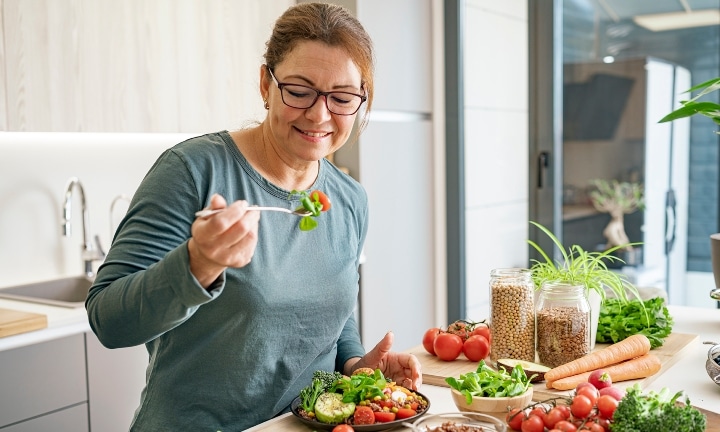
Achieving and maintaining a healthy weight can be a challenging journey, but ECU Health has resources to help with a comprehensive range of weight loss and lifestyle medicine services tailored to individual needs. Whether someone is starting their weight loss journey or seeking support to maintain progress, ECU Health offers personalized, evidence-based solutions to help people succeed.
Dr. Hannah Florida, a board-certified physician in obesity medicine at the ECU Health Lifestyle Medicine Clinic, emphasized the importance of addressing obesity holistically.
“Excess body weight is multifactorial, often influenced by unhealthy nutrition, lack of physical activity, poor sleep, unmanaged stress, a lack of support systems and substance dependence – whether that be caffeine, sugar or another substance,” Dr. Florida said. “Our approach is to meet patients where they are, assess what changes they are ready to make and guide them with the tools and accountability they need to succeed.”
ECU Health Lifestyle Medicine provides a multidisciplinary team of experts, including board-certified obesity physicians, registered dietitian nutritionists, lifestyle coaches and exercise physiologists. Together, they offer comprehensive care to address every aspect of weight management, ensuring patients receive the support they need at every step.
No two weight loss journeys are the same, which is why ECU Health offers customizable programs to fit a variety of needs:
- Medically Supervised Weight Loss: Tailored treatment plans, including lifestyle modifications and medications, prescribed by board-certified obesity physicians.
- Medical Nutrition Therapy: Personalized assessments and eating plans from licensed dietitians to support sustainable weight loss and address conditions like diabetes and high cholesterol.
- Meal Replacement Programs: Supervised liquid meal replacement plans to jumpstart progress.
- Culinary Medicine: Individual and group sessions teaching participants how to prepare plant-based meals that align with their goals.
- Pre-Surgery Optimization: Dietitian-guided programs to optimize nutritional health before bariatric or orthopedic surgery for improved outcomes.
Dr. Florida uses anti-obesity medications when appropriate to jump start patients in making lifestyle changes. These healthy lifestyle changes are the key factors to achieve sustainable long term weight loss, according to Dr. Florida.
“Medications, for example, can temporarily suppress appetite, but lasting results require adopting healthier habits,” she said.
Lifestyle coaches at ECU Health help patients set and achieve specific goals, such as improving sleep, managing stress, or incorporating regular exercise.
“For instance, if someone struggles with getting enough sleep, the coach might help them set small, actionable goals like limiting screen time before bed,” Dr. Florida said.
Exercise physiologists at ECU Health further support patients by creating personalized exercise plans. These programs often begin with one-on-one guidance and transition patients to sustainable fitness routines, whether through gym memberships or at-home activities.
Addressing obesity not only improves physical well-being but can also alleviate related chronic conditions such as diabetes, hypertension, chronic pain, and kidney disease.
“When we treat obesity, we often see significant improvements—or even reversal—in these chronic conditions,” said Dr. Florida.
ECU Health’s Lifestyle Medicine Clinic offers flexible options for individual appointments, group-based education, and cutting-edge culinary medicine.

“Our goal is to meet patients where they are and empower them to make sustainable changes,” says Dr. Florida.
For some individuals struggling with weight-related health issues such as diabetes, heart disease, high blood pressure, arthritis and sleep apnea, bariatric surgery may be the most effective solution.
ECU Health Medical Center offers advanced surgical options, including:
- Gastric Bypass: Reduces the amount of food you can eat and the calories you absorb by creating a small stomach pouch that connects to the small intestine. This helps you feel full faster and absorb fewer calories.
- Sleeve Gastrectomy: Removes up to 85% of the stomach, creating a sleeve-like structure that holds less food and reduces hunger hormones.
Bariatric surgery often results in greater weight loss compared to medical treatments alone and can significantly improve chronic conditions linked to obesity. While surgery is highly effective, it is not without risks, including bleeding, infection and nutritional deficiencies. Speak with your primary care provider to learn if this option is right for you.
Ready to Begin Your Journey? Take the first step toward a healthier you with ECU Health. To learn more about ECU Health’s weight loss services at the ECU Health Lifestyle Medicine Clinic or to schedule an appointment, visit the ECUHealth.org/LifestyleMedicine or call 252-847-9908.
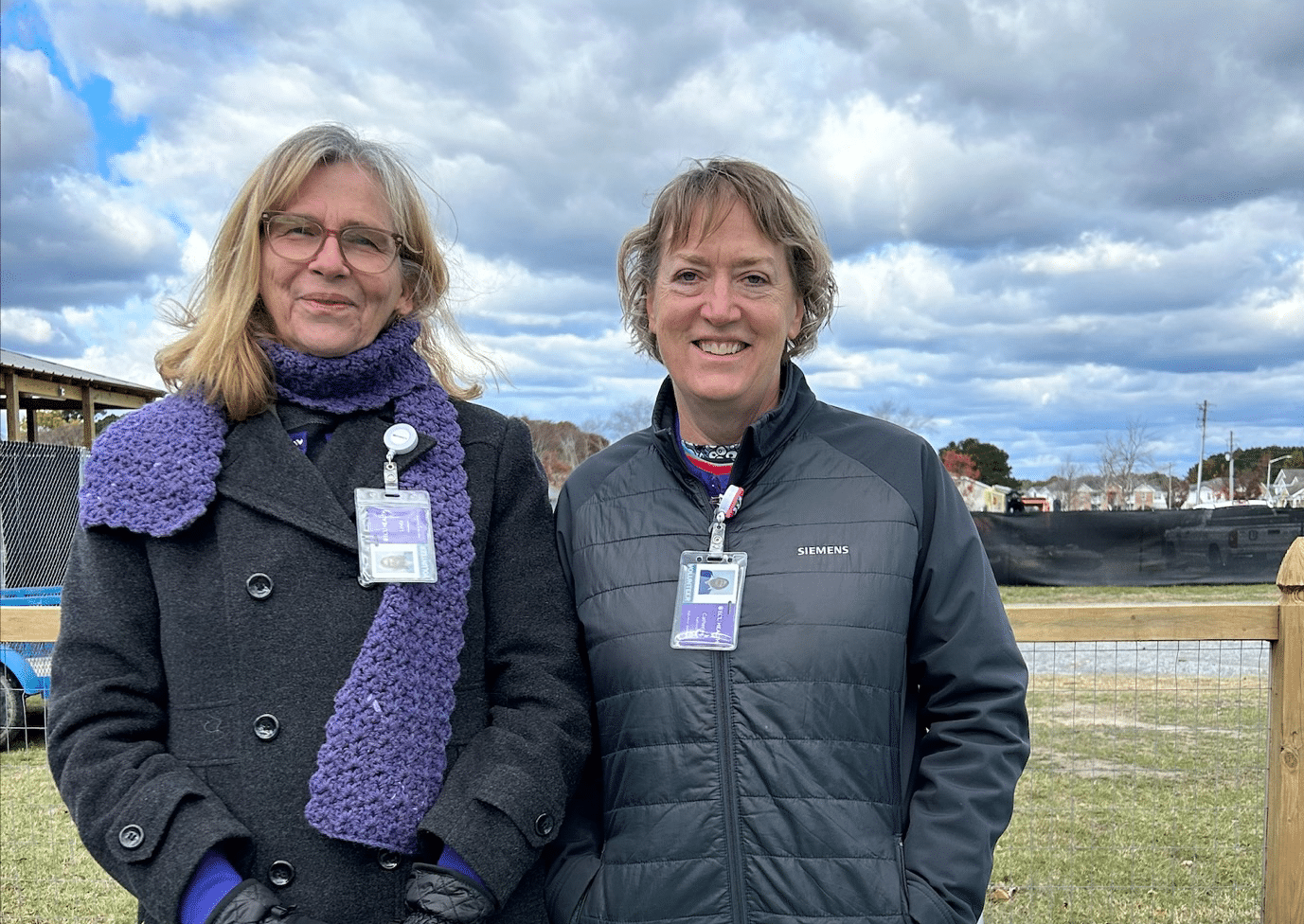
ECU Health Beaufort Hospital, a campus of ECU Health Medical Center, brought the community together to celebrate healthy living at its third annual Fall Harvest Event. Held at the Community Well-Being Zone next to the ECU Health Wellness Center in Washington, the event offered fresh produce, free health screenings and opportunities to learn about nutrition and wellness.
Attendees harvested sweet potatoes, leafy greens and fresh herbs, while enjoying the educational atmosphere. The space, designed to promote wellness and community engagement, includes 10 raised beds for vegetables, two large planters for herbs, a storage shed and areas for outdoor learning.
“This event is about more than just providing fresh vegetables,” said Dr. Tammy Thompson, ECU Health’s Director of Experience, Engagement, Education and Design. “We’re fostering wellness habits and creating a space where the community can connect, learn and thrive. Hosting this event by the Wellness Center also allows us to showcase the resources available to help community members live healthy lifestyles.”
In addition to the harvest, the event featured free health screenings on a mobile bus and tours of the ECU Health Wellness Center. Community members received guidance on growing food at home, nutrition tips and exercise information, further emphasizing the importance of holistic health. The event provided fresh vegetable soup for attendees, and warm apple cider as they toured the garden.
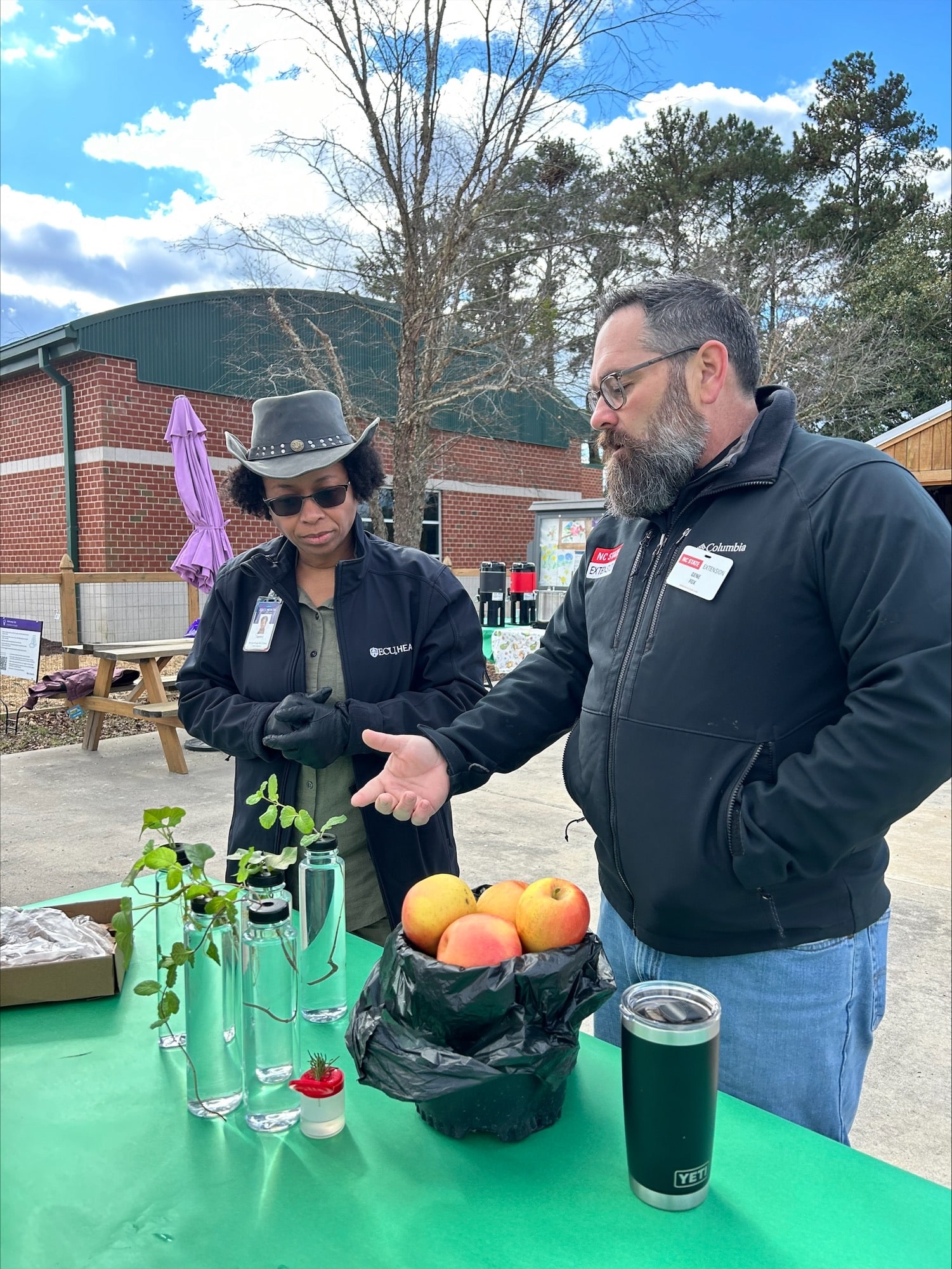
The event’s success was also supported by partnerships and volunteer efforts. The Conetoe Family Life Center contributed additional produce for attendees, while an East Carolina University Public Health intern welcomed guests and shared educational resources.
Volunteers like Cathy Karlovich, were thrilled to be part of the initiative.
“Healthy eating is very important to me,” Karlovich said. “I understand how eating well can impact your whole life, so doing something like this for the community and sharing valuable information is really special.”
Thompson encouraged the community to get involved, noting that volunteer opportunities are available for those interested in supporting the garden and its mission.
“My hope with events like this is to cultivate not just a garden, but a healthier, more connected community,” Thompson said.
The garden is open to community members from 9 a.m. to noon each Wednesday and Friday where any produce ready to be harvested will be distributed and other educational materials will be shared. For more information, please visit ECUHealth.org/WBZ