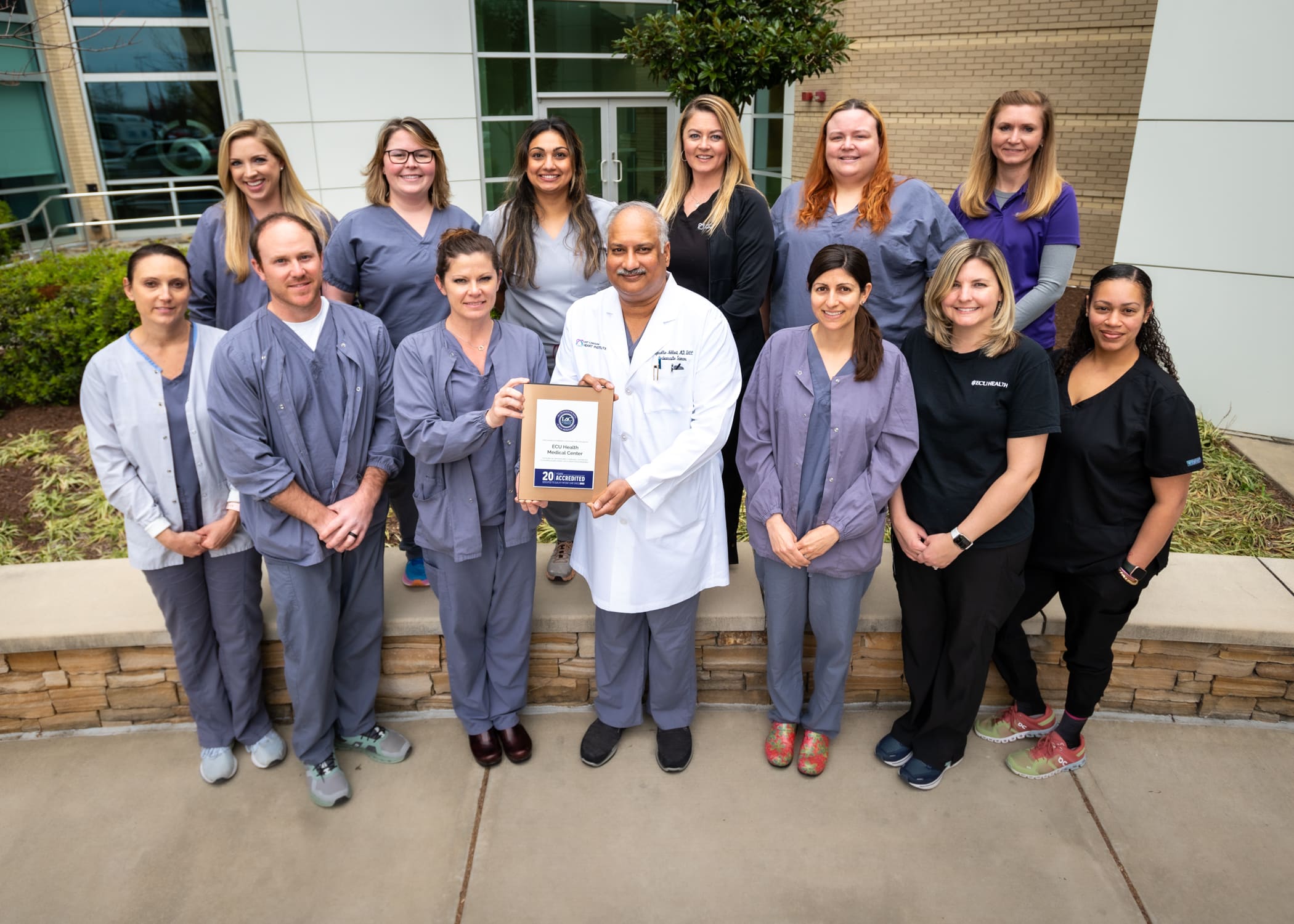
Greenville, N.C. – ECU Health Medical Center Echocardiography Laboratory (Echo lab) earned a 20 Year Bronze Accreditation Milestone for its reaccreditation and pediatric echocardiography reaccreditation by the Intersocietal Accreditation Commission (IAC). The Echo lab has also been granted a three-year term of accreditation by the IAC in Echocardiography in the areas of adult stress, adult and pediatric transthoracic and adult transesophageal.
Accreditation by the IAC means that ECU Health Medical Center Echo lab has undergone an intensive application and review process and is found to be in compliance with published standards, thus demonstrating a commitment to quality patient care. Comprised of a detailed self-evaluation followed by a thorough review by a panel of medical experts, the IAC accreditation process enables both the critical operational and technical components of the applicant facility to be assessed, including representative case studies and their corresponding final reports.
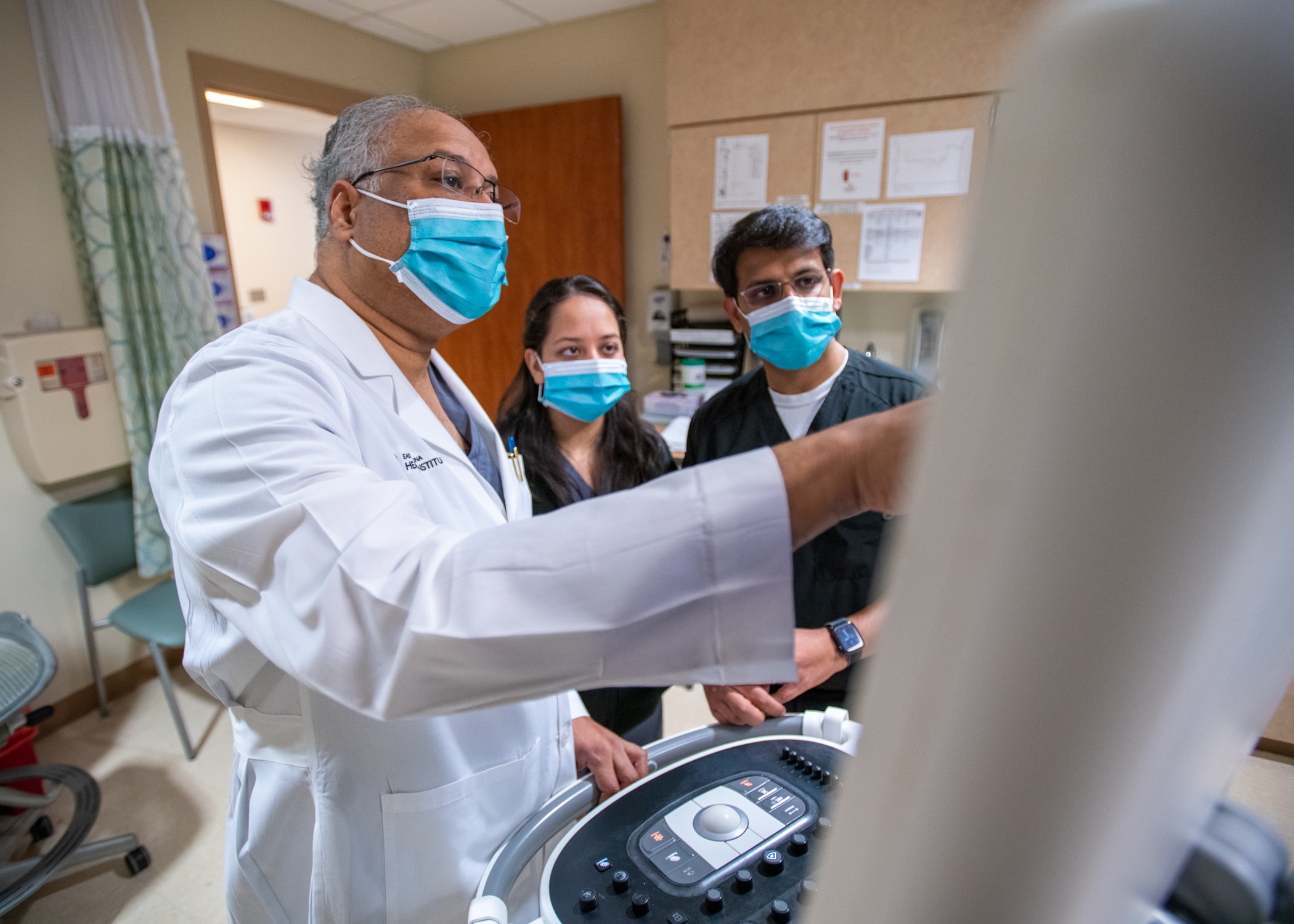
“ECU Health takes great pride in bringing state of the art, high quality care that’s close to home for eastern North Carolina.” said Dr. Dave Harlow, senior vice president of Allied Health at ECU Health. “ECU Health’s partnership with the Brody School of Medicine at East Carolina University allows us to provide world class training and technologies for clinicians and medical students alike which ultimately improves patient outcomes. These efforts are tailored to our mission of improving the health and well-being of eastern North Carolina, and I am proud of the teams that earned this reaccreditation and the effort it represents.”
A noninvasive ultrasound study called an echocardiogram is commonly used to evaluate heart structure and function and can detect heart disease or signs of serious conditions. According to the Centers for Disease Control and Prevention, heart disease is the leading cause of death for men, women and people of most racial and ethnic groups in the United States. On average, one American dies every 34 seconds of cardiovascular disease. Each year nearly 40,000 infants in the United States are born with a congenital heart defect, making it the most common type of birth defect. Congenital heart defects are also the most critical, causing more deaths during the first year of life than any other birth defect.
There are many factors that contribute to an accurate diagnosis based on echocardiography including the training and experience of the sonographer performing the procedure, the type of equipment used and the quality assessment metrics each facility is required to measure. IAC accreditation is a “seal of approval” that patients can rely on as an indicator of consistent quality care and a commitment to continuous improvement.
“Eastern North Carolina sees higher rates of chronic diseases including hypertension, diabetes and stroke, all leading to higher rates heart disease,” said ECU Health Medical Center Echo lab medical director Dr. Raj Nekkanti, who also serves as a professor in the Division of Cardiology and Program Director of the Cardiology Fellowship Program at Brody. “Having a high-quality, consistent Echo lab helps ensure accurate diagnoses and is instrumental in creating treatment plans for patients. Early diagnosis of heart disease can drastically improve outcomes for patients, highlighting the necessity of these types of services. We are proud to offer this high-quality care to a region that depends on it.”
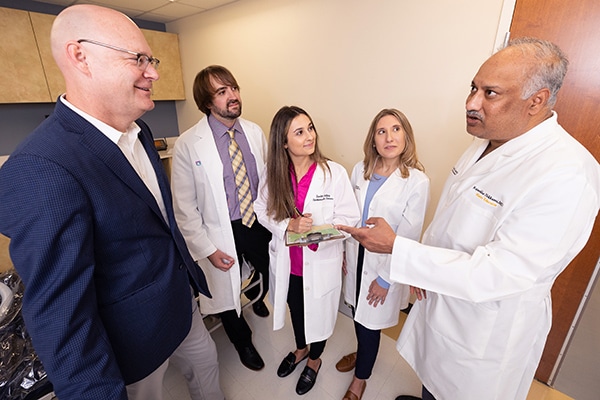
East Carolina University’s postgraduate program in cardiac psychology creates professionals who are ready to help patients cope as they adapt to life-saving heart devices.
On the heels of marking its 15th year, ECU’s nationally unique program in clinical health psychology continues to gain momentum through positive patient outcomes — and national recognition.
The program is a collaboration between ECU’s departments of psychology and cardiovascular sciences that has yielded a nationally unique blend of academics and research. The model integrates training psychology doctoral students and cardiology fellows in cardiac clinics, a strategy that the program’s founder calls the best of both worlds.
“This is a success story from eastern North Carolina,” said Samuel Sears, program director and professor in the departments of psychology and cardiovascular sciences. “From a national landscape, this is an extremely unique program. Only at East Carolina do you have this kind of synergized, integrated, one-for-one engagement in the training of cardiologists and the training of psychologists. Our program is intending to lead the country in this.”
Sears established the training program in 2007 and collaborates with Rajasekhar Nekkanti, associate professor and director of the cardiology fellowship program at ECU and ECU Health, to offer ECU students an integrated program experience that spans clinical care, research and training.
“Dr. Sears and his colleagues have been able to accomplish what others have only talked about,” said Alan Christensen, professor and chair of the ECU Department of Psychology. “Their seamless integration of clinical psychology into a cardiovascular medicine setting is really a pioneering effort in implementing what I believe will prove to be a more effective approach to training, research, and caring for patients.”
The growing field of cardiac psychology focuses on providing psychological care that is an interdisciplinary, comprehensive care approach to cardiac arrhythmia patients and their families.
Depression and anxiety are common occurrences after cardiac events and can occur in as many as one-third of all patients. These conditions interfere with all aspects of recovery from daily rehabilitative planning, medication adherence, and the pursuit of quality of life.
“Cardiac psychologists help by validating the emotional experience of having a heart problem, and helping patients take the next steps in their recovery emotionally and behaviorally,” Sears said. “ECU Cardiology and Cardiovascular Surgery continue to innovate, and that allows our patients to survive. Here at East Carolina, we have the vision and program to address the patient experience and recovery process fully from a psychological and behavioral perspective. We integrate all the aspects of recovery and prepare trainees for the future of cardiac care.”
The program was highlighted in a 2022 edition of Health Psychology, a journal of the American Psychological Association. The article, “Cardiac Psychology Training in a Rural Health Care Setting: East Carolina Heart Institute,” was led by author Kayla Sall, a 2023 graduate of ECU’s clinical health psychology program. Doctoral students Ashley Griffith, Emily Midgette, Andrea Winters and Connor Tripp also co-authored the article with Sears and Nekkanti.
“We are very proud to publish in our field’s top journal,” said Sall, who begins a psychology internship at Brown University this fall. “The publication goes to show how unique our training experience is. It’s very rare to find cardiac psychologists that are located in cardiology.”
The Health Psychology article covers not only the program’s unique nature of intertwining science with practice, but also its ability to adapt to the COVID-19 pandemic by transitioning to using telehealth to serve patients in rural North Carolina. It also explores the health disparities in eastern North Carolina that impact cardiac patient care and progress.
“Cardiovascular health is one of the leading causes of death in the U.S.,” Sall said, “so being able to take that lens and apply it to the social determinants of health has been amazing, and it’s how we’ve been able to do what we do.”
Greenville native and ECU graduate Scarlett Anthony didn’t have to go far to find a program that offers world-class education and preparation that will help her make a difference in her home region and beyond.
“I chose ECU’s program because of the focus on health psychology and the intersection between psychology and medicine. We train alongside psychologists who are embedded in medicine, and our program provides us with exceptional training among various health care settings,” said Anthony, a doctoral student in clinical health psychology. “I chose ECU’s program because of the dedication to serving diverse populations of eastern North Carolina, and I am passionate about providing care to those who may not have access to health psychology services otherwise.”
Standards of practice

Sall led the writing team in detailing the ECU training program and its strong collaborations in cardiology. The article presents ECU’s program as a national model for ideal collaboration between cardiology and psychology training that enhances the clinical and research expertise of both groups.
The ECU cardiac psychology program is part of the APA accredited clinical health psychology program. This program has achieved national rankings over its 15-year existence and annually has an approximately 5% acceptance. Rob Carels serves as the director of clinical training for the clinical health program.
“The article confirmed that the ECU program is not only one of a kind, but it remains the model as programs and universities try to create this similar-type experience,” Sears said. “The reason it’s so hard to create the ECU experience is that it requires both physicians and psychologists accommodating very different mindsets and contributions with the shared goal of patient success first. Physicians can quickly implant a cardiac device. Psychologists can quickly assess and treat psychological concerns. But when these two sets of problems merge, we need shared expertise.”
The article also highlights the setting of ECU’s health psychology program, a rural area where the social determinants of health — including environment, economic stability, community context, education and health access — impact health and wellness on a greater scale.
“Being in eastern North Carolina, we have a very unique setting with our patient population in a rural area,” Sall said.
That context allows psychologists to better understand the behavioral and mental health of cardiac patients. Many patients seen by cardiac psychologists at the East Carolina Heart Institute include those who suffer depression after a heart attack or other cardiac event, those with atrial fibrillation (a-fib) and those who have recently been fitted with implantable cardioverter defibrillators (ICD) — devices similar to pacemakers that correct heart arrhythmias with a high energy shock that can feel like being kicked by a horse.
“I think that is what is so scary for patients; they agree to have this device implanted, they know it’s life-saving, but you don’t know when the shock is going to go off,” Sall said. “You may go the whole rest of your life without receiving a shock, so that’s where part of the anxiety and fearfulness comes in.”
In the program’s scientist-practitioner approach, providers on each side have a thorough understanding of the opposite discipline.
“I think that’s what’s cool about cardiac psychology — here we are with people presenting with medical conditions or health issues and we’re evaluating, diagnosing, treating emotional behavioral disorders within the context of health and medicine,” Sall said. “We’re not doing just one or the other, we’re doing these together.”
World expert in action
Sears is a highly productive researcher examining quality of life and psychological adjustment in patients with heart rhythm disorders and ICDs. He has published more than 200 articles in the medicine and psychology research literatures and has well over 11,000 citations. In 2021, Expertscape.com named Sears one of the top 50 experts and most prolific authors in the world on ICDs over the last 10 years, amongst the 27,847 authors on the topic.
“I’m involved in both the training of psychologists as well as the training of cardiologists, so we’re trying to make cardiologists better at patient psychology and psychologists better at understanding the cardiology, so it’s synergistic,” Sears said.
Sears travels the world presenting his research and lending his expertise to patient, family and physician groups.
In 2013, the UNC Board of Governors presented Sears with the O. Max Gardner Award, the highest honor bestowed to a faculty member in the UNC system for contributions to mankind.
“The O. Max Gardner Award changed me because I stopped looking for external validation about our achievements. I desperately wanted to make an impact on our patients, our students, our university, our state and beyond,” he said. “The award confirmed some of these marks, so I used my energies more efficiently on the work at hand. I am proud of the health psychology program and the cardiac psychology program that my colleagues and students have created. In terms of work, I am so pleased that many of our ideas about helping cardiac patients are broadly employed across many sectors in cardiology, not just where we started.”
The article in Health Psychology signals consistent success and upward momentum for the program, said Sears, adding that Yale University’s health psychology program is the only other such program mentioned in that edition of the journal.
“This is a 15-year-old program. We’ve established success,” he said. “This is not a great idea that’s going away. Great ideas happen all the time, but they’re not sustainable. This is a sustainable solution that has true outcomes.”
When it comes to patient outcomes, Sears is optimistic that the growing field of cardiac psychology will continue to yield hope and healing.
“We can’t fix all the health inequalities, but what we can do is help our patients make small steps to have better awareness of where there are a lot of possibilities and decision points, and connect them to other resources,” Sears said. “Yes, this is a hard mountain to climb. Let’s do this together.”
Doctoral student Zachary Force said students begin the program learning what clinical health psychology can offer the world — and how ECU is leading the way.
“ECU has always done things differently, and other institutions are starting to take notice. ECU’s cardiac psychology service has received national recognition as the only place in the country to receive specialized training in an area with increasing need,” he said. “ECU’s fighting spirit imbues its doctoral students with the resiliency needed to advocate for psychology within the medical field.”
Read more from ECU News Services

Wilson, N.C. – April 1, 2022 – Vidant Health is excited to announce the official opening of Vidant Family Medicine – Glendale, a primary care extension of Vidant Healthplex – Wilson, which is dedicated to providing high-quality primary care services to the community.
“Vidant Family Medicine – Glendale will fill an important need in the community by providing expanded primary care services to reach more patients,” said Rashanda Elam, service line coordinator, ECU Health Physicians. “Access to primary care, particularly in rural environments, directly benefits the overall health and well-being of a community.”

Vidant Family Medicine – Glendale, located three miles from Vidant Healthplex – Wilson, will offer treatment for a variety of issues including cold and flu-like illnesses, ear infections, allergies and other illnesses as well as offer Department of Transportation (DOT) clinical physicals and Nexplanon birth control implants. Importantly, primary care doctors screen for health conditions before any signs or symptoms may appear, which can both prevent and detect conditions early. When health conditions such as cancers, high blood pressure or diabetes are caught early, the chance of successful treatment is greater.
“The new clinic is close to the Healthplex, ensuring patients have convenient access to expanded, specialty care if they need it,” said Elam. “Vidant Healthplex continues to offer the same spectrum of specialty care including immediate care, heart and vascular care, neurological care, cancer care, dermatology, sleep medicine, endocrinology and more. By opening this dedicated primary care and family medicine location, we can provide a wide spectrum of care that helps meet the community’s needs.”
Vidant Family Medicine – Glendale will open 8 a.m. to 5 p.m. Monday through Friday for both children and adults. Deirdra Pearce, NP, Andrea Brooks, NP and Mallory Moore, NP will move from the Healthplex to serve at the new location. Current patients will be contacted directly with more information, or please reach out to the office with any questions and to schedule your next appointment.
The practice is located at 1704 Glendale Drive SW Suite C, Wilson, N.C. The clinic accepts walk-ins and appointments. To contact the family medicine practice, please call 252-246-8960 or visit the location page.

February may be American Heart Month, but it is important to be aware of heart health all year long. During the pandemic, many people may have delayed or postponed heart screenings, which can negatively impact their health. Nearly a quarter of deaths in the United States are caused by heart disease. Although this is a staggering statistic, heart disease is often preventable with lifestyle modifications and medicines.
There are key factors that impact heart health that everyone should be aware of to maintain a healthy cardiovascular system. Risk factors are conditions that heighten your risk of heart attack, stroke and death. Some, like aging and genetics, can’t be controlled, but others can:
- Elevated blood pressure, or hypertension, is sometimes referred to as a silent killer because it doesn’t cause symptoms and accounts for most cardiovascular deaths because of its prevalence.
- Cholesterol levels, especially LDL — the bad cholesterol — can play a key role in buildup of plaque and blockages inside our blood vessels, increasing the risk of stroke and heart attack. About one third of US adults have a high LDL level (>130mg/dl). When it comes to cholesterol and blood pressure, lower is better.
- Diabetes is a major risk factor for heart disease that is heavily influenced by lifestyle. About 12% of adults in the U.S. are diabetic, and an alarming 30% are pre-diabetic. Aggressive control of blood pressure and cholesterol is especially important in diabetics.
- Smoking is a leading preventable cause of disease, disability and death (cardiac and otherwise) in the U.S. Almost one third of coronary deaths are related to smoking and second-hand exposure.
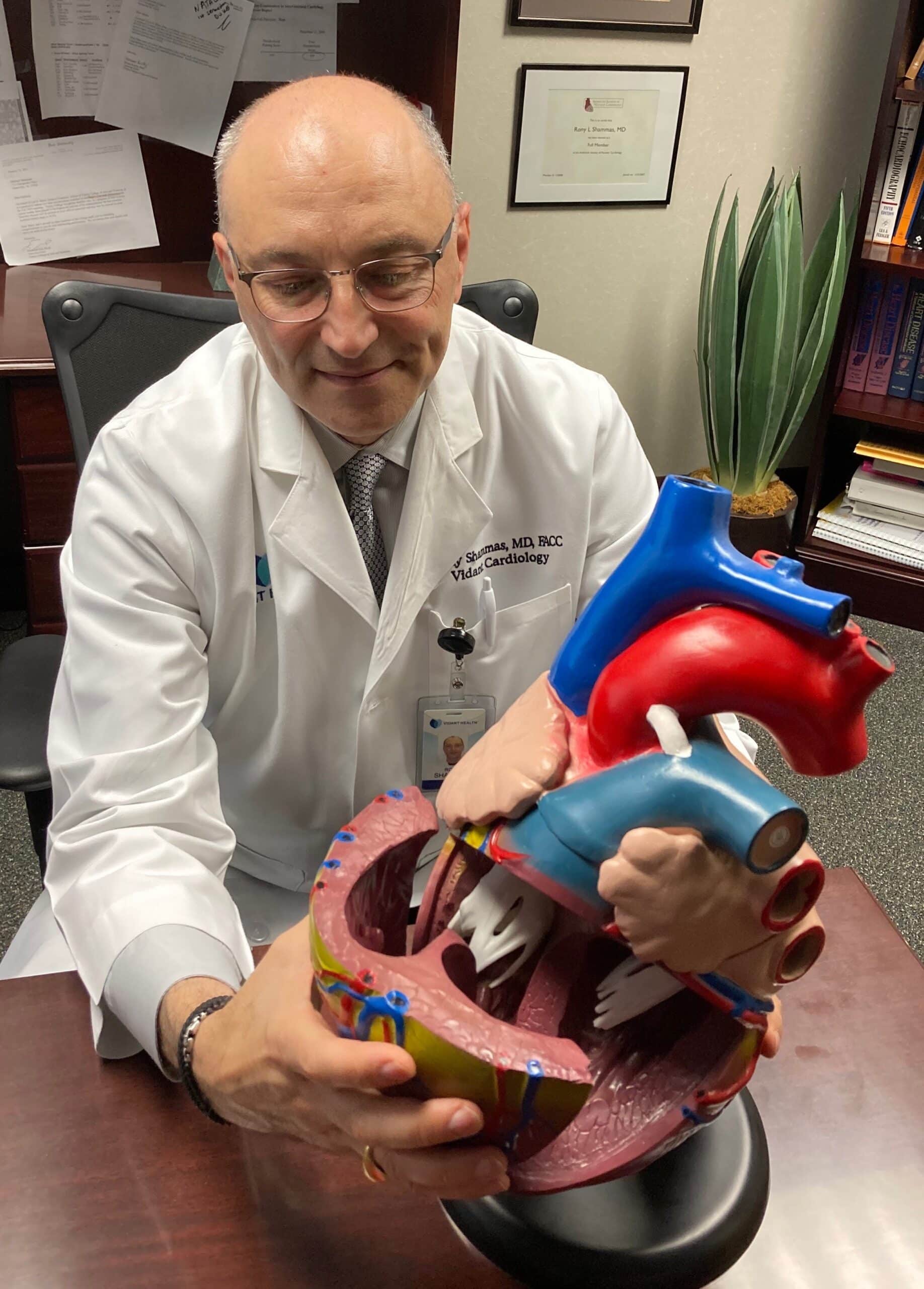
One of the most important ways to prevent heart disease is to control your risk factors and adopt a healthy lifestyle throughout life.
“An ounce of prevention is worth a pound of cure. Being proactive about your heart health is the best way to prevent and manage heart disease,” said Dr. Rony Shammas, interventional cardiologist and hypertension specialist for Vidant Health. “Plaque buildup in the blood vessels starts early on in life, even in our teens, so it is important to address your risk factors and adopt a healthy lifestyle as soon as you can.”
Positive changes in lifestyle that make an impact on heart health include:
- Diet: Eating a well-balanced diet that is rich in fruits, vegetables, nuts, legumes and whole-grains, and low in salt, saturated and trans fats, red meat and sweets and sugar-sweetened beverages promotes good heart health.
- Exercise (Physical Activity): The American Heart Association recommends at least 150 minutes per week of moderate intensity exercise. Almost half of adults do not meet the minimum recommendations for exercise. The American Heart Association recommends at least 150 minutes per week of moderate intensity exercise (i.e., brisk walking).
- Limit alcohol: If you don’t drink, don’t start. Otherwise, keep it to a minimum and don’t exceed one drink a day if you are a woman and two drinks a day for men ( 1 drink= 12oz beer, 5oz wine or 1.5 oz liquor)
- Managing stress: Some stress is good, but excessive stress can be damaging to the body. Breathing techniques, meditation, owning a pet and practicing yoga can help deal with stress.
Depending on your particular risk profile, your health care provider will decide if there is a need for medication to treat blood pressure, cholesterol and diabetes alongside lifestyle changes. If your doctor recommends medication, make sure you take it as prescribed.
Dr. Shammas advises that if you or a loved one suspect you may be having a heart attack or stroke, call 911. Immediate intervention can save your life and reduce your risk of disability. On the other hand, If you are having less acute but concerning symptoms seek medical attention early. After listening to your story and performing an exam, your doctor may order one of several diagnostic tests to decide if your symptoms are related to heart disease.
“Everybody wants to stay off my operating table, and these tips are key for heart disease prevention and helping minimize harmful conditions,” said Dr. Michael Bates, chief and clinical professor of cardiothoracic surgery at the Brody School of Medicine at East Carolina University and ECU Health Medical Center.
When someone is experiencing concerning symptoms, it is key to seek medical attention early. Patients are offered several diagnostic tests when they report symptoms like severe chest pains.
Noninvasive tests can be performed early in a patient’s heart history to look for signs of heart issues. Some of these include a stress test, an exercise stress test performed on a treadmill, which shows how your heart works during physical activity. During this time, your heart rate, blood pressure and the heart’s electrical signals will be monitored. Other noninvasive tests include an echocardiogram, which checks how the heart chambers and valves are pumping blood through your heart.
If heart surgery is needed, today’s advancement in surgical treatments have resulted in less invasive procedures and much faster recovery time than even ten years ago. Some surgeries can be performed through smaller incisions in the body with cameras. Robotic surgery also helps to make less invasive surgeries possible.
There are several less invasive surgeries for the heart. Bypasses can now be performed with assistance from robotic surgery through a smaller incision in the body. Cardiac catheterizations are used to repair the heart valves without making an incision in the chest cavity; instead, the procedure can be performed through arteries and veins.
“Bringing Vidant Health and the Brody School of Medicine together as Vidant Health will continue to extend our mission as a leader in rural health care,” Dr. Bates said. “This collaboration of excellence and combined resources will create even more advancements in our work in cardiac and vascular care.”
Dr. Shammas believes eastern North Carolina’s future is bright because of the outlook for Vidant Health.
“Ultimately, our hope is to make hearts healthier throughout the region and moving forward as Vidant Health strengthens our commitment and mission to bring the best in research and care to the communities we call home,” he said.
One of the most important things you can do for your heart health is to see your provider for screenings and check-ups, which are key to preventing problems before they arise. For more information about cardiovascular resources at Vidant Health, including treatments and technologies, visit www.ecuhealth.org and the Heart & Vascular Care section of the website.
Roanoke Rapids, N.C. – February 10, 2022 – Vidant North Hospital is pleased to announce its Heart & Vascular Care will move into a newly renovated, expanded clinic location near the hospital on Feb. 14, 2022. The upgraded facility allows Vidant Heart & Vascular Care to provide multiple advanced clinical services, including thoracic surgery, vascular surgery, cardiac electrophysiology and pediatric cardiology, to Roanoke Rapids at one convenient location.
“The opening of our renovated clinic aligns with National Heart Month, and a very symbolic day we associate with matters of the heart, Valentine’s Day,” said Dr. Kenneth Robert, regional medical director of ambulatory services, Vidant North Hospital. ”Vidant Heart & Vascular Care will help support a focus on raising awareness for heart disease, screenings, education and promotion of access of care close to home through a connected system of care.”
The addition of new clinical providers expands the ability for more patients to be examined quickly in the event of cardiovascular needs. A local team including a cardiologist, interventional cardiologist and an adult nurse practitioner will be on-site, and a team of outreach providers will be available through specific scheduled times. This outreach team includes an electrophysiologist, scheduled once a week and typically scheduled by referral, a thoracic surgeon, scheduled once a week by referral and a pediatric cardiologist, scheduled once a month by appointment.
“This opportunity allows cardiac providers to better serve the community in a meaningful way and to build upon the relationships with patients and their loved ones,” said Dr. Brian Cabarrus, Vidant cardiologist. “This upgrade in clinical space and greater access to cardiac and peripheral diagnostics helps enhance the patient and team member experiences.”
The services and accessibility of quality care offered by Vidant Heart & Vascular Care – Roanoke Rapids ties directly into Vidant and the future ECU Health’s commitment to improve health outcomes in communities across eastern North Carolina.
“This is an important day for Vidant North Hospital and the communities it serves,” said Jason Harrell, president, Vidant North. “Providing high-quality, comprehensive heart and vascular care close to home is an important part of how we meet our mission to improve the health and well-being of eastern North Carolina.”
Vidant Heart & Vascular Care – Roanoke Rapids will be open weekdays, Monday through Friday, from 8 a.m. to 5 p.m. each day. The clinic will offer care for patients that do not have a primary care provider and will connect them with one after their initial visit.
The new location for Vidant Heart & Vascular Care – Roanoke Rapids is 220 Smith Church Road, Roanoke Rapids, NC, 27870. For medical referrals, appointments and consultations, call 252-537-9268.

Greenville, N.C. – October 27, 2021 – ECU Health Medical Center (VMC) is proud to announce it has received re-certification for its cardiac and pulmonary rehabilitation program by the American Association of Cardiovascular and Pulmonary Rehabilitation (AACVPR). This is the fourth recertification for VMC by the AACVPR since 2012, and it recognizes VMC’s commitment to improving the quality of life of patients by enhancing standards of care.
To earn this certification, VMC’s cardiovascular and pulmonary rehabilitation program participated in an application process that required extensive documentation of the program’s practices. Each program’s application is reviewed by the AACVPR Program Certification Committee, and certification is awarded by the AACVPR Board of Directors.
For VMC, part of the application process included the submission of individual treatment plans that were evaluated for personalizing the care of patients and documenting patients’ rehabilitation for improvements in health.
“This outcome-based process with performance measurements shows more meaningful results in how we are making a positive impact on the lives of our patients,” said Stacey Greenway, director of cardiovascular disease management programs at VMC.
For patients in the cardiac and pulmonary rehabilitation program, it is the compassion of the staff that is a big part of their success. During rehabilitation, cardiac and pulmonary team members focus on the things the patients can control in order to improve their health and get them back to their daily activities. When patients take part in these rehabilitation programs, there is a 58 percent risk reduction of having a future cardiac or pulmonary episode.
“One of the most important benefits to patients participating in our cardiac and pulmonary rehabilitation program is learning how to become more engaged partners with their health care team,” Dr. Noel Peterson, cardiologist at Vidant Health, said. “We are pleased to once again receive this recognition of continued excellence in comprehensive care for our patients receiving cardiac and pulmonary rehabilitation.”
Cardiac rehabilitation is a combination of medical care and counseling to improve cardiovascular health after a heart attack, heart failure, angioplasty or heart surgery has taken place. It may include exercise counseling and training, lifestyle education (e.g., nutrition and reducing risk factors) and efforts to manage stress. Cardiac rehabilitation eases patients into heart-healthy exercises, nutrition education and education on how to manage risk factors such as stress.
Pulmonary rehabilitation can help reduce and control breathing difficulties and other symptoms of lung disease and benefit conditions including chronic obstructive pulmonary disease (COPD), emphysema, pulmonary hypertension and sarcoidosis. Pulmonary rehabilitation includes education and exercise to manage chronic lung disease with less shortness of breath.
“Factors like learning how to be more proactive about health and providing programs that demonstrate the highest standards of best practices makes a significant impact on the lives of our patients,” said Greenway. “The diligent work of our VMC cardiac and pulmonary rehabilitation team members recognized by the AACVPR is another example of how we are providing quality health care to improve the health and well-being of eastern North Carolina.”

On the east coast, and in eastern North Carolina specifically, we frequently see many of the risk factors that can cause afib.
Dr. Adam Clark, cardiologist and director of the Cardiac Electrophysiology Lab at ECU Health Medical Center (VMC), discussed this prevalent issue in a recent radio interview.
He said the most potent and unchangeable risk factor for afib is age. Other risk factors include high blood pressure, sleep apnea, underlying heart disease, and other chronic conditions including thyroid problems, diabetes and asthma. The most important modifiable risk factor for afib is obesity and sleep apnea.
“Afib increases the risk of hospitalization, death and heart failure,” Dr. Clark said. “If the heart rate is not controlled, it can lead to heart failure. It increases the risk of stroke and causes one in seven strokes and increases your stroke risk by four to five times.”
Dr. Clark said the entire east coast and the Midwest have the highest rates of afib in the country and the world. In eastern North Carolina, we are at particular risk for a number of reasons, including a population with higher rates of obesity, hypertension and diabetes.
Knowing the signs of afib is important to identifying the disease as early as possible.
“The most common signs of afib are an irregular heartbeat, palpitations of the heart, lightheadedness, extreme fatigue, shortness of breath and chest pain,” Dr. Clark said.
Dr. Clark said the main test to identify afib is a simple AKG or Electrocardiogram which your primary care provider can take. There are wearable and implantable monitors that can monitor your heartbeat for years at a time as well. Screenings for afib often are what he calls “opportunistic screening.”
“This means when you go in for your regular check with your primary care physician, they feel your pulse and listen to your heart,” Dr. Clark said. “If it’s irregular, they’ll get an EKG. This should be done in every patient over 65.”
Dr. Clark said limiting your risk factors is the most important thing you can do to avoid afib, including blood pressure control, staying active, managing sleep apnea and limiting alcohol intake. He added that half of afib is asymptomatic and even without feeling it, your stroke risk can be significantly increased. Talk to your doctor about screening for afib.
VMC joins TAKEHeart program to expand access to cardiac rehabilitation services
VMC is participating in TAKEHeart, a national initiative funded by the Agency for Healthcare Research and Quality, to make a positive impact on the lives of patients by encouraging greater participation in cardiac rehabilitation. The initiative will help easily connect patients with cardiac rehabilitations services to improve their heart health and reduce the risk of future heart issues. As a TAKEHeart partner, VMC cardiac and pulmonary team members will receive advanced training, coaching and technical support as well as shared learning about cardiac rehabilitation best practices.
“Patients are more likely to survive an acute heart episode when they engage in cardiac rehabilitation,” said Stacey Greenway, director of cardiovascular disease management programs at VMC. “We know that only a small percentage of patients complete cardiac rehabilitation. Participating in TAKEHeart means bringing best practices and strategies in cardiac rehabilitation to Vidant and eastern North Carolina to improve outcomes for patients suffering from a cardiac episode.”
Read more about the TakeHEART program.
Visit the Heart & Vascular Care page to learn more about the programs and services Vidant offers.
 Greenville, N.C. – June 30, 2021 – ECU Health Medical Center (VMC) is participating in TAKEHeart, a national initiative funded by the Agency for Healthcare Research and Quality, to make a positive impact on the lives of patients by encouraging greater participation in cardiac rehabilitation. The initiative will help easily connect patients with cardiac rehabilitations services to improve their heart health and reduce the risk of future heart issues. As a TAKEHeart partner, VMC cardiac and pulmonary team members will receive advanced training, coaching and technical support as well as shared learning about cardiac rehabilitation best practices.
“Patients are more likely to survive an acute heart episode when they engage in cardiac rehabilitation,” said Stacey Greenway, director of cardiovascular disease management programs at VMC. “We know that only a small percentage of patients complete cardiac rehabilitation. Participating in TAKEHeart means bringing best practices and strategies in cardiac rehabilitation to Vidant and eastern North Carolina to improve outcomes for patients suffering from a cardiac episode.”
Approximately 1 million Americans have a coronary event or surgery each year, but only 20 percent are referred to cardiac rehabilitation. Among Medicare-eligible heart attack patients, only 6.5 percent complete the recommended cardiac rehabilitation sessions. Cardiac rehabilitation eases patients into heart-healthy exercises, nutrition education and education on how to manage risk factors such as stress. People who have cardiac rehabilitation after a heart episode have lower mortality rates, fewer hospital admissions and readmissions and higher quality of life.
The eastern North Carolina population faces a disproportionate risk of heart disease. According to the Agency for Healthcare Research and Quality, patients who complete cardiac rehabilitation sessions have a 47 percent lower risk of death and a 31 percent lower risk of a heart attack than those who attend only one session.
“One of the most important benefits to patients participating in a cardiac rehabilitation program is learning how to take charge of their own health and become more engaged partners with their health care team,” Dr. Noel Peterson, cardiologist at Vidant Health, said. “Our care teams are excited to continue to partner with patients and provide advanced cardiac rehabilitation services to eastern North Carolina.”
Cardiac rehabilitation is a combination of medical care and counseling to improve cardiovascular health after a heart attack, heart failure, angioplasty, or heart surgery has taken place. It may include exercise counseling and training, lifestyle education (e.g., nutrition and reducing risk factors) and efforts to manage stress.
“It is broader than just diet and exercise,” said Greenway. “Factors like learning how to be more proactive about health and providing better access to resources can make an impact. Living in a rural area can create a barrier to resources, which makes these initiatives so critical to this region. By providing improved access to rehabilitation services, we can help patients find creative ways to improve their heart health through ongoing education and lifestyle changes.”
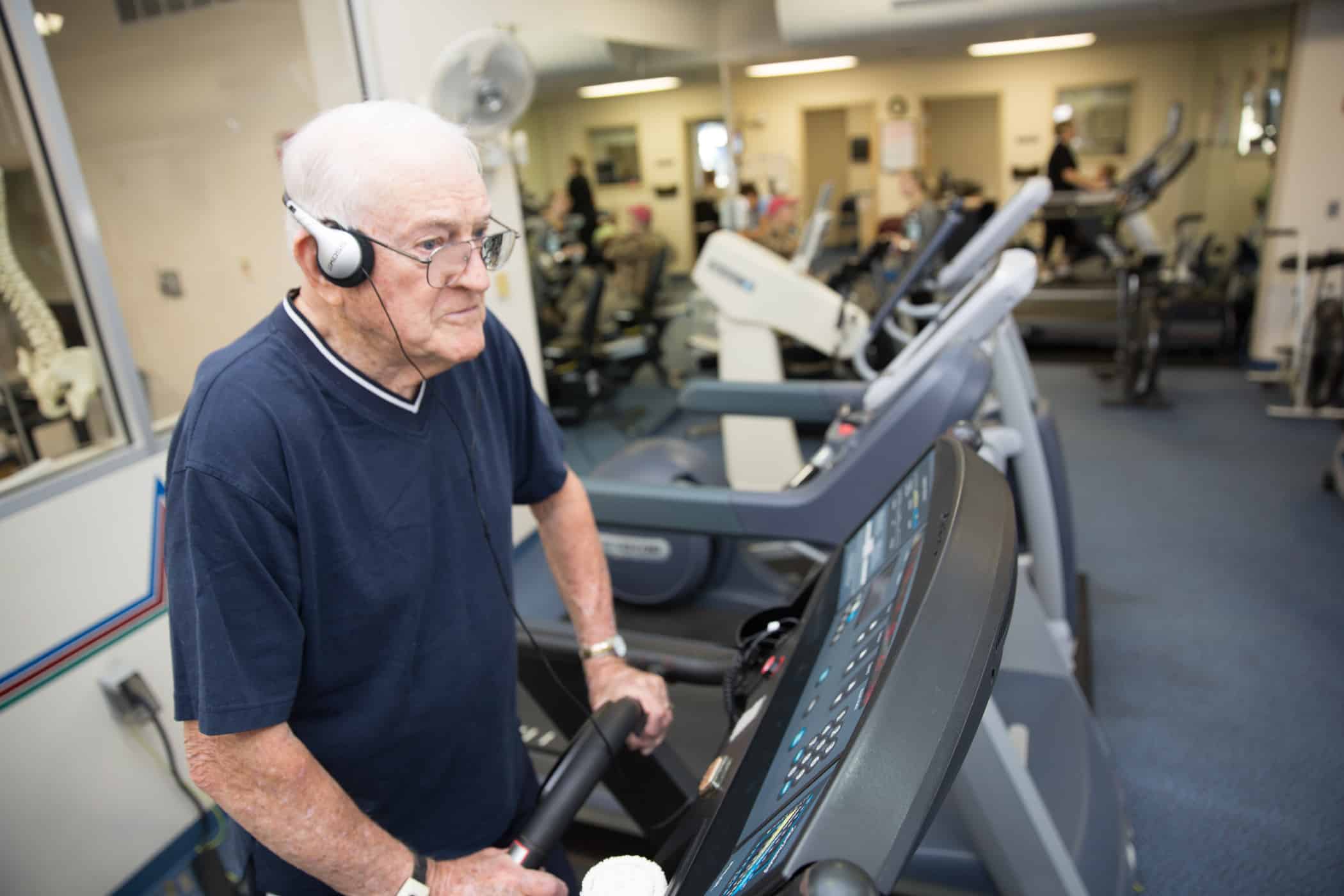
There are key factors that impact heart health that everyone needs to be aware of to maintain a healthy cardiovascular system. These include monitoring blood pressure, knowing your cholesterol and getting enough exercise.
High blood pressure, also referred to as hypertension, occurs when the pressure of blood flowing through your blood vessels is consistently too high. According to the American Heart Association, nearly half of American adults have high blood pressure and many do not even know it.
Dr. Blase A. Carabello, chief of cardiology, Brody School of Medicine at ECU and ECU Health Medical Center, said, “High blood pressure is often a symptomless ‘silent killer’ because there are often no noticeable symptoms that accompany this condition. The best way to know if your blood pressure is in a healthy range is to get your blood pressure checked and monitor your blood pressure numbers regularly.”
Cholesterol levels can play a key role in heart health. It comes from two sources: the liver, which makes all the cholesterol you need, and the rest comes from foods from animals. Cholesterol circulates in the blood and as the amount of it increases in your blood, so too does the risk of cardiovascular diseases such as heart disease and stroke. When it comes to cholesterol, remember to check, change and control.
Another key factor influencing heart health is atrial fibrillation or “afib,” a quivering or irregular heartbeat that can lead to blood clots, stroke and heart failure and a shortened life span. Typically, people who have one or more conditions including high blood pressure, sleep apnea, underlying heart disease, and other chronic conditions including thyroid problems, diabetes and asthma may be at risk for atrial fibrillation. However, the single most important modifiable risk factor for afib is obesity.
The treatment goals of atrial fibrillation begin with diagnosis through in-depth examination from a physician. Based upon the diagnosis, providers may offer a variety of options including medication that usually entails the use of blood thinners, nonsurgical procedures, including electrical cardioversion to reset the heart to a normal rhythm and procedures that can block the area of the heart where blood clots form if patients are unable to take blood thinners.
“Being proactive about your heart health is the best way to be aware of potential problems,” said Dr. Carabello. “Eating a healthy diet, maintaining a healthy weight and being physically active can make a positive impact on blood pressure, cholesterol and atrial fibrillation, which will help maintain good heart health. Also, seeing your provider for screenings and check-ups is key to preventing problems before they arise.”
Even though the pandemic continues to make an impact on daily life in eastern North Carolina, Dr. Carabello encourages community members to continue to seek medical attention and to be knowledgeable about the procedures in place to make patients as safe as possible.
He said, “Heart disease did not take a break during the pandemic and any negative heart condition needs to be addressed in its earliest stages when the widest variety of treatments are available.”
For those who have experienced a major cardiac event, Vidant offers a Cardiovascular and Pulmonary Rehabilitation Program to help create a path forward. A team of respiratory therapists, registered nurses, exercise professionals, dietitians and a medical director guide patients through a program focused on exercise, nutrition and behavior modification to prepare and equip those in the program to continue physical activity and healthy lifestyle changes.
For more information about cardiovascular resources at Vidant Health, including treatments, screenings and technologies, visit VidantHealth.com/Heart-Vascular.