For generations, rural health care meant a full-service hospital with inpatient beds in nearly every community. Those community hospitals now face aging facilities, tighter budgets and patients who are older, sicker and often economically vulnerable. Workers are hard to find, costs keep climbing and federal reimbursements shrink. Rural hospitals continue to close at an alarming rate. Many more are at risk of closing.
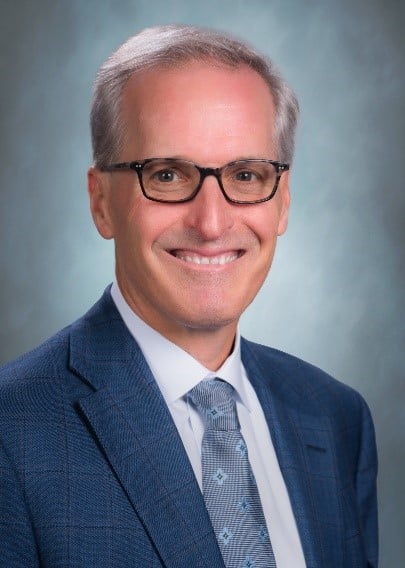
Dr. Michael Waldrum
“From Tradition to Transformation” is the theme of the 15th National Rural Health Day on Nov. 19. It’s a fitting theme. Rural health care has to look different, and I believe eastern North Carolina can help shape that change.
At ECU Health, our vision is to build the national model for academic rural health care. That is our mission, not a slogan: to lead, to try new things and to show other rural regions what is possible.
ECU Health and the Brody School of Medicine at East Carolina University bring care, education and research together in an academic health system rooted in a rural region. We serve more than 1.4 million people across 29 counties with nine hospitals and we are committed to ensuring a sustainable future for eastern North Carolina.
Our work in Martin County shows what that future can look like. With support from the North Carolina General Assembly and state partners, we are working with the county to plan the restoration of essential care through the Rural Emergency Hospital model. Congress created this designation in 2021 to preserve 24-hour emergency and outpatient care in rural communities.
When it opens, the facility will be the first of its kind in North Carolina. Paired with the planned expansion of ECU Health Beaufort Hospital for regional inpatient capacity, the model demonstrates that keeping care close to home does not require preserving every element of the past. It requires building the right system for the future.
Lasting transformation also needs the right conditions. Federal Medicaid changes in H.R. 1 will strain rural providers. When I testified before the U.S. House Committee on Ways and Means in April, I shared that ECU Health faces a potential compounded loss of more than $1.5 billion over the next decade from those changes alone. The 340B Drug Pricing Program, which Congress designed to help safety-net hospitals serve patients and communities, also faces threats. These are grim realities for rural health care providers but they can be overcome.
I’m hopeful federal policymakers will address H.R. 1’s Medicaid reductions and protect 340B so rural health systems can plan for the future, not just survive the present. Left unresolved, these pressures could force decisions driven by immediate financial need rather than long-term community needs. Resolving them gives us room to transform thoughtfully.
ECU Health’s own transformation cannot wait. The work will be hard, but necessary. Our commitment to rural communities and care close to home will not change. How we fulfill that commitment must.
I’m grateful that the North Carolina Office of Rural Health is bringing the statewide celebration to Greenville this year, and deeply proud of the 15,000-plus ECU Health and Brody team members who live that commitment every day. Thank you.
Tradition brought us here. Transformation will carry us forward. If we all work together, I’m confident eastern North Carolina will be stronger for it.
Mike Waldrum, MD, MSc, MBA
Chief Executive Officer, ECU Health
Dean, Brody School of Medicine at East Carolina University