
Fannie Clemmons, supervisor in Food Service, joined what was then Beaufort County Hospital at the age of 18. This month, she’s celebrate 45 years with the system.
“I had two kids and was trying to raise them on my own,” the Martin County native said. “I came from a working family, and my parents said I had to get out there and hustle.”
Fannie joined the Food Service team, where her mother also worked, and started her career as a dishwasher. She worked with a lot of older team members who showed her the ropes.
“From dishwashing, I moved to patient service line to cafeteria to baking – I’ve been all over the kitchen,” she laughed. “You had to learn how to do anything. If they needed you to help in a certain area, they trained you.”
That training included working in catering, which Fannie said she enjoyed but was a lot of work, and baking.
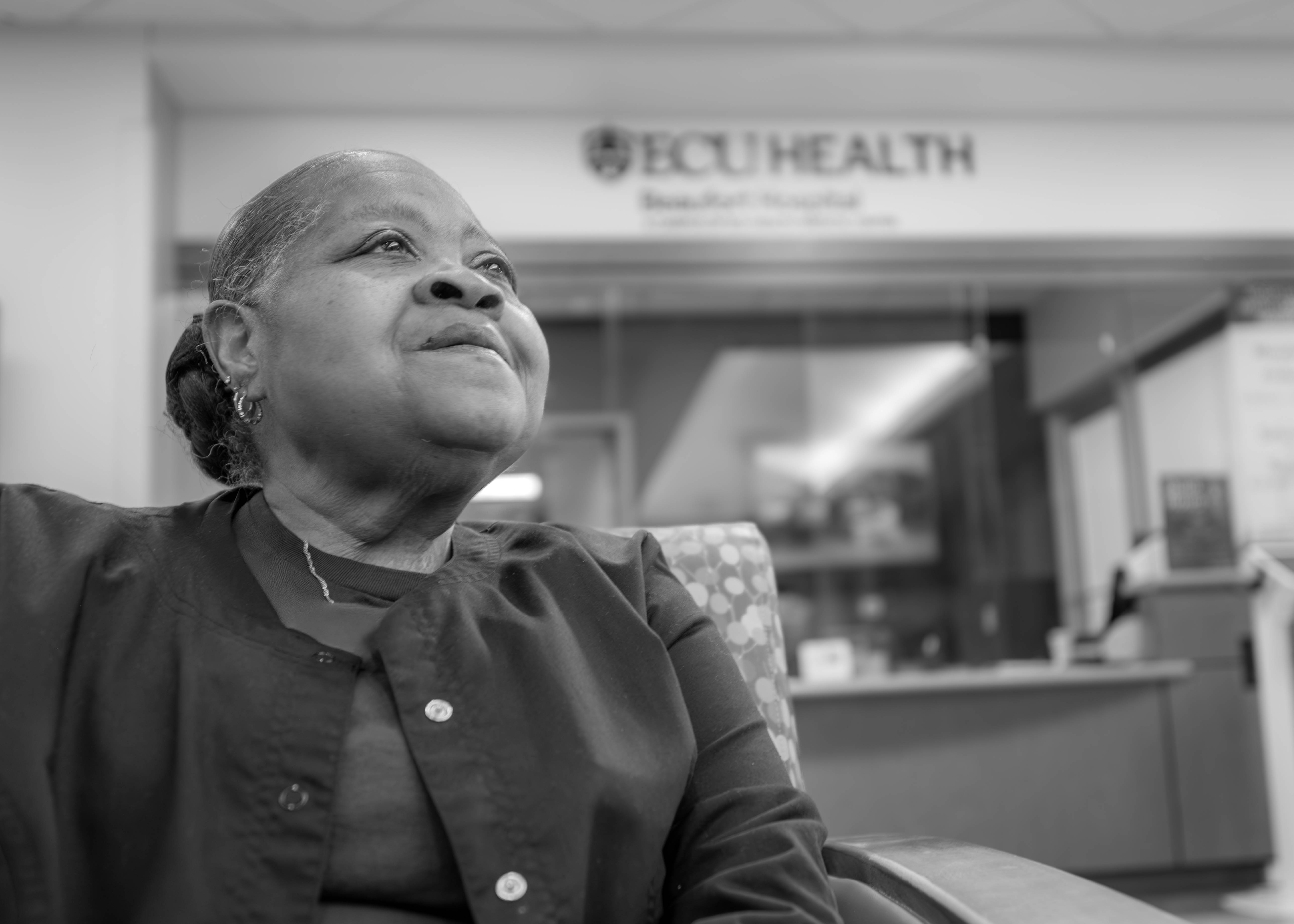
“We did light baking in those days,” she said. “We made biscuits and cakes and pies from scratch. People really loved that.”
While she didn’t plan to stay at ECU Health for 45 years, Fannie said the work has been a blessing to her and her family.
“This has been a home away from home,” she said. “This is my getaway place, where I come to think about other people and not myself. I’ve been able to meet so many people – not just co-workers but patients and others outside the organization. There are patients you meet you get real attached to. They come and go, and you don’t ever forget them.”
A lot has changed in those 45 years, she said.
“Some of the processes have changed, and other things like serving more healthy foods and more options. The hospital has also grown a lot, but the more we grow, the more we learn.”
Although she’s 70 years old, Fannie said she hopes to continue her work with ECU Health – while also spending time with her children and grandson.
She’s also teaching the new team members, just as she was taught when she first started.
“Each age group is different, and you have to adapt to each of them. But I feel valued and appreciated when I can help someone beside myself. That’s the way I was raised, and that’s the impact I want to make – to inspire them.”
When asked if she had any advice for team members joining ECU Health, she offered these words: “Life is what you make it. Be positive, be an inspiration. If it’s helping someone, it’s good enough.”

 Fall is in full swing in eastern North Carolina, and with it comes more than just crisp air and colorful leaves. We’re already seeing an uptick in respiratory viruses across our communities and the state. It is not too late to protect yourself and your loved ones from the serious health risks posed by respiratory viruses like influenza, COVID-19 and RSV.
For many, these viruses are a temporary inconvenience. But for others, especially young children, older adults, pregnant people and those with chronic health conditions like asthma or diabetes, they can lead to severe illness, hospitalization or worse. As an infectious disease physician at ECU Health, I have seen firsthand how quickly these viruses can progress to life threatening illness in vulnerable individuals. That is why it’s so important to act early and take advantage of the tools we have to stay safe.
Vaccines remain our most powerful defense against severe illness. The 2025-26 COVID-19 and flu vaccines are now available, and I strongly encourage everyone to stay up to date. The flu vaccine is recommended for everyone 6 months and older, while the RSV vaccine is now available for infants, pregnant people and older adults. These vaccines not only protect you but also help shield those in our community who are too young or medically unable to be vaccinated, like newborns or individuals undergoing chemotherapy.
Thanks to a recent Standing Order from the North Carolina Department of Health and Human Services (NCDHHS), a prescription is not required to get vaccinated. Adults 65 and older, as well as those aged 18 to 64 with high-risk health conditions, including obesity, asthma, diabetes, pregnancy and more, can receive the COVID-19 vaccine at pharmacies without a prescription.
If you test positive for COVID-19, flu or RSV, do not wait. Contact your health care provider right away. Early treatment can reduce the severity of symptoms and lower the risk of complications. Medications for COVID-19 and influenza have proven effective in preventing hospitalizations when started promptly.
Vaccines and treatments are critical, but they are just part of the equation. Simple preventive measures like frequent handwashing, avoiding close contact with sick individuals and wearing masks in crowded or high-risk settings remain powerful tools in slowing the spread of illness.
I understand that some people have questions or concerns about vaccines. I encourage you to talk with your primary care provider to determine which vaccines are right for you and your family. I get vaccinated every year, not just for myself, but to help protect those around me who can’t.
By staying informed, getting vaccinated, seeking early treatment when needed and practicing good hygiene, we can navigate this respiratory virus season safely. It’s about doing our part to protect the health of our entire community.
Let’s take these steps together so we can all stay healthy and enjoy the seasons ahead.
Dr. Jacob Pierce is the medical director of infection prevention at ECU Health and a clinical assistant professor at the Brody School of Medicine at East Carolina University.

Celebrating Rural Health Day: The Beating Heart of Rural America’s Well-Being, Workforce and Economy
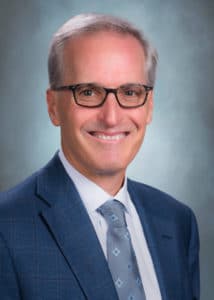
Dr. Michael Waldrum
Each year on National Rural Health Day, we pause to recognize the incredible contributions of those who provide care in rural communities. It is here, in rural America, where resilience, innovation, and compassion intersect to create lasting impacts in the lives of patients and their families.
But this day is more than a celebration of service. It’s a reminder that rural health care organizations are powerful engines of workforce development, economic vitality, and community well-being.
There’s no question that rural health care faces persistent challenges: workforce shortages, funding gaps, and infrastructure limitations. Yet, despite these realities, thousands of people across eastern North Carolina, and millions across the nation, go to work each day to care for others.
At ECU Health and the Brody School of Medicine at East Carolina University, we understand rural health care because it is who we are and what we do. Our rural hospitals and clinics aren’t just a small part of a broader health system, they are the heart of our mission to improve the health and well-being of eastern North Carolina. Within their walls are the people who make our vision of creating the national model for academic rural health care a reality.
We are proud of our rural identity, and it guides us in everything we do. In towns where the nearest hospital may be miles away and the population sparse, rural health care providers are often the largest employers. Clinics, hospitals, and community health centers like ours don’t just deliver care, they create jobs, train future professionals, and anchor local economies. From nurses and lab technicians to IT specialists and administrative staff, rural health care organizations offer career pathways that keep talent rooted in rural America.
Moreover, organizations like ours are uniquely positioned to cultivate the next generation of health professionals. Through partnerships with schools, colleges, and workforce organizations, they provide internships, apprenticeships, and continuing education that open doors and meet community needs. These programs don’t just fill vacancies, they build futures and empower young people to pursue meaningful careers without leaving their hometowns.
The economic ripple effect is profound. A thriving health care sector attracts new businesses, supports housing markets, and enhances quality of life—making rural communities more attractive for families and entrepreneurs alike. When rural health care is strong, the whole community flourishes.
So, on this National Rural Health Day, let’s celebrate the caregivers, support teams, educators, and advocates who make rural health care possible. And let’s also commit to supporting the policies, investments, and partnerships that strengthen their role as workforce developers and economic catalysts.
Because when rural health thrives—America thrives.
Mike Waldrum, MD, MSc, MBA
Chief Executive Officer, ECU Health
Dean, Brody School of Medicine at East Carolina University

Despite declining cancer death rates overall, new findings from the 2025 American Cancer Society Cancer Facts and Figures reveal a troubling increase in cancer incidence among women, particularly in two key age groups: younger than 50 and 50–64. These findings highlight the importance of proactive lifestyle changes and regular screenings in mitigating cancer risks.
For women under 50, the risk of developing cancer is now 82 percent higher than their male counterparts, up from 51 percent in 2002. According to the study, contributing factors include lifestyle changes among women born after the 1950s, such as increased smoking rates, obesity and sedentary habits.

“This increase in cancer diagnoses among women younger than 50 years old is largely breast and thyroid cancers,” said Dr. Mahvish Muzaffar, a hematologist/oncologist at ECU Health. “This reinforces the critical need for routine mammograms and awareness of risk factors in this demographic. Advances in diagnostic technologies, like incidental findings during scans, have contributed to the rise in finding thyroid cancer cases.”
While lung cancer rates are declining overall, the decrease has been more significant for men than for women. In 2021 among adults younger than 65, more women were diagnosed with lung cancer than men.
“Men adopted smoking earlier but also quit sooner and more aggressively, resulting in a three percent annual decrease in lung cancer cases compared to a 1.4 percent decrease among women,” said Dr. Muzaffar. “Smoking cessation remains a crucial intervention, particularly for women who began smoking later and have been slower to quit.”
Advancements in cancer screenings and awareness campaigns have played a significant role in reducing cancer rates for some types. Prostate cancer cases among men, for instance, have declined due to more judicious use of PSA screenings. Similarly, HPV vaccination and cervical cancer screening have decreased rates of HPV-related cancers. However, some groups, particularly women aged 30–44, have seen an increase in cervical cancer incidence, potentially due to under-screening.
Dr. Muzaffar emphasized the role of lifestyle factors and screening in addressing these trends.
“The three most common cancers—breast, lung, and colorectal—all have effective screening methods,” said Dr. Muzaffar. “It’s crucial for women, and everyone, to prioritize their health, get routine mammograms and undergo screenings for these common cancers if they meet the criteria.”
As researchers continue to analyze cancer trends, further studies will be needed to explore the impact of factors like vaping, dietary habits and environmental exposures, Dr. Muzaffar noted. She also said ECU Health has observed an increasing number of younger patients with advanced cancer diagnoses.
“We haven’t conducted a formal study to compare our regional trends to national data, but anecdotally, we are seeing more young patients with cancer,” she said. “This could be an area for further research.”
The increase in cancer rates among women underscores the need for continued public health efforts focused on prevention, early detection, and lifestyle modifications. Women, particularly those over 30, should remain vigilant about their health and take advantage of available screening options to catch cancer early when it is most treatable. For more information about cancer screenings and treatment options, please visit ECUHealth.org/Cancer.

A multidisciplinary group of physicians, health professionals, care teams, residents, fellows and students came together Wednesday for the 9th annual ECU Health Quality Improvement Symposium at Eastern AHEC. With educational sessions, a keynote speaker, podium presentations and a poster session, the day was jam packed with quality improvement initiatives and ideas from across ECU Health and East Carolina University’s Health Sciences Campus.
Dr. Michael Waldrum, ECU Health CEO and dean of the Brody School of Medicine, provided opening remarks at the symposium and reflected on his personal journey in quality improvement, which began 35 years ago and continues today.
“And in that 35 years, so much has changed, but really so much hasn’t changed. The essence of collaboration and caring and love is the essence of quality,” said Dr. Waldrum.
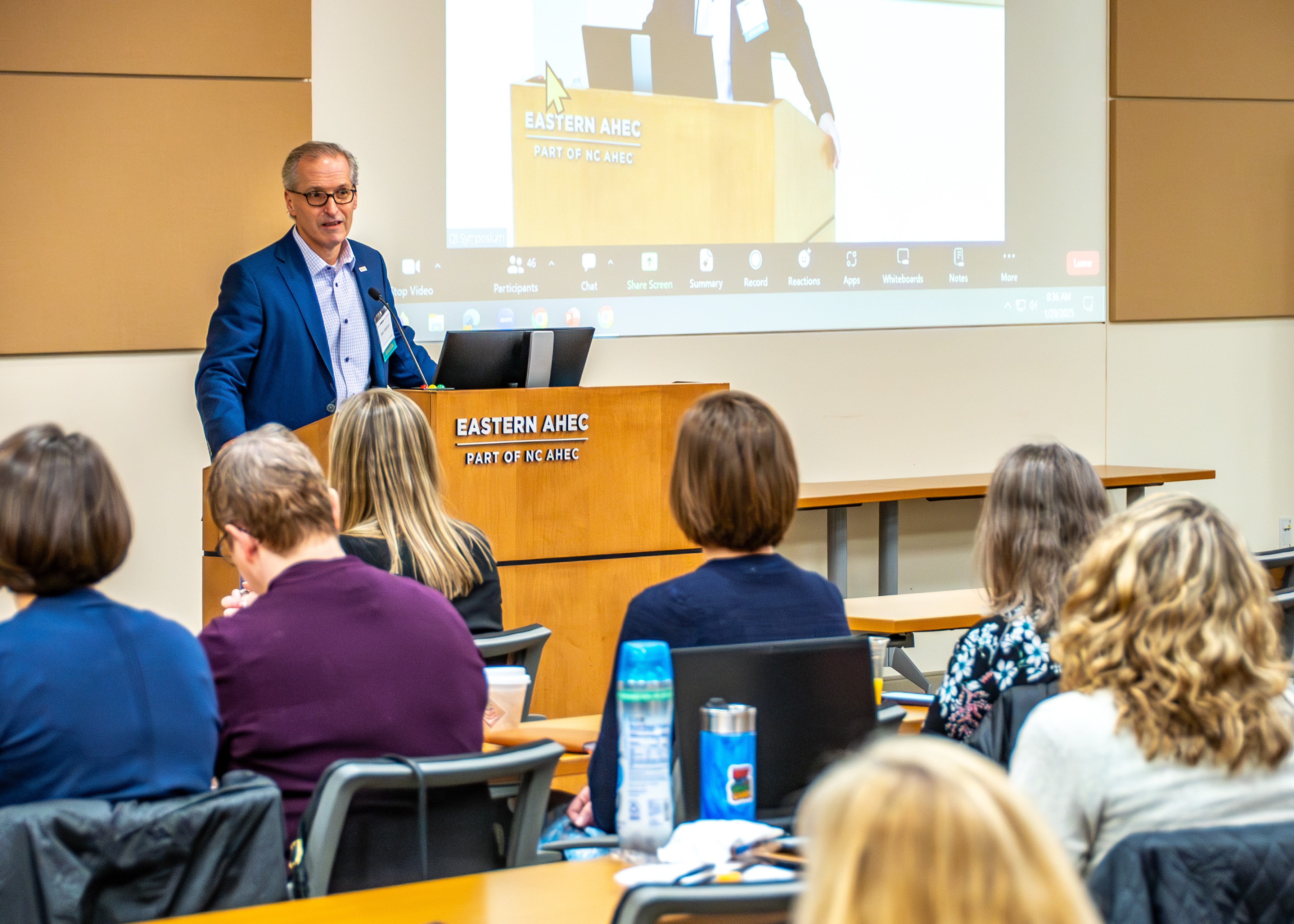
“The fact that you all care about your environments and each other and the patients we serve is what inspired me 35 years ago. Now, with changing technologies like artificial intelligence and other impacts to the care environment, the essence of quality, caring, taking care of each other and loving each other has never been more important. Thank you for doing that and carrying that message out for our organization, working in your units every day and living our values. That is who we are at ECU Health as we create the model for rural health care and educate the future health care professionals.”
Dr. David Tillman, chair of the Department of Public Health at Campbell University, provided keynote remarks to the group of 143 in-person and 63 virtual attendees. His presentation, “Rooted in Rural: Enhancing Patient Care and Quality Improvement by Valuing the Rural Context,” focused on understanding how engagement with rural communities provides essential insights for effective and empathetic health care.
“I’m based at Campbell and get to work closely with the communities in eastern North Carolina as do so many of the attendees here, and so often the rural context is forgotten in the broader quality improvement context,” said Dr. Tillman. “Having this topic as the keynote puts ‘rural’ at the center of quality improvement efforts. You can’t just replicate quality improvement efforts in rural communities. Instead, you have to think deeply about how it applies.”
The symposium showcased more than 40 projects related to system improvement, practice redesign and other methods for improving quality within health care and here in eastern North Carolina. The projects, categorized into podium presentations, poster presentations and works-in-progress presentations, offer a snapshot of ECU Health and the Brody School of Medicine’s commitment to driving continuous quality improvement across the health enterprise.
Awards for the top podium and poster presentations were announced following the showcase.
Podium Presentation:
Outstanding Podium Presentation: Michelle Ball, MSN, RN, CCRN-K, CIC, Infection Prevention, ECU Health Medical Center – “Standardization of Skin Antisepsis for Hip Replacement Surgery
Honorable Mention Podium Presentation: Dr. Nusiebeh Redpath, Perinatal-Neonatal Medicine, ECU Health Medical Center – “Increasing Parenting Activities in the NICU by Parents with Very Preterm Neonates”
Quick shot podium presentation:
Outstanding Quick Shot Podium Presentation: Alissa Meyerhoffer, MS2, LINC Scholar, Brody School of Medicine, ECU – “Improving Patient Throughput at the ECU Health Pediatric Specialty Clinic”
Honorable Mention Quick Shot Podium Presentation: Pankti Sheth, MS4 LINC Scholar, Brody School of Medicine, ECU – “Timely Extubation in Low-Birth Weight Preterm Infants Using a Standardized Protocol”
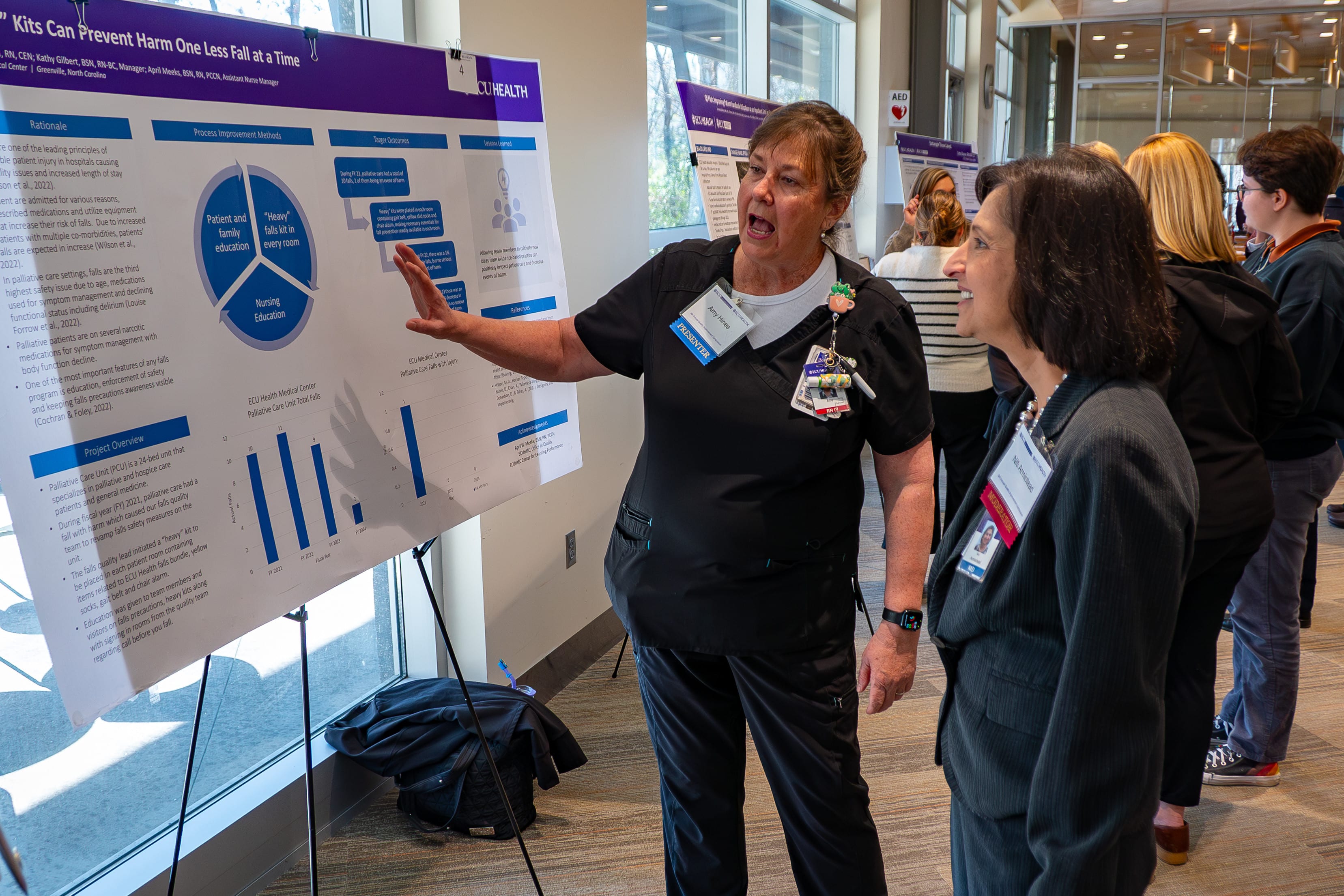
Honorable Mention Quick Shot Podium Presentation: Dr. Greeshma Sheri, Department of Internal Medicine, Brody School of Medicine, ECU – “Improving Inpatient Sleep Quality”
Poster presentation:
First Place Poster Presentation: Mariam Tariq Awana, MD, Internal Medicine and Pediatrics, Brody School of Medicine, ECU – “Enhancing HIV PrEP Prescription Adherence through Physician Education and Assessment”
Second Place Poster Presentation: Aimee Dunn, BSN, RN, CCRN, SCRN, Neurosciences Intensive Care Unit, ECU Health Medical Center – “Targeted Interventions for CAUTI Prevention: A Success Story in Reducing Infection Rates in the NSICU”
Third Place Poster Presentation: Missy Barrow, MA, LSSGB, Internal Medicine Community, ECU Health Medical Center – “Communication Between Hospital Allied Health and Primary Care Practitioners: A Collaborative Approach to Improving Hospital Discharge Summaries”
Dr. Jennifer Sutter serves as the current physician director of the Quality Improvement Symposium, helping presenters with their projects and supporting the judges as they review each body of work. But it wasn’t long ago that she herself was standing at the podium presenting her quality improvement work. The experience, she said, can benefit health care professionals in powerful ways.
“As a presenter, it can be nerve wracking to put yourself out there, but you get so much great feedback that can help you move your project forward,” Dr. Sutter said. “From my standpoint now, it’s great to create this environment where that learning and growth can happen. It takes a team to do quality improvement, and we have people here from across the health system who are collaborating to do just that. There’s nothing better.”
The day closed with two educational sessions designed to help those in attendance take the day’s learning and apply it to their mission-driven work.
Erika Taylor, clinical faculty member and instructor in the Division of Behavioral Medicine in the Department of Family Medicine at the Brody School of Medicine, and Patricia Huerta, clinical assistant professor in the Department of Family Medicine at the Brody School of Medicine, hosted “Dialectical Behavior Therapy Skills for Medical Providers” to encourage health care providers to engage with a variety of coping skills to support their mental health and the mental health of their patients.
Randy Cobb, director of Talent Development at ECU Health, led a session called “Leading Change: Two Success Factors” where participants explored the importance of leading people through change by crafting a change plan via an interactive experience.
To learn more about the symposium and view a list of presentations, please click here.

Dr. Jacob Pierce
Fall is upon us, and along with the cooler weather and changing leaves, we are expecting to see an increase in respiratory viruses. While it might be too late for ECU football’s conference championship dreams, it’s not too late to increase your chances of staying healthy this respiratory viral season. Respiratory viruses may be an inconvenience for many of us, but they can be devastating for those with certain conditions. Fortunately, vaccines and treatments are available for the major respiratory viruses expected to be circulating this Fall and Winter.
Testing positive for influenza, COVID-19, RSV and other respiratory viruses can be unsettling, but it’s important to remember that we’re equipped with the knowledge and tools to handle it effectively. If you test positive, reach out to your health care provider immediately. For those who are a bit more vulnerable—like older adults, people with underlying health conditions or a weakened immune system—getting early treatment really makes a difference. It can help keep symptoms from getting worse and get you back on your feet faster.
Medications available today for some respiratory viruses like COVID-19 can significantly reduce the severity of symptoms and lower the risk of hospitalization. As an infectious disease physician at ECU Health, I have seen firsthand how devastating these respiratory viruses can be for at-risk individuals. This underscores the importance of acting quickly and taking advantage of these treatments when eligible.
Treatment is just one part of the equation; preventative measures remain as vital as ever. The 2024–25 COVID-19 and influenza vaccines are available this Fall, and staying up to date with vaccinations is one of the most effective ways to protect yourself and those around you. We also now have FDA-approved RSV vaccines for all adults ages 75 years and older. The Centers for Disease Control and Prevention (CDC) also recommends the vaccine for adults ages 60-74 years who are at increased risk of severe RSV.
It is important to recognize that some of the most vulnerable in our community – such as newborns or individuals on chemotherapy don’t have a strong enough immune system for vaccines to work. They rely on the healthy among us to get vaccinated and keep them safe. I know that some of you reading this may have concerns about vaccinations. I encourage you to discuss which vaccines might be right for you with your health care provider. I get my vaccines every year, not to protect myself, but to protect anyone in our community who cannot get them for whatever reason.
Additionally, basic hygiene practices, like frequent handwashing, avoiding close contact with sick individuals and wearing masks in crowded or high-risk areas, continue to be simple yet powerful tools in preventing the spread of respiratory viruses.
By staying informed, acting quickly when needed and embracing preventive measures, we can navigate this season safely and protect the health of our community. It’s not just about avoiding illness; it’s about doing our part to ensure the well-being of those around us. Together, we can make a difference in managing this year’s respiratory viral season and look forward to baseball season.
Dr. Jacob Pierce is the medical director of infection prevention at ECU Health and a clinical assistant professor at the Brody School of Medicine at East Carolina University.
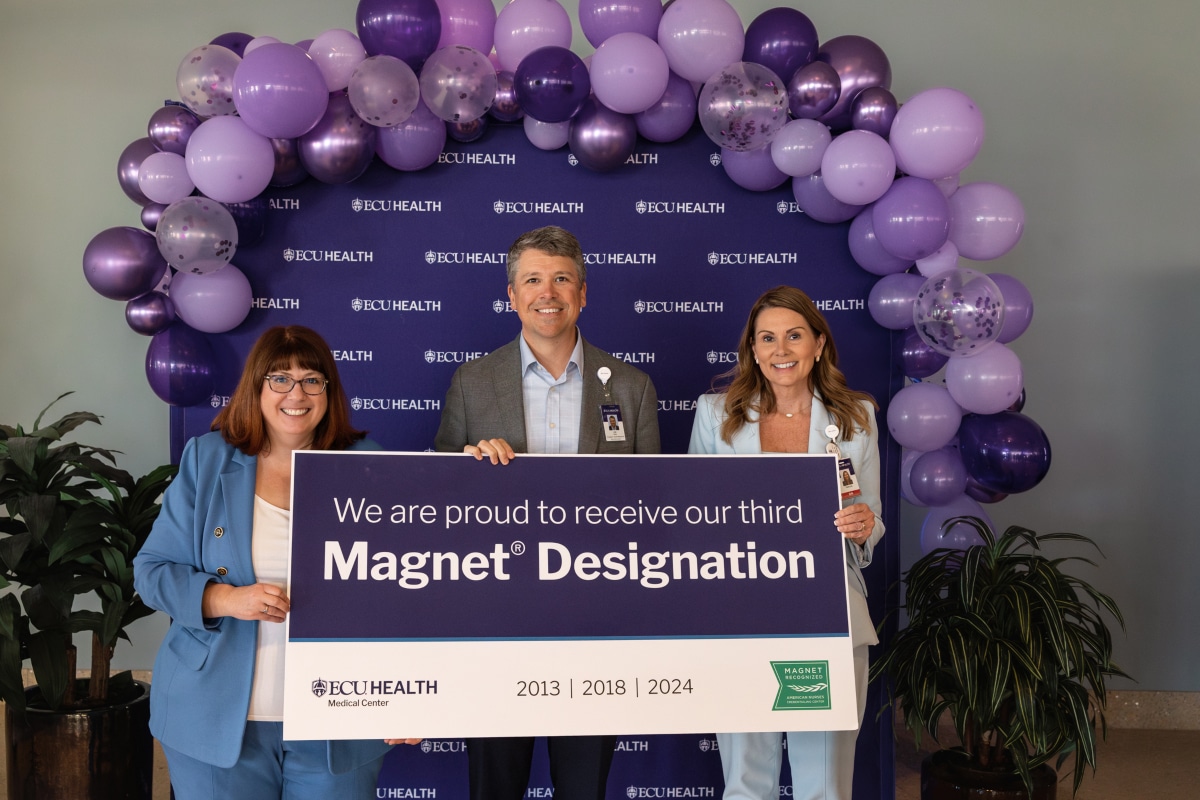
It is no secret that ECU Health’s mission to improve the health and well-being of the region is directly tied to the success of recruiting the best providers, nurses and care teams. The ongoing labor shortage makes it more important than ever to have a compelling reputation that attracts a talented workforce committed to eastern North Carolina.

Trish Baise, ECU Health Chief Nursing Executive
During my first year at ECU Health as chief nursing executive, my team and I set out to gain a deep understanding of ECU Health nursing. The goal was to highlight and leverage the incredible strengths while also identifying the work needed to create and sustain a culture of nursing excellence. Our commitment is to ensure the organization fosters an environment where nurses can flourish, grow professionally and have a meaningful nursing experience while providing safe and highly reliable human-centered care.
This challenging work has already resulted in important achievements that affirm our standing as a world-class nursing organization. Most recently, ECU Health Medical Center achieved Magnet recognition – the highest national honor for exemplary nursing practice – for the third consecutive time, highlighting our commitment to creating a nursing ecosystem that embodies excellence. Less than 10% of hospitals in the United States have Magnet designation and ECU Health Medical Center is one of only eleven in North Carolina.
This achievement is the celebration of our collaborative work, but it is not the destination. We are just beginning our efforts to propel nursing at ECU Health to unprecedented heights, making it adaptable to the ever-changing health care industry.
The Path Forward for ECU Health Nursing
We are taking bold steps forward. At ECU Health, we are not just reacting to the future of nursing, we are defining it. We are co-designing an empowering environment for our nurses to innovate and excel, enhancing patient care, and setting a new standard for nursing excellence in rural health and beyond.
At the core of this work is an inclusive approach to re-imagining and elevating nursing at ECU Health we have named Advancing Nursing Practice and Excellence (APEX). It began as a broad research project, capturing the voices of our nurses across the entire health system to ensure we had a deep understanding and appreciation for our environment. We are using the information gained during this research to inform our nursing strategic plan and design the work ahead, ensuring our nurses are a part of it every step of the way.
APEX will be the model for nursing excellence, innovation, research and education in rural health and beyond. Unifying leadership, technology and evidence-based practices, APEX exemplifies the future of human-centered care.
Investing in Future Nurses
In addition to our APEX work, we are committed to strong partnerships and innovative collaborations alongside our academic partners in the region including East Carolina University and local community colleges to offer training programs for the next generation of health care professionals. Our nationally accredited Nurse Residency Program empowers graduate nurses to select from various clinical areas, aligning with their professional aspirations. Our structured, evidence-based program pairs new nurses with experienced mentors, fostering skill refinement and growth. Upon completion, participants gain practical experience, enhance critical thinking, and transition confidently into their nursing careers.
What This Means for Our Communities
Through our APEX work, ECU Health is cultivating a thriving nursing environment empowered and engaged to lead innovations that support improved quality of patient care and enhanced patient experience for those across our region. Together, with our nurses, we will be publishing our work – sharing the unprecedented work taking place in eastern North Carolina as we create the national model for rural health nursing excellence.
Our Magnet recognition is a reminder of ECU Health’s long-standing legacy of nursing excellence, and we are proud to propel that legacy into the future with these continued efforts. Additionally, our nurse residency program will play a vital role in training the next generation of nurses. By contributing to a healthier, more resilient community with improved health outcomes, we embody the state motto of North Carolina,“Esse quam videri,” which means “To be, rather than to seem.” This marks only the beginning of an incredible journey of continuous improvement and innovation for ECU Health. I take immense pride in our new strategic direction for nursing and feel privileged to collaborate with the best nurses in the country.
Dr. Michael Waldrum
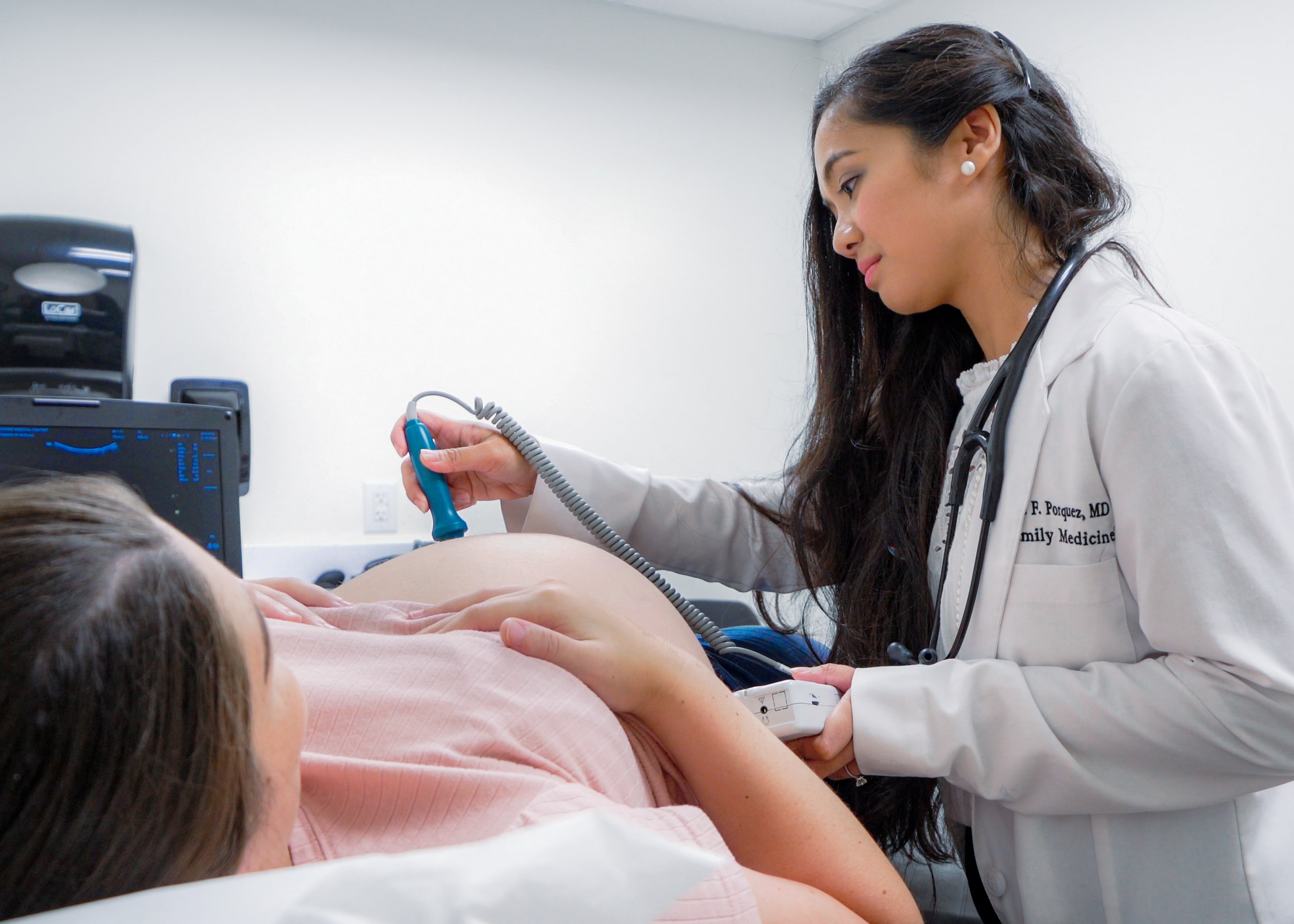
For those of us fortunate enough to be involved in rural health care, the third Thursday of November is a special time to pause, reflect and look forward. Designated as National Rural Health Day in 2011, this particular Thursday has served as an important moment to honor the contributions of rural health care workers, including the 14,000-plus ECU Health and Brody School of Medicine at East Carolina University team members who care for eastern North Carolina.
You don’t have to look far to see the impact of rural health care. All around us are doctors, nurses, allied health professionals, professors, students and others who make high-quality health care possible here in eastern North Carolina. Today is a day to celebrate them and their tireless dedication to serving a region of 1.4 million people.
ECU Health’s vision to become the national model for rural academic health care is necessitated by the shared challenges rural communities across America face. An estimated 62 million people call rural America home, and they all experience health care in similar ways: fewer resources, higher burdens of diseases like diabetes and heart disease, difficulty accessing care and a higher number of under and uninsured people when compared to urban communities. Eastern North Carolina is no different.
These are undoubtedly complex challenges, but they can be solved through innovation and ingenuity. For example, the American Association of Medical Colleges estimates a shortage of more than 124,000 physicians by 2034, a reality that will disproportionately impact rural communities. We can anticipate the impending shortage, understand the disproportionate impact it will have on our communities and utilize the unique resources available at our academic health system to address these challenges.
Studies show that family medicine residents who spent 50% or more of their training time in rural settings were at least five times more likely than residents with no rural training to practice in a rural setting. Brody and ECU Health together launched the Rural Family Medicine Residency program in 2021, and the results are immediately evident with multiple residents already committed to continue practicing in one of ECU Health’s rural family medicine clinics.
There are countless other examples like the Rural Family Medicine Residency program that showcase the value of an academic and health care delivery system. When we created ECU Health, the vision was to create a premier academic health care enterprise that could serve as a national model for other rural health systems to learn from. We are on our way to realizing that vision, and I am proud of our work so far. Our progress would not be possible without the incredible team members who have dedicated their careers to improving the lives of others.
I encourage our community members to thank a health care worker this week. Our lives are better because they choose to serve here in rural eastern North Carolina.
Resources
Rural Family Medicine Residency Program
Rural Family Medicine Residency Program takes unique approach to training physicians
Trish Baise
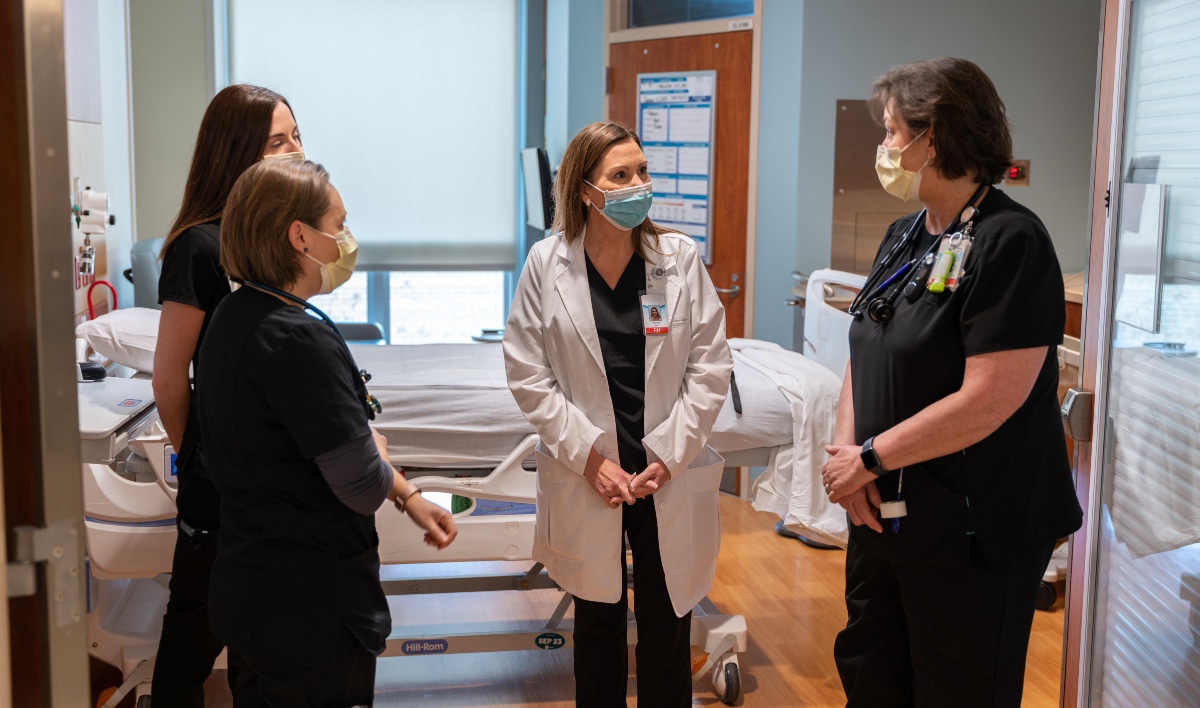
Since my arrival to the organization in January, I have enjoyed the privilege of getting to get to know the nurses of ECU Health. I’ve visited our acute care environments and interacted with a number of ambulatory care teams. In every visit, I come away inspired by the level of nursing care that is provided on a daily basis in communities across eastern North Carolina.
This week, May 6-12, is National Nurses Week, and it is my distinct honor to recognize and celebrate the incredible contributions of our ECU Health nurses. They demonstrate the mission, vision and values of ECU Health by providing excellent care in our hospitals and clinics. Nurses also serve in other critical roles across our health system focused on improving well-being, quality, safety, outcomes and access.
All nurses, regardless of their role, have a profound connection to purpose. Our purpose might be to provide hope to the hopeless, administer life-saving care that impacts generations of a family, give the support a colleague needs at just the right time, teach the next generation of nurses or be a part of innovation that fundamentally changes health care. If we pay attention, our careers our filled with daily moments of purpose, some small, some life changing. Our nurses are joined in purpose by 4.2 million nurses nationwide. It is the tie that binds us together. Together we will build upon our shared purpose as ECU Health nurses and become a national model for nursing excellence.
During National Nurses Week and beyond, I encourage our community to take the time to celebrate each and every one of the nurses providing care for our family, friends and neighbors. Nursing is the backbone of health care, and achieving the ECU Health mission would be impossible without them.
Thank you, ECU Health nurses, for your compassion, commitment to excellence and all you do for your patients and their families every day. ECU Health, our patients and our communities all benefit because you choose to serve eastern North Carolina.

Mental health in the United States has been an ever-escalating problem for many years that has now become markedly worse due to the COVID pandemic. Fear, anxiety and isolation stemming from the pandemic exacerbated depression, substance abuse and even the incidence of spousal abuse.

Dr. Michael Lang
In my role as chair of the Department of Psychiatry & Behavioral Health at the Brody School of Medicine and ECU Health, I have seen firsthand the impact a lack of mental health resources can levy on our most vulnerable citizens. Others in our community see and experience it as well, as evidenced by the large turnout and lively conversation at the Mental Health Town Hall hosted by the North Carolina Department of Health and Human Services in Greenville on Feb. 9. The themes and stories shared at the town hall were common, consistent and heartbreaking. I am grateful for the legislators and community members who came together to have an open, honest discussion and we all agree that urgent action is needed.
Emergency departments across the state are overrun with patients in psychiatric distress with few outlets available to provide them help. This has particularly been the case for patients with substance abuse disorders, our elderly and children. I personally have seen so many children in the emergency department that doctors had to treat other conditions in the waiting room. We owe our patients appropriate mental health services in a safe location with qualified professionals who are not only delivering excellent care but training the next generation of providers to take up the mantle of behavioral health care.
To that end, ECU Health’s partnership with Acadia Healthcare to build a new 144-bed freestanding mental health hospital here in eastern North Carolina is a step in the right direction. This facility, scheduled to open in 2025, will provide state-of-the-art care for not only the people of our region but also the entire state. The hospital will house distinct units that will be devoted to the care of specific populations of behavioral health patients. Included will be a geriatric unit, a substance abuse area, a space for those with significant co-morbid medical problems, the intellectually disabled and a 24-bed child/adolescent unit. Within its walls, every evidenced-based treatment available will be utilized to maximize our ability to rehabilitate, stabilize, and allow our patients successful community reentry.
Given the large number of disparate patients with varied diagnosis, the new behavioral health teaching hospital will serve as a training area for physicians, nurse practitioners, physician assistants, psychologists, occupational therapists, family therapists, substance abuse counselors and more. The hospital will be closely aligned with ECU Health Medical Center for access to the wide array of clinical and diagnostic resources our tertiary care center has to offer.
Our vision is for this facility to serve as a symbol of the commitment we at ECU Health and the Department of Psychiatry and Behavioral Medicine have to provide state of the art care for the people of eastern North Carolina. I am excited to form new partnerships and engage our community leaders to ensure that all citizens, whether they have schizophrenia or opiate use disorder, can live and prosper here in our wonderful region.
Michael Lang, MD, is chair of the Department of Psychiatry & Behavioral Health at the Brody School of Medicine and ECU Health.