
There are key factors that impact heart health that everyone needs to be aware of to maintain a healthy cardiovascular system. These include monitoring blood pressure, knowing your cholesterol and getting enough exercise.
High blood pressure, also referred to as hypertension, occurs when the pressure of blood flowing through your blood vessels is consistently too high. According to the American Heart Association, nearly half of American adults have high blood pressure and many do not even know it.
Dr. Blase A. Carabello, chief of cardiology, Brody School of Medicine at ECU and ECU Health Medical Center, said, “High blood pressure is often a symptomless ‘silent killer’ because there are often no noticeable symptoms that accompany this condition. The best way to know if your blood pressure is in a healthy range is to get your blood pressure checked and monitor your blood pressure numbers regularly.”
Cholesterol levels can play a key role in heart health. It comes from two sources: the liver, which makes all the cholesterol you need, and the rest comes from foods from animals. Cholesterol circulates in the blood and as the amount of it increases in your blood, so too does the risk of cardiovascular diseases such as heart disease and stroke. When it comes to cholesterol, remember to check, change and control.
Another key factor influencing heart health is atrial fibrillation or “afib,” a quivering or irregular heartbeat that can lead to blood clots, stroke and heart failure and a shortened life span. Typically, people who have one or more conditions including high blood pressure, sleep apnea, underlying heart disease, and other chronic conditions including thyroid problems, diabetes and asthma may be at risk for atrial fibrillation. However, the single most important modifiable risk factor for afib is obesity.
The treatment goals of atrial fibrillation begin with diagnosis through in-depth examination from a physician. Based upon the diagnosis, providers may offer a variety of options including medication that usually entails the use of blood thinners, nonsurgical procedures, including electrical cardioversion to reset the heart to a normal rhythm and procedures that can block the area of the heart where blood clots form if patients are unable to take blood thinners.
“Being proactive about your heart health is the best way to be aware of potential problems,” said Dr. Carabello. “Eating a healthy diet, maintaining a healthy weight and being physically active can make a positive impact on blood pressure, cholesterol and atrial fibrillation, which will help maintain good heart health. Also, seeing your provider for screenings and check-ups is key to preventing problems before they arise.”
Even though the pandemic continues to make an impact on daily life in eastern North Carolina, Dr. Carabello encourages community members to continue to seek medical attention and to be knowledgeable about the procedures in place to make patients as safe as possible.
He said, “Heart disease did not take a break during the pandemic and any negative heart condition needs to be addressed in its earliest stages when the widest variety of treatments are available.”
For those who have experienced a major cardiac event, Vidant offers a Cardiovascular and Pulmonary Rehabilitation Program to help create a path forward. A team of respiratory therapists, registered nurses, exercise professionals, dietitians and a medical director guide patients through a program focused on exercise, nutrition and behavior modification to prepare and equip those in the program to continue physical activity and healthy lifestyle changes.
For more information about cardiovascular resources at Vidant Health, including treatments, screenings and technologies, visit VidantHealth.com/Heart-Vascular.
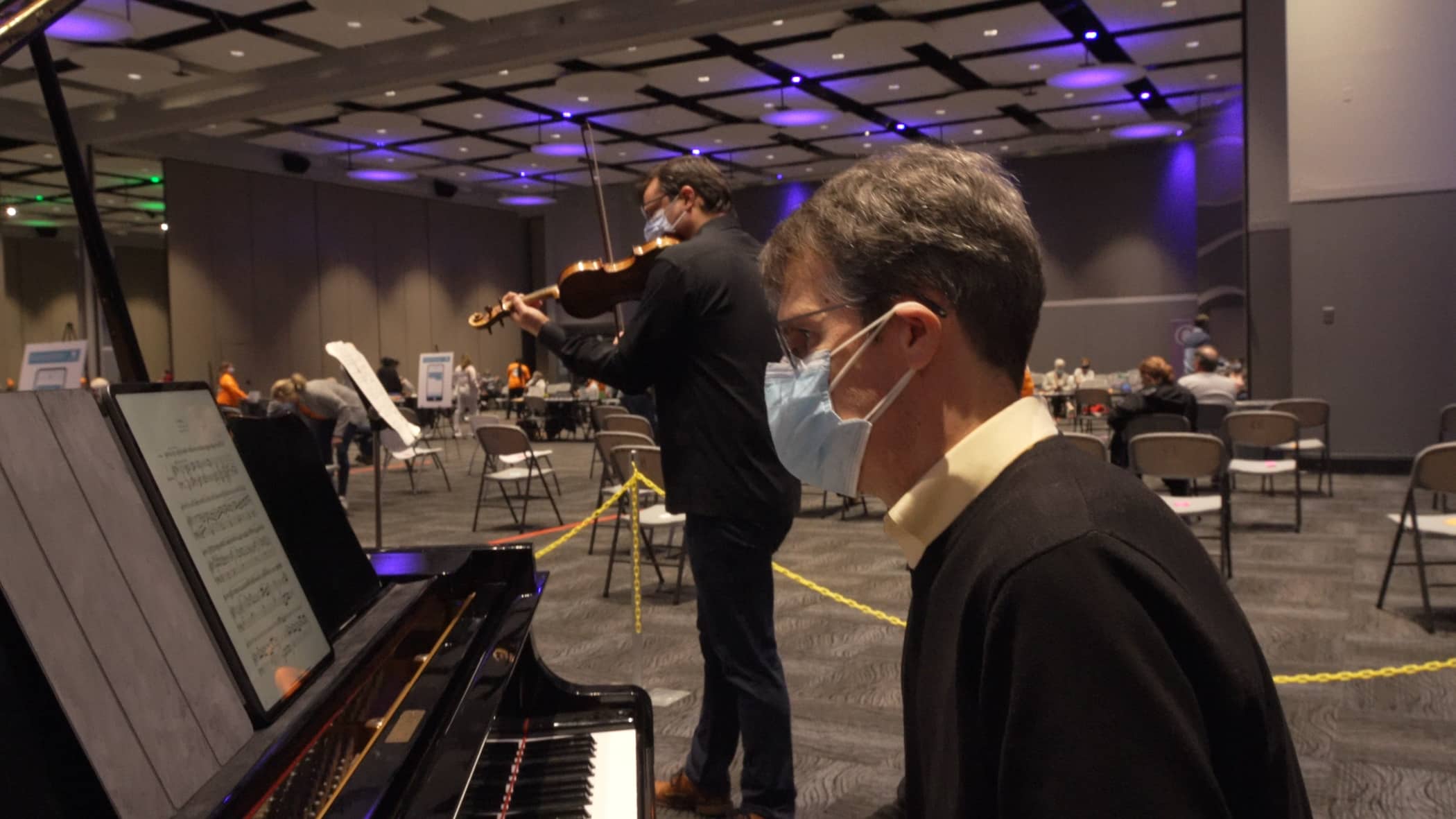
“Music therapy is not a new science,” said Vidant Chief Experience Officer Dr. Julie Kennedy Oehlert. “We know that music can calm anxieties and ease pain. Music from internationally renowned musicians provides a soothing experience for community members in the observation area after they receive their dose of hope.”
Four Seasons Artistic Director Ara Gregorian values the partnership they have built with Vidant. “Four Seasons is committed to bringing great music and musicians to as many people as possible, and I can think of no better way to do this during the pandemic than bringing musicians from around the world to regularly perform at the Large-Scale Vaccine Clinic,” Gregorian said.
“The beautiful, healing music gratefully provided by Four Seasons will forever be a part of the memories of those that receive their vaccine,” Dr. Oehlert said. Vidant and Four Seasons have partnered for years to bring musical experiences to patients at ECU Health Medical Center via live performances and video recordings featuring acclaimed Four Seasons musicians.
Dr. Oehlert said, “This collaboration is yet another demonstration of how our community comes together to support each other during this pandemic and other times of need.”
Vidant has vaccinated over 10,000 people thus far. For more information about vaccination appointments, visit www.Vidanthealth.com/vaccinate or sign up for email updates on Vidant’s vaccine efforts as new information becomes available.
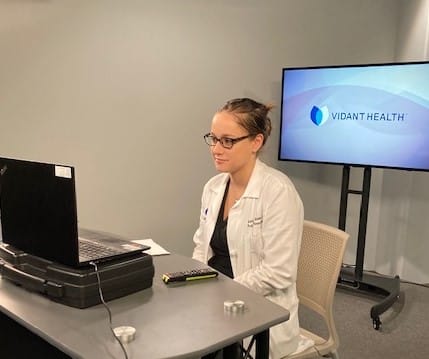
Pediatric neurosurgery is the surgical treatment of diseases of the brain and spine in children. This includes a wide variety of conditions, from ones that children are born with, to others that children acquire later in life.
Dr. Kathleen Knudson, a pediatric neurosurgeon with Vidant Neurosurgery, shares her experiences and her process for working with patients and their families.
“When I am trying to decide on the best plan for the patient, I look at the entire person,” she said. “I talk to them and find out what they are concerned about and get a detailed neurological exam. I often get an imaging study, depending on what their concern is. Then, I use all this information together, (the history, exam, and imaging) to make a recommendation on surgery. I don’t just look at the imaging alone to make a recommendation.”
In this process, Dr. Knudson works together with the patient and their families to come up with the right treatment for the child.
“It is a team effort,” she said. “I work closely with other Vidant team members, including pediatric oncologists, pediatric neurologists, general surgeons, pediatric orthopedic surgeons, and many other providers to help take care of the patient.”
Dr. Knudson added, “Often, there is more than one surgical option for patients. I go over these different options with the family to decide what is the best plan for everyone. I often recommend minimally invasive surgery, so the child will have a smaller incision and a faster recovery.”
Pediatric neurosurgery patients are seen and treated at the Maynard Children’s Hospital in Greenville. If your child may require neurosurgery, talk to your provider for a referral to Vidant Neurosurgery. If you do not have a Primary Care Provider, Vidant Health can help you find one by calling 1-800-472-8500. You can also learn more on the Neurological Care page.

While Martin Luther King Jr. Day is designated as a day of service, this challenge asked team members to make an impact through a charity, community group or helping a neighbor, friend or loved one in need. As we continue to fight against COVID-19, even seemingly small gestures go a long way in helping others.
Vidant Experience Catalyst Whitney Watson led the challenge and said it was an amazing opportunity to call on team members who make great impacts in their communities through their work.
“Leading this initiative gave me the opportunity to present a paradigm shift to our system in how we honor Dr. King,” Watson said. “I wanted every team member to know that Dr. King’s dream is for all of us, regardless of our differences.”
Team members got involved through many different channels and eagerly took on the challenge. Team members volunteered at a number of locations, including food banks, senior living facilities, a ranch and even assisting in preparing the Greenville Convention Center to host Vidant and Pitt County’s large-scale vaccination effort.
Nancy Turner, program coordinator with Vidant Health Careers, was one of the many team members who accepted the challenge. Turner spent time volunteering at the Rocking Horse Ranch Therapeutic Riding Program, where she has volunteered for nearly two years.
“I enjoy working with the horses, I enjoy working outside and most importantly, I love working with the special needs exceptional children population,” Turner said. “I was able to spend several hours working with the horses and also training new volunteers as we get ready to start our new spring session in February.”
She said it was a great way to spend time giving back to an organization she loves during the MLK Week of Service.
Watson said the efforts of Vidant team members in the community service space are critical to breaking down barriers.
“Serving the communities where we live and work gives us an even deeper connection to those we strive to care for in eastern North Carolina,” she said. “It gives us the opportunity to join the fight in eliminating disparities and allows us to give every single person in our community a chance to not just survive, but thrive.”
It’s not too late to take up the challenge and honor Dr. Martin Luther King Jr.’s legacy through service to others. You can always reach out to charities, food banks or those in need and lend a helping hand. Dr. King’s message was often one of love, caring and hope and through service we can live out his dream.
Hear more Martin Luther King Jr. Day messages from Vidant Health team members:
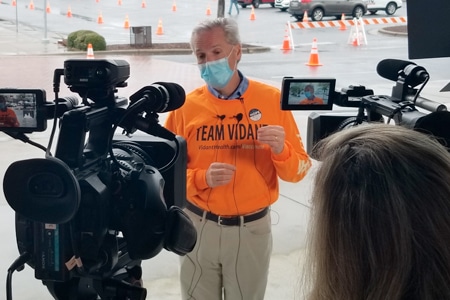
The 72-year-old lifelong eastern North Carolina resident was among the first in line at the large-scale vaccination clinic, organized by Vidant Health and the Pitt County Department of Health.
“I hope and pray that some other people will come to realize that this is what we need to do,” Joyner said. “We need to get this vaccine.”
Vidant teams have been working around the clock to prepare to vaccinate more than 4,000 people in the first week.
“We knew this was going to be a big deal, we knew we were going to need a lot of help and expertise to do it,” said Dan Drake, PhD, RN, president of ECU Health Physicians & Ambulatory Services.
“There is a lot of pride with being able to offer this to people who are vulnerable, and frail and at risk,” said Vidant Health Chief Experience Officer Julie Kennedy Oehlert, DNP, RN. “And none of us take it lightly.”
“Many of the patients that we have immunized have been so gracious; in fact, many of them have talked about it like it’s a life-saving intervention and for many of them it may be,” said Drake.
As the COVID-19 pandemic continues to be unprecedented, so is the defense against it.
“This is the largest mass vaccination effort in the history of humankind; it’s the largest public health intervention we have ever faced,” said Drake.
“We all stood and watched these people that we’ve been preparing for, for a couple of weeks – and we were just like, ‘Yay! You’re here. We’re here for you! You’re here, we’re here. Let’s do this!’” said Oehlert.
It’s a rallying cry for a region – and a dose of hope for the communities Vidant serves.
Joyner, for one, agrees: “It’s a blessing, it’s a blessing that we’ve got this.”
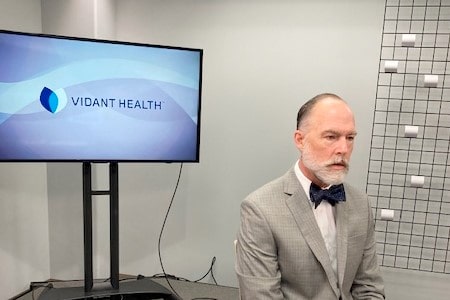
The cervix is the lower, narrow end of the uterus and when cancer starts in this area, it is called cervical cancer. Each year more than 350 North Carolina women are diagnosed with cervical cancer and over 100 die from the condition, according to the North Carolina Department of Health and Human Services. The majority of these deaths occur in women over the age of 45.
Although cervical cancer starts from the cells with pre-cancerous changes, only some of the women with pre-cancer of the cervix will develop cancer. For those that do, treating cervical pre-cancers can prevent almost all cervical cancers.
Dr. Grainger Lanneau, chief of gynecology oncology at Vidant Health/ECU Health Cancer Care said, “The two most important things to do to prevent cervical cancer are to get the HPV vaccine if you are eligible, and to be tested regularly according to American Cancer Society (ACS) guidelines.”
Pre-cancerous changes can be detected by the Pap test and treated to prevent cancer from developing. The HPV test looks for infection by high-risk types of HPV that are more likely to cause pre-cancers and cancers of the cervix. HPV infection has no treatment, but a vaccine can help prevent it.
These tests are done in the same way with a special tool used to gently scrape or brush the cervix to remove the cells for testing. If pre-cancer is found, it can be treated, keeping it from turning into a cervical cancer. The result of the HPV test, along with past test results, determines your risk of developing cervical cancer. If the test is positive, this could mean more follow-up visits, more tests to look for a pre-cancer or cancer and sometimes a procedure to treat any pre-cancers that might be found.
For more information about the risks and prevention of cervical cancer, or if you do not have a primary care provider, please contact the Prevention Clinic at ECU Health Cancer Care (252) 816-RISK (7475).



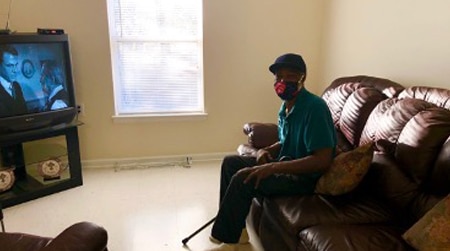
Wooten became a home health patient and he worked closed with his clinical team to become stronger and more stable when ambulating. Understanding Wooten’s physical limitations was a key component to Mr. Wooten’s success. Vidant Home Health and Hospice was determined to help make his dream of living independently a reality. When Mr. Wooten’s homecare team became aware of the need for housing Vanessa Johnson, a medical social worker, reached out to the Pitt County Housing Authority. They provided contacts and information to help with Wooten’s request. Toye Branch, site manager for Crystal Springs and Life House of Greenville, responded to the inquiry and provided guidance for Mr. Wooten to realize his dream.
Vanessa Johnson and Ms. Branch collaborated to find a home to accommodate Wooten’s physical challenges where he could continue independent living. Johnson said, “As a social worker, I listen and help patients to identify their options. Then, I advocate to help them cross barriers to improve their life circumstances.” Johnson has found the county housing authority to be a great resource for many of her clients.
“When the community is considering information about the Pitt County Housing Authority, they should know there are more options than public housing,” Branch said. She was able to help Mr. Wooten with the necessary paperwork to help him become a resident of Life House.
Sarah Taylor, marketing manager for Vidant Home Health and Hospice said, “At Vidant, our patients always come first. We are thrilled to help patients like Mr. Wooten find a home that meets his needs.”
For more information about the resources and services of Vidant Home Health and Hospice, call 252-847-2000.