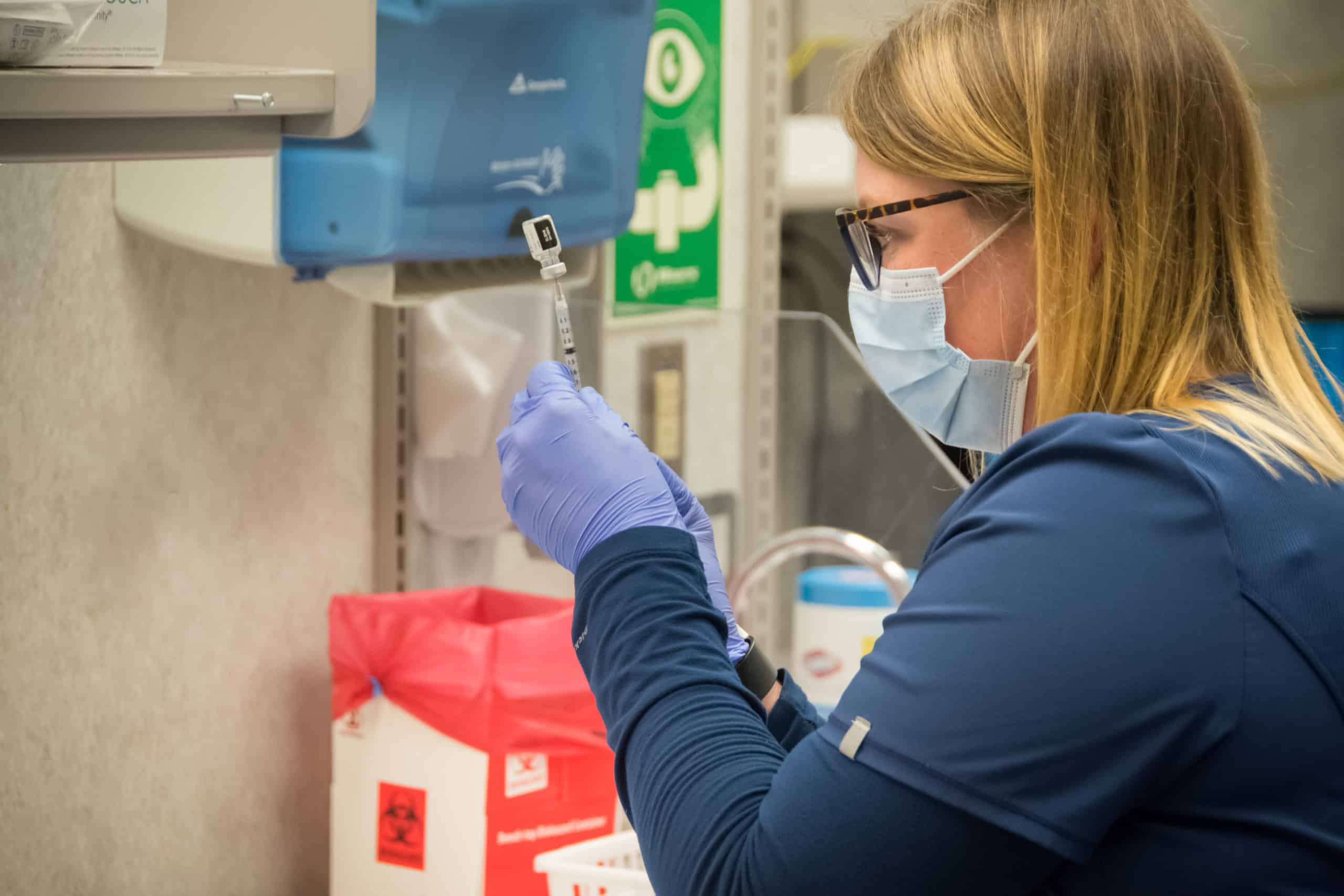
 The arrival of the COVID-19 vaccines brought great hope in the battle against the deadly pandemic that has affected our way of life for nearly a year and a half. Now, more than 7 months into the largest vaccination effort in history, the data and science is clear: the vaccines are effective, but only if people get their “dose of hope”.
The continued spread of the virus and the arrival of new variants is an urgent reminder that this pandemic is not over yet, and that we still have to assure vaccination for everyone to protect our communities. Right now, the Delta variant is quickly becoming the dominant virus variant. We know that this variant is easily spread and has many of the same devastating health impacts as previous variants. We also know that the vaccines are highly effective at both preventing the spread of the virus and drastically reducing the impact on those it infects.
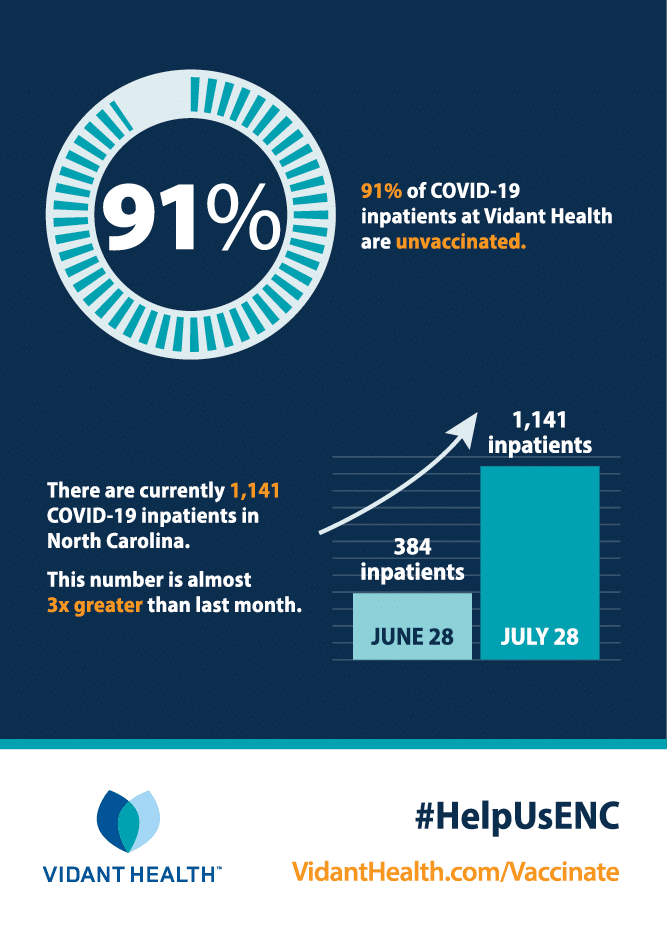
It was not long ago that some hospitals around the country celebrated having zero COVID-19 patients in their Intensive Care Units. Doctors, nurses and other staff rejoiced at this welcomed respite. Here at Vidant, we never quite got to zero, but our numbers hit a new low in the spring. Now, hospitalizations are back on the rise and nearly all hospitalized COVID-19 patients – many of whom are battling for their lives – are unvaccinated.
As we have continued to learn more and more about this virus over the past year and a half, we can confidently say that ending up hospitalized with serious complications from COVID-19 is mostly avoidable now. The vaccines are safe, effective and widely available at local hospitals, clinics, health departments, pharmacies and more.
We can still see the light at the end of the tunnel but the Delta variant is dimming our view. Help us end this pandemic by receiving your COVID-19 vaccine as soon as possible by visiting VidantHealth.com/Vaccinate or by calling 252-847-8000.
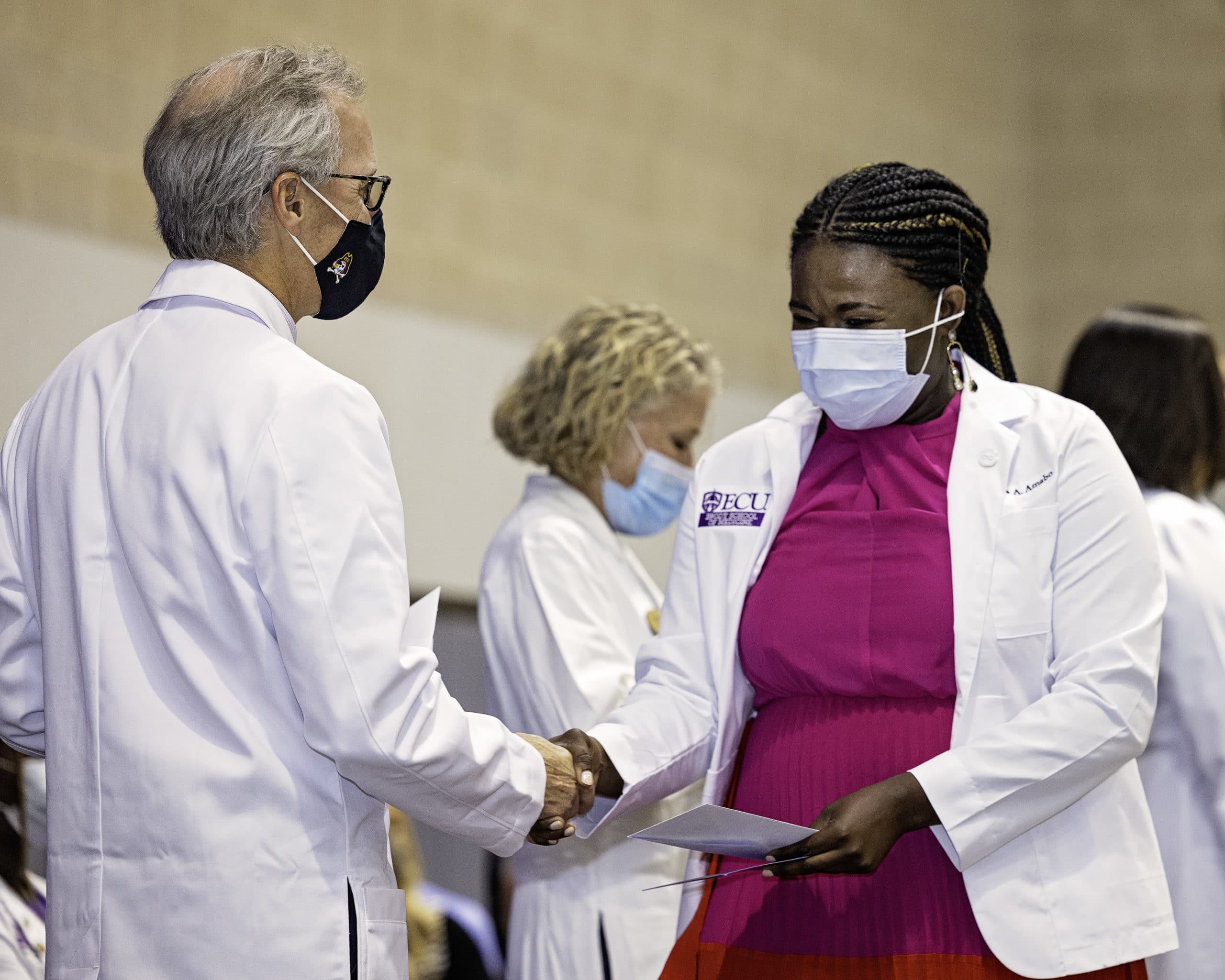
The ceremony signified each student’s entrance into the medical profession and the beginning of their commitment to serve others. While they will take classes at the Brody School of Medicine, each student will gain crucial experience at ECU Health Medical Center and throughout the Vidant Health system.
Dr. Michael Waldrum, CEO of Vidant Health and dean of the Brody School of Medicine, served as keynote speaker for the event.
“A white coat is a symbol of being a physician, part of a unique and special profession,” Dr. Waldrum said. “It’s unique in its caring and helping when people and communities need it most. It’s about human relationship and understanding each other. It’s about constant learning and striving. We’ll never stop dealing with the issues – that’s what this profession is about.”
This incoming class is the first that Dr. Waldrum will oversee as dean of the Brody School of Medicine after taking on the position at the beginning of July. The Class of 2025 will experience ECU and Vidant’s clinical integration as both aim to better serve eastern North Carolina.
Dr. Waldrum said this is a critical step to address the challenges we face here in the East.
“This is a special time for me as a young dean – young in my tenure – because of the profound responsibility that I have as we integrate the Vidant Health system and the Brody School of Medicine and build on the foundation that has been created,” Dr. Waldrum said. “I’m excited to strengthen our communities and deal with the disparities and the issues we are faced with as rural North Carolina and rural America.”
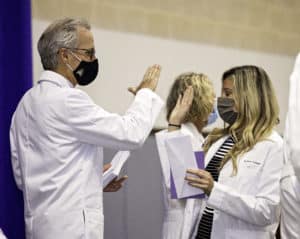
Photos Courtesy of ECU News Services
The class is set up for success with varied experiences, the hunger to learn and a health system a school of medicine ready to support each student.
The 89 students include 45 students that graduated with honors, five collegiate athletes, two veterans and five who had parents that graduated from Brody. Dr. Cedric Bright, associate dean for admissions at Brody School of Medicine, said 14 percent of the class are first-generation college graduates and 44 percent of the class are re-applicants to the program – a testament to the resiliency of the class.
“You all have incredible stories, about caring, about bringing what North Carolina has in diversity, experience, pursuit of knowledge – all of these to make North Carolina better,” Dr. Waldrum said. “Those are the stories I’ve heard and that’s the story of the Brody School of Medicine. Those diverse perspectives in life coming together to learn and grow is how we collaborate to solve systemic issues that plague our communities and it’s our responsibility to do so.”
There were more than 1,200 applicants for the Class of 2025 – a record number for the Brody School of Medicine. Dr. Waldrum said it was not surprising as he believes young people were energized during the COVID-19 pandemic to help people in need of health care.
Dr. Waldrum said the Brody School of Medicine is crucial in producing what North Carolina needs from physicians.
“Brody School of Medicine has been so important in moving eastern North Carolina forward and serving the state and rural populations,” Dr. Waldrum said. “I’ve said it a million times – Brody is the highest value medical school in the country because, if you look at the investment by the state to have a physician stay in the state and practice in rural and underserved communities, there’s nobody in the nation that does it better than Brody.”
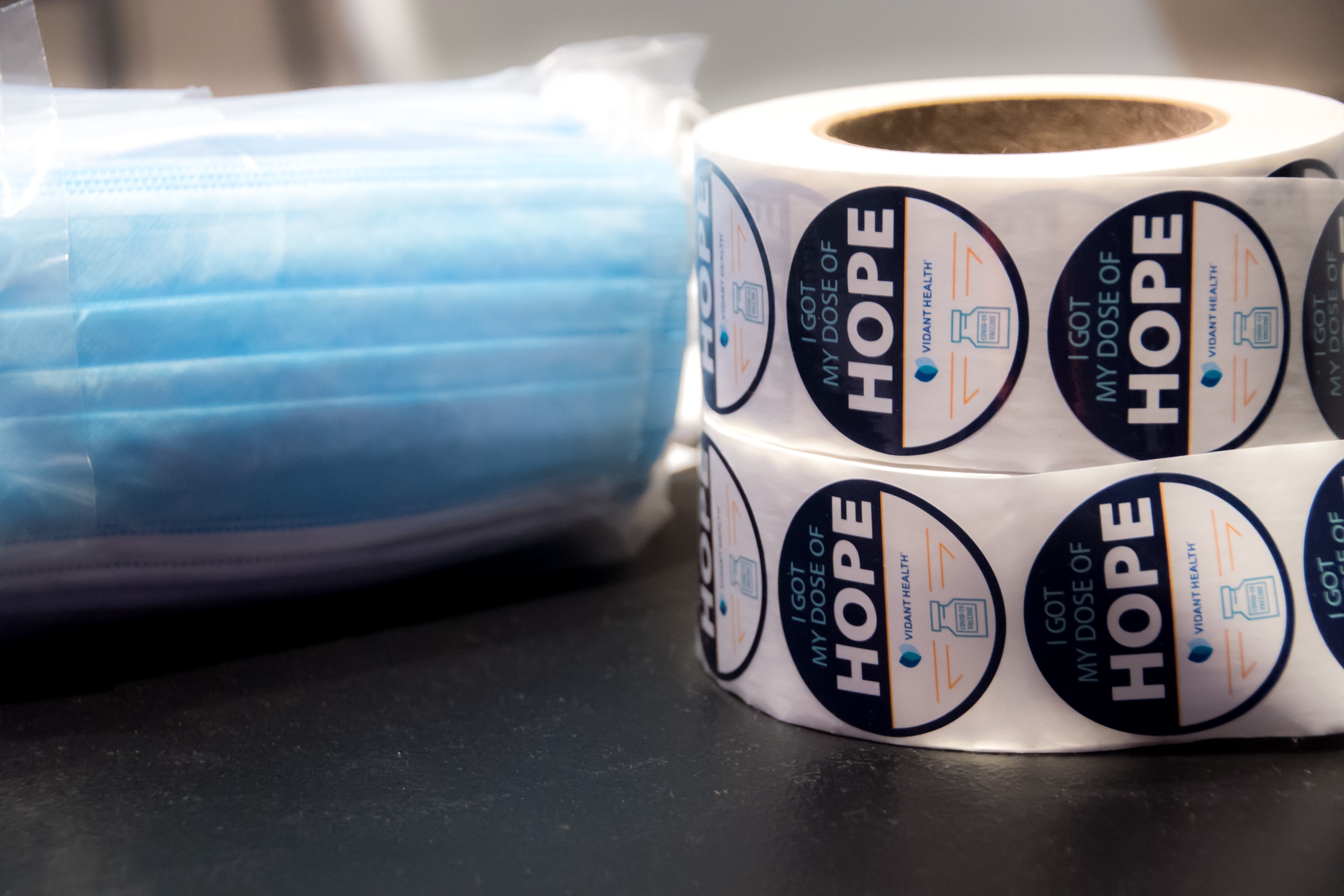
As part of our commitment to protecting and caring for those we love, Vidant will require the COVID-19 vaccine as a condition of employment for all team members, physicians, credential providers and contract workers.
This decision is grounded in science, backed by industry leaders such as the American Hospital Association, American Nurses Association and the North Carolina Healthcare Association, and is the right thing to do to ensure the safety of our patients, team members and communities.
Timeline:
- Leaders (managers and above), physicians and credentialed providers – Deadline to complete vaccine series: Oct. 1, 2021
- Team members, new hires, contract workers – Deadline to complete vaccine series: Dec. 1, 2021
Exemptions:
In addition to other important safety measures like the flu vaccine, the COVID vaccine will become a condition of employment; which means in order to be employed by or work at Vidant, team members must be vaccinated by the deadlines outlined above or have an approved medical or religious exemption. Ongoing requirements for those meeting medical/religious exemptions may include weekly testing and potential reassignment away from working on units with immuno-compromised patients.
Meeting the mission to improve the health and well-being of eastern North Carolina means taking all necessary actions to combat and hopefully end the COVID-19 pandemic, which has claimed more than 600,000 American lives. Several hospitals and health systems in North Carolina, and many across the nation, have already announced vaccine requirements for their team members. It is the right thing to do for the safety of all, especially as the variants prove to be more transmissible and severe for those not vaccinated.
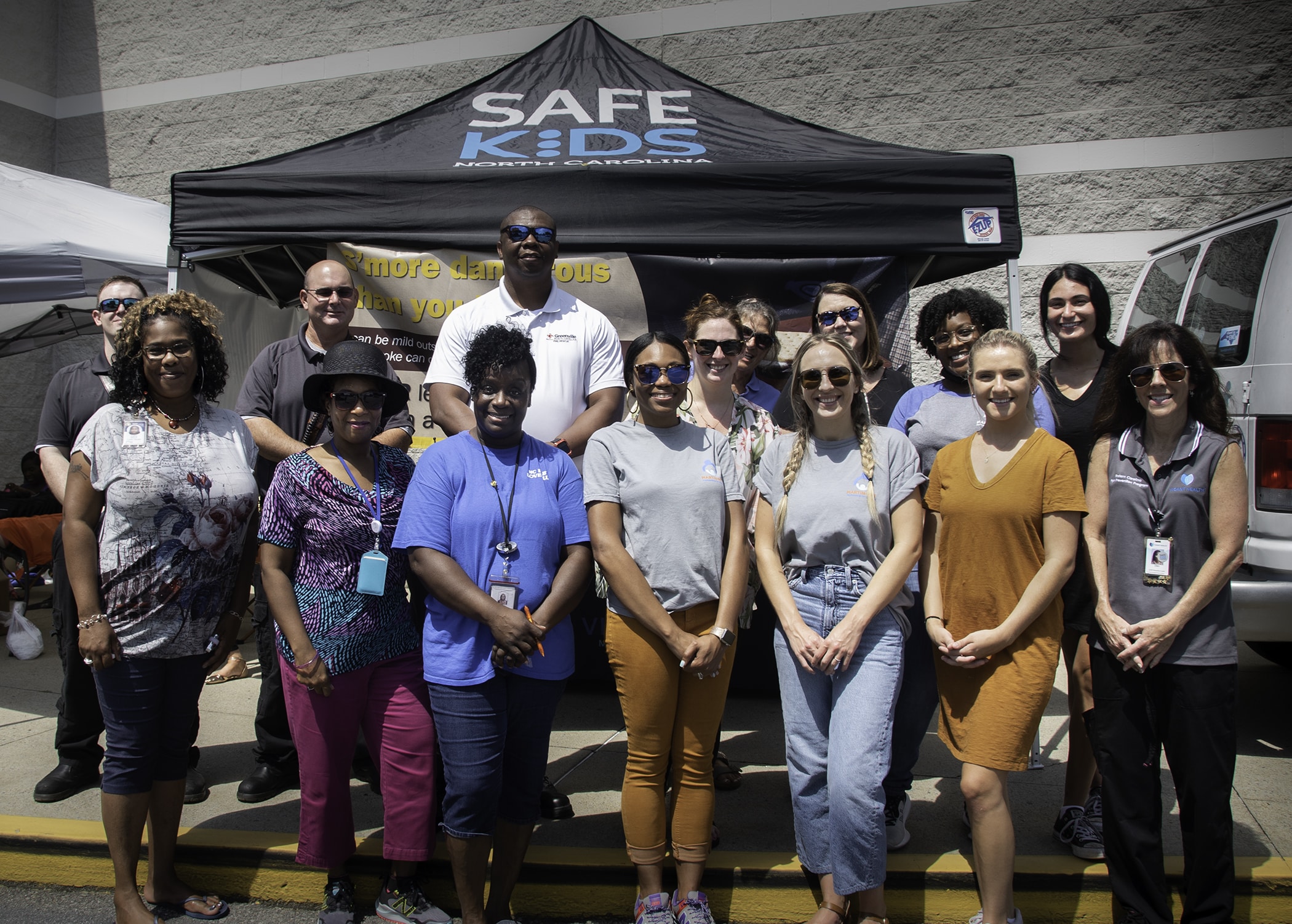
Vidant Health’s Eastern Carolina Injury Prevention Program (ECIPP) partnered with Martin-Pitt Partnership for Children, the Pitt County Health Department and Greenville Fire-Rescue to educate community members about the dangers children, senior adults and pets can face in a hot car.
ECIPP Coordinator Ellen Walston said five children have already died in the United States this year from being left in a vehicle on warm days. Since 1998, when tracking began for these deaths, there have been 888 deaths across the country.
“Temperatures rise so quickly in a car and when a car is enclosed,” Walston said. “There is a myth that if you crack a window, the temperature will be reduced and that really does not happen. They heat up so quickly and we actually have a way to measure that today, just to show you how quickly cars can heat.”
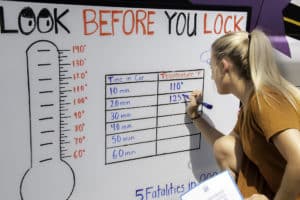 This exercise took place on a 90-degree day. The temperature inside a parked car rose to 110 degrees within 10 minutes and over 120 degrees within 15 minutes.
Walston said while the risk is still high for seniors and pets, the majority of deaths that occur are in children under 2 years old. Children have less body surface area, so they are not able to cool themselves as quickly as adults and most of these children cannot verbalize if they are too hot.
In 53 percent of cases, a child is forgotten in the car by a parent or caregiver – often because that person is out of their daily routine. Walston said leaving a reminder for yourself can save a life.
“We always want to make sure that you have some type of reminder for yourself that the child is in the car because we do want the child to be in the rear seat,” Walston said. “If you can put your purse, a briefcase, your wallet, something in the backseat to remind you. We also have plenty of alarms on our phones and other devices that we use – just set an alarm. Particularly if it’s out of your normal routine.”
This reminder came at an important time as more people are out and traveling and running errands away from the house this year as COVID-19 restrictions are loosened and routines have changed.
Walston said now is the time to be vigilant if you are traveling with children, a senior adult or pets — or if you see one in a hot car.
“We always want a bystander to act and that means you need to take action right away,” Walston said. “So many times people are concerned about breaking a window, if they would be responsible. We ask you to take action, we ask that you immediately call 911. Please don’t wait to see if someone else will take action. We never want them left alone in a car – even for one minute.”
Learn more about the varied support ECIPP offers by visiting VidantHealth.com.

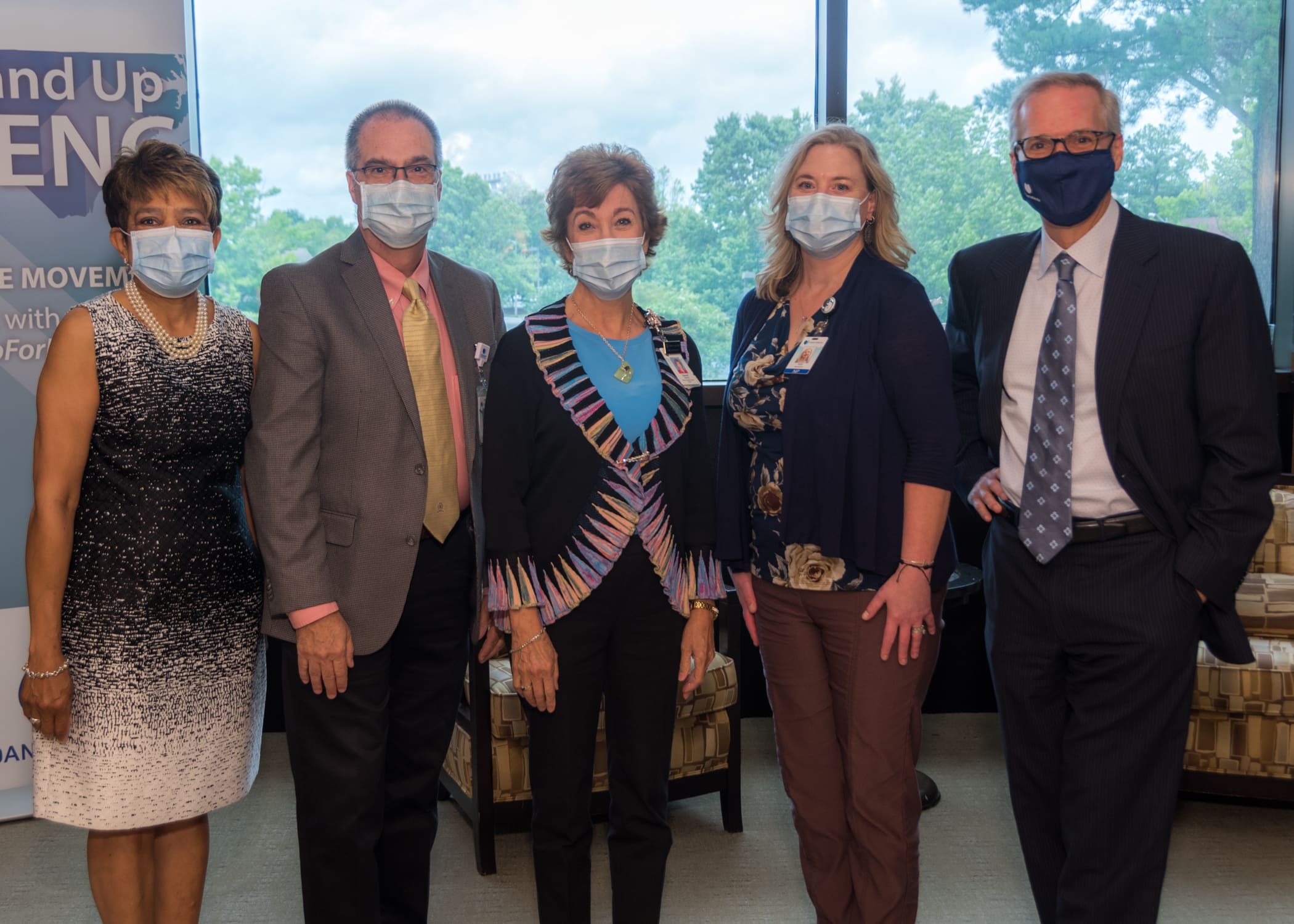
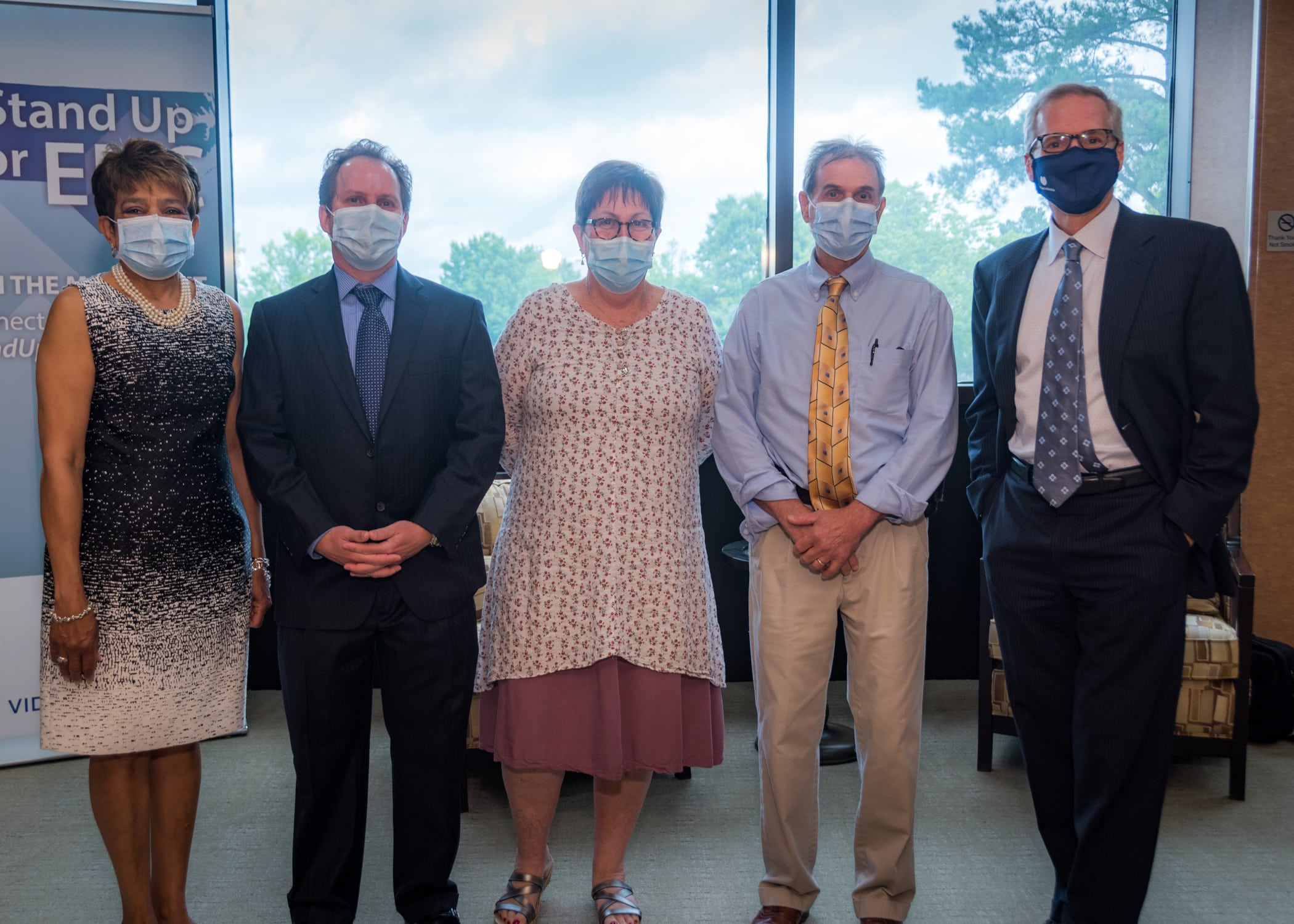
Greenville, N.C. – June 28, 2021 – The 2021 Vidant Health Board Quality Leadership Award winners were recently recognized by the Vidant Health Board of Directors for their improvement of patient care. These winning teams are a representation of excellent work across the system that drives the quality goal of zero harm, creates exceptional experiences and improves patient outcomes. Nine nominations were reviewed by the committee and the winning teams are as follows:
- Vidant Edgecombe Hospital: “Impact of a Palliative Care Program in a Community Hospital” was selected for its work in reducing the mortality rate and readmission rate by five percent.
- Vidant Family Medicine – Edenton: “Responding to COVID-19: Building an Airplane While Flying” for its work to establish a fully functioning respiratory clinic by April 9, 2020, that would see patients requiring screening, testing and treatment for COVID-19 infections.
- ECU Health Medical Center, Maynard Children’s Hospital team: “A Sustained Improvement in CLASBI Reduction” for its work to reduce central line associated blood infections in Maynard Children’s Hospital by 50 percent.
To receive this honor, team members submitted projects that demonstrated at least two of the following requirements:
- Quantifiable improvement in an organizational quality priority with sustained excellence over time
- Demonstration of empathy and compassion in patient care
- Implementation of innovative solution to patient care problem
- Community outreach that addresses the social determinants of health in a meaningful way
“We are proud to see team members from across Vidant Health recognized for their hard work and dedication to patient care,” said Dr. Shirley Carraway, Ed. D, chair of the Vidant Health Board of Directors. “The pandemic brought unique challenges to healthcare and these team members continued to innovate and improve the health and well-being of eastern North Carolina, and we are proud to honor them in this way.”
Vidant is excited to learn that Dr. Michael Waldrum, CEO of Vidant Health, has been appointed the Dean of the Brody School of Medicine at East Carolina University, effective July 1. Dr. Waldrum is humbled by the appointment and grateful to Chancellor Rogers for the opportunity to lead this historic transformation of health care for the benefit of our residents, team members, providers and communities we serve.
This is a significant moment in the history of Vidant and Brody, which could not have been possible without the extraordinary foundation built by Vidant and ECU’s visionary predecessors. The Brody School of Medicine and Vidant have a shared desire to enhance, grow and sustain access to high-quality health care to rural communities across eastern North Carolina today, tomorrow and for generations in the future – and this closer alignment reaffirms a joint commitment to build a premier academic health care enterprise for eastern North Carolina.
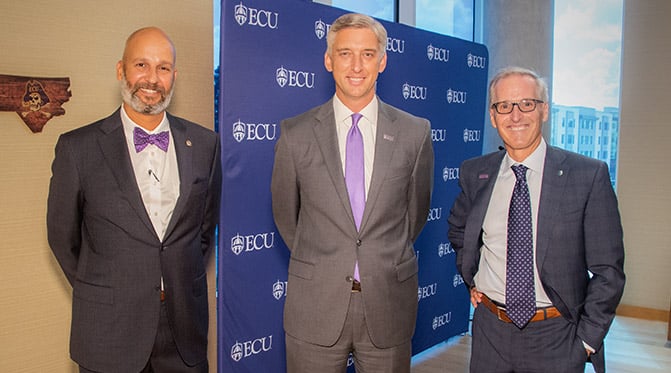
This strategic partnership is an important step toward the collective goal of clinically integrating Vidant and the Brody School of Medicine. Working together through a thoughtful and deliberate process, both organizations will work toward creating a new, distinct academic health care brand that will work in collaboration to adapt and succeed in a rapidly changing health care landscape. The mutual goal is to transform together, build on combined strengths, and become pioneers in creating a regional population health care, research and educational enterprise.
To learn more, please visit ECU.edu.
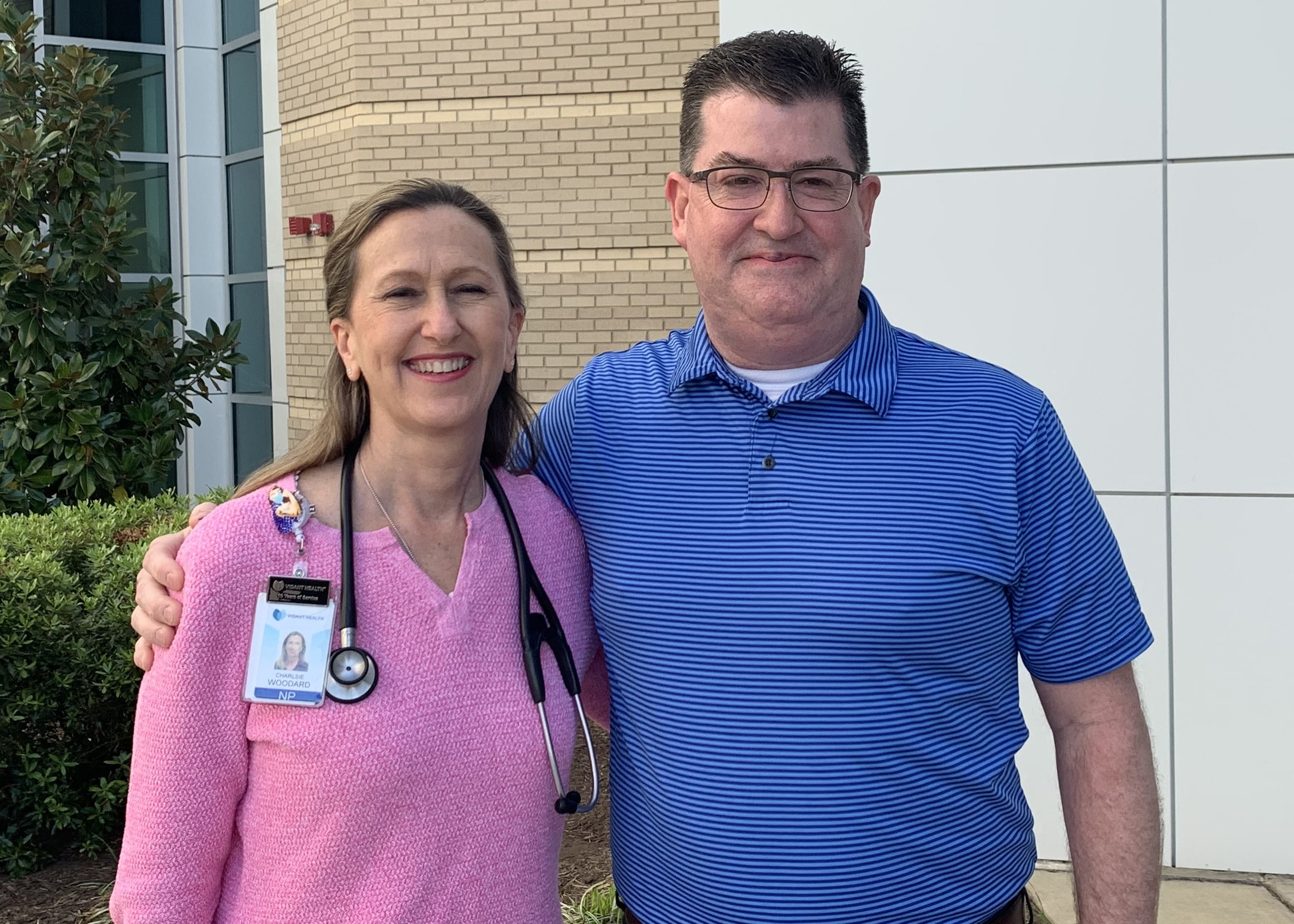
“I just had a cough, and when I started running a fever, I knew something was off,” said Tracy Glover, referring to how he felt in March of 2020.
Glover’s illness coincided with the early days of a new virus affecting people around the world.
“From the time I was diagnosed with COVID, to the time that I was intubated, became a blur,” said Glover.
In all, Glover spent 18 days at ECU Health Medical Center – and nearly five of those on a ventilator.
“The concern when I first met him, I’m thinking, ‘Ok we’ve got a young, early 50’s gentleman who fits the profile of the person that should not survive,’” said Charlsie Woodard, a nurse practitioner and hospitalist at the East Carolina Heart Institute at ECU Health Medical Center.
Woodard was one member of a large care team at Vidant involved in Tracy’s care, with her enthusiasm leaving a lasting impression.
“To have her come in and encourage me, push me and to give me goals, really meant a lot,” said Glover.
And so on the year anniversary of Glover’s discharge, he celebrated the occasion by making good on a promise to give Woodard a hug, in gratitude for the care he received.
“I’m glad to be here,” said Glover. “Because without the support and prayers of my family, and the great care of the staff here at Vidant, I would not have recovered as well as I did.”
“I feel like I was the calvary,” said Woodard. “So many people had taken such good care of him before I met him, and I just got to wean his oxygen and be a cheerleader and help him get home.”
A shared experience bringing forth recovery and reflection.
“He’s a COVID win, and that’s what we would call him,” said Woodard. “It’s a COVID win.”
“It really does change your perspective on life itself,” said Glover. “How every breath is not a guarantee, it’s just another opportunity.”

 Vidant Health is aware scammers are calling community members in an attempt to solicit Medicare or financial information. This is a common practice used by scammers nationally and is not the result of a data breach. If a community member receives a suspicious call from a Vidant number, or from someone who says they are from Medicare, they should hang up. Individuals should communicate directly with their provider regarding their medical equipment and service needs. Vidant encourages community members to be careful when giving financial, medical or personal information over the phone.

Audio courtesy of WPTM-FM – Byrne Radio (Roanoke Rapids)
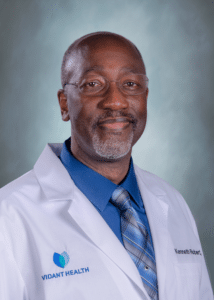
Dr. Kenneth Robert, Vidant family physician
COVID-19 has been devastating to our communities in eastern North Carolina from the small businesses that have closed to all of the loved ones we have lost. The vaccine is the best tool that we have to move past the COVID-19 pandemic.
Dr. Robert said that the measures we took to slow the pandemic, like wearing masks and social distancing, were effective. Now, with a vaccine in hand we have a proven safe way to stop the spread of COVID-19.
“Right now we have vaccines that have been tested and have been deemed safe,” Dr. Robert said. “Taking the vaccine would truly help to really overcome the devastation that the pandemic is causing throughout eastern North Carolina, the United States and the world.”
Vidant Health has vaccinated many people across eastern North Carolina and efforts are ongoing to reach community members who have not yet received a COVID-19 vaccine.
Vidant still has COVID-19 vaccine clinics open throughout eastern North Carolina.
“We’re trying to get to as many people as we can,” Dr. Robert said. “We’re really trying to get the word out that the vaccines are available. In the early days it was somewhat difficult to get a vaccine… At this point in time, that is not the case. We have vaccines available for most anyone.”
Dr. Robert stressed that the COVID-19 vaccine is safe and effective. While side effects do occur for some people after receiving the vaccine, they are typically very minor.
As we look to a more hopeful future, receiving your vaccine is the best way to fight this pandemic, not only for yourself, but for those you love.
He also said the faster we can get people in the community vaccinated, the faster we can get back to living comfortably without the worry of infecting others with COVID-19.
If you have any questions regarding the vaccine, please contact your trusted doctor. To make your vaccine appointment, visit Vidanthealth.com/Vaccinate or call 252-847-8000 — available from 8 a.m. to 5 p.m. seven days a week.
There are differences in the forms of skin cancer and some, like basal and squamous cell skin cancers, are most common. They start in the top layer of skin and are often related to sun exposure. These cancers grow in the epidermis, the top layer of skin, and are usually removed completely to avoid spreading to other areas. Skin cancers like melanoma, while less common, are more likely to spread if left untreated.
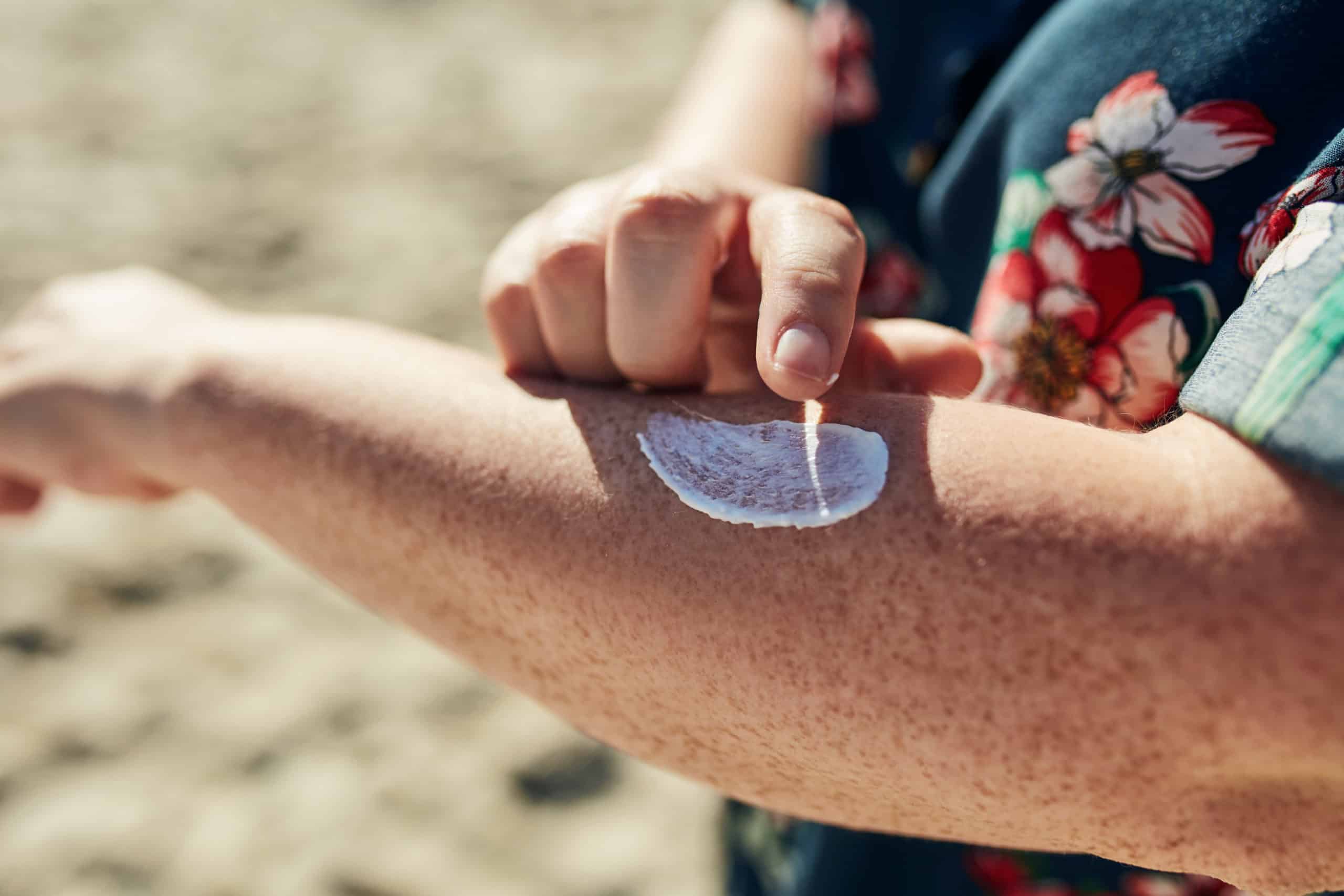
Because exposure to UV rays is one of the most common risk factors for skin cancer, the most important way to lower your risk of skin cancers is to limit your exposure to these rays. Look for ways to reduce sun exposure by using and diligently reapplying sunscreen (with an SPF of at least 30). Also, avoid tanning lamps which give off UV rays and damage the skin.
Knowing your own skin is important to finding skin cancer early. Any spots on the skin that are new or changing in size, shape or color should be checked by a doctor. Any unusual sore, lump, blemish, marking or change in the way an area of the skin looks or feels may be a sign of skin cancer or a warning that it might occur.
“Remembering the A,B,C,D,E rule for skin cancer, particularly melanoma, is an important step in a skin self-exam,” said Dr. Nasreen Vohra, surgical oncologist and associate professor of surgery at ECU and Vidant Health. “For ‘A,’ look for asymmetrical shapes to skin lesions. For ‘B,’ check the borders of these lesions, irregular borders are more concerning. ‘C’ is for color, take notice if the lesion is unevenly pigmented or if there are changes in color. ‘D’ is for the diameter of the lesion and if it is greater than 6 millimeters, or the size of a pencil eraser, this could be concerning. Finally, ‘E’ is for evolving, so pay attention if the lesion is changing in any noticeable way.”
Some doctors and other health care professionals do skin exams as part of routine health check-ups. If the doctor thinks a suspicious area might be skin cancer, the area will be removed and sent to a lab to be examined.
There are different types of skin biopsies. The doctor will choose one based on the suspected type of skin cancer, where it is on your body, its size and other factors. Spread of the cancer deeply below the skin or to other parts of the body is uncommon for squamous cell cancers and rare for basal cell cancers, so most people with one of these skin cancers do not need imaging tests. However, imaging tests such as MRI and CT scans may be done if your doctor thinks you might be at risk for the cancer spreading outside the skin.
Fortunately, most of these cancers and pre-cancers can be cured with fairly minor surgery or other types of local treatments. It is important to discuss all of your treatment options, including their goals and possible side effects, with your doctors to help make the decision that best fits your needs.
“One of the most important factors to remember is skin damage is cumulative and the negative effects on your skin during your early years makes an impact on your skin health as you age,” Dr. Vohra said.
Given this, you should be mindful of ways to reduce your exposure to harmful UV rays, such as avoiding direct exposure when they are the most intense, between 10 a.m. and 2 p.m. Also, wear protective clothing such as hats and sunglasses with prolonged sun exposure. These are important, proactive steps for avoiding skin damage and maintaining skin health.
For more information about the risks and prevention of skin cancer, or if you do not have a primary care provider, please contact the Prevention Clinic at ECU Health Cancer Care at (252) 816-RISK (7475).