
ECU Health’s Graduate Medical Education (GME) program excitedly welcomed 154 new resident physicians and fellows, 26 of whom come from North Carolina medical schools, including 14 graduates from the Brody School of Medicine at East Carolina University.
The newest class of graduate medical professionals were officially welcomed June 25 at GME orientation day where they learned about ECU Health’s academic system of care and prepared for their first year.
“There’s a lot of positive energy today,” said Dr. Mary Catherine Turner, Associate Dean of GME, during the orientation session. “I can tell they’re all excited to be here in Greenville, to be here at ECU Health, and to start their training. These incoming interns and fellows are our frontline physicians at ECU Health and are critical to our health care delivery system.”
ECU Health has more than 40 residency and fellowship programs that provide comprehensive training in primary care and multiple specialty and sub-specialty disciplines.

In addition to training at ECU Health Medical Center – a 974-bed tertiary care center – physician residents and fellows are exposed to rural communities throughout eastern North Carolina.
For many resident physicians and fellows at ECU Health, there is a deep connection to the rural health care mission.
Incoming hematology-oncology fellow Dr. Rana Mohamed has a legacy connection to ECU Health and eastern North Carolina. Dr. Mohamed is a North Carolina native who completed her internal medicine residency and served as a Chief Resident at ECU Health, and her father did his own internal medicine residency training here more than 20 years ago. Now, she has the opportunity to continue her medical training journey with a patient population she has grown to love.
“The reason I decided to continue my journey here again is the patient population,” said Dr. Mohamed. “We truly have some of the sickest people that I’ve ever met. I’ve done rotations during med school, in my training, and I have never seen the variety of patients that I’ve seen here. And it just gave me such a good training experience that I think, even in fellowship, I’m going to continue to get amazing training here.
Another resident, Dr. Pavran “Pavi” Sahota, was born in Vancouver, British Columbia, and began his medical training at Caribbean Medical University in Curaçao, where he completed both pre-med and medical education. Dr. Sahota completed his clinical rotations in Chicago, where he worked with underserved communities hit hard by the opioid crisis. That experience shaped his commitment to equity and deepened his interest in family medicine.
“A lot of what I saw came down to lack of resources,” Dr. Sahota said. “That’s something I want to help address.”
Drawn to ECU Health’s mission and rural reach, he is excited to begin his residency in Ahoskie as part of the ECU Health Rural Family Medicine Residency Program. The program is uniquely designed to train the next generation of rural family medicine providers by exposing them to the unique needs of rural communities.
“Family medicine lets me relate to people on all levels,” said Dr. Sahota. “No matter where they’re from, I want to meet them where they are.”
Another incoming Rural Family Medicine resident, Dr. Tatiana Davidson, will be located in Duplin County. Dr. Davidson grew up in the small town of Whiteville, North Carolina. It was there that she first witnessed the persistent gaps in health care access within rural communities, particularly around chronic illnesses and health literacy. Those early impressions shaped a lifelong mission.
After earning her medical degree from Loma Linda University in California, Davidson worked as a medical assistant before joining ECU Health’s Duplin Rural Family Medicine Residency Program.
“I was really impressed that rural health care was actually part of the organization’s mission statement,” Dr. Davidson said. “I’ve never seen that before. It made this feel like the right place to be.”
For one incoming family medicine resident, joining the program means coming home.
Dr. Kathryn Outlaw, born and raised in Ahoskie, said, “It’s home. I’ve lived a in a few different places but nowhere else has felt like home like eastern North Carolina does.”

Twenty years ago, an idea took root in eastern North Carolina to create a collaboration aimed at building a pipeline of future health care professionals in the region by exposing students to health care careers from middle school on. That idea became the Health Sciences Academy (HSA). On June 30, 2025, ECU Health marked its two-decade legacy with a celebration honoring the graduates, staff and partners who have shaped its journey.
The groundwork for HSA was laid between 1995 and 2000, amid growing concern over health care workforce shortages.
“We needed health care workers desperately,” said Lisa Lassiter, workforce development director, ECU Health. “Health care organizations around the nation still need staffing.”
In 2001, that concern became action.

University Health Systems (now ECU Health) CEO Dave McRae and Pitt County Schools Superintendent Dr. Michael Priddy led the charge, gathering support from Pitt Community College, Pitt-Greenville Chamber of Commerce, Pitt County Schools Board of Education, ECU Health, East Carolina University and Eastern AHEC.
Together, they created a model that integrated health care exposure, leadership development and academic pathways – one that would go on to receive recognition from the North Carolina Department of Public Instruction and the Governor’s Educational Commission.
With continued support from ECU Health, the Academy expanded to Duplin County in 2012. Between Pitt and Duplin counties, more than 2,900 students completed the program. New funding has since expanded the program’s reach to even more rural communities, including Beaufort, Hertford, Edenton-Chowan and Halifax counties.
“ECU Health’s mission is to improve the health and well-being of eastern North Carolina,” Lassiter noted. “Our investment in the Academy is a powerful testament to that commitment.”
The impact of HSA can be seen in students like Jenna Hamed. A 2018 graduate of D.H. Conley High School in Greenville, Hamed credits HSA for helping her turn curiosity into conviction.
“Nobody in my family is in health care,” Hamed said. “I kind of always knew I wanted to do something in health care, but I didn’t really have any way to connect with it, so that’s why I joined Health Sciences Academy.”
Throughout high school, Hamed immersed herself in every opportunity HSA had to offer. From interning in the hospital’s rehab department to traveling abroad to study the United Kingdom’s health care system, the experiences were transformative.
“When I was doing my internship in rehab, I thought I wanted to be a physical therapist,” said Hamed. “I had the opportunity to explore that and realized it wasn’t exactly what I wanted. But I knew I wanted to do something health care adjacent.”
Hamed went on to earn her bachelor’s degree as a pre-med kinesiology major at Campbell University, conducted research and earned admission to the Brody School of Medicine at East Carolina University. Now in her fourth year, she’s preparing to graduate and pursue an internal medicine residency, with hopes of a fellowship to follow.
Similarly, for Sophie Villani, HSA guided her on a path to medical school. After relocating from London, Ontario, to Greenville as a sophomore at D.H. Conley High School, she was struck by the opportunity HSA presented.
“We didn’t really have anything like this where I used to live,” Villani said. “I had already known I wanted to go into medicine, but it wasn’t until Health Sciences Academy that I really had real experiences to confirm that.”
Villani dove headfirst into everything HSA offered: the Brody School of Medicine research program, a clinical internship and a study abroad experience in Europe. Today, Villani is a medical student at the Brody School of Medicine, slated to graduate in 2026. With her sights set on pediatrics, she hopes to remain in North Carolina to serve the community that helped shape her path.
“I wouldn’t be where I am without the networking and the experiences I had through HSA,” Villani said.
David Roberts, also from Greenville, began his path in HSA as a student at South Central High School. Today, he’s a nurse in the Neonatal Intensive Care Unit (NICU) at ECU Health Medical Center.
“HSA was really eye-opening,” Roberts said. “Getting that kind of exposure at a young age, it opened a lot of doors.”
After earning a bachelor’s degree from East Carolina University and interning with Maynard Children’s Hospital, Roberts reconnected with Lassiter and pursued nursing at Pitt Community College through the HomeGrown program. His journey came full circle when he joined the NICU team at ECU Health.
“Seeing the care nurses were providing, not just for the patients, but for the family members, that’s what stuck with me,” Roberts said. “That’s where my heart is.”
As a member of one of the first HSA classes in 2005, Garrett Wingate knew early on that his future would involve health care, he just didn’t yet know in what way. Through hands-on shadowing in everything from sports medicine and physical therapy to orthodontics and pre-dental, Wingate explored a wide range of possibilities. Though he began college as a pre-dental student, those experiences ultimately helped him discover his true calling in health education and kinesiology.
After earning his bachelor’s and master’s degrees in health education from East Carolina University, he went on to complete a doctorate in kinesiology from UNC Greensboro. His research focused on football players and concussions. Now a high school history teacher and football coach, Wingate says everything he learned in HSA ties back to his career today.
“All the classes I took and the opportunities to shadow people really led me down the path of what I did,” said Wingate. “It helped me tremendously, and everything I do is still directly tied to health care.”
Wingate encourages students to apply to HSA, even if they’re unsure.
“The program is great for exposure,” said Wingate. “Once you go do it and realize it’s not for you, that’s the best thing in the world. And if you do it and love it, even better. It just helps you find your path.”
At this year’s celebration, Lassiter offered gratitude to the many who have guided the program over two decades.
“Tonight, we celebrate the organizations and individuals who oversaw and supported the Health Sciences Academy, as well as celebrate our cherished graduates,” Lassiter said. “Thank you for loving your communities and dedicating your careers to serve others.”

Greenville, N.C – ECU Health and the Brody School of Medicine at East Carolina University (ECU)’s Maternal Outreach Through Telehealth for Rural Sites (MOTHeRS) Project received the 2025 Psychiatric Services Achievement Silver Award from the American Psychiatric Association (APA), recognizing its outstanding contributions to maternal mental health care in rural and underserved communities across eastern North Carolina.
Launched to combat widening maternal health disparities, the MOTHeRS Project delivers multidisciplinary care through a combination of both in-person and telehealth. It integrates maternal-fetal medicine, psychiatry, nutrition, diabetes education and behavioral health services directly into rural OBGYN clinics. This approach has saved pregnant patients more than 414,800 miles of travel, facilitated over 2,600 patient visits including behavioral health interventions and screened more than 41,000 patients for food insecurity.

“We are deeply honored by this national recognition, which highlights the impact of the MOTHeRS Project in delivering evidence-based, multidisciplinary care to mothers in rural and underserved communities,” said Dr. Sy Saeed, director of the ECU Center for Telepsychiatry, founding executive director of the North Carolina Statewide Telepsychiatry Program (NC-STeP) and the MOTHeRS Project. “The MOTHeRS Project proved to be an effective model for reaching mothers where they are physically, emotionally and mentally to help improve their overall well-being during pregnancy and after. This is a model built on collaboration and compassion and one we hope will inspire similar efforts in rural communities across the country and around the world.”
The APA’s Psychiatric Services Achievement Awards, established in 1949, recognize model programs that demonstrate innovation, collaborative care and commitment to mental health equity. The MOTHeRS Project was selected for its transformative impact on maternal mental health. Though maternal mental health conditions affect up to 12 percent of women postpartum, many go untreated due to stigma, lack of access and shortages of specialists. The MOTHeRS Project’s integrative telehealth model fills that gap, ensuring mothers can receive compassionate, timely and high-quality care close to home.
“Receiving this award is a reflection of ECU Health and the Brody School of Medicine’s shared commitment to academic medicine and creating new ways to address the complex social and structural barriers that affect maternal health,” said Dr. Michael Waldrum, CEO of ECU Health and dean of the Brody School of Medicine. “Through efforts like the MOTHeRS Project, we are fulfilling our mission to improve the health and well-being of eastern North Carolina. This recognition reinforces our vision of being the national model for rural health care and advancing health equity for mothers and their babies across the country. I am proud of the team behind this important and innovative work.”
MOTHeRS Project was supported by a generous gift of $1,250,000 to the Brody School of Medicine at East Carolina University from the United Health Foundation to expand access to health care and improve health outcomes for North Carolina’s mothers and babies.

Each summer, Camp Hope and Camp Rainbow offer a sanctuary for children in eastern North Carolina living with cancer, sickle cell disease, hemophilia and other chronic bleeding disorders. More than just a change of scenery, these camps provide a place where kids can just be kids.
“This is a week for them to come to camp and just be a kid and have fun and meet other kids that may have the same type of condition that they have,” says Tamika Mackey, child life specialist at the Pediatric Hematology/Oncology Clinic at ECU Health and the Brody School of Medicine at East Carolina University and director of Camp Hope and Camp Rainbow. “My favorite part is seeing smiles on their faces, getting hugs from the kids and seeing them meet new people.”
Camp Rainbow is for children with cancer, hemophilia and children who have lost a sibling to one of these diseases, and Camp Hope is for children with sickle cell disease.
ECU Health and Brody School of Medicine team members develop camping programs to provide pediatric patients an opportunity to learn more about themselves and their illness, participate in fun activities like swimming, canoeing, archery, crafts, music and drama, all while making life-long friendships with other children with similar conditions and experiences. While at camp, located at The Refuge in Ayden, children receive 24-hour medical care and close medical monitoring by their ECU Health care teams including physicians, nurses, child life and social workers.
“The goal is for kids to meet other children that may share the same medical condition that they have and to build lifelong relationships,” Mackey said.
For kids navigating life with chronic illnesses, especially in rural communities where connection can be even harder, Camp Hope and Camp Rainbow are more than just a week of fun. According to Mackey, they’re a lifeline, a reminder that they are seen, supported and deeply loved.
“They’ve been enjoying camp,” said Mackey. “I can tell by the hugs and smiles I get daily. Just to see them having fun and not in a medical environment, that’s everything.”
The connections the kids make extend beyond the week.
“They don’t all live in the same area, but they stay in touch with group chats and even checking on each other during hospital stay,” said Mackey. “That kind of support is invaluable.”
Lawsen Ziemba, a twelve-year-old camper, was diagnosed with leukemia when he was just two years old. Ziemba spent his first week at camp this year and said he was able to connect with kids and adults who had gone through some of the same medical experiences he had.
“You can get a perspective from other people that have gone through the same thing you had and have a relationship with them about what you have gone through,” said Ziemba.
One of the camp’s examples of the impact camp has is Heaven Glaspie, a former camper turned counselor. Diagnosed with sickle cell disease, Heaven began attending Camp Rainbow at 8 years old. Now 23, he returns to give back the joy he once received.
“Whenever I was growing up, we had mentors and volunteers that were coming to camp and taking time out of their week to make sure that we had a very great time,” said Glaspie. “For me to be able to do that whenever I aged out of camp and come back and be able to help other people have a good time, that’s one of the best feelings in the world to me. The smile on their face that they give you whenever they’re having the best time of their life at camp, it’s very heartwarming.”
His firsthand experience gives him a unique perspective.
“Not a lot of people can relate to what these kids go through, but I’ve walked in their shoes,” said Glaspie. “I can let them know they’re not alone.”
For both campers and counselors, camp is about more than just memories.
“Camp becomes a family,” Heaven said. “Everybody’s so used to seeing each other in the summer, and even when we go home, we keep talking.”
Mackey said seeing campers grow up and come back as volunteers is inspiring.
“It shows younger kids that they, too, can grow up, go to college, give back,” said Mackey. “It’s powerful for them to see someone living with sickle cell disease or a similar condition to them who’s thriving.”
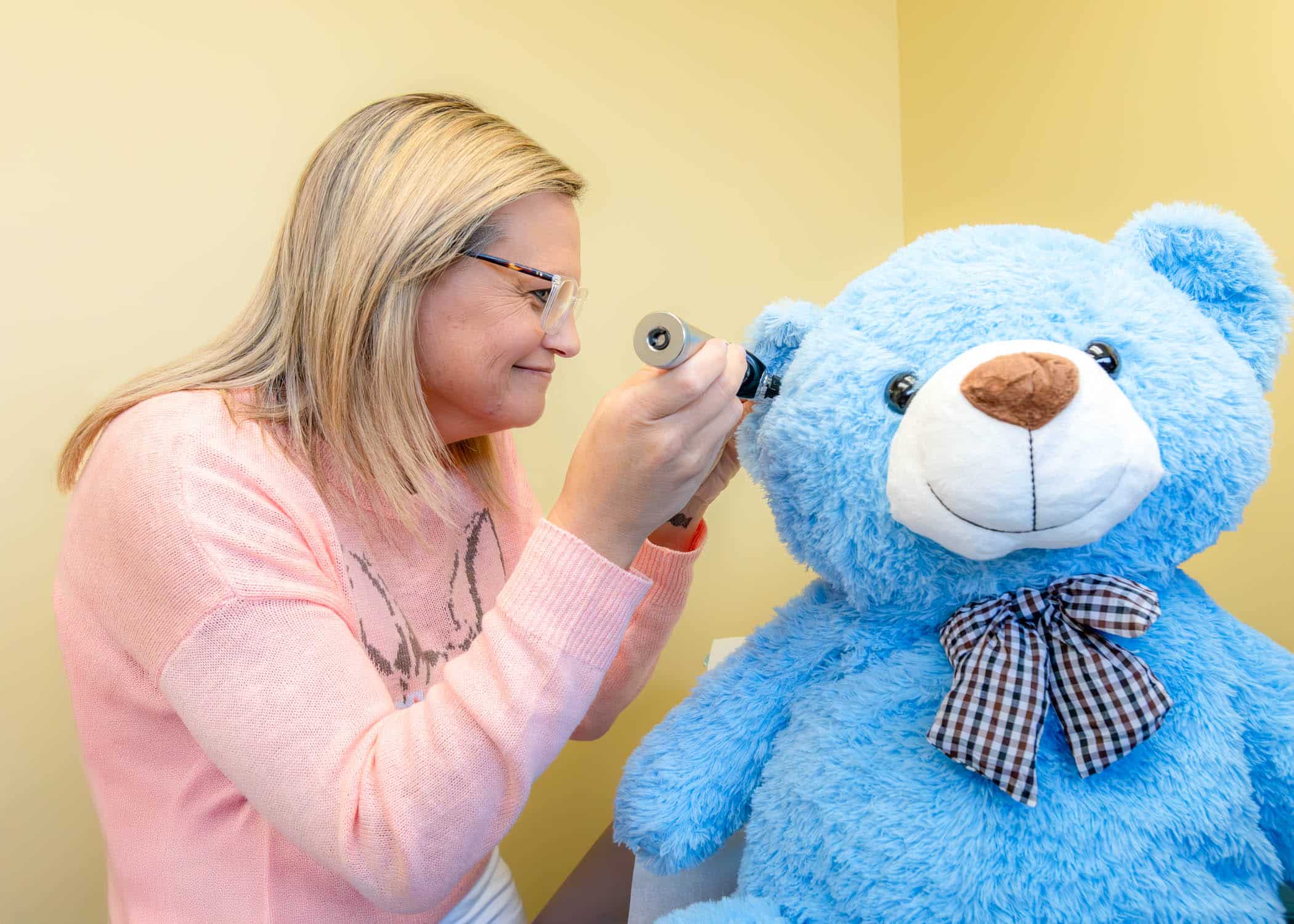
Blue and silver Pinwheels for Prevention adorned yards, clinics, daycares and other businesses in Greenville, eastern North Carolina and across the country throughout National Child Abuse Prevention Month in April. The pinwheels, meant to represent childlike whimsy and lightheartedness, are a signature display during the month-long campaign to raise awareness around a difficult and important topic.
For team members and supporters at ECU Health and the Brody School of Medicine at East Carolina University’s Tender Evaluation, Diagnosis and Intervention for a Better Abuse Response (TEDI BEAR) and Mt. Olive Children’s Advocacy Centers (CACs), the tireless effort to prevent child abuse in eastern North Carolina is a year-round endeavor.
“We’re proud and honored to do this work every single day,” said Noemi Rivera, director of TEDI BEAR & Mt. Olive Children’s Advocacy Centers.
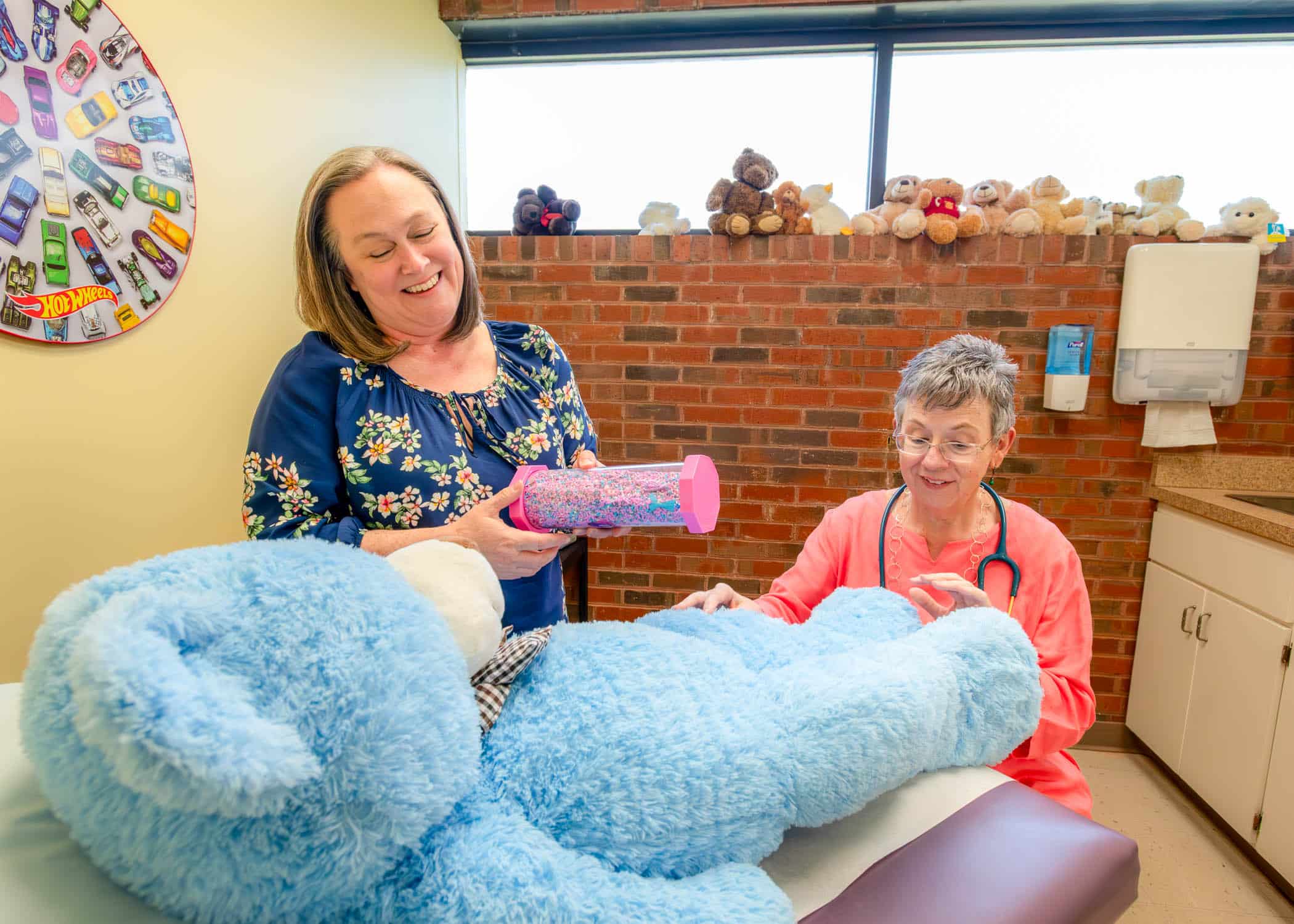
“April helps us bring awareness and then we try to keep that energy throughout the year because the services provided at CACs are so important. Here at the TEDI BEAR and Mt. Olive centers, we’re constantly striving to meet the needs of patients and families across eastern North Carolina. I am incredibly proud of everyone involved in this service-driven work.”
The statistics around child abuse are sobering. It affects millions of children, leading to long-term emotional, psychological and physical harm. In eastern North Carolina, the TEDI BEAR and Mt. Olive centers serve nearly 1,000 children annually, providing free and confidential services in a child-friendly setting for victims of sexual abuse, severe physical abuse or children who are witnesses to violence.
Children turn to CACs in North Carolina with new allegations of abuse, seeking help and a way forward after the trauma of child abuse. CACs foster hope and facilitate healing for traumatized child victims of physical and sexual abuse, child-trafficking, neglect and exposure to drugs and violence.
“Evidence shows that the CAC model greatly improves outcomes for children and families that have experienced abuse,” said Deana Joy, executive director of Children’s Advocacy Centers of North Carolina (CACNC). “We are committed to developing, training and sustaining high-quality CACs and multidisciplinary teams so they can provide vital services in a coordinated manner to help victims of child abuse in more efficient and effective ways to optimize positive outcomes.”
The services provided within the walls of the CACs – which are considered safe havens for children who have experienced abuse – are multidisciplinary and include close collaboration with clinicians, support staff, law enforcement and other community-based groups who all share a vision of providing compassionate care during extremely difficult situations. The services include child advocacy, a forensic interview, a medical examination and therapy, if needed. The medical examination identifies any signs of physical trauma, ensures that any lab work or other tests are performed and evaluates the child’s overall health. TEDI BEAR also offers therapists whose special training in child abuse allows them to help victims and family members to resolve the trauma and move forward in their recovery.
According to Bryant Gibson, coordinator of the Mt. Olive CAC, having a robust service offering requires close collaboration with other health care, law enforcement, education and community organizations, all committed to a vision of supporting children and families.
“To do all this, and to meet our collective vision, we have to build strong relationships in our community,” said Gibson during an April open house event at the Mt. Olive CAC. “And we absolutely do that here at Mt. Olive and at TEDI BEAR. Victims of abuse require a spectrum of compassionate services designed to help meet their unique needs. We can provide that caring and healing environment because we have so many people who support our efforts.”
District Attorney Ernie Lee, who serves Duplin, Jones, Onslow and Sampson counties, has a close relationship with the Mt. Olive CAC and is a strong supporter of the CACs. He was one of the many guests at the open house event and praised the work of CAC team members, while also reflecting on what the work means from a purely human perspective.
“I’m not only a district attorney, I’m also a father,” Lee said. “My wife and I, we have two daughters and a son. So that’s a major part of my life. It’s very sad to know that abuse happens here and across the world to children, through no fault of their own. But there’s hope out there, and that hope comes from buildings like this here in Mount Olive.”
Resources
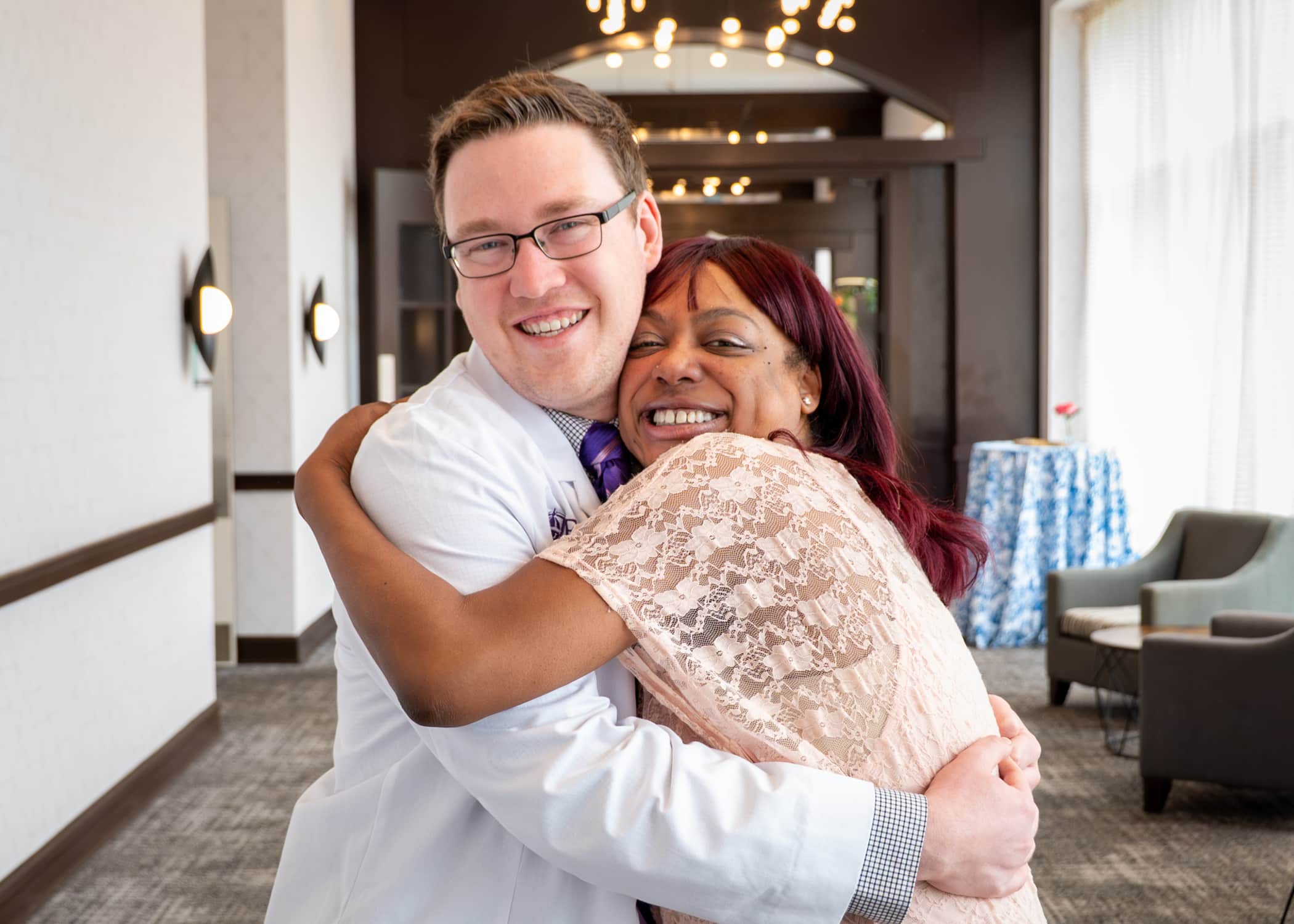
In the third year of medical school, students step out of the classroom and into clinical settings for the first time as physicians in training. As they interact with patients, many are left with lasting memories and lessons that will serve them throughout medical school and into their time practicing medicine.
In recognition of these experiences, ECU Health and the Brody School of Medicine at East Carolina University hosted the sixth annual Legacy Teachers Celebration on April 4. Fourteen students submitted stories, poems, drawings and other expressions of gratitude for their time with a patient and their family that has changed the way they view their roles as future physicians.
Dr. Christina Bowen, chief well-being officer at ECU Health, said the event is important to thank patients and their families for making a difference in medical students’ journeys, and it’s also a great opportunity for the students to reflect.
“We have spent the last six years celebrating these relationships between students and patients,” Dr. Bowen said. “With each year’s celebrations, I have seen an increase in the well-being of our medical students as they practice gratitude for patients, and they’re able to reflect on the impact that those relationships have on how they’ll practice medicine.”
Andrew Cunningham and Jovanna Martin
One story captured on video and shared during the event was from Andrew Cunningham, a third-year medical student at the Brody School of Medicine, and Jovanna Martin, a patient at ECU Health Medical Center.
In February of 2024, Martin had a serious health scare when her hemoglobin levels, which should be around 14, plunged to just 1.5. She had seven bags of blood given to her, and she was doing well until a September check in with her provider.
“I went for a normal doctor’s appointment. I didn’t understand, because I was in Battleboro, why they were sending me to Greenville, but I thought that I would just get those blood bags again,” Martin said. “When they saw me, they were like, ‘We don’t want you to drive back home. We want you to go to ER here.’”
That’s when Cunningham met Martin for the first time. He said her lab results looked scary when he first saw them and expected to see someone who looked very sick when he made his way to her in the Emergency Department.
When he got to Martin, he was surprised to find someone in a positive spirit, thanks to her family.
“I remember walking into your room, and you were there with your son, and it didn’t matter how bad your labs looked, you were just happy and bubbly,” Cunningham said to Martin. “I could tell you were going to be a mom to him before anything else.”
Martin said while she was far away from the rest of her family, she found Cunningham to be an extension of her family. As she prepared for surgery, she said he was there to comfort her and help her through the process.
“Every time there was an uncomfortable, or a scary moment – and there were a lot of scary moments – whenever he would come in the room with that smile, I was like, ‘He’s here!’” Martin said.
Martin and Cunningham were reunited at the Legacy Teachers Celebration. Martin said afterward that watching a video of their story during the event was emotional, and she was grateful to see Cunningham again and discuss their experiences.
For Cunningham, the event was important to connect himself with his purpose as a future physician.
“This is so special to be able to reflect on everything that has happened over the last year. It’s kind of rare to be able to meet patients that you’ve cared for,” Cunningham said. “It’s a great chance to reflect on everything and bring the lessons from the last year back to where we are now. It’s powerful, too, because it’s hard to understand what [Martin is] giving to me, and it’s really rewarding to put that into words.”
There is a special connection between a patient and care provider, and at ECU and ECU Health, we’re grateful for medical students who took the time to recognize these important and impactful relationships. The lessons patients have taught the students are memorialized through Legacy Teachers Celebration, and the attributes of care, compassion and communication will be carried with them throughout their medical career.

Greenville, N.C. – ECU Health, the health system serving eastern North Carolina, marked a year of clinical advancements, record recruitment, expanded access to care, academic growth and national recognition in 2024. The health system’s progress demonstrates its unwavering commitment to improving health outcomes for the region’s rural communities.
“At ECU Health, 2024 was a successful year marked by groundbreaking innovations, impactful collaborations and significant achievements that solidify our position as a national model for rural health care,” said Dr. Michael Waldrum, ECU Health CEO and dean of the Brody School of Medicine at East Carolina University.
“From advancing academic excellence and clinical innovation to expanding access to care, these milestones reflect the unwavering dedication and hard work of our exceptional team members. As an exciting new year begins, we remain committed to building on this momentum to address the unique health care needs of our communities with a focus on meeting our mission of improving the health and well-being of eastern North Carolina.”
A few key highlights from 2024 include: celebrating the first graduating class of its Rural Family Medicine Residency Program and also expanding class sizes moving forward, investing in research with the Brody School of Medicine, introducing innovative technologies such as the BEAR® Implant, FARAPULSE™ and EluPro® BioEnvelope to enhance patient outcomes and offer state-of-the-art treatment options, and the system earning several prestigious recognitions, including becoming the only Level I Pediatric Trauma Center in eastern North Carolina and one of four in the state, Electrophysiology Lab accreditation and Magnet® designation for nursing excellence, and hosting the one year anniversary celebration of Medicaid expansion, highlighting the number of eastern North Carolinians who now have access to health insurance.
More 2024 highlights include:
- ECU Health Medical Center received The Joint Commission’s Gold Seal of Approval® for brain tumor care.
- ECU Health strengthened its network with the opening of the Outer Banks Health Cancer Center, groundbreaking for Outer Banks Health Family Medicine in Manteo, the launch of the JOY Clinic and the ECU Health and Pitt County Health Department’s vaccine and health assessment clinic for local kids.
- ECU Health achieved record recruitment of physicians and nurses committed to the ECU Health mission.
- ECU Health expanded access to primary care access by adding 198 new primary care providers and opening more than 900 new primary care appointments per week.
- ECU Health celebrated the first graduating class of its Rural Family Medicine Residency Program and expanded the class size.
- ECU Health started fellowships in Electrophysiology and American Sign Language.
- The Brody School of Medicine broke ground on its new Center for Medical Education, a step toward increasing its class size from 86 to over 120 students, addressing the growing need for physicians in the region.
- ECU and ECU Health’s NC-STeP program received a national achievement award by the American Psychiatric Association.
To explore more milestones and highlights from 2024, visit ECUHealth.org/YearInReview2024.

Nurses and Child Life staff from ECU Health brought the Teddy Bear Hospital to Northwest Elementary School in Pitt County on Tuesday, Dec. 17, as part of the Pitt County Health Sciences Academy. Nearly 130 kindergarten and first-grade students participated in the event, designed to introduce young children to health care professionals in a welcoming and interactive setting.
Dressed in scrubs and personal protective equipment (PPE), the students acted as caregivers for their favorite stuffed animals. They guided their “patients” through the health care process, starting with check-in and triage. ECU Health nurses examined the stuffed animals, provided a diagnosis, and directed the children to one of three stations: Sutures & Bandages, Operating Room, or Clinic. Afterward, the students and their stuffed animals visited the recovery area, where each received a certificate of bravery.
“This event offers a unique and playful way to familiarize children with health care professionals,” said Nancy Turner, workforce development consultant at ECU Health. “By engaging with the students in a hands-on setting, we’re helping to make health care less intimidating while sparking curiosity about health-related careers.”
Turner emphasized the impact of early exposure to health care.
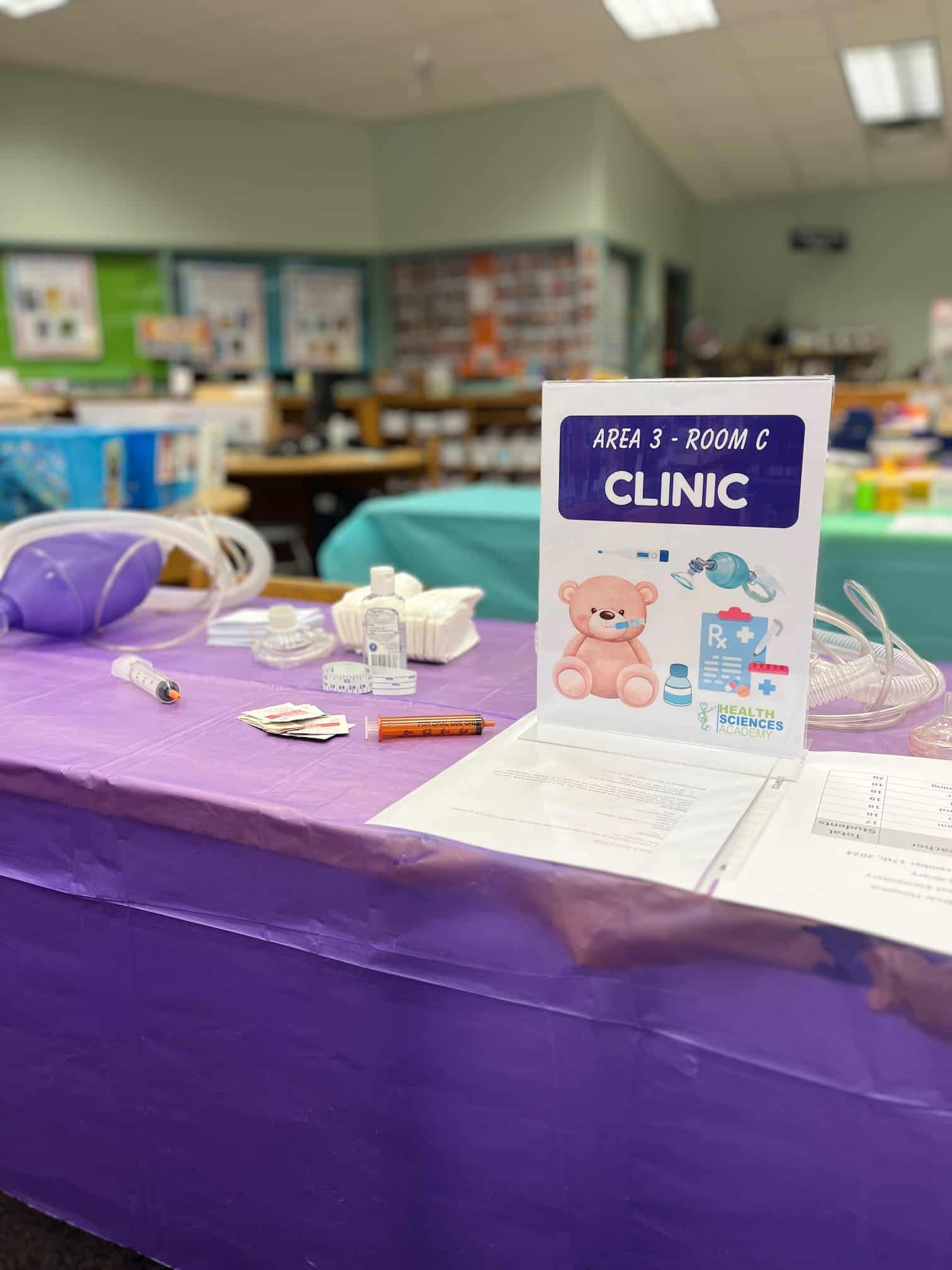
“When kids see the process in a fun and supportive environment, it not only eases fears about doctor’s visits but also shows them that health care is approachable and full of possibilities,” said Turner.
For many students, the Teddy Bear Hospital is just the beginning of their exploration of health care. ECU Health team members, in collaboration with the Health Sciences Academy, host a variety of programs for middle and high school students, including job shadowing, career fairs and events like “Chat with a Doc.”
“The goal is to engage students at every stage of their education,” said Turner. “Starting in elementary school, we show them that health care careers are diverse and accessible. Whether their interests lie in nursing, technology, or another area, there’s a role for everyone in health care.”
These programs reflect ECU Health’s commitment to inspiring the next generation of health care professionals while building a strong, local pipeline of talent to serve eastern North Carolina.
The Pitt County Health Sciences Academy is a partnership between ECU Health, Pitt County Schools, Pitt Community College, East Carolina University, the Brody School of Medicine, Colleges of Allied Health Sciences, Engineering and Nursing at East Carolina University, School of Dental Medicine at East Carolina University, the Eastern Area Health Education Center and the Greenville-Pitt County Chamber of Commerce.
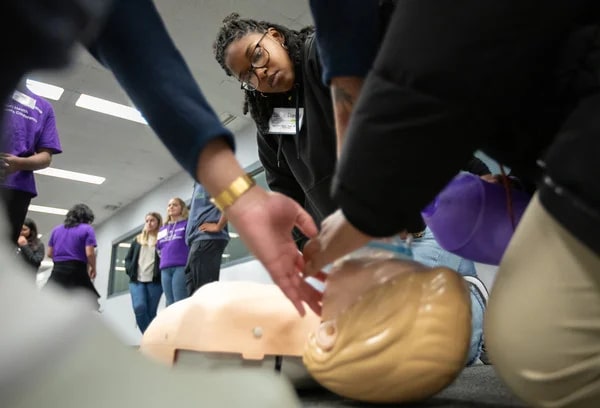
Success stories start as dreams we harbor in our youth. Career days such as the third Future Health Professionals Conference Nov. 23 help fill in the critical details that make it believable.
Nearly 100 students from 11 counties in central and eastern North Carolina made the trip to Greenville and the Health Sciences Campus of East Carolina University for the event hosted by ECU Health and the university.
D.H. Conley senior Chance Frederick of Greenville was one such student, but one of only a handful who had taken part in the very same event last year.
“I was really amazed the first time by everything they offered me, especially the hands-on experience in the dental clinic. It really made me want to come back,” he said. “And just being able to network and meet people, to see these faces that I just know will be really beneficial for my future, I can’t get that anywhere else.”
Investing in the Future of Health Care
Students listened to medical professionals speak about their career arcs, then walked to nearby schools of medicine, dental medicine and nursing to tour facilities and experience hands-on curriculum at training stations and simulations.
“Engaging high school students early is crucial to addressing the national health care shortage, especially in rural areas like eastern North Carolina,” said Koai Martin, an equity and special projects consultant for ECU Health.
Both the health system and the medical school have a demonstrated history and mission of training and employing health care professionals to work in underserved areas of the state. Efforts such as the Future Health Professionals Conference help “create a pipeline of providers and health care professionals who understand the unique challenges of rural health care,” she said.
“Ultimately, it’s about investing in the future of health care while uplifting the region our ECU Health and ECU medical school proudly serve,” Martin said.
Several students from the Brody School of Medicine led hands-on life support demonstrations and Stop the Bleed simulations. Dr. Calvin Blocker, a resident physician at the school and ECU Health, discussed the epidemiology and pathophysiology of strokes and methods for detecting and identifying stroke symptoms that concluded with an interactive experience involving the examination of brain models and specimens to show areas commonly affected.
“The Future Health Professionals Conference gives high school students insight into the daily lives of our students and the responsibilities of practicing professionals,” said Milton Bond, who directs the medical school’s Pathways to Health Careers Program. “It is important for ECU to commit resources to support initiatives like this to invest in building the future health care workforce.”
In the Middle of the Journey
“I knew I wanted to be a dentist from about 10 years old, but I didn’t get to do anything like this, and no one in my family was in the medical or dental field,” said Dr. Scarlett Walston, a clinical assistant professor in the School of Dental Medicine. “I think it’s really cool just for them to be able just to explore. Maybe one of them falls in love with dentistry, and maybe we’ll see them in the application cycle in a few years.”
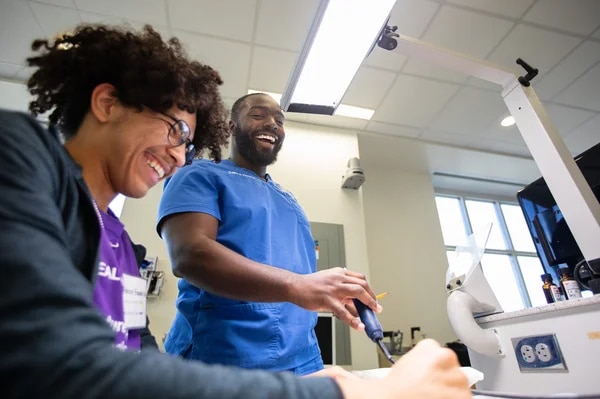
Walston said preparing for the DAT — the Dental Admissions Test — is something some committed students begin even in high school. Outreach such as the conference can give young students a shot of hope at a time when they might feel bewildered and disadvantaged navigating such a competitive track.
“Helping the next generation find their path is always important,” she said.
Jennifer Kovacs is a career nurse and health sciences high school teacher who brought eight students to the conference from Dare County. She says health care is a wide-ranging industry that employs trades and hourly workers alongside highly trained specialists.
“There are so many opportunities. If blood and sickness are too much, there’s a cubicle you can sit in and be by yourself and still contribute to health care,” Kovacs said. “There’s a microscope; be a researcher developing a new drug or running lab tests. You can sterilize surgical equipment — another surgery cannot begin until you’ve sterilized from the last one.”
Her students, she says, are weighing careers on several factors. Passion is one, but years spent in college and student debt factor into plans.
“Health care is not just doctors and nurses. It is other clinicians. It is secretaries. It is custodial, meal services, environmental services. And it is a family. … and therefore you can get students involved in any of those aspects,” she said.
Frederick, the 17-year-old senior, put his statistical chance of eventually becoming a dentist at the dizzying tip of the range, 99%.
“I’ve wanted to be a dentist ever since I was 3 years old,” he said. “That was the age of my first dental appointment. If I’ve been into it for 14 years at this point, I think I can take the next 14 to make it happen.”
And he expects to make this dream a reality right in his hometown, at East Carolina University.
“Today, I got to meet with a bunch of second- and third-year dental students. I got to walk right into the lab and immerse myself, and they made me feel included,” he said. “So even though I haven’t started, I saw what it was like to be in the middle of the journey, and it makes me feel like, you know what, I can really do this.”
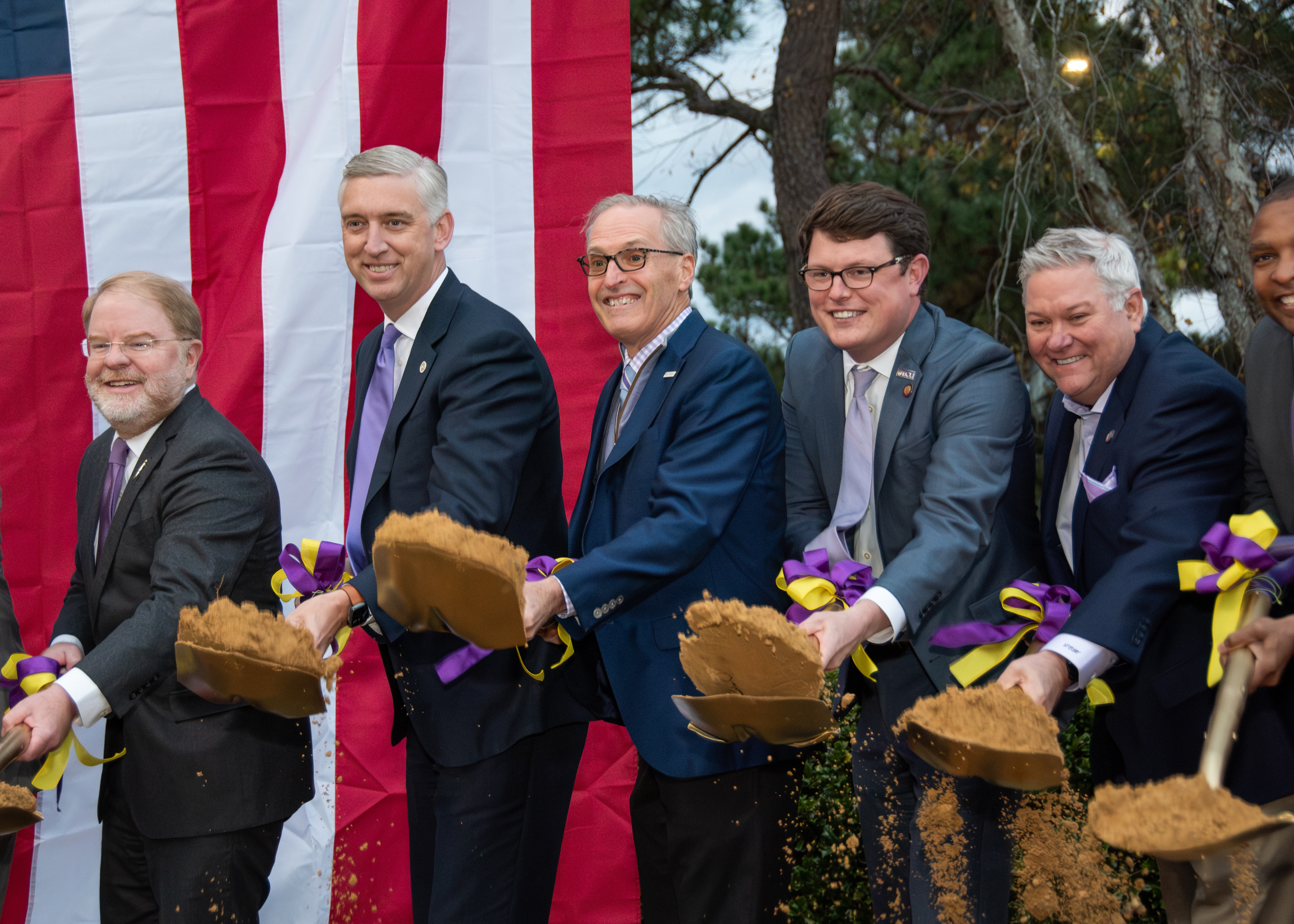
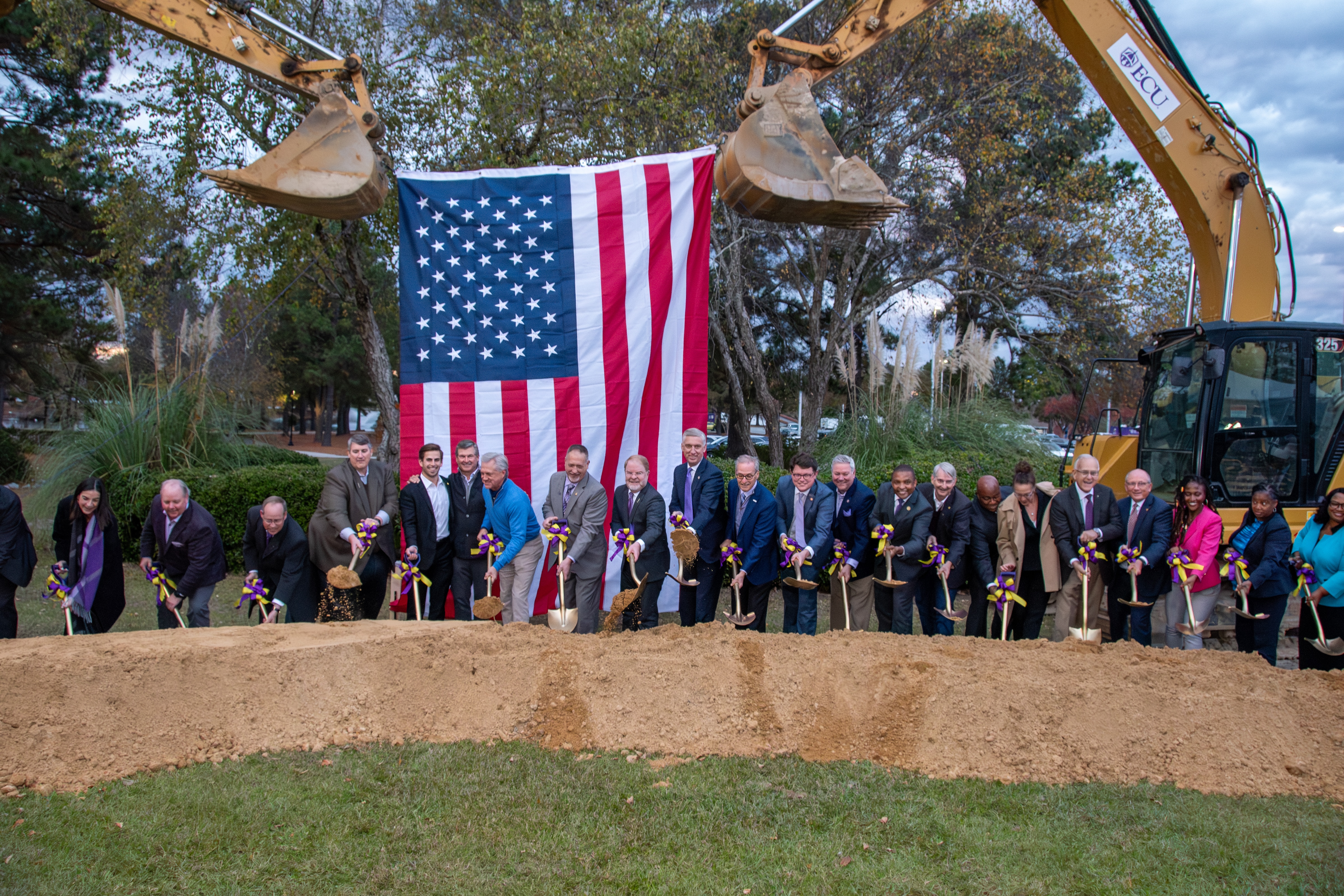
Leaders from East Carolina University, Brody School of Medicine, ECU Health and across North Carolina came together for the Center for Medical Education Building groundbreaking on Brody’s campus.
The groundbreaking marked a new era for health care in eastern North Carolina and for rural communities across the state. With the new 195,000-square-foot, seven-story building set to be fully constructed in 2027, the incoming class sizes at Brody are expected to increase significantly – from fewer than 100 this fall to more than 120 by 2027.
“With this building, the state of North Carolina is affirming that rural medical education and health care matters, and that Brody has lived its mission and can solve these complex issues that rural health care faces,” said Dr. Michael Waldrum, chief executive officer of ECU Health and dean of Brody. “Rural health care is in crisis in America, and we are working to create the model for rural health care.
We are leaning into those issues and solving those systematic problems. This facility is emblematic of that work as we train the future physicians for this region and the state.”
The building, Dr. Waldrum said, is designed to fit the unique mission of Brody while providing state-of-the-art technology and amenities to attract and develop the best physicians in the East and North Carolina.
Dr. Jason Higginson, chief health officer at ECU Health and executive dean of Brody, said during the event that the nearly 200 attendees showed how grateful the community is to see support for Brody and the region.
“This is one of the biggest investments in eastern North Carolina,” Dr. Higginson said. “The Brody School of Medicine is here for the community and to see that support in return has been amazing. The school has a nearly 50-year history of developing physicians for eastern North Carolina, and we plan on continuing that. This facility is a great step in how we’re working to meet the needs of this region and state.”

Speakers also included ECU Chancellor Philip Rogers, University of North Carolina System President Peter Hans and fourth-year Brody student Shantell McLaggan.
The future-Dr. McLaggan spoke to the family atmosphere cultivated at Brody and how excited she is for future students to experience it inside a new facility, offering the very best tools for students to succeed.
Dr. Michael Lang, chair of the Department of Psychiatry & Behavioral Health at the Brody School of Medicine and ECU Health, is a Brody graduate himself and was born and raised in eastern North Carolina. He said he’s proud to be a part of Brody and the health system and believes the investment will benefit eastern North Carolina and rural areas and expand upon the decades of success the school has experienced.
“What I’m hoping is that we’ll be able to provide an even better pipeline to get physicians into these rural communities,” Dr. Lang said. “The small towns of eastern North Carolina, just like small towns everywhere, are desperately missing doctors. What I’m hoping is, as we expand the class, we will be putting more doctors of all sorts of specialties into those rural areas.”
The new Center for Medical Education Building also serves as a promise to the East and a commitment to the shared mission of Brody and ECU Health to improve the health and well-being of eastern North Carolina.
“These beautiful rural communities that we talk about are so important to the fabric of North Carolina,” Dr. Waldrum said. “They are dependent on us to come up with the model for rural health care, to deliver care and educate the future doctors. I’m so excited to celebrate that with you today as we put a shovel in the ground and mark this historic step forward.”
Resources
Rural Health Day at ECU Health
More information on the Center for Medical Education Building