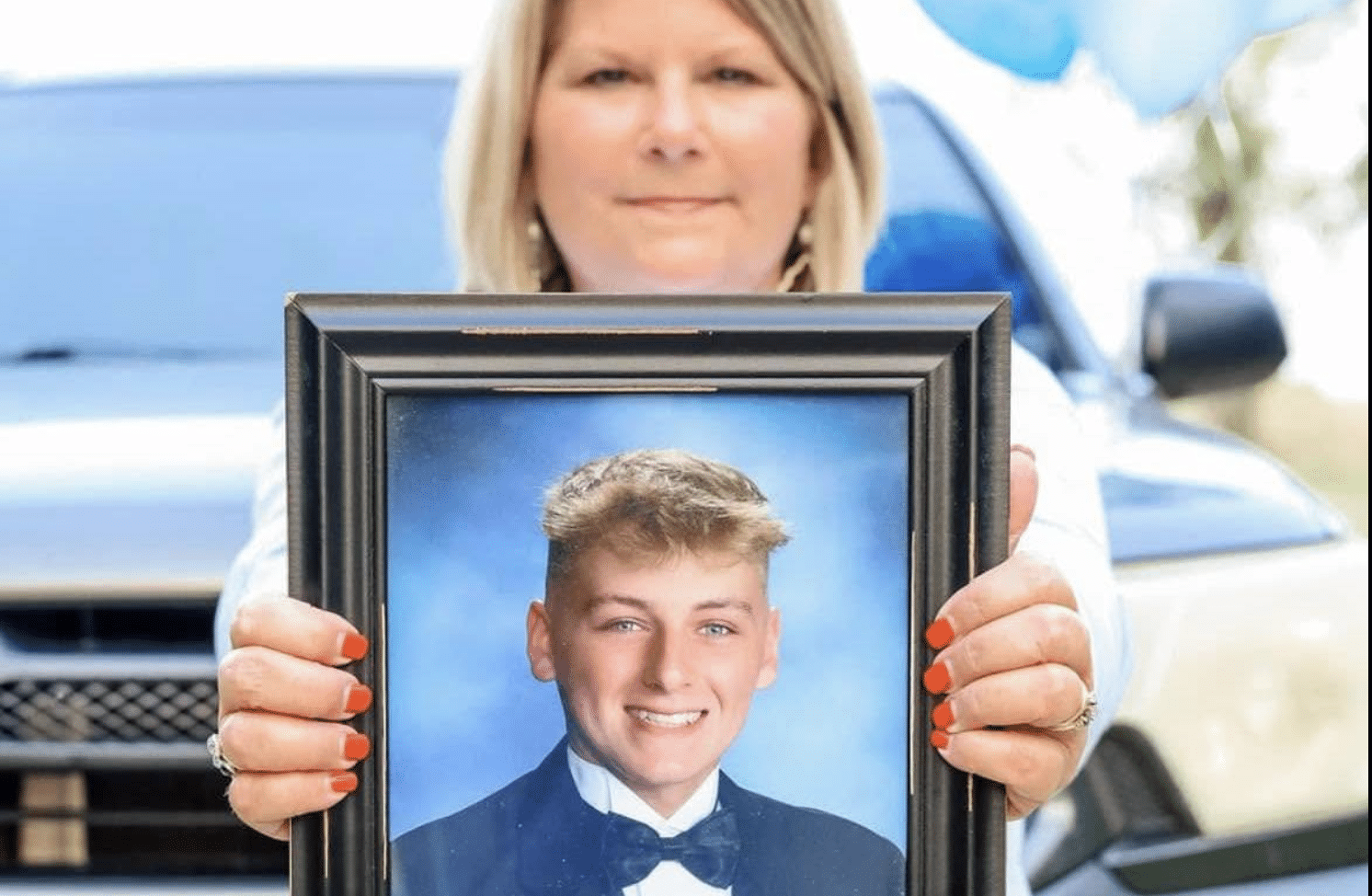
When Natalie Phelps talks about her son, Chase Bateman, she wants people to remember far more than the tragedy that ended his life. She wants them to remember an outdoorsman, a beloved family member and his bright, blue eyes that spoke volumes even in the hardest times.
At age 19, Bateman was the youngest of four siblings.
“He loved dirt bike riding, duck hunting, loved hanging out with his friends, spending time with family and was just a wonderful human being,” said Phelps. “He was kind. He was loving. He was handsome and a great uncle and son and brother, and he was just a good guy all around.”
On Oct. 17, 2021, Bateman was involved in a side-by-side ATV accident in Washington County and was airlifted by EastCare to ECU Health Medical Center. What followed were 23 days that would forever connect Bateman’s family and the caregivers who stood alongside them through every setback, every small victory and ultimately, every difficult decision.
As Bateman underwent multiple surgeries and intensive treatment for his injuries, his family held tightly to hope.
“The first few days, he was alert. He was able to answer questions, nod yes or no,” Phelps recalled.
“He had several surgeries, but it was just a lot of hit and miss. We didn’t know if he was going to make it from one day to the next.”
Despite the uncertainty, Phelps never stopped believing her son would recover.
“I really, truly thought that he was going to go home,” she said. “He was going to have a lot ahead of him with maybe more surgeries. But I really thought that he was going home.”
During those 23 days, Tori Myers, BSN, RN, trauma coordinator at ECU Health Medical Center, and countless others became much more than clinicians caring for a patient — they became a support system for Bateman and his family.
Myers vividly remembers meeting Bateman and his family.
“I walked in to find Natalie bedside,” Myers said. “And I got to hear Miss Natalie say, ‘Look at those bright blue eyes.’ That was one of the few things that when we talked about Chase and we talked to Chase, everybody wanted to see him open his bright blue eyes.”
Because Bateman was unable to speak, his eyes became a way for family and caregivers alike to connect with him.
“Chase was always intubated, always on a breathing machine his whole time in the ICU,” said Myers.
“He couldn’t talk and say words, so the way that we wanted to see Chase was through his eyes. And occasionally we could get him to smile and wake up.”
During Bateman’s time at the Medical Center, Phelps remembers the compassion shown by everyone who crossed their path.
“It was the nurses, the doctors, the respiratory team, the patient care techs, the nice lady that came in and would clean his room. I mean, just everybody was absolutely amazing.”
The care they received extended far beyond medical treatment.
“The very last night, one of the doctors came in and he loved old music, and she sat there and sang a song, one of his favorite songs to him,” Phelps recalled. “She played it on her phone and played the whole song and sang every word of the song to him.”
Myers said caring for critically injured trauma patients means also caring for the people who love them.
“It’s hard as an ICU nurse – especially as a trauma nurse – you want to be honest, you want to be truthful, and you want to make sure that when you advocate for your patient, you advocate for the family, too,” said Myers.
And for 23 days, that’s exactly what Bateman’s care team did.
“Some days it was happy news, and we celebrated that together,” said Myers. “Some days the news was a little harder to take.”
After 23 days in the hospital, Bateman succumbed to his injuries on Nov. 9, 2021.
For Phelps, the loss of her son remains immeasurable. Yet throughout the experience, she never doubted the care he received.
“There was never a question that he wasn’t given the care that he deserved, that he needed. Never questioned it,” she said.
Following Bateman’s death, the connection between the family and caregivers did not end. Phelps and her family continue to visit the team each year on the anniversary of Bateman’s passing, bringing treats and sharing memories. For Myers and the care team, those visits continue to have a profound impact.
“I can try to put it into words, but I don’t think that there’s enough words that really will ever quantify how much it means to know that those 23 days still meant so much to you guys and then instead of seeing us as a negative in his story, you see us as a positive,” Myers said. “It kind of refills your cup as a nurse.”
Today, Phelps hopes others facing difficult situations remember the importance of kindness.
“I know it’s hard when you’re in a situation like this to stay positive,” Phelps said. “There were days that it was just flat out hard. Remember to just be kind.”
Looking back, she remains grateful for the care team that helped her family navigate the most difficult 23 days of their lives.
“Thank goodness we have a good one to tell, even though our story didn’t end the way we wanted to,” Phelps said.
Ultimately, Phelps hopes people remember Bateman for who he was.
“He was just such a good, good human being,” said Phelps. “And I just don’t ever want him to be forgotten.”
If you would like to share a story of gratitude with the ECU Health team, please visit go.ecuhealth.org/grateful.
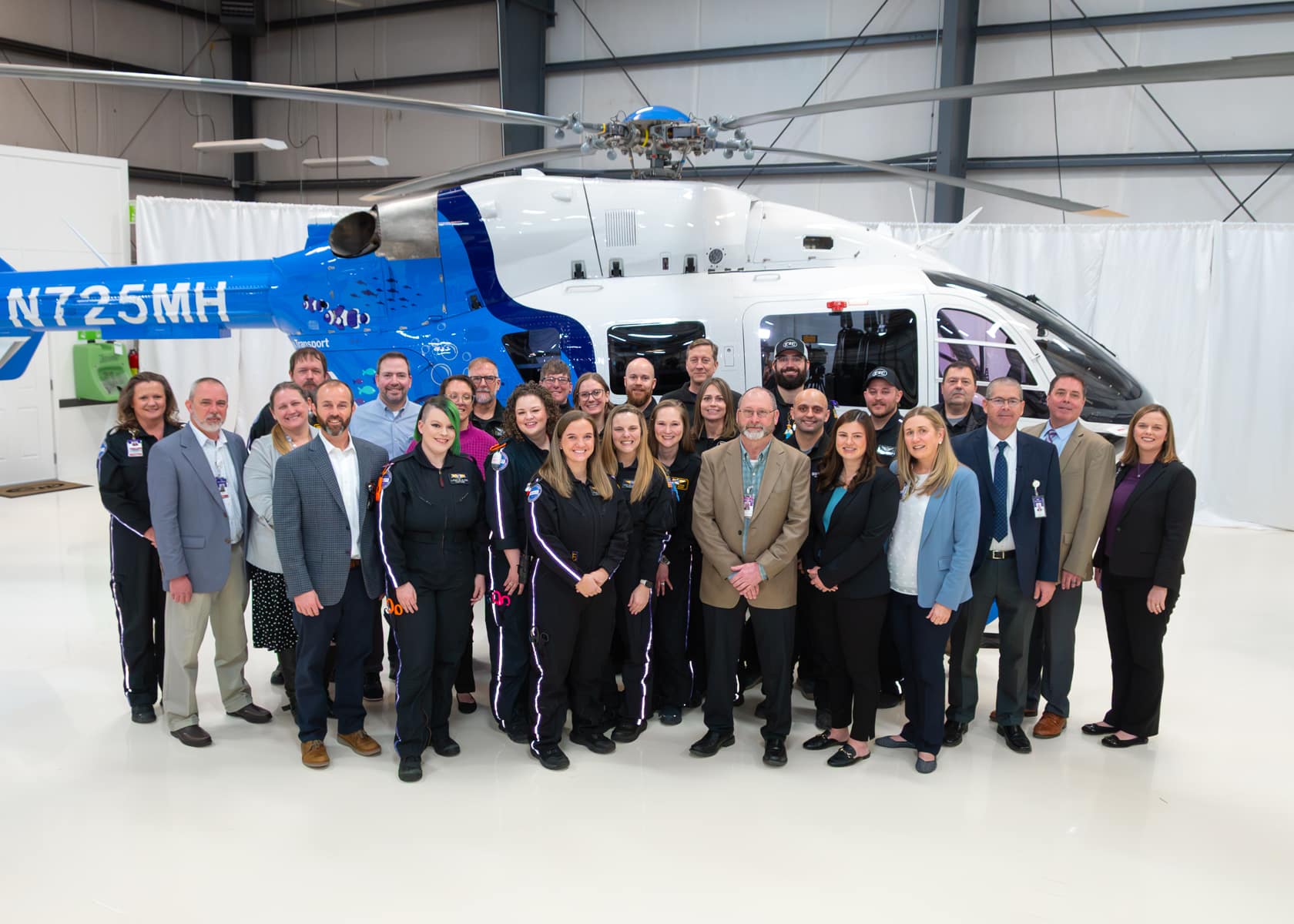
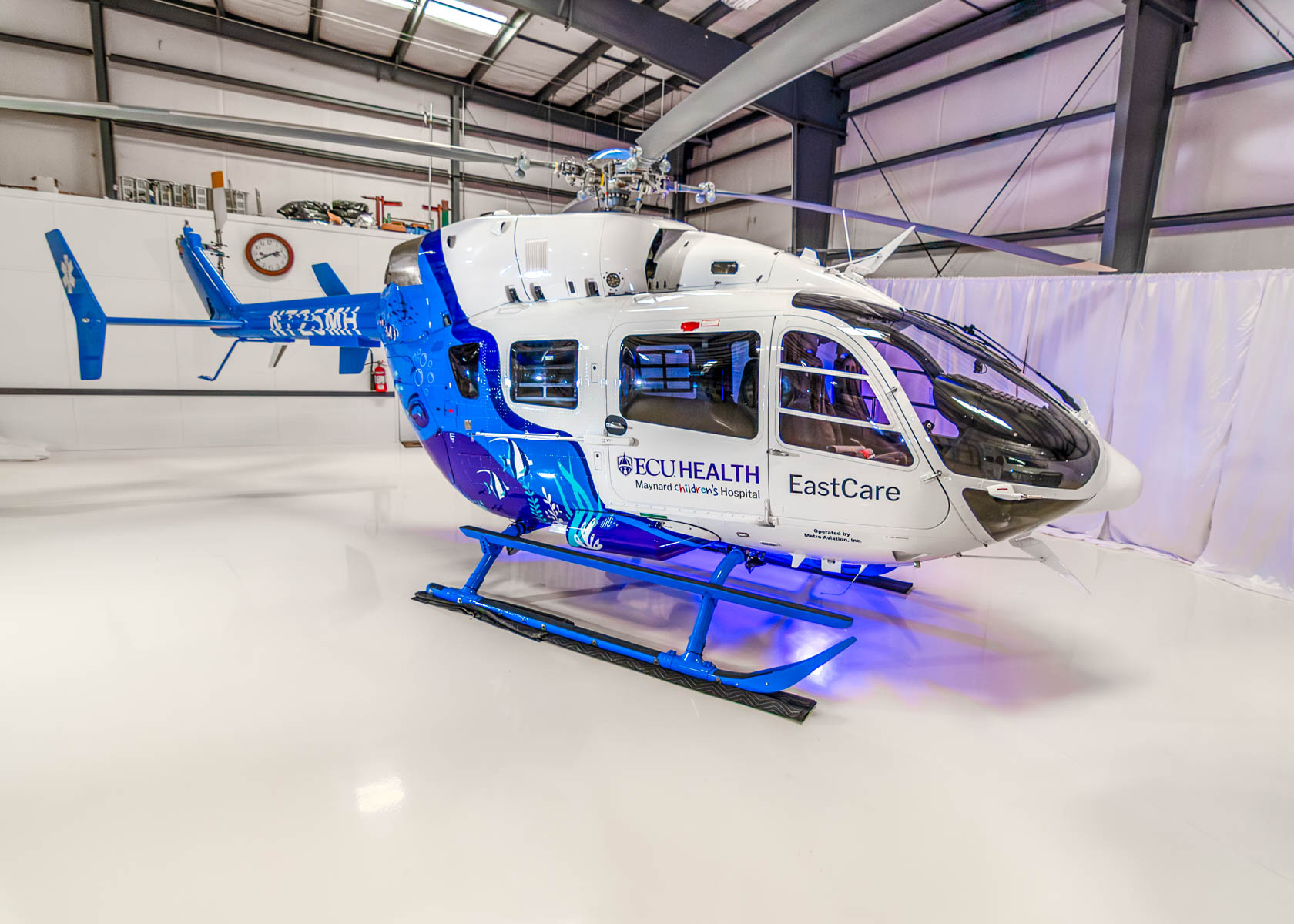
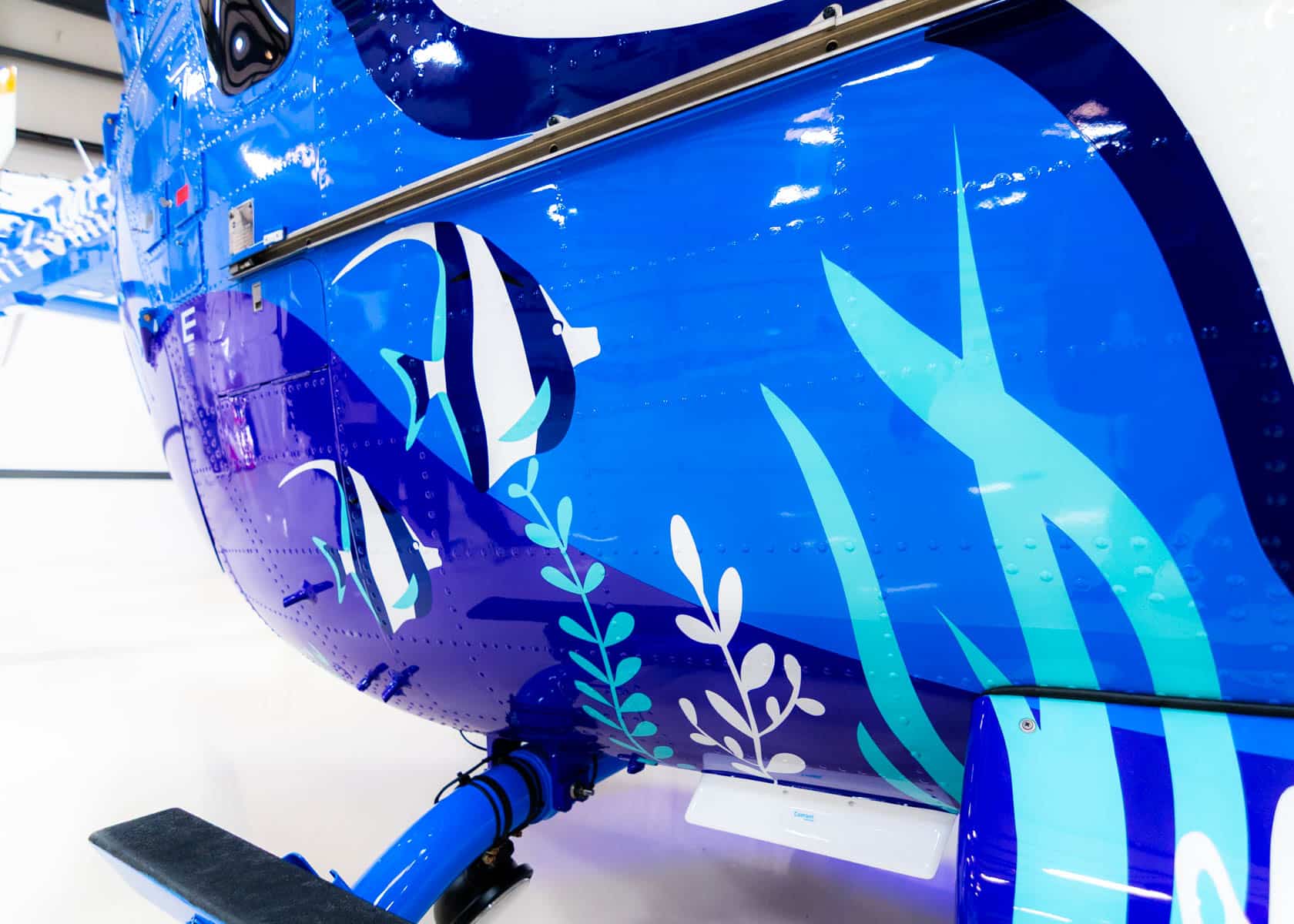
On Feb. 6, ECU Health, the James and Connie Maynard Children’s Hospital at ECU Health Medical Center and EastCare celebrated the addition of a new pediatric helicopter that will provide rapid, safe critical care to the communities we serve. As the state’s first dedicated pediatric medical transport helicopter, the aircraft will provide expert care while performing hospital-to-hospital transfers, and it took the work of many team members to bring this aircraft to our system.
Growing the team
Elaine Cudnik, executive director of Children’s Advanced Clinical Practice, joined ECU Health in 2021 and worked in children’s medical transport. At the time, they primarily served very young children, but the team had their sights set on serving a larger pediatric population. That’s when she partnered with Jessica Yelverton, assistant director of Children’s Advanced Practice, who joined the team as a flight nurse in 2016 and returned to assist the team as a neonatal nurse practitioner.
“We inherited a tiny team of two full-time team members and one part-time team member, and they were working hard to support the neonatal population,” Cudnik said.
Yelverton established a robust onboarding program for team members. They both focused on acquiring specialty equipment and providing education on advanced care procedures, and they amped up their recruitment for new team members, which grew their team from five full-time employees to 17.
“Elaine and I had a vision for children’s transport,” Yelverton said. “We worked on getting the right team members, and then we looked to expand from smaller children and neonates to full pediatric care for pediatric patients.”
Once they had the team members in place, Yelverton said they partnered with EastCare to take the lead in transporting pediatric patients. As a result, they saw a significant increase in the number of patients they served, from 300 transports in 2021 to almost 1,200 in 2025.
Closing the distance for rural care
With that growth came new challenges, including how to best serve the large, rural population of eastern North Carolina.
“As we transported more and more patients, we tracked volumes, dispatch times and turnaround times,” Yelverton said. “We’re unique to our region because we serve such an expansive area. If we go to the communities farther out, that could take up to six hours roundtrip by ground. We were borrowing helicopters from EastCare and it quickly became clear we needed a helicopter of our own.”
Cudnik said they collected data to show the number of patients served and the need for a helicopter.
“Now we won’t need to borrow helicopters from EastCare as often, which takes them out of their rotation. It means we can help patients who need quick, critical care and fewer patients will have to wait for transport. That quick turnaround will be amazing,” said Angela Hollis, a flight nurse with the Children’s Transport Team. As the team’s longest-tenured nurse, Angela focuses on quality of care.
Erik Rispoli, the assistant manager of the Children’s Transport Team, has been instrumental in the development and orientation of incoming EMTs.
With a background in the PICU, Heather Hopkins, a flight nurse with the Children’s Transport Team, has helped grow the pediatric intensive care operations sharing protocol and experience she gained from other programs.
Cudnik frequently mentioned their “tight knit” team, and how their collaboration ensured they now have the best equipment to provide care to an underserved population.
“This is important, especially for rural health care,” she said. “Part of our Mission, Vision and Values is to be a model for rural health care in eastern North Carolina, to set the bar. By allowing people to receive care in their community hospitals but still provide specialty services they can get to quickly, it shows the commitment ECU Health and Maynard Children’s Hospital have to our communities.”
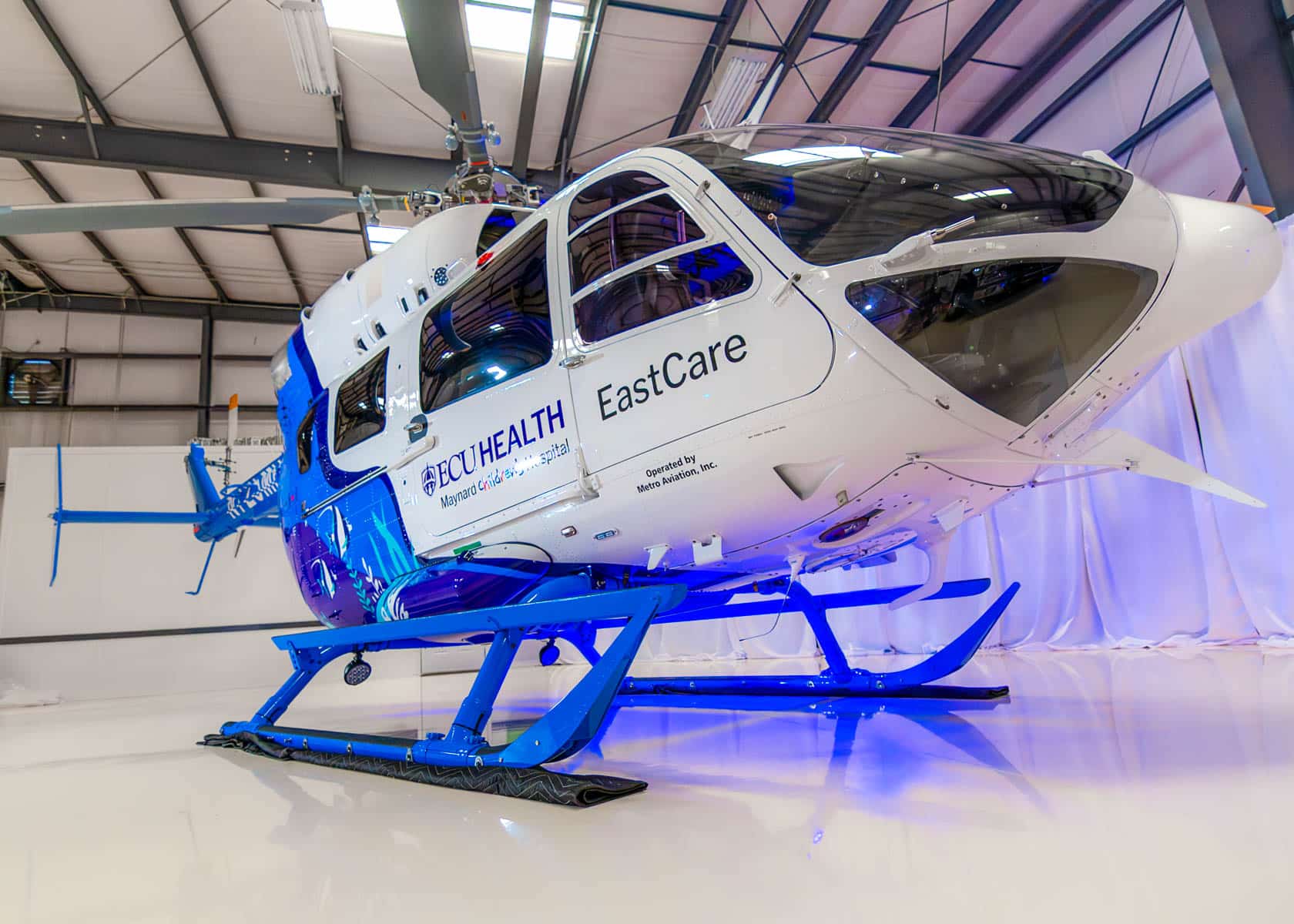
Greenville, N.C. — ECU Health, the James and Connie Maynard Children’s Hospital at ECU Health Medical Center and EastCare today announced the arrival of North Carolina’s first medical transport helicopter dedicated solely to pediatric patients. This milestone investment ensures that children across eastern North Carolina—especially those in rural and underserved communities—have rapid, safe access to the highly specialized, critical care they need.
Designed as a fully equipped mobile intensive care unit (ICU), the new aircraft brings advanced subspecialty expertise directly to the region’s sickest and most vulnerable children. Its capabilities allow care to begin the moment transport starts, reducing critical time to treatment for patients who often live far from specialty services.
“One third of the children we transport are premature or neonatal infants, many of whom need highly-specialized care,” said Dr. Matthew Ledoux, pediatrician in chief at Maynard Children’s Hospital and chair of pediatrics at the Brody School of Medicine at East Carolina University.
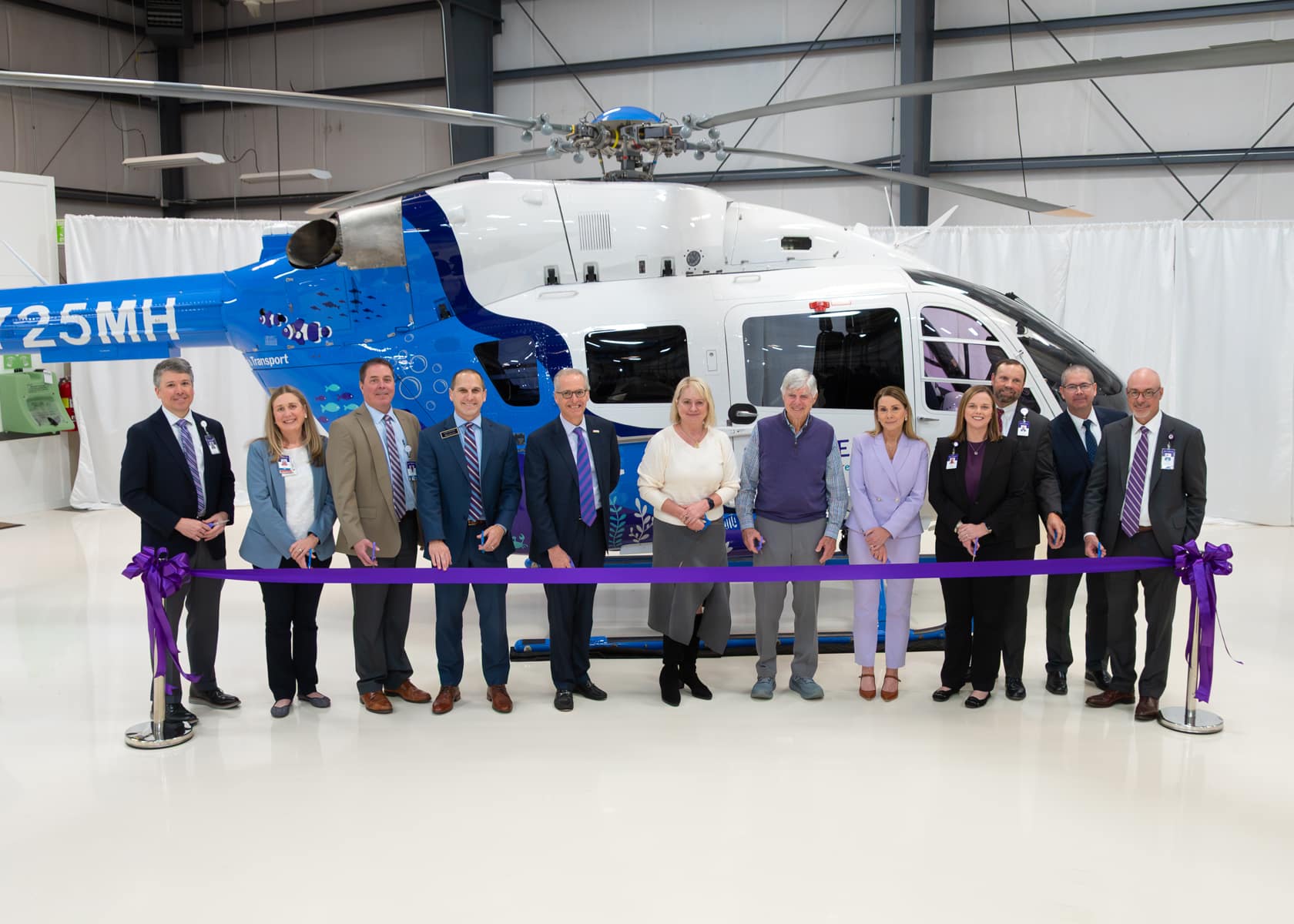
“This new helicopter gives us the ability to reach these babies faster, stabilize them sooner and deliver ICU level care from the very first moments of transport. It is truly a game changer for pediatric and neonatal outcomes in eastern North Carolina.”
The helicopter carries specialized neonatal and pediatric equipment—including ventilators designed for the smallest patients—and features a spacious, child friendly interior. The environment allows clinical teams to deliver both intensive medical treatment and developmentally supportive care in a space where children can feel safe and comforted. Much of the equipment in the aircraft was funded by generous donors through the ECU Health Foundation.
Used exclusively for hospital to hospital transfers, the helicopter expands regional capacity and strengthens resource allocation across ECU Health’s service area. The aircraft also enables providers to fly out to support deliveries and neonatal resuscitations, bringing critical expertise directly to local hospitals when seconds matter.
“This investment reflects ECU Health’s commitment to access and exceptional care for every child in our region,” said Brian Floyd, chief operating officer, ECU Health. “Families should not have to travel long distances or face barriers to receive specialized pediatric services just because they live in a rural community. By placing this resource in eastern North Carolina, we’re bringing life-saving care closer to home and advancing our mission to improve the health and well-being of those we serve.”
This new helicopter builds on a decade long legacy of life-saving care provided by EastCare and Maynard Children’s Hospital as this year marks the 10-year anniversary of ECU Health’s children’s transport team. By significantly reducing transport times and increasing access to advanced care, the new helicopter is poised to improve outcomes for thousands of children across eastern North Carolina.
To learn more about the new helicopter and access images and video, please visit: go.ecuhealth.org/helicopter
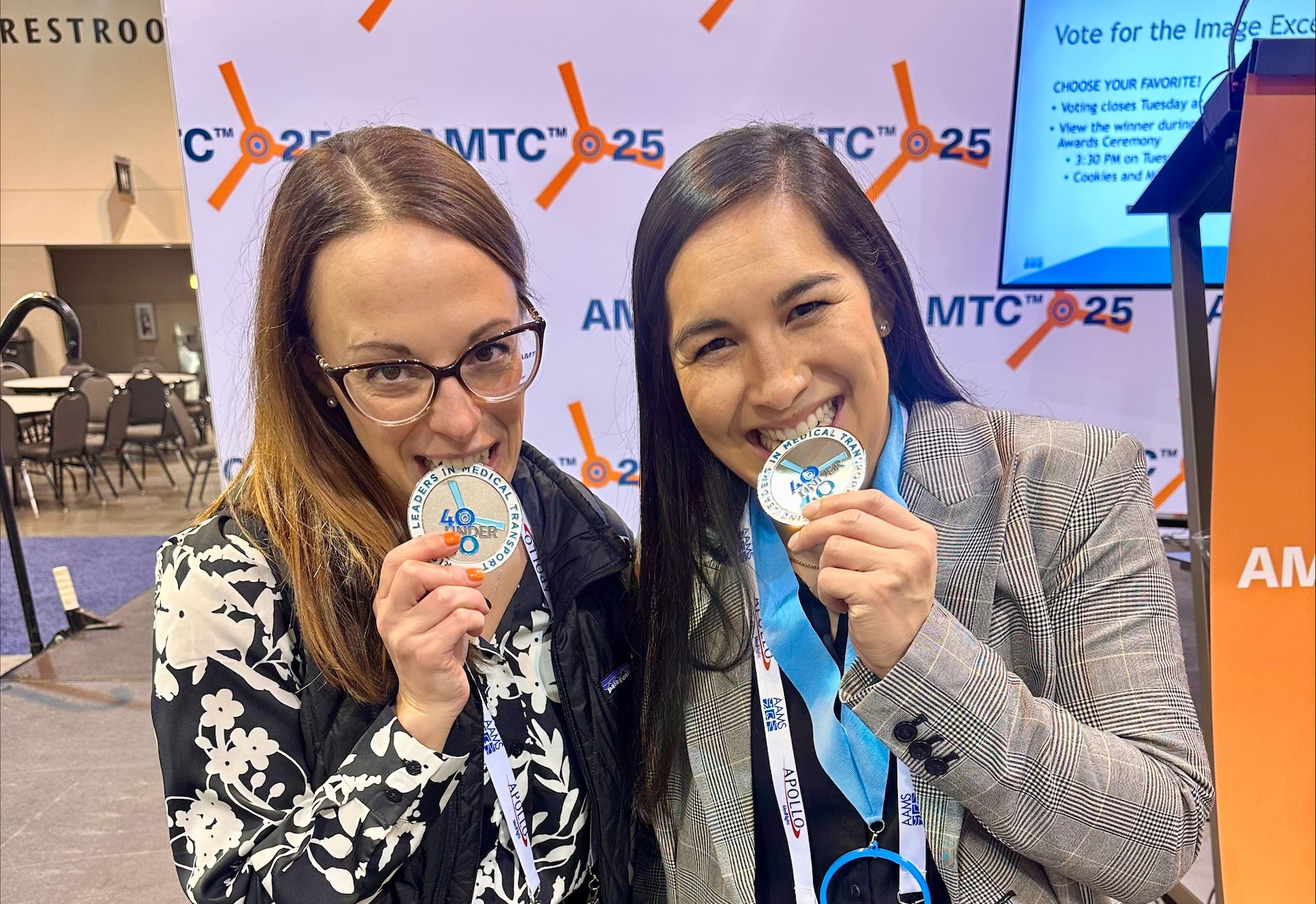
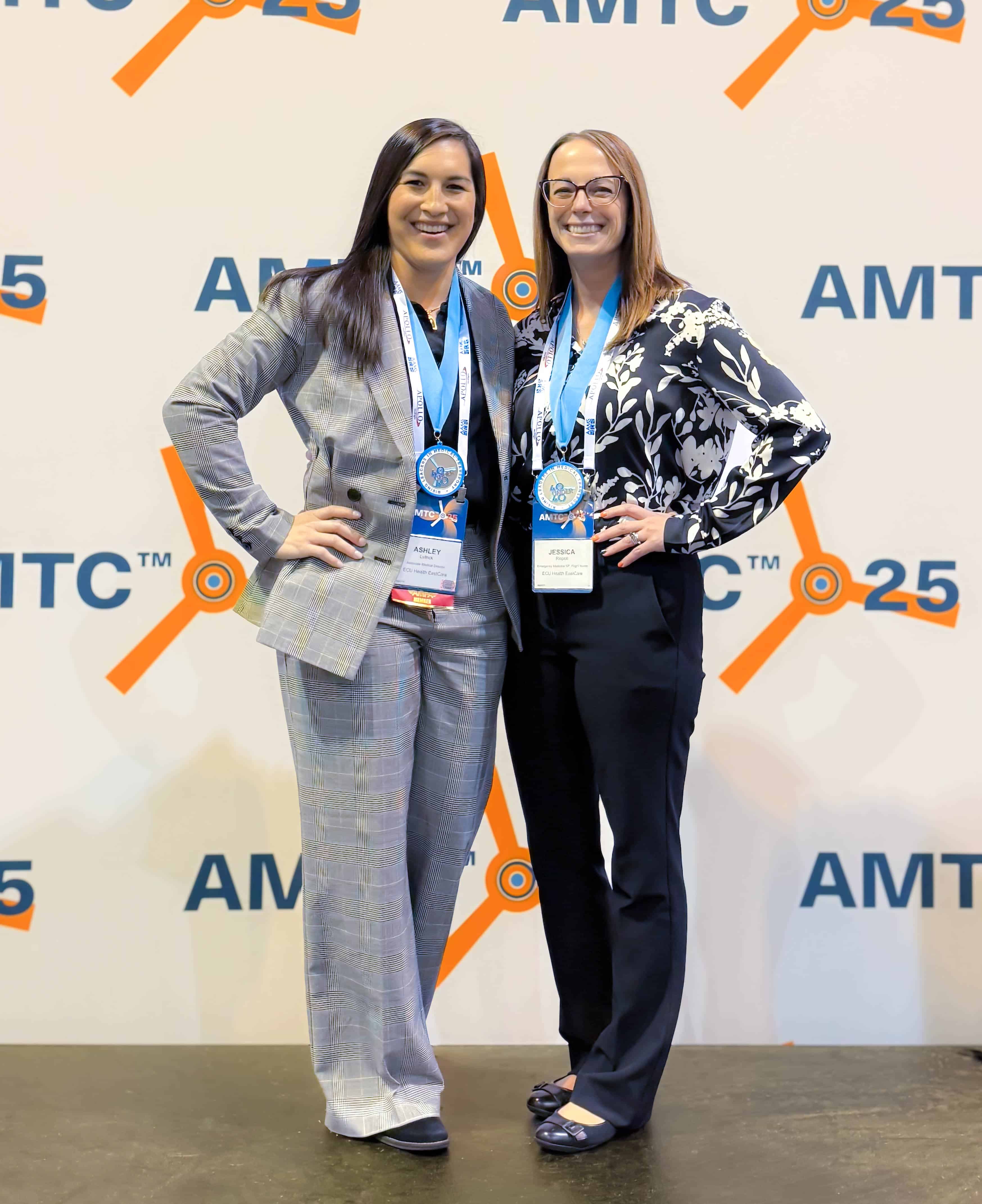
The Association of Air Medical Services (AAMS) recently announced their 2025 40 Under 40: Rising Leaders in Medical Transport award winners, and ECU Health’s Dr. Ashley Lutrick and Jessica Rispoli are on that list. The national award recognizes young professionals who make a meaningful impact across multiple disciplines of the medical transport industry and demonstrate leadership, innovation or contributions within their role or expertise.
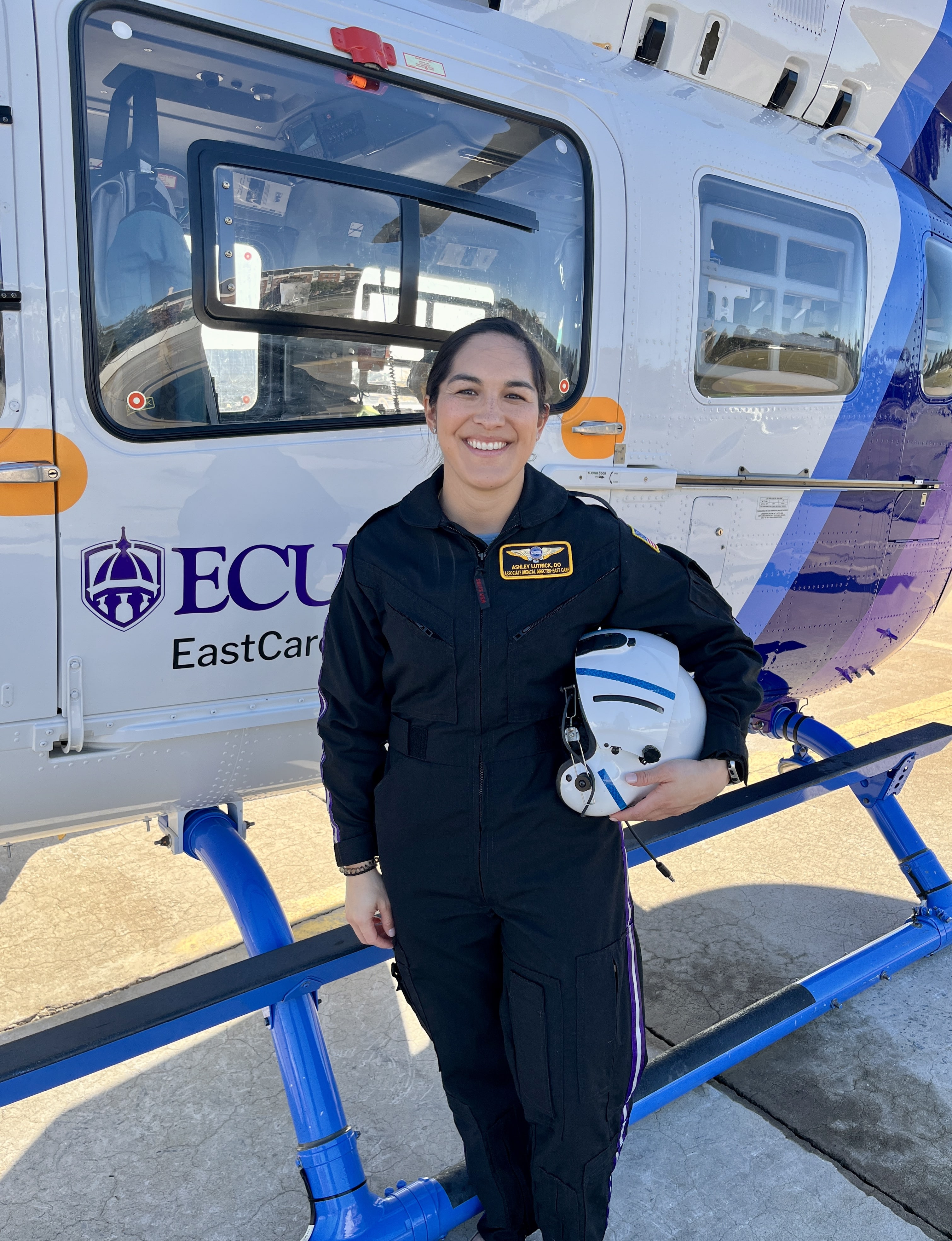
Dr. Ashley Lutrick
In addition to serving as EastCare’s associate medical director, Dr. Lutrick is also a clinical assistant professor of emergency medicine at the Brody School of Medicine at East Carolina University. She got interested in medicine after her father was diagnosed with cancer.
“My family were immigrants from Laos in the 70s,” she shared. “My father’s cancer was caused by Hepatitis B, which was transmitted at birth. The fact that he was diagnosed with something a vaccine could have prevented started my interest in medicine.”
Dr. Lutrick began her career in medicine with a focus on global health, but when COVID threw a wrench in those plans, she pivoted to emergency medical services.
“A lot of what I enjoyed about global medicine is also present in emergency medical services,” she said. “Specifically, transport was a big draw for me. A lot of our region is geographically challenged, and we focus on how we get patients the care they need in the most efficient way?”
This new interest led Dr. Lutrick to the EMS fellowship and ultimately to EastCare where she’s worked with air and ground interfacility transport for two and a half years.
“It’s been a fantastic fit and it’s crazy to think of how much has occurred in these two and a half years,” Dr. Lutrick said.
During that time, Dr. Lutrick said she has focused on quality assurance and improvement, policy and protocol development, clinical oversight and education. She led and advocated for the restructuring and implementation of EastCare’s quality assurance and improvement process, and she wrote EastCare’s first policy that was adopted system-wide on patient transfer of care, which focuses on improving communication and safety outcomes during transitions of care between teams and services.
This is the inaugural year for the 40 Under 40 award, and Dr. Lutrick said she was humbled to be among the first cohort of winners.
“Those nominations come from leaders or peers who recognize those who go above and beyond in leadership roles,” Lutrick said. “It’s easy to forget the impact you’re making and it’s good to be recognized.”
She also highlighted the value of an award like this for up-and-coming professionals in the field.
“Air medical transport is a young field and there are pioneers who have paved the way for us,” she said. “This award recognizes the younger generation who are trailblazing the next steps in air medical transport care.”
Dr. Lutrick was recently accepted as a Fellow of the Academy of Emergency Medicine Physicians (EMS), from the National Association of EMS Physicians (NAEMSP), for which she will be recognized this January.
“I do a lot of education, and I enjoy teaching, but I also like the variability with my roles,” she said. “Flying with EastCare is different from working with medical students, residents or fellows, all of which continue to challenge me.”
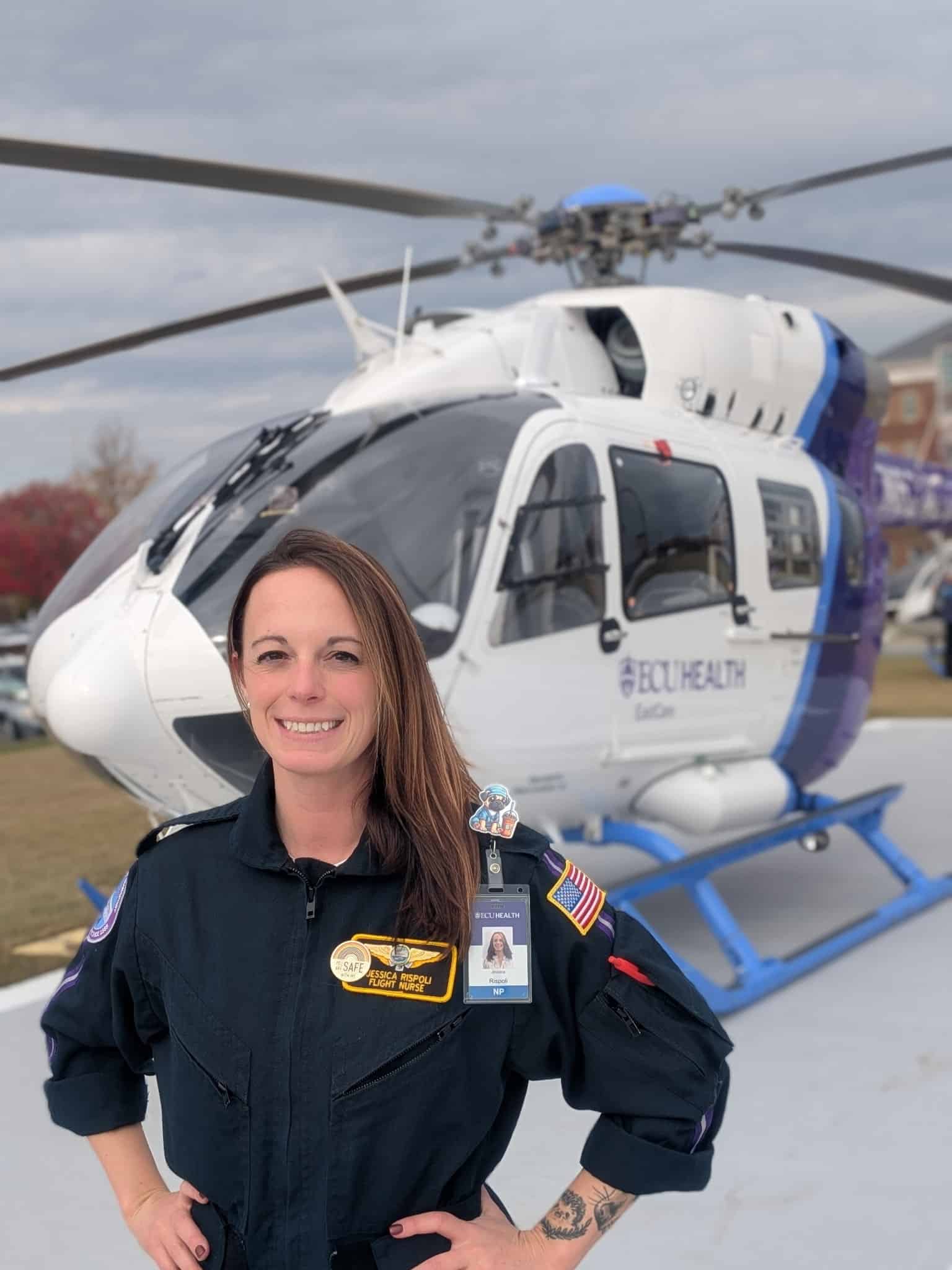
Jessica Rispoli
A Pennsylvania native, Jessica Rispoli is a nurse practitioner (NP) at ECU Health Bertie Hospital’s Emergency Department.
Working in critical care transport wasn’t originally in her plans. As a high school student, she considered physical therapy or athletic training because of her background in sports, but it was her school nurse who encouraged her to consider nursing. At first, however, nursing school didn’t seem like the right fit.
“Then in my junior and senior years of college, I had an internship with a Level I Trauma Center. I fell in love with the ED. When PennSTAR, the local air medical transport service, stopped by the hospital, I saw the aircraft and I was immediately hooked. That steered my education and training to critical care transport. Had I not met the PennSTAR flight crew, that spark might not have been ignited.”
After moving to North Carolina in 2016, she flew with EastCare full time for eight years before transitioning to the ED, but she still flies as needed with the EastCare team.
Jessica didn’t know she’d been nominated for the 40 Under 40 award until she received notification she’d won.
“I have a lot of emotions about it,” she said. “Mostly for all the people who have helped me build as a person and a nurse. It’s honestly humbling because the others who were selected are amazing.”
She said this award’s existence brings light to the industry.
“I don’t want this award to be just about me; I want it to be about our profession, the system and the awesome people I’ve worked with. People outside this field need to know the value of critical care and air medical transport. This award helps emphasize the impact of the services we provide.”
Jessica said she also enjoys serving the rural communities of eastern North Carolina.
“Our patients need advocates. One of the reasons I love flying with EastCare is we do what we can to stabilize patients from small communities and facilities and be their advocate. Sometimes it’s just about being there and holding their hand, to be with them and show you care.”
In the meantime, Jessica just wrapped up her Doctor of Nursing Practice (DNP) degree and plans to go back to school in 2026 for the Adult Gerontology Acute Care NP program at ECU.
“I have a lot of working years left and I’m excited to see where it goes,” she said. “I’ll present at conferences, educate those new to the industry, keep working in the ED and keep flying.”
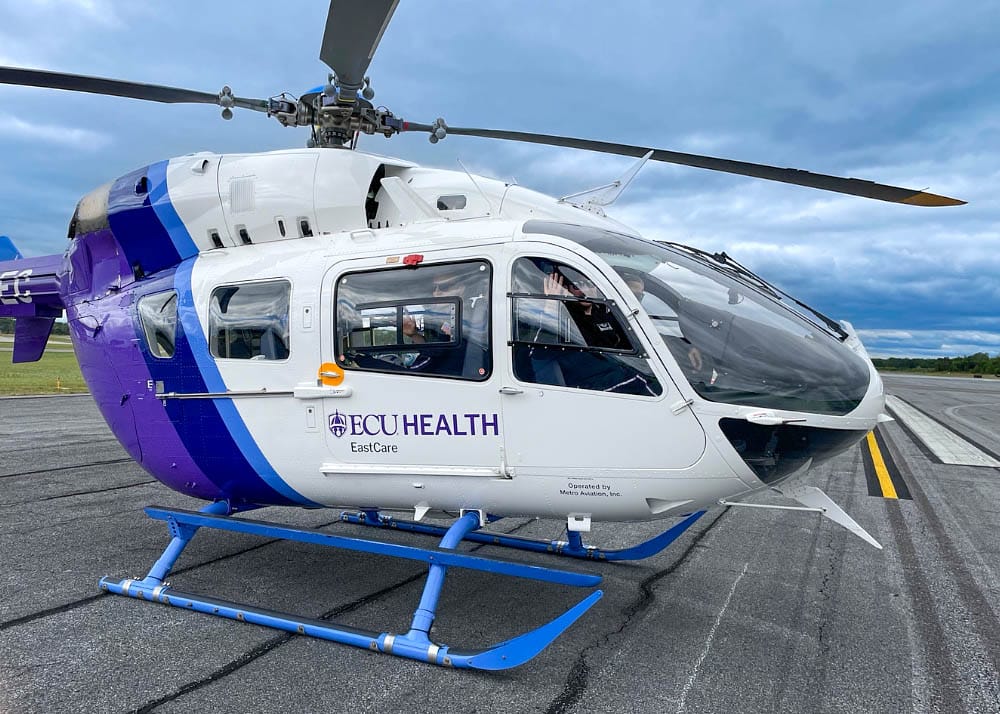
On April 12, ECU Health teams joined forces with Pitt-Greenville Airport and other local agencies, including fire/rescue teams, emergency management and police, for an emergency exercise, simulating a mass-casualty aircraft accident.
This full-scale exercise included volunteers acting as patients and involved various ECU Health departments to demonstrate preparedness for critical situations.
Chris Starbuck, system director of Emergency Management at ECU Health, emphasized the importance of these exercises.
“Participating in the airport exercise is a vital part of our preparedness strategy. It allows us to test our emergency response plans, strengthen communication with our community partners and ensure we’re ready to provide the highest level of care when seconds count. These collaborations are key to saving lives during large-scale incidents,” Starbuck said.
Leaders and team members from the Emergency Department, Trauma, hospital supervisors, Children’s, police, marketing and communications, decedent care and Eastern Healthcare Preparedness Coalition collaborated in a table-top exercise, discussing each person’s role in the event.
The ECU Health EastCare team was also present with a helicopter and ECU Health Medical Center’s ambulance bus stopped by to showcase its readiness to transport patients in a real emergency scenario.
Throughout the drill, ECU Health teams reviewed the notification process, patient movement strategies and interactions with Greenville Fire/Rescue, Pitt County Emergency Management, police and others.
The goal of this exercise was to identify opportunities to improve processes and give organizations in Pitt County time to work together, ensuring readiness to adapt and respond quickly and efficiently in real emergencies.
This drill was a valuable learning experience for all involved, enhancing preparedness and confidence in handling critical situations.
Resources
ECU Health Emergency & Trauma
Maynard Children’s Hospital
ECU Health EastCare
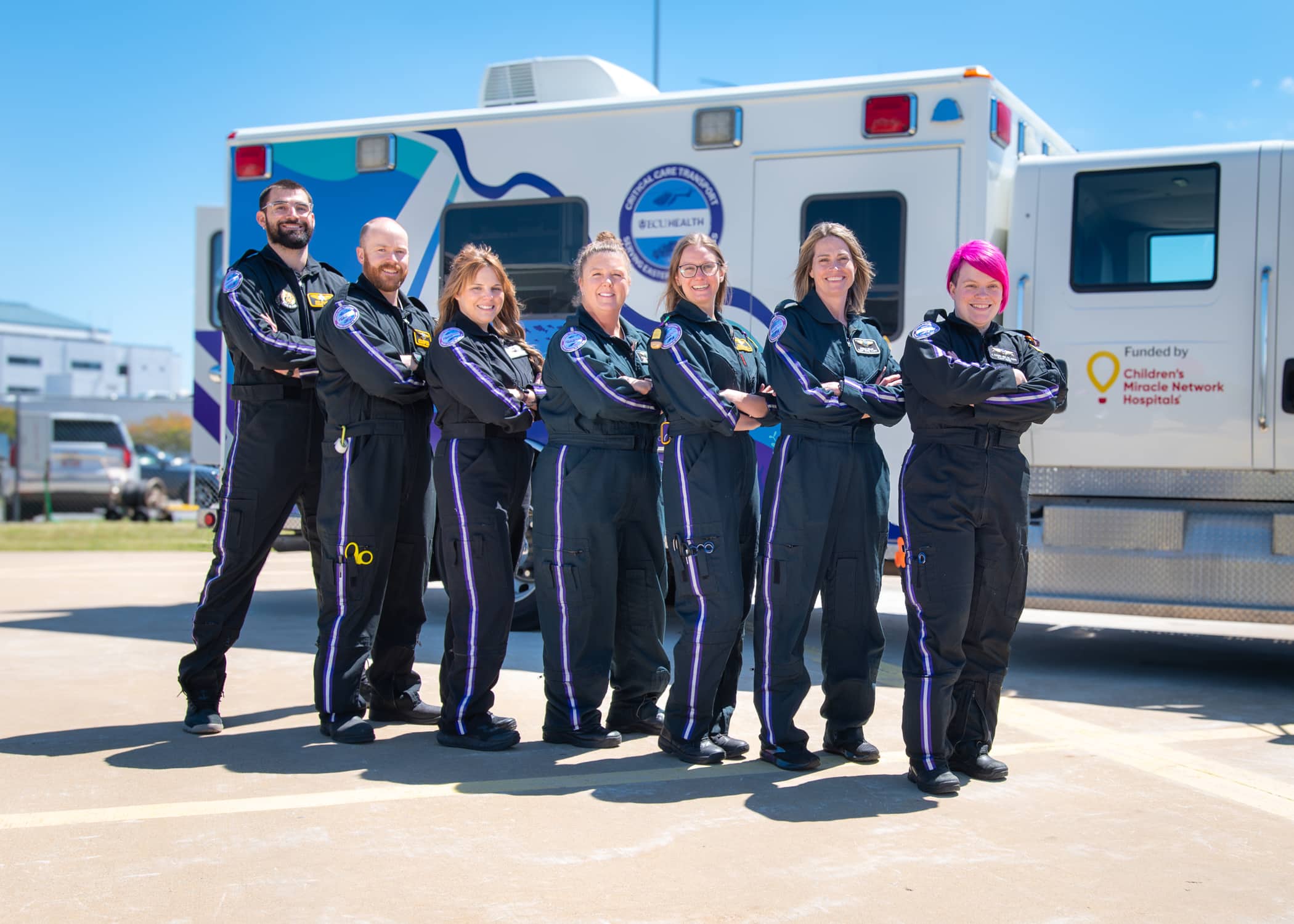
On Wednesday, April 16, ECU Health’s EastCare celebrated a remarkable milestone: 40 years of dedicated service to the communities of eastern North Carolina. Founded in 1985, the program has grown from a single helicopter operation to a comprehensive medical transport service, offering both ground and air transportation.
EastCare transports patients directly from the scene of an emergency or transfers them from regional hospitals to ECU Health Medical Center, ensuring that critically ill and injured patients receive timely and advanced medical care.
Today, the program operates seven aircraft, with five in use and two back-ups. With eight bases within the region — both ground and air — and 28 ambulances, coverage has expanded to include all of eastern North Carolina as well as parts of South Carolina and Virginia.
Trey Labrecque, director of EastCare, praised the team for its tireless effort in critical roles. “The way our clinicians go above and beyond what’s required in their aspects of training has always impressed me. They put their lives in danger every day they come to work to transport patients by air or by ground.” He noted the team’s dedication is unmatched, often working beyond their normal shifts to care for patients.
This dedication is a common theme within the team. Shannon Petty, flight nurse with EastCare, highlighted their adaptability: “Even when helicopters are down for maintenance and a call comes in, the team will jump in an ambulance and do exactly what they would have done by air. We are one of the very few programs in the country that does that consistently.”
The EastCare team’s advanced training enables them to provide lifesaving interventions for trauma, cardiac, medical, high-risk obstetric, burn and pediatric patients. The program also operates a unit dedicated to children’s transport. Partnering with the James and Connie Maynard Children’s Hospital, the Children’s Transport Team provides care to more than 1,700 children each year.
Joshua Dail, flight paramedic with EastCare, shared a story about the constantly changing nature of the job: “We did a standby for a local law enforcement high-profile situation and sat there all day. At the end of the day, a family and their little boy who was unconscious after a traumatic accident arrived at a rural emergency department that is not accustomed to providing the care he needed. We immediately shifted gears and hopped in and took care of this little kid, which involved a lot of resources on our part, and then flew him to the Medical Center, where he had brain surgery and a good outcome. Bringing services to patients that otherwise wouldn’t have access to them is the most rewarding part of my job.”
EastCare goes beyond patient transport, stepping up when disaster strikes. “During hurricanes, access to affected areas is often restricted, making it difficult for physicians and nurses to reach state medical assistant teams. Our teams has flown physicians and nurses to those areas and delivered critical supplies to places experiencing shortages,” shared Chuck Strickland, outreach coordinator for EastCare.

Dail emphasized the strong teamwork demonstrated every day with the EastCare team: “None of us can do our job without the other. In the helicopter, we are always looking out for any potential dangers, offering to help with various tasks and supporting each other during every flight. And then at the bedside, we are a clinical team, so we’re collaborating and figuring out how to best care for our patients.”
Over the past decade, the program has achieved significant milestones:
- 4,752,768 ground miles
- 3,558,196 air miles
- 35,292 flights
- Transported patients from 66 unique hospitals by air
- Transported patients from 87 unique hospitals by ground
These numbers represent thousands of lives saved and countless families supported during their most challenging times. By providing a lifeline to patients with limited access to care, EastCare exemplifies the ECU Health mission every day. Whether it’s a basic life support transport or a critical care transport, the team ensures that every individual receives the care they need.
The 40th anniversary was celebrated at a special event held at ECU Health Medical Center, where team members and community members came together to honor the achievements of the EastCare team. As we celebrate the four decades of incredible service, we honor the work of the EastCare team and the profound difference they make in eastern North Carolina communities. Here’s to 40 years of lifesaving service – and many more to come.
Resources
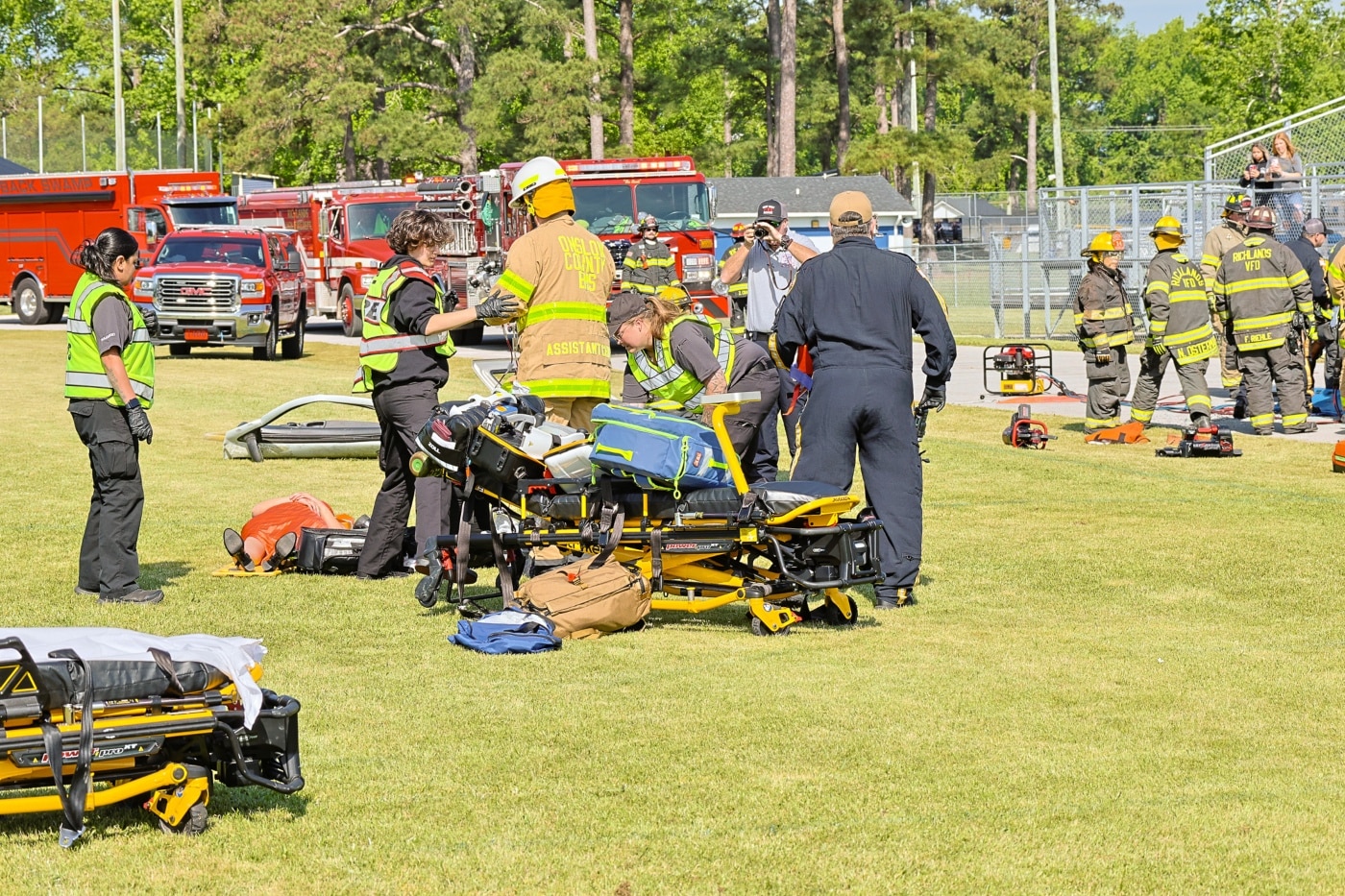
ECU Health EastCare participated in the impactful Prom Promise initiative, engaging students at both Perquimans County High School and Richlands High School on April 23 and 24, respectively. The objective was clear: to dissuade teens from driving under the influence during prom season through vivid reenactments of motor vehicle accidents.
Before the re-enactment, students were presented with facts about the dangers of drinking and driving. According to Prom Promise’s founding organization The Prevention Network, one-third of all teen deaths occur in alcohol-related collisions between April and June, and nearly 41% of teens ages 16-19 are likely to drink or use drugs during or after prom.
Chuck Strickland, EastCare’s outreach coordinator at ECU Health, expressed the initiative’s goal of leaving a lasting impression on students, steering them away from driving under any form of impairment.
The events featured realistic depictions of crashed vehicles, complete with students portraying injuries resulting from the collisions. The students witnessed the arrival of first responders who initiated care and extricated individuals with the Jaws of Life, a tool used by emergency rescue personnel to assist in the extrication of victims involved in vehicle accidents. An EastCare helicopter landed on the scene as part of the demonstration, underscoring the importance of quick response required in such emergencies.
“I want to extend my heartfelt appreciation to our local first responders for their invaluable partnership and unwavering dedication in making our DWI reenactment crash demonstration a success,” said Steve Clarke, principal, Richlands High School. “Their professionalism, expertise and commitment to ensuring the safety and well-being of our students and community are truly commendable. We are grateful for their continued support and collaboration in our efforts to educate and empower our students to make responsible choices and prioritize safety at all times.”
Through collaborative efforts and a commitment to education, ECU Health and its partners aspire to instill responsible decision-making and prioritize safety among students – not only during prom season but throughout their lives.
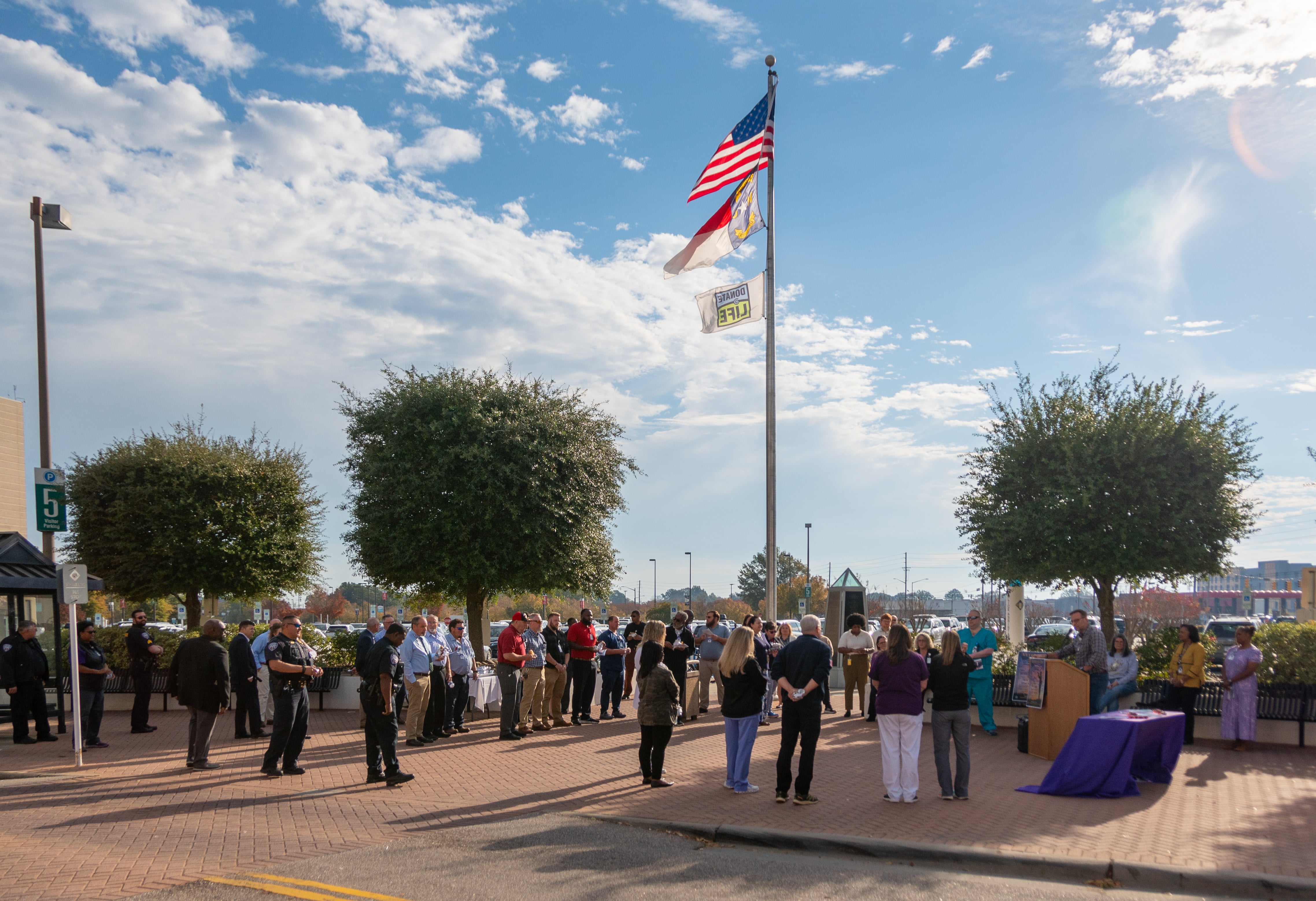
In recognition of Veterans Day, ECU Health’s nine hospitals across eastern North Carolina took a moment to come together at 9:05 a.m. Thursday to recite the Pledge of Allegiance and recognize the service and sacrifice of those that have served in the United States military.
The events across the system recognized more than 500 Veteran and active-duty team members at ECU Health, along with the many Veterans at the Brody School of Medicine at East Carolina University.
At ECU Health Medical Center, Veteran team members, spouses and team members at-large gathered around the flag pole in front of the hospital to reflect and celebrate.
The ceremony included a moment of silence and reflection, as well as a roll call for each branch of the military. ECU Health Chief Operating Officer and ECU Health Medical Center President Brian Floyd shared remarks during the event and said it’s an honor to work with Veterans who choose to continue their life of service in health care.
“When we say thank you, we say thank you for your service then, but we’re really saying thank you for caring enough to serve, for being willing to give your life in service to something bigger than you,” Floyd said, “evidenced by the fact that you served in the military, then you chose to come to Greenville, North Carolina at ECU Health and continue to serve the needs of others.”
Dr. Tim Weiner, pediatric surgeon and Surgeon-in-Chief at Maynard Children’s Hospital, served in the Navy as a Commander and retired from the military in 2019. He said the event was a great opportunity to recognize what it means to give your life to service, both in the military and in health care.
“I’m a service-oriented person, the institution is as well and I think it’s very important to focus on something bigger than yourself and this event commemorates that,” Dr. Weiner said. “We have to look beyond ourselves and share the gifts and talents we have. The mission of ECU Health really aligns with that personal ethic for me.”
Army services prepares flight nurse for time with EastCare
Paul Johnson, flight nurse with EastCare at ECU Health, joined the Army as he’d always dreamed and served as an airborne infantryman. He said his time in the military prepared him for his role as a flight nurse.
Johnson’s teams have always been first on the scene, from his time as a paratrooper to his current role in EastCare. He said it’s a position he’s learned to thrive off of and embrace.
“The Army taught me to continue functioning under stress. To be successful and to make sure that patient has a good outcome, you have to focus on the task,” Johnson said. “You have to maintain focus on the patient, just like in the Army you have to maintain focus on the task, on the situation. That has helped me a lot.”
After his time in the Army, Johnson went to school and began working at ECU Health Medical Center as a nurse in the Medical Intensive Care Unit. There, he said, he learned from many mentors how to be a great nurse before he transitioned to his current role as a flight nurse.
In gratitude
ECU Health would like to extend a heartfelt thank you to our Veteran team members and all Veterans for their service to our country.
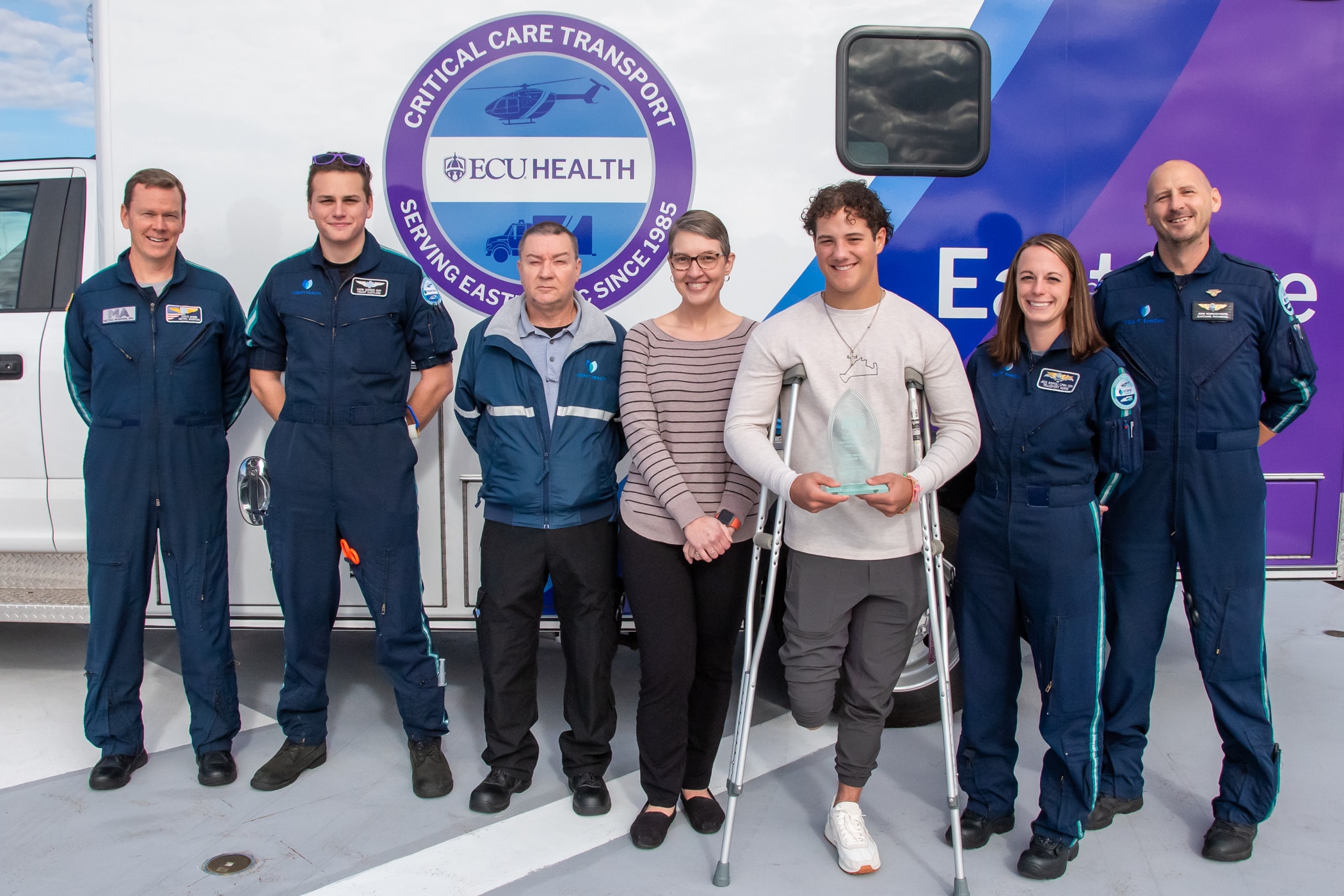
Greenville, N.C. – ECU Health’s EastCare team was awarded MedEvac Transport of the Year by the Association of Air Medical Services (AAMS) for their initial transport of East Carolina University freshman Parker Byrd and subsequent transports throughout his recovery. The EastCare air medical team, Steve Bonn, pilot, Henry Gerber, EMT, Milando Stancill, EMT, Leigh Ann Creech, communication technician, Jessica Rispoli, flight RN and John vonRosenberg, flight paramedic, accepted the award on Oct. 26 for their efforts rendering life-saving care to Byrd.
On July 23, 2022, Byrd, an incoming freshman and baseball player at ECU, was boating in a remote creek when his legs were cut by the propeller, resulting in severe trauma. A friend and teammate was able to pull him back in the boat and immediately applied a makeshift tourniquet. First responders on the scene recognized the severity of his injuries and requested air medical transport. The EastCare air medical team jumped into action, rendering life-saving trauma care on the flight to ECU Health Medical Center, the only Level 1 Trauma Center east of Raleigh.
“EastCare team members dedicate themselves to ensuring the people of eastern North Carolina who live in vast, rural areas have access to timely and life-saving care,” said Trey Labreque, director of EastCare. “Thanks to the quick actions of everyone involved, including Beaufort County EMS for their initial response and clear communications with the flight crew, the transition of care was quick and efficient, and the patient made it to the trauma center stabilized, which is our objective as a flight team. This award is testament to all EastCare team members who live the ECU Health mission.”
Quick actions by the flight crew dramatically improved Byrd’s vital signs prior to arriving at ECU Health Medical Center. Flight nurses administered plasma, blood products and treatment for traumatic hemorrhagic shock during the air transport. In the following weeks, due to the severity of injury, the EastCare team provided Byrd transportation to the wound care center twice daily, multiple times per week to receive specialized care and hyperbaric treatments at ECU Health’s Wound Healing Center.
“The EastCare team has been nothing but phenomenal to me,” said Byrd. “From day one, they were doing their job to the best of their ability. I want to thank each and every person on the EastCare team for what they have done for me.”
Byrd was discharged in mid-August, nearly one month after his injury. After 22 surgeries and a partial leg amputation, Byrd continues to undergo outpatient care and rehabilitation in his recovery process. Byrd plans to continue classes at ECU and practice with the baseball team while he undergoes rehabilitation.
Please join ECU Health in recognizing the EastCare team for their rescue of Byrd and their efforts to render emergency care to all patients across eastern North Carolina.
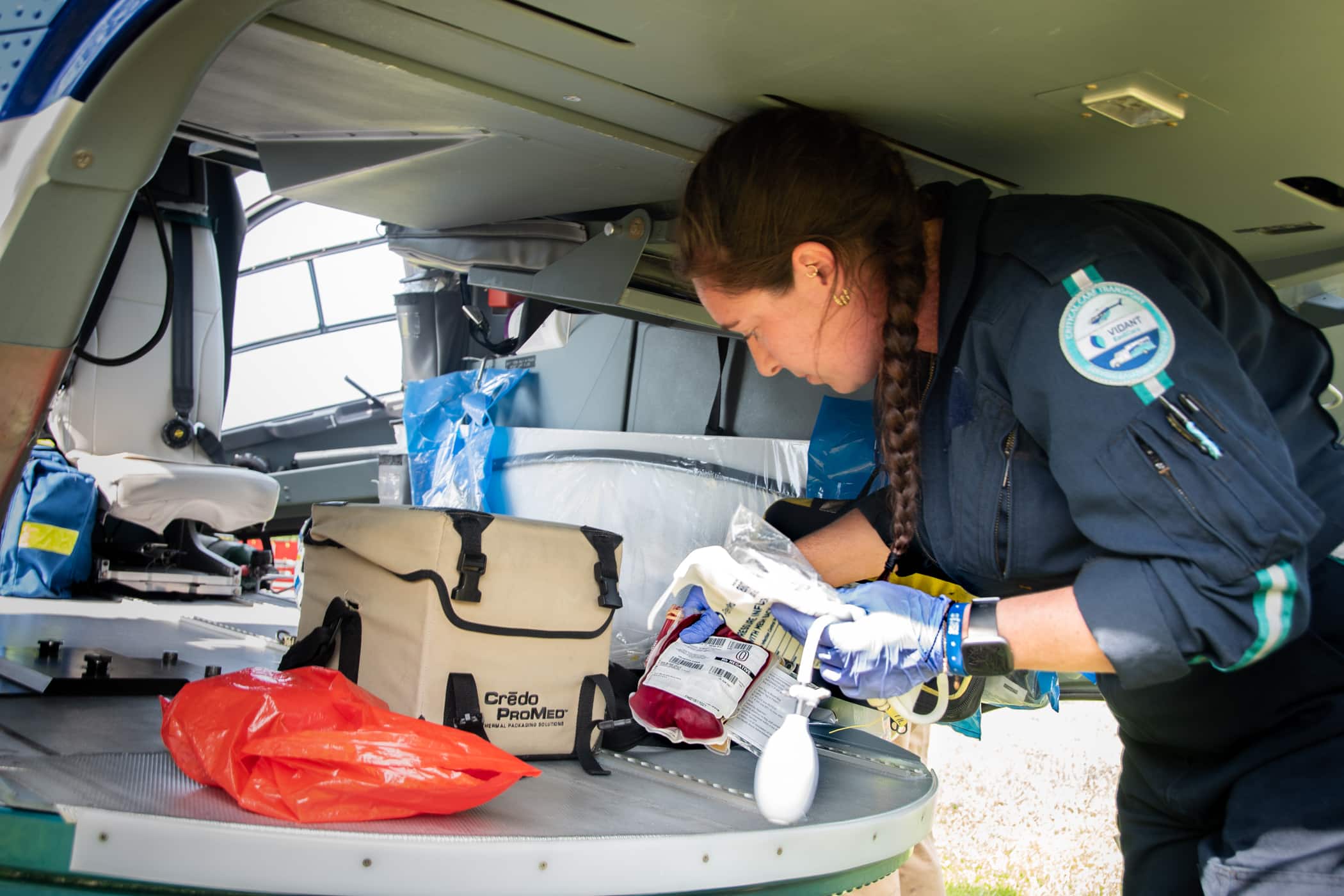
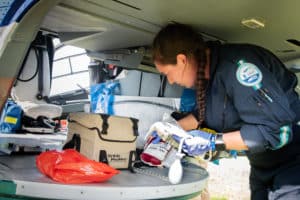 Greenville, N.C. – June 2, 2021 – Vidant Health is proud to announce that EastCare – the premier medical transportation agency in the region – recently became one of the first medical flight programs in North Carolina to carry O Negative Whole Blood, which will help improve patient survivability in eastern North Carolina. Whole Blood contains all the components of blood that the body loses during trauma events and helps replenish all necessary blood components.
“Vidant Health serves a vast rural environment with long distances in between towns and sometimes between providers,” said Chuck Strickland, Outreach Coordinator. “Trauma patients often need immediate treatment, and that’s what the O Negative Whole Blood allows us to do. Helicopters carrying O Negative Whole Blood can increase the chance of survivability of trauma patients in eastern North Carolina while being transported from these rural areas to hospitals.”
O Negative is the rarest blood type and compatible with all other blood types, making it an important life-saving intervention for those suffering from serious traumatic events. EastCare collaborated with the Brody School of Medicine at East Carolina University to obtain the O Negative Whole Blood from the American Red Cross.
Recent studies show that patients who receive Whole Blood products early typically require less blood transfusions while in the hospital. This may also improve 24-hour patient survival by 23 percent and reduce the patient’s length of stay, according to a recent study.
“O Negative Whole Blood is vitally important to our collective mission because it is a universal donor,” said Dr. Darla Liles, ECU Professor of Medicine and Chairman of the Vidant Patient Blood Management Committee. “This blood can be administered quickly in the field when a patient has suffered a serious trauma and is bleeding too rapidly to make it back to the hospital. Our Vidant Patient Blood management committee is thrilled to work with EastCare to create this unique program, which has the potential to save lives here in eastern North Carolina.”
O Negative Whole Blood is carried on all 5 EastCare helicopters and can be utilized on ground ambulances as needed. In addition to the Whole Blood innovation, EastCare will continue to carry Fresh Plasma and Packed Red Blood Cells.