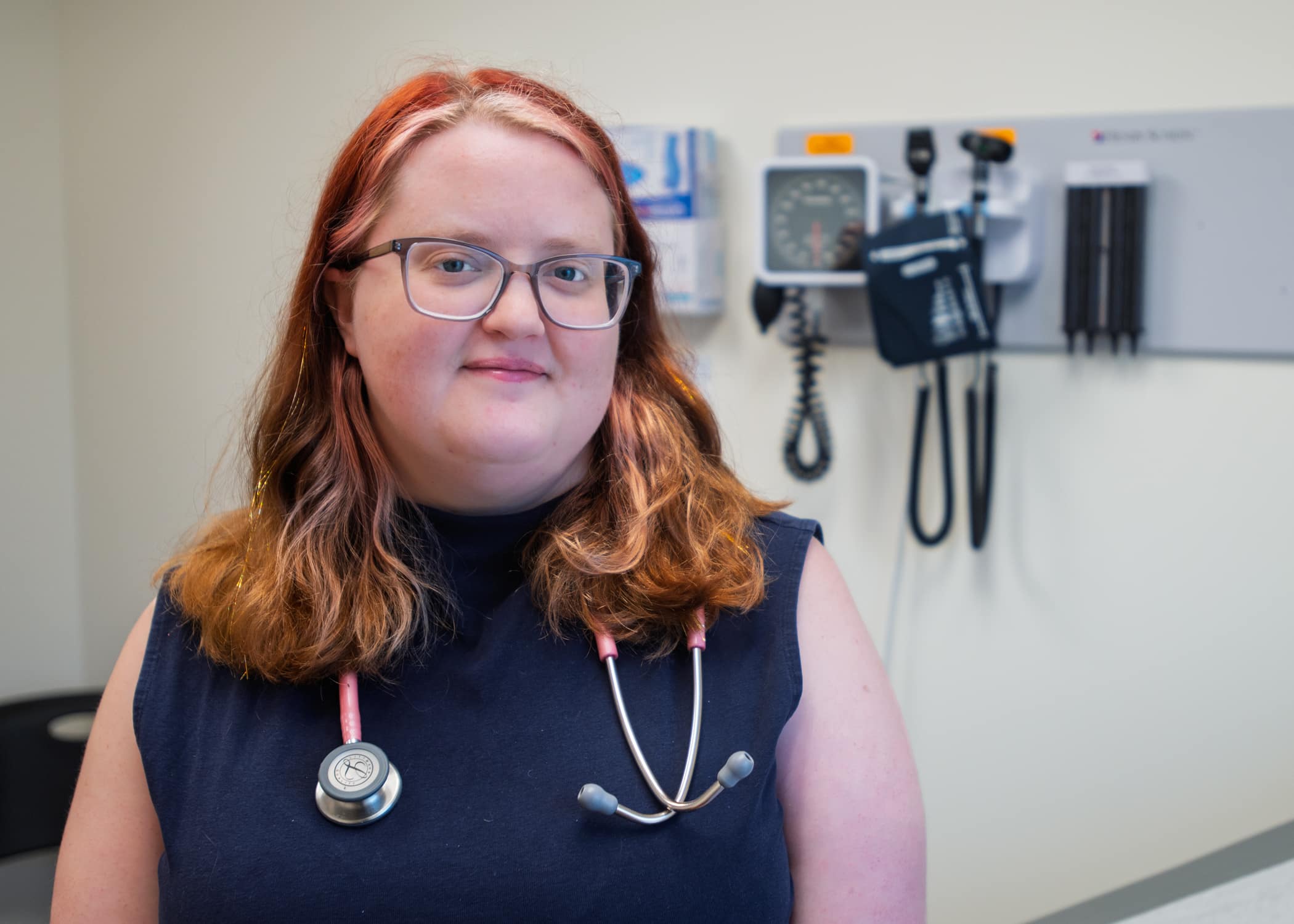
Time spent working with uninsured and underinsured patients helped bring Dr. Margaret Pearce back to her home state to train in ECU Health’s Rural Family Medicine Residency Program. After spending three years training in some of the region’s most rural communities, she made the decision to continue serving where her skills are most needed: right here in eastern North Carolina.
“I’m a problem solver,” said Dr. Pearce. “My mom has her PhD in math and would always do math problems with us. I like to approach cases with my eyes focused on finding a solution and doing the most that I can with a patient in the room, regardless of the resources at my disposal.”
According to the North Carolina Department of Health and Human Services, one in six rural adults lack health insurance and adults in rural areas are 1.5 times more likely to be uninsured than people living in urban areas.
The same data says those residents also experience up to 1.8 times as much difficulty accessing health care services than urban residents. Nearly 75% of North Carolina’s 100 counties have reported limited access to local primary care available in their county. Those are the people Dr. Pearce said she feels called to help the most.
Dr. Pearce was born in Greensboro but moved around often growing up due to her father’s career. That included a prolonged stay in Texas, prior to returning to the Cary area for middle and high school. After she graduated from Western Carolina University with an undergraduate degree in chemistry, she entered the workforce before pursuing a master’s degree in public health administration from Thomas Jefferson University. She worked in public health in Winston-Salem before she returned to Thomas Jefferson for medical school.
When it came time to apply for her residency, Dr. Pearce’s father was battling kidney cancer. She knew that she had to go somewhere close to home as he recovered from the disease and knew she wanted to work with rural patients.
“I’m not a city person,” Pearce said. “In public health, I learned a lot about issues facing the uninsured and underinsured population. Those are my people, that’s where I’m supposed to be to help them. There are a lot of places facing those issues, but I knew rural medicine was where I wanted to make a difference.”
ECU Health’s Rural Family Medicine Residency Program provided Dr. Pearce hands-on experience at ECU Health Medical Center and most recently ECU Health Duplin Hospital in Kenansville. The program launched in 2021 and prepares family medicine resident physicians to provide comprehensive care across a variety of settings. Data shows that family medicine residents who spend 50% or more of their training time in rural settings are at least five times more likely to stay and practice in rural communities than physicians with no rural training.
“One of the most pressing challenges in rural health care is having enough clinicians available to treat really complex patients and help them prevent further health complications,” said Dr. Michael Waldrum, CEO of ECU Health, and dean of the Brody School of Medicine. “By exposing family medicine resident physicians to the disparities rural communities face, they experience the impact they can have on truly vulnerable patients. For some, that is a calling and this gives them an opportunity to answer that call.”
Dr. Pearce will continue to practice medicine at ECU Health Family Medicine in Richlands. She believes the experiences she helped patients navigate throughout her rural family medicine residency training, namely helping patients improve their own medical literacy to better understand preventive efforts and diagnoses, will translate to residents in Onslow County.
“Sometimes you have to reach people where they are and really work with them to get on the same page with their health care and treatment,” Dr. Pearce said. “I’m grateful I can serve a similar population to the one that I worked with during my residency and still have access to resources from the health system. I’ve already fallen in love with this area, so I know it’s the right place for me to be.”
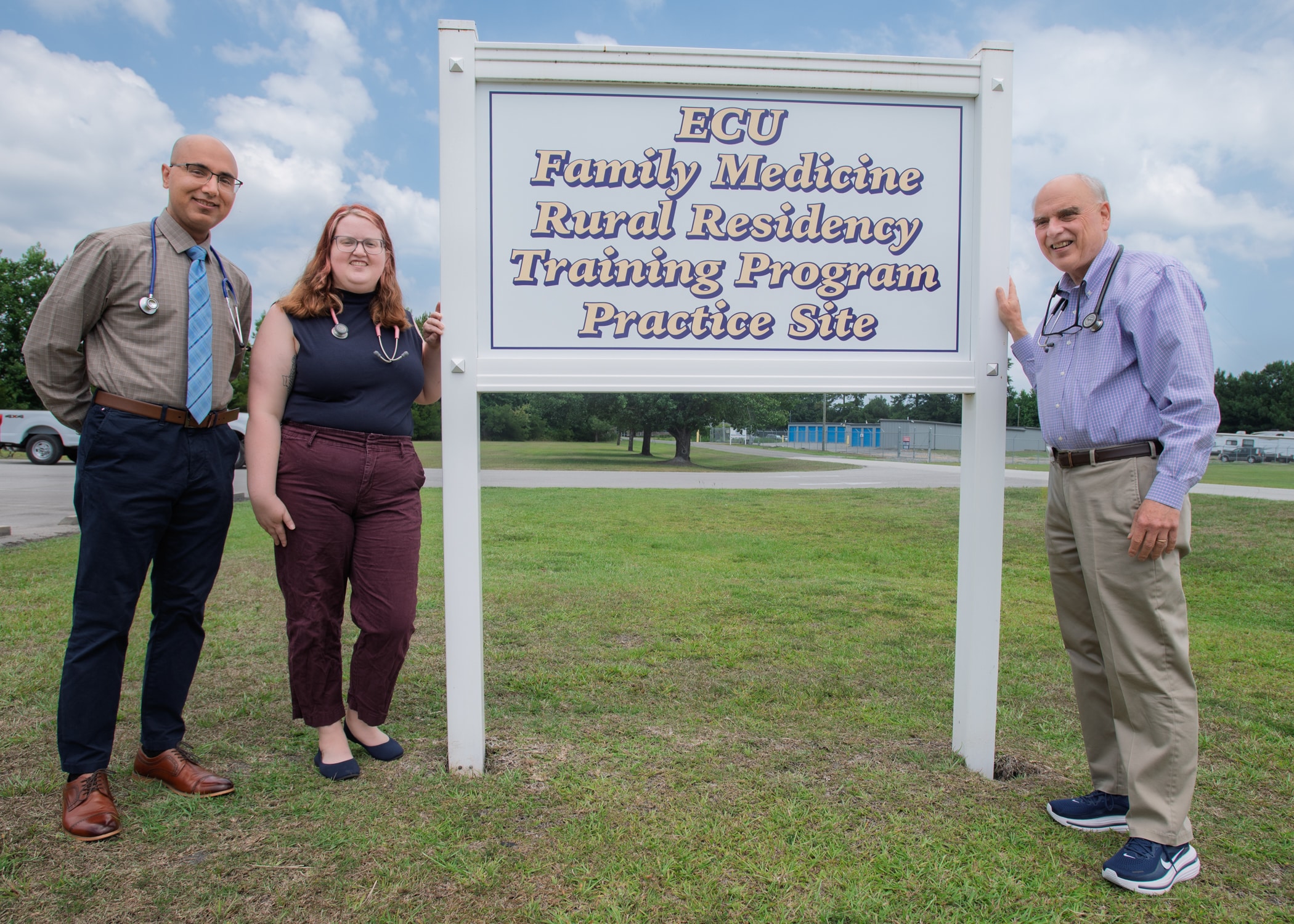
A journey across oceans and continents led Dr. Kanwar Sandhu to ECU Health, where his time in ECU Health’s Rural Family Medicine Residency training program showed him that people make a place special. Now, he’s here to stay.
Dr. Sandhu was born in India and spent his youth in Canada, where he completed his undergraduate studies at the University of British Columbia. He attended medical school at Ross University School of Medicine in Barbados and received clinical training at the University of Miami, Cleveland Clinic Florida, and the University of Michigan. As the time came to explore residency programs, Dr. Sandhu visited rural eastern North Carolina for the first time.
“I had been flying over North Carolina all this time,” Dr. Sandhu said. “I knew ECU Health offered a competitive program. When I actually came here, the people in the health system were lovely, but it was the people I met on the streets who really left an indelible mark.
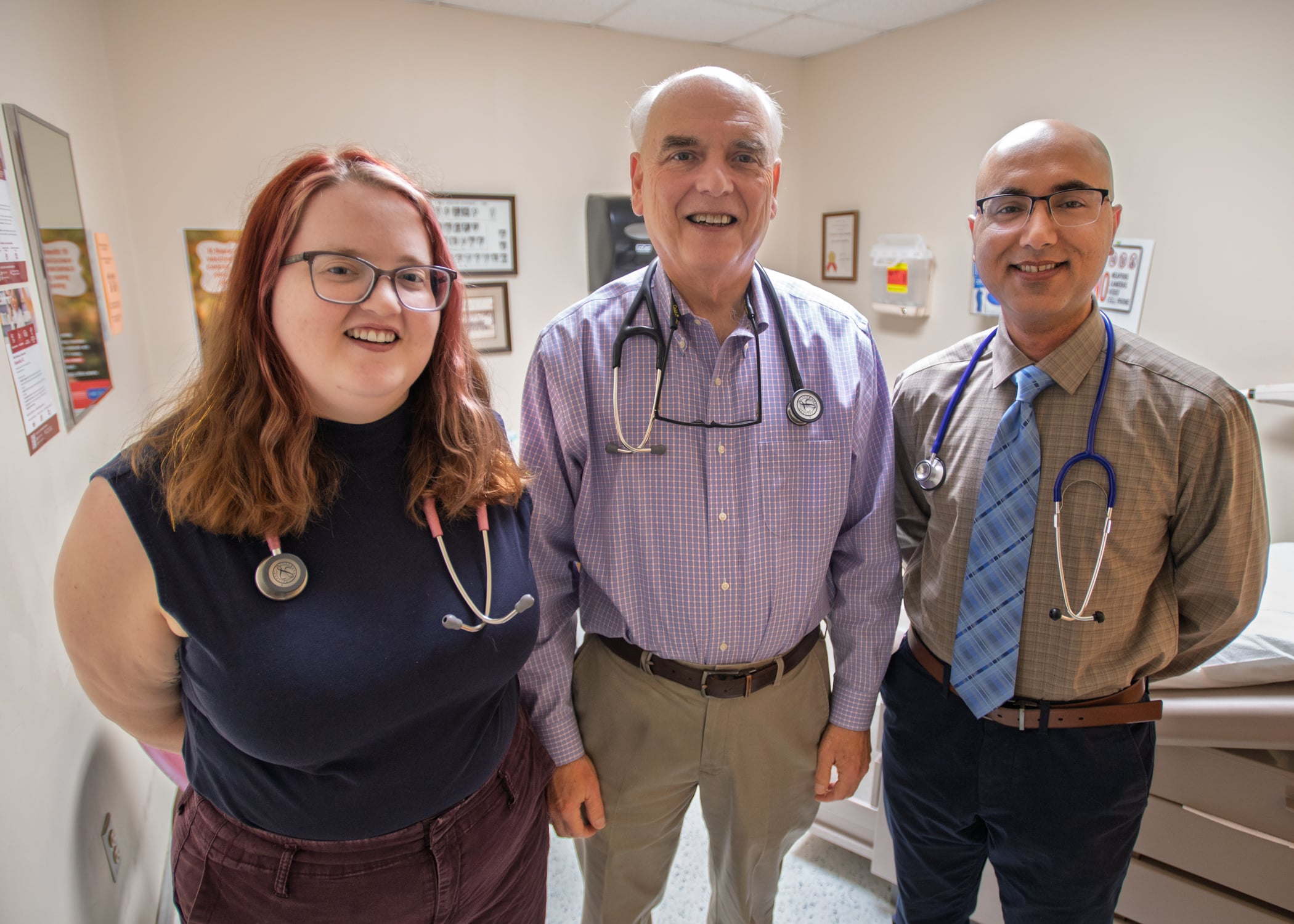
They were so warm and welcoming, it really moved me. I didn’t have the right phrase for it at the time. Now, I know it’s called the southern hospitality.”
A conversation with a cab driver, who told Dr. Sandhu about his granddaughter’s battle with cancer, left a particularly profound impact on the young physician.
“I said some comforting words to him, just what any decent person would say,” Dr. Sandhu said. “When I got out of the cab to get my bags, I remember the driver called to me and said, ‘Sir, I really hope that you would choose to call this place your home.’ I told him that I hoped I would come back. It was a symbolic encounter for me. When I ranked my top choices for residency, my mind just kept returning to that moment and eastern North Carolina.”
Dr. Sandhu has spent the past three years in the Rural Family Medicine Residency Program, where he had a chance to train at ECU Health Medical Center and eventually ECU Health Duplin Hospital in Kenansville. The program, which launched in 2021, exposes residents to the breadth of family medicine to prepare them to provide comprehensive care across a variety of settings. In May ECU Health announced the upcoming launch of new rural residency tracks for Internal Medicine, Surgery, Obstetrics-Gynecology and Pediatrics.
“Our Rural Family Medicine Residency Program provides physicians the opportunity to train under the guidance of experienced mentors and interdisciplinary care teams,” said Dr. Mary Catherine Turner, Associate Dean for Graduate Medical Education at ECU Health. “Our goal is to provide resident physicians with the knowledge, skills, and support they need to thrive in practice and deliver high-quality care to rural communities. Our new rural residency tracks will extend that mission across four additional specialties while strengthening physicians’ understanding of the unique needs of rural patients.”
Dr. Sandhu has had the chance to connect with patients from rural areas and work through an array of complicated medical cases, many of which present themselves in the primary care setting. In rural health care, a diverse skill set is necessary to provide high-quality family medicine. The rural population comprises approximately 20% of the United States total population, but only 10% of physicians practice in these rural areas. North Carolina has the nation’s second largest rural population.
Rural populations, including those in eastern North Carolina, also face higher rates of health care disparities such as heart disease or diabetes along with social determinants of health such as poverty or food and housing insecurity.
“The challenges that face rural health care directly impact our rural communities, and we know we need to reinforce the supply of doctors practicing in these rural settings,” said Dr. Michael Waldrum, ECU Health CEO and dean of the Brody School of Medicine.
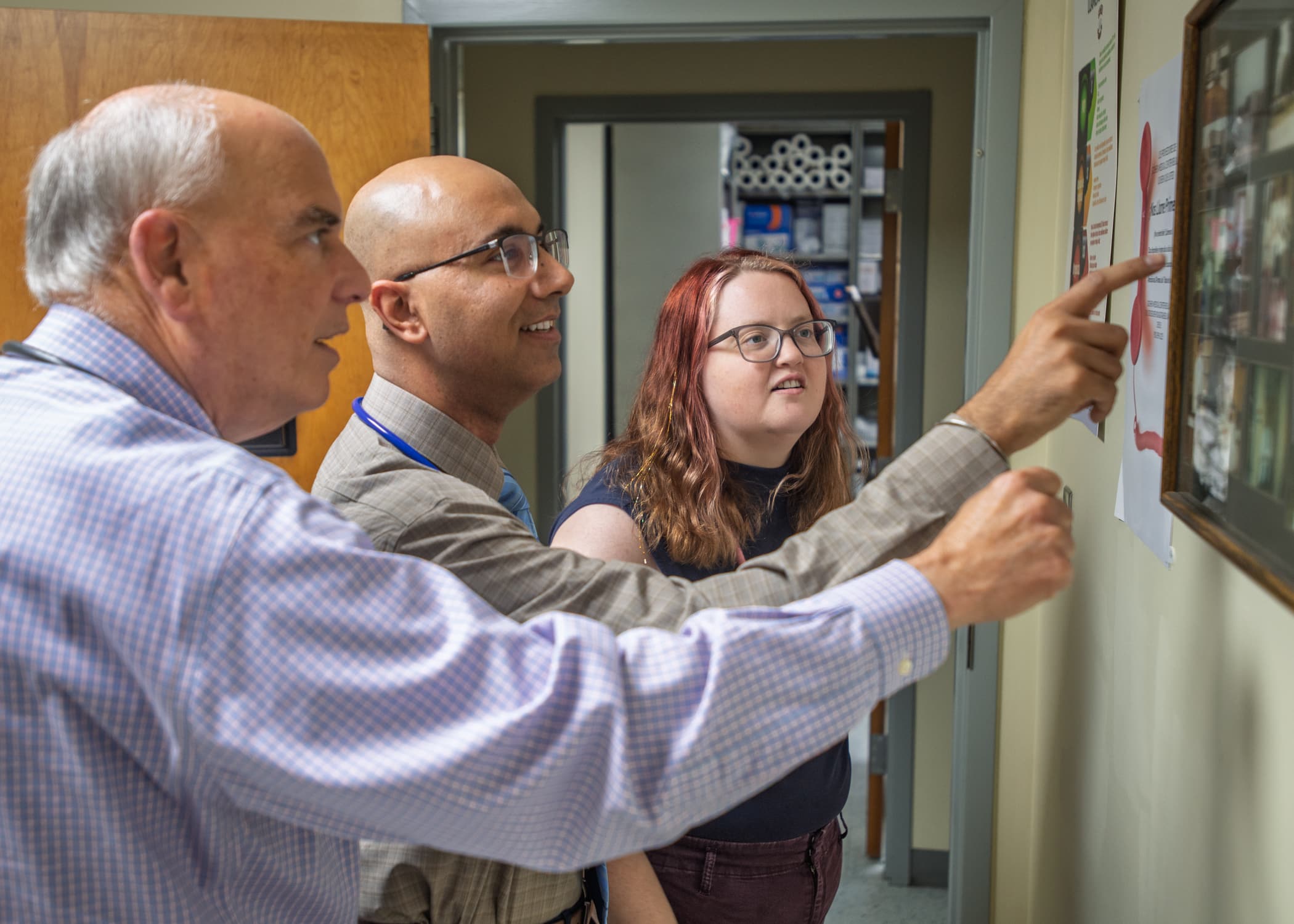
“We know that family medicine residents who spent 50% or more of their training time in rural settings were at least five times more likely to stay and practice in rural settings than ones with no rural training. Experience matters, and rural residency programs are critical to get physicians in rural communities so they can see the incredible impact their presence can make.”
Throughout his residency, Dr. Sandhu found those challenges, and the chance to connect with patients, rewarding — so much so that he will continue to practice medicine at ECU Health Medical Center in Greenville and ECU Health Family Medicine Wallace.
“It was an excellent experience for me,” Dr. Sandhu said. “I had amazing mentors and I have treated a lot of complex patients, but I feel like there’s still so much more to learn. Patients in this ecosystem are very complex, so you need to be very competent with your medical skills while keeping an open mind. You have to meet people where they are, and I have really enjoyed caring for my patients in eastern North Carolina.
“I am what I am because of them. They have been not only my patients, but my teachers. The best part of my day is taking care of them; it gives my life a special meaning. I feel so blessed to do this and I’m just so grateful to be here.”
After connecting so profoundly with the region, his journey in eastern North Carolina is far from over. He invited anyone who felt the same calling to learn and serve to join him.
“Anyone who considers working in these rural spaces should certainly consider humility a strength and keep their minds open to learning new things,” Dr. Sandhu said. “There will be hard days, but you can always count on the people around you for support.”
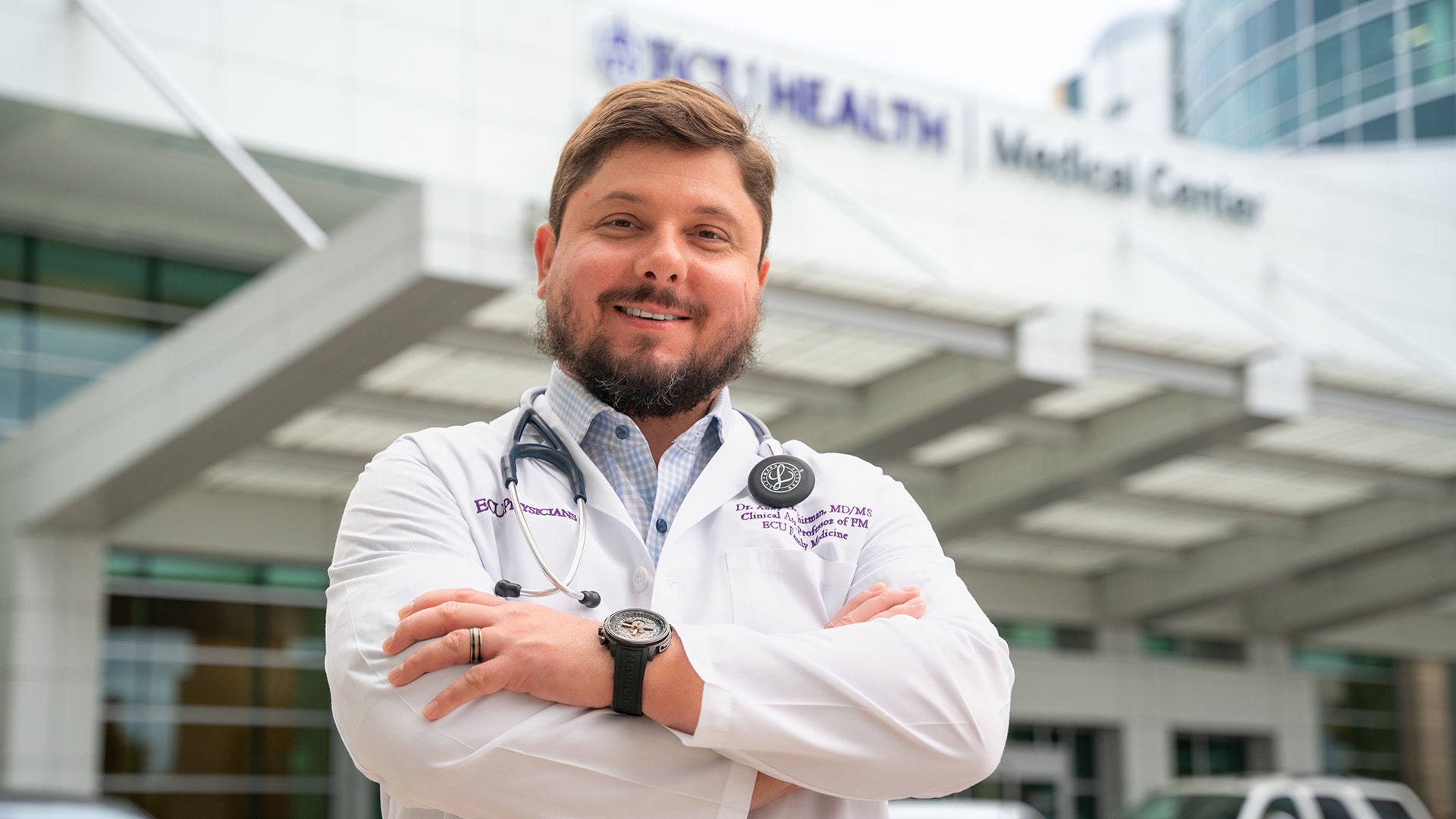
Dr. Audy Whitman wears a few hats: he is the program director for the Rural Family Medicine Residency program at the Brody School of Medicine at East Carolina University; an assistant clinical professor in the Brody School of Medicine’s department of family medicine; and physician at ECU Wound Healing clinic. Balancing multiple roles and responsibilities is nothing new to the eastern North Carolina native, whose resume also includes a stint as a farmer.
“I am from a small town called Seven Springs, N.C. It was and is a farming community,” Dr. Whitman said. “Growing up, I worked on my grandparent’s farm. I worked in chicken houses and hog houses; I’ve cropped tobacco; I’ve driven tractors for harvest.”
It was that hard work, in part, that motivated him to pursue a career in medicine.
“Farming is backbreaking and grueling work,” he said. “There’s no more powerful motivator in the universe to pursue higher education than standing in a tobacco field in later summer, with 99% humidity, no shade and 100-degree temperatures. Your hands are soaked in tobacco gum, and the nicotine is soaking into your skin, so you feel nauseated all the time. I’m not saying it’s not good work to do, but it motivated me to do other things.”
Another inspiration came from his small town’s family physician, Dr. Paul Bennett.
“He was a Med-Peds (internal medicine and pediatrics) doctor by training, but he did everything a family medicine physician would do in a rural community,” Dr. Whitman explained. “He took me under his wing and talked to me about a future career in medicine.”
After high school, Dr. Whitman found himself at East Carolina University where he completed two undergraduate degrees in biology and anthropology and a master’s in cellular biology. Prior to his career in medicine, Dr. Whitman was a regulatory specialist for the North Carolina Department of Agriculture and Consumer Services, in the agency’s Food and Drug Protection division, as well as a contract inspector for the U.S. Department of Agriculture and the U.S. Food and Drug Administration (FDA). In his FDA role, he earned a special citation from the U.S. FDA Commissioner for his work on a nationwide food recall.
“I also worked for the North Carolina Community College System as a pre-health science instructor at Lenoir Community College in Kinston,” he said. “I got tired of my students calling me ‘doctor’ when I hadn’t earned that moniker, so I got serious about the idea of going into medicine. Dr. Bennett told me I should go into family practice, so he helped put me on that trajectory.”
Dr. Whitman attended the Brody School of Medicine, and in 2017, he joined the Department of Family Medicine faculty. In 2020, he was made the program director for the Rural Family Medicine Residency program.
“My detail-oriented work ethic and my ties to rural eastern North Carolina are why I was asked to head up that program,” Dr. Whitman said.
Those ties to eastern North Carolina included experiencing hurricanes that significantly impacted his hometown.
“People not from around here won’t remember hurricanes Fran or Floyd, but I recall vividly that my town flooded very severely over the years from hurricanes, and especially from those two,” he said“I recall sitting on my back deck and realizing our community was an island, and people couldn’t go anywhere.”
He also realized that the elderly and sick had nowhere to go to seek medical care.
“It provided a buy-in for me that we need doctors in these rural communities for events like this when you’re truly isolated and need boots on the ground,” Dr. Whitman said. “That experience played a role in getting the rural program up and running and productive.”
Now, Dr. Whitman is proud of the Rural Family Medicine program’s growth and its impact on rural communities like Seven Springs.
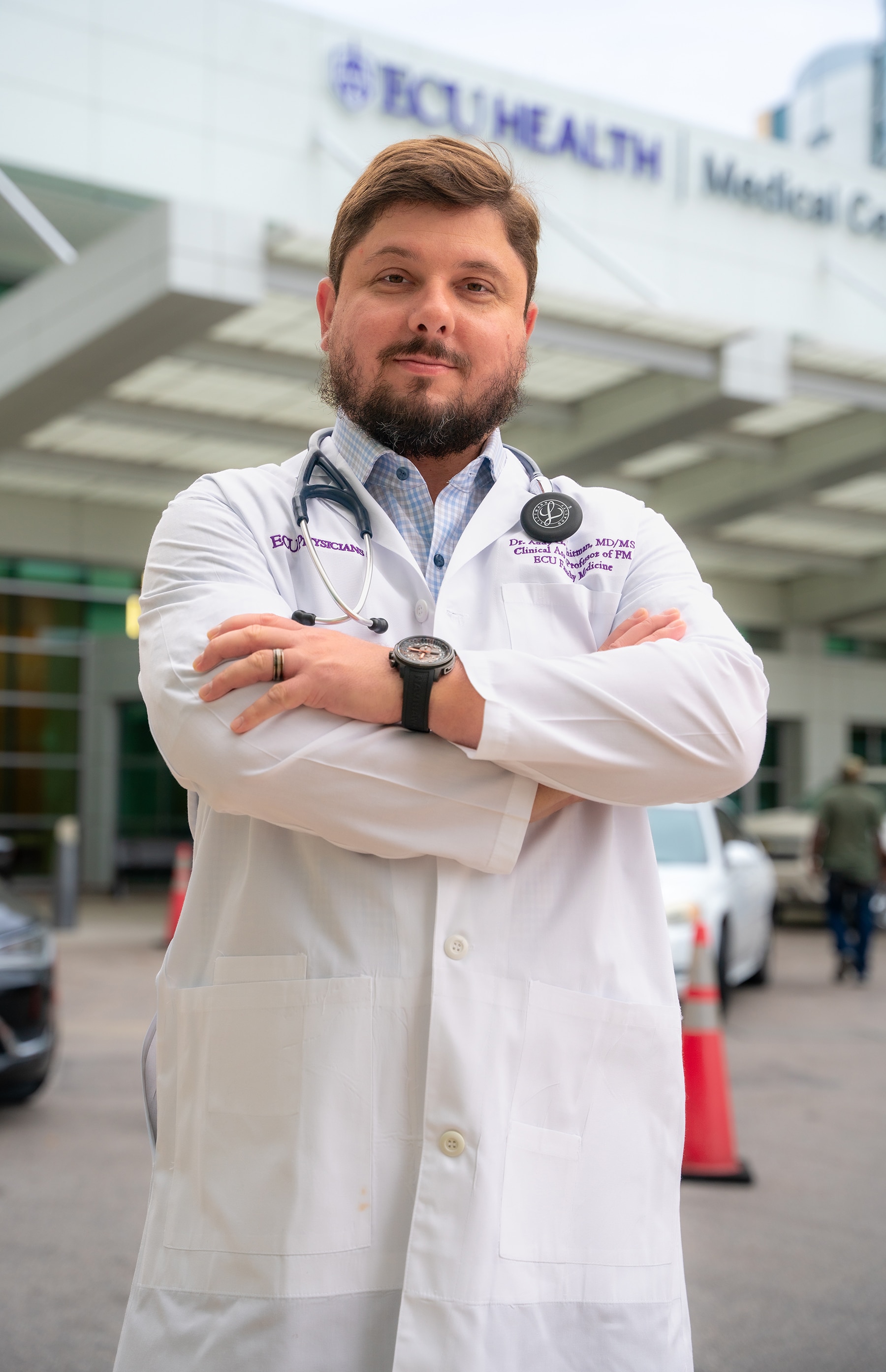
“I help train the next generation of family physicians to care for the people of eastern North Carolina and play an active role in designing systems to address health care disparities in our rural communities,” he said. “It’s fulfilling and rewarding work, and it’s an honor I don’t take lightly.”
Because of his efforts, resident physicians and graduates effect meaningful change across the region.
“When you have a patient come in for a 15-minute appointment, they often have a laundry list of other things to address because this is the one trip to the doctor they get this month,” Dr. Whitman explained. “In these cases, I think about my grandma. How would I want her treated? With these rural program residents, they are taking care of my flesh and blood.”
Without the various roles he’s held over his career, Dr. Whitman said he wouldn’t be the clinician, educator or advocate he is today.
“I’ve had both blue-collar and white-collar jobs. I’ve worked in the unforgiving elements of brutal eastern North Carolina summer heat and in positions where the health and safety of our population were dependent on the actions of me and my colleagues,” he said. “I have worked jobs in which I had the honor to educate and provide eastern North Carolinians the tools to broaden their minds and their career prospects. Through all these experiences, I have gained an appreciation for meeting people where they are and treating people with respect. They have made me who I am and compel me to do the work I do today.”
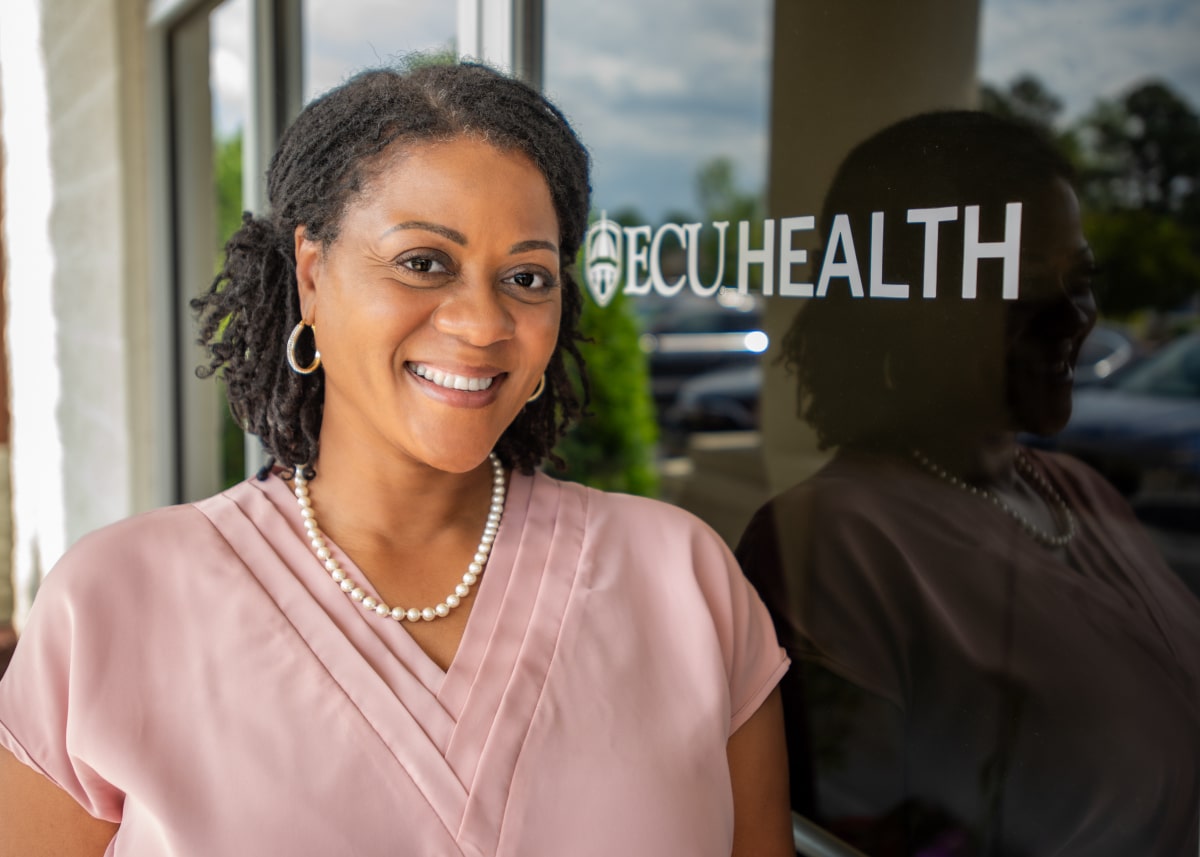
Cheryl Hooks, a family nurse practitioner (FNP), is a Rose Hill native who started her career cutting hair. “For a very long time, about 20 years, I worked as a cosmetologist and I owned my own beauty salon,” Cheryl said.
Things changed for her and her close-knit family when they learned her oldest niece, nine years old at the time, had juvenile, or Type 1, diabetes.
“She got sick and had to go to the hospital, and that’s how they found out she was diabetic,” Cheryl said. “It was very scary because no one really knew what to do or how to help her.”
Cheryl wanted to learn all she could about the illness, including about medications and diet, so she could better support her niece; but in the process, she realized she wanted to advocate for all individuals with health problems. That’s when she decided to become a nurse.
Making the shift to nursing wasn’t easy. “I was older and trying to manage my time. You go from a point where you are your own boss to not having that freedom because you’re in school,” she said.
Still, her desire to take care of people inspired her to keep going. After graduating with her RN from Wake Technical Community College in Raleigh, Hooks worked at ECU Health Duplin Hospital while pursuing her BSN from the University of North Carolina (UNC) at Wilmington. She started her health care career in behavioral health, and later worked in the emergency department, where she realized the need in her community for primary care services. As a result, she went back to school to pursue her doctor of nursing practice degree in family medicine from UNC Chapel Hill, from which she graduated in 2022.
While she sometimes misses her work as a cosmetologist, Cheryl said many of the skills she used in her salon inform the way she works with her patients today.
“Owning a business gave me confidence. I was introverted, but taking care of my clients gave me self-assurance,” Cheryl said. “I treasure the trust between me and my patients, and the skills I used behind the chair trickled down to patient care.”
Cheryl now practices at ECU Health Family Medicine – Kenansville, a multi-specialty family medicine clinic, and she loves her team.
“I am thankful for the people I work with and for the opportunity to work in a rural setting,” she said. “A lot of people have the misconception that in rural areas you don’t get to see as much as in other places, but we do. We get to see many things nurses don’t often get to experience – we have family medicine, orthopedics and cardiology all in the same place. We learn so much because the resources aren’t as vast.” Cheryl also enjoys working near her hometown. “I am not a city girl, and I knew I wanted to work closer to home. Now I get to take care of people in my own community,” she said. “I still get to take care of the ladies who sat in my salon chair; now I make sure they’re healthy.”
For those considering a career change to health care, Cheryl has a few words of wisdom. “I say go for it. If you’re not on the path that’s fulfilling you, take that first step. It’s never too late to do what you are meant to do; there’s no expiration date on your dreams.”
*Since this story’s production, Cheryl Hooks has left the health system.
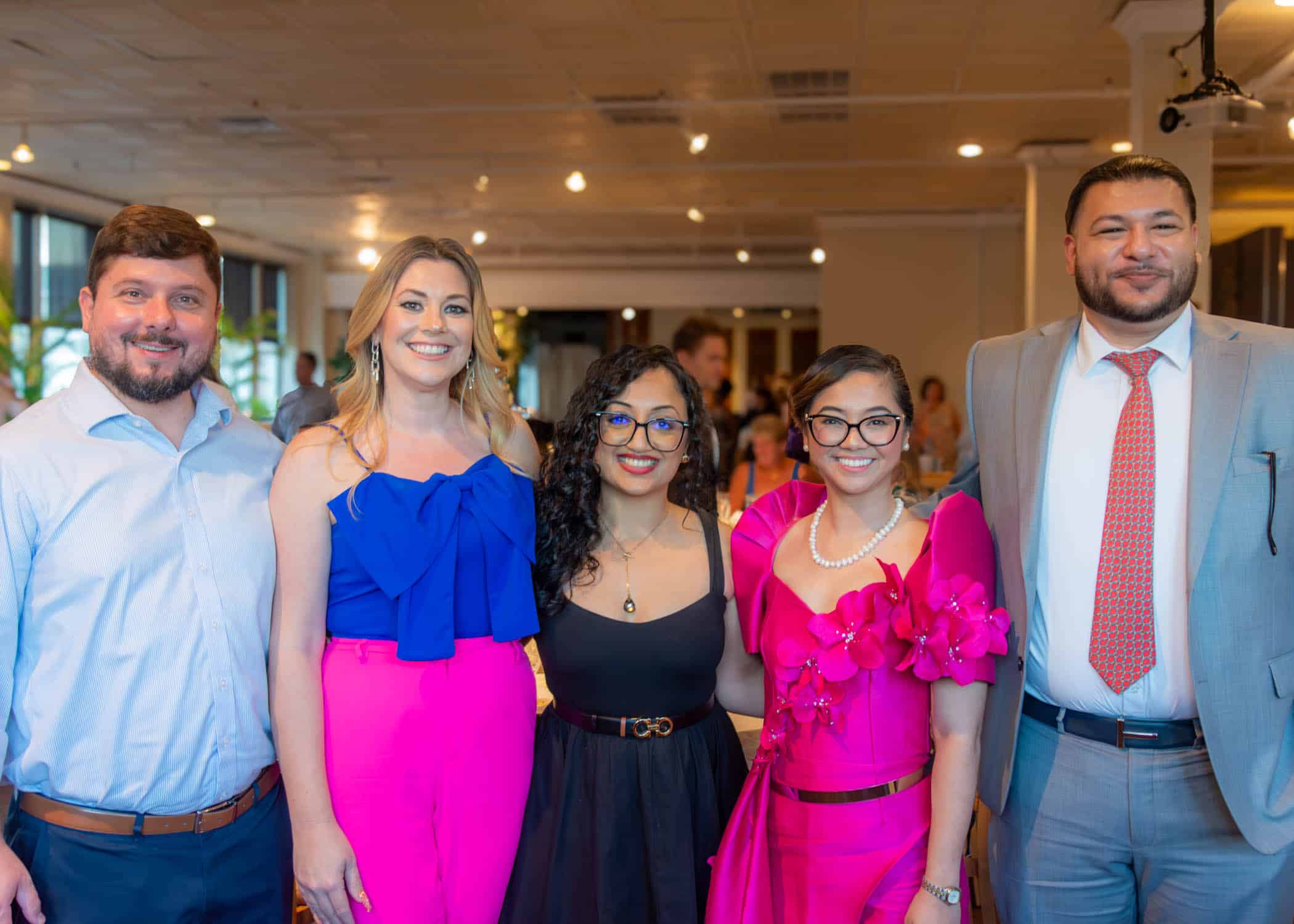
Greenville, N.C. – ECU Health and the Brody School of Medicine at East Carolina University celebrated the graduation of the first ever cohort of resident physicians in the Rural Family Medicine Residency Program on June 30, before officially welcoming the latest class of resident physicians into the newly expanded program July 1, marking two important milestones in a program uniquely designed to help meet the academic rural health mission.
Launched in 2021, the Rural Family Medicine Residency Program provides recent medical school graduates interested in serving as family medicine physicians in rural communities first-hand experience in caring for patients in the kind of under-served settings they plan to practice in upon completion of their residency training.
The inaugural class of Rural Family Medicine Residency Program graduates and their plans for practicing are as follows:
- Dr. Jim Jaralene Porquez will start a new family medicine outpatient practice located in the ECU Health Multispecialty Clinic – Kenansville and provide hospitalist coverage at ECU Health Duplin Hospital.
- Dr. Zeel Shah will serve as a hospitalist at ECU Health Beaufort Hospital and will also provide precepting to resident physicians at Roanoke Chowan Community Health Center.
- Dr. Raza Syed will join a sports medicine fellowship program in Spokane, Washington, with plans to return to North Carolina after his one-year fellowship commitment to start practice.
- Dr. Amy White Jones will move to rural western Minnesota to practice outpatient medicine at Sanford Health System.
“I could not be more proud of the four inaugural graduates from the ECU Health Rural Family Medicine Residency Program, who have all embraced the rural mission and helped pioneer this important program,” said Dr. Audy Whitman, program director of the Rural Family Medicine Residency Program. “Each of these physicians have a passion for serving rural communities and have embraced the challenge of providing care in areas where their services are critically needed. Their unique training has given them a unique understanding of how to deliver high-quality primary care in rural environments and I take immense pride in knowing they will have an incredible impact in the communities in which they will soon practice.”
Despite rural communities representing nearly 20% of the U.S. population, only 10% of U.S. physicians practice in rural areas. The ECU Health Rural Family Medicine Residency Program aims to increase the number of physicians practicing in rural America, especially eastern North Carolina. Studies show that family medicine resident physicians who spent 50% or more of their training time in rural settings were at least five times more likely than resident physicians with no rural training to practice in a rural setting.
The program exposes resident physicians to the breadth of family medicine — in both an academic medical center environment and in rural environments — so they are well-prepared to provide comprehensive care in a variety of practice settings. The resident physicians spend a majority of their first year of training at ECU Health Medical Center in Greenville before spending the next two years training at a regional location where they build connections with their patients and become integrated into the communities they serve.
The Rural Family Medicine Residency Program also received recent approval from the Accreditation Council for Graduate Medical Education to expand its class size and add an additional training site location, bringing the program to nine residents per class across three sites: in Ahoskie at the Roanoke Chowan Community Health Center and ECU Health Roanoke-Chowan Hospital; in Duplin County at Goshen Medical Center in Beulaville and ECU Health Duplin Hospital in Kenansville; and in Roanoke Rapids at Rural Health Group Halifax Medical Specialists and ECU Health North Hospital, which is the newest training site in the program.
The newest Rural Family Medicine Residency Program class includes:
- Dr. Flora Danquah, Ahoskie Site
- Dr. Danh Pham, Ahoskie Site
- Dr. Saima Shawl, Ahoskie Site
- Dr. Andre Mancheno-Rubio, Duplin Site
- Dr. Shelley Matthews, Duplin Site
- Dr. Jaya Purathur, Duplin site
- Dr. Tanweer Hoosen, Roanoke Rapids Site
- Dr. Tobi Okafor, Roanoke Rapids Site
- Dr. Joy Onyeanuna, Roanoke Rapids Site
“This is an exciting time at ECU Health and the Brody School of Medicine as we are truly charting the future of rural academic health care in the spirit of the shared mission to improve the health and well-being of eastern North Carolina,” said Dr. Michael Waldrum, CEO of ECU Health and dean of Brody. “When resident physicians practice and train in rural communities, they develop an intimate appreciation for the importance of rural health care. The program’s continued growth is a testament to all who have worked hard to make the Rural Family Medicine Residency Program a reality and it is humbling to know our organization is making a profound impact on rural communities through these innovative efforts.”
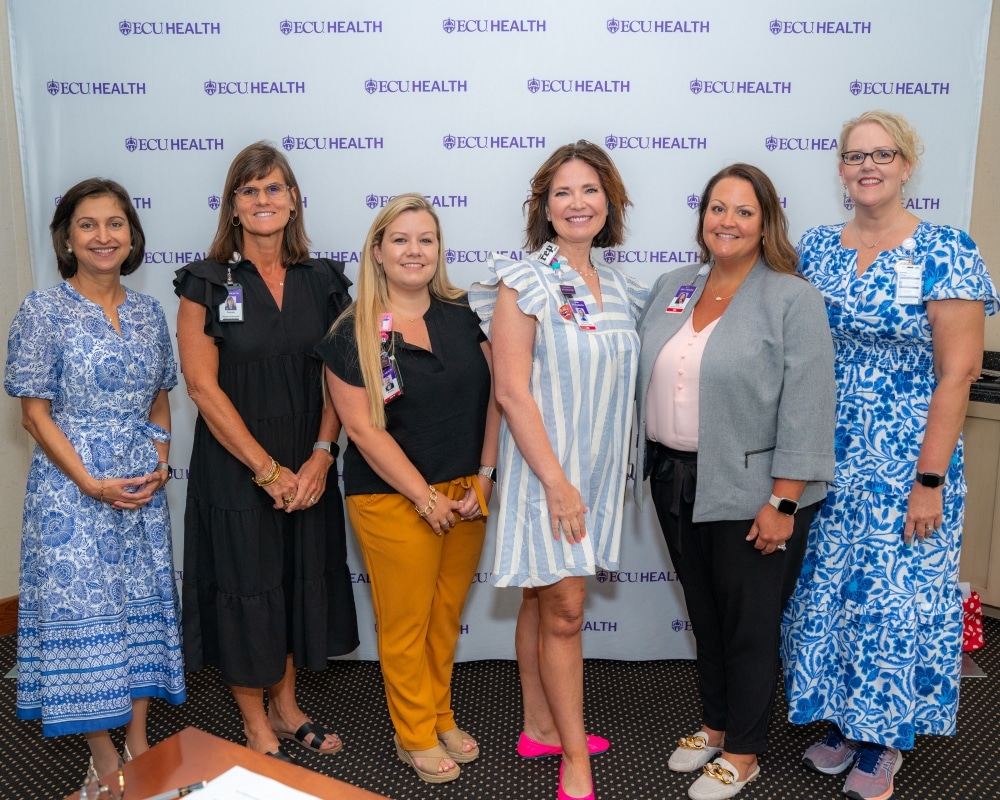
Greenville, N.C. – The 2024 ECU Health Board Quality Leadership Award winners were recognized by the ECU Health Board of Directors June 25, 2024. These winning teams are a representation of excellent work across the system that drives the quality goal of zero harm, creates exceptional experiences and improves patient outcomes. Numerous nominations were reviewed by the committee, and the winning team are as follows:
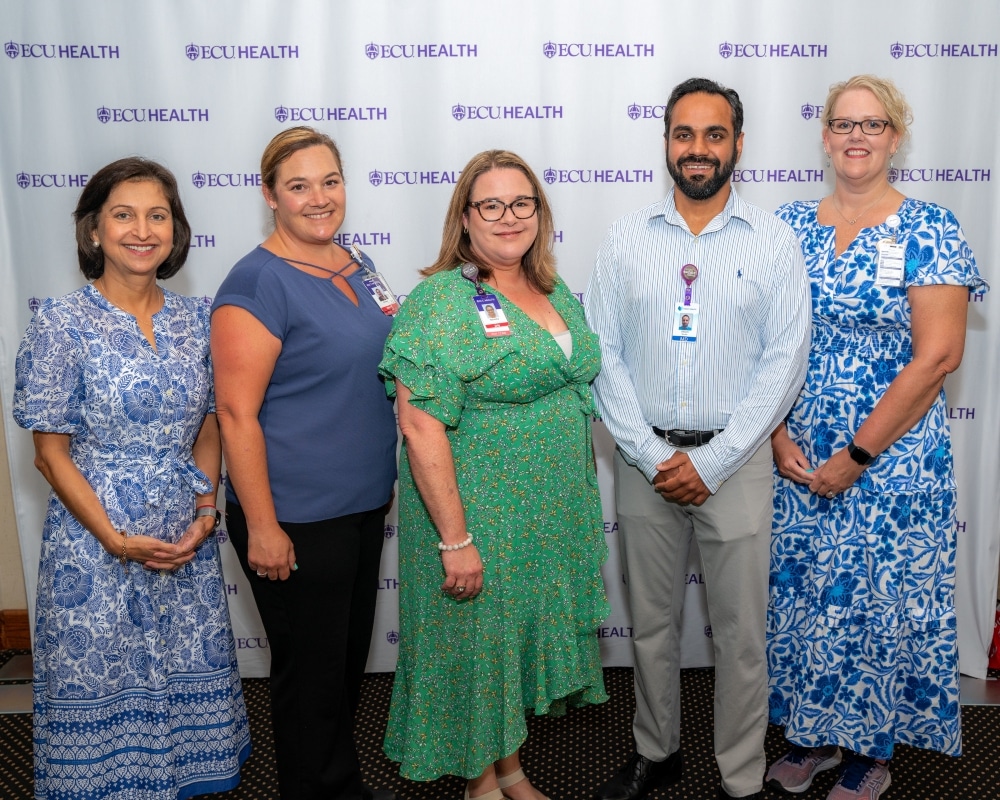
ECU Health Medical Center – Cutting CAUTIs in the Neurosciences ICU: A Collaborative Approach. The project leaders were: Natasha Drake, BSN, RN, CCRN – NSICU Nurse Manager, Vikram Bhinder, MD – NSICU Medical Director and Aimee Dunn, BSN, RN, CCRN, SCRN – NSICU Staff Nurse IV. The team members were: Sarah James, BSN, RN, CCRN – NSICU Assistant Nurse Manager, Morgan McGraw, BSN, RN – NSICU CAUTI Representative and Erin Pearson, BSN, RN – ECU Health Medical Center Office of Quality.
ECU Health Chowan Hospital – Catheter Associated Urinary Tract Infection (CAUTI) Prevention in the Inpatient Setting. The project leaders were: Courtnay Hale, BSN, RN – Manager of ICU/MedSurge, Dana Byrum, DNP – Vice President, Patient Care Services and Matthew Rapp, MD – Hospitalist Director and Beverly Venters, MSN – Quality Director. The team members were: Brittany Proctor, BSN, RN, Pam Ward, ICP, Katie Hall, QNSIII.

ECU Health Ambulatory – ECU Health Bertie – Family Medicine, Windsor – Improving Diabetes Management in the Ambulatory Setting. The project leaders were: Kristin Woodard, MSN, RN – Education Nurse Specialist, Phillip Harris, MD and Kelsey Gurganus, MSN, RN – Manager of Family Medicine, Windsor. The team members were: Erica Ford, PA, Teddie Gore, NP, Jesse Ann Hamilton, NP and all staff of Family Medicine, Windsor.
To receive this honor, team members submitted projects that demonstrated at least two of the following requirements:
- Quantifiable improvement in an organizational quality priority with sustained excellence over time
- Demonstration of empathy and compassion in patient care
- Implementation of innovative solutions to patient care problems
- Community outreach that addresses the social determinants of health in a meaningful way
“We are proud of our teams who dedicate themselves to improving patient care in eastern North Carolina,” said Robert Greczyn, chair, ECU Health Board of Directors. “The Board Quality Leadership Awards symbolize the excellence and compassion our team members demonstrate every single day as they care for our patients across our region. On behalf of the Board, we are grateful to all ECU Health team members for their tireless efforts in delivering excellence in rural care and helping us meet our mission to improve the health and well-being of the region.”
![Pictured Tess Judge, Outer Banks Health board chair, Lynne Miles, FACHE, administrator of regional operations, Walter Holton, MD [retired], Barbara Holton, and Ronnie Sloan, FACHE, president.](https://www.ecuhealth.org/wp-content/uploads/2024/03/Manteo_Primary_Care_Groundbreaking_Expansion-900x600-1.jpg)
Manteo, NC – March 21, 2024 – Outer Banks Health celebrated a significant milestone on March 19 as it broke ground for the expansion of its Family Medicine practice in Manteo. The groundbreaking ceremony was a momentous occasion coinciding with the 22nd anniversary of the opening of The Outer Banks Health Hospital on March 19, 2002.
The expansion project aims to double the size of the existing building, creating a 7,500-square-foot facility dedicated to providing primary care services to the community. With more than 16,000 primary care patients currently served by Outer Banks Health, the Manteo practice stands as the second largest in Dare County, with 3,600 patients, second only to the organization’s primary care practice in Kitty Hawk.
Ronnie Sloan, FACHE, president of Outer Banks Health, expressed gratitude for the opportunity to enhance health care services in Dare County, stating, “We have been fortunate enough over the last year and a half or so to recruit six additional providers to Dare County for primary care.”
Sloan also highlighted the visionary leadership of Walter Holton, MD, one of the first full-time physicians in Dare County.
“You know, at the end of the day, we couldn’t do any of this without this man here, this physician, Dr. Holton, who came here in 1974 and worked here for 40-plus years and then turned over the reins,” Sloan said. “He had this vision himself. I’ve seen it on paper, to expand this clinic one day.”
The new building’s entrance will face the highway, and is being built to enhance accessibility for individuals with physical disabilities, a crucial aspect of Outer Banks Health’s dedication to ensuring access to care for all members of the community.
Outer Banks Health remains steadfast in its commitment to the community. The expansion of the Family Medicine practice in Manteo along with the recent opening of the state-of-the-art Cowell Cancer Center, reflects Outer Banks Health’s ongoing commitment to advancing health care delivery and meeting the evolving needs of the residents and visitors of Dare County and the surrounding region.
For more information about Outer Banks Health and its services, please visit www.outerbankshealth.org. To find a primary care provider, call the Primary Care Access line at 252-449-4540.