
Research at East Carolina University is shedding light on how patients with cardiac implantable electronic devices (CIEDs) recover physically in the months following surgery, and specifically, tracks a surprising early plateau in activity levels.
The findings were published this year in the Journal of Cardiopulmonary Rehabilitation and Prevention.
The study analyzed data from 294 patients and found that while activity increases steadily after implant surgery initially, it levels off after about two months and remains unchanged for the next four.
Clinical health psychology doctoral candidate Elizabeth Jordan, the study’s first author, says the project began as a deep curiosity about how patients in different places and with different resources and backgrounds regain mobility after receiving a life‑saving device.
“I became involved with this study as my master’s thesis, when I developed an interest in physical activity patterns in CIED patients, particularly the period immediately following implantation,” Jordan said. “These devices contain accelerometers, which give us a wealth of objective activity data. That opened the door for me to really explore my research interests.”
Working alongside Dr. Samuel Sears, a psychologist known nationally and internationally for his work with cardiac device patients, Jordan helped design a study that captured 180 days of physical activity for each patient. The findings revealed that patients showed the most dramatic increase in movement between the first and second month post‑implantation. After that, a profound and unsatisfactory plateau set in for a statistically significant number of the patients studied.
According to Sears, this plateau highlights a critical moment in recovery.
“Clinically, we’ve always known patients have to restrict movement in the first several weeks to protect the implanted leads,” Sears said. “What this study shows is that the habits formed during that period might persist long after restrictions are lifted. The two‑month point may be a key moment for re‑engaging patients and helping them rebuild an active lifestyle.”
ECU’s Research Sample — From the East, For the East
The research sample reflected the demographics of the university’s largely rural region. Two thirds of patients studied live in rural communities, and 52% identify as Black, two demographic populations often underrepresented in cardiac device research.
Jordan said that seeing those numbers was one of the most striking parts of her work.
“Understanding physical activity in these groups is critically important because they face higher burdens of chronic illness and more limited access to specialty care,” she said.
Maeve Sargeant, another doctoral student who supported the analyses for the research, said what deserves special attention is the real-world data.
“Device-based activity data gives us a good look into how patients are really functioning in their daily lives,” Sargeant said. “Analyzing these patterns alongside the realities of work, caregiving and other responsibilities helps contextualize what recovery actually looks like for these patients.”
Different Hometowns, Different Outcomes
One remaining methodological challenge is that while CIED technology offers rich data into patient movement, it does not distinguish the intensity or type of activity.
Still, the findings point to a therapeutic direction for clinical psychologists, Sears said.
“These devices are with patients 24/7,” he said. “With a study like this, we have the research backing we need to leverage new data collected to better tailor rehab programs, and do so with limited patient facetime. We can identify struggling patients and improve long‑term outcomes.”
Jordan hopes to build on this work as she continues her doctoral training.
“If I could continue with this line of research, I’d like to examine differences in activity outcomes across geographical areas,” she said. “Comparing long‑term engagement and health outcomes between clinics across the United States could tell us so much about how environment and location shapes recovery.”
Jordan, who earned her undergraduate degrees in psychology and human development and family studies from the University of North Carolina at Chapel Hill, plans to graduate with her doctorate in 2028. Her long‑term goal is to stay close to the populations highlighted in the study.
“In the future, I hope to continue providing psychological care to patients with chronic illness or those facing health disparities,” she said. “This research has only strengthened that commitment.”
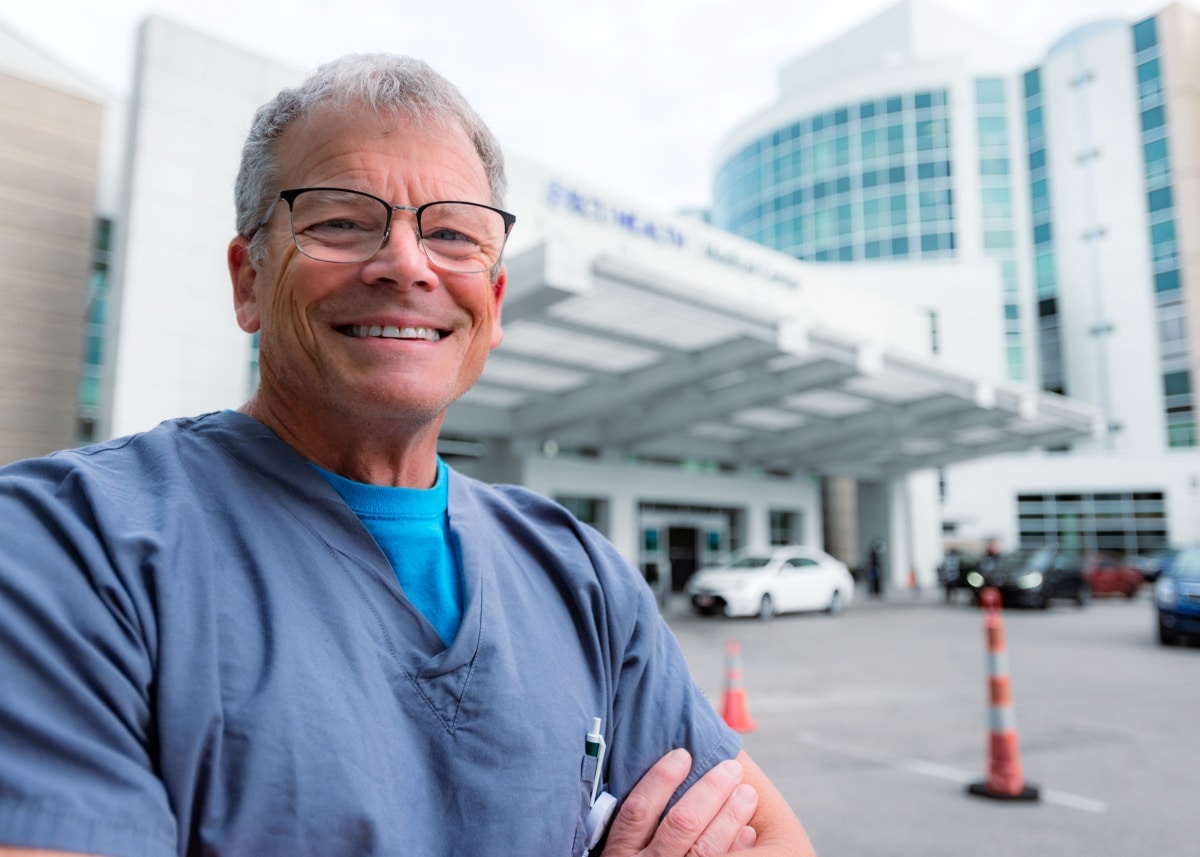
It was a quiet day in the cardiology clinic when the echocardiogram technician at ECU Health Beaufort Hospital asked Michael Joyner, a nurse practitioner, for a favor.
“My schedule wasn’t full because I had only been working at that location for about a month, and the echocardiogram tech had a student,” Joyner said. “Their patient didn’t show up, so she asked if her student could practice using the equipment on me.”
When the student viewed Joyner’s heart, however, something unexpected showed up.
“I knew I had a heart murmur, but the technician looked concerned and took over the scan. Turns out my aortic root was dilated to more than twice its normal size,” he said.
The aortic root is where the aorta, the largest blood vessel in the body, is closest to the heart. A dilation, otherwise known as an aneurysm, is potentially life threatening.
“When you research aortic aneurysms, one of the first things you read is that the first symptom is often sudden death,” Joyner said. “They’re often asymptomatic, but if it ruptures, usually the only thing people can do for you is hold a funeral service.”
Help was only a call away
After the scan, Joyner spoke with a cardiologist immediately. It helped that he knew trusted team members from across the system.
“I asked one of my former students and a nurse practitioner, Brooke Kostok, if her colleague, Dr. Ben Degner, could look at my echocardiogram,” Joyner said. “He called me personally that afternoon and spent 20 minutes on the phone outlining what he thought about it and his recommended next steps. He didn’t have to do that.”
After a computerized tomography (CT) scan and an official diagnosis, which showed the amount of dilation was borderline, Michael and his physicians opted for a watch and wait approach.
“I had a new grandson on the way, and I didn’t want to be recovering from surgery during that time,” he said.
A repeat echocardiogram in the fall of 2025 showed the dilation had grown by a small amount. Joyner decided it was time to have surgery, and on Oct. 21, he underwent an aortic root replacement with aortic valve replacement and reimplantation of the coronary arteries – also known as the Bentall procedure.
“It was a long surgery, and I was lucky to have a network of people I could rely on for support, including Chris Baxter, a certified registered nurse anesthetist (CRNA), who was with me during the surgery,” Joyner said. “I wanted him at the head of the bed during my surgery because I had full confidence in him.”
Other colleagues provided support during the surgery by placing a PICC line or being present and supportive for Joyner’s wife, Gwin, and their son.
Recovery went well until day three, when Joyner experienced some post-operative atrial fibrillation – a not uncommon event after this type of surgery. Another former student, D.J. Smith, ACNP on the CVICU, helped restore Michael’s normal heart rhythm.
After seven days in the hospital, Joyner went home, but six weeks later, a post-operative CT scan showed some leakage at the site where an intraoperative cannula had been placed. He needed another surgery in December 2025.
Looking forward to the future
Taking nearly four months off work and undergoing two surgeries has been tough, but now Joyner is feeling better every day.
“It’s difficult to reconcile that you need surgery when you feel healthy. And when you work in health care, you know what could go wrong,” he said. “To have two surgeries – to have your chest opened twice – that’s a difficult recovery.”
Despite the mental and physical challenges, Joyner is clear about his perspective of gratitude.
“I don’t believe in coincidence,” he said. “So many things had to happen to get me where I am. I had to find out about the job at Beaufort – because I wasn’t looking for a new role – and then get the job. I had to be in the clinic that day and not have a patient. The echocardiogram tech had to have a student and a patient cancellation. It was a series of events coordinated by God.”
Joyner is scheduled to return to work in March, and he’s thankful to all the people who played a role in his diagnosis and recovery – especially his wife.
“Gwin is also a nurse at the hospital, but during this time she was my personal nurse and physical therapist,” Joyner said. “I’m fortunate to work in a profession where I was in the right spot at the right time, and to have a whole network of people I can call. That’s made the difference for me.”

Harmony Ward is a first-year undergraduate student at East Carolina University with a lifelong dream of one day becoming a nurse. It is a dream she almost had to put on pause as she instead found herself needing the very care she always hoped to provide.
Ward was just 17 years old when she started experiencing symptoms like dizziness and headaches. Then, her care team informed her of a terrifying discovery: a large tumor in her chest, wrapped around vital blood vessels near her spine and neck.
“I wasn’t really having symptoms from feeling the tumor,” Ward said. “I was having symptoms for another medical thing I have going on, which was diagnosed as multiple sclerosis (MS). I had an MRI done as part of my MS diagnosis, and that’s where they found the tumor.”
The diagnosis came as a shock. Not only was Ward grappling with MS, but she now faced a complex and potentially dangerous mass.
Dr. Robert Allman, a cardiothoracic surgeon at ECU Health and assistant professor of thoracic and foregut surgery at the Brody School of Medicine at ECU, was called in to evaluate the case. According to Dr. Allman, the tumor was a large mediastinal mass that extended into her neck and was wrapped around her subclavian artery. These tumors are rare and affect less than one percent of the population.
“Traditionally, removing something like that would require a very invasive surgery like splitting the breastbone, maybe even breaking the clavicle,” said Dr. Allman.
However, thanks to ECU Health’s advanced robotic surgery program, Dr. Allman was able to perform the procedure using minimally invasive robotic surgery.
“Harmony essentially just had to have four small incisions through her rib spaces because of the minimally invasive approach,” Dr. Allman said. “She was able to leave the hospital in two days. The pain benefit is enormous, and the recovery time and infection risks are significantly reduced.”
The timing could not have been more critical. Ward was just a month away from her high school graduation – a milestone she feared she might miss.
“I was very worried at first that I wouldn’t be able to make it to graduation,” she said. “But they said I would be healed in time. I actually got my stitches removed the day of my graduation so I could put on my dress and everything. It was a very emotional time.”
Dr. Allman remembers Ward not just for her medical case, but for her character.
“She’s very kind, very smart, very hardworking,” he said. “She really put her trust in us. We took our time to make sure she understood everything, and I’m just really happy we were able to help her this way. It allows her to pursue what she wants to do now.”
For Ward, the experience was both terrifying and transformative.
“This was the first time I’ve ever been in a hospital or had any surgeries, so it was very scary,” she said. “All of my medical problems hit me at once. I was going through the MS diagnosis and the tumor at the same time. I was just very worried, but Dr. Allman and his nurses, his team and my neurologist dealing with my MS were all very helpful and supportive and very calming.”
As Ward embarks on her journey toward one day becoming the nurse she’s always dreamed of, it is the perspective she gained as a patient that will guide her.
“I’ve always wanted to be a nurse to be able to help and take care of people,” said Ward. “This experience gave me a new perspective I can bring with me.”
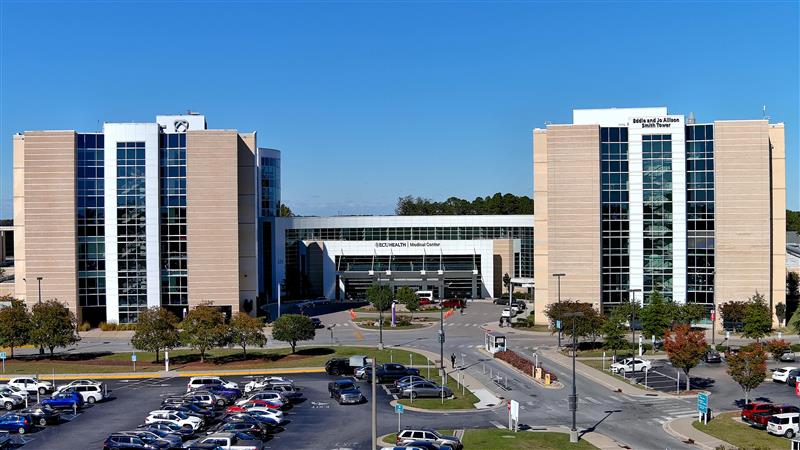
Greenville, N.C – ECU Health’s East Carolina Heart Institute (ECHI) has earned four 3-star ratings, the highest rating possible, from the Society of Thoracic Surgeons (STS) for excellence in adult cardiac surgery. Based on outcomes from January 2022 through December 2024, these ratings place ECU Health among the leading cardiac surgery programs in the U.S. and Canada.
The STS star rating system is widely considered one of the most reliable tools for evaluating cardiothoracic surgical outcomes. Ratings are determined from the STS Adult Cardiac Surgery Database (ACSD), which assesses clinical outcomes, risk-adjusted performance, and adherence to evidence-based care standards.
Each recognition is based on voluntarily submitted data to the STS National Database, established in 1989 to improve patient safety and surgical outcomes. The database now includes more than 10 million surgical records from over 6,000 physicians and captures over 95% of adult cardiac surgeries performed in the U.S.
“Achieving top-tier ratings across multiple procedure categories speaks not only to the expertise of our team members but also to our ability to bring high-quality cardiac care to the 1.4 million people who call eastern North Carolina home,” said Dr. Michael Bates, professor and chief for the division of cardiac surgery at ECU Health and the Brody School of Medicine at East Carolina University. “These exceptional results support the trust our patients place in us and are a reflection of our commitment to earning that trust every case, every day.”
The 3-star ratings are in the following categories:
Coronary Artery Bypass Graft (CABG)
Coronary artery bypass grafting (CABG) is a procedure designed to improve blood flow to the heart by bypassing blocked arteries. ECU Health ranks in the top 20 percent of programs nationwide in this category. This marks the fifth consecutive year ECU Health has earned the 3-star rating, reflecting exceptional performance dating back to 2017. Historically, only 21 percent of participants achieve this top-tier rating. ECU Health performs an average of 500 CABGs per year.
Aortic Valve Replacement + CABG
Combining aortic valve replacement (AVR) with CABG involves treating both valve disease and coronary artery blockages in a single operation. This dual procedure is highly complex and requires extensive expertise. ECU Health’s program is recognized in the top 7 percent of centers nationwide for this category, a distinction typically earned by just 5 percent of participating institutions. The rating highlights the team’s precision, coordination, and skill in managing multifaceted cardiac cases. ECU Health performs about 40 Aortic Valve Replacement + CABG per year.
Mitral Valve Repair or Replacement (MVRR)
ECU Health earned its first 3-star rating for mitral valve repair or replacement, moving up from a previous 2-star designation. This improvement underscores significant advancements in surgical outcomes and patient care. ECU Health performs an average of 60 MVRRs per year. Only 11 percent of programs nationwide receive 3 stars in this category, making this achievement particularly notable.
Multiprocedural Composite Score
The STS introduced a new multiprocedural composite score this year evaluating outcomes across a range of cardiac surgeries, including CABG, AVR, MVRR and various combinations. ECU Health earned a 3-star rating in this category as well, placing it in the top 28 percent of participating programs. The rating reflects institutional excellence, consistency and a commitment to delivering high-quality care across a broad surgical spectrum.
ECHI is dedicated to advancing cardiovascular health through education, research, treatment, and prevention. ECHI brings together expert physicians and professional staff to deliver comprehensive, high-quality care for both adults and children. Utilizing state-of-the-art technology and techniques, ECHI addresses a wide spectrum of cardiovascular conditions from common risk factors to rare and complex diseases. Services span prevention, diagnosis and surgical interventions, followed by rehabilitation and patient education. By integrating basic science, clinical research, and hands-on medical practice, ECHI ensures each patient receives the most advanced and personalized treatment available.
“These recognitions affirm ECU Health’s commitment to creating a national model for academic rural health care – one that brings world-class, highly-specialized services directly to the communities that need them most,” said Dr. Michael Waldrum, CEO of ECU Health and dean of the Brody School of Medicine at East Carolina University. “Eastern North Carolina faces high rates of chronic heart disease, and our cardiac surgery program exemplifies how advanced care can be delivered close to home. We are proud to lead the way in transforming rural health through innovation and collaboration.”

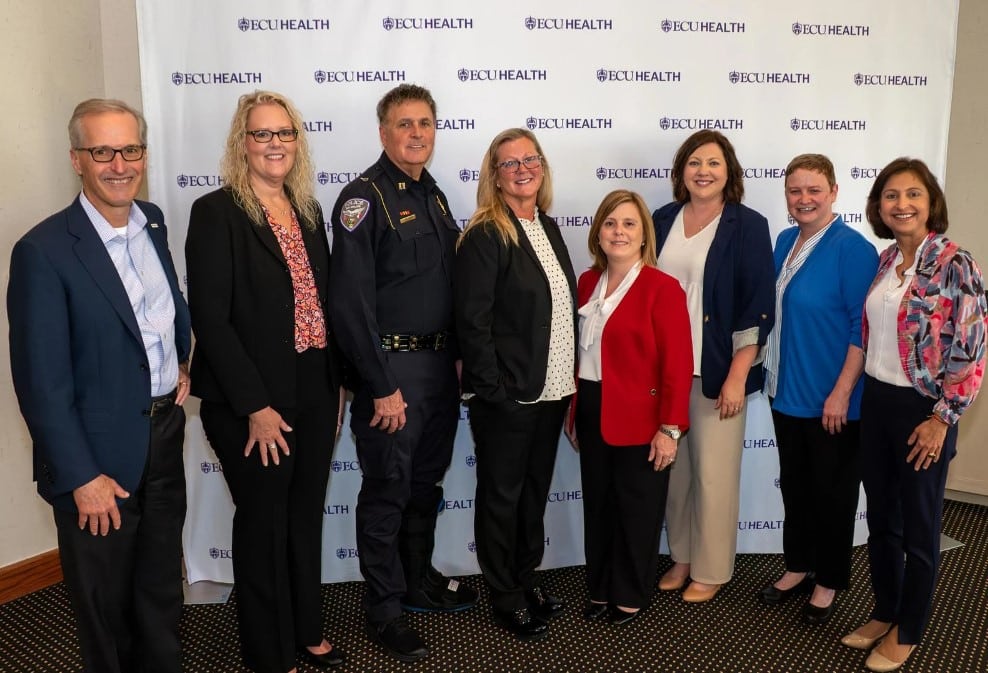
Greenville, N.C. – The 2025 ECU Health Board Quality Leadership Award winners were recognized at the ECU Health Board of Directors meeting held on Tuesday, June 24. These winning teams exemplify ECU Health’s system-wide commitment to achieving zero harm, delivering exceptional experiences and advancing patient outcomes through high-quality, compassionate care.
“Having served on the Board Quality Leadership Awards selection committee for several years, I continue to be inspired by the caliber of work presented,” said Robert Greczyn, chair, ECU Health Board of Directors. “Choosing a single winner is never easy—every project reflects remarkable dedication, innovation and impact. It’s a testament to the incredible talent and passion driving our mission forward.”
Two teams earned recognition this year, chosen from a competitive pool of nominations and thoughtfully reviewed by the selection committee, and the winning teams are as follows:
The first winner, from ECU Health Medical Center, submitted “Mechanical Thrombectomy Treatment Option for Pulmonary Embolism.”
To address the urgent need for better treatment of pulmonary embolism, ECU Health Medical Center began offering a procedure called mechanical thrombectomy, which removes blood clots, for patients at moderate risk. Over three years, the team used this approach to treat 108 patients. In total, they evaluated 1,361 pulmonary embolism cases. This team-based effort has greatly improved access to critical care for patients in eastern North Carolina.
The Project Leaders were Umer Tariq, MD – Interventional Cardiologist, ECU, CVS Cardiology, Jessica Decker, MBA, BSN, RN – Director, Patient Care Services, Cardiac Catheterization Lab and Veeranna Maddipati, MD – Pulmonary Critical Care. The team members were Crystal Beaman, Cardiovascular Technologist, Ryan Schroeder, Cardiovascular Technologist, Delicia Reddick, Cardiovascular Technologist, Meredith McConnell, RN, Staff Nurse III, Cardiac Catheterization Lab and Josh Patton, RN – Staff Nurse IV, Cardiac Catheterization Lab.
The second winner, from ECU Health Edgecombe Hospital, submitted their project “Promoting a Culture of Continuous Improvement: Safeguarding Care for our Patients and Team Members.” The team prioritized enhancing workplace safety by addressing the national rise in workplace aggression incidents. With a specific aim to improve team member safety by increasing reported WPA events by 50%, the initiative focused on early recognition of escalating behaviors, improved communication between staff and administration and strengthened partnerships with local law enforcement and the Office of Experience. As a result, the team helped achieve significant progress toward a safer work environment.
The Project Leaders were Kim Langston, Manager, Emergency Department, Captain Jim Bullins, ECU Health Police and Renee Mayo, Vice President, Patient Care Service. The team members were JoAnna Keeter, Quality Director, Jason Berry, Executive Director, Operations, Bobby Davis, Manager, Facility Services, Heather Smith, Staff Nurse, Emergency Department, April Joyner, ANM, Emergency Department and Jamie Woodcock, Quality Nurse Specialist.
To receive this honor, team members submitted projects that demonstrated at least two of the following requirements:
- Quantifiable improvement in an organizational quality priority with sustained excellence over time
- Demonstration of empathy and compassion in patient care
- Implementation of innovative solution to patient care problem
- Community outreach that addresses the social determinants of health in a meaningful way
These projects and the dedicated teams behind them highlight ECU Health’s ongoing commitment to providing the best care possible to the communities we serve. ECU Health congratulates the 2025 award recipients and thanks all nominees for helping meet our mission of improving the health and well-being of eastern North Carolina.
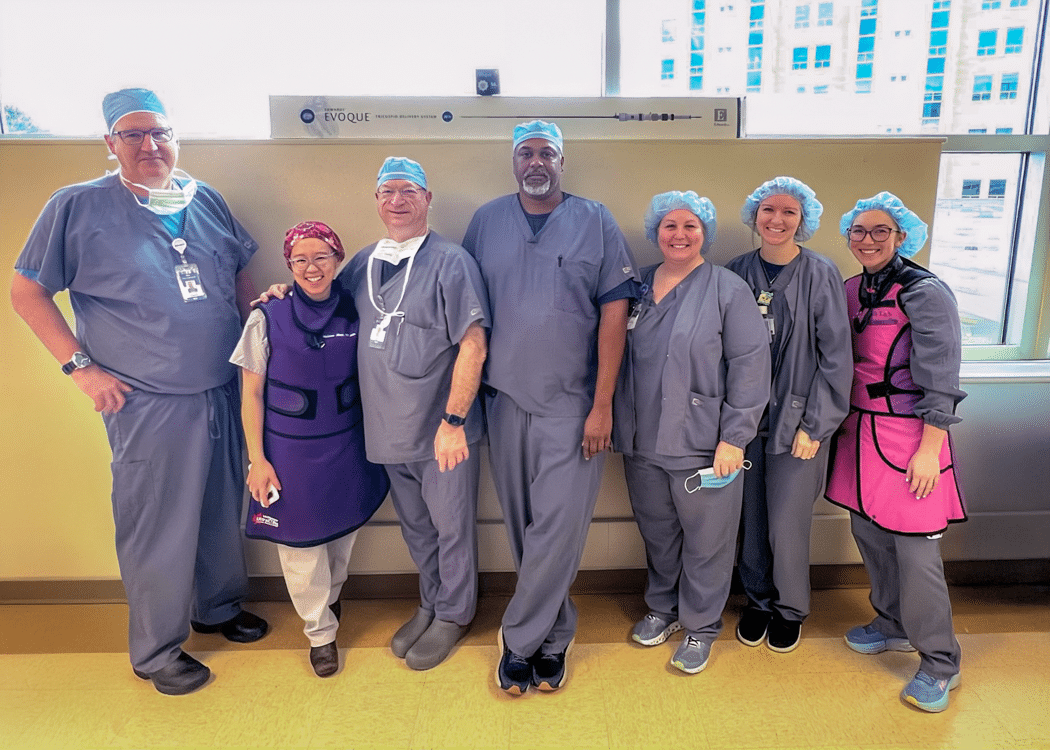
Greenville, N.C. – ECU Health Medical Center is expanding advanced heart care with two new, state-of-the-art technologies for transcatheter tricuspid valve replacement. The new technologies – EVOQUE™, a first-of-its-kind transcatheter tricuspid valve replacement, and TriClip G4™, a minimally invasive clip procedure designed to reduce tricuspid valve leakage – offer new hope for patients previously ineligible for surgery, providing significant symptom relief and improved quality of life.
“These new procedures represent a major advancement in the treatment of tricuspid valve regurgitation, offering hope to patients who previously had limited options,” said Dr. Paul Mahoney, section chief, interventional cardiology, director, Cardiac Catheterization Lab, East Carolina Heart Institute. “With the EVOQUE valve replacement and the TriClip G4, we can now provide effective, minimally invasive solutions that reduce symptoms and improve heart function without the need for open-heart surgery. This is a significant step forward in improving outcomes and quality of life for patients with TR.”
Tricuspid valve regurgitation affects more than 1.5 million people in the U.S. and occurs when the tricuspid valve fails to close properly, allowing blood to flow backward. This condition forces the heart to work harder, potentially leading to heart failure. Risk factors include heart disease, atrial fibrillation (AFib), pulmonary hypertension, prior chest radiation therapy and structural valve damage. Symptoms can range from fatigue and shortness of breath to swelling in the abdomen, legs or neck veins.
Traditionally, treatment options were limited to diuretics for symptom management, with surgical intervention reserved for only the healthiest patients or those already undergoing left-sided valve surgery. However, with recent advancements, including the FDA-approved TriClip G4 and EVOQUE valve replacement, patients now have access to innovative, minimally invasive options that can significantly improve heart function and overall well-being.
“It is critical that patients in eastern North Carolina have access to the latest innovations in heart care close to home, so they do not have to travel far for cutting-edge treatment options,” said Dr. John Catanzaro, John “Jack” Rose Distinguished Professor and chief of the Division of Cardiology at the Brody School of Medicine at East Carolina University, and director of the East Carolina Heart Institute at ECU Health Medical Center. “Our commitment to bringing the most advanced cardiac treatments to this region ensures that patients receive high-quality, life-changing care without unnecessary delays or burdens. I am proud of our heart and vascular care teams who continue to advocate for patients in our region and ensure they receive world-class treatment right here at ECU Health.”
ECU Health team members who participated in these groundbreaking procedures include Dr. Mahoney, Dr. Catanzaro, Dr. Melissa Moey, Dr. Wiley Nifong, Dr. Michael Bates and Dr. Brian Cabarrus. To learn more about ECU Health Heart & Vascular Care, please visit ECUHealth.org/Heart.
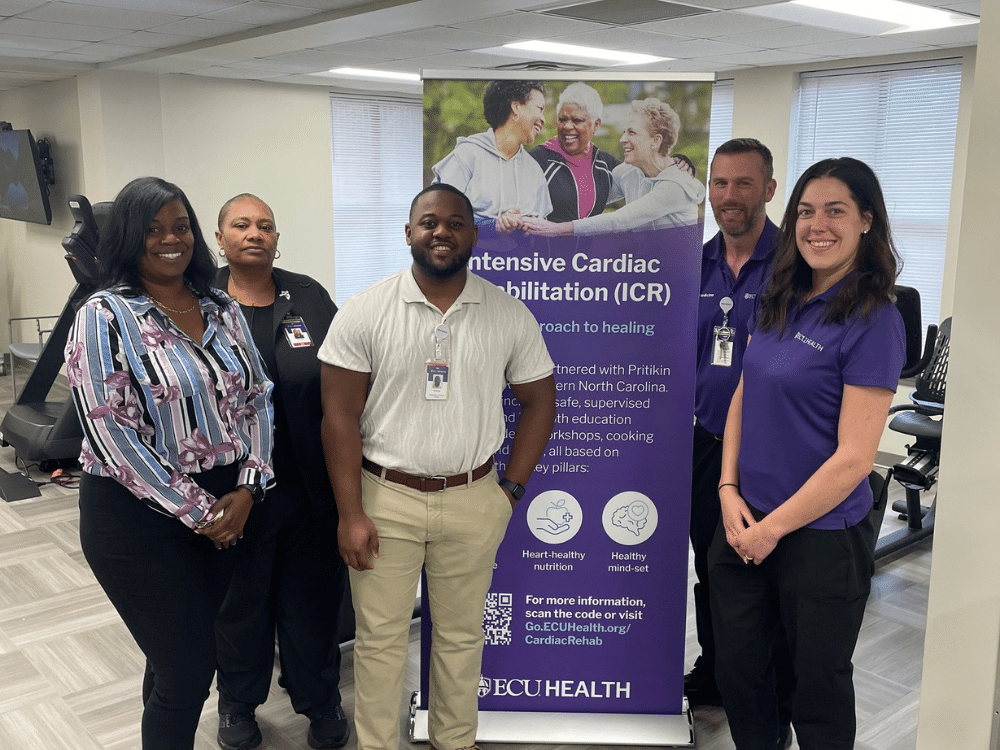
On Jan. 6, the ECU Health Cardiac Rehabilitation – Roanoke Rapids clinic, partnered with Pritikin Intensive Cardiac Rehabilitation (ICR), opened its doors to the community. It’s the first program of its kind in eastern North Carolina, and its first cohort of patients is preparing to graduate from the program.
Pritikin ICR is based on the Pritikin Program, which has been taught for nearly 50 years at the Pritikin Longevity Center in Miami, Florida. More than 150,000 people have attended the program, and more than 100 peer-reviewed, published studies performed by the University of California in Los Angeles (UCLA) medical researchers have established the program’s proven health benefits. Recently, ECU Health’s cardiac rehabilitation clinic in Roanoke Rapids partnered with the program to bring its cutting-edge methods to eastern North Carolina.
To participate in the program, patients must have experienced a qualifying heart condition, including stable angina, heart attack within the last 12 months, coronary artery bypass surgery, heart valve repair or replacement, coronary angioplasty or stent placement, heart transplant or heart/lung transplant and chronic heart failure.
The program’s comprehensive, lifestyle-change curriculum is based on three pillars: safe, effective regular exercise, heart-healthy nutrition and a healthy mindset that fosters healthy behaviors. This programming is one aspect that differentiates ICR from conventional cardiac rehabilitation. Additionally, the program includes 72 sessions – 36 exercise and 36 educational – as opposed to the 36 maximum sessions of traditional cardiac rehabilitation. The goal is to provide patients with the tools and knowledge they need to succeed both during rehabilitation and long after.
Markus Melvin, the program manager for cardiovascular and pulmonary rehab, detailed a typical day for participants. “Patients come three days a week and do about an hour of exercise followed by an hour of education. Every patient has a guidebook with exercise tips, recipes and other information that they bring with them to each session” he explained. “It’s like they’re in school. They take notes and ask questions.” Overall, he said, patients enjoy the experience and are engaged in the curriculum. “We teach them about medications, exercise, balance training, healthy mindset like communication skills and setting goals, tobacco cessation – it’s great to see that lightbulb switch on when they get it.”
The resounding patient feedback to this approach has been positive. Robin Joyner joined the program after having a series of heart attacks, a defibrillator placement and recovery after an infection. “They suggested I do ICR, and I said any type of therapy to get my heart strong again was okay with me,” she said. “It gets me out of the house, I can socialize and I work out.” James Moseley, who found ICR after having open heart surgery four months ago, agreed. “They are making my heart work,” he said. “They’re giving me a second chance. I enjoy going.”
One of the favorite parts of the program happens on Wednesdays when the staff dietitian prepares heart-healthy meals the patients can then eat. “I love it,” Robin shared. “One day she made an apple turnover with fajita bread, and another day she made white bean chili. Her food has taste to it.” While he didn’t always like the recipes the dietitian made, James said the experience helped him to be a more mindful eater. “The cooking makes you think about what you can and can’t do, and I think about everything I eat now,” he said. “That’s a blessing.”
Another benefit for patients is the ability to socialize and connect with others going through a similar experience. Markus said it was common for patients to talk with each other and share their knowledge and background. “You see that camaraderie in class, and they make friends,” he said. “They discuss their personal events and someone says, ‘Oh, I went through something similar.’ They teach each other things and it makes the classes fun.” Robin agreed: “We all get together and talk,” she said. “We all share what happened to us. Everyone is nice to each other and it’s a happy place.”
Of course, a centerpiece of the program is the exercise, which Robin admitted was intense. “Markus doesn’t play,” she laughed. “He’s so nice and kind, and he makes it fun, but he never lets us take the easy way out.” Markus called attention to the tailored exercise plans for each patient, as well as the careful monitoring they undergo during each visit. “We’re the touch points between doctor visits for these patients, so we can spot things that are happening with regards to medications or new signs or symptoms,” he said. “And we help the patients learn exercises and how to progress them, whether they have never exercised in their life or used to exercise in the past.”
Robin and James agreed that it was beneficial to have this program close by, so they don’t have to travel long distances to attend. “I was previously in regular cardiac rehabilitation in Rocky Mount,” Robin said, noting the challenges of an increased travel time. James said he wouldn’t have been able to participate had the program been in Greenville. “The main thing I hear about this program is that it’s local,” Markus said. “It’s the first rehab program in the area for quite some time, so the fact that it’s within a short drive is a big selling point,” he said. And clearly, the program is in demand. “We started with three patients and now have 20, and we do have a waitlist because we have more and more patients being referred to us,” Markus said. “There’s definitely a need for it here, and it shows an increased awareness of the importance of cardiac health.”
Robin and James are approaching their graduation date, at which time a new cohort will be ushered in. They both emphatically agreed that ICR is beneficial and worth the time. “I am feeling pretty good now,” James said. “I was walking slowly at first, but I’ve gone up on speed and incline on the treadmill and the bike. I think about my kids, my grandkids and my girlfriend and I want to be here for them. The doctors did their part, and now we have to do ours.” Robin said that while she exercised daily prior to this program – and still walks regularly now – she feels a lot better for having participated in ICR. “I have more energy when I go to class, and I can’t wait to go again. Everyone with a heart problem should have therapy because it really does work, and with this group, you’re dealing with the best.”
To learn more about the ECU Health – Roanoke Rapids ICR program, visit ECUHealth.org.
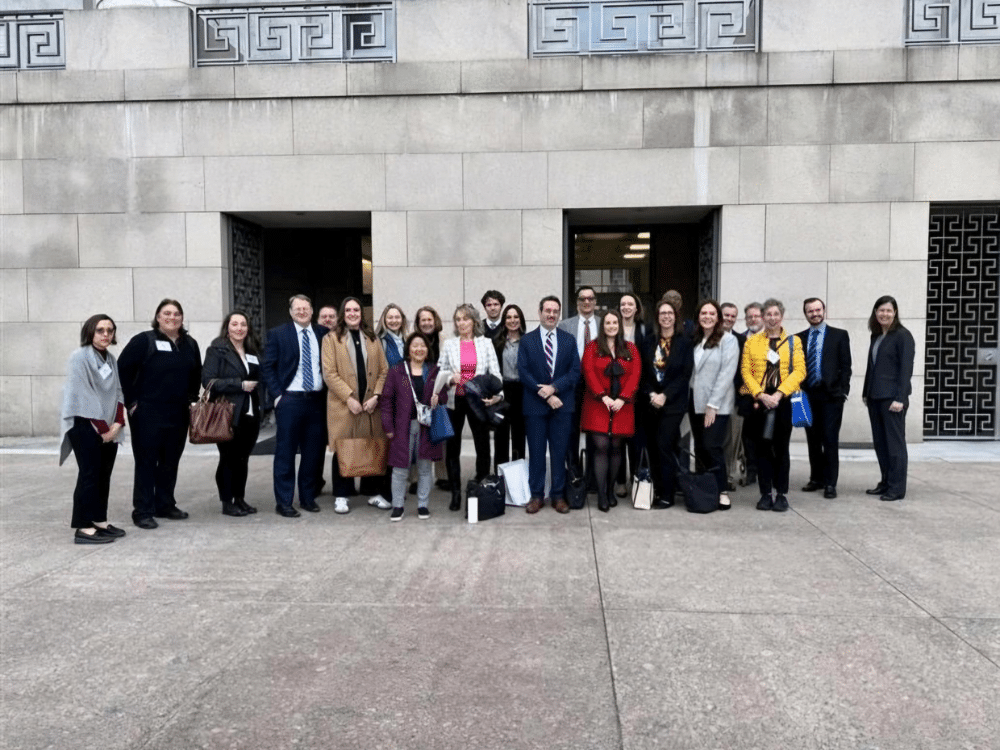
Stacey Greenway, the executive director of primary care service line at ECU Health Medical Center, recently attended her 11th Day on the Hill as a representative for the American Association of Cardiovascular and Pulmonary Rehabilitation (AACVPR). Her role, in collaboration with other AACVPR members from across the country, is to visit Washington, D. C. and advocate for cardiac and pulmonary rehabilitation with members of the United States House of Representatives and Senate. This year’s visit, which occurred March 3 – 4, marked her first as incoming president of the AACVPR, a three-year term that signifies her ongoing commitment to her profession and to her advocacy for patients in eastern North Carolina.
Greenway first attended a board meeting, followed by a kickoff meeting for anyone coming to represent the AACVPR. “We’re given background information about the bills, explaining what we’re going to talk about and the issues we’re presenting,” Greenway said. “It’s also a time to remind participants to wear comfortable shoes, bring water, be ready to go through security and other logistical topics.”
On Tuesday, Greenway said she had nine appointments scheduled every 15 to 30 minutes. “We talk to legislators from both the House and the Senate,” she said. “The meetings are about 10-15 minutes long and address issues that impact patients in eastern North Carolina and beyond. By the end of the day, we had our spiel down pat. It’s really fast-paced.”
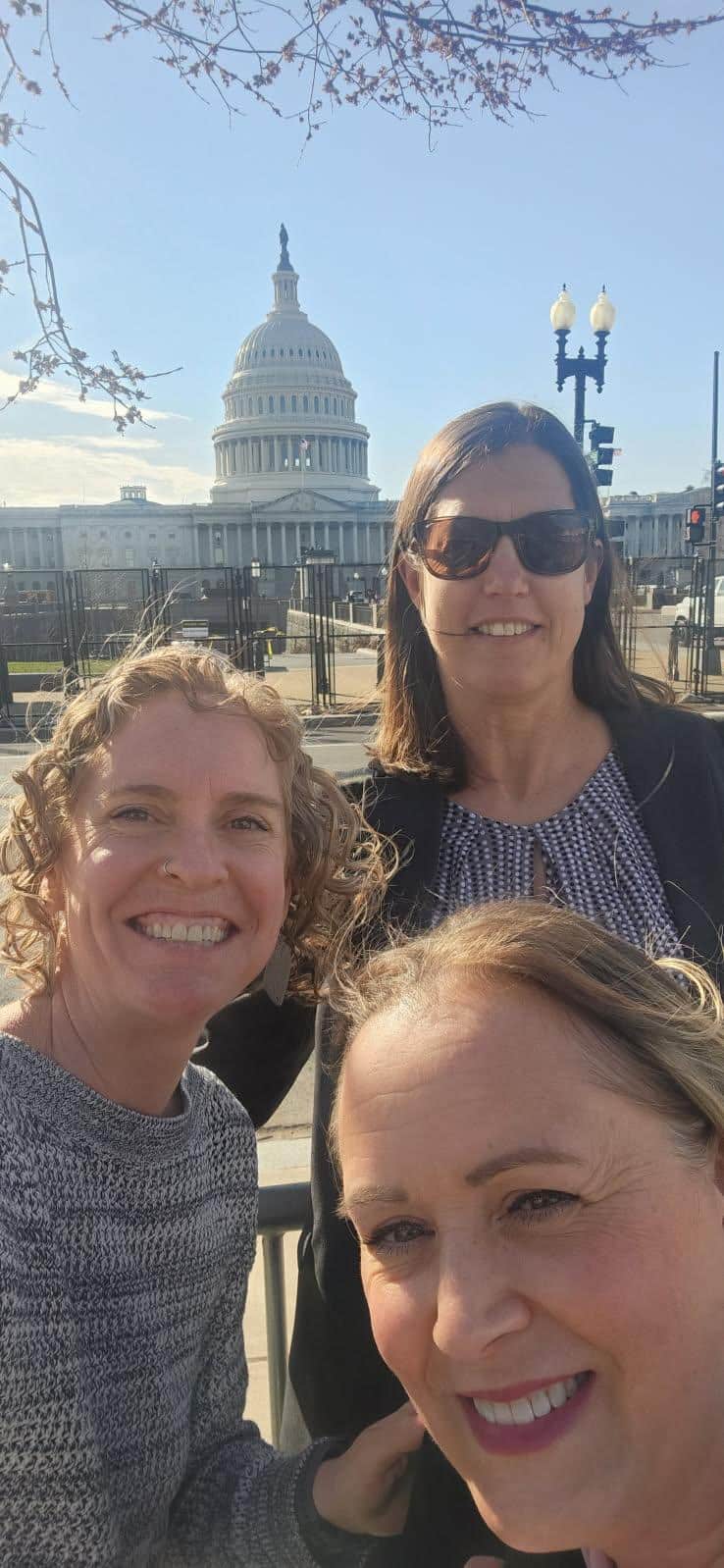
In addition to her own advocacy efforts, Greenway attended the meetings with two additional colleagues from North Carolina. “There was me, someone from Wilmington and another individual from the Triangle area representing North Carolina. The person from Wilmington is new, so this was a chance to show her the process.” Greenway said this is key because it can be intimidating to step into an advocacy role, but the torch needs to be passed on to the next generation. “I reminded them they are the experts in their field, and they have the stories and passion to be there. It’s important to bring new people along so when you’re ready to retire or move on to the next thing, you can know things are taken care of.”
Greenway’s role as incoming president has also given her the opportunity to sit in on and participate in weekly calls with the outgoing president and the AACVPR director, where they go through what’s happening in the organization, including invitations to studies and changes in the organization.
“Advocacy is a big part of what we do,” Greenway explained. “But research and education, as well as support for the people who do that work, are also parts.”
This includes a new training program for future leaders in cardiopulmonary rehabilitation, something the organization started last year in an effort to ensure everyone in their field stays current so they can best support their patients.
Having a seat at the table is a big part of this work, and Greenway said she’s just a small part of the great work the organization does. “As treasurer, I was introduced to the financial aspect and the fiscal responsibility of being on the board. Now as incoming president, I am part of the conversations and learning what’s being discussed. It allows me to understand the bigger picture and come alongside fellow board members in following through on initiatives we decide upon as an organization. I want to represent the organization and honor our mission.”
Greenway emphasized that the work she and others do within the AACVPR is something she loves but is also important to her profession. She also wants others to know that anyone can make a change. “You don’t have to be an expert, but if you’re passionate about what you do, you can help your profession so you can do your work and serve your patients,” she said. “If there’s something you want to change, you can take action.”
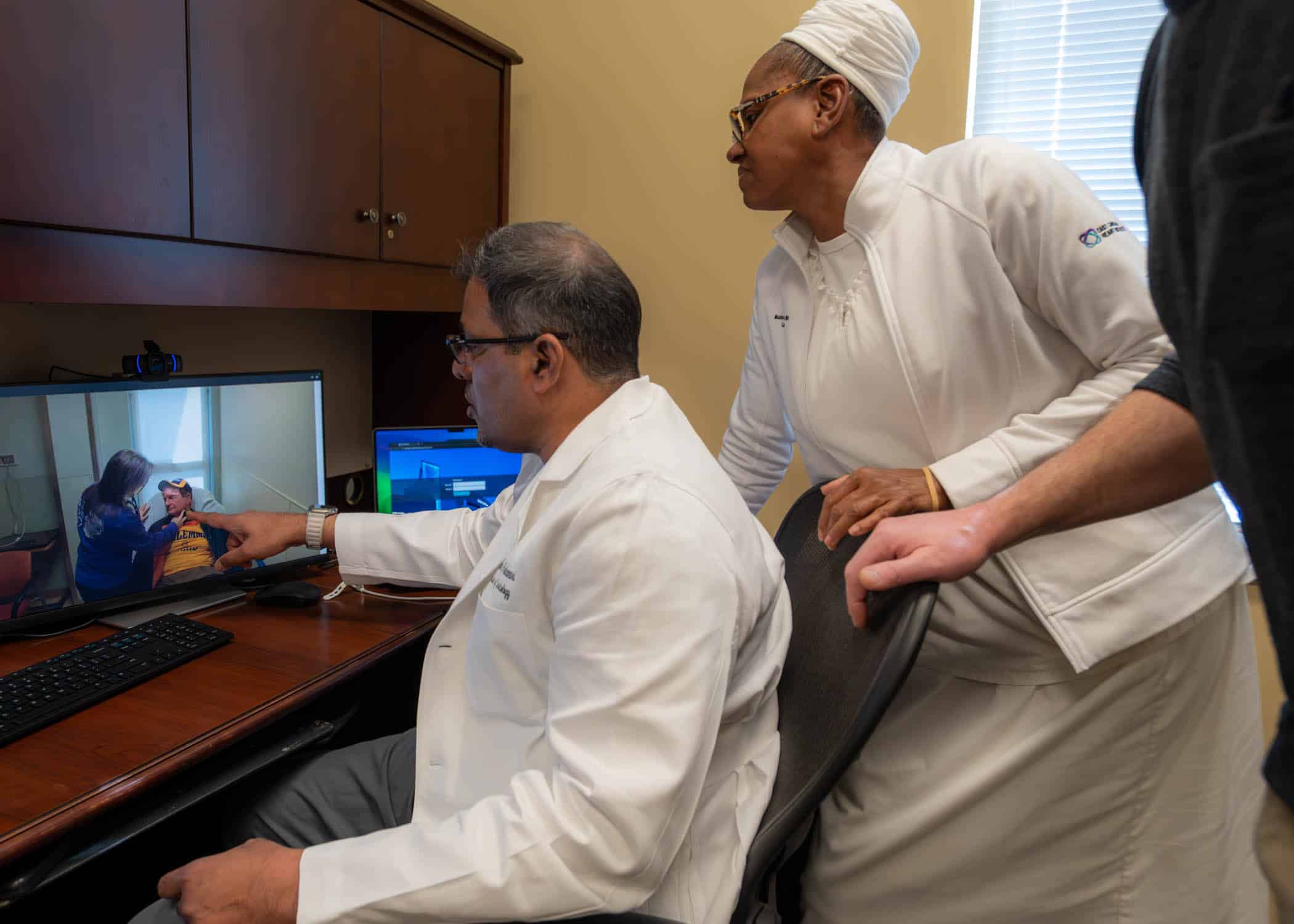
Edenton, N.C. – ECU Health is expanding access to specialized cardiology care in the Chowan area with the launch of a new telecardiology program, designed to bring expert heart care closer to home for patients who may otherwise have to travel long distances for appointments or experience long wait times between appointments.
“Our goal is to provide high-quality cardiology care that is both accessible and convenient for our patients,” said Dr. Sivakumar Ardhanari, cardiologist, ECU Health. “This program allows us to assess patients in real time, conduct detailed evaluations, and coordinate necessary next steps—all without requiring them to leave their community. By integrating cutting-edge telemedicine technology with hands-on support from our local clinical teams, we’re ensuring that patients receive timely and expert care while reducing travel burdens and wait times.”
The telecardiology program, which launched its first clinic in January, leverages advanced telemedicine technology to connect in-person patients at ECU Health Chowan Hospital’s outpatient specialty clinic with Dr. Ardhanari, a Greenville-based cardiologist.
During each visit, patients first undergo standard vital checks, and the care team can perform an electrocardiogram (EKG) if needed. Dr. Ardhanari evaluates patients remotely using a specialized telemedicine system equipped with audio and video capabilities, a digital stethoscope, and other assessment tools. He communicates directly with both the patient and the attending nurse, guiding the examination process, including listening to the heart and lungs. If additional testing—such as a heart monitor or stress test—is needed, the nurse facilitates the next steps, ensuring a seamless patient-provider connection and comprehensive cardiovascular care.
Through MyChart, patients can communicate with their care teams, access test results, and ask follow-up questions, enhancing both convenience and continuity of care. Additionally, two Greenville-based cardiologists, Dr. Christopher Gregory and Dr. Christopher Karkut, continue to provide in-person visits at ECU Health Chowan Hospital on Mondays and Thursdays, ensuring a hybrid approach to care.
“The demand for cardiology services in the Chowan area continues to grow, making this program an essential step in expanding patient access,” said Dr. John Catanzaro, John “Jack” Rose Distinguished Professor and chief of the Division of Cardiology at the Brody School of Medicine at East Carolina University, and director of the East Carolina Heart Institute at ECU Health Medical Center. “By leveraging technology and clinical expertise, ECU Health remains committed to bridging gaps in specialty care, ensuring patients in rural communities have access to the high-quality cardiology services they need in their own community.”
To learn more about ECU Health Heart & Vascular Care, please visit: ECUHealth.org/Heart
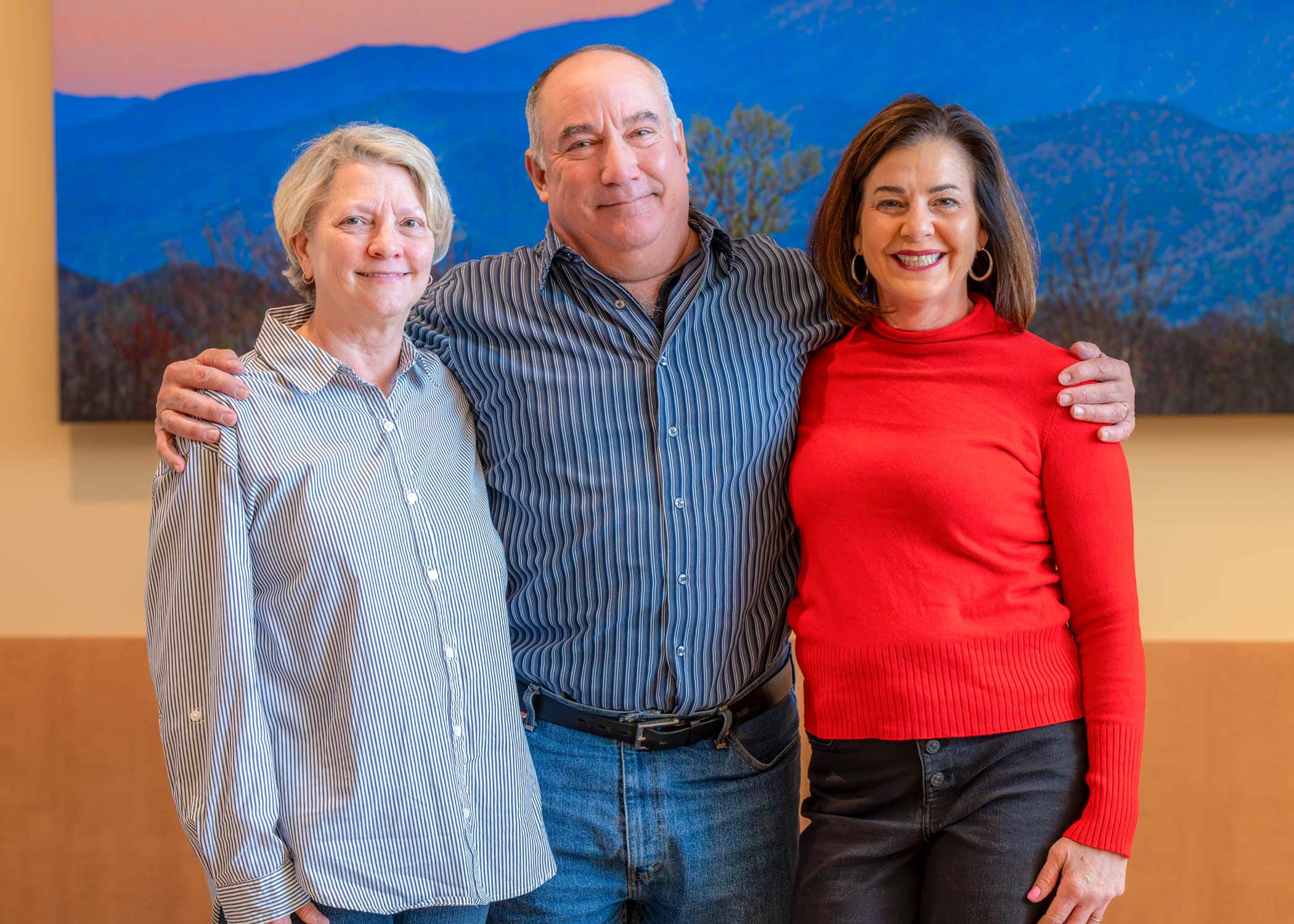
An ordinary day in Greenville, North Carolina, became unforgettable when a health care worker and a cardiac arrest survivor were brought together by a twist of fate. Years after Vicky Greco performed CPR on Tony Parker when he collapsed from cardiac arrest during a race, the two were finally reunited and reflected on that fateful day.
In 2021, Greco and her daughter found themselves at Town Common in Greenville, a location they did not typically visit. As her daughter played on the playground, a commotion near the finish line of a local 5K race caught her attention.
“We usually go to Peppermint Park,” Greco recalled. “But for some reason, we decided to go to Town Common that day.”
As Greco’s daughter played on the playground, she noticed a commotion.
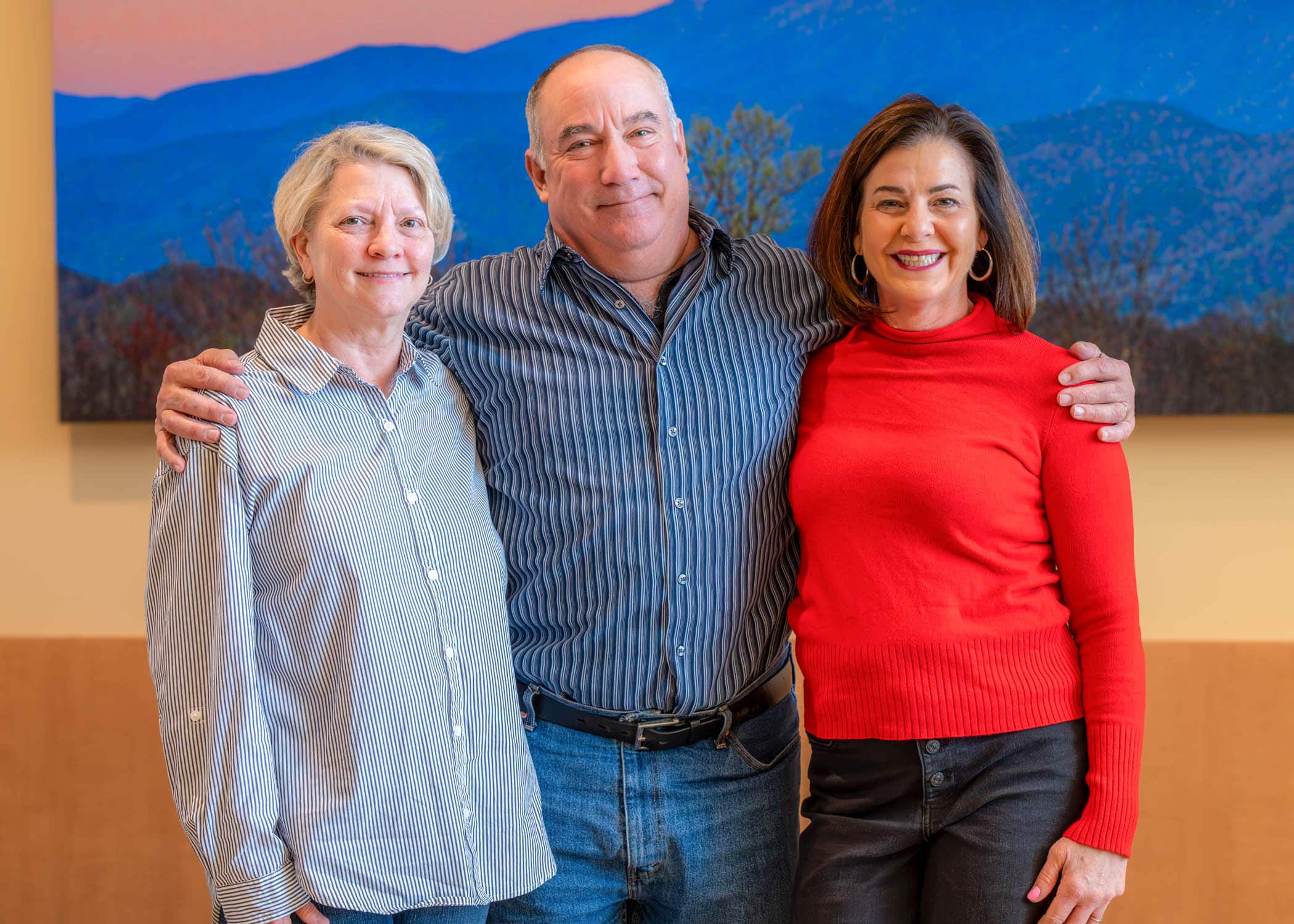
“She said, ‘I think someone needs help, Mom,’” Greco said.
That someone was Tony, who had collapsed suddenly in cardiac arrest. His wife, Delia Parker, a trained dental assistant with CPR certification, had already started chest compressions when Greco arrived.
Without hesitation, she stepped in to assist. As manager of the Pediatric Day Medical Unit at the James and Connie Maynard Children’s Hospital at ECU Health Medical Center, Greco had experience performing CPR. Together, they worked tirelessly until emergency responders arrived.
“It was a miracle to be there, to have the training and to have the outcome we did,” Greco said. “It’s something I’ll never forget.”
A previous ECU Health News story shared Tony’s inspiring story and his recovery experience with ECU Health Heart and Vascular Care. At the time, Tony and Delia did not know who the person was that stepped in to perform chest compressions. They called the unidentified person their “angel.” After seeing the story, Greco reached out to identify herself.
Over three years later, Tony and Greco were finally able to meet under much happier circumstances. The reunion was deeply emotional, with Tony expressing heartfelt gratitude for Greco.
“Today, God revealed our angel,” said Tony. “If it weren’t for Vicky and Delia, I wouldn’t be here today. It’s amazing how everything aligned.”
For Greco, the encounter affirmed her faith in being at the right place at the right time.
“I’m thankful that God put me there that day,” she said. “The outcome was nothing short of amazing.”
Motivated by their experience, Tony and Delia Parker have since joined forces with organizations like Greenville Fire and Rescue and the Compress and Shock Foundation to promote bystander CPR training. Together, they visit local churches, community centers and underserved areas across eastern North Carolina to emphasize how simple actions can save lives.
“We teach people that you don’t need to be certified to make a difference,” Delia explained. “It’s about empowering others to act.”
The Parkers continue to share their story, inspiring communities to act in moments of crisis.
“Nearly 90 percent of out-of-hospital cardiac arrest victims do not survive,” Tony said. “Even with help, survival is only about 30 percent, but without it, it’s almost zero. Every second counts, and timely intervention can significantly increase survival rates.”
According to the American Heart Association, if performed immediately, CPR can double or triple the chance of survival from an out-of-hospital cardiac arrest.
Tony has also become an advocate for greater access to automated external defibrillators (AEDs) and the use of road identifications for athletes.
“I encourage everyone in my running and biking groups to wear one,” he said. “It can be a lifesaver.”
Following his recovery, Tony has embraced life with renewed purpose.
“Life is good,” he shared. “Even with a cardiac issue, you can still enjoy life. This experience taught me that every moment matters.”
Their story stands as a testament that heroes often emerge in unexpected moments, and that simple acts of courage and compassion can change lives forever. Their journey continues to inspire others to learn, act and save lives.