Access East is a 501(c)(3) that strives to improve health access to, and coordination of, quality care in eastern North Carolina. Access East serves as an important part of the ECU Health system of care, offering support for under- and uninsured individuals and helping navigate the health care system through service lines such as Access East Care Management, HealthAssist, ACA Navigators and Health Opportunities Pilot.
Out in the field
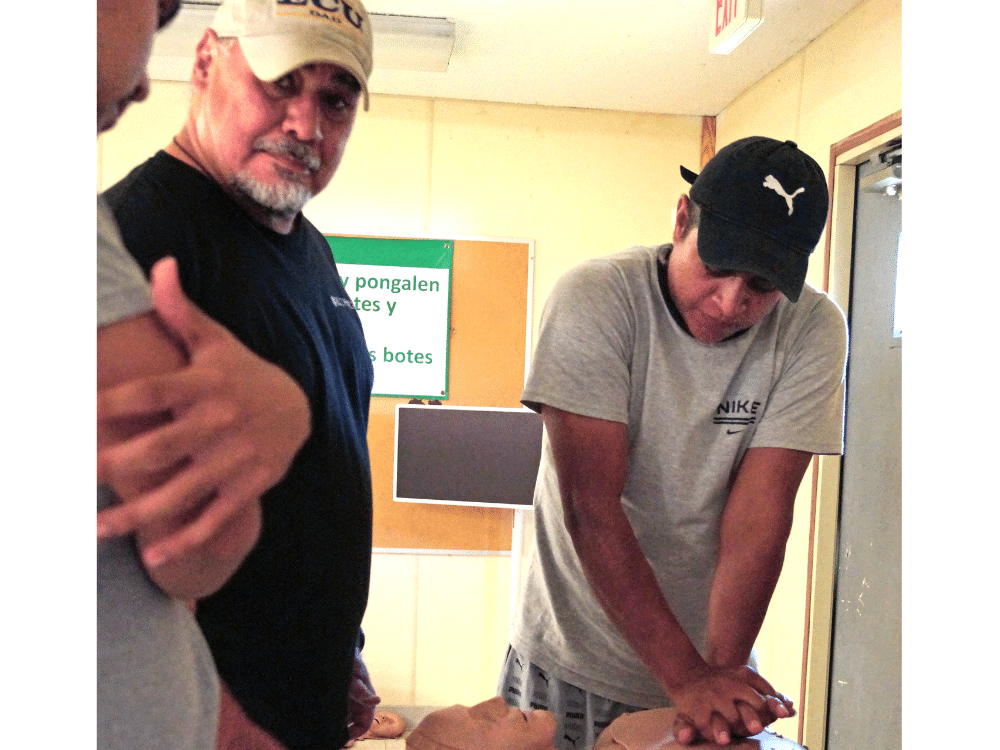
One such facet of their service comes through the Farmworker Program, which works not only to help enroll members of the ENC H-2A (temporary visa) farmworker community in low-cost insurance, but also to direct them to available community health care options, and to provide emergency medical training like wound care or cardiopulmonary resuscitation (CPR). In just under two months, the program has reached more than 2,000 farm workers.
Juan Allen, a community coordinator and Affordable Care Act (ACA) navigator for the program, plays a key role in helping the farmworker community receive the services and care it needs. “I’ve been with Access East for seven or eight years,” Juan said. “I was born and raised in El Salvador on a farm, which is what got me interested in doing this work.” The goal of the program, he said, is to help members of the migrant farming community prevent injuries and illness. “Last year we lost four farm workers to heat stroke, and someone else passed away because no one in the field knew CPR,” he explained.

“So, we go out to the farms and do CPR training, heat exhaustion and heat stroke education, Stop the Bleed training, education about tobacco sickness and anything else they need.” Juan said there is also skin cancer education and screenings, dental cleanings, mental health support and vaccines. “During COVID, we were coordinating vaccines, so that with providers’ help, we got 80-100 people vaccinated per day.”
Juan has also trained as an instructor for the Mental Health First Aid (MHFA) trainings, which is an evidence-based, early-intervention course that, virtually or in-person, uses community-specific scenarios, activities and videos to teach people the skills they need to recognize and respond to mental health and substance use challenges. The ECU Health Foundation awarded funding to Safe Communities Coalition, a non-profit that works alongside the Eastern Carolina Injury Prevention Program (ECIPP) to prevent injuries. “Juan has reached a population (farmworkers) that we have struggled to reach, yet we knew desperately needed the education,” said Sue Anne Pilgreen, the executive director for the Safe Communities Coalition, the manager of the ECIPP and the manager of the Pediatric Asthma Program. “This past fiscal year, we have trained a total of 196 people in MFHA, and 92% felt like they could recognize someone who was suicidal after completing the class.”
“Juan is one of the hardest workers I know,” said Shantell Cheek, the director of Access East. “He has a passion to really help those who are underserved, and he is a true link between Access East, ECU Health and the Farmworker Program.” Wherever there is a need, she said, Access East and the Farmworker Program is there.
The program, which initially was established to help H-2A workers get visas and enroll in the ACA, has grown significantly. “We still do the ACA enrollment,” Cheek said. “But Juan provides care coordination, and different entities like the North Carolina Department of Health and Human Services and the North Carolina Growers Association partner with us. We now help these individuals get medications they need, assist them when they go to the hospital and are being discharged, set up with primary care providers and provide the education like CPR and skin cancer. And it’s not just the migrant workers; it’s their families too. Wherever there is a need, anywhere across the state, they call Juan.”
Partnering with the Brody School of Medicine
 She emphasized that Juan tirelessly creates partnerships with regional and community organizations. Shantell also highlighted Access East’s, and Juan’s, ongoing collaboration with East Carolina University’s Brody School of Medicine. “During their first or second year of medical school, students can select a project to work on and Juan’s name often comes up when they mention an interest in the communities we serve.”
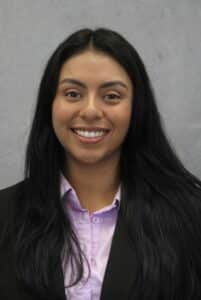
Deanna Torres, a second-year medical school student at the Brody School of Medicine, worked with Juan this past summer as a part of a project required of the school’s four Distinction tracks. Deanna opted to apply for the Service-learning track, which is what led her to Access East. The other tracks include Health System Transformation and Leadership, Medical Education and Teaching and Research.
Deanna said she has always had a passion for grassroots community service. “I’m undecided on my specialty right now, but I know I want to help underserved, minority populations.” Deanna grew up participating in a variety of community service activities, including a medical mission to Honduras and a Benedictine Volunteer Corps trip to the Rosebud Indian Reservation in Mission, South Dakota. Once she entered medical school, Deanna continued her journey in service by joining the Service-learning track. “It isn’t required to join a track,” Deanna explained. “But when I was applying to medical schools, the Service-learning track was a major factor in deciding to come here.”
Students in the Service-learning track work extensively with medically-underserved, marginalized and rural populations during their medical school career. They attend a lecture series specific to that track, but they are also required to participate in a service-learning internship during the summer after their first year of medical school. “We select an organization to partner with, and then we create a longitudinal service-learning project aligned with that organization,” Deanna said. While the internship only lasts a summer, the students’ work on their projects continues until they graduate.
Making a difference
With Juan as her mentor, Deanna said she gained an insider’s perspective on a migrant farmworker’s daily life. “I saw how migrant farmworkers are processed after entering the country. I saw how farms are laid out, and I got to see their living conditions, which aren’t always great. I’ve lived in North Carolina my whole life, and I didn’t know how many farmworkers we have in this region or what their needs were.” This exposure led Deanna to her project’s focus, which is “Increasing Mental Health Services to Hispanic Migrant Farmworkers in Pitt County.” The migrant workers, she discovered, often struggle with mental health issues, like depression. “They leave their home country and their families, work in the heat and have no car or independence, and that can be challenging. I want to advocate for the lack of awareness and communication about mental health in the Hispanic community,” Deanna said.
Juan has been instrumental in helping Deanna make the connections and partnerships necessary to work on her project. “He’s a popular man,” she laughed. “Any time I mention Access East, everyone knows him.” Deanna said she appreciated Juan being willing to mentor her, despite his busy schedule. “As a medical student, it can feel daunting to reach out because everyone is busy, but he was always available and offered me resources, took me to the farms and provided logistics. He knows all about these things.”
Dr. Jennifer Crotty, a pediatrician and an associate professor in the Department of Pediatrics at the Brody School of Medicine, as well as the director of the Service-learning distinction track, facilitates connections between students in the Service-learning track and community partners. “The track primarily focuses on local impact and grassroots efforts,” Dr. Crotty said. Of how she came to direct this specific track, she cited her background in pediatrics. “I realized that to have healthy children, we need healthy families and communities,” she said. “That’s why we want to do this advocacy work.” Access East has been a significant partner in this work. “Access East addresses the things we know need to be addressed. When students work with them, they see the time and energy and resources it takes to do medicine in these rural communities.” While she has never met Juan personally, she knows her students get a great experience when they work with him. “He always finds a place for our students, and the students always say their experience was amazing.”
This work is valuable, Deanna said, because it puts a face and name to abstract medical concepts students learn in school. “It puts a story to what you’re learning,” she said. “It shows us that a patient isn’t just one disease, but they are dimensional, and it helps us be better physicians who treat in a holistic manner. This community needs us to advocate for them.” Dr. Crotty agreed, saying that having students participate in these service learning partnerships through ECU Health make them better physicians, no matter what specialty they choose. “They take the knowledge they gained through service learning to wherever they’re going. I love that someone in their surgery residency is thinking about whether their patient has enough food at home. We graduate good doctors because our students are exposed to these types of things, and they know how to handle it.” Juan said that ultimately, this work gives migrant farmworkers a voice. “They’re only here for eight months and they don’t know their rights,” he said. “Access East is vital to reach out to farm workers so we can be a go-between them and the health system.”
Dr. Kristina Simeonsson, a physician with ECU Health Pediatrics, has long heard stories of children missing school because they couldn’t get health assessments or vaccines before the state-required deadline. But now, after months of planning, a shared vision and the desire to support public school children at risk of exclusion due to missed health requirements, Pitt County’s first-ever health assessment and vaccine clinic is helping flip the script for families in-need of care.
“This clinic changes that challenge,” said Dr. Simeonsson. “Instead of being suspended for weeks or months, these kids can stay in school and keep learning.”
For ECU Health, the James and Connie Maynard Children’s Hospital, and the Pitt County Health Department, this initiative is more than just a service—it’s a lifeline for local students. The clinic marks the culmination of a shared dream to improve access to care for children, and its success was clear as about 140 students received essential health services over two days, ensuring they can remain in school without disruption.

According to North Carolina state law, all children entering public schools for the first time or starting kindergarten are required to complete a health assessment and receive certain vaccines. Failure to meet these requirements within 30 days of the first day of school results in exclusion until proper documentation is provided. For many students, especially those new to the area or without a medical home, accessing these services can be a significant barrier.
“Keeping students in school, safe, healthy and ready to learn is a key priority for all school nurses,” said Laurie Reed, nurse manager for the School Health Program, Maynard Children’s Hospital. “One of the biggest challenges faced by school nurses in Pitt County at the beginning of each school year is identifying available resources for their students and families to obtain state required health assessments and immunizations. Significant efforts are made by Pitt County Schools, the Pitt County Health Department and Maynard Children’s Hospital School Health Program to provide widespread communication of state requirements to parents and caregivers throughout the year however we still find that a large number of students are at risk for exclusion on the 30th calendar day of school.”
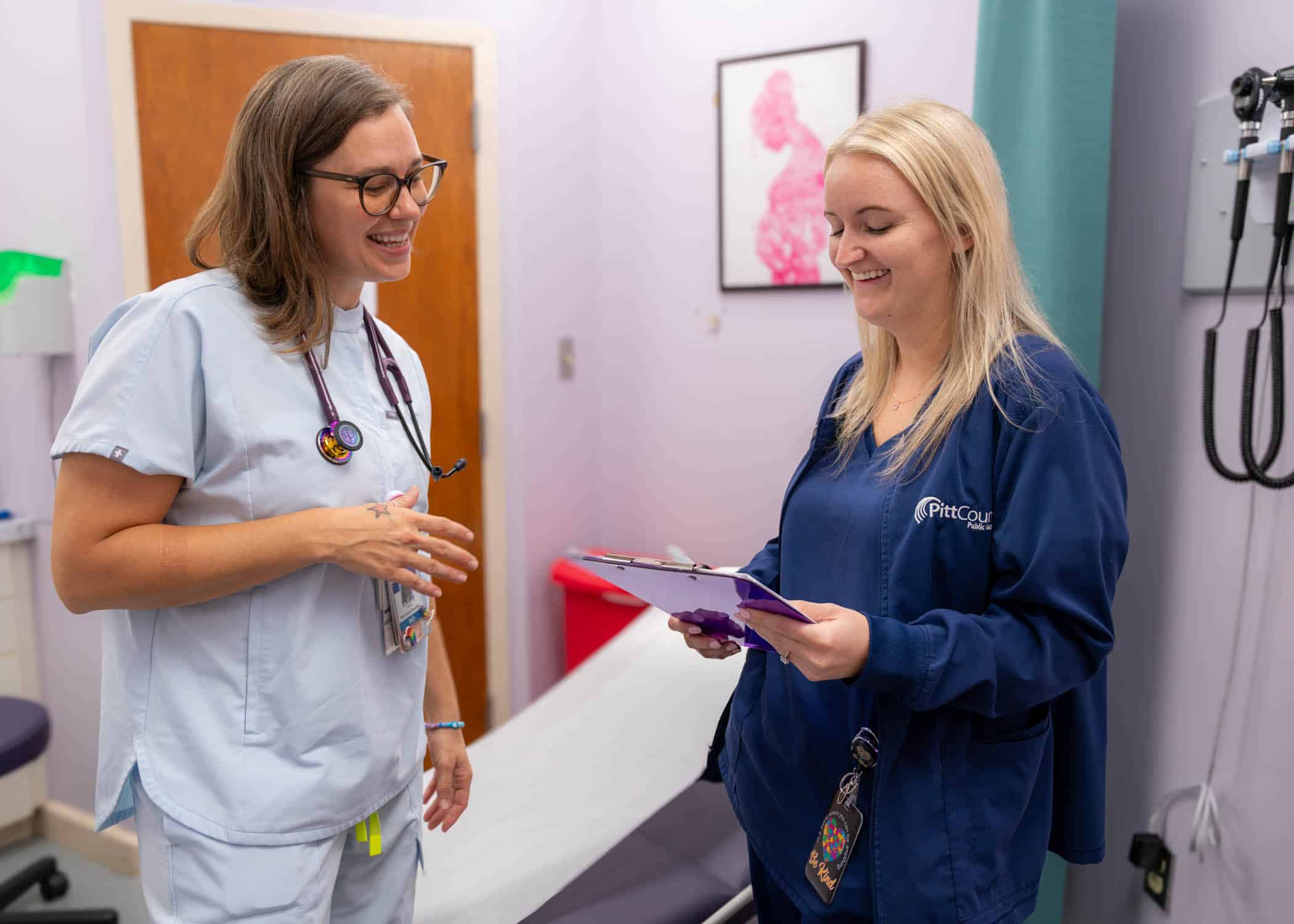
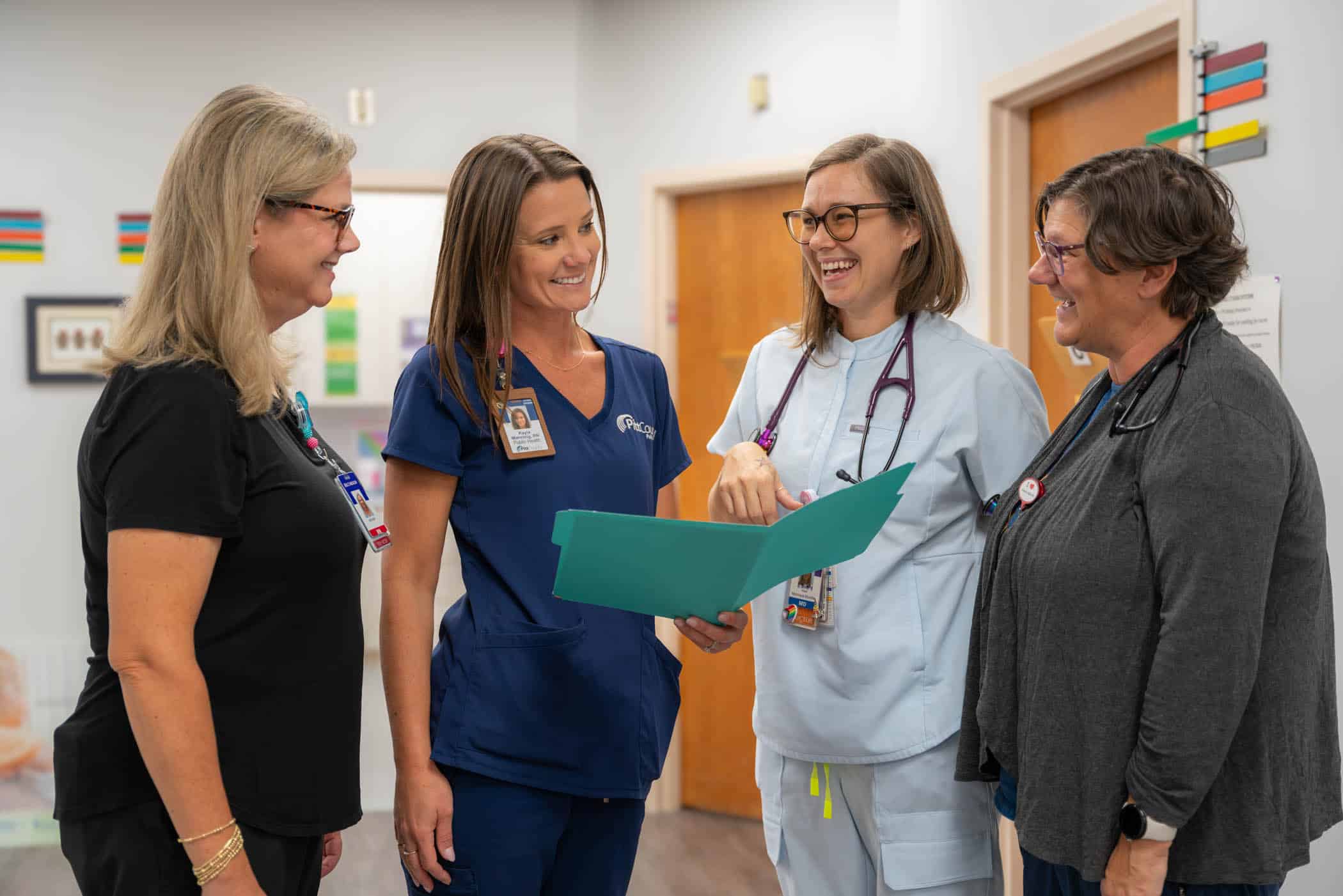
Dr. Simeonsson and Kayla Manning, public health nursing supervisor for Child Health and Immunization Programs at the Pitt County Health Department, led the clinic, which included the help of pediatric residents, nurses from both organizations, ECU Health school nurse care managers, Brody School of Medicine students, ECU Health child life specialists, and the ECU Health Pediatric Asthma Program. Together, they offered health assessments, vaccines, asthma screenings and referrals for follow-up care.
Dr. Simeonsson emphasized the importance of teamwork in making the clinic a reality.
“We couldn’t have offered this clinic without Kayla, her staff and ECU Health school nurses,” Dr. Simeonsson said. “The collaboration between the health department and our providers has been critical. We’re doing the health assessment part, but Kayla’s team handles the essential screenings and vaccinations, making the process seamless.”
Manning echoed the sentiment, adding, “We’ve long hoped to plan a clinic like this, and working together with ECU Health has allowed us to meet the needs of these children. It’s truly a collaborative effort.”
One of the clinic’s primary goals was to ensure that children not only met their health requirements for school but also received follow-up care for other potential needs. Many of the students had no established primary care provider, meaning they lacked consistent access to health care services. The clinic provided referrals for additional care, such as dental or eye exams, and connected families with available resources.
In addition to helping organize the clinic, Dr. Simeonsson has been supervising the ECU Health pediatric residents and Brody students who are completing the children’s health assessments.
Dr. Abigail Maiorana-Boutilier is one third year resident in the ECU Health Internal Medicine – Pediatrics Residency Program that volunteered at the clinic. She noted that the kids they have seen at the clinic are kids that were not going to be able to go to school after the deadline to receive their vaccines and health assessments that are now able to remain in school. Knowing that makes all the difference for Dr. Maiorana-Boutilier.
“I think it’s one of the most important initiatives that we are able to do as residents because this is very tangible in how we’re helping these kids,” said Dr. Maiorana-Boutilier. “And you see the parents, their relief when they leave here because they know that they their kids can go to school the next day. Being able to get these parents and their kids in, get their vaccines and health assessments and everything done in one day and be able to relieve this huge burden from them is the most rewarding, satisfying feeling ever.”
In addition to the standard health assessments, the Maynard Children’s Hospital Pediatric Asthma Program participated in the clinic to address asthma management. According to Candace Cahoon, respiratory care manager with the program, asthma is the leading cause of missed school days in the United States. Her team performed noninvasive tests to check for lung inflammation and provided asthma action plans, medication administration forms and free inhaler spacers for students.
For both ECU Health and the Pitt County Health Department, this clinic represents the culmination of planning and a shared dream of improving access to care for local children. Dr. Simeonsson described the initiative as “a community response” to a widespread issue.
Medical students like Lauren Nuriddin, a fourth-year student at Brody School of Medicine, played an active role in the clinic. For Nuriddin, who plans to specialize in pediatrics, the experience was a powerful reminder of why she chose this career path.
“I have a very close relationship with Dr. Simeonsson, and we share a lot of the same passions,” said Nuriddin. “I started volunteering for events like these last year, and I’ve been to Duplin County with the Healthier Lives initiative, and I’ve been to different areas around the region. This clinic specifically is really important to me because there’s a lot of research on the effects that happens after kids become suspended, how it affects their confidence and their ability to continue forward in school successfully. It’s a whole downhill domino effect, so it’s important that we make sure we can mitigate this however we can.”
This clinic, the first of its kind in Pitt County, could serve as a model for similar initiatives across the state. The success of the event, which saw more than 130 students in a week, highlights the urgent need for accessible health care services for school-age children. Crystal Kiani, nurse and child health coordinator, Pitt County Health Department, said a lot of the patients they have seen have recently moved to Pitt County from out of state, so they need physicals to get into school.
Valerie Tunnell, nurse and immunization coordinator, Pitt County Health Department, said, “Overall, we are seeing a lot of kids, and we’re meeting the need. We maxed out on appointments today, and we were maxed out on our last clinic day. Because of events like today, we’re able to make sure that the kids are seeing a health care provider and not slipping through the cracks.”
With the clinic’s success, ECU Health, Maynard Children’s Hospital and the Pitt County Health Department are already looking at ways to expand these services and continue improving access to health care for children across the region. Pitt County Schools said the clinic and collaboration made a significant impact on their students.
“I am deeply grateful to the Pitt County Public Health Department, ECU Health team and our Pitt County Schools School Health Managers for their unwavering commitment in working together to plan this event over a six-month period,” said Sara English, Pitt County Schools Interim Executive Director of Student Services. “Their collaboration is breaking down barriers and ensuring that every student has access to the essential health care they need to be able to remain in school and meet state-mandated expectations. It’s a powerful reminder of the strength we find when we come together to support our students and families.”
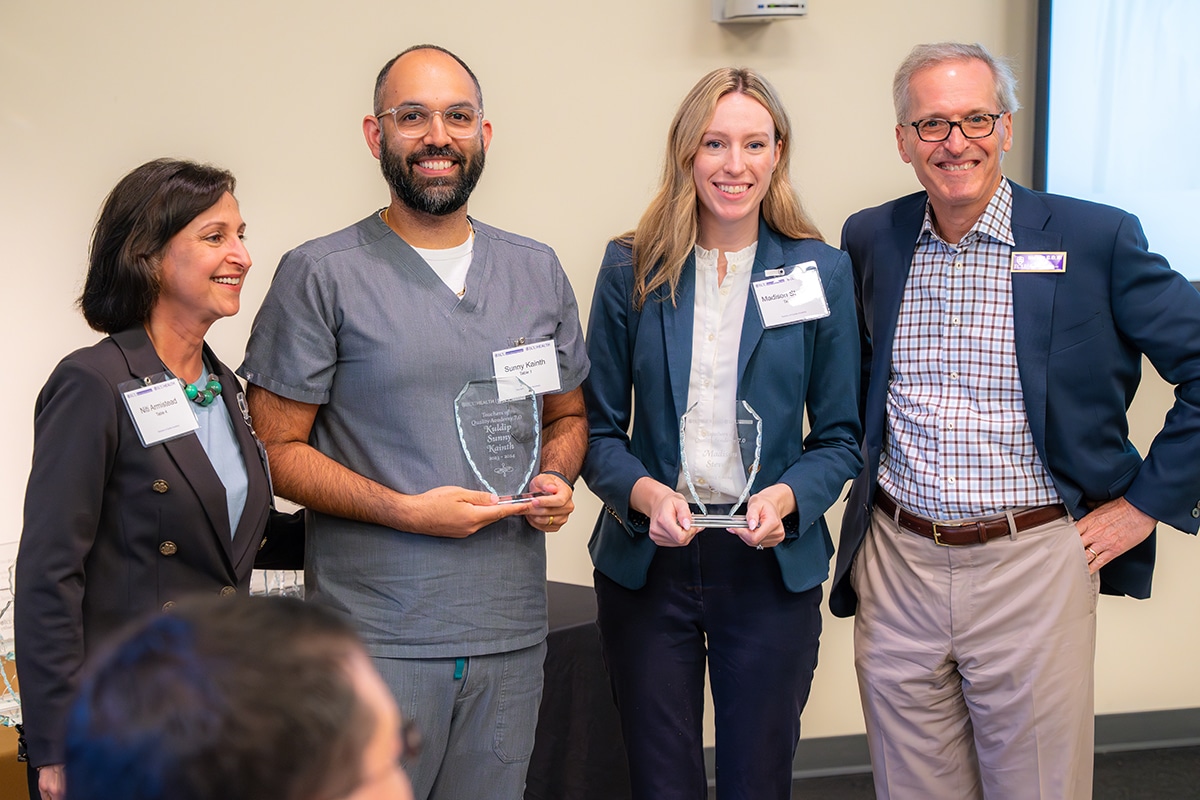
There were plenty of smiles and handshakes at the Teachers of Quality Academy (TQA) 7.0 Recognition Ceremony on Sept. 30, as 37 graduates from the most recent TQA cohort celebrated successful completion of the program alongside ECU Health and Brody School of Medicine leaders.
TQA is a professional development program for health care leaders designed to fundamentally change care delivery through a curriculum focused on building knowledge and skills in Health Systems Science which comprehensively explores how health care is delivered. Participants engage in advanced learning in quality improvement, patient safety and team leadership, develop improvement projects to apply these skills across the health system, teach others in their environment about these concepts and evaluate the outcomes of improvement interventions. Leading by example, TQA participants promote a culture of quality and safety across the enterprise.
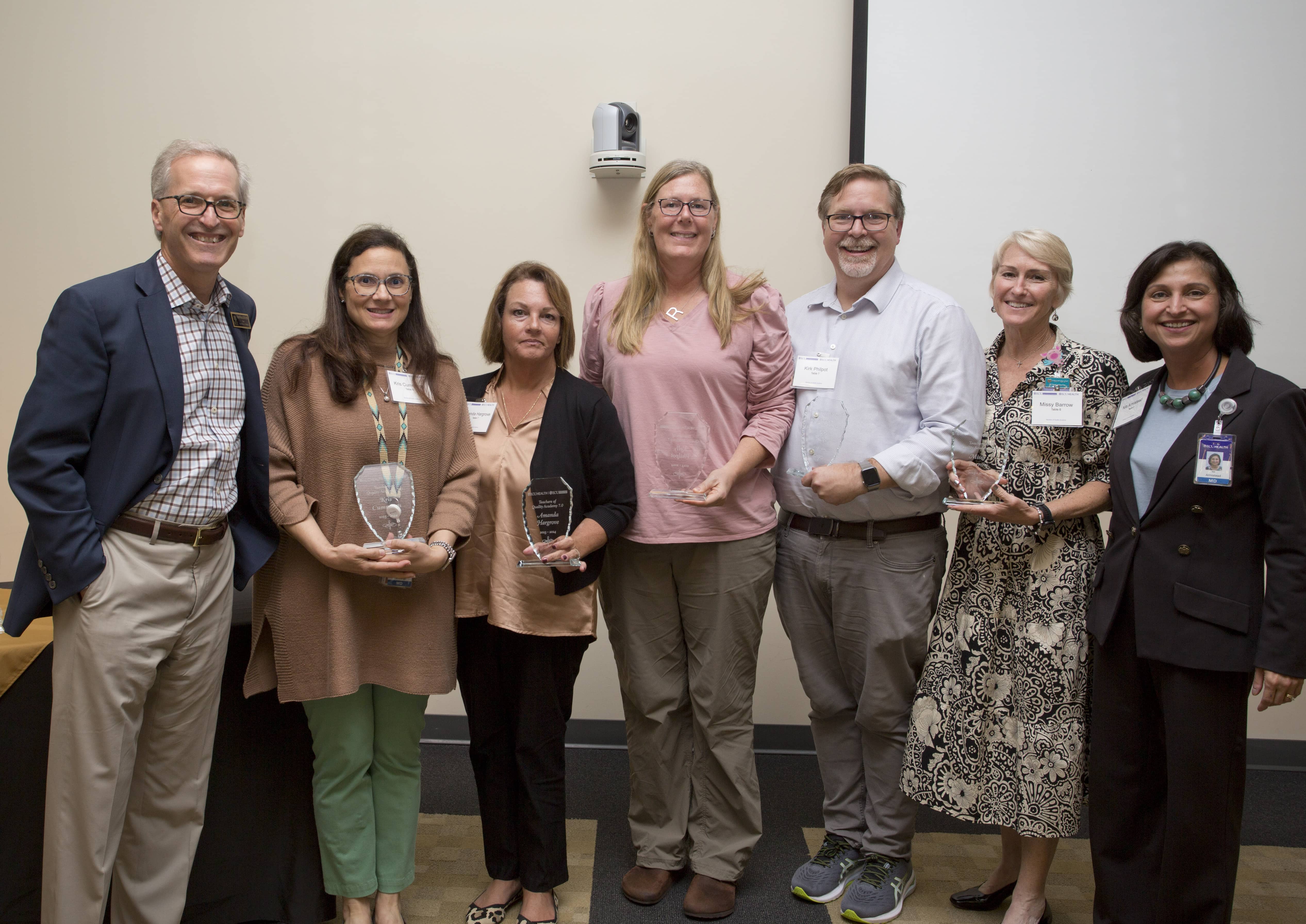
This year’s program graduates came from multiple areas of expertise and locations, including ECU Health Physicians, ECU Health Medical Center, ECU Health North Hospital, ECU Health Chowan Hospital and Contentnea Health. Additionally, the cohort includes participants from ECU Health’s Rural Family Medicine Residency Program, ECU Health’s Administrative Fellowship Program and the MedServ Fellowship Program.
“As an academic health care organization, it’s incredibly gratifying to see educational programming like TQA woven into ECU Health and Brody’s culture of quality improvement,” said Dr. Michael Waldrum, ECU Health CEO and dean of Brody. “You can see and feel the pride that people take in improving quality, and that has real tangible impacts on patients who can experience better health and wellness as a result. This cohort and these graduates are an example of our quality improvement culture which TQA has helped build.”
According to Dr. Jennifer Sutter, TQA physician director, the diverse, multidisciplinary class represented the ultimate goal of the program: to further knowledge and instill principles that help health care professionals across eastern North Carolina improve quality on behalf of the patients they serve.
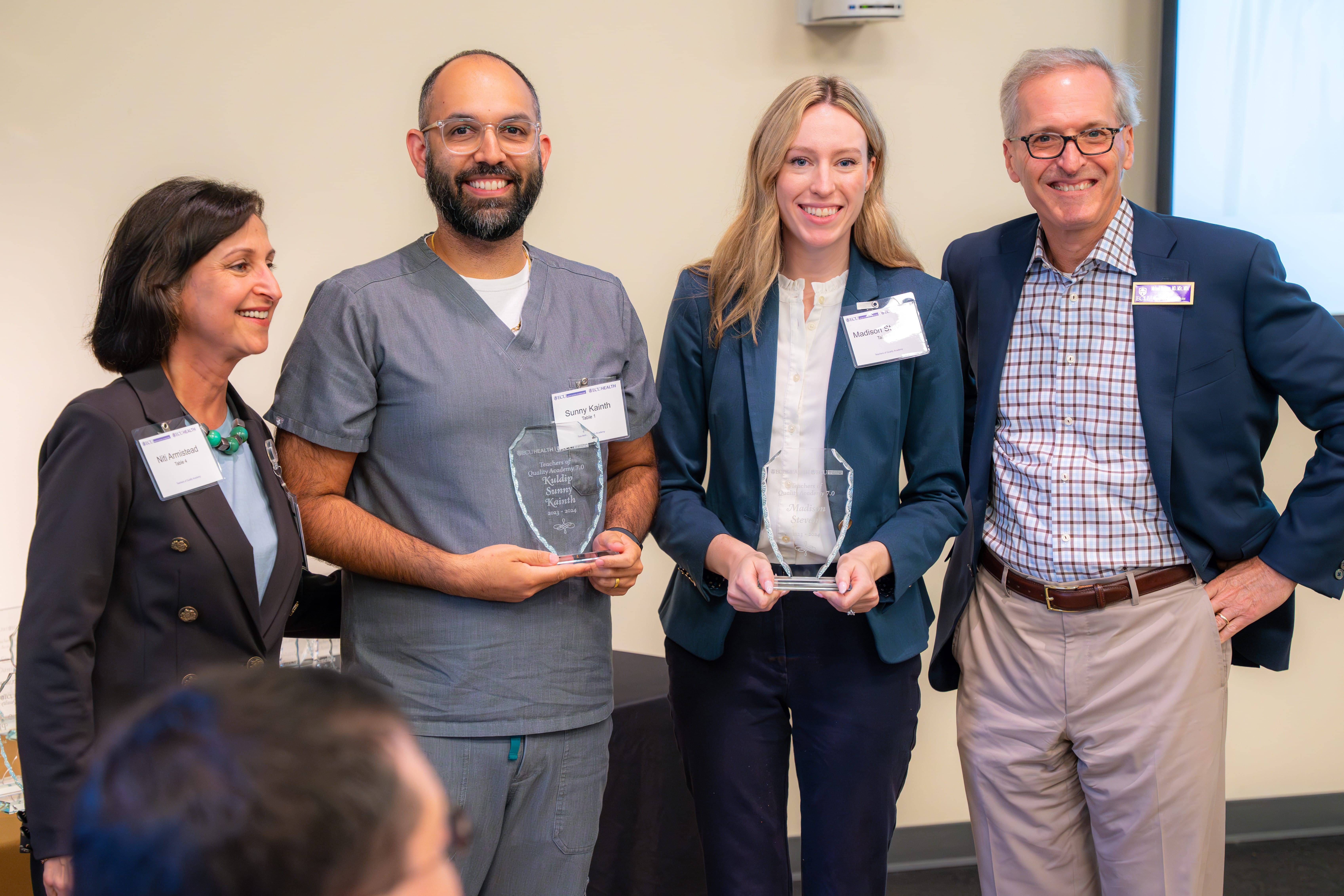
“It is exciting for us as program leaders recognize and celebrate these dedicated health care professionals for successfully completing TQA,” Sutter said. “Those of us involved in the program have been fortunate to witness incredible growth from our 7.0 cohort. We could not be more proud of what they’ve accomplished and how they will use their knowledge and skills to help further high-quality care in their individual clinical setting through out eastern North Carolina.”
The seventh iteration of the program was comprised of 12 half-day sessions alternating concepts of leadership development and new competencies of Health Systems Science, including patient safety, quality improvement, systems thinking, population health and team-based care. Each learning session also emphasized wellness topics enabling participants to engage in supplemental activities to further enhance the experience of life while at work. The year-long program culminated in each participant completing a comprehensive quality improvement project in their area of focus.
“As part of TQA, I had the honor of partnering with leaders from our community hospitals—North, Chowan, and the Medical Center—all of whom shared a commitment to serving our community,” said ECU Health administrative fellow Madison Stevens, a member of the 7.0 cohort. “The sessions empowered us to explore and refine our leadership philosophies, building a strong foundation rooted in quality improvement, professional growth, and innovation. The program has equipped me with the tools to become an effective and open-minded leader. In our project, my team focused on post-event debriefing in the emergency department, prioritizing the well-being of our team members alongside clinical learning to help teams navigate high-stress situations and improve patient care outcomes. We look forward to sharing our results and broadening our focus on quality improvement to provide exceptional patient care.”
The TQA curriculum is also designed around experiences that span the continuum of care in multiple areas of clinical focus which enables participants to be better prepared to meet real-world challenges. This intentional design, according to ECU Health Chief Quality Officer and Chief Clinical Officer Dr. Niti Armistead, enables TQA graduates to immediately help drive quality improvements in the clinical environment.
“TQA is so important because it creates a community of interdisciplinary professionals committed to improving quality both here at ECU Health and beyond,” Dr. Armistead said. “Quality is a critical component of our quintuple aim and the work being done by TQA program leaders and participants directly ties to our ability to improve the health and well-being of the region. Through TQA, participants learn by doing and acquire collaborative problem resolution skills to drive continuous improvement.”

In September, the Healthier Lives at School and Beyond program, an initiative led by the Brody School of Medicine at East Carolina University and ECU Health, hosted an event at Rose Hill-Magnolia Elementary School in Duplin County to help keep 51 students in school by providing health assessments for students.
In North Carolina, students without a health assessment or immunization record on file 30 days after the start of the school year are suspended from school which can disrupt the learning experience.
In previous years, the Healthier Lives at School and Beyond team also visited schools in Jones County and Clinton City Schools in Sampson County to ensure students are up to date on their care and can remain in the classroom.
Dr. Kristina Simeonsson, professor of pediatrics and public health at Brody, said these events are crucial for rural areas like Duplin, Jones and Sampson counties who do not have the same access to primary care as larger counties.
“These are often children who are new to the area, new to the state and possibly new to the country, who haven’t had a chance to establish with a health care provider but desperately need these health assessments done,” Dr. Simeonsson said. “We do these events in September in partnership with the county or city schools along with the county health department to get as many kids seen as possible so that they won’t miss school.”
Healthier Lives at School and Beyond was originally designed as a school-based telehealth program that provides quality nutrition education and counseling, behavioral health, and acute minor medical care services. It officially launched in 2018 to deliver interdisciplinary services virtually to rural school children, staff and faculty during the school day. Whether in school or at home, all appointments take place over a safe and secure online network which allows patients to stay at school or home and parents to stay at work or home.
But in 2020, when many community members had not seen a primary care provider due to the COVID-19 pandemic, the team received a request from Duplin County schools to catch students up on health assessments. The following year, the team realized the need was larger than they anticipated and the program eventually spread to other areas of eastern North Carolina.
“We thought that was a unique situation for COVID and wanted to do everything we could to support our school partners,” Dr. Simeonsson said. “We’ve seen this program grow because there are just so many kids that need the service. Every year we’ve tried to tweak and get a little more efficient, we’ve had medical students, residents and nurses come back if they’ve done this before to help out. Every year we’re getting a little more efficient.”
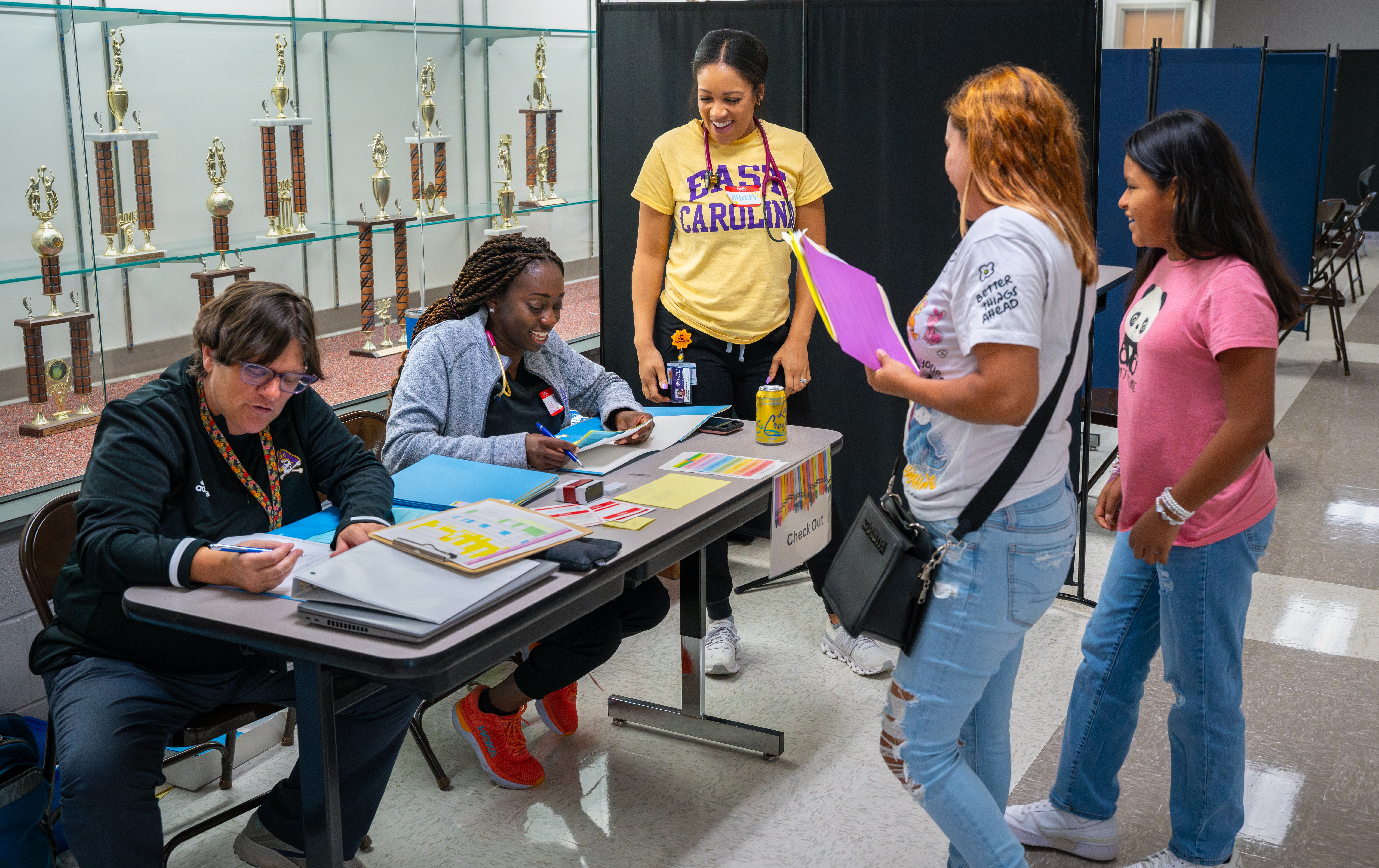
During the visit to Rose Hill-Magnolia Elementary School in September, Dr. Simeonsson said the team chartered a retrofitted motorcoach from ECU Transit to provide further screenings.
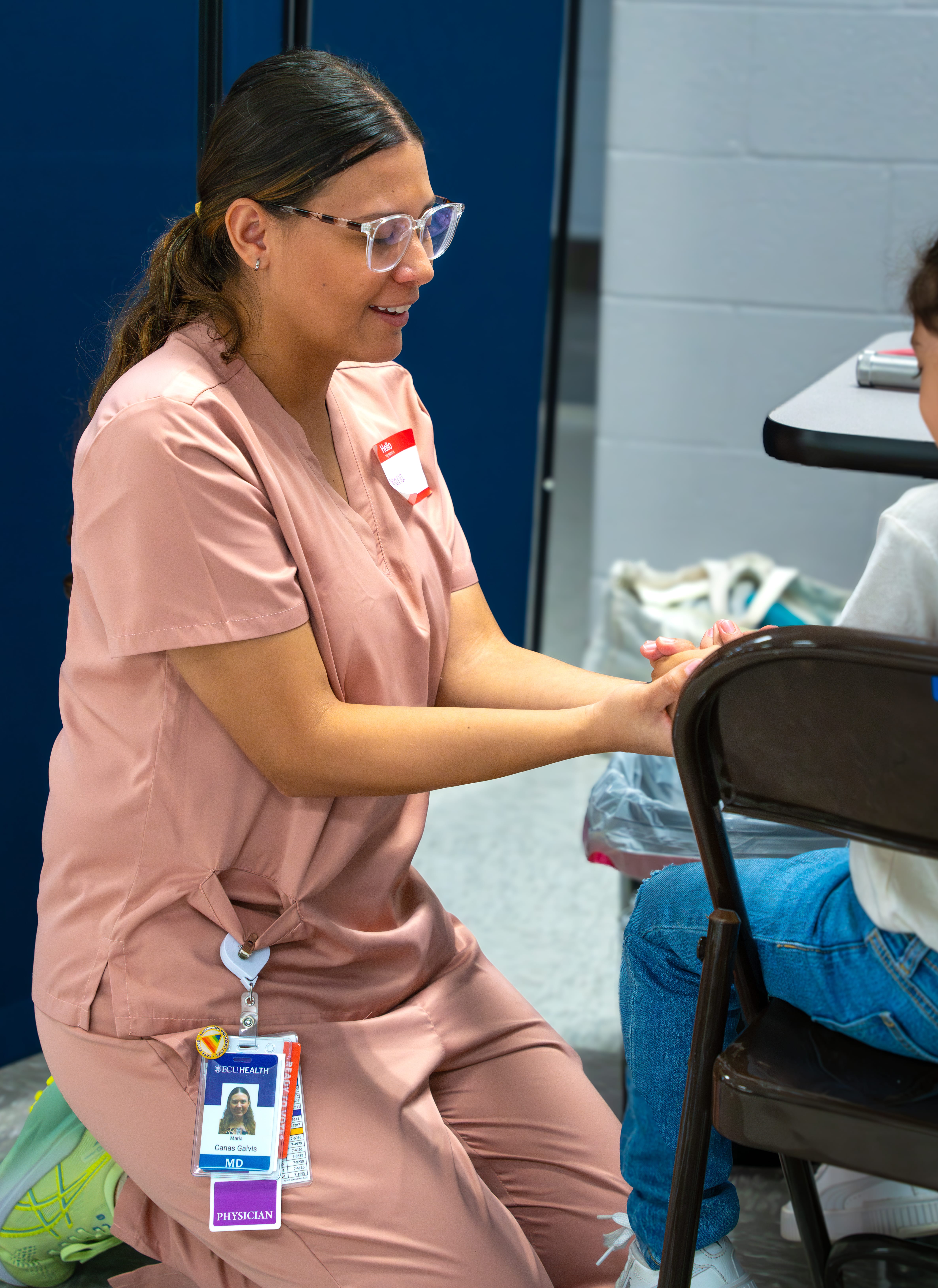
Six physician residents from ECU Health and three medical students from Brody were on hand to help for the Rose Hill-Magnolia Elementary School event. Among the residents were Dr. Maria Canas, a first-year resident, and Dr. Cady Hansen, a third-year resident.
Dr. Hansen said from a training perspective, the experience is invaluable.
“I think exposure and getting out in the community is so important,” Dr. Hansen said. “We’re connecting with the community and we’re treating patients, but it’s more than that.
This allows us to get a much different perspective into the levels of medicine needed in different areas and what people have access to and trying to ensure that we provide the best level of care across populations.”
Dr. Canas, who is from Colombia, was able to connect directly with Spanish-speaking students and families while providing care at the school. She said being a resource for Spanish-speakers made the day special for her.
“I love that. I really appreciate this opportunity,” Dr. Canas said. “It’s really nice because sometimes I get comments like, ‘I’ve never seen a provider speaking Spanish.’ It’s just nice because they can feel a little bit more comfortable speaking to me because it’s the same language and it’s not easy when you don’t have that.”
Sue Ellen Cottle, lead school nurse for Duplin County Schools, said the day was a success and each year she looks forward to the team coming together to do this important work. To date, 354 health assessments have been completed which have enabled 354 students to remain in school.
“We are very fortunate in Duplin County to have the partnership with Brody and ECU Health because otherwise these students would be out of school as of tomorrow morning,” she said. “We’ll do everything from pre-K through 12th grade today, physicals, immunizations, whatever they need to stay in school. We’ll see 51 students today and we’re just thrilled to partner with the team on this.”
Through programs like Healthier Lives at School and Beyond, Brody and ECU Health are living their missions in important and unique ways. The program is exposing Brody medical students and resident physicians to unique care environments and is working to increase the supply of primary care physicians serving the state ultimately to improve the health and well-being of the region. For ECU Health physicians and team members connected to the work, it directly drives forward the mission to improve the health and well-being of eastern North Carolina.
Working together with local partners makes the East a stronger, healthier community and helps ECU Health and Brody meet community members where they are to deliver high-quality, compassionate care.
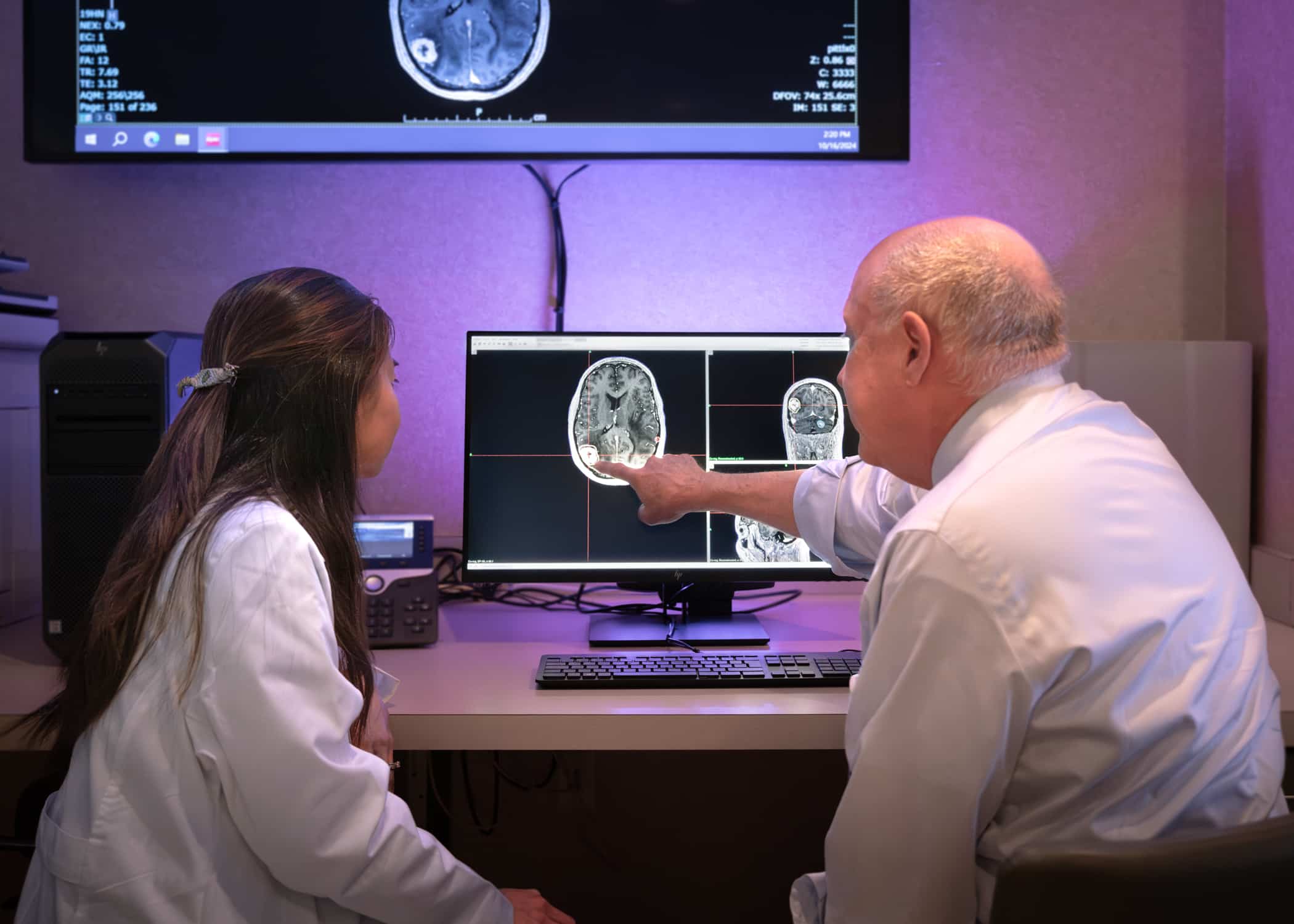
Greenville, N.C. – ECU Health Medical Center has earned The Joint Commission’s Gold Seal of Approval® Certification for brain tumor care, recognizing the program’s ongoing dedication to delivering safe, high-quality patient care. According to The Joint Commission, the Gold Seal is a symbol of quality that recognizes health care organizations that provide comprehensive care for patients with brain tumors.
“This recognition from The Joint Commission is a testament to the incredible neuro-oncological expertise, technology and research available here at ECU Health Medical Center,” said Jay Briley, president, ECU Health Medical Center. “It is immensely humbling to witness the incredible efforts that take place within the walls of the hospital every single day to further our understanding of brain tumors and brain tumor treatment. We could not be more proud of every team member who helped receive this prestigious certification.”
ECU Health Medical Center underwent a rigorous onsite review in July. During the visit, the Joint Commission reviewer evaluated compliance with related certification standards including compliances with consensus-based national standards, effective integration of evidence-based clinical practice guidelines to manage and optimize care, and organization of approach to performance measurement and performance improvement, including data collection and analysis. Joint Commission standards are developed in consultation with health care experts and providers, measurement experts and patients. The reviewers also conducted onsite observations and interviews.
“Brain tumor care certification recognizes health care organizations committed to striving for excellence and fostering continuous improvement in patient safety and quality of care,” says Ken Grubbs, DNP, MBA, RN, executive vice president of Accreditation and Certification Operations and chief nursing officer, The Joint Commission. “We commend ECU Health Medical Center for using The Joint Commission certification process to reduce variation in clinical processes and to strengthen its clinical program to drive safer, higher quality and more compassionate care for individuals served.”
ECU Health Medical Center boasts a comprehensive neuro-oncological care program, led by a board-certified neuro-oncologist. The Joint Commission’s Gold Seal of Approval® Certification for brain tumor care highlights the collaboration between interdisciplinary teams in oncology and neurosciences who are committed to advancing the treatment of brain tumors through research, numerous clinical trials, patient care, education and prevention.
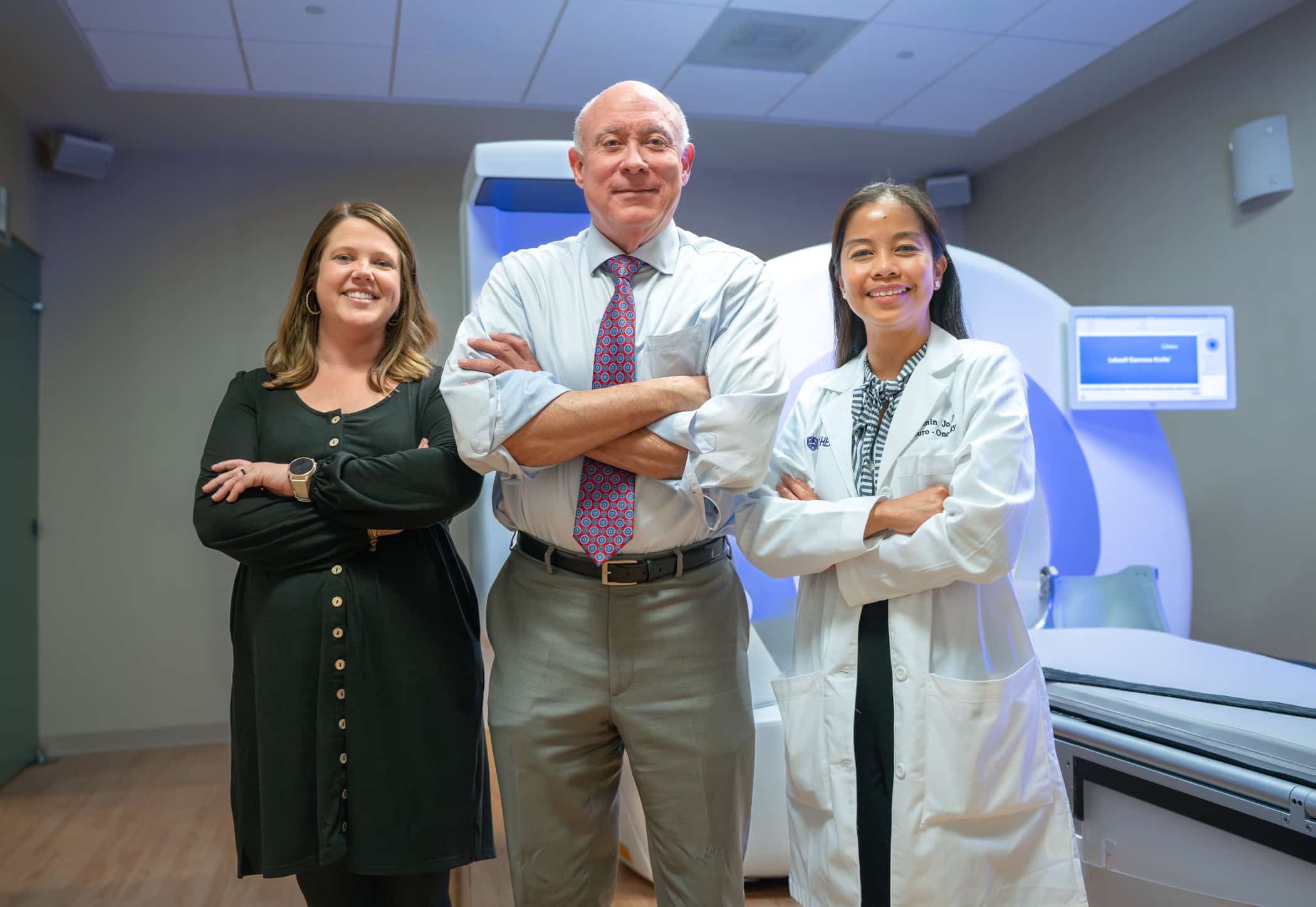
“Obtaining this certification highlights our team’s unwavering dedication and commitment to delivering exceptional care for our patients with brain tumors,” said Dr. Jasmin Jo, director, neuro-oncology program, ECU Health. “Our primary objective is to ensure we deliver high-quality care consistently throughout every stage of the patient journey, from initial presentation and diagnosis to treatment, and follow-up care, as well as comprehensive education for both patients and their families. I could not be more proud of the entire brain tumor team for their remarkable dedication and hard work in achieving this certification. We remain steadfast in our pursuit of continuous improvement in the treatment and care of our patients.”
In addition to its clinical and academic expertise, ECU Health Medical Center offers an array of comprehensive brain tumor interventions, supported by state-of-the-art technology like GammaTile and Gamma Knife treatment, as well as innovative clinical trials that improve brain tumor knowledge, treatments and outcomes. This blend of cutting-edge technology and academic collaboration enhances the precision and effectiveness of care, ultimately leading to better outcomes for patients.
“Patients diagnosed with brain tumors deserve access to high-quality physicians, technology and treatment options close to home,” said Dr. Stuart Lee, executive director, ECU Health Neurosciences. “I am proud of the team behind this important certification because they are truly living our values as a mission-driven organization. With comprehensive brain tumor services available in the region, we are proud to do our part to improve the health and well-being of those we proudly serve.”
For more information about ECU Health’s neurological care services, please visit ECUHealth.org/Neuro or The Joint Commission website.
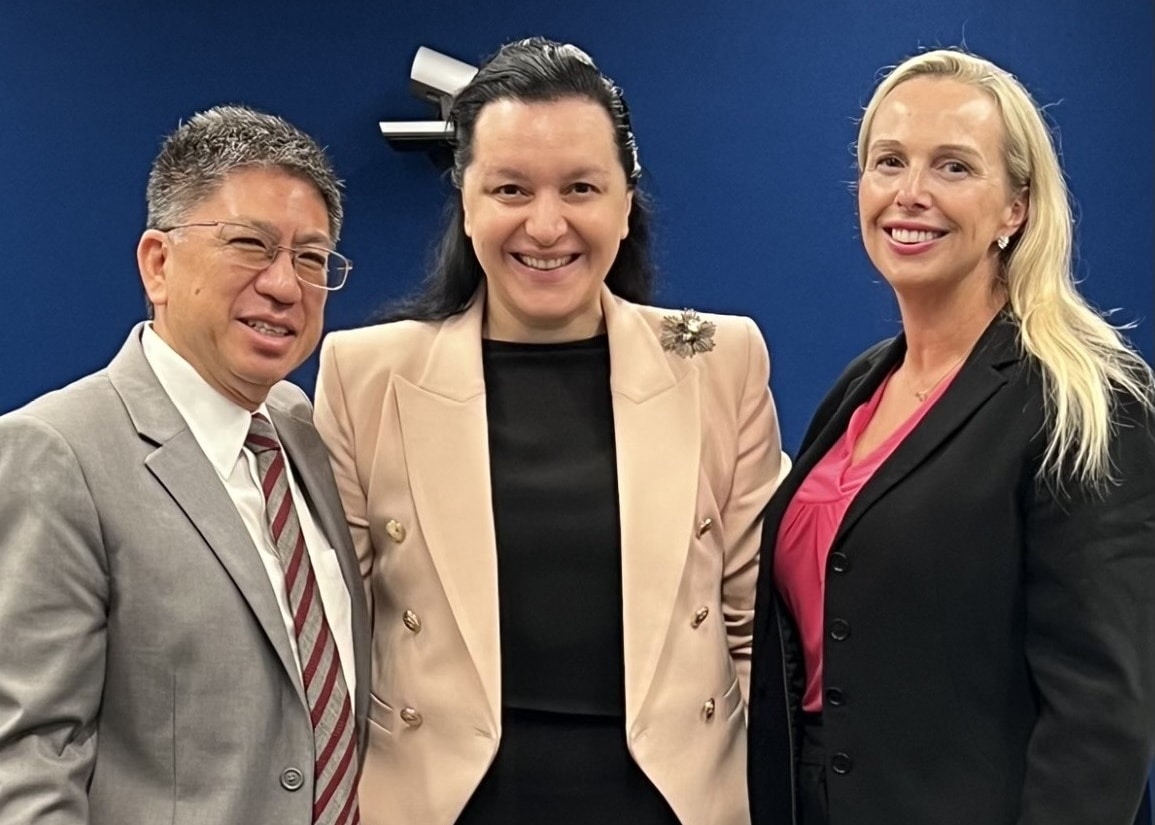
Amy Campbell, PhD, RN, CPHQ, LSSBB, quality nurse specialist III, represented ECU Health on Sept. 25 at a side event held in parallel to the 79th session of the United Nations (UN) General Assembly in New York City. The meeting, titled “2030 Global Agenda for Sepsis for Attaining Sustainable Development Goals,” was convened as a collaborative effort of the Global Sepsis Alliance (GSA), Medical Women’s International Association, Sepsis Stiftung and UNITE Parliamentarians Network for Global Health.
The meeting was the first-ever global strategy spearheaded by the GSA, with collaboration from 70 partner and member organizations from Regional Sepsis Alliances across Africa, Asia-Pacific, the Caribbean, eastern Mediterranean, Europe, Latin America and North America. The meeting’s objectives were:
- To present the 2030 Global Agenda for Sepsis as the first multi-year global strategy to alleviate the significant human, societal, economic and health care burden of Sepsis.
- To reach consensus on the urgent need for reinvigorating the Sepsis responses at global, regional and national levels for the attainment of 2030 SDGs including the aspirations for Universal Health Care, Maternal, Neonatal and Child Health, AMR, Pandemic PPR, Gender Equality, Peace and Partnerships for Development.
- To discuss the critical role of health care workers, especially the medical women, representing over 70% of the health workforce globally, in the promotion and implementation of the 2030 Global Agenda for Sepsis.
- To call for establishment of a High-Level Political Platform for Sepsis to lead integration of this global health threat into the mainstream of health and development dialogue and architecture, including G7 and G20 Summits, World Health Assemblies, UN General Assemblies, and World Economic Forums.
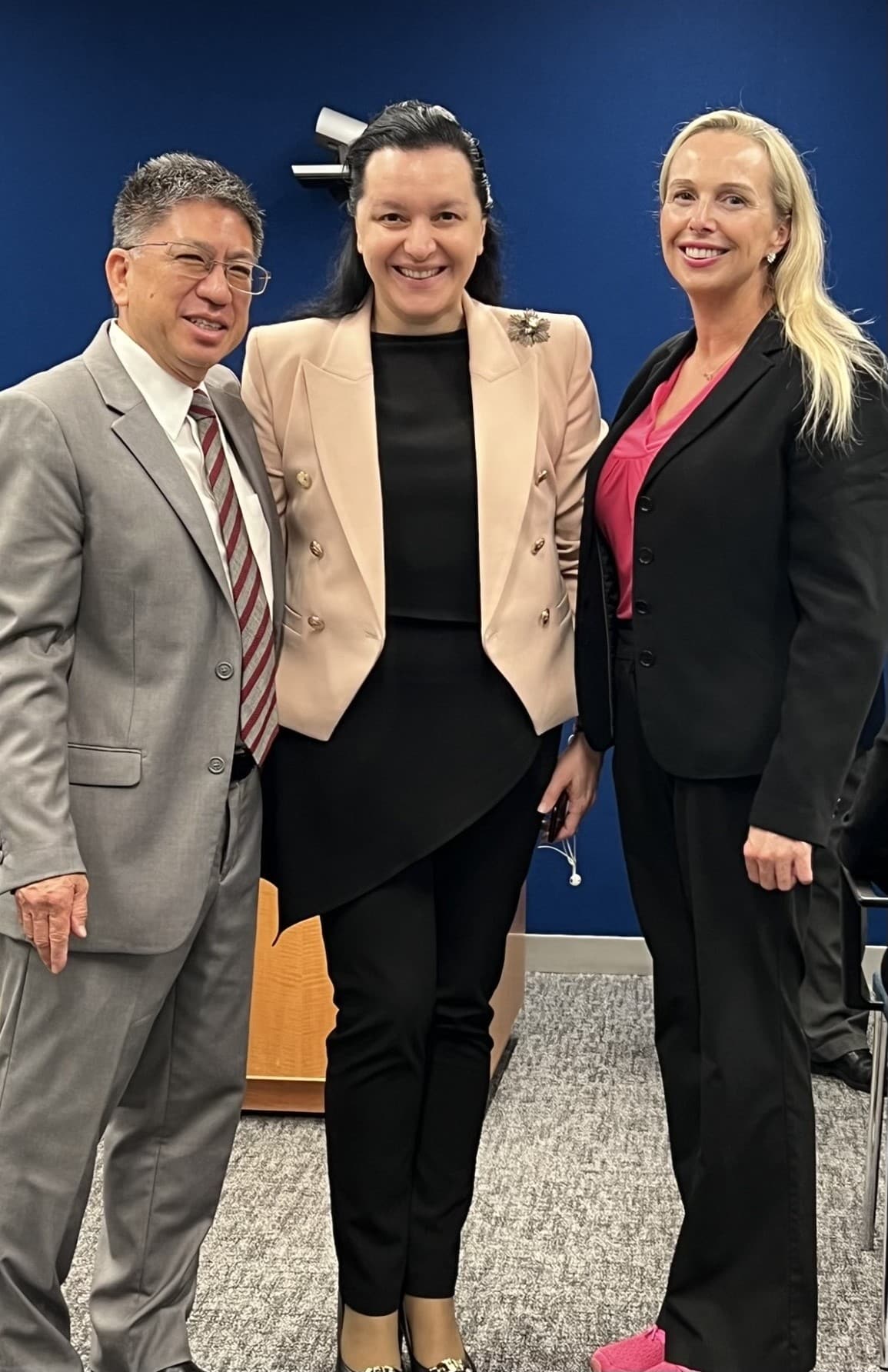
Dr. Campbell was personally invited to attend and speak by Dr. Mariam Jashi, MD, MPH, MPA and the CEO of the Global Sepsis Alliance, and Michael Wong, founder and executive director of the physician-patient alliance for health and safety. This invitation came as a follow-up to the 2024 World Sepsis Congress held this past April, during which Campbell served on the Scientific Committee. “I saw the invite and initially blew it off,” Dr. Campbell laughed. “I wasn’t sure it was real.” But after reassurance the invitation was legitimate, and with the encouragement of her team and Michael Wong, Dr. Campbell decided to go to New York. “I had a training session scheduled at work, but my colleagues covered for me,” she said. “I’m so thankful to my team and leaders who made it so I could attend.”
Once she arrived at the New York University campus, where the parallel session was held, Dr. Campbell said she met many leaders from across the world. “I met Dr. Eleanor Nwadinobi, the president of the Medical Women’s International Association (MWIA), Thomas Heymann, the president and CEO of the Sepsis Alliance and the Honorable Dr. Ricardo Baptista Leite, a member of the Portugese Parliament. People were speaking all these different languages and here I was from eastern North Carolina.”
The meeting focused on early detection of sepsis and how to treat patients with sepsis, no matter where they live. “As one of the speakers, I had the opportunity to emphasize the urgency of early detection, the critical need for continued research and the importance of securing funding so that everyone, regardless of their geographic location, can receive the same standard of care and chance for survival,” Dr. Campbell said. The speakers also discussed what they anticipated to be the next big problem with sepsis: antibiotic resistance.
Dr. Campbell said it was a great opportunity to represent the work she and ECU Health are doing to address the global problem of sepsis. “The attendees were impressed with the work we’re doing. ECU Health is a big deal; we have incredible people and talent, and we deserve a seat at the table,” she said. And next year, she has a seat waiting for her. “I’ve been invited back to speak next year, and I’ll work more with the GSA,” she shared. “We all have a lot to learn and do. Sepsis transcends borders, affecting individuals of all ages, races and socioeconomic backgrounds. However, the most vulnerable populations – children, the elderly and those in low-resource settings – are disproportionately impacted. Sepsis doesn’t wait, and neither can we.”
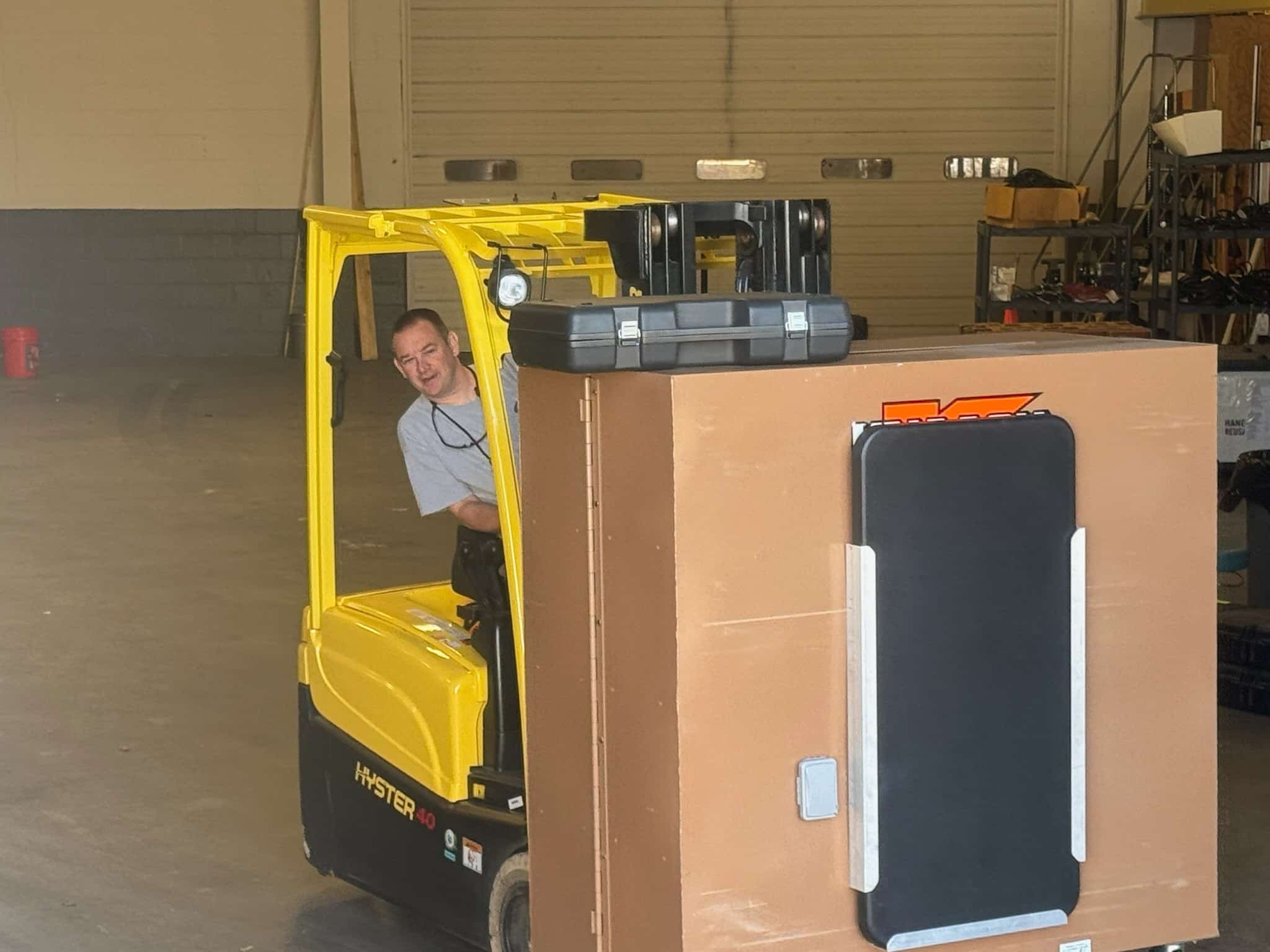
As recovery efforts continue following Hurricane Helene’s devastating impact in western North Carolina, team members from the east continue to do their part in support of those impacted.
The local efforts, led by the Eastern Healthcare Preparedness Coalition (EHPC) at ECU Health, include boots-on-the-ground contributions that started immediately after the storm hit the state and continue today in various capacities.
Chris Cieszko, Disaster Services Specialist with EHPC, was among the first group of team members to travel to western North Carolina in the Medical Ambulance Bus the day after Helene hit the western part of the state. Along with other members of EHPC, Cieszko said they helped with the immediate response which included logistical support during the staging period such as changing batteries, loading trailers and “a little bit of everything” to help manage supplies.
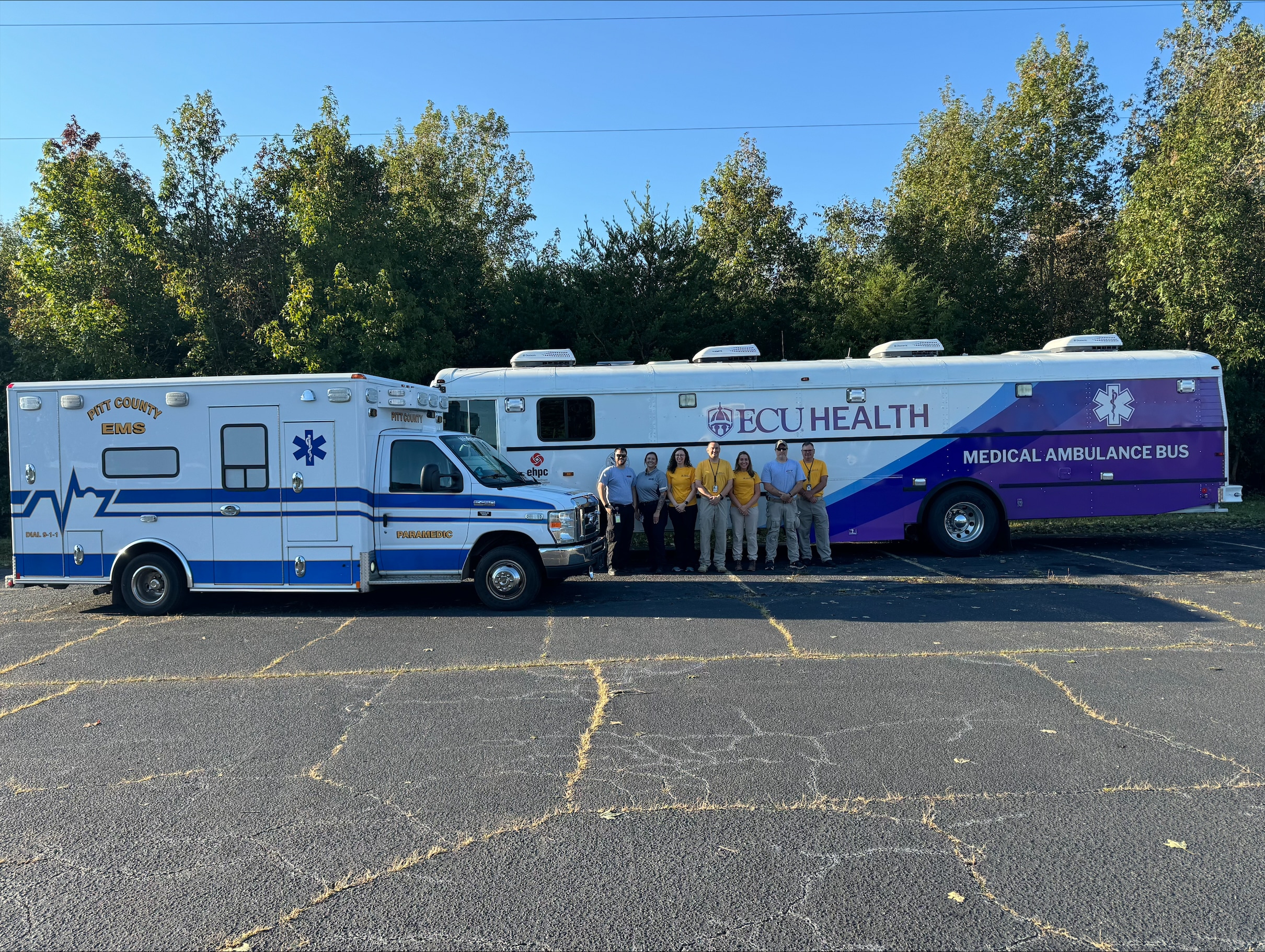
Using the medical bus, the team partnered with Lumberton Rescue Squad and assisted with the local EMS response from Linville-Central Rescue Squad to help evacuate 23 patients from a damaged assisted living facility in Grandfather Mountain to a safer location away from the impacted area.
“It was obviously a difficult situation given the conditions and circumstances,” Cieszko said. “No one wants to leave the comfort of their own living space. We were able to talk to them, take care of them and ultimately get them to a safe location. The entire response was a true testament to the teamwork between EHPC, Linville-Central Rescue Squad and of course our sister agencies in the North Carolina Healthcare Preparedness.”
The EHPC team also helped with technology and communication needs in the immediate aftermath of the storm, which is a vital asset to disaster response. Matthew McMahon, disaster services specialist with EHPC, helped connect a Starlink to the medical bus ensuring it had internet, and programmed helicopters to provide connectivity with ground support.
Recovery efforts have not stopped since Helene’s arrival, and neither has EHPC. Chris Starbuck, Healthcare Preparedness Coordinator with EHPC has been stationed in Raleigh at the North Carolina Department of Public Safety Emergency Operations Center. His role includes supporting health care staffing needs at all several operational sites managed by the state.
These needs, along with EHPC support, represent the importance readiness to respond to disasters immediately, while also being prepared to provide long-term help as recovery efforts continue.
“A huge outpouring of medical personnel from all over NC have volunteered to assist with the response efforts in the west,” Starbuck said. “Many are wondering ‘when’ they are going to get a chance to help. We can be ready for when the call comes. Have plans for your family, kids, and pets along with working with your employer so they can plan schedules.”
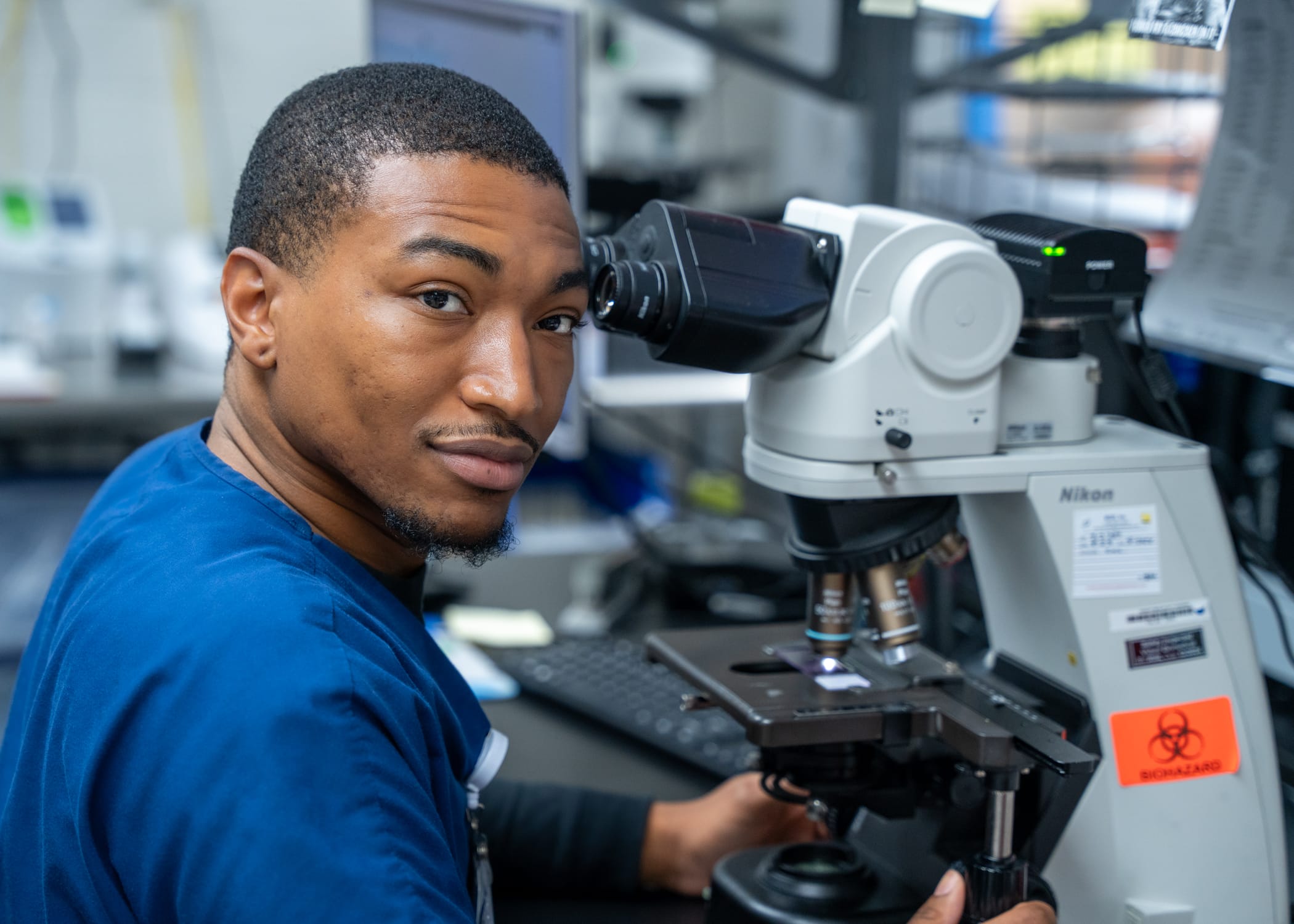
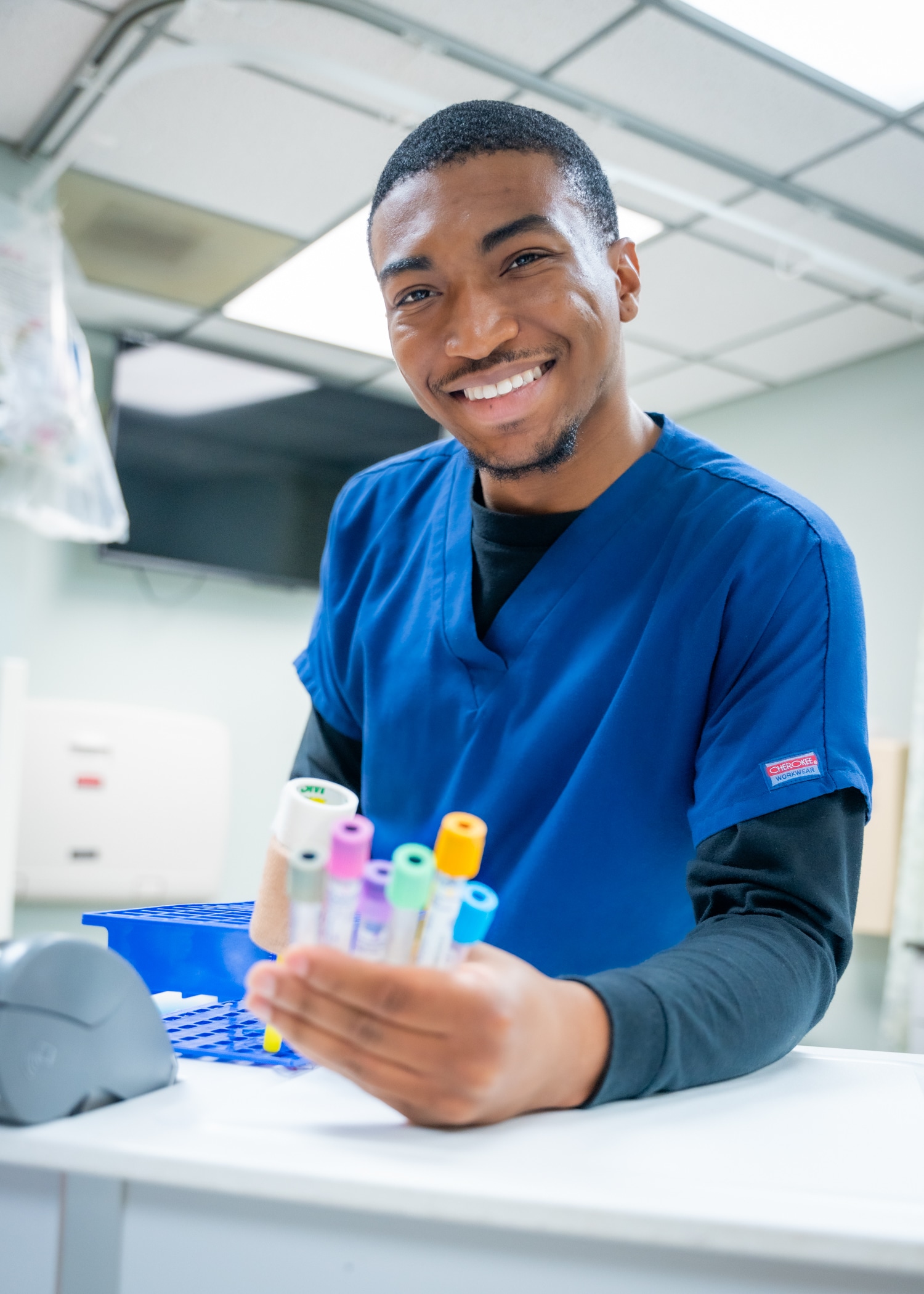
In March of 2021, Jalen Hill, MLT (ASCP)CM, joined ECU Health Beaufort Hospital as a cook in the Food and Nutrition Services department. “I wanted to go to culinary school,” he said. “But once I was at the hospital, I found out about a whole other world of opportunities.”
Those opportunities began with one conversation with Human Resources (HR). “Someone in HR heard me talk about wanting to do something different,” Jalen shared. “I wanted to be more involved and out in the field, doing patient care. I was considering going into radiology, and I thought I could train in phlebotomy and then transfer into a radiology program; but then the person in HR talked to me about the medical laboratory technician (MLT) role, which I had never even heard about. She was the one who set me up with the lab to do some job shadowing, and that was the spark.”
From there, Jalen entered the medical laboratory technician program at Beaufort County Community College in August of 2021, and at the same time, he also trained as a phlebotomist. In July 2023 he completed his phlebotomy training, and in May of 2024 he graduated with an associate degree in medical laboratory technology. That following June he began working at the hospital as an MLT.
Now Jalen truly enjoys his work and the chance to meet different people every day. “You are talking to people and hearing their stories every day. I’m drawing blood to help doctors, and I’m in the lab running tests to help get a diagnosis. That means a lot,” he said. He also values his co-workers, without whom he might not have found his true calling. “In this job, I’ve gained friendships and I’ve learned a lot. Andrea Latham and Sherry Langely were the ones who encouraged me to train as a phlebotomist and let me shadow in the lab. When I was in school, I still worked in the cafeteria, and they’d come by and ask how classes were going. They offered to help if I had any questions. I appreciated them checking up on me.”
The Washington, North Carolina native is now pursuing a bachelor’s degree in medical laboratory science at Winston-Salem State University, and he is already considering his future education and career options. “I’ve researched forensic science, but I’ve also looked into a master’s in business administration or a master’s in public health, where I could be an epidemiologist or toxicologist. It feels good to have these opportunities ahead of me,” he said.
To anyone considering making a career shift to health care, Jalen said go for it. “It’s a great decision. You have a direct influence on people’s lives every day. Every time you clock in, you are doing something that’s meaningful to someone, whether it’s a simple blood draw or talking to a nurse about lab test results. It’s a rewarding career.”
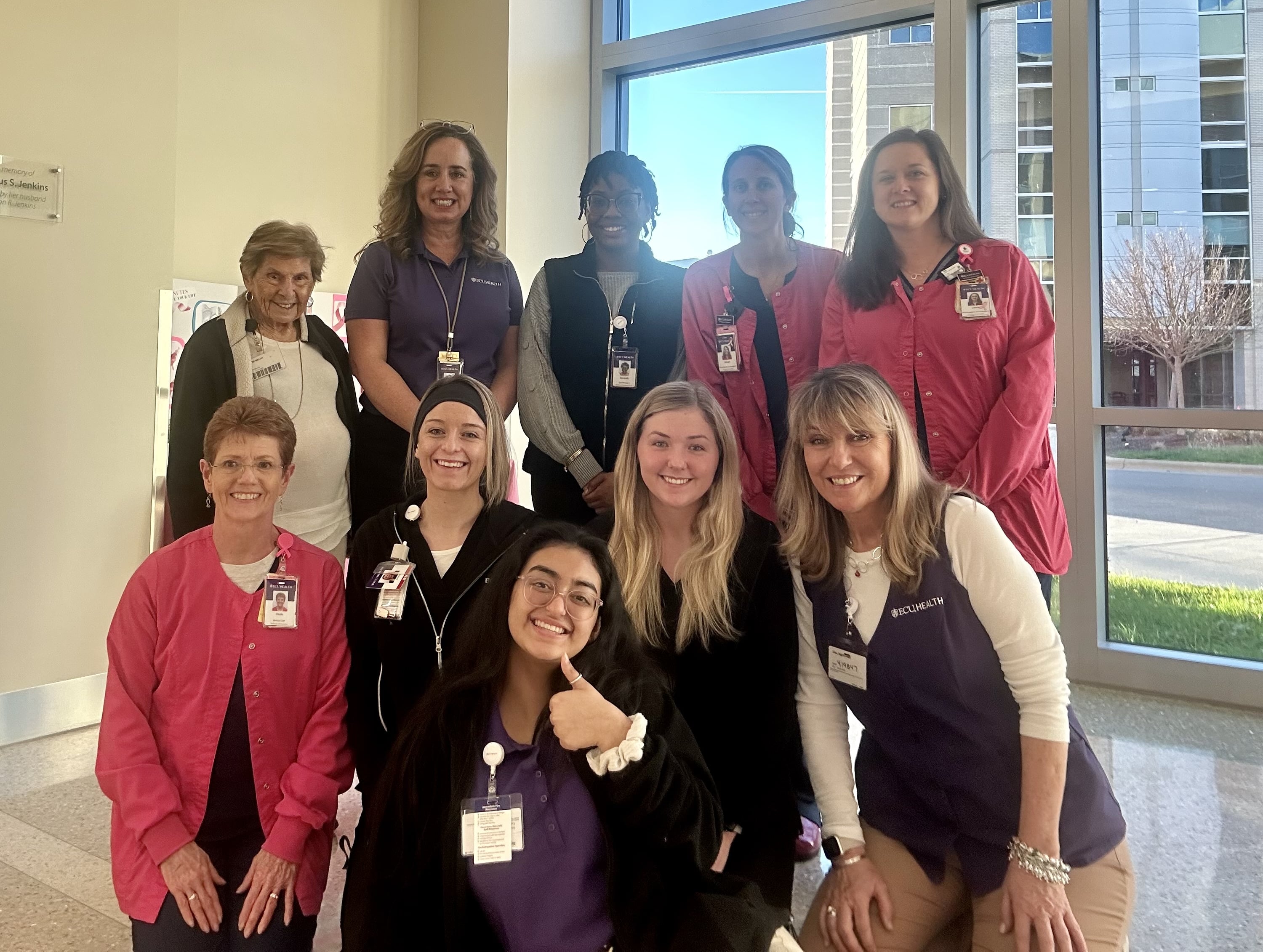
It’s not just in October, which serves as Breast Cancer Awareness Month, that you can find the ECU Health Cancer Care Outreach team making connections in the community.
Jennifer Lewis, outreach coordinator for cancer care at ECU Health Medical Center, said she spends much of her time reaching out to community partners, talking to groups in Pitt County and beyond, and connecting with ECU Health patients and families. However, she said, the most rewarding part of her job is the monthly free breast clinic she helps run.
The clinic, for women in Pitt County age 40 and older who are low income and do not have health insurance, provides screening mammograms while sharing other resources available for health care in the area with those participating in the screening.
Lewis said she is grateful to help with the program and is proud of the impact it has on Pitt County.
“Patients don’t see a bill because of donations to the Cancer Center and the ECU Health Foundation, and that’s just an amazing thing we get to offer,” Lewis said. “We start with a breast exam by a provider to check for obvious abnormalities. Then they have their 3D mammogram, so they get state of the art imaging just like anyone else would get and they don’t get lesser quality. If they have an area that is of suspicion, we can do a diagnostic mammogram and if the radiologist looks at those images and feels like there’s some more concern about something, next would be an ultrasound of that area of suspicion. The program that we have here pays for all that.”
She shared that while ECU Health Beaufort Hospital and Outer Banks Health currently have their own programs outside of Greenville and Pitt County, other hospitals across ECU Health’s system are working toward establishing the program as well.
Lewis said the partnerships and volunteerism associated with the program make it truly special. She and her team work closely with the Pitt County Health Department to help patients who need further care through the Breast and Cervical Cancer Control Program (BCCCP).
“We can’t do this without our partners, that’s for sure,” Lewis said. “We have such a great working relationship with the Pitt County Health Department and the mammography technicians, Patient Access Services, Language Access, Volunteer Services, radiology and ultrasound, and then our nurse residents who help out all work together so well. After patients are seen during the free clinic day, we have Access East on hand, too, to share information and resources about other services they can get access to. It’s such great teamwork all around that makes these events successful.”
The program sees so many patients throughout the year that they’ve recently added an extra clinic day twice a year, once in February and once in October, to help meet the needs of the community.
While Lewis is frequently in the community talking to groups and spreading awareness, October is especially important. She said she’ll spend much of the month meeting with community groups and in churches discussing risk factors, signs and symptoms and why screenings are important.
“This month is an intentional time set aside to speak about risk factors, family history, and signs and symptoms, because that’s the one time of the year that you can sit back and think, ‘OK, am I having any of these symptoms?’ Or ‘What is my family history? Because last year I didn’t have any, but this year my mother or sister has been diagnosed with it.’ It really creates that intention for people to have that moment sometime during the month,” Lewis said. “Whether it’s an ad on Facebook or hearing someone like me speak, it’s important to have that moment of reflection, remind yourself to get a mammogram and just put that in the forefront of women’s minds.”
She said if there’s one thing she could remind the community, it’s that anyone can be diagnosed with breast cancer. She noted that there are many myths, including that because someone is without family history, is otherwise healthy or is a male, that they cannot develop breast cancer. This is why she said it’s critical for everyone to be aware of signs and symptoms and receive screenings as recommended.
Resources
Breast Screening Events
ECU Health Cancer Care
More Breast Cancer Information
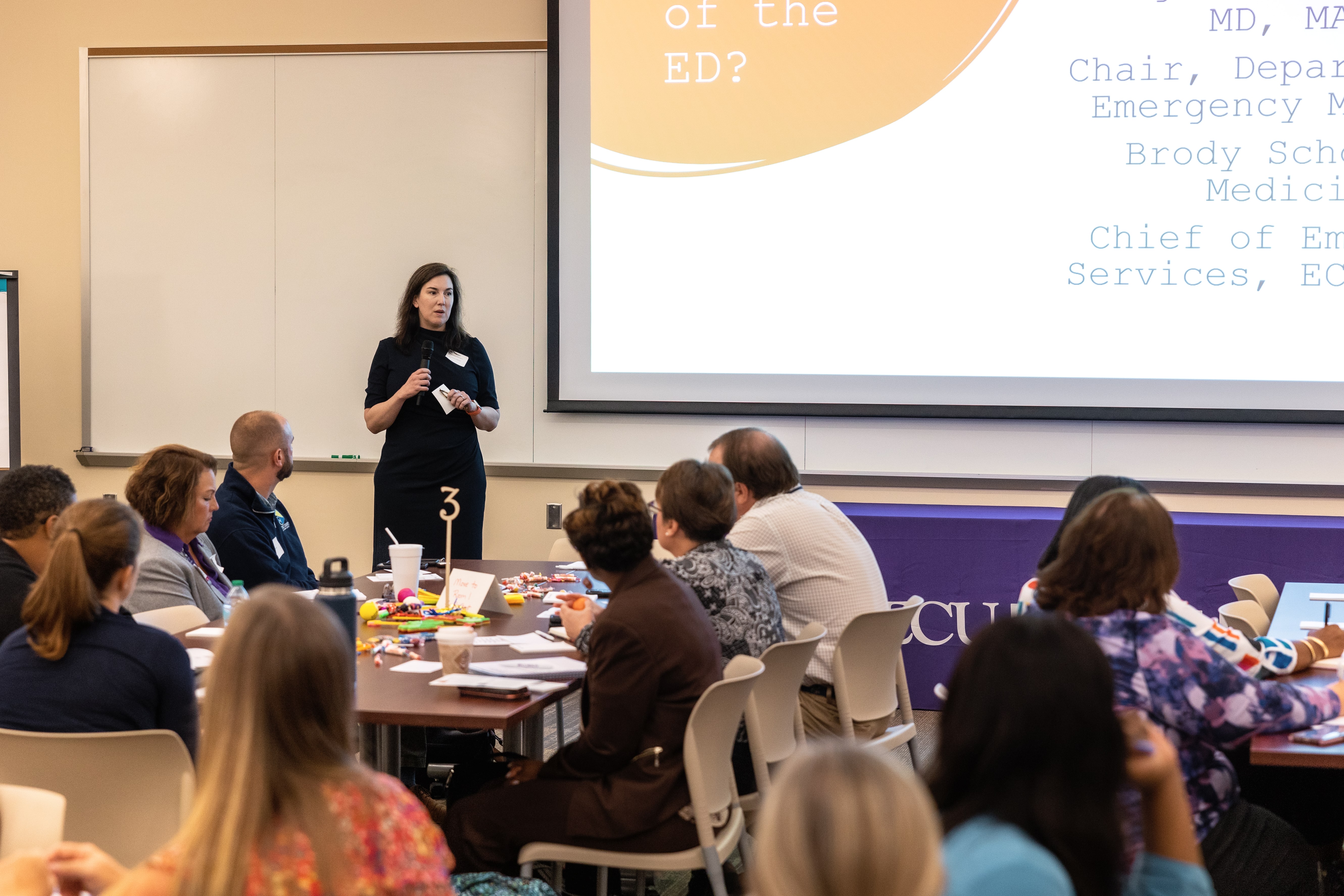
It was a packed house at ECU Health’s Monroe Conference Center on Oct. 1, as ECU Health and Pitt County Department of Social Services (DSS) welcomed dozens of community-based health partners for a conference designed to help tackle a complex challenge: reducing unnecessary emergency department utilization to ensure enhanced access for those needing emergency care.
It is no secret that overcrowding in emergency departments is a challenge facing hospitals across the country. ECU Health Medical Center, the only Level I Trauma Center in ECU Health’s 29 county service area, is no exception. The medical center serves a largely underserved rural region where access to care is difficult for many. That includes primary care, behavioral health care and other services best rendered in outpatient settings. Combined with a disproportionate number of uninsured community members, this lack of access to care means patients often times end up at hospital emergency departments.
Dr. Leigh Patterson, chief of services for emergency medicine at ECU Health Medical Center and chair of emergency medicine at the Brody School of Medicine at East Carolina University, said ECU Health’s nine hospitals will see nearly 250,000 visits to the emergency department this year, with more than half of those occurring at the medical center. She said conversations with key community health leaders, like the one hosted by ECU Health and Pitt County DSS, can help ensure community members are aware of, and have access to, non-emergent health care resources outside the emergency department setting.
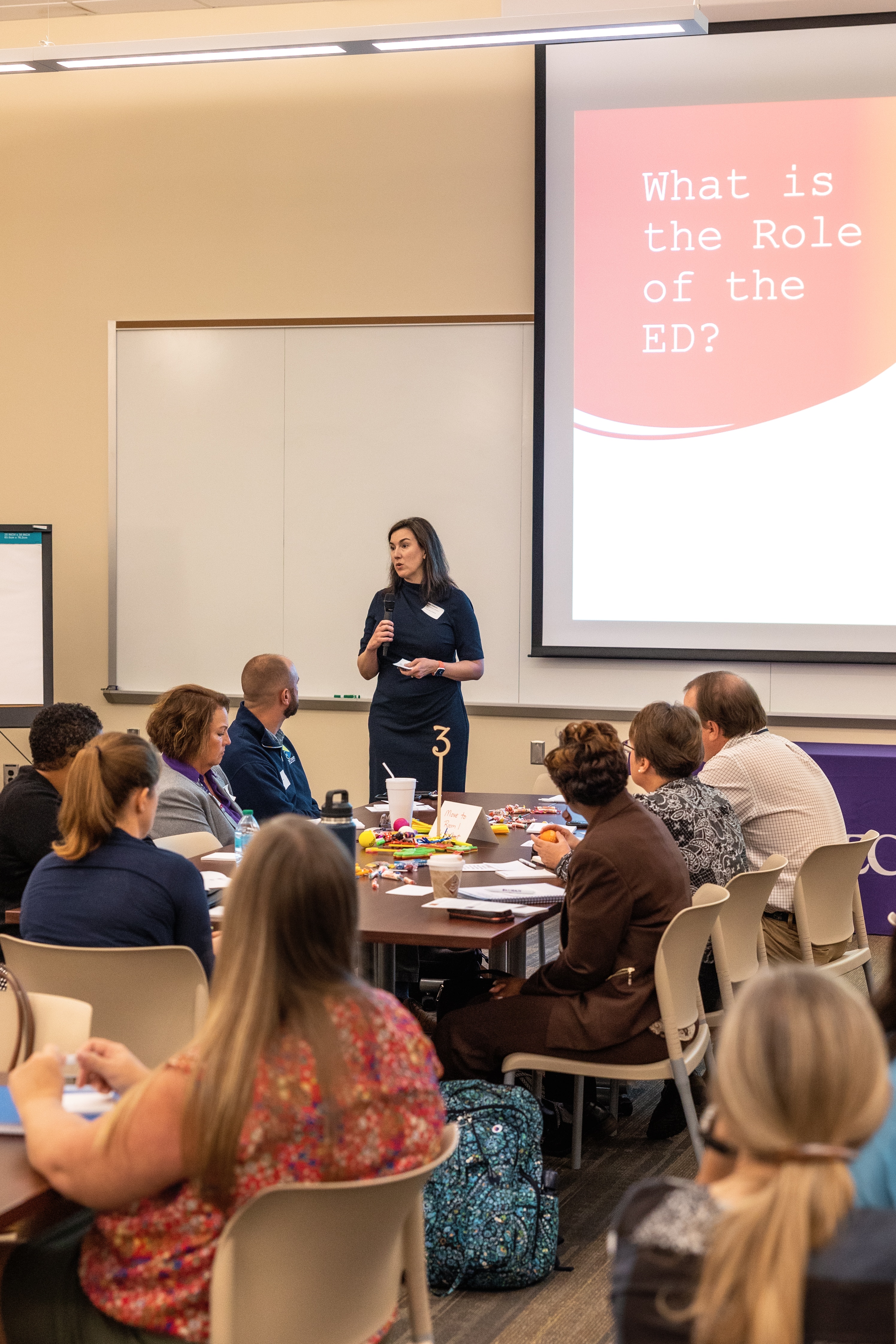
“When I look at what happens inside the emergency department, I see the opportunity for us to help fill the care gaps that exist outside of it,” Dr. Patterson told the group, noting that she sees about 225 adult patients per day in the medical center ED, about 40% of whom could be more appropriately served in an outpatient setting. “When it comes to addressing this problem, it will take all of us as a health care community to make meaningful change. That’s why I’m heartened that so many of you have joined us today to work together toward solutions that make an impact in our community.”
The conference represented true regional community collaboration. Health care partners present at the conference included ECU Health, DSS Directors from across eastern North Carolina, Juvenile Justice, Trillium Health Services, Public School leaders, NC DHHS, payors and other eastern North Carolina hospitals and key stakeholders.
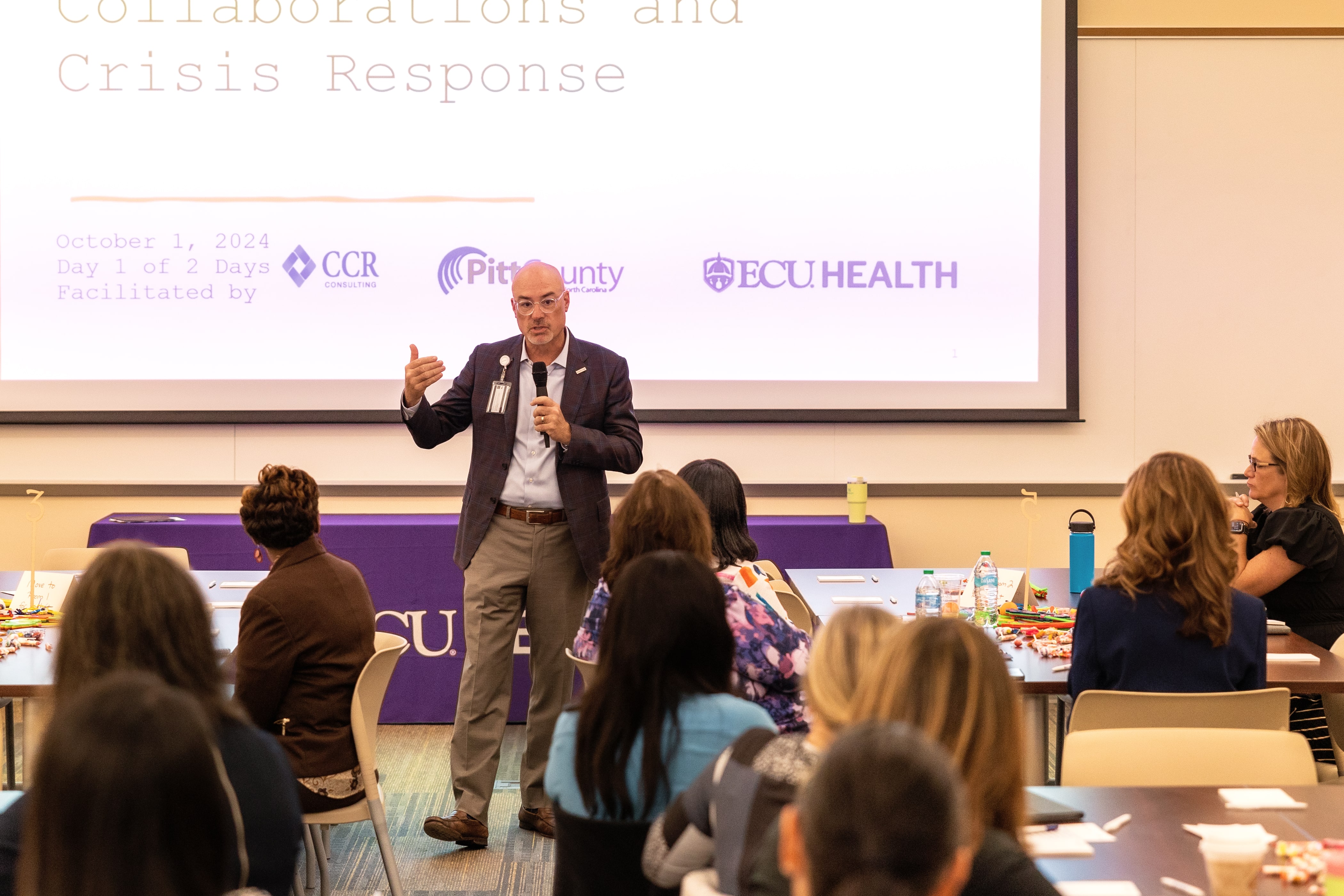
“The ECU Health/Pitt County DSS ED conference was an excellent example of cross system collaboration,” said conference co-sponsor Sharon Rochelle, director, Pitt County DSS. “This was a day to build mutually beneficial partnerships that have common goals to better serve the children and adults of the community.”
The conversation focused on both adult and pediatric/adolescent patient populations and heavily examined the challenges that behavioral health patients face accessing care. Despite the new inpatient behavioral health hospital slated to open in Greenville in 2025, those in attendance agreed that the issue needed immediate attention which involves creating increased interconnectedness among those providing care both in the community and in the hospital setting.
“We are grateful for all agencies involved in this important and challenging work,” said Jacob Parrish, vice president of capacity and throughput at ECU Health. “We know that the complex challenges we face cannot be solved at emergency departments alone. We are fortunate to have so many committed partners who share our vision for continuous improvement through strong relationships and close collaboration. Together, we can ensure the highest quality of care for communities across the East.”
The recent meeting was the first day of the two-day conference, largely centered around examining the issues through open and honest conversations. Those in attendance will reconvene later in the month for the second meeting to develop an action plan with concrete steps and strategies for improving access to care and reducing unnecessary ED utilization in eastern North Carolina.
“This is a complex set of issues, but I am confident we have the right people in our community committed to finding the solutions,” said Brian Floyd, ECU Health chief operating officer. “While these challenges are not exclusive to our health system or region, I know that together we can help support our emergency departments and improve the experience for those needing access to high-quality emergency care which is rendered at our hospitals every single day.”
Resources