
The 2024 North Carolina Governor’s Volunteer Service Awards winners include two ECU Health Medical Center volunteers, one ECU Health team member and the ECU Health Beaufort Hospital volunteer team. Established in 1979, the award honors the true spirit of volunteerism by recognizing individuals and groups who make a significant contribution to their community through volunteer service. Individuals or groups from the public, nonprofit and private sectors may be nominated for this award.
Emmanuel Bryant
Emmanuel Bryant has volunteering in his blood. “My mom founded a nonprofit in Durham to prevent teenage drug and alcohol abuse, and she was a founding board member of the IDYL Charter School,” he said. “I grew up volunteering and I believe it’s important to give back to the community.” The Durham native also grew up knowing he wanted to work in health care, but his plans shifted from wanting to be a doctor to pursuing a career as a physician assistant (PA) after attending a University of North Carolina at Chapel Hill medical school program for high school students.
“It was a nine-week program with different people sharing information about the various specialties and aspects of medicine,” he said. “During the program, someone talked about PAs. That got me interested.”
Bryant attended ECU to get his bachelor’s degree in public health with a pre-health concentration. He graduated in 2023, and he needed a certain number of volunteer hours to apply to PA school. “I did research with the Brody School of Medicine and worked in home health with children with autism,” he said. Then a friend of his suggested he look into volunteering at the ECU Health Medical Center. “I worked in patient transport and some in outpatient rehabilitation,” he said. “I had great mentors, including Emmett (Floyd) – he’s an awesome guy and he showed me a lot of things. It was an experience I think of fondly.”
During his time helping with rehabilitation, Bryant said he got to work alongside Shane Whitley, a PTA, and learn about therapeutic interventions. “I learned about breaking up scar tissue and stress tests. It was one of my favorite areas to work.” He also worked in the Cancer Center, where he saw many patients ring the bell to signify their last cancer treatment. “It was such an emotional experience, and the nurses there are elite in their skills.”
His experience as a volunteer has set the stage for success in his pursuit of being a PA. “It has helped me get comfortable with patients, so as a provider I can work with them. Everyone is different and all come from different backgrounds,” he said. “Exposure to these differences is the best way to combat discrimination, and it helps us know we’re all human.” The work also helped Bryant better understand how hospitals work and how to collaborate with different professionals and personalities. Best of all, Bryant said he felt blessed give back to a community that has given him. “I felt like it was my duty to give back,” he said. “Without ECU and Greenville, I wouldn’t be at PA school. I’m truly honored to win this award.”
Dr. Emmett Floyd
A native of Virginia, Dr. Emmett Floyd moved to North Carolina to attend Atlantic Christian College (now Barton College) in Wilson, North Carolina. After graduation, he was a teacher and a coach until he was drafted into the army in 1967. Upon the completion of his service, he returned to work as an educator and coach until he decided to pursue his master’s degree in educational leadership at East Carolina University (ECU). “[After graduation], I was a principal for four years, then a school superintendent for 15 years, after which I joined the faculty at ECU in the College of Education,” he said. Although he “retired” in 1998, he still worked for the College until 2010, when he became the executive director of the ECU Pirate Club. “After four years doing that, I finally retired for good at age 69,” he said. “From then on, I did volunteer work.”
That volunteer work included serving as vice chairman of the local Chamber of Commerce, which he has done for 10 years. A chat with a fellow ECU colleague – and a previous NC Governor’s Volunteer Service Award winner – Frank Crawley, inspired him to look into volunteer work at the ECU Health Medical Center. “There’s a few of us who all know each other from ECU, and they were all working the Tuesday morning shift. So, I joined that group in 2020,” he said.
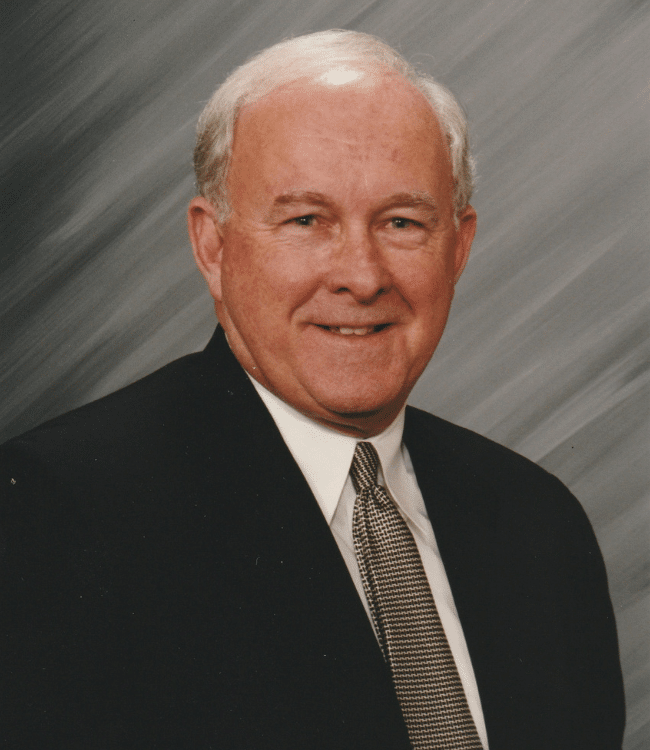
Dr. Floyd works as a patient escort, helping patients get to where they need to go. “I pick them up and take them to endoscopy or GI or up to their hospital rooms. And there’s not a day I don’t get a thank you from them. Those thank yous are the salary,” he said.
Dr. Floyd also likes the camaraderie of working with his fellow volunteers. “We have a lot of students who come in during the summers, and they sit and listen to old men talk about things, and then we get them to share about themselves. I look forward to it every week.”
While he was surprised to learn he won the volunteer award, Dr. Floyd is appreciative and humble. “It’s not about me,” he said. “I’m just one who represents the 300 or more members of our team.” He also said he is happy to be able to give back to the community. “We’ve lived in Greenville for 35 years, and we’ve benefitted from our time here,” he said. “I feel like you should give back, and volunteer work is one way to do that.” Those who volunteer for ECU Health, he said, find their own way to use their skill sets to help others. “I met a woman who rocks babies in the NICU,” he said. “What a great thing for her to do. That’s her gift and how she gives back. No matter what your skill set, there is something you can do to help.”
All winners were recognized at their local county commissioners’ meetings this past summer. Congratulations to the winners and thank you to all of the volunteers and team members who serve eastern North Carolina at ECU Health. To learn more about the NC Governor’s Award for Volunteer Service, to nominate a volunteer or to see the full list of the 2024 winners, visit this site.
Resources
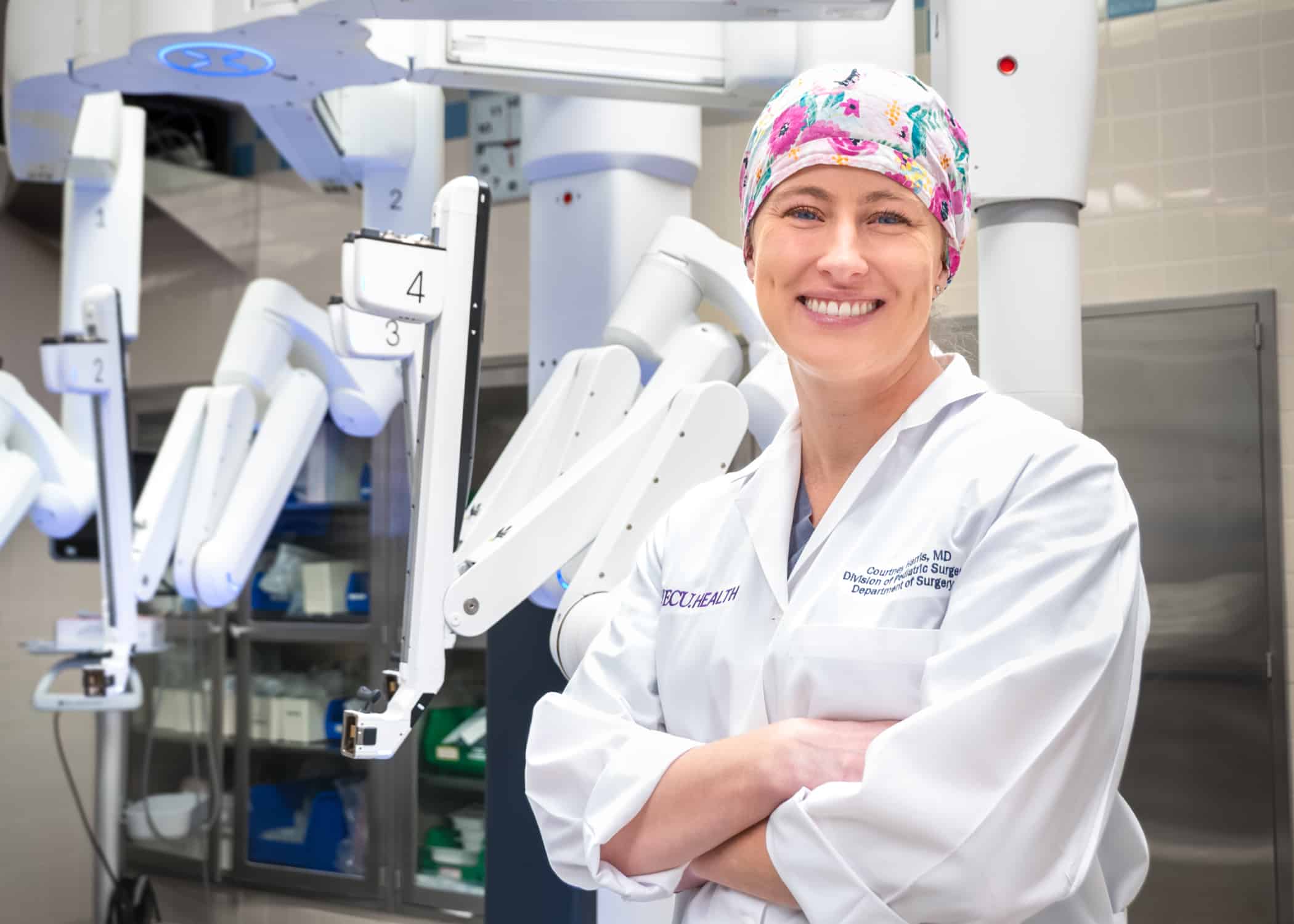
ECU Health is advancing pediatric surgical care in eastern North Carolina by introducing robotic-assisted surgery, a cutting-edge approach that enhances precision, improves outcomes and expands minimally invasive options for children in the region.
Dr. Courtney Harris, a pediatric surgeon at ECU Health, recently performed the health system’s first pediatric robotic-assisted cholecystectomy (gallbladder removal).
“Robotic surgery is still relatively new in pediatric care, and it offers significant advantages for both surgeons and patients,” said Dr. Harris. “The enhanced range of motion, improved precision and advanced imaging technology allow for a more refined approach, leading to better outcomes.”
Robotic-assisted procedures enhance precision with robotic arms that offer wrist-like movement. This technology provides greater dexterity, similar to open surgery, while preserving the benefits of a minimally invasive approach.
With extensive experience in robotic procedures, Dr. Harris has collaborated closely with Dr. Shannon Longshore, the division chief of pediatric surgery and medical director of the pediatric trauma program at ECU Health Medical Center, and the surgical team to bring this technique to ECU Health.
“Bringing this technology to ECU Health means we can offer our youngest patients the latest advancements in surgical care right here in eastern North Carolina,” said Dr. Longshore. “We’re excited about the possibilities this opens up for pediatric surgery and are committed to expanding access to these innovative procedures.”
Robotic-assisted surgery builds on the strengths of traditional laparoscopic techniques, offering enhanced precision and efficiency, with some procedures completed more quickly. The technology reduces physical strain on surgeons, supporting long-term physician wellness. Both techniques offer similar incision sizes and recovery times.
“The introduction of pediatric robotic surgery at ECU Health marks a significant step forward in expanding minimally invasive surgical options for children,” said Tara Stroud, vice president of Women’s and Children’s Services, James and Connie Maynard Children’s Hospital at ECU Health Medical Center. “ECU Health continues to drive innovation in pediatric surgical care, ensuring that children in the region have access to the highest quality treatments available.”
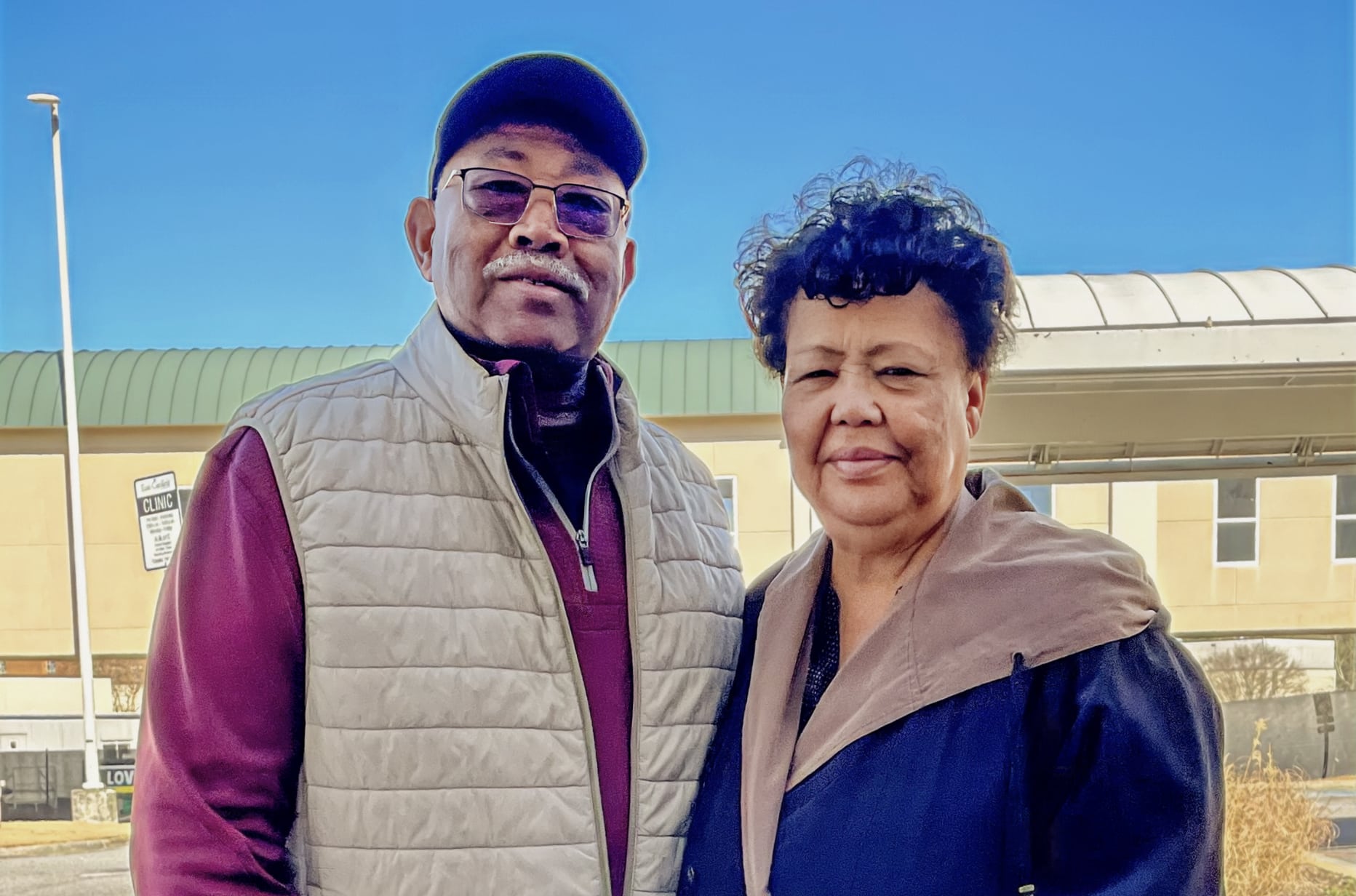
Marvin Mullen has always enjoyed an active lifestyle. From his 25 years of work as a forensic scientist, to his regular rounds of golf in eastern North Carolina and his love of sporting events, Mullen has never been interested in slowing down, even in retirement.
That all changed when he was diagnosed with benign prostatic hyperplasia (BPH) in 2024 which is a common condition affecting 3 million men each year, BPH is a condition where the prostate gland enlarges over time causing urinary flow disruptions. While the causes of BPH are not clear, the condition typically affects older men and is known to get worse over time.
For the first time, Mullen, 81, had to confront the reality of not doing the things he loved most because the disease simply got in the way.
“My whole lifestyle changed,” Mullen said. “I didn’t go to events because I didn’t know how far I would be away from a bathroom. I had to keep Depends in my vehicle. I was waking up so frequently at night because I had to use the bathroom so often. I felt like I couldn’t even visit my daughters in Baltimore because every 50 miles or so I would have to pull off the highway to find a bathroom.”
Desperate for answers, Mullen started doing research on the condition seeking for solutions that would help him get back to the things he loved most. He wanted to avoid traditional surgical options if possible. He visited his local urologist who referred him to a specialist to explore his options. That’s how he got in touch with Dr. Karl Chiang, chief of Interventional Radiology at ECU Health and professor at the Brody School of Medicine at East Carolina University.

After a consultation with Dr. Chiang, Mullen found out he was an ideal candidate for prostate artery embolization (PAE), a minimally invasive procedure where x-rays and other advanced imaging technologies help doctors see inside the body so they can treat the condition without surgery using tiny catheters.
“This procedure is a game changer,” said Dr. Chiang, who started performing the procedure in 2024 and is currently the only interventional radiologist in the region who offers PAE. “Urologists now have an alternative if patients don’t qualify for surgery or patients are fearful of the possible sexual dysfunction side effects of surgery. PAE is well-tolerated, preformed like an outpatient surgery and we’ve been pleased with the clinical results without complications so far.”
Things changed again when Dr. Chiang performed the PAE procedure on Mullen in June of 2024 – this time for the better. Mullen was home the same day and the results were almost immediate.
“After a couple of days, it was hardly an issue anymore,” said Mullen. “By the time a month had gone by, there was significant change. When I went to see Dr. Chiang for my three month check up I was surprised at how much of a difference it all was. I was pleased that we were well on our way to significant change.”
Mullen is proud to say he’s back to doing what he loves. His golf game is back on track, he’s able to travel to see his daughters and he can attend the events he loves alongside his wife without worrying about the closest bathroom.
“There’s no question that I would do this all over again, and I would recommend that anybody who fits this category should at least consider the PAE procedure,” said Mullen. “Everything went smoothly and I give credit to Dr. Chiang and his team.”
For Dr. Chiang, he hopes to see others share in Mullen’s success with PAE. The BPH condition is common and others may be living with the same difficulties that Mullen experienced. While not everyone will qualify for PAE, Dr. Chiang said the procedure and other offerings available at ECU Health can help men dealing with BPH get back to the things they love, too.
“If you’re struggling with BPH, my advice is simple: call your urologist,” Dr. Chiang said. “I’m thrilled we now have this procedure at ECU Health and we’re truly committed to providing high-quality cutting-edge interventional radiology offerings to people across eastern North Carolina.”

ECU Health’s Pediatric Asthma Program, which started in 1995, aims to reduce emergency department (ED) and inpatient admissions for children with asthma, decrease school absenteeism and increase the quality of life for asthmatic children in eastern North Carolina. One of the key ways it accomplishes these goals is through partnerships with eastern North Carolina public schools.
The program serves 29 counties in eastern North Carolina, many of which include rural areas. Contracts with schools are established so that members of the program’s team can perform asthma tests, communicate with parents, connect with primary care physicians and help ensure kids have access to and are compliant with their medications.
Bailey Edwards, RRT, a respiratory care manager with the program, works with students from elementary age to high school. She’s worked with DF Walker Elementary School in Edenton, North Carolina for seven years, but recently the school hired a new school nurse.
Typically, Edwards works with the kids one at a time, but since school began in August, she has been trying out a different approach. “The nurse started grouping the kids with asthma together for our sessions,” she said. “They’re all in the same grade and even in the same class. They all know each other. Treating them together created a community for the kids, where they see they’re not alone with their challenges.”
During a session, Edwards listens to the child’s lung sounds and performs an assessment, including a fractional exhaled nitric oxide (FeNO) test, which determines how much lung inflammation is present and how well inhaled steroids suppress that inflammation. She also makes sure the kids have their medications at school, that the meds aren’t expired and they are using their spacer devices correctly. She always gets the kids to demonstrate their inhaler technique, too. “They’re kids,” she reminded. “They want to take their two puffs and go out and play, but we want to be sure they’re using the proper technique to get the correct amount of medication.”
An added bonus to the group sessions is that the kids help each other learn more about asthma and their treatments. “Kids can hear from their parents and the nurse and from me,” Edwards said. “But when they hear information from their friends, they tend to remember it. During our sessions, the kids are excited to show what they know. They are learning how to take care of themselves.”
Parents also have the consistency of getting the same information from multiple sources. “They hear from me and the nurse, and from their kids,” Edwards shared. “This is another piece of the puzzle with asthma because it changes from day to day. You can look great on a Tuesday and then be in the ED on Friday with a flare.” When parents are better informed about their child’s disease process and how to recognize the signs and symptoms of a flare, they know how to handle it.
As a result, Edwards said the kids at DF Walker Elementary have flourished. “During the fall these kids were sick with the flu and strep and their FeNO tests weren’t good, but they kept working at it and trucking along, and now they’re testing normally and are so proud of themselves,” she said.
The statistics bear this out; in the past fiscal year, the program has seen increases in both school nurse referrals and PCP referrals, a 17.7% increase in school visits and a 21% increase in hours spent in clinic visits. “We are working hard to increase community numbers in order to decrease the number of kids in the hospital,” Sue Anne Pilgreen, manager for the Pediatric Asthma and Eastern Carolina Injury Prevention programs, said.
“School nurses are one of our strongest partners and patient advocates,” Pilgreen continued. “Especially in our rural counties where transportation and other social determinants of health can be a barrier. This partnership cuts down on the barriers and offers a win-win solution for everyone.”
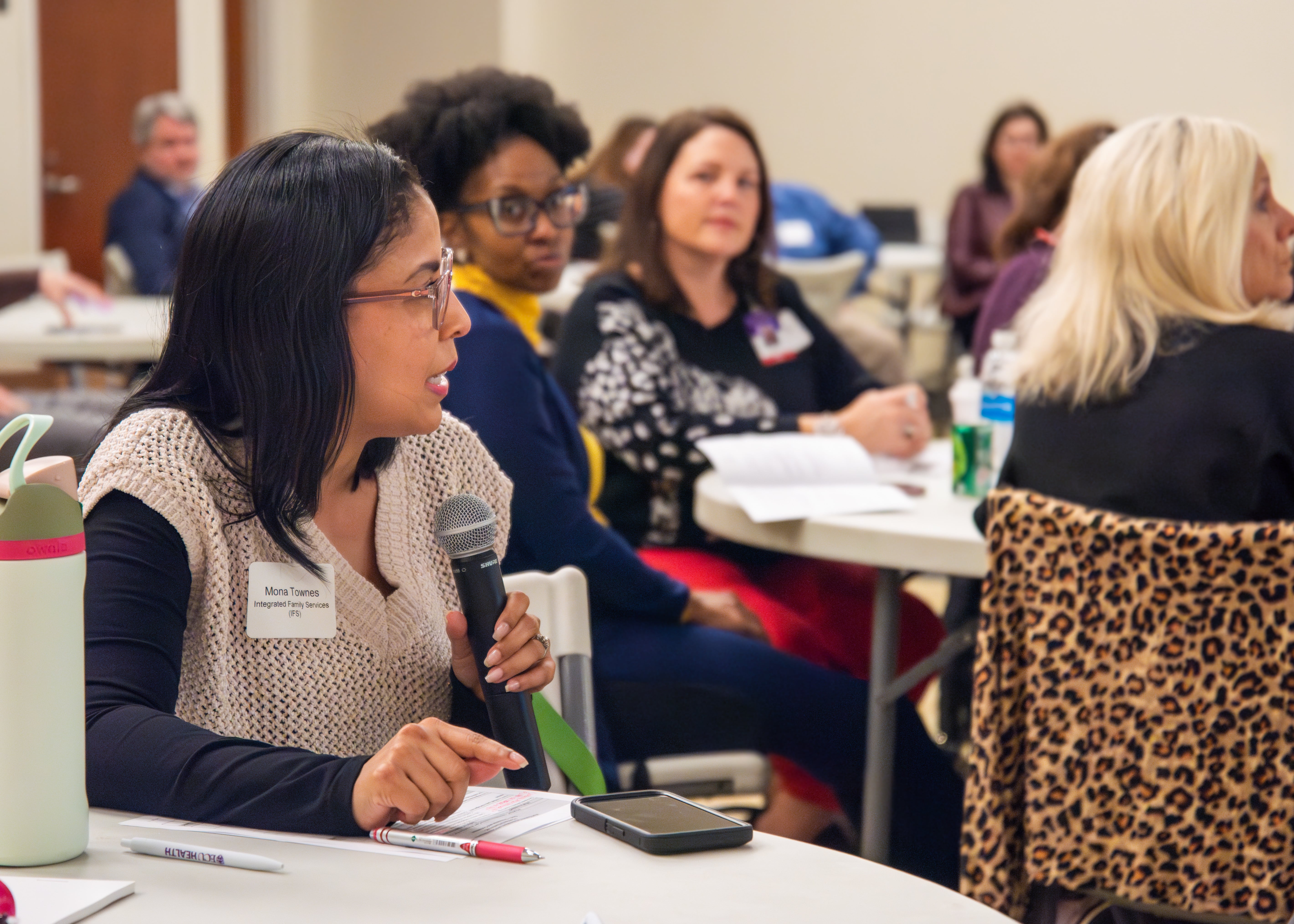
ECU Health hosts third ED conference session to improve community crisis response and emergency care
ECU Health and the Pitt County Department of Social Services (DSS) hosted session three of the community-based Emergency Department conference, yielding more collaboration and progress toward improving access and preventing unnecessary ED visits across eastern North Carolina.
The third and final session, hosted Feb. 4, brought back together a multidisciplinary group of community partners to discuss multi-system collaborations and crisis response focused on five key priorities as identified from the previous two working sessions. The priorities are aligned with the North Carolina Department of Health Human Services goal of increasing access to crisis services across the state.
The five key priorities include:

- Increasing access to care across eastern North Carolina
- Building community-based crisis services capacity
- Workforce/system training and community education: grow workforce knowledge and kills
- Strengthen the eastern North Carlina crisis system
- Accountability and outcomes
“We’ve made tremendous progress in our goal of enhancing collaboration to reduce the significant over utilization of the emergency department where patients will often end up stuck with no timely plans for discharge, said Jacob Parrish, vice president of capacity and throughput for ECU Health. “I am thankful to the health faith and community-based organizations that spent three days alongside us, identifying important care needs in our region and designing solutions that will benefit us all. Moreover, I am tremendously grateful for our partnership with Sharon Rochelle, Director Pitt County DSS, who has provided the essential perspective of the DSS role and support in this process.”
Crisis response is a key function of emergency departments in general, but especially so for the emergency department at ECU Heath Medical Center which is home to the only Level I Adult and Pediatric Trauma Centers in eastern North Carolina. Still, crisis response happens beyond the walls of the hospital, which emphasizes the importance of community collaboration to ensure the hospital can best serve the community in the event of a crisis.
The third session, similar to the first two, was well-attended and included community partners from across eastern North Carolina including Juvenile Justice, Trillium Health Services, Public School leaders, NC DHHS, payors, faith leaders, DSS agencies and other eastern North Carolina hospitals and key stakeholders. The key stakeholders refined the recommendations and tactics to achieve the priorities listed above, including assigning specific responsibilities to drive forward the five priority areas. Regular progress checkpoints and collaborative meetings will continue to ensure alignment with state and community goals, reinforcing a sustainable crisis response system for eastern North Carolina.
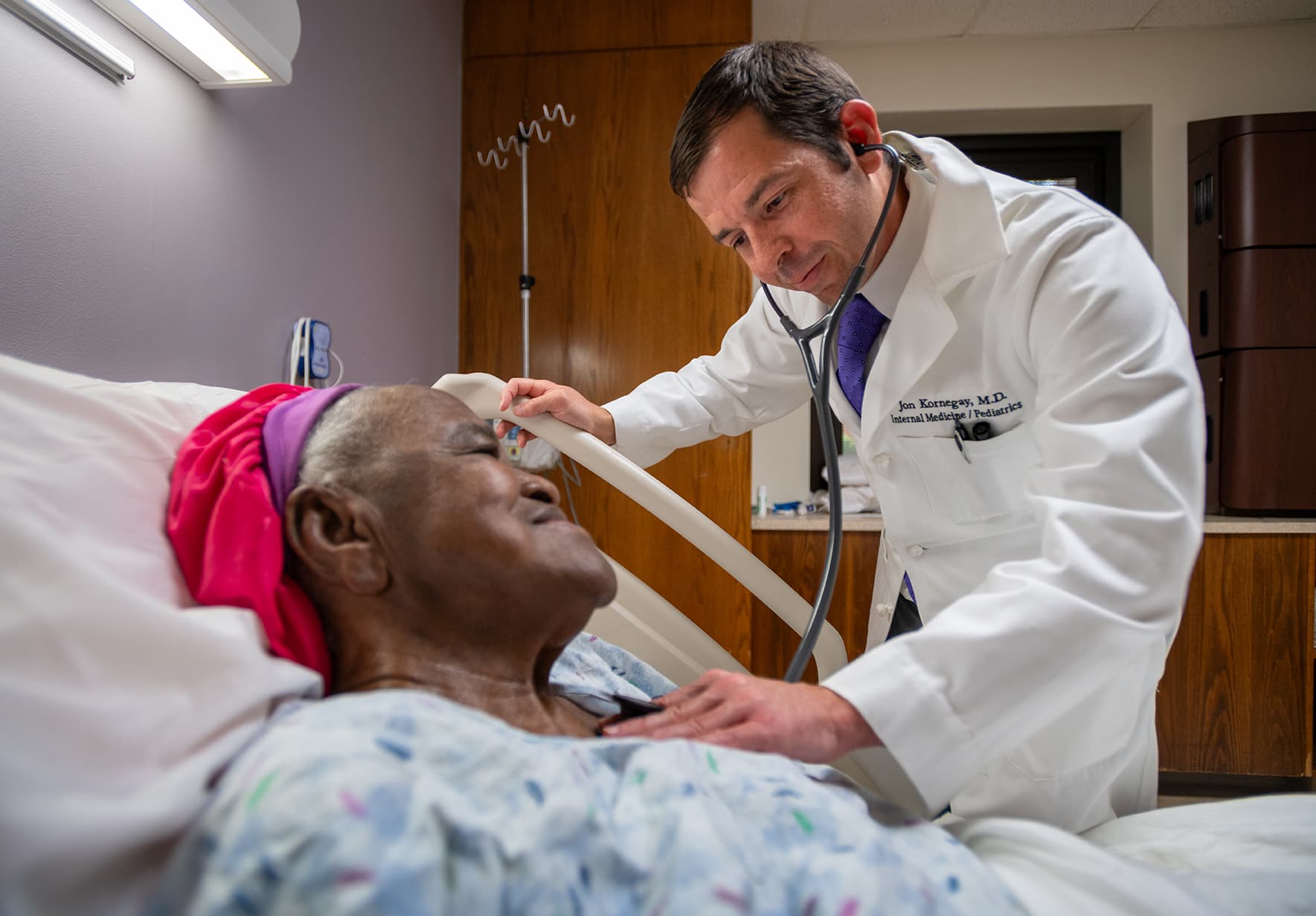
MINNEAPOLIS, MN – Feb 19, 2025 – PEP Health, the AI-powered patient experience platform trusted by leading health systems, today announced a strategic partnership with ECU Health, a mission-driven rural academic health system known for its excellence in patient experience and commitment to rural health and wellness. This collaboration provides ECU Health with real-time, AI-driven patient and community insights, allowing for a more inclusive, proactive, and data-informed approach to improving the patient experience through the wisdom of unsolicited patient feedback.
“Creating caring experiences for our patients and team members is central to our mission and values,” said Dr. Julie Kennedy Oehlert, Chief Experience Officer at ECU Health. “PEP Health’s technology offers a new and comprehensive way to deeply listen to patients as well as potential consumers and puts us in a better position to make more informed experience decisions. This partnership supports our ongoing commitment to deliver safe, highly reliable human-centered care to the communities we serve.”
Transformative Technology for Rural Health Excellence
Today’s healthcare consumers expect transparency, responsiveness, and personalized experiences—and PEP Health meets this challenge by using AI, data science, and healthcare-specific natural language processing (NLP) to continuously analyze millions of patient interactions across online sources, including social media, review platforms, and patient forums. ECU Health will implement PEP Health’s proprietary AI analysis of unsolicited feedback from over eight million digital sources.
“Patient experience is the foundation of healthcare excellence,” said Dr. Mark Lomax, CEO of PEP Health. “ECU Health’s commitment to understanding patient and community insights sets a standard for human-centered care. With our technology, they can focus on what patients’ value most and continuously adapt to meet those expectations.”
Why This Matters for Healthcare Providers
The stakes for patient experience have never been higher. Patient sentiment directly influences HCAHPS scores, CMS Star Ratings, and financial performance. Traditional surveys offer limited, delayed, and often incomplete insights, capturing feedback from only a small percentage of patients. Meanwhile, millions of people—including patients, family members, caregivers, and future healthcare consumers—are already sharing their experiences online.
These unfiltered perspectives provide a wealth of actionable insights that hospitals and health systems can leverage to improve care quality, enhance trust, and drive better outcomes—if they have the right tools to capture and analyze them.
“Forward-thinking health systems like ECU Health recognize that these insights from unsolicited feedback are key to unlocking better outcomes, improved loyalty, and inspiring long-term patient trust. Our technology provides more visibility into actual patient sentiment—helping healthcare leaders take meaningful action before issues impact care quality or financial performance,” continued Dr. Lomax.
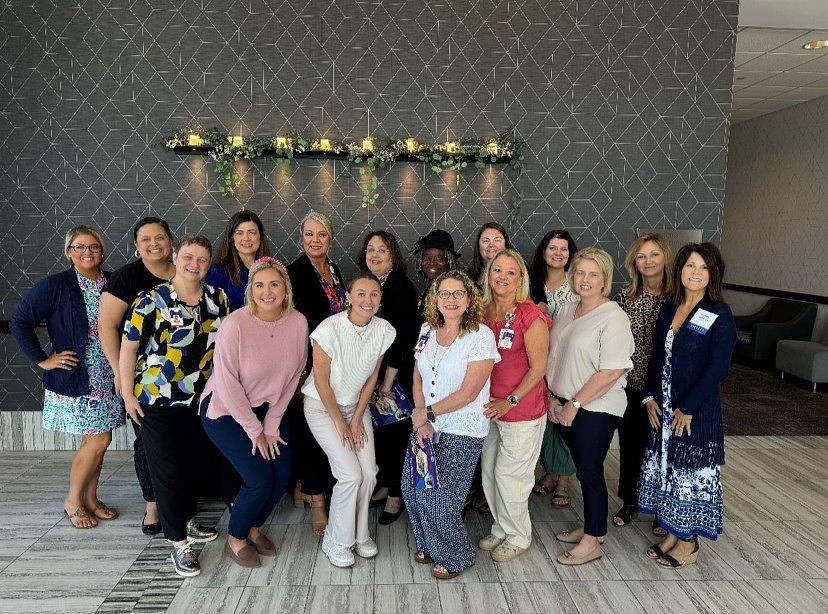
ECU Health nurses from across the system gathered at the Hilton Hotel in Greenville for the 11th Annual ECU Health Nursing Summit where they engaged with esteemed speakers and discussed the future of nursing across eastern North Carolina and beyond.
The summit aimed to address the transformative period nursing is experiencing amid complex challenges. It served as a platform for meaningful discussions on integrating leading-edge technology and innovative practices. Chief Nursing Executive Trish Baise shared that the nursing summit was one way to connect with and empower nursing team members to be a part of designing ECU Health’s future.
“The nursing summit provided a wonderful opportunity for hundreds of our ECU Health nurses from across the region to come together,” said Baise. “We were able to create a national-caliber conference in our own backyard tailored to the mission of our rural health care team. The energy of our nursing team was palpable.”
Keynote speakers included Rich G. Kenny, who explored the future of Generative AI for nurse leaders, and Sen. Gale Adcock, who discussed health care policy and advocacy. Brian Floyd, ECU Health’s chief operating officer, reminded nurses of their mission to improve the health and well-being of eastern North Carolina, highlighting the organization’s unique care for the rural region.
The summit also included breakout sessions that covered topics like well-being, AI in health care, six dimensions for influencing team culture and nursing policy advocacy. Additionally, a panel discussion explored emerging trends in health care.
Keynote speaker, Olivia Lemberger, innovation scientist from the American Nurses Association, highlighted the future of nursing innovation and praised the camaraderie among nurses at the event.
“There is a deep sense of community among the colleagues at ECU Health,” said Lemberger. “There was a positive energy that was palpable. This is something I wish every nurse had.”
Mandi Civils, ICU and Central Staffing Office manager at ECU Health Beaufort Hospital, reflected on the summit’s impact.
“At the heart of health care transformation for ECU Health was the great nursing summit, where dedication met innovation, and passion will fuel progress going forward,” Civils said. “It was my honor to be part of an event that inspired me to believe I can be anything I want to be when I grow up.”
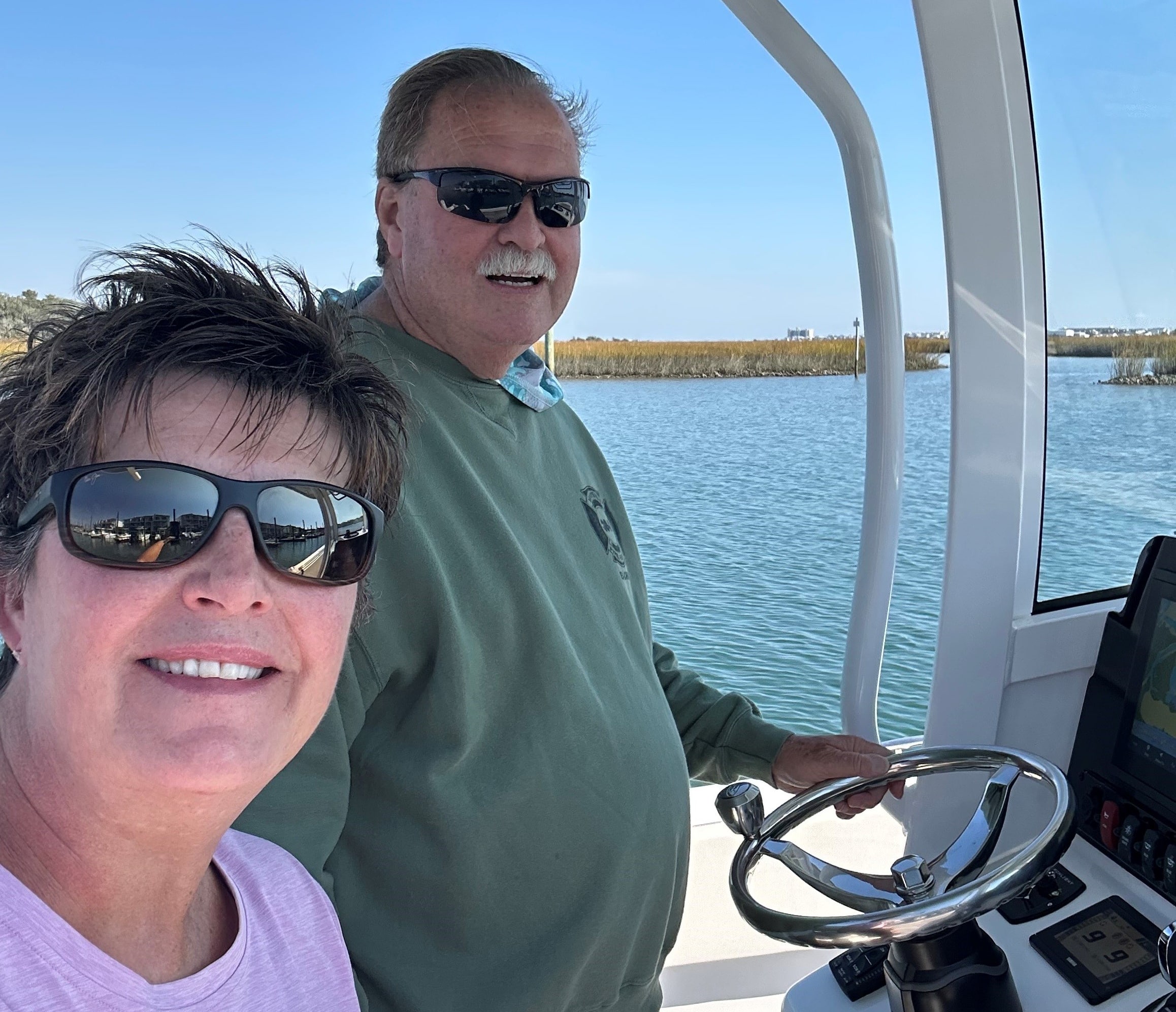
For Melissa and Jimmy Worrell, their love story started with a horse. Melissa, a horse trainer and riding instructor at the time, met Jimmy when he brought his horse to the barn where she worked. That chance encounter led to marriage in 1988, a move from New Jersey to North Carolina and a life filled with love, adventure and raising their quadruplets.
But in recent years, their journey took an unexpected turn. Jimmy was diagnosed with kidney disease and placed on the transplant waiting list. For nearly eight years, he waited, knowing that each passing day brought him closer to dialysis—a life-sustaining but time-consuming treatment that filters waste from the blood when the kidneys can no longer do so.
“Dialysis is a lifeline for many patients, but machines just cannot do the work of an organ that works automatically, 24/7,” said Dr. David Leeser, professor and chief of transplantation at ECU Health Medical Center. “We know that when a patient is transplanted, they gain a tremendous boost to their quality of life, and they will live longer as well. Transplantation is by far the best available renal replacement therapy available to patients with kidney failure.”
Throughout the process, doctors frequently asked if he had identified a potential donor. Jimmy never asked Melissa to consider donating, but she made the decision on her own.
“I knew I was O-negative, so I figured I’d at least get tested,” Melissa said. “I thought, well, I had to at least try.”

The couple was shocked to learn she was a perfect match.
Throughout the process, Melissa was supported by a donor advocate at ECU Health—someone who had been through the experience and could provide firsthand insight. She believes this kind of support is crucial for potential donors.
“When you’re thinking about doing this, it’s good to talk to someone who has been there,” Melissa said. “It’s reassuring to know that life goes on and that we’ll both live normal, healthy lives.”
Their transplant surgery was successfully completed Nov. 12, 2024. Melissa, now a recreational therapist and volunteer with Team River Runner in Wilmington, which provides veterans and active-duty military with healing opportunities on the water, specifically outrigger canoeing, kayaking, paddle boarding and rowing, took time off to recover. Jimmy returned to work earlier than expected, eager to get back to normal life. More importantly, the transplant has given them back their active lifestyle.
“Before, if I asked him to go for a walk, he’d say, ‘I can’t do that,’” Melissa said. “Now, we can do things together again. It’s a big change.”
The couple enjoys boating along the Intracoastal Waterway, dining out, going for walks and simply spending time together. Beyond her personal experience, Melissa hopes to raise awareness about living kidney donation.
“It’s amazing how something so small can make such a big difference in someone’s life,” she said. “People are often surprised when they hear what I did, like I was risking my own health. But the doctors wouldn’t have allowed it if I wasn’t okay. I think if more people heard these stories, they might consider donating. I especially want to thank the friendly and caring transplant team at ECU Health, who provided great pre and post care.”
For the Worrells, this journey has deepened their bond and given them a renewed appreciation for the simple joys of life. Now, with Jimmy’s health improved, they’re looking forward to many more years of adventure together.
Resources

Scott Alford, the manager for grounds and guest parking at ECU Health Medical Center, generally considered himself to be healthy. Then, in 2023, Alford received some surprising news: his A1C, a blood test that measures the average blood sugar level over the last two-to-three months, was 10.9. For reference, a normal A1C level is less than 5.7. Prediabetes is 5.7 – 6.4, and diabetes is 6.5 and higher. “I was clearly in the diabetic category,” Scott said. “I asked the doctor what I should do. He gave me two medications and told me we’d revisit the issue at my next appointment.”
That solution didn’t sit well with Scott, so he made a decision. “I knew about ECU Health’s Lifestyle Medicine clinic because I knew some co-workers had used it,” he said. “I called them up and told them my story. They wanted to get me in right away. By the end of that call, I had an appointment with the nutritionist and a lifestyle coach for the very next week.”
Lifestyle Medicine is an evidence-based approach to preventing, treating and reversing diseases through healthy behaviors, and the ECU Health Lifestyle Medicine clinics offer many individual, group and virtual services to help community and team members meet their personal health goals.
“Our team of professionals includes providers, registered dieticians, lifestyle coaches, exercise physiologists, nurses and chefs who recognize the importance of including the six pillars of lifestyle medicine into the individualized care plans for our patients and team members,” said Brenda Leigh, the director of Lifestyle Medicine at ECU Health. The six pillars include increasing the consumption of whole, plant-based food, increasing aerobic activity, getting enough sleep, decreasing unhealthy substances (like tobacco or alcohol), maintaining healthy relationships and managing stress.
Scott first met with Lindsay Luschwitz, clinical dietitian III, to begin his Lifestyle Medicine journey. “I don’t drink and I don’t smoke, but I did drink between five and seven big soft drinks or sweet teas a day,” Scott shared. “I was also in the habit of stopping at McDonald’s every morning for breakfast and going out for lunch every day.”
When Scott shared this information with Lindsay, she didn’t shame him as he expected. Instead, she gave him different strategies and choices to try. “When we first met, Scott told me he wasn’t going to bring his lunch to work,” Lindsay recalled. But after working with Lindsay for more than a year, Scott said he now brings his lunch to work most days of the week. “She never said it was something I had to do,” Scott said. “It was always my decision. She’d suggest options and sometimes I liked them and sometimes I didn’t.”
Now, Scott drinks water or Sprite Zero instead of regular sodas and sweet tea, and he eats smaller portions while making better choices. “I eat more fruit now than I ever have in my life,” he said. Lindsay also suggested he use an app, Yuka, on his phone to track the nutritional value of the foods he ate so he could make informed decisions. “I love ice cream,” Scott said. “And I used the app to find an ice cream I could eat. I took the options to Lindsay and she pointed me to a Greek yogurt brand that I really like.”
The work paid off. In 2024, at his next doctor’s appointment, Scott was pleased to find that he was down 25 pounds and his A1C was a 5, well within the normal blood sugar guidelines. He is now off all his daily meds and only takes a once weekly medication to help. “I am practicing the strategies Lifestyle Medicine gave me. I’ve improved my diet, and I’ve increased my exercise. And I can see the difference in the mirror. I’m down a size in my pants and shirt. My joints don’t hurt so much when I stand up from a chair, and my vision, which I thought was an issue with my contact lenses but was actually due to high blood sugar, has improved. I just feel better.”
Scott’s co-workers also noticed changes, and some approached him about what he was doing. “They initially noticed I wasn’t going out to eat for lunch as often, so I talked with them about what I was doing.”
Scott has been doing more than just sharing information; he’s also been a key player in encouraging his team to get healthier. “Lindsay shared during one of our bimonthly meetings that they had a teaching kitchen in the Lifestyle Medicine Clinic within the Wellness Center and they wanted to have people come out and learn recipes and information about healthier meal options. I told her I’d bring my team, and that’s what I did.” Scott brought members of his grounds and parking team to the Wellness Center for an hour-long session with Lindsay, Dr. David Michael and Dr. Susan Houston, where they cooked, ate and talked about how the Lifestyle Medicine clinic can help.
“This is our Dining with a Doc series,” Lindsay explained. “Dr. Houston and I are culinary trained chefs, so she or I prepare a meal, and Dr. Michael is there, and we talk about the meal we’re making and nutrition. And then we go through Lifestyle Medicine and what we do.” The Lifestyle Medicine clinic offers the monthly Dining with a Doc program free for community members through a grant from Pitt Partners for health. As a result, Alford said other members of his team are now making positive changes and some are visiting the Lifestyle Medicine clinic.
While it hasn’t always been easy to make these lifestyle changes, Scott said they’ve been worth it. “It’s tough sometimes. Life is busy, and sometimes you just have to decide to get more steps or stand up rather than sit at your desk. But the clinic has made things easier because they give me information that’s proven to help.” And, he emphasized, seeing and feeling the difference has been key. “At first it was that 10.9 A1C that made me want to change,” Alford said. “That number really shocked me. But now I can also see and feel a difference and that’s why I want to keep doing this. It’s a conscious decision every day to make the best choices.”
Lindsay emphasized that a person knowing their “why” is very important. “We are here to support you and give you education and resources, but when you’re not here, the choice is up to you. If you know your ‘why,’ you won’t revert to old habits,” she said. Scott agreed, saying that he plans to continue practicing the new skills he’s learned the past year. “I intend to keep using these strategies,” he said. “Doing better isn’t that hard; all I had to do was ask for that support. Lifestyle Medicine has a great program, and you just have to reach out to them and take that first step.”
Both Scott and Lindsay want more people to also take that first step to learn more about the Lifestyle Medicine clinic and the services it offers. “It was incredibly easy to get started,” Alford said. “I called them and there was no excess stuff to do, no preapproval, no paperwork. It’s an easy in and out, and if you can’t make it in person, they’ll do telehealth visits.” Supporting team members in this way is very important, Lindsay said. “We want to target our team members because it benefits everyone,” she said. “Healthier team members are more productive, have fewer sick days and are generally happier. We want to expand our reach and make it more approachable.” Lindsay noted that they take various forms of insurance, and for ECU Health team members on the medical plan, they are eligible for up to six free visits with a dietitian, among other free services. “Our message is that many chronic issues like diabetes, obesity and high cholesterol can be improved by lifestyle changes and nutrition. Even if you’re not ready to make a huge change, we’re ready to meet you where you’re at.”
To learn more about the Lifestyle Medicine clinic, Leigh encourages community and team members to visit their website here or call at 252-847-5590 for more information.
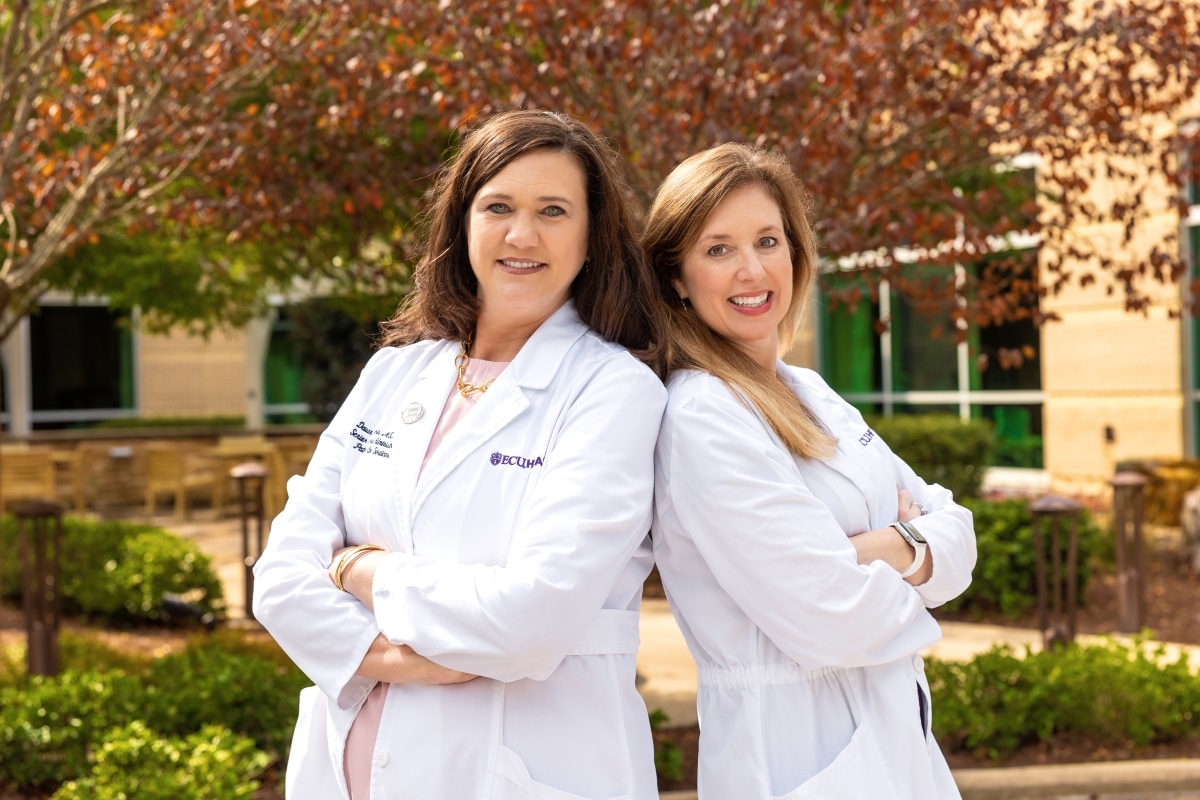
Amidst the relentless demands of health care, three exceptional nurse leaders are making significant strides as leaders at ECU Health and as district representatives for the North Carolina Organization for Nurse Leaders (NCONL). Laura Respess, nurse manager of Patient Care Services, Renal Dialysis Unit at ECU Health Medical Center, Dawn Tetterton, vice president of Inpatient Nursing at ECU Health Medical Center and Jenny Parnell, manager of Patient Care Services, ICU at ECU Health Duplin Hospital, exemplify a bold, collective commitment to elevating patient care and advocating for the nursing profession statewide.
NCONL is a state-level affiliate of the American Organization for Nursing Leadership. NCONL transforms patient care and serves as a voice for North Carolina nurse leaders, aiming to shape health care through innovative and expert nurse leadership.
The organization strengthens nursing leadership through professional development, facilitates nursing research to advance practice and influences health care policy regarding the value of the nursing profession.
Laura Respess & Dawn Tetterton
Having recently concluded her term as a district representative, Respess was responsible for member communication to district VI, one of the largest districts in North Carolina. She organized quarterly meetings and planned educational sessions. She coordinated contributions for events like the annual conferences and drove the request for abstracts and Quality Initiative work from members in the region to share at the NCONL conference.
“One of the things we’ve always advocated for at ECU Health is having nurses on boards,” Respess said. “Being a representative comes with the benefits of staying informed about statewide developments and sharing best practices. As a NCONL representative, you gain a good understanding of legislative matters from the perspective of nursing, and how our profession is being represented in the legislature.”
“Through NCONL, members can showcase the excellent work being done at ECU Health,” said Tetterton, who recently stepped in to fill Respess’ role. “We submit several posters and abstracts annually and have had winners chosen for podium presentations to share nursing best practices they have developed.”
“Laura has done an amazing job,” Tetterton said, “and truly was part of the reason I felt like I needed to step forward. She has worked tirelessly the past six years, exemplifying leadership at this level.”
Respess also praised Tetterton for her leadership and is confident she will be amazing in her Regional NCONL Representative role.
“My challenge for Dawn is to drive our district’s diversification, which is one of our strategic goals,” said Respess. “We primarily focus on acute care, but we recognize the need to reach out to nursing leaders in ambulatory care and health departments across the state. It’s important to involve these sectors because they play a significant role in our overall mission.”
Jenny Parnell
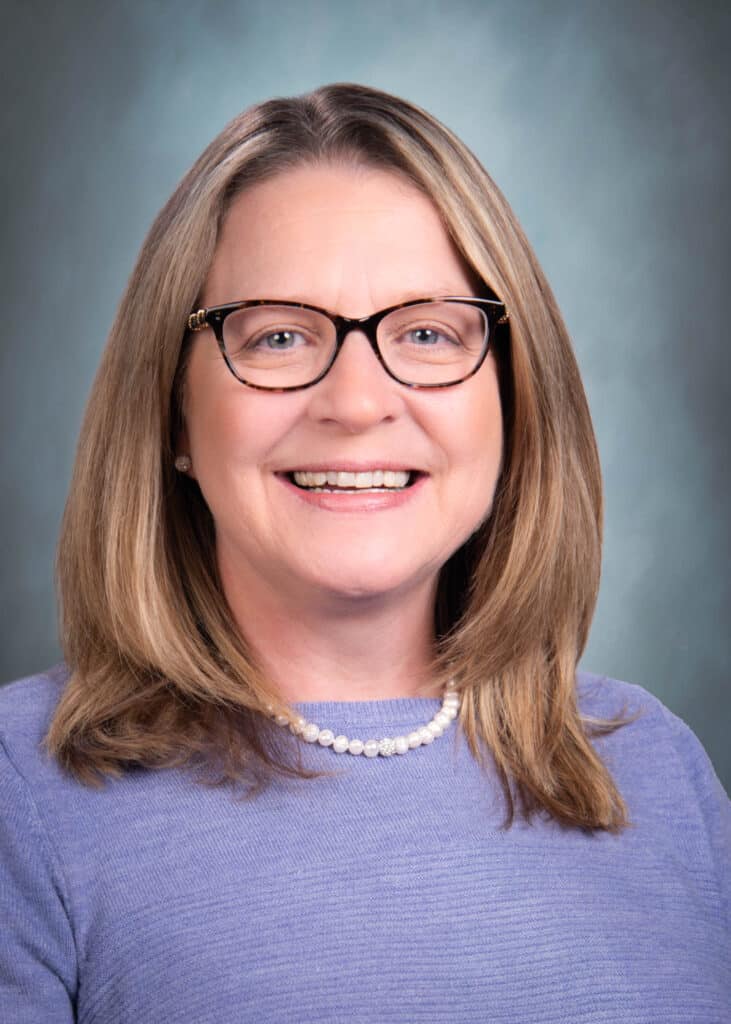
Jenny Parnell was inspired to join NCONL many years ago by a nurse leader at ECU Health.
“A past nurse leader encouraged many of us to join, and throughout my time as a leader with ECU Health, it has been incredibly beneficial,” said Parnell. “I attended numerous conferences and met many leaders. In the last several years post-COVID, the organization has really come back strong.”
When a district representative position opened up, Jenny was serving on the practice committee, which focused on evidence-based practice. She wanted to take on a larger role and self-nominated for the district representative role.
“My hope is to help others grow and share things I’ve learned through the years,” she said. “Laura and I worked together many years ago on CIU as young nurses, so we’ve kind of grown up together. Even if you’re not the district representative, there are other committees that you can serve on. There are many ways to serve within the NCONL, Laura will continue to serve on the board in another role and be close by to help in our region. That’s what NCONL is all about, those nursing connections.”
Learn more about nursing at ECU Health by visiting ECUHealth.org/Nursing.