Over the last seven years, Vidant Medical Center (VMC) has partnered with organizations across eastern North Carolina to host Project SEARCH for exceptional Pitt County students.
Project SEARCH is an international transition program that provides real life work experiences to high school graduates with intellectual and developmental disabilities. The one-year program helps students learn various marketable skills that can help them gain employment after graduation from the program.
Lisa Lassiter, director of workforce development at Vidant Health, said Pitt County Schools approached Vidant about the possibility of partnering in the program. She took the lead on the Vidant side and attended meetings, worked with community partners and, with support and approval from senior leaders at the hospital, had a classroom for these students created at VMC.
Lassiter said she is grateful for the program, the students, community partners and everyone involved.
“I think this program and these kids have taught me more than I have ever been able to expose to each of them,” Lassiter said. “I was very limited in what I knew about exceptional children when the program began and they have opened my eyes and amazed me many times.”
Seven years in, the 2021-22 Project SEARCH class is the largest to date with nine students. These students spend time in the classroom learning employable skills and go out to internship sites throughout different departments at VMC to practice and refine these skills.
A Shining Example
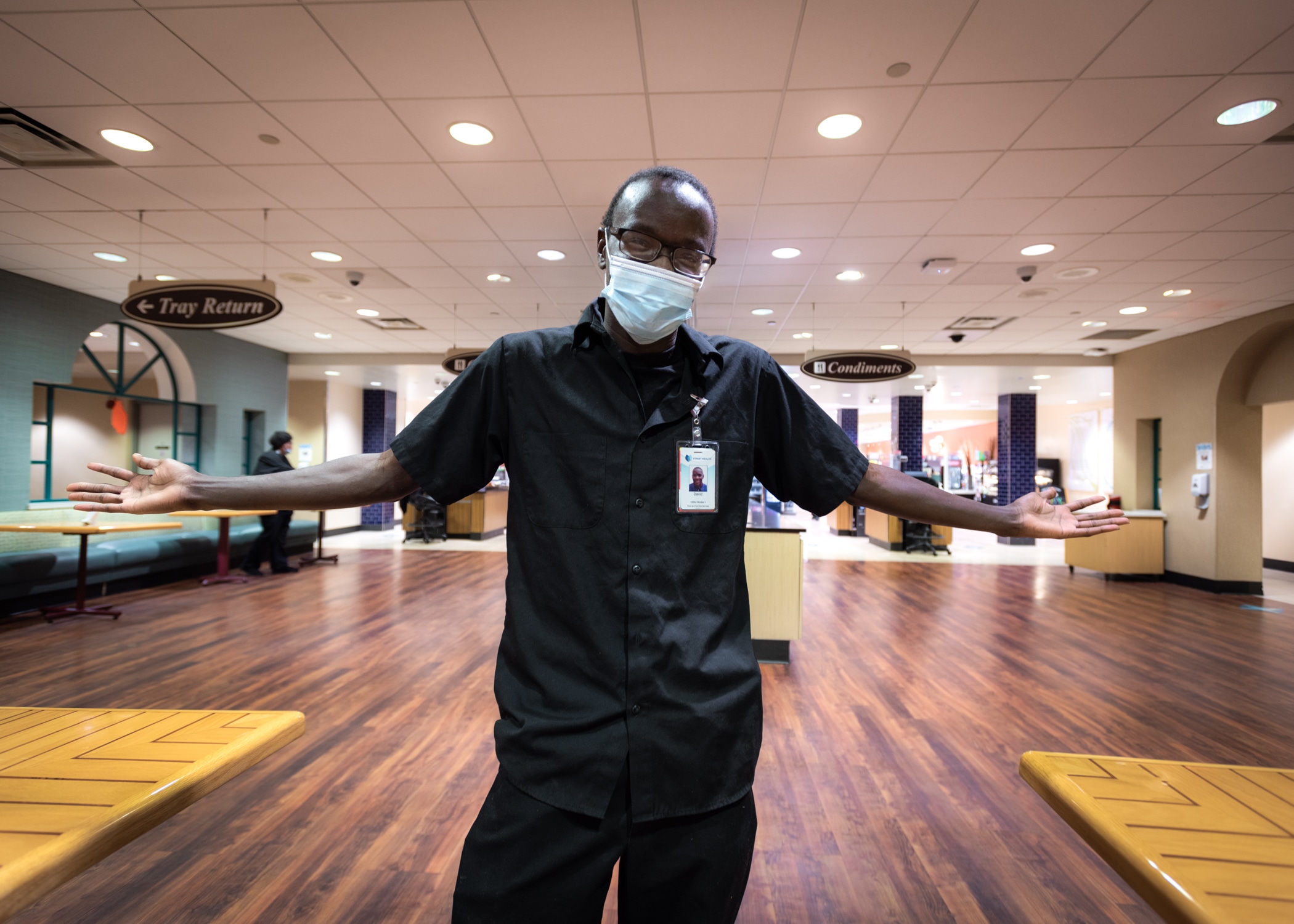
 For students that have an internship experience at the VMC cafeteria, they get a chance to work with a program graduate.
David Jenkins is a utility worker and is a direct supervisor for the Project SEARCH interns placed in the main cafeteria. Jenkins graduated from the program in 2019 and said he loves helping those going through their internships.
“I enjoy that a lot. I get to teach them about stuff that I know and I can sit back and watch them grow because of things that they learn from me,” Jenkins said. “Hopefully that will help them be a better citizen in this community.”
Jenkins had opportunities to intern in different areas throughout VMC during his year with Project SEARCH but enjoyed working in the cafeteria most. He said he felt a breakthrough when he asked to join team meetings during his internship and learned a lot about team goals.
He said it was important for him to go through the program and learn the important skills that have set him up for success today.
“My favorite part of going through the program was pretty much experiencing stuff that would be like the real world, such as advocating for myself, learning how to manage money, working with other people and how to interact with other people,” Jenkins said.
Katie Nagler Houmard, Project SEARCH instructor, said she was proud to see Jenkins’ growth from his time as a shy student to the leader he is today. She also said it’s important for current students to see what they can accomplish with Jenkins setting the example.
“We’ve seen that when they hear it from someone who has been where they are, they’re much more likely to really grasp it and take the advice,” Houmard said. “Sometimes when we tell them something, they could think, ‘What do you know? You’ve never been in my shoes.’ I think it’s inspiring for our current students to see him now in his role and working as part of the team at Vidant. It definitely gives them a good goal to work toward.”
Quintequa Weaver, Project SEARCH job coach, agrees. “I think just seeing him be a role model to the kids now is such a great thing to see,” she said.
It Takes a Village
Lassiter said community partnerships are an important part of what makes the program so special. While VMC hosts the classroom and offers the locations for internships, other community organizations contribute so much.
Pitt County Schools provide a teacher and identify students who make great candidates. RHA Health Services offers up a job coach to help students learn skills and work with them to find positions after graduation. On a state level, the North Carolina Council on Developmental Disabilities and North Carolina Vocational Rehabilitation provide support as well.
Internally to Vidant, team members who support the program are invaluable. Bernard Dixon, assistant manager for Central Services at VMC, is one of many team members who supports Project SEARCH and students going through the program. He said he appreciates the opportunity to work with these exceptional students and help them grow as team members.
When a student is preparing for an internship, they go through the typical steps that any team member would take before joining a department.
“They come down and they interview for the position as a typical employee would and we sit down and talk with them,” Dixon said. “Once we sit down and talk, we find out what exactly they can do and what their skill level is. Once we determine what their skill level is, we treat them just like we would any other employee.”
He has found that as he works with the students in Project SEARCH, once they are comfortable in their role, they often exceed expectations. He said supporting the students—and not putting labels or limitations on them while also helping them learn employable skills—is the most important thing his team can do.
“We don’t want them to be labeled or anything like that,” Dixon said. “It’s not about saying they can’t do this or they can’t do that – no. Let them do what they do. We find out that a lot of them can do more than we think they can.”
Learn more
- For more information on Project SEARCH, contact Lisa Lassiter via email at [email protected]
- Vidant Health News: Project SEARCH
- Project Search at ECU Health Medical Center 2021 Graduates
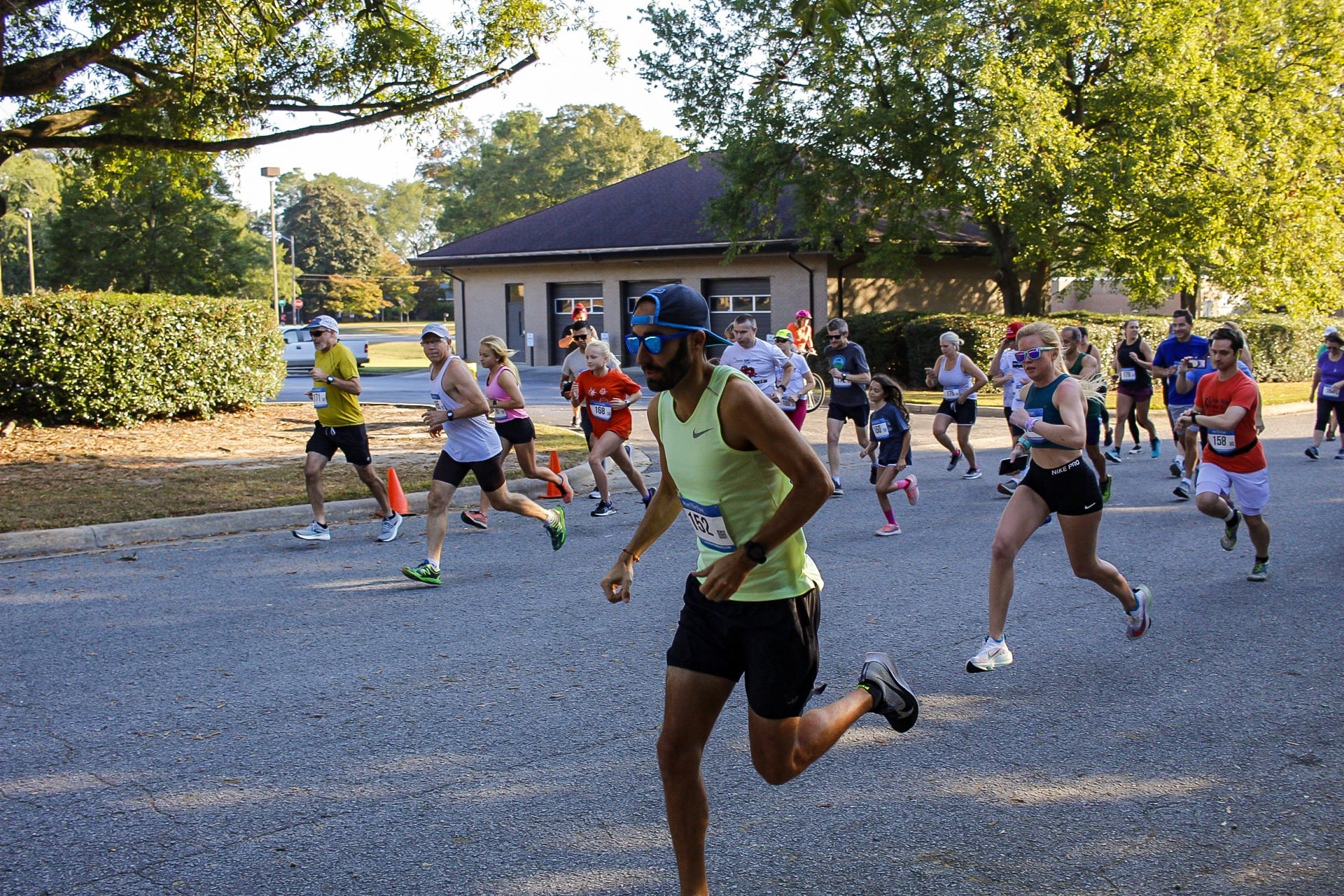
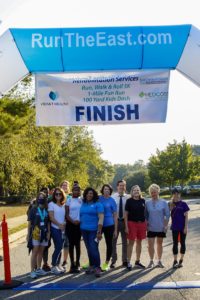
Vidant Health hosted the Run, Walk & Roll to Independence Road Race on Saturday, Oct. 16 to get community members active and raise funds for Vidant’s Therapy and Rehabilitation Services.
Fifty-three runners came out for the event in Greenville and some participated virtually. The road race offered three distances for attendees, including a 100-yard dash for children, a 1-mile fun run and 5K race.
Clint Faulk, medical director for the Vidant Rehabilitation Center, said this is an important event to celebrate the Therapy and Rehabilitation services for the health system.
“Rehabilitation services really helps people get home again and get back into the community,” Faulk said. “Patients come in for different diagnoses and they go through therapies with us, three hours of therapy a day. It really is about getting people back home to their families and getting them into their community.”
The event was making its return after two years away; first a hurricane washed out the event in 2019 and the COVID-19 pandemic halted last year’s plans. Kasey Shue is a recreational therapist at Vidant and served as the chairperson for the event. She said she was thankful and excited to be back for this special event.
 Shue knows firsthand the importance of the rehabilitation services Vidant offers. About five years ago, before becoming a Vidant team member, she was a patient going through rehabilitation for six weeks while recovering from a neurological condition called Guillain-Barré Syndrome.
“That actually inspired me to go back to school to become a recreational therapist,” Shue said. “I’m just one of the many members of the team that Vidant has on hand to help people live the most functional and active lifestyle they can, regardless of any medical condition, circumstance or disability that they may have.”
She said she was proud to serve as the chairperson for the road race and help organize the event along with Therapy and Rehabilitation Services colleagues.
“It’s just a personal passion of mine and this sort of event that supports rehab and encourages people to get out and continue to be active – even if they do live with some type of limitation or disability – I’m all for supporting that,” Shue said.
Proceeds from the road race benefited Vidant’s Therapy and Rehabilitation Services and in turn help community members in the program.
Visit the Vidant Rehabilitation Center Facebook page for more information and updates.
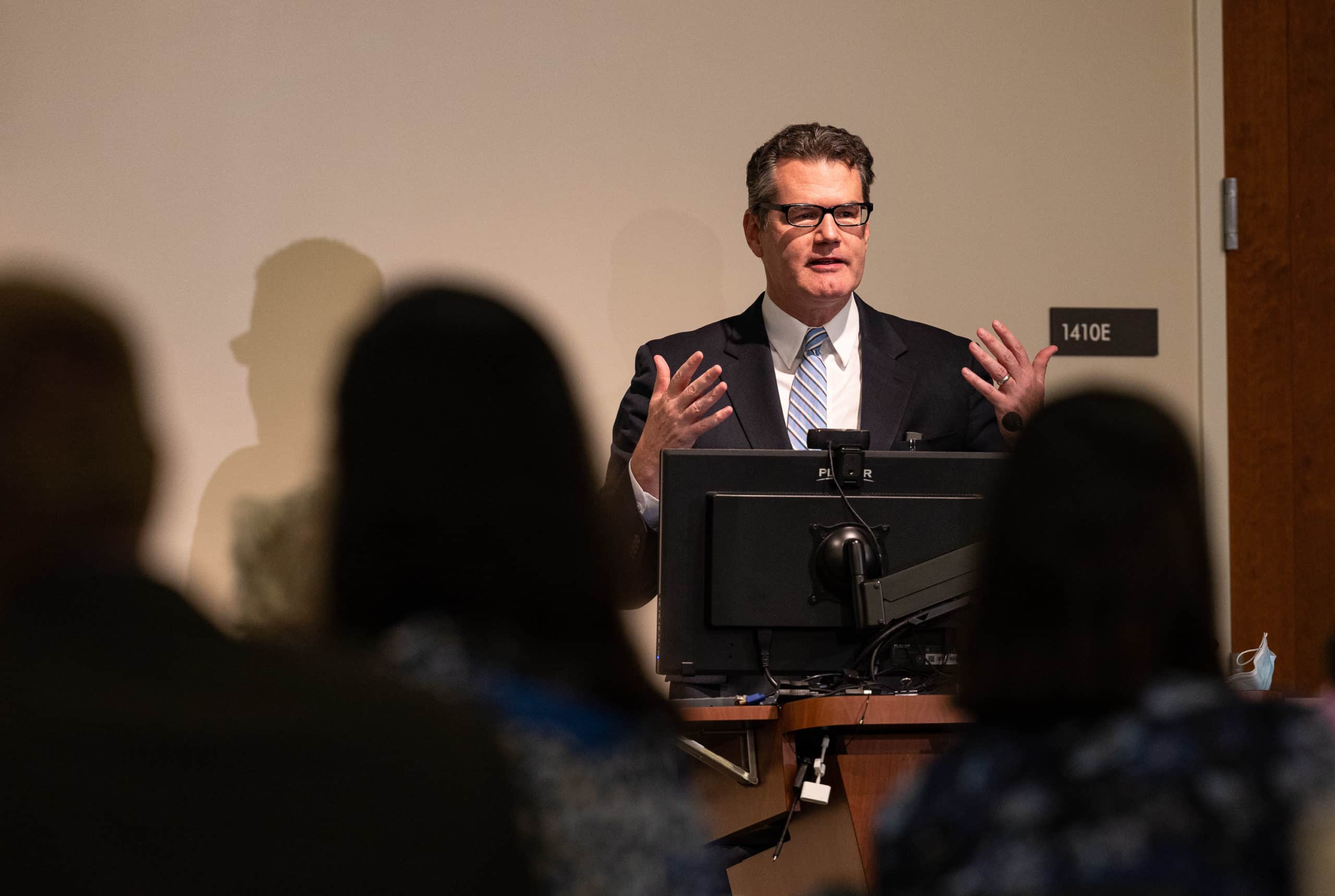
Burnout in health care providers is not a new concept but ideas and theories of how to avoid it are developing in unique ways.
Dr. Stephen Trzeciak served as the featured lecturer for the 13th annual José G. Albernaz Golden Apple Distinguished Lecture presented by ECU Medical & Health Sciences Foundation and Vidant Health. Dr. Trzeciak, chief of medicine at Cooper University Health Care and professor and chair of medicine at Cooper Medical School of Rowan University in Camden, New Jersey, discussed compassion and the importance of meaningful connections in health care and everyday life.
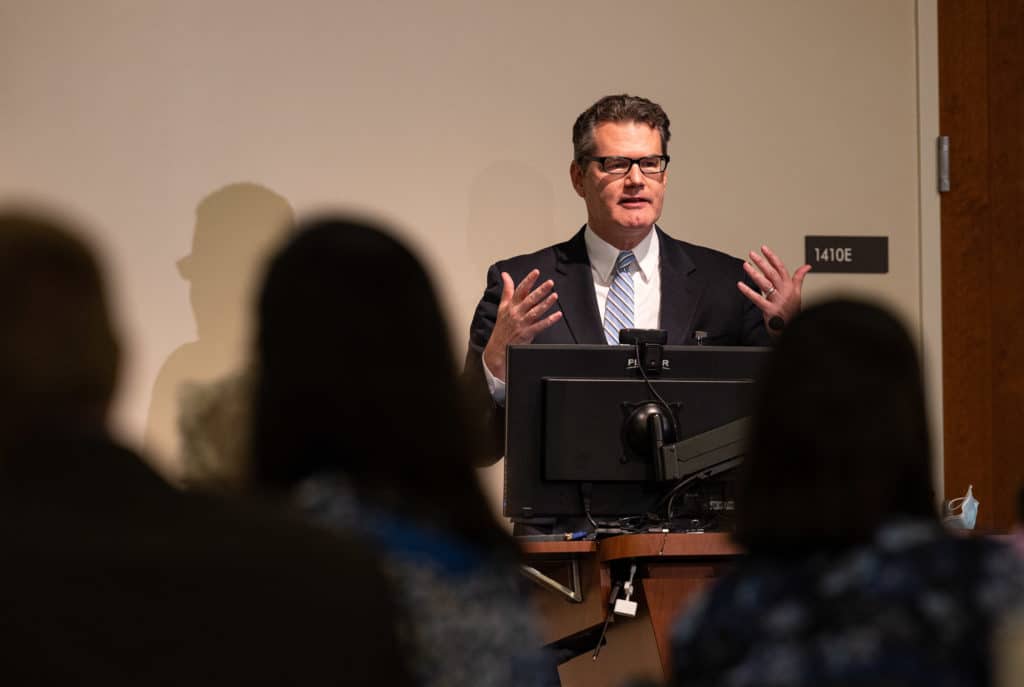
A few years ago, Dr. Trzeciak was facing burnout as a health care provider and knew something needed to change.
As a person who loves research, he began to dig into related literature and studies that focused on combating burnout in providers. In medical school, he said, he was taught that caring too much and having too much compassion could cause a provider burnout more quickly. What he found in studies, however, painted a different picture.
“What the literature shows is that there is an association with compassion and burnout – but it’s inverse. If there’s high compassion, there’s low burnout. Why? Well, we don’t know for sure but I have my hypothesis,” Dr. Trzeciak said. “Because when you connect with people through compassion, and have a relationship that flows from that, you get the fulfilling part. If you don’t have that then all you have is a really stressful job.”
Key to Resilience is Relationships
He tested his hypothesis on himself, as a study subject of one and found that when he leaned into caring more rather than detaching, his feelings of burnout began to lift. It wasn’t just about connecting with and showing compassion to patients and families, but to everyone he worked with and interacted with—professionally and personally. He believes this method can work not only within health care but in every walk of life.
He challenged everyone who is feeling the effects of burnout to give his method a chance, not just because it has worked for him and helped change his life, but because it is backed by science.
He highlighted a Harvard University study that tracked students at the university and Boston-area teenagers throughout their lives and found the best predictor of good health and well-being into your 80’s is your midlife quality of relationships. Dr. Trzeciak said this and many other studies show that the key to resilience is relationships.
“That’s why it is vitally important in our health systems, in our medical schools, everywhere – at the shopping mall, at the grocery store – that we take good care of each other,” Dr. Trzeciak said. “You don’t have to be a health care provider to feel burnout, especially in 2021.”
Compassion in Health Care
Compassionate and caring environments not only help team members face less burnout, but also help patients see better outcomes.
During his lecture, Dr. Trzeciak discussed many studies pointing to positive results for patients whose health care providers show compassion in various ways. He said that he does not have any magical thinking about compassion and that the top determinant of clinical outcome is still clinical excellence.
However, he said no patient and no provider should have to choose between clinical excellence and compassionate care. It’s not an either-or choice, but a both-and.
In eastern North Carolina
 Dr. Michael Waldrum, chief executive officer of Vidant and dean of the Brody School of Medicine, said it was no mistake that Vidant chose compassion as one of its core values six years ago—a thoughtful selection rooted in understanding what behaviors help patients, the communities Vidant serves and team members.
“As I think about that time and the now the world we live in today, with the most profound social and health care disruptions, with more Americans that died in any event in over 102 years… at no time is compassion more important than right now,” Dr. Waldrum said. “That is a really hard thing to deal with, those realities. The great thing is that we know we have solutions to the challenges we face and compassion is one of those solutions.”
Typically, the José G. Albernaz Golden Apple Distinguished Lecture is set for the first day of class for first-year Brody School of Medicine students. However, due to the COVID-19 pandemic, the event was held for a smaller audience with a few representatives from the first-year Brody class.
Dr. Waldrum said during the event that he recently had dinner with a group of first-year Brody students who discussed the need to bring greater compassion to health care.
“It was so impactful to me because I left that meeting last night and I’m just so proud to be in eastern North Carolina and having that dialogue and making compassion cool,” Dr. Waldrum said. “Because I think that’s what it takes. It takes intention in talking about it, understanding it and knowing we’ll never be perfect, but we’re all on this journey.”
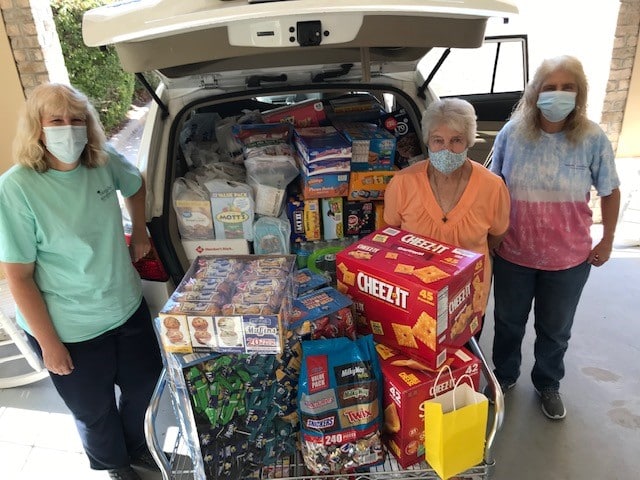
“This is a place that feels like home, where families can come and spend meaningful time with a loved one,” said Jefferson. “The staff helped prepare our family for what we needed to know and expect. We met the chaplain and several team members while my father was at Inpatient Hospice House and the team members were so giving and welcoming to our family.”
“My father, Henry Edward Jefferson, was a father of eight children, so we had a large family to consider while visiting at Inpatient Hospice House,” said Jefferson. “Each family member was given one-on-one time to visit with my dad, and we were even able to bring our pets and the grandchildren for visits.”
Jefferson’s family received so much support from the staff at Inpatient Hospice House, they decided to provide support to other families experiencing similar circumstances there.
For the last 5 years, around the date of her father’s death, the Jefferson family has donated a carload of items for comfort and convenience, including snacks, prepackaged meals, cereal bars and treats to families of patients at Inpatient Hospice House.
“These food items allow people to stay here and visit loved ones without having to go out to get something to eat,” said Jefferson. “Families don’t want to miss a single precious moment with their loved one and these donations help allow more time together to enjoy each other’s company.”
For Jefferson and her family this annual delivery honors their father for the person he was and how much he gave to others in need. “This is our way of saying thanks for being here to help families going through this end of life experience and providing a sense of home.”
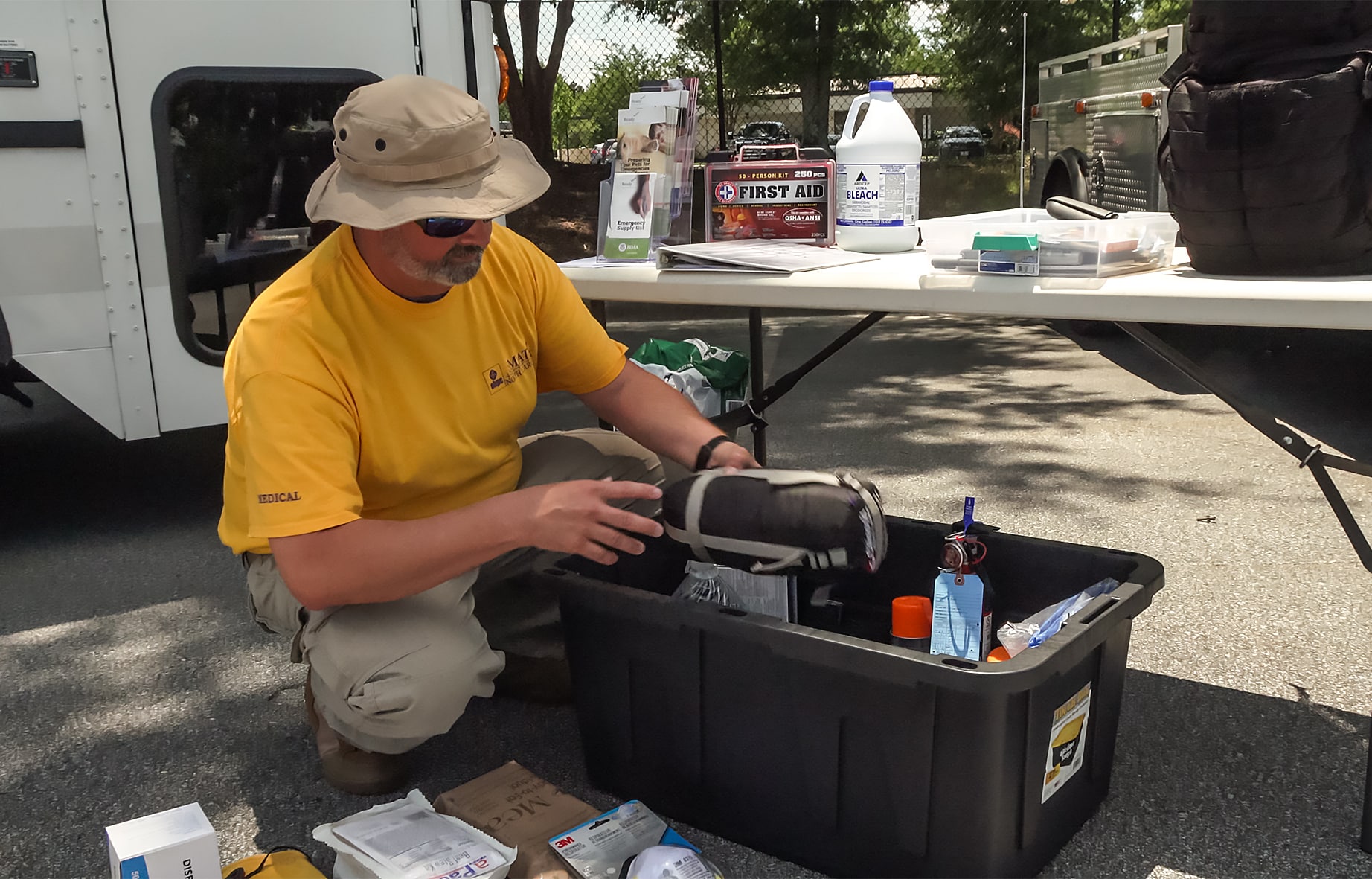
With hurricane season in full swing, staying prepared for a potential natural disaster is as important as ever.
Chris Starbuck, the emergency response coordinator for Eastern Health Care Preparedness Coalition (EHCPC), said having a plan in place with family and friends can make all the difference in an emergency situation.
“One key point that we want to get across is be prepared. Starting a hurricane kit is the first step in doing so,” Starbuck said. “Make sure that you have all your important documents gathered if you have to evacuate.”
He also points out the importance of planning for more than a day or two: “What if you have to shelter in place for three to seven days because there’s so much flooding?” Starbuck said.
Ready.gov is a federal government website with helpful information about how to properly prepare for a hurricane. Creating a plan that meets the specific needs of your household and building an emergency kit that contains at least 72 hours’ worth of supplies can help you stay adequately prepared for a natural disaster like a hurricane.
One more item for your hurricane prep checklist – help others plan, too.
“Work with your neighbors, your community and your churches,” Starbuck said. “If we can prepare them then we can make a more resilient community overall.”
What is EHCPC?
 From trucks that double as mobile hospitals to coordinating evacuations or the deployment of medical supplies, EHCPC remains on standby for when emergencies strike or networks go down. It is one of eight such coalitions across the state and is responsible for the largest geographic region statewide, covering one-third of North Carolina.
“We also provide support to Vidant Health and the regional health care facilities,” said Matt McMahon, a disaster and communication specialist. “If a hospital loses communication, whether it be phone, radio or internet, we can come in and support.”
While the team is proudly Vidant-based, their work is ultimately about being there for eastern North Carolina no matter who needs support or how. The team’s wide range of combined experience, expertise and equipment places them in the role of collaborative lynchpin, pulling resources and teams together to respond in a wide range of disaster scenarios or medical emergencies. This includes working behind the scenes to prepare until the event happens and managing training and the logistics needed for any level of response.
“Relationships and collaboration are key for our deployments to be successful,” said Starbuck. “When activated, we specialize in integrating with the services and teams already in place to help with the response in whatever way is needed.”
Ready to respond
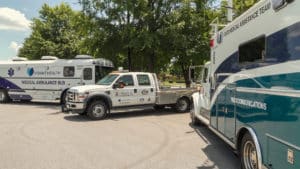 Two vehicles critical to the team’s operation are the medical emergency bus and a field communication support truck.
The medical emergency bus can be used to transport many patients in need of assistance at the same time. Twenty stretcher-bound patients can be supported in the ambulance bus at once, and with stretchers removed, there are seats for 25 patients with enough room for five crew members to attend to the patients during the transport.
The field communication support truck provides phone, radio and internet to the mobile emergency bus. Additionally, the truck has filled in during communication outages throughout the Vidant system. Following Hurricane Florence in 2018, Vidant Duplin Hospital was without internet and phone service. The team and the truck were quickly deployed to the area and kept communication running in a time of need.
“We have all the needed tools on here to communicate back regionally, and also with the state Emergency Operation Center,” McMahon said. “Additionally, we can communicate back to Vidant no matter where we are in the eastern part of the state.”
Resources
Hurricanes can form quickly. Take the time now, before a hurricane impacts our region, to educate yourself on how to prepare and respond. Below are helpful links for federal and state websites:
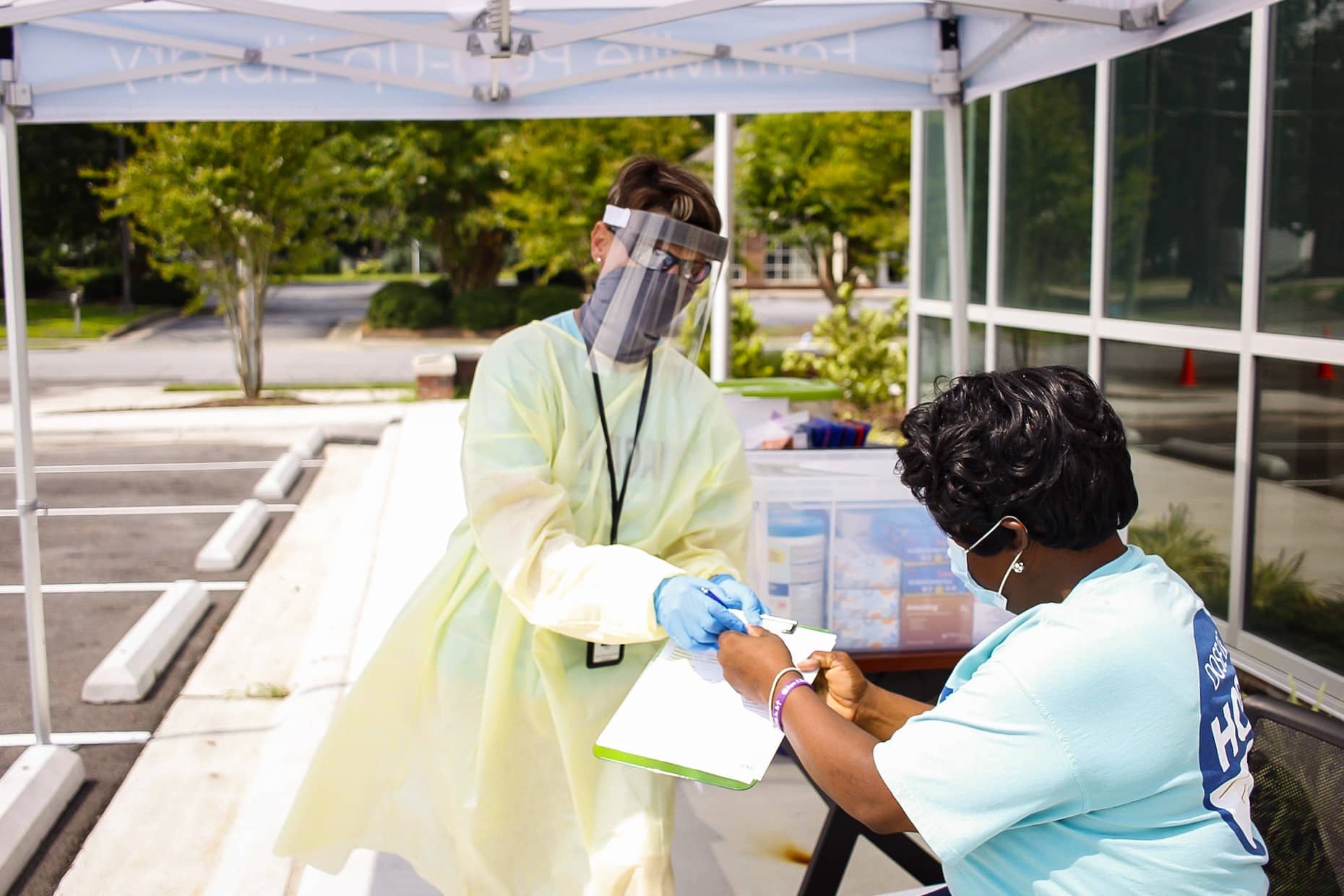
Vidant Health’s mission to improve the health and well-being of eastern North Carolina stretches beyond the walls of our hospitals and clinics here in the East.
With recent Community Health events across the 29 counties we serve, Vidant is delivering health care in unique ways. Recently, Vidant partnered with local leaders and community groups to host these events in Grantsboro in Pamlico County and Farmville in Pitt County.
Community members had the opportunity to get health screenings, receive health coaching, learn about providers and health care options near them, and even receive a COVID-19 vaccine.
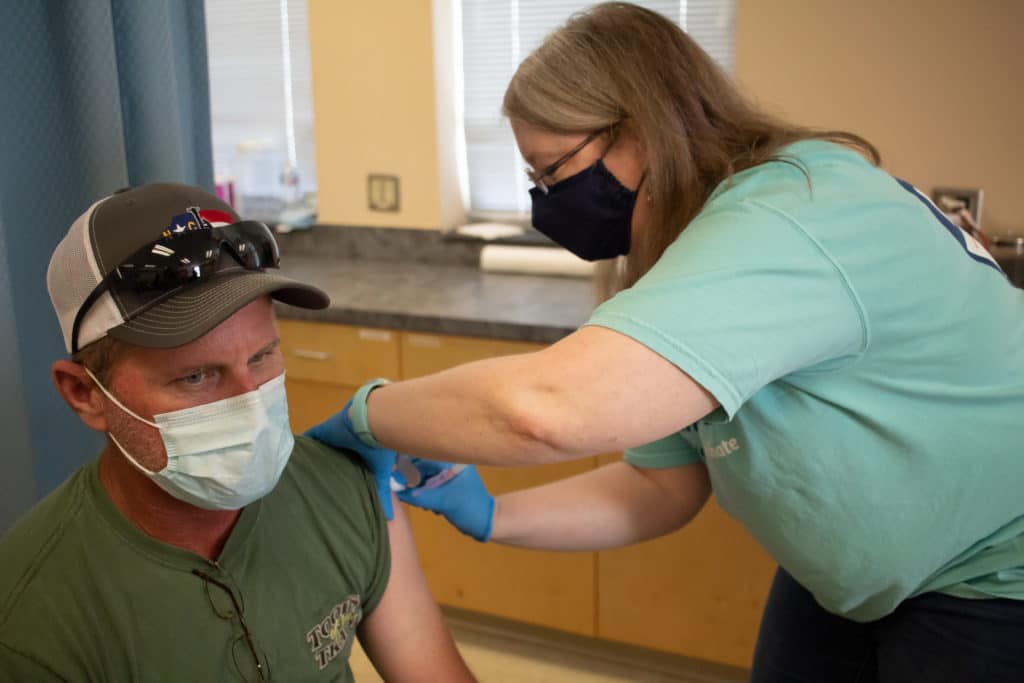
Cheryl Willoughby, project coordinator for Systems & Procedures at Vidant, plays a key role in organizing these events. She said it is crucial to bring health care to the people of eastern North Carolina because of Vidant’s unique rural positioning.
“Access to health care is a huge issue for a lot of the people that we serve,” Willoughby said. “So when we do these community events, that barrier is easily broken when we meet people where they are. That’s the exciting piece for me.”
Pamlico County Health Event
 Vidant hosted a Pamlico County Community Health event on July 27 at Pamlico County Community College with great support from many local leaders and organizations. Pamlico County government, the Pamlico County Health Department and Pamlico County Community College all played a vital role in making the event possible.
Vidant Beaufort Hospital, a campus of Vidant Medical Center, team members came out to the event to administer health screenings to community members, including body mass index measurements, blood pressure readings and blood sugar checks. Team members were also on hand to educate the community on colorectal cancer, diabetes and stroke.
Jennifer Lewis, community health improvement coordinator for Vidant Beaufort, said screenings and wellness checks events like these are crucial to making sure community members are staying on top of their health. She said that people will often go through everyday life feeling completely healthy while chronic illnesses like hypertension and diabetes go unchecked.
“We want to help identify some of those risk factors and maybe here we can share something with an individual that will get their attention,” Lewis said. “Hopefully we can get them in to see a physician and maybe make some changes in their diet, in their physical activity and if they need to get medication, that too.”
Dr. John Callahan from Vidant Family Medicine – Aurora was on hand to discuss any concerns with community members and to discuss COVID-19 vaccines with those interested. About 20 COVID-19 first doses were distributed to community members at the event.
The EastCare team also showed support for the Pamlico County event by showcasing a helicopter on the main road leading to the event and the Eastern Carolina Health Care Preparedness Coalition had a medical emergency bus and mobile field hospital out on display for the event as well.
Farmville Community Health Event
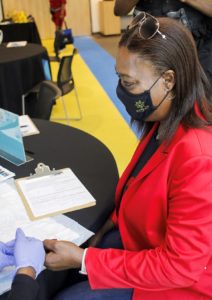 The following weekend, Vidant team members and community groups showed up again to bring health care directly to the communities we serve at the Farmville Public Library. Many of the same screenings and opportunities available at the Pamlico County event were brought to Farmville as well.
KaSheta Jackson, nurse executive fellow at Vidant, said the community partnerships Vidant has built and are working to strengthen are key to creating trust with the whole community. She said having those trusting relationships with community groups trickles down to individuals within communities and ultimately leads to better health for everyone.
“We are making sure that we are connecting with the community,” Jackson said. “We are here with CAREE, which is a community group. They’re doing our vaccines with the Pitt County Health Department. The local library, they’ve offered up the space. Cheryl (Willoughby) worked with a lot of local agencies here so that they would support it. We work with a lot of communities here because we don’t want to just come in, we want to be a part of how we improve health care in these comminutes.”
Along with health screenings and awareness campaigns at the event, behavioral health team members were on hand to provide support and share information. Vidant’s Talent Acquisition team also joined each of the events to make connections with community members seeking employment with the health system.
Jackson said the Community Health events are important to bringing health care to people and hopes that positive responses and results continue to come out of these opportunities.
“We are following the model of doing health care on the outside to make health care better on the inside,” Jackson said. “We’re working to address the social determinants of health, offering employment, trying to take care of the need for vaccines, taking health care into communities versus having people come to us – we’re taking services to those that need them.”
Where will we be next?
Vidant’s next Community Health event will be on Aug. 21 in Bethel at the Field of Dreams – additional information can be found on the Events page of VidantHealth.com.

With easing COVID-19 restrictions, we are on the move again, especially children and teens in sports. With that comes the potential for injury and Vidant Orthopedics and Sports Medicine is here to help.
Vidant Orthopedic surgeon Dr. Robert Palmer appeared on WITN to discuss common sports injuries and how to prevent them.
He said the most common sports-related injuries he sees are broken wrists and clavicle fractures. The most important things you can do for yourself or your child to prevent sports injuries is to maintain a typical healthy lifestyle and get plenty of Vitamin D.
Dr. Palmer said a unique risk this year is young people returning to sports after a year away.
“I’ve seen quite a number of children in my clinic who have gone back, and just participating in a field day event at school and they’ve actually gotten stress-related fractures from what we would consider everyday events,” Dr. Palmer said. “That is probably just because their bodies aren’t used to the load from sports. I think taking it slow and easing back into things and making sure they have a good healthy diet is a good start to prevent injuries.”
He also discussed the importance of the implementation of rules to limit overuse injuries. An example of this is rules set by youth baseball organizations in conjunction with Major League Baseball to keep children safe. Dr. Palmer encouraged coaches and parents to educate themselves on these rules and stay on top of them to keep children healthy.
While many sports-related injuries in children just require typical treatment like rest and ice, some are more serious. It can be challenging to know when it’s time to consult a physician but Dr. Palmer gave some tips on what to look for.
“When we see a patient, if they have limited range of motion, inability to weight bear, swelling about a joint, reduced motion about that joint,” Dr. Palmer said, “certainly if there’s a bone sticking out of the skin or there’s bleeding, those are more urgent things that we should address and potentially may need surgery. Other sports-related injuries are ACL tears or ligament tears and shoulder instability that we think about.”
Visit the Orthopedics and Sports Medicine section of VidantHealth.com to learn more about services Vidant offers.
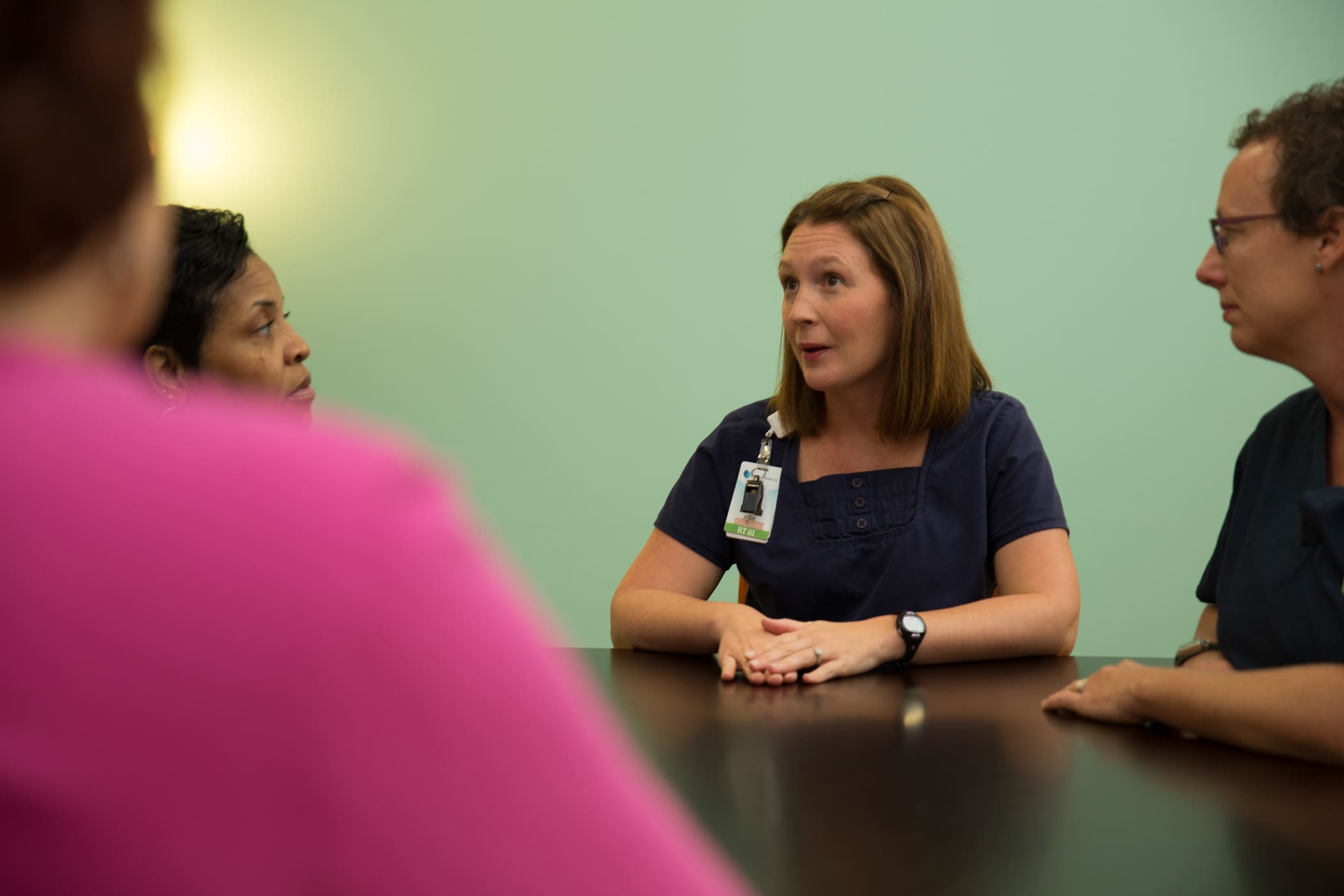
These topics included psychiatric disorders, stress management, resiliency and substance use. This series came at a crucial time, as COVID-19 kept many people indoors and away from their typical routines. That isolation and facing many unknowns in our world brought out mental health challenges.
Data trends show a steady increase in adults suffering from anxiety, stress, and depression over the past year.
Glenn Simpson, system service line administrator for Behavioral Health at Vidant, joined WITN to discuss the series.
“Some studies are indicating that four out of 10 of us in the last year have experienced depression or anxiety in a clinical range,” Simpson said. “If you went back two years, that would have been one out of 10, so we are very concerned about people’s mental health. Often times we will take care of our physical health before our mental health. We’re hoping by this series to help folks reach out for the help they need.”
Simpson said the series was exciting and brought forward experts in the field to talk to the general public about mental health and well-being.
Video recordings from the series can be found in the Behavioral Health section of VidantHealth.com.
Anxiety in adults exasperated over the pandemic
A new study from GlobalWebIndex has shown that many adults are worried about the lasting effects the pandemic will have on mental health.
According to the study, 28% of Millennials, and 29% of Gen X adults believe the pandemic will have long-term impacts on their mental health. Additionally, the study found that anxiety, stress and insomnia had all risen across all age groups in the study.
Dr. Nathan Harper, medical director for inpatient psychiatry at ECU Health Medical Center and ECU, said he there has been an increase in patients for mental health needs and services, not only in adults but for children as well. Dr. Harper said he believes isolation from quarantine made some of these issues more prevalent.
Dr. Harper discussed the study and his experience during a recent interview with WNCT.
Vidant has resources and information available on the Programs & Support page.
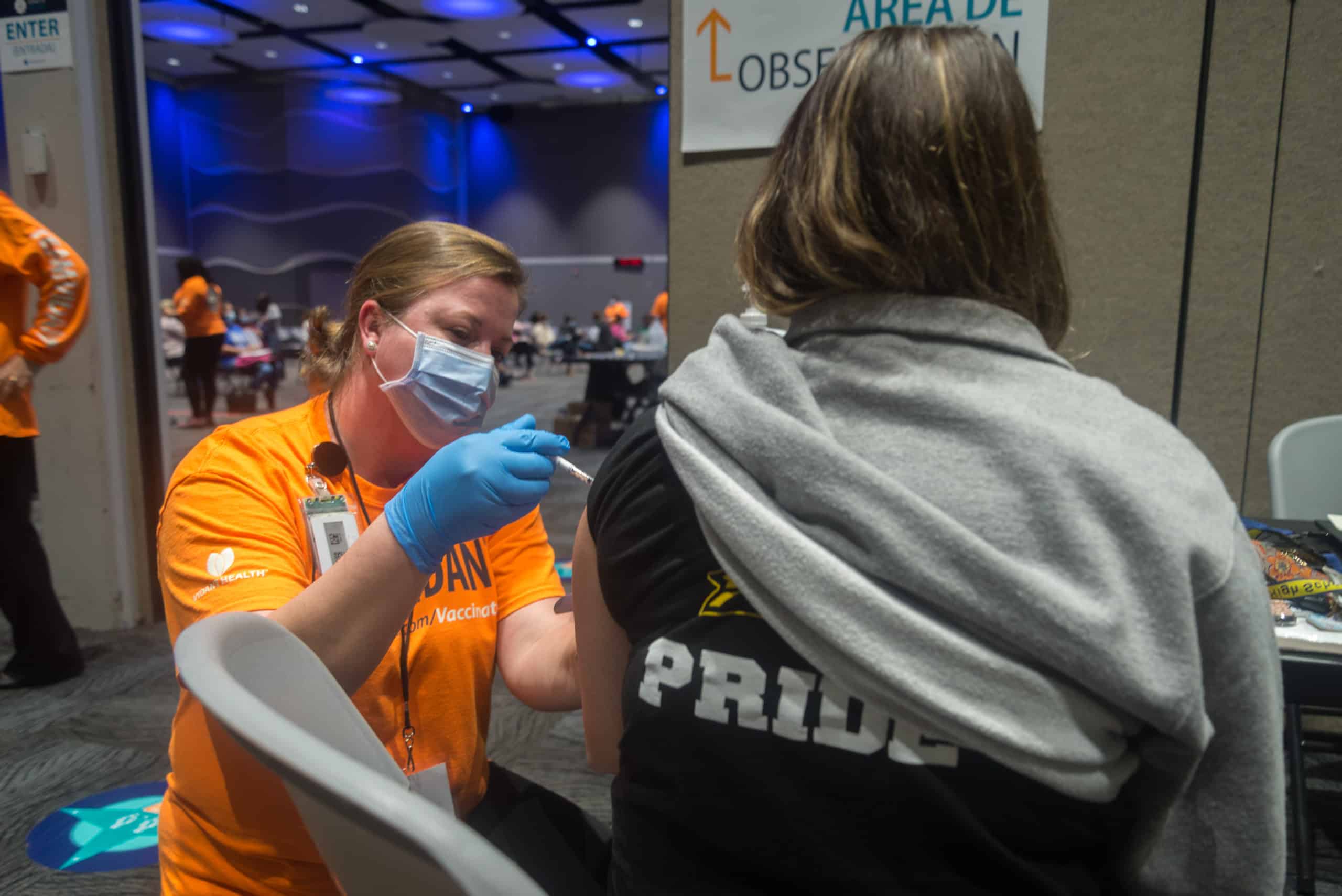
COVID-19 continues to evolve and expand its grip across the country and here in eastern North Carolina.
“This is one of the most diabolical viruses I’ve ever seen,” said Dr. Paul Bolin, chief of Adult Medical Services at ECU Health Medical Center, and the chair of the Department of Medicine at Brody School of Medicine at East Carolina University.
“We were in a good place. Transmission had slowed down, more and more people were getting vaccinated and protected, hospitalization days started to really come down, number of cases started to come down – and many of us thought we were in the last leg of this marathon,” said Dr. Niti Armistead, chief medical officer for Vidant Health. “What changed was the vaccination rates just hit a wall.”
“In North Carolina, in the past three to four weeks, we have seen a tripling in the number of cases, and in the number of hospitalizations,” said Dr. Bolin. “We’re seeing the same things as we did last fall and winter, but it’s in a much younger and much healthier population.”
Another difference now – we have a vaccine.
“It’s like wearing your seatbelt – your chances of being in an automobile accident are very low, but your chances of surviving that with a seatbelt are much greater,” said Dr. Bolin. “Your chance of surviving COVID are 25 fold better with the vaccine than without it.”
Even still – roughly half of the country remains unvaccinated, enabling the virus to mutate and variants to cause an increase in infections and complications.
“The virus didn’t slow down just because our vaccination rates dropped,” said Dr. Armistead.
Experts say most concerns about the vaccine don’t outweigh the risk of being unprotected.
“I think the most important thing to understand is this: there have been some very small number of complications from the vaccine. And that is a one-time event that occurs after the vaccination,” said Dr. Bolin. “Your risk of dying from COVID if you’re not vaccinated continues day after day after day after day, until this pandemic is over with.”
Vidant Health has appointments available for anyone eligible to receive the vaccine. Visit www.VidantHealth.com/vaccinate and schedule yours today.
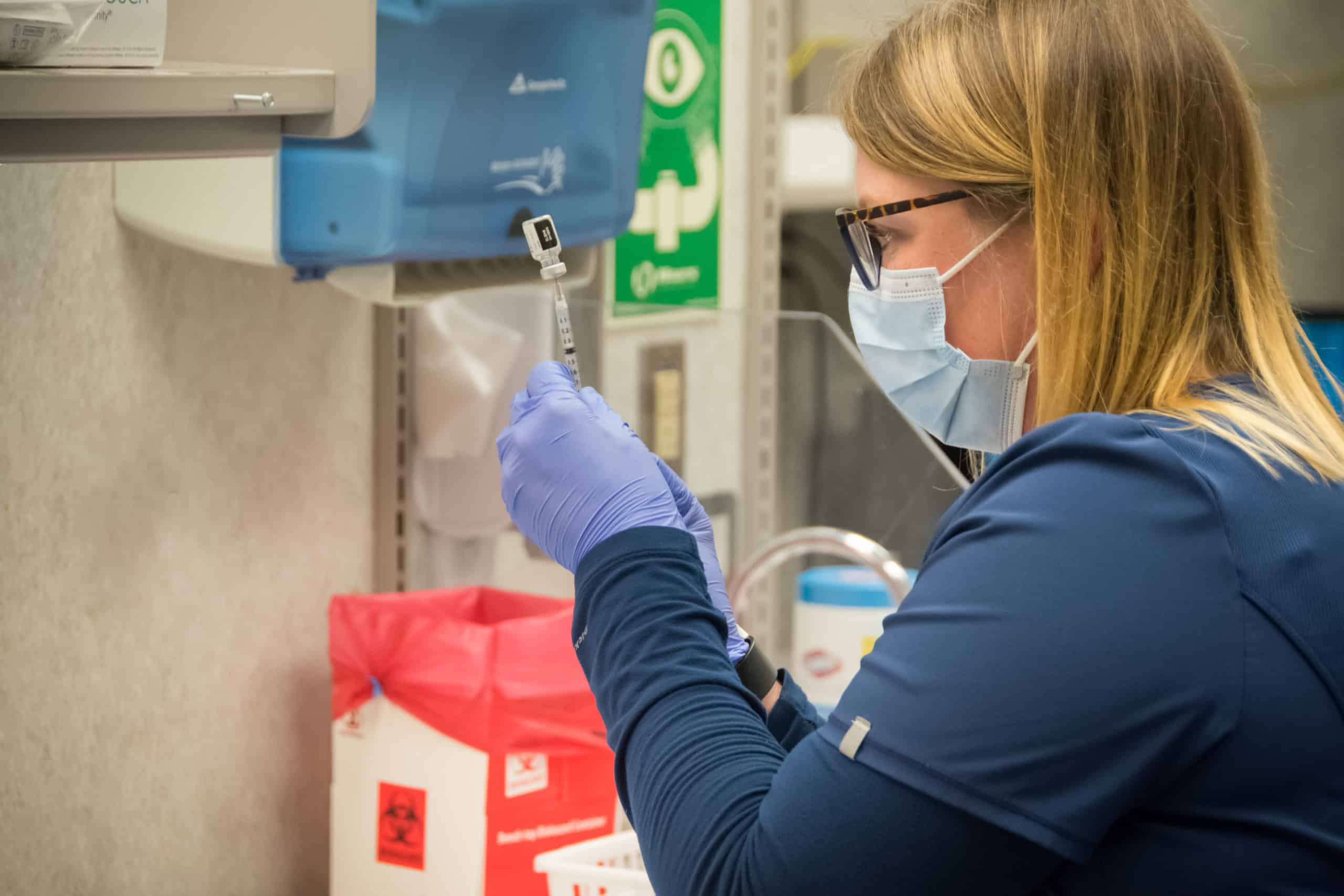
 The arrival of the COVID-19 vaccines brought great hope in the battle against the deadly pandemic that has affected our way of life for nearly a year and a half. Now, more than 7 months into the largest vaccination effort in history, the data and science is clear: the vaccines are effective, but only if people get their “dose of hope”.
The continued spread of the virus and the arrival of new variants is an urgent reminder that this pandemic is not over yet, and that we still have to assure vaccination for everyone to protect our communities. Right now, the Delta variant is quickly becoming the dominant virus variant. We know that this variant is easily spread and has many of the same devastating health impacts as previous variants. We also know that the vaccines are highly effective at both preventing the spread of the virus and drastically reducing the impact on those it infects.
It was not long ago that some hospitals around the country celebrated having zero COVID-19 patients in their Intensive Care Units. Doctors, nurses and other staff rejoiced at this welcomed respite. Here at Vidant, we never quite got to zero, but our numbers hit a new low in the spring. Now, hospitalizations are back on the rise and nearly all hospitalized COVID-19 patients – many of whom are battling for their lives – are unvaccinated.
As we have continued to learn more and more about this virus over the past year and a half, we can confidently say that ending up hospitalized with serious complications from COVID-19 is mostly avoidable now. The vaccines are safe, effective and widely available at local hospitals, clinics, health departments, pharmacies and more.
We can still see the light at the end of the tunnel but the Delta variant is dimming our view. Help us end this pandemic by receiving your COVID-19 vaccine as soon as possible by visiting VidantHealth.com/Vaccinate or by calling 252-847-8000.