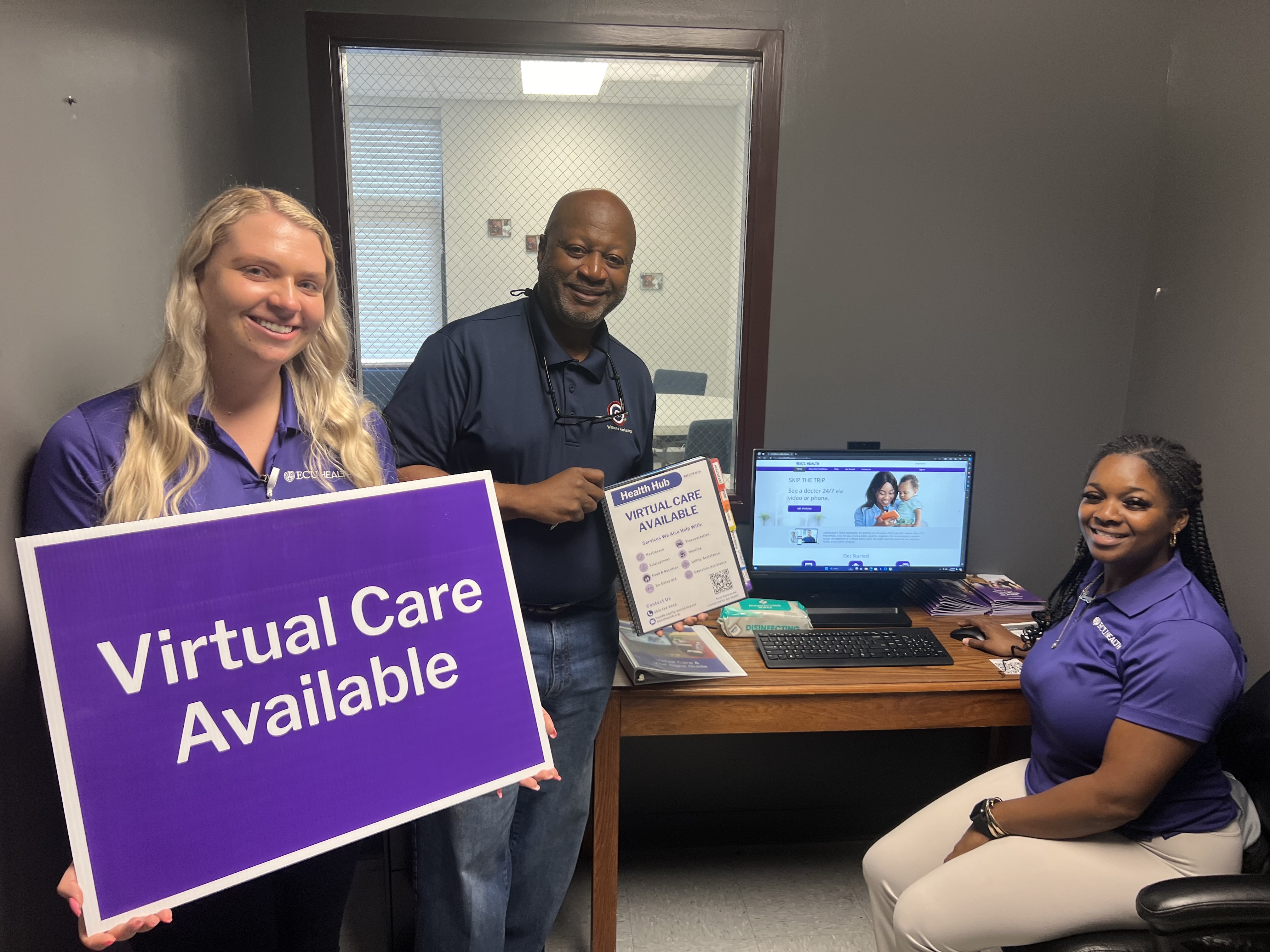
ECU Health serves a vast rural region and understands the critical need for accessible health care in these communities. The demand for health services is exceptionally high, and many residents face significant barriers to receiving the care they need. ECU Health launched the Health Hub initiative in May 2023 as a strategic effort to bridge these gaps and help meet patients where they are. These Health Hubs are designed to improve access to vital health care and community resources, specifically targeting underserved areas.
“These hubs are strategically placed based on data indicating regions of high social vulnerability,” said Kasey Perkins, community health engagement coordinator, ECU Health. “Oftentimes, these areas have limited access to primary care services and individuals have difficulty seeing a doctor for those unexpected acute illnesses we all get.”
Health Hubs are currently located in four counties: Pitt, Martin, Edgecombe and Beaufort.
The hubs serve dual purposes. First, they provide access to virtual care, which is particularly vital in areas where individuals might otherwise visit emergency departments for non-urgent issues. By educating the community about virtual care options, Health Hubs help people get appropriate care quickly and more efficiently. Second, Health Hubs offer a gateway to community resources, addressing social determinants of health such as food insecurity, housing and employment.
“Each hub features a community resource guidebook, organized into tabs for different social needs, filled with contact information and details on various agencies and services available in the area,” said Perkins.
Health Hubs are located at local churches, businesses and organizations, and a designated Health Hub ambassador serves as the community’s point of contact. These ambassadors help residents connect with virtual care services and navigate the resources available to them. The hubs are equipped with necessary devices, including a computer with a webcam and microphone, and vital sign monitors like blood pressure cuffs, pulse oximeters and thermometers. This equipment allows individuals to have virtual visits on-site if they don’t have access to the technology at home.
Three new locations were added in July 2024, bringing the total amount of Health Hubs to 21. Health Hubs are open to everyone in the community. Residents can walk in during designated hours to learn more about virtual care or access community resources. The virtual care service, ECU Health Now, is available for anyone throughout eastern North Carolina and can be accessed on a computer or mobile phone. It is free to register and make an account, and it only costs $55 per visit when you speak with a provider, which is often less than a typical insurance co-pay or Emergency Department visit.
“The Health Hub initiative represents a significant step toward making health care more accessible and addressing broader social needs,” said Perkins. “By partnering with local organizations and connecting individuals with vital resources, Health Hubs are making a real difference in the communities they serve.”
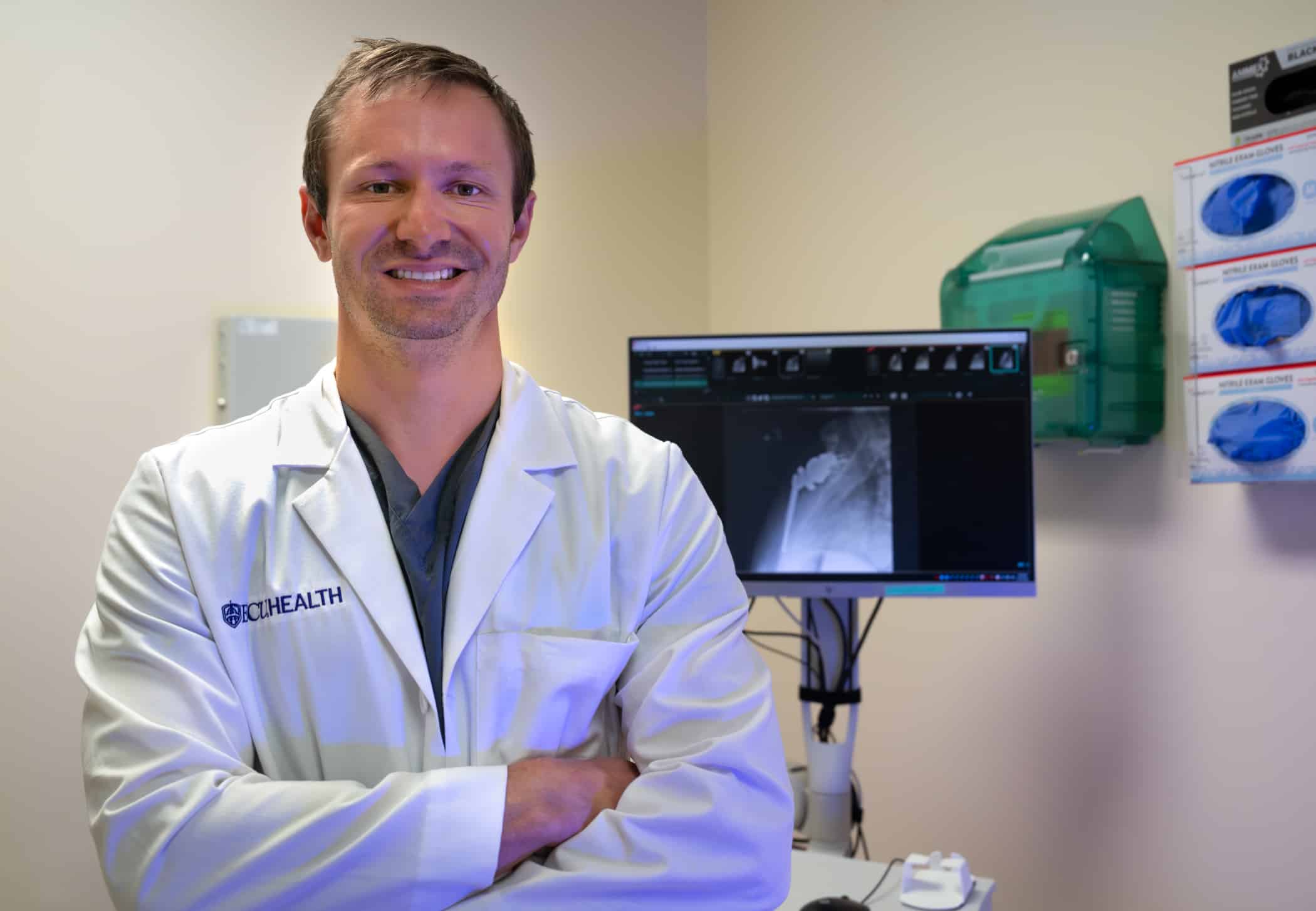
As part of its commitment to providing high-quality care to the people of eastern North Carolina, ECU Health now offers innovative advanced 3-D shoulder replacement surgery, providing a new solution for patients with complex shoulder joint damage. This cutting-edge procedure is designed to relieve pain and restore mobility for individuals suffering from conditions such as osteoarthritis, rotator cuff injuries and fractures.
According to Dr. Shawn Yeazell, ECU Health orthopedic surgeon, patients can sometimes have one or more shoulder replacements that failed or wore out, which leaves only a little bit of bone to work with, so traditional implants don’t work.
“We have an aging population, which is increasing the demand for orthopedic procedures like joint replacements,” said Dr. Yeazell. “We want our patients to live comfortably and to be able to do the things they love, so having the ability to provide complex procedures to relieve pain and joint immobility is crucial.”
Traditional shoulder replacement surgeries involve removing damaged bone and replacing it with standard metal and plastic parts. According to Dr. Yeazell, standard shoulder replacement parts work for most people who need a procedure. However, in cases where bone is missing or existing bone is poor quality, standard parts may not be sufficient.
“There’s a certain amount of bone that’s required for a traditional replacement,” said Dr. Yeazell. “The 3-D printed shoulder replacement surgery is a solution for those patients who would have no other option.”
The 3-D shoulder replacement process begins with doctors performing CT scans of the patient’s shoulder. These scans are then sent to an outside vendor, which creates 3D-printed joint replacements custom-fitted to the patient’s anatomy. This personalized approach allows orthopedists to perform surgeries with greater precision and effectiveness.

“Being able to perform cutting-edge procedures like 3-D joint replacement surgeries close to home is critical in caring for our region,” said Dr. Yeazell.
By offering 3-D shoulder replacement surgery, ECU Health is enhancing the quality of life for patients with complex shoulder conditions, ensuring they can continue to enjoy their daily activities pain-free. Dr. Yeazell is the first surgeon to bring the Zimmer Biomet 3-D custom Vault Reconstruction System (VRS) implant and associated technology to the ECU Health System.
To learn more about ECU Health’s orthopedic services, visit www.ecuhealth.org/ortho.
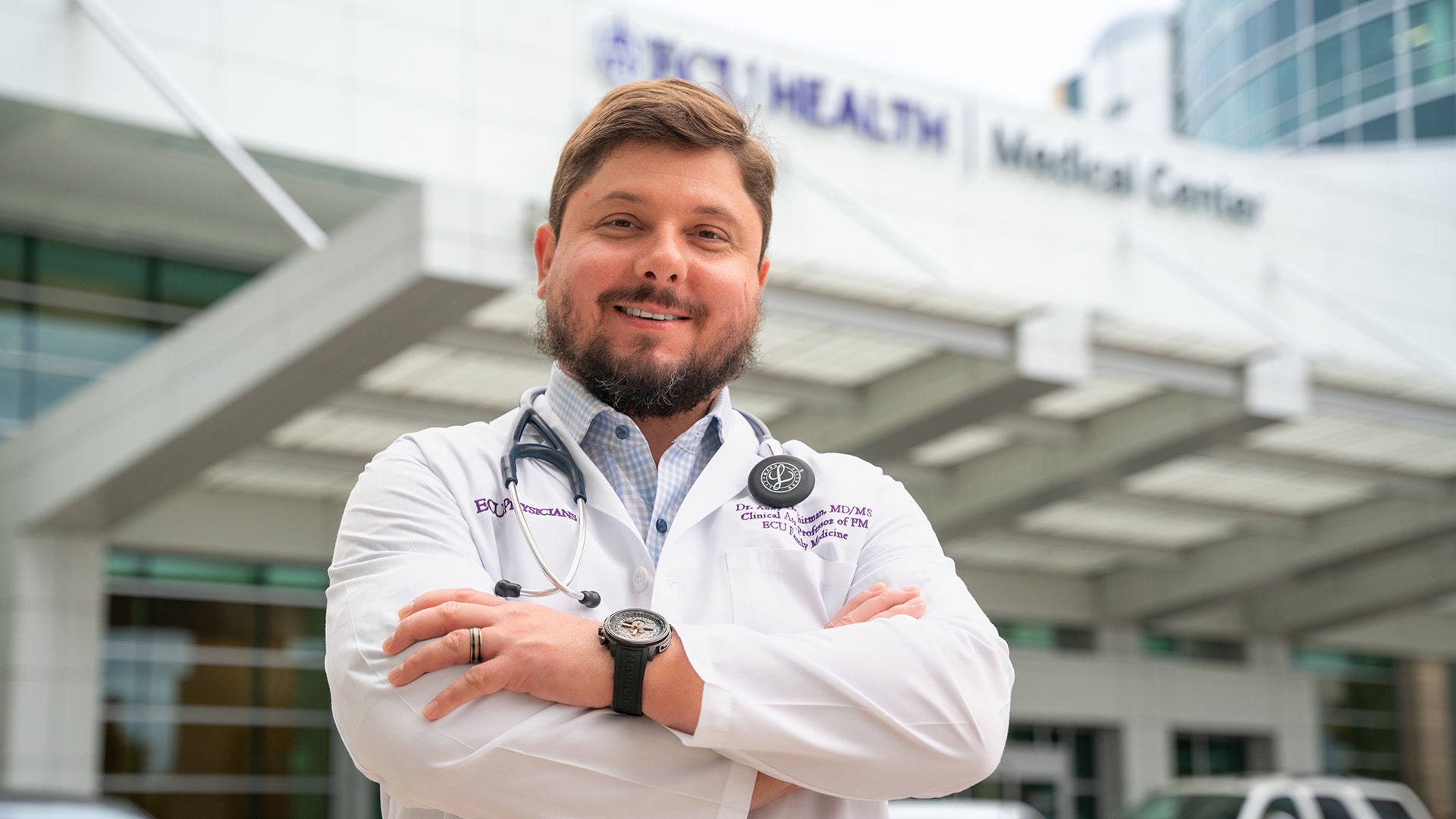
Dr. Audy Whitman wears a few hats: he is the program director for the Rural Family Medicine Residency program at the Brody School of Medicine at East Carolina University; an assistant clinical professor in the Brody School of Medicine’s department of family medicine; and physician at ECU Wound Healing clinic. Balancing multiple roles and responsibilities is nothing new to the eastern North Carolina native, whose resume also includes a stint as a farmer.
“I am from a small town called Seven Springs, N.C. It was and is a farming community,” Dr. Whitman said. “Growing up, I worked on my grandparent’s farm. I worked in chicken houses and hog houses; I’ve cropped tobacco; I’ve driven tractors for harvest.”
It was that hard work, in part, that motivated him to pursue a career in medicine.
“Farming is backbreaking and grueling work,” he said. “There’s no more powerful motivator in the universe to pursue higher education than standing in a tobacco field in later summer, with 99% humidity, no shade and 100-degree temperatures. Your hands are soaked in tobacco gum, and the nicotine is soaking into your skin, so you feel nauseated all the time. I’m not saying it’s not good work to do, but it motivated me to do other things.”
Another inspiration came from his small town’s family physician, Dr. Paul Bennett.
“He was a Med-Peds (internal medicine and pediatrics) doctor by training, but he did everything a family medicine physician would do in a rural community,” Dr. Whitman explained. “He took me under his wing and talked to me about a future career in medicine.”
After high school, Dr. Whitman found himself at East Carolina University where he completed two undergraduate degrees in biology and anthropology and a master’s in cellular biology. Prior to his career in medicine, Dr. Whitman was a regulatory specialist for the North Carolina Department of Agriculture and Consumer Services, in the agency’s Food and Drug Protection division, as well as a contract inspector for the U.S. Department of Agriculture and the U.S. Food and Drug Administration (FDA). In his FDA role, he earned a special citation from the U.S. FDA Commissioner for his work on a nationwide food recall.
“I also worked for the North Carolina Community College System as a pre-health science instructor at Lenoir Community College in Kinston,” he said. “I got tired of my students calling me ‘doctor’ when I hadn’t earned that moniker, so I got serious about the idea of going into medicine. Dr. Bennett told me I should go into family practice, so he helped put me on that trajectory.”
Dr. Whitman attended the Brody School of Medicine, and in 2017, he joined the Department of Family Medicine faculty. In 2020, he was made the program director for the Rural Family Medicine Residency program.
“My detail-oriented work ethic and my ties to rural eastern North Carolina are why I was asked to head up that program,” Dr. Whitman said.
Those ties to eastern North Carolina included experiencing hurricanes that significantly impacted his hometown.
“People not from around here won’t remember hurricanes Fran or Floyd, but I recall vividly that my town flooded very severely over the years from hurricanes, and especially from those two,” he said“I recall sitting on my back deck and realizing our community was an island, and people couldn’t go anywhere.”
He also realized that the elderly and sick had nowhere to go to seek medical care.
“It provided a buy-in for me that we need doctors in these rural communities for events like this when you’re truly isolated and need boots on the ground,” Dr. Whitman said. “That experience played a role in getting the rural program up and running and productive.”
Now, Dr. Whitman is proud of the Rural Family Medicine program’s growth and its impact on rural communities like Seven Springs.
“I help train the next generation of family physicians to care for the people of eastern North Carolina and play an active role in designing systems to address health care disparities in our rural communities,” he said. “It’s fulfilling and rewarding work, and it’s an honor I don’t take lightly.”
Because of his efforts, resident physicians and graduates effect meaningful change across the region.
“When you have a patient come in for a 15-minute appointment, they often have a laundry list of other things to address because this is the one trip to the doctor they get this month,” Dr. Whitman explained. “In these cases, I think about my grandma. How would I want her treated? With these rural program residents, they are taking care of my flesh and blood.”
Without the various roles he’s held over his career, Dr. Whitman said he wouldn’t be the clinician, educator or advocate he is today.
“I’ve had both blue-collar and white-collar jobs. I’ve worked in the unforgiving elements of brutal eastern North Carolina summer heat and in positions where the health and safety of our population were dependent on the actions of me and my colleagues,” he said. “I have worked jobs in which I had the honor to educate and provide eastern North Carolinians the tools to broaden their minds and their career prospects. Through all these experiences, I have gained an appreciation for meeting people where they are and treating people with respect. They have made me who I am and compel me to do the work I do today.”

OUTER BANKS, N.C., July 24, 2024 — Outer Banks Health and Dare County Department of Health & Human Services have joined forces with Blue Zones, the global leader in longevity research and community well-being transformation, to launch Blue Zones Ignite™ Outer Banks.
Blue Zones uses an evidence-based, environmental approach to making healthy choices easier where they live and spend most of their time. Blue Zones will work with Outer Banks Health, the County, and other community leaders to conduct an in-depth feasibility assessment to determine how to make it a healthier place to live, work, and thrive. Together with the community, the Blue Zones team will assess readiness and build a plan for change.
The launch of Blue Zones Ignite is a dream come true for Christina Bowen, MD, Outer Banks Health Center for Healthy Living Medical Director, and ECU Health Chief Well-being Officer.
“We know that 20% of health and longevity is tied to genetics; while 80% is tied to where and how we live. Blue Zones Ignite Outer Banks is going to inspire us to celebrate and promote our strong sense of community while we find ways to make it even easier to eat healthy foods, move naturally and connect with our purpose – just a few of the ways we’ll continue to enhance our well-being and make this an even better place to live and work,” shared Dr. Bowen.
The Blue Zones Approach
Blue Zones employs a proven solution in collaboration with communities to help people live better and longer lives. The company’s work is based on research and principles developed by National Geographic Fellow and New York Times bestselling author Dan Buettner, who identified the cultures of the world – or blue zones regions – with the healthiest, longest-living populations.
The Blue Zones approach focuses on the single largest determinant of health: the place we live. Instead of focusing solely on individual behavior change, Blue Zones helps communities make permanent and semi-permanent changes to policies, systems, streets, surroundings, and social networks so it’s easier for residents to eat wisely, move naturally, and connect more with others as they move throughout their day. By improving the Life Radius®—the area close to home where most Americans spend 90% of their lives—Blue Zones transformations have been able to move the needle dramatically in improving overall population health and well-being. Communities that have participated in the Blue Zone’s Ignite project have seen double-digit drops in obesity and smoking rates, economic investment in downtown corridors, grant funding awards to support policies and programs to improve health equity, and measurable savings in healthcare costs.
“Together, Outer Banks Health and Dare County Health and Human Services are steadfast in our shared mission to enhance the health and well-being of all residents, so that they can live a happy, healthy and long life,” said Dr. Sheila Davies, Director Health & Human Services.
Ben Leedle, CEO of Blue Zones and Co-founder of Blue Zones Project, said: “We are excited to partner with forward-thinking leaders in the joint effort of improving well-being in the Outer Banks. That improvement, at the community level, leads to healthier and happier residents, better and more productive workforces and student bodies, and a more vibrant economy. We are excited to collaborate to create a transformation plan that can generate lasting positive change and ignite a community-wide movement towards sustained well-being.”
The Blue Zones expert team will connect with Outer Banks leaders and organizations to begin immediate work assessing the strengths, needs, and challenges that residents are facing today. Blue Zones will then create a policy-focused transformation plan that, once implemented, can drive widespread improvements in well-being, reductions in healthcare costs, and improve economic vitality in the region.

On June 30, Dr. Herb Garrison retired as the associate dean for East Carolina University’s (ECU) Brody School of Medicine Graduate Medical Education (GME), after serving in that role for the past 11 years and after serving ECU and ECU Health for 29 years. He leaves a legacy of growth and success for the GME program, including the formation of the Rural Family Medicine Residency Program, as he looks forward to his next adventure.
The Charlotte native said his interest in health care began in part because of a “genetic predisposition.”
“My dad drove an ambulance and my mom was a nurse,” Dr. Garrison said. “Growing up, I was intrigued by fire trucks, and I was interested in first aid. I took a first aid class in high school because I wanted to be sure I knew what to do if something bad happened to someone.”
Dr. Garrison also worked in a nursing home as a high school student where some of his co-workers encouraged him to attend nursing school. “It was a diploma program, so we were thrown into the clinical aspect pretty quickly,” he recalled. “I liked it and had an aptitude for it, but I wanted to do what the doctors were doing.” Someone suggested he go back to school to become a physician assistant (PA), so he went to the Medical University of South Carolina. Still, his itch wasn’t scratched; he wanted to be a physician. “I applied to the University of North Carolina (UNC) at Chapel Hill, but my grades weren’t good enough to enroll as a pre-med undergraduate.”
Undeterred, Dr. Garrison went to Wingate Junior College for two years to complete his pre-med classes, and he earned all As. He transferred to UNC Chapel Hill to get his undergraduate degree, but he didn’t get into medical school the first year he applied. During that interim year, he worked as an evening charge nurse in Chapel Hill. He began medical school in 1981 and graduated in 1986, having spent a year doing research in addition to the typical four years as a medical student.
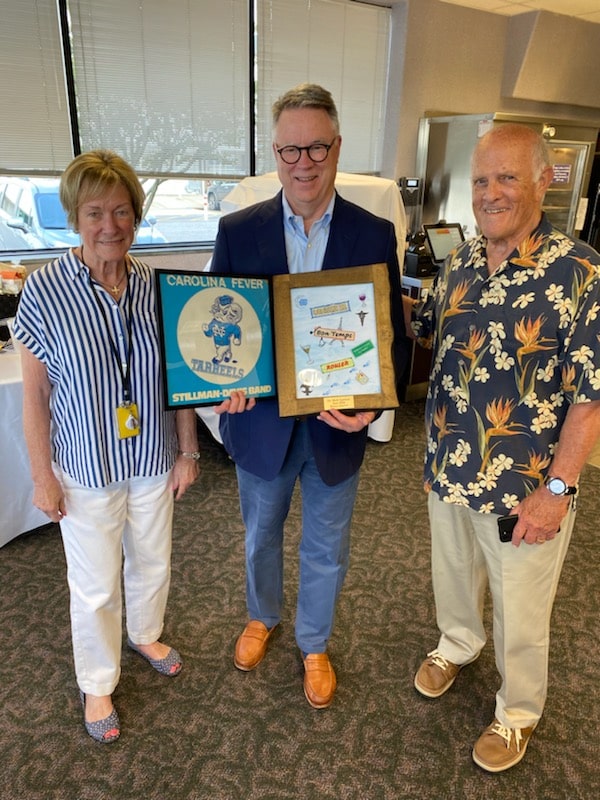
After medical school, Dr. Garrison began his emergency medicine residency at what was then Pitt County Memorial Hospital. When he completed his residency, Dr. Garrison became ECU’s first emergency medical services (EMS) fellow, and later the first Robert Wood Johnson Clinical Scholar from an emergency medical residency. “It was a huge honor for me because it’s a very competitive fellowship,” he said.
As his wife Lynne was completing her plastic surgery residency in Pittsburgh, Dr. Garrison recalls a conversation he had with Dr. Dan Pollock, a friend from the CDC. “Lynne and I were considering jobs at Johns Hopkins and in Greenville, and Dan said, ‘You have to go back to Greenville because that’s where you’ll make a difference.’ Thanks to Dr. Pollock’s advice, we made our way to Greenville for the second time.”
Since returning to Greenville, Dr. Garrison has served in many capacities: the founder and director of the Eastern North Carolina Injury Prevention Program, a professor of emergency medicine, the chief of the ECU Health Medical Center’s medical staff, the interim chair of emergency medicine, the associate medical director for the North Carolina Highway Patrol and the chair of the Pitt County Board of Health, among others. But one role, that of associate dean of Graduate Medical Education, has given him the opportunity to foster growth and continue his pursuit of lifelong learning.
“I didn’t have a long-term plan to work in graduate medical education,” Dr. Garrison said. “But I’ve always leaned towards leadership roles. What I like about GME is that you have oversight of all these programs to train medical school graduates to be physicians. I think it’s more important than medical school because it makes you the specialist you’re going to be.”
Under Dr. Garrison’s oversight, ECU’s Brody School of Medicine and ECU Health Medical Center now have more than 40 training programs, including residencies for physicians and dentists, sub-specialty fellowships and combined programs. Altogether, there are 410 physicians completing their post-medical school training at ECU Health. Dr. Garrison expressed pride at the GME program’s success, facilitated in part by diligent accreditation management and the program’s continued growth.
“We have two brand new programs: a fellowship in cardiac electrophysiology and a neurology residency. And we’re very excited to be deep in the planning for a new ophthalmology residency,” he said. Dr. Garrison also lauded the expansion of the internal medicine and psychiatry residencies, the addition of a critical care component to emergency medicine/internal medicine residencies (only the second such program like it in the country), the establishment of a pediatric dentistry residency, a hospice and palliative care fellowship, and the development of a rural family medicine residency.
The Rural Family Medicine Residency program began when Dr. Garrison and Dr. Mike Waldrum connected with Sen. Brent Jackson about starting a program to meet the needs of rural areas in eastern North Carolina. Sen. Jackson, a Sampson County native, wanted a rural residency for Duplin County, and with Dr. Waldrum’s and Dr. Garrison’s input, he put forth a proposal to the North Carolina General Assembly to appropriate funds for the new program, to be established in Duplin, Hertford and Halifax counties. “North Carolina is the second largest state in terms of a rural population,” Dr. Garrison said. “I think of rural as being issues with distance to health care, access to health care services, and impoverishment. That’s the heart of the Brody School of Medicine and ECU Health’s mission, and we do a pretty darn good job at it.”
Now the first cohort of four rural family medicine resident physicians graduated in June, along with the 125 physicians who completed their training on June 30. Earlier this year, Dr. Garrison learned that all four graduates of the rural residency passed their board certification exams in family medicine on their first attempt, and 50% of that class will be staying and working in rural eastern North Carolina and for ECU Health – one in Duplin and the other in Hertford and Beaufort counties. “It’s the thing I’m most proud of during my time in GME,” Dr. Garrison said. “It’s been five years since that visit with Sen. Jackson, and now ECU Health is the national model for a rural academic health system.” The newest rural family medicine program class includes nine resident physicians, making the program one of the largest rural residencies in the country.
For Dr. Garrison, his work in GME has been fulfilling, and he emphasized three important benefits of GME. One is that GME is a critical part of both the Brody School of Medicine and the health system. “Resident physicians and fellows provide a lot of care. They write about 75% of the orders written in the hospital, including admitting patients, medication prescriptions and all plan of care orders. The hospital depends a lot on resident physicians and fellows, and they are learning while they are doing,” he said.
ECU Health Medical Center and ECU Health Maynard Children’s Hospital serve as the primary teaching hospitals for The Brody School of Medicine at ECU, something Dr. Garrison noted as being a major factor in GME success: “Graduate medical education has always been about resident physicians and fellows employed by the health system working with faculty employed by the University.”
In addition to their vital role in the health system, Dr. Garrison said resident physicians promote lifelong learning for their instructors. “I had a professor at UNC who was asked why he taught at the university instead of making more money in private practice,” he said. “He said that every day a medical student or resident asked him questions he didn’t know the answer to – so he figured he should stay at the university until he knew everything. Our resident physicians and fellows keep us in the throes of learning.”
Perhaps most importantly, Dr. Garrison said that resident physicians and fellows serve as a pipeline for physicians that we need here in North Carolina. “One of the things we know is that residents are more likely to stay where they train than where they go to medical school,” he explained. “They serve as pipeline for the needs we have, especially for North Carolina. A GME program adds value in these ways.”
While these benefits may be applied to any GME at any medical school, Dr. Garrison emphasized that the Brody School of Medicine and ECU Health are special. “My experience, and that of almost any and every physician who trains here, is that they are going to get a phenomenal education,” he said. “This is one of the largest and busiest medical centers in the country. I tell resident physicians and fellows that if they come here and stay here, they will be really good physicians because they will be taking care of people with a variety of diagnoses and will be taught by talented professionals. It’s a fabulous place to train and that’s why our graduates are so capable.”
Although he has retired from his associate dean role, with Dr. Mary Catherine Turner stepping in as interim associate dean, Dr. Garrison isn’t going too far away. “I’ll be working part time helping with fundraising at the ECU Health Foundation,” he said. “I’m not done quite yet.”
Still, his presence in GME will be missed. Dr. Audy Whitman, the program director for the Rural Family Medicine Residency program, said Dr. Garrison’s impact has positioned ECU Health resident physicians and fellows for a brighter future. “He’s been a great resource and role model to me and has provided me with sage wisdom and infallible guidance as I worked to start our new Rural Family Medicine Residency. I am forever grateful and in his debt,” Dr. Whitman said. “Under his tenure, Dr. Garrison cultivated a thriving GME system that positively impacts hundreds of physicians training every year, which in turn positively impacts the lives of millions of North Carolinians served by our ECU Health system and graduates of its GME system. Dr. Garrison has been a force for good that is hard to find, difficult to replace and impossible to forget.”
Dr. Michael Waldrum, dean of Brody and CEO of ECU Health, echoed those sentiments.
“Graduate Medical Education is such an important part of who we are at ECU Health,” Dr. Waldrum said. “We are fortunate to have such a strong GME program, and that is a testament to Herb’s steadfast commitment, passion, dedication and leadership. Herb has contributed in so many ways to our organization, and highest among them is his outstanding leadership of our GME programs. We are deeply appreciative of his contributions which position us to continue our work as a world-class clinical training ground.”
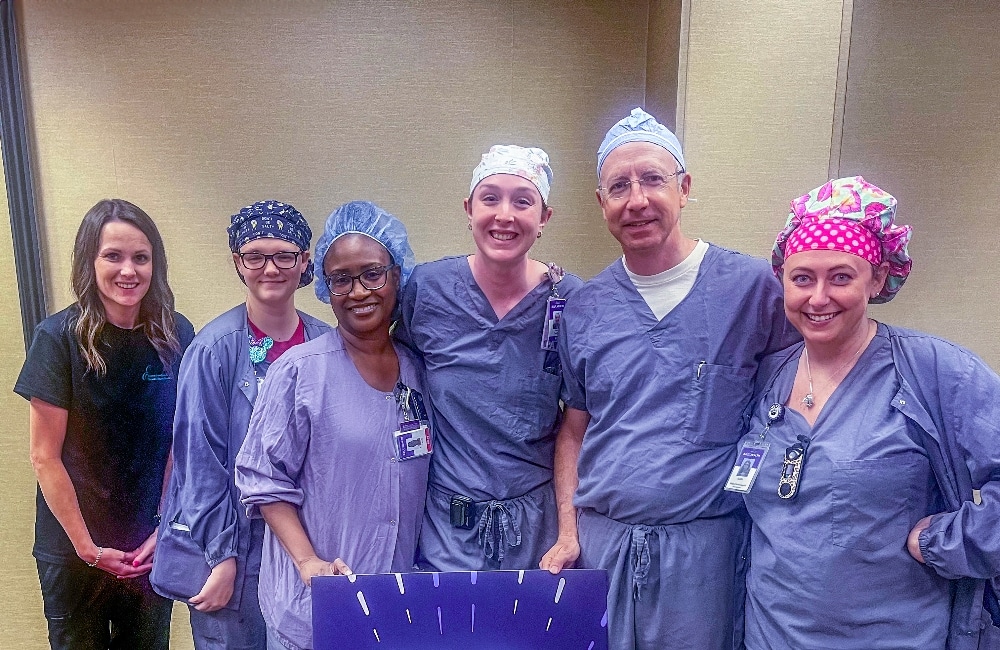
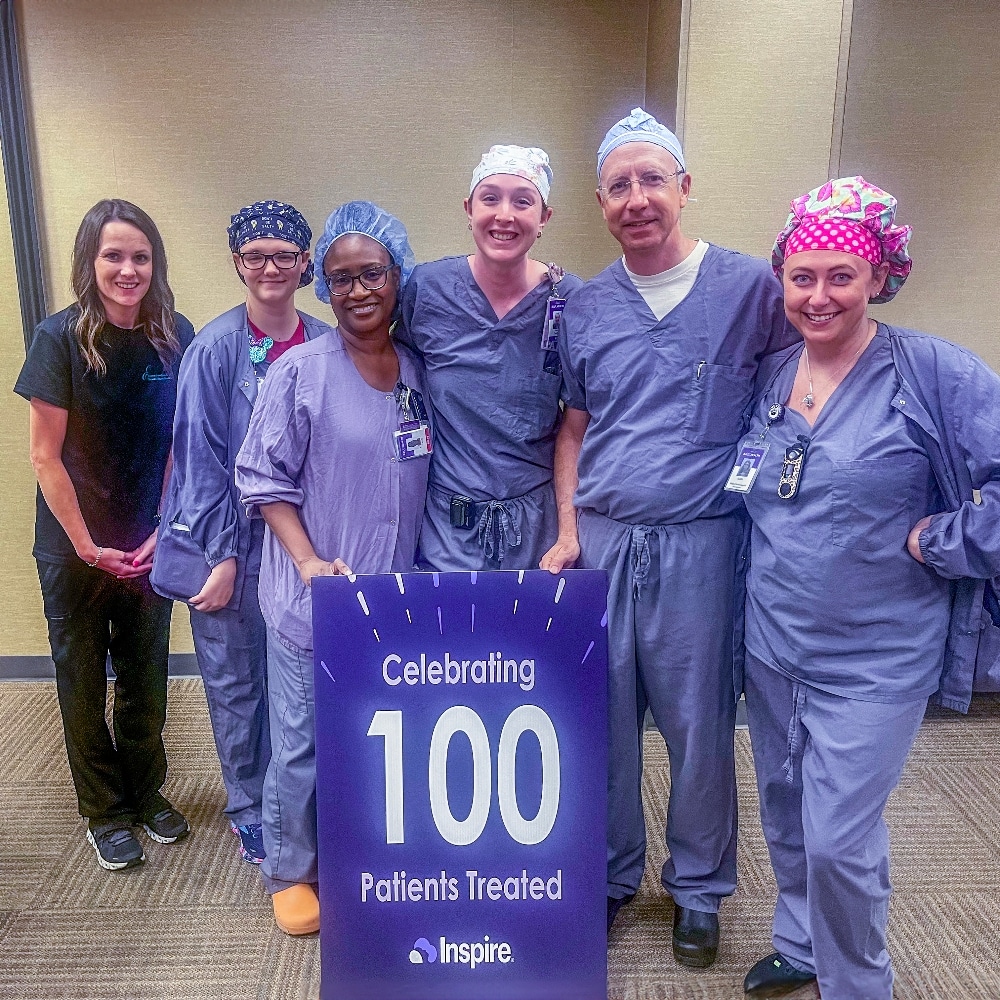
On June 14, 2024, Dr. Brian Brodish, an otolaryngologist with Eastern Carolina ENT, in collaboration with ECU Health, performed his 100th Inspire procedure at ECU Health Medical Center. Inspire is an FDA-approved obstructive sleep apnea (OSA) treatment option for people who cannot use Continuous Positive Airway Pressure (CPAP) therapy.
“We have a high incidence of sleep apnea in eastern North Carolina, but a lot of patients can’t tolerate a CPAP,” said Dr. Brodish. “There’s a significant morbidity to not treating sleep apnea, and up until now, I had nothing to offer. This is one of the first successful surgical alternatives for our patients with sleep apnea.”
OSA affects 22 million Americans. When left untreated, it doesn’t just affect one person, but also those around them. OSA can cause vehicle and workplace accidents, worsening mood and memory, stroke, heart attack and other serious issues.
CPAP is the main treatment for OSA, but unfortunately a large percentage of people don’t see benefit from or can’t tolerate CPAP. Dr. Brodish is proud to offer Inspire as another treatment option for this population.
“Patients were feeling miserable and had nowhere to turn,” Dr. Brodish said. “I finally have a tool I can offer these patients and we’re seeing fantastic results. It’s a low-risk procedure and patients recover in a few weeks.”
Inspire works inside the body with a patient’s natural breathing process to treat sleep apnea. Mild stimulation opens the airway during sleep, allowing oxygen to flow naturally. The patient uses a small handheld remote to turn Inspire on before bed and off when they wake up.
“We want the patient to use the device for at least four hours a night or more, and we are looking for their apnea-hypopnea index (AHI), which is the number of times per hour a patient stops breathing, to be below 15,” Dr. Brodish explained. “Some of our patients stop breathing more than 50 times a night before treatment, but 80 percent of our patients have achieved our goal of 15 episodes or less. Some have even achieved zero.”
The Inspire system is implanted during a short, outpatient procedure. The system is placed under the skin of the neck and chest through two small incisions. Most patients return home the same day and take over-the-counter pain medications to manage pain as needed.
“We are excited to have completed the 100th Inspire procedure at ECU Health Medical Center,” said Dr. Brodish. “This option is a part of ECU Health’s goal to provide state-of-the-art, high-quality care for eastern North Carolina, and we’re seeing patients benefit from this technology.”
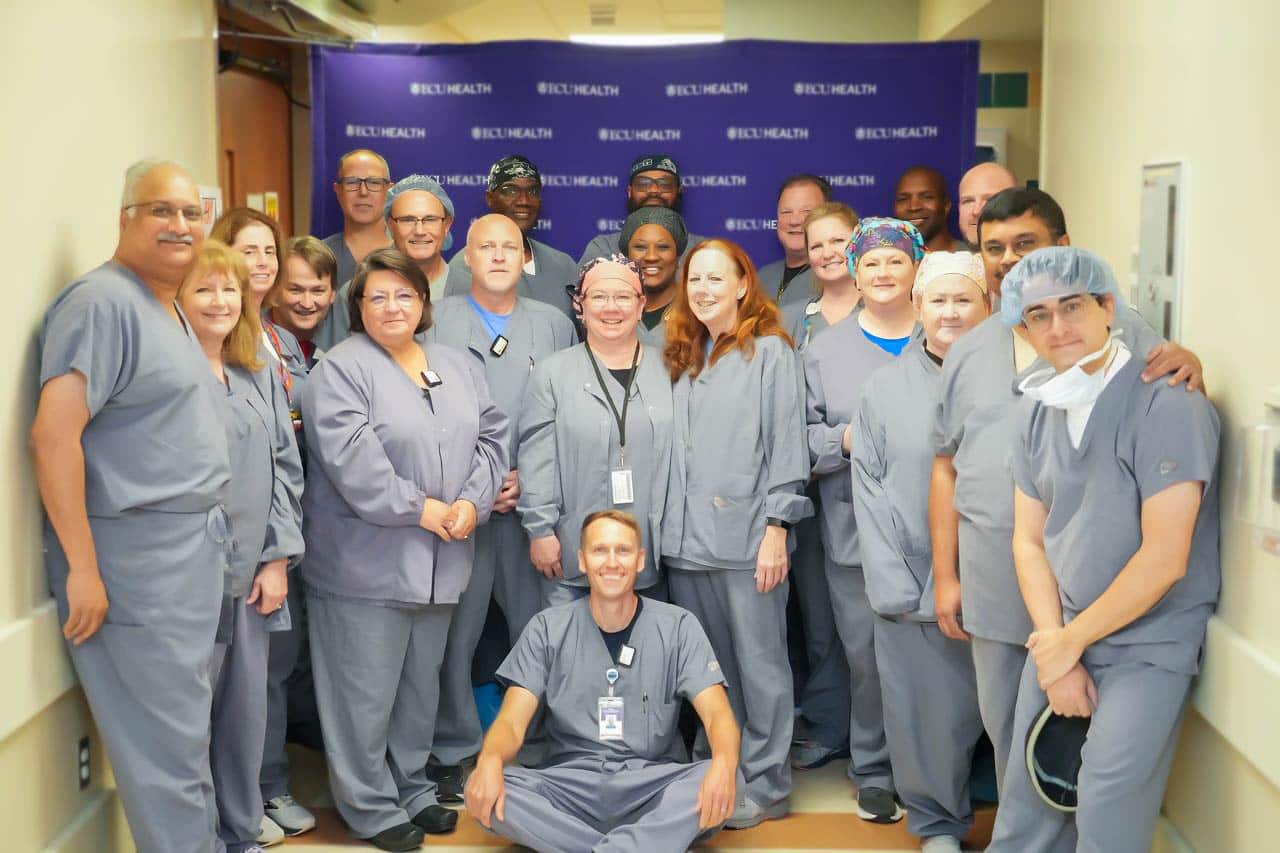
Greenville, N.C. – ECU Health Medical Center Electrophysiology Lab is the first hospital lab in North Carolina to earn accreditation by the Intersocietal Accreditation Commission (IAC) in Cardiac Electrophysiology in the areas of Testing and Ablation, Device Implantation and Left Atrial Appendage Occlusion. IAC accreditation is a “seal of approval” that patients can rely on as an indicator of consistent quality care and a commitment to continuous improvement.
Accreditation by the IAC means that ECU Health Medical Center Electrophysiology Lab has undergone an intensive application and review process and is found to be in compliance with published standards, thus demonstrating a commitment to quality patient care. Comprised of a detailed self-evaluation followed by a thorough review by a panel of medical experts, the IAC accreditation process enables both the operational and technical components of the facility to be assessed, including representative case studies and their corresponding final reports.
“ECU Health is dedicated to setting a national standard for rural health care and high-quality cardiovascular care,” said Jay Briley, president, ECU Health Medical Center. “Achieving IAC accreditation for the ECU Health Medical Center Electrophysiology Lab not only underscores our commitment to excellence but also highlights the unique advantage of offering advanced care in a rural setting. This milestone reaffirms our mission to enhance the health and well-being of eastern North Carolina by providing the latest technology and medical services close to home.”
Each year, more than one million cardiac device and ablation procedures are performed for the treatment of heart rhythm disorders worldwide. Cardiac electrophysiology procedures are performed by facilities that specialize in the diagnosis and treatment of heart rhythm disorders to relieve symptoms or regulate heart rate and rhythm. Cardiac electrophysiology is comprised of specialized diagnostic testing and therapeutic procedures performed by highly skilled health care professionals. The training and experience of the cardiac electrophysiology specialist performing the procedure, the type of equipment used and the quality assessment metrics each facility is required to measure, all contribute to a positive patient outcome.
“As a cardiologist and electrophysiologist, I know first-hand the importance of having high-quality cardiovascular services close to home for those who live in eastern North Carolina,” said Dr. John Catanzaro, professor and chief, Division of Cardiology, the Brody School of Medicine at East Carolina University, director of East Carolina Heart Institute, ECU Health Medical Center. “This new accreditation underscores our dedication to delivering exceptional patient care through adherence to the highest standards of quality and safety. Patients across eastern North Carolina can take heart knowing the ECU Health Medical Center Electrophysiology Lab has the highest-quality expertise and personnel available to care for them.”
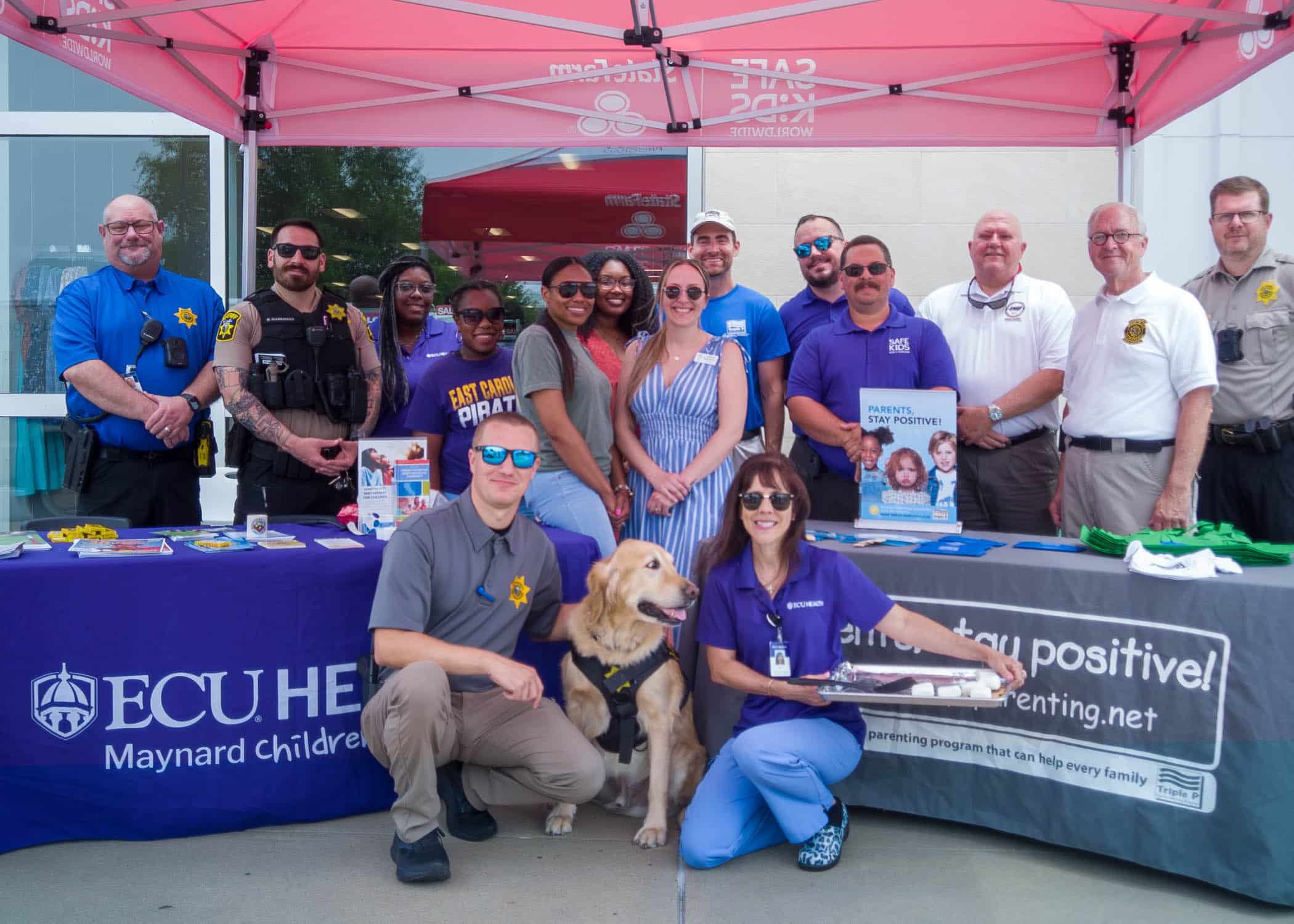
For Ellen Walston, Injury Prevention Program coordinator at ECU Health Medical Center and Safe Kids Pitt County, the message she wants to get out is simple: “Never leave a child, senior or pet alone in a car, even for a minute.”
Walston’s message was amplified at a Hot Car Safety event in June hosted by ECU Health in partnership with the Pitt County Sheriff’s Office, Pitt County Health Department and the Martin-Pitt Partnership for Children, to demonstrate how quickly cars heat up.
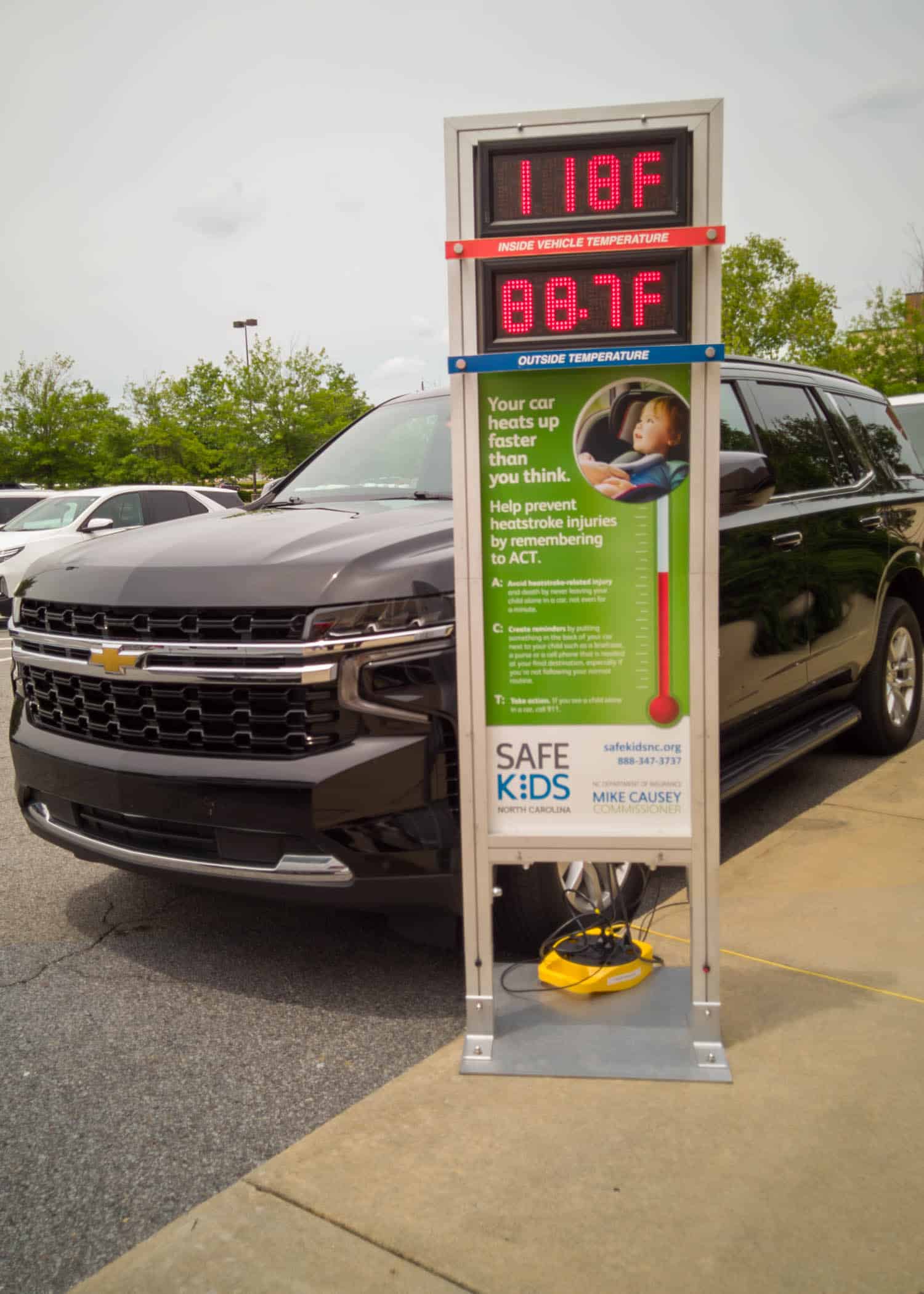
The event included a demonstration with temperature gauges and s’mores roasting in a vehicle on hot, summer day. During an overcast, 88-degree day, the interior of the van rose to 113 degrees within 15 minutes.
The s’mores demonstration showed how quickly things can, quite literally, cook inside of a car when left alone. Volunteers handed out the s’mores to shoppers to explain the demonstration in a fun, interactive away.
“We host these types of events to raise awareness so parents are realizing how hot cars can become,” said Walston. “A car can heat 20 degrees in as quickly in 10 minutes. In our display today, it is already 113 degrees, and it’s only 86 degrees outside.”
According to Walston, about 17 percent of hot car fatalities occur in children intentionally left in the car. During this time, parents or caregivers are often running into the store or running an errand for a few minutes, thinking that will be fine.
“A lot of times, people think ‘I’m just going into the store for a few minutes,’ but anything could happen inside, from losing track of time to becoming distracted and forget the child,” Walston said. “There is a misnomer that if you crack a window and that will offer some less heat, but that really is a myth. It doesn’t affect the temperature of the car or cool the temperature down.”
Walston said it’s dangerous for anyone to be left alone in a vehicle because of how quickly they can heat up, but especially for children.
“Children’s bodies heat three to five times more quickly than adults,” Walston said. “They all have a smaller amount of body surface so they can’t cool themselves very quickly. A small child, like the families we’re serving today, they can’t verbalize when they’re thirsty if they’re under a certain age.”
More than 50 percent of child deaths from hot cars are children forgotten in vehicles, according to Walston. She said children can be forgotten when routines are broken, and leaving something like keys, a cellphone or a briefcase in the backseat next to the child or setting an alarm on your phone are extra safety measures one can take to ensure the child is not left in the car.
Walston encouraged attendees to call 911 if they ever see a child, senior or pet alone in a call.
“This is something parents really need to take seriously,” said North Carolina Insurance Commissioner Mike Causey. “It’s year-round, not necessarily just during the hottest months of the summer. We have had children die in November and other months outside of June, July and August.”
Health care providers of East Carolina University’s Healthier Lives initiative in the Brody School of Medicine continue to use the program to address health care needs for children in rural eastern North Carolina counties and are finding pathways to expand access to care at schools in Duplin County and beyond.
The Healthier Lives at School & Beyond Telemedicine Program originally launched in 2018 to deliver interdisciplinary services virtually to rural school children, staff and faculty during the school day. In response to COVID-19, the program continued to address health care needs for children and expanded access while students were learning remotely.
Since the fall of 2020, the program has used an ECU Transit bus to visit schools in Duplin, Jones and Sampson (Clinton City Schools) counties to provide high-quality health appointments. The retrofitted motorcoach has been used to provide screenings for 303 students, with additional visits planned for existing program partnerships and newly established ones.
The initiative was recognized recently by the Mid-Atlantic Telehealth Resource Center with the Breaking Barriers Through Telehealth Award in the category for small, rural and safety net organizations. During the 2024 Rural Health Symposium, a presentation on Healthier Lives – On the Road Again: Rolling to Reduce School Suspension – was awarded first place in innovations panel.
Experiential learning
Delivering care in the community is also delivering learning opportunities for ECU students. Third- and fourth-year medical students and medical residents participate in clinic days, gaining hands-on experience providing health care to rural populations.
Recent Brody graduate Dr. Melenis Lopez said the Healthier Lives clinics demonstrate that service is truly ECU’s mission. During a school clinic in the fall, Lopez applied pediatric learning experience as a care provider. She collected patient history and assisted in making plans for children that could be passed on to the school.
“Providing care in a place that is convenient to the community can be lifesaving,” Lopez said. “Offering physicals can uncover developmental delays and health problems. Children can’t stay in school without these physicals and proof of vaccinations, so I’m happy we were able to be there for the kids.”
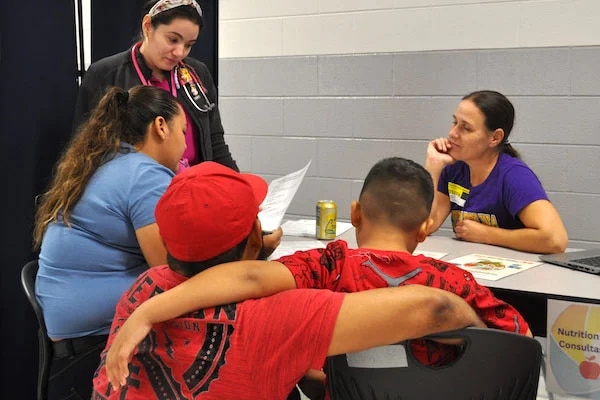
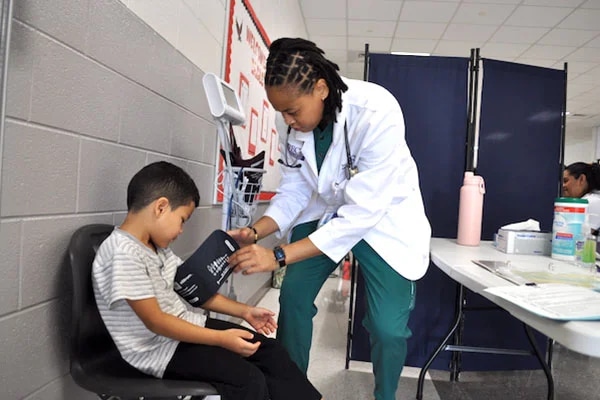
Lopez and her ECU cohort guided elementary students and their families through clinic stations to take vitals, check vision and hearing, and perform physical exams. Students could meet with mental health and nutritional professionals for additional screening when needed.
Lopez used her ability to speak Spanish to help the children feel comfortable and ease the burden on families who may not understand the forms or instructions from the care provider.
Rural health care
Dr. Krissy Simeonsson, associate professor for pediatrics and public health and the medical director for the program, is proud that Healthier Lives is giving ECU students the opportunity to experience health care in a rural setting.
“Students can see that they can help,” Simeonsson said. “Most students and residents we’ve had have that ‘aha’ moment and can see themselves in primary care. They realize they can succeed out here.”
Jill Jennings, ECU’s Healthier Lives program manager, said the hybrid approach of on-site clinics and telehealth makes it easier for the medical providers to communicate with parents in person and more readily make referrals for any nutrition or behavioral health follow-up virtual care.
A $1.2 million grant from the Health Resources and Services Administration funded the first four years of the program. Funding now comes primarily from Anonymous Trust, a private North Carolina foundation, and has been provided by the Harold H. Bate Foundation, the ECU Health Foundation, and the North Carolina Department of Health and Human Services Office of Rural Health.
“There are many opportunities for institutions such as ECU to leverage their resources to address community needs,” said Debbie Aiken, executive director of Anonymous Trust. “This initiative is a wonderful example of ECU recognizing health care disparities, and in partnership with a local school district, serving children who might otherwise not receive the care that they deserve.”
Aiken witnessed a program clinic in action at Rose Hill-Magnolia Elementary School in Duplin County. ECU medical students and residents, health sciences undergraduate and graduate students, Healthier Lives team members and partners from the school system and Duplin Health Department screened 47 students who otherwise would have been suspended for not having a health assessment completed by a medical provider.
“These partnerships should be happening across the state,” Aiken said. “Seeing it helps you truly understand the disparities in our rural communities. If more school systems understood that this is available, they would want to participate.”
Community engagement
Dr. Jenelle Brison ’24 said Healthier Lives provided an opportunity for community engagement for medical students. Brison encouraged fellow Brody students to participate.
“It’s so nice to interact with the little kids,” Brison said. “Events like this help break down barriers and offer unique training for students.”
While Brison ultimately hopes to focus on obstetrics and women’s health, she was at ease helping children with vision screenings and demonstrating a blood pressure cuff before taking vitals.
Dr. Bolu Aluko ’24, a Tiana Nicole Williams Scholar at Brody, was drawn to the opportunity for community engagement provided by Healthier Lives.
“Coming into the community is incredibly enriching,” Bolu said. “Every med student should do this. It’s a fantastic way to serve and practice our clinical training.”
Through an interpreter, the family of one student said they had received a call from the school that their son would not be able to return to class because he had not had a physical or proof of vaccinations. They had just moved from Mexico to Warsaw, North Carolina. Without the availability of a Healthier Lives clinic at the school, they would not have had access to a health screening for their son in time to meet the state-mandated deadline.
The family sat with an interpreter and was provided a nutritional referral and a connection to a primary care clinic in Warsaw to establish a medical home. “We’re grateful to know he’s healthy,” his mother said through the interpreter.
“You have to meet people where they are,” Simeonsson said. “A lot of families trust the school. When you see the families getting help for their children, you know the program is living up to expectations.”
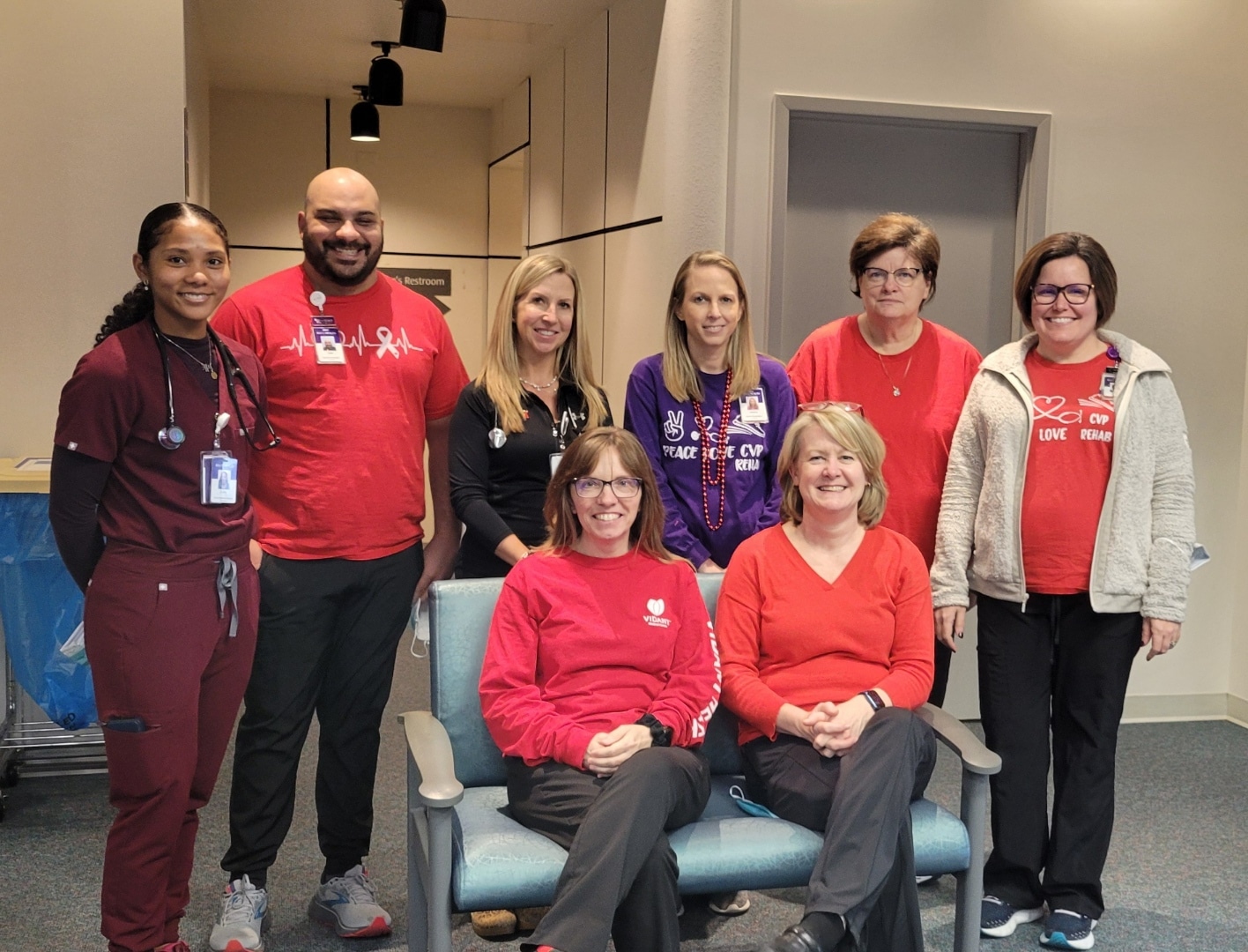
Tanya Graham, a North Carolina native and Greenville resident, was outside cutting her grass when she started to feel very tired. That night, she experienced what felt like an asthma attack, so the next day she visited an urgent care clinic. “I do have asthma,” Graham shared, “but I’ve never had an attack.” The doctor ran a few more tests, and after an EKG, he decided to send Graham to the hospital.
“The cardiologist at [ECU Health] Medical Center said, ‘You are in heart failure,'” Graham said. “I didn’t know what he was saying, I was so shocked.”
Dr. W. Douglas Boyd, a cardiothoracic surgeon, told Graham she needed surgery, and two weeks later, Graham found herself back in the hospital recovering from a double coronary bypass. She was told later that her initial ejection fraction, which is the amount of blood your heart pumps each time it beats, had been 10 percent. A normal ejection fraction is 50 percent or higher. “After the surgery, they did another echocardiogram, and now it’s up to 35 percent,” Graham said.
Graham knew that once she was strong enough after the surgery, she wanted to participate in cardiac rehabilitation. She had heard about the option from her neighbor, who also had recently suffered a heart attack. “I also have two sisters who are nurses,” Graham shared. “One of them works for a cardiologist, so I talked with her about cardiac rehab, and all of my siblings agreed it was a good idea.”
Cardiac rehabilitation focuses on the “what now” after a cardiac event. Stacey Greenway, the director for cardiovascular disease management services at the Medical Center, hopes that cardiac rehab will become the immediate program associated with cardiac recovery.
“A multidisciplinary team works with the patients to establish and achieve goals to improve their health, quality of life and functional ability,” Greenway said. “We develop individualized treatment plans for each patient that includes exercise, nutrition, medications, stress management and other components.”
For Graham, therapy started slow, but she said she immediately felt comfortable. “The team is so smart, and they are in tune with each individual person,” Graham said. “It made a huge difference because I learned right off that I could trust them. It made me want to go.”
It also helped to have others around her going through the same experience. “It didn’t matter if they were a man or woman or what race they were – we were all there for the same reason. Our bodies had broken in some way, and we were all there together for the same purpose of trying to survive and extend our lives,” Graham said. “I drew strength from them, because when I saw them working hard, it made me want to do the same.”
The experience didn’t just provide Graham with the chance to get stronger after a major surgery. “The one thing I came away with,” Graham said, “is hope. Hope that I’d live a longer life.” Graham said that it wasn’t just the exercise that encouraged her and helped her get better; it was also the classes they offered. “I learned quite a bit from the classes, which covered things like diet and coping with this diagnosis,” she said. Something Graham didn’t expect was having access to support from a therapist. “I’d had a hard experience with my surgery, so they put me in contact with Dr. Kari Kirian, and she worked wonders. I can’t say enough positive things about that experience.” Dr. Kirian is a cardiac psychologist embedded in the heart failure program – a critical member of the care team as it is not uncommon for patients to experience anxiety or depression after a cardiac event.
While she wished she could have participated for longer, Graham graduated from cardiac rehab with the ability to do the things she needs to do. “It allowed me to come home and do the things you take for granted, like clean the house or roll your hair,” Graham said. She also immediately joined a gym and signed up for personal training to continue her progress. “I left cardiac rehab on a Friday, and that following Monday I was at the gym,” Graham said. “It wasn’t mandated, but the cardiac rehab team provided me with information. My sister goes to a gym, so I decided to go there, and now I go every weekday. I will continue to exercise, think positive and eat right.”
Because she’s feeling so much better, Graham said she has plans for the future. “I’m going to work on making one of my bedrooms a storage space, and in the spring, I plan to paint a shed in the back yard,” Graham said. She also hopes to visit her daughter and grandchildren in Phoenix, Arizona next winter. In the meantime, Graham said she’s cleared it with her doctors to serve as a volunteer in the cardiac rehab unit. It’s one way she can share her experience and give back to the amazing Cardiac Rehab team for impacting her life in an incredible way.
“I don’t care what I do. I just didn’t want to leave there,” Graham said. “I love people, and I thought maybe if I was around people going through what I went through, I could tell them my story and help them.”