
Windsor, NC – ECU Health Bertie Hospital has been recognized as a top 20 critical access hospital for patient perspective by The Chartis Center for Rural Health.
“ECU Health Bertie Hospital is proud of the efforts of the physicians and team members who have contributed to our hospital achieving this recognition,” said Brian Harvill, president of ECU Health Bertie Hospital. “Our results as a top 20 critical access hospital for patient perspective means our community can count on us to deliver the services they need now and in the future. I am grateful to all those who make ECU Health Bertie Hospital an excellent place to receive high-quality care.”
ECU Health Bertie Hospital is a six-bed critical access facility committed to providing high-quality care close to home. The hospital offers a broad range of inpatient and outpatient services, including radiology, rehabilitation, and laboratory diagnostics. It also features a specialty clinic delivering advanced care in areas such as pain and wound management, podiatry, nephrology, ENT, and more.
This dedication to excellence has earned ECU Health Bertie Hospital national recognition. In addition to being named a 2026 Chartis top 20 critical access hospital, the hospital achieved an overall five-star quality rating from the Centers for Medicare & Medicaid Services (CMS) in October 2025.
The top 20 distinction is based on the results of the Chartis Rural Hospital Performance INDEX®, a comprehensive and objective framework for assessing how rural hospitals are performing. INDEX benchmarks are relied upon by rural hospitals, health systems with rural footprints, hospital associations, and state offices of rural health to measure performance across multiple areas impacting hospital operations and finance.
“At a critical access hospital, each interaction truly matters and can make a lasting difference for our patients,” said Dr. Julie Kennedy Oehlert, chief experience officer at ECU Health. “Delivering an exceptional experience goes beyond a metric—it reflects how we bring our values to life through safe, reliable, and compassionate care. It means listening closely, treating every person with dignity and respect, and fostering an environment where healing can thrive. The dedicated team at ECU Health Bertie Hospital exemplifies our mission, vision, and values through their unwavering commitment to the patients and communities they serve every day.”
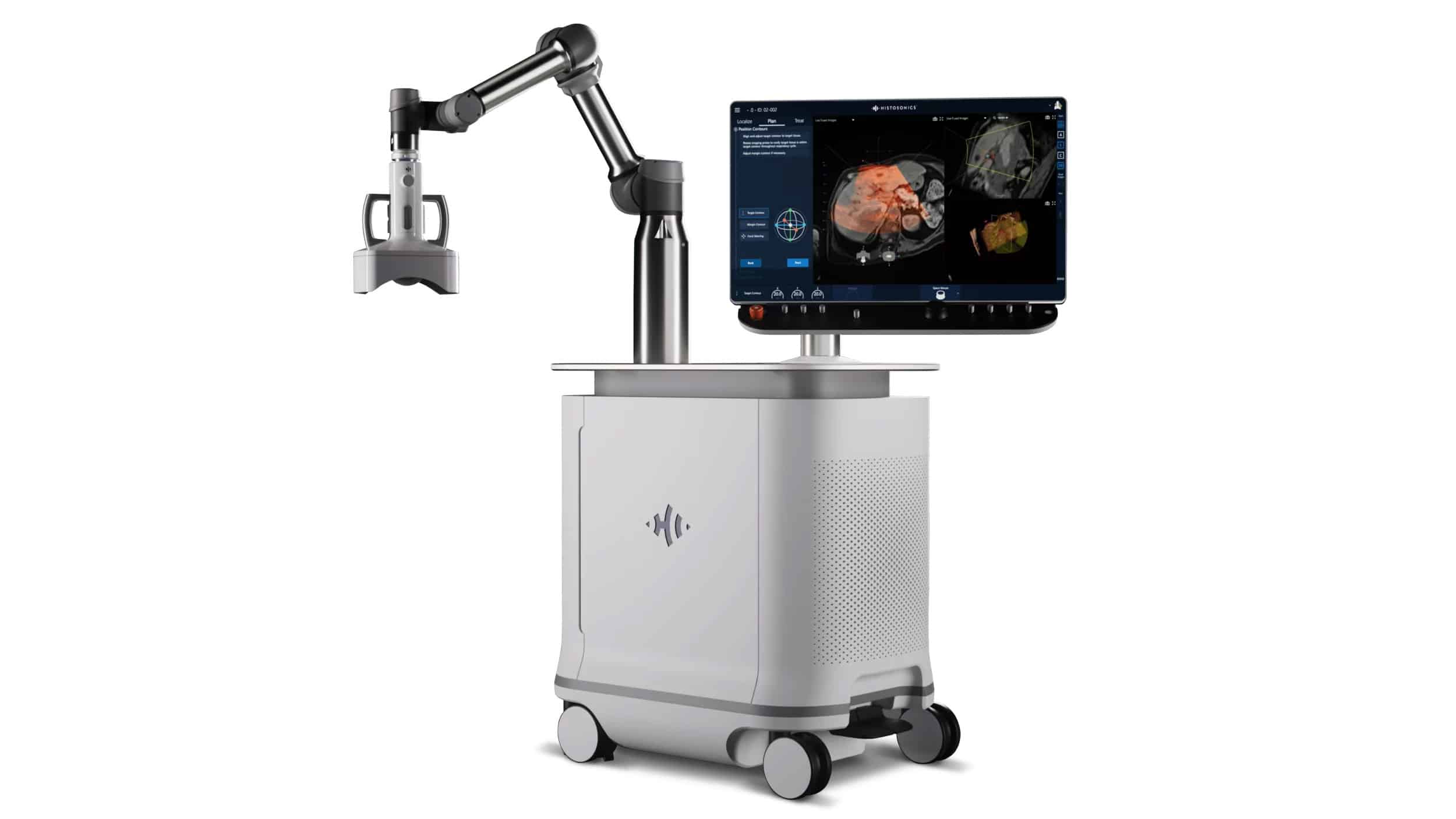
Greenville, N.C. – Dr. Carlos Marroquin, a physician at ECU Health Medical Center and adjunct professor in Surgical Immunology, Transplantation and Surgical Oncology at the Brody School of Medicine at East Carolina University, performed the health system’s first procedure with the Edison® Histotripsy System, a groundbreaking, non invasive technology designed to treat liver tumors using focused ultrasound energy, on April 21, 2026. ECU Health is the first health system in North Carolina east of Winston-Salem to offer this innovative therapy, expanding treatment options for patients with primary and metastatic liver tumors.
“Our patients deserve access to the highest level of care without the burden of traveling long distances for advanced treatment options,” said Jay Briley, president of ECU Health Medical Center. “This technology reinforces our commitment to ensuring that world‑class, innovative care is available right here in eastern North Carolina. I am proud of the team that made this possible.“
The Edison System is the first non‑invasive, non‑thermal, non‑ionizing treatment option for destroying targeted liver tissue with a novel mechanism of action called histotripsy. It delivers sound waves that mechanically break down targeted tissue without incisions, needles, heat or radiation. The procedure is performed on an outpatient basis, offering a new option for patients who prefer a non-invasive approach or who may not be candidates for an invasive surgical approach for many other medical reasons yet have cancer in their liver. Since they would not tolerate an invasive procedure and the associated challenging recovery, histotripsy offers a viable option to treat their tumor. Histotripsy’s unique mechanism of action helps physicians precisely destroy liver tumors while preserving surrounding healthy tissue.
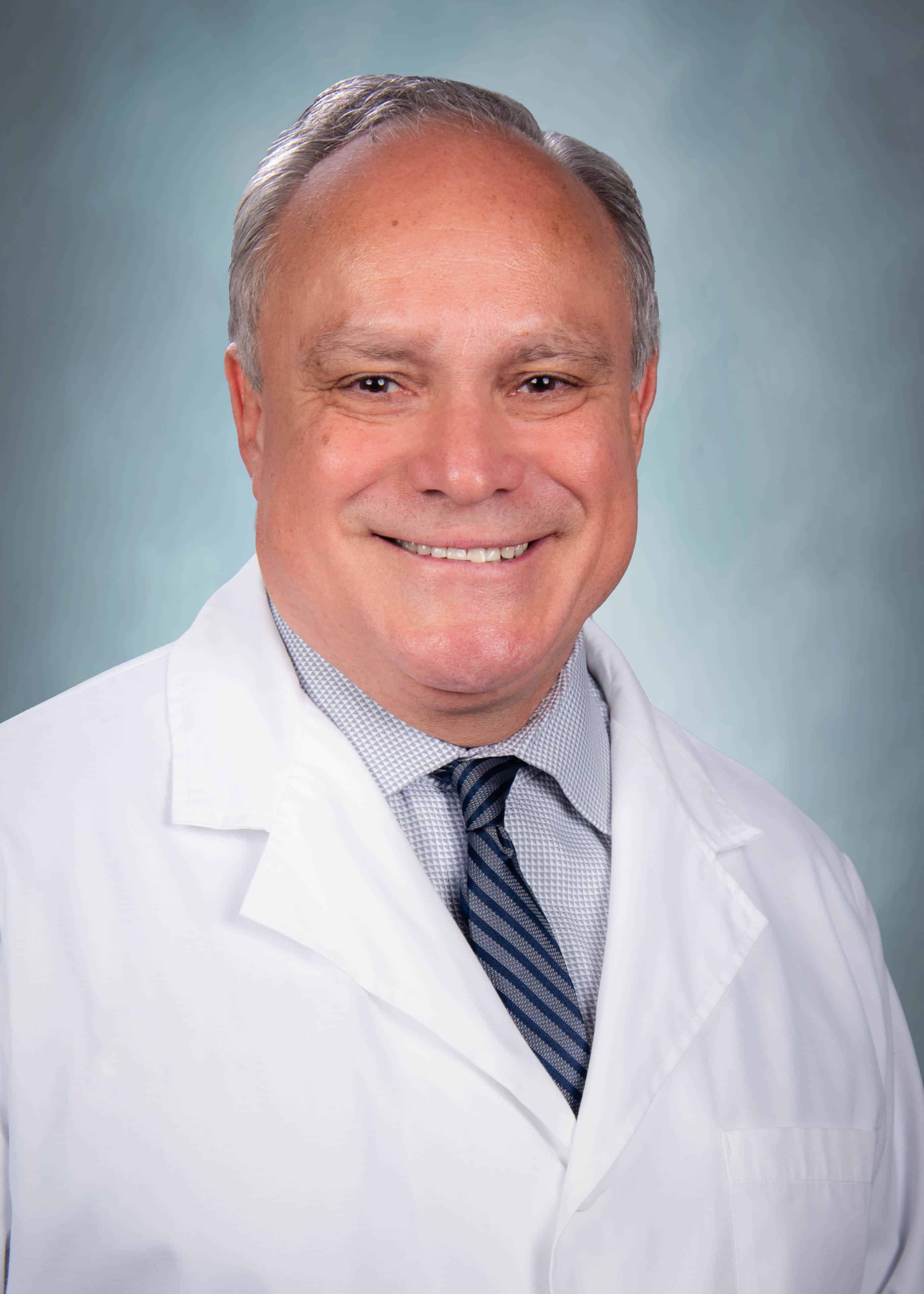
“We are proud to offer cutting-edge treatment options for patients facing liver cancer,” said Dr. Marroquin. “The Edison Histotripsy System enhances our ability to deliver personalized care by giving us a non invasive way to target tumors that may be difficult to remove surgically or to combine with other therapies. This technology represents an advancement in liver tumor care and reflects ECU Health’s commitment to bringing the most promising, patient-centered innovations to eastern North Carolina.”
In North Carolina, incidence and late-stage diagnosis rates of liver cancer are slightly higher than national averages, according to the National Cancer Society. These challenges are even more pronounced in rural and eastern parts of the state, where higher burdens of chronic liver disease and limited access to specialty care contribute to worse outcomes. In addition to primary liver tumors, many patients in the region also face liver metastases from other cancer conditions that similarly lack accessible, non invasive treatment options. Bringing a non-invasive, advanced treatment like histotripsy to ECU Health Medical Center directly addresses these disparities and expands access to lifesaving care for the region.
ECU Health team members that were part of the new procedure include: Carlos Marroquin, MD, Kelly Giordano, RN, Kierra Gainer, RN, Jessie Sbrocco, CST, Paula Boyd, CST, Connor Lawler, DO, Daniel Lavalley, MD, and Ryan Louer, MD.
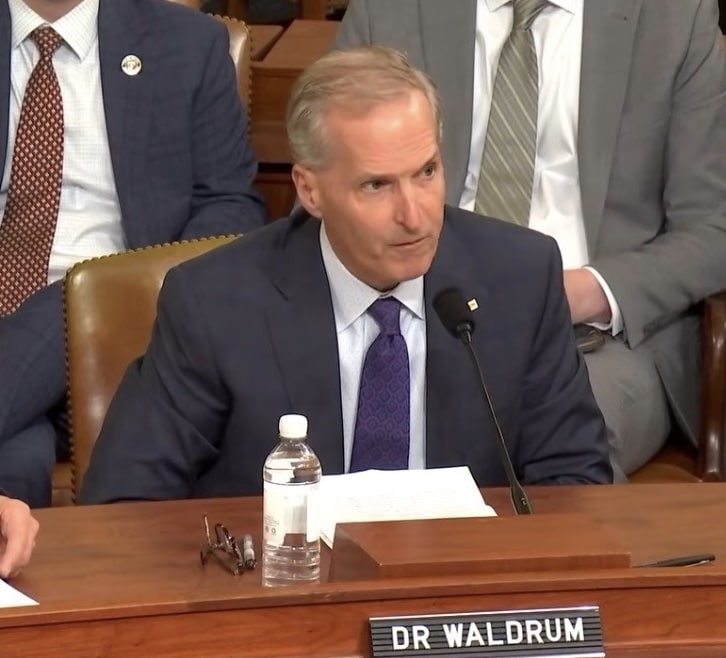
Washington, D.C. – Dr. Michael Waldrum, a critical care physician and chief executive officer of ECU Health, testified today before the U.S. House Committee on Ways and Means, urging federal policymakers to pursue targeted solutions to address rising health care costs and protect access to care for America’s rural communities.
During his testimony, Dr. Waldrum emphasized that rural health systems operate under fundamentally different conditions than their urban counterparts and stressed that “one size fits all” policies risk disproportionately harming rural patients and providers.
“I am deeply appreciative of the opportunity to testify before the U.S. House Committee on Ways and Means to highlight the important, mission-driven work we do here at ECU Health, as well as the challenges we face as a rural safety net health system,” said Dr. Waldrum. “Access to affordable, high quality care should not depend on where someone lives. The challenges facing rural health systems are real and structural, and they require solutions that recognize the unique realities of rural communities.”
As the leader of a nonprofit health system serving more than 1.4 million people across a 29 county region in eastern North Carolina, Dr. Waldrum shared firsthand insights into the pressures facing rural providers, including older and sicker patient populations, limited population growth, workforce shortages and care delivery across vast geographic areas. He noted that if eastern North Carolina were its own state, it would rank among the poorest and sickest in the nation — realities that, when combined with regulatory and financial pressures, have contributed to rural hospital closures and increasing consolidation across the health care landscape.
At ECU Health, those ongoing pressures have required a deliberate, community driven approach to sustaining access. The system operates a regional hub and spoke model in which its academic medical center supports eight hospitals and more than 1,200 providers throughout rural communities — not in pursuit of scale, Dr. Waldrum said, but out of necessity.
“When profit driven systems exit rural markets, nonprofit health systems like ECU Health are left to serve as the safety net,” Dr. Waldrum told committee members. “Thoughtful policy intervention is needed to support rural safety net providers like ECU Health in order to preserve access, improve outcomes and lower costs for rural patients.”
Drawing on experience training and practicing at nationally recognized health care institutions, Dr. Waldrum contrasted the abundant resources available in urban markets with the consequences he has witnessed when even basic access to care erodes in rural areas.
“These dynamics are not theoretical — they are playing out every day in rural communities across America,” he said.
ECU Health is actively transforming its rural academic regional system of care to lower costs, sustain essential services and support the economic vitality of eastern North Carolina. While progress has been made, Dr. Waldrum stressed that meaningful, lasting solutions will require partnerships with federal policymakers.
As Congress weighs health care affordability and payment policy, he encouraged committee members to design approaches that account for the needs of the nation’s 66 million rural residents and avoid inadvertently disadvantaging communities already facing limited access.
“We recognize the immense challenge before Congress,” Dr. Waldrum said. “ECU Health stands ready to work with policymakers on solutions that strengthen access and affordability and ensure rural communities are not left behind.”
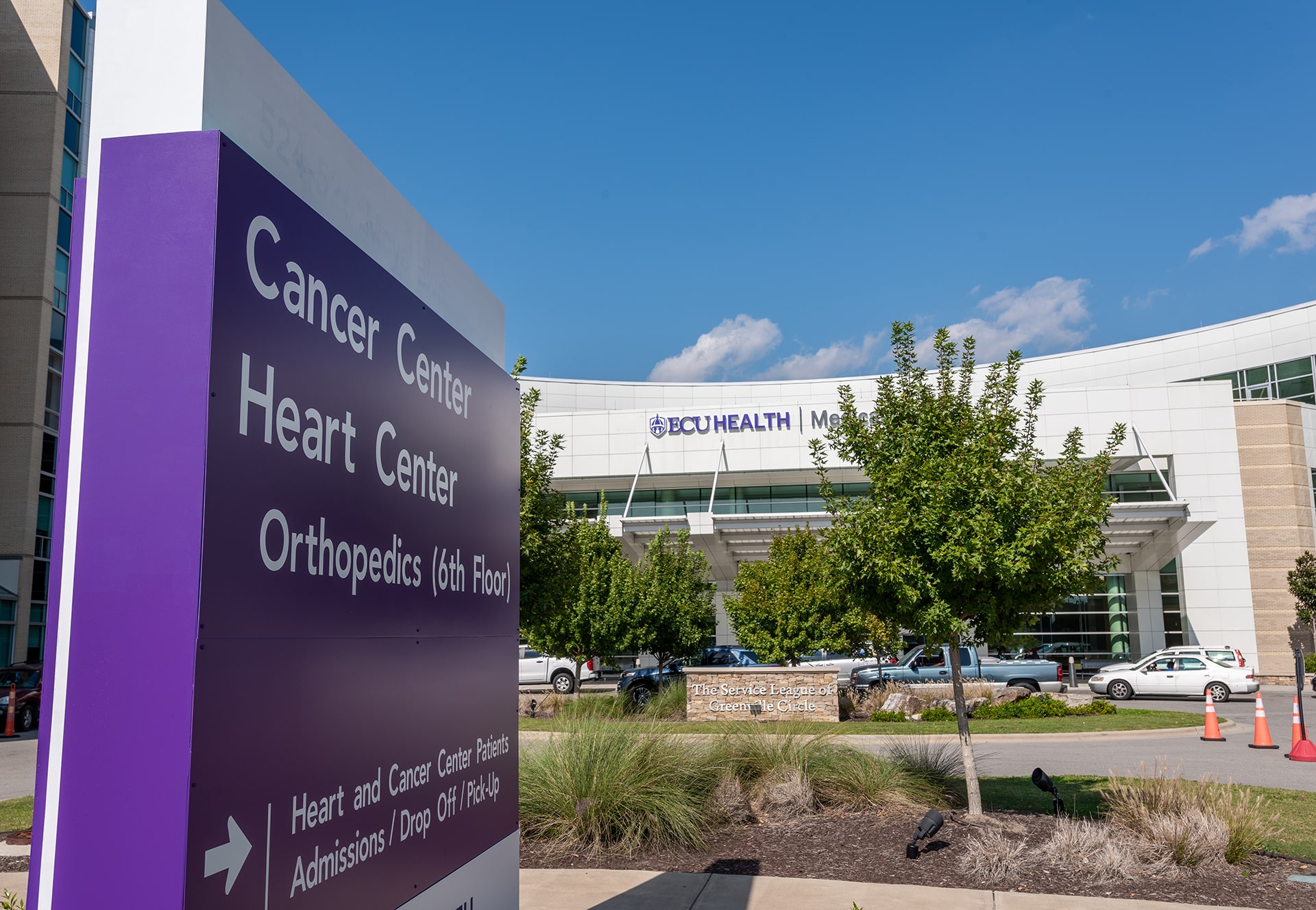
Raleigh (April 21, 2026) – The American Cancer Society (ACS) has awarded ECU Health Cancer Care its annual Health System Partner of the Year Award for 2025, a national honor presented in recognition of an incredible partnership and astounding achievements in improving the lives of cancer patients and their families.
“We are grateful for ECU Health’s partnership and our shared goals to reduce barriers to cancer care, promote early detection and prevention, and improve the quality of life for people facing cancer and their caregivers,” said Dr. Arif Kamal, chief patient officer at the American Cancer Society. “Through their support of the American Cancer Society McConnell-Raab Hope Lodge in Greenville, health equity initiatives and statewide advocacy policies, ECU Health has helped more people have a fair opportunity to prevent, detect, treat and survive cancer — and we’re honored to recognize them.”
The Health System Partner of the Year Award recognizes a health system partner that provides exemplary patient care in alignment with the American Cancer Society’s mission. ECU Health Cancer Care has proven to be a collaborative and dynamic partner whose financial support and volunteer leadership has made a significant impact on ACS mission programs, health priorities and revenue goals. ECU Health’s contributions to the American Cancer Society McConnell-Raab Hope Lodge, and engagement with ACS roundtables, VOICES of Black Women study and advocacy efforts across eastern North Carolina exemplify the comprehensive partnership ACS strives to build.
“We are deeply honored to receive this national recognition from the American Cancer Society, a partner whose mission aligns so closely with our own commitment to advancing cancer care across eastern North Carolina,” said Dr. Emmanuel Zervos, executive director of cancer services at ECU Health, and professor at the Brody School of Medicine at East Carolina University. “In a region as vast and rural as ours – where cancer incidence and mortality are among the highest in the state – our partnership with ACS is essential to breaking down barriers, expanding access to care and ensuring patients and families receive the support they deserve. This award reflects the dedication of our team members, and we look forward to continuing this meaningful partnership to improve outcomes for every person we serve.”
ECU Health has been a longtime supporter and partner of the American Cancer Society, providing financial and hands-on support for the Hope Lodge. The McConnell-Raab Hope Lodge, one of 31 ACS Hope Lodge communities nationwide and the only one in North Carolina, provides free lodging for cancer patients and their caregivers while traveling for treatment. ECU Health leadership and staff regularly volunteer at the lodge, serving meals, assisting at the front desk and supporting facility needs. They are also longtime supporters of the American Cancer Society Relay For Life event, which brings the community together to raise funds, support survivors and honor loved ones affected by cancer.
“Over the past 13 years, I have had the privilege of working alongside the remarkable professionals at ECU Health, whose compassion, expertise and unwavering dedication shine through in every interaction,” said Robbie Tilley, associate director, cancer center partnerships, for ACS. “Their enduring partnership with the American Cancer Society reflects a deep and genuine commitment to improving the lives of cancer patients, supporting families, and strengthening communities across eastern North Carolina.”
Along with UF Health in Gainesville, Fla., ECU Health is one of just two health care systems nationally to receive this award.
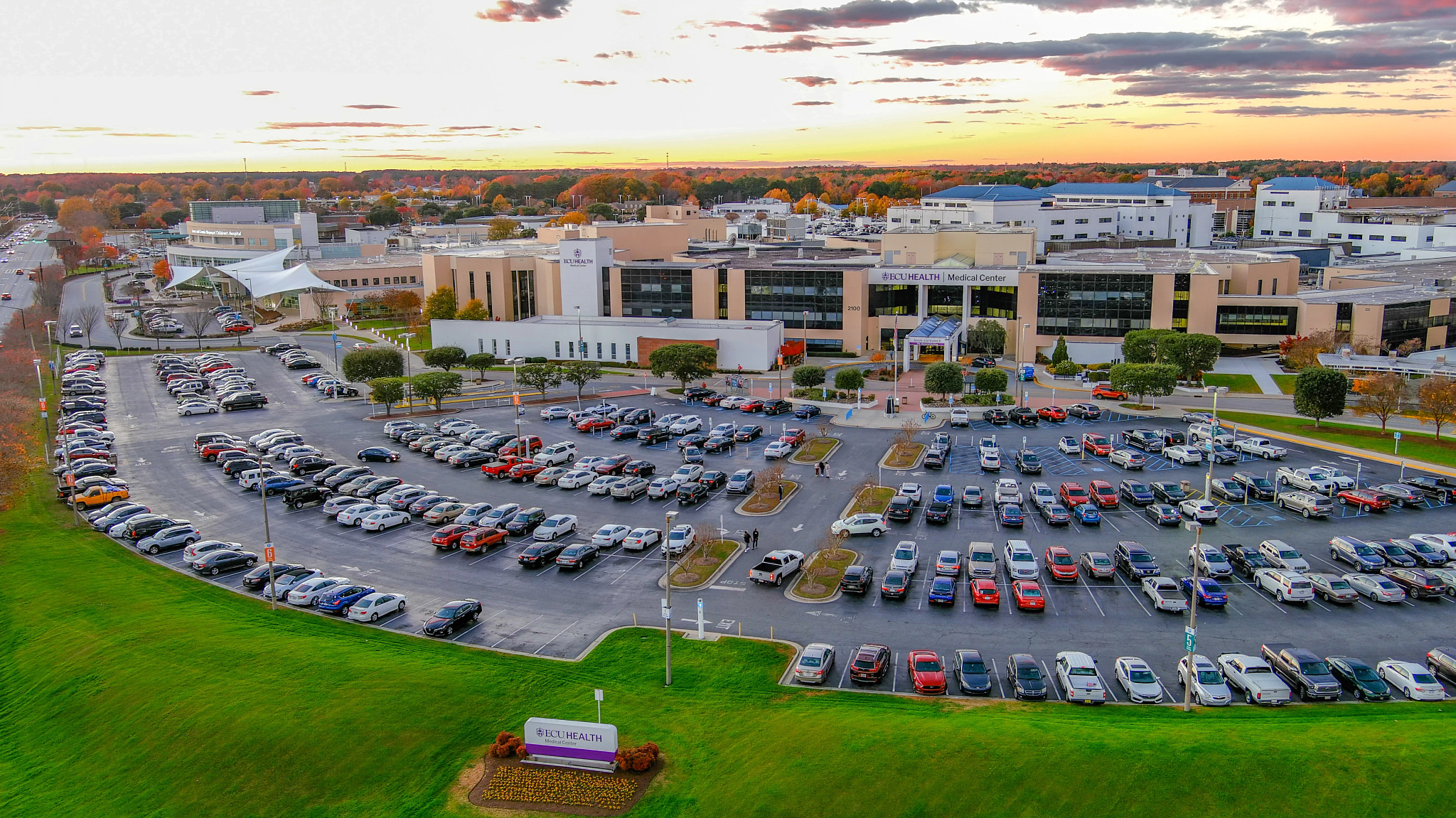
Greenville, N.C. – ECU Health is proud to announce $2.6 million in grants awarded by The Duke Endowment for projects that will help advance the health system’s mission to improve the health and well-being of eastern North Carolina. The grants include: $600,000 to expand and integrate the Healthier Lives at School and Beyond program into ECU Health’s electronic health record and $1,295,065 to participate as a site for the Bridge to Health Initiative. An additional $710,000 was awarded to ECU Health’s Primary Care Learning Center.
“The Duke Endowment’s support allows ECU Health to launch and bolster existing programs that will make a meaningful difference in the lives of people across eastern North Carolina,” said Dr. Scott Senatore, chief philanthropy officer, ECU Health Foundation.
“These grants help us expand access to care, strengthen our clinical workforce and address long standing barriers that impact health outcomes in our region. We are honored by this investment and energized by the opportunity to build healthier communities together.”
$600,000 to the Healthier Lives at School and Beyond program
Healthier Lives at School and Beyond is a school-based telehealth program that has historically provided interdisciplinary care – quality nutrition education and counseling, behavioral health, and acute minor medical care services – directly into rural school settings. The program was launched in 2016 by the Brody School of Medicine at East Carolina University (ECU) and is now a collaborative effort between ECU and ECU Health and has added pediatric asthma services. The program has steadily expanded since its 2016 inception in Duplin County and has been awarded new funding to broaden its evidence-based tele-behavioral services for students across rural eastern North Carolina. The program has become a vital access point for pediatric mental health care in communities facing severe provider shortages, high poverty rates and significant barriers to treatment. The grant funding will support program integration into ECU Health’s electronic health record (EPIC), provide access to ECU and ECU Health physicians and clinics and streamline continuity of care for the child. The grant also supports the expansion of virtual counseling and school-based care coordination into Hertford and Bertie counties and provides continued support in Duplin, Jones, and Sampson (Clinton City Schools) counties, reaching more than 17,000 students and 2,300 staff members. Telehealth services will be available Monday-Friday during normal school hours, and providers will work with local school staff to minimize the time students are away from class. Telehealth-enabled care will also be made available to teachers and staff of each school.
$1,295,065 for Bridge to Health
This grant will establish the ECU Health Transitional Care Clinic, designed to bridge the gap between hospital discharge and long-term primary care for high-risk adults in Pitt County. Building on the existing ECU Health Immediate Care Clinic – Greenville, the new clinic will expand medical and social support services, trauma informed care and coordinated referrals to community partners with a goal of improving long term health trajectories and quality of life for patients with complex needs who face significant medical and socioeconomic challenges. These patients lack a primary care provider and face significant social and economic barriers – factors that contribute to avoidable emergency department use and hospital readmissions. Using EPIC’s Risk for Readmission score, eligible patients will receive follow up within 7–14 days of discharge, with a goal of serving 400 patients annually and reducing avoidable emergency department use and readmissions.
$710,000 to ECU Health’s Primary Care Learning Center
The ECU Health Primary Care Learning Center will be a new clinic in North Greenville. Its focus is to expand access to care for underserved populations, provide a training site for our growing class size of the BSOM, and foster an appreciation for the field of primary care in an effort to increase our pipeline of physicians choosing that specialty. The center will serve as a fully integrated primary care medical home staffed by family physicians, advanced practice providers and interprofessional teams. The clinic will offer comprehensive services including access to behavioral health, social work, nutrition, health coaching, pharmacy support, and lab services. An additional goal is to address the significant barriers of access to care that drive avoidable emergency department use in the region, where more than 50,000 ED visits each year are considered preventable. The Primary Care Learning Center will provide consistent access for underserved residents while strengthening the workforce pipeline for rural eastern North Carolina.
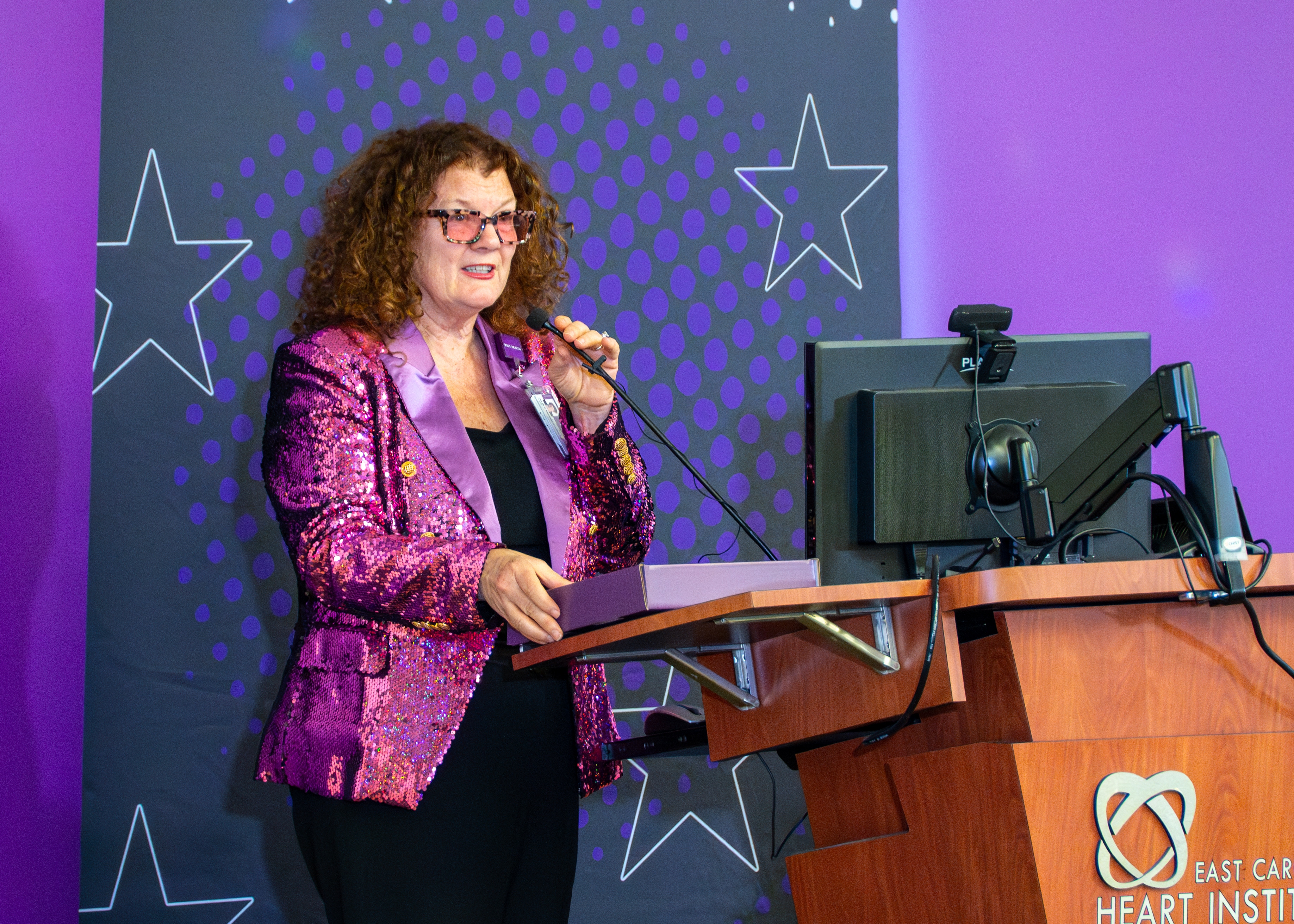
Greenville, N.C. – ECU Health is proud to announce Dr. Julie Kennedy Oehlert, DNP, RN, Chief Experience Officer, was again named to Becker’s Hospital Review’s “CXOs to Know” list for 2026, recognizing her leadership in transforming the organization’s culture to improve patient experience and outcomes.
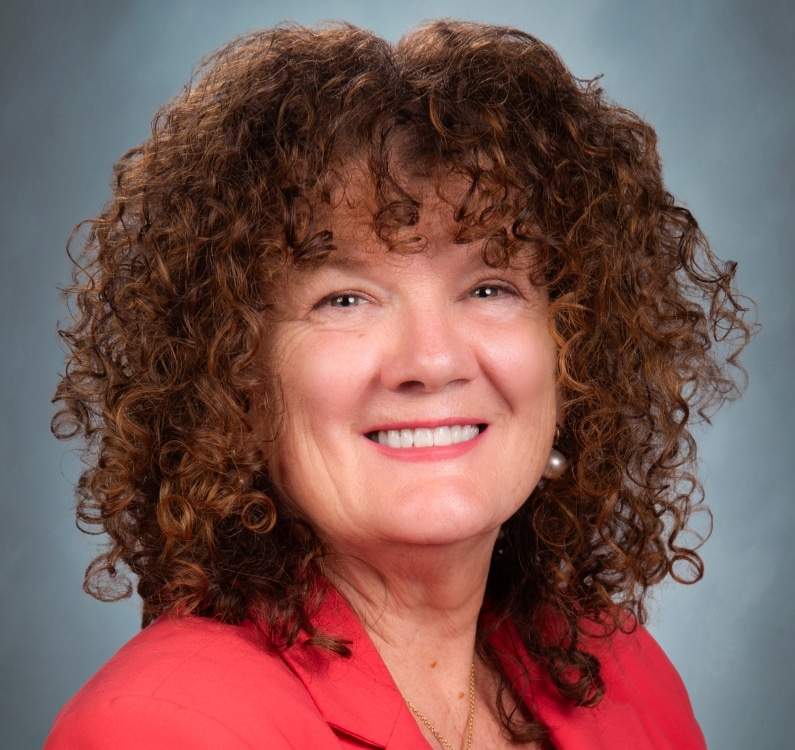
Dr. Julie Kennedy Oehlert
“Making Becker’s CXOs to Know list is a testament to ECU Health’s commitment to prioritizing experiences that contribute to positive patient visits, improved team member engagement and overall community health,” said Dr. Oehlert. “Together, we are creating an environment where patients and team members feel supported, valued and truly cared for. I am thankful to every ECU Health team member who lives our mission to improve the health and well-being of eastern North Carolina every single day.”
Chief experience officers play a vital role in shaping the full spectrum of patient and team experiences within their hospitals and health systems. According to Becker’s, the leaders featured on the list take a thoughtful, culture-driven approach, constantly seeking new ways to boost engagement, satisfaction and long-term loyalty.
Dr. Oehlert has partnered with her leadership colleagues to integrate highly reliable, people centered care into every level of the organization, championing initiatives that connect team member experience with patient experiences and outcomes. She pioneered the “Patient Choice Awards” to celebrate units and providers achieving exceptional and improved experience ratings from their patients, reinforcing a culture of compassion and excellence.
“Dr. Oehlert has championed experiences that focus on the human side of rural health care,” said Dr. Michael Waldrum, CEO of ECU Health and dean of the Brody School of Medicine at East Carolina University. “This recognition by Becker’s reflects our commitment to that vision and to our patients. Dr. Oehlert and ECU Health make it their goal to ensure patients and team members are treated with dignity and respect. We are grateful for her tremendous impact on patients and team members.”
This list celebrates CXOs for their unwavering dedication to enhancing the healthcare experience at every level. Becker’s showcases these accomplished leaders whose vision and efforts are central to the success of their organizations. The Becker’s Hospital Review editorial team accepted nominations for this list and curated it to showcase the great work of CXOs from hospitals and health systems across the nation.

GREENVILLE, N.C. – Radio listeners will once again help make a big change for kids during the 29th annual Music for Miracles radiothon March 26-27. The radiothon raises funds to help sick and injured children in eastern North Carolina through Children’s Miracle Network (CMN) to benefit the James and Connie Maynard Children’s Hospital at ECU Health Medical Center and will air on 107.9 WNCT and all Inner Banks Media (IBX Media) radio stations including Talk 96.3 and 103.7; Oldies 94.1 and 102.7; and 94.3 The Game.
The two-day radiothon raises funds to benefit the programs and services of Maynard Children’s Hospital, which serves pediatric inpatient and outpatient patients from 29 counties across eastern North Carolina. One hundred percent of the funds raised by ECU Health’s CMN program directly supports programs and services of Maynard Children’s Hospital.
“Once again, we are thrilled to have the radiothon on all our IBX Media stations to raise funds for James and Connie Maynard Children’s Hospital. It’s the highlight of our year to support the Children’s Hospital,” said Henry Hinton, president, Inner Banks Media. “I’ve personally had a grandson who needed care there, and it is a true blessing for all of eastern North Carolina to have it here. We’re looking forward to two exciting days and hope everyone will participate as they are able.”
In 1998, the first radiothon raised $5,400. Last year, the radiothon raised more than $113,000. Thanks to the loyal listeners of 107.9 and the dedicated radio staff and personalities, the event has raised more than $4 million to date. At Maynard Children’s Hospital, these funds have been used to purchase life-saving medical equipment and diversionary items for kids, provide team member and patient education and to help build new facilities.
“The radiothon continues to be one of our most impactful annual traditions, and we are deeply grateful for the steadfast dedication of the 107.9 WNCT team and everyone at Inner Banks Media,” said Elise Ironmonger, director of programs for the ECU Health Foundation. “Their commitment to broadcasting live for 12 hours across two consecutive days, supported by countless hours of planning and behind-the-scenes coordination is truly remarkable. This event is made possible through the partnership of hospital leaders, team members and, above all, the courageous miracle children and families who generously share their stories. We invite everyone to tune in and be inspired by the hope and healing this event helps make possible.”
The entire 24 hours of the radiothon will be broadcast live on 107.9 from 6 a.m. to 6 p.m. both Thursday and Friday, with the other stations broadcasting intermittently throughout the two days. To give, please call 1-800-673-5437 (1-800-673-KIDS) or visit www.GiveToCMN.com.
Greenville, N.C. – ECU Health remains steadfast in its mission to improve the health and well-being of eastern North Carolina and ensure patients across our rural region have access to high-quality care close to home.
For many months, ECU Health has been in discussions with UnitedHealthcare to renew agreements covering Commercial, Medicare Advantage and Medicaid plans.
During negotiations, ECU Health raised concerns about years of inadequate reimbursement that have strained the health system’s ability to sustain the level of care patients deserve. ECU Health hospitals went seven years without a facility rate increase, and most other years saw increases well below health care inflation.
Physicians across the system went six to nine years without reimbursement increases. During this same period, the inflationary costs of providing care rose dramatically. The cumulative effect of not receiving adequate annual increases over the past decade is that UHC is underfunding ECU Health by 50-60% of inflation-adjusted industry averages.
Rather than working collaboratively to address this long-standing gap, UnitedHealthcare is seeking a proposal that includes a double-digit payment reduction. The proposal would also result in UnitedHealthcare paying lower rates to ECU Health than any other insurer in the market.
UnitedHealthcare has referenced a cumulative multi-year figure of 58% to describe ECU Health’s proposal. That figure reflects adjustments phased in over several years intended to address more than a decade of stagnant reimbursement. Had UnitedHealthcare increased payments gradually over time in line with health care inflation, reimbursement levels today would already be close to where ECU Health is seeking to be.
“Our responsibility is to protect access to care for the people of eastern North Carolina today and for generations to come,” said Dr. Michael Waldrum, CEO of ECU Health. “Ensuring rural patients can continue to access high-quality care close to home must remain the priority in these discussions. At a time when rural hospitals continue to close across the country due to the immense pressures associated with rural health care, we simply cannot agree to anything that would jeopardize the ability of our health system to be here for the people we serve.”
For more than a decade, ECU Health has absorbed rising labor, supply and infrastructure costs while reimbursement from UnitedHealthcare failed to keep pace.
“Simply put, health systems cannot be expected to deliver 2026 care at 2017 prices,” Dr. Waldrum said.
Despite months of good-faith negotiations, UnitedHealthcare has stepped away from active discussions, raising serious questions about UnitedHealthcare’s commitment to how their members in eastern North Carolina will continue accessing care.
“ECU Health remains at the table and ready to work toward a responsible solution,” Dr. Waldrum said. “Our priority is reaching an agreement that protects patients’ access to care while ensuring the long-term sustainability of health care in this region.”
It is important for patients to know that nothing changes today, and patients with UnitedHealthcare coverage can continue receiving in-network care at ECU Health while negotiations continue.
If an agreement is not reached, potential out-of-network timelines will vary depending on whether a patient is enrolled in a UnitedHealthcare Commercial, Medicare Advantage or Medicaid plan. Because each plan type has different contract structures and timelines, patients are encouraged to visit ECUHealth.org/UnitedHealthcare or call ECU Health’s community information line at 833-216-3258 for more information.
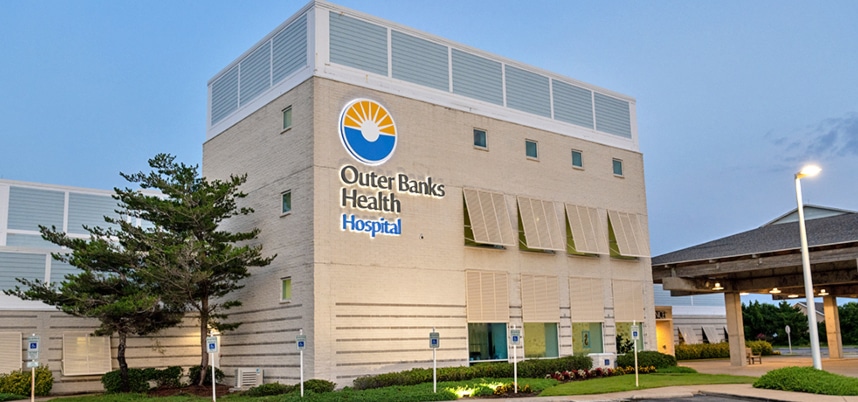
Greenville, N.C. – ECU Health today announced the appointment of Cathy Yablonski as the new president of Outer Banks Health following an extensive national search. Yablonski will officially join the organization on April 20.
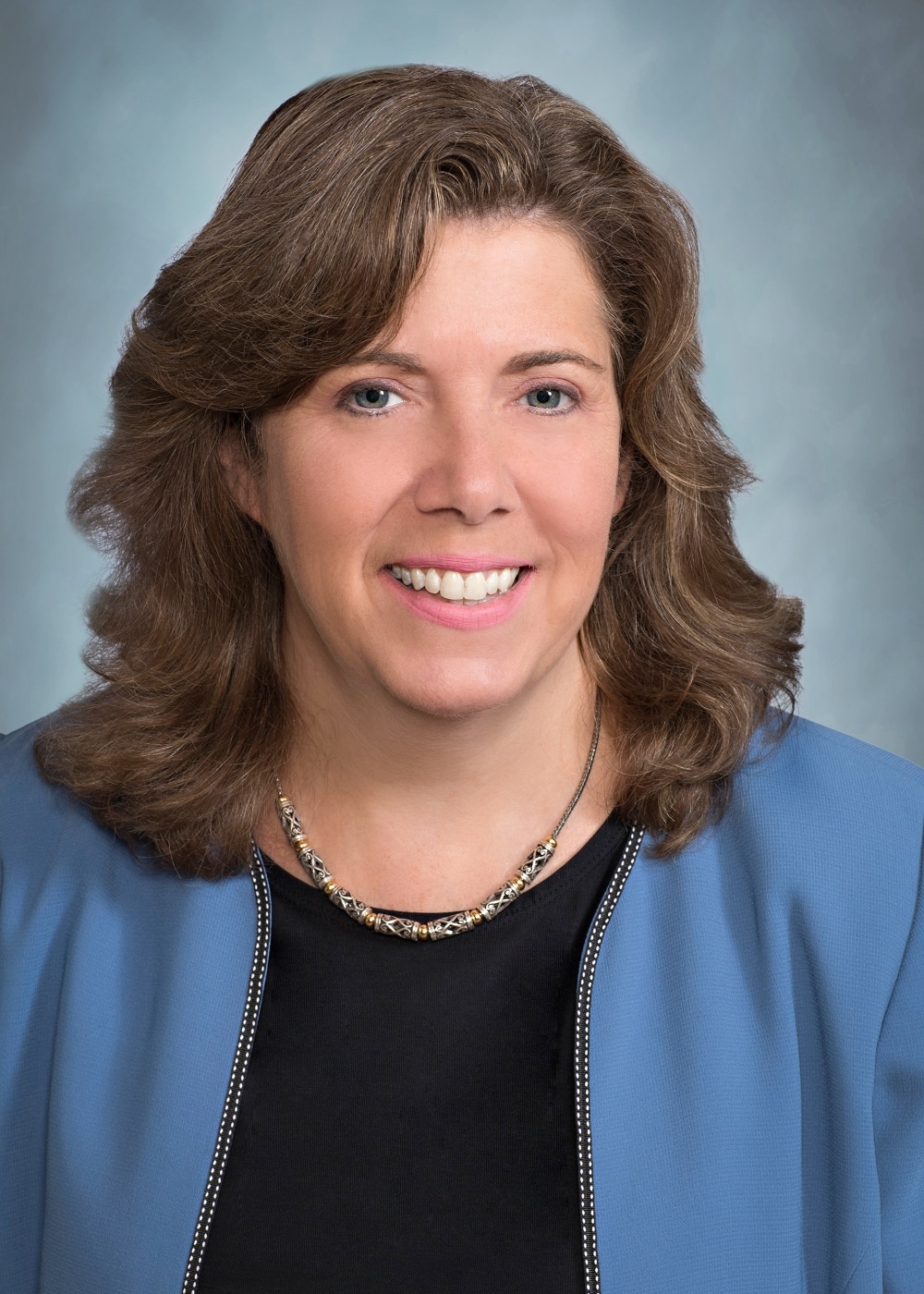
Cathy Yablonski
“I am deeply honored to join the Outer Banks Health team,” Yablonski said. “From the very beginning, I was struck by the health system’s profound dedication to the community it serves. I’m eager to collaborate with ECU Health and Chesapeake Regional Healthcare to strengthen and expand the care we provide to both year round residents and the visitors who make the Outer Banks such a special place.”
Yablonski brings more than 30 years of progressive health care leadership experience, including hospital administration, ambulatory strategy, physician practice management and system‑level operations. She most recently served as senior vice president and chief ambulatory operations officer for Mary Washington Healthcare in Fredericksburg, Virginia, where she oversaw a division of more than 1,200 team members. Previously, she spent 14 years as chief executive of Stafford Hospital, a community hospital within the Mary Washington Healthcare system.
“Cathy is a relationship‑driven, patient‑centered leader with a deep commitment to quality, operational excellence and community health,” said Van Smith, president, ECU Health Community Hospitals. “Her experience and leadership style align seamlessly with ECU Health’s mission and values. I have full confidence she will continue to advance Outer Banks Health’s reputation of providing outstanding care.”
Outer Banks Health’s strong partnership with Dare County is a key component of expanding access to high quality care for residents and visitors. With the support of county leaders, the health system continues to focus on expanding essential services and strengthening its ability to meet the community’s evolving needs locally.
“Cathy is joining an incredible team and a local community that takes great pride in having high-quality care available here in the Outer Banks,” said Myra L. Bone, chair of the Outer Banks Health Board. “Her collaborative spirit and strong commitment to local partnerships make her an exceptional fit for this role. We’re confident she will continue to strengthen our relationships across Dare County and with community leaders as we work together to support the health and well being of the Outer Banks.”
Yablonski’s appointment follows the retirement of Ronnie Sloan, who will conclude his career-distinguished service on April 1. Smith will serve as interim president of Outer Banks Health until Yablonski officially joins the organization on April 20.

ECU Health announces transition of Home Health and Hospice Services to Liberty Home Care and Hospice
Greenville, N.C. — ECU Health today announced it has entered into an agreement to sell its Home Health and Hospice business unit to Liberty Home Care and Hospice, a trusted, mission aligned provider with deep experience delivering high quality care across the Carolinas. The sale will occur pending approval from the North Carolina Attorney General office and will help ensure home health and hospice services remain available for patients and families in the region.
The transition includes all ECU Health Home Health and Hospice operations, including:
- Home Health offices in Greenville, Windsor, Washington and Kenansville
- Hospice offices in Greenville, Ahoskie and Kenansville
- The Service League of Greenville Hospice House
This strategic decision is guided by ECU Health’s commitment to ensuring long term sustainability and preserving access to essential home based and end of life care for communities across eastern North Carolina. It will also help advance the impact of the Service League of Greenville which has compassionately served the community for more than 80 years, most notably through the Service League of Greenville Hospice House.
“As the rural health landscape continues to experience complex challenges and pressures, including shrinking reimbursement, it is essential we explore every opportunity to ensure high-quality services remain accessible to the people of eastern North Carolina,” said Brian Floyd, chief operating officer, ECU Health. “This decision was made with sustainability and continuation of services at the forefront. Liberty Home Care and Hospice brings the scale, expertise and mission driven focus needed to help ensure uninterrupted high quality home health and hospice care for patients and families who depend on these services.”
ECU Health leadership determined that partnering with Liberty—an organization with a 150-year history grounded in quality, integrity and compassionate service—offers the most stable and sustainable path forward. Liberty currently operates across North Carolina, South Carolina and Virginia and has the regional infrastructure needed to support continuity of care.
“For more than 150 years, Liberty has focused on meeting the evolving needs of patients and families across the Carolinas,” said Donna Turlington, president, Liberty Home Care and Hospice. “Liberty is proud to partner with ECU Health to ensure long term stability and continuity for home health and hospice services across eastern North Carolina. We are deeply committed to ensuring patients and families continue to receive the compassionate, high quality home health and hospice services they rely on, delivered by care teams who understand this community. We look forward to supporting a smooth transition and preserving access to these essential services for years to come.”
The agreement provides transition opportunities for various roles in accordance with Liberty’s staffing model. ECU Health is committed to supporting impacted team members, with assistance available to help identify internal opportunities where possible.
Both organizations are working closely to ensure a seamless transition with no disruption to patient care. Referral partners, patients and families can expect continuity in scheduling, services and communication throughout the process.