
For Tracie Costin, a staff nurse I in the ambulatory med unit, getting married in ECU Health’s Healing Garden made perfect sense.
She and Matt Costin met at work; he was a nurse and she was a nursing assistant in a behavioral health unit in Wilmington, North Carolina. Eight years later, Matt proposed.
“He proposed in January 2025, and we were already planning a trip to Scotland and Ireland for September, so I said let’s get married Aug. 15 and the trip can be our honeymoon,” Tracie said. “We were going to get a magistrate to do it, but then we discovered the magistrate’s office is at the juvenile detention center,” Tracie laughed. “Matt and I didn’t want to get married there, but we only had a few months to figure out a new plan.”
After looking at a few other options, Tracie’s co-worker offered a solution.
“I was talking to a colleague at work, and she was the one who suggested we get married in the Healing Garden.”
The Healing Garden at ECU Health Medical Center’s Eddie and Jo Allison Smith Tower gives patients with cancer and their families a calm and relaxing outdoor space that incorporates babbling fountains, medicinal herbs and flowers and a tranquil place to sit and relax.
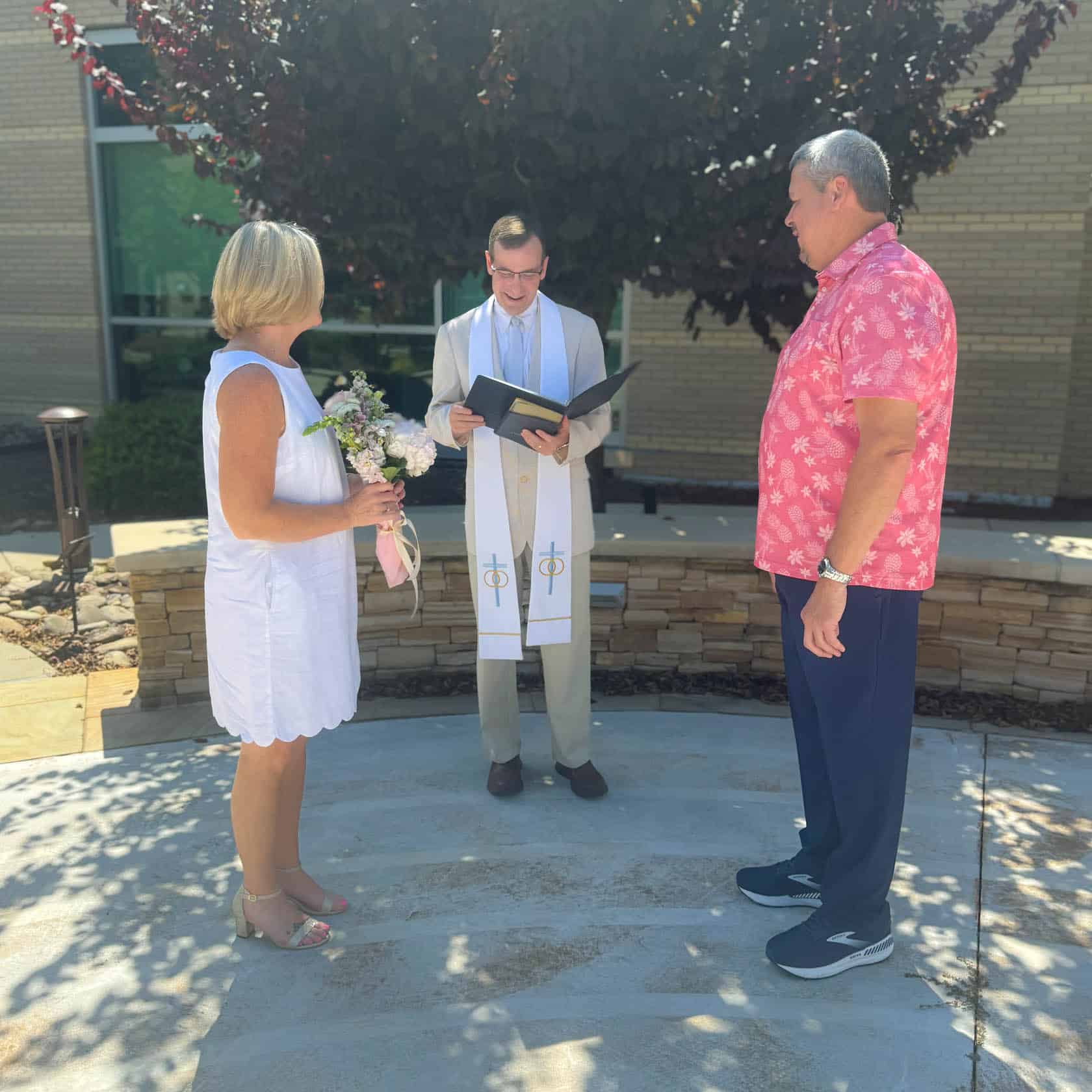
“My co-worker knew this place was special to me because of my brother, and the garden is gorgeous,” Tracie said. “I talked to my manager about it, and she confirmed we could get married there. That’s how it happened.”
A difficult diagnosis
Back in 2017, at about the same time Tracie and Matt started dating, Tracie’s brother – also Matt – was diagnosed with glioblastoma.
Tracie and her brother were close, and despite receiving the best of care at ECU Health’s Cancer Center, he wasn’t doing well. Tracie and Matt eventually moved to Ayden to be closer to family – especially Tracie’s brother.
“I was in nursing school in New Bern,” Tracie said. “Matt’s daughters lived in Plymouth, and my daughter lived in Wilmington. Both of our parents needed care, and my brother was nearing the end of his cancer treatments, but he was getting sicker and sicker. Ayden was a good halfway point for us.”
In April of 2022, Tracie’s sister-in-law, Kelly, called with news.
“New scans showed my brother’s cancer had returned on his brainstem, and there was nothing they could do,” Tracie said.
Tracie’s brother entered hospice, and she dropped out of nursing school to spend more time with him.
On June 10, Tracie and her family had spent the day at her brother’s house.
“Our mom, dad, me and everyone else had been there all day, and we were getting ready to go home,” Tracie recalled. “I noticed The Wizard of Oz was scheduled to be on TV that night at 9 p.m.
That movie was special to us; we watched it together at least once a year. It was something we did together. I promised him I would watch it at my house, and he could watch it at his.”
Back at home, Tracie watched the movie. Kelly called around 8 p.m. to let Tracie know that her brother’s breathing had changed, and just as the last movie credits rolled at 11 p.m., Kelly called again. Matt had passed away.
More than 300 people attended Matt’s funeral, and Tracie said she misses him every day.
“He was one of those people everyone loved,” she said. “He had a smile that lit up the room. I want to call him all the time, but the time I did have with him was precious. A lot of people don’t get that time.”

There’s no place like home
After her brother’s passing, Tracie returned to nursing school, and after graduation, she found a job at ECU Health Medical Center on 4 North, the TSIU. Her now-husband is also a nurse at the medical center in the rehabilitation department.
When a position opened in the cancer center’s outpatient infusion unit, Tracie said, “That’s where my brother went for so many years – I have to apply for this job.”
The same day she applied, Tracie was invited to an interview. When she mentioned her brother, they stopped in their tracks.
“They said, ‘We loved your brother,’” she said. “I knew that was true, because he loved those nurses and doctors. Matt used to talk about getting his treatments there, and how everyone was great. They kept him and Kelly going, even on the days he didn’t want to. Dr. Pam Lepera pushed for every treatment available. He lived for over five years when his prognosis was 14 months.”
That afternoon, they offered Tracie the job.
“Ever since I walked through those doors, I’ve felt at peace. I can’t describe it. The place felt like home”
Meant to be
On Aug. 15, 2025, Matt and Tracie, along with their daughters, gathered in the Healing Garden to exchange vows.
“When we finished the ceremony, we heard this knock on the window, and my whole nursing staff was there waving,” she said. “It was a perfect moment.”
Tracie said it felt right to get married in the Healing Garden, surrounded by people who cared for her brother while he received his cancer treatments.
“As cheesy as it seems, the way everything happened, from getting the job to us getting married – it’s like it was meant to be.”
It has also felt right to work in the cancer center and serve patients with cancer and their families.
“I feel like I’m a better nurse, a better caregiver, because of my experience with my brother,” she said.
“I can talk to the patients and comfort them because I know what they’re going through and how scared they are. I just love them and take care of them and their families. When I go to work, I say this is my place. Like Dorothy says, there’s no place like home.”

Established in 1979, the North Carolina Governor’s Volunteer Service Award honors the true spirit of volunteerism in individuals and groups who make a significant contribution to their community through volunteer service. Individuals or groups from the public, nonprofit and private sectors may be nominated for this award. This year’s winners include one ECU Health team member, Jennifer Congleton, and two ECU Health Medical Center volunteers, Mattox Piscorik and Deborah Coleman.
Jennifer Congleton
Jennifer Congleton grew up volunteering.
“My family owned small businesses and were connected to our community. We always volunteered and gave back,” she said. “It wasn’t new to me.”
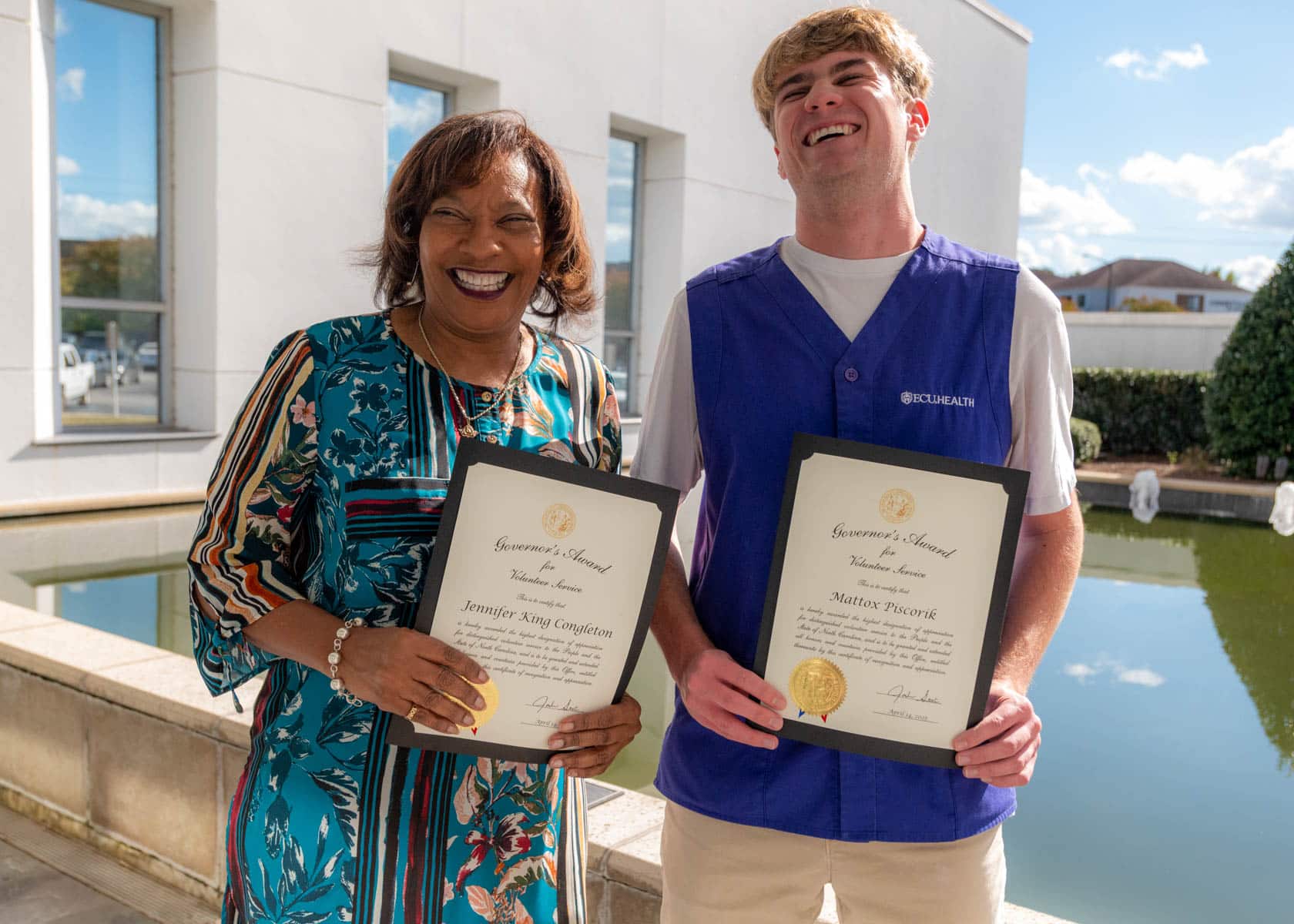
The East Carolina University (ECU) graduate said during her time in college she continued to find many ways to serve others.
“I was the ECU Women’s Residence Council president, I joined the SGA and I was a member of Alpha Kappa Alpha Sorority, Incorporated, where I started a global volunteer experience,” she said. “I had a passion for making a difference in my little part of the world.”
Jennifer initially wanted to work in health care as a nurse, but with her interest in community, she thought it would be a better fit to work in public health.
“I earned my degree in public health, and my graduate degree is in adult education with a concentration in community college systems,” she said. “I felt this bridged the gap between volunteerism and my profession, because I want to do what I can to make our community better.”
While working as the director of admissions for Beaufort County Community College in Washington, North Carolina, Jennifer saw a job listing for a coordinator of allied health education. “I hadn’t thought about working at a hospital, but they wanted someone with an undergraduate degree in public health and a master’s in adult education,” she said. “That was me.”
Jennifer now serves as the director of chaplaincy and volunteer services at the ECU Health Medical Center.
“My current role allows me to help grow volunteers and put them in places where they can find future jobs. We direct them to places where their gifts can be used,” she said. “Volunteers serve as a pipeline. We have many who come here to volunteer and end up working here. We’ve had college students volunteer and then they go to medical school and come back as physicians. Volunteering is a great way to explore jobs while giving back.”
Giving back continues to be a big part of Jennifer’s life. Before her most recent recognition, she was the 2015 Volunteer of the Year at the American Cancer Society’s Hope Lodge, she was elected as the 19th Mid-Atlantic Regional Director of Alpha Kappa Alpha Sorority for 2018 – 2022 and in 2022, she was honored with the Order of the Long Leaf Pine, the highest award for state service granted by the Office of the Governor.
Despite her past recognitions, Jennifer was surprised to learn she had won a Governor’s Volunteer Service Award.
“I had no idea I had been nominated,” she said. “I was shocked. I have been in the working world for almost 40 years, and I thought this was a great way to recognize my career. But you can’t rest on your laurels.”
Mattox Piscorik
Mattox Piscorik began his service at ECU Health as a VolunTeen, first at ECU Health Medical Center and then at ECU Health Beaufort Hospital, where he transported patients, worked in the emergency department and greeted people in the hospital lobby.
Service in health care came naturally to him; Mattox comes from a long line of health care practitioners, including his mother, an ECU Health nurse, and his two brothers, both pursuing careers in health care fields. “We are heavily involved in service in our family,” he said. “We believe in taking care of others as we want to be treated.”
After his work as a VolunTeen, and his graduation from high school this past spring, Mattox joined the cardiovascular intensive care unit (CVICU) in June as an adult volunteer.
“I stock supplies in rooms and make sure all patients and their families are comfortable. The CVICU can be a high-stress environment,” he said. “I also assist with patient transport, and I sometimes help with scanning or faxing to help the nurse manager. I have loved every minute of it.”
Work in the CVICU is even more meaningful to Mattox because his father was once a patient there after having open heart surgery. “To work with some of the same people who cared for him is super special,” he said.
The experience has also inspired Mattox to make a change in his career plans.
“I started off wanting to be an emergency department doctor,” he said. “After being a VolunTeen, I changed my plans and decided to pursue health care administration. But after working on the CVICU, I have decided I’m going to nursing school.”
Mattox is currently attending ECU in the Honors College and plans to apply for nursing school next fall. “The end goal is to get a job in the CVICU,” he shared.
Mattox said he was shocked to learn he’d won a Governor’s Volunteer Service Award.
“I was stunned when I got the email from Chad Tucker,” he said. “I was also honored and humbled to know that my years of hard work and dedication had paid off. I am driven by the belief that small acts of care can lead to big changes, and I’m eager to learn and grow in a field that truly makes an impact.”
Deborah Coleman
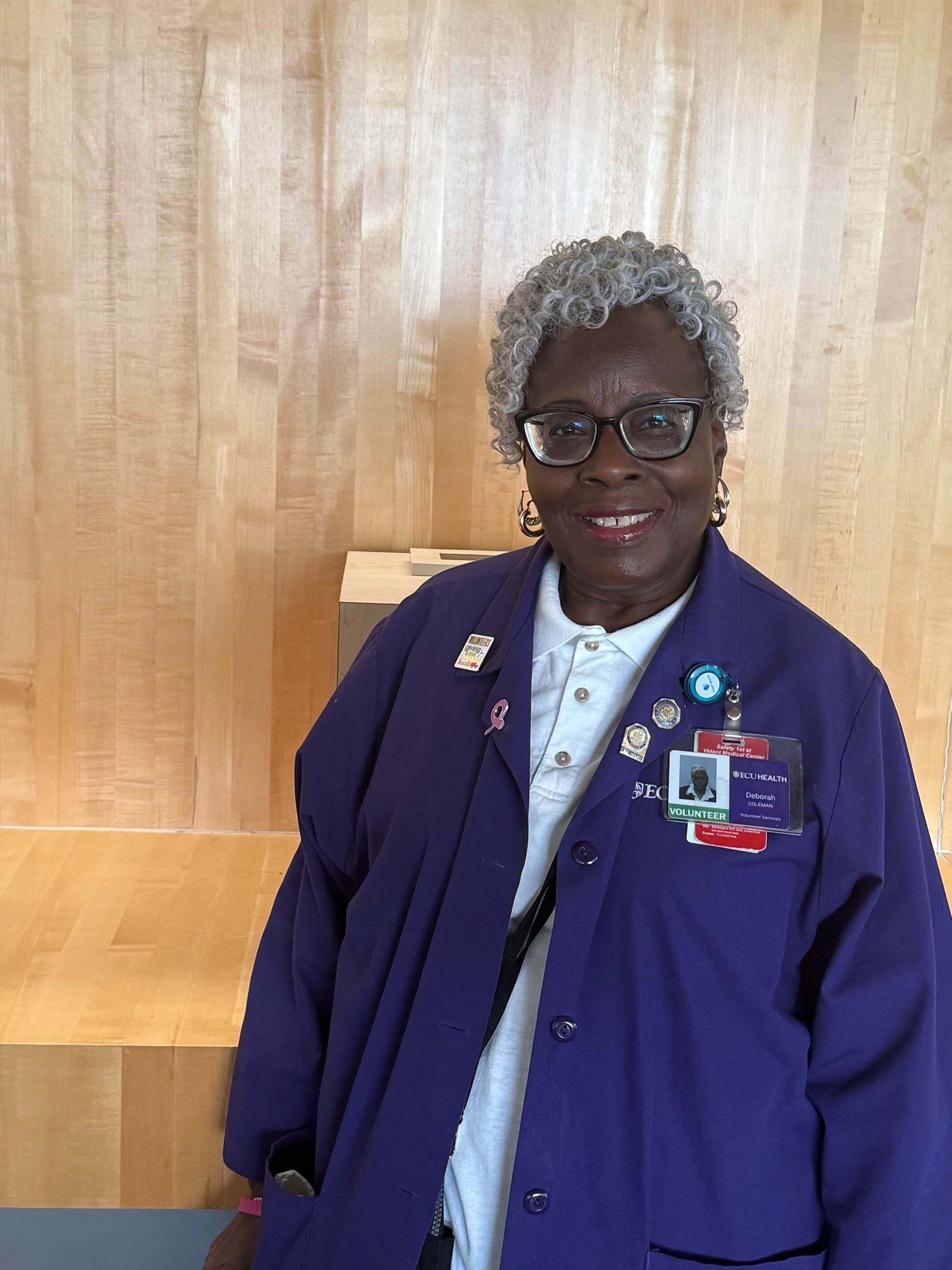
Deborah Coleman joined the ECU Health volunteer team with her husband’s and Jennifer Congleton’s encouragement.
“My husband was working as a volunteer before me, and he said I’d enjoy it. Jennifer also kept asking me to volunteer, and I kept telling her no,” Deborah said. “Then one day I changed my mind, and I’ve been doing it ever since. I enjoy it.”
“I met Deborah through my mother,” Jennifer shared. “When I realized Deborah was retired, I told her about the world of volunteering at the medical center and how she could make a difference. Deborah is full of compassion, and we need more like her.”
Deborah works as a patient escort, and she likes meeting different people.
“I take them to different areas of the hospital for screenings or tests, or I take them out after they’re discharged. It’s nice to meet people. Even if they’re grumpy, I tell them, ‘Today is a good day! Smile because God has blessed you to be here.’ I like to make them feel better.”

“This was a calling. I experienced hospice at a young age when my grandfather died from cancer, and I’d seen life end in difficult ways when I worked in the trauma unit. I knew there had to be a better way.”
Nicole Averett, a nurse practitioner at the ECU Health Medical Center, knew from an early age that she wanted to work in palliative care.
Her grandfather was diagnosed with colon cancer and passed away when Nicole was in 7th grade. “He was courageous, and he didn’t want a poor quality of life. At a young age, I witnessed a beautiful death. I spent time with him, I helped care for him and I got to see that people can choose how their final moments can be. That had a lasting impression.”
After a surgery for appendicitis, during which she appreciated and valued her compassionate care, Nicole decided she wanted to work in health care. “I realized I could take care of people who were sick and scared like I was,” she said.
A North Carolina Nurse Scholar scholarship gave her the means to attend ECU, another stepping stone in her path to nursing. “I never even toured ECU, but when I got that scholarship, I decided that’s where I wanted to go.”
After graduation, Nicole joined the surgical intermediate unit, but she knew she wanted to do more. “I wanted to become a nurse practitioner, and I knew I wanted to work in palliative care.”

She attended the University of North Carolina Wilmington and joined the palliative care team in 2014. Now, she helps patients across the hospital and works with a supportive team. “You have to be a compassionate, empathetic person for this line of work,” she said. “We have a lot of fun together and we’re a tight-knit group. Three of my team members have been here more than 10 years.”
Palliative care, while often confused with hospice, does not necessarily mean a patient is dying. “It’s really about living the best you can despite your illness or circumstances,” Nicole said. “The true goal is to help people live the best they can with advanced illnesses. Quality of life can get lost in health care. You need to look at the whole person, and that’s our specialty.”
Nicole said her experience with her grandfather helped her understand that death was a part of life. “We have to deal with it and honor it,” she said. “It’s the norm to not acknowledge terminality, but then you can’t work through things that give you peace.”
Her other grandfather passed away in hospice from Alzheimer’s in his 80s. These experiences showed Nicole what it means to “die well,” and now she’s passionate about making sure everyone knows they have options. “It helped me decide how I wanted to die, but it also made me want to help others understand they have options.”
“How I define dying well isn’t the same for someone else,” she clarified. “I had a patient from Ocracoke who really loved Christmas, and she said being at home with her tree and family brought her joy. Even though it was summer, her family put up her Christmas tree. She didn’t know she could have this joyful experience.”
“A goal of palliative care is to honor a patient’s wishes,” Nicole continued. “Witnessing a peaceful death at home, surrounded by loved ones, really put the itch in my bones to help others. It really is a calling.”
To learn more about palliative care services at ECU Health, visit their website here.
To be a health care provider is to answer a calling. For some, the journey to health care is a straight line; for others, the road is winding. This series features stories from ECU Health team members who took the winding road, but found the destination to be worth the effort.
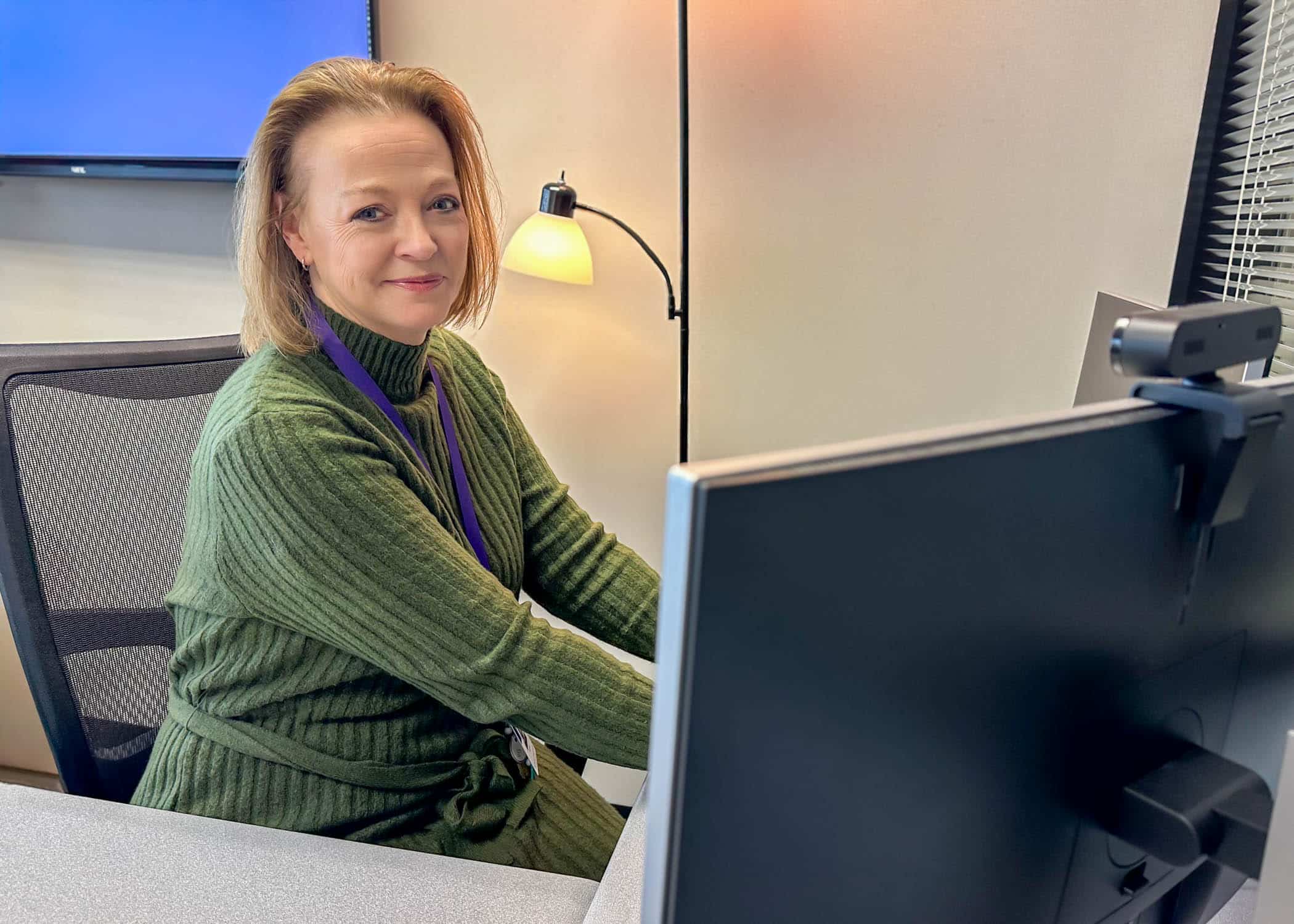
Karen Bolen, the director of inpatient clinical applications in the IS department of ECU Health, knew in high school that she wanted to be a nurse. After graduation, the West Virginia native worked as a bedside nurse and charge nurse in the emergency departments (ED) of several hospitals in West Virgina and Kentucky, and she also served as the manager of an ED. In early 2000, however, she had the opportunity to beta test an electronic health record (EHR) platform specific for the ED. That experience, which she thought was “really cool,” led Karen from the bedside to the world of health care information technology.
Seven years after that initial beta test, Karen’s organization announced their plans to adopt their own EHR. Her earlier experience with the software inspired her to inquire about transitioning from the bedside to working with the platform. “I was intrigued by the EHR, and as a new mom, working nights and on weekends didn’t do well for me. I asked about it, and I moved over to my new role in 2007,” she said. “I quickly realized this is where I wanted to be.”
Making this transition allowed Karen to leverage her education and extensive knowledge of the ED with building an effective and efficient EHR platform. “They were looking for nurses to build this EHR, which was Epic. I have a bachelor’s degree in nursing, and I use that every single day with what I do,” she said. “Because I had worked for many, many years in the ED, they chose me to build out the platform for the department.”
Working within electronic health records also merged Karen’s skillset as a nurse with her overarching desire to do good for the most people. “It was great because I could not only impact patients at the bedside, but I also impacted all the clinicians taking care of the patients, all of the ancillary departments and the community as well,” she explained. “I put my stethoscope down and picked up a laptop, but I didn’t lose anything by doing that. I still care for patients, and this enhances what I went to school for and what my passion is. I just do it in a different way.”
That training as a nurse was vital to creating the platform, but she also had to take classes specific to the EHR. “I knew how to save a life, I knew how to give medications and I knew how to provide education, but I didn’t know how to build an electronic health record. To do that, I took training classes, completed a project and passed a test. I also had to be certified in several different areas to complement my role as an application analyst,” she explained.
Karen relocated to ECU Health in 2017, where she joined a team that feels like a perfect fit. “They are the most amazing team ever,” she said. “I can wholeheartedly say that. They serve anything that falls within the halls of the hospital. We support not only the electronic health record, but also all the technologies that integrate with Epic, including fetal monitoring and the handheld rover application for on-the-go documentation. We have the most talented application analysts on our team.”
Karen is also responsible for supporting the ED, OR, anesthesia, pharmacy and ambulatory surgery. “I have an amazing team and great managers who supports those areas,” she said. “They teach me something new every single day. That’s one of the fun things about this role.”
That enthusiasm makes it easy for Karen to recommend a role in health care – whether it’s at the bedside or at the computer – to anyone. “When I was a beside nurse in the ED, I told people I had the coolest job ever. Now that I work in IS, I still have the coolest job ever,” Karen said. She also emphasized that anyone can work in the technology space. “We have people with a variety of backgrounds in our department. We have pharmacists, engineers, nurses and respiratory therapists. That diversity really complements those with information technology degrees and allows us to collaborate and share different perspectives and experiences to do something great. IT is in everything, and everything we do makes an impact.”

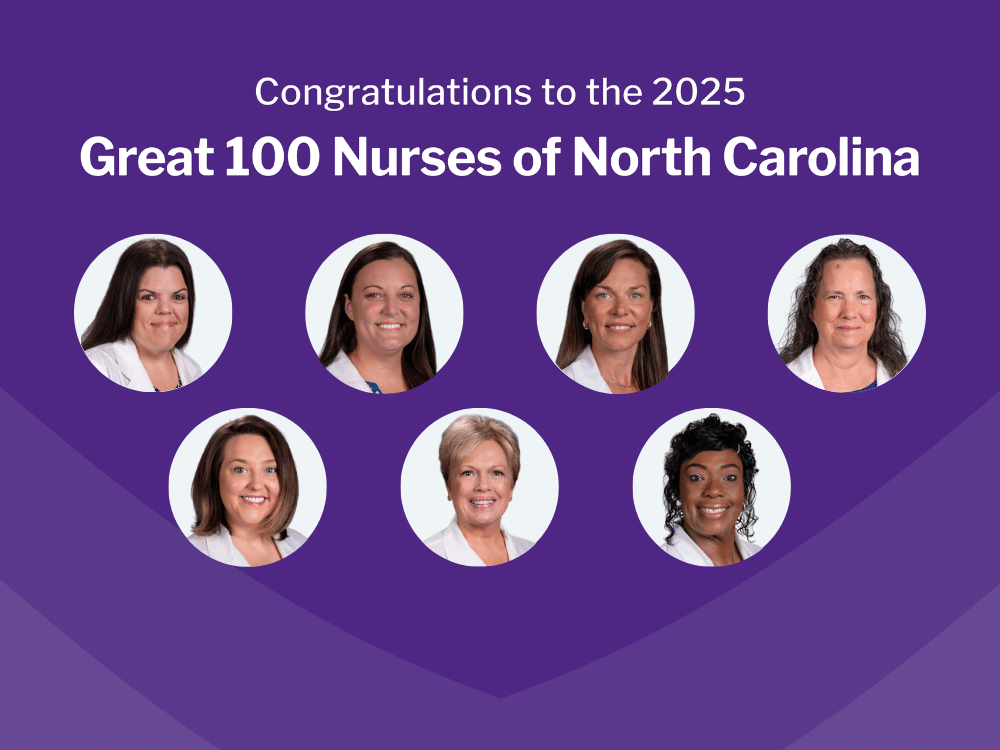
The Great 100 Nurses in North Carolina honors nurses around the state for their commitment to excellence. The recipients are distinguished for their outstanding professional ability and contributions to improving health care services in their communities. This year, 25 ECU Health nurses were honored, including Anne Chadwick, Robin Lanier, Sharon Watford, Gloria Waters, Lindsey Woodlief, April Bracy and Claire McFadyen.
Anne Chadwick

Anne Chadwick, a staff nurse IV in the medical step down unit, joined what was then Pitt County Memorial Hospital in 1982 after graduating with her degree in nursing. She didn’t know if nursing would be a good fit, but despite a retirement in 2013, she came back to work at the bedside, and she’s also an adjunct nursing instructor at Pitt Community College. “I have had absolutely no regrets – I love it!”
Anne joined ECU Health after completing her degree at ECU, but proximity wasn’t the only reason. “I like working here,” she said. “I’m proud of our facility. I’ve worked in different roles, and I’ve never felt stagnant or burnt out.”
Despite her passion, Anne was still surprised when she found out she was a Great 100 Nurse. “I was thrilled and appreciative that they wanted to nominate me,” she said. “I’ve known others who were nominated and didn’t get it, so I thought there was no way I’d get it.”
As for why she was nominated, Anne said, “I don’t really know,” but she recalled taking more than one student when a student needed a preceptor, and she once comforted a patient’s husband in the hallway after he made a difficult health care decision for his wife. “He grabbed me and I just hugged him and let him cry,” she recalled. “I don’t know if it’s that, but I try to have compassion for our patients.”
Robin Lanier (Ellis)
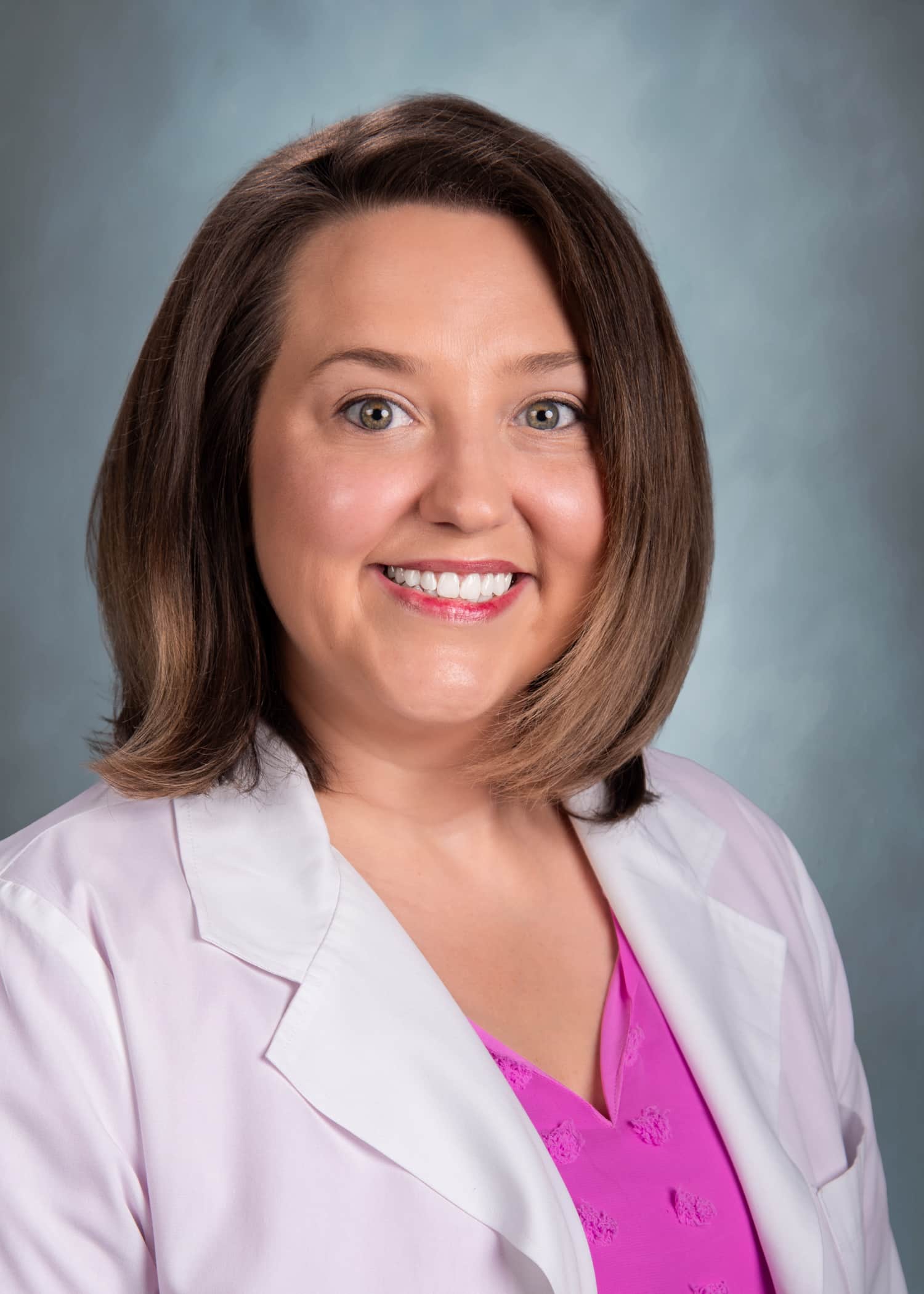 Robin Lanier, an assistant manager of nursing in the medical unit at ECU Health Edgecombe Hospital, was born and raised in Tarboro, and it was her mother and a teacher at Tarboro High School who gave Robin the idea to become a nurse.
“From my mom’s perspective, nursing offered stability. I’d never have to worry about finding a job,” Robin said. “Ms. Wainwright taught medical terminology in high school and she was my favorite teacher. Being in her class really made me choose the nursing path.”
Robin joined ECU Health in 2013, and although she chose Edgecombe Hospital because it was close to home, she stays because it feels like home. “The friendships I’ve made, the support I’ve received – it’s nice to be seen and get to know people on a personal level. You get close and support each other when life happens,” she said.
Funny enough, Robin nominated one of her colleagues as a Great 100 Nurse, so when she got the letter in the mail, she thought it was about the nominee winning the award. “I was so excited for her, and then I saw it was me who had won,” she said. “I was happy for me, but I really wanted her to win. There are so many who really deserve to be recognized.”
Winning was a surprise, but Robin said she hopes it’s a sign of her desire to help others. “I try to take the time to make people feel special, because they are,” she said. “If there’s something I can do that will make someone’s day better, I try to do it. It’s important to me that people are taken care of – our patients and our team members.”
Sharon Watford
 Sharon Watford joined what was then Pitt County Memorial Hospital in 1988, and she has worked in several departments over the last 36 years, including the medical surgical unit and the operating room. She currently serves as a staff nurse IV in a pain management outpatient clinic.
While Sharon said she landed on nursing as a career somewhat accidentally, during nursing school, her mother was diagnosed with kidney failure secondary to lupus, and she spent a lot of time with her mother in the hospital. “That solidified that I was doing what I was supposed to do,” she said.
She was “floored” when she discovered she was a Great 100 Nurse this year. “That’s the ultimate of nursing honors,” she said. “I have admired those who received it, and I didn’t think I’d ever get it.”
Still, Sharon shared that she aims to make a connection with each of her patients. “Our clinic is fast paced, and I try to maximize my time with patients so they don’t feel like they’re in a drive through,” she said. “I’m committed to this profession and to ECU Health, and I love my work.”
It’s special that 25 nurses from ECU Health are being recognized this year, something Sharon said represents the dedication of our nurses. “Our people go above and beyond; that’s what we’re called to do,” she said. “We care for the whole patient and meet their needs.”
Gloria Waters
 Gloria Waters knew from an early age she wanted to be a nurse. “My mom made me a nurse’s cap out of notebook paper, a black crayon to draw the stripe across the top and a bobby pin to secure it to my head,” Gloria recalled. “She’d put a sweater over my shoulders and I’d pretend to be a nurse.”
Gloria attended Lenoir Memorial Hospital School of Nursing right out of high school, and her parents encouraged her while she studied. “I remember them sitting at the table with me and helping me study. I told them about the cardiovascular system and how the heart has four chambers, and dad said, ‘just like a carburetor in a car!’ They were always there for me.”
Gloria came to ECU Health Medical Center because as a larger hospital, it offered the opportunity to grow in her profession. “I learned and practiced skills I’d never had a chance to do at my previous job,” she said. “I was given the opportunity to grow and get more experience.”
That, and the people she works with, has kept her here for 22 years. “The floor is like a family. Even with the growth of the hospital, the atmosphere is a good one. We have some pretty amazing people who work here.”
Of winning the award, Gloria said she was honored just to be nominated. “I’m appreciative someone thought I was deserving,” she said. “I do what I do because I love it. People ask when I plan to retire, and I don’t know. I have no plans to retire because I’ll miss the people and doing something I have always loved.”
Lindsey Woodlief
 From a nursing assistant to a doctor of nursing practice, Lindsey Woodlief has grown professionally and personally at ECU Health. She joined ECU Health Edgecombe Hospital in 2014, and through the HomeGrown Program, she graduated with her associate’s degree in nursing (ADN) in 2019. As a recent doctor of nursing practice (DNP) graduate, she will now serve as a family nurse practitioner at ECU Health Family Medicine in Pinetops, NC. “My journey reflects a deep commitment to lifelong learning, compassionate care and service to my community,” she said.
From an early age, Lindsey witnessed her family emulate selflessness and compassion. Her mother taught students with special needs, and her grandmother, also a nurse, served as an inspiration. Her uncle became a quadriplegic after a hunting accident at 18, so Lindsey saw the importance of caring for others.
At ECU Health Edgecombe, Lindsey said she built her forever home and felt grounded in her community. That proximity, as well as the close-knit team she works with, has kept her here. “Working at a small community hospital has given me something special,” she said. “I’ve formed lasting friendships with co-workers and community members, and in our intensive care unit (ICU), we are more than a team; we’re a family.”
While there are other awards nurses can receive, the Great 100 Nurse award means more than clinical success. “This award reflects countless hours, effort, integrity and heart that nurses pour into their patients and communities every day. We are driven by the desire to make a meaningful difference,” she said.
It’s also no surprise to her that ECU Health represents a quarter of the Great 100 Nurses this year. “It’s a reflection of the culture and mission that drive everything we do,” she said. “At ECU Health, what sets us apart is how deeply our system lives out its values. We’re not just committed to delivering high-quality care; we are equally invested in the growth, education and well-being of our team members and the communities we serve.”
“You may have heard the saying, ‘not my monkey, not my circus,’” she continued. “But anyone who knows me knows I tend to make everything my monkey and circus.” Lindsey said she doesn’t seek praise, but she tries to show up with a full heart for her patients and her team. “I’m the nurse you can call on her day off and talk you through a task, the one who will show up at 2 a.m. to help the unit, bed hair and all, and the one who’s at every community event,” she said. “To me, being a nurse doesn’t end when I clock out.”
April Bracy
 April Bracy, an assistant manager in the cardiovascular intensive care unit (CVIU), has been an ECU Health team member for almost 16 years. She began working in the ED at ECU Health Roanoke-Chowan Hospital before moving to ECU Health Bertie’s ED and inpatient unit, followed by a transfer to the Medical Center where she worked in palliative care and now the CVIU.
April said she was inspired to work in health care by her family. They called her their “little nurse,” because she liked to help them when they were sick. While she had the initial desire to be a surgeon, her mother was the person who inspired her to pursue nursing. “She explained that there were numerous fields I could try until I found the specialty that fit and made me happy,” she said.
She joined ECU Health, despite other hospitals being closer to her home, because it offered more opportunities, especially the chance to grow and learn. Now, as a Great 100 Nurse, April said she is humbled and honored, and she is proud to be among so many exceptionally great nurses.
Claire McFadyen
 A third-generation nurse to serve eastern North Carolina, Claire McFadyen has worked at ECU Health for 17 years. Her grandmother was a CRNA at what was then Pitt County Memorial Hospital, and her mother retired as an operating room nurse at ECU Health Edgecombe. Now, Clair is continuing her family’s legacy as a staff nurse IV in ECU Health Edgecombe Hospital’s ICU.
Claire said she was drawn to ECU Health in part because of her family connection, but also because she wanted to serve where she lives. “I always maintain an active role in the local community, attending and hosting events for education and resources for adults and the younger population, as well as precepting new nursing entering the field of critical care,” she said.
It’s an honor to be recognized as a Great 100 Nurse, and Claire said she is grateful and humbled to be listed among her ECU Health team. She also hopes the award is a reflection of her persistent passion for nursing at the bedside. “The impact of bedside nursing on quality health care is sometimes understated,” she said. “I try to instill my love for the profession and critical care in every patient I treat and in every student or new graduate I encounter.”
The recipients will be honored at a statewide gala in October, to be held in Goldsboro, North Carolina.

When Aletha Britt, a program assistant in labor resource management, began her career at Pitt County Memorial Hospital in 1977, she was looking for experience.
“I was hoping to become a nurse,” she said. “But other things led me in a different direction.”
That direction took the Greenville native to the post intensive care unit where she worked as the unit secretary – a role that gave her the opportunity to help a lot of people along the way.
“I knew the physicians’ styles and expectations, so I pulled their charts for them when they made rounds,” she shared. “I knew my job and always strove to do my very best. It stood out and made a great impact, and sometimes I was requested by other units or the emergency department (ED).”

Aletha worked double shifts, covered for colleagues, spent the night during inclement weather, transported patients and assisted physicians, all above and beyond her job description.
The work wasn’t without its interesting moments. Aletha recalled that it wasn’t unusual for residents from a nearby nursing home to walk over to her unit and take up residence in any empty bed they found.
“There was one gentleman [from the nursing home] who got into a bed, and when a food tray was delivered, he ate the food and went back to the bed,” she said. “There was another patient in that room, and we realized there should only be the one patient, so we called the nursing home to see if they were missing anyone. The nursing home staff came to our unit to retrieve him.”
Over the years, Aletha transitioned from unit secretary to medical secretary, nursing officer supervisor and supervisor and educator for other unit secretaries.
“I maintained all nursing credentials for the hospital, manually processed travel nurses’ payroll, served on the hospital CBC committee, worked with funeral homes and directors, served on the unit council, and helped achieve JACHO requirements,” she shared. “I have learned many things and grown through 48 years of service.”
Part of that growth has included learning new technology.
“When I started, there were no manual timecards, no computerized orders, no EPIC, Pyxis machines or MyChart,” Aletha listed. “Orders were transcribed by hand, and you had to be able to read all the physicians’ handwriting. Sometimes unit secretaries took specimens to the lab and obtained medicines from the pharmacy. It could be tedious with no computers.”
Aletha has no immediate plans to leave ECU Health, and she hopes for good health so she can keep doing what she loves with her “awesome and caring” team.
“The job doesn’t make you; you make the job,” she said. “It takes all of us to make this facility a great place to work. We all matter and make a difference, no matter how large or small the contribution.”
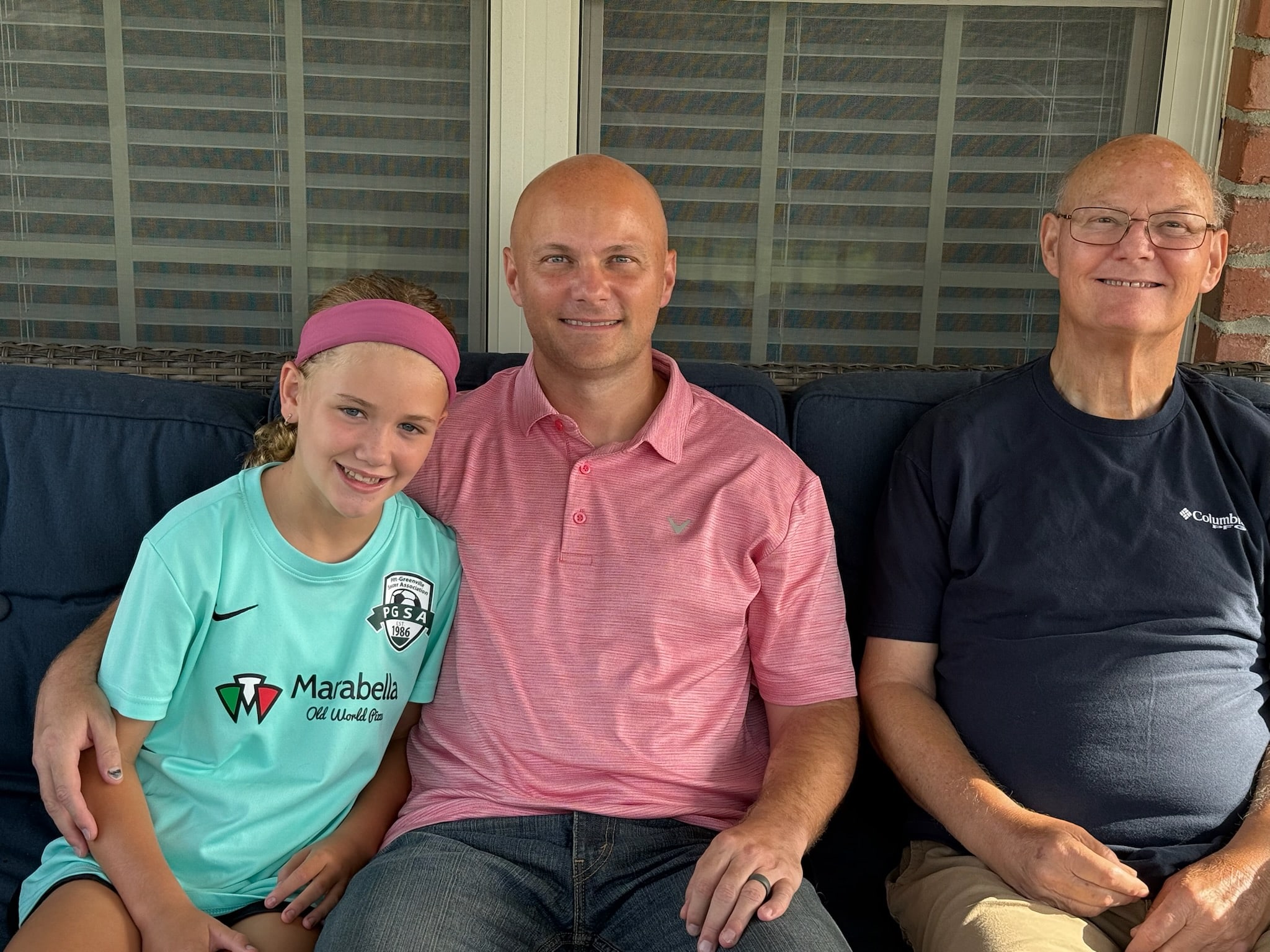
Tom Stanley, manager in Marketing and Communications, discovered the importance of advance care planning (ACP) one afternoon at swim practice.
“My parents were in town to visit the grandkids and dad’s heart suddenly stopped,” Tom shared. “It just so happened there were two physicians right there and they got CPR going immediately.”
Tom’s father, Bill, was transported to ECU Health Medical Center, where he was admitted for testing. During a stress test, his heart stopped for a second time.
“The doctors brought him back and declared him an official heart patient,” Tom said. “He ended up staying in the hospital for several weeks after needing a bypass surgery and a pacemaker.”
During this unexpected event, Tom discovered that his dad had already completed his advanced directives, a step that removed a great deal of worry for Tom and his family because his dad was able to communicate his preferences for care.
Advance care planning, which gives adults the opportunity to plan and record their health care choices in situations where they are unable to communicate what they want, can be a tricky topic to discuss, said Ellie Ward, advance care planning coordinator. As a patient-centered health care system, ECU Health supports informed and shared decision making for our patients and their families.
Two primary advance directive documents Ellie recommended that all adults complete are the
HCPOA and a living will, because the conversations surrounding a person’s wishes are key.
“There is so much nuance around understanding someone’s care preferences,” Ellie said. “Being able to ask clarifying questions is key. For example, if someone says, ‘I don’t want to be a burden to my family,’ do they mean a financial burden? An emotional burden? That’s why these conversations are the cornerstone to good advance care planning.”
“Dad had a stroke 10 years ago, and he put together his health care power of attorney and living will at that time,” Tom explained. “Having everything in place – and knowing what he wanted – allowed us to focus on what the doctors were saying, what he was saying and spending time together ahead of a serious surgery rather than completing these in the midst of all that was going on.”
“It’s not often that family members all agree on a course of treatment if there’s been no prior discussion,” Ellie said. “That can create friction in an already stressful situation. This paperwork, and the conversations around each person’s preferences, gives you and your family peace of mind. You are preparing others to represent your wishes, and it allows you to be the captain of your own ship.”
Witnessing his father’s situation helped Tom realize the importance of having these conversations and completing these documents before the unexpected.
“This turned on the lightbulb for me,” he said. “I realized that it’s necessary because, not only do you make your wishes known, but you also provide comfort and reduce stress for your family, so they don’t have to do this later without you.”
Tom contacted Ellie about how to complete his own HCPOA and living will documents, a task that ended up being seamless and easy after he accessed the ECU Health Advance Care Planning website. The site offers information and step-by-step instructions in the downloadable toolkit. The process is free, does not require an attorney, and can be uploaded to one’s electronic health record. Ellie also noted that people can reach out to her team for information.
“I want people to know that they can request assistance or support, and our team will step up to help them,” Ellie said. “They can also come to any of the free community educational events across our 29 county service area to learn more.”
However, many people don’t recognize the value of the ACP process, or they don’t understand the difference between an HCPOA and a legal power of attorney, or a living will and a last will and testament.
“People think they don’t need to pay attention to advance care planning because they already have a will, or they don’t have a lot of property. But there’s a difference because an HCPOA and living will address health care needs and a POA and last will and testament handle property and money,” Ellie explained.
Specifically, an HCPOA identifies the person or people a patient wants to step in and represent their medical decisions to the health care team. Ellie was sure to clarify that the designated individuals represent the patient’s wishes, not making decisions for the patient.
A living will is a declaration of one’s desire for a natural death and is only in play if two physicians agree the patient is actively dying. The living will determines what care the patient does and does not want to receive at the end of life.
Providing education about ACP earlier in patients’ health care journeys is key, Ellie said, because it empowers our patients, promotes shared decision making and supports patient-centered care, which are essential to ensuring ECU Health’s mission.
“We want to host these conversations early on to make sure we’re aligning the care we provide to the goals of each person,” she said. “This is not just for acute incidents or the chronically ill – it’s for everyone.”
Tom’s father is in cardiac rehabilitation and doing well now, and Tom’s own HCPOA and living will paperwork is complete and on file. That, and the conversations he had with his family, have prepared them to honor his wishes for care.
“You never know what might happen,” he said. “We didn’t expect my dad’s heart to stop, or for him to be in the hospital, but knowing his wishes for medical care was so valuable. Now I’m an advocate for ACP.”

“I was pretty shocked. I said, ‘You picked me?’”
That’s what Christina Brizendine, PharmD, BCPS, said of winning the Greenville Region Preceptor of the Year award. “There are so many wonderful preceptors.”
Dr. Brizendine began serving as a preceptor for the University of North Carolina (UNC) students in 2008, primarily offering fourth-year students internal medicine rotations. More recently, as pharmacy clerkships began earlier in students’ education, Dr. Brizendine helped re-design the early immersion rotations, an innovation recognized by the UNC Eshelman School of Pharmacy faculty and students.
“Her instrumental role in providing excellent experiences to students through this new program has led to other organizations adopting some of her processes,” said Angela Mayo, PharmD, MBA, FACHE, the director of Retail and Ambulatory Pharmacy Services. This work is one reason UNC recently recognized Dr. Brizendine as the Greenville Region Preceptor of the Year.
A UNC alumna, Dr. Brizendine came to ECU Health with the intention of staying a few years. “That was 19 years ago,” she laughed. “I got married, made friends and bought a house. I’m here for the long haul.”
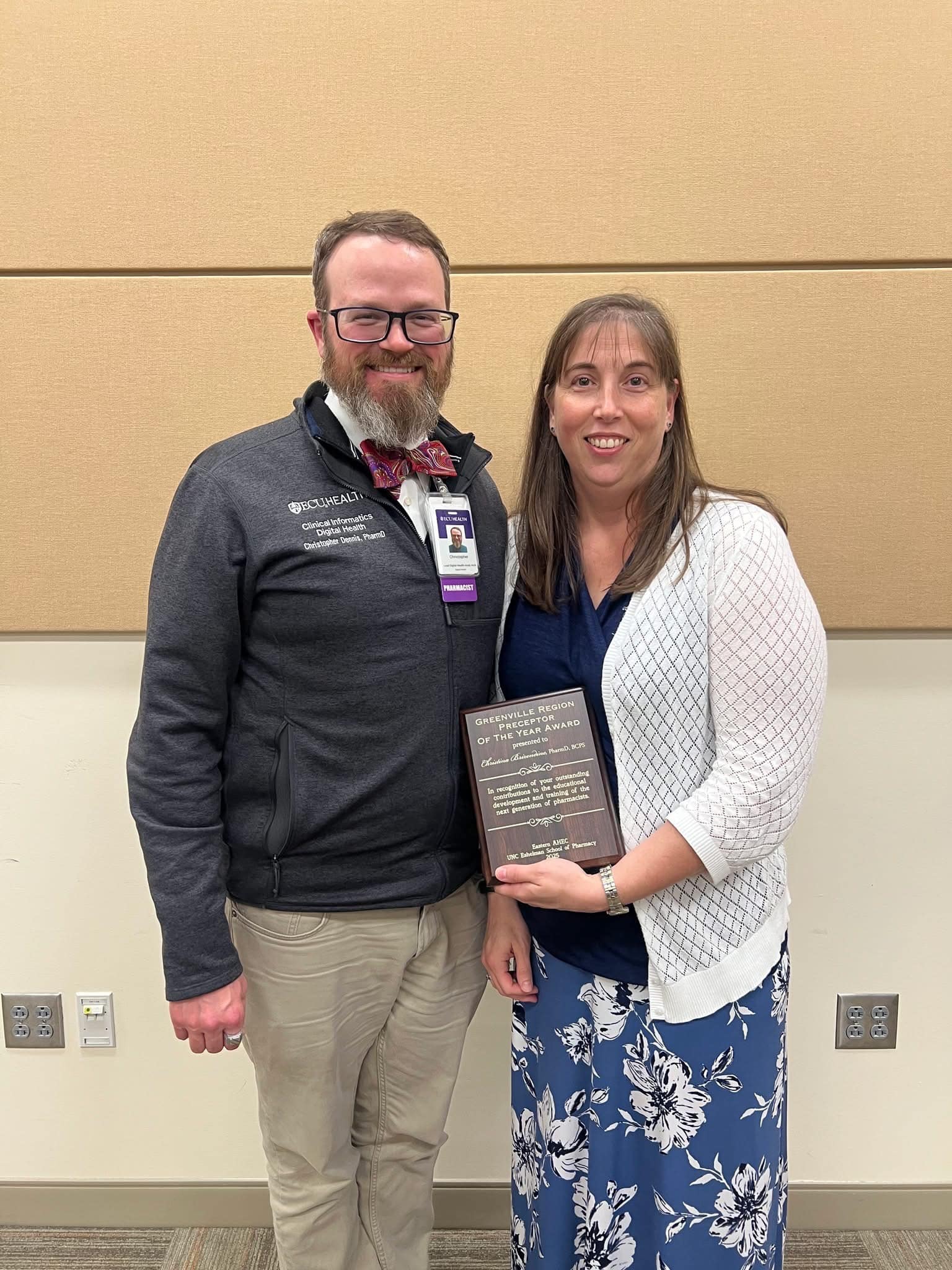
ECU Health offers pharmacy student training for local universities and colleges, with UNC Eshelman representing the most students. Each year, ECU Health pharmacy team members provide approximately 120 student-months’ worth of precepting for those students.
In addition to precepting UNC students, Dr. Brizendine also worked with students from Campbell University, Hampton University in Virginia and the University of South Carolina. She was drawn to the role after having impactful experiences with her own mentors when she was a student.
“I had some great preceptors who took time out of their days to support me. I wanted to do that too. And when you have a great student, they challenge you in ways you can’t expect.”
During her 17 years of working with pharmacy students, Dr. Brizendine saw more and more students starting their clerkships earlier in their education. “Preceptors were getting burned out, not sure how to fit these younger students into a practice environment,” she said.
That’s when she took on the role of program coordinator for direct patient care immersion rotations and created a program to cluster student cohorts.
“This provided continuity in which cohorts did the same things and had the same experiences with one point person to ask for questions,” she explained. “Previously, students were all over the place only a few days at a time and it was less cohesive. This new set up gives students a good experience to see a lot of different things, meet up with each other every week and support each other.”
The result has been rewarding for the students, and for Dr. Brizendine – literally.
More than one student nominated her for the Preceptor of the Year award, and what resonated the most, according to their nominations, was Dr. Brizendine’s effort at connection.
“They valued that I asked them how they were. I wanted to ensure they had a work/life balance, which is hard when you’re a student. A lot of comments said, ‘She cared about me personally,’ and I really do.”
Dr. Brizendine recently transitioned to a new role as a clinical pharmacist with ECU Health’s Outpatient Parenteral Antimicrobial Therapy (OPAT) program. While she misses working with the students, she hopes to get back to precepting in the future.
“There’s a value to training students,” she said. “Students see what they have learned in class put into practice, and as preceptors, it makes our own jobs more satisfying.”

The ECU Health Rehabilitation Department recently announced the 2024 winners of the Bennett Award for Outstanding Rehab Team Members: Krista Austin, OT, and Alyssa Villasenor-Avalos, SLP. The award is named in honor of Wanda Bennett, the former Senior Administrator for Rehabilitation at ECU Health Medical Center, and it recognizes any ECU Health rehabilitation therapist who demonstrates a commitment to excellence in his or her field.
Each year, a selection committee chooses one recipient from ECU Health Medical Center and one from ECU Health community hospitals and ECU Health home health services.
Alyssa Villasenor-Avalos
“I love to talk.”
That’s one reason Alyssa said she fell in love with speech language pathology (SLP).
Another reason is that as a child, she served as the “translator” for a family member with speech delays.
“I was the only one who could communicate with him,” she shared. “I didn’t realize what I was doing, but I had that love of helping, and language was important to me.”
In college, Alyssa thought she wanted to be a doctor, but the classes proved to be too much.
“That’s when I found linguistics,” she said. “That helped me learn about language in general, and I thought I might work in the school system.”
Further exploration led her to speech language pathology.
“A lot had to happen to find this career, but those little things made sense that this is what I wanted to do.”
Now in her fourth year at Outer Banks Health, Alyssa said she enjoys working with a variety of patients and diagnoses.
“We help people across the lifespan, and every day is different. A lot of people don’t realize what SLPs do; it’s a lot more than talking. In acute care, I get to be flexible and creative, and in outpatient, I get to build relationships with our patients.”
Acute or outpatient, Alyssa said the best thing about her job is seeing her patients meet their goals.
“Maybe that patient wants to drink a Dr. Pepper,” she said. “I’m in the swallow suite with them, a Dr. Pepper in my bag, ready to give it to them if they pass the swallow study.”
On a smaller scale, Alyssa said she likes making connections.
“You do a lot of talking in speech therapy, so you get to know your patients in a personal way. I like that,” she said.
As for her team, Alyssa said they’re the best.
“Everyone is a friend. We collaborate well and often co-treat our patients. You can bounce ideas off each other. We trust each other – you don’t always see that. And our leadership makes time for education and learning.”
Alyssa didn’t realize at first that she had won the Bennett Award, but she suspected something was up when her family appeared on a Facetime call while she was at work.
“I didn’t know I had been nominated, let alone that I had won,” she said. “I was shocked and humbled; I was grateful that someone took the time out of their day to nominate me. Working with patients is reward enough, but it is nice when your team notices.”
Alyssa said she hopes this award can bring more attention to rehabilitation services, and to SLP in particular.
“Sometimes rehab isn’t recognized, and our field of therapy can be misunderstood,” she said. “It means a lot that someone out there saw what I was doing, especially after the hard work I’ve put in. Hopefully this brings more awareness to SLPs and what we do. I want more people to know the resources available at ECU Health.”
Krista Austin
In high school, Krista broke her hand playing soccer twice in 13 months.
“I received occupational therapy (OT) for my hand and got to be friends with my OT at that time,” Krista said. “I knew I wanted to work in health care but wasn’t sure how. After seeing what my therapist did, I spent time volunteering and learning more about OT and everything it encompasses.”
That personal experience led Krista to Elizabethtown College in Pennsylvania, where she graduated with a degree in occupational therapy.
Her first job out of college was at Pitt County Memorial Hospital.
“I started in 1998,” she said. “I planned to be here two years, but I am still here.”
Part of what kept her here has been the variety of work.
“ECU Health offers the opportunity to work within my profession while trying different areas of practice,” she said. “There’s a flexibility to move within the system, should you feel the need to change.”
That flexibility began with work in the brain injury program, where Krista found her passion working with patients with neurological diagnoses. “I really enjoy working with patients who have had traumatic brain injuries, spinal cord injuries, strokes, Guillan Barre, Parkinson’s or multiple sclerosis,” she said. “Every day is different. One day you’re helping someone with balance and transfers, and the next you’re working on vision or cooking in the kitchen.”

From there, Krista found a place in the Day Rehab program, which focused on community reentry skills, before moving on to outpatient rehabilitation and then a two-year stint as a general rehab supervisor. She is now back to working in the outpatient setting.
“We want our patients to have a good quality of life, and it’s enjoyable to identify activities that are meaningful to them,” she said.
Through all these changes, Krista said one constant has been her amazing colleagues.
“We are all family and collaborate well together,” she shared. “It’s not just one discipline; it takes all of us every day. The patients come and go, but your colleagues are with you day in and out.”
Despite her passion for her work, Krista said she didn’t expect to win the Bennett award.
“I was shocked and honored,” she said. “It’s rewarding to be recognized by my peers and leadership. Deep down, I know that what I’m doing is meaningful to our patients, but it’s nice to be seen and recognized by the team.”
It’s also rewarding, she said, because occupational therapy is often a misunderstood discipline.
“Occupational therapy gets confused with physical therapy, or people think you do something to get them back to work,” she laughed. “Having the recognition for this discipline highlights what we do, and it’s very important to have that.”
The award was made even more meaningful because Krista knew and worked with Wanda Bennett.
“It felt really personal. She’s no longer here, but I felt like she was looking down on me. I always looked up to her and hope others can look up to me.”

While at work one day in January, Rebekah Ziemski knew something felt off.
“I was pregnant, but I knew something wasn’t right. My manager was so supportive and told me to go home and get some rest.”
Rebekah, an occupational health nurse with ECU Health, was already being closely monitored by her physicians for an autoimmune disorder. She consulted her obstetrician, who told her to come to the emergency department (ED) if she didn’t get to feeling better. “I didn’t realize then that I was actively miscarrying.”
Her symptoms escalated, and an ED visit confirmed what she suspected, Rebekah faced not only the grief of loss, but also unexpected complications. “I was bleeding badly and continued to do so; my doctor was worried.” It turned out Rebekah required two additional procedures to stop the bleeding.
Rebekah didn’t have much paid time off (PTO), and although her doctor released her to return to work, she didn’t feel ready. “I had just lost my son four days previously, and I tossed and turned with the idea of going back to work. That’s when I reached out to HR.”
Through the HR Services site, Rebekah asked if her experience allowed for bereavement leave. “The death of an unborn child isn’t in the policy,” she said. “I put out a cry for help, and I think Mindy heard the despair in my question.”

Mindy Wallace, an HR Shared Services consultant, said her specialty is in leaves of absence, and when she read Rebekah’s plea for help, she had to respond. “We’re one of the first lines of defense for our team members,” she said. “After hearing what Rebekah was going through, I reached out to her directly to get more information.”
“Mindy helped me get bereavement time, but she also worked with my manager, Cheri Bartlett, to get more than 80 hours of PTO donated to me,” Rebekah said. “I was also eligible for short term disability, which I didn’t realize. This allowed me to go back to my doctor and tell her I wasn’t ready to go back to work. I could take the time I needed to grieve and recover from surgery.”
Rebekah said Mindy stayed in constant contact with her and Cheri to ensure questions were answered, forms were filled out and time cards were accurate.
“I didn’t realize everything HR did, and this meant I didn’t have to worry about anything while I was out,” Rebekah said. “In corporate health, sometimes a policy is a policy, but I wasn’t treated like a policy. I was treated like a person.”
“Some things were handled by her leader, but I took the reins on working with our benefits partner so she didn’t have to keep making calls. That makes things much more stressful, so we took on that piece and made sure she was getting what she needed,” Mindy explained.
While Mindy underscored that this wasn’t an unusual thing for her or the HR team to do, she admitted she took her own experiences into consideration.
“I know where team members are because I’ve been there too,” she said. “However, our team can help you – that’s what we’re here for. Our team members are here to serve our patients, so we want them to be well and healthy so they can do that.”
For Rebekah, Mindy’s support was above and beyond what she expected, and it made a difference in her recovery. “HR isn’t often recognized, but Mindy was an angel. You just don’t know what she did for me and my family. I was so worried about paying the bills and I didn’t know I had options. Mindy helped with that. Her compassion made me feel like she was there to help.”
All of this happened virtually; Rebekah never worked with Mindy in person. As luck would have it, after Rebekah returned to work, she attended a Resource Fair and visited the HR booth.

“I was standing there and Cheri introduced me to another person. Then I heard a voice say, ‘Hey Rebekah, I’m Mindy.’ I had never met her before; she had just been a name in emails. I started crying and asked her if I could give her a hug because she and my leader were my biggest advocates. She reminded me I was going to survive this.”
Mindy said it was gratifying to help Rebekah. “To know I’ve helped someone with the tools I have available to me makes me personally happy, but also proud of the organization,” Mindy said. “I’m not better at this than anyone else. It’s hard to hear the sad stories and to know what some of our team members are going through. I am so glad I was given the opportunity to help Rebekah.”
There are many options for team members experiencing difficult situations, and both Mindy and Rebekah highlighted the services ECU Health offers.
“We just launched the new ECU Health Service Center Portal, and many people wonder if the responses are from real people. They are! Our team members can reach out with questions about benefits, leave, accommodations and much more. We’re here to serve our team members,” Mindy shared.
“Life happens,” Rebekah added. “When you’re experiencing something catastrophic, the last thing you’re thinking about is HR. A lot of people don’t realize that we have these services available to us.”
Even more importantly, Rebekah said, is the support and kindness she received – not only from Mindy – but also from her leader and her team. “When you realize someone took the time to be kind to you, it means so much,” she said. “If Cheri or my team hadn’t donated PTO, and if Mindy hadn’t helped me navigate this system, I wouldn’t be here. I’m a walking testimony that it works. This experience has made me double down on my commitment to ECU Health.”