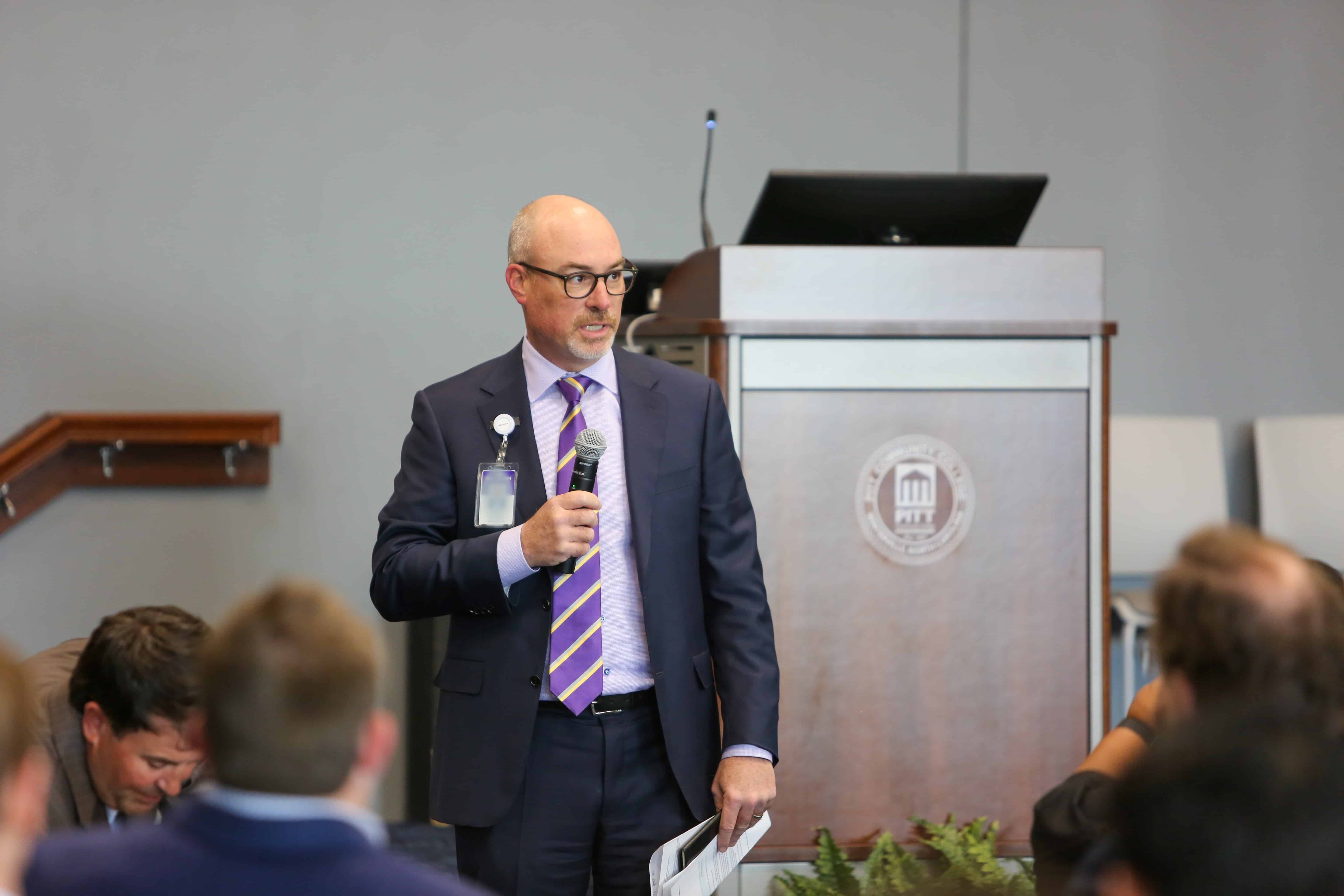
At ECU Health, we understand that partnerships and collaboration are at the heart of how we will solve the complex challenges facing rural health care. That is why ECU Health leaders joined a bipartisan group of lawmakers, health care professionals and leaders at the North Carolina Healthcare Association Meet and Greet event hosted at Pitt Community College Thursday, Feb. 29.
With a busy agenda covering topics that included the importance of building a strong workforce, improving access to care in rural communities and the battle to ensure insurance coverage for basic medical needs, ECU Health was honored to take part in the dialogue on behalf of the communities it proudly serves.
Brian Floyd, chief operating officer of ECU Health, said the opportunity for a health system to connect with the community it serves is crucial to meeting its mission.
“Make no mistake, rural health care is difficult. But we are fortunate to have experts here at ECU Health helping us build the national model for sustainable regional health care,” Floyd said. “These forums provide us a great opportunity to share our expertise, engage other health professionals and partner with community leaders and businesses alike to help bridge gaps and ensure we can be successful in our mission to improve the health and well-being of the region. With teamwork, collaboration and partnership, we can help create healthier lives and communities in rural communities across North Carolina.”
Learn more about Brian Floyd and his role at ECU Health on his Thought Leadership page.
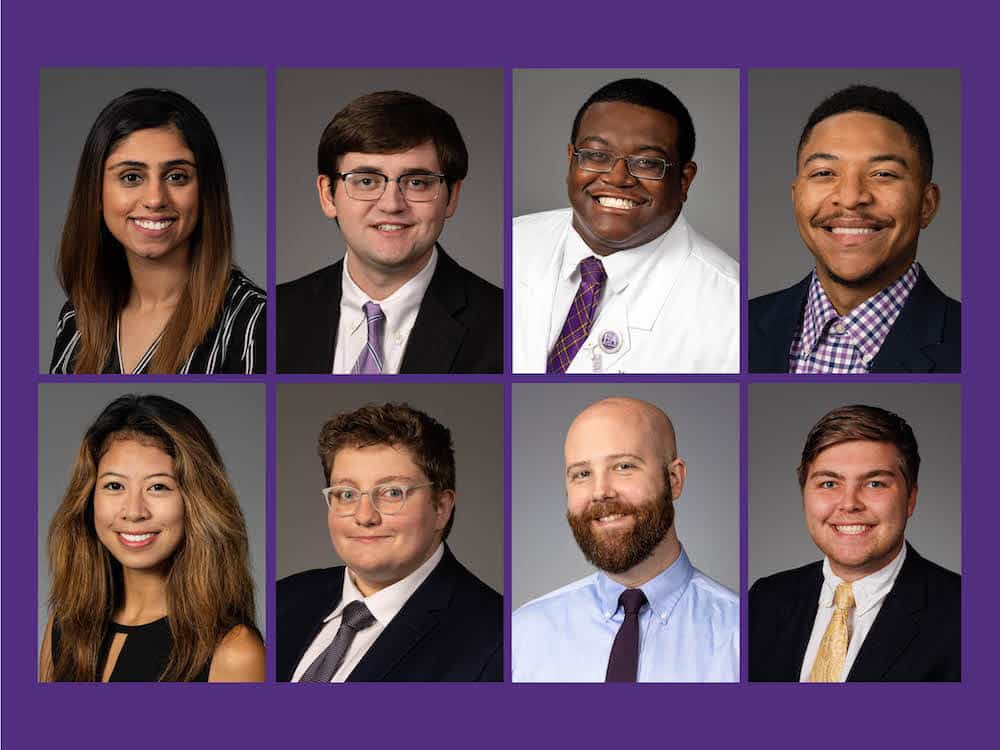
Eight students in the Brody School of Medicine at East Carolina University have been named to the North Carolina Medical Society Kanof Institute of Physician Leadership’s 2024 Future Clinician Leaders College (FCLC).
Noor Baloch, Nolan Davis, Michael Denning, Charles Johnson, Hannah Rayala, Emmalee Todd, Ben Wise and Michael Wright will join students from other colleges and universities across the state who are interested in leadership and professional growth.
“The FCLC program provides us with a unique, structured ability to engage with our future colleagues on community-level projects that address the varied landscape of health, health equity and health care,” Denning said. “Gaining intense leadership training alongside other health professions students will allow me both introspection and outward reflection on my future role, as well as mechanisms to ensuring our patients are excellently and compassionately cared for.”
Prospective students are referred and nominated to the program by faculty, mentors and others at their respective colleges. The 2024 class includes 27 students representing disciplines including medicine and pharmacy from ECU, UNC Chapel Hill and Duke, Campbell, Wake Forest, Western Carolina and Wingate universities in North Carolina, as well as St. Georges University in Grenada.
FCLC is a partnership with North Carolina Area Health Education Centers (NC AHEC) to provide opportunities of leadership in an interprofessional health care environment and networking across institutions. The one-year program is designed to enhance health care experience through advocacy, change-driving and individual leadership skills.
Baloch said she wants to be a leader when it comes to ensuring proper care for her patients.
“I felt that in order to be the best leader I could be, I needed additional training alongside other health care professionals to really understand my role as a physician in a health care team as well as establish how I can best serve my patients in that way,” she said. “Through this program, I am able to understand my own leadership style as well as my faults so that I can work on them and ensure I am self-aware regarding how I lead interactions with my patients.”
The program emphasizes leading in interprofessional health care environments and networking across institutions. The interactive learning format encourages participants to engage with their peers and program leaders, faculty and speakers. They also participate in a project that gives them exposure to some of the major health policy challenges relevant to North Carolina.
“This is an incredible opportunity for these eight students to work with other interprofessional students across the state to develop the skills necessary to be a leader in health care tomorrow,” said Dr. Amanda Higginson, Brody’s associate dean for student affairs. “We know our Brody graduates go on to do amazing things; this wonderful program will further develop these students to both improve the health and well-being of the region, but also to augment the already great training they receive here to prepare them to become physicians who will meet the health care needs of the state, both critical mission goals of the school.”
The students will have hands-on experience cultivating leadership skills including team-leading, communication and career development.
“The purpose is to build leadership that centers on self-awareness and fosters authenticity that allows each student to act in alignment with their core values as a leader, encourage and assess information from different perspectives, and balance transparency,” according to the program website. “With the individual core as a foundation for leadership development, this course prepares students for the leadership journey, allowing the individual to establish a strong sense of purpose and understanding of who they want to be as a leader.”
Todd said the nature of medicine as a “team sport” necessitates the ability to collaborate with other health care professionals at any given time.
“In order to do this, it’s important to understand your own teamwork preferences and leadership style and be able to refine them to better suit your purposes,” they said. “I believe my participation in FCLC is providing me the opportunity to do exactly that, which will hopefully lay the groundwork for not just my own success in residency and beyond, but the success of the health care teams of which I will be part.”
Todd said the unique experience to explore a current health-related policy issue in North Carolina is valuable because it gives students a chance to propose potential solutions.
“So much of what impacts our patients’ health are factors that we can’t necessarily do anything about within a half-hour annual physical — their housing situation; the ease of their transportation to work or school; the accessibility of nutritious food, clean water and green space where they live,” they said. “Working towards policy change is one way that physicians can make an impact on these broader societal factors, and it’s something that I would like to be involved in throughout my career. FCLC is equipping me with the experience and skillset I need to begin to pursue this goal.”
Read more from ECU News Services.
Like many health care organizations across the nation, ECU Health is facing an immense challenge: solving the growing health care workforce shortage.
Through community partnerships, the health system is doing its part to grow its workforce, starting right here in eastern North Carolina.
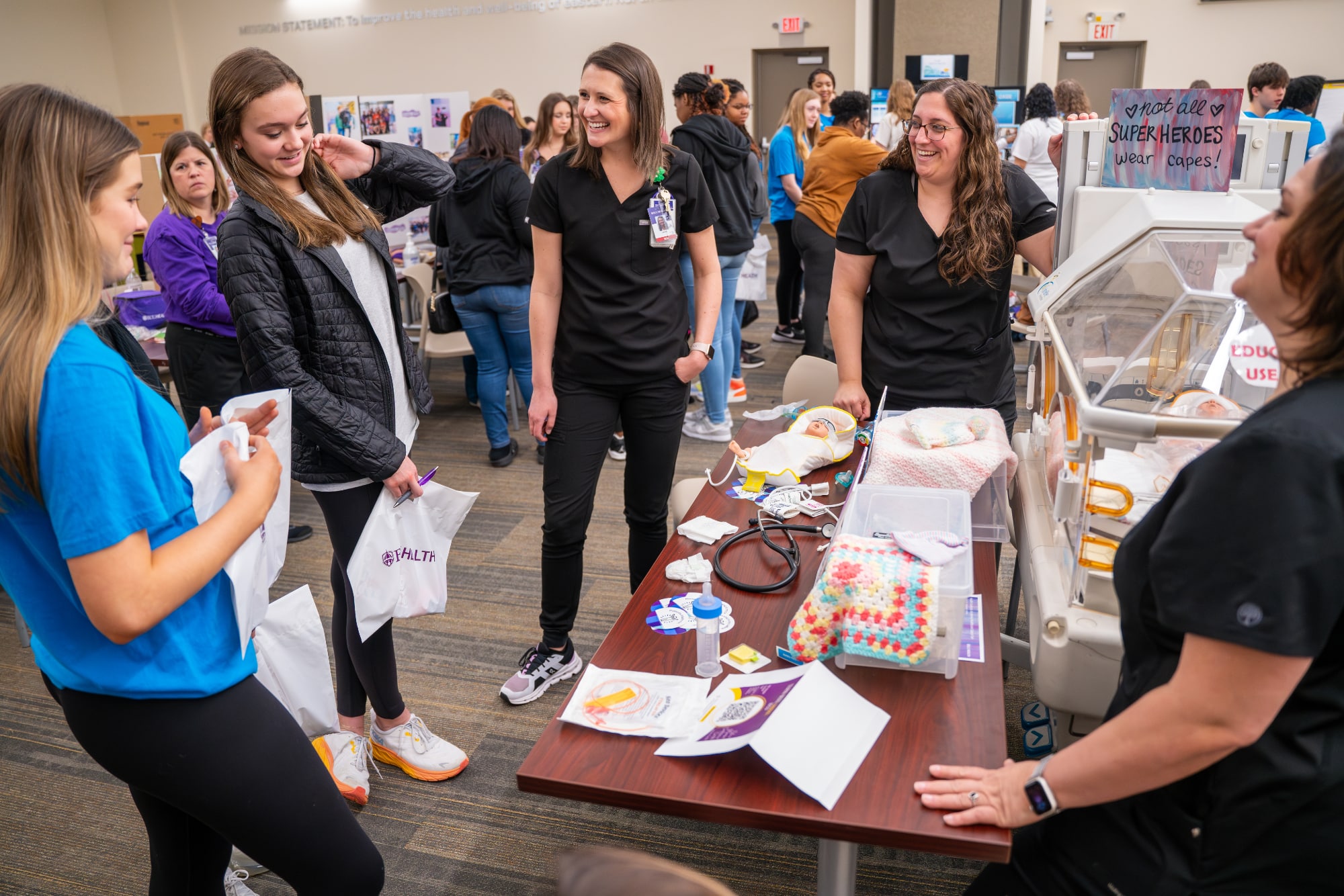
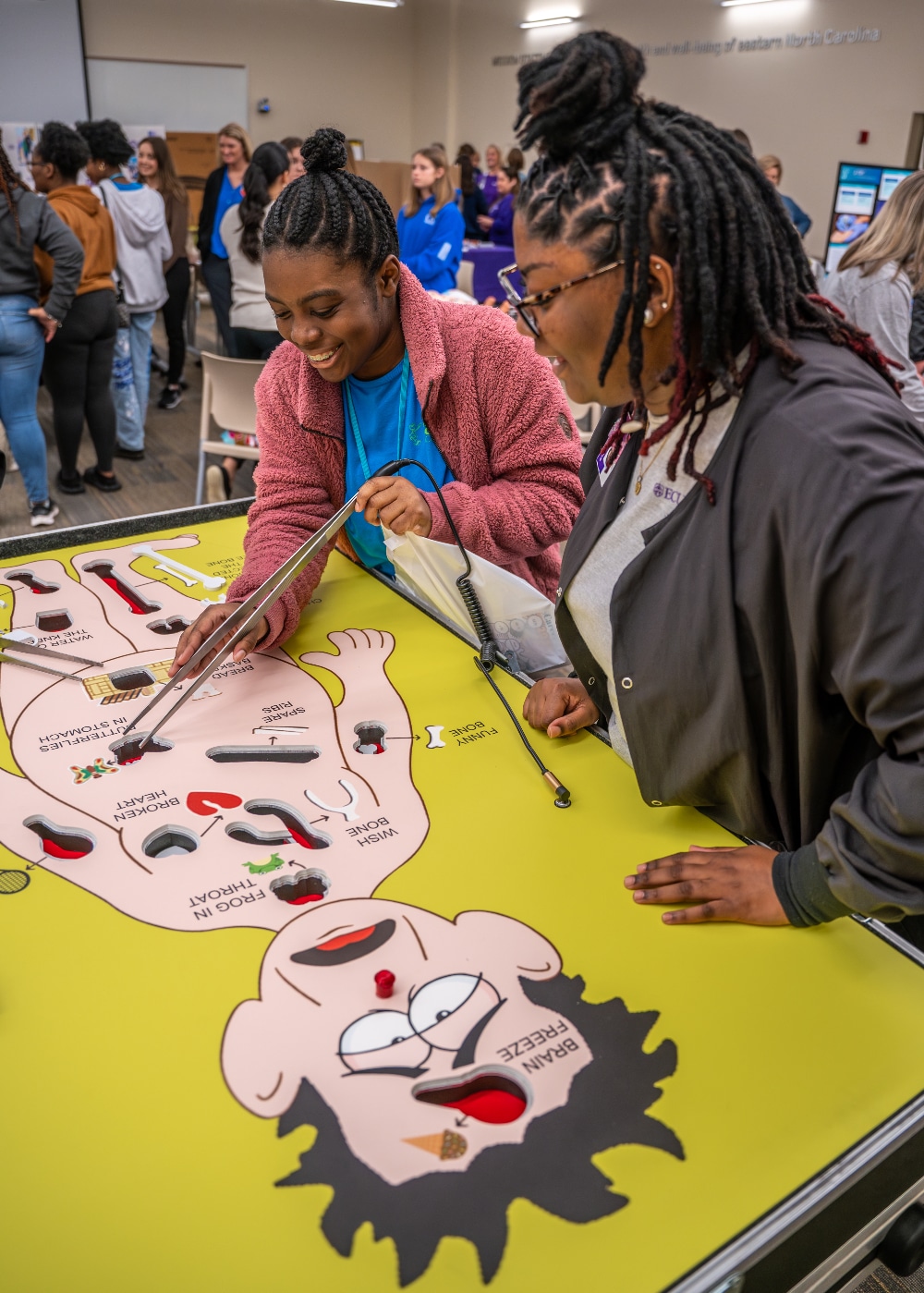
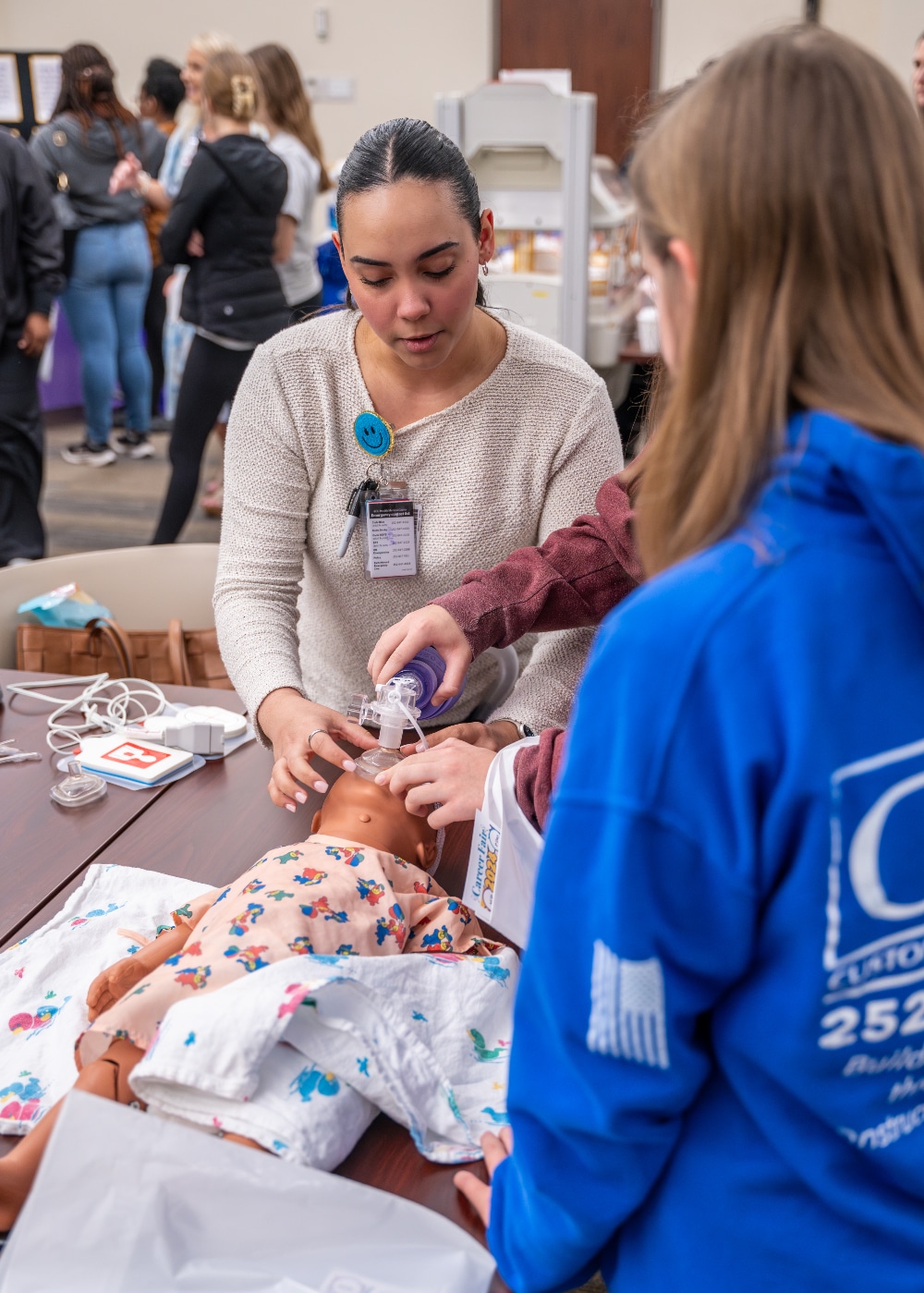
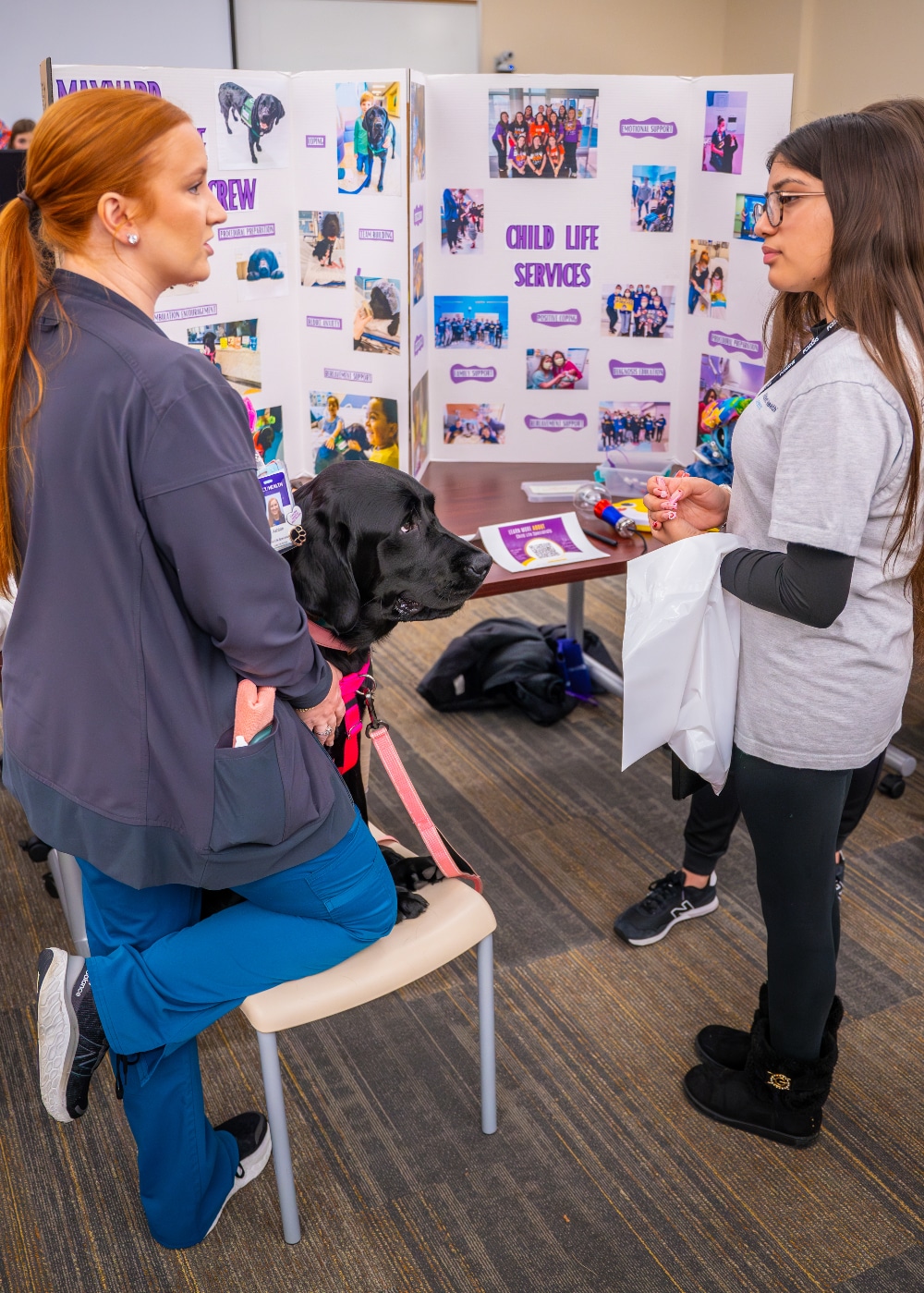
More than 200 high school students from Pitt County, Duplin County and other surrounding communities spent the day learning about various rural health care career opportunities at ECU Health’s Health Sciences Academy career fair Tuesday, March 5.
The event featured 30 hospital departments and exhibitors from partners including Pitt Community College and Beaufort County Community College hosted interactive and creative booths to educate students on different health care careers.
“It is such a joy to host these students and to expose them to so many interesting and important health care career opportunities available to them right here in eastern North Carolina,” said Nancy Turner, workforce development program coordinator, ECU Health. “Our students are our future workforce at ECU Health and partnerships like this are essential to ensuring we can care for our region. There are so many exciting and fulfilling opportunities to make a difference right here in their community, and we hope that today served as inspiration for them as they make important decisions about their future.”
The career fair is another representation of ECU Health’s commitment to growing health care talent locally. Through the Health Sciences Academy, ECU Health partners with public schools to provide eastern North Carolina’s youth with the education and resources to pursue exciting and fulfilling futures in health care. During high school, Health Sciences Academy students complete a minimum of six courses that expose them to potential health care careers and prepare students to pursue college-level health science programs upon graduation. They participate in job shadowing, mentoring, internships, medical research opportunities, career exploration and volunteering.
The Pitt County Health Sciences Academy is a partnership between ECU Health, Pitt County Schools, Pitt Community College, East Carolina University, the Brody School of Medicine, Colleges of Allied Health Sciences, Engineering and Nursing at East Carolina University, School of Dental Medicine at East Carolina University, the Eastern Area Health Education Center and the Greenville-Pitt County Chamber of Commerce.
Resources

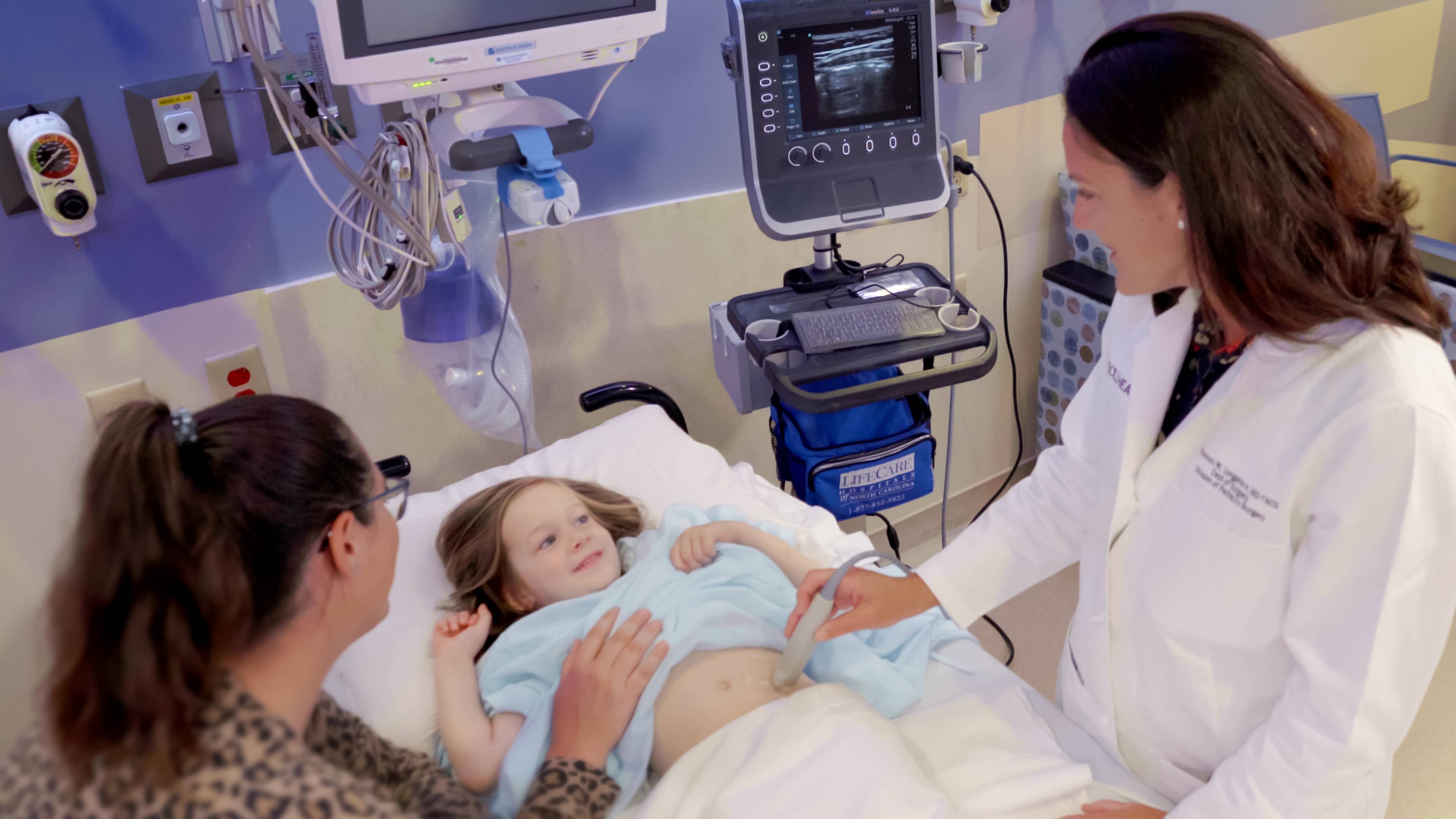
Greenville, N.C. – ECU Health Medical Center has been nationally recognized in Becker’s Hospital Review as the top hospital in the country for patient experience, according to a new ranking from PEP Health. PEP Health analyzed more than 30 million online patient reviews from hospitals across the country in 2023.
According to Becker’s, PEP Health extracts behavioral insights data from patient comments shared on multiple social media and review platforms. Hospitals with at least 300 staffed beds and at least 250 patient experience comments were assessed across seven domains: fast access, effective treatment, emotional support, communication & involvement, attention to physical and environmental needs, continuity of care, and billing and administration.
“At ECU Health, creating positive patient and team member experiences is at the heart of who we are as a mission-driven organization,” said Dr. Julie Kennedy Oehlert, chief experience officer, ECU Health. “Our continuous journey toward excellence in patient care is informed by the perspectives of our patients and driven by the hearts of our team members. Our patients know that ECU Health team members are here to care for them with compassion and respect. It is gratifying to know our intentional focus on creating safe, healing environments is affirmed by the feedback of those we are honored to serve. We are incredibly grateful to our patients for their honest review of the care we provide.”
ECU Health’s commitment to creating positive patient experiences can be seen across the health system. The Outer Banks Hospital achieved 5-star status in overall patient experience in 2023 and ECU Health Bertie Hospital met requirements for 5-star status as well from Centers for Medicare and Medicaid Services (CMS). The Hospital Consumer Assessment of Healthcare Providers and Systems (HCAHPS) utilizes these star ratings to summarize the patient experience, which is one aspect of hospital quality. The ratings are based on surveys that patients fill out after their inpatient stay and are designed to help patients choose excellence in health care. The HCAHPS survey captures the patient’s experience of communication with doctors and nurses, responsiveness of hospital staff, communication about medicines, cleanliness and quietness of the hospital, discharge information, transition to post-hospital care and overall rating of the hospital.
ECU Health’s providers also play an important role in supporting excellence in patient experiences. In the clinic setting, 99% of ECU Health providers are rated by their patients as 4.0 or higher out of 5 stars, with 96% of those providers being 4.5 stars or higher, according to Press Ganey LLC. ECU Health’s providers’ overall ranking as a medical group for excellence in care is 4.7 out of 5 stars based on patient reviews from Healthgrades, Google, WebMD, Wellness, Vitals and more.
“I am proud of the doctors, nurses and all team members who work tirelessly to deliver highly-reliable, human-centered care to eastern North Carolina,” said Brian Floyd, chief operating officer, ECU Health. “The experiences we create within our health care settings can leave lasting impressions on those we serve. I am fortunate to witness ECU Health team members in action every single day, and their role in compassionately caring for our community members – often during their most difficult moments – is central to our mission of improving the health and well-being of eastern North Carolina.”
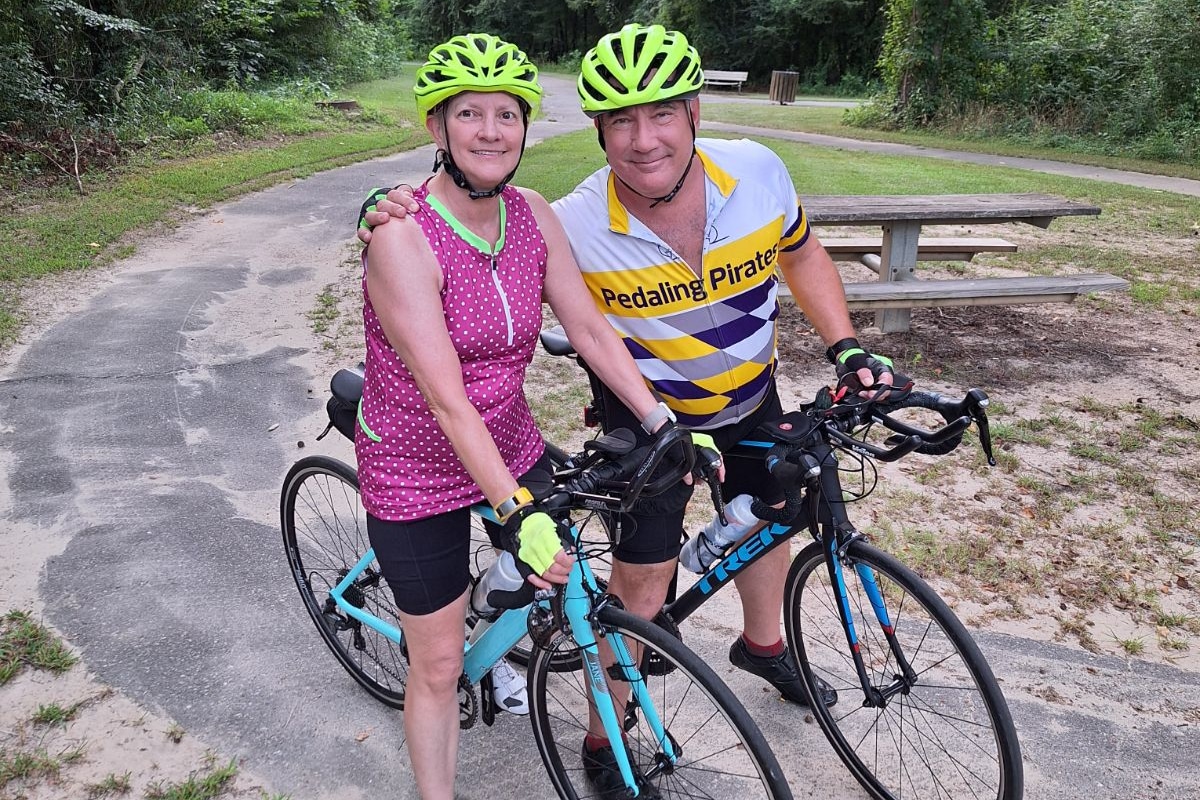
Tony Parker has always been an active runner and has long supported the Greenville running and biking community. When he collapsed near the finish line of a 5K road race due to cardiac arrest, quick action saved his life.
Tony was scheduled to run the half marathon that morning back in March of 2021, but backed down to the 5K after his knee started bothering him. It also gave him the chance to run alongside his wife, Delia. It turned out to be a life-saving choice.
“If it weren’t for Delia and the fact that she knows CPR, I wouldn’t be here today,” Parker said. “And if it weren’t for the city of Greenville and the rescue paramedic squads with their AED (automated external defibrillator), I wouldn’t be here today.”
He said he remembers running ahead of his group, including his wife, in the last stretch of the run since his knee was feeling better than anticipated. He patted a young runner on the back to encourage them and then he collapsed.
Delia, a dental assistant with the Department of Veterans Affairs, was required to take CPR courses every three months as part of her job training. That morning, her training paid off in a way she never imagined.
“I got up to the corner and I heard somebody shouting, ‘Man down.’ And when I turned the corner, I was like, that’s Tony,” Delia said.
Delia yelled for someone to call 911 and checked her husband for a pulse, but found none. So she started CPR.
“No one tells you when you’re training on a mannequin that you’ll hear crunching. No one tells you on a mannequin that it’s a different feeling when you’re pushing on somebody’s chest. And it was a little freaky when I first did it, but I was able to stay where I was and to do the compressions,” Delia said. “Someone, ‘Angel,’ as he liked to call them, came up and said, ‘Can I help you?’ They took over and I did some breaths for him.”
Tony and Delia still have not been able to track down the mystery “Angel” from that morning who helped them with CPR.
Shortly after, paramedics arrived and took over. They told Delia that Tony had been revived and he was on his way to ECU Health Medical Center. Paramedics could quickly identify Tony and his wife because he was wearing a road ID, which gives paramedics information on a person, should an emergency event occur. Tony and Delia said they encourage people in their running and biking groups to wear a road ID for these situations.
Delia met Tony at the hospital and some tension was relieved when Tony greeted her with his nickname for her – “Hiya, toots.”
Tony spent about a week at the hospital while the care team ran tests and navigated next steps for the Parker family. They said their time at the hospital and in clinics since has been reassuring and helpful as Tony adjusted to his new normal.
“The care there was incredible. When I say care, I mean that as the word of choice. They really care about what they’re doing and they make sure that they take care of you,” Tony said. “For somebody with a personality like mine, they make sure I don’t try to overdo it right away. The follow up has been spectacular. They stay in contact with my primary care doctor so we’re all on the same page as to what’s going on. ECU Health has been incredible.”
Dr. Christopher Gregory, an interventional cardiologist with ECU Health, said cardiac arrest can come on with no symptoms in some patients and out-of-hospital cardiac arrests are very uncommon to survive due to how quickly care is needed in these cases. Though they may seem similar, Dr. Gregory said it’s important to know the difference between a heart attack and cardiac arrest.
“Heart attacks are when the blood flow to the heart, because of blockages in the arteries, generally speaking, that feed the heart, is impaired,” Dr. Gregory said. “That causes the heart muscle to be stressed, strain or even die – that’s a heart attack. Cardiac arrest is when the heart itself stops. Sometimes heart attacks cause cardiac arrest, but they are completely different.”
Today, Tony is back out walking, running and biking as often as possible. He’s involved in groups of athletes that have experienced heart attacks, cardiac arrest or other heart health challenges and he said this has given him a great perspective on his own journey. As an advocate, Tony meets with groups around the state to stress the importance of road IDs, greater access to AEDs and the need to stay active throughout your life.
“I would rather be an active participant in life than a passive participant and I’ve seen the difference it’s made in the lives of people around me,” Tony said. “My father was very active and his quality of life was excellent. He did have a stroke that impacted him, but he was still walking and getting out there. He played senior games basketball at 86 years old. So when you see the difference, you understand.”
Learn more about ECU Health Heart & Vascular Care.
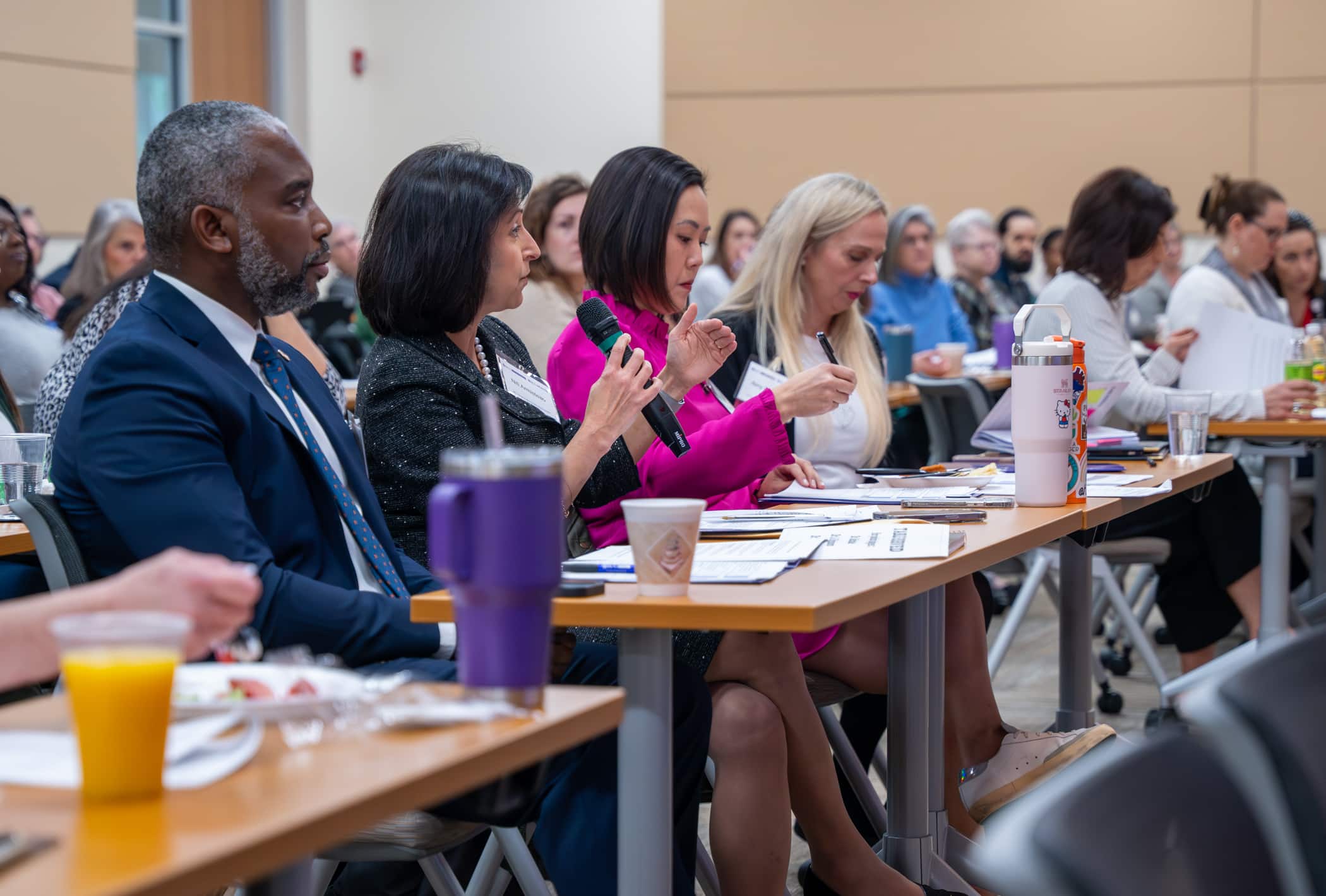
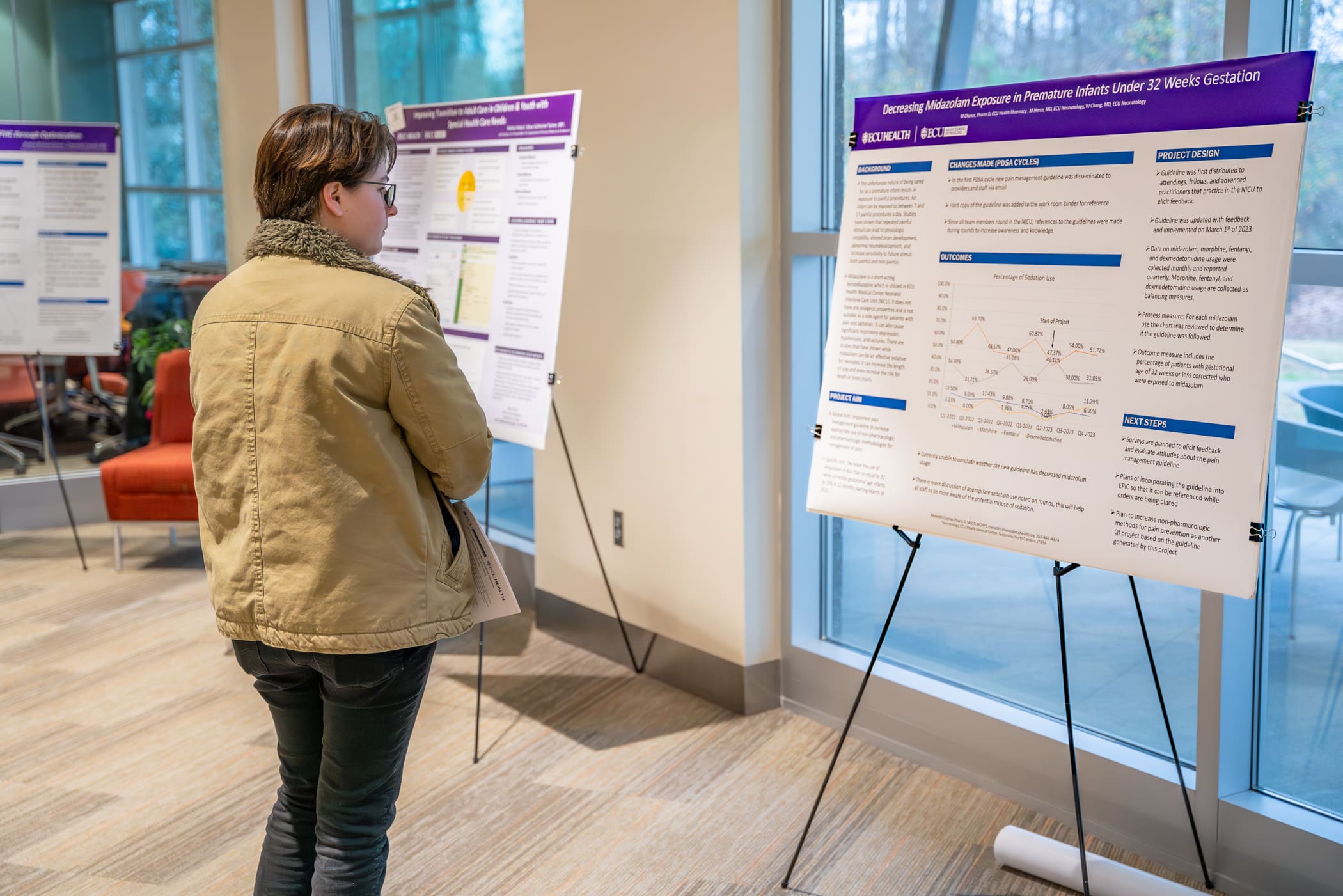
Each year, the ECU Health Quality Improvement Symposium brings together a diverse group of academic and community physicians, health professionals, health care teams, residents, fellows and students from the Brody School of Medicine at East Carolina University to present their work to an audience of peers and health system leaders.
On Wednesday, Jan. 31, ECU Health and ECU’s Brody School of Medicine hosted the eighth annual event at Eastern AHEC. This year’s event was held in-person and virtually, and showcased more than 40 projects related to quality improvement, patient safety, population health and interprofessional practice.
The day kicked off with opening remarks from Dr. Mike Waldrum, CEO of ECU Health and Dean of Brody School of Medicine. After welcoming attendees to the event, Dr. Waldrum expressed his pride in the symposium’s contributions, highlighting the collaborative efforts of teams in addressing regional challenges.
“When I look at these posters and our presenters, I see multidisciplinary, diverse teams coming together to educate, engage in dialogue and drive quality improvement for ECU Health and the patients we serve. I am incredibly proud of our team members and students for their commitment to addressing the immense challenges we face as a region,” Dr. Waldrum said.
Following the opening remarks, selected presenters who were chosen from an application process that took place in late-2023, shared their work with the audience of 178 in-person and virtual attendees.
Presentations were categorized into podium presentations, poster presentations, and works-in-progress poster presentations. Awards for the top three podium and poster presentations were announced in the early afternoon.
PODIUM PRESENTATION:
- Outstanding podium presentation: Erin Atwood, MD, MEd, Department of Pediatrics, Division of Endocrinology, Brody School of Medicine, “Increasing Counseling about the Risk of Hypoglycemia Associated with Alcohol Consumption and Insulin use for Adolescent Patients with Diabetes at the ECU Health Pediatric Diabetes Clinic”
- Honorable mention: Jennifer Stahl, MD, Division of Pulmonary and Critical Care Medicine, Department of Internal Medicine, Brody School of Medicine, “Right Care at the Right Location: Tele ICU Project”
- Honorable mention: Benjamin Copeland, MD, Department of Pediatrics, Brody School of Medicine, “Improving Mental Health Access for Children in Foster Care in Eastern North Carolina”
QUICK SHOT PODIUM PRESENTATION:
- Outstanding quick shot podium presentation: Juan Guillen-Hernandez, MD, Department of Pediatrics, Brody School of Medicine, “Reducing Unplanned Extubations in the Neonatal Intensive Care Unit”
- Honorable mention: Juli Forbes, MSN, RN, ECU Health Beaufort Hospital, a Campus of ECU Health Medical Center, “Improving Efficiency and Staff Satisfaction in the Operating Room Through a Revised Block Scheduling Framework at a Rural Community Hospital”
- Honorable mention: Titilola Babatunde, BS, MS4, LINC Scholar, Brody School of Medicine, “Improving Documentation of a Pediatric Early Warning Score in the Electronic Health Record”
- Honorable mention: Kate Knowles, MSN, RN, CNL, Management, ECU Health Duplin, “Back to the Basics: Hand Hygiene”
POSTER PRESENTATION:
- First place: John “JC” Rowe IV, MD, Department of Obstetrics and Gynecology, Brody School of Medicine, “Optimizing Outcomes for Patients with First Trimester Bleeding”
- Second place: Gabriella Boccia, MHA, Administrative Fellow, ECU Health, “Improving Sick Visit Clinic Access at ECU Health Physicians Adult and Pediatric Health Care”
- Third place: Stephanie Smith, MSN, RN, ACM-RN, Maynard Children’s Hospital, ECU Health Medical Center, “Improving Fall Risk Identification in Pediatric Patients”
With a total of 15 podium presentations and 29 poster presentations, symposium attendees gained insights into a variety of Quality-related projects. Dr. Waldrum emphasized the importance of what these presentations can offer.
“These presentations cover complex health care problems and this symposium enables us to think deeply about how we can tackle important issues facing our region,” Dr. Waldrum said. “It is always gratifying to see our team members and students come together to demonstrate their expertise and showcase the passion they have for the work they do.”
The symposium closed with two concurrent education sessions led by ECU Health team members:
- Patient Safety, Reliability Science and Root Cause Analysis Application presented by Susan Ingram, MSN, RN CPHQ, Director of Patient Safety
- Fostering Psychological Safety for Team and Quality Outcomes presented by Randy Cobb, DSL, ACC, CPCC, Director of Organizational and Leadership Development
To learn more about the symposium and view a list of presentations, click here.
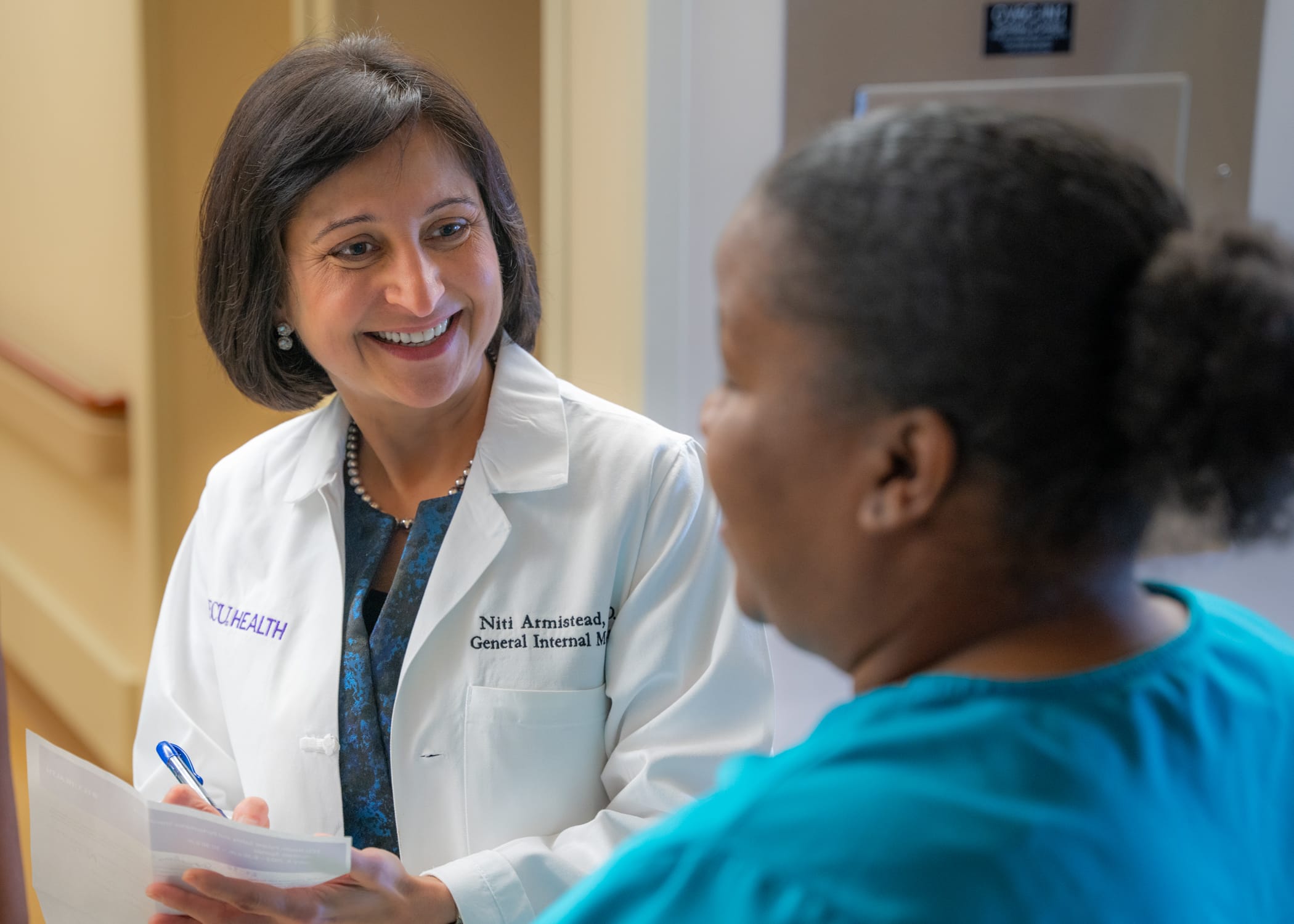
Dr. Niti Singh Armistead, the chief quality officer and chief clinical officer at ECU Health in Greenville, keeps making the right career choices.
In college at George Mason University, she switched her major from engineering to physics and pre-medicine after she discovered that there were loans available to pay for medical school. “I appreciate what programmers do every day, but I realized that my own joy was working in the medical field,” she says.
After graduating from the University of Maryland School of Medicine, she specialized in anesthesiology, thinking her physics background would be helpful. She switched to internal medicine because she found the long-term relationships with patients more enduring and satisfying.
Now, at ECU Health, she’s focused on acute care and still sees patients on a regular basis. She took on administrative roles in 2018 and 2019 before the start of the COVID-19 pandemic, successfully helping steer the healthcare system during a challenging time.
“None of us knew what we were in for,” says Armistead. “For me, it all just kind of came together. How do you support an already underserved population? How do you rise to the occasion as the only healthcare system east of I-95 with an academic arm to do it all, to build the infrastructure for the testing and to educate the community? Those were the kind of interventions I got to lead.”
Read the full story in Business North Carolina.

NAGS HEAD, N.C. — Jan. 30, 2024 — Outer Banks Health is proud to announce the opening of the Carol S. and Edward D. Cowell, Jr. Cancer Center, a 15,000 square-foot, state-of-the-art facility made possible through the collaboration of Outer Banks Health, ECU Health, Chesapeake Regional Healthcare and the generous support of the Outer Banks community. The center opened its doors to patients on January 29, 2024.
This momentous occasion marks the culmination of years of dedication, perseverance, and community support. Outer Banks Health initiated the endeavor in 2015 with a vision to create a cutting-edge facility that would serve as a beacon of hope and healing for cancer patients on the Outer Banks and the surrounding region.
“The completion of the Cowell Cancer Center was made possible through the unwavering determination of the Outer Banks Health Development Council,” said Ronnie Sloan, FACHE, president of Outer Banks Health. “The council is comprised of dedicated individuals who share a passion for enhancing healthcare in the region and it played a pivotal role in bringing this ambitious project to fruition.”
Led by radiation oncologist, Charles Shelton, the new center boasts a dedicated team, including a director, radiation therapists, a radiation nurse, a genetics extender, a physicist, a dosimetrist, pharmacists and pharmacy technicians, LPNs and RNs, lab technicians, navigators, a social worker, a practice manager, and patient access representatives. While the search for a permanent medical oncologist continues, Dr. Michael Spiritos, formerly of Duke Health, has agreed to serve in that capacity on an interim basis along with Dr. John Barton. Katie Caton, FNP is also on staff as a permanent provider.
Of the 1300 critical access hospitals nationwide, Outer Banks Health Hospital is one of only eight accredited by the Commission on Cancer of the American College of Surgeons and is also distinguished as the only one in the country with an accredited breast program. This notable achievement reflects the commitment of Outer Banks Health to maintaining the highest standards of cancer care.
Outer Banks Health remains focused on expanding its list of services and programs to meet the evolving healthcare needs of the community. The organization’s goals include delivering excellent care locally and collaborating with health organizations throughout North Carolina and Virginia to ensure residents and visitors can access the best possible care.
For more information about the Cowell Cancer Center or to inquire about services, visit OuterBanksHealth.org/services/cancer-care or call (252) 449-7272.
NAGS HEAD — About a decade ago, the Outer Banks community suffered higher cancer mortality rates than the state and nation. Not only has that trend reversed, but now for the first time, local cancer patients can receive all their services under one roof.
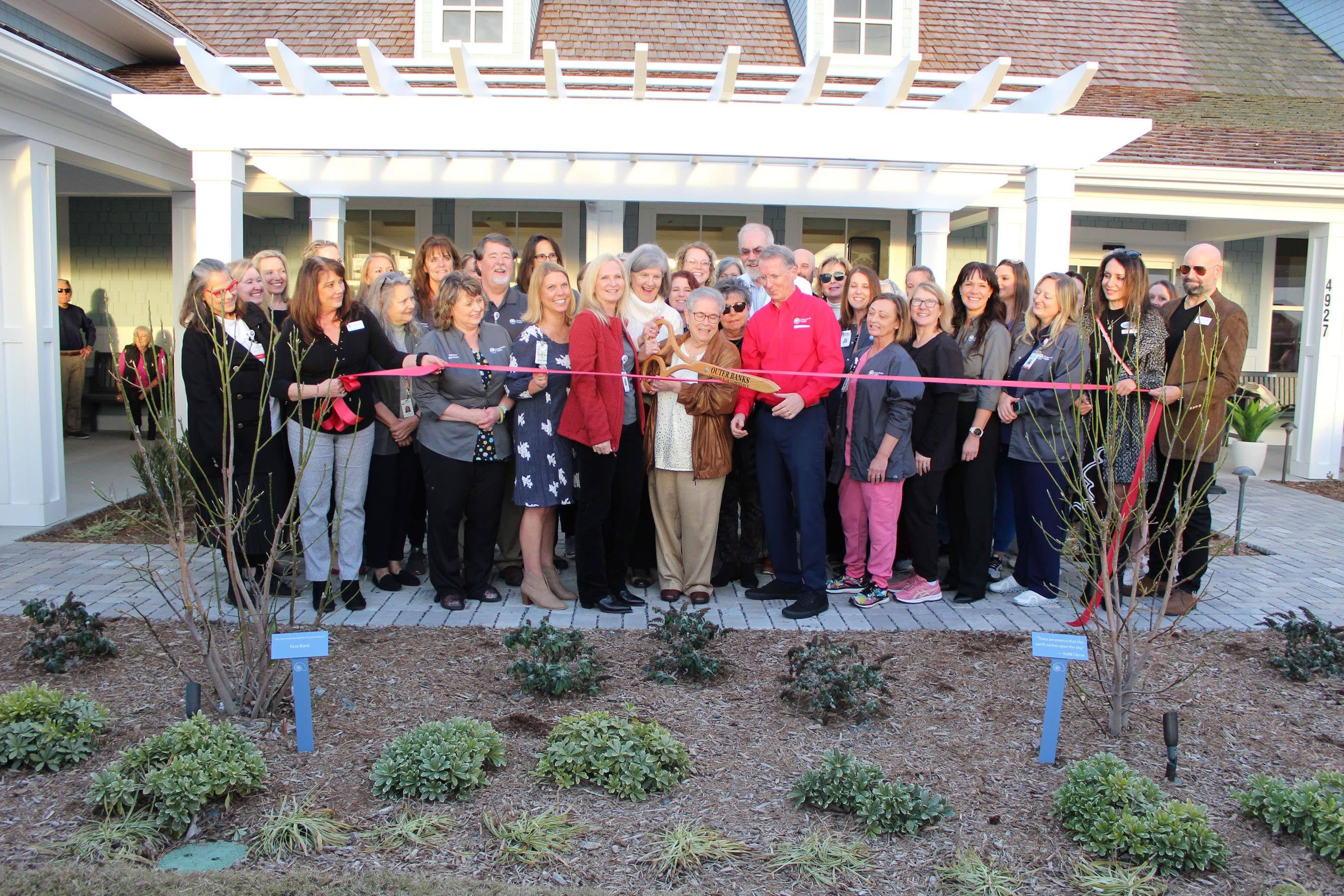
Over 275 people attended the ribbon-cutting and open house on Jan. 24 for the Carol S. and Edward D. Cowell, Jr. Cancer Center. Located at 4927 S. Croatan Highway in Nags Head, it opens its doors to patients on Jan. 29.
“In 2012, Outer Banks Health didn’t have a cancer services program at all, and we were trailing the state and we were trailing the nation when it came to cancer mortality for all cancers…and we wanted to change that dynamic,” Ronnie Sloan, president of Outer Banks Health, said during brief event remarks.
The Outer Banks’ cancer mortality rate was about 6% and 7% higher than the nation and the state, respectively, Sloan said in an interview at the event.
Now, local cancer mortality rates are 6-7% lower than the state and country. The 5-year mortality for breast cancer rate dropped 50% in recent years. Even as cancer mortality rates have steadily declined across the country, “we’ve outpaced that,” Sloan said.
Carol Cowell cut the ribbon at Wednesday’s event. She made the namesake donation to the Carol S. and Edward D. Cowell, Jr. Cancer Center in Nags Head in honor of her late husband and in appreciation of the local community.
Originally from Brooklyn, New York, Cowell said in an interview that she is a cancer survivor who received treatment in Elizabeth City in 2005. The Outer Banks didn’t offer cancer services then, but she was greatly impressed by “the community sense that you got” from local health care professionals and from the community at large.
Fundraising for the center was similarly a community effort.
“This has been just an amazing journey,” Tess Judge said during her event remarks. Judge is chair of the board of directors for Outer Banks Health and co-chaired the fundraising team with Cindy Thornsvard.
Judge said she lost her mother and a son-in-law to cancer, and her daughter-in-law is struggling with it now, “so cancer services and the wonderful team we have here is just so special not only to me but to many.”
Fundraising for the center began during COVID, and their original goal of $4 million was bumped up to $6 million as the costs of building supplies soared.
According to Sloan, nearly $6.5 million has been raised for the center.
“We did that because of all of you, and the tremendous support this community has given to this cancer center,” Judge said.
Stephanie Anderson, a community member who had lost people to cancer, hiked the entire Appalachian Trail last year and raised about $10,000 for the center in the process, said Jennifer Schwartzenberg, director of community outreach and development for Outer Banks Health.
The journey to the center
Outer Banks Health hired its first director of cancer services in 2012, said Sloan, who came aboard in mid-2011.
“In 2013, the board of trustees made a fantastic decision,” Sloan said during his public remarks. They chose to purchase the radiation therapy center that was closing about two miles north of the hospital.
“We didn’t want our community to have to drive two hours each way” for treatment, he said.
Dr. Charles Shelton, a radiation oncologist, began working at Outer Banks Health — then called The Outer Banks Hospital — in 2014, and he leads the cancer services team, Wendy Kelly, marketing director for Outer Banks Health, said in an email.
Shelton set a goal of creating and maintaining an accredited cancer program to reduce the high cancer mortality rate among residents of Dare and Currituck counties, Kelly said.
“It’s been a dream of this organization since 2015 to build a facility that would allow patients to receive the highest-quality, compassionate cancer care all under one roof right here on the Outer Banks,” Kelly said.
Supported by its two partners, ECU Health and Chesapeake Regional Healthcare, along with the generosity of the local community, “that dream is now a reality,” she said.
In 2016, the Commission on Cancer of The American College of Surgeons granted a “Three-Year Accreditation with a Commendation” to The Outer Banks Hospital, which the facility has “proudly maintained” since that time, according to Kelly.
“Additionally, we are one of only eight critical access hospitals in the nation with this accreditation, and the only one nationally to have an accredited breast care program,” she added.
Outer Banks Health is one of 20 critical access hospitals in North Carolina, which have 25 beds or fewer and receive cost-based reimbursement, according to the North Carolina Division of Health and Human Services website.
“Outer Banks Health is an approved Medicare and Medicaid provider and participates with most commercial insurance companies,” Kelly said.
Sloan said that the new “comprehensive center” allows them to offer the “best care possible.”
The entire cancer team can quickly make decisions about patients in consult with one another as “concerns pop up,” and having the dedicated center eliminates the need for patients to go from the first to second floor of the hospital for care, then across the busy bypass for radiation treatment, he said.
Kelly expressed gratitude for all the community support of the center, which included the over 275 people who attended the event on Wednesday.
In addition to Shelton, the cancer services team also includes a director, three radiation therapists, a radiation nurse, a genetics extender, a physicist, a dosimetrist, a licensed practical nurse, 11 registered nurses, a nurse navigator, a financial navigator, a lay navigator, a social worker, a practice manager and three front desk monitors, according to Kelly.
“Our search continues for a permanent medical oncologist, and in the interim Dr. Michael Spiritos, formerly of Duke Health, has agreed to serve in that capacity,” Kelly said in her email. “Additionally, Dr. John Barton serves as a medical oncologist at the center.”
“Congratulations Outer Banks Health on this much-needed and impressive expansion,” Robert DeFazio, chairman of the board of directors for the Outer Banks Chamber of Commerce, said during his event remarks.
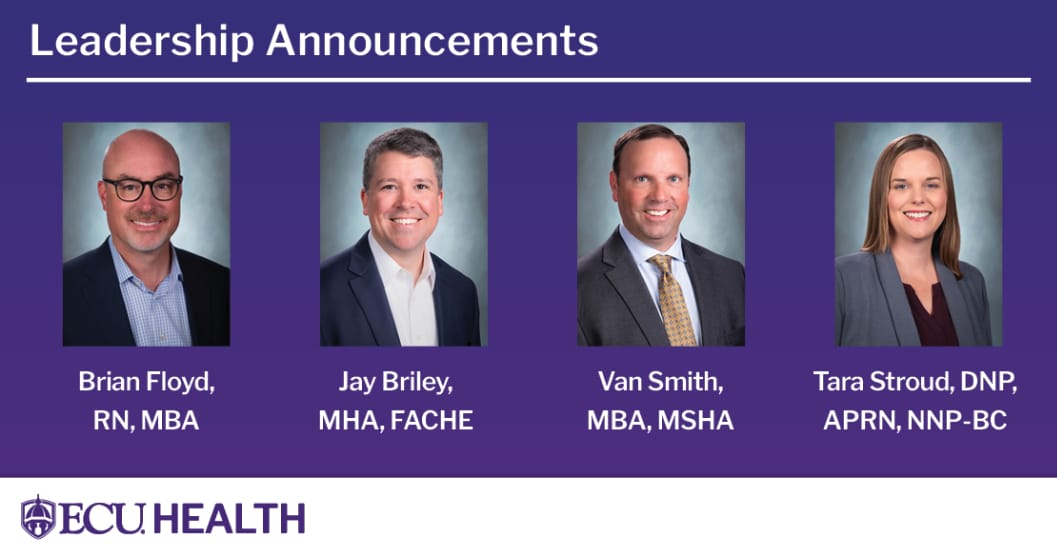
Greenville, N.C. – As part of its continued evolution to become the national model for rural academic health care, ECU Health today announced new leadership roles and responsibilities intended to further enhance the organization’s transformation as a rural health care leader.
Effective Feb. 5:
- Brian Floyd, RN, MBA, will dedicate his efforts to his role as ECU Health’s chief operating officer (COO), providing strategic oversight of the health system enterprise and its day-to-day operations. He will have heightened focus on creating seamless interoperability within the health system and ensuring we are operating, performing and providing care as one team.
- Jay Briley, MHA, FACHE, current president of ECU Health Community Hospitals, will transition to president at ECU Health Medical Center, reporting directly to Floyd as COO.
- Van Smith, MBA, MSHA, current executive vice president of ECU Health Medical Center, will transition to president of ECU Health Community Hospitals, reporting directly to Floyd as COO.
Additionally, Tara Stroud, DNP, APRN, NNP-BC, NEA-BC, current senior administrator of Children’s Services at Maynard Children’s Hospital, will become vice president for Maynard Children’s Hospital, Women’s Service Lines and Community Health Programs upon Kim Crickmore’s retirement departure date of Feb. 26.
“These leaders’ unique expertise in driving operational and clinical excellence, financial stewardship and leading complex health care environments are at the forefront of these proposed – and ultimately enthusiastically embraced – leadership appointments,” said Dr. Michael Waldrum, CEO of ECU Health and dean of the Brody School of Medicine at East Carolina University. “I look forward to working closely with these leaders and remain focused on steering the enterprise toward our vision, including strengthening our academic mission, advancing our synergies as well continuing to build partnerships across the state.”
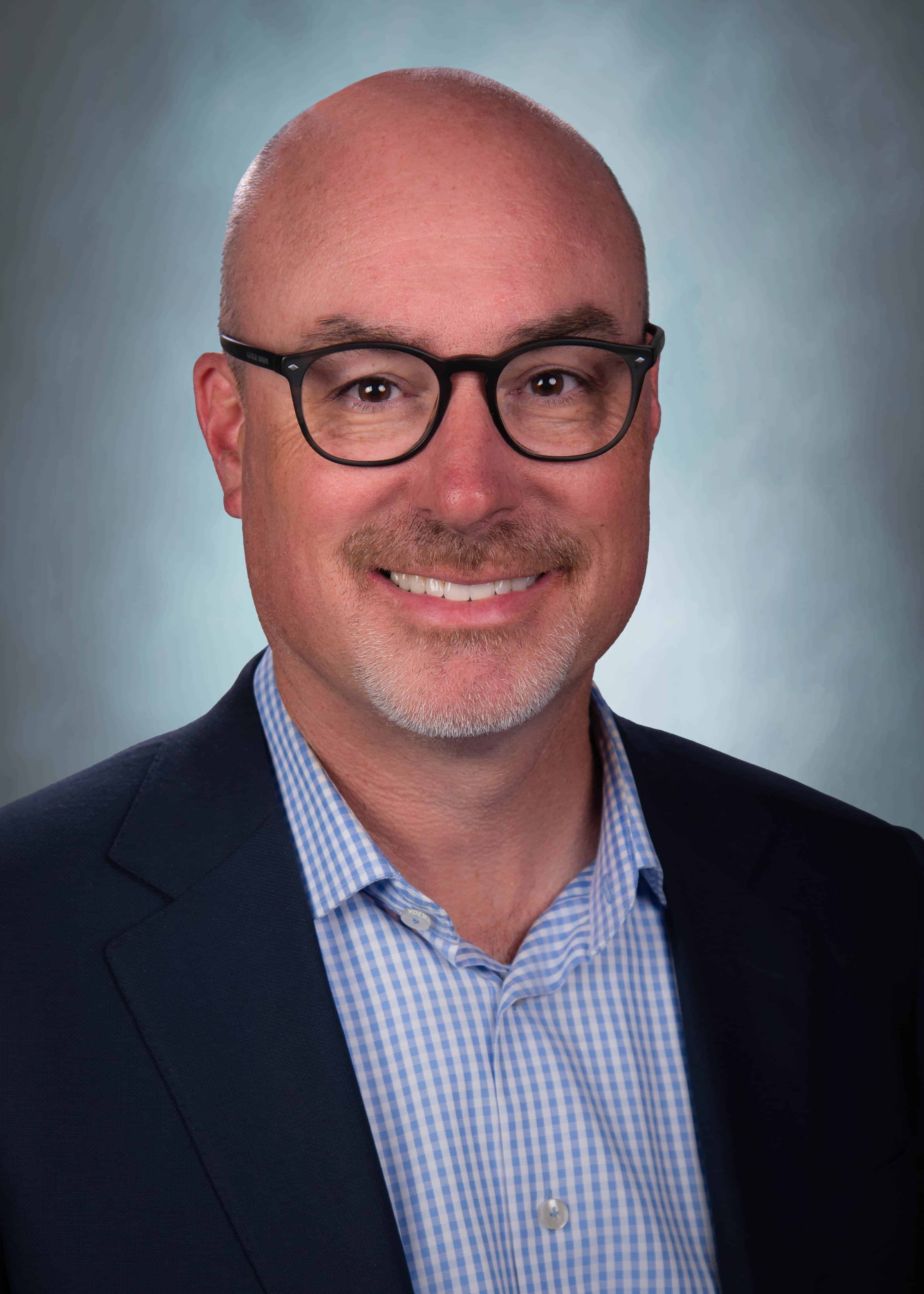
Brian Floyd
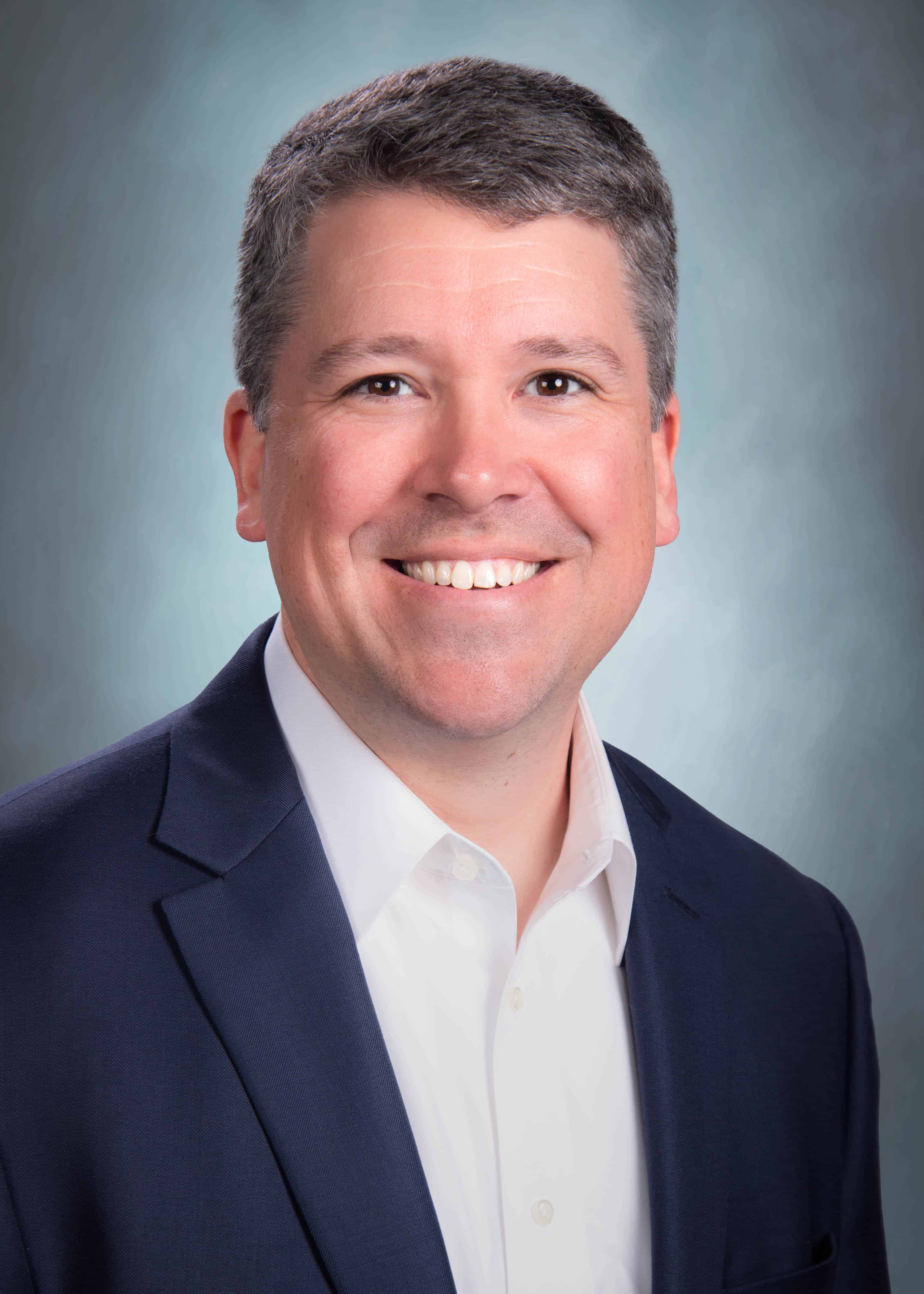
Jay Briley
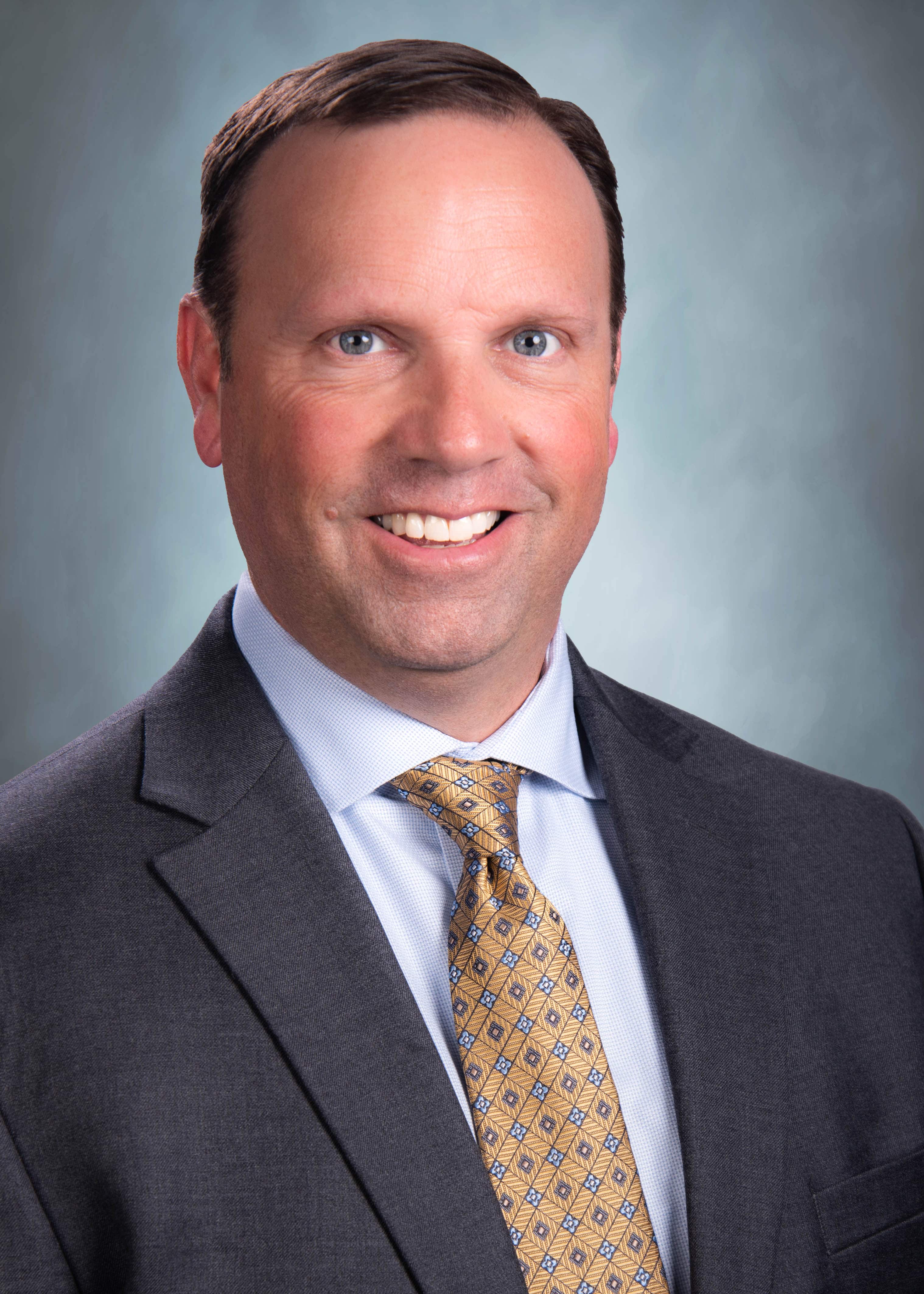
Van Smith
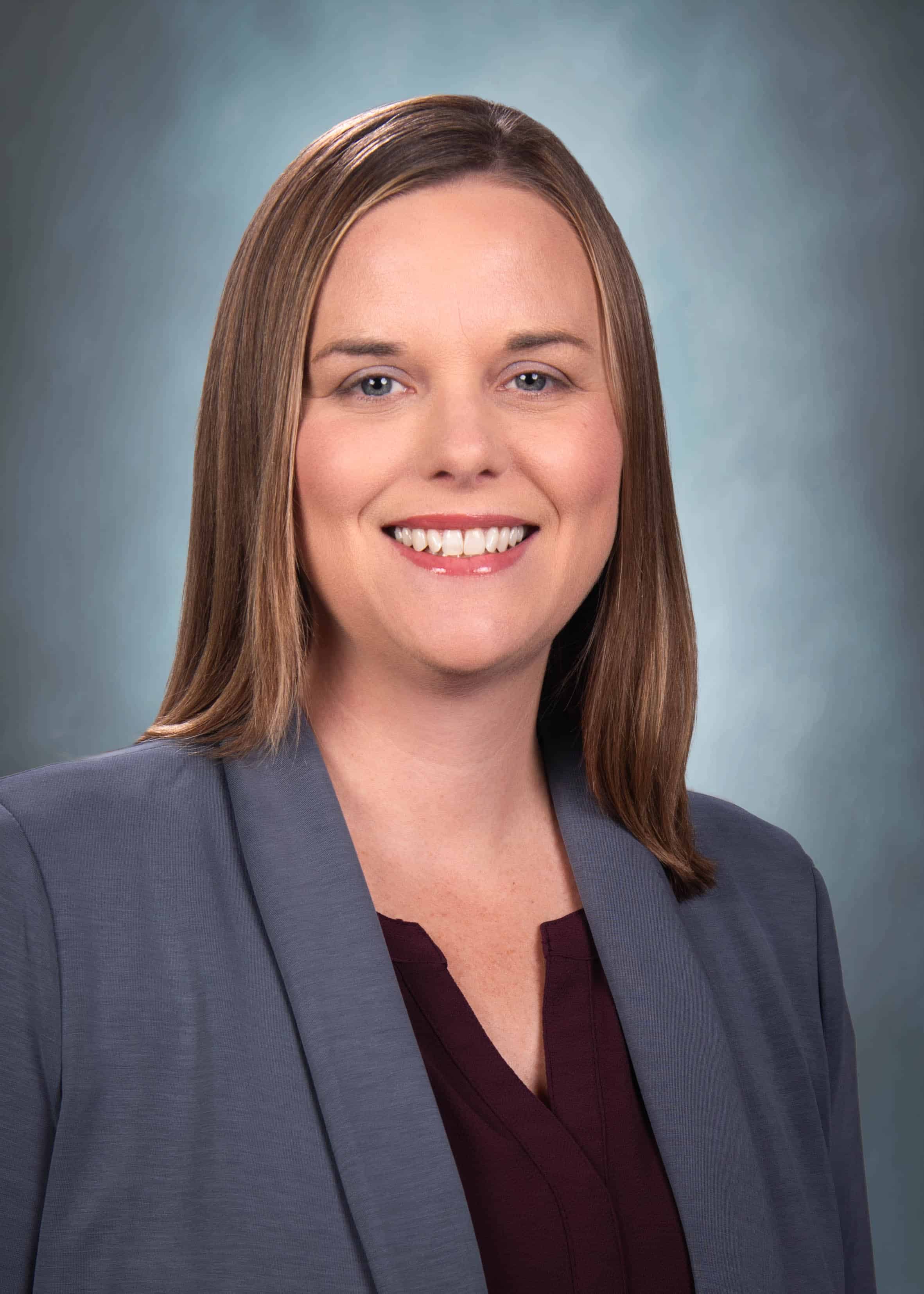
Tara Stroud