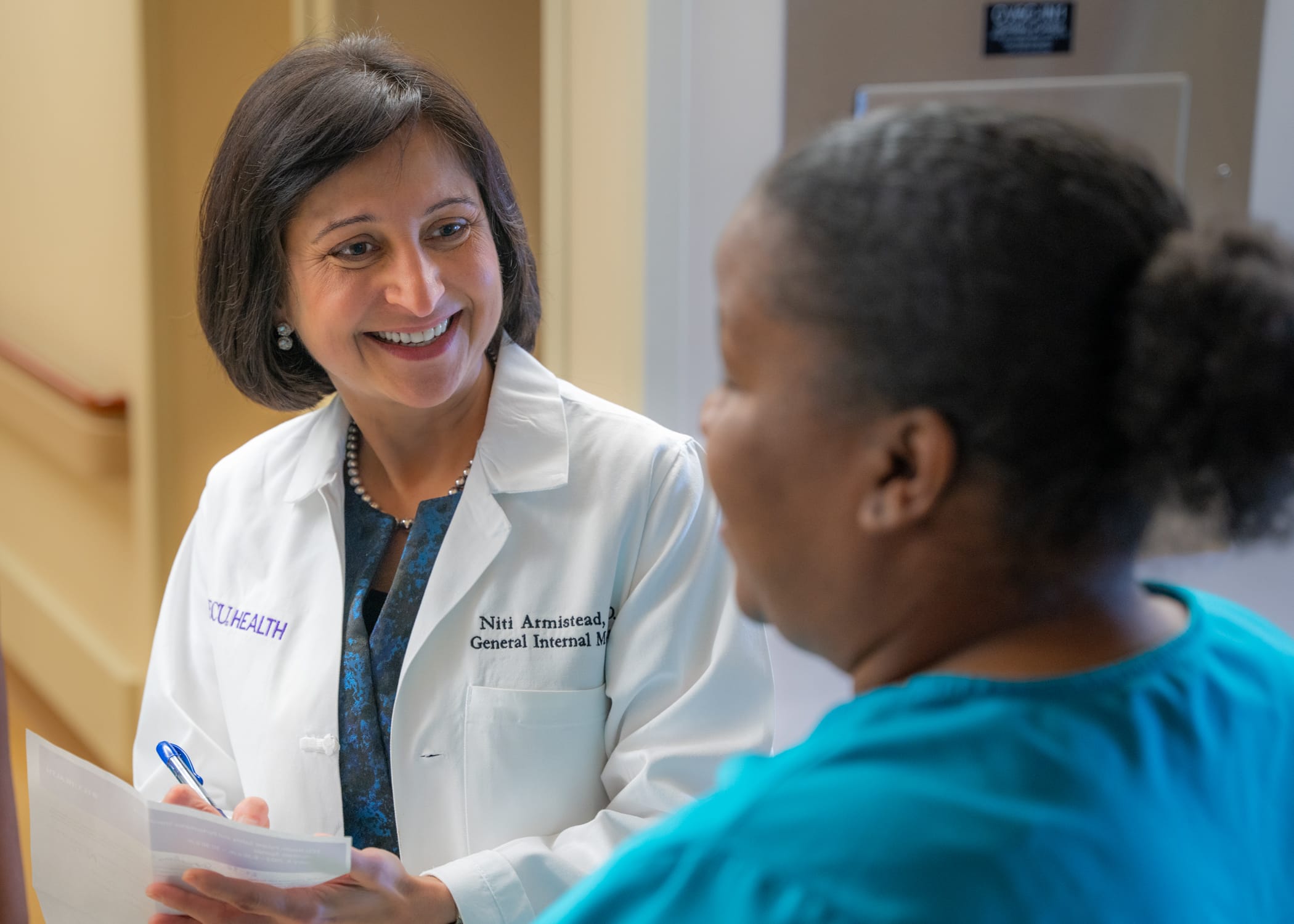
Dr. Niti Singh Armistead, the chief quality officer and chief clinical officer at ECU Health in Greenville, keeps making the right career choices.
In college at George Mason University, she switched her major from engineering to physics and pre-medicine after she discovered that there were loans available to pay for medical school. “I appreciate what programmers do every day, but I realized that my own joy was working in the medical field,” she says.
After graduating from the University of Maryland School of Medicine, she specialized in anesthesiology, thinking her physics background would be helpful. She switched to internal medicine because she found the long-term relationships with patients more enduring and satisfying.
Now, at ECU Health, she’s focused on acute care and still sees patients on a regular basis. She took on administrative roles in 2018 and 2019 before the start of the COVID-19 pandemic, successfully helping steer the healthcare system during a challenging time.
“None of us knew what we were in for,” says Armistead. “For me, it all just kind of came together. How do you support an already underserved population? How do you rise to the occasion as the only healthcare system east of I-95 with an academic arm to do it all, to build the infrastructure for the testing and to educate the community? Those were the kind of interventions I got to lead.”
Read the full story in Business North Carolina.

NAGS HEAD, N.C. — Jan. 30, 2024 — Outer Banks Health is proud to announce the opening of the Carol S. and Edward D. Cowell, Jr. Cancer Center, a 15,000 square-foot, state-of-the-art facility made possible through the collaboration of Outer Banks Health, ECU Health, Chesapeake Regional Healthcare and the generous support of the Outer Banks community. The center opened its doors to patients on January 29, 2024.
This momentous occasion marks the culmination of years of dedication, perseverance, and community support. Outer Banks Health initiated the endeavor in 2015 with a vision to create a cutting-edge facility that would serve as a beacon of hope and healing for cancer patients on the Outer Banks and the surrounding region.
“The completion of the Cowell Cancer Center was made possible through the unwavering determination of the Outer Banks Health Development Council,” said Ronnie Sloan, FACHE, president of Outer Banks Health. “The council is comprised of dedicated individuals who share a passion for enhancing healthcare in the region and it played a pivotal role in bringing this ambitious project to fruition.”
Led by radiation oncologist, Charles Shelton, the new center boasts a dedicated team, including a director, radiation therapists, a radiation nurse, a genetics extender, a physicist, a dosimetrist, pharmacists and pharmacy technicians, LPNs and RNs, lab technicians, navigators, a social worker, a practice manager, and patient access representatives. While the search for a permanent medical oncologist continues, Dr. Michael Spiritos, formerly of Duke Health, has agreed to serve in that capacity on an interim basis along with Dr. John Barton. Katie Caton, FNP is also on staff as a permanent provider.
Of the 1300 critical access hospitals nationwide, Outer Banks Health Hospital is one of only eight accredited by the Commission on Cancer of the American College of Surgeons and is also distinguished as the only one in the country with an accredited breast program. This notable achievement reflects the commitment of Outer Banks Health to maintaining the highest standards of cancer care.
Outer Banks Health remains focused on expanding its list of services and programs to meet the evolving healthcare needs of the community. The organization’s goals include delivering excellent care locally and collaborating with health organizations throughout North Carolina and Virginia to ensure residents and visitors can access the best possible care.
For more information about the Cowell Cancer Center or to inquire about services, visit OuterBanksHealth.org/services/cancer-care or call (252) 449-7272.
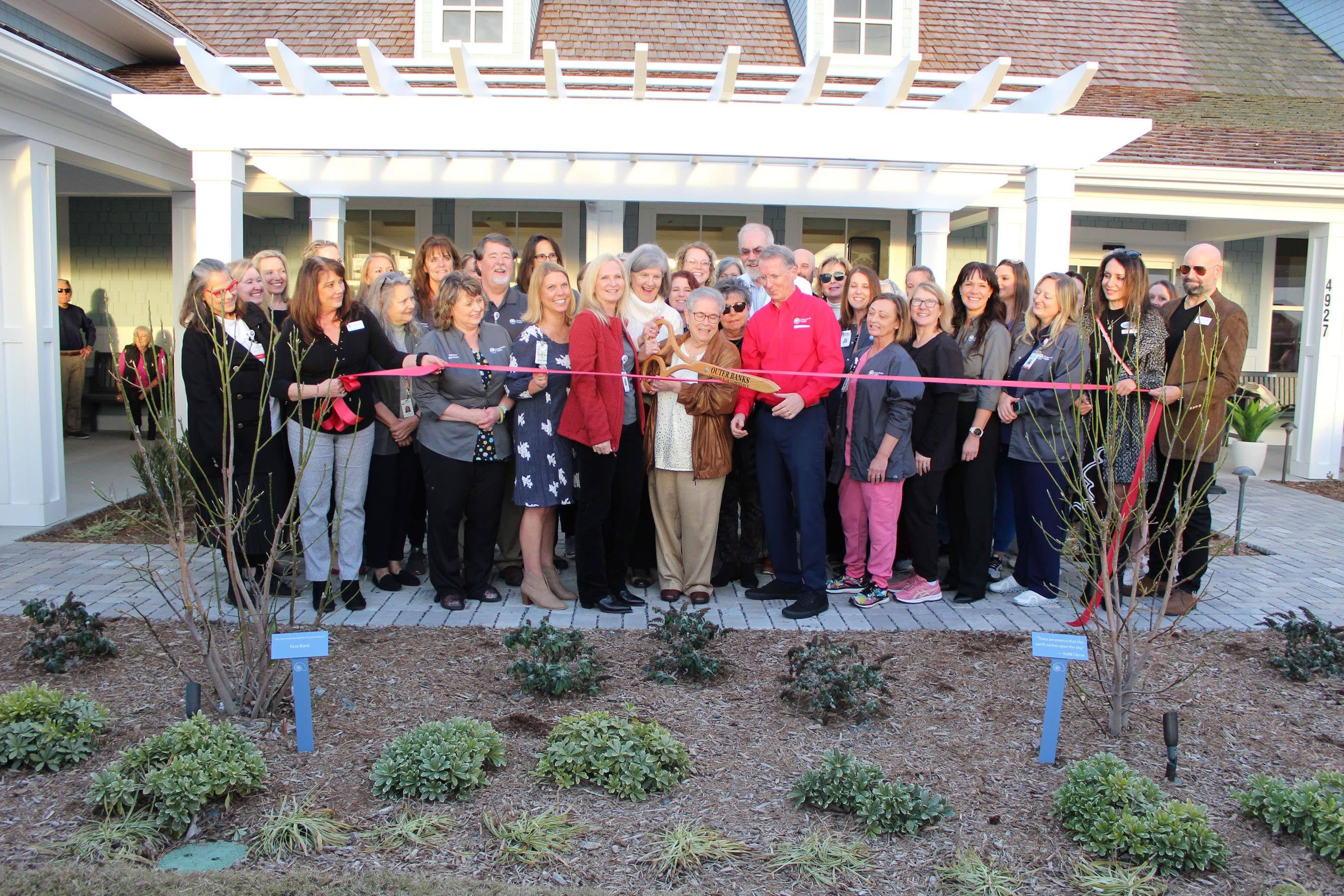
NAGS HEAD — About a decade ago, the Outer Banks community suffered higher cancer mortality rates than the state and nation. Not only has that trend reversed, but now for the first time, local cancer patients can receive all their services under one roof.
Over 275 people attended the ribbon-cutting and open house on Jan. 24 for the Carol S. and Edward D. Cowell, Jr. Cancer Center. Located at 4927 S. Croatan Highway in Nags Head, it opens its doors to patients on Jan. 29.
“In 2012, Outer Banks Health didn’t have a cancer services program at all, and we were trailing the state and we were trailing the nation when it came to cancer mortality for all cancers…and we wanted to change that dynamic,” Ronnie Sloan, president of Outer Banks Health, said during brief event remarks.
The Outer Banks’ cancer mortality rate was about 6% and 7% higher than the nation and the state, respectively, Sloan said in an interview at the event.
Now, local cancer mortality rates are 6-7% lower than the state and country. The 5-year mortality for breast cancer rate dropped 50% in recent years. Even as cancer mortality rates have steadily declined across the country, “we’ve outpaced that,” Sloan said.
Carol Cowell cut the ribbon at Wednesday’s event. She made the namesake donation to the Carol S. and Edward D. Cowell, Jr. Cancer Center in Nags Head in honor of her late husband and in appreciation of the local community.
Originally from Brooklyn, New York, Cowell said in an interview that she is a cancer survivor who received treatment in Elizabeth City in 2005. The Outer Banks didn’t offer cancer services then, but she was greatly impressed by “the community sense that you got” from local health care professionals and from the community at large.
Fundraising for the center was similarly a community effort.
“This has been just an amazing journey,” Tess Judge said during her event remarks. Judge is chair of the board of directors for Outer Banks Health and co-chaired the fundraising team with Cindy Thornsvard.
Judge said she lost her mother and a son-in-law to cancer, and her daughter-in-law is struggling with it now, “so cancer services and the wonderful team we have here is just so special not only to me but to many.”
Fundraising for the center began during COVID, and their original goal of $4 million was bumped up to $6 million as the costs of building supplies soared.
According to Sloan, nearly $6.5 million has been raised for the center.
“We did that because of all of you, and the tremendous support this community has given to this cancer center,” Judge said.
Stephanie Anderson, a community member who had lost people to cancer, hiked the entire Appalachian Trail last year and raised about $10,000 for the center in the process, said Jennifer Schwartzenberg, director of community outreach and development for Outer Banks Health.
The journey to the center
Outer Banks Health hired its first director of cancer services in 2012, said Sloan, who came aboard in mid-2011.
“In 2013, the board of trustees made a fantastic decision,” Sloan said during his public remarks. They chose to purchase the radiation therapy center that was closing about two miles north of the hospital.
“We didn’t want our community to have to drive two hours each way” for treatment, he said.
Dr. Charles Shelton, a radiation oncologist, began working at Outer Banks Health — then called The Outer Banks Hospital — in 2014, and he leads the cancer services team, Wendy Kelly, marketing director for Outer Banks Health, said in an email.
Shelton set a goal of creating and maintaining an accredited cancer program to reduce the high cancer mortality rate among residents of Dare and Currituck counties, Kelly said.
“It’s been a dream of this organization since 2015 to build a facility that would allow patients to receive the highest-quality, compassionate cancer care all under one roof right here on the Outer Banks,” Kelly said.
Supported by its two partners, ECU Health and Chesapeake Regional Healthcare, along with the generosity of the local community, “that dream is now a reality,” she said.
In 2016, the Commission on Cancer of The American College of Surgeons granted a “Three-Year Accreditation with a Commendation” to The Outer Banks Hospital, which the facility has “proudly maintained” since that time, according to Kelly.
“Additionally, we are one of only eight critical access hospitals in the nation with this accreditation, and the only one nationally to have an accredited breast care program,” she added.
Outer Banks Health is one of 20 critical access hospitals in North Carolina, which have 25 beds or fewer and receive cost-based reimbursement, according to the North Carolina Division of Health and Human Services website.
“Outer Banks Health is an approved Medicare and Medicaid provider and participates with most commercial insurance companies,” Kelly said.
Sloan said that the new “comprehensive center” allows them to offer the “best care possible.”
The entire cancer team can quickly make decisions about patients in consult with one another as “concerns pop up,” and having the dedicated center eliminates the need for patients to go from the first to second floor of the hospital for care, then across the busy bypass for radiation treatment, he said.
Kelly expressed gratitude for all the community support of the center, which included the over 275 people who attended the event on Wednesday.
In addition to Shelton, the cancer services team also includes a director, three radiation therapists, a radiation nurse, a genetics extender, a physicist, a dosimetrist, a licensed practical nurse, 11 registered nurses, a nurse navigator, a financial navigator, a lay navigator, a social worker, a practice manager and three front desk monitors, according to Kelly.
“Our search continues for a permanent medical oncologist, and in the interim Dr. Michael Spiritos, formerly of Duke Health, has agreed to serve in that capacity,” Kelly said in her email. “Additionally, Dr. John Barton serves as a medical oncologist at the center.”
“Congratulations Outer Banks Health on this much-needed and impressive expansion,” Robert DeFazio, chairman of the board of directors for the Outer Banks Chamber of Commerce, said during his event remarks.
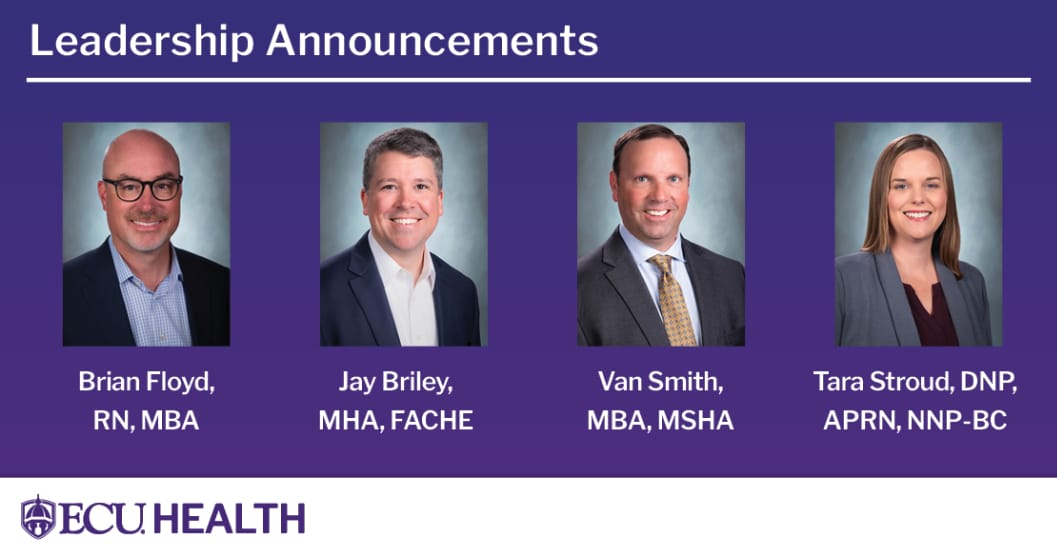
Greenville, N.C. – As part of its continued evolution to become the national model for rural academic health care, ECU Health today announced new leadership roles and responsibilities intended to further enhance the organization’s transformation as a rural health care leader.
Effective Feb. 5:
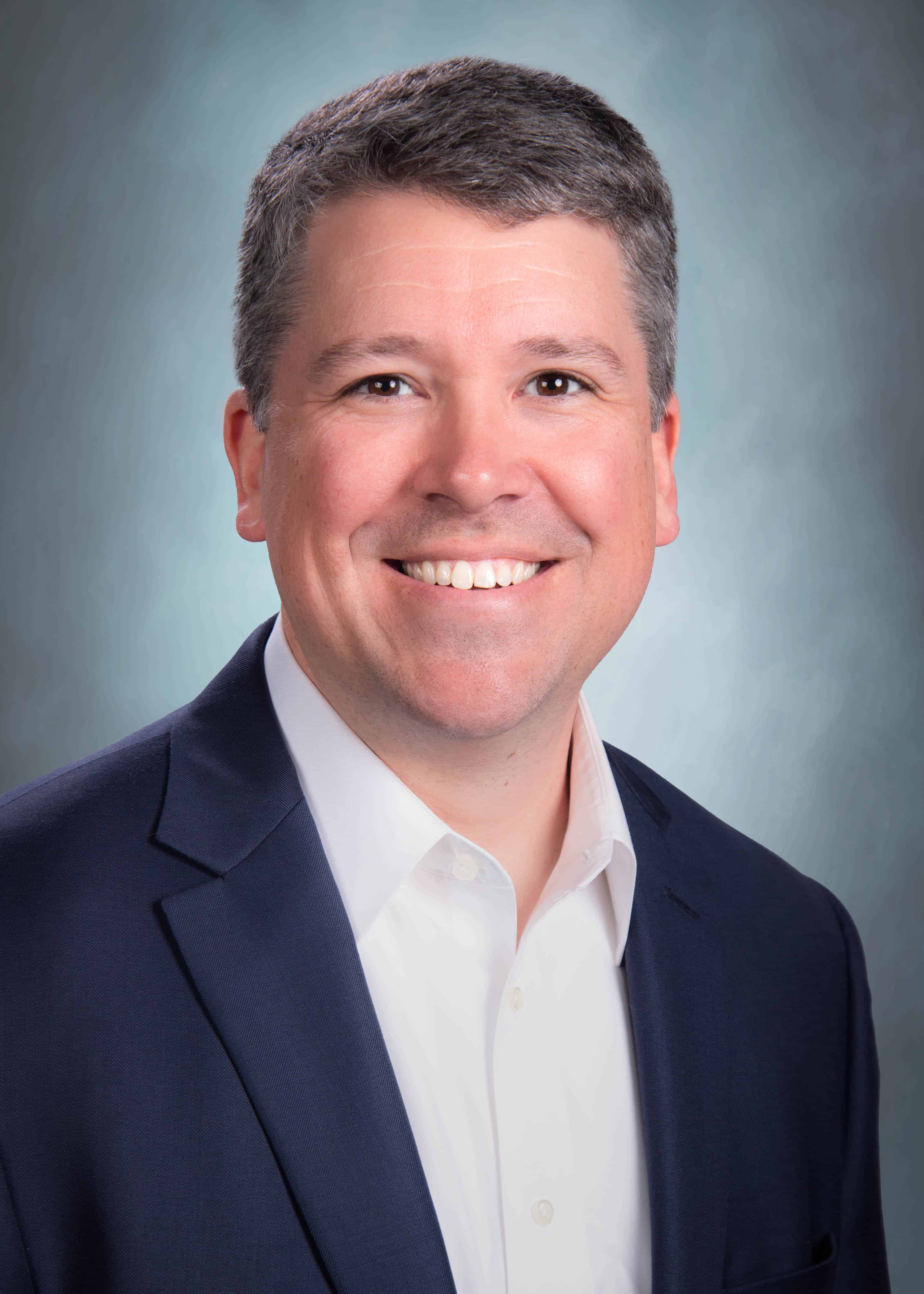
- Brian Floyd, RN, MBA, will dedicate his efforts to his role as ECU Health’s chief operating officer (COO), providing strategic oversight of the health system enterprise and its day-to-day operations. He will have heightened focus on creating seamless interoperability within the health system and ensuring we are operating, performing and providing care as one team.
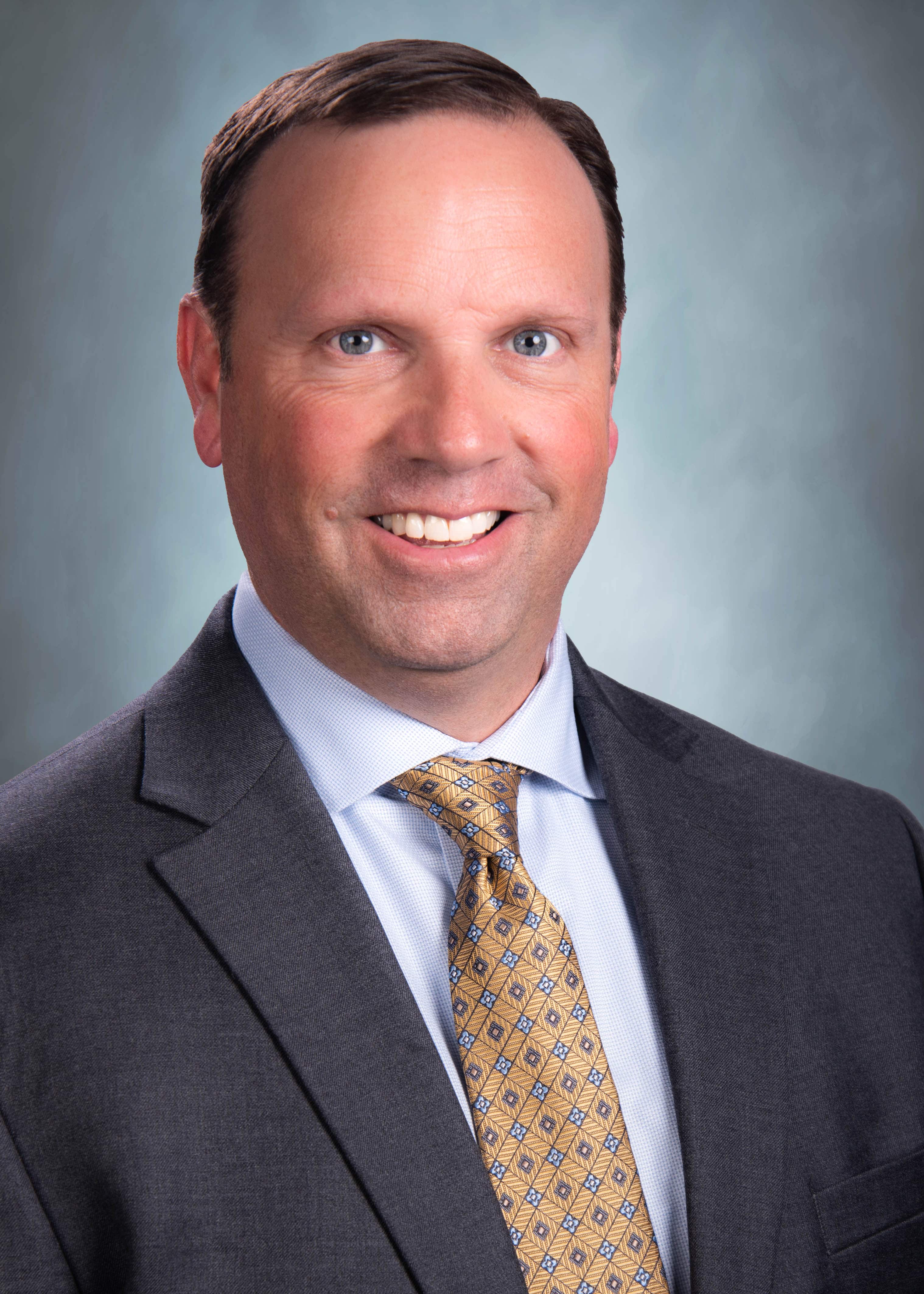
- Jay Briley, MHA, FACHE, current president of ECU Health Community Hospitals, will transition to president at ECU Health Medical Center, reporting directly to Floyd as COO.
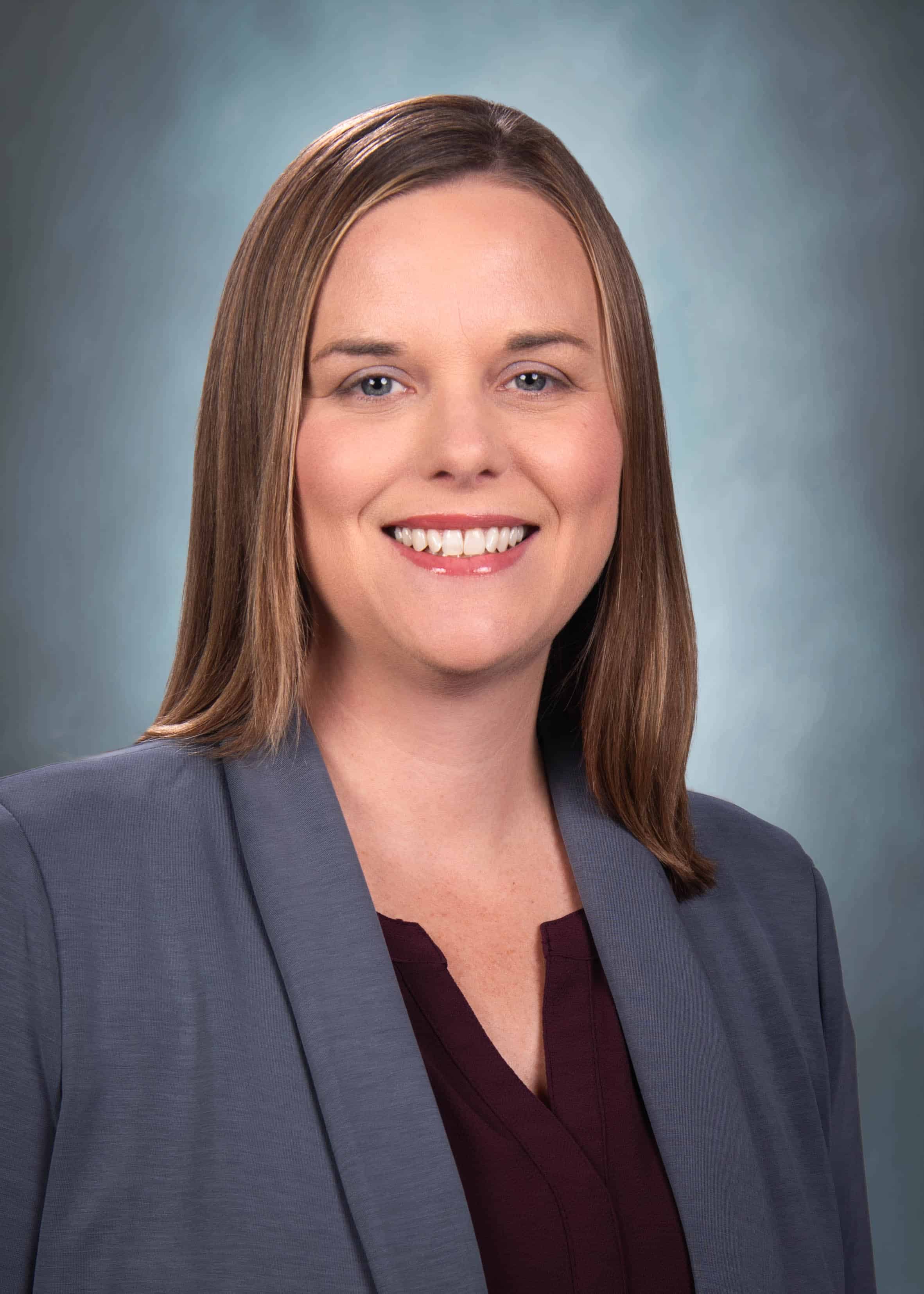
- Van Smith, MBA, MSHA, current executive vice president of ECU Health Medical Center, will transition to president of ECU Health Community Hospitals, reporting directly to Floyd as COO.
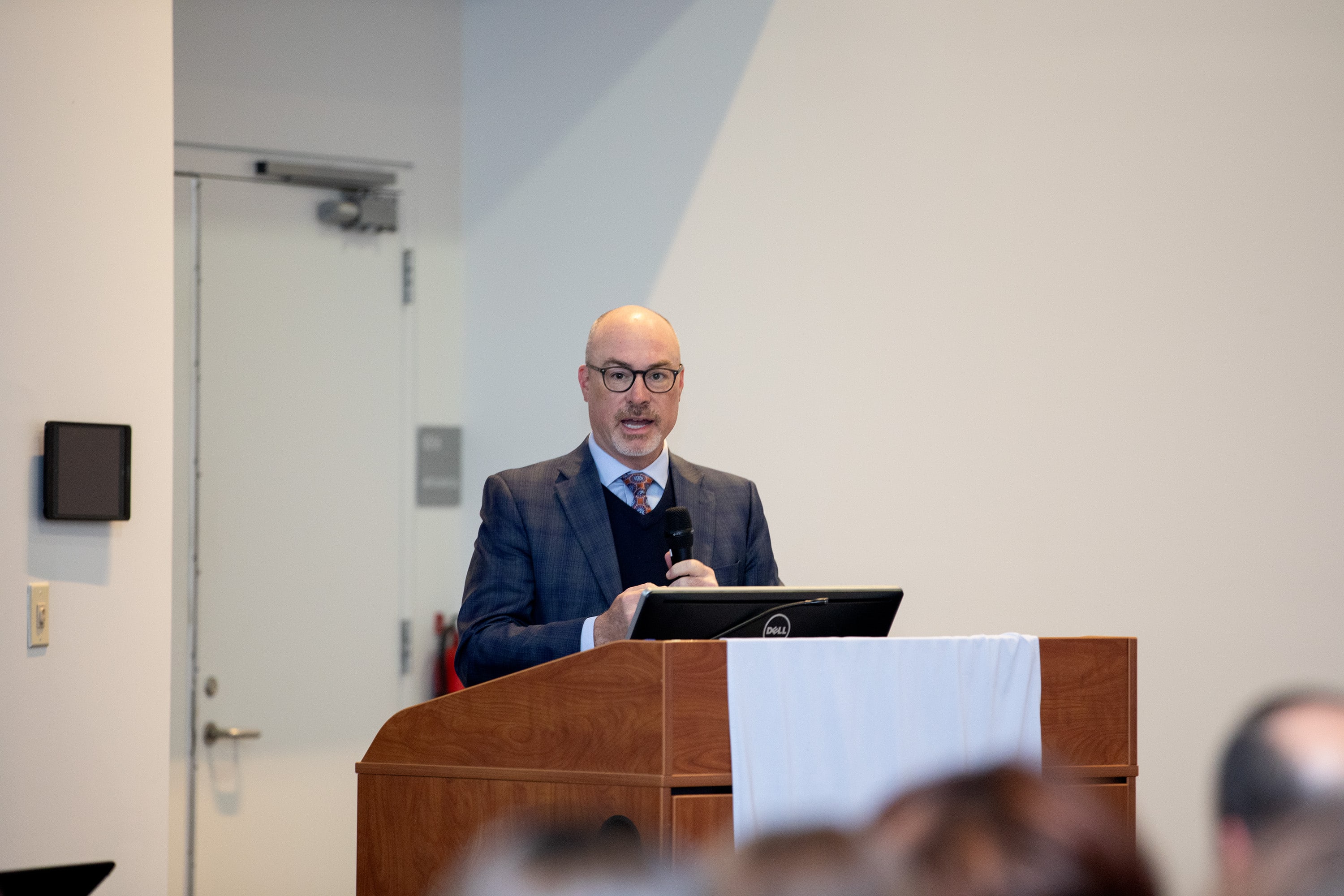
Additionally, Tara Stroud, DNP, APRN, NNP-BC, NEA-BC, current senior administrator of Children’s Services at Maynard Children’s Hospital, will become vice president for Maynard Children’s Hospital, Women’s Service Lines and Community Health Programs upon Kim Crickmore’s retirement departure date of Feb. 26.
“These leaders’ unique expertise in driving operational and clinical excellence, financial stewardship and leading complex health care environments are at the forefront of these proposed – and ultimately enthusiastically embraced – leadership appointments,” said Dr. Michael Waldrum, CEO of ECU Health and dean of the Brody School of Medicine at East Carolina University. “I look forward to working closely with these leaders and remain focused on steering the enterprise toward our vision, including strengthening our academic mission, advancing our synergies as well continuing to build partnerships across the state.”
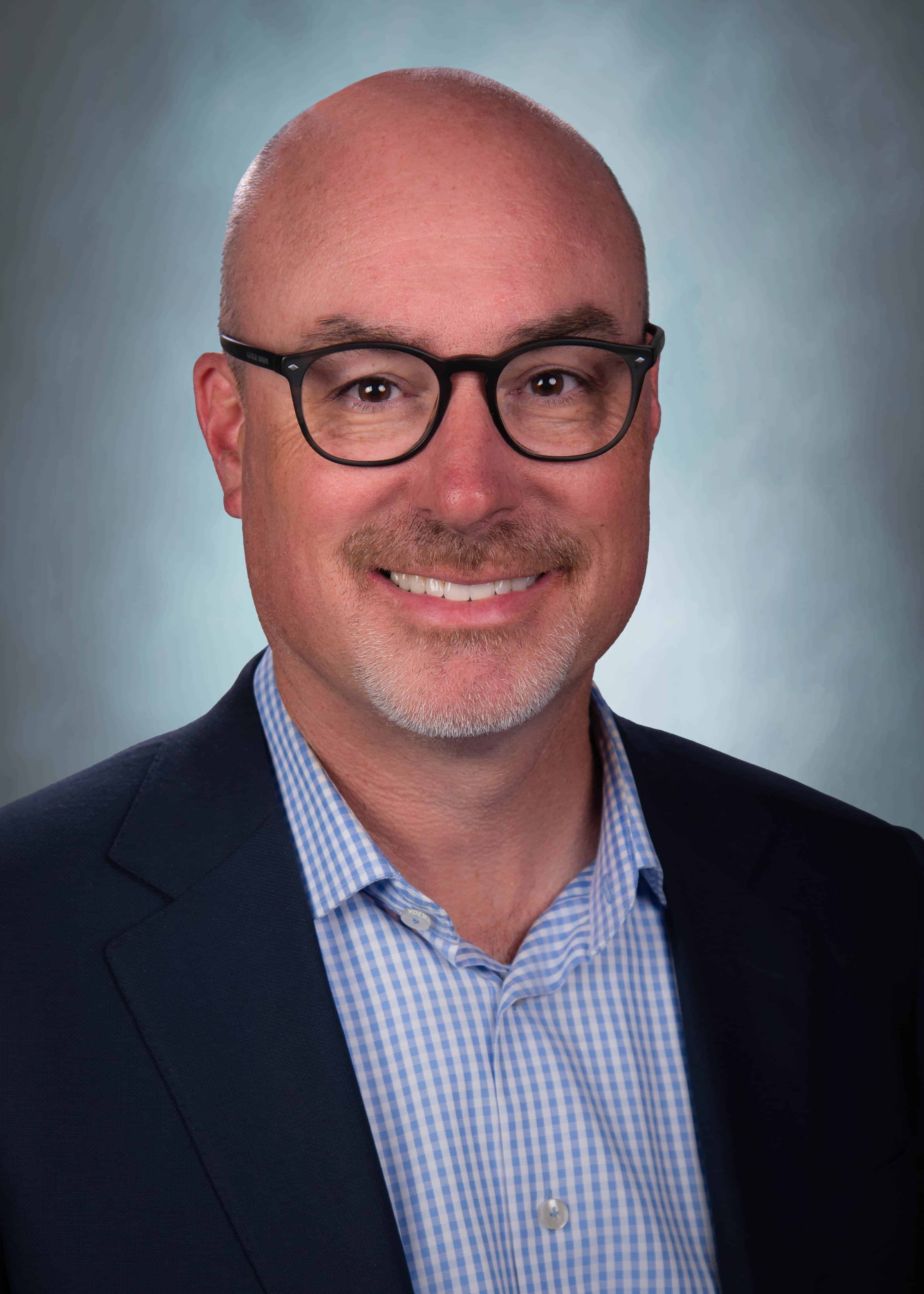
Brian Floyd
Jay Briley
Van Smith
Tara Stroud
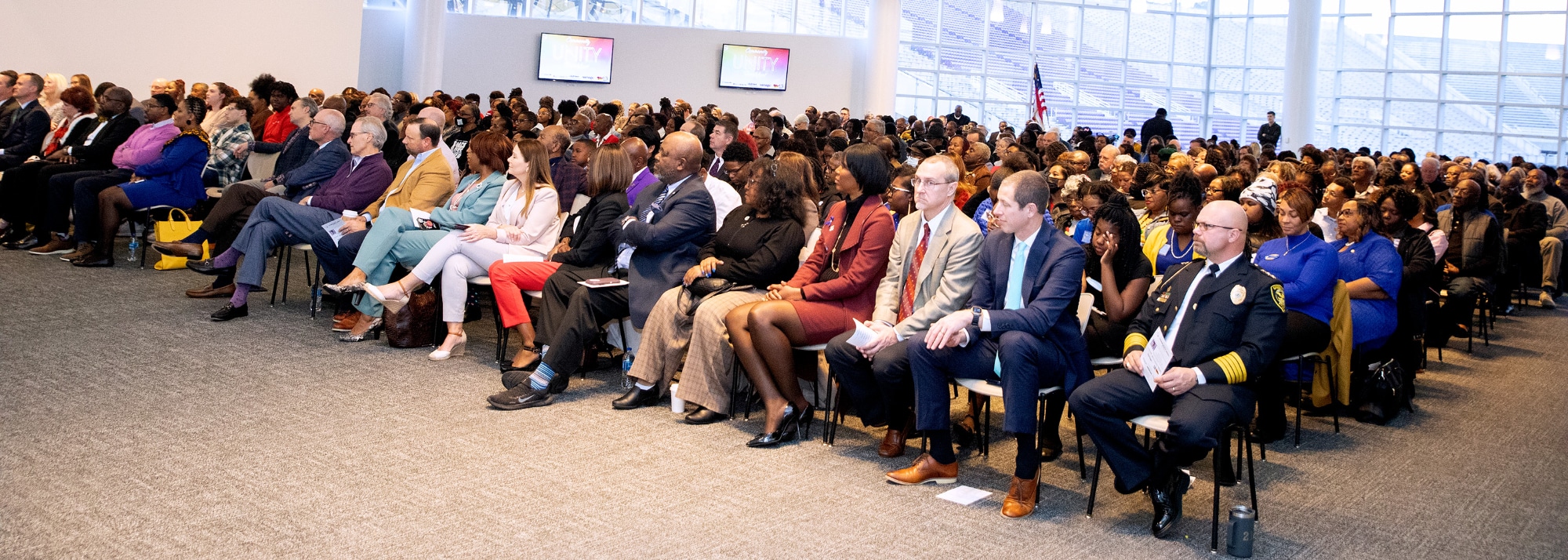
In honor of Dr. Martin Luther King Jr. Day, community leaders, elected officials and eastern North Carolina residents came together for the 27th annual Community Unity Breakfast, hosted by the Greenville-Pitt County Chamber of Commerce on Monday.
The event brings together the community to reflect upon the life and legacy of Dr. Martin Luther King Jr. while celebrating and expanding diversity initiatives in Greenville and Pitt County.
As a sponsor of the event, ECU Health had an opportunity to present a speaker during the event. Brian Floyd, chief operating officer of ECU Health and president of ECU Health Medical Center, represented the system and shared a few words.
Floyd said that events like this are closely aligned with ECU Health’s mission to improve the health and well-being of eastern North Carolina because it focuses on bringing everyone together and supporting those around you.
“Your well-being is attached to much more than your clinical and scientific makeup,” Floyd said. “You can’t be well if you’re socially isolated. You can’t be well if you don’t have the means to support yourself and your family. You really can’t be well if you have no way to help those around you. So our mission, as complicated as it is, is to make people and communities better. This community comes alongside us and helps us do that as well. We all can participate in what others are doing to improve our society, to improve how people come together, and work together to love and support each other.”
Floyd also highlighted his appreciation for ECU Health’s close collaboration with the Brody School of Medicine at East Carolina University, and the relationships with other colleges, universities and high schools. He said the opportunity to develop and grow talent within the system is something he is proud of as well.
All of this leads to a great financial impact on the region, Floyd said, and that can go a long way to effect positive change in the lives of residents in the East.
“We know that education is important to the fabric of society and the wellness of people and the socioeconomic conditions of eastern North Carolina require us to do something about that,” Floyd said. “We’re fortunate that we can stimulate the economy of eastern North Carolina by more than $4 billion per year. That’s not just money – it’s hope, it’s a way to get started, it’s a way to support your family. When you put all of that together, the pillars of what we’re doing for eastern North Carolina, that’s the difference we can make.”
Pastor Eve C. Rogers, senior pastor at New Dimensions Community Church, gave the keynote address for the event. Chad Tucker, director of Volunteer Services at ECU Health Medical Center, serves as co-chair of the Community Unity Planning Committee and introduced Pastor Rogers during the event.
Pastor Rogers spoke on the importance of standing up to injustices in our communities to help create a future everyone can be proud of. She said showing up for the marginalized members of our communities is a responsibility we all carry.
“As we run and purse this race of life, liberty and the pursuit of happiness, I provoke you to show up with soul-force,” Pastor Rogers said. “Exercise and put into plan the opportunity that God gives you, day after day, season after season, time after time again, to show up and do what is right, fair and equitable.”
Roanoke Rapids, NC — Tiffany J. Mose, MHA, FACMPE, CPC, administrator, regional operations, ECU Health Medical Group, has been named a Fellow in the American College of Medical Practice Executives (ACMPE). ACMPE is the certification entity of the Medical Group Management Association (MGMA). Fellowship in ACMPE’s industry-leading program demonstrates mastery and expertise in the profession of medical practice management.
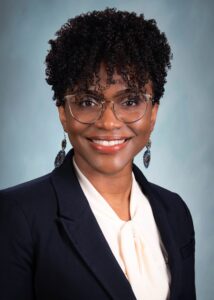
Tiffany J. Mose, MHA, FACMPE, CPC
To achieve Fellowship, Mose first earned the Certified Medical Practice Executive (CMPE) designation by passing examinations that assess knowledge of the broad scope of medical practice management, as outlined in the Body of Knowledge for Medical Practice Management. This includes business operations, financial management, human resources management, information management, organizational governance, transformative health care delivery, quality management and risk management. In addition, Mose completed a minimum of 50 continuing education credit hours to achieve CMPE status. To earn Fellowship, Mose demonstrated leadership, innovation, and professional engagement in the health care industry and the advancement of the medical group management profession.
Today, MGMA membership is comprised of more than 6,600 individuals who have attained CMPE or ACMPE Fellow status or who seek certification.
Mose has worked at ECU Health North for more than 15 years and worked in the field of health care for more than 25 years. Mose is directly responsible for oversight and management of the operations, development, expansion and financial viability of the ECU Health Medical Group ambulatory practices and hospital-based provider groups in the Roanoke Rapids market. She also serves on multiple interdisciplinary teams in the organization to include the Coastal Plains ACO’s Board of Directors, Finance and Quality committees.
Greenville, N.C. – Gov. Roy Cooper recently appointed Dr. Mark A. Newell, associate trauma medical director and attending surgeon at ECU Health and professor of surgery at the Brody School of Medicine at East Carolina University, to serve on the North Carolina Medical Board. Dr. Newell’s term began Nov. 1, 2023, and ends Oct. 31, 2026.
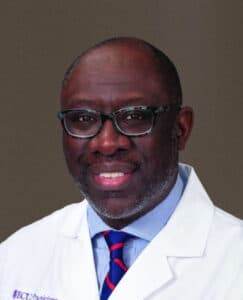
Dr. Mark Newell
Dr. Newell is a trauma and critical care surgeon at ECU Health and has published numerous articles, textbook chapters, abstracts, research projects and presentations in his field of expertise. Dr. Newell currently serves as vice chair of diversity in the Department of Surgery at the Brody School of Medicine.
“I am deeply honored to be appointed to serve on the North Carolina Medical Board by Gov. Cooper,” said Dr. Newell. “As part of the North Carolina Medical Board, I am committed to upholding the highest standards of health care. I look forward to bringing my unique health care perspective to this highly esteemed board of dedicated medical professionals.”
The North Carolina Medical Board is an independent public agency that is charged with licensing and regulating doctors, physician assistants and certain other medical professionals on behalf of the state. The Board’s primary mission is to protect the public. It screens candidates for licensure, issues licenses to qualified professionals, develops rules and positions that guide its licensees and, when necessary, disciplines its licensees.
Dr. Newell earned his medical degree at the University of Texas Southwestern Medical School and completed postgraduate training in general surgery at Our Lady of Mercy Medical Center at New York Medical College in the Bronx, where he was chief resident. He also completed a fellowship in surgical critical care at Lincoln Medical and Mental Health Center, also at New York Medical College. Dr. Newell later earned a Master’s of medical management degree at Carnegie Mellon University. He is certified in surgery and surgical critical care by the American Board of Surgery.
Dr. Newell is a fellow of the American College of Surgeons and a member of the Society of Critical Care Medicine, the American Association for Surgery Trauma and the Society of Black Academic Surgeons, among other organizations.
“I was just doing what is right.”
Sheila Grady, Community Liaison with ECU Health’s Home Health and Hospice, has never been one to seek the limelight in her 29-year career. In fact, she’d rather be behind the scenes, helping people and making a difference.
“She has a heart of gold, and she’s going to do whatever it takes to assist and serve our patients and families,” said Sarah Taylor, Sheila’s supervisor and the manager of marketing and hospice volunteer coordinator. “She understands we are a business, but we’re in a people-serving business and that’s our number one goal.”
When Aaron Hair contacted Sheila about having two memory bears made after the death of his father, her drive to do what’s right while serving patients and their families got people’s attention.
“My dad was diagnosed with cancer two years ago,” explained Aaron. “When the decision was made that he would stop treatment, he was admitted to palliative care at the Medical Center, but his doctor and nurses recommended the hospice house in Greenville.”
While his father was in the hospice house for less than 24 hours before passing away, Aaron recognized the hospice team members made a difficult situation easier to bear.
“They made us feel at ease and explained everything,” Aaron said. “From the facility to the staff, they were all top notch.”
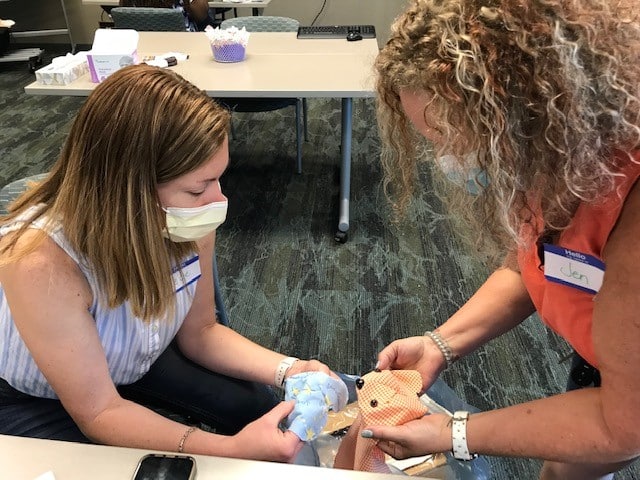
After his father’s death, Aaron and his family wanted to make use of the Memory Bear program, a service of ECU Health’s Home Health and Hospice team that makes teddy bears or pillows using an article of clothing from the family member who passed away. Sheila has run the program for the past two years.
Sarah noted that it was Sheila’s leadership that made the Memory Bear program what it is today.
“Now we have workshops in Greenville and Kenansville, and we’re serving all hospice patients on our service. And there’s a lot of love put into these bears,” Taylor said.
The work, Sheila emphasized, is done entirely by volunteers.
“These are nurses who pick up materials and drop off bears after their shifts,” Grady said. “Some are retired from health care, and some are retired teachers. They come from all walks of life, and they don’t ask for a dime.”
Aaron contacted Sheila directly to request two memory bears, one for each of his daughters. The challenge, however, became how to get his dad’s shirts to the seamstresses.
“I live in Johnston County but was working in Havelock. It would have been challenging to get the shirts to Greenville,” Aaron explained. As they talked, Sheila learned that his commute took him right by her office in Duplin County. “She gave me her personal cell phone number, and I called her when I was on the way so we could plan a meet-up. She didn’t have to do that.”
As for Sheila, it was just an example of her drive to do the right thing.
“He was a young man who lost his father,” she said. “He was an only child, and he was asking for something for his family.”
Once she got the shirts, Sheila realized that Aaron had only asked for bears for his daughters, but nothing for his mother.
“She called me and said, ‘You didn’t mention making anything for your mom,’” Aaron said. “But I only asked for two bears because that’s the limit set on the brochure, and I wasn’t going to ask for more than that.”
Sheila, however, emphasized that the two-bear limit is a flexible parameter. ”We listen to the person’s story and we make what is right for each person. I knew we needed to make a pillow for his mom.”
A few days later, the seamstress working on the project contacted Sheila with another observation.
“She said, ‘This man didn’t ask for a thing for himself,’ and she told me they had enough material to make a pillow for Aaron, as well,” she said. “So that’s what they did.”
When it came time to deliver the items, Sheila again went out of her way to ensure they were delivered prior to a planned trip out of town. When she brought the items out, Aaron learned that not only had the bears and pillow for his daughters and mom been created, but that a pillow had been made for him as well — made from the shirt his dad wore the last time the two of them went fishing together.
“I hadn’t thought about myself,” Aaron admitted. “It was heartwarming for someone to think about that.”
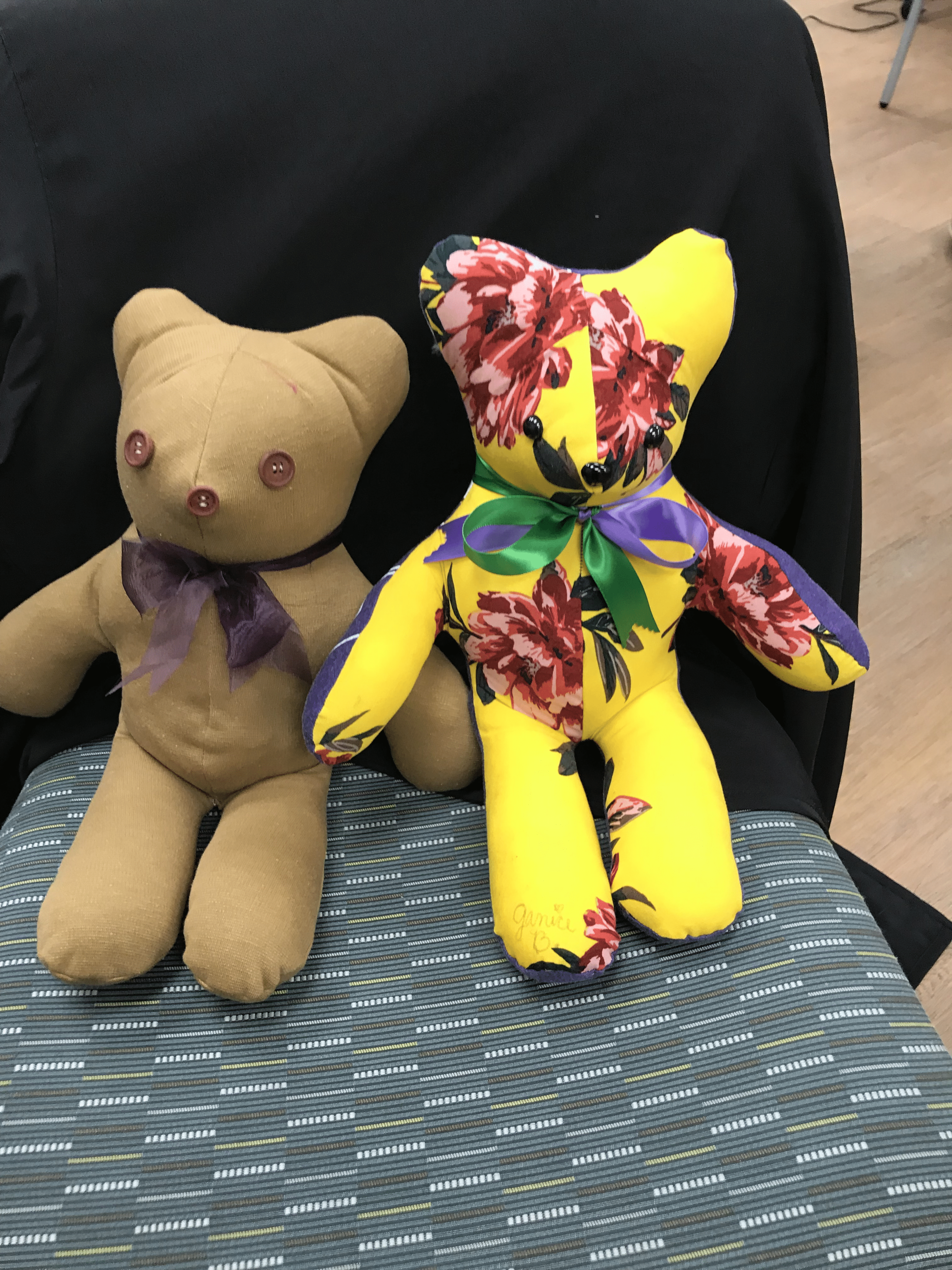
Sheila confirmed that it was common for family members not to think of requesting a pillow or bear for themselves, even when it’s someone familiar with the program.
“One of the nurses who hired me for this job – her husband died suddenly. I reached out to her and told her, ‘I want to make a bear for you,’ and the nurse said she had never even thought about it. We made her a bear, and later she sent us a picture of her in bed with the bear made from her husband’s pajamas,” Grady said. “Below the picture she wrote, ‘I still have him with me.’ That’s what the Memory Bear program is all about.”
After his meeting with Sheila, Aaron knew what he wanted to do.
“When I left the parking lot that day, I went home and called my brother-in-law, who works for ECU Health, to get Mrs. Grady’s supervisor’s name so I could let them know what she had done,” Aaron said. “Mrs. Grady is a loving and caring lady who I feel I have known my whole life.” He ended up writing an email that garnered a lot of attention.
“I had no idea he would write that email,” Sheila said. “I don’t do this for the recognition.” She was recognized, however, at a surprise gathering in her Kenansville office on Oct. 9. “I was shocked, and it’s difficult to surprise me,” Sheila laughed. “When I saw my husband and family in my office that day, I knew something was up.”
However, she is quick to pass credit to others.
“The team makes this happen,” Sheila said. “The nurses, PTs, aides, OTs and social workers. The chaplains. The seamstresses who make the bears. They’re the real heroes.”
That her home office in Kenansville has won multiple Patient Choice Awards this year bears that statement to be true.
Sheila also emphasized that the ECU Health hospice service, which is made unique by the Memory Bear program, is deeply important.
“I wasn’t sure I’d like the hospice setting when I was first hired,” she admitted. “But I want to make a difference in people’s lives, and that’s what we do. Now I educate people about our home health and hospice services and assist with referrals, and I love it because I know I am making a difference.”
Her supervisor, Sarah, agreed: “We can walk the journey with these patients and their families, and Sheila is the type of person who is going to make sure the family is OK and she can bring them some peace.” Sarah also noted that the Memory Bear program has gained a positive reputation in the community: “Now we have people say, ‘Oh, you’re the hospice with the memory bears?’ and that’s awesome.”
Sheila has plans to retire in mid-November, although she’s not retiring from the Memory Bear program just yet.
“I have another grandchild on the way, so I’ll be spending time with my family, but I come from a long line of people who believe work is a good thing,” Grady said. “I’ll volunteer with the Memory Bear program for sure.”
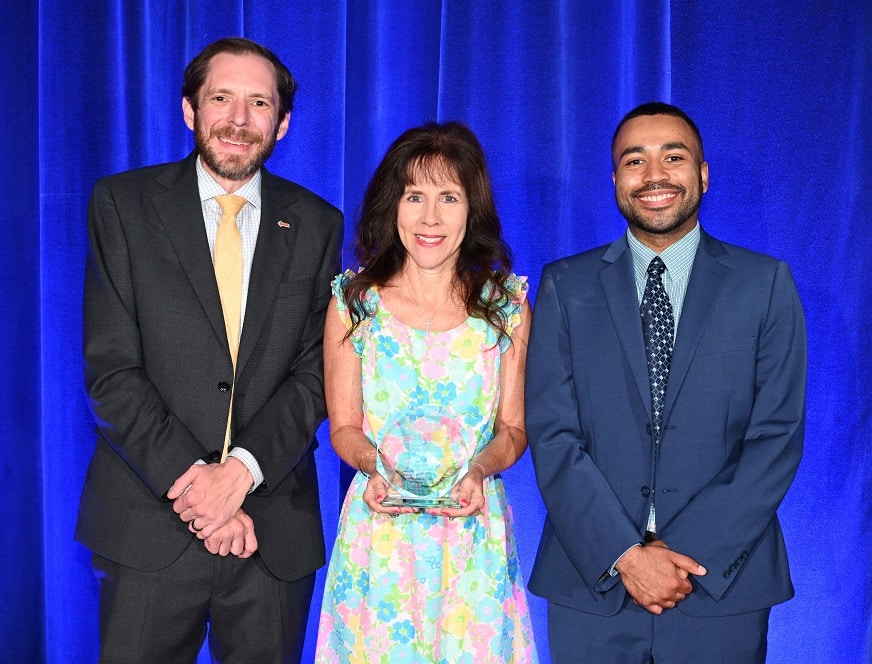
Greenville, N.C. – The Greenville Traffic Safety Task Force was awarded the Peter K. O’Rourke Special Achievement Award at the Governor’s Highway Safety Conference in New York City, which recognizes notable achievements in the field of highway safety by individuals, coalitions, organizations, nonprofit groups, businesses, media, government agencies, universities or programs. The task force was created in partnership by Greenville Police Department and ECU Health Medical Center’s Eastern Carolina Injury Prevention Program (ECIPP).
“We are honored to receive an achievement award that recognizes the efforts of the Greenville Traffic Safety Task Force to improve pedestrian and driver safety,” said Ellen Walston, Injury Prevention Program Coordinator, ECIPP. “The Greenville Traffic Safety Task Force has served as a model of success across the state and is successful because of our community partners who want to see Greenville become safer for drivers and pedestrians. Receiving this award is not just a recognition of our efforts, it’s a testament to our proven results of unwavering commitment to making our roads safer for all.”
The Greenville Traffic Safety Task Force was honored for bringing together a range of community stakeholders and leaders to quickly implement needed roadway safety countermeasures. For many years Greenville was ranked number one for highest volume of crashes in cities with populations of 10,000 or more by the North Carolina Department of Motor Vehicles. With an average of over 400 crashes per month in a city of less than 100,000, leaders in the community sought a creative solution. Thus, Greenville Police Department and ECIPP at ECU Health Medical Center formed the Greenville Traffic Safety Task Force.
The Greenville Traffic Safety Task Force is now comprised of partners from ECIPP, Greenville Police Department, City of Greenville’s Engineering Department, ECU Health Police, ECU Police, North Carolina Department of Transportation and Greenville Metropolitan Planning Organization. Partners are responsible for enforcement data, bicycle and pedestrian safety, crash reduction and roadway changes, school safety and policy changes. Each partner has a stake in the task force’s success.
“The Greenville Police Department is honored to work with this task force and take part in receiving this achievement,” said Deputy Chief Chris Ivey, Greenville Police Department. “The efforts of the Greenville Traffic Safety Task Force are key in ensuring traffic safety of our community and encouraging good driving habits. We see the value in traffic safety and recognize that enforcement and collaboration with our partners on the task force can save lives.”
The multidisciplinary group identified and implemented solutions including high-visibility crosswalks, traffic delineators and increased enforcement in crash-prone areas. Together, these countermeasures and community support led to a sizable reduction in crashes, providing a model for other cities and communities. The Greenville Traffic Safety Task Force also installed bollards, or vertical posts, which are used to guide left turns from middle lanes at busy areas. In 2021, Greenville moved from the number one ranking for crashes in the state to the number seven slot. In 2022, Greenville has moved to the number eight slot.
“Traffic safety takes effort from a number of different partners,” said Stacey Pigford, Civil Engineer II, City of Greenville. “Our department is proud to work with the Greenville Traffic Safety Task Force on a cause that has produced such positive results, and to see those results recognized.”
The task force was previously awarded the 2019 North Carolina Governor’s Highway Safety Program Community Collaboration Award, the Safe States Injury and Violence Prevention Achievement Award in 2022 and the 2023 inaugural North Carolina Vision Zero Safety Award.
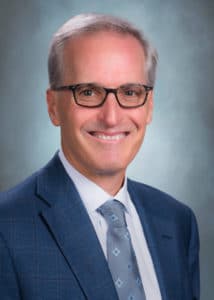
Dr. Michael Waldrum
For those of us fortunate enough to be involved in rural health care, the third Thursday of November is a special time to pause, reflect and look forward. Designated as National Rural Health Day in 2011, this particular Thursday has served as an important moment to honor the contributions of rural health care workers, including the 14,000-plus ECU Health and Brody School of Medicine at East Carolina University team members who care for eastern North Carolina.
You don’t have to look far to see the impact of rural health care. All around us are doctors, nurses, allied health professionals, professors, students and others who make high-quality health care possible here in eastern North Carolina. Today is a day to celebrate them and their tireless dedication to serving a region of 1.4 million people.
ECU Health’s vision to become the national model for rural academic health care is necessitated by the shared challenges rural communities across America face. An estimated 62 million people call rural America home, and they all experience health care in similar ways: fewer resources, higher burdens of diseases like diabetes and heart disease, difficulty accessing care and a higher number of under and uninsured people when compared to urban communities. Eastern North Carolina is no different.
These are undoubtedly complex challenges, but they can be solved through innovation and ingenuity. For example, the American Association of Medical Colleges estimates a shortage of more than 124,000 physicians by 2034, a reality that will disproportionately impact rural communities. We can anticipate the impending shortage, understand the disproportionate impact it will have on our communities and utilize the unique resources available at our academic health system to address these challenges.
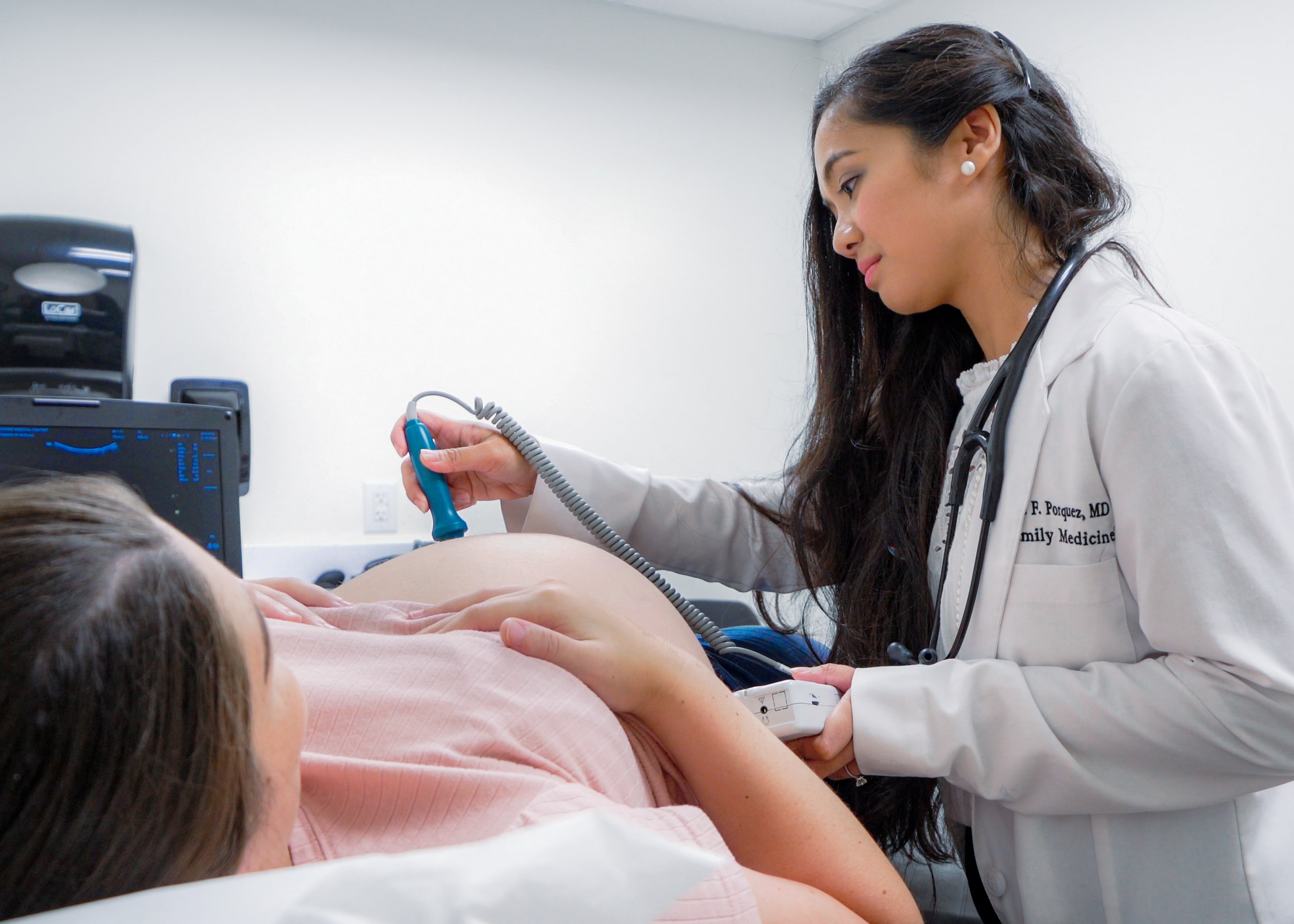
Studies show that family medicine residents who spent 50% or more of their training time in rural settings were at least five times more likely than residents with no rural training to practice in a rural setting. Brody and ECU Health together launched the Rural Family Medicine Residency program in 2021, and the results are immediately evident with multiple residents already committed to continue practicing in one of ECU Health’s rural family medicine clinics.
There are countless other examples like the Rural Family Medicine Residency program that showcase the value of an academic and health care delivery system. When we created ECU Health, the vision was to create a premier academic health care enterprise that could serve as a national model for other rural health systems to learn from. We are on our way to realizing that vision, and I am proud of our work so far. Our progress would not be possible without the incredible team members who have dedicated their careers to improving the lives of others.
I encourage our community members to thank a health care worker this week. Our lives are better because they choose to serve here in rural eastern North Carolina.
Resources
Rural Family Medicine Residency Program
Rural Family Medicine Residency Program takes unique approach to training physicians