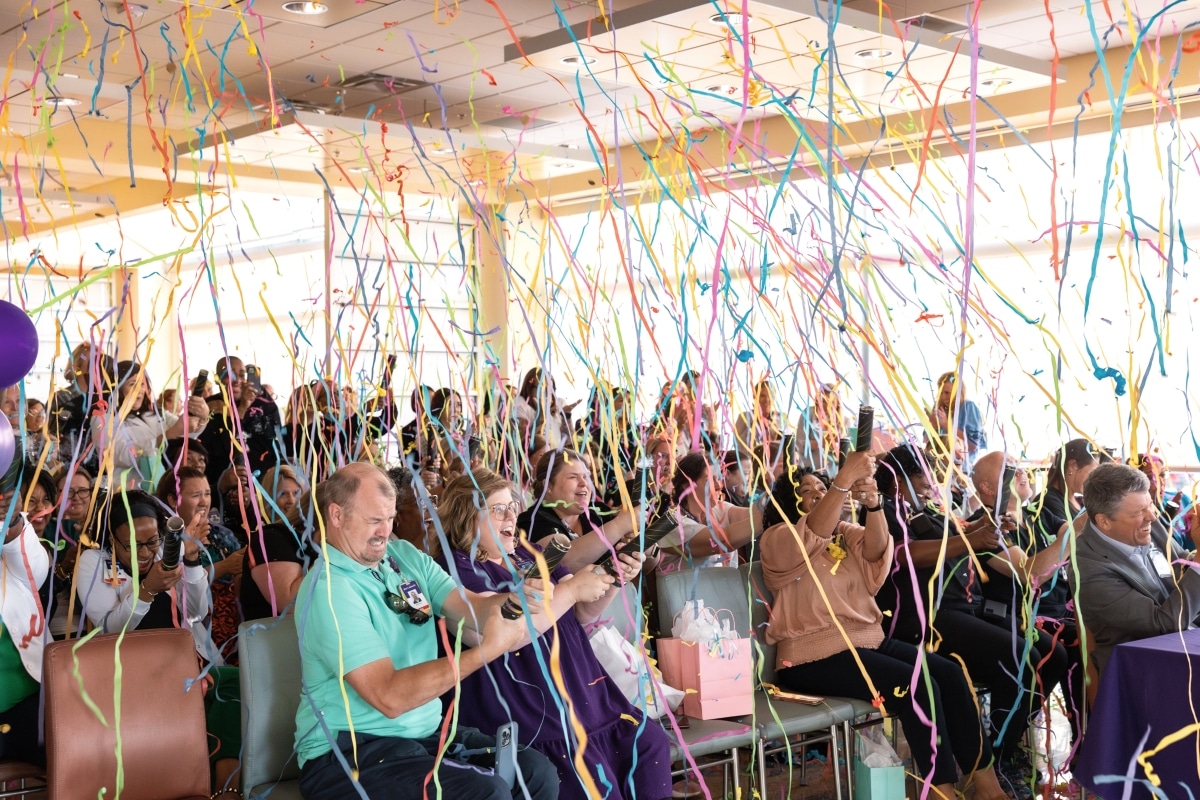
Greenville, N.C. – ECU Health Medical Center has once again earned Magnet® recognition, which is awarded every four years and represents the highest national honor for professional nursing practice, marking its third consecutive successful accreditation for exemplary nursing practice. The American Nurses Credentialing Center’s Magnet Recognition Program® distinguishes health care organizations that meet rigorous standards for nursing excellence.
“Earning Magnet recognition is a tremendous honor and reflects our commitment to delivering the highest quality of care to eastern North Carolina,” said Trish Baise, chief nursing executive, ECU Health. “Our repeated achievement of Magnet recognition is an incredible source of pride for our nurses and drives our entire nursing program to strive harder each day to meet the health care needs of the people we serve This prestigious designation is a testament to the dedication, professionalism and compassion of our outstanding nursing team in collaboration with our interprofessional partners across the health system.”
Research demonstrates that Magnet recognition provides specific benefits to health care organizations and their communities, such as:
- Higher patient satisfaction with nurse communication, availability of help and receipt of discharge information.
- Lower risk of 30-day mortality and lower failure to rescue rates.
- Higher job satisfaction among nurses.
- Lower nurse reports of intentions to leave their positions.
Magnet recognition is the gold standard for nursing excellence. To achieve initial Magnet recognition, organizations must pass a rigorous and lengthy process that demands widespread participation from leadership and staff. This process includes an electronic application, written patient care documentation, an on-site visit and a review by the Commission on Magnet Recognition.
Health care organizations must reapply for Magnet recognition every four years based on adherence to Magnet concepts and demonstrated improvements in patient care and quality. An organization reapplying for Magnet recognition must provide documented evidence to demonstrate how staff members sustained and improved Magnet concepts, performance and quality over the four-year period since the organization received its most recent recognition.
“ECU Health nurses carry forth a legacy of excellence, which was first recognized by the Magnet® Recognition Program in 2013,” said Brian Floyd, chief operating officer, ECU Health. “Since then, our nurses have continually raised the bar for patient care and inspire every member of our team to strive for excellence every day. This year’s Magnet recognition affirms our commitment to meeting our mission of improving the health and well-being of eastern North Carolina. We could not be more proud of the excellent nursing teams in collaboration with our interprofessional partners that made this recognition possible for the third time.”
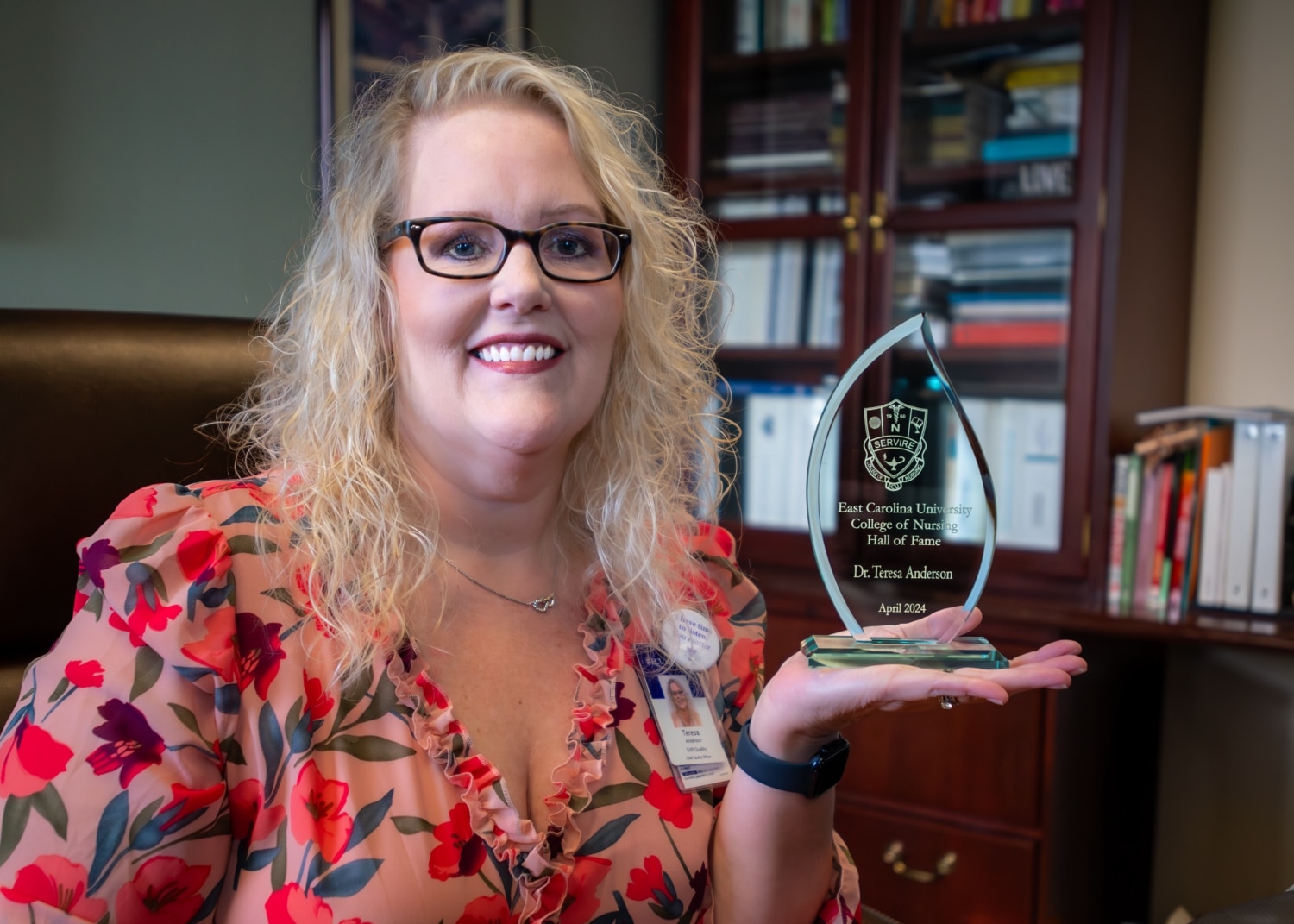
Keeping patients safe while they receive high-quality compassionate care is at the heart of what ECU Health does for eastern North Carolina. This is especially important to Dr. Teresa Anderson, ECU Health’s senior vice president for Quality, who recently celebrated her induction into the East Carolina University (ECU) College of Nursing Hall of Fame.
She joins a number of colleagues, mentors, friends and former classmates in the Hall of Fame, which recognizes the accomplishments of ECU’s exemplary nursing graduates and faculty members.
When Dr. Anderson enrolled at ECU, nursing school was not the path she thought she’d take. She started out in education but after a semester of tutoring, she realized it was not her passion. She started on her nursing course work and never turned back.
“I always had a heart of service,” she said. “Then I got into nursing school and on we went. I actually started at [ECU Health] Medical Center in 1996 as a nursing assistant while I was in nursing school. I hit 28 years of service this May.”
Over those 28 years, Dr. Anderson has worn many different hats. From the nursing assistant role to a bedside nurse and working in various medical roles before taking on management and administration, she believes her varied experiences have helped her be successful in her current role in Quality.
Along with the variety of her work and the mentors she has learned from, Dr. Anderson said it’s the patients and ECU Health’s commitment to improving the health and well-being of eastern North Carolina that keeps her coming back each day.
“Our mission and the population that we serve are special and important to me,” Dr. Anderson said. “We serve a very complex population. I know that we’re doing so much good for our patients and our community, and there’s so much more we can do now alongside the Brody School of Medicine. There’s just going to be so much more that we can do with population health and making sure that people get all the services and access to care that they need.”
Dr. Anderson is a three-time ECU graduate with her bachelor’s, master’s and doctorate degrees from the university. She’s also been recognized as a Great 100 nurse in 2016 and received a Leadership DAISY Award in February of 2021.
Dr. Amy Campbell, a quality nurse specialist at ECU Health and an ECU College of Nursing Hall of Fame inductee last year, submitted the nomination for Dr. Anderson to be admitted to the Hall of Fame. In the nomination, Campbell noted that Dr. Anderson is an outstanding role model and mentor who influences positive change while recognizing her team’s accomplishments.
“Over the years, she has served in many leadership and administrative roles that have led to improvements in patient outcomes. In addition, she has served on numerous community boards and enhanced the lives of Pitt County Residents,” Campbell wrote in her nomination. “On a personal note, Teresa has been a mentor to me personally and professionally over the last 14 years. She encouraged me to go back to school of my Ph.D. and was an active member of my dissertation committee. She has walked with me through tough times and give me priceless feedback to help me grow. I cannot think of anyone more deserving of this award.”
Dr. Anderson said she was humbled and grateful to have been nominated and accepted into the Hall of Fame. Hall of Fame members, new and former winners along with family and friends, attended a ceremony and had their nomination letters read before they were presented with a plaque to honor their induction.
Members of the Hall of Fame help fund a scholarship for the next generation of nurses and Dr. Anderson said this was one of the most special parts of the recognition for her.
“They showed a video from one of the recipients of the scholarship money at the event,” Dr. Anderson said. “She talked about how much it meant to her and it was very nice to know that the money collected goes to a great cause and to fund students in need. She talked about making ends meet and paying rent and all of her work in school. I remember those days, so it feels great to give back to future nurses.”
Resources
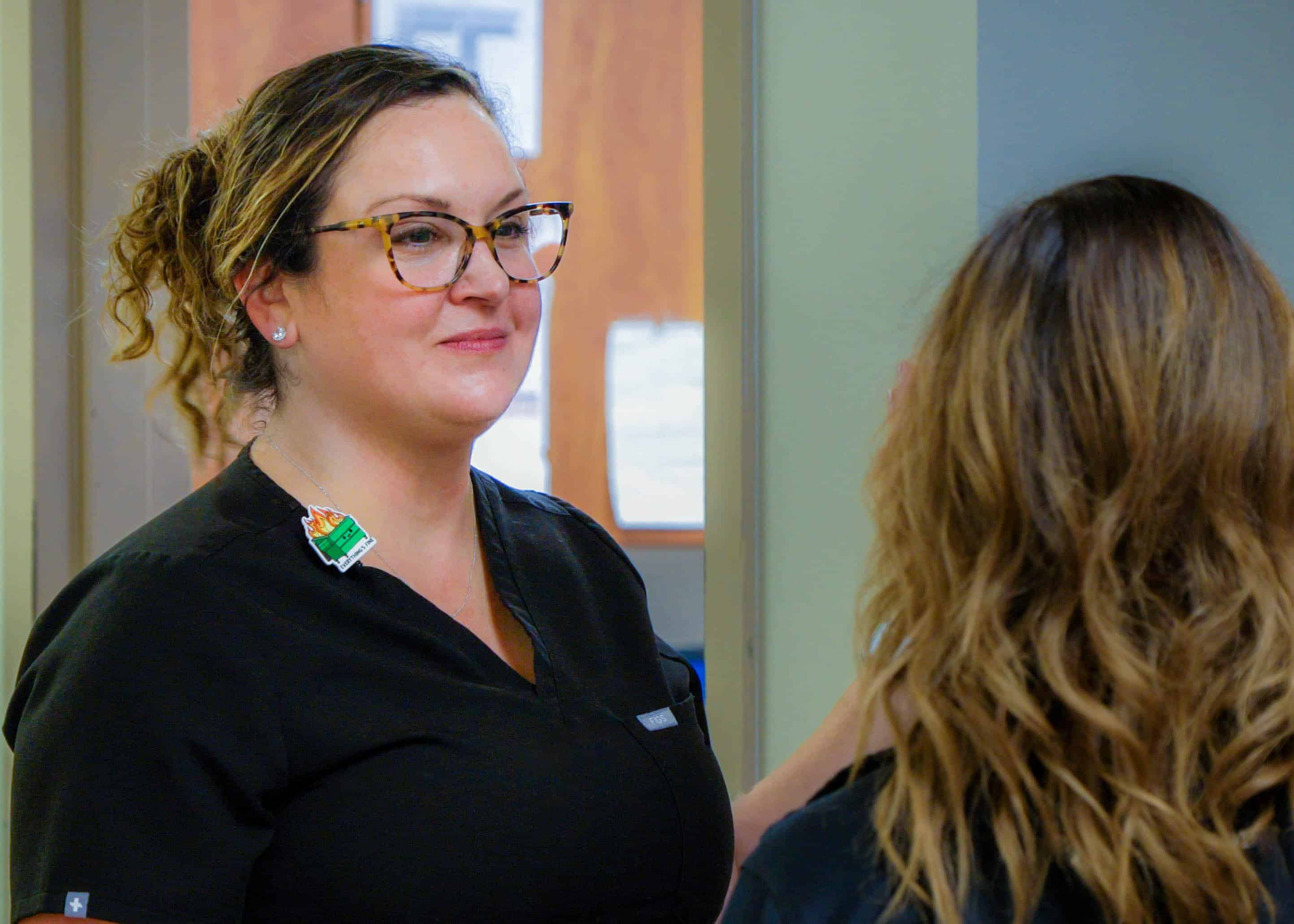
To be a health care provider is to answer a calling. For some, the journey to health care is a straight line; for others, the road is winding. This series features stories from ECU Health team members who took the winding road, but found the destination to be worth the effort.
Virginia native Suzanne Foster moved to New Bern in 2007 because of her husband’s work; at the time, she served as an operations manager in sales and marketing for a small internet company. “We primarily did financing for military and government employees,” Foster said. When her father became terminally ill, she found herself as his primary caregiver when he transitioned to hospice.
“Taking care of him through hospice was very eye opening,” she said. “It made me realize that my job didn’t really matter. What mattered was taking care of him.”
It was then Foster realized she wanted to become a nurse. Her brother, who had just been accepted to medical school, also supported her shift in priorities. “He said, ‘This is what you need to do,’ and it turns out he was right.”
Suzanne attended Craven Community College, and now she’s been a nurse for nearly eight years. Recently, she found herself drawn to work as a travel nurse, which is what brought her to ECU Health*. “I wanted to try travel nursing and experience other facilities, but I have a husband and a son I dearly love and don’t want to be away from,” Foster said. That’s what made a travel position at ECU Health Medical Center a perfect fit, even if it was something she was initially apprehensive about.
“I had always been at one little hospital,” Foster said. “It was intimidating coming to a larger hospital like the medical center.” But one of Foster’s friends assured her she’d love it. “And she was right, the staff on the Medical ICU where I work is incredible.”
The Medical ICU was the right fit, Foster said, “because it’s kind of a hodgepodge or catch-all. You get to do the MacGyver stuff because we catch everything that requires intensive care and not just strokes or heart attacks.”
She also enjoyed that the medical center was a teaching hospital, something she had not previously experienced.
“Where I worked before, we had four or five regular intensivists, and I could pretty much anticipate a plan of care from that rotating group,” she explained. “Now I get to experience a teaching hospital, which has been eye opening. I get to take care of patients with residents – medical students – and it’s fun because they want to learn. The difference between working in a small hospital and a teaching hospital has taken a little adjustment, but it’s been a lot of fun and exciting.”
Foster had nothing but great things to say about her transition to nursing and her travel nursing experience at ECU Health.
“I absolutely recommend it,” she said. “Whenever friends say they’re really thinking about nursing, I tell them the medical center is a wonderful facility. You get to be at the bedside and have fun, and you work with awesome nurses with impressive skill sets.”
Ultimately, her transition to nursing has allowed her to do what she feels is important: take care of people.
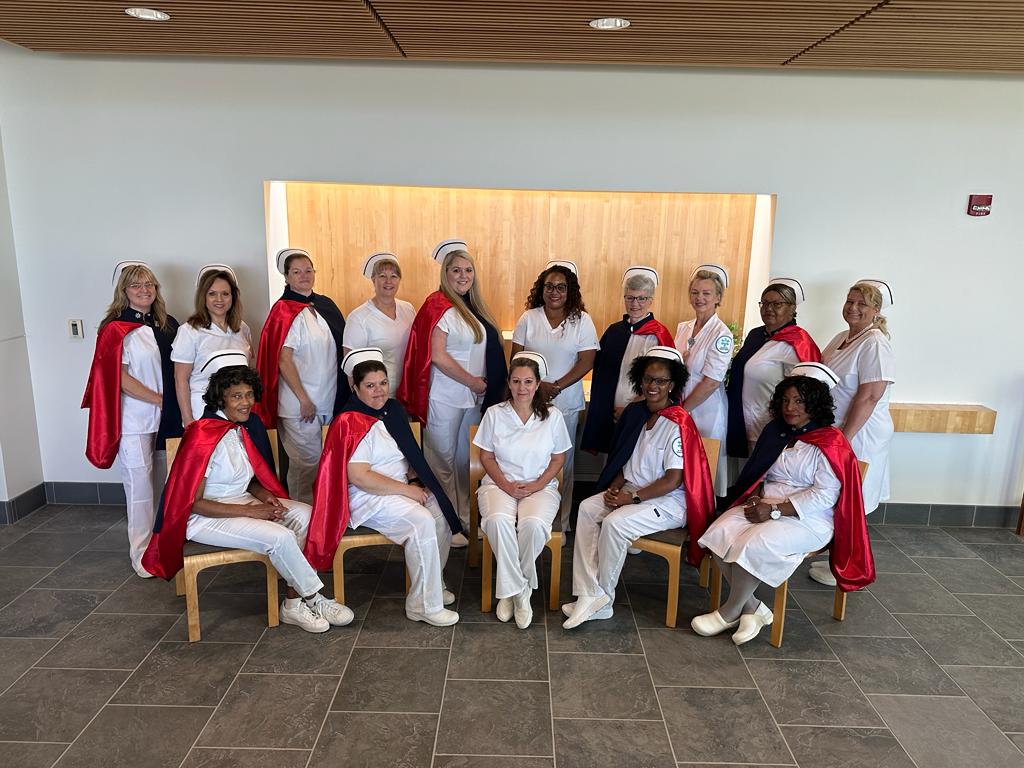
In July 2023, the Eastern North Carolina Nurses Honor Guard had the opportunity to participate in a living tribute for a fellow nurse, Janet Broady Farmer. The group of active and retired LPNs, RNs, FNPs and DNPs typically honors nurses throughout eastern North Carolina by attending their funerals or memorial services, but living tributes are a relatively new service that honors a nurse with a terminal illness or dementia. It allows the nurse to be present at his or her service, and it gives family members the opportunity to share and hear stories about their loved one.
“It is heart-touching for the family,” said Deborah Herring, a retired ECU Health nurse and honor guard member.
The national Nurses Honor Guard was initiated by the Kansas State Nurses Association in 2003. The Eastern North Carolina Nurse’s Honor Guard was established in 2017 by Tabatha Hall, assistant manager of nursing in labor resource management and its current president.
It was the first honor guard established in North Carolina, but many chapters followed. There are now nine regional chapters and one state chapter, and the Eastern North Carolina chapter serves 24 counties in the state.
During the honor guard funeral services, four or five nurses stand guard wearing their traditional white uniforms with caps and navy blue capes. They perform a ceremony customized for the honoree, but which follows a typical format. First, the Nightingale Tribute is performed. At this time, the Nightingale lamp is lit. Then, the Florence Nightingale pledge is recited; this is the same pledge every nurse recites at his or her graduation.
“It means a lot to nurses because they remember when they recited that pledge,” said Herring.
A poem is then read in which the nurse’s name is used, followed by the nurse’s prayer. The ceremony ends with the nurse’s final call to duty, and the Nightingale lamp is extinguished. This service is offered to the family at no cost.
While she’s participated in several funeral services, Herring said last summer’s living tribute was a first.
“The family wanted a little party with refreshments for the service and a table decorated with awards Ms. Janet had won,” she said. “We did our service, and then the family shared their memories of her and invited her former nurse manager to speak about how dedicated of a nurse she had been.”
Herring said the value of this type of service is that the guard can connect more with the family, and the event is a celebration of that person’s life.
It was all the more meaningful, Herring said, because she knew the nurse being honored.
“It just happened that I used to work with Ms. Janet,” she explained. “And this was back a long time ago. I was an African American woman working as a nurse at the Medical Center and I felt like I had to prove myself.” Herring said Janet pulled her aside one day and said something she never forgot: “She said I was smart and didn’t have to prove that to anyone,” Herring recalled. “She inspired me so much, and during the tribute ceremony I told the family that she was the one who inspired me to become a leader. I later became an assistant head nurse at the Medical Center, I worked as the director of nursing at the Pitt County Health Department and I was on the North Carolina Board of Nursing.”
After the ceremony, the honor guard received a thank you letter from Janet’s daughter. In it, she said, “All of our family and friends were so touched by the heartfelt words and sentiment. Having my mother’s previous coworkers there to speak of her passion and worth ethic was so special. Forty years ago, her memory and personality were so vibrant and full of laughter . . . thank you for brining those memories of her back to the forefront.”
Herring said many people don’t realize the honor guard exists or what services they offer.
“We’re trying to make sure people are aware,” she said. “That’s a big challenge.”
The guard members attend nursing conferences and funeral home conventions, they make visits to regional skilled nursing and assisted living facilities and they are working to get their information published in the North Carolina Board of Nursing newsletters. On May 6, the guard will host a booth at the Nurse and Well-Being Fair from 7 a.m. to 3:30 p.m. in the Medical Center’s cafeteria, where more people can learn about the guard and its services. It’s important to honor nurses in this way, Herring said, the same as one in the military, police or fire department might be honored.
“It upholds the profession to know that the service rendered by a nurse is valuable,” she said. “It’s your health being protected by the nurse, and you want to honor them for that.”
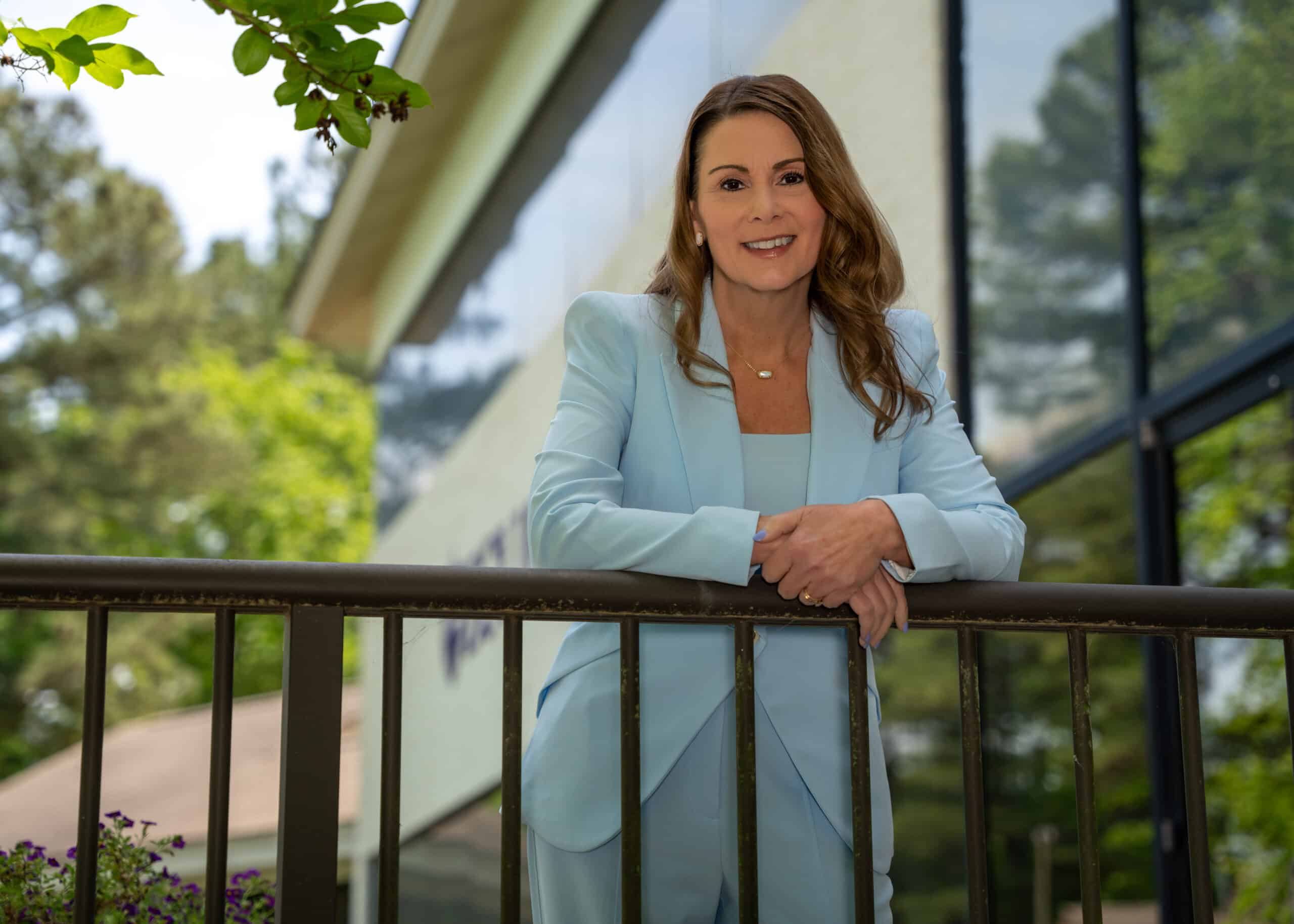
To be a health care provider is to answer a calling. For some, the journey to health care is a straight line; for others, the road is winding. This series features stories from ECU Health team members who took the winding road, but found the destination to be worth the effort.
“Nursing was not my first plan.”
That may be a surprising admission from Trish Baise, Chief Nursing Executive at ECU Health, but she’s very clear that she did not initially intend to pursue a career in health care.
“From first grade on, I was going to go to law school and join the FBI,” Baise said, but those plans fell flat during her freshman year of college. “I got to college and felt overwhelmed my freshman year. I wasn’t excited about the classes I was taking.”
Like many students, Baise worked full time to put herself through college; during that time, she took a student job dispatching for the police department. She continued taking classes, despite not being sure how to proceed with her career.
“I still thought I might go to law school, but I wasn’t entirely sure,” Baise said. “I was just trying to get my undergraduate work completed.”
At that point, Baise said she ended up getting married and had her first child, still with no degree. “I was taking classes part time and working full time, this time dispatching for the fire department,” Baise said. To do that, she was required to get her Emergency Medical Technician (EMT) license, and that’s when the lightbulb went off.
“I realized I preferred being on the ambulance as opposed to dispatching,” Baise said. “I wanted to be in the action.”
Baise said what drew her to health care was the focus on team and purpose; it was clear to her the impact these providers had every day. “That’s when I found my calling, and it started me off in a completely different direction than I thought I was going to go,” she said. Baise then enrolled in nursing school to get her associate’s degree.
Despite the hard turn from law, Baise said her previous jobs and education have absolutely influenced her current work.
“My mind works in an investigative way, seeking the truth,” Baise explained. “A large part of my work, especially in leadership, but also as a clinician, is gathering data, finding facts, getting to the truth and identifying what information you need to make an informed decision and plan. The law and regulatory classes I took as a student — you have to have a broad understanding of these things in health care. They impact the decisions we make.”
Having that baseline knowledge helped Baise be successful as she transitioned from the bedside to leadership roles, even if being a nurse leader wasn’t her intention.
“I had a mentor who joked that some people walk forward through a door, but I’ve been backing in the door my whole career,” Baise laughed. “I always ended up migrating toward positions with leadership responsibility, even if I wasn’t actively seeking out those things. I just saw a gap and I had a skill set that would be helpful. I’ve always wanted to know where I can make the biggest impact, to lead and inspire teams and to transform.”
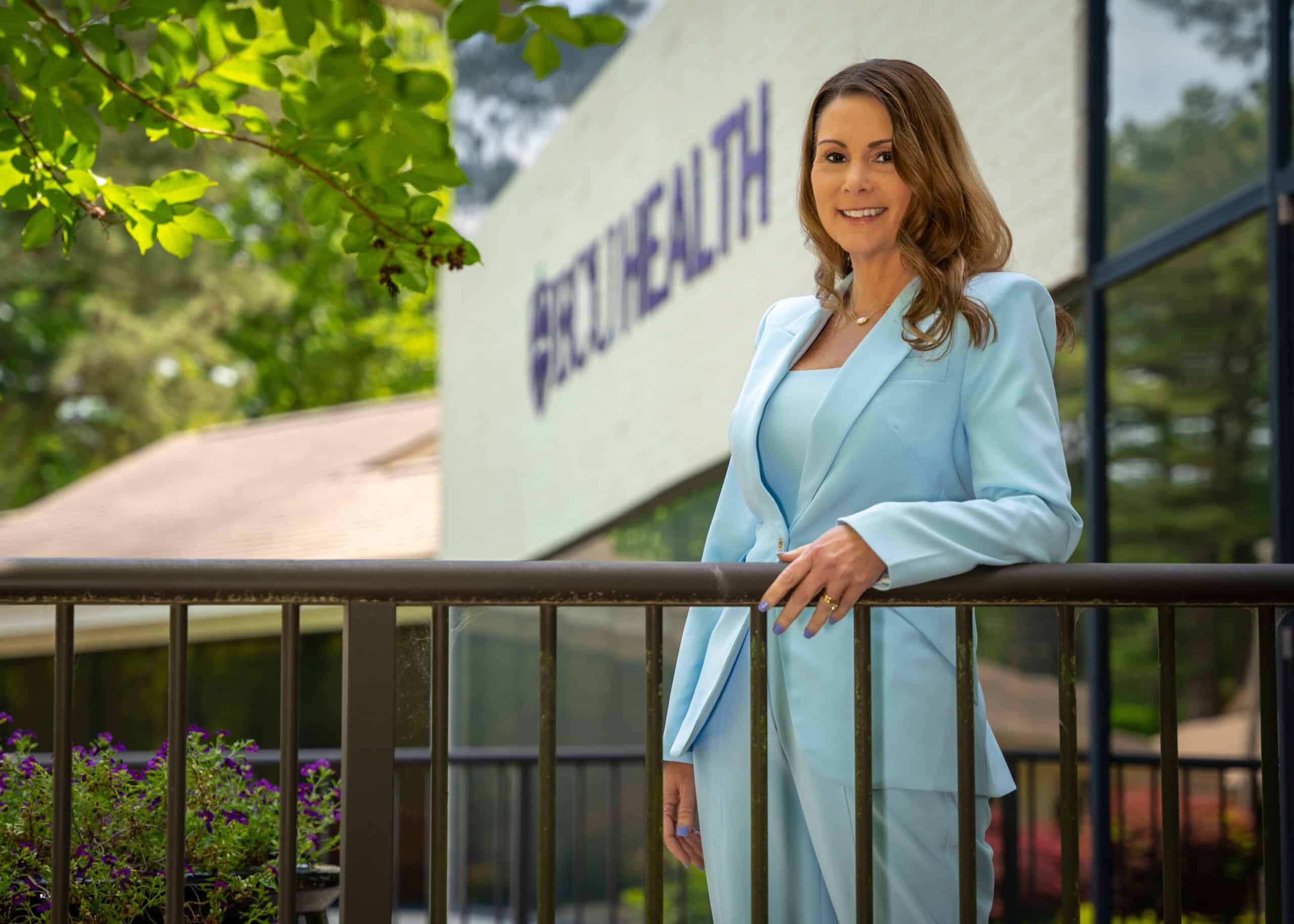
That keys in to Baise’s calling to “report to someone I’m ethically aligned with, build a great team and do great things together.” Leadership, she said, allows her to fulfill that personal mission in big ways.
Achieving her own goals has been made possible by working with ECU Health.
“I just celebrated my year anniversary,” Baise said. “ECU Health’s mission brought me here. I’m aligned ethically with the mission, and we have a huge runway in front of us to do great things together. There is no better space to do great things than here, where we can be creative and we have an academic medical center that can provide any procedure.” The availability of resources to support nurses and rural health care is another big draw for Baise: “We can put things in place to achieve our goal of being a national model for nursing excellence and rural medicine. As my career and my desire to impact nursing has grown, ECU Health has given me a chance to achieve those goals.”
To anyone considering a career in health care, Baise has some simple advice. “I’d say talk to people they know who work in health care. Shadow, volunteer and see what the day-to-day is for those roles.” Baise also noted that there are many options when it comes to working in health care. “It’s so broad that there are clinical options and operational. There’s something for everyone. The key is to find your passion and where your skills can be used best.”
As for Baise’s journey, she said it’s been pretty amazing. “From an EMT to a paramedic, to a nurse ranging from an associate’s degree to a doctorate, and now in a leadership role, I’ve loved every minute of it. It was not my original plan, but the non-plan plan has worked out pretty well.”
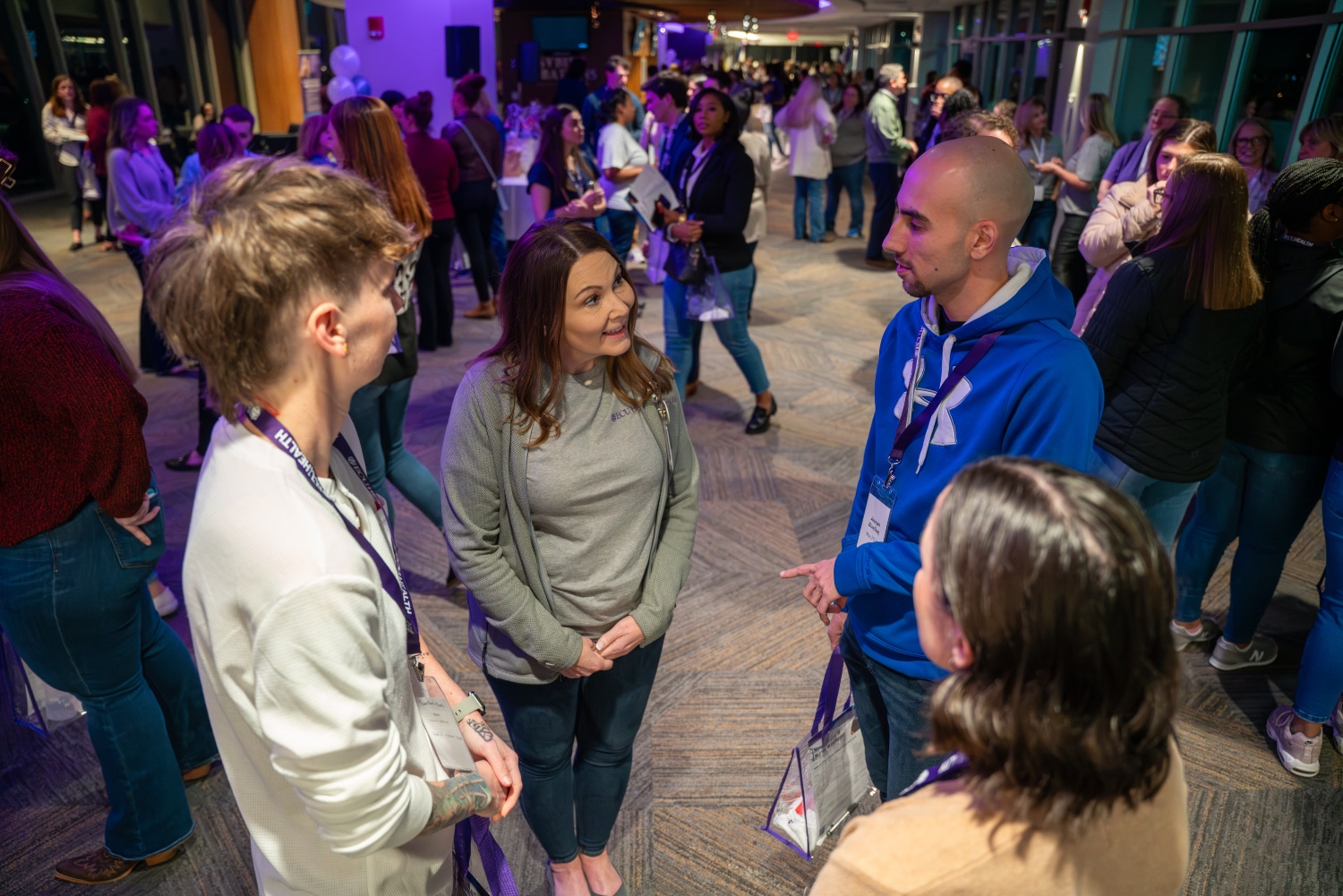
As part of its commitment to growing a high-quality nursing workforce for the region, ECU Health recently held a New Graduate Nurse Hiring event to connect with upcoming nurses, many of whom will begin their career with the organization in a few months.
The two-day event was hosted at the TowneBank Tower and the Williams-Clark Club Level on East Carolina University’s campus.
The February hiring event featured 301 scheduled interviews with prospective nurses, many of whom are from right here in eastern North Carolina, allowing candidates to interview for various units and connect with nursing leaders within the organization. To date, 96 future nurses have accepted positions across the ECU Health system.
This event underscores ECU Health’s commitment to recruiting and retaining exceptional nurses as we continue to shape the future of rural health care.
“The New Graduate Nurse Hiring event was really a great turnout,” said Trish Baise, chief nursing executive, ECU Health. “The opportunity to connect with future nurses was priceless. It was beneficial to engage in a casual environment before interview day and it allowed our team to speak with them informally. Every year it gets better. New graduate nurses are an important part of our workforce pipeline. It’s important for us to make sure that those who have grown up in eastern North Carolina and/or have been educated here, have a wonderful clinical experience with us.”
The hiring event spanned two days, with Friday dedicated to networking and allowing candidates to interact with recruiters and nursing leaders from several ECU Health entities, and Saturday dedicated to interviews.
“The key message that resonated well with the nursing candidates was ECU Health is the land of opportunities,” said Dr. Kamilah Williams, administrator for Professional Practice Development & Clinical Education at ECU Health. “There are so many opportunities for launching nurses’ careers in every specialty of nursing practice across ECU Health.”
If you’re interested in reading about our new graduates and their experience at ECU Health, check out the People of ECU Health articles on Brianna Cavaliere and Samantha Nichols.
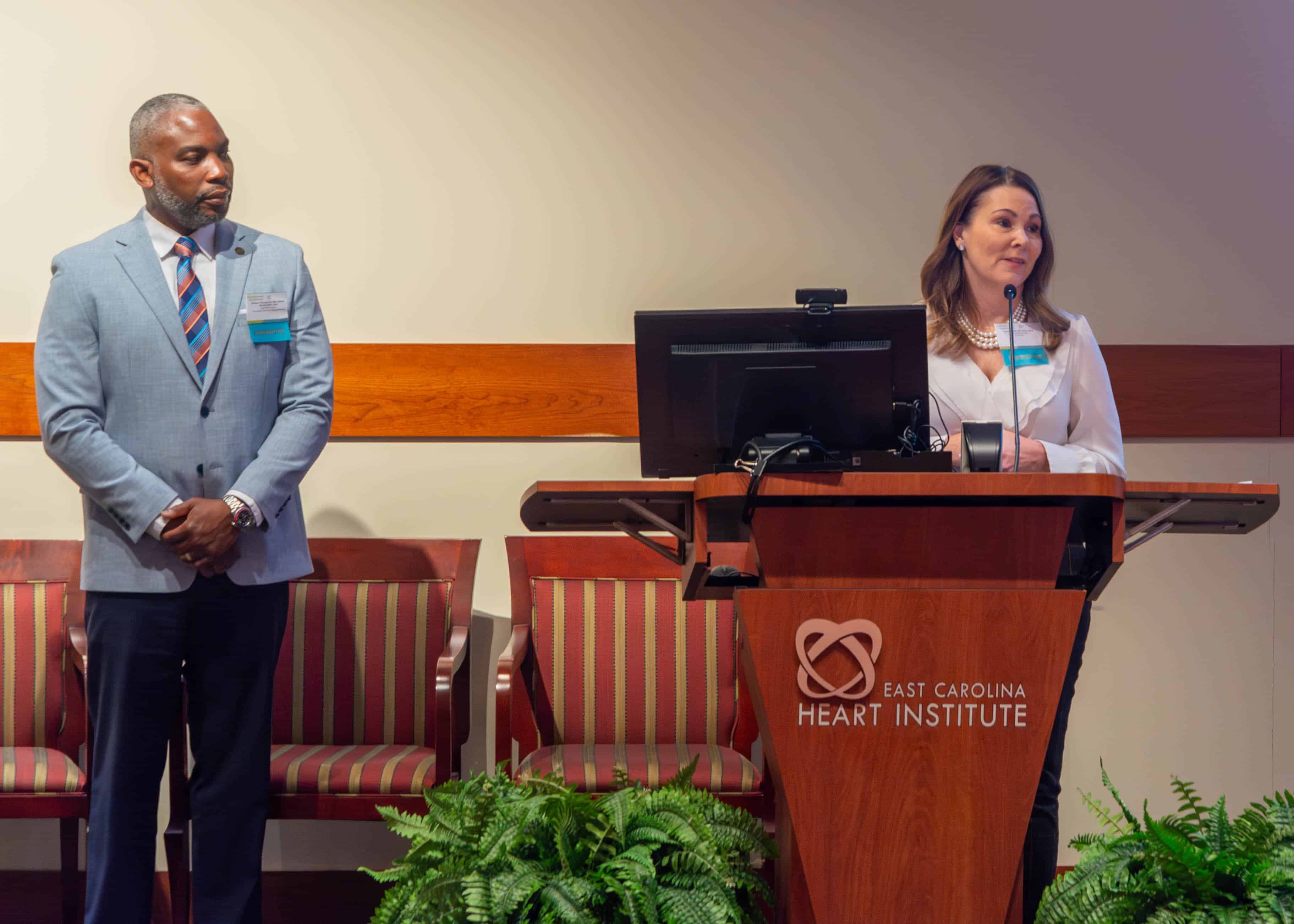
Nurses from across eastern North Carolina came together on March 13 for an opportunity to review important research and take in presentations during Collaborative Nurse Research Day.
ECU Health, East Carolina University College of Nursing, Eastern Area Health Education Center (Eastern AHEC) and Sigma Theta Tau, Beta Nu Chapter came together to co-sponsor the event and promote the research of local nurses working to improve the health and well-being of eastern North Carolina.
Dr. Trish Baise, chief nursing executive at ECU Health, said these events and opportunities to show the research that nurses do is crucial to influencing innovation and positive change in medicine.
“What warms my heart is seeing the engagement in our professional practice,” Dr. Baise said. “Research is often that extra work that some nurses might find intimidating or challenging but it’s so important to continue to drive the profession forward. So I want to say thank you for leaning into this space that’s such an important part of our profession. It’s my sincere hope that this will continue to grow.”
In rural areas, which see so many unique challenges from patient populations who are sicker than most to staffing shortages, research that helps improve care and bring about better patient outcomes in efficient ways can make all the difference.
Dr. Baise said as a health system with access to great resources in the area, being a leader in the research space is important to her vision for the health system and the future health of the region.
“From a rural health care perspective, no one is better poised to be able to determine how we drive health forward in a rural environment than eastern North Carolina,” Dr. Baise said. “We have all of the challenges but we also have amazing, brilliant, skilled clinicians, phenomenal nurses, wonderful academic partnerships and I feel fully confident this partnership can be the national model for rural health. If we can do it here, then it’s replicable in other rural areas and in the environments that are not experiencing the same challenges as harshly as we are here.”
Dr. Bimbola Akintade, dean and professor at ECU’s College of Nursing, also spoke during the event. He said the partnership between ECU and ECU Health makes for an exciting time in eastern North Carolina.
While the organizations work together to train the next generation of nurses, the partnership also allows for innovation at the bedside and in how those nurses are recruited to continue their careers here in the East.
“At the College of Nursing, our mission is to become a transformative model in research practice, innovation and leadership. The mission for ECU Health, it’s to improve the health and well-being of eastern North Carolina,” Dr. Akintade said. “I believe both organizations have done an amazing job in both of these spaces individually and we’re excited to grow together as we move forward. Whenever we think about nursing, we think about is care at the bedside. This event provides us a great opportunity for our students to work with our clinical partners at ECU Health to re-envision care and health care access for rural regions.”
The event featured speakers on rural health framework and a session for attendees to review posters displaying the research of nursing students and nurses working in the field.
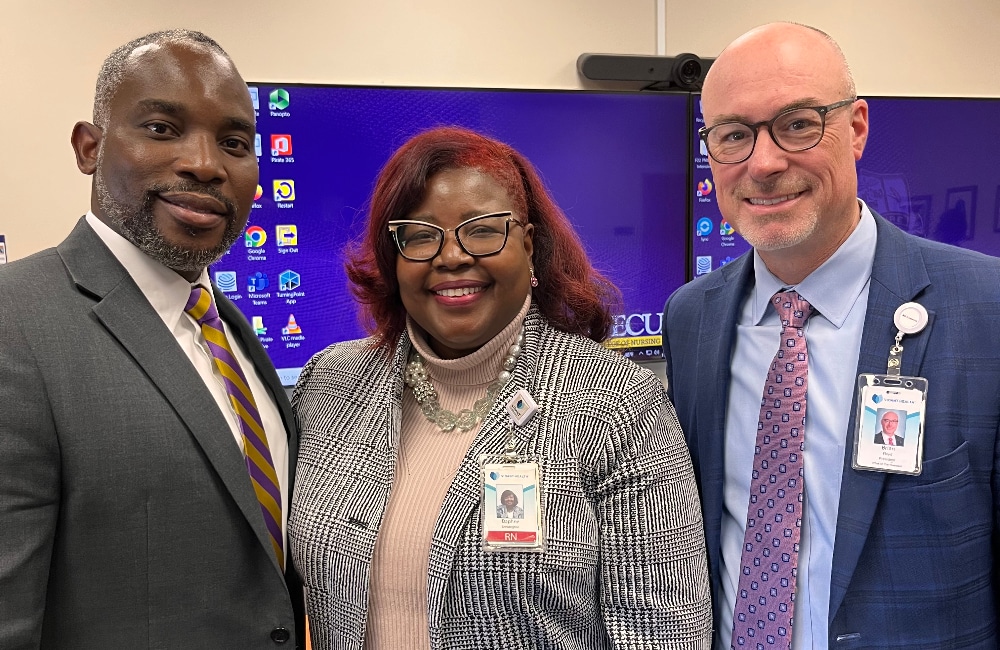
Greenville, N.C. – East Carolina University and ECU Health are launching an initiative to increase the number of adult gerontology acute care nurse practitioners serving as advanced practice health care professionals in ECU Health’s critical care settings. This effort builds on the collective commitment of both organization to solve the rural health challenges in the region as well as the state.
The effort – conceived by nursing and education leaders from ECU’s College of Nursing and ECU Health – will benefit both the university and the health system, said Dr. Bim Akintade, the dean of ECU’s College of Nursing. An investment of nearly $1.5 million over five years from ECU Health will increase the College of Nursing’s capacity to graduate trained and qualified nurses who can meet the growing need for acute care practitioners to treat the hospital’s sickest patients.
“ECU Health is proud of its close relationship with ECU and the College of Nursing, particularly as it pertains to our efforts to adapt to the national health care workforce shortage,” said Dr. Daphne Brewington, ECU Health’s vice president of nursing. “Our success as an academic health system is predicated on our ability to leverage clinical and academic excellence in order to ensure we can provide high quality health care for the residents of eastern North Carolina.”
Nationally, the aging population is growing, accompanied by the shortage of health care workers. This collaboration not only strengthens the health care workforce in eastern North Carolina but also contributes to improved health outcomes and increased accessibility to specialized care for older adults in the communities of eastern North Carolina.
Through this effort, ECU Health is helping fund the development of a new Adult Gerontology Acute Care Nurse Practitioner Post Graduate Certificate, which will train current nurse practitioners to treat acute care adult patients. The investment also provides funding for a program director who teaches and an additional part-time faculty member as well as administrative support and operational costs.
The program will reserve six enrollments per enrollment cycle for current ECU Health employees, highlighting the importance of providing specialized training that benefits the region.
“Our plan is to take the next few months to work with our partners at ECU Health and find clinical placement sites in critical care environments for ECU Health employees who enroll in the program,” Akintade said. “They need nurses, and training nurses is our business and passion. This collaboration is a win-win and makes complete sense for the University, the Heath System, the region, and the state.
Clinical placements for students employed by ECU Health will take place at ECU Health facilities, which will help to alleviate a major sticking point for training advance practice nurses – finding clinical placements for students in training. It also has the potential to create pathways for those in the program to experience acute care at both ECU Health Medical Center and in ECU Health’s regional community hospitals.
The initiative isn’t limited to the current arrangement and both ECU and ECU Health continue to explore ways to leverage this effort to design innovative solutions that benefit the people of eastern North Carolina.
“Eastern North Carolina depends on institutions like ECU Health and ECU to collaborate on innovative solutions that drive us towards our mission of improving the health and well-being of the region,” said Dr. Trish Baise, ECU Health’s chief nursing executive. “As a health system serving 1.4 million people, we need more nurses at every level in order to meet the region’s immense needs. The College of Nursing is one of the premiere nursing education schools in the nation and our health system is great training ground for developing a health care workforce with a focus on rural health challenges. I am excited to see the benefit this program will have on our patients and team members.”
This article is one of a series celebrating the 2023 Great 100 Nurses of North Carolina ECU Health honorees. The Great 100 Nurses in North Carolina honors the nursing profession by recognizing nurses around the state for their commitment to excellence. The recipients are distinguished for their outstanding professional ability as well as their contributions to improving health care services in their communities. This year’s 13 ECU Health honorees include Lindsay Caddell, Jenny Wester and Rhiannon Stallings.
Lindsay Caddell
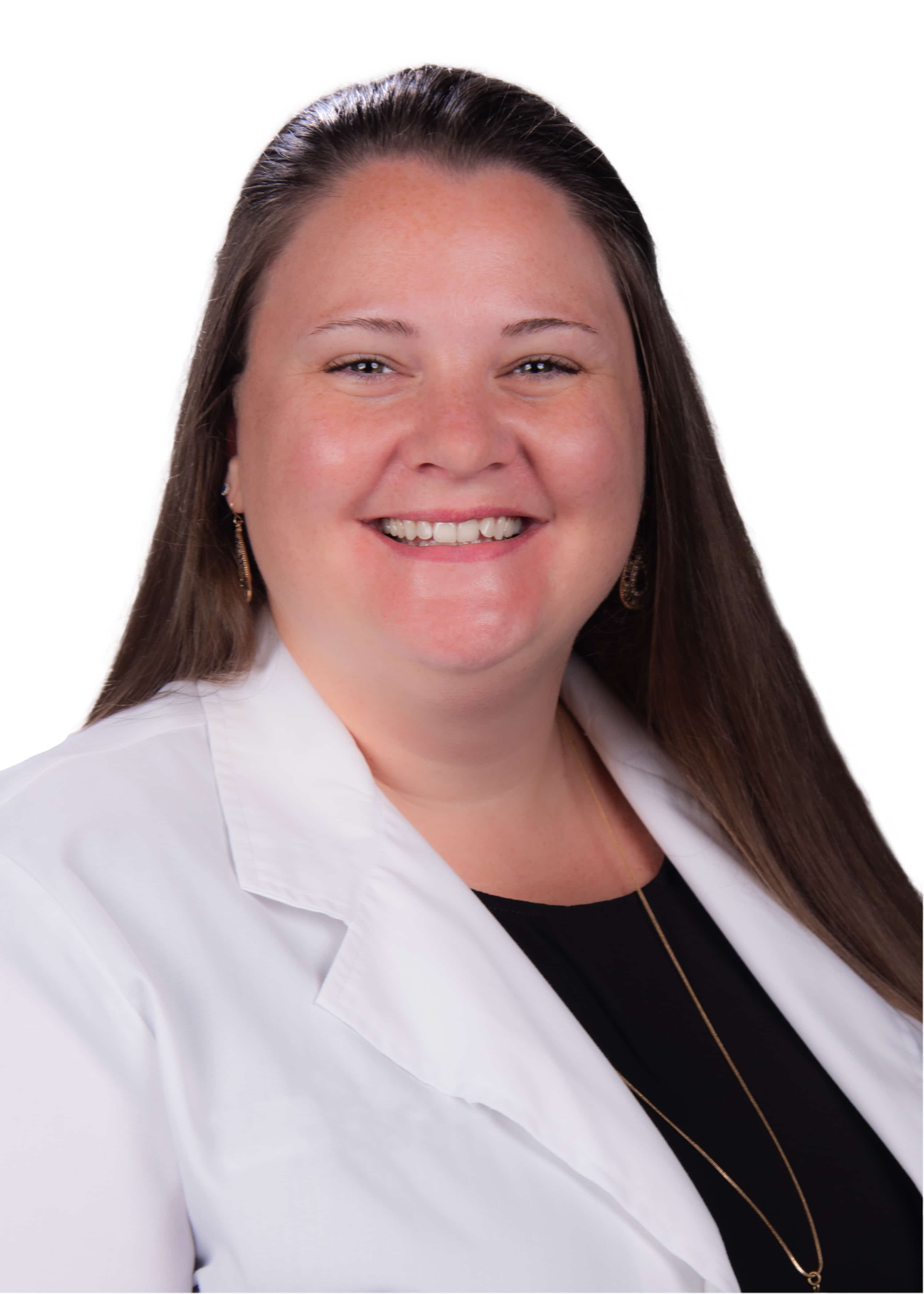
Lindsay Caddell, staff nurse in the NICU at ECU Health Medical Center, graduated from East Carolina University with her BSN and started working at ECU Health in 2015. She serves as a bedside nurse, but she also plays other roles, including precepting new nurses, acting as a charge nurse, chairing the bereavement team in the NICU and teaching in the STABLE program, which represents the six assessment and care modules used in the program: sugar/safe care, temperature, airway, blood pressure, lab work and emotional support.
A visit to see her cousin in the NICU when Caddell was in middle school sparked her interest in nursing. “I did some school projects after that, then went to nursing school and knew I wanted to work in the NICU.”
Caddell said now she can’t imagine working anywhere else or in any other setting.
“I built a family here,” she explained. “I have close friends and feel comfortable and confident. I have other people’s backs, and they have mine. Our team is great.” Part of her success comes from the mentorship she received. “I wouldn’t be here today without the people who precepted me and mentored me.” Caddell said that level of support and skill makes it unsurprising that 13 ECU Health nurses have been recognized by The Great 100 Nurses. “It shows we have a great team, especially in the NICU. It speaks to the focus each of us has on passing along the knowledge that was given to us. It’s an environment of education and mentorship.”
Caddell said she didn’t know she’d been nominated for The Great 100 Nurses, so receiving the award letter was a true surprise. “I was honored,” she said. “I know other nurses in the NICU and the hospital who have been honorees, and I respect them. Knowing I was chosen to be alongside nurses of that caliber was exciting.” Caddell hopes that being honored as a younger nurse would inspire new nurses as they began their careers. “It’s humbling to represent the NICU, but also to show younger nurses that there are things you can achieve as a younger nurse.”
Jenny Wester
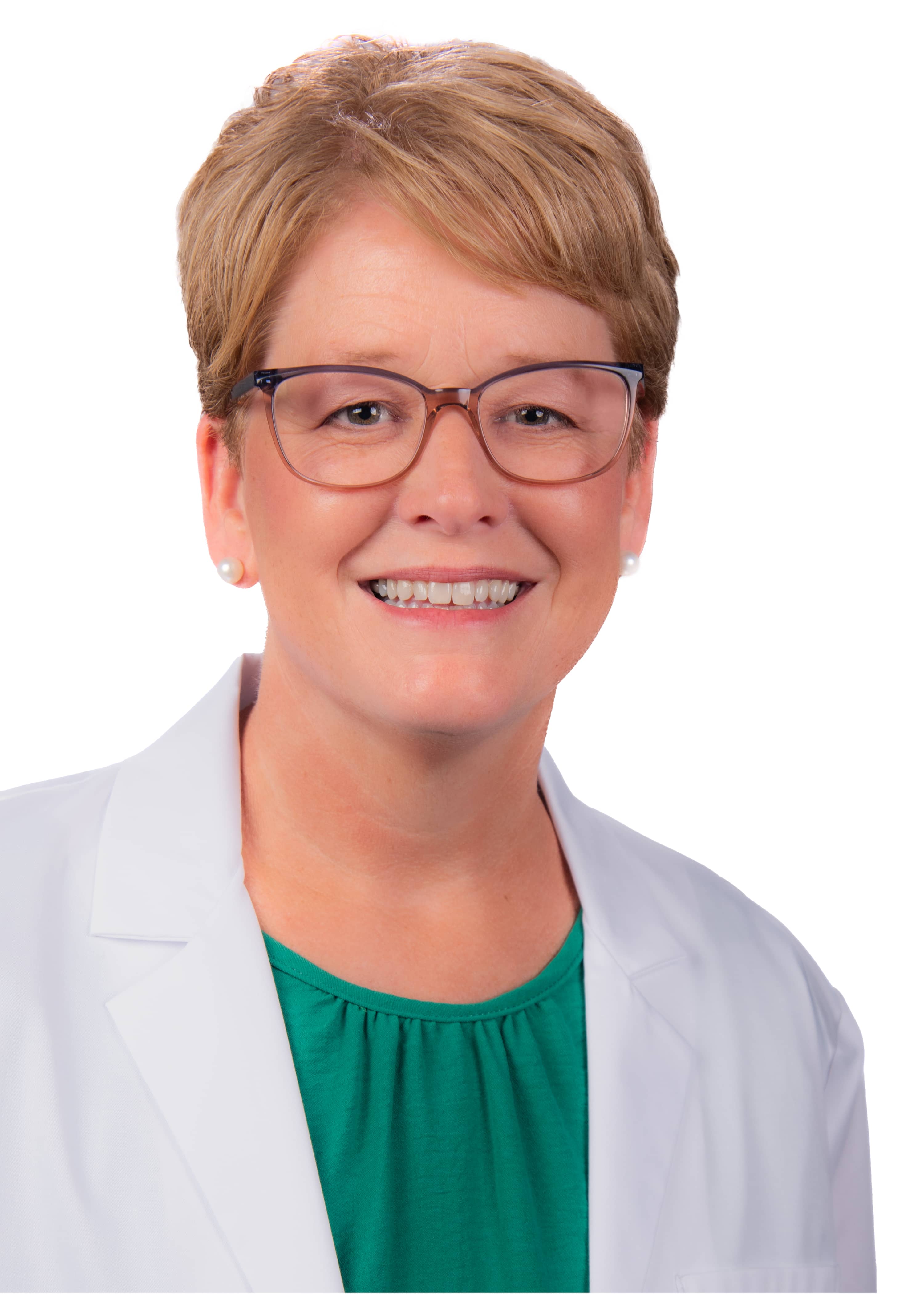
Jenny Wester named several reasons for becoming a nurse, but a four-week stay in the hospital after breaking her femur when she was 12 made her confident nursing was the right career path.
“I was in traction, and it’s hard to be 12 and not able to move for four weeks,” Jenny said. “But my nurses treated me wonderfully and tried to make every day a good one. I thought, that’s the kind of nurse I want to be.” One nurse in particular, Mary Beth, made a strong impression, and the two stayed in touch well beyond Wester’s hospital stay. “I kept up with her, and when I graduated from nursing school, she sent me a pair of gold scissors. That meant a lot.”
Wester has worked at ECU Health Medical Center since 1998 in pediatrics, and she said she’s never thought about going anywhere else.
“I love this environment and my peds family,” she explained. “ECU Health has been really good to me.” Her work at ECU Health offered flexibility and opportunities to grow. “I had a good work/life balance when my kids were younger and I could adjust my schedule,” Wester shared. “I was able to attend professional conferences, and they paid for me to go back to school to get my BSN.”
Wester attributed her success in part to strong mentor relationships during her career. “I’ve had wonderful mentors, and I wouldn’t be here without them. Now I take ownership of helping our new nurses, and I’m often called ‘Mama Jenny’ on the unit.” Wester said above all, she’s proud of her profession. “I’m so blessed to take care of my patients, and I’m proud to be a nurse. I want for all of our nurses to take pride in who they are and what we can do as a group.”
When she found out she was named a Great 100 Nurse, Wester was humbled and surprised. “I thought, they must not have had as good of an applicant pool this year if I won,” she laughed. Wester said she doesn’t think she does anything that her colleagues don’t also do. “I was taught to work hard,” Wester said. “In 25 years, there’s not a thing I’ve done around here I expected recognition for.”
Rhiannon Stallings
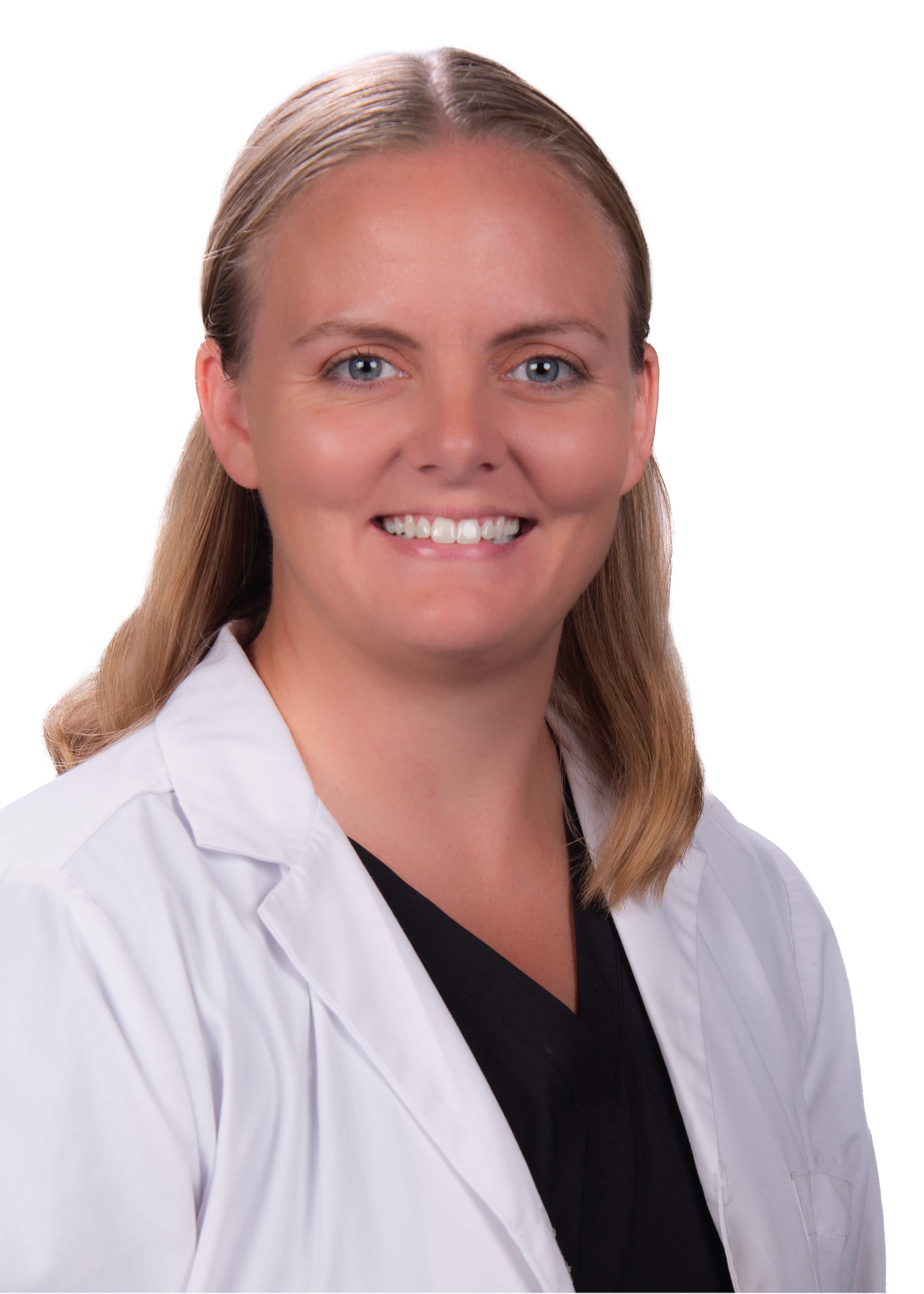
Rhiannon Stallings, a perinatal nurse navigator at ECU Health Medical Center, said that for as long as she could remember, she wanted to be a nurse. “As I went through nursing school, I decided I wanted to work in obstetrics, and here I am.”
After working for a few years at a smaller hospital immediately after graduation, Stallings joined ECU Health and has been here for the last 10 years. Stallings began as a bedside nurse but transitioned three years ago into the perinatal nurse navigator role, which, she said, allows her to impact many patients every day.
“I work with antepartum patients, some of whom are admitted for long stays,” she said. “I go on rounds with OB providers and ensure patients have the consults and education they need. I coordinate cardiac OB patients, who sometimes need special delivery plans to account for their cardiac diagnoses. I get to know the patients ahead of time, but I also go out into the community to meet regional hospitals’ patients’ needs.”
When she learned she’d been named a Great 100 Nurse of North Carolina, Stallings said, “I cried. It was an honor just to be nominated. To have my work recognized – it made me know I am doing what I’m supposed to be doing. I really enjoy my work and the patients I touch.”
However, Stallings insisted she doesn’t do more than any other nurse at ECU Health. “We have so many nurses who provide great care and want the best outcomes for their patients,” Stallings said. “We love what we do, and we help our patients get through those tough times.” That teamwork, Stallings said, is key to quality care. “I couldn’t do what I do without the interdisciplinary team that’s around me and the administration that supports me. I’m truly thankful for the nurses and providers who support and believe in me.”
The honorees will be honored at a statewide gala in October, to be held in Raleigh.
This article celebrates the 2023 Great 100 Nurses of North Carolina ECU Health honorees. The Great 100 Nurses in North Carolina honors the nursing profession by recognizing nurses around the state for their commitment to excellence. The recipients are distinguished for their outstanding professional ability as well as their contributions to improving health care services in their communities. This year’s 13 ECU Health honorees are below.
Ann Brabble
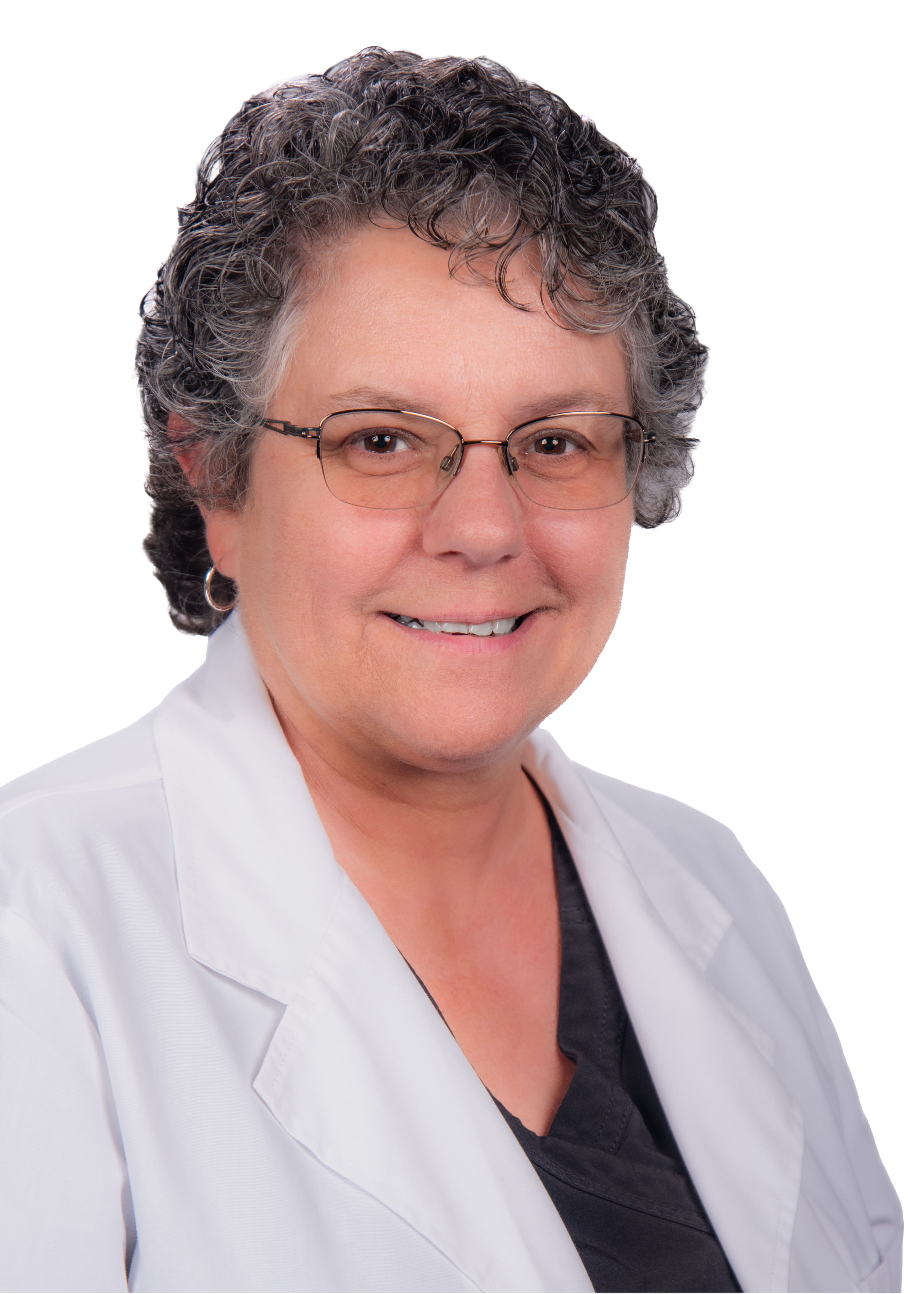
Elizabeth “Ann” Brabble described herself as a “small town girl” who enjoys her work as a nurse in the ambulatory surgery unit at ECU Health Roanoke-Chowan Hospital. “Some of our patients have never had surgeries before,” Brabble explained. “They’re scared. But you calm their fears and then see them in Wal-Mart, or they come in for another surgery and ask you to be their nurse.”
Brabble said growing up with her grandparents living with her influenced her decision to become a nurse: “When they got sick, my grandparents moved in and lived with us from when I was 12 or 13 and up. It was at that time I said I wanted to be a nurse, and I never changed my mind.”
Although Brabble loves her current position in outpatient surgery, she has worked in a variety of nursing areas for 37 years, 27 of which have been with ECU Health. “I worked in pediatrics for about 11 years,” Brabble said, “But I enjoy working with patients having surgery: providing the preparation and education to them and their families.”
What helps her in this work, Brabble said, is her faith and the support of her family. In addition to her work on outpatient surgery, Brabble also cross trains in chemotherapy, the outpatient clinic and outpatient lab testing.
“Nursing is about teamwork,” Brabble said when asked about being honored as a Great 100 Nurse of North Carolina. “If we didn’t have a good team, none of what we do would be successful. I try to do every day what is right for my patients, providers, family and co-workers. I wish I could take my whole team with me; I have co-workers who deserve it more than me.”
Brabble also acknowledged that having 13 honorees from the ECU Health system is significant. “It speaks highly of the team members who are striving every day to do the best they can, even in bad situations,” Brabble noted. “You don’t do it for recognition, but it shows that the organization supports team members.”
Brabble does her own work to support student and new nurses. “You have to come in to this not just for the money, but with compassion and care,” Brabble explained. “I tell that to all of my students. Don’t forget about the patient in the bed by focusing on the computer. I teach them to make eye contact and talk to the patient.” Brabble said she credits her own mentors for learning these important skills. “I had excellent preceptors who took me on this journey. Every transition I’ve made, I’ve had people I can refer back to.” Even now, Brabble said she learns something new every day. “New things come out all the time. And I learn things from the new graduates. We might all do the same skill but with a different technique, and you learn from each other what works best for you. Having an excellent team every day makes me successful.”
Emily Nock
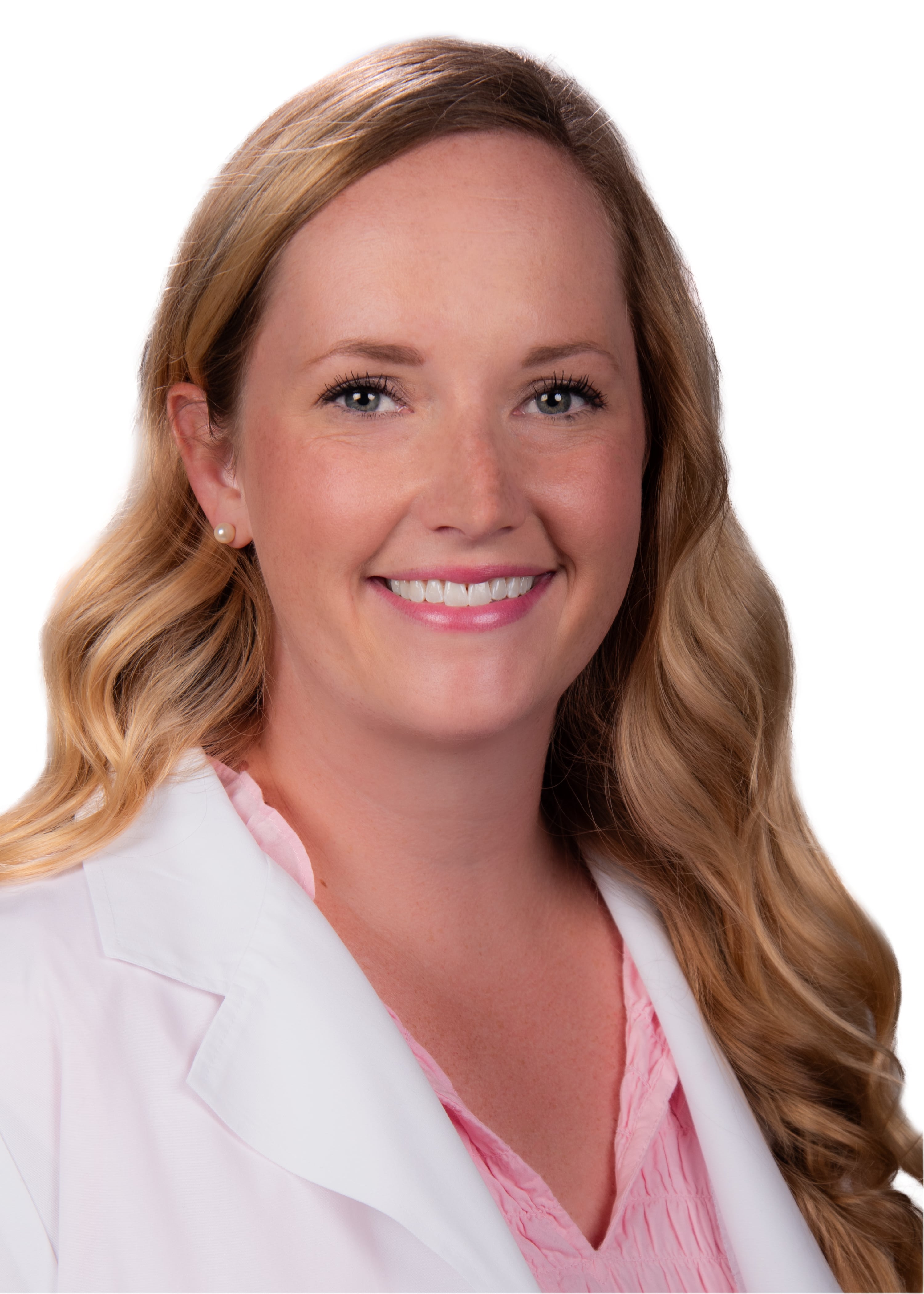
Emily Nock wasn’t sure at first what her path in life was supposed to be. “I thought I wanted to be an accountant, and then I thought I wanted to work in public health,” Nock said. “I ended up going to UNC at Chapel Hill to study psychology. It wasn’t until my junior year in college that I realized what I wanted to be.”
Nock’s mother is a nurse, but while growing up, Nock said she thought she wanted to do something else. “In the back of my mind, my mom was a fantastic nurse and a role model, and I thought I could never live up to her greatness,” Nock shared.
After graduating from UNC, however, Nock worked in the Behavioral Health Unit at ECU Health Medical Center, which is where she said her love for helping others truly blossomed. Nock added that having that experience secured her desire to pursue nursing. “I come from a sheltered and privileged upbringing, so to see what many people struggle with – homelessness, mental illness, no family support – it was completely life changing.”
From there, Nock applied for and was accepted into the ECU Accelerated BSN program, from which she graduated in 2016. Nock didn’t want to completely step away from her background in psychology, which is why she chose to work in the neurosciences at ECU Health Medical Center.
“I love the brain and didn’t want to get away from my roots entirely. Seven years later, I still love my patient population so much,” Nock said.
That ECU Health has 13 Great 100 Nurses of North Carolina recipients says a lot about the health system, Nock said. “It’s so wonderful that our leaders and teams are excited to celebrate our nurses and give recognition that’s deserved.” What makes winning the award particularly special for Nock is that she’s not the only one in the family to achieve such an honor. “My mom is a Great 100 recipient from 2001,” Nock explained. “I remember when she got dressed up for the gala – she was so proud and it was so special for her to receive this award.”
When Nock found out she was being nominated, she said she initially felt unworthy. “It was humbling and fulfilling to read the nomination – to see all of your hard work written out helps you realize your worth,” Nock said. “I am especially honored to share the gala experience with my mom.”
Alex Owens
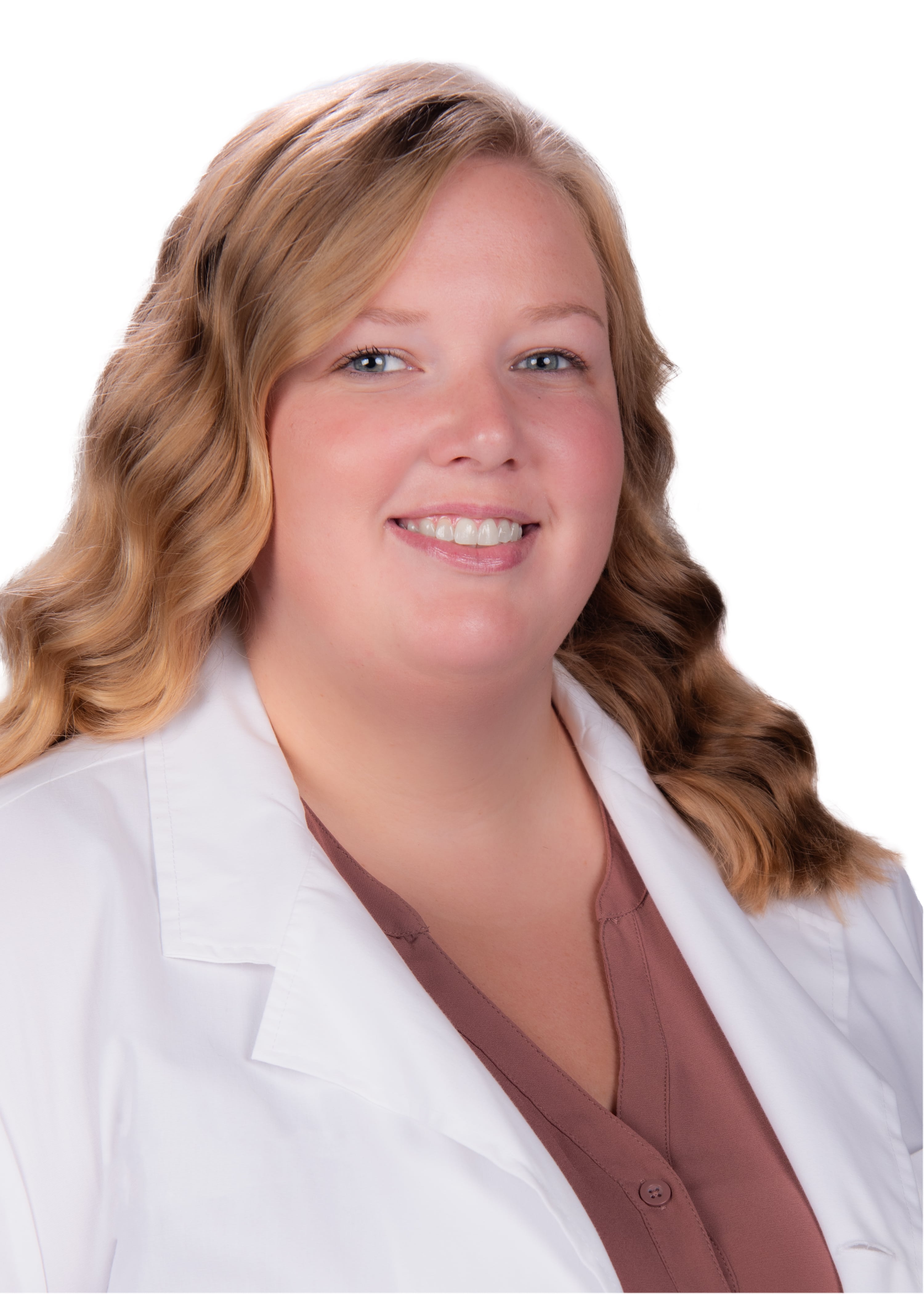
Chelsey “Alex” Owens said that while she picked neurosciences as a practice specialty on a whim, she doesn’t regret the decision. “What I like most about my unit are my co-workers and the patients,” Owens said. “The patient population isn’t the easiest, but we have great teamwork and that makes the shifts smooth.”
Owens graduated with her associate’s degree in nursing from Beaufort Community College in 2016, and she’s worked in ECU Health Medical Center’s neurosciences unit for the last seven years. Being a nurse is something that Owens said she “always wanted to be.” She followed a nursing career pathway in high school and became a Nurse Aide 1 (NA1) as a senior.
To be nominated for and then to win a Great 100 Nurses of North Carolina award was a shock, Owens said.
“My initial reaction was disbelief. I couldn’t believe I’d been a nurse long enough or accomplished enough to be honored with this once-in-a-lifetime award,” she said.
Still, Owens works hard to support her team and promote her profession. “I am head of our CAUTI quality team, I have participated in the Children’s trick-or-treat event for the past four years, I’ve been a clinical coach for five years and an elite charge nurse for four years and I’m a member of our stroke response team,” Owens said. “If my manager needs anything, she can depend on me.”
The honorees will be honored at a statewide gala in October, to be held in Raleigh.
Dana Byrum
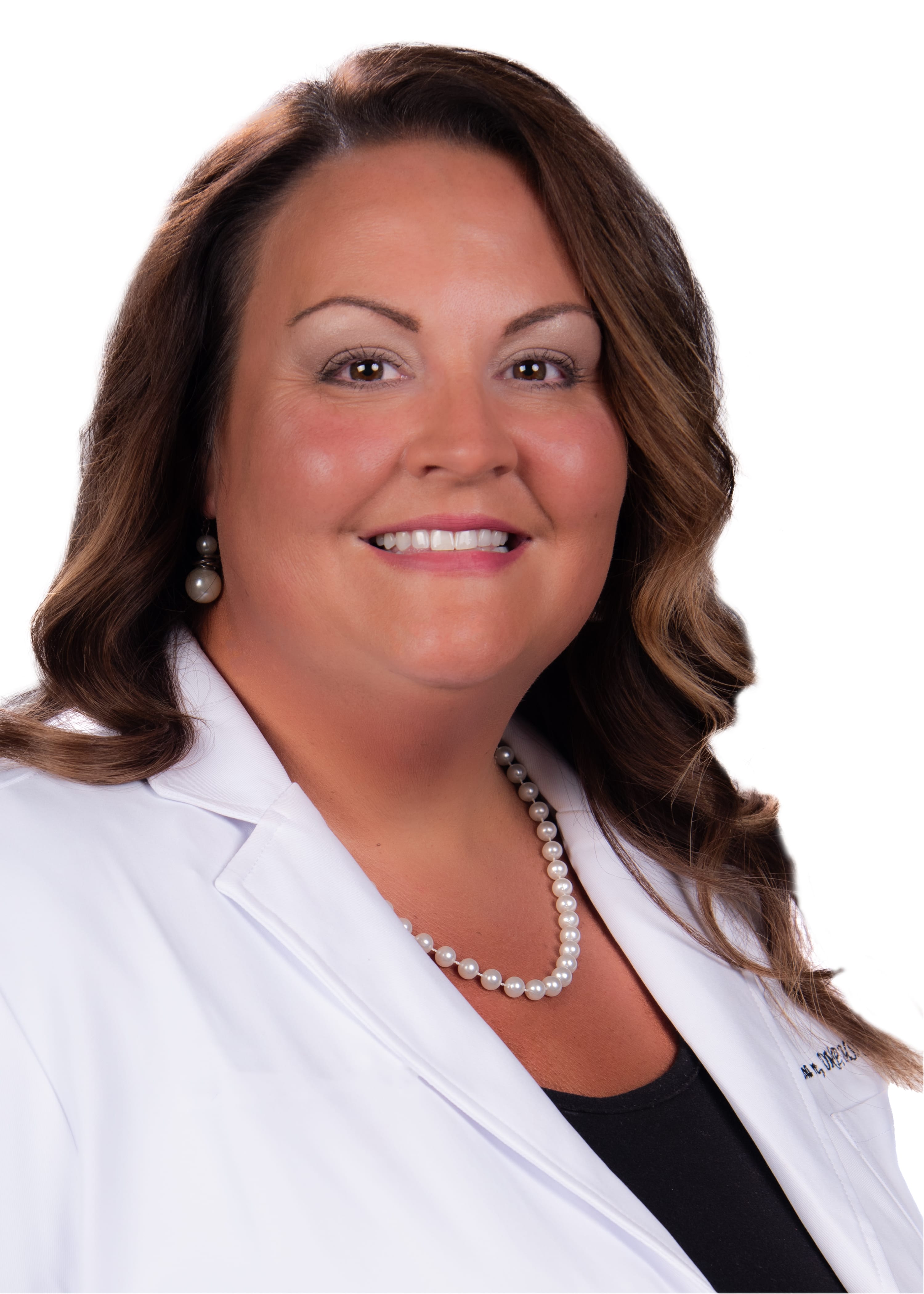
Dana Byrum has been a nurse for 23 years, but her career with ECU Health began in 1996, when she worked in medical records. “Initially, I wanted to be a teacher,” Byrum admitted. “But as I continued working in medical records, I was drawn to patient care.”
Her work in medical records gained the attention of the nurse manager on the medical surgical unit. “Whenever I saw her in medical records, I asked a lot of questions about health care topics I read or heard about. She encouraged me to be a nursing assistant, and she and the other nurses took me under their wings and educated me on patient care – not only as a nursing assistant, but also about the impact a nurse can make,” Byrum shared. That support led Byrum to ultimately pursue her nursing degree. “I am fully HomeGrown,” Byrum said. “I got my AND, BSN, MSN and DNP all with the support of ECU Health.”
After working as a bedside nurse on the medical surgical unit, the ambulatory surgical unit and the outpatient specialty clinics, and after serving as the assistant manager, and later manager, of the ambulatory surgical and outpatient specialty clinics, Byrum assumed the role of director of nursing and is now the vice president of patient care services at Bertie and Chowan hospitals. “Being in a leadership role is being a voice for our front-line nurses and our patients,” Byrum said. “I’m advocating for and empowering nurses to provide the highest quality of care so that our patients have optimal outcomes.”
Byrum said the way she does that is by spending time on the floors with her nurses. “I round frequently in our departments and get that face-to-face time with the nurses,” Byrum explained. “I learn about the challenges they face and how I can help address those.” And, Byrum noted, just because she became a nurse doesn’t mean she doesn’t get to be a teacher. “I have served as adjunct faculty for our local community college and have done a lot of education in my roles. As a front-line nurse, I was the eyes and ears of my patients and served as an advocate for them. I was able to spend time with them and their families, educating them about their care. There was no greater feeling than to know I helped a patient improve their health care or quality of life,” Byrum said. In her current role, Byrum now looks for ways to develop her colleagues into leaders. “I had great mentors along the way and I want to give back,” she said.
When she learned she’d been named a Great 100 Nurse of North Carolina, Byrum said she was excited. “I feel like I’ve worked hard to be a great person and a great nurse; it was exciting to see the contributions I’ve made being recognized.” Byrum was quick to say that receiving such an honor is humbling, and it’s a reflection of the passion she feels for her work. “I genuinely love what I do,” Byrum shared. “I love that I’m responsible for the patient care in two facilities, and I’m able to nurture front-line nurses as well as grow and mentor nurse managers to be great leaders. The fact that I can walk the floor and talk to team members, and then take that information to the board room to make creative solutions that improve those nurses’ day-to-day activities, which leads to high quality patient care – there’s nothing more important.”
Elaine Henry
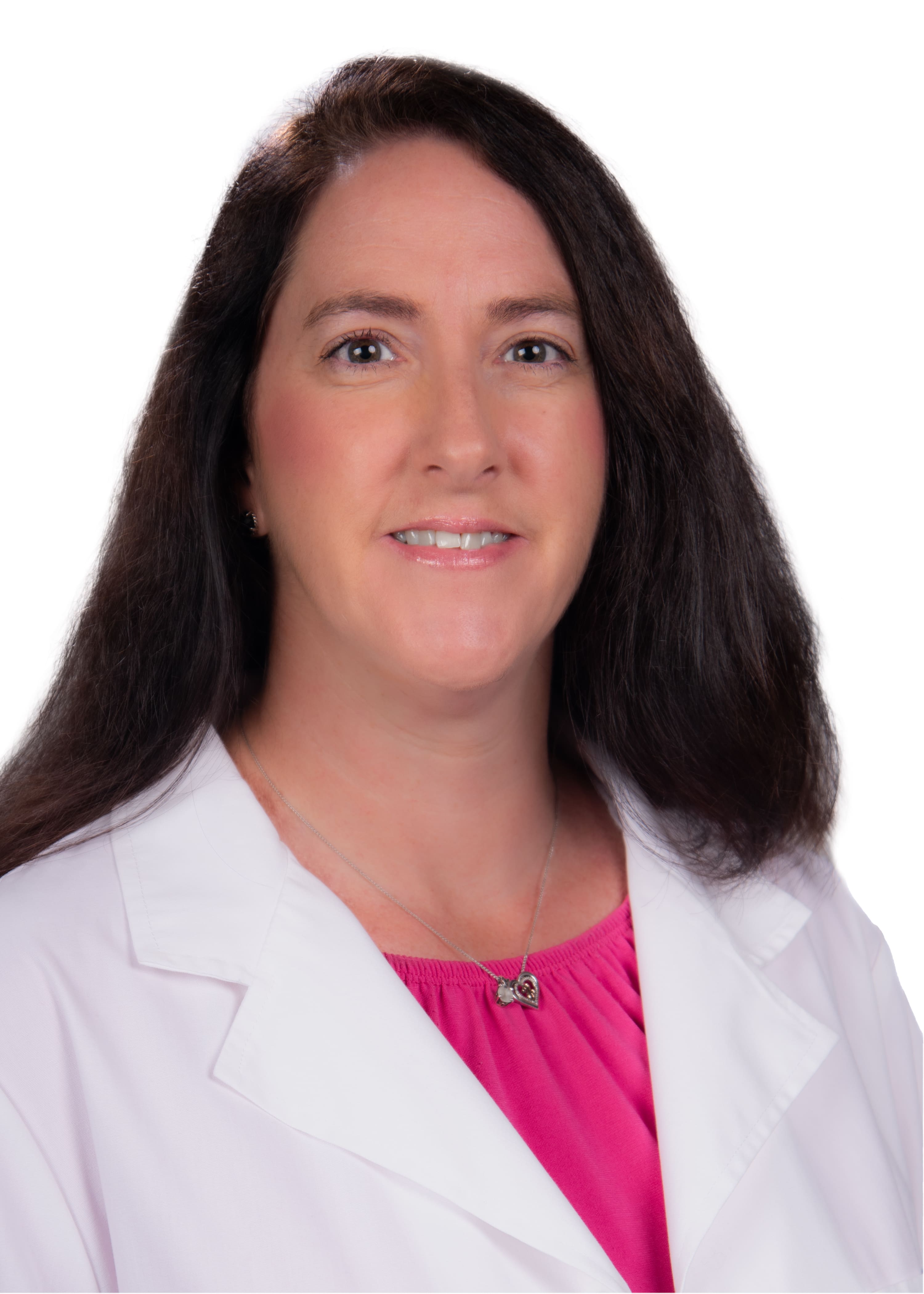
Elaine Henry, the manager of Children’s surgical subspecialists at ECU Health Medical Center, has worked at ECU Health since graduating from ECU in 1996. Prior to her current role, Henry worked in the Neonatal Intensive Care unit for 18 years, followed by three years in pediatric surgery quality improvement and four years in quality for women and children’s. She received her MSN from ECU in 2019 in nursing leadership.
Henry said her clinical rotations led her to the neonatal world and she loved it immediately. “It’s the most rewarding career,” she said. “Even in the worst situations, we can comfort and take care of our patients and their families.” Henry observed that children she saw as patients early in her career are now grown up and having kids of their own. “I recently went to a baby shower for one of my former NICU patients,” Henry said. “It’s such a privilege to care for these babies and watch them get well.”
Henry’s role in quality now gives her a more global perspective about the impact of nursing. “I get to see the improvements we’ve made in health care and in the NICU. I feel like my role is so important; I’m a leader impacting the clinical care in the NICU and across Children’s.”
When she found out she was a Great 100 Nurses honoree, Henry said she was humbled and surprised. “I was so excited I started jumping up and down,” Henry shared. “I have a twin sister who is also a nurse at ECU Health, and I had to text her.” Receiving such recognition is an honor, she said, especially considering the quality of nurses at ECU Health. “There are so many great nurses here,” she explained. “I am proud of my profession and to be a nurse at ECU Health. To be recognized across the state means a lot, and it represents who we are as an organization.”
Katie Knowles
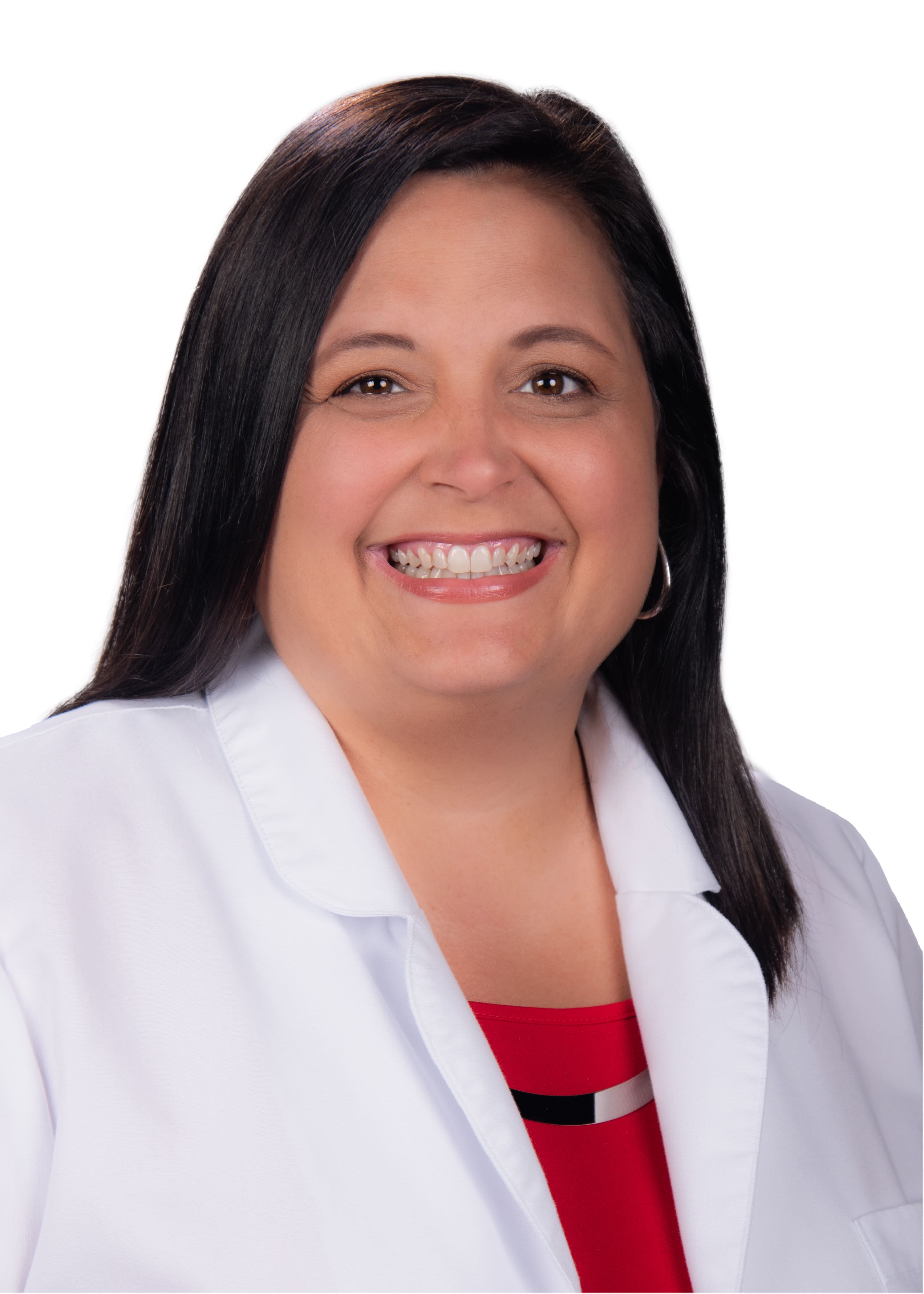
“Service is my love language,” said Katie Knowles, a quality nurse specialist at ECU Health Duplin Hospital, when asked why she chose to go into nursing. When her grandfather had to deal with a misdiagnosed stroke, it solidified her decision to work in health care. “His quality of life would have been so much better if he had received treatment in a timely manner,” Knowles said. After that experience, Knowles attended NC State considering a pre-med route, but a rotation in pediatrics showed her that nurses did the work she was really interested in. She returned home and first attended James Sprunt Community College for her ADN before transferring to the University of Mount Olive for her BSN. She later graduated with her MSN and the realization that her calling was to stay and work in her hometown. “ECU Health gave me the avenue to best serve my community, and it allowed me to become the person and nurse I wanted to be,” Knowles said.
Now an ECU Health team member for 10 years, Knowles said she loves her work in quality.
“I look at the unit, processes, people and problems. And I work to put things in place to make them better for patients and the team,” Knowles shared. She is quick to note that it’s not just her work that gets things done. “No one person changes things alone; it takes a bunch of people working towards the same goal. That’s how you get big change and impact our patients and families.”
Knowles said she was in shock when she found out she was a Great 100 Nurse of North Carolina. “Just to know someone nominated me was huge,” Knowles said. “I’m a person who doesn’t like being in the spotlight. I’m receiving this award on the back of other nurses who’ve worked just as hard, if not harder – not for an award, but because they want to change the lives of the people they help.” Knowles said the honor also means a great deal to her family. “It is emotional because it’s not just for me – it’s for my family and my community. And it shows my kids that the work you do is important, that it matters. That makes this award extra special to me.”
Doing that work in a rural community is especially important, Knowles said. “ECU Health serves 29 rural counties. In Raleigh there’s a doctor on every corner; here there is one provider for every 4,000 people. These patients are underserved, but ECU Health is pouring its resources into those areas and covering more territory than any system in the state.” That service drives Knowles to be the best she can be. “To be a small part of such a big team that’s putting employees and communities first – it’s exciting.”
Jennifer Kendrick
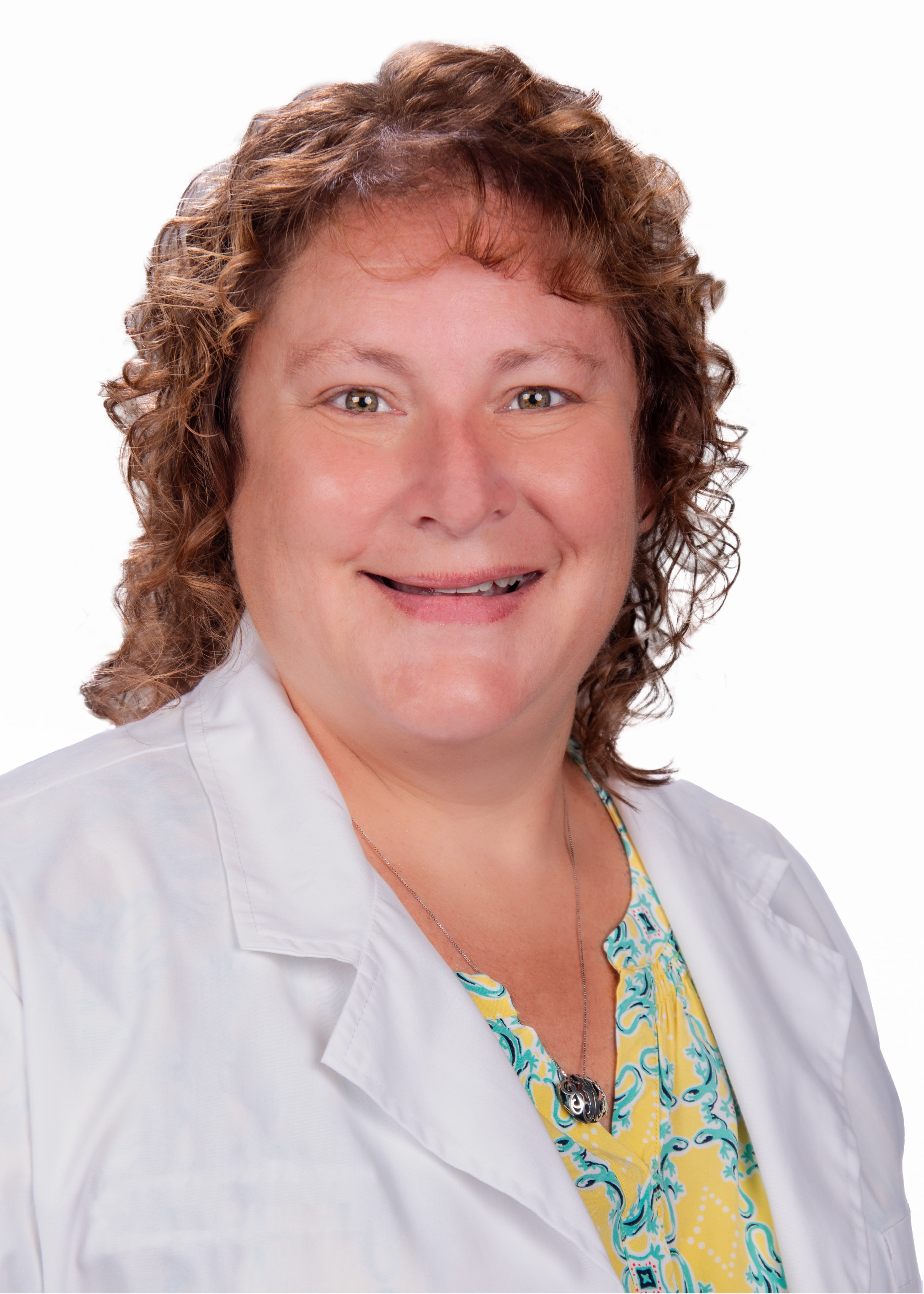
Jennifer Kendrick has worked at ECU Health since 2018, but she’s been a nurse since graduating from the University of Western Ontario in 1994. She is currently a perinatal outreach coordinator, and she provides obstetrical education to clinicians and providers to improve the health and well-being of maternal and childbearing families in eastern North Carolina. While working in this field wasn’t necessarily something Kendrick knew she wanted to do from the beginning, she spent a rotation during college in labor and delivery and found her passion there.
After working as a bedside nurse for more than 20 years, Kendrick found herself with the opportunity to educate new and current nurses and other providers. “I started with teaching CPR in the early 2000s,” Kendrick said. “Now I educate providers in obstetrics, and I take clinical students from ECU to the OB floor at Nash.” Kendrick said she’s been asked by the American Academy of Family Physicians international forum to teach an Advanced Life Support in Obstetrics course in Palestine in November of this year. She’s also pursuing her DNP, with plans to graduate next year.
Kendrick said it’s an honor for her hard work to be recognized as a Great 100 Nurses honoree. “It’s humbling to be recognized for the passion I have for what I do and the great need for it,” Kendrick admitted. “We work in some of the poorest, toughest, most socioeconomically disadvantaged communities.” She pointed out that she’s not the only one doing this valuable work, and that having so many nurses from ECU Health to be recognized is important. “It speaks to the level of expertise we have in our systems, and the fact that we’re willing to see it and recognize each other,” Kendrick said. “There is phenomenal work going on in eastern North Carolina.”
Kimberly Lupton
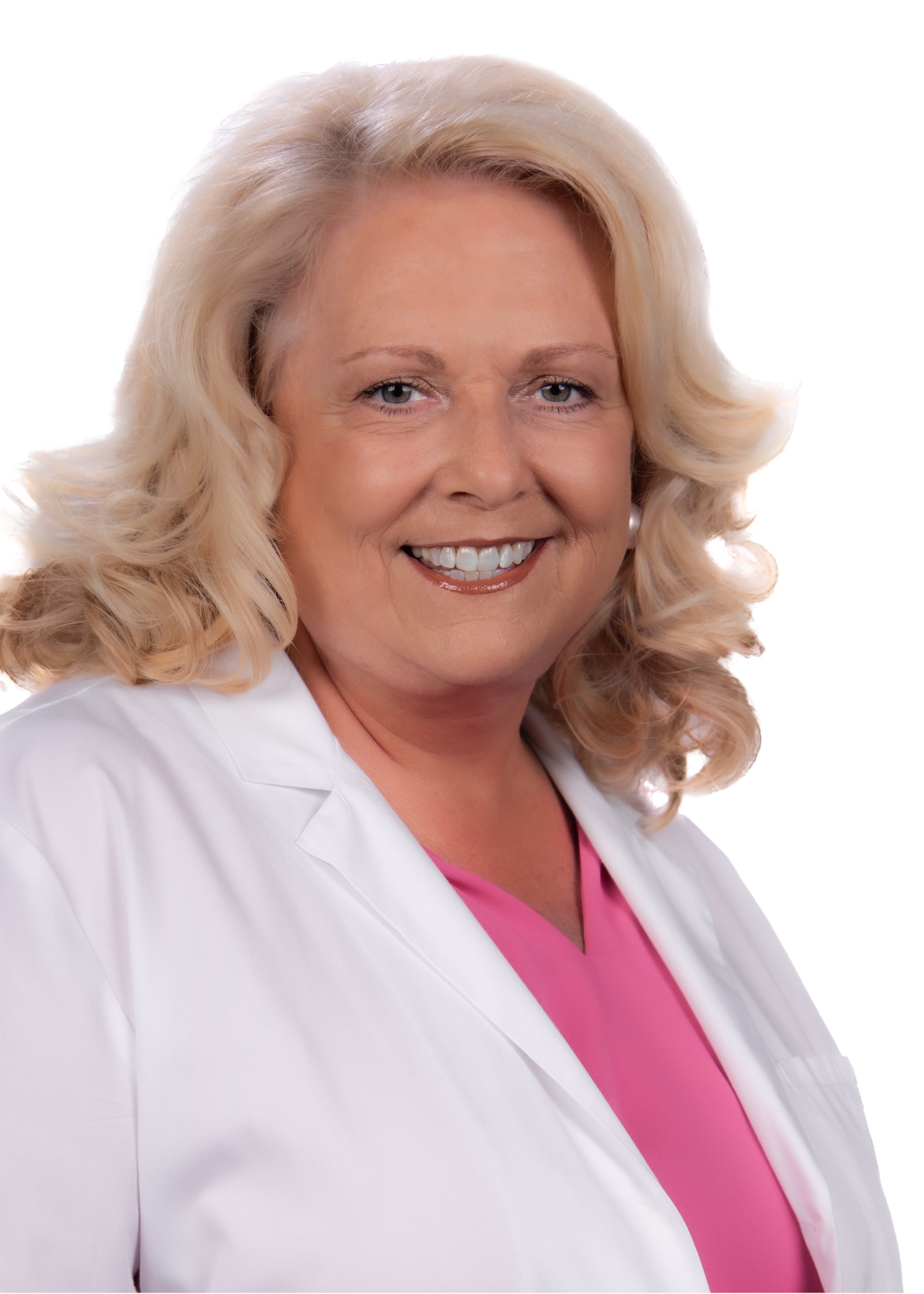
Kimberly Lupton has been a nurse for 37 years and is currently a CSO assistant nurse manager for nursing assistants at ECU Health Medical Center. That experience, Lupton said, is what might have inspired her manager to nominate her as a Great 100 Nurse of North Carolina. “My manager said she appreciated my extensive nursing career and had not only heard, but has seen first-hand the lives that had been touched,” Lupton said. “I have never been someone who likes to be in the spotlight. As a nurse, you often make light of how you support and inspire others, and you take a back seat.”
Although she began her health care journey thinking she’d pursue dentistry, Lupton said her mother was the one who knew all along she’d make a great nurse. “When I was in high school, my mom often encouraged me to become a nurse and said she believed I’d never regret it. She was 100% correct. I started in pre-dentistry, but it just wasn’t my cup of tea,” Lupton said. “Being a nurse is not a job; it’s a calling. And I love it.”
Now Lupton takes the knowledge she’s gained during her career and is sharing it with new nursing assistants and nurses. “I enjoy mentoring,” Lupton shares. “That’s why I’m an adjunct instructor at Pitt Community College. I love seeing students grow, better themselves and achieve their goals.”
Lupton said that when she received the Great 100 Nurses letter, she opened it in private. “I really thought it was a letter congratulating me for being nominated,” she laughed. “It was such a surprise, I wondered if the letter was sent by mistake. I was apprehensive about sharing it with anyone until I was sure it was authentic.” Being an honoree, Lupton said, only shows the quality of nursing care at ECU Health. “There are so many nurses here who are deserving,” she said. “Some of the finest nurses in the nation work here. It’s an example of what a great organization we have, the care we give and the experience you’ll receive as a patient.”
Donnie Johnson
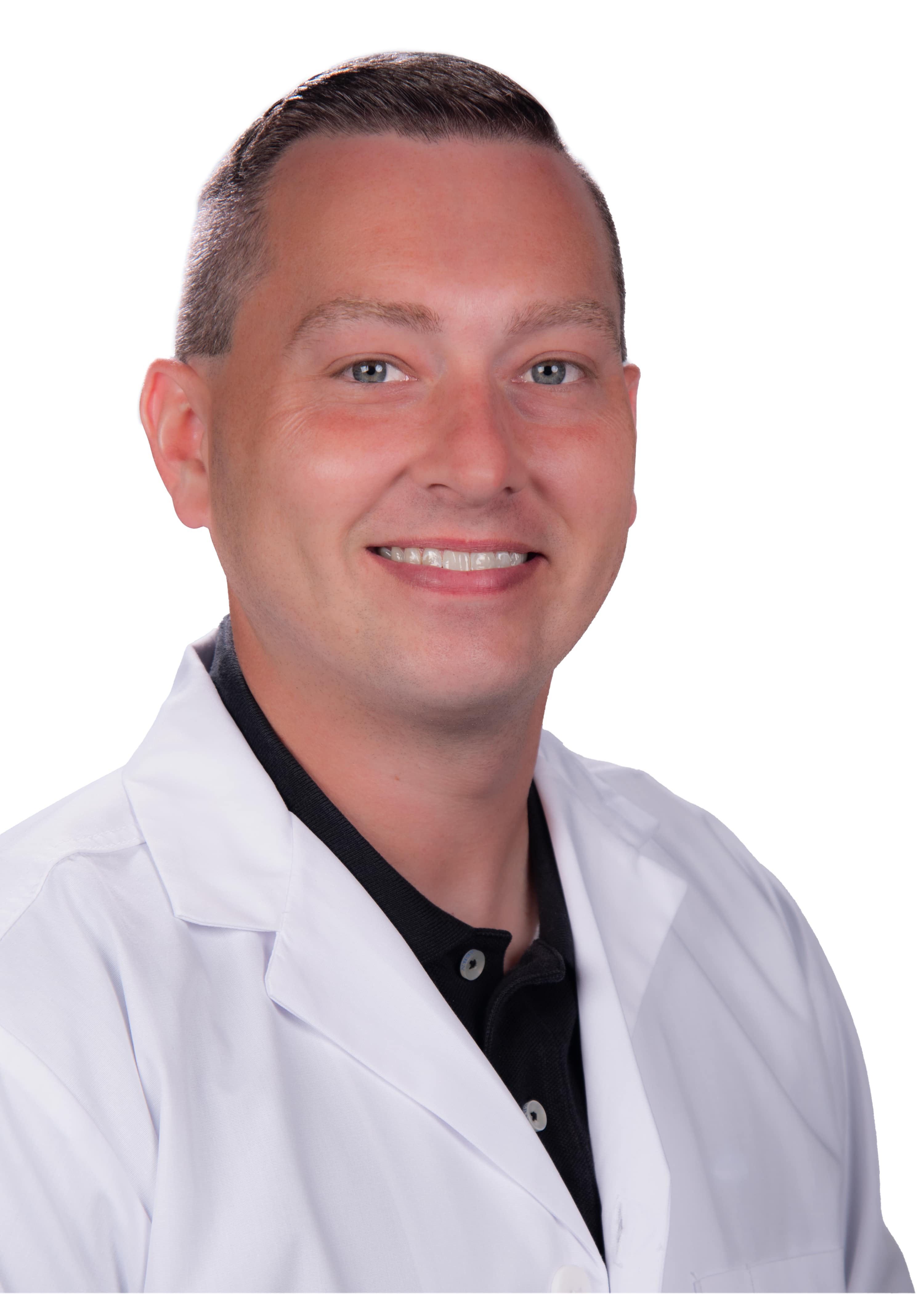
Donnie Johnson’s nursing career began in the ECU Health Medical Center’s emergency department (ED) more than 14 years ago. His personal and family experience working as a volunteer firefighter and a paramedic drew him to work in the ED. Pursuing a nursing degree seemed a logical next step, and now Johnson is wrapping up his PhD with Liberty University. “I loved the fast pace and critical thinking of the ED,” Johnson said. “The lifesaving interventions make an impact.”
Since 2017, Johnson has worked as a professional development specialist for emergency services, which allows him to take his clinical experiences and share them with new cohorts of nursing students and nurses. “I enjoy education and nursing, so this allows me to pair both while impacting the unit, organization, system and the nursing profession as a whole,” Johnson explained. “Education is the great equalizer. I might not be at the bedside but I’m helping develop, grow, prepare and nurture nurses no matter where they go.”
That investment, Johnson said, is a way of giving back to the community in which he lives. “I have an interest in making sure our students are prepared, because one day my family or I will be a patient. I want to ensure all patients receive good care.” That carries over to Johnson’s work in education outside of ECU Health, where he will teach part time with ECU’s College of Nursing this fall.
Johnson said he was surprised when he learned he was being nominated by his manager and colleagues for the Great 100 Nurses of North Carolina. “ECU Health is consistently promoting and advancing the profession of nursing,” Johnson said, something he strongly believes in. “I hope my manager, director and administrator saw in me a commitment to the organization and the profession, to helping our nurses grow and develop a passion for nursing,” Johnson said. “I try to be a role model within our department that others can come to for help.”
That commitment is seen across the organization, Johnson said. “By having so many nurses at ECU Health recognized, it shows we are actively living our vision and mission every day. We are holding ourselves to a higher standard.”
Lindsay Caddell
Lindsay Caddell, staff nurse in the NICU at ECU Health Medical Center, graduated from East Carolina University with her BSN and started working at ECU Health in 2015.
She serves as a bedside nurse, but she also plays other roles, including precepting new nurses, acting as a charge nurse, chairing the bereavement team in the NICU and teaching in the STABLE program, which represents the six assessment and care modules used in the program: sugar/safe care, temperature, airway, blood pressure, lab work and emotional support.
A visit to see her cousin in the NICU when Caddell was in middle school sparked her interest in nursing. “I did some school projects after that, then went to nursing school and knew I wanted to work in the NICU.”
Caddell said now she can’t imagine working anywhere else or in any other setting. “I built a family here,” she explained. “I have close friends and feel comfortable and confident. I have other people’s backs, and they have mine. Our team is great.” Part of her success comes from the mentorship she received. “I wouldn’t be here today without the people who precepted me and mentored me.” Caddell said that level of support and skill makes it unsurprising that 13 ECU Health nurses have been recognized by The Great 100 Nurses. “It shows we have a great team, especially in the NICU. It speaks to the focus each of us has on passing along the knowledge that was given to us. It’s an environment of education and mentorship.”
Caddell said she didn’t know she’d been nominated for The Great 100 Nurses, so receiving the award letter was a true surprise. “I was honored,” she said. “I know other nurses in the NICU and the hospital who have been honorees, and I respect them. Knowing I was chosen to be alongside nurses of that caliber was exciting.” Caddell hopes that being honored as a younger nurse would inspire new nurses as they began their careers. “It’s humbling to represent the NICU, but also to show younger nurses that there are things you can achieve as a younger nurse.”
Jenny Wester
Jenny Wester named several reasons for becoming a nurse, but a four-week stay in the hospital after breaking her femur when she was 12 made her confident nursing was the right career path. “I was in traction, and it’s hard to be 12 and not able to move for four weeks,” Jenny said. “But my nurses treated me wonderfully and tried to make every day a good one. I thought, that’s the kind of nurse I want to be.” One nurse in particular, Mary Beth, made a strong impression, and the two stayed in touch well beyond Wester’s hospital stay. “I kept up with her, and when I graduated from nursing school, she sent me a pair of gold scissors. That meant a lot.”
Wester has worked at ECU Health Medical Center since 1998 in pediatrics, and she said she’s never thought about going anywhere else. “I love this environment and my peds family,” she explained. “ECU Health has been really good to me.” Her work at ECU Health offered flexibility and opportunities to grow. “I had a good work/life balance when my kids were younger and I could adjust my schedule,” Wester shared. “I was able to attend professional conferences, and they paid for me to go back to school to get my BSN.”
Wester attributed her success in part to strong mentor relationships during her career. “I’ve had wonderful mentors, and I wouldn’t be here without them. Now I take ownership of helping our new nurses, and I’m often called ‘Mama Jenny’ on the unit.” Wester said above all, she’s proud of her profession. “I’m so blessed to take care of my patients, and I’m proud to be a nurse. I want for all of our nurses to take pride in who they are and what we can do as a group.”
When she found out she was named a Great 100 Nurse, Wester was humbled and surprised. “I thought, they must not have had as good of an applicant pool this year if I won,” she laughed. Wester said she doesn’t think she does anything that her colleagues don’t also do. “I was taught to work hard,” Wester said. “In 25 years, there’s not a thing I’ve done around here I expected recognition for.”
Rhiannon Stallings
Rhiannon Stallings, a perinatal nurse navigator at ECU Health Medical Center, said that for as long as she could remember, she wanted to be a nurse. “As I went through nursing school, I decided I wanted to work in obstetrics, and here I am.” After working for a few years at a smaller hospital immediately after graduation, Stallings joined ECU Health and has been here for the last 10 years. Stallings began as a bedside nurse but transitioned three years ago into the perinatal nurse navigator role, which, she said, allows her to impact many patients every day. “I work with antepartum patients, some of whom are admitted for long stays. I go on rounds with OB providers and ensure patients have the consults and education they need. I coordinate cardiac OB patients, who sometimes need special delivery plans to account for their cardiac diagnoses. I get to know the patients ahead of time, but I also go out into the community to meet regional hospitals’ patients’ needs.”
When she learned she’d been named a Great 100 Nurse of North Carolina, Stallings said, “I cried. It was an honor just to be nominated. To have my work recognized – it made me know I am doing what I’m supposed to be doing. I really enjoy my work and the patients I touch.”
However, Stallings insisted she doesn’t do more than any other nurse at ECU Health. “We have so many nurses who provide great care and want the best outcomes for their patients,” Stallings said. “We love what we do, and we help our patients get through those tough times.” That teamwork, Stallings said, is key to quality care. “I couldn’t do what I do without the interdisciplinary team that’s around me and the administration that supports me. I’m truly thankful for the nurses and providers who support and believe in me.”