To be a health care provider is to answer a calling. For some, the journey to health care is a straight line; for others, the road is winding. This series features stories from ECU Health team members who took the winding road, but found the destination to be worth the effort.
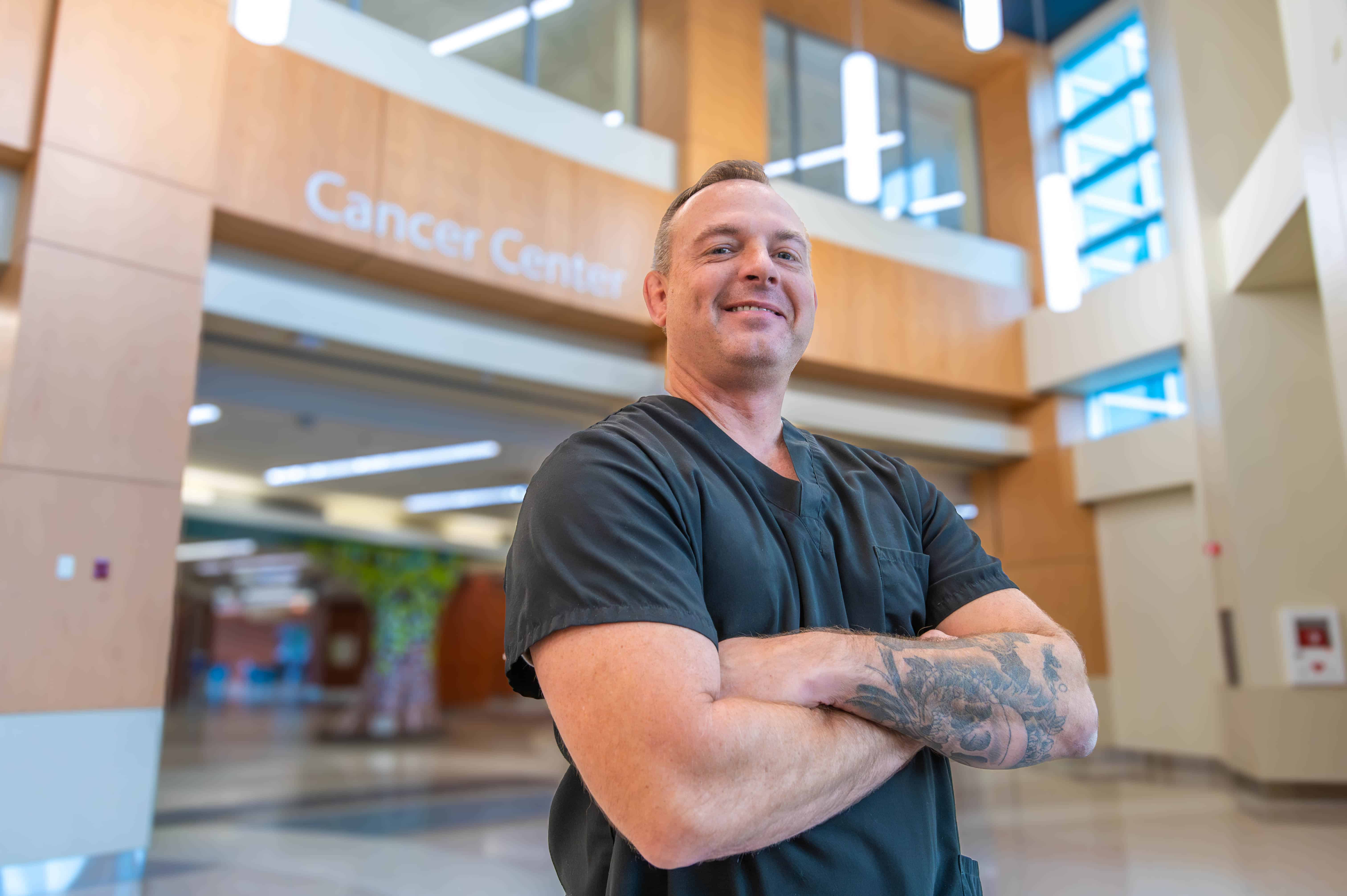
Tim Barnes, the clinical manager for radiation oncology, has spent 17 years with ECU Health, but a career in health care wasn’t his original plan.
“I grew up wanting to work in law enforcement,” Barnes said. “My four-year degree is in criminal justice and in 1996, I started my career at the Wilson Police Department. I worked there until 2006 and served in various roles from patrol officer to the SWAT team to homicide.”
Somewhere along the way, however, Tim felt called to do something different.
“Medicine and law enforcement are both fields you have to feel led to do,” he said. “As a child and through high school and college, I had a strong desire to be in law enforcement. But somewhere along the line, and maybe it was because I was getting older or was married and had a family, there was a point I felt a calling to the medical field.”
Having a close friend diagnosed with head and neck cancer planted the seed for working in health care.
“When my friend passed away, that directed my focus on cancer care specifically. So, I started researching different jobs and opportunities where I could transition from law enforcement into the medical field,” Barnes said.
That’s how Barnes ended up in radiation therapy.
“I drove over to Pitt Community College and looked into their Radiation Therapy Technology program and met the program director at the time, Elaine Spencer,” she said. “She explained the process of going back to school and I just followed her advice – which is how I ended up here.”
Barnes joined ECU Health in 2009 as a radiation therapist, when radiation oncology was a part of the Brody School of Medicine.
“I worked there until the radiation oncology department moved into the new cancer tower, and I’ve been there ever since,” he said.
Barnes said that although law enforcement and medicine don’t seem connected, there’s a lot he applies from his experience as a police officer to his current role.
“It’s obviously a very different job, but my attention to detail, my focus on safety and the importance of working as a team – I learned those skills from my time with the police,” he said. “It’s very high risk in law enforcement, and you learn to depend on each other and function as a team. That carries over into the medical field and how departments and teams coordinate to take care of patients.”
That collaboration and support is very important to Barnes.
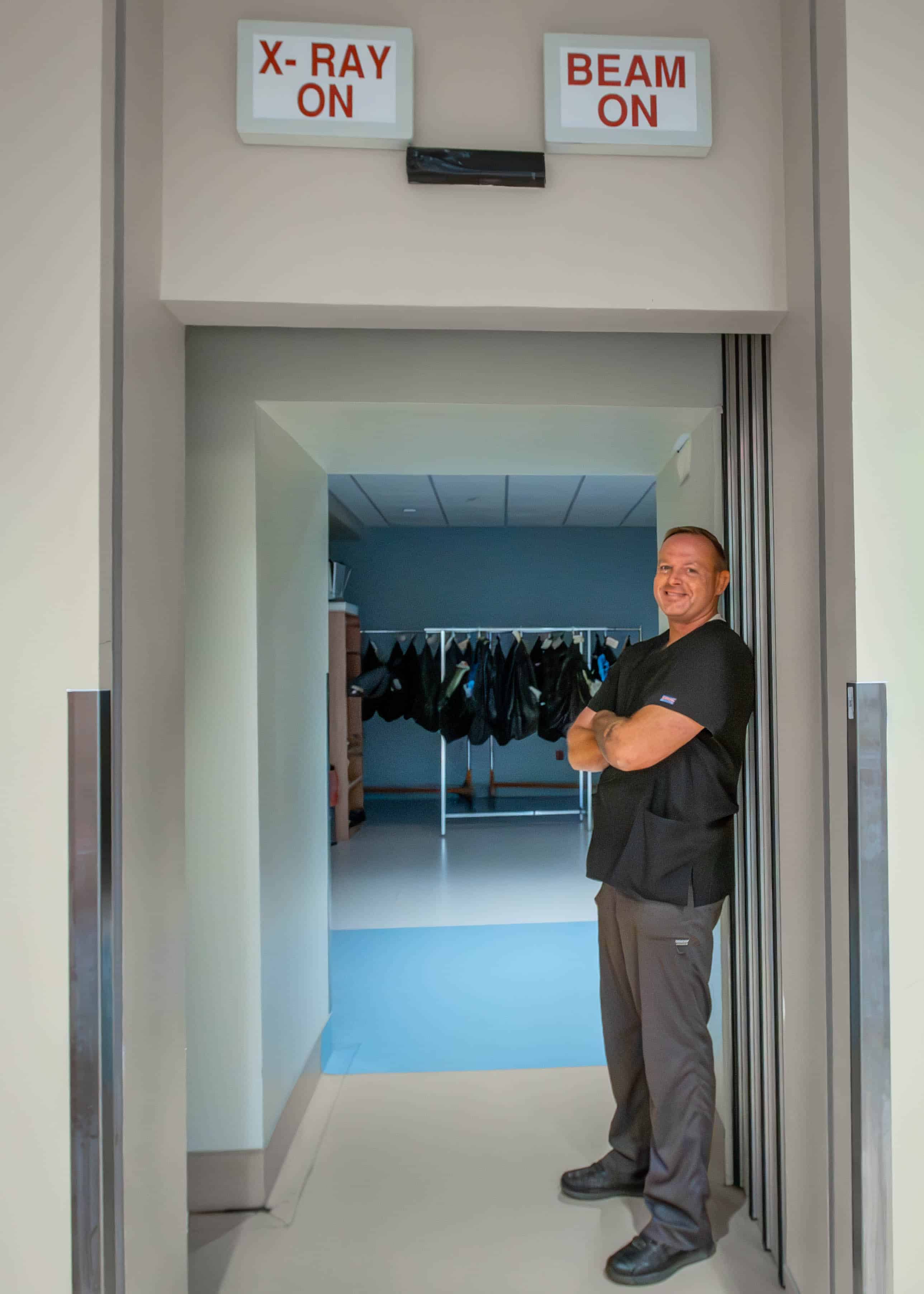
“I have always felt like I belong here,” he said. “We have an awesome team. To do what we do, you must feel led here, and the people on my team are here because they care. It’s not just a job; our people are doing more than just a technical service. They believe in what we do and really want to care for our patients.”
That’s only one reason why Barnes said he would gladly advise anyone to pursue a career in health care.
“There are so many options and opportunities, so you can go out and research to see what fits your lifestyle and interests,” he said. “I chose radiation therapy, but that’s just one specialized area. There are those who treat patients directly, but there are other options, too. Nothing works if you don’t have leadership and administrative support. Nothing stays clean without the environmental support staff. If someone isn’t sure what’s right for them, I’d highly suggest they look into health care.”
Barnes said a lot of people are surprised when they hear he was a police officer, but for him, the transition to health care makes sense.
“People hear I worked in homicide and say that’s such a big jump to treating patients,” he said. “It is definitely different, but I’m still doing a job where I serve and help people, and really, that’s what matters at the end of the day.”

Dannica Ashnault, an orthopedic surgery physician assistant (PA), joined ECU Health in December 2025, and so far, she’s loving her new role.
“The team I work with is great,” she said. “Everyone has been so nice and welcoming, and it feels like a family.”
Dannica isn’t just an exceptional provider, however. She’s also a former Olympic-trained skier who started competing early.
Dannica grew up in New York state, began skiing at one and a half years old, and at age 14, she moved from home to attend high school at the Burke Mountain Academy in Vermont, the nation’s first elite ski academy.
“I had to decide at 14 if I wanted to go all-in on skiing, and looking back on that now, it seems crazy. I was living in a dorm, doing my own laundry and managing my time with school and skiing. It was a different way to grow up,” she said.
Her parents drove up every weekend to visit and watch her ski, and during the week, Dannica and her classmates adhered to a very strict regimen.
“I’d wake up, work out, eat breakfast, take classes, have lunch, have more classes, work out again, and if it wasn’t the winter, meet with the coach and watch videos,” she shared. “In the winter, I’d wake up, ski and train until lunch, have class after lunch, workout, tune skis, eat dinner and watch video. Then I’d go to bed and start over the next day.”
Such a structured life yielded great outcomes for Dannica and her classmates when it came to skiing, but by the time her senior year rolled around, she had a decision to make: continue skiing and training in the hopes to make the Olympics, or go straight to college. She chose the latter.
“I never went to a football game in high school. I never attended prom,” she said. “I wanted to be normal, to start my life. I love skiing, but I wanted other things too.”
One of those things included pursuing a career in medicine – something she’d been thinking about since sustaining an injury during a race.
“At 15, I had a really bad crash and blew out my knee in multiple places,” she said. “I was also knocked unconscious for eight minutes, so I had a pretty bad concussion.”
The injury meant she couldn’t ski, but it also meant she spent a great deal of time with her sports medicine team.
“I couldn’t have surgery until I could squat a certain weight, because they wanted me to get back to skiing as quickly as possible,” she recalled. “My surgery was five or six weeks after the injury, and when I woke up in my room, the surgeon was in my room with my parents, telling me to get up. I had a whole team around me and supporting me so I could get back to what I loved to do. I wanted to be a part of that experience for someone else, and that got me interested in medicine.”
After high school, Dannica attended Boston College, where she continued to ski for its Division I team.
By her junior year, however, Dannica said she was burned out. She wanted to start her life and career, and although she’d been considering medical school, she pivoted to PA school because of the flexibility it offered her.
Now, Dannica skis for fun, and she enjoys watching her former classmates find success in the sport.
“I’ve been waking up to watch the Olympics,” she said. “The ski racing community is so small, and it’s cool to see what they’re doing. My former lifting buddy in high school, Nina O’Brien, competed in the Olympics, and my classmate, Mikaela Shiffrin, just won gold in slalom.”
Dannica said she enjoyed her time as a competitive skier, but being a part of a team that sees patients through their care journey is just as rewarding.
“I wouldn’t trade my experience as a skier for the world, but I love what I do,” she said.
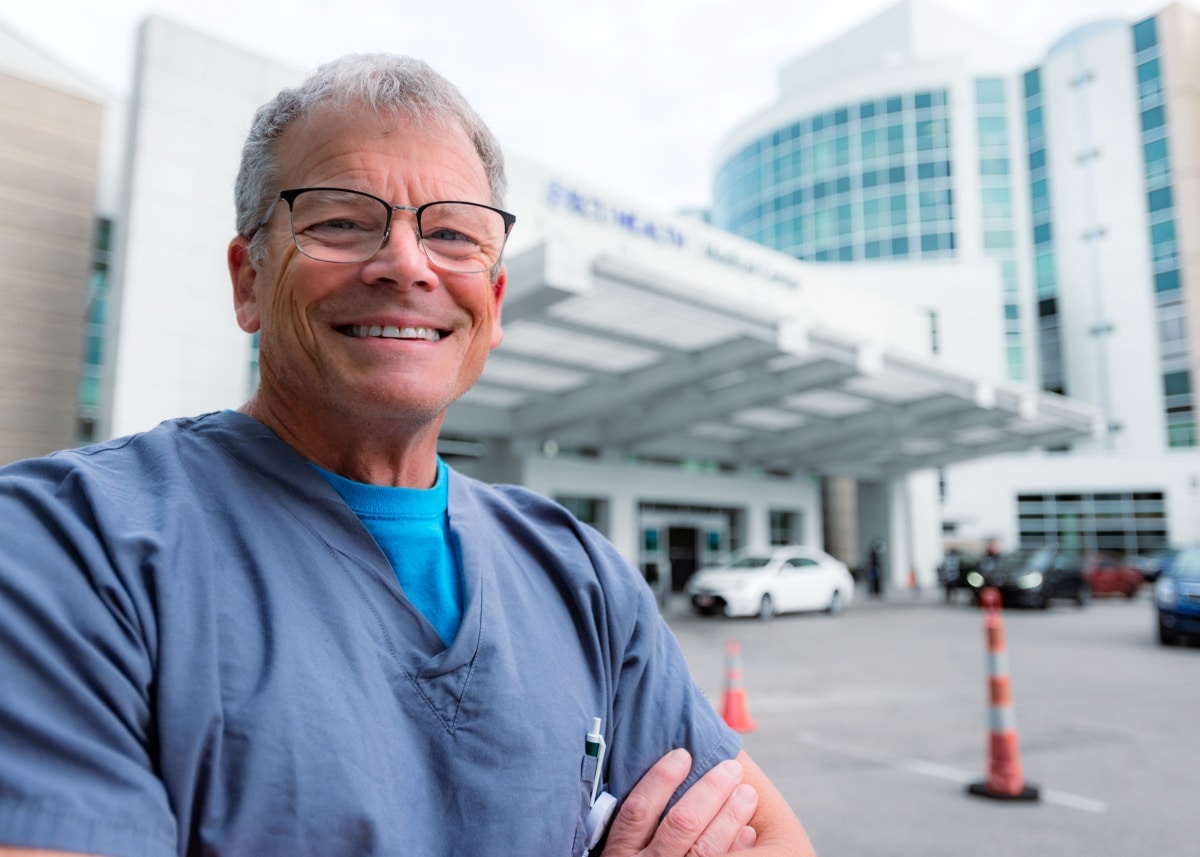
It was a quiet day in the cardiology clinic when the echocardiogram technician at ECU Health Beaufort Hospital asked Michael Joyner, a nurse practitioner, for a favor.
“My schedule wasn’t full because I had only been working at that location for about a month, and the echocardiogram tech had a student,” Joyner said. “Their patient didn’t show up, so she asked if her student could practice using the equipment on me.”
When the student viewed Joyner’s heart, however, something unexpected showed up.
“I knew I had a heart murmur, but the technician looked concerned and took over the scan. Turns out my aortic root was dilated to more than twice its normal size,” he said.
The aortic root is where the aorta, the largest blood vessel in the body, is closest to the heart. A dilation, otherwise known as an aneurysm, is potentially life threatening.
“When you research aortic aneurysms, one of the first things you read is that the first symptom is often sudden death,” Joyner said. “They’re often asymptomatic, but if it ruptures, usually the only thing people can do for you is hold a funeral service.”
Help was only a call away
After the scan, Joyner spoke with a cardiologist immediately. It helped that he knew trusted team members from across the system.
“I asked one of my former students and a nurse practitioner, Brooke Kostok, if her colleague, Dr. Ben Degner, could look at my echocardiogram,” Joyner said. “He called me personally that afternoon and spent 20 minutes on the phone outlining what he thought about it and his recommended next steps. He didn’t have to do that.”
After a computerized tomography (CT) scan and an official diagnosis, which showed the amount of dilation was borderline, Michael and his physicians opted for a watch and wait approach.
“I had a new grandson on the way, and I didn’t want to be recovering from surgery during that time,” he said.
A repeat echocardiogram in the fall of 2025 showed the dilation had grown by a small amount. Joyner decided it was time to have surgery, and on Oct. 21, he underwent an aortic root replacement with aortic valve replacement and reimplantation of the coronary arteries – also known as the Bentall procedure.
“It was a long surgery, and I was lucky to have a network of people I could rely on for support, including Chris Baxter, a certified registered nurse anesthetist (CRNA), who was with me during the surgery,” Joyner said. “I wanted him at the head of the bed during my surgery because I had full confidence in him.”
Other colleagues provided support during the surgery by placing a PICC line or being present and supportive for Joyner’s wife, Gwin, and their son.
Recovery went well until day three, when Joyner experienced some post-operative atrial fibrillation – a not uncommon event after this type of surgery. Another former student, D.J. Smith, ACNP on the CVICU, helped restore Michael’s normal heart rhythm.
After seven days in the hospital, Joyner went home, but six weeks later, a post-operative CT scan showed some leakage at the site where an intraoperative cannula had been placed. He needed another surgery in December 2025.
Looking forward to the future
Taking nearly four months off work and undergoing two surgeries has been tough, but now Joyner is feeling better every day.
“It’s difficult to reconcile that you need surgery when you feel healthy. And when you work in health care, you know what could go wrong,” he said. “To have two surgeries – to have your chest opened twice – that’s a difficult recovery.”
Despite the mental and physical challenges, Joyner is clear about his perspective of gratitude.
“I don’t believe in coincidence,” he said. “So many things had to happen to get me where I am. I had to find out about the job at Beaufort – because I wasn’t looking for a new role – and then get the job. I had to be in the clinic that day and not have a patient. The echocardiogram tech had to have a student and a patient cancellation. It was a series of events coordinated by God.”
Joyner is scheduled to return to work in March, and he’s thankful to all the people who played a role in his diagnosis and recovery – especially his wife.
“Gwin is also a nurse at the hospital, but during this time she was my personal nurse and physical therapist,” Joyner said. “I’m fortunate to work in a profession where I was in the right spot at the right time, and to have a whole network of people I can call. That’s made the difference for me.”
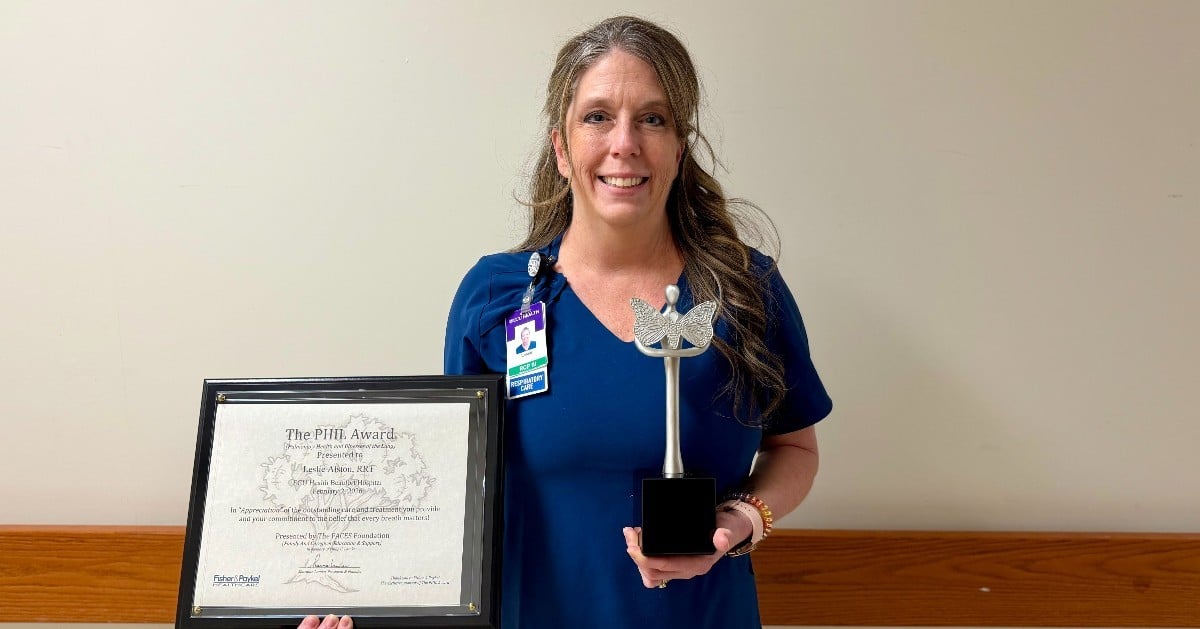
Washington, NC – ECU Health Beaufort Hospital is proud to recognize Leslie Alston, RCP, RRT, as the 2025 Pulmonary Health and Illness of the Lung (PHIL) Award recipient for ECU Health regional hospitals. The PHIL Award, established by the FACES Foundation in honor of Philip C. Lamka who passed away from Interstitial Lung Disease (ILD), honors respiratory therapists who demonstrate exceptional compassion and patient-centered care.
“Leslie represents everything the PHIL Award stands for,” said Dr. Dennis Campbell II, DHA, RN, FACHE, president of ECU Health Beaufort Hospital. “Her compassion and professionalism make a lasting difference for patients, families and our care teams. Leslie is widely respected by patients, families and colleagues for her clinical expertise, calm leadership and ability to provide comfort and guidance during life’s most critical moments.”
Alston, who has been a respiratory therapist for 28 years – 20 of those spent at ECU Health Beaufort Hospital – is equally respected by nursing leadership and educators. New graduate nurses and code teams rely on her expertise during training and emergency situations. Known as a natural coach, she provides guidance in a supportive and encouraging way while maintaining a strong focus on patient care. She also assists with nursing and CNA skills fairs and represents respiratory therapy at local middle and high schools, emphasizing safe, high-quality, person-centered care.
“I am truly humbled by this recognition, but the greatest reward comes from caring for my patients. Every day, they remind me why I am passionate about being a respiratory therapist. It is an honor and a privilege to support them, and their gratitude and trust are the motivation that keeps me dedicated to this profession,” said Alston
Alston’s impact is reflected in the many calls and handwritten notes from patients and families following discharge. These messages consistently highlight Alston’s personalized care and the genuine concern she shows for each patient. Families often share how Alston took time to listen, explain and provide comfort during some of the most difficult moments of their lives.
Physicians throughout the hospital also recognize her excellence and frequently request her by name to care for their patients. Medical and physician assistant students regularly shadow her to gain a better understanding of respiratory therapy.
FACES Foundation recognizes two PHIL Award recipients each year — one from ECU Health Medical Center and one representing ECU Health regional hospitals. Alston was named the regional recipient.
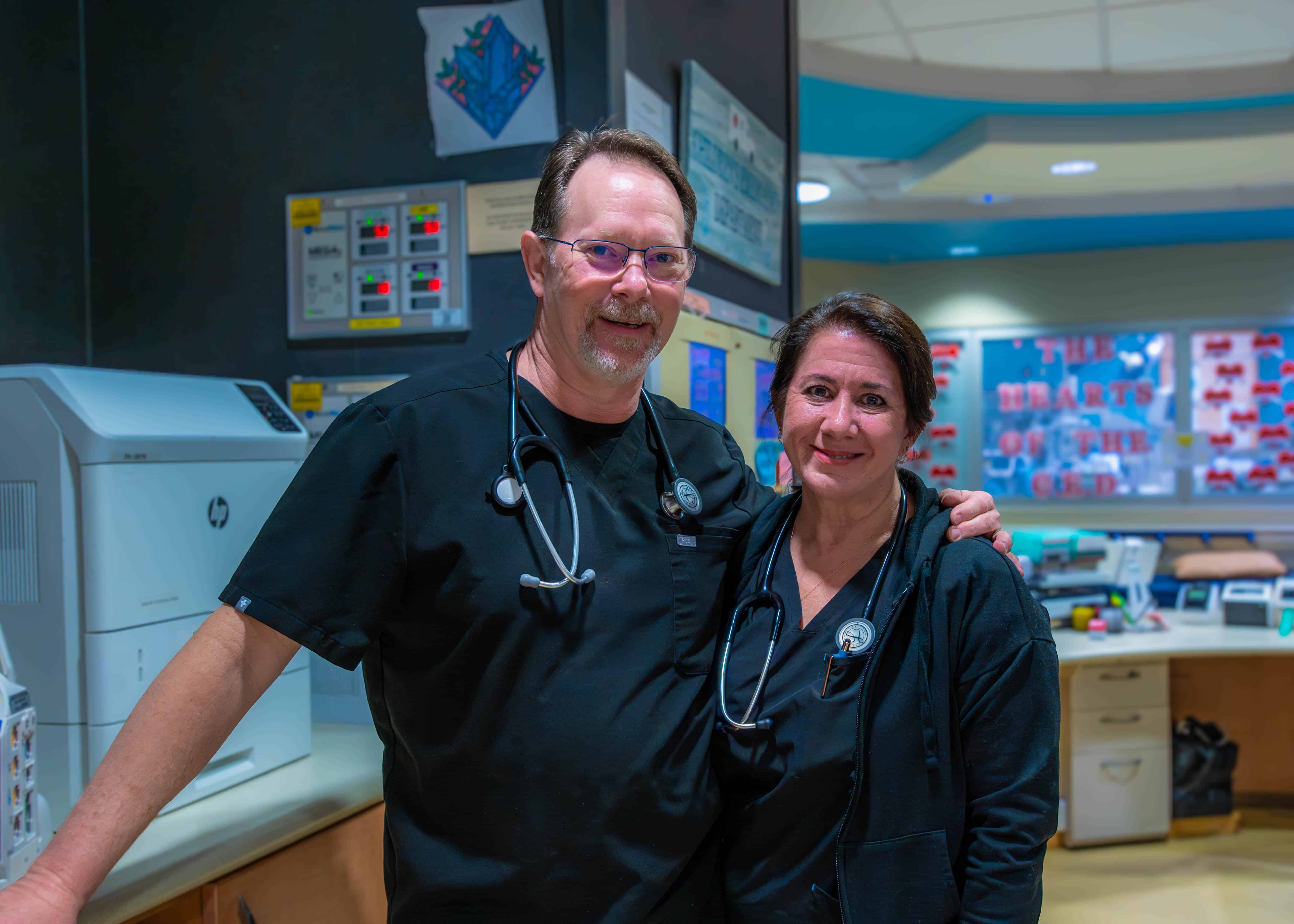
Chris Mintz, an RN with ECU Health’s Enterprise Resource Team (ERT), has always felt drawn to community health rather than inpatient bedside care.
“I’ve worked in a pediatric clinic, same-day surgery, home health and hospice care, and inpatient and outpatient case management,” Chris said. “I was a supervisor and manager in case management and hospice care, and then director of nursing for mental health and substance abuse treatment.”
When the priorities for integrated health care shifted, she needed a new path.
“I decided I wasn’t too old to learn something new, so I joined the Beaufort Hospital emergency department (ED) to work at the bedside,” she said. “The rest is history.”
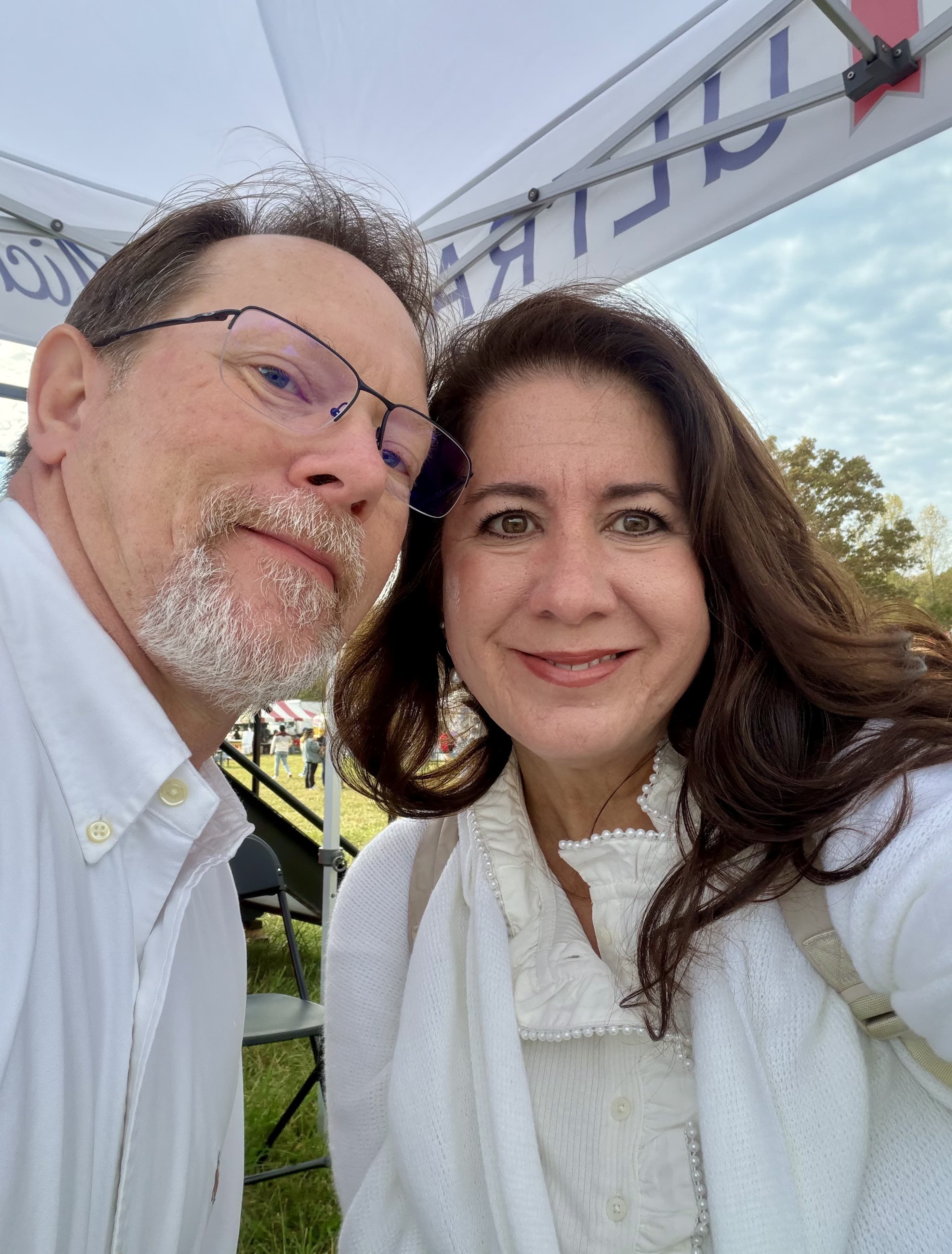
That serendipitous job change led Chris to meet Randy Mintz, her now husband and fellow nurse.
“Much of the work in the ED is community health,” Chris said. “The ED is full of people without access to care. It is all some people have, and we take care of them the best way we can.”
Meant to be
Randy was working night shift in the ED when he received a call.
“The manager asked me if I could precept someone new to the ED who needed extra help,” he recalled. “Funny enough, I really didn’t want to do it.”
“Originally, I was assigned to another seasoned nurse as a preceptor,” Chris added. “But she didn’t feel like she wanted to do it at the time, so they asked Randy for a favor. Now we thank that nurse all the time for putting us together.”
Randy took the time Chris needed to help her learn the ropes.
“It meant a lot to me. I was nervous and wanted to be sure I had the skills I needed to take care of our patients,” Chris said.
From there, Chris and Randy said they discovered they shared a higher level of compatibility.
“We laughed at the same jokes, and she got my dark sense of humor,” Randy said.
But even better, they found they made each other better nurses.
“I had worked in the ED for a while and was a little hardened. She was like a marshmallow. She oriented me on how to interact with people and to look at things differently. As much as I taught her about the ED, she taught me how to be better with people,” Randy said.
“I am 100% positive that had she not come to the ED, and if that other nurse had agreed to be her preceptor, all the good things that have come my way would not have happened. It’s all her doing.”
“The only way I have been able to work at this level is because of him,” Chris said.
Love takes flight
“Four years went by like a flash, and we got engaged. But I was hesitant about getting remarried,” Chris shared. “One day, I saw there was a hot air balloon festival in Statesville, and I said to Randy, ‘You want to get married in a hot air balloon?’ He said, ‘absolutely!’ and that’s what we did.”
Randy and Chris married at sunrise on Oct. 19, 2025.
“We found a company that marries people all over the world, with real officiants. We had a small, very personalized ceremony right there in the balloon. Then we got to enjoy the rest of the festival and our wedding funnel cake,” Chris said.
Now they get to work together on the same team.
“After my interim assistant nurse manager role in the ED at Beaufort, I heard about the Enterprise Resource Team, and it was an easy transition,” Randy said. Chris joined shortly thereafter.
The Enterprise Resource Team meets staffing needs at ECU Health Medical Center and ECU Health Community Hospitals based on census and staffing.


“The Resource Management team assesses needs based on feedback from the medical center and our community hospitals, where they find out about staffing deficits and prioritize who needs what. That’s not an easy job,” Chris said.
“You can choose the region and specific department or specialty you want to serve,” Randy added. “Then you get a text at 5 a.m. or 5 p.m. to tell you where you need to go.”
Randy and Chris said it is nice to be able to work in the area they chose, but at different locations where they are needed.
“Our goal is to lighten the load for the staff where we are assigned and to take great care of their patients,” Chris said.
It’s an added bonus to work together.
“There are some days we might be able to grab a coffee together or only say hello as we’re walking by, but we always know the other one is there,” Randy said. “Other days, we’re working side by side, and those days are the best. You have a person you know and trust, and you know their strengths, and they know yours. It makes it nice.”
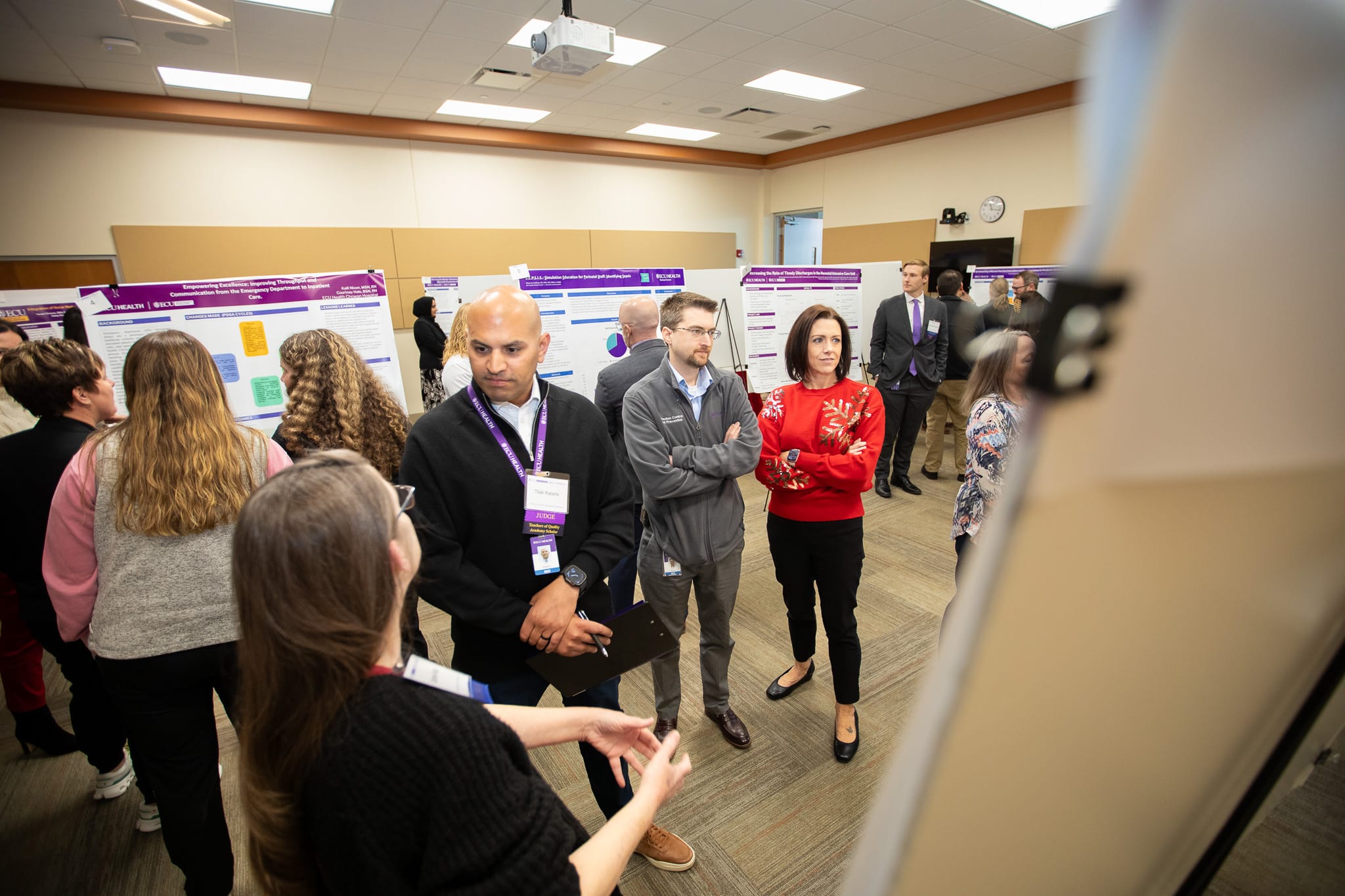
On Jan. 28, 2026, ECU Health and East Carolina University hosted the 10th Annual ECU Health Quality Improvement Symposium in person and virtually. A total of 198 people registered for the event, with 171 attendees participating, including 21 who joined virtually.
Dr. Jennifer Sutter, chief of division of pediatric endocrinology and physician director of the Quality Improvement Symposium, welcomed attendees. Dr. Michael Waldrum, dean of the Brody School of Medicine at East Carolina University and chief executive officer of ECU Health, kicked off the day with opening remarks.
Quality improvement across the system
The symposium showcased quality improvement initiatives across ECU Health and East Carolina University’s Health Sciences Campus, with a focus on patient safety, population health and interprofessional practice.
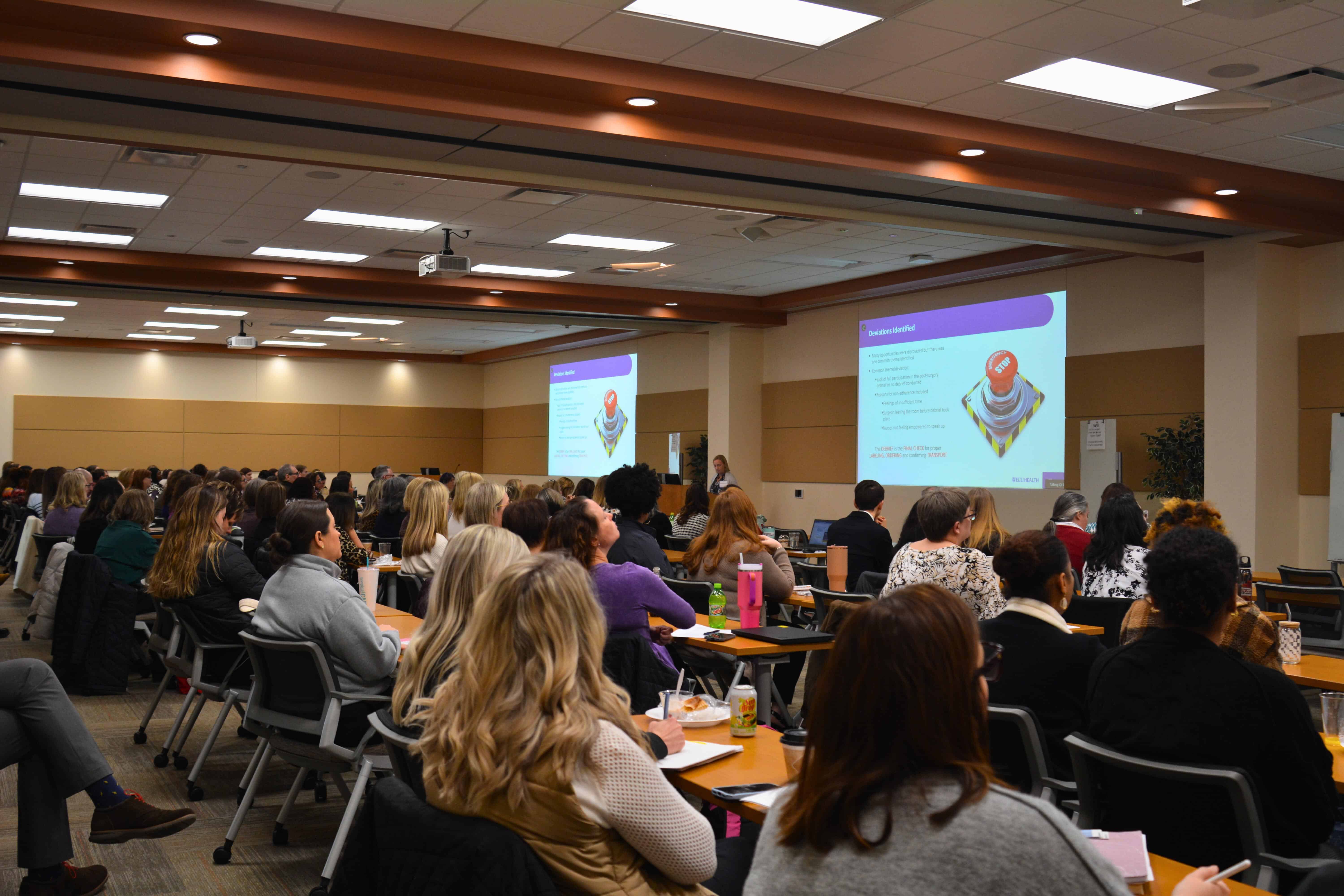
The event provides academic and community physicians, health professionals, health care teams, residents, fellows and students an opportunity to present work in systems improvement and practice redesign to peers and health system leaders.
A culture of collaboration
A recurring theme throughout the presentations was collaboration. Many projects emphasized the importance of multidisciplinary teamwork and cross-departmental partnerships, with several project champions recognized for their leadership.
“We have great people delivering great care,” said Dr. Herbert Garrison, event podium moderator and professor of emergency medicine emeritus at the Brody School of Medicine, East Carolina University. “We truly have a culture of excellence.”
Waldrum echoed that sentiment, noting collaboration as a defining characteristic of the work presented. “Culture of excellence is what I kept thinking about,” he said. “I stopped counting how many times collaboration was mentioned. These projects sit at the intersection of quality improvement, experience and cost. Thank you for building the culture of ECU Health.”
In closing remarks, Waldrum thanked presenters for their dedication. “Thank you for inspiring me to continue sharing the message of the dedicated people doing this important work,” he said.
Dr. Jason Higginson, executive dean of the Brody School of Medicine and chief health officer of ECU Health, also thanked participants at the conclusion of the symposium.
“Quality improvement is an ongoing process that continues to evolve over time,” Higginson said. “You can see the level of engagement and the meaningful impact being made. Anyone who receives care at ECU Health will benefit from that work. Thank you to everyone who presented and participated.”
Awards for the top podium and poster presentations were announced following the showcase.
Podium presentation
Outstanding Podium Presentation: Kayla Ausbon – “NICU CLABSI Reduction through Multidisciplinary Collaboration and Innovation”
Honorable Mention Podium Presentation: Lori Goodwin, Paula Linville and Gail Scheller – “Closing the Gap: Improving Hypertension Control in Eastern North Carolina”
Quick shot podium presentation
First Place Quick Shot Podium Presentation: Saba Ijaz (3rd year Medical Student, TQA Project, Drs. Jessica Eubanks and Jessica Gancar) – “Improving Neurodevelopmental Evaluations in the Neonatal Intensive Care Unit”
Second Place Quick Shot Podium Presentation: Laurie Etheridge – “Bye-Bye Opioids: Revolutionizing Pediatric Post-Surgery Care”
Third Place Quick Shot Podium Presentation: Valentine Okafor (4th year medical student, LINC Scholar) – “Improving Influenza Vaccination Rates in Pediatric Cystic Fibrosis Patients: A Quality Improvement Initiative at ECU Pediatric Specialty Clinic”
Poster presentation
First Place Poster Presentation: Katherine Taylor (TQA Project, Drs. Katie Taylor and Jessica Scheller) – “Increasing Kangaroo Care in the Neonatal Intensive Care Unit for Very Preterm Neonates”
Second Place Poster Presentation: Michael McFayden (3rd Year Medical Student, LINC Scholar) – “Increasing Timely Discharges in the NICU”
Third Place Poster Presentation: Ranee Pender – “Reducing Patient Falls Through Standardized Toileting and Call Bell Protocols on a Medical Surgical Unit”
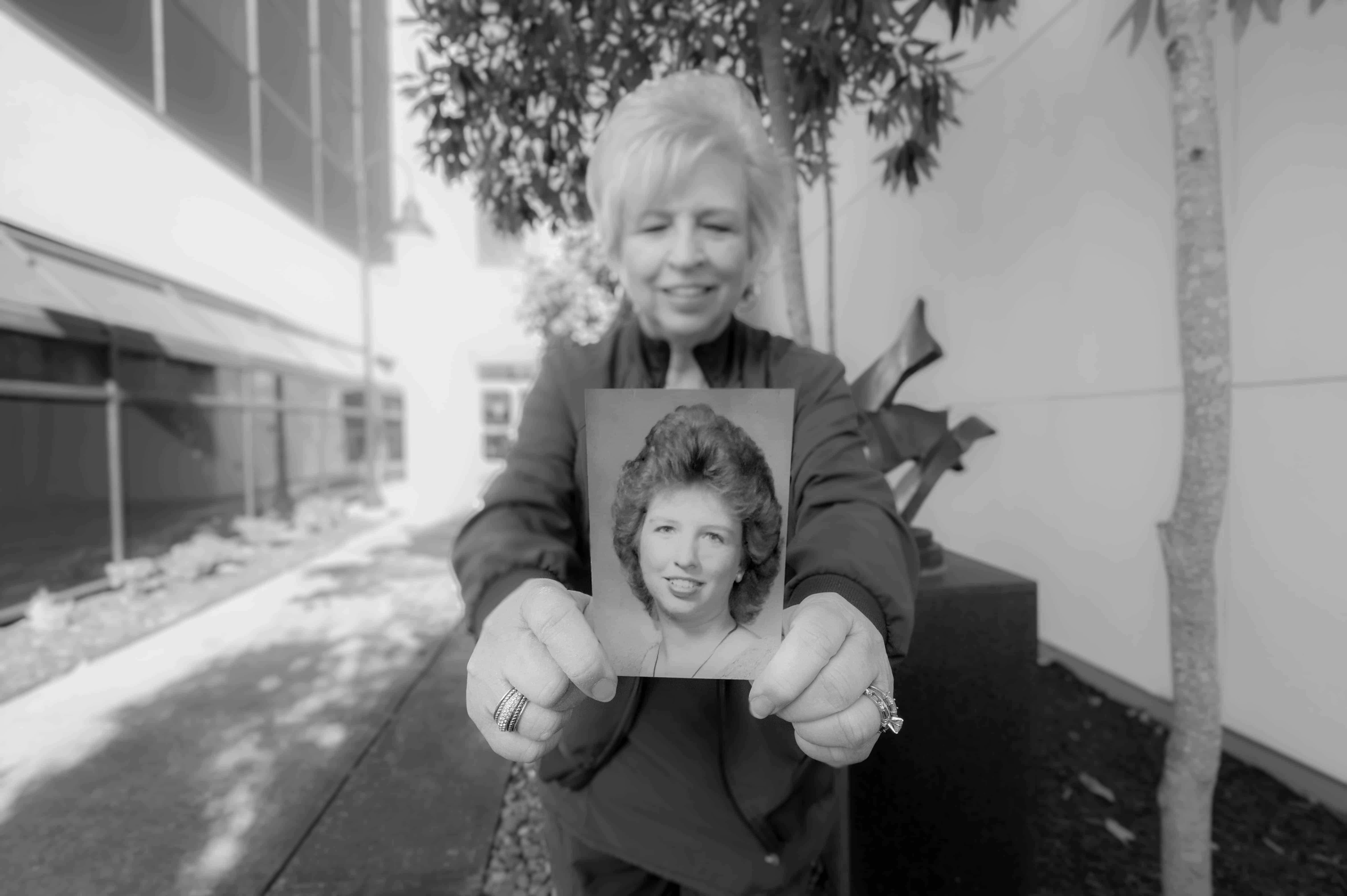
Watching her grandfather, a tobacco farmer, struggle with COPD inspired Karen Ward to pursue a career in respiratory therapy, but she said she always knew she was meant to care for others.
“My purpose is to care for others,” she said. “I have been a caregiver for my immediate family. I like working with patients, and health care is my calling.”
The sleep disorders lab coordinator at ECU Health Roanoke-Chowan Hospital, Karen began her career as a respiratory therapist. One of the administrators, however, encouraged her and her team to expand their education.
“He would come around telling us we should know more than one field,” she said. “Around that time, our hospital planned to open a sleep lab and that interested me. The hospital paid for me and others to go to Atlanta, Georgia to learn about polysomnography and I did that along with respiratory therapy for a while. For the last 10-15 years I’ve done nothing but sleep.”
In the 40 years since Karen joined her team, she said she’s only had three managers – but a lot of other things have changed.
“The technology has changed,” she said. “The type of ventilators we use and the sleep lab equipment are different.”
She said communication has also evolved with the technology.
“There were no pagers, no cell phones when I started. For EKGs, we’d have to print them out and then cut out the parts we thought were important for the doctor,” she said. “We’d have to dictate what the doctor said and our charts were paper.”
And because there were no cell phones, Karen said when she was on call, she had to keep her landline close by in case of emergency calls.
“At home I’d have a long telephone wire into the bedroom so if they called me in the night, I’d hear the phone ring,” she said, adding, “I could have never done shift work when my children were young without the support of my husband and parents.”
What hasn’t changed, however, are the close relationships Karen has forged in her time with the system.
“This is a small community, and everyone knows everyone,” she said. “We have all been together through many life changes. When I started here, I was engaged. Now I will celebrate my 40th wedding anniversary in October. I’ve had children, I’ve had family members pass away. Three of my colleagues have been here as long as I have been, and I’ve made some long-lasting relationships and friendships. My manager now was once a student I helped train in respiratory therapy.”
Her advice for new team members focuses on the close bonds forged in community hospitals.
“Consider working in a smaller hospital – the relationships you make are different,” she said. “Everyone knows your name. You work hard and you still see critical patients, but the friendships you make are invaluable. My best friend and I met 40 years ago in respiratory therapy.”
In the future, Karen hopes to one day retire on her grandfather’s farm, care for her family and enjoy her hobbies of gardening and caring for stray animals.
“I am very tenderhearted, and I have a passion for animals,” she shared. “I worked with the local humane society and everyone in Ahoskie drops animals off at my house because they know I will get them to a good home.”
“When I die,” she added, “I hope I will be told, ‘well done, good and faithful servant.’”
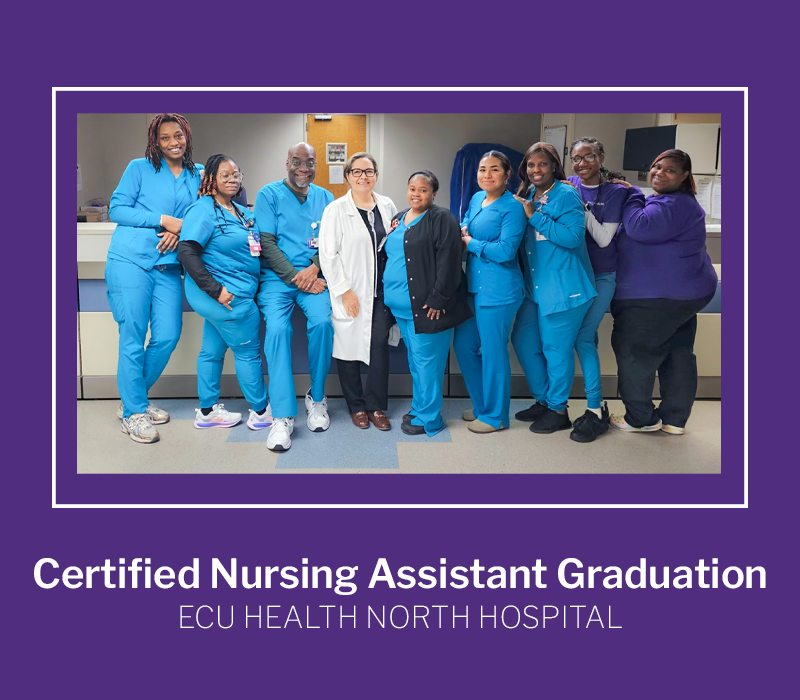
Roanoke Rapids, N.C. — ECU Health North Hospital is proud to announce the first cohort of its hospital-based Certified Nursing Assistant (CNA) I program graduated Jan. 30, 2026. A graduation ceremony marked the successful completion of a program designed to strengthen the rural health care workforce and create new pathways for career advancement within the ECU Health system. The eight program graduates are: Lisa Allen, James Cooper, LaToria Grimes, Deja Harris, Denise Mendoza-Beltran, Katara Whitaker, Asekywia Williams and Marleena Womack.
“We are proud of our graduates who worked hard, completing classroom instruction, hands-on training and clinical experience at ECU Health North Hospital,” said Pam Rudisill, vice president of Nursing Excellence at ECU Health. “This program represents our commitment to strengthening the rural health care workforce by expanding access to careers in nursing and allied health. By investing in our team members and aligning with community partners, we are building a more resilient and skilled care team designed to meet the needs of those we serve.”
Attendees gathered to honor the eight graduates who completed the inaugural program at ECU Health North Hospital. Upon certification, all eight graduates will transition into CNA roles at their current ECU Health facilities — four at ECU Health Medical Center, one at ECU Health Roanoke-Chowan Hospital and three at ECU Health North Hospital.
“By equipping our team members with the skills and support they need to grow into vital roles, we are helping create a pipeline of compassionate, community-based caregivers who will serve eastern North Carolina for years to come,” said Todd Hickey, president of ECU Health North. “The CNA I program serves as a model for workforce development across the region, offering team members the opportunity to advance their careers while supporting the health and well-being of the communities ECU Health serves.”
The CNA I program was inspired by the vision of the late Sheryl Watson, BSN, RN, a former ECU Health nurse and community college instructor whose passion for education and mentorship laid the foundation for the program. Though she passed away before seeing the program launch, her legacy continues to shape the future of nursing assistants across the region. With the first cohort now entering the workforce, ECU Health North Hospital is preparing to welcome its second cohort in early February, consisting of 10 new students representing multiple ECU Health locations.

Casey Allen, a staff nurse IV at ECU Health Beaufort Hospital, was drawn to nursing – and working in oncology – after seeing many people in her family battle cancer. What she didn’t expect, however, was being diagnosed with cancer herself.
In October 2025, Casey attempted to donate blood but was told her lab counts were too low. Concerned, she called her primary care provider and further tests were needed. She went to the Marion L. Shepard Cancer Center in Washington, where she also worked, for blood tests, and in Greenville she received a bone marrow biopsy. The results: Acute Myeloid Leukemia (AML).
AML is a rare cancer that affects bone marrow and blood. Approximately four in every 100,000 adults are diagnosed with AML every year, and although most are over the age of 60, it can affect younger adults or children.
“AML can be very aggressive,” said Jessica Hardin, Casey’s twin sister. Jessica is also a care manager and Medicare wellness nurse with ECU Health Family Medicine – Chocowinity and the multispecialty clinic in Belhaven.
Casey and Jessica grew up in Washington, and with their mother’s encouragement, they both chose to attend nursing school.
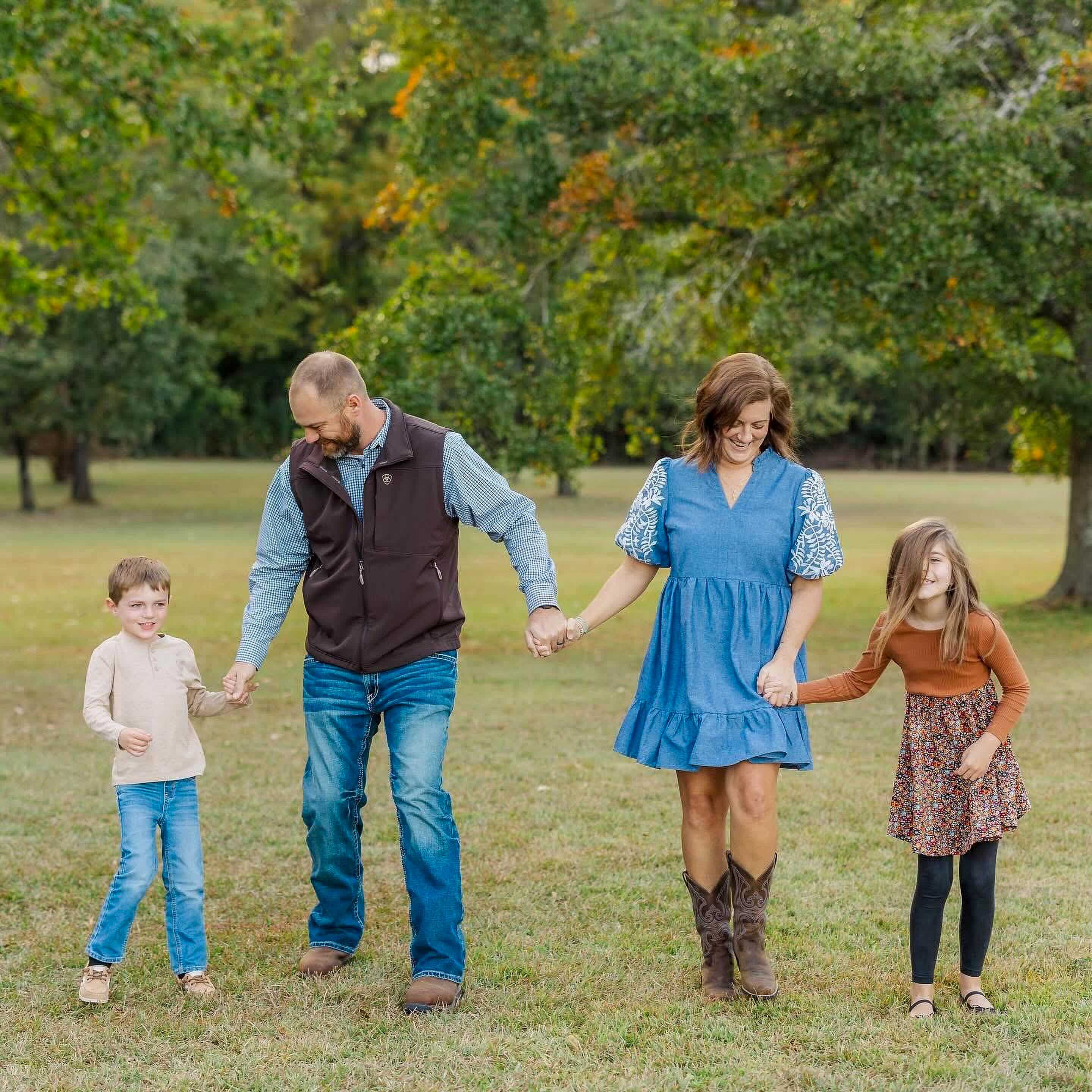
When Casey joined ECU Health, she encouraged Jessica to apply the next year, and they both worked on the same unit for a time.
“We worked on 3 West, but she worked the night shift and I worked the day shift,” Jessica recalled.
“We had to explain to our patients that we were twins and not one person on the floor all day. That was always a hoot.”
While Jessica transitioned from oncology to other roles in the system, Casey stayed on 3 West for several more years. She then transitioned to Marion L. Shepard in 2020.
“She is a dedicated oncology nurse,” Jessica said. “She just received her bachelor of science in nursing (BSN) from UNC Wilmington last year and has enjoyed working in radiation oncology at Marion Shepard.”
As twins, Jessica said she and Casey have “been together since the womb,” and that hasn’t changed as they both progressed through their careers and lives.
“We went to school together, and now we live close to each other,” Jessica shared. “Casey is a great mom of two kids, and she is brilliant. She strives to be better and better every year, and she pushes me even though I just go with the flow.”
Support from the community
Jessica said the rapid testing and diagnosis Casey received from ECU Health helped her begin a path towards essential care. She also highlighted the supportive community that surrounds Casey, her family and Jessica.
“Our oncologists have been so great in Beaufort and Greenville,” Jessica said. “They support my sister and me and check up on us. Even physicians who graduated from medical school here and moved away keep in contact. Since we grew up in the same area we work, everyone knows us and wants her to be okay. The amount of calls and messages I get to check on her – it’s all day.”
Casey received a high-dose inpatient chemotherapy treatment, and once she is home, she will have labs drawn, symptom management and any required blood products at Marion L. Shepard. The hope is that once her bone marrow blast cell count is high enough, she can be put on a list for a bone marrow transplant.
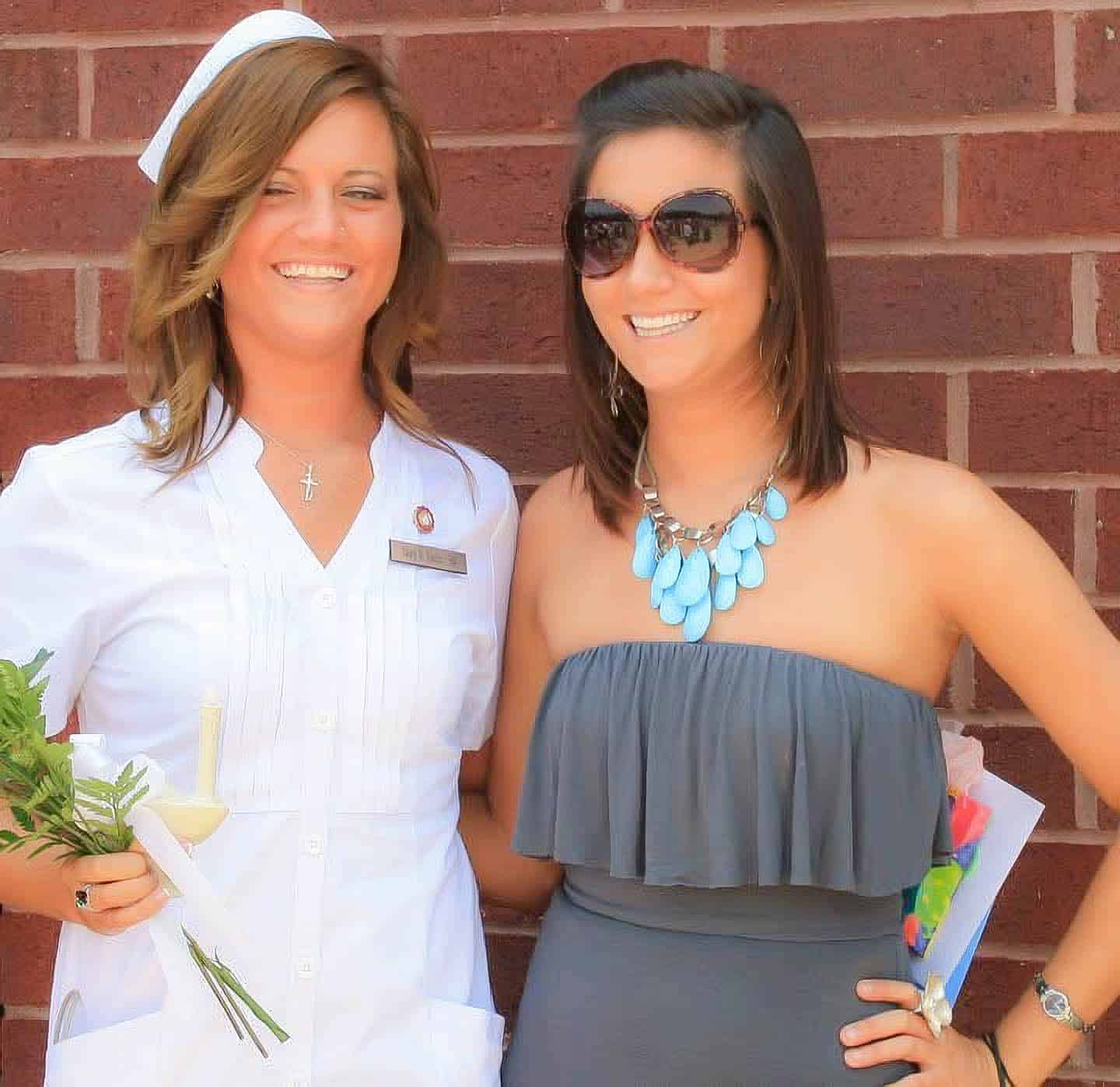
“She’s receiving hardcore treatment and taking it like a champ. Because we’re identical twins, our bone marrow is too much alike so I can’t be a donor,” Jessica said. “So we have to hope for a match and then she’ll have to stay near the hospital for 100 days after the transplant because transplant patients can have a lot of complications. You’re like a newborn baby.”
Jessica said it was important for people to consider being a bone marrow or stem cell donor.
“You have to be between the ages of 18 and 35 to donate, and you can sign up to be tested. They make sure it’s safe for you to donate and help you through every step. It’s very easy.”
In the meantime, Jessica said her sister has been very positive.
“I don’t know where her strength comes from. I’m up nights crying. She hasn’t been able to see her kids and she’ll joke on the phone about her hair falling out. She Facetimes her family and sometimes gets to go outside for a picnic,” Jessica shared. “And she wants to get back to work. She told me, ‘I hate cancer and love the care I can provide for families. Cancer doesn’t discriminate and I hope I can come back to the field I love.’”
To learn more about how to be a bone marrow or stem cell donor, or about other ways you can help, visit the National Marrow Donor Program (NMDP) site (formerly Be the Match).

NAGS HEAD, N.C. – Outer Banks Health is proud to honor the legacy of President Ronnie Sloan, FACHE, after a remarkable career of nearly 15 years of dedicated service as President of Outer Banks Health (OBH) and 40 years overall of service in the health care industry.
Sloan was honored on Dec. 1, 2025, at Jennette’s Pier in Nags Head with a commemorative party thrown by OBH team members and community members, where nearly 200 individuals gathered to recognize his impact. Many individuals offered personal thanks to Sloan for the direct influence he had had on their lives. ECU Health, a partner of OBH, and Sloan’s family were present in recognizing his accomplishments as well.
“When I began my career, I was encouraged to step beyond respiratory therapy and move into health care administration. I hesitated at first because I felt great reward in caring for patients and their families,” Sloan said. “But I’m forever grateful to the person who helped me see how much more my impact could have in this role. Serving this community, building so many meaningful relationships and playing a part in growing healthcare on the Outer Banks has been a true blessing.”
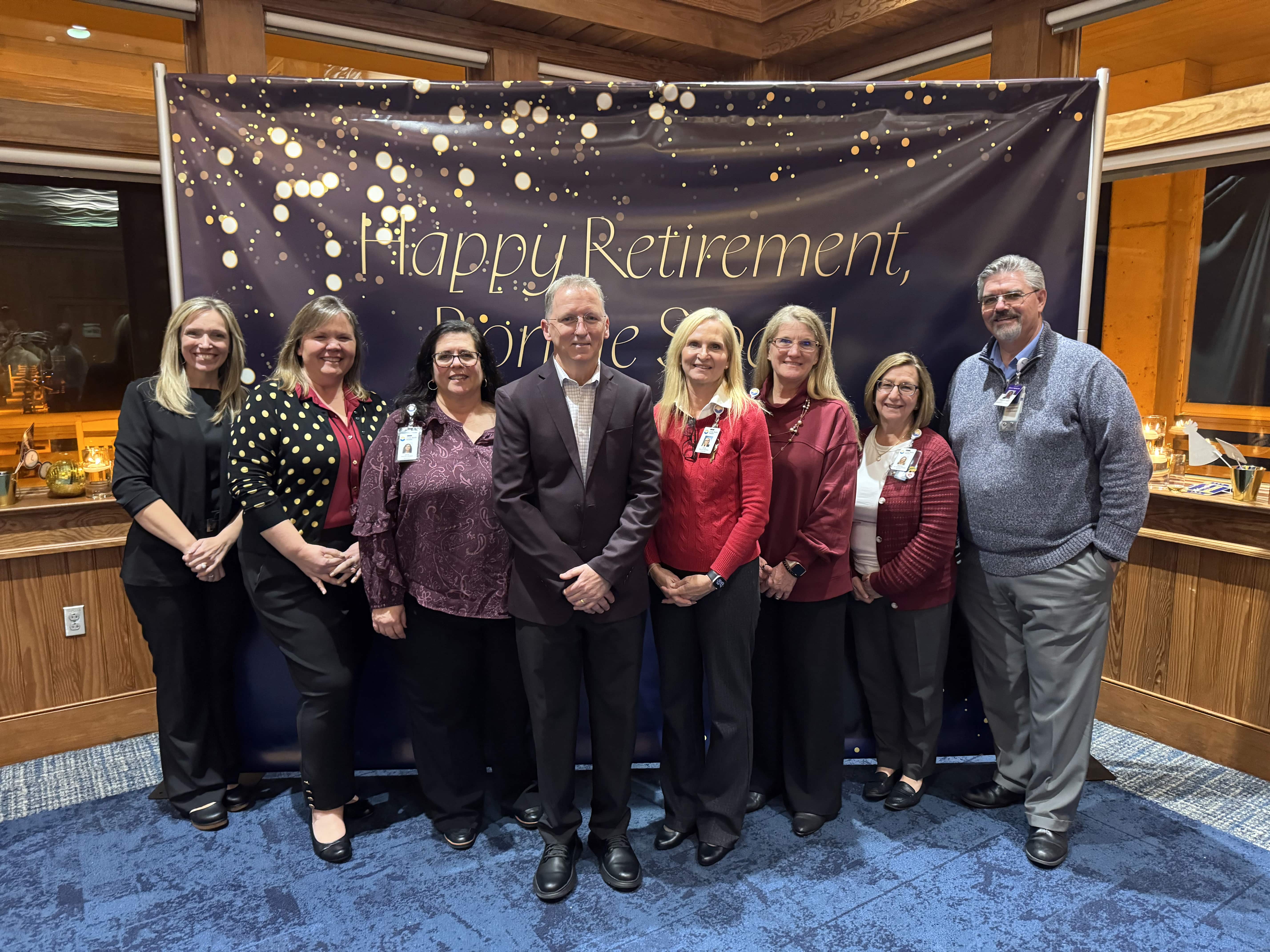
Sloan is celebrated for creating and cultivating a culture of compassion among team members, medical staff, patients and the community. This culture is reflected in patient care, resulting in OBH’s standing as a 5-star hospital in North Carolina for patient satisfaction according to Press Ganey. Under Sloan’s supportive and guided leadership, OBH was one of the first hospitals in the nation to pilot rural, accredited cancer programs—reducing mortality rates—became the first Dementia Friendly Hospital in North Carolina and achieved accredited stroke-ready status. Sloan also drove the expansion of essential health care services on the Outer Banks, helping to introduce and grow offerings such as urgent care, family medicine, urology, cardiology, ear nose and throat, orthopedics and sports medicine, and cancer care services.
Throughout his career with OBH, Sloan has remained fully committed to its mission: to enhance the quality of life for residents and visitors of Dare County and surrounding areas by providing the highest quality health care services. Sloan has been a valued partner to both of OBH’s partners, ECU Health and CRH, faithfully advancing the aligned missions through collaborative leadership, integrity and dedication.
“Ronnie’s impact has been immeasurable. His contribution to eastern North Carolina, especially on the Outer Banks, will continue to benefit this region for generations,” said Van Smith, Jr., MBA, MSHA, president, ECU Health community hospitals. “For the entirety of the past 15 years, Ronnie exemplified our mission and values in his work, leading by example and reflecting compassion and excellence in all he does. He has set a lasting tone for future healthcare leaders and team members.”
In 2018, Sloan received national recognition as a recipient of the American Hospital Association Rural Health Leadership Award, which honors hospital leaders who guide their organizations through transformational change while displaying outstanding leadership and commitment to improving health outcomes and growing access to healthcare. Beyond his leadership within the organization, Sloan has been a steadfast community advocate. He has volunteered his time and expertise with numerous nonprofit agencies and community development groups, including the North Carolina Aquarium Society Board of Directors, the Outer Banks Community Foundation, the Dare Community Housing Task Force, the Access to Healthcare Task Force and the Visitors Bureau Long Range Strategic Task Force.
“On behalf of the OBH Board of Directors, I would like to extend our deepest gratitude to Ronnie Sloan for a distinguished career defined by compassion, vision and lasting impact. His legacy will continue to benefit the people of eastern North Carolina for years to come. The Board wishes him the very best in his retirement,” said Myra Ladd-Bone, chair, OBH Board of Directors.
Sloan is set to retire in early 2026 following the selection of his successor, for whom a search is currently underway. Along with OBH’s partners, the OBH Board of Directors is seeking a leader who understands the Outer Banks community, shares its values and will carry forward the organization’s commitment to compassion, integrity and exceptional care.