Expectant mothers now have more options at ECU Health when it is time to have their baby. That includes Certified Nurse Midwives, or CNMs, whose expertise lies in supporting those moms-to-be throughout their pregnancies, all the way to the delivery table. At ECU Health, qualified, experienced CNMs are now empowered to work within the full scope of their practice authority, a change that aims to improve health care outcomes for mothers and babies while better distributing provider workloads across maternal care teams.
As of April, independent CNMs at ECU Health with at least two years and 4,000 hours of clinical experience are now able to admit patients to the hospital, discharge patients from the hospital and write all notes and orders without the need for a physician’s co-signature or supervision.
CNMs deliver babies from “standard risk” pregnancies while consulting with physicians to identify cases that come with higher risks of complication or need procedures like C-sections. They continue to work in tandem with other members of the maternal care team like OB-GYN physicians.
“This was an incredibly important step forward to ensure that we are using our providers to their full scope of practice in order to improve access to care and broaden our services,” said Elaine Cudnik, executive director for Women’s and Children’s advanced clinical practice at James and Connie Maynard Children’s Hospital at ECU Health Medical Center. “There is a nationwide shortage of OB-GYN providers and ECU Health is not immune to the challenges in recruiting that specialty. We continue to augment our services with advanced practice providers and independent certified nurse midwives who can support that critical maternal service here at ECU Health.
Added Cudnik, “I think allowing independent CNMs to work to the top of their license brings an incredible value to the community that we serve and will only expand the access that we’re able to provide.”
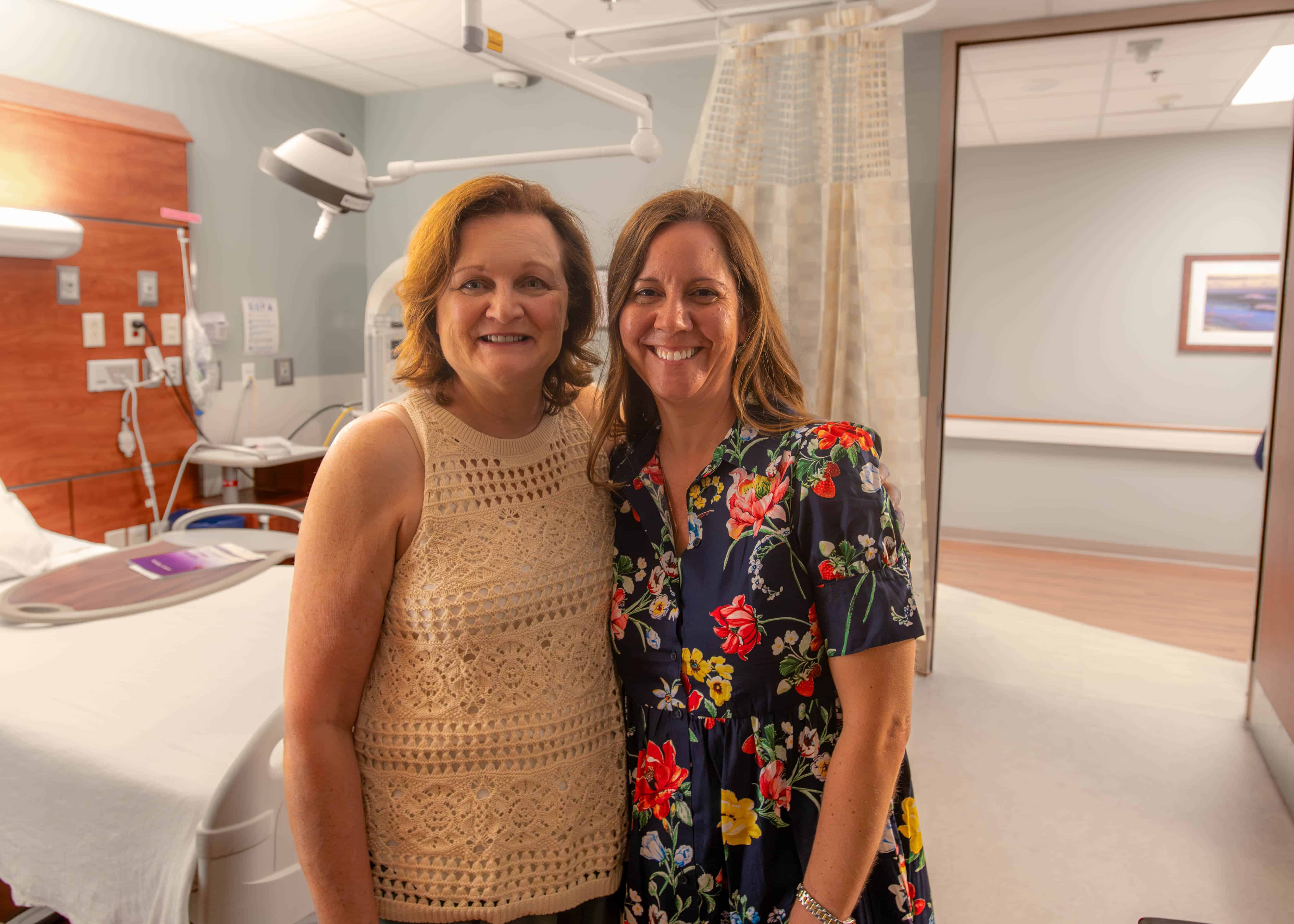
On the day the change went into effect two CNMs — Sarah Sears and Margi Reither — were granted independent CNM privileges at ECU Health. Reither called it a monumental step and the result of decades of advocacy. She is grateful that ECU Health now grants qualified CNMs more freedom in scope of practice.
“It is great, professionally, to be able to take care of our own patients,” Reither said. “That’s what we are truly grateful for. We have had wonderful support from our OB-GYN team who agree this is a good, professional decision. This was truly a team effort between midwives, physicians and administrators.”
Sears said the change is empowering, and that it shines a light on how midwives are crucial parts of an OB-GYN team.
“It makes us feel seen,” Sears said. “There is certainly a feeling of respect not just in being able to work with my patients in a new way, but from the health system recognizing what we do and making our roles more visible.”
More importantly, the change is good for patient outcomes. Sears said midwifery care is shown to improve maternal and neonatal outcomes. When physicians and midwives collaborate, it allows providers to play to their own strengths. For midwives, that is recognizing and managing standard risk labor and delivery.
“Physicians really are needed for the high-risk things, the abnormal circumstances that can arise during a delivery,” Sears said. “As midwives, we are focused on the normal. It comes down to working together to make sure our approach fits each individual patient on a case-by-case basis.”
Dr. James Whiteside, department chair, Obstetrics and Gynecology, ECU Health and the Brody School of Medicine, played a critical role in helping expand the scope of midwifery practice at ECU Health when he arrived at the health system in 2022. He said further expanding midwives’ scope of practice to include independent care is an important step toward addressing clinician shortages that continue to strain maternal care nationwide.
“We saw an opportunity to expand the role of midwifery across our region and leverage independent scope of practice for these integral members of our care teams,” Dr. Whiteside said. “More midwives will help us address the real challenges facing rural delivery, specifically when it comes to resources and the number of clinicians we have available to provide high-quality care and reduce risk associated with delivery.”
Dr. Dan Dwyer, chief medical officer, ECU Health Community Hospitals and an obstetrician, said he is excited for the positive impact the change will have on maternal services in some of eastern North Carolina’s most rural communities. CNMs will have reliable teams they can work with and the ability to transfer care to another clinician, or to another facility, as needed, in the most efficient way possible.
“Looking ahead, we are excited to introduce independent Certified Nurse Midwives (CNMs) into care teams throughout ECU Health’s rural community hospitals,” Dr. Dwyer said. “Teamwork is a cornerstone of our culture, and we are committed to recruiting and nurturing skilled CNMs whose dedication and values align with our mission. These professionals are essential to delivering the highest quality care in rural settings.”
Serving 29 counties and operating eight rural birthing locations, Dr. Dwyer said ECU Health faces a range of challenges — not least of which are recruiting and retaining talented healthcare professionals.
“To address these needs, it is imperative that every member of our health care team — including independent CNMs — practice at the top of their license. Creating an environment where everyone feels valued and welcomed is central to our approach,” he said. “The collaborative efforts of CNMs, family practitioners and obstetricians, supported by advanced digital technology and a robust network of sub-specialists, are critical to ensuring patients receive timely, appropriate care wherever they are. We take great pride in the strength of our teamwork and remain confident that, together, we can overcome future challenges and continue to provide exceptional care for our communities.”
ECU Health has maintained labor and delivery services at its rural hospitals. Midwives’ knowledge and skills play a prominent role in ensuring that quality care is available to even more patients in eastern North Carolina, Cudnik said.
“We strongly believe in midwives’ practice and their ability,” Cudnik added. “We strive to create a place where that expertise is valued and leveraged in a way that supports our unique rural academic mission. Not only will expanded access to care benefit community hospitals and rural communities, these midwives will also have a chance to teach students and residents at our ECU Health Medical Center. We’re excited to see the independent CNM program grow.”

In eastern North Carolina, summer can be a time of backyard cookouts or days spent at the beach. However, soaring temperatures and smothering humidity put residents at risk of heat-related illnesses that are even more dangerous for people with a heart condition.
Dr. Blase Carabello, ECU Health cardiologist and chief of the Division of Cardiology at the Brody School of Medicine at East Carolina University, explained that the heart has to work overtime in extreme heat as the body tries to regulate its temperature.
“Most people are familiar with a car’s radiator, and they know that if the radiator does not work, they will be stuck on the side of the road with steam coming out of the hood,” Dr. Carabello said. “The human body’s radiator is the skin, and when you need to get rid of heat, your heart needs to pump extra blood to the skin to let that radiator work. Almost anyone with a heart condition who already has a weakened heart or some other difficulty is going to be stressed by the heat or have trouble regulating their body’s fluids.”
High temperatures put people at risk of heat exhaustion, which can cause symptoms such as lightheadedness, rapid pulse, low blood pressure, headache or nausea. Anyone who begins to experience those symptoms needs to get out of the sun and drink fluids, Dr. Carabello said. If you stop sweating in hot weather, or start shivering, that’s an indication your health is at risk.
Heat stroke, where the body reaches a temperature over 104-degrees, is a life-threatening condition that requires treatment.
“The body’s temperature can reach the point where it will shut down all activity unless you receive treatment,” Dr. Carabello emphasized. “If someone around you says they feel lightheaded or like they are going to faint in the heat, it is important to act. Check their pulse and, if that does not look right, call for help. It’s much better to have a false alarm than the alternative.”
Dr. Carabello said that when a heat advisory is issued, people need to use their best judgment and make the right decision for their health. When heat indices climb into triple digits, it’s very difficult for the body to regulate. He pointed out that at the World Cup, even some of the best athletes on the planet take heat breaks during their soccer matches.
“If some of the best athletes in the world need that, think about if you’re not on that level,” Dr. Carabello said. “People tend to think they can do anything, that they are super people, but the truth is that the kind of heat we can experience in eastern North Carolina can put your heart to the test. You don’t need to test your heart, so don’t do that. Just use plain, old fashioned, common sense.”

The North Carolina Governor’s Volunteer Service Awards honor the true spirit of volunteerism in individuals and groups in the public, nonprofit and private sectors who make a significant contribution to their community through volunteer service. This year, Charmaine Reeder, on behalf of the ECU Health’s work with Pitt County Meals on Wheels, Traquavis Harris, Sara Gray Tingen and Angelina Brittle and were honored as award winners.
ECU Health’s Community Health team has worked with the Pitt County Meals on Wheels program for four years, something that began with now vice president of Community Health KaSheta Jackson. What began with a Wednesday/Friday route evolved to opening volunteer opportunities to all ECU Health team members.
Reeder, a Community Health engagement coordinator I, said as a Greenville native, she grew up seeing health care disparities. Now, she said she has the resources and knowledge to do something about it.
“Community Health can connect people to the information they need. We can educate them about chronic health conditions and advocate for them,” she said. “Some people are fearful of doctors or hospitals, but we can help them prioritize their health.”
Her work with Meals on Wheels, she said, has been one way to connect not only with fellow volunteers, but those very community members she hopes to help.
“Our volunteers come from all walks of life. They carve out time from their day to do something, and they show up rain or shine. And the people we visit – they look forward to it. Sometimes we’re the only people they see, and they enjoy the company,” she said. “It gives us a chance to ask them about how they’re doing and connect them with resources. It establishes a consistency in support and connects us to a population we might not otherwise see.”
Reeder said she didn’t know anything about the Governor’s Volunteer Service Award until she looked it up, and then she realized how prestigious it is.
“I was honored to accept on behalf of ECU Health,” she said. “We are making an impact on a population sometimes overlooked.”
The Community Health team is also using the Meals on Wheels program as a platform to pursue other ways to connect community members with the health care services they need.
“We’re working with the ECU Health to provide telehealth services to qualifying individuals on our Wednesday and Friday routes.”
Click here to learn more about volunteer opportunities at ECU Health.

The future of medical care in eastern North Carolina has arrived in the form of 152 new ECU Health Graduate Medical Education (GME) resident physicians and fellows, many of whom said they were excited to live, work and train in a region rich with opportunity and unique clinical experiences.
The new class of resident physicians were welcomed at GME orientation day, with fellows welcomed at an orientation of their own. The separate settings let GME team members tailor training to both groups’ specific experiences and levels of familiarity with medical practice.
“We are so excited to welcome these new physicians to ECU Health, and we’re equally excited to support their development as our future physician leaders,” said Dr. Mary Catherine Turner, associate dean for Graduate Medical Education at the Brody School of Medicine at East Carolina University and ECU Health Medical Center.

“This also feels like a celebration of how far GME has come over the past 50 years,” she said. “We recruit resident physicians and fellows who are drawn to our mission, and through their time in training they help ECU Health deliver on the mission to improve the health and wellbeing of eastern North Carolina.”
ECU Health offers 38 residency and fellowship programs that provide comprehensive training in primary care and multiple specialty and sub-specialty disciplines.
Physicians will train at ECU Health Medical Center as well as communities across eastern North Carolina. The chance to engage with rural patients was a major draw for Dr. Amarveer Malhi, a family medicine resident physician from Vancouver, British Columbia.
“I’ve seen firsthand how families can be affected by rural hospital closures and the stress people feel when they are left scrambling for care,” Dr. Malhi said. “Seeing ECU Health’s mission to provide acute care in rural areas really told me that I wanted to be here. I’m excited to work with people who have that same goal to provide excellent patient care.”
Dr. Emmanuel Kotey, also a family medicine resident physician, was grateful to match in a small town like the one he grew up in. He attended medical school at Meharry Medical College in Nashville and wanted to get back to his roots and make a difference in patients’ lives.
“Throughout the match process I could see ECU Health had one of the best family medicine programs, and that it takes care of the entire region,” Dr. Kotey said. “I’m looking forward to seeing cases I have never seen before and the chance to help the many patients I’ll care for.”
Dr. Stanton Davis, an emergency medicine resident physician from Atlanta, and Dr. Shelby Goode, an OB-GYN resident physician from Richmond, are a couple who also graduated from Meharry Medical College. The two applied for residency everywhere east of the Mississippi River and discovered ECU Health was not only a great middle ground as far as seeing family, but also the right fit for the couple’s medical philosophy.
“We knew that we wanted to work at an academic hospital,” Dr. Goode said. “The scope and volume of patients we will treat means we are going to see everything we could possibly see. Our interview days went great, and we loved the vibe and the positive energy. Everyone has been so nice and we’re looking forward to getting to know everyone, to finding familiar faces at familiar places.”
Eastern North Carolina also appealed to the couple’s desires outside of work.
“The Level I Trauma Center designation for adult and pediatric care was important to me,” Dr. Davis added. “ECU Health had everything we were looking for academically. The area itself pleasantly surprised us. I think Greenville has everything we want and we are only a few hours from the beach or other places that have what we’re looking for.”
Nine of the new resident physicians graduated from the Brody School of Medicine in May including Dr. Emily Gerlach, one of Dr. Goode’s OB-GYN peers and a native of Nash County. She was excited to get to know her new colleagues and to see familiar faces of patients she treated or even grew up with.
“It’s exciting to stay here in eastern North Carolina and continue to serve this community,” Dr. Gerlach said. “I’ve already treated a woman who I’ve known my whole life. It’s special. They knew me as a child and now they know me as a physician.
“I can’t wait to get my feet wet and be part of these deliveries, be part of care teams who are there for patients in their most vulnerable or happiest moments,” Dr. Gerlach continued. “I’m ready to get started.”
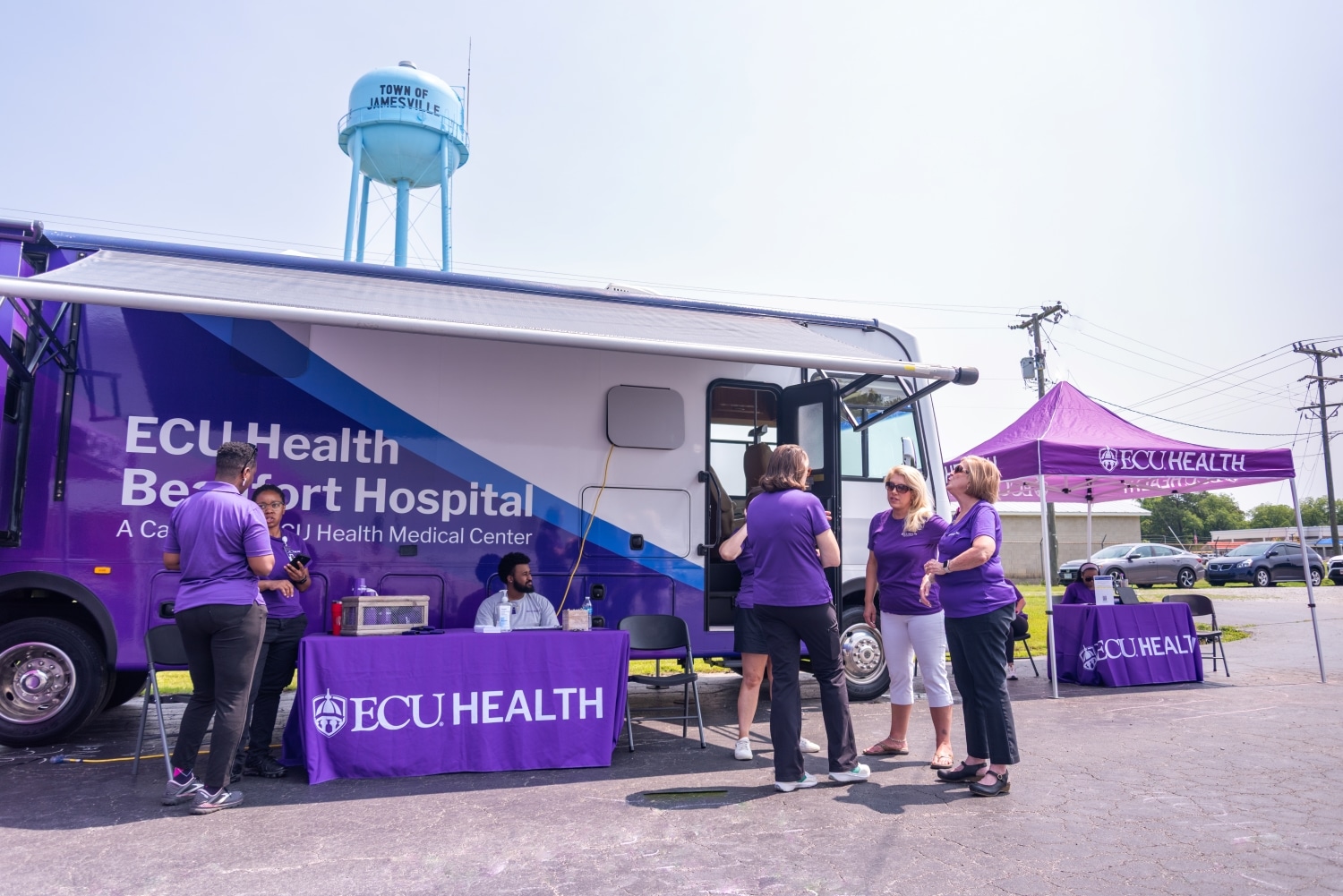
Greenville, N.C. — Martin County and ECU Health are celebrating new, historic investment included in the State Budget to support a regional system of care that will strengthen access to essential health services in eastern North Carolina, including $25 million to re-establish essential health care in Martin County and $15 million of initial support to expand bed capacity at ECU Health Beaufort Hospital in Washington.
The funding for health care in Martin County included in the state budget, along with $35 million in NC Care funds previously allocated to the project, allows ECU Health and Martin County to move forward with efforts to reach a formal agreement.
While this funding marks important progress, additional investment to meet the full $150 million for ECU Health Beaufort is required to fully implement a sustainable regional system of care model needed to improve sustainability and expand inpatient capacity for the surrounding communities.
“This budget represents meaningful progress toward a sustainable model of care for Martin County, Beaufort County and eastern North Carolina,” said Dr. Michael Waldrum, CEO of ECU Health. “Rural Americans are facing unprecedented challenges that continue to threaten the viability of health care in their communities. We are grateful for the support of our state elected leaders for infrastructure funding as we pursue rural health initiatives designed to improve the health and well-being of the most vulnerable communities in North Carolina. As the only health care partner with a viable plan, as well as a willingness to re-establish care in Martin County, we remain committed to working with county leaders and state partners to make high-quality local health care a reality on behalf of the patients, families and communities we are honored to serve.”
Leaders from Martin County and ECU Health said they will continue working toward a formal agreement that will define the structure, responsibilities and commitments needed to re-establish essential services in Martin County and advance this regional vision. Importantly, this process will take time as there are contingencies noted in the letter of intent that must be resolved to make this vision a reality. They emphasized that sustained partnership and careful planning will be critical to moving the work forward.
“This investment helps move an important vision forward for Martin County and the surrounding region,” said Drew Batts, County Manager for Martin County. “The effort to acquire this funding has been long and hard fought with Martin County’s team and ECU Health’s team working hand in hand every step of the way. This would not be possible without the efforts of multiple residents and business leaders from Martin County. We appreciate the partnership with ECU Health and the support from state leaders as we continue working toward a long-term solution that restores access to care and serves our residents well into the future.”
Additional details will be shared as planning progresses.

About 100 kids saddled up on June 18 for a bike rodeo at Hillcrest Park in Winterville, where ECU Health Injury Prevention Program team members, Safe Kids Pitt County, Winterville Safe Routes to School, the North Carolina Department of Transportation (NDCOT) and HBCU Coalition of Pitt County teamed up to teach them essential bicycle safety skills and provide protective equipment.
Cycle and Serve, an all-ages bike rodeo, equipment giveaway and service event provided kids with free helmets, reflective gear and other safety equipment. Kids also had the chance to hone their critical cycling safety skills. Courses were set up to teach them braking, turn signaling, how to react to traffic signage and how to safely navigate obstacles like ramps or debris.
“Wearing a properly fitted helmet is one of the most effective ways to reduce the risk of serious head injury during a crash,” said Ellen Walston, injury prevention program coordinator and Safe Kids Pitt County coordinator at ECU Health. “We are so grateful for the opportunity to educate kids of all ages about cycling and connect them with local partners and resources who put safety first. Keeping our roads safe is everyone’s responsibility, and the skills our participants learned today will play an important role in keeping them safe and healthy on their bicycles.”

Learning bicycle safety is a key step to prevent injury. According to NCDOT data, there were 1,011 crashes involving bicyclists in 2025, the second year in a row with over 1,000 such crashes statewide. About 40% of the 2025 crashes resulted in suspected minor injuries and three percent were fatal.
Along with properly fitted helmets and reflective gear, Walston recommend bicyclists wear bright colored clothing and ride in the same direction as the flow of traffic. She said kids should ride their bikes on sidewalks when possible and that cyclists should always remain aware of their surroundings.
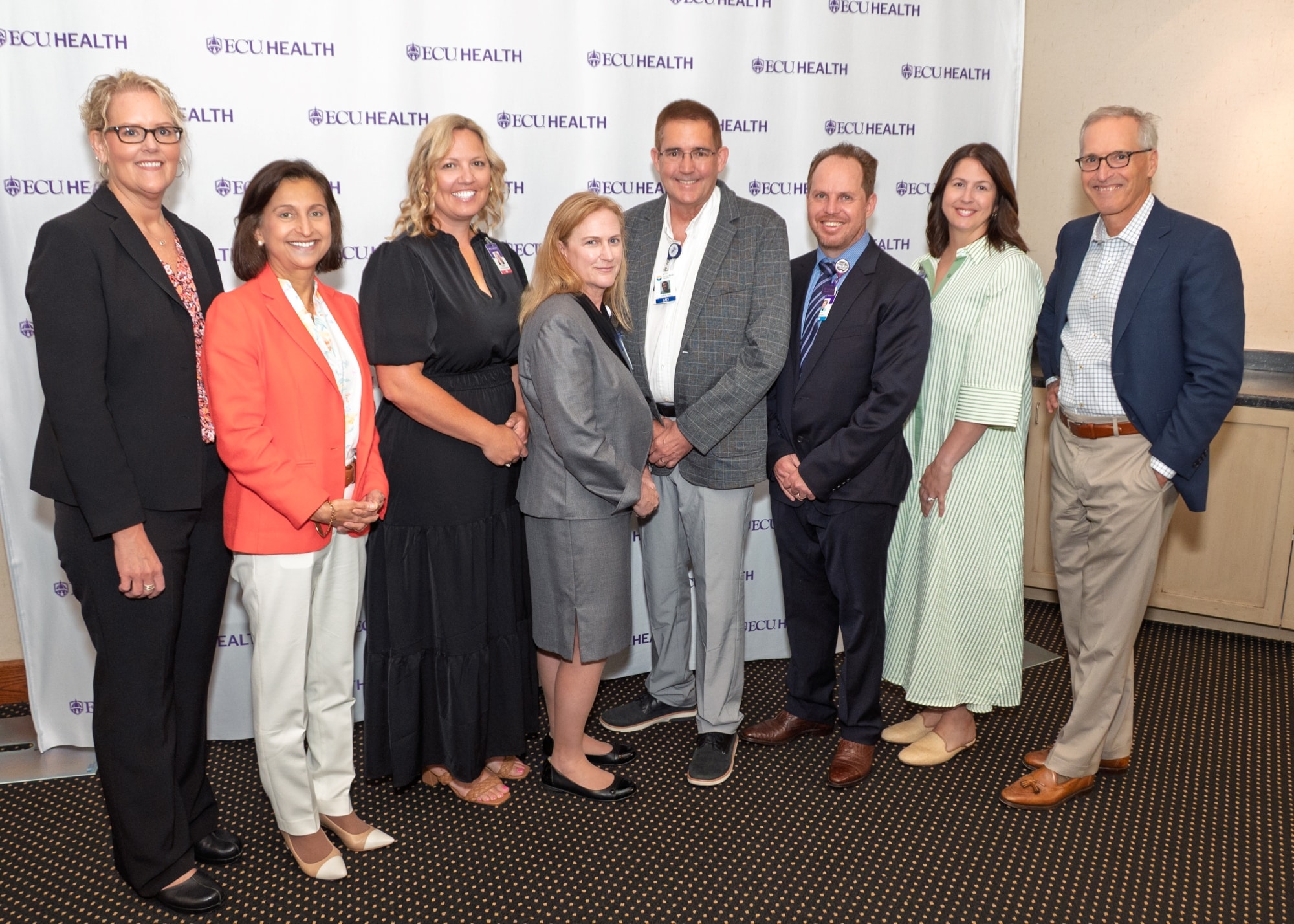
Greenville, N.C. – The 2026 ECU Health Board Quality Leadership Award winners were recognized at the ECU Health Board of Directors meeting held on Tuesday, June 23. These winning teams exemplify ECU Health’s system-wide commitment to achieving zero harm, delivering exceptional experiences and advancing patient outcomes through high-quality, compassionate care.
“These projects exemplify the talent and passion that team members have for addressing complex health care challenges in our rural region,” said Dr. Andy Tewari, chair, ECU Health Board of Directors. “The wide range of teams recognized today shows the scope of their commitment to innovation and serving our patients in eastern North Carolina.”
Projects demonstrating excellence reflected two or more of the following traits:
- Sustained Quality and Safety Improvement: Quantifiable improvement in an organizational priority that advances the goal of zero harm and demonstrates reliability over time.
- Compassion in Action for Safety: Demonstrated teamwork and commitment to protecting patients and team members from harm through consistent application of safety behaviors, communication and a fair and just culture.
- Innovation and Continuous Learning: Implementation of innovative, evidence-based solutions that enhance clinical quality, safety and operational reliability.
- Reduce Variations in Quality Outcomes: Meaningful work that identifies and reduces barriers and promotes quality and safety for all populations served.
Four teams earned awards this year, chosen from a competitive pool of nominations and thoughtfully reviewed by the selection committee.
The winning teams are as follows:
A team from ECU Health Medical Center submitted “Antimicrobial Stewardship Program (ASP) Review of Restricted Antimicrobial Use and Compliance.” The project improved ECU Health Medical Center’s electronic health record and antimicrobial stewardship program workflows. It yielded $270,000 in cost savings and reduced unnecessary antimicrobial use, supported safer patient care and helped fight antimicrobial resistance.
The project leaders were Nicole Nicolsen, PharmD, BCPS, BCIDP, ASP/Infectious Diseases (ID) pharmacist manager, and Melissa George, PharmD, BCIDP, ADP/ID pharmacist. Team members were David Laurent, PharmD, BCPS, BCIDP, ASP/ID pharmacist, Emily Perez, PharmD, ASP/ID pharmacist, and Allison Field, PharmD, VCID, AAHIVP, ASP/ID pharmacist.
A team from ECU Health North submitted their project “Two-Year Central Line Associated Blood Stream Infection (CLABSI) Free Initiative: Driving Interdisciplinary Excellence Through Daily Nurse Quality Huddles and Rounding.” Efforts from the project led to zero hospital-acquired CLABSI cases.
The Project Leaders were Aparesh Balla, MPH, QS III, Maryland Hicks, BSN, RN, WCC, QNS II, and Chelsey Shearin, BSN, RN, IP II. The team members were Dr. Jude Ojie, hospitalist medical director, Dr. Rudo Gwanzura, chief of staff, Wanda Neathery, manager of patient care services, Jennifer Pilgreen, manager of patient care services, Karen Liles, RN, vascular access team, and Ann Strickland, RN, vascular access team.
A team from ECU Health Physicians submitted “Improving Hypertension Control in Ambulatory Care.” The project used a data-driven approach to improve blood pressure test accuracy, repeat measurement and home monitoring documentation by standardizing how blood pressure tests are conducted.
Project leaders were Crystal Ashley, RN, BSN, and Dr. Samuel Moskowitz. Team members were Marsha Becker, RN MSN, Dr. Dean Miner, Jessica Walker, MSHIIM, BSPH, Jason Monroe, MBA, Wendy VanLandingham, RN, BSN, Jennifer Jones, RN, and Drillious Gay, RN, MSN.
A team from ECU Health Ambulatory Quality Services submitted “Improving Outcomes: A Patient-Centered Approach to Hypertension Management.” The project used a community-funded initiative in July 2025, to improve home monitoring for blood pressure with blood pressure cuffs, patient education and integrated patient-entered readings through MyChart.
The project leader was Gail Scheller, RN, AMB-BC, AE-C, Ambulatory Quality Nurse Specialist. Team members were Barbara Adams, manager, Outer Banks Health Family Medicine – Avon, Stephanie Huband, manager, Outer Banks Health Family Medicine – Kitty Hawk, Cynthia O’Neal, manager, Outer Banks Health Family Medicine – Manteo, Sean Dunigan, manager, Outer Banks Health Family Medicine – Nags Head East and Kristen Daniels, manager, Outer Banks Health Internal Medicine – Nags Head.
“These teams worked with purpose to build the tools, dataflow and support that empower our care teams to do their best work for patients in service to ECU Health’s mission and enterprise goal of clinical excellence,” said Dr. Niti Armistead, Chief Clinical Officer and Chief Quality Officer, ECU Health. “Their efforts remind us that quality improvement is one of the most powerful ways to bring meaning and joy into the work of caring for patients.”
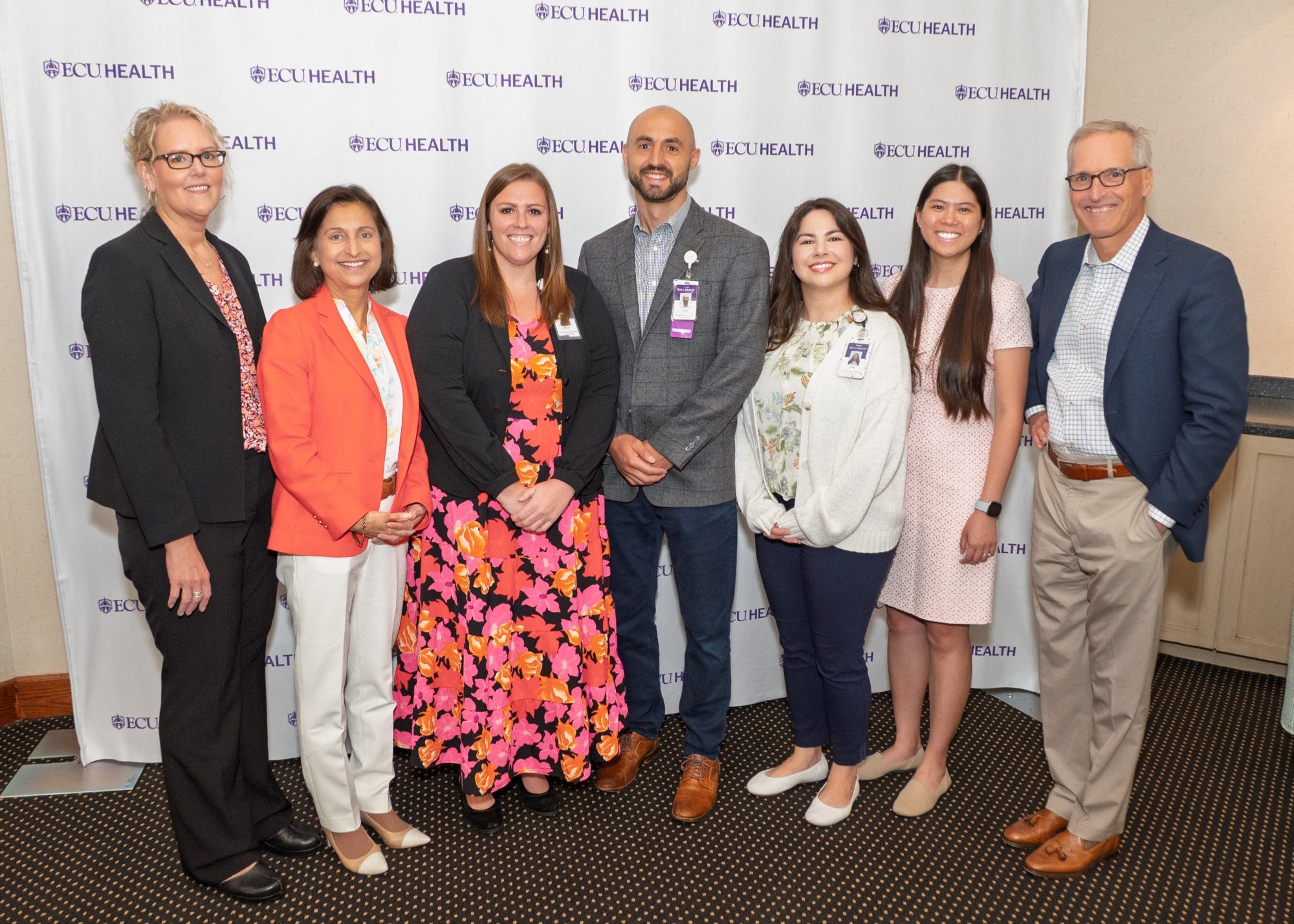

Greenville, N.C. – ECU Health Beaufort Hospital – a campus of ECU Health Medical Center now offers the MISHA Knee System for patients suffering from medial knee osteoarthritis. The MISHA Knee System is designed to reduce the daily physical toll on the knee joint, offer rapid pain relief and preserve patients’ natural anatomy.
“The MISHA Knee System fundamentally changes how we can support patients living with medial knee osteoarthritis by giving them a joint preserving option that delivers real, measurable relief,” said Dr. Dimitri M. Thomas, orthopedic surgeon, ECU Health Beaufort Hospital. “For many people who want to stay active but aren’t ready for a knee replacement, this approach fills a longstanding gap in treatment options. It’s exciting to bring this level of innovation to our community and help patients regain comfort, confidence and mobility.”
Knee osteoarthritis affects more than 15 million Americans and can make everyday activities painful and difficult. Non-surgical treatments such as medications, injections or physical therapy sometimes do not provide relief, and they are often left with ongoing pain and limited mobility. The MISHA Knee System is a less-invasive approach designed to reduce knee pain and help patients return to the activities they enjoy by reducing the peak forces on painful knee joints while walking, running or simply standing. No removal of bone, cartilage or ligament is required.
“ECU Health Beaufort Hospital is committed to ensuring that patients in our region can access advanced, patient centered solutions close to home, and the MISHA Knee System is a powerful example of that commitment,” said Dennis Campbell II, DHA, RN, president, ECU Health Beaufort Hospital. “By offering this innovative treatment locally, patients do not have to travel long distances to receive cutting edge orthopedic care or to find relief earlier in their treatment journey. We are proud to expand access to high quality options that help people stay active, remain in their communities and maintain their quality of life.”
The procedure is covered by Medicare. For those interested in learning more, please contact ECU Health Orthopedics – Washington at 252-946-6513.

Greenville, N.C. – ECU Health’s Office of Community Health is expanding its summer meals program in partnership with Food Lion Feeds, Sodexo and the ECU Health Foundation, adding three new locations to bring nutritious meals to kids while school is out. The summer meal program will be offered in six eastern North Carolina communities — Ahoskie, Greenville, Tarboro, with new locations in Edenton, Roanoke Rapids and Windsor.
“We are excited to continue offering healthy meals during the summer months, and our expansion to Edenton, Roanoke Rapids and Windsor reflects ECU Health’s commitment to nutrition and overall health,” said KaSheta Jackson, vice president of Community Health at ECU Health. “For many children, school is where they receive their most consistent meals and many parents struggle to provide meals when school is out. ECU Health’s Summer Meal Program helps fill that gap, ensuring kids and teens are nourished and healthy during months when school is not in session.”
Meals will be available Monday through Thursday from 11:30 a.m. to 1 p.m. with the following dates and locations:
- Ahoskie: The Gathering Place, 701 Church St., June 8-Aug. 20
- Edenton: Shepard-Pruden Library, 106 W. Water St., June 8-Aug. 20
- Greenville: York Memorial AME Zion Church, 201 Tyson St., June 15-Aug. 20
- Roanoke Rapids: East 10th Street Christian Church, 1207 E. 10th St., June 8-Aug. 20
- Tarboro: Braswell Community Center, 1501 Western Boulevard, June 8-Aug. 20
- Windsor: Bertie Cooperative Extension, 104 Lancaster Avenue, June 8-Aug. 20
Since 2021, ECU Health and its partners have provided free meals over the summer. In 2025 alone, the program served more than 4,500 meals.

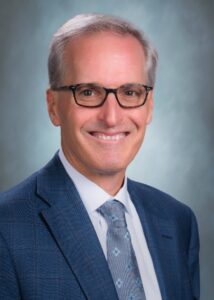
Dr. Michael Waldrum
Across rural America, healthcare is under attack. Pressure is mounting from looming federal cuts, including those to Medicaid, and increasingly aggressive behavior by large, for profit insurance companies. In eastern North Carolina, we are on the defensive, fighting every day to preserve even the most basic access to care, whether that means delivering a baby close to home or seeing a primary care provider.
Rural health systems are already stretched to the limit. We serve older, sicker, and poorer populations. We provide more uncompensated care with thinner margins and fewer alternatives than our urban counterparts. As proposals to reduce federal healthcare funding advance, pressure on rural hospitals continues to grow.
I recently shared these realities during my testimony before the U.S. House Committee on Ways & Means.
The hearing focused on affordability and access — two issues that will determine the future of rural healthcare. I shared ECU Health’s uniquely rural story, made possible only through the commitment of 15,000 team members who lead with purpose to deliver high quality care across our region.
I also shared a sobering truth: our organization faces a potential compounded loss of more than $1 billion over the next 10 years from Medicaid reductions included in H.R. 1.
Against this backdrop, we recently made the difficult decision to go out of network with UnitedHealthcare. This was not a tactic or a shortcut, but a last resort taken after years of imbalance and grounded in our responsibility to sustain access to care for communities that rely on us.
Rural hospitals operate on razor thin margins. We do not have billion dollar surpluses or large markets to subsidize rural care. Every dollar we earn supports patient care, our workforce, and maintaining access across a vast, rural region. When a health system with a large mix of Medicare and Medicaid patients is forced to accept an unsustainable contract by a dominant, for profit insurer, the consequences fall on patients: fewer clinicians, longer wait times, delayed services, and, in some cases, the real possibility of losing care altogether. This is the result if we allow healthcare to be treated as a profit-making tool by UnitedHealthcare, extracting value from our region and our state at the expense of rural communities.
Our approach to UnitedHealthcare has been in good faith, intended to reach an agreement that would preserve in-network access for our patients. Throughout this process, we have made every attempt to engage constructively and move negotiations forward. However, those efforts have been met with delays, limited responsiveness, and proposals that do not reflect the realities of providing care in our region.
When our attempts over the past year to reach a partnership with UnitedHealthcare proved unattainable, we faced a choice: accept a status quo that steadily erodes rural access or take a stand for our patients and communities. We chose to stand.
Our priority is supporting impacted patients and care teams through this transition. We continue to reach out directly to those affected to ensure they know what options are available to support the care they need.
At ECU Health, our obligation is clear. We exist to serve patients, families, and communities — not shareholders. Standing up for rural healthcare is not easy, and it sometimes requires saying no to powerful interests. Protecting access, supporting our workforce, and preserving the future of care in eastern North Carolina is not optional. It is our mission and it is worth fighting for.