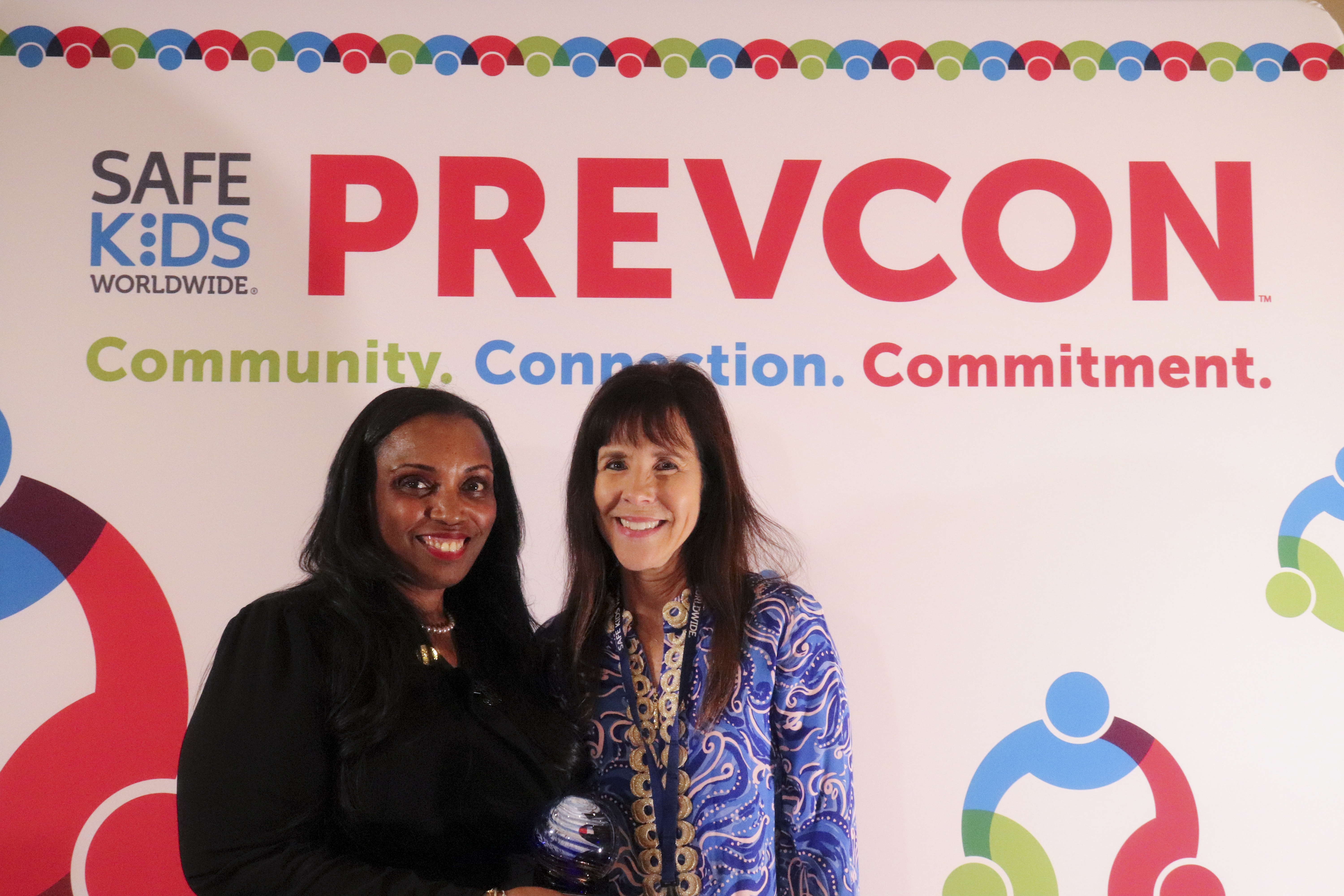
Greenville, NC – ECU Health is proud to announce the Eastern Carolina Injury Prevention Program (ECIPP) at ECU Health Medical Center was honored with the Martha Collar Partnership Award at the Safe Kids Worldwide International Childhood Injury Prevention Convention (PrevCon) for its outstanding contributions toward preventing childhood injuries. Named for Oklahoma Safe Kids State Coordinator Martha Collar, this award recognizes inspirational individuals or organizations that exhibit outstanding leadership and a commitment to collaboration and partnerships.
“ECIPP is honored by this recognition, which reflects the dedication and innovation of the entire team in advancing injury prevention and safety across eastern North Carolina,” said Ellen Walston, Injury Prevention Program Coordinator and Safe Kids Pitt County Coordinator at ECU Health. “Through strong partnerships and community-focused strategies, we have expanded access to education and resources that make a real difference in people’s lives. Our greatest reward is seeing the positive impact of this work on the health and well-being of the children and families we serve.”
ECIPP is dedicated to improving the health and safety of eastern North Carolina by reducing the frequency and severity of preventable injuries, especially to children. Founded in 1995, ECIPP is a collaborative initiative between the ECU Health Trauma Center, Maynard Children’s Hospital at ECU Health Medical Center and the Department of Emergency Medicine at the Brody School of Medicine at East Carolina University. Through hands-on community outreach, ECIPP offers car seat and bike helmet fittings, along with educational programs focused on risk areas such as driver and pedestrian safety, fall prevention, water safety, suicide prevention and safe firearm storage. ECIPP also plays an active role in regional coalitions, including the Greenville Traffic Safety Task Force, formed in partnership with the Greenville Police Department, and the Pitt County Firearm Safety Coalition, working together to build a safer, more informed community.
“The Eastern Carolina Injury Prevention Program exemplifies how community collaboration can transform safety education into measurable action,” said Torine Creppy, president of Safe Kids Worldwide. “Their partnerships and holistic approach embody Martha’s legacy of building bridges that protect families.”
The award was presented at PrevCon on Oct. 15, 2025, that convened more than 600 child health and safety professionals from around the world, including academic researchers, community activists, health care providers, manufacturers, public health and injury prevention practitioners and policy makers. More than 20 individuals and organizations were honored for their leadership in the field. PrevCon is one of the largest gatherings of individuals and organizations dedicated to childhood injury prevention. Preventable injuries are the number one cause of death for children in the United States. Throughout the world, almost one million children die of an injury each year, and almost every one of these tragedies is preventable.
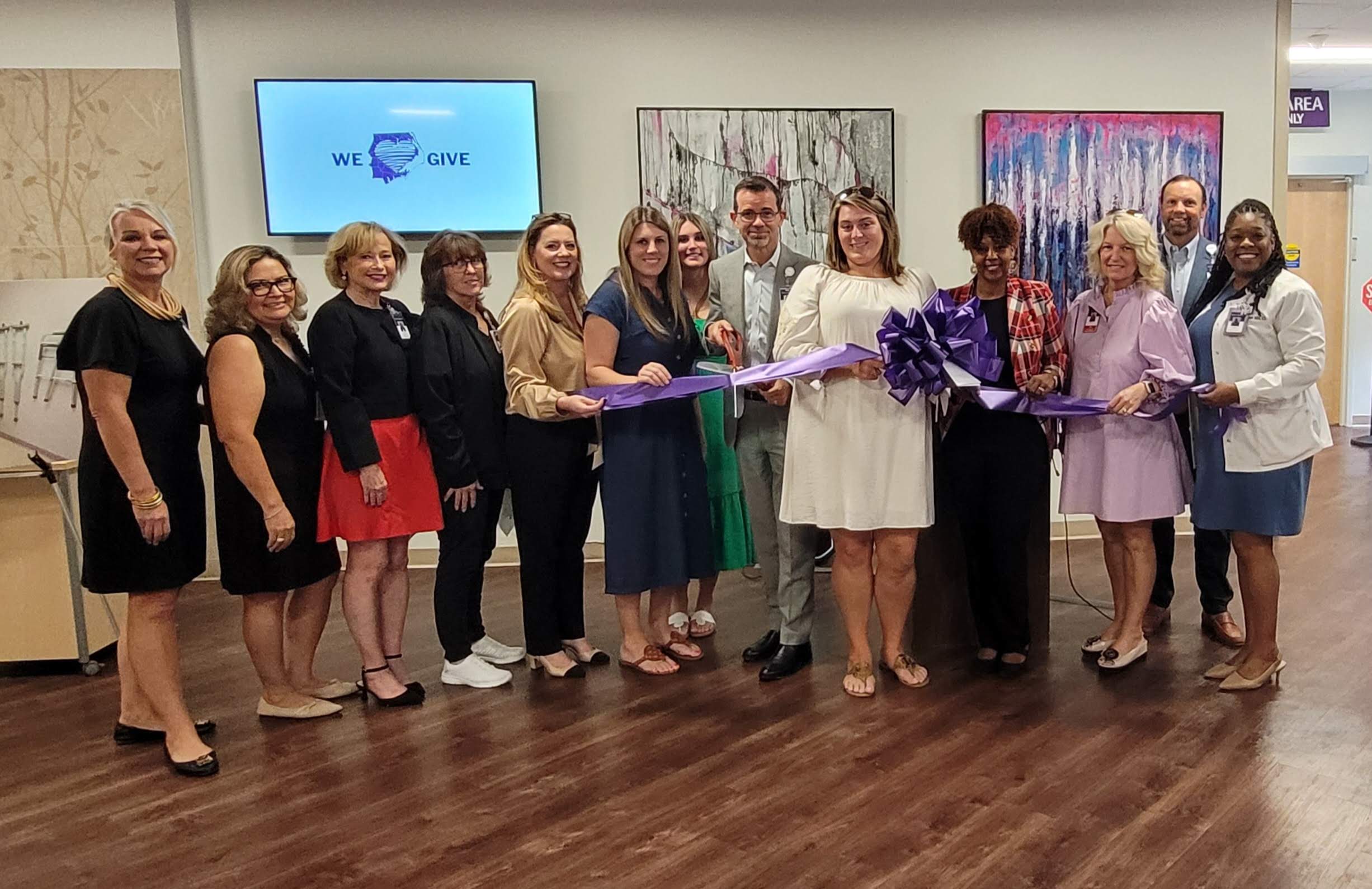
Roanoke Rapids, NC — ECU Health North Hospital has launched a new hospital-based Certified Nursing Assistant (CNA) I Program designed to help team members at ECU Health North, ECU Health Edgecombe and ECU Health Roanoke-Chowan hospitals gain hands-on training, real-world experience and the foundation needed to become a certified nursing assistant.
“At ECU Health, we are committed to strengthening the rural health care workforce by expanding access to careers in nursing and allied health,” said Pam Rudisill, vice president of Nursing Excellence, ECU Health. “This initiative not only invests in the growth and development of our current team members but also opens new doors for those entering the field. By aligning with existing workforce pipelines and community college partnerships, we are building a more resilient and skilled care team that is designed to meet the needs of those we serve.”
Team members who are selected for the program will learn essential patient care skills from experienced medical professionals, receive classroom instruction and clinical training on-site and build a pathway toward long-term career growth in health care. The program was created to enable current team members to pursue a nursing assistant certification by offering life-work balance and the support needed to achieve their goals. Upon completion of the program and with certification, team members will then transition from their current roles to a nursing assistant position. The first cohort will graduate in January 2026 and join the nursing team at ECU Health, and enrollment for the second cohort beginning in February 2026 is open now.
“By equipping our team members with the skills and support they need to grow into vital roles, we are helping create a pipeline of compassionate, community-based caregivers who will serve eastern North Carolina for years to come,” said Todd Hickey, president of ECU Health North Hospital. “Investing in our local talent, especially in rural communities like the Roanoke Valley, strengthens our workforce and keeps care close to home. Initiatives like these help us fulfill our mission of improving the health and well-being of eastern North Carolina.”
The CNA I program was inspired by the vision of Sheryl Watson, BSN, RN, a former registered nurse at ECU Health, whose dedication to student education and commitment to guiding aspiring nursing assistants have been integral to the program’s formation. Watson laid the groundwork for the academy but passed away before seeing it come to fruition. As a former instructor in a community college CNA program, Watson saw the value in building a CNA program at ECU Health North.

ECU Health celebrated Wear Pink Day on Oct. 17 to honor those impacted by breast cancer and to raise awareness of the importance of annual screenings. In addition to wearing pink, the Cancer Care team and members of the East Carolina University Women’s Basketball team, including head coach Kim McNeill, handed out pink ribbons and information about breast cancer and 3-D mammograms to ECU Health team members and ECU Health Medical Center visitors.
ECU Health Cancer Care and the ECU Women’s Basketball team work together to share the importance of early detection for breast cancer across the community. For several years, the Women’s Basketball team, assistant coaches and staff, as well as McNeill, have visited ECU Health Medical Center to greet and educate team members and patients.
“Even with their busy season starting, the ECU Women’s Basketball team is committed to spreading this awareness message,” said Phyllis DeAntonio, administrator of ECU Health Cancer Care. “We are extremely grateful for the team’s commitment to ECU Health’s mission, to improve the health and well-being of eastern North Carolina.”
Screenings are important for prevention and early detection. ECU Health offers 3D mammography at 11 locations throughout eastern North Carolina. Key advantages of 3D mammography include:
- Greater detail for improved accuracy
- 40 percent increase in cancer detection
- Locates more invasive, life-threatening tumors
- Better at detecting cancer in dense breast tissue
- Digital images allow doctors in other locations to consult if needed
- Fewer call-backs, resulting in less anxiety
- Patient-friendly design that is more comfortable for all breast sizes
As Breast Cancer Awareness Month continues, make sure you are talking with your health care provider about receiving regular mammograms. Women at higher risk may need to start screening earlier. Learn more about breast cancer and finding a screening location near you by visiting ECU Health’s breast cancer page.

The James and Connie Maynard Children’s Hospital at ECU Health Medical Center was filled with smiles and excitement as CAPTRUST employees arrived with bright green boxes packed with fun on Oct. 2. These Cheeriodicals care packages were filled with age-appropriate toys, crafts and comfort items, and were hand-delivered to pediatric patients and their families to brighten their hospital stay.
The donation is the result of a collaboration between CAPTRUST, an independent retirement plan and investment advisory firm, and Cheeriodicals, a team-building company that partners with corporations to create meaningful community impact. Each box is thoughtfully tailored to specific age groups, including infants and their mothers, children ages 3 and up, and tweens and teens.
The partnership was sparked by a shared Pirate connection: both Fielding Miller, CEO of CAPTRUST, and Gary Parisher, President and CEO of Cheeriodicals, are proud East Carolina University alumni.

“It was Gary’s idea to reach out,” Miller said. “He’s an East Carolina grad, and so we knew of each other. Gary shared this idea of how they help children in hospitals, and I said, ‘I want to know more.’ He sent me the box, I opened it, and said, ‘Oh yeah, we’re in. We’re doing this.’”
For Parisher, the mission hits home.
“I’m actually from Pitt County and went to East Carolina,” he said. “We’ve delivered to over 150 children’s hospitals across the country, and I wanted Maynard Children’s Hospital to be one of them.”
Cheeriodicals organizes corporate team-building events where employees pack care boxes for children’s hospitals, veterans’ facilities, and Ronald McDonald Houses.
“It’s really about bringing corporations together where teams can do work that makes a difference,” said Parisher.
Miller emphasized the emotional impact of the initiative.
“I just hope these kids feel that pure joy of being a child again – bright eyes, excitement and a moment away from the hospital routine,” he said. “And for the parents, who are there every day supporting their children, if we can make their day just a little bit better, it’s worth it.”
That joy was evident as Miller and Parisher hand-delivered boxes to patients, including Aleksandra. Her face lit up as she opened her box, revealing coloring books, fidget toys, crafting materials, and most special of all, a stuffed green frog.
Frogs, it turns out, hold a special meaning for Aleksandra and her mom, Lydia.
“She’s always loved frogs,” Lydia shared. “Whenever she’s in the hospital, usually for a long period of time, her frog friends show up.”
Aleksandra explained that her mom often leaves little frog toys for her to discover, on her water bottle, tucked into her bag, or hidden around her room.
“Now they have a big friend,” Aleksandra said with a smile, holding up her new plush frog.

Ali Grimes, manager of Children’s Services at Maynard Children’s Hospital, explained that when the pediatric patients receive donations like this, it brings more joy than most people realize.
“When we’re able to bring in toys and activities for our patients, we’re able to see kids be kids and help normalize the hospital experience,” Grimes said.
The impact of the delivery extended far beyond the contents of each box. For the CAPTRUST and Cheeriodicals teams, it was an affirmation of the difference collaboration and giving back can make.
“The delivery was more than just a gift,” said Scott Senatore, chief philanthropy officer, ECU Health Foundation. “It was a moment of true joy for children and families navigating some of the hardest moments of their lives, and for two ECU alumni, it was a chance to give back to the community that helped shape them. ECU Health is so grateful to CAPTRUST and Cheeriodicals for their compassion and care for the patients and families we serve.”

Greenville, N.C. – ECU Health and the national nonprofit Undue Medical Debt are pleased to announce a second round of medical debt relief for qualifying patients. This newest round of medical debt relief will help eliminate more than $550 million worth of past-due hospital medical debt for more than 139,000 qualifying patients. Debt relief letters in Undue Medical Debt branded envelopes are starting to arrive and will continue arriving over the next 12 months on a rolling basis given the size of this relief effort.
Eligible community members do not need to apply, and there is no application process. Instead, community members who qualify for this one-time debt relief will receive a branded letter from Undue Medical Debt indicating which past-due hospital debt or debts have been eliminated.
Undue Medical Debt works with hospital systems and other providers across the country to purchase past due medical debt belonging to those least able to pay in large portfolios for pennies or less on the dollar and then erases the debt.
ECU Health’s collaboration with Undue Medical Debt pre-dates North Carolina Department of Health and Human Services’ medical debt relief initiative which spans all hospitals in the state and lays out a plan for medical debt relief coupled with changes to Medicaid/Medicare reimbursement policy and financial aid standards in 2025. The two organizations collaborated in December 2024 to eliminate more than $186 million worth of past-due hospital medical debt for more than 32,000 qualifying patients.
Under Undue Medical Debt guidelines, those who qualify for this medical debt relief have hospital medical debts that are 5% or more than their annual income or earn at or below four times poverty-level income. The current federal poverty level is an annual income of under $31,200 for a family of four which means a qualifying family of four would make under $124,800. Community members do not need to take any action, as the eligible hospital medical debt will automatically be eliminated for those who qualify.
“We are once again proud to be partnering with ECU Health, which understands the burden created by medical debts on those patients in the community least able to pay,” shares Undue Medical Debt CEO and president Allison Sesso. “Needing care increasingly creates economic anxiety for so many families and ECU Health appreciates that patient health and wellbeing are intimately connected to access, which is why we’re so proud that all told over 171,000 ECU Health patients in eastern North Carolina will have over $736 million of medical debt erased, reducing financial and mental stress and encouraging them to re-engage with the healthcare system.”
The collaboration with Undue Medical Debt is one of many ways in which ECU Health is living its mission to improve the health and well-being of eastern North Carolina. The initiative aligns with the health system’s commitment to serving underserved communities in the East, many of which have disproportionate numbers of low-income and uninsured or underinsured people. The initiative is also in alignment with ECU Health’s long-standing practice of non-predatory billing practices, which emphasize charity care, zero-interest payment plans, transparent pricing and dedicated resources to help patients navigate financial requirements.
“At ECU Health, our commitment to our mission and patients is at the heart of all we do,” said ECU Health Chief Operating Officer Brian Floyd. “This latest collaboration with Undue Medical Debt will make an enormous impact on so many in our largely underserved region. We could not be more thankful to Undue Medical Debt, which shares our vision for making high-quality rural health care accessible here in eastern North Carolina.”

Roanoke Rapids, NC – ECU Health is proud to recognize Hubert Allen as the first patient to complete 60 hyperbaric oxygen treatments at the ECU Health Wound Healing Center in Roanoke Rapids. His journey represents a powerful testament to the importance of having high-quality care close to home, particularly for those needing advanced wound care.
Allen arrived at the center on May 1, 2025, facing life-altering complications from a radiation injury. He was wheelchair-bound, frequently hospitalized, disoriented and unable to drive—his independence and quality of life severely impacted. But with the expert care of medical director Dr. Jamie Udwadia, nurse practitioner Ashley Duke, manager of Patient Care Services Jennifer Millius, and the entire Wound Healing Center team, Allen’s condition began to improve dramatically.
“Hyperbaric oxygen therapy restores at the cellular level,” said Dr. Udwadia. “Hubert’s radiation injury was slowing his healing, but today, his recovery is a testament to the power of modern medicine and personal resilience. The fact that he could receive this level of care close to home underscores how vital it is to make advanced therapies accessible close to home for our own communities.”
Allen underwent 60 hyperbaric oxygen treatments, which is a specialized treatment that enhances the body’s natural healing processes by delivering high concentrations of oxygen in a pressurized environment. It is particularly effective for patients with chronic wounds, radiation injuries, and other complex conditions. Over the course of his treatments, Allen experienced a remarkable transformation. Today, he is walking, driving, and reconnecting with the life he once knew.
“The ECU Health Wound Healing Center team was extremely compassionate and supportive during my treatments,” said Allen.
Allen’s recovery not only marks a personal milestone but also underscores ECU Health North’s commitment to providing innovative, patient-centered care to communities across eastern North Carolina. His story serves as an inspiration to others facing similar challenges and a reminder of the profound impact compassionate care can have on a patient’s journey.
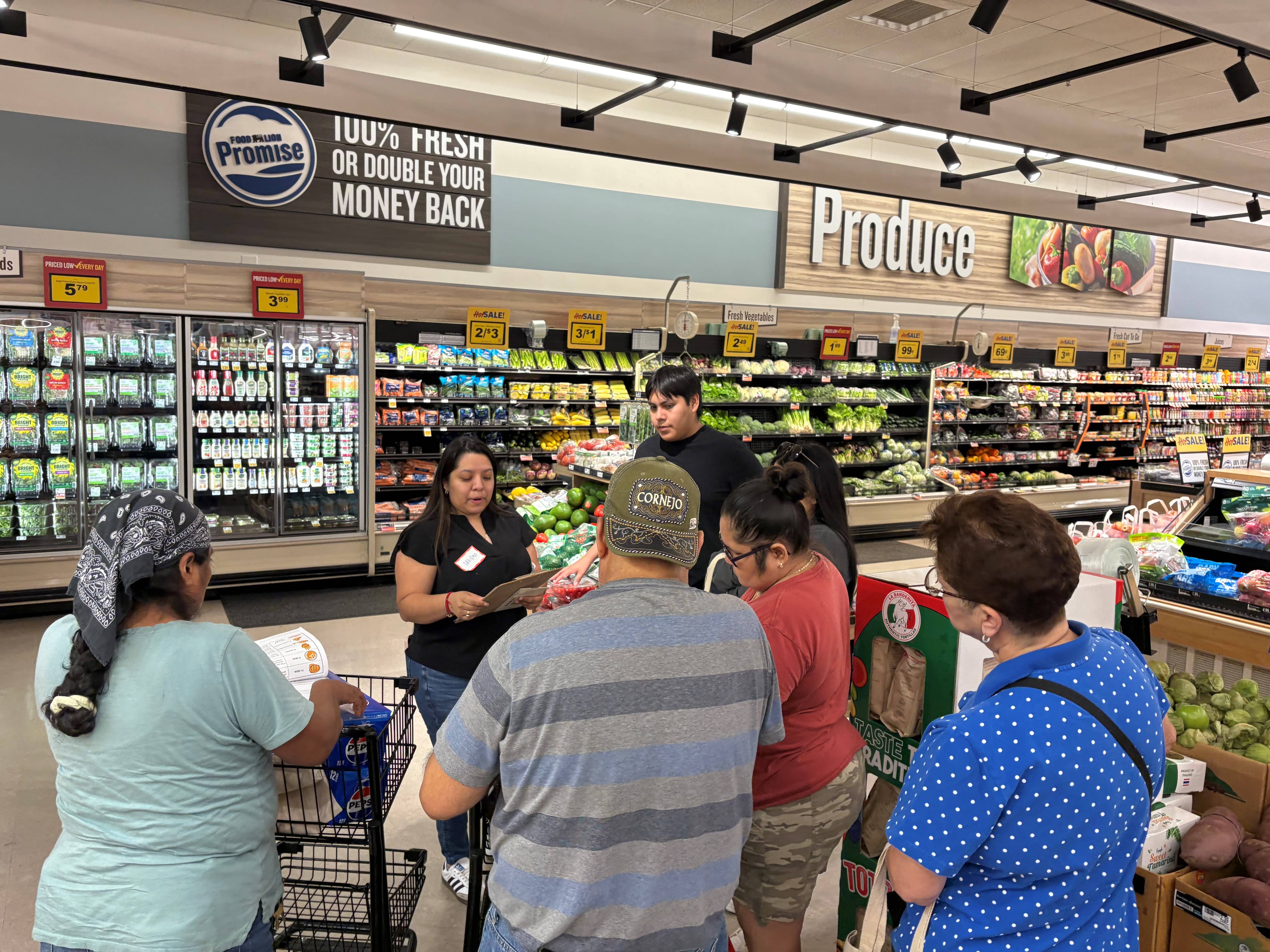
A local initiative is helping residents rethink how they shop for food. The Penny Pinchers Health Grocery Store Tours, led by the Pitt Partners for Health Coalition, shows that healthy eating does not have to be expensive. Through hands-on grocery store tours and practical budgeting strategies, the program equips participants with the tools to make healthier choices without overspending.
Healthy eating is crucial to long-term well-being, helping to prevent chronic diseases like obesity, diabetes and heart conditions. While cost is often seen as a barrier, nutritious diets can be affordable with smart planning. According to the Pew Research Center, roughly 70 percent of Americans say the increased cost of healthy food in recent years has made it more difficult to eat healthy.
Despite rising food prices, making informed choices and cooking at home can dramatically reduce expenses while boosting health, according to Qua’Tavia White, community health improvement coordinator at ECU Health.
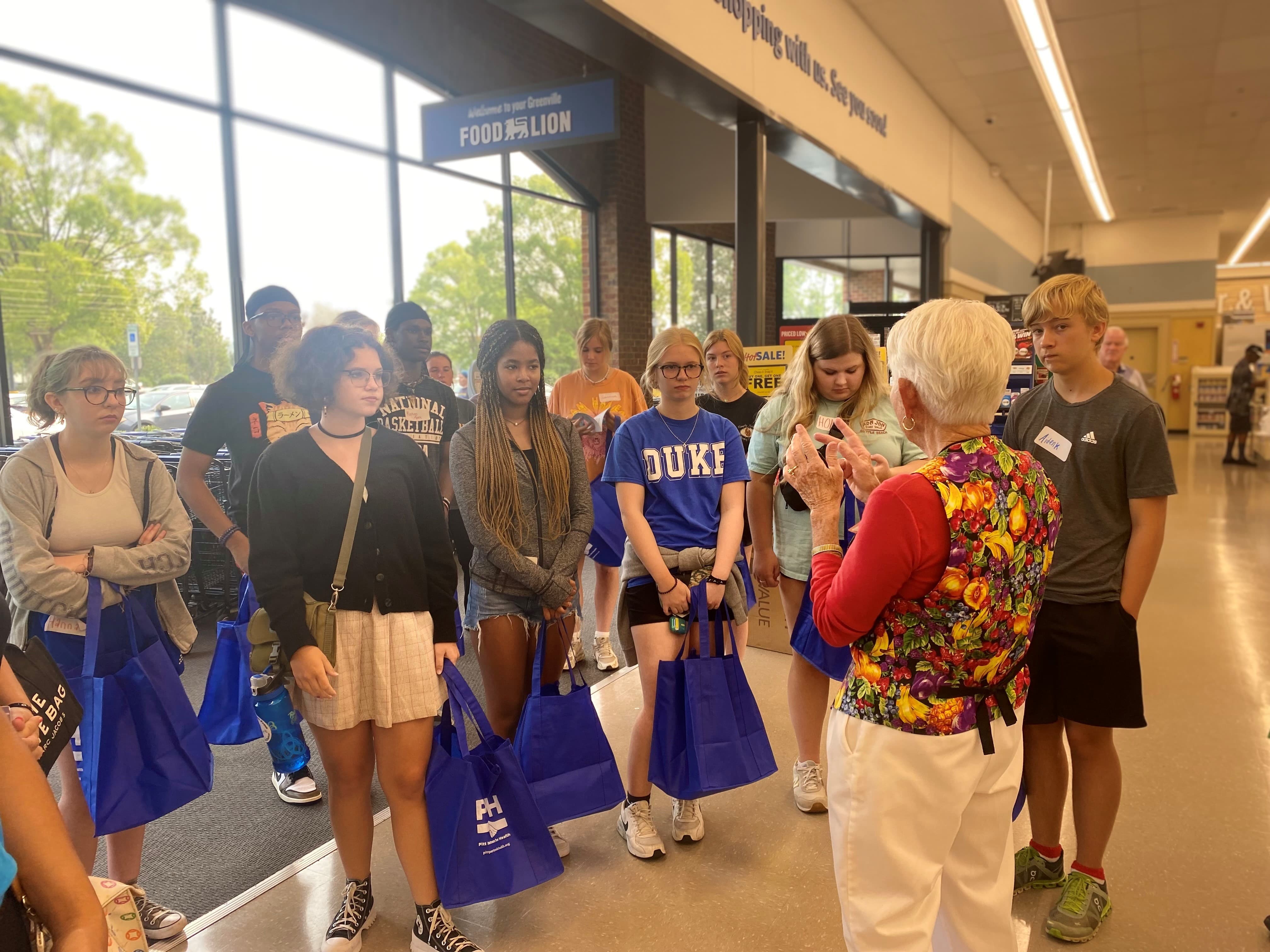
Founded through the long-standing Pitt Partners for Health Coalition, the Penny Pinchers Program is powered by a grant from The Duke Endowment’s “Healthy People, Healthy Carolinas” initiative. While ECU Health Medical Center is one of the coalition’s organizations, the program itself is community-led, with volunteers from across Pitt County driving its success.
“This is a coalition effort,” said White. “We have partners from all over the county helping lead it and we are grateful to our local Food Lions for allowing us to host this program at their stores.”
At the heart of Penny Pinchers is the $15 challenge, a hands-on grocery store tour designed to teach participants how to shop smart and eat healthily on a tight budget. Led by volunteers like De’Vette Thomas, a community health improvement manager at ECU Health, the tours take place at rotating Food Lion locations across Pitt County.
Each session begins with a brief orientation followed by a guided walk through the store. Participants learn how to use unit pricing to compare products, read nutrition labels, identify healthier options using Food Lion’s Guiding Stars system and understand the value of frozen, canned and fresh produce. After the educational portion, participants are given a $15 gift card and challenged to build a complete, healthy meal.
“The rules are to stay under budget and include at least three of four key components: a healthy protein, grain, fruit, dairy, and vegetable,” said Thomas. “Deli meats and processed items like bacon are off-limits for the challenge due to them not having any Guiding Stars and being high in sodium and fat. Participants are encouraged to eat from this food group less often. We want people to know they can eat healthily and still not spend a lot of money. It’s about teaching them how to get the most bang for their buck.”
Tours typically host 10-13 participants, with special sessions tailored for groups like public health students, senior clubs or the Diabetes Prevention Program at the Pitt County Health Dept. The program runs at least once a month, sometimes twice, depending on community demand.
Feedback has been overwhelmingly positive. Participants often share photos of their meals and complete pre and post surveys to help organizers measure impact. One participant, Lydia Best, described her experience as “fantastic.”
“I enjoyed meeting the other people who were there as well as all the information we were given,” said Best. “I had never noticed those stars at Food Lion for how to shop in a healthier fashion. We shared so much information between each other. It was fabulous.”
Best recalled the challenge of creating a balanced meal with the $15 gift card.
“I had chicken and broccoli, and I grilled it on top of the stove–nothing fried,” she said. “It was good, and my husband enjoyed it too.”
She emphasized the importance of programs like Penny Pinchers in helping people realize that healthy eating is possible on a budget.
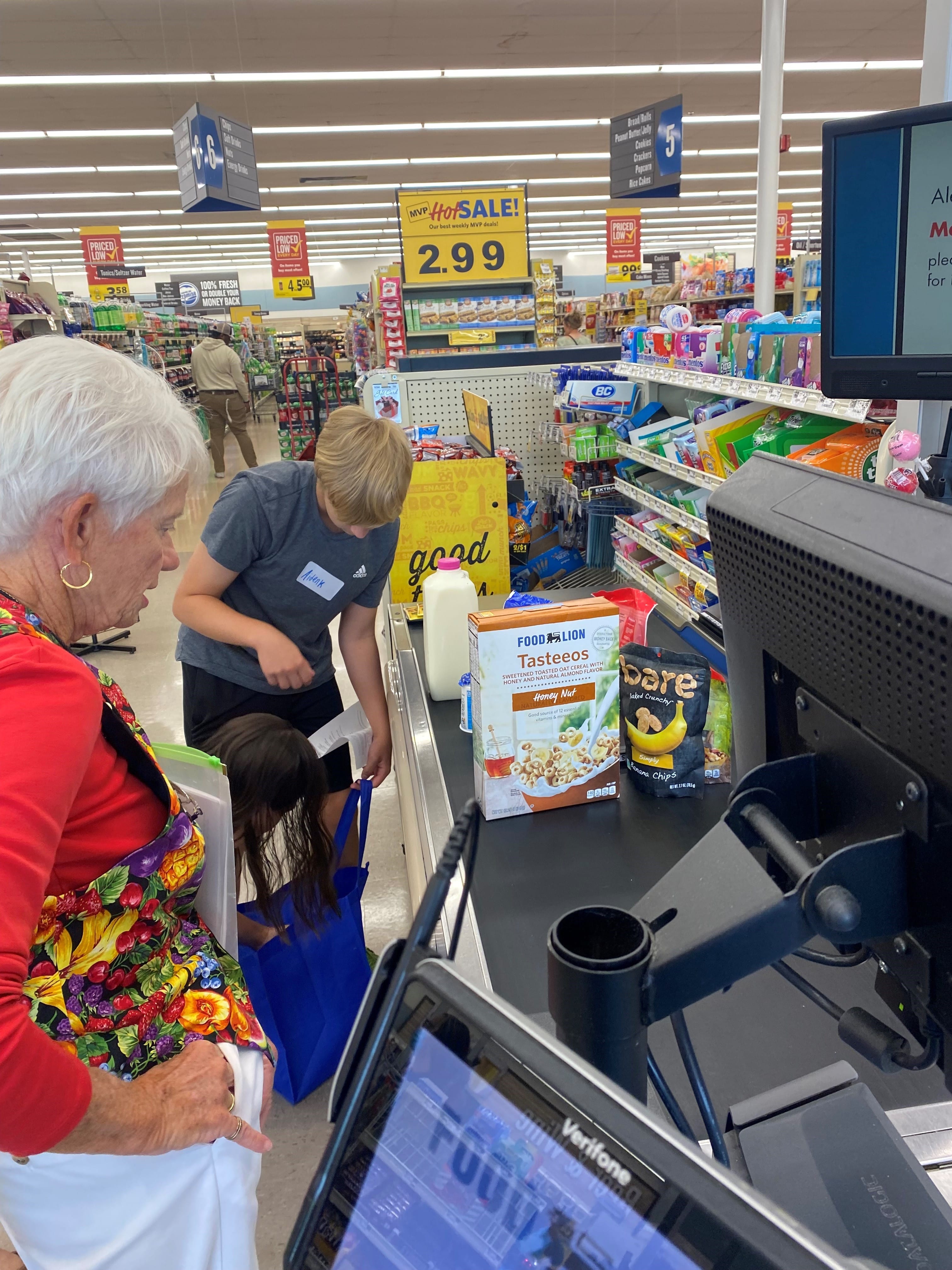
“A lot of people feel that they cannot eat healthy on a budget, and this proves that they can,” Best said. “Just knowing how to choose the right foods and even getting ideas for preparation makes a difference. It’s important to take time to shop for nourishment, and people need to know they can do this and have fun doing it.”
Best praised the volunteers who led the tour, describing them as “knowledgeable and friendly,” and encouraged others to take part.
“I encourage anyone who has the opportunity to participate in Penny Pinchers to do so,” Best said. “It’s worthwhile. It will open your eyes and help you see that you can eat healthy on a budget.”
Both Thomas and White are passionate about debunking the myth that healthy eating is unaffordable.
“People say it’s expensive to be healthy,” White said. “But this program shows that’s not necessarily true.”
By combining education, empowerment and community support, Penny Pinchers is helping residents in eastern North Carolina rethink their relationship with food and proving that with the right tools, anyone can be a health-conscious shopper.
To register, contact De’Vette Thomas at 252-847-6497 or [email protected].
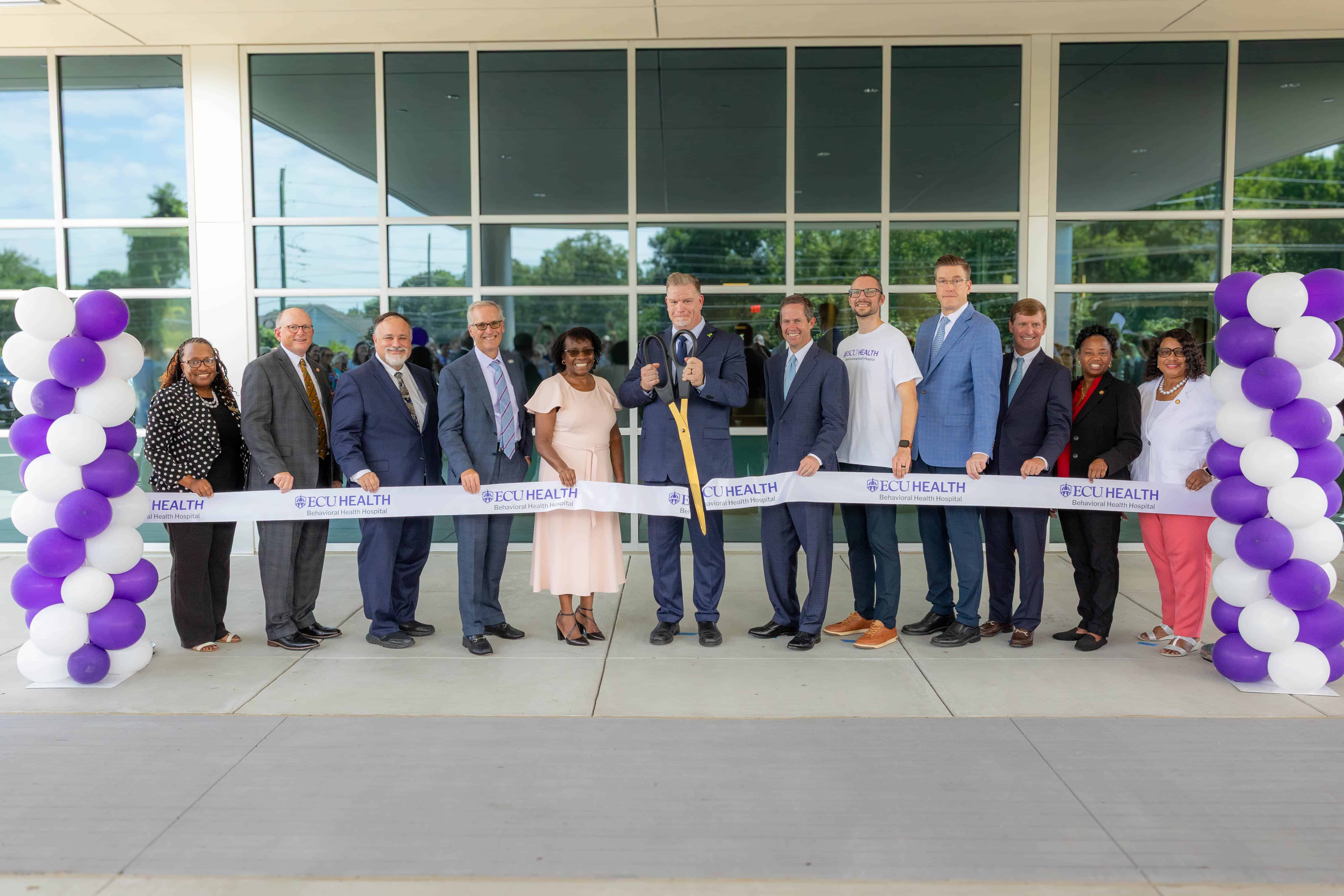
Greenville, N.C. – ECU Health Behavioral Health Hospital hosted a ribbon-cutting ceremony today to celebrate the upcoming opening of a state-of-the-art, 144-bed hospital. The event marks a historic milestone in expanding access to high-quality, compassionate behavioral health services in eastern North Carolina.
Located at 2820 MacGregor Downs Road in Greenville, less than a mile from ECU Health Medical Center, the new hospital represents a major investment in behavioral health infrastructure for the region. The hospital will offer comprehensive inpatient and intensive outpatient programs for adults, seniors, children, and adolescents facing acute mental health conditions such as depression, anxiety, PTSD, bipolar disorder, and co-occurring substance use disorders. The hospital was built through a joint venture partnership between ECU Health and Acadia Healthcare. It is set to open its doors to patients starting in Fall 2025 and will build up capacity over the ensuing months.
“This ribbon-cutting symbolizes much more than the opening of a hospital – it’s a continuation of ECU Health’s commitment to meeting the most pressing needs of our communities,” said Dr. Michael Waldrum, Chief Executive Officer of ECU Health and Dean of the Brody School of Medicine. “By partnering with Acadia Healthcare and offering specialized, patient-centered behavioral health care that will also serve as a training ground for future clinicians, this hospital will support patients throughout eastern North Carolina and directly advances our mission to improve the health and well-being of the region.”
The hospital will also serve as a training site for students and residents through partnerships with ECU’s Brody School of Medicine. This academic integration will help address the shortage of behavioral health professionals in the region.
“This partnership between Acadia Healthcare and ECU Health is built on shared values and a shared vision: to expand access to world-class behavioral health services close to home,” said Chris Hunter, Chief Executive Officer of Acadia Healthcare. “We are proud to stand beside ECU Health in this important work and look forward to the positive impact this hospital will have on the lives of patients and families in this region.”
“Our goal is to provide comprehensive care that reflects the needs of each community we serve,” said Tyler Davis, Chief Executive Officer of ECU Health Behavioral Health Hospital. “This new hospital is a vital step forward in that mission. By bringing care, education, and innovation together under one roof, we are creating a model that other regions can look to for inspiration.”
Thomas Construction Group led the construction of the hospital with architectural design by Stengel Hill Architecture.
To learn more about ECU Health Behavioral Health Hospital, visit www.ecuhealthbehavioral.com.

This summer, two local teens from Pitt and Greene Counties, Madelyn Sutter and Kade McLawhorn, traveled to Washington, D.C. to represent North Carolina at the Children’s Congress, a national advocacy event hosted by Breakthrough T1D. Both ECU Health patients living with type 1 diabetes (T1D) since early childhood, Sutter and McLawhorn joined over 170 youth delegates from across the country to speak directly with lawmakers about the importance of renewing the Special Diabetes Program (SDP), which funds critical research and technology for T1D.
Sutter, 17, is a rising senior and intern at ECU Health Medical Center’s pediatric pharmacy through ECU Health and Pitt County Schools Health Sciences Academy, a high school curriculum program designed to expose and prepare students who wish to pursue health care-related careers upon graduation. Diagnosed at age three, Sutter has spent the last 14 years navigating life with T1D and now serves as a youth ambassador for Breakthrough T1D.
McLawhorn, 15, is entering 10th grade and is a three-sport athlete who loves the outdoors. He was diagnosed at age four and has been active in the diabetes community ever since. He also serves as a youth ambassador for Breakthrough T1D.
Both teens are passionate about advocacy and were thrilled to be selected for the Children’s Congress. They were two of the five delegates from North Carolina.

“It was a really cool experience to help advocate for things that matter and apply to my life personally,” said McLawhorn. “Not a lot of people get in, so it felt special to be part of something so important.”
During their time in D.C., Sutter and McLawhorn met with staffers from Senators Thom Tillis and Ted Budd’s offices and visited Representative Greg Murphy’s and Rep. Don Davis’s offices. Their goal was to urge lawmakers to support the renewal of the SDP, which is set to expire in September.
“We were the faces of the program,” Sutter said. “Everyone wants to hear kids’ stories, and we were that personal connection to show how this funding directly helps us.”
Sutter shared with lawmakers how her life has changed thanks to SDP-funded advancements.
“I used to give myself shots constantly,” said Sutter. “Now I use an automated insulin pump and a continuous glucose monitor. It’s still a 24/7 job, but these tools make being a teenager with diabetes a lot easier.”
One of the highlights for both teens was meeting celebrities who also live with T1D. Delegates attended a meet-and-greet with actors, athletes and influencers who have turned their diagnosis into a source of strength.
“It was so cool to meet people you see on TV and realize they deal with the same stuff we do,” McLawhorn said.
Sutter and McLawhorn’s bond goes beyond Congress. They have known each other for years through Camp Needles in the Pines, a camp for kids with T1D hosted by the Brody School of Medicine at East Carolina University and ECU Health. Sutter’s mom, who is also McLawhorn’s endocrinologist, serves as the camp’s medical director.
“We’ve grown up together,” Sutter said. “He’s like my diabetes little brother.”
McLawhorn echoed the sentiment.
“We’ve gone to camp together for a long time and have just been good friends since then,” said McLawhorn. “It’s great having someone like Maddie who understands what it’s like.”
At camp, the kids enjoy swimming, archery, kayaking and arts and crafts, all while being supported by medical professionals who understand T1D.
“It’s comforting for parents and empowering for kids,” Sutter added. “You may be the only person in your school with diabetes, but camp reminds you that you’re never alone.”
Both Sutter and McLawhorn are determined to continue advocating for T1D awareness and support.
“I love public speaking,” Sutter said. “This was my chance to share my story and be a voice for others.”

East Carolina University (ECU) Baseball player Parker Byrd has stepped up to the plate to lead Homers That Help, a charity initiative supporting families at the James and Connie Maynard Children’s Hospital at ECU Health Medical Center. Taking over from former player Carter Cunningham, Byrd has embraced the opportunity to expand the program’s impact and continue its mission of giving back.
The idea for Homers That Help was born after Cunningham participated in a career shadowing experience at ECU Health Medical Center in November 2023. Walking through Maynard Children’s Hospital, he felt a deep calling to do something meaningful for the young patients and their families.
He started small, asking his ECU Baseball teammates for donations to bring holiday cheer to the hospital. The players raised $500, which they used to buy gifts and spend time playing with the children. The visit left a lasting impression on both the players and the families.
After reflecting over winter break, Cunningham launched Homers That Help, an initiative where sponsors pledged donations for each ECU home baseball game and contributed additional funds for every home run hit. The program exceeded expectations, raising $50,000 in its first season. In addition to the donations, the baseball team would make regular visits to pediatric patients.
“I felt that it was so important to serve others, and even if you can’t give money, time is so important,” Cunningham said. “Whether that’s your time, your talent or your treasure, really being generous goes a long way.”
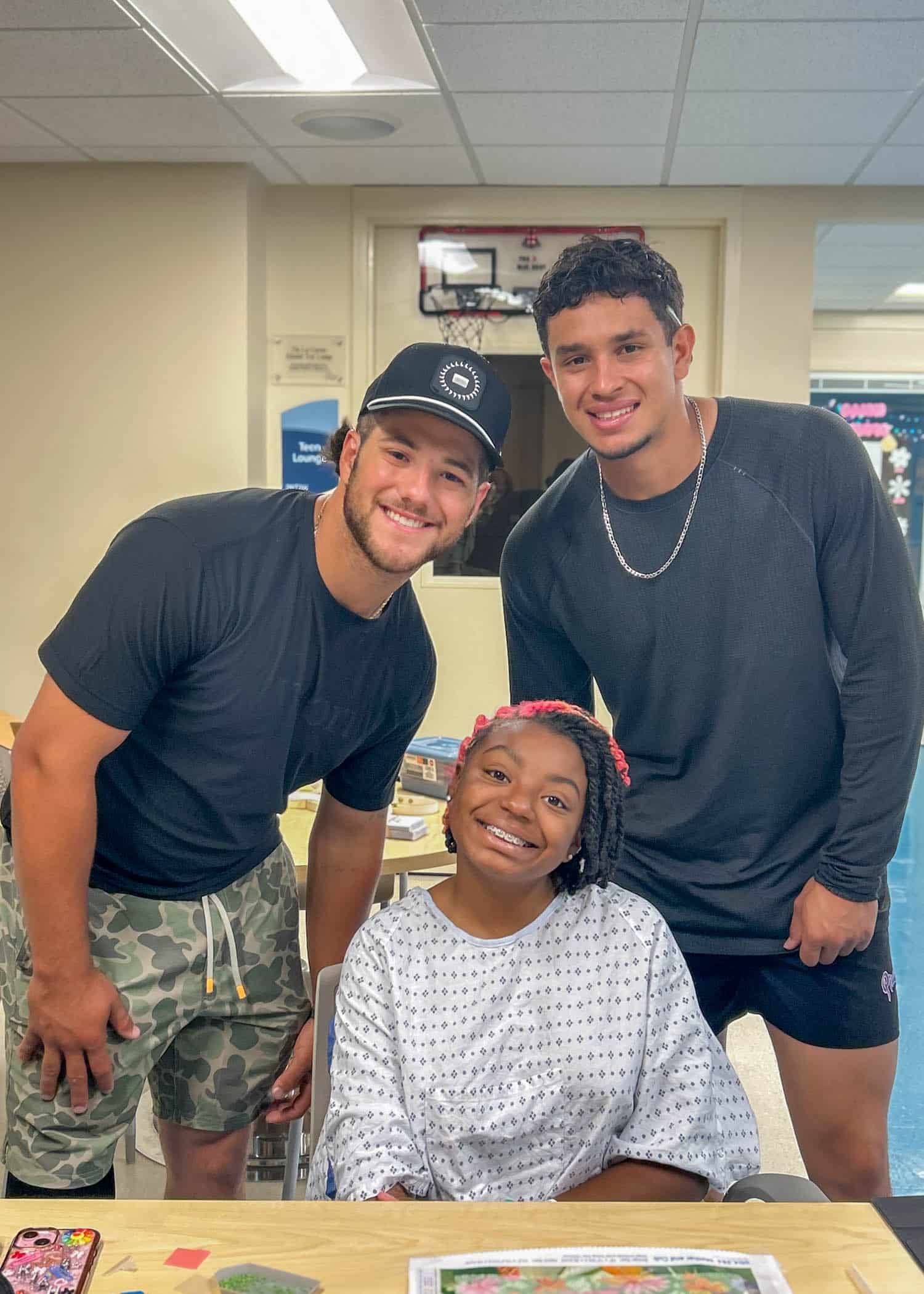
As Cunningham graduated and was drafted by the Toronto Blue Jays, he wanted the initiative to continue. Cunningham felt Byrd was the perfect fit to lead the program forward after seeing Byrd connect with patients during hospital visits.
“It was like a God-given talent and ability when he was in a patient’s room,” Cunningham said. “He just knew how to connect with the kids a lot better than I ever could – and anyone for that matter.”
According to Tara Tadlock, a child life specialist at Maynard Children’s Hospital, these visits bring much-needed joy.
“The kids get so excited to see the players,” Tadlock said. “It lifts their spirits more than people realize. Whether playing games, coloring or simply talking baseball, the experience means the world to them.”
Byrd said having been a patient in the hospital for a long time previously helped him understand how it feels to be one of the kids.
“Carter told me about his plans early on, and I saw firsthand the impact it was having,” Byrd said. “When he asked if I could take over, it was an honor.”
Byrd’s leadership has ensured Homers That Help continues to grow and flourish. Cunningham remains involved, offering guidance and staying connected to the program’s growth, including the sale of shirts where $10 from each purchase is donated directly to the Children’s Hospital.
“He could have just handed it off and moved on,” Byrd said. “But he still contributes, checks in and continues to bring new ideas.”
Building on Cunningham’s foundation, Byrd introduced Ks for Kids, allowing pitchers to participate by raising money with strikeouts.
“It’s awesome to get the pitchers involved,” Byrd said. “Last year, hitters had competition for the most home runs, and now pitchers have their own way to contribute and have some healthy competition.”
ECU pitcher Ethan Norby demonstrated the program’s potential with a standout performance, recording 19 strikeouts in one game, directly benefiting families in need.
“During the game, I was actually thinking it was awesome for the kids because he was racking up a lot of strikeouts and support for the families here at the hospital,” Byrd said.
Managed by ECU Health Foundation, the funds raised through Homers That Help have had a direct impact on families, covering essential costs like gas and food gift cards to ease their hospital stays. Funds also will be going to other needs of Maynard Children’s Hospital to improve care and the hospital experience for pediatric patients and their families.

“Being a college student and student athlete is very time consuming, but then they still make time out of their weeks to come and visit these kids and during every single game, raise money for Maynard Children’s Hospital,” said Elise Ironmonger, Director of Programs at the ECU Health Foundation. “This fundraiser is just amazing and shows what great humans they are and just their love of wanting to give back. ECU Health and our patients and their families are so grateful to them.”
Byrd expressed his gratitude to Cunningham, his teammates and the entire ECU community for their unwavering support. As the 2024-2025 season comes to an end, Byrd is grateful for all of the community support and excited for the future of Homers That Help.
“The community has been tremendous,” Byrd said. “Seeing everyone rally behind this cause makes it all worth it.”
To date, Homers That Help has raised over $75,000. To learn more about Homers That Help or to give, please visit give.ecuhealthfoundation.org