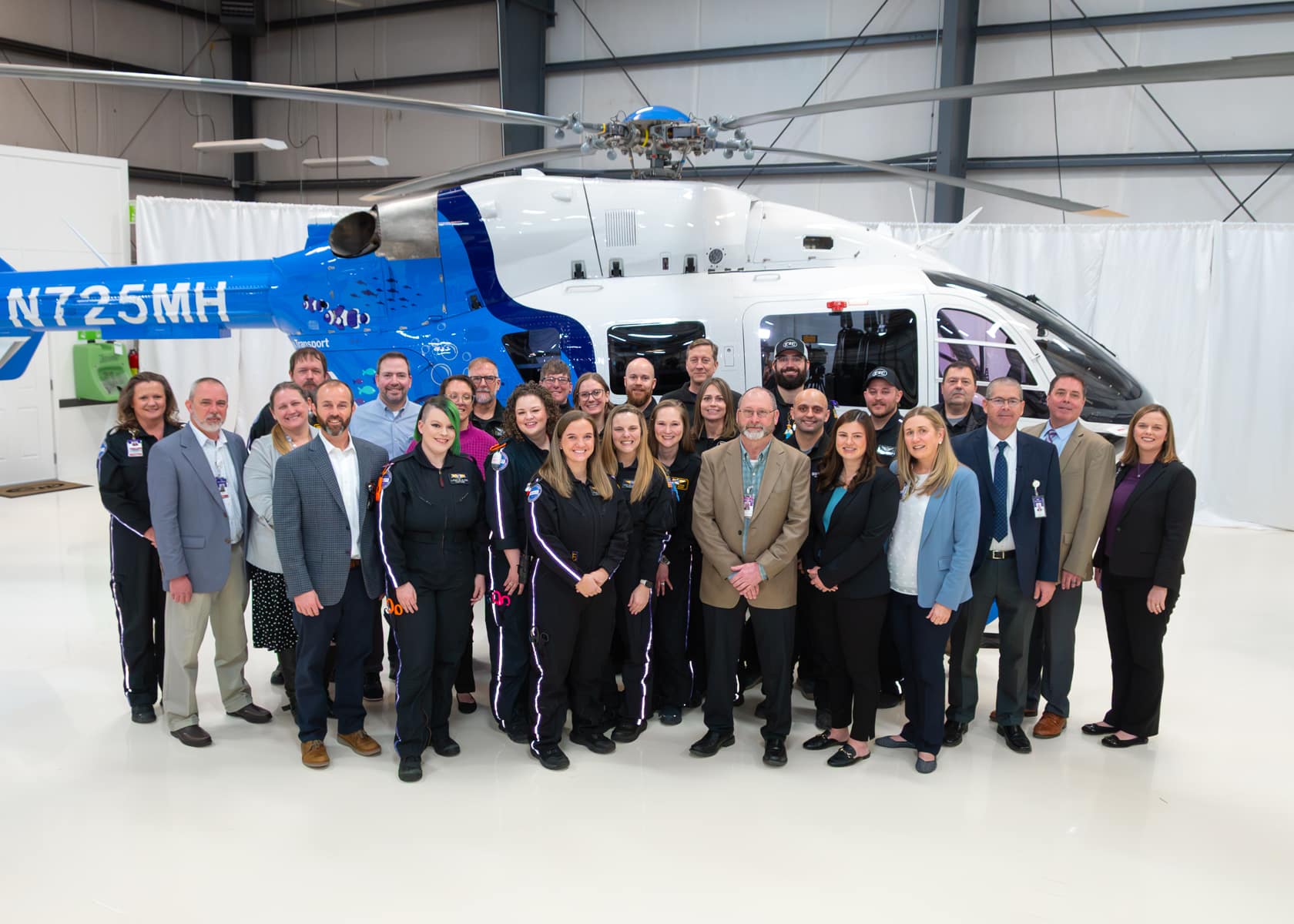
On Feb. 6, ECU Health, the James and Connie Maynard Children’s Hospital at ECU Health Medical Center and EastCare celebrated the addition of a new pediatric helicopter that will provide rapid, safe critical care to the communities we serve. As the state’s first dedicated pediatric medical transport helicopter, the aircraft will provide expert care while performing hospital-to-hospital transfers, and it took the work of many team members to bring this aircraft to our system.
Growing the team
Elaine Cudnik, executive director of Children’s Advanced Clinical Practice, joined ECU Health in 2021 and worked in children’s medical transport. At the time, they primarily served very young children, but the team had their sights set on serving a larger pediatric population. That’s when she partnered with Jessica Yelverton, assistant director of Children’s Advanced Practice, who joined the team as a flight nurse in 2016 and returned to assist the team as a neonatal nurse practitioner.
“We inherited a tiny team of two full-time team members and one part-time team member, and they were working hard to support the neonatal population,” Cudnik said.
Yelverton established a robust onboarding program for team members. They both focused on acquiring specialty equipment and providing education on advanced care procedures, and they amped up their recruitment for new team members, which grew their team from five full-time employees to 17.
“Elaine and I had a vision for children’s transport,” Yelverton said. “We worked on getting the right team members, and then we looked to expand from smaller children and neonates to full pediatric care for pediatric patients.”
Once they had the team members in place, Yelverton said they partnered with EastCare to take the lead in transporting pediatric patients. As a result, they saw a significant increase in the number of patients they served, from 300 transports in 2021 to almost 1,200 in 2025.
Closing the distance for rural care
With that growth came new challenges, including how to best serve the large, rural population of eastern North Carolina.
“As we transported more and more patients, we tracked volumes, dispatch times and turnaround times,” Yelverton said. “We’re unique to our region because we serve such an expansive area. If we go to the communities farther out, that could take up to six hours roundtrip by ground. We were borrowing helicopters from EastCare and it quickly became clear we needed a helicopter of our own.”
Cudnik said they collected data to show the number of patients served and the need for a helicopter.
“Now we won’t need to borrow helicopters from EastCare as often, which takes them out of their rotation. It means we can help patients who need quick, critical care and fewer patients will have to wait for transport. That quick turnaround will be amazing,” said Angela Hollis, a flight nurse with the Children’s Transport Team. As the team’s longest-tenured nurse, Angela focuses on quality of care.
Erik Rispoli, the assistant manager of the Children’s Transport Team, has been instrumental in the development and orientation of incoming EMTs.
With a background in the PICU, Heather Hopkins, a flight nurse with the Children’s Transport Team, has helped grow the pediatric intensive care operations sharing protocol and experience she gained from other programs.
Cudnik frequently mentioned their “tight knit” team, and how their collaboration ensured they now have the best equipment to provide care to an underserved population.
“This is important, especially for rural health care,” she said. “Part of our Mission, Vision and Values is to be a model for rural health care in eastern North Carolina, to set the bar. By allowing people to receive care in their community hospitals but still provide specialty services they can get to quickly, it shows the commitment ECU Health and Maynard Children’s Hospital have to our communities.”
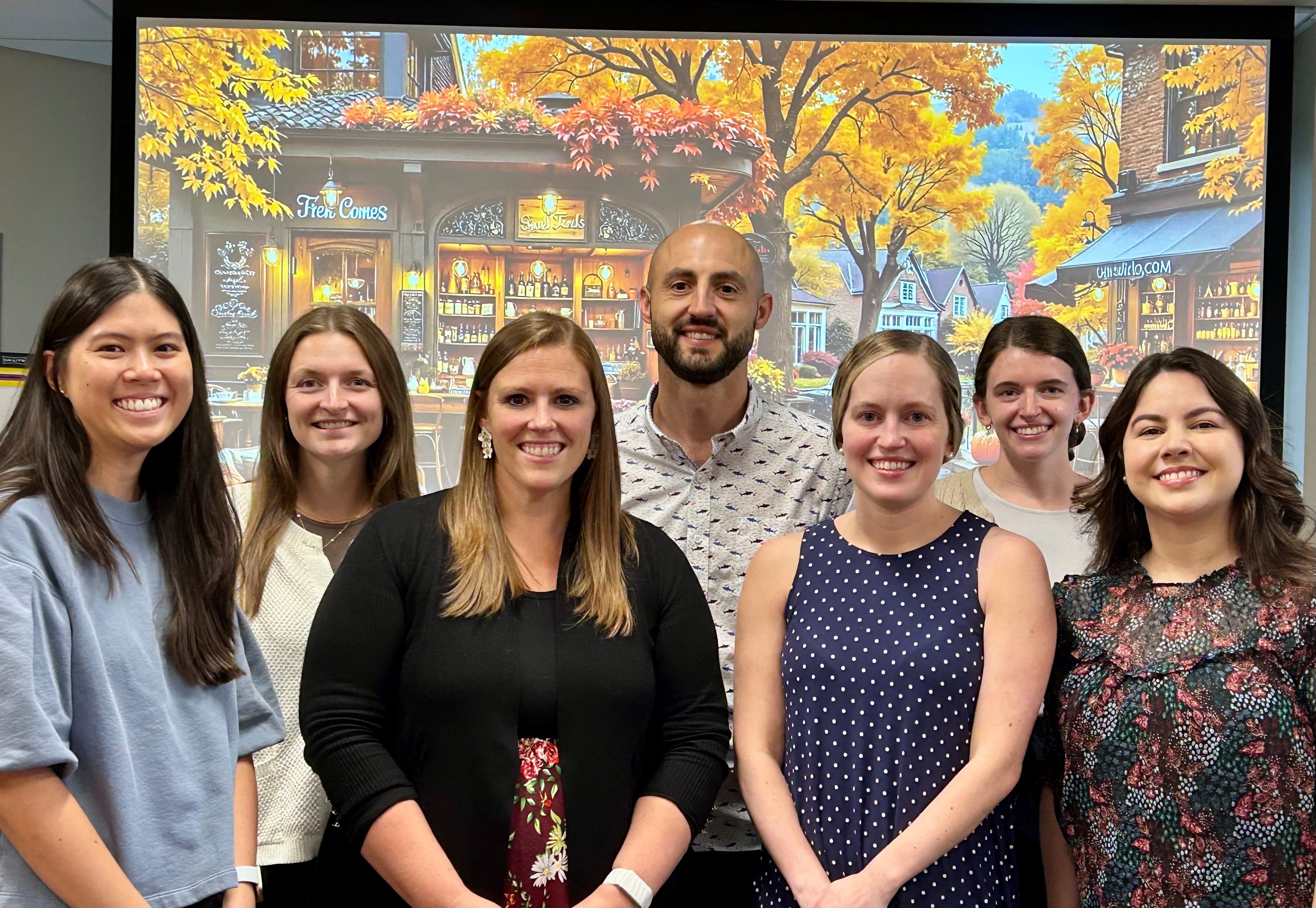
Antimicrobial resistance (AMR) is a significant and global threat, in which antibiotics, antifungals and antivirals no longer work effectively to combat their respective infectious vectors. This is something that happens over time due in part to the misuse and overuse of antimicrobials, and it’s estimated that AMR could cause or contribute to 39 million deaths between 2025 and 2050.
ECU Health’s Antimicrobial Stewardship Program (ASP), co-led by a group of infectious diseases (ID) physicians and pharmacists, addresses this threat by encouraging the appropriate use of antimicrobials, optimizing patient care, minimizing adverse patient effects, preserving the utility of antimicrobials and minimizing the development of AMR.
This is done through daily patient-specific antimicrobial use recommendations, including drug choice, drug dose, route of drug administration and duration of therapy.
The ASP also conducts a rigorous review and development of antimicrobial restrictions, guidelines, policies and protocols, including ECU Health’s facility-specific treatment guidelines and an educational health system quarterly ASP newsletter. They track, analyze and report antimicrobial use and ASP outcome data quarterly (including data benchmarking ECU Health to other health systems), develop quality improvement/research projects to further investigate pertinent system/clinical questions and spend significant time educating future generations of pharmacists and providers. They also offer an American Society of Health-System Pharmacy (ASHP) accredited, postgraduate year two (PGY2) Infectious Diseases Specialty Pharmacy Residency training program annually.
“ASPs are great for patients, optimal for public health and beneficial in reducing hospital costs and lengths of stay,” said Nicole Nicolsen, the manager of infectious diseases pharmacy and the ASP.
While ASPs are now required for all hospitals, ECU Health’s program is unique in that it has been in place for 30 years, well before most hospitals nationwide incorporated antimicrobial stewardship. Its innovative service of the ECU Health community hospitals through remote/tele-stewardship sets the program apart and increases care in rural communities.
“Our program is empowered by the Medical Executive Committee (MEC) to make changes to antimicrobials” Nicolsen said. “Leadership support is not always as evident or official in other health systems, and this support shows ECU Health’s executive commitment to optimal antimicrobial use.”
Two recent ASP projects include a Board Quality Leadership Award (BQLA) submission, which evaluates interventions required for patients started on restricted antimicrobials and assesses ECU Health’s compliance with the current antimicrobial restriction criteria, and a QI Symposium project, which evaluated ECU Health’s response time to rapid technology used for blood cultures and confirmed appropriate drug recommendations for these results.
The program also has ongoing quality and research projects, including current enrollment in Teachers of Quality Academy (TQA) 9.0 collaborating with emergency medicine (EM) colleagues on optimal antimicrobial choice in the setting of a possible penicillin allergy.
Other project topics include development of an ECU Health clinical guideline for EM use of dalbavancin to spare hospital admission for skin and soft tissue infections and looking at drug choice/dosing strategies that may impact clinical outcomes in the grey areas of infectious diseases. The team continues to ensure compliance with the Joint Commission standard related to ASPs, reviews medication safety events related to antimicrobials, identifies and implements cost saving initiatives and maintains site visits to all ECU Health community hospitals to develop relationships and improve the understanding of the value of ASPs.
The ASP’s efforts to anticipate and address the ongoing concerns regarding antimicrobial resistance are something Nicole said would not be possible without great team members who publish papers in major medical journals and participate in ECU Health, regional and national conferences and committees.
“Excellence in antimicrobial stewardship isn’t accidental; it’s built by an exceptional team,” said Nicolsen. “What sets this team apart is not just how much they have accomplished, but how they do it with expertise, collaboration and unwavering commitment to always go above and beyond. Their work optimizes patient outcomes today, preserves antimicrobial utility for tomorrow and firmly positions our system at the forefront of infectious diseases pharmacy and ASPs.”

Dannica Ashnault, an orthopedic surgery physician assistant (PA), joined ECU Health in December 2025, and so far, she’s loving her new role.
“The team I work with is great,” she said. “Everyone has been so nice and welcoming, and it feels like a family.”
Dannica isn’t just an exceptional provider, however. She’s also a former Olympic-trained skier who started competing early.
Dannica grew up in New York state, began skiing at one and a half years old, and at age 14, she moved from home to attend high school at the Burke Mountain Academy in Vermont, the nation’s first elite ski academy.
“I had to decide at 14 if I wanted to go all-in on skiing, and looking back on that now, it seems crazy. I was living in a dorm, doing my own laundry and managing my time with school and skiing. It was a different way to grow up,” she said.
Her parents drove up every weekend to visit and watch her ski, and during the week, Dannica and her classmates adhered to a very strict regimen.
“I’d wake up, work out, eat breakfast, take classes, have lunch, have more classes, work out again, and if it wasn’t the winter, meet with the coach and watch videos,” she shared. “In the winter, I’d wake up, ski and train until lunch, have class after lunch, workout, tune skis, eat dinner and watch video. Then I’d go to bed and start over the next day.”
Such a structured life yielded great outcomes for Dannica and her classmates when it came to skiing, but by the time her senior year rolled around, she had a decision to make: continue skiing and training in the hopes to make the Olympics, or go straight to college. She chose the latter.
“I never went to a football game in high school. I never attended prom,” she said. “I wanted to be normal, to start my life. I love skiing, but I wanted other things too.”
One of those things included pursuing a career in medicine – something she’d been thinking about since sustaining an injury during a race.
“At 15, I had a really bad crash and blew out my knee in multiple places,” she said. “I was also knocked unconscious for eight minutes, so I had a pretty bad concussion.”
The injury meant she couldn’t ski, but it also meant she spent a great deal of time with her sports medicine team.
“I couldn’t have surgery until I could squat a certain weight, because they wanted me to get back to skiing as quickly as possible,” she recalled. “My surgery was five or six weeks after the injury, and when I woke up in my room, the surgeon was in my room with my parents, telling me to get up. I had a whole team around me and supporting me so I could get back to what I loved to do. I wanted to be a part of that experience for someone else, and that got me interested in medicine.”
After high school, Dannica attended Boston College, where she continued to ski for its Division I team.
By her junior year, however, Dannica said she was burned out. She wanted to start her life and career, and although she’d been considering medical school, she pivoted to PA school because of the flexibility it offered her.
Now, Dannica skis for fun, and she enjoys watching her former classmates find success in the sport.
“I’ve been waking up to watch the Olympics,” she said. “The ski racing community is so small, and it’s cool to see what they’re doing. My former lifting buddy in high school, Nina O’Brien, competed in the Olympics, and my classmate, Mikaela Shiffrin, just won gold in slalom.”
Dannica said she enjoyed her time as a competitive skier, but being a part of a team that sees patients through their care journey is just as rewarding.
“I wouldn’t trade my experience as a skier for the world, but I love what I do,” she said.
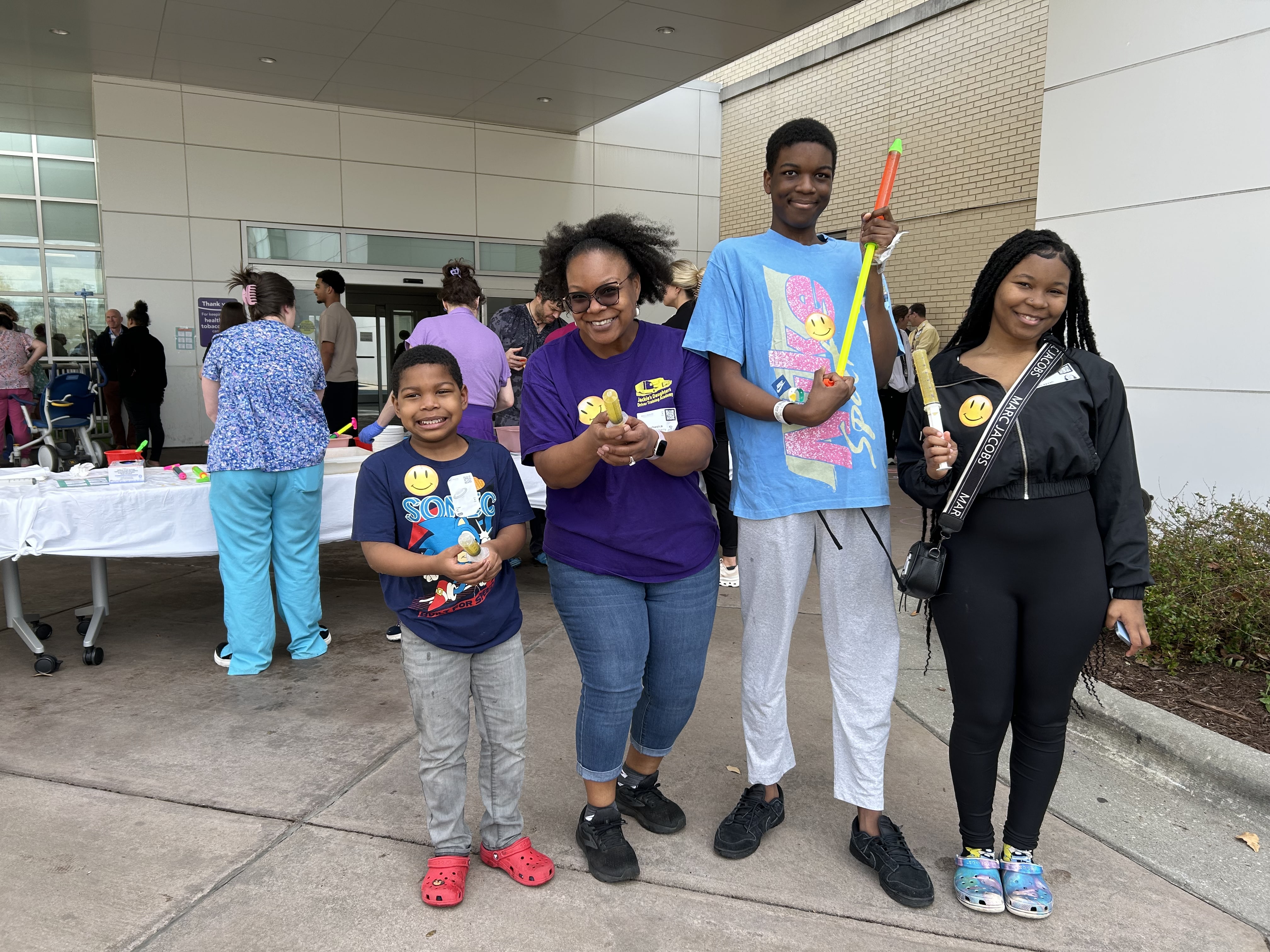
The annual Jell-O toss at the James and Connie Maynard Children’s Hospital at ECU Health Medical Center brought patients, families and care teams together on a warm and sunny afternoon for one of the hospital’s sweet traditions. Held each year during Child Life Month, the event gives young patients a chance to step outside their rooms, enjoy the fresh air and – most importantly – cover their doctors, nurses and care teams in brightly colored Jell-O.
Child Life Specialist Lexie Whitehurst said the day is designed to give kids a break from the stress of treatment while helping them connect with their care teams in a different way.
“It’s just a really fun way for our patients to come out and blow off some steam and really enjoy this beautiful weather that we are lucky to have today,” said Whitehurst. “It’s very therapeutic for not only our patients, but for our staff members, to not always just be the doctors or the nurses or the medical staff, but to engage in the play.”
Whitehurst said events like this are central to the child life team’s mission.
“These kids go through a lot,” she said. “So our goal is just to bring smiles and joy to their faces as they are going through so much.”
One of those kids is Landon Cherry, a 16-year-old patient who visits the hospital frequently for pain associated with sickle cell disease. Despite the challenges of his condition, he arrived at the Jell-O toss full of energy and humor.
“I was very excited… because it’s, like, you know, it’s throwing Jell-O,” he said. “Who really gets the time to throw Jell-O?”
For Cherry, the event was more than just fun.
“It might be like a venting mechanism,” he explained. “Throwing the Jell-O’s like throwing your frustration out the window… using it to vent my frustration of being stuck in a hospital room.”
Landon’s mother, Franchesica Veale, said the event meant everything to him.
“He called me last night. He was like, ‘Mom, I’m going to throw Jell-O at the doctors,’” Veale said. “He was really, really excited.”
Veale said Landon has always had a unique personality, something she noticed from the moment he first spoke at 18 months old.
“His first words were, ‘Hey Mom, that is a red octagon with the word stop on it. S-T-O-P, stop Mommy,’” she recalled. “He’s just a special guy, and whoever he meets, he leaves an impact on them.”
Veale added that Cherry also has high-functioning autism, something she considers a strength.
“I really feel like that is his superpower,” Veale said. “It helps contribute to his personality and how he is today.”
Even though he has been managing significant pain during this hospital stay, Veale said he rarely lets it show.
“He’s such a champ,” she said. “Even if he’s hurting, he won’t let you know it.”
Cherry’s siblings joined in on the fun too. His brother and sister joined him in throwing Jell-O at the volunteers while his mom watched on with a smile on her face.
“When he told me about today, I made sure I was here for him today – we all were – to help support him,” said Veale.

Research at East Carolina University is shedding light on how patients with cardiac implantable electronic devices (CIEDs) recover physically in the months following surgery, and specifically, tracks a surprising early plateau in activity levels.
The findings were published this year in the Journal of Cardiopulmonary Rehabilitation and Prevention.
The study analyzed data from 294 patients and found that while activity increases steadily after implant surgery initially, it levels off after about two months and remains unchanged for the next four.
Clinical health psychology doctoral candidate Elizabeth Jordan, the study’s first author, says the project began as a deep curiosity about how patients in different places and with different resources and backgrounds regain mobility after receiving a life‑saving device.
“I became involved with this study as my master’s thesis, when I developed an interest in physical activity patterns in CIED patients, particularly the period immediately following implantation,” Jordan said. “These devices contain accelerometers, which give us a wealth of objective activity data. That opened the door for me to really explore my research interests.”
Working alongside Dr. Samuel Sears, a psychologist known nationally and internationally for his work with cardiac device patients, Jordan helped design a study that captured 180 days of physical activity for each patient. The findings revealed that patients showed the most dramatic increase in movement between the first and second month post‑implantation. After that, a profound and unsatisfactory plateau set in for a statistically significant number of the patients studied.
According to Sears, this plateau highlights a critical moment in recovery.
“Clinically, we’ve always known patients have to restrict movement in the first several weeks to protect the implanted leads,” Sears said. “What this study shows is that the habits formed during that period might persist long after restrictions are lifted. The two‑month point may be a key moment for re‑engaging patients and helping them rebuild an active lifestyle.”
ECU’s Research Sample — From the East, For the East
The research sample reflected the demographics of the university’s largely rural region. Two thirds of patients studied live in rural communities, and 52% identify as Black, two demographic populations often underrepresented in cardiac device research.
Jordan said that seeing those numbers was one of the most striking parts of her work.
“Understanding physical activity in these groups is critically important because they face higher burdens of chronic illness and more limited access to specialty care,” she said.
Maeve Sargeant, another doctoral student who supported the analyses for the research, said what deserves special attention is the real-world data.
“Device-based activity data gives us a good look into how patients are really functioning in their daily lives,” Sargeant said. “Analyzing these patterns alongside the realities of work, caregiving and other responsibilities helps contextualize what recovery actually looks like for these patients.”
Different Hometowns, Different Outcomes
One remaining methodological challenge is that while CIED technology offers rich data into patient movement, it does not distinguish the intensity or type of activity.
Still, the findings point to a therapeutic direction for clinical psychologists, Sears said.
“These devices are with patients 24/7,” he said. “With a study like this, we have the research backing we need to leverage new data collected to better tailor rehab programs, and do so with limited patient facetime. We can identify struggling patients and improve long‑term outcomes.”
Jordan hopes to build on this work as she continues her doctoral training.
“If I could continue with this line of research, I’d like to examine differences in activity outcomes across geographical areas,” she said. “Comparing long‑term engagement and health outcomes between clinics across the United States could tell us so much about how environment and location shapes recovery.”
Jordan, who earned her undergraduate degrees in psychology and human development and family studies from the University of North Carolina at Chapel Hill, plans to graduate with her doctorate in 2028. Her long‑term goal is to stay close to the populations highlighted in the study.
“In the future, I hope to continue providing psychological care to patients with chronic illness or those facing health disparities,” she said. “This research has only strengthened that commitment.”

Roanoke Rapids, NC – ECU Health is excited to announce the opening of two clinics in Roanoke Rapids following the acquisition of Halifax Gastroenterology. The newly established ECU Health Gastroenterology – Roanoke Rapids and ECU Health Endoscopy Center – Roanoke Rapids, both located at 1007 Gregory Drive, will expand access to specialized digestive health services for patients across the region.
“ECU Health is proud to expand access to care in the Roanoke Valley, building on a longstanding foundation of trusted health care services in the region,” said Todd Hickey, president of ECU Health North Hospital. “By adding new services, we are strengthening our commitment to this community and ensuring patients have access to high‑quality specialty care close to home. This investment reflects our dedication to meeting the evolving needs of rural communities and the patients and families who rely on us.”
ECU Health Gastroenterology – Roanoke Rapids began seeing patients on Feb. 4, followed by the opening of ECU Health Endoscopy Center – Roanoke Rapids on March 3. Dr. Nagarjuna Yerra, who has long provided gastroenterology care in the community, will continue practicing at the clinic. His continued presence ensures continuity of care for existing patients while supporting the growth of gastroenterology services under the ECU Health umbrella.
The two clinics will offer comprehensive gastroenterology and endoscopy services, supported by ECU Health’s integrated network of providers and resources. The expansion reflects ECU Health’s ongoing efforts to strengthen rural health care and ensure patients can receive expert, compassionate care without traveling long distances.
To schedule an appointment, ECU Health Gastroenterology – Roanoke Rapids can be reached at 252-535-8950.
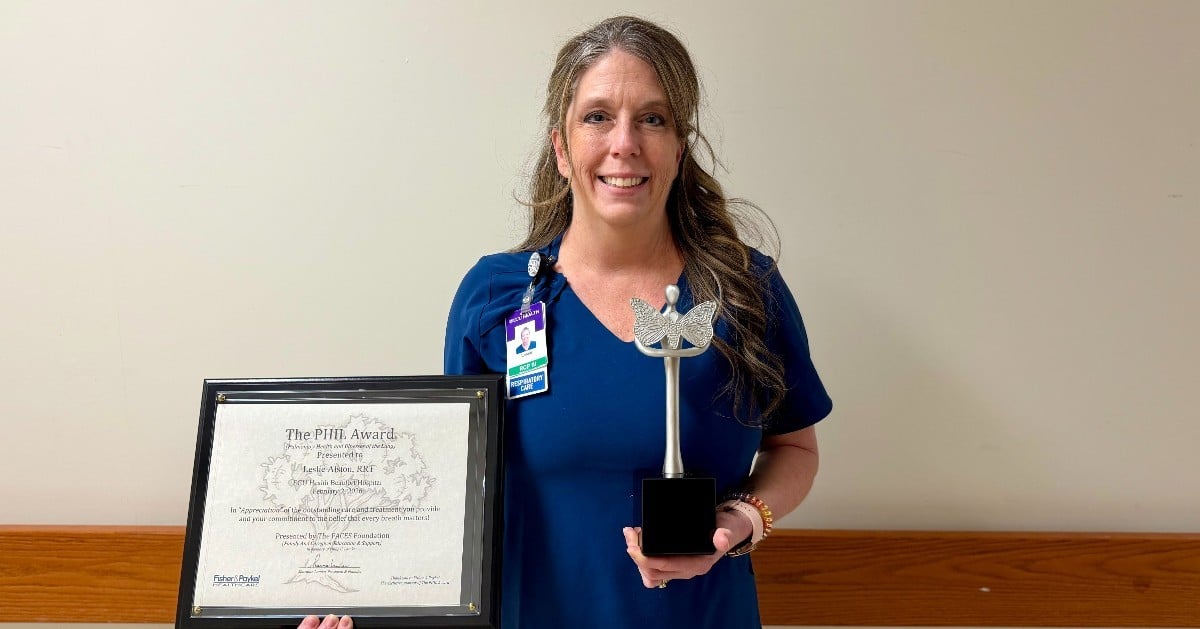
Washington, NC – ECU Health Beaufort Hospital is proud to recognize Leslie Alston, RCP, RRT, as the 2025 Pulmonary Health and Illness of the Lung (PHIL) Award recipient for ECU Health regional hospitals. The PHIL Award, established by the FACES Foundation in honor of Philip C. Lamka who passed away from Interstitial Lung Disease (ILD), honors respiratory therapists who demonstrate exceptional compassion and patient-centered care.
“Leslie represents everything the PHIL Award stands for,” said Dr. Dennis Campbell II, DHA, RN, FACHE, president of ECU Health Beaufort Hospital. “Her compassion and professionalism make a lasting difference for patients, families and our care teams. Leslie is widely respected by patients, families and colleagues for her clinical expertise, calm leadership and ability to provide comfort and guidance during life’s most critical moments.”
Alston, who has been a respiratory therapist for 28 years – 20 of those spent at ECU Health Beaufort Hospital – is equally respected by nursing leadership and educators. New graduate nurses and code teams rely on her expertise during training and emergency situations. Known as a natural coach, she provides guidance in a supportive and encouraging way while maintaining a strong focus on patient care. She also assists with nursing and CNA skills fairs and represents respiratory therapy at local middle and high schools, emphasizing safe, high-quality, person-centered care.
“I am truly humbled by this recognition, but the greatest reward comes from caring for my patients. Every day, they remind me why I am passionate about being a respiratory therapist. It is an honor and a privilege to support them, and their gratitude and trust are the motivation that keeps me dedicated to this profession,” said Alston
Alston’s impact is reflected in the many calls and handwritten notes from patients and families following discharge. These messages consistently highlight Alston’s personalized care and the genuine concern she shows for each patient. Families often share how Alston took time to listen, explain and provide comfort during some of the most difficult moments of their lives.
Physicians throughout the hospital also recognize her excellence and frequently request her by name to care for their patients. Medical and physician assistant students regularly shadow her to gain a better understanding of respiratory therapy.
FACES Foundation recognizes two PHIL Award recipients each year — one from ECU Health Medical Center and one representing ECU Health regional hospitals. Alston was named the regional recipient.

Greenville, NC – ECU Health is excited to announce the Academic Loan Scholarship Program, a new workforce investment designed to support students pursuing high need health sciences degrees across eastern North Carolina. The program provides $5,000 in financial assistance to eligible students and includes a one year, full time work commitment with ECU Health upon graduation, helping ensure a strong homegrown pipeline of skilled professionals for the region’s hospitals and clinics.
“Eastern North Carolina depends on a strong, well trained health care workforce, and this program is an important investment in that future,” said Brian Floyd, chief operating officer, ECU Health. “By reducing financial barriers for students and creating clear pathways into our system, we’re able to recruit and retain the talent our communities rely on. Supporting local learners early in their training strengthens both ECU Health and the long term stability of care across the region, and this commitment ensures we are preparing the next generation of caregivers who take care of the communities we serve.”
Created to address the need for allied health and nursing roles, the Academic Loan Scholarship represents a significant commitment to expanding access to education while meeting the health care needs of rural and underserved communities. A total of $165,000 has been allocated for the program, allowing for 33 scholarships of $5,000 each. Eligible students must be enrolled in or accepted into one of several high need programs at regional community colleges, including nursing (ADN), respiratory therapy, surgical technology, medical laboratory technology, radiography, sonography, cardiovascular sonography, CT, MRI, diagnostic technology, OTA and PTA. Students in the Nursing Ribbon Program are also eligible.
“At ECU Health, we believe that supporting the next generation of caregivers is essential to building a healthier eastern North Carolina,” said Josh Crocker, vice president, HR Centers of Excellence, ECU Health. “Our Academic Loan Scholarship Program is designed to ease the financial burden for students in high demand health disciplines while creating clear pathways into vital clinical roles across our region. This initiative reflects our commitment to growing local talent, expanding access to care and advancing our mission of improving the health and well-being of eastern North Carolina.”
Applications close May 22, 2026. To learn more about the Academic Loan Scholarship Program, including eligibility, FAQs and application requirements, please contact Brynn Schiller at [email protected].

Carteret Health Care, ECU Health and the James and Connie Maynard Children’s Hospital at ECU Health Medical Center are pleased to announce a new partnership that brings Newborn and Pediatric Hospitalist services directly to families in Carteret County. This collaboration highlights both organizations’ shared commitment to ensuring children have access to high-quality care, as Carteret Health Care becomes the only hospital outside of the ECU Health system to host ECU Health Newborn and Pediatric Hospitalists on-site.
The partnership expands access to specialized newborn and pediatric inpatient care close to home—an important priority for families in the community. Through this collaboration, Carteret Health Care is helping ensure children who require hospitalization can receive high-quality, expert care locally, reducing the need for families to travel outside the county whenever possible.
“Our partnership with ECU Health to bring dedicated Newborn and Pediatric Hospitalists to Carteret County represents a significant leap forward in our mission to provide specialized care close to home,” said Dr. Clyde Brooks, VP of Medical Affairs. “By having these specialists on-site 24/7, we are ensuring that local families have immediate access to high-quality inpatient pediatric care. This collaboration not only supports our local pediatricians but also provides parents the peace of mind that comes with knowing advanced medical support is available right here in our community.”
ECU Health Newborn and Pediatric Hospitalists will provide dedicated inpatient care for infants and children admitted to Carteret Health Care. This approach allows local pediatricians to continue focusing on outpatient care and long-term relationships with their patients, while Hospitalists manage inpatient needs, ensuring seamless coordination and continuity of care.
“ECU Health and Maynard Children’s Hospital are committed to improving the health and well-being of eastern North Carolina—that’s our mission, which extends to supporting other health systems who also serve patients in the region, said Dr. Matthew Ledoux, pediatrician in chief, ECU Health, chair of pediatrics, Brody School of Medicine at East Carolina University. “We’re delighted to partner with Carteret Health Care to offer our expertise, provide alignment with the highest standards of clinical care and help ensure patients and families receive the right level of care and support.”
For Carteret County families, the impact of this partnership is significant. More children can remain in the community for care, staying close to family, school, and support systems during hospitalization. When higher-acuity care is required, transfers to ECU Health and Maynard Children’s Hospital can be streamlined, helping ensure timely access to advanced pediatric services.
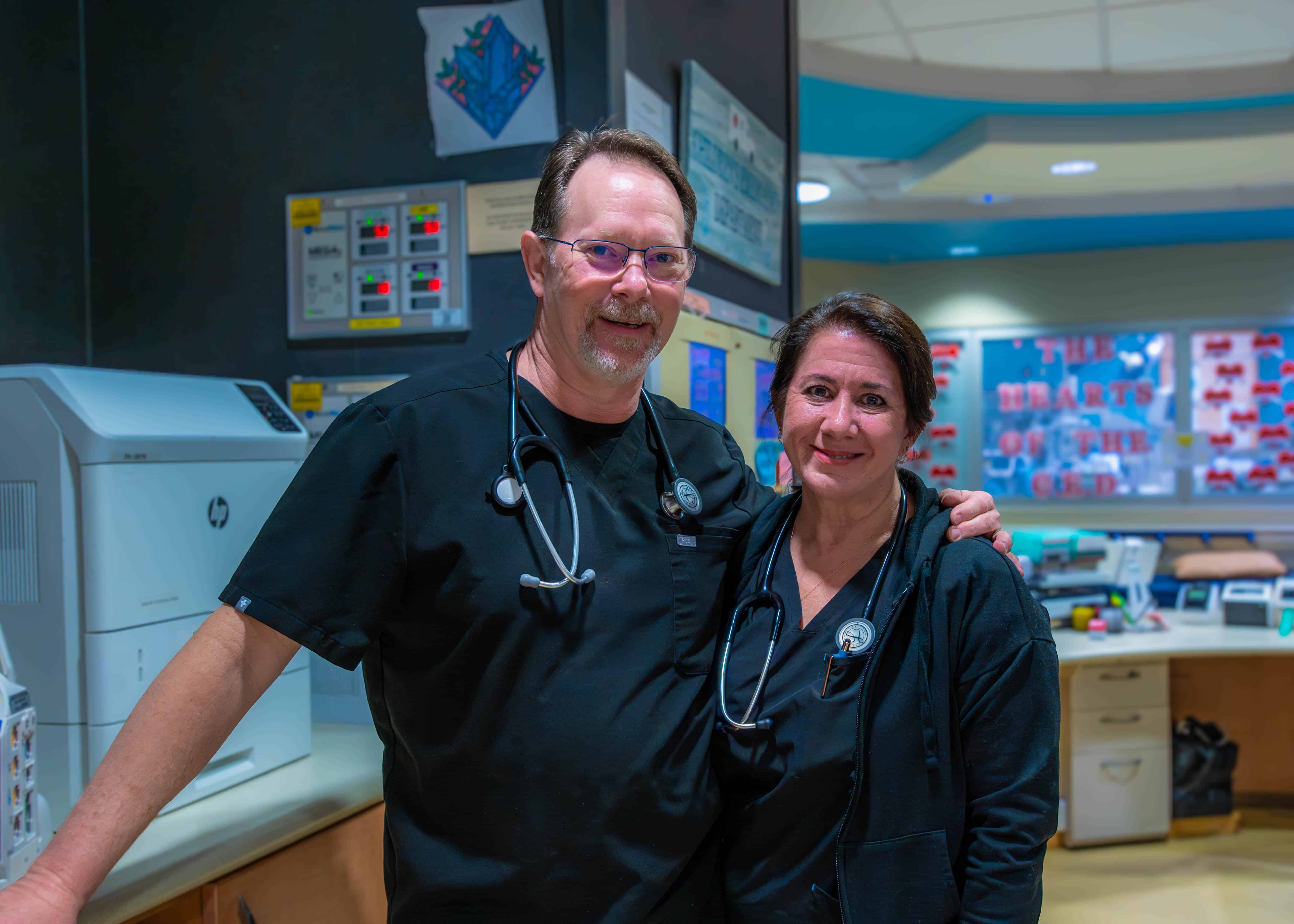
Chris Mintz, an RN with ECU Health’s Enterprise Resource Team (ERT), has always felt drawn to community health rather than inpatient bedside care.
“I’ve worked in a pediatric clinic, same-day surgery, home health and hospice care, and inpatient and outpatient case management,” Chris said. “I was a supervisor and manager in case management and hospice care, and then director of nursing for mental health and substance abuse treatment.”
When the priorities for integrated health care shifted, she needed a new path.
“I decided I wasn’t too old to learn something new, so I joined the Beaufort Hospital emergency department (ED) to work at the bedside,” she said. “The rest is history.”
That serendipitous job change led Chris to meet Randy Mintz, her now husband and fellow nurse.
“Much of the work in the ED is community health,” Chris said. “The ED is full of people without access to care. It is all some people have, and we take care of them the best way we can.”
Meant to be
Randy was working night shift in the ED when he received a call.

“The manager asked me if I could precept someone new to the ED who needed extra help,” he recalled. “Funny enough, I really didn’t want to do it.”
“Originally, I was assigned to another seasoned nurse as a preceptor,” Chris added. “But she didn’t feel like she wanted to do it at the time, so they asked Randy for a favor. Now we thank that nurse all the time for putting us together.”
Randy took the time Chris needed to help her learn the ropes.
“It meant a lot to me. I was nervous and wanted to be sure I had the skills I needed to take care of our patients,” Chris said.
From there, Chris and Randy said they discovered they shared a higher level of compatibility.
“We laughed at the same jokes, and she got my dark sense of humor,” Randy said.
But even better, they found they made each other better nurses.
“I had worked in the ED for a while and was a little hardened. She was like a marshmallow. She oriented me on how to interact with people and to look at things differently. As much as I taught her about the ED, she taught me how to be better with people,” Randy said.
“I am 100% positive that had she not come to the ED, and if that other nurse had agreed to be her preceptor, all the good things that have come my way would not have happened. It’s all her doing.”
“The only way I have been able to work at this level is because of him,” Chris said.
Love takes flight
“Four years went by like a flash, and we got engaged. But I was hesitant about getting remarried,” Chris shared. “One day, I saw there was a hot air balloon festival in Statesville, and I said to Randy, ‘You want to get married in a hot air balloon?’ He said, ‘absolutely!’ and that’s what we did.”
Randy and Chris married at sunrise on Oct. 19, 2025.
“We found a company that marries people all over the world, with real officiants. We had a small, very personalized ceremony right there in the balloon. Then we got to enjoy the rest of the festival and our wedding funnel cake,” Chris said.
Now they get to work together on the same team.
“After my interim assistant nurse manager role in the ED at Beaufort, I heard about the Enterprise Resource Team, and it was an easy transition,” Randy said. Chris joined shortly thereafter.
The Enterprise Resource Team meets staffing needs at ECU Health Medical Center and ECU Health Community Hospitals based on census and staffing.


“The Resource Management team assesses needs based on feedback from the medical center and our community hospitals, where they find out about staffing deficits and prioritize who needs what. That’s not an easy job,” Chris said.
“You can choose the region and specific department or specialty you want to serve,” Randy added. “Then you get a text at 5 a.m. or 5 p.m. to tell you where you need to go.”
Randy and Chris said it is nice to be able to work in the area they chose, but at different locations where they are needed.
“Our goal is to lighten the load for the staff where we are assigned and to take great care of their patients,” Chris said.
It’s an added bonus to work together.
“There are some days we might be able to grab a coffee together or only say hello as we’re walking by, but we always know the other one is there,” Randy said. “Other days, we’re working side by side, and those days are the best. You have a person you know and trust, and you know their strengths, and they know yours. It makes it nice.”