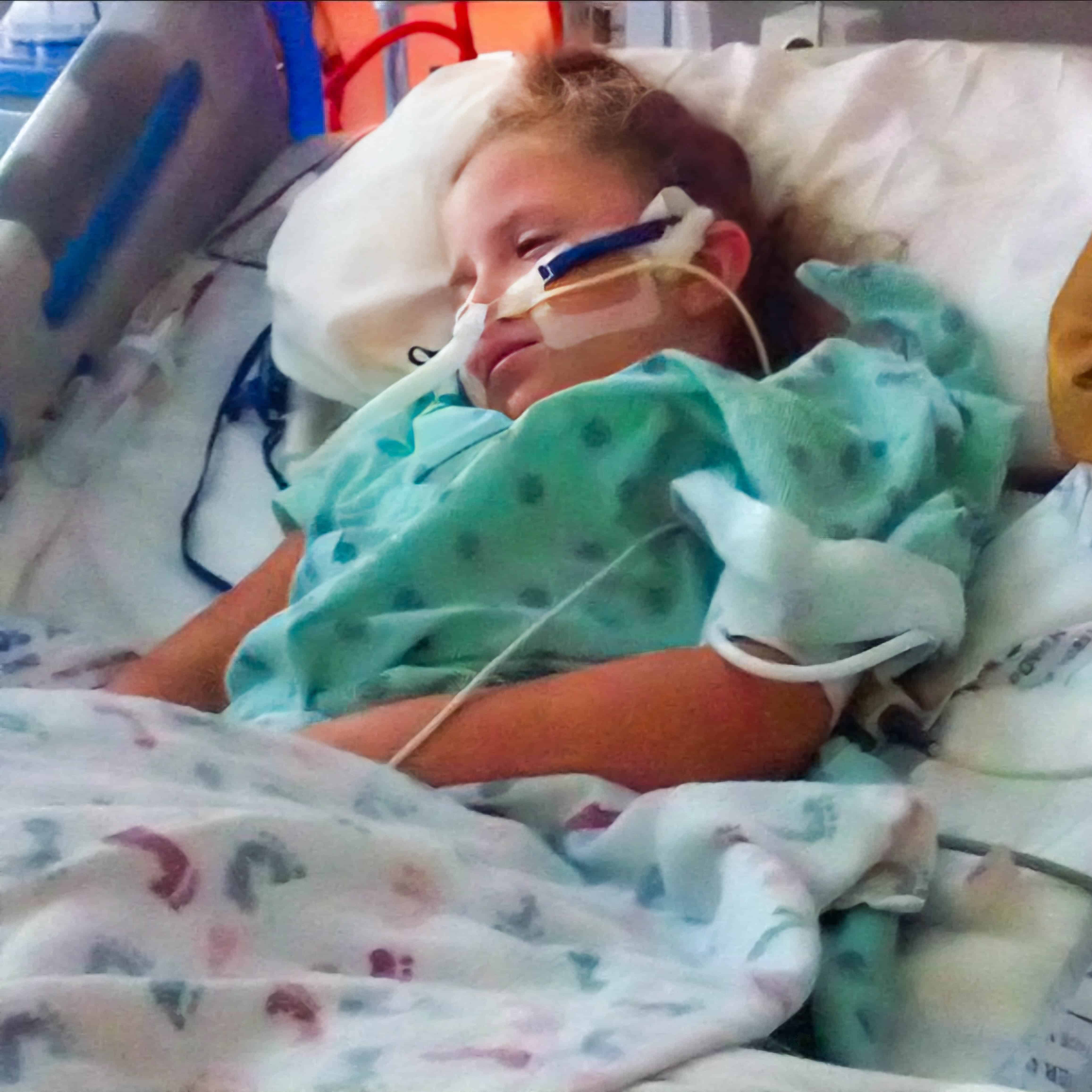
An unprecedented illness that started with stomach pain and spiraled into multi-system organ failure proved to be a defining experience in Kayla Jordan’s young life. Looking back, 14 years later, the now 20-year-old Jordan said it also shows how team members at James and Connie Maynard Children’s Hospital at ECU Health Medical Center gave a scared little girl in an extended stay hope, support and the chance to just be a kid.
In 2012, Kayla, then six years old, was taken to her pediatrician in Beaufort County for vomiting and stomach pain. She and her mother, Rebecca Williamson, were directed to the emergency department across the street where tests revealed that Kayla had an inflamed pancreas. As her condition rapidly deteriorated, an EastCare team transported her to ECU Health Medical Center for advanced treatment.
“I was going downhill pretty fast. They put tubes in my nose that night and then sent me to Greenville,” Kayla said. “From there on out, I was pretty sick for about a month.”
In Greenville, a care team told Rebecca that her daughter had necrotizing pancreatitis, where severe inflammation can kill tissue in a person’s pancreas. They said 50 percent of the tissue in Kayla’s pancreas was already dead. Soon after, Kayla’s organs began to shut down. She was placed in a medically induced coma because her pain was so unbearable. Her family had a chance to say goodbye, just in case, before she went under.
Rebecca, an assistant nurse manager at ECU Health, was shaken. Her instincts as a mother overrode her education as a nurse.
“It’s funny, you can be a health care professional and your kid or your loved one or someone you’re close to gets sick and suddenly, it feels like you know a lot about nothing,” Rebecca said.
Pediatric physicians worked tirelessly to determine how a 6-year-old could possibly contract a condition typically seen in older adults with a history of alcohol use. They consulted with infectious disease doctors at the hospital and on the other side of the country, performed genetic testing and ran an array of viral tests to determine the best course of treatment. It took time, but tests determined that Kayla had contracted mycoplasma pneumoniae, the bacteria that causes walking pneumonia. The bacteria had completely bypassed Kayla’s lungs and instead attacked her pancreas.
Andy Williamson, Kayla’s stepfather and an ECU Health nurse practitioner, said the diagnosis was unprecedented.
“That is unheard of, but once they identified the bug, they could treat it,” Andy said. “As soon as we got the right antibiotics on top of it, you could start seeing Kayla improve.”
The medicine worked and, astonishingly, Kayla did not require surgery. She soon began her month-long road to recovery at Maynard Children’s Hospital, where in addition to her medical care, she participated in pet therapy, received tutoring and schoolwork to prevent her from falling behind in her classes, and progressed through physical therapy to recover her strength. Friends from school wrote her cards, and her teachers even came to read to her.
“I remember we celebrated the day that she made it all the way down to the little playroom,” Rebecca said. “She borrowed my husband’s credit card so she could play shop. There were so many things to help her feel like a kid.”
For her mom, the patient- and family-centered model of care was apparent. She also felt valued as a team member.
“They provided everything that my kid needed, not just for her health but for her mental state,” Rebecca said. “There were coloring books and crayons, playrooms and a pool and pet therapy.”
Rebecca’s ECU Health team also supported her during Kayla’s hospital stay.
“My nurse manager would come to check on me and ask if I needed anything,” said Rebecca. “They helped submit paperwork to get me started on my leave of absence. It was nice. I didn’t have to worry about my job and could worry about my child. I was treated like I was a family member of the hospital.”
Kayla celebrated her 20th birthday in February. She is now a rising senior at East Carolina University, where she helps broadcast Pirates athletics on ESPN+ and plans to pursue a career in sports broadcasting. She said she was a “frequent flyer” for many years at the emergency department as she dealt with stomach issues. She also recently had her gallbladder removed, a result of the pancreatitis she fought more than a decade ago.
“She’s so resilient,” Andy said. “Not many 18-year-olds get their gallbladders out. She continues to do so well, does well in school. She’s a very smart girl and she’ll do well. We’ll be there for her, like we always have been.”
For Kayla, it’s comforting to know that ECU Health team members are there to support her, whether that’s at home or elsewhere.
“Every time I’ve had to go to the emergency department or something like that, they were always very thorough with me, and they always took my past into consideration,” Kayla said. “There has been peace of mind for me and my mom, who always went with me. It always felt like a family environment.
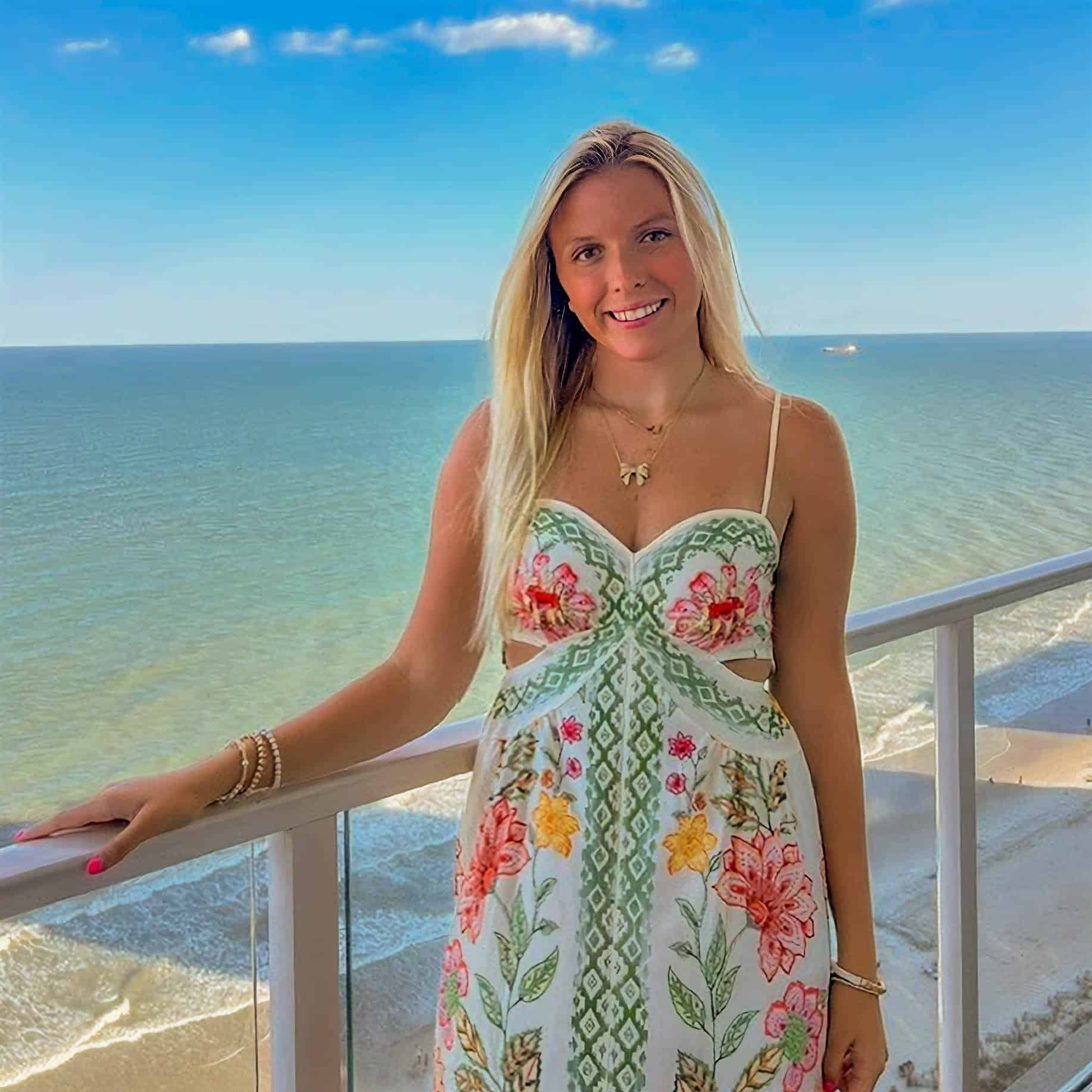
“As a little girl, you don’t really understand what’s happening,” she continued. “Everyone still went above and beyond to make me feel like I was a normal kid. Looking back now, it shows that, for one, medicine is awesome, and secondly that having people who are right there with you the whole time makes a huge difference.”

In eastern North Carolina, summer can be a time of backyard cookouts or days spent at the beach. However, soaring temperatures and smothering humidity put residents at risk of heat-related illnesses that are even more dangerous for people with a heart condition.
Dr. Blase Carabello, ECU Health cardiologist and chief of the Division of Cardiology at the Brody School of Medicine at East Carolina University, explained that the heart has to work overtime in extreme heat as the body tries to regulate its temperature.
“Most people are familiar with a car’s radiator, and they know that if the radiator does not work, they will be stuck on the side of the road with steam coming out of the hood,” Dr. Carabello said. “The human body’s radiator is the skin, and when you need to get rid of heat, your heart needs to pump extra blood to the skin to let that radiator work. Almost anyone with a heart condition who already has a weakened heart or some other difficulty is going to be stressed by the heat or have trouble regulating their body’s fluids.”
High temperatures put people at risk of heat exhaustion, which can cause symptoms such as lightheadedness, rapid pulse, low blood pressure, headache or nausea. Anyone who begins to experience those symptoms needs to get out of the sun and drink fluids, Dr. Carabello said. If you stop sweating in hot weather, or start shivering, that’s an indication your health is at risk.
Heat stroke, where the body reaches a temperature over 104-degrees, is a life-threatening condition that requires treatment.
“The body’s temperature can reach the point where it will shut down all activity unless you receive treatment,” Dr. Carabello emphasized. “If someone around you says they feel lightheaded or like they are going to faint in the heat, it is important to act. Check their pulse and, if that does not look right, call for help. It’s much better to have a false alarm than the alternative.”
Dr. Carabello said that when a heat advisory is issued, people need to use their best judgment and make the right decision for their health. When heat indices climb into triple digits, it’s very difficult for the body to regulate. He pointed out that at the World Cup, even some of the best athletes on the planet take heat breaks during their soccer matches.
“If some of the best athletes in the world need that, think about if you’re not on that level,” Dr. Carabello said. “People tend to think they can do anything, that they are super people, but the truth is that the kind of heat we can experience in eastern North Carolina can put your heart to the test. You don’t need to test your heart, so don’t do that. Just use plain, old fashioned, common sense.”
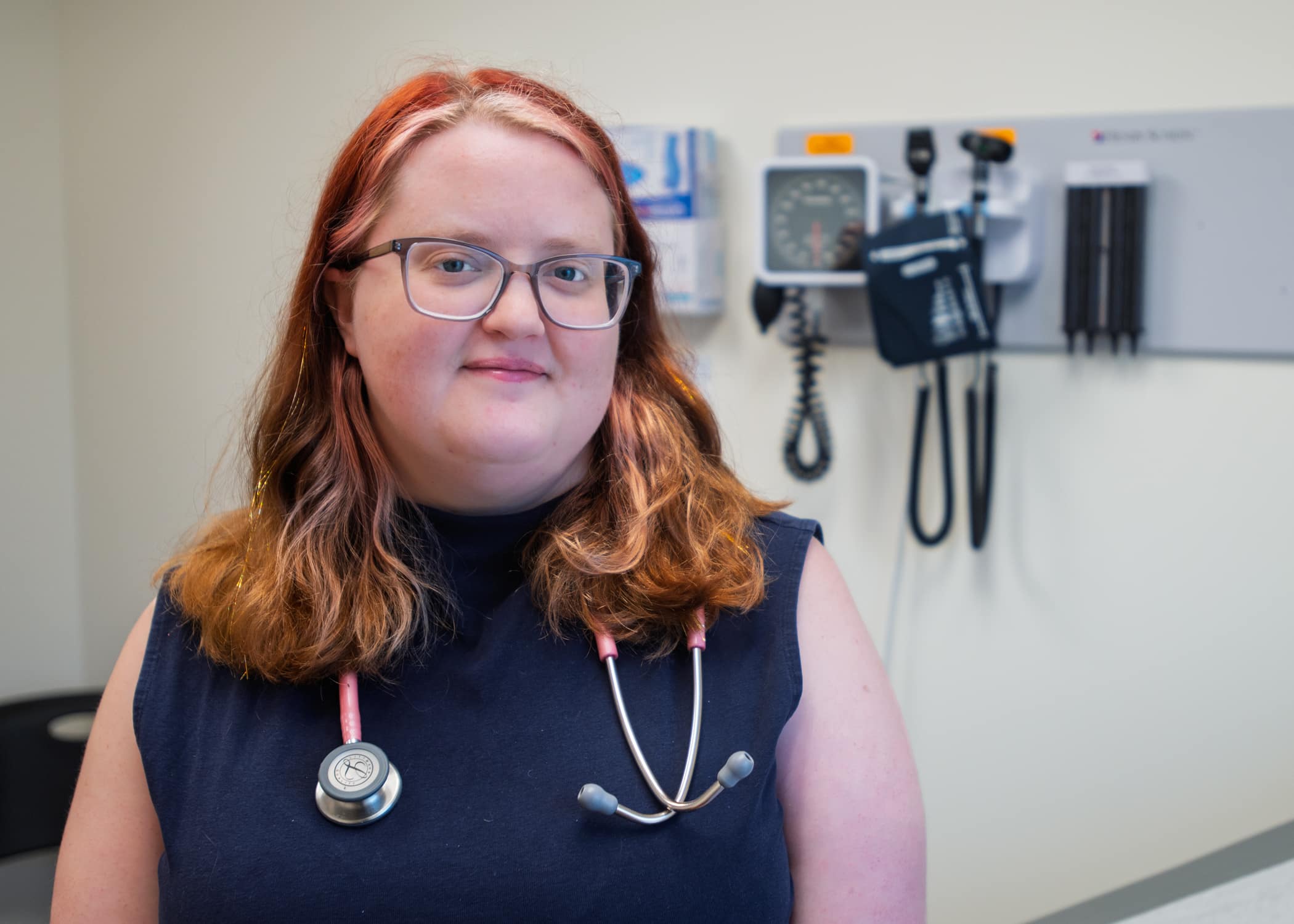
Time spent working with uninsured and underinsured patients helped bring Dr. Margaret Pearce back to her home state to train in ECU Health’s Rural Family Medicine Residency Program. After spending three years training in some of the region’s most rural communities, she made the decision to continue serving where her skills are most needed: right here in eastern North Carolina.
“I’m a problem solver,” said Dr. Pearce. “My mom has her PhD in math and would always do math problems with us. I like to approach cases with my eyes focused on finding a solution and doing the most that I can with a patient in the room, regardless of the resources at my disposal.”
According to the North Carolina Department of Health and Human Services, one in six rural adults lack health insurance and adults in rural areas are 1.5 times more likely to be uninsured than people living in urban areas.
The same data says those residents also experience up to 1.8 times as much difficulty accessing health care services than urban residents. Nearly 75% of North Carolina’s 100 counties have reported limited access to local primary care available in their county. Those are the people Dr. Pearce said she feels called to help the most.
Dr. Pearce was born in Greensboro but moved around often growing up due to her father’s career. That included a prolonged stay in Texas, prior to returning to the Cary area for middle and high school. After she graduated from Western Carolina University with an undergraduate degree in chemistry, she entered the workforce before pursuing a master’s degree in public health administration from Thomas Jefferson University. She worked in public health in Winston-Salem before she returned to Thomas Jefferson for medical school.
When it came time to apply for her residency, Dr. Pearce’s father was battling kidney cancer. She knew that she had to go somewhere close to home as he recovered from the disease and knew she wanted to work with rural patients.
“I’m not a city person,” Pearce said. “In public health, I learned a lot about issues facing the uninsured and underinsured population. Those are my people, that’s where I’m supposed to be to help them. There are a lot of places facing those issues, but I knew rural medicine was where I wanted to make a difference.”
ECU Health’s Rural Family Medicine Residency Program provided Dr. Pearce hands-on experience at ECU Health Medical Center and most recently ECU Health Duplin Hospital in Kenansville. The program launched in 2021 and prepares family medicine resident physicians to provide comprehensive care across a variety of settings. Data shows that family medicine residents who spend 50% or more of their training time in rural settings are at least five times more likely to stay and practice in rural communities than physicians with no rural training.
“One of the most pressing challenges in rural health care is having enough clinicians available to treat really complex patients and help them prevent further health complications,” said Dr. Michael Waldrum, CEO of ECU Health, and dean of the Brody School of Medicine. “By exposing family medicine resident physicians to the disparities rural communities face, they experience the impact they can have on truly vulnerable patients. For some, that is a calling and this gives them an opportunity to answer that call.”
Dr. Pearce will continue to practice medicine at ECU Health Family Medicine in Richlands. She believes the experiences she helped patients navigate throughout her rural family medicine residency training, namely helping patients improve their own medical literacy to better understand preventive efforts and diagnoses, will translate to residents in Onslow County.
“Sometimes you have to reach people where they are and really work with them to get on the same page with their health care and treatment,” Dr. Pearce said. “I’m grateful I can serve a similar population to the one that I worked with during my residency and still have access to resources from the health system. I’ve already fallen in love with this area, so I know it’s the right place for me to be.”

The FBI-LEEDA Trilogy award is a prestigious honor given by the Law Enforcement Executive Development Association (LEEDA) to law enforcement leaders who complete its comprehensive Trilogy Leadership series.
The executive training program builds strong, ethical and effective leadership in public safety. In October 2025, Officer William Fawcett completed the series, which includes a supervisor leadership institute, a command leadership institute and an executive leadership institute.
An ECU Health police officer at ECU Health Medical Center, Officer Fawcett began his career in law enforcement 30 years ago after three and a half years in the U.S. Navy and two years in the National Guard. He served as a state trooper and deputy sheriff in South Carolina before finding his way to North Carolina.

While working in Washington, North Carolina, his chief encouraged him to finish his bachelor’s degree and pursue the Trilogy program. While it took some time, and a move to the ECU Health Police force, Officer Fawcett didn’t forget his chief’s advice.
“He told me to never stop getting education, and if it wasn’t for him, I might not have done this,” Officer Fawcett shared.
Major Reynolds Askew shared that Chief Randall Walston was very proud to receive a congratulatory letter from the FBI recognizing Officer Fawcett for this accomplishment. The series is competitive to enter and challenging to complete, but Officer Fawcett said it was worth the time and effort.
“I’m hoping this will take me farther, and show my dedication to the department,” he said. “It teaches a higher standard of leadership for captains, lieutenants, chiefs and others. For us boots-on-the-grounds folks, it helps everyone in a department talk to people, encourage them and move in a better direction.”
Now, Officer Fawcett plans to apply for the national FBI academy, which is a three month long rigorous course of study aimed to raise law enforcement standards.
“I want to show my colleagues there’s more than just the standard classes they can take. This coursework gives us a different perspective and helps us be better leaders, and our leaders support us in pursuing these classes. It’s important to keep educating yourself, no matter your line of work. If you do, you can help the next person, and they help the next.”
To learn more about career opportunities at ECU Health, visit Careers.ECUHealth.org.
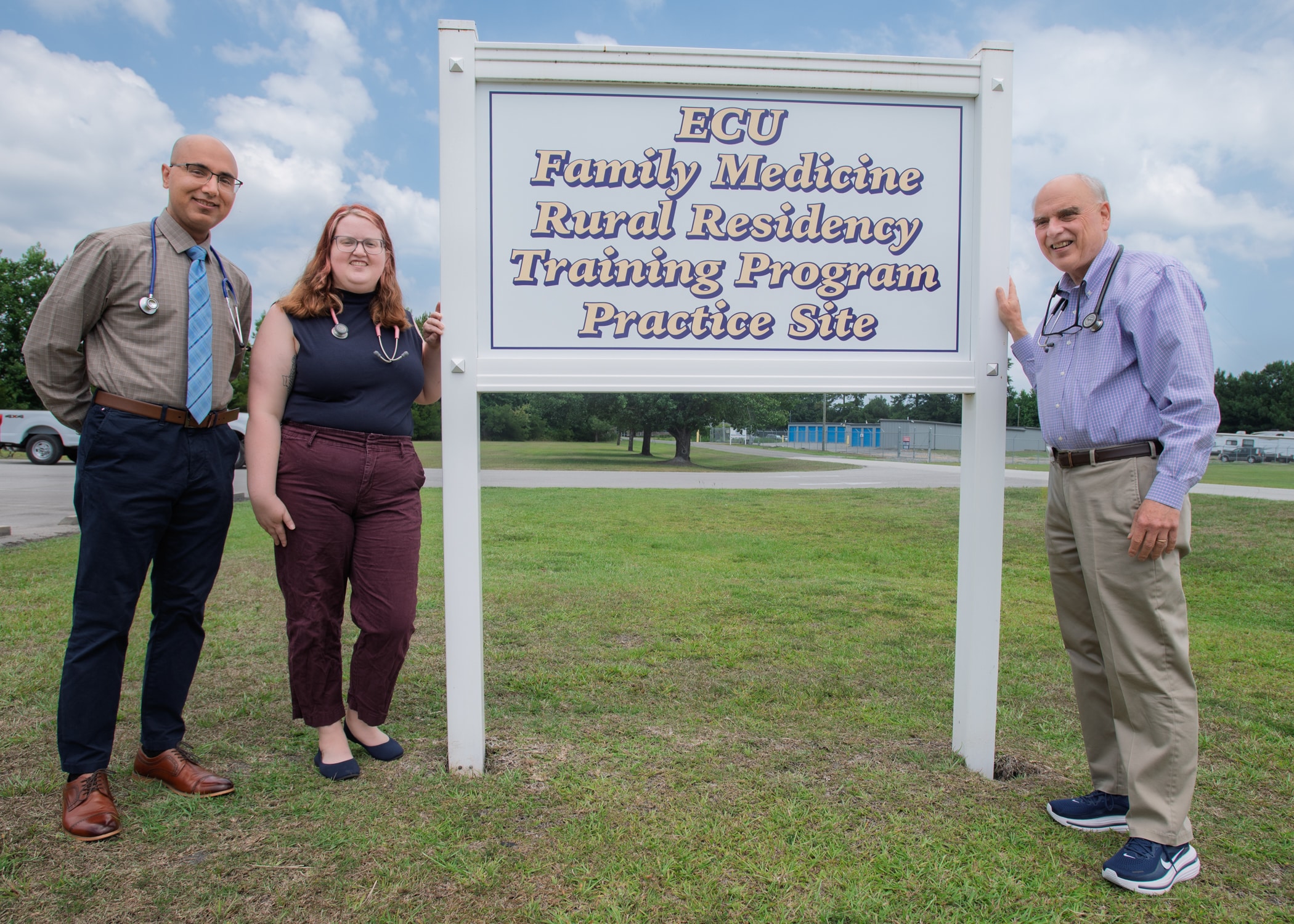
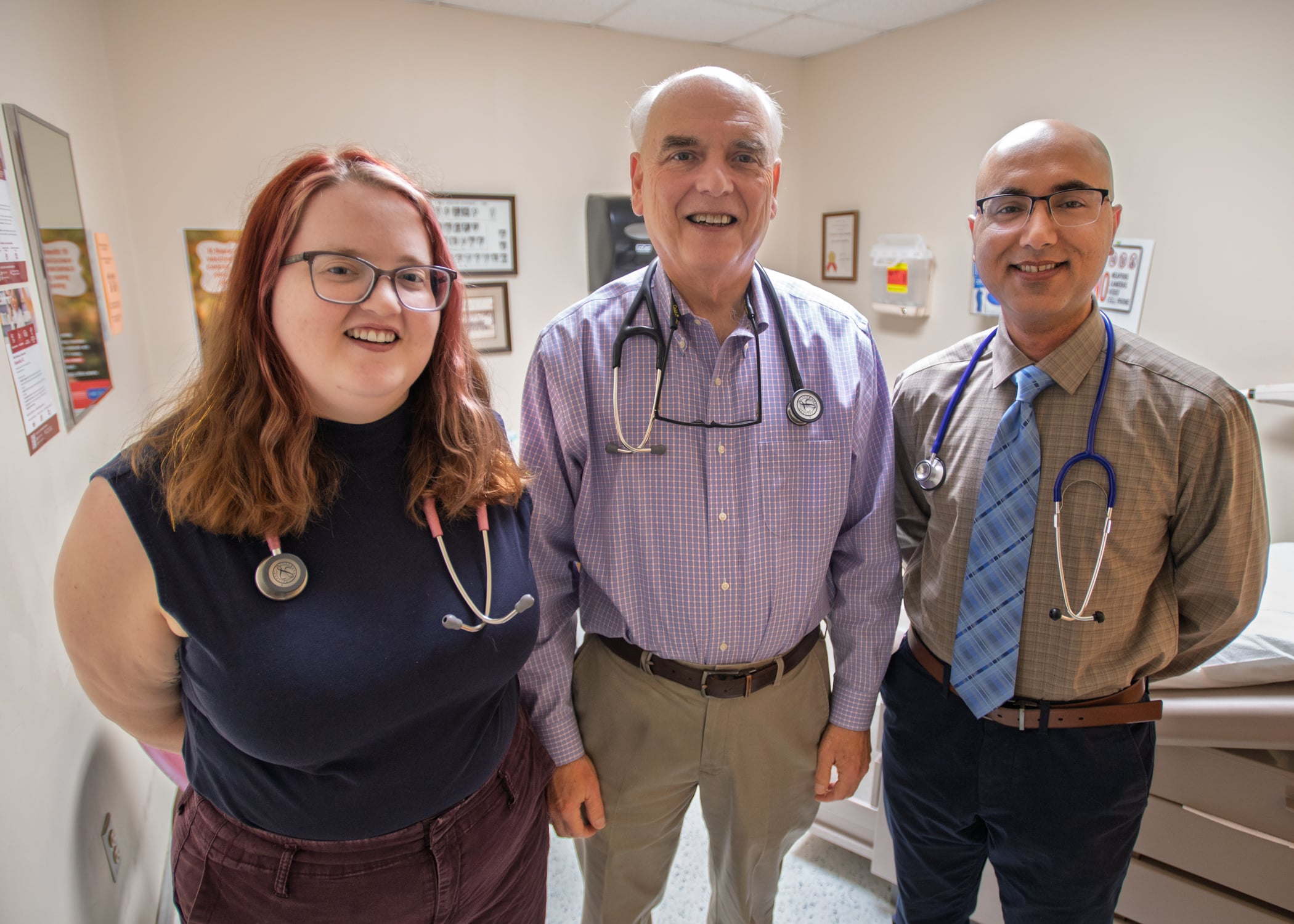
A journey across oceans and continents led Dr. Kanwar Sandhu to ECU Health, where his time in ECU Health’s Rural Family Medicine Residency training program showed him that people make a place special. Now, he’s here to stay.
Dr. Sandhu was born in India and spent his youth in Canada, where he completed his undergraduate studies at the University of British Columbia. He attended medical school at Ross University School of Medicine in Barbados and received clinical training at the University of Miami, Cleveland Clinic Florida, and the University of Michigan. As the time came to explore residency programs, Dr. Sandhu visited rural eastern North Carolina for the first time.
“I had been flying over North Carolina all this time,” Dr. Sandhu said. “I knew ECU Health offered a competitive program. When I actually came here, the people in the health system were lovely, but it was the people I met on the streets who really left an indelible mark.
They were so warm and welcoming, it really moved me. I didn’t have the right phrase for it at the time. Now, I know it’s called the southern hospitality.”
A conversation with a cab driver, who told Dr. Sandhu about his granddaughter’s battle with cancer, left a particularly profound impact on the young physician.
“I said some comforting words to him, just what any decent person would say,” Dr. Sandhu said. “When I got out of the cab to get my bags, I remember the driver called to me and said, ‘Sir, I really hope that you would choose to call this place your home.’ I told him that I hoped I would come back. It was a symbolic encounter for me. When I ranked my top choices for residency, my mind just kept returning to that moment and eastern North Carolina.”
Dr. Sandhu has spent the past three years in the Rural Family Medicine Residency Program, where he had a chance to train at ECU Health Medical Center and eventually ECU Health Duplin Hospital in Kenansville. The program, which launched in 2021, exposes residents to the breadth of family medicine to prepare them to provide comprehensive care across a variety of settings. In May ECU Health announced the upcoming launch of new rural residency tracks for Internal Medicine, Surgery, Obstetrics-Gynecology and Pediatrics.
“Our Rural Family Medicine Residency Program provides physicians the opportunity to train under the guidance of experienced mentors and interdisciplinary care teams,” said Dr. Mary Catherine Turner, Associate Dean for Graduate Medical Education at ECU Health. “Our goal is to provide resident physicians with the knowledge, skills, and support they need to thrive in practice and deliver high-quality care to rural communities. Our new rural residency tracks will extend that mission across four additional specialties while strengthening physicians’ understanding of the unique needs of rural patients.”
Dr. Sandhu has had the chance to connect with patients from rural areas and work through an array of complicated medical cases, many of which present themselves in the primary care setting. In rural health care, a diverse skill set is necessary to provide high-quality family medicine. The rural population comprises approximately 20% of the United States total population, but only 10% of physicians practice in these rural areas. North Carolina has the nation’s second largest rural population.
Rural populations, including those in eastern North Carolina, also face higher rates of health care disparities such as heart disease or diabetes along with social determinants of health such as poverty or food and housing insecurity.
“The challenges that face rural health care directly impact our rural communities, and we know we need to reinforce the supply of doctors practicing in these rural settings,” said Dr. Michael Waldrum, ECU Health CEO and dean of the Brody School of Medicine.
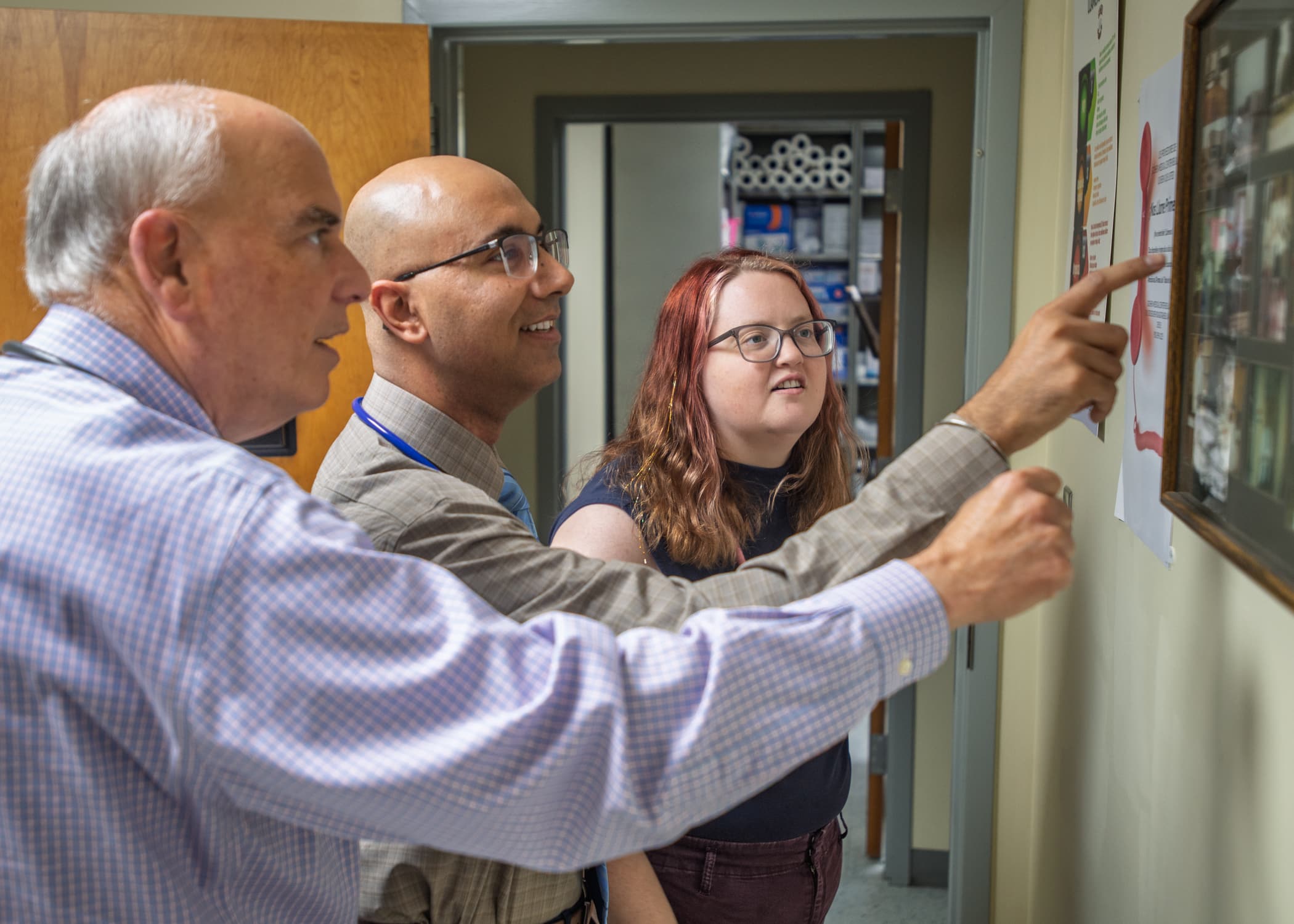
“We know that family medicine residents who spent 50% or more of their training time in rural settings were at least five times more likely to stay and practice in rural settings than ones with no rural training. Experience matters, and rural residency programs are critical to get physicians in rural communities so they can see the incredible impact their presence can make.”
Throughout his residency, Dr. Sandhu found those challenges, and the chance to connect with patients, rewarding — so much so that he will continue to practice medicine at ECU Health Medical Center in Greenville and ECU Health Family Medicine Wallace.
“It was an excellent experience for me,” Dr. Sandhu said. “I had amazing mentors and I have treated a lot of complex patients, but I feel like there’s still so much more to learn. Patients in this ecosystem are very complex, so you need to be very competent with your medical skills while keeping an open mind. You have to meet people where they are, and I have really enjoyed caring for my patients in eastern North Carolina.
“I am what I am because of them. They have been not only my patients, but my teachers. The best part of my day is taking care of them; it gives my life a special meaning. I feel so blessed to do this and I’m just so grateful to be here.”
After connecting so profoundly with the region, his journey in eastern North Carolina is far from over. He invited anyone who felt the same calling to learn and serve to join him.
“Anyone who considers working in these rural spaces should certainly consider humility a strength and keep their minds open to learning new things,” Dr. Sandhu said. “There will be hard days, but you can always count on the people around you for support.”

The future of medical care in eastern North Carolina has arrived in the form of 152 new ECU Health Graduate Medical Education (GME) resident physicians and fellows, many of whom said they were excited to live, work and train in a region rich with opportunity and unique clinical experiences.
The new class of resident physicians were welcomed at GME orientation day, with fellows welcomed at an orientation of their own. The separate settings let GME team members tailor training to both groups’ specific experiences and levels of familiarity with medical practice.
“We are so excited to welcome these new physicians to ECU Health, and we’re equally excited to support their development as our future physician leaders,” said Dr. Mary Catherine Turner, associate dean for Graduate Medical Education at the Brody School of Medicine at East Carolina University and ECU Health Medical Center.

“This also feels like a celebration of how far GME has come over the past 50 years,” she said. “We recruit resident physicians and fellows who are drawn to our mission, and through their time in training they help ECU Health deliver on the mission to improve the health and wellbeing of eastern North Carolina.”
ECU Health offers 38 residency and fellowship programs that provide comprehensive training in primary care and multiple specialty and sub-specialty disciplines.
Physicians will train at ECU Health Medical Center as well as communities across eastern North Carolina. The chance to engage with rural patients was a major draw for Dr. Amarveer Malhi, a family medicine resident physician from Vancouver, British Columbia.
“I’ve seen firsthand how families can be affected by rural hospital closures and the stress people feel when they are left scrambling for care,” Dr. Malhi said. “Seeing ECU Health’s mission to provide acute care in rural areas really told me that I wanted to be here. I’m excited to work with people who have that same goal to provide excellent patient care.”
Dr. Emmanuel Kotey, also a family medicine resident physician, was grateful to match in a small town like the one he grew up in. He attended medical school at Meharry Medical College in Nashville and wanted to get back to his roots and make a difference in patients’ lives.
“Throughout the match process I could see ECU Health had one of the best family medicine programs, and that it takes care of the entire region,” Dr. Kotey said. “I’m looking forward to seeing cases I have never seen before and the chance to help the many patients I’ll care for.”
Dr. Stanton Davis, an emergency medicine resident physician from Atlanta, and Dr. Shelby Goode, an OB-GYN resident physician from Richmond, are a couple who also graduated from Meharry Medical College. The two applied for residency everywhere east of the Mississippi River and discovered ECU Health was not only a great middle ground as far as seeing family, but also the right fit for the couple’s medical philosophy.
“We knew that we wanted to work at an academic hospital,” Dr. Goode said. “The scope and volume of patients we will treat means we are going to see everything we could possibly see. Our interview days went great, and we loved the vibe and the positive energy. Everyone has been so nice and we’re looking forward to getting to know everyone, to finding familiar faces at familiar places.”
Eastern North Carolina also appealed to the couple’s desires outside of work.
“The Level I Trauma Center designation for adult and pediatric care was important to me,” Dr. Davis added. “ECU Health had everything we were looking for academically. The area itself pleasantly surprised us. I think Greenville has everything we want and we are only a few hours from the beach or other places that have what we’re looking for.”
Nine of the new resident physicians graduated from the Brody School of Medicine in May including Dr. Emily Gerlach, one of Dr. Goode’s OB-GYN peers and a native of Nash County. She was excited to get to know her new colleagues and to see familiar faces of patients she treated or even grew up with.
“It’s exciting to stay here in eastern North Carolina and continue to serve this community,” Dr. Gerlach said. “I’ve already treated a woman who I’ve known my whole life. It’s special. They knew me as a child and now they know me as a physician.
“I can’t wait to get my feet wet and be part of these deliveries, be part of care teams who are there for patients in their most vulnerable or happiest moments,” Dr. Gerlach continued. “I’m ready to get started.”
The Bennett Award for Outstanding Rehab Members is given annually to two ECU Health rehabilitation therapists who demonstrate a commitment to excellence in his or her field.
In 2025, Amy Becker, audiologist IV at ECU Health Medical Center, and Rhonda Beal, physical therapist IV at ECU Health Edgecombe Hospital, were recognized as the award winners. Winners are nominated by their peers and selected by a committee.
Amy Becker
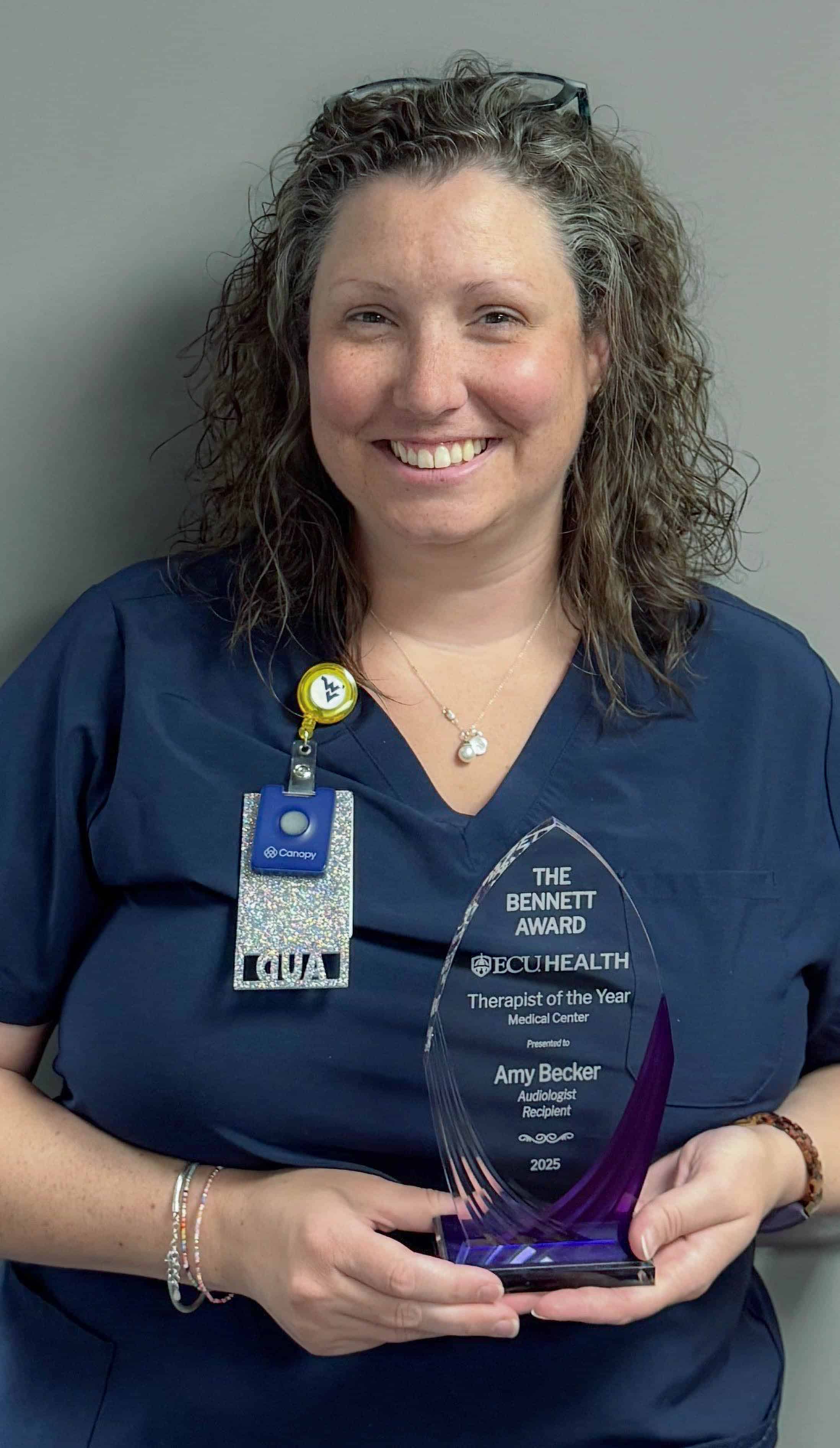 A Virginia Beach, Virginia native, Becker said she didn’t have an “aha” moment when it came to being an audiologist.
“I started as an elementary education major, but I switched to speech therapy,” Becker said. “I didn’t know anything about audiology, but I kept an open mind and discovered that was a better fit for me.”
Audiology studies hearing and balance disorders and focuses on the treatment and rehabilitation of individuals with those diagnoses.
“Someone suggested I look into ECU Health, and the exact job I was looking for just happened to be posted,” she said.
That was 11 years ago, and Becker said she enjoys her work and her team.
“I like the variety of patients we see and the options for treatment. The technology we use is always evolving and I’m learning all the time,” she said. “I love my coworkers and the collaboration with other professionals. The work I do requires a team approach, and we are helpful to each other. Our team is small but mighty.”
Becker said she also enjoys helping patients from across eastern North Carolina, many of whom come from rural communities outside of Greenville.
“I see patients who drive from the Outer Banks, Duplin County and even from the Virginia state line to see us,” she shared. “We are the largest pediatric audiology clinic—and the only place that accepts pediatric Medicaid for hearing aids and provides cochlear implants—east of I-95.”
Becker didn’t know she’d been nominated for the Bennett Award and was surprised to learn she’d won, but the award’s reputation was well known.
“I didn’t know Wanda Bennett, but I know she was highly regarded and respected in rehabilitation,” she said. “No one goes into this work for the recognition, but it was validating to be nominated by my peers. I was honored.”
Rhonda Beal
Beal has been a physical therapist for 36 years, more than eight of which have been with ECU Health. The Tennessee native has worked in a variety of settings, including outpatient therapy, rehabilitation, acute care and long-term care, and now she serves as a pelvic floor therapist at ECU Health Edgecombe Hospital.
“I like taking care of people,” she said. “When our pelvic floor therapist left, they offered me the role. I had no previous knowledge of pelvic floor rehabilitation, but I was up for the challenge. I feel like I provide something my patients have needed for a long time, and I learn something new every day.”
Beal said she also loves her team and the collaboration among different disciplines, and she’s appreciative to her leadership for supporting her journey into a new area of expertise.
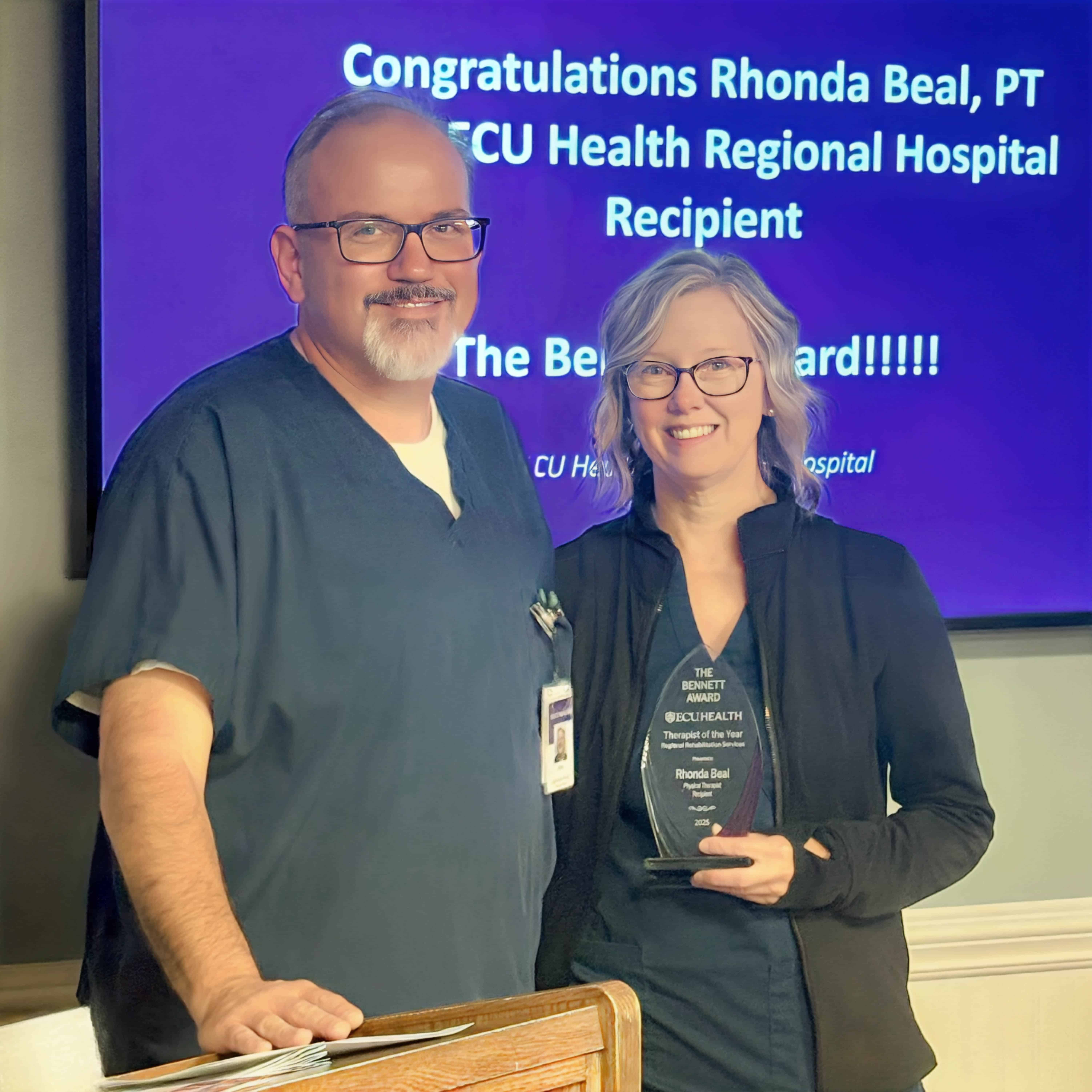
“I was given the opportunity to move into pelvic health and receive continuing education. The team’s support has made it so I can do my work efficiently and well, and because of that, my caseload has grown,” she said.
Like Becker, Beal didn’t know she had been nominated for the Bennett Award until her husband, daughter and grandkids suddenly appeared during a staff meeting.
“Ironically, I’d considered skipping the meeting because I was leaving the next day for vacation and I had a lot of work to do,” Beal recalled. “But then my name was on the screen that I’d won the award. I was shocked.”
Her gratitude for being recognized—especially since she was nominated by a colleague and former student—has inspired Beal to consider who she wants to nominate for 2026.
“Sometimes we get busy doing other things, but it’s awesome to recognize workers in rehab,” she said. “I feel undeserving; there are so many others who deserve this award more than me.”

For more than four decades, Camp Rainbow and Camp Hope have given children with serious health conditions something rare: the chance to simply be kids.
Camp Rainbow, which began in 1982, and Camp Hope, established in 1991, serve children across eastern North Carolina with complex medical needs. Camp Rainbow welcomes children with cancer, hemophilia and other chronic bleeding disorders, while Camp Hope is designed specifically for children with sickle cell disease.
Behind the scenes, a dedicated team from ECU Health and the Brody School of Medicine at East Carolina University’s Pediatric Hematology/Oncology division, comprised of nurses, physicians, child life specialists, social workers and volunteers ensures campers are supported around the clock.
“This is a week where they can step away from hospitals and clinics,” said Tamika Mackey, child life specialist at the Pediatric Hematology/Oncology Clinic at ECU Health and the Brody School of Medicine at East Carolina University and director of Camp Hope and Camp Rainbow. “They still take their medications, and we have 24-hour medical care available, but more importantly, they get to just be kids.”

This year, 56 campers joined for the week. While many arrive feeling nervous or unsure, that hesitation quickly fades.
“At the beginning, they’re a little nervous about being away from home,” Mackey said. “But by midweek, you can see the change. They’re having fun, making friends and trying new things.”
That transformation is one of the most powerful parts of the experience. Throughout the week, campers participate in activities like canoeing, paddleboarding, horseback riding, arts and crafts and challenge courses. New this year, a “Medals of Honor” program recognized campers for kindness, respect and helping others, reinforcing a sense of community and encouragement among peers.
But beyond the activities, it’s the connections that matter most.
For many campers, this is the first time they’ve met someone else living with the same condition.
“A lot of our campers come from rural eastern North Carolina where there aren’t many – if at all – kids going through the same diagnoses as them,” said Mackey. “It means a lot to them. They can talk about their experiences, their treatments, their time in the hospital. They realize they’re not alone.”
That sense of belonging is what keeps campers coming back, even long after their time as campers ends.
Landon Cherry, 17, has attended Camp Hope for years and says each summer offers something new.
“The people are great, the counselors are great, and every year feels like a new experience,” he said.
“You get new bunkmates, new friends.”
For Cherry, who has sickle cell disease, the camp provides something he can’t always find at home or school.
“We can relate to each other,” he said. “Everyone here has something different, but we understand what each other is going through.”
Whether swimming in the lake, participating in activities or simply spending time together, those shared experiences create strong bonds.
“You come here, and you can just have fun,” Cherry said. “That’s the best part.”
For some, the camp’s impact extends beyond childhood. Many volunteers were once campers themselves, returning to give back to a program that shaped their lives.
Jacy Gibbs, 20, first came to Camp Rainbow at age nine after being diagnosed with cancer. She immediately found a sense of connection and a sense of purpose.
“It felt reassuring to know there were other people like me,” she said. “Even though I had support around me at home, I still felt alone sometimes. Camp gave me a place where I didn’t have to think about that. I could just be normal.”
After attending as a camper for eight years, Gibbs is now in her third year as a counselor, fulfilling a goal she set for herself during that very first summer.
“I remember standing up on the last night of my first week of camp and saying I wanted to be a counselor one day,” she said. “Now I get to be that person for someone else.”
Today, she sees firsthand the same transformation she once experienced.
“It’s really special to watch the kids make connections and build friendships,” she said. “It brings out that inner child in me again.”

As a cancer survivor and college student at East Carolina University, Gibbs also recognizes the importance of being a visible example for campers.
“It means a lot to show them what’s possible,” she said. “That they can get through it and still live their lives.”
For Mackey, those full-circle moments are among the most meaningful.
“They want to come back and help the younger kids,” she said. “They want to encourage them to try new things, to build confidence, to feel supported.”
That support can even extend into medical milestones. Mackey noted that some campers gain the confidence to take medications independently after seeing their peers do the same — a small but meaningful step in their care journey.
Ultimately, Camp Rainbow and Camp Hope are about much more than a week away. They are about building confidence, fostering independence and creating lifelong connections, all while reminding children that their diagnosis does not define them.
“They come here unsure,” Mackey said. “But they leave with friendships, confidence and memories that stay with them long after camp ends.”
Camp Rainbow and Camp Hope are offered free of charge to children with chronic illnesses and were made possible this year by generous support and donations to the ECU Health Foundation and from
Children’s Miracle Network, the Pamlico Neuse Women’s Coalition, the James and Mamie Richardson Perkins Trust, the Mildred Sheffield Wells Charitable Trust, Jalen’s Nation, Beau’s Buddies and other individuals and civic organizations.
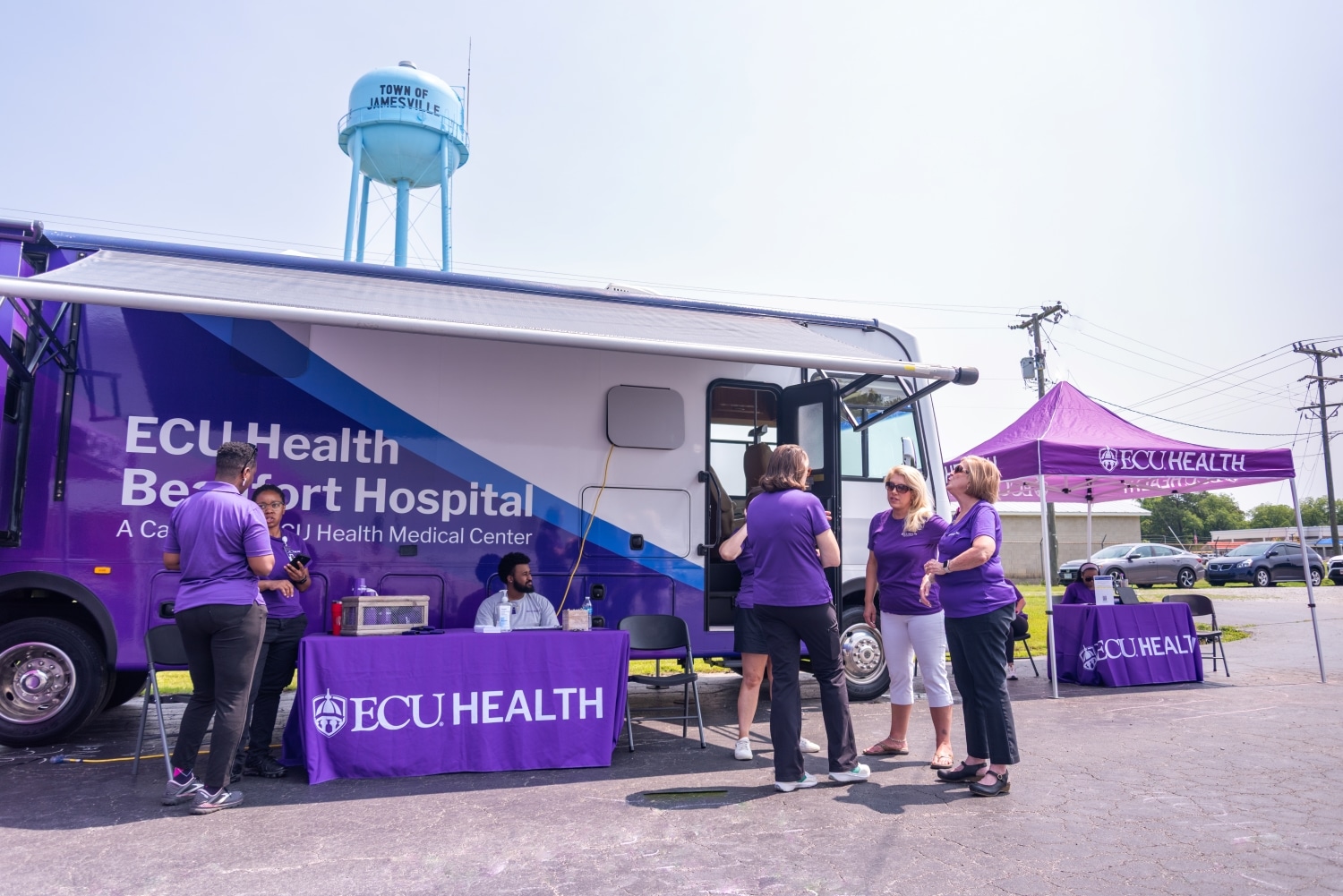
Greenville, N.C. — Martin County and ECU Health are celebrating new, historic investment included in the State Budget to support a regional system of care that will strengthen access to essential health services in eastern North Carolina, including $25 million to re-establish essential health care in Martin County and $15 million of initial support to expand bed capacity at ECU Health Beaufort Hospital in Washington.
The funding for health care in Martin County included in the state budget, along with $35 million in NC Care funds previously allocated to the project, allows ECU Health and Martin County to move forward with efforts to reach a formal agreement.
While this funding marks important progress, additional investment to meet the full $150 million for ECU Health Beaufort is required to fully implement a sustainable regional system of care model needed to improve sustainability and expand inpatient capacity for the surrounding communities.
“This budget represents meaningful progress toward a sustainable model of care for Martin County, Beaufort County and eastern North Carolina,” said Dr. Michael Waldrum, CEO of ECU Health. “Rural Americans are facing unprecedented challenges that continue to threaten the viability of health care in their communities. We are grateful for the support of our state elected leaders for infrastructure funding as we pursue rural health initiatives designed to improve the health and well-being of the most vulnerable communities in North Carolina. As the only health care partner with a viable plan, as well as a willingness to re-establish care in Martin County, we remain committed to working with county leaders and state partners to make high-quality local health care a reality on behalf of the patients, families and communities we are honored to serve.”
Leaders from Martin County and ECU Health said they will continue working toward a formal agreement that will define the structure, responsibilities and commitments needed to re-establish essential services in Martin County and advance this regional vision. Importantly, this process will take time as there are contingencies noted in the letter of intent that must be resolved to make this vision a reality. They emphasized that sustained partnership and careful planning will be critical to moving the work forward.
“This investment helps move an important vision forward for Martin County and the surrounding region,” said Drew Batts, County Manager for Martin County. “The effort to acquire this funding has been long and hard fought with Martin County’s team and ECU Health’s team working hand in hand every step of the way. This would not be possible without the efforts of multiple residents and business leaders from Martin County. We appreciate the partnership with ECU Health and the support from state leaders as we continue working toward a long-term solution that restores access to care and serves our residents well into the future.”
Additional details will be shared as planning progresses.

Dr. Shannon Longshore has built her career around a simple but powerful belief: children deserve honesty, compassion and the very best care medicine can offer. In her many roles across the pediatric medicine community, that patient-focused approach is making a major impact.
Recently named Senior Medical Director and Surgeon in Chief at James and Connie Maynard Children’s Hospital at ECU Health Medical Center, Dr. Longshore also serves as Division Chief of Pediatric Surgery at the Brody School of Medicine at East Carolina University, medical director of Pediatric Trauma since the program’s inception, and medical director of the Eastern Carolina Injury Prevention Program (ECIPP).
For more than 13 years, Dr. Longshore has been a cornerstone of the pediatric surgery community in eastern North Carolina, guiding families through some of the most frightening moments of their lives, performing lifechanging operations, and helping shape the future of pediatric care at ECU Health.
Dr. Longshore earned her medical degree at the University of Tennessee Health Science Center in Memphis. She went on to complete a general surgery residency at the University of California, Davis in Sacramento, followed by a research fellowship at Washington University in St. Louis, and ultimately a pediatric surgery fellowship at Loma Linda Children’s Hospital in Loma Linda, California. She is board certified in both General Surgery and Pediatric Surgery, bringing nationally recognized expertise to the region’s only children’s hospital.
For Dr. Longshore, technical skills are only part of the story.
“I love the idea of having a problem and being able to fix it,” she explained. “Most pediatric surgeons will tell you the congenital anomalies – babies born without their esophagus connected – those are the cases we love to treat the most. You do that operation, and they go on to live a pretty normal life. That feels amazing.”
If you ask Dr. Longshore what keeps her grounded in such a demanding specialty, she will tell you it’s the kids.
“Kids just want to get better,” she said. “There’s no secondary gain for them. They want to get back to playing, back to school, back to being themselves.”
Erika Greene, trauma program manager at Maynard Children’s Hospital, said Dr. Longshore’s leadership is nothing short of extraordinary.
“Even after reaching the highest level of pediatric trauma verification, Dr. Longshore never stops looking for ways to grow our program,” Greene said. “She continues to strengthen our pediatric trauma resources, expand our team and ensure we have pediatric expertise at the bedside the moment patients arrive.”
When Dr. Longshore stepped into leadership of ECIPP, the program was much smaller in scope. Over time, her vision and persistence helped elevate them into nationally recognized efforts.
“She has really helped take us to the next level,” said Sue Anne Pilgreen, manager of ECIPP and ECU Health’s Pediatric Asthma Program. “She’s been incredibly intentional about helping us pursue grant funding, supporting research and encouraging publications and presentations.”
That support has translated into meaningful growth and visibility.
“For example, we had two presentations accepted at the Pediatric Trauma Society meeting last year,” Pilgreen said. “That’s a very big deal and having two accepted was an even bigger accomplishment. She played a huge role in helping us get there and making sure we had a seat at the table.”
Pilgreen also credits Dr. Longshore as a consistent advocate for prevention initiatives.
“She was involved at every level,” Pilgreen said. “Whether it was meeting with leaders, supporting new initiatives or going into schools with us, she’s always been willing to show up and do the work.”
That hands-on, “boots on the ground” leadership style, combined with strategic vision, has helped grow the program from a small team into a comprehensive effort focused on child safety across the region. ECIPP has reached thousands through prevention efforts, including more than 3,000 individuals in mental wellness initiatives and over 2,600 people through firearm safety programs in 2025. The program also plays a critical role in reducing preventable injuries through traffic, pedestrian and passenger safety efforts, reaching more than 3,200 individuals in 2025 through occupant protection initiatives and supporting environmental improvements that make roads safer for the community.
“It’s taken our program from being great to something truly exceptional,” Pilgreen said.
Dr. Longshore is quick to emphasize that exceptional pediatric care is never a solo effort. It’s the product of a deeply collaborative environment.
“When you interact with child life, or our therapy dog, Sam, our anesthesia team or our nursing team, that’s their mission: to make this the best possible experience for kids,” she said. “Nobody wants their child to have surgery, but it’s our job to make it the best experience we can.”
After more than a decade in Greenville, Dr. Longshore is beginning to see the lasting impact of her work.
“It’s a small community,” she said. “You start taking care of siblings. You run into families at swim meets. Someone will point to a child and say, ‘You operated on him.’”
Her own children were swimmers, and she recalls a moment when a parent approached her on the pool deck to share how far their child had come since surgery.
“As surgeons, we don’t always get that long term follow up,” she said. “To see a child you operated on swimming next to your daughter, that’s the cool part of this job.”
As Surgeon in Chief, Dr. Longshore now plays a pivotal role in shaping the vision and culture of Maynard Children’s Hospital. Her leadership blends clinical excellence with a commitment to ensuring that every child and family who walk through the doors feels seen, supported and cared for.
“She’s never satisfied with ‘good enough’—she always wants to do better,” said Greene. “She always wants to do more, to be better, to serve children in every way possible. You couldn’t place a more perfect person in the role of chief of Surgery.”