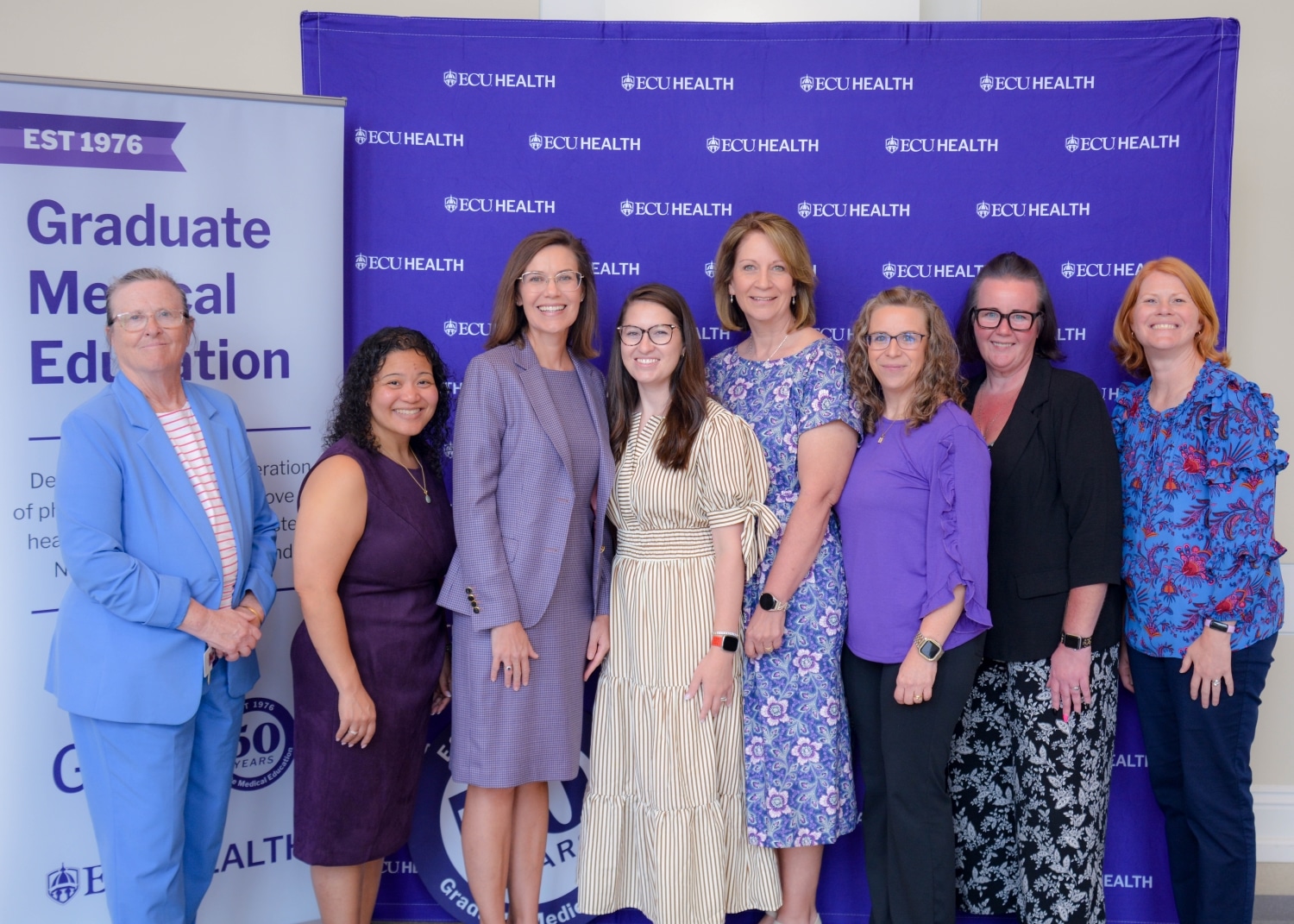
For 50 years, resident physicians have had the opportunity to live, train and learn in eastern North Carolina through Graduate Medical Education (GME) at ECU Health Medical Center and the Brody School of Medicine at East Carolina University. As the program celebrates its semicentennial, leaders from across ECU Health and the Brody School of Medicine gathered to celebrate the program’s impact and the people who make it work.
During an Aug. 21 luncheon at the East Carolina Heart Institute, resident physicians past and present had a chance to reflect on the history of GME at ECU Health Medical Center.
What began with a single Family Medicine Residency program in 1976 has blossomed into 38 resident physician and fellowship programs that give providers hands on experience as they treat patients in rural eastern North Carolina.
“Today we celebrate a legacy of 50 years which has produced many of the physicians who currently practice medicine in our region,” said Dr. Mary Catherine Turner, associate dean for Graduate Medical Education at the Brody School of Medicine and ECU Health Medical Center. “GME is a beautiful example of ECU Health intentionally living out its mission to improve the health and well-being of eastern North Carolina. We are in an active phase of growth and anticipate another 50 years of caring for patients across our rural communities.”
GME quickly grew in the 1970s, adding residency programs in fields like pediatrics, obstetrics and gynecology and psychiatry. Through the 1980s and 1990s new programs including ones in geriatrics, cardiology and immunology were introduced. Most recently, ECU Health Medical Center has added residency programs in neurology and ophthalmology, with recruiting underway to launch the newest fellowship program in addiction medicine. All the while, residency tracks in rural medicine have given physicians opportunities to care for patients in underserved areas, with new rural residency tracks continuing to launch through summer of 2027.
In 2025, 39 GME graduates entered the physician workforce in eastern North Carolina. Dr. Turner said maintaining that number for the next five years would see 195 physicians practicing across the region.
“The mission of ECU Health and the mission of GME have not changed. Since day one, we have focused on recognizing and addressing disparities in rural health care,” said Dr. Jonathon Firnhaber, interim chair of the Department of Family Medicine at ECU Health. Dr. Firnhaber served as a residency program director for 14 years. “That commitment was made in 1976, carries through today and will continue forward. It is exciting for me, from a training perspective, to know there is a hospital in this geographically diverse region, which generally lacks other medical care, with virtually every aspect of care available. It’s an incredible training opportunity.”
Dr. Michael Waldrum, CEO of ECU Health and Dean of the Brody School Medicine, said the celebration marked what academic health care can accomplish when mission meets action.
“Today reminds me of why I love health care,” Dr. Waldrum said. “When we embarked on our mission to improve the health and well-being of eastern North Carolina, we injected the value of education into our organization. It’s important to celebrate and understand the importance of how we educate the future of health care, how we educate ourselves and how we build a better future for our communities and each other. The work toward that goal is represented in this room, and I thank you for building that personal future that impacts our communities and, frankly, the nation.”

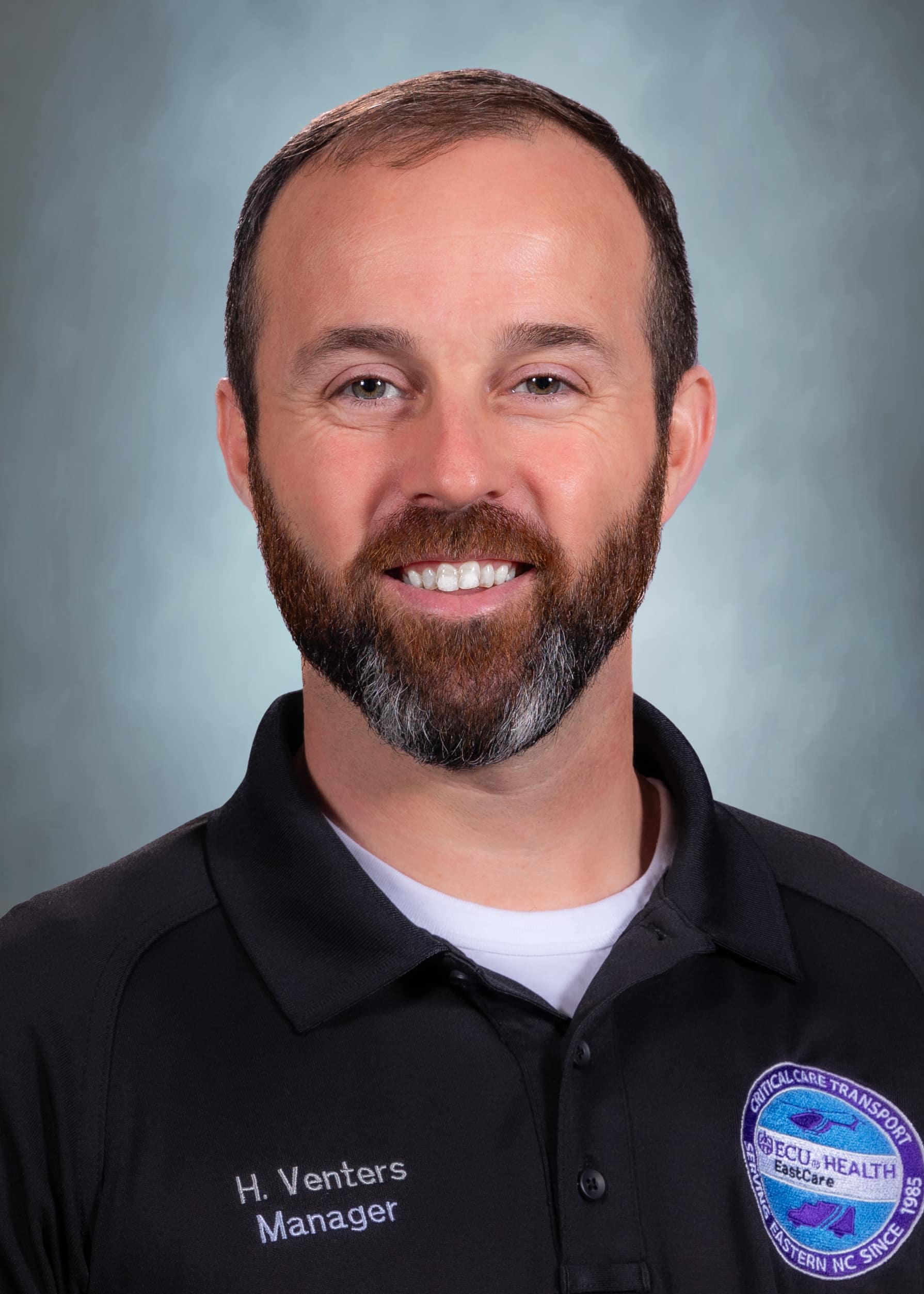
East Carolina University’s College of Nursing launched an Adult Gerontology Acute Care Nurse Practitioner (AGACNP) post-graduate certificate program in 2025. The program’s first cohort of five – Charlsie Woodard, Hunter Venters, Rachel Ferrell, Richa Dhungana and Angela Jones – graduated and say the experience strengthened their skills and expanded opportunities to care for critically ill patients.
Filling the gaps
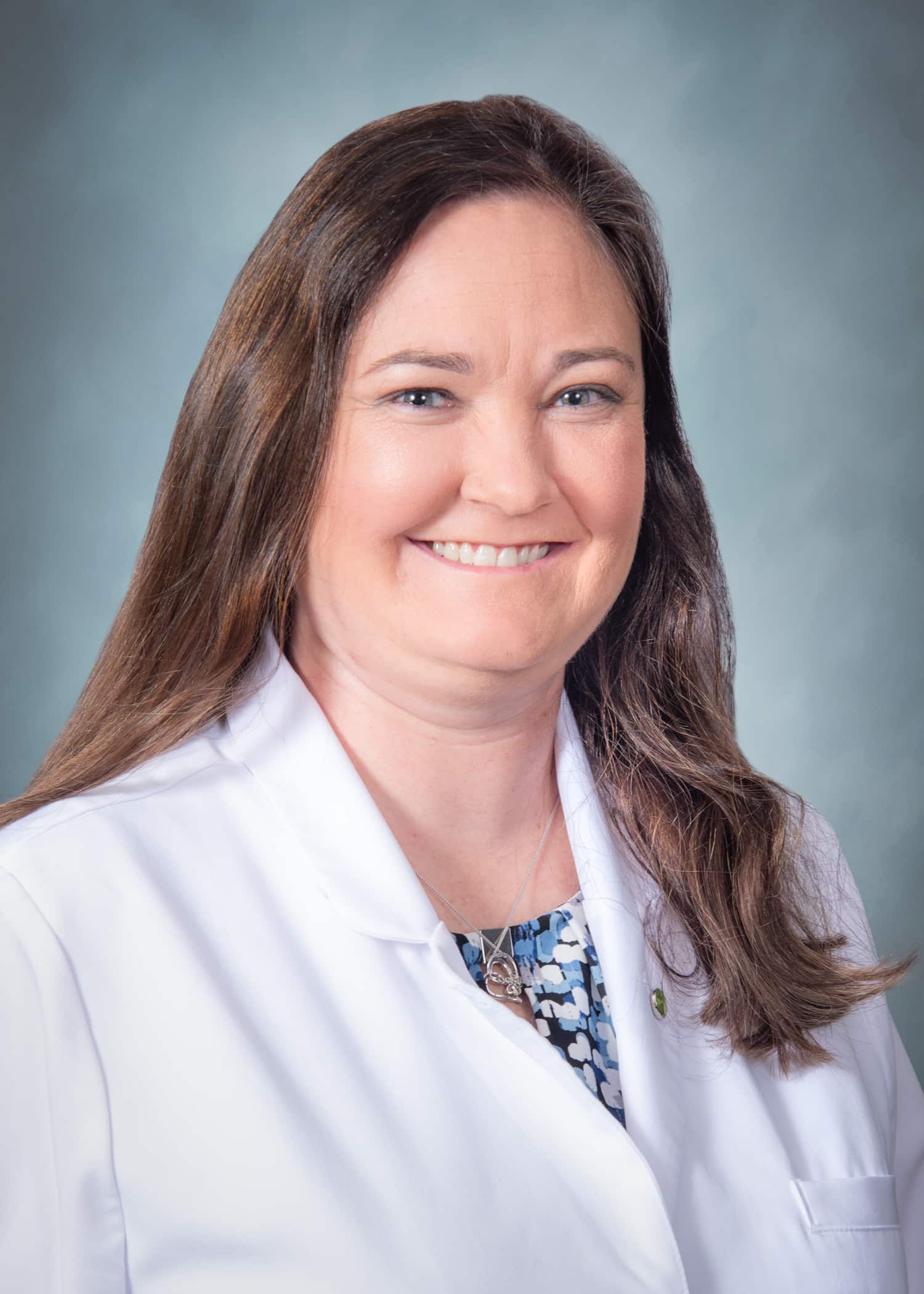
Dr. Kristie Hertel was asked to serve as the program’s director, something that seemed a natural progression of her education and practice.
“As a bedside nurse, I worked in the trauma ICU and have a passion for that patient population,” she said.
During those years, she had mentors who encouraged her to think critically and to continue her education. That mentality shaped how Dr. Hertel led the AGACNP program.
“I had no plans to be a program director, and there was a steep learning curve,” she shared. “But I love hearing from the students thanking me for guiding them through the program and helping them find a new career path.”
“I had some amazing preceptors, and Dr. Hertel runs a first-class program,” Hunter Venters said. “She focused on the things we needed to know.”
As the clinical manager of critical care air and ground transport with ECU Health EastCare, Venters said his work as a flight nurse exposed him to some of the sickest patients, but this program helped fill the gaps.
Rachel Ferrell, a nurse practitioner at ECU Health Chowan Hospital, was in a similar situation: she has worked in the emergency and hospitalist departments for much of her career but wanted to take the next step and get her certification.
“I had been looking at other programs when I found out ECU was putting together this program,” she said. “I preferred ECU because my BSN, MSN and FNP are all with the university and it has a great reputation.”
In her 36 years as a nurse – 19 have been in acute care – Charlsie Woodard, a nurse practitioner in internal medicine, said much of her early training was on-the-job.
“I wanted to improve my skills, and this program was such a great learning experience. I’m honored to be in this first class,” Woodard said.
For Angela Jones, a nurse practitioner at Bertie Hospital, the program came at exactly the right time.
“I was transitioning to work in the emergency department (ED) and I quickly saw how medically complex our patients are,” she said. “It was clear I needed this program. Having advanced training and experience has been so advantageous.”
Learning beyond the classroom
The graduates said the program took strong time management and sacrifice to balance work and life with the clinical rotations and coursework, but the support they received from each other made it possible. The cohort had a group chat they still use today, and when it was time to prepare for an exam, they often studied together.
“The members of that first class brought so much knowledge and experience,” Jones said. “Some had more than 20 years working in acute care. We worked in different areas and specialties, and everyone was willing to share their knowledge. It took many late nights and early mornings, but I most definitely apply what I’ve learned.”
Although the program was primarily remote learning, the graduates were able to access the skills simulation lab at ECU, and the exposure to different settings and patient populations during clinical rotations gave them opportunities to practice skills they may not have encountered in their day-to-day roles.
“In the smaller hospitals you don’t always have the opportunities to perform procedures such as insertion of dialysis catheters or multi-lumen access catheters, but I was able to see and do that during my clinical rotations,” Ferrell said.
While some graduates are already considering their next academic or professional steps, they agreed the program has made them more confident clinicians and strengthened the care they provide.
“With this training, I feel more confident I can serve those who walk through the doors,” Woodard said.
“Patients don’t come from a textbook world,” Jones added. “We have to critically think and look at the literature. Being in environment conducive to learning makes all the difference.”
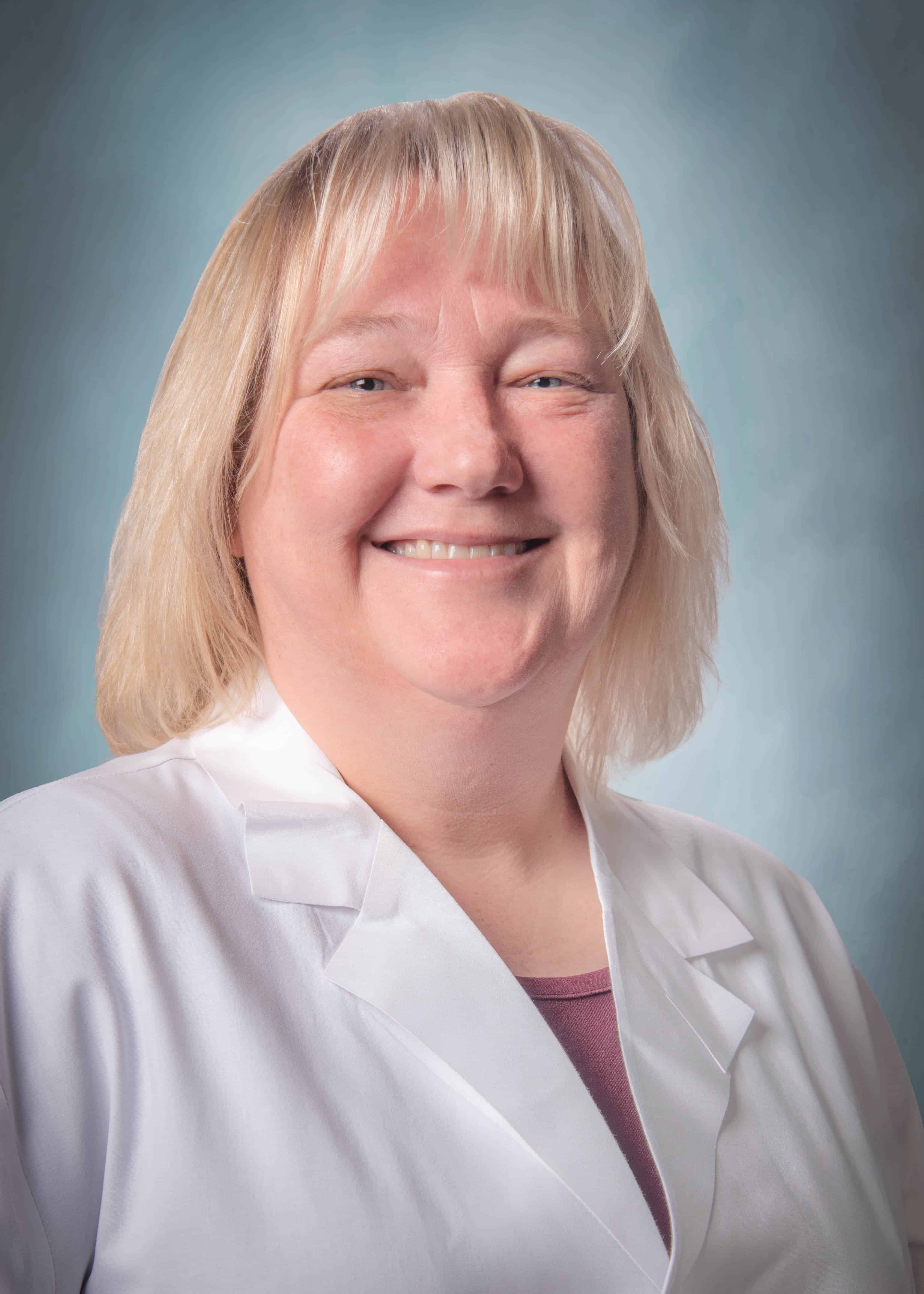
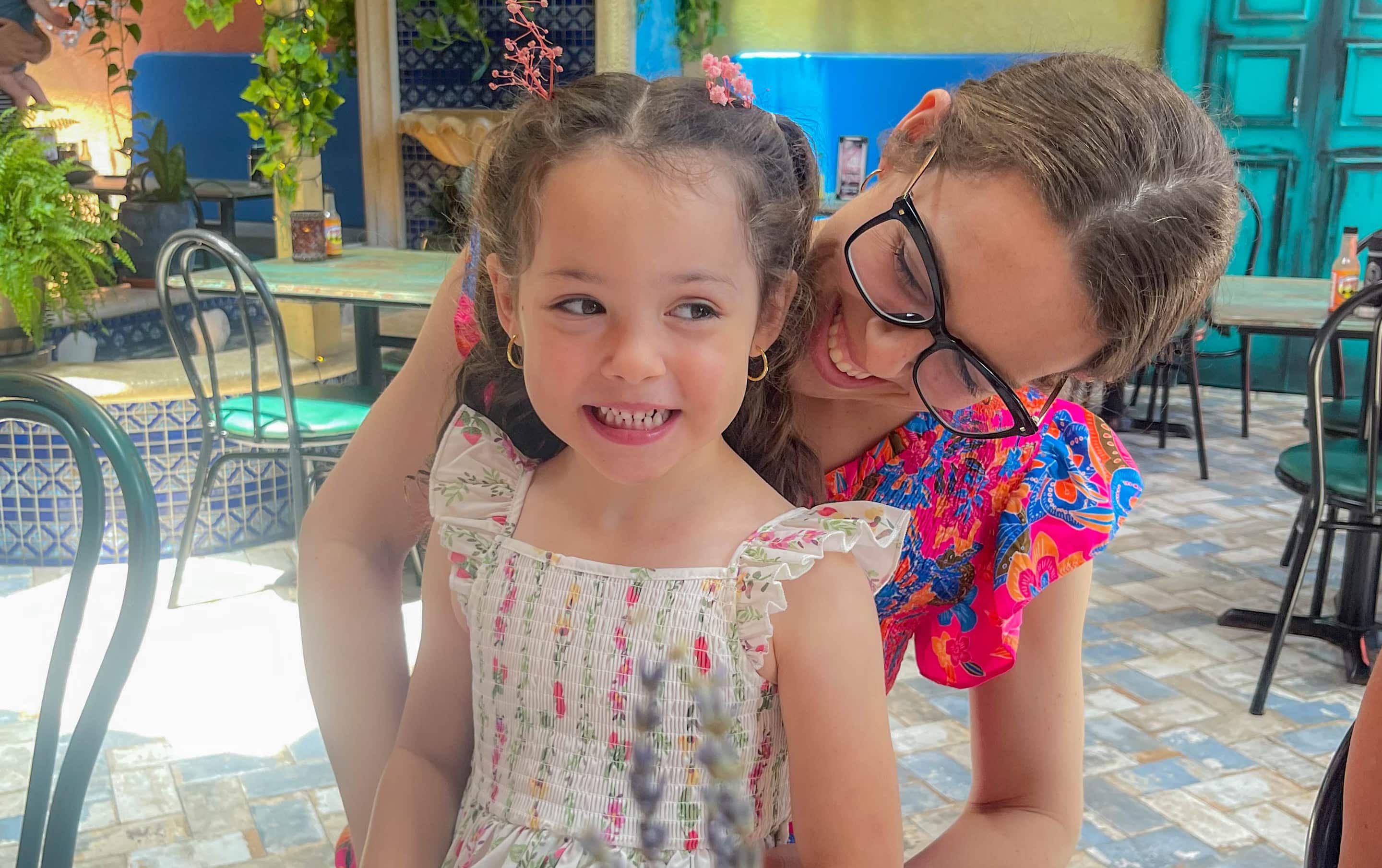
In high school, Morgan Quintanilla thought she wanted to be a nurse, but after a clinical rotation during her certified nursing assistant (CNA) program, she changed her mind. Instead, she went to the University of Mount Olive and graduated with a bachelor’s degree in business management. An internship with Chick-Fil-A led to a six-year career in leadership with the chain.
“Then I got a spark,” Morgan said. “I thought, let me try to be an RN again, so I got into a program but didn’t do well.”
Still undeterred, Morgan opted for a licensed practical nurse (LPN) program, which she completed in August 2021. During that time, she also married her husband Juan and got pregnant with twins.
That November, however, Morgan went into pre-term labor at 28 weeks and delivered two girls: Leah and Mia. Mia passed away, and Leah spent 65 days in the Neonatal Intensive Care Unit at Maynard Children’s Hospital before discharging home.
“When I was pregnant, I had no desire to go back to school,” Morgan said. “But sitting in the NICU, I realized I wanted to serve in that role. I wanted to work where I could help parents experiencing the same thing I did, and work beside the people who made me feel comfortable and cared for. A nurse told me only RNs can work in the NICU, so I applied for an LPN to RN program sitting next to my baby’s bed.”
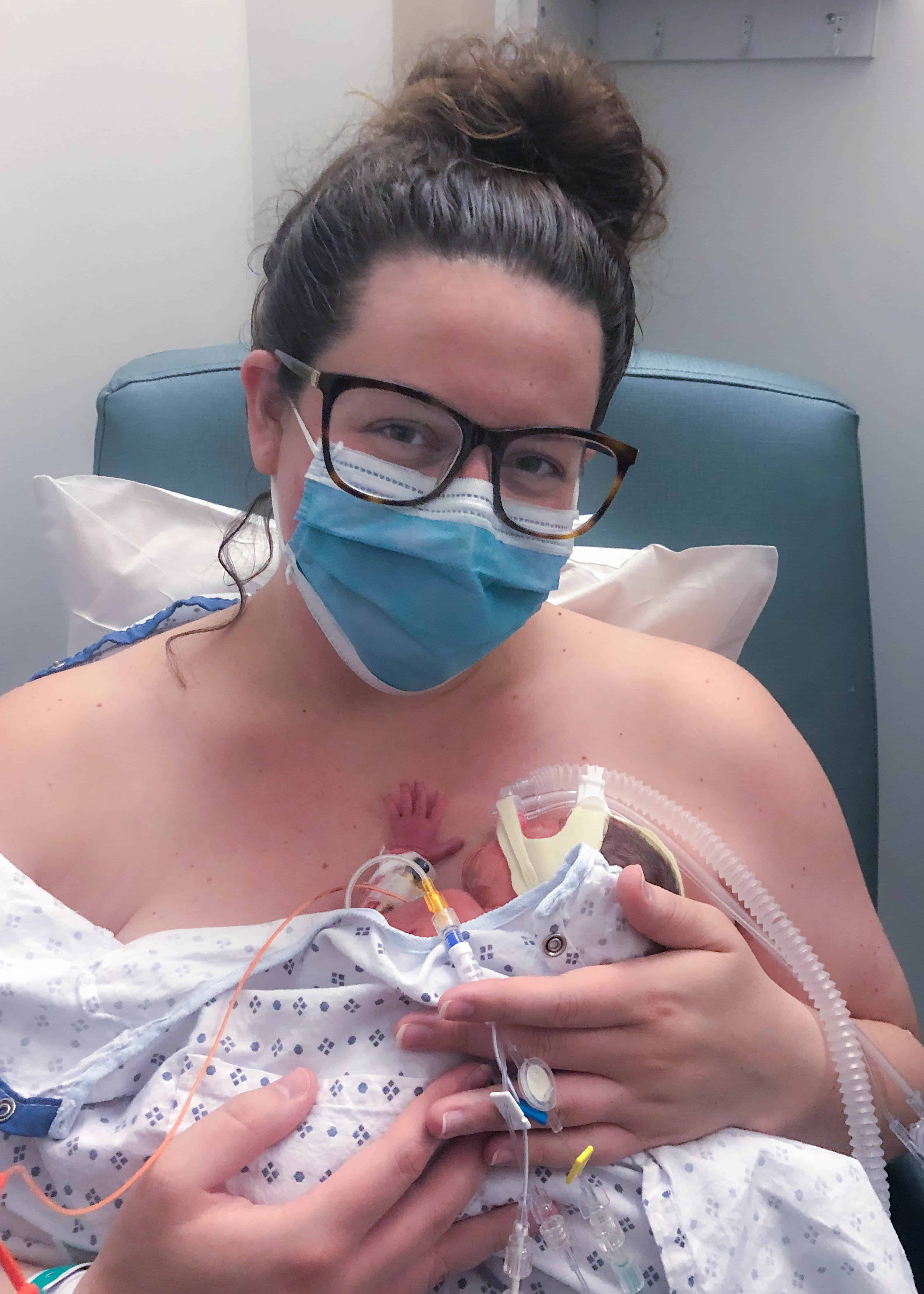
Leah was discharged in January 2022, and Morgan began RN program that May. When she graduated from the year-long program in August 2023, she immediately found a job with the NICU.
“As soon as I stepped foot in that NICU, I knew this is where I needed to be,” she said. “My heart was fulfilled again. I was where both my babies had been alive, and I get a lot of comfort from that.”
Morgan said this experience was a classic example of taking something bad and turning it into something good.
“I can let other parents know that I’m both a NICU mom and a NICU nurse,” she said. “I know what it’s like to have a survivor and a loss. When they hear that, there’s this sense of relief that we’ll get through this together. I want to make sure the parents, especially those who experience a loss, are advocated for.”
She also said her pursuit of nursing feels meant to be.
“I would never wish for this to have happened,” she said, “But if it hadn’t, I wouldn’t be an RN now. In high school, I just had this intuition I wanted to be a nurse, but I wasn’t sure how I would get there. This was my calling and I’m lucky to have found it.”
Share your story with us at go.ecuhealth.org/gratitude. Stories like these show the lasting impact of Maynard Children’s Hospital.

Class is back in session, and ECU Health wants every student in eastern North Carolina to have a safe, healthy, successful school year. To help make that happen, experts from across the health system recommend parents help their K-12 students get adequate sleep, maintain a steady routine, eat nutritiously and have a positive attitude that will help ease unnecessary stress.
According to Virginia Marr, a school health nurse care manager at ECU Health who serves as a school nurse with Pitt County Schools, getting into a healthy routine takes time. She recommends that parents start having children go to bed and wake up earlier before school starts in order to get the sleep their bodies need. Turning off electronics at least an hour before bed is one way to help promote good sleep hygiene, Marr said.
Marr added that packing lunches the night before helps reduce any need to rush in the morning, and that younger children can even practice their full routine from waking up to being at the bus stop to ensure they are confident and informed about what to do.
“It’s difficult when kids get back into a routine, especially when they have been off for a whole summer,” Marr said. “Things go from calm to structured, so seeing their parents have a positive attitude always helps kids start their day off right and sleep easier at night. Give yourself, and your student, a little grace.”
Dr. Kelli Long, a licensed psychologist at ECU Health who works with pediatric patients, agreed that establishing predictable routines and having a positive attitude go a long way for both students and their parents. Offering praise and positive reinforcement for behavior is important too, she said. She also recommended that parents keep conversations focused on what kids can be excited about, rather than what parents are worried about, to ensure students are going into the school year on the right foot.
“Attending an open house to meet teachers, explore the school building, and find friends can go a long way,” Dr. Long explained. She encouraged parents to talk positively about what their student can look forward to, like seeing friends or going to recess, to give kids something to be excited about as they return to school. “Parents have a huge impact on their kids’ mental and emotional well-being, so the more that parents can stay positive about those things, the better.”
Healthy meals are also a space where parents can help their kids at school, according to Madison Carson, a clinical pediatric dietitian supervisor at James and Connie Maynard Children’s Hospital at ECU Health Medical Center. She said starting the day off with breakfast, whether that’s milk and cereal, a full spread of pancakes and sausage, or similar, will set kids up for a productive day. She said lunches should contain protein, a starch or grain, a fruit or vegetable and something fun like a kid’s favorite drink or a small treat.
“As we’re going back to school, we want to prepare our children and make sure they are filling their bellies so they are fueling their minds so that we can have a good school year,” Carson said.
By focusing on healthy routines, restful sleep, nutritious meals and a positive mindset, families can help students feel prepared and supported as they return to the classroom. With a little planning and encouragement, children across eastern North Carolina can start the school year with confidence and build habits that support their success all year long.
ECU Health performs state’s first single-port robotic upper lung lobectomies with da Vinci SP system
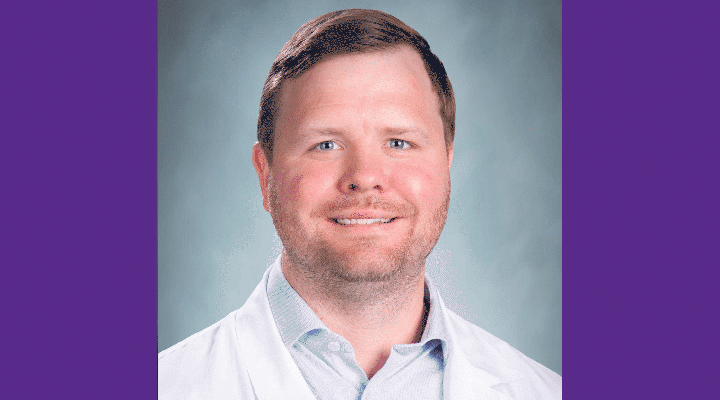
Greenville, N.C. – Dr. Robert Allman, an ECU Health cardiothoracic surgeon, completed North Carolina’s first single-port robotic upper lobectomies using the Intuitive da Vinci SP (single port) robot. Dr. Allman performed the first right upper lobectomy on May 19, 2026, and the first left upper lobectomy on June 15, 2026, at ECU Health Medical Center.
Upper lobectomies are performed to remove lung nodules that could be cancerous. The da Vinci SP system allows surgeons to perform complex thoracic procedures through a single small incision rather than multiple incisions required in traditional minimally invasive surgery. This allows surgeons to operate from beneath the rib cage, minimizing irritation to the intercostal nerves that often contribute to post-surgical pain. Because the incision also serves as the extraction site, patients require only one incision during their procedure.
“The single port system is an important tool to provide expanded cardiothoracic care in the state and the region,” Dr. Allman said. “From my perspective patients are experiencing less pain, which means they can continue their necessary treatment for cancer and other ailments with less time spent recovering from surgery.”
Reducing post-surgical pain provides benefits beyond patient comfort. In older adults and other vulnerable patients, severe chest pain may limit deep breathing and mobility during recovery, increasing the risk of complications such as pneumonia. By minimizing post-operative pain, surgeons hope to improve recovery outcomes and help patients resume additional treatments sooner when needed.
The technology also expands treatment options for patients whose health marked them at risk for more invasive procedures.
Since launching the program this spring, ECU Health has completed approximately 15 single-port robotic thoracic procedures. The technology is being used for a growing range of thoracic operations and positions ECU Health among a limited number of academic health systems nationwide utilizing the platform for lung resections.
“Being the first health system in the state to perform this procedure is an impressive milestone that shows ECU Health is committed to ensuring patients across eastern North Carolina access to high-quality, minimally invasive treatment close to home,” said Jay Briley, president of ECU Health Medical Center. “This technology is another option physicians can tailor to patients’ needs and an important tool that expands our ability to serve the region.”
The procedures were supported by Dr. Carlos Anciano, Dr. Aundrea Oliver, Dr. James Speicher, Dr. Mark Iannettoni and Dr. Lauren Johnson.
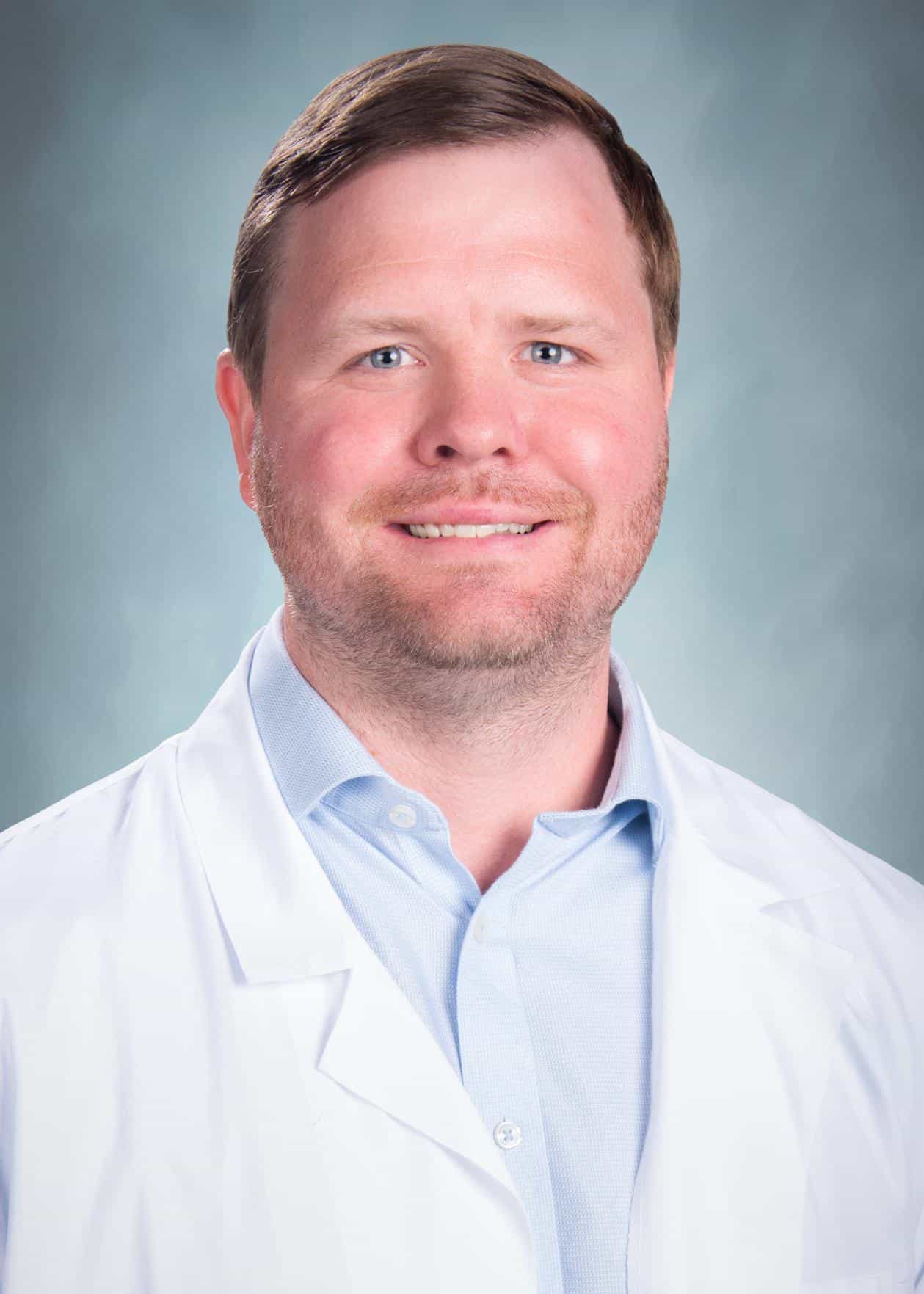
Kenansville, N.C. – ECU Health is expanding access to orthopedic care in Duplin County and surrounding communities with the addition of Dr. Robert Friedman, a board-certified orthopedic surgeon with fellowship training in sports medicine, at ECU Health Orthopedics – Kenansville. The addition of Dr. Robert Friedman strengthens ECU Health’s commitment to expanding access to specialty care for rural communities across eastern North Carolina.
“By establishing a consistent orthopedic presence in Kenansville, we are making it easier for patients to receive expert care close to home, helping them recover more quickly without traveling long distances,” said Dr. Dan Drake, president, ECU Health Physicians. “The addition of Dr. Friedman represents an important investment in the health and well-being of Duplin County and reinforces our commitment to ensuring patients have access to specialty services in the communities where they live and work. We are proud to bring greater access to orthopedic evaluations, treatment and follow-up care without the need to travel long distances.”
At ECU Health Orthopedics – Kenansville, Dr. Friedman will provide comprehensive orthopedic care for adult and pediatric patients. He will treat fractures, joint pain, labrum tears, ligament injuries, rotator cuff tears, sprains and strains and tendonitis. Dr. Friedman will also offer a variety of procedures including arthroscopic surgery, carpal tunnel release, fracture reduction and stabilization, shoulder replacement, total knee replacement and trigger finger release.
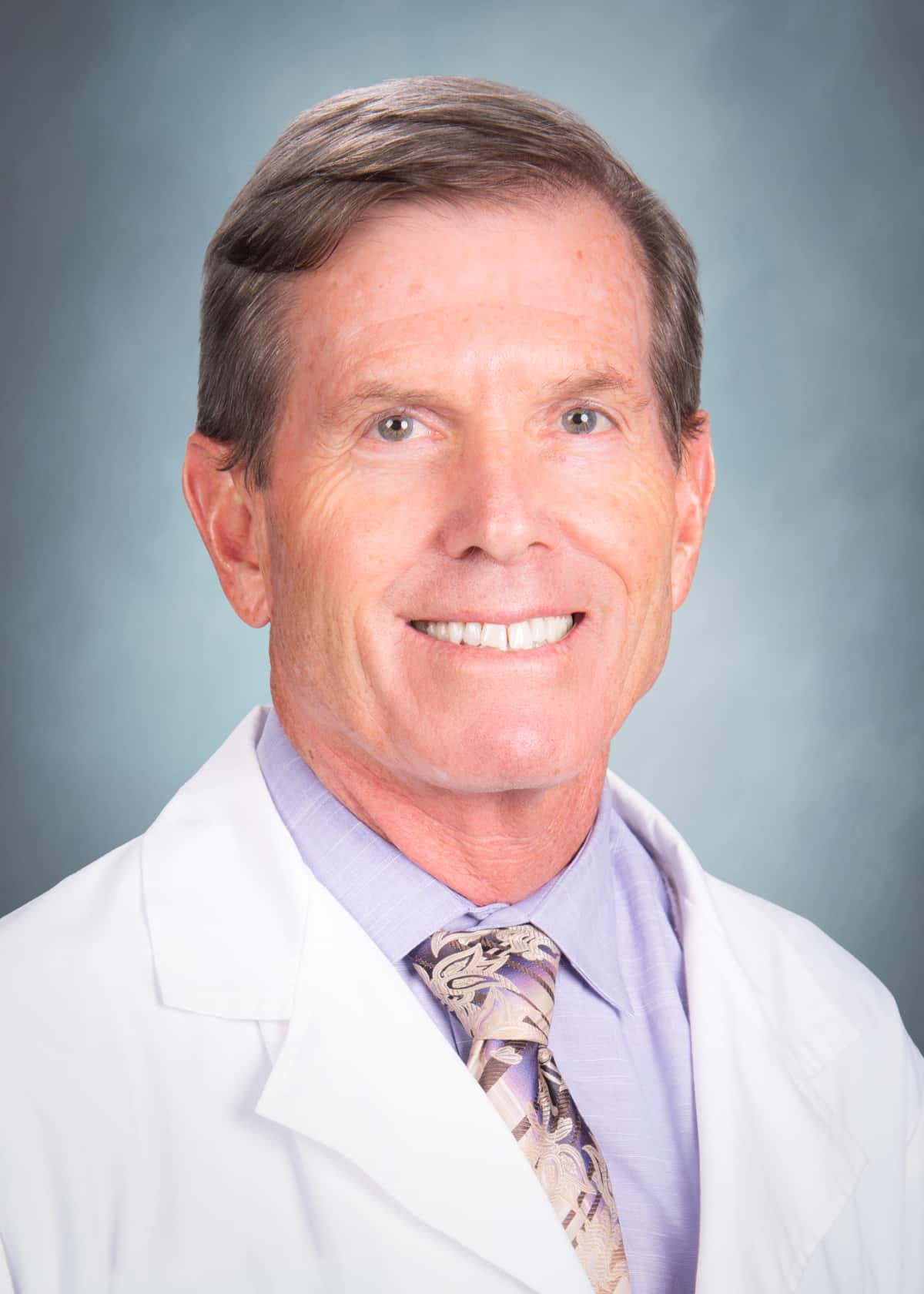
“Orthopedic injuries and chronic joint conditions can have a significant impact on a person’s quality of life,” said Dr. Friedman. “My goal is to help patients understand their treatment options, relieve pain and restore function so they can return to the activities that are important to them. I am excited to join ECU Health and serve patients in Duplin County and the surrounding communities to bring high quality care close to home.”
Patients interested in scheduling an appointment at ECU Health Orthopedics – Kenansville can call 844-325-2555.
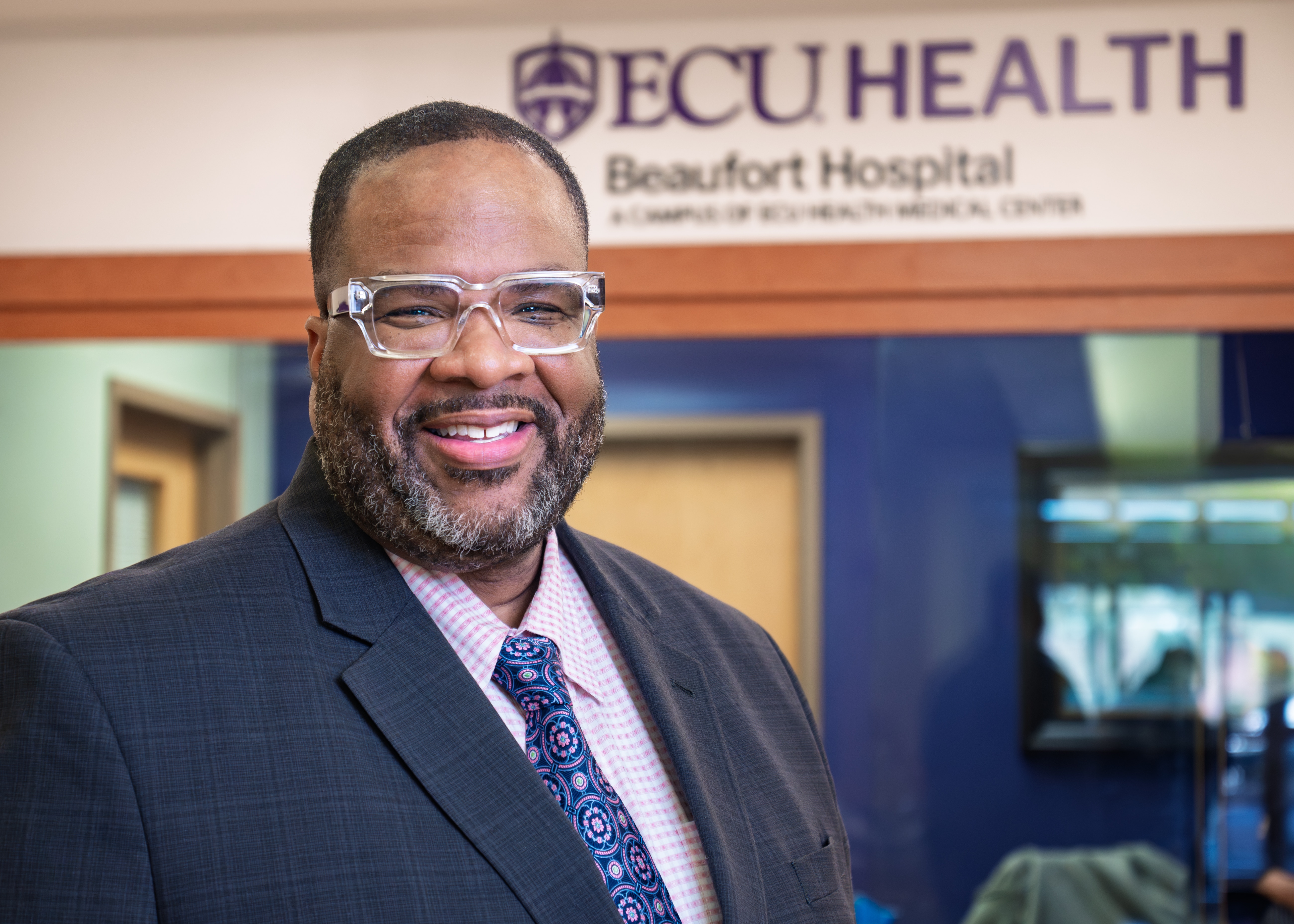
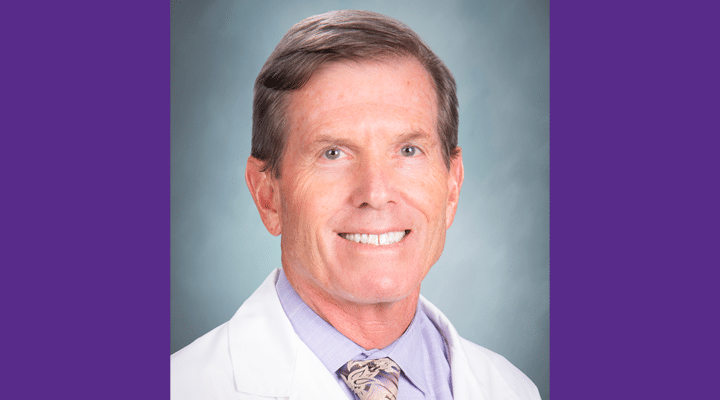
Greenville, N.C. – ECU Health is proud to announce that Dennis Campbell, II, DHA, RN, president of ECU Health Beaufort Hospital – a Campus of ECU Health Medical Center, has been named to Becker’s Hospital Review’s list of 240 Community Hospital Presidents and CEOs to Know for 2026. The national recognition highlights hospital leaders who are making a meaningful impact in their communities by advancing access to high-quality care, strengthening their organizations and developing innovative solutions to meet local health care needs.
“This recognition is only possible because of the incredible team here at ECU Health Beaufort Hospital, and I am honored to work with dedicated people who make an impact across our region,” Campbell said. “Patients deserve a place to receive high-quality care, and team members deserve a supportive, fulfilling work environment, close to home. We are proud to continue to move forward and help build the national model for academic rural health care.”
According to Becker’s, these leaders prioritize expanding their institutions’ offerings, making sure to weave primary care, specialty treatments, rehabilitation and public health programs into a broader picture of community health. Simultaneously, they are shaping the cultures that attract and retain talented caregivers, building long-term strategies that position their hospitals for growth and maintaining the financial discipline that keeps high-quality, cost-effective care within reach for their communities.
“Dennis’s commitment to all facets of rural health care is a shining example of what makes our mission-driven health system successful,” said Jay Briley, president, ECU Health Medical Center. “He understands that workforce development, operational excellence and meaningful community partnerships are essential to innovate and grow right here in eastern North Carolina. This recognition reflects not only his leadership, but also his unwavering dedication to ensuring patients in rural eastern North Carolina have access to the care they need, when and where they need it.”
Since joining ECU Health, Campbell has focused on expanding access to services, strengthening workforce development efforts and fostering partnerships that improve the health and well-being of communities across Beaufort County and the surrounding region. His leadership has helped advance ECU Health’s mission to improve rural health outcomes while ensuring patients can receive exceptional care in eastern North Carolina.

Greenville, N.C. – The American Heart Association/American Stroke Association has awarded all nine ECU Health hospitals Get With The Guidelines® achievement awards for demonstrating commitment to following up-to-date, research-based guidelines for the treatment of heart disease, stroke and diabetes, ultimately leading to more lives saved, shorter recovery times and fewer readmissions to the hospital.
“For the fourth consecutive year, every ECU Health hospital has earned national recognition for delivering evidence-based care for some of the most serious and prevalent health conditions affecting eastern North Carolina,” said Brian Floyd, chief operating officer, ECU Health. “Achievements like this require an extraordinary level of commitment from physicians, nurses, pharmacists, therapists and support teams across our system who work every day to ensure patients receive the right care at the right time.
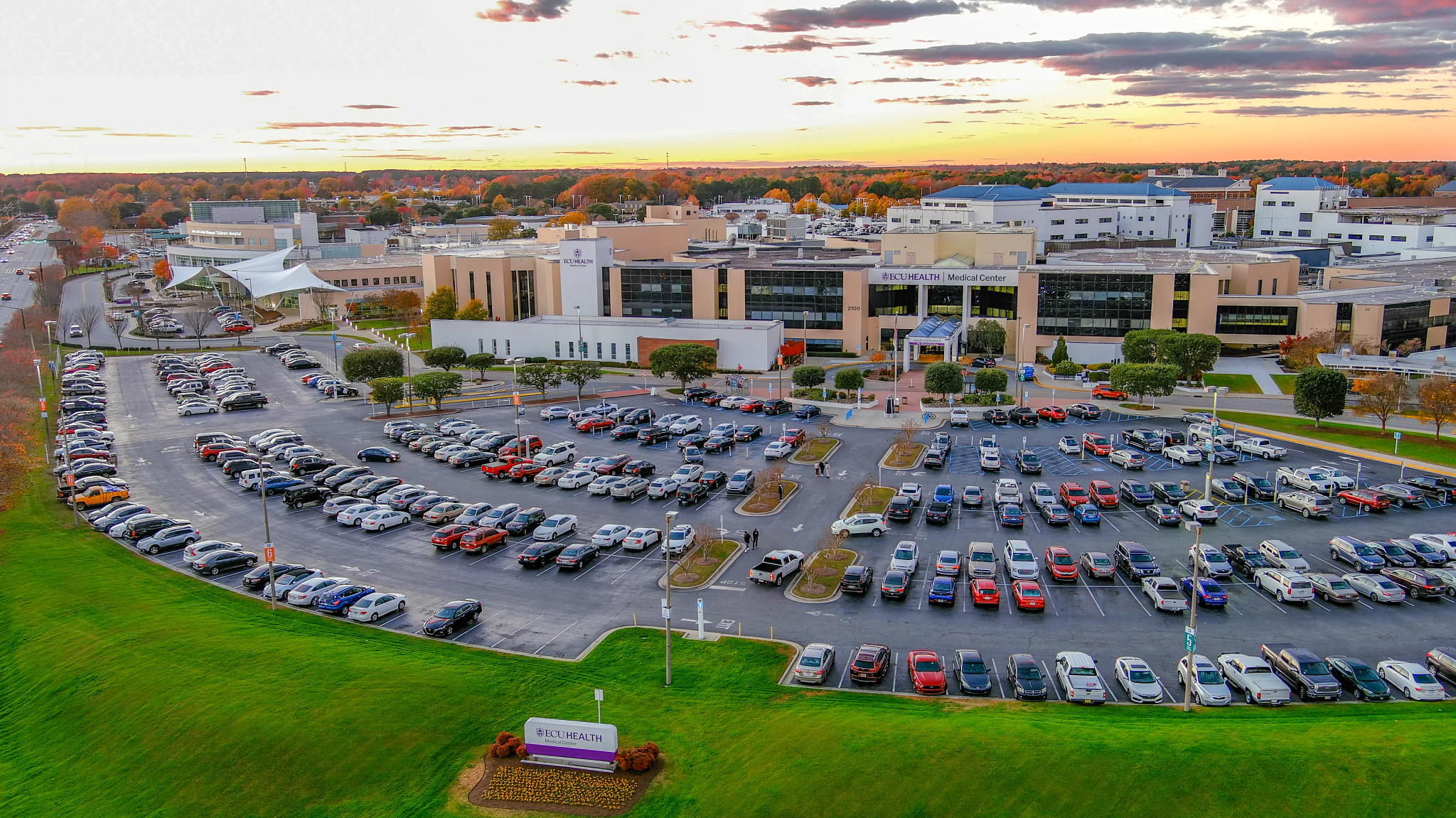
This recognition reflects the strength of our health system and our dedication to bringing nationally recognized care to the rural communities we serve.”
Heart disease and stroke are the No. 1 and No. 4 leading causes of death in the United States, respectively, according to the American Heart Association’s 2026 Heart Disease and Stroke Statistics Report. Studies show patients can experience better outcomes when care teams consistently follow evidence-based treatment guidelines. Every 40 seconds, someone in the U.S. suffers a stroke, adding up to nearly 795,000 new or recurrent cases each year. Tragically, stroke claims about 140,000 lives annually. Eastern North Carolina bears an even heavier burden, with stroke mortality rates exceeding national averages. The region also grapples with disproportionately high rates of diabetes and cardiovascular disease, highlighting the importance of targeted prevention and timely intervention.
“People in eastern North Carolina face some of the highest rates of stroke, heart disease and diabetes in the state, making access to high-quality care critically important,” said Dr. Niti Armistead, chief quality officer and chief clinical officer, ECU Health. “The Get With The Guidelines program helps ensure that patients receive care grounded in the latest scientific evidence, and these awards demonstrate our teams’ unwavering commitment to that standard. Whether a patient arrives at one of our community hospitals or our academic medical center, they can be confident they are receiving care built on proven practices that improve outcomes, reduce complications and support healthier lives.”
Evidence shows that patients fare significantly better when health care providers follow established treatment protocols, such as those outlined in the Get With The Guidelines program. Consistent adherence to these evidence-based practices leads to improved recovery outcomes and can help reduce the devastating impact of stroke and heart disease.
“These awards reflect ECU Health’s commitment to caring for people in their community who need cardiovascular care,” said Karen E. Joynt Maddox, M.D., MPH, chair of the American Heart Association Quality Oversight Committee. “By following the American Heart Association’s quality improvement protocols, ECU Health can help advance our shared vision of better patient outcomes, fewer readmissions and lower mortality rates — a win for patients, families and health care systems.”
ECU Health recognitions include:
ECU Health Beaufort Hospital – A Campus of ECU Health Medical Center
- Get With The Guidelines – Stroke Gold Plus with Target: Type 2 Diabetes™ Honor Roll and Stroke Honor Roll
- Get With The Guidelines – Rural Stroke Gold
- Get With The Guidelines – Resuscitation Bronze Adult
- Get With The Guidelines – Rural Coronary Artery Disease STEMI Gold
ECU Health Bertie Hospital
- Get With The Guidelines – Coronary Artery Disease STEMI Referring Center Bronze
- Get With The Guidelines – Rural Stroke Gold
- Get With The Guidelines – Stroke Gold Plus
- Get With The Guidelines – Rural Coronary Artery Disease STEMI Gold
ECU Health Chowan Hospital
- Get With The Guidelines – Coronary Artery Disease STEMI Referring Center Bronze
- Get With The Guidelines – Rural Stroke Gold
- Get With The Guidelines – Stroke Gold Plus with Target: Type 2 Diabetes Honor Roll
- Get With The Guidelines – Rural Coronary Artery Disease STEMI Gold
ECU Health Duplin Hospital
- Get With The Guidelines – Rural Coronary Artery Disease STEMI Gold
- Get With The Guidelines – Stroke Gold Plus with Target: Type 2 Diabetes Honor Roll and Stroke Honor Roll
- Get With The Guidelines – Rural Stroke Gold
- Get With The Guidelines – Coronary Artery Disease STEMI Referring Center Bronze
ECU Health Edgecombe Hospital
- Get With The Guidelines – Rural Coronary Artery Disease STEMI Gold
- Get With The Guidelines – Rural Stroke Gold
- Get With The Guidelines – Stroke Gold Plus with Target: Type 2 Diabetes Honor Roll
ECU Health Medical Center
- Target: Survival – Adult
- Get With The Guidelines – Resuscitation Newly Born Silver
- Get With The Guidelines – Resuscitation Neonate/Infant Gold
- Get With The Guidelines – Resuscitation Pediatric Gold
- Get With The Guidelines – Resuscitation Adult Bronze
- Get With The Guidelines – Coronary Artery Disease STEMI Receiving Center Gold with Target: Type 2 Diabetes Honor Roll
- Get With The Guidelines – Coronary Artery Disease NSTEMI Gold with Target: Type 2 Diabetes Honor Roll
- Stroke Gold Plus with Target: Stroke Honor Roll Elite Plus, Advanced Therapy and Target: Type 2 Diabetes Honor Roll
ECU Health North Hospital
- Get With The Guidelines – Rural Stroke Gold
- Get With The Guidelines – Stroke Silver Plus with Target: Type 2 Diabetes Honor Roll
- Get With The Guidelines – Rural Coronary Artery Disease STEMI Gold
ECU Health Roanoke-Chowan Hospital
- Get With The Guidelines – Rural Stroke Gold
- Get With The Guidelines – Stroke Bronze
- Get With The Guidelines – Rural Coronary Artery Disease STEMI Gold
- Get With The Guidelines – Coronary Artery Disease STEMI Referring Center Bronze
Outer Banks Health Hospital
- Get With The Guidelines – Stroke Gold Plus with Target: Stroke Honor Roll and Target: Type 2 Diabetes Honor Roll
- Get With The Guidelines – Rural Stroke Gold
- Get With The Guidelines – Coronary Artery Disease STEMI Referring Center Bronze
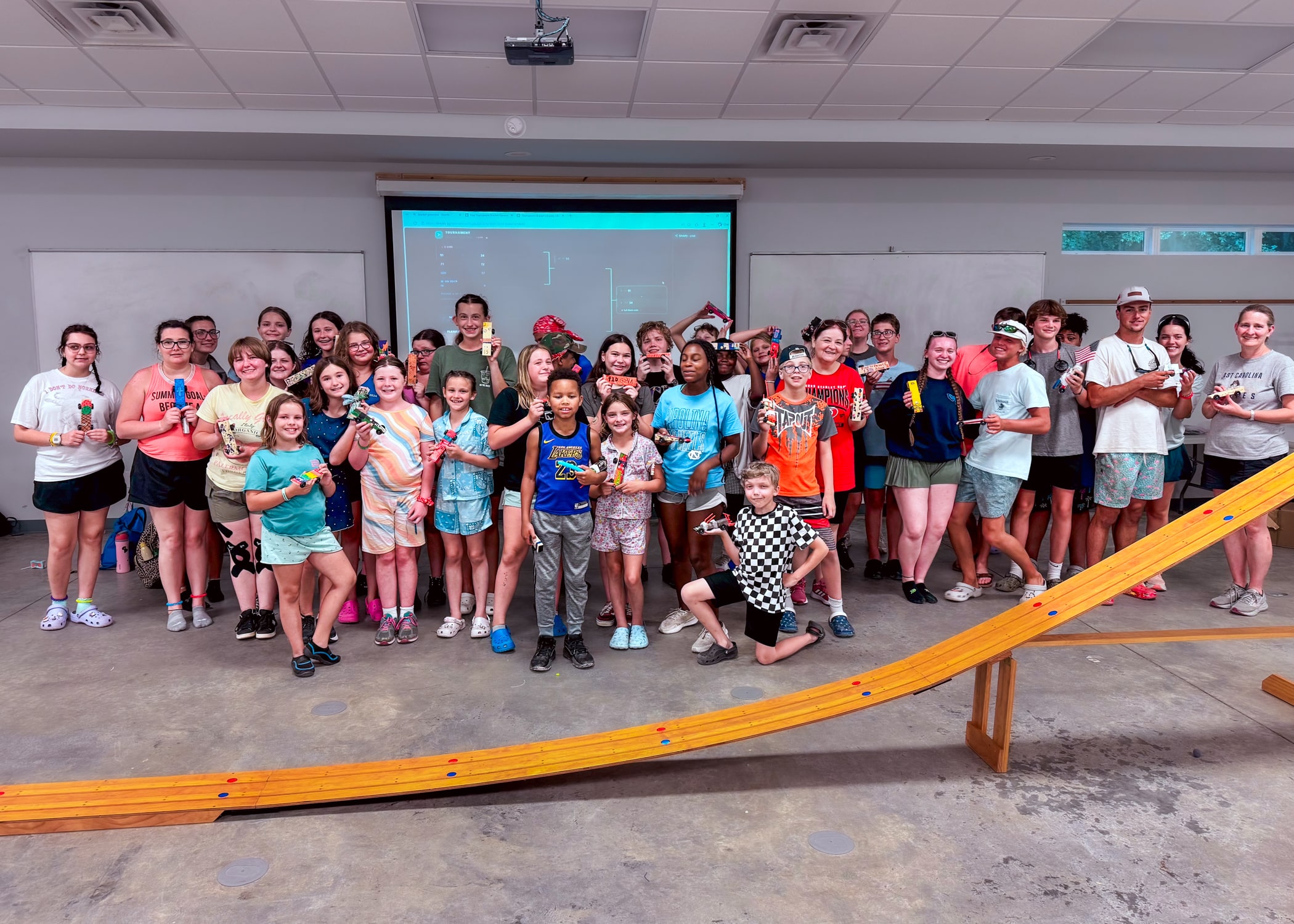
For one week each summer, Camp Needles in the Pines transforms a traditional summer camp experience into something much more meaningful for children living with Type 1 diabetes. Located at Camp Boddie in Blounts Creek, campers spend their days kayaking, swimming, climbing, creating crafts and making lifelong friendships. Unlike most summer camps, however, every child at Camp Needles in the Pines shares a common bond: managing Type 1 diabetes.
Founded in 1985, Camp Needles in the Pines serves children ages 8 to 14, while older teens participate as counselors-in-training before eventually becoming counselors themselves. The camp is supported through a partnership between the Brody School of Medicine at East Carolina University, ECU Health and ECU Health Foundation, with funding assistance from Children’s Miracle Network and community donors.
For Camp Director Mindy Saenz, a registered dietitian and diabetes educator with ECU Health Pediatric Specialty Care, the camp’s impact extends far beyond outdoor activities and summer fun.
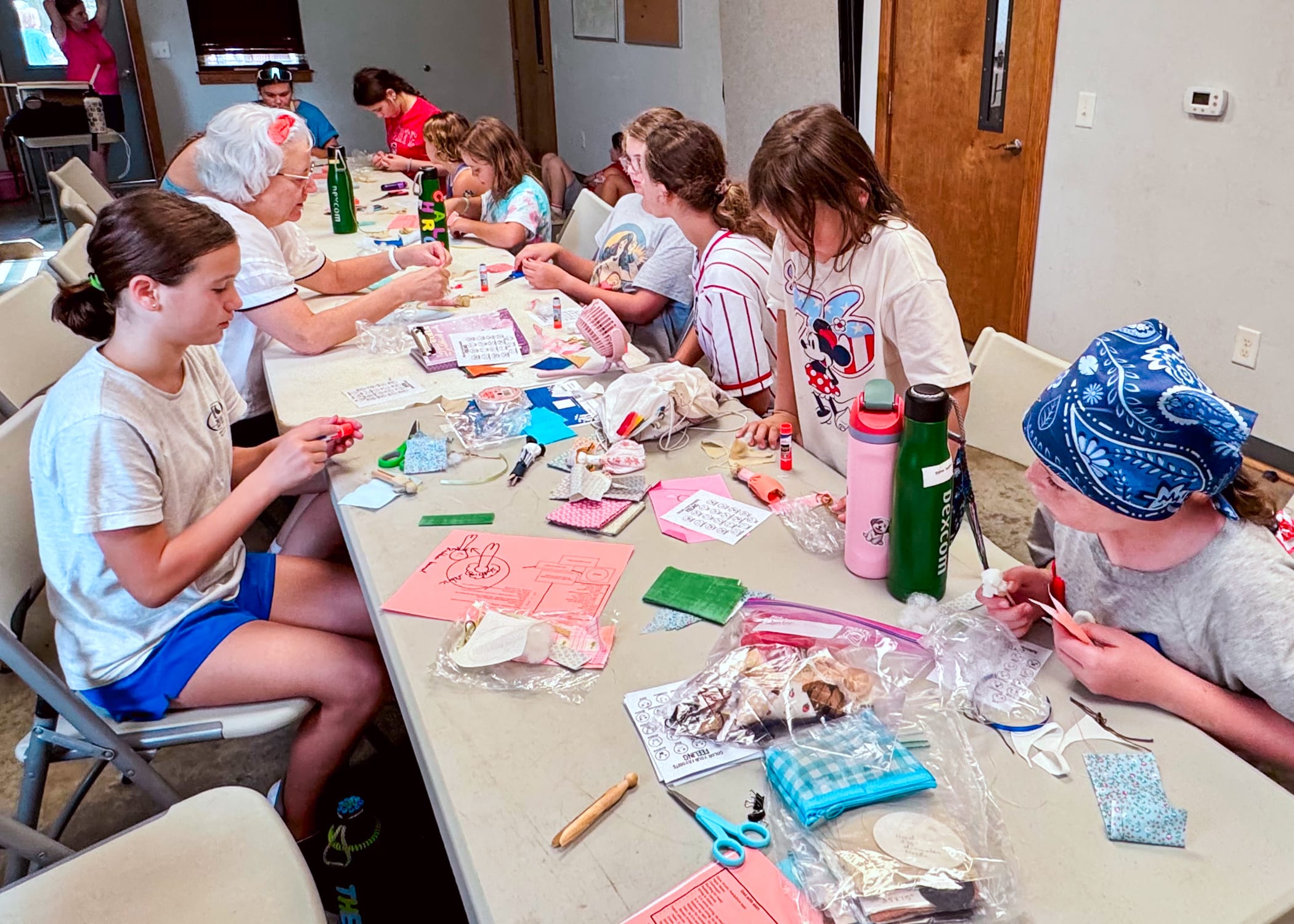
For Camp Director Mindy Saenz, a registered dietitian and diabetes educator with ECU Health Pediatric Specialty Care, the camp’s impact extends far beyond outdoor activities and summer fun.
“A lot of the kids might be the only one in their whole school who has Type 1 diabetes,” Saenz said. “Here at camp, every single camper has Type 1 diabetes. Everybody counts carbs together, gets insulin together and understands exactly what everyone else is going through.”
This year, 51 campers from across North Carolina – and even one from Texas – attended camp. Throughout the week, they participated in activities including paddleboarding, archery, rifle and shotgun shooting, arts and crafts, STEM projects, ecology programs and a traditional camp talent show.
While camp looks like a typical summer camp on the surface, extensive planning ensures every camper can safely participate.
“The biggest thing is making sure we have enough medical staff,” Saenz said. “Each group has a medical staff person assigned to be with them at all times.”
Camp leaders also coordinate donated insulin, blood glucose testing supplies, glucose treatments and other medical necessities. Daily diabetes education and nutrition classes are woven into the schedule, helping campers build confidence in managing their condition.
Perhaps most importantly, campers are encouraged to celebrate milestones. Whether it is checking their blood sugar independently for the first time or changing an insulin pump site on their own, each achievement is recognized in front of fellow campers.
“We announce it and everybody cheers,” Saenz said. “It’s really about fostering independence and helping them realize they can do these things themselves.”
That sense of support and belonging is what keeps many campers coming back year after year.
Madelyn Sutter knows that feeling well. Now 18 and serving as a counselor-in-training, she has attended Camp Needles in the Pines since she was 8 years old.
“At home, my only experience was my sister also being Type 1,” Sutter said. “There was no one else in my school or sports. Being at camp, everyone is the same for once. Everyone has diabetes and everyone’s going through the same thing.”
Today, she enjoys helping younger campers navigate challenges she once faced herself.
“A lot of them have that same experience where there’s no one at home that’s going through the same thing as them,” she said. “I remember being their age, so I can help them get through whatever’s going on.”
Sutter said the community campers find at Camp Needles in the Pines is unlike anything else.
“It’s my favorite week of the year,” she said. “I count down the days.”
For 16-year-old counselor-in-training Kade McLawhorn, the relationships built at camp are the reason he returns every summer.
“It’s just the people,” McLawhorn said. “Year after year, having the same people you can hang out with and bond with. Sometimes we don’t get to see each other that much, but at least once a year we come together and make some great memories.”
In addition to supporting campers, Camp Needles in the Pines provides a unique learning environment for future health care providers. Dr. Caleb Oakley, a fourth-year Internal Medicine-Pediatrics resident at
ECU Health volunteered at camp this year while completing a pediatric endocrinology rotation.
“In the hospital, things are very black and white with protocols,” Dr. Oakley said. “When you come to camp, you get to see the art of medicine and how individualized diabetes care really is.”
Working alongside campers allowed Dr. Oakley to gain experience with insulin pumps, continuous glucose monitors and the day-to-day realities of living with diabetes.
One of the moments that left the biggest impression on him was watching campers reach personal milestones.
“You can see how proud they are of themselves,” he said. “They’re away from home, outside their comfort zone, and taking big steps in managing their own care.”
Beyond the clinical experience, Dr. Oakley said camp also showed him the importance of community for children living with Type 1 diabetes.
“One thing I underappreciated before coming here was how different it can feel being a kid with Type 1 diabetes,” he said. “At camp, they’re not outsiders. This is the norm. They get to just be kids.”
For Saenz, that feeling of belonging remains at the heart of Camp Needles in the Pines nearly four decades after its founding.
“It’s really about being with other people who understand,” she said. “The friendships they build here last a lifetime.”
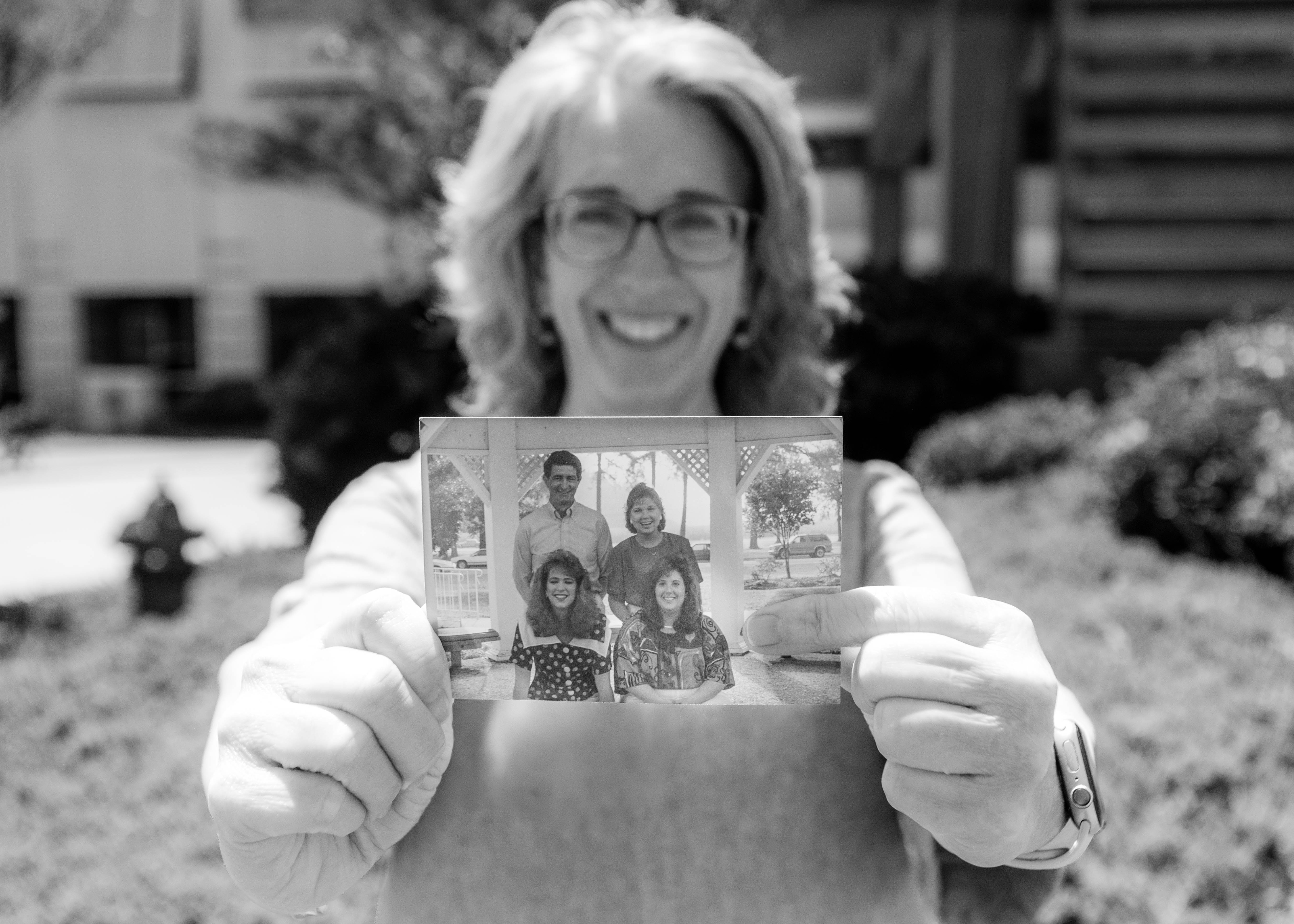
Tonya Moye, a mammography technologist IV, began her career at what was then Pitt County Memorial Hospital (PCMH) in 1991, where she worked in x-ray and CT. A severe car accident in 1995 and an unexpected move to Dare County set Moye up for the opportunity to work at what became Outer Banks Health, where she’s been ever since.
Moye’s interest in radiology began with a high school research paper on radiologic technology, and after graduation she attended Pitt Community College where she got her degree in x-ray and special imaging. Transitioning to PCMH made sense for the Winterville native – partially due to its proximity to home and partially because she completed much of her training at that very hospital.
“It already felt like home for me,” she said. “My mentor taught me so much, and I worked with a few people I knew from high school. A few of our radiologists had small children and I babysat for them.”
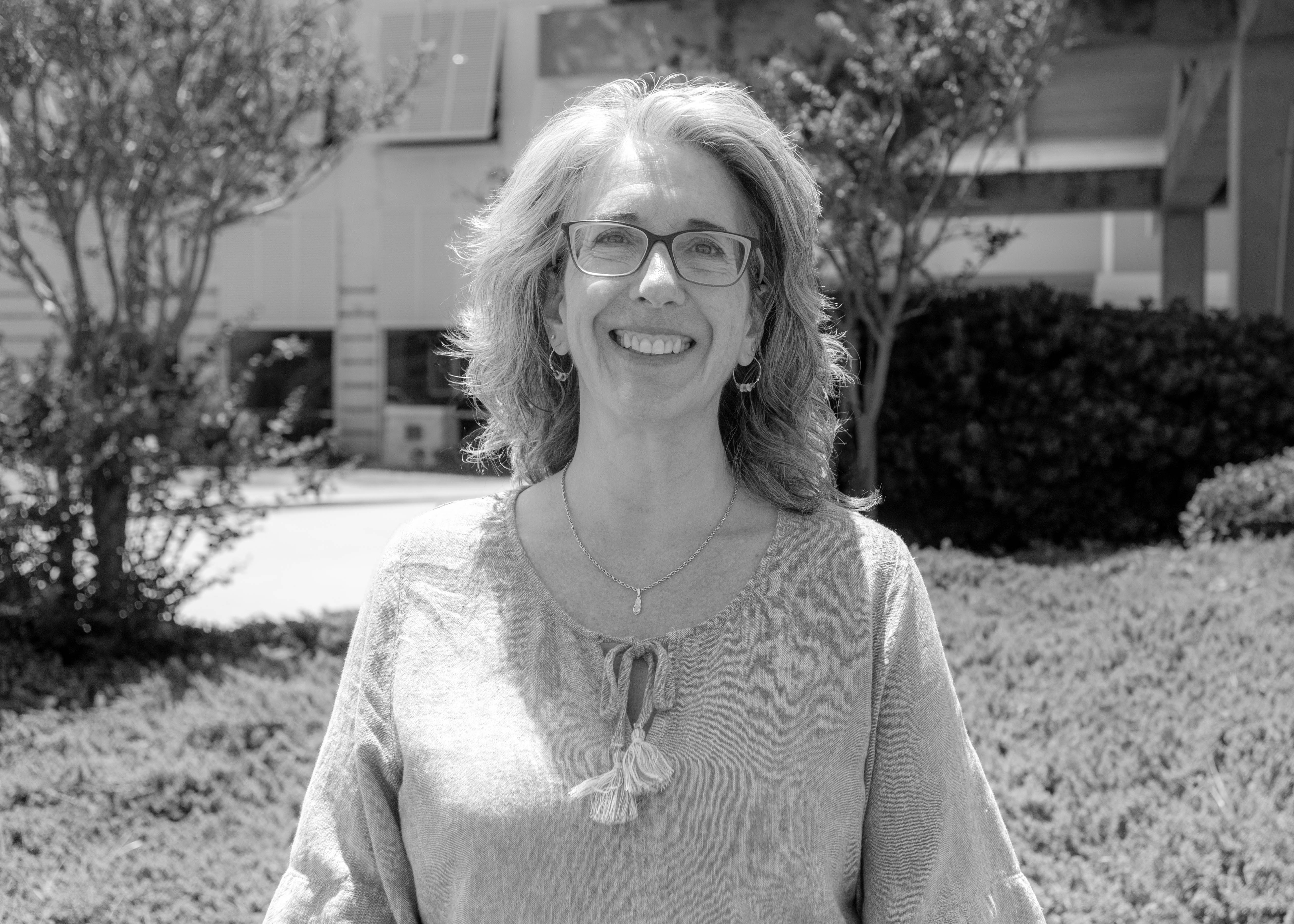
Seeking continuing education credits, Moye opted for a certification in mammography.
“The way life and God work, I used that knowledge a few years later when Outer Banks Hospital needed a mammography tech,” Moye said. “The supervisor was a guru and said she’d teach me everything she knew, so I made a change from x-ray and CT.”
That change was fortuitous; Moye said she is blessed to still love what she does every day.
“I have some patients I have seen every year since the day I started at this hospital, and that’s 24 years,” she said. “I know about their kids and pets and lives, and they know about mine. And, if something shows up on their mammogram, they feel like someone there really knows them and cares. They’re more than a number.”
In 35 years, Moye said she’s never considered working anywhere else.
“This is close to home. My mother still lives near Greenville,” she said. “Also, our department sees many patients, and our team works well together. My colleagues have seen me through health problems and kids and life. The people I’ve worked with have made work a good place to be.”
That includes her leadership’s support of her ongoing education, a vital part of her success and ability to evolve as technology changes.
“When I transitioned to mammography, my leadership supported me in taking classes at Johnson Community College and other continuing education,” she said. “Becky Ward, the director of radiology, has been the best leader I’ve ever had. She’s supportive and fights for what we need. We’re blessed to have her.”
A lot has changed when it comes to radiology, so having that level of support means Moye’s been able to adapt quickly.
“I can still smell the chemicals we used to process images,” she laughed. “That was when x-ray film was recycled for the silver in it. Now everything is digital. I never imagined computers would become such a large part of imaging, but it’s amazing how much everything has changed. But I am happier and more at peace than I have ever been in my life. My work enhances that.”
Retirement isn’t in Moye’s immediate future, but travel is, including a dream trip to Greece.
She also has a new grandchild on the way, and she has considered teaching in a radiology program.
“I think students don’t realize how vast radiology is and what options they have. You can go to school for two years and have so many areas you can work in,” she said. “I’d tell students or new graduates to focus on being their best, because that will take them where they want to go. Things change, but what’s consistent is how you treat your patients.”