
Celebrating Rural Health Day: The Beating Heart of Rural America’s Well-Being, Workforce and Economy
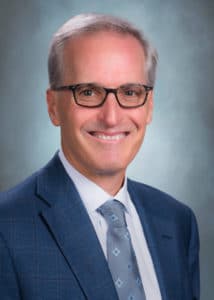
Dr. Michael Waldrum
Each year on National Rural Health Day, we pause to recognize the incredible contributions of those who provide care in rural communities. It is here, in rural America, where resilience, innovation, and compassion intersect to create lasting impacts in the lives of patients and their families.
But this day is more than a celebration of service. It’s a reminder that rural health care organizations are powerful engines of workforce development, economic vitality, and community well-being.
There’s no question that rural health care faces persistent challenges: workforce shortages, funding gaps, and infrastructure limitations. Yet, despite these realities, thousands of people across eastern North Carolina, and millions across the nation, go to work each day to care for others.
At ECU Health and the Brody School of Medicine at East Carolina University, we understand rural health care because it is who we are and what we do. Our rural hospitals and clinics aren’t just a small part of a broader health system, they are the heart of our mission to improve the health and well-being of eastern North Carolina. Within their walls are the people who make our vision of creating the national model for academic rural health care a reality.
We are proud of our rural identity, and it guides us in everything we do. In towns where the nearest hospital may be miles away and the population sparse, rural health care providers are often the largest employers. Clinics, hospitals, and community health centers like ours don’t just deliver care, they create jobs, train future professionals, and anchor local economies. From nurses and lab technicians to IT specialists and administrative staff, rural health care organizations offer career pathways that keep talent rooted in rural America.
Moreover, organizations like ours are uniquely positioned to cultivate the next generation of health professionals. Through partnerships with schools, colleges, and workforce organizations, they provide internships, apprenticeships, and continuing education that open doors and meet community needs. These programs don’t just fill vacancies, they build futures and empower young people to pursue meaningful careers without leaving their hometowns.
The economic ripple effect is profound. A thriving health care sector attracts new businesses, supports housing markets, and enhances quality of life—making rural communities more attractive for families and entrepreneurs alike. When rural health care is strong, the whole community flourishes.
So, on this National Rural Health Day, let’s celebrate the caregivers, support teams, educators, and advocates who make rural health care possible. And let’s also commit to supporting the policies, investments, and partnerships that strengthen their role as workforce developers and economic catalysts.
Because when rural health thrives—America thrives.
Mike Waldrum, MD, MSc, MBA
Chief Executive Officer, ECU Health
Dean, Brody School of Medicine at East Carolina University

The 29 learners who started their quality improvement journey a year ago as part of the Teachers of Quality Academy (TQA) 8.0 cohort officially wrapped up their participation in the program at a recognition ceremony Oct. 22. While the ceremony marked the end of the cohort’s formal learning sessions in the program, the multidisciplinary group of health care professionals is now poised to take their knowledge back to their workspaces with the goal of driving continuous quality improvement across ECU Health and the Brody School of Medicine at East Carolina University.
TQA is a professional development program for health care leaders designed to fundamentally change care delivery through a curriculum focused on building knowledge and skills in Health Systems Science which comprehensively explores how health care is delivered.
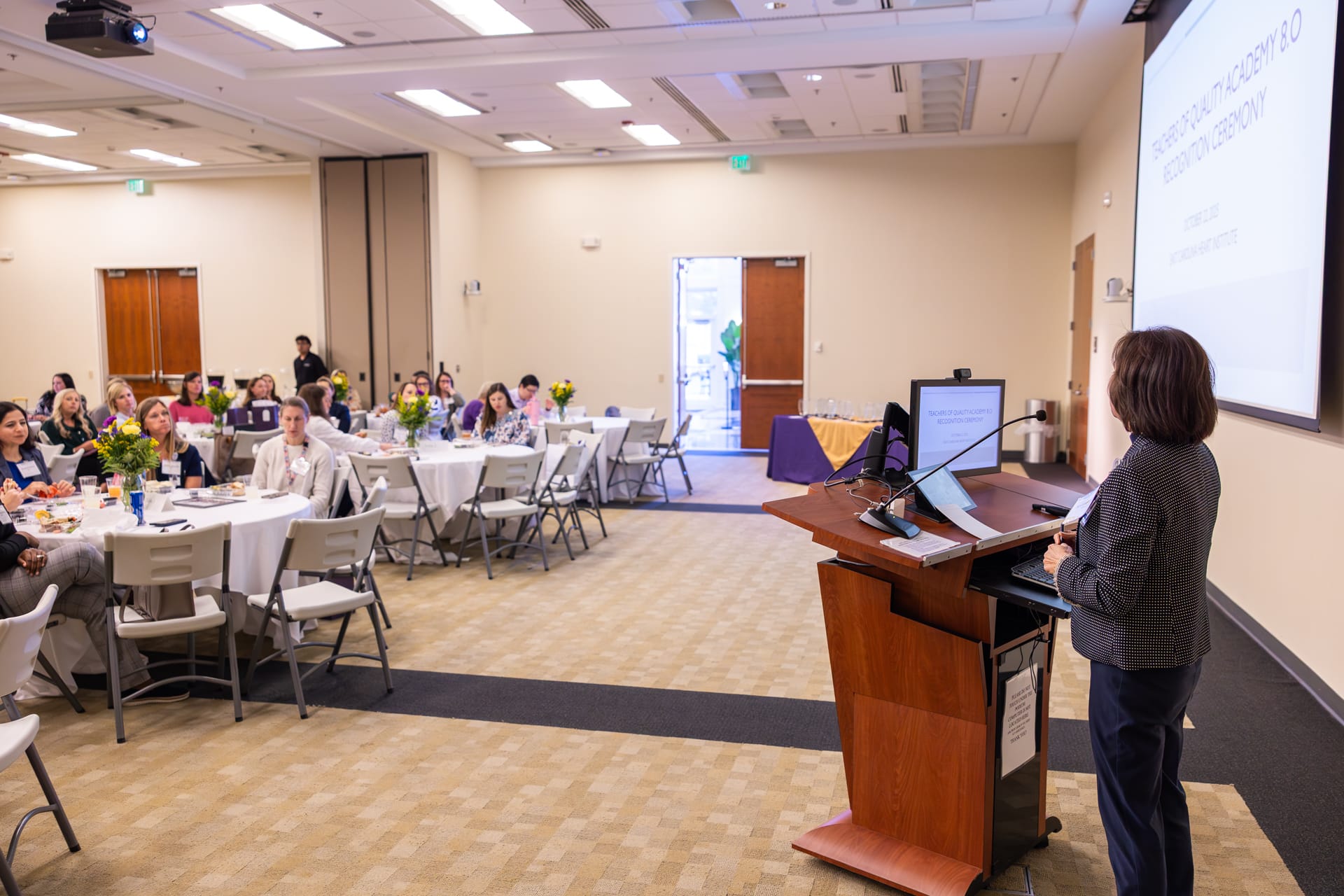
“We hope the biggest take away from this last year of learning is the importance of taking what they’ve learned back to their teams so they can apply their knowledge and skills to be catalysts for positive change in their local communities and local teams,” said Dr. Jennifer Sutter, TQA physician director. “This is a diverse group of professionals who represent many different parts of the health system so we’re confident they can have a broad impact on driving quality improvement for ECU Health and those we serve.”
The 8.0 cohort included health care professionals from clinical, administrative, leadership and educational backgrounds, all of whom were selected from a highly-competitive pool of applicants.
“The work that we do in health care is purposeful work, but nobody would define it as easy,” said Dr. Niti Armistead, chief medical officer and chief quality officer at ECU Health, during remarks at the recognition ceremony. “What I’ve found in my own quality journey is that quality improvement is the antidote to burnout by converting the burrs in the saddle into problems to be solved. Quality improvement is a way to re-establish your agency and feel like there are real things you can do to drive improvement and make a positive difference.”
Throughout the past year, participants engaged in advanced learning in quality improvement, patient safety and team leadership, develop improvement projects to apply these skills across the health system, teach others in their environment about these concepts and evaluate the outcomes of improvement interventions.
Lauren Chambers, pharmacy supervisor at ECU Health Medical Center, and Brynn Schiller, who started the program as an administrative fellow but now serves as a workforce development project manager, partnered together on a project aimed at improving hyperglycemia management for medical intensive care unit patients. Hyperglycemia, otherwise known as high blood sugar, can result in organ damage and other serious complications if not treated and managed quickly and effectively.
Chambers said that when the two were deciding which project to pursue, they wanted to be bold and pursue something meaningful and sustainable. For Chambers and Schiller, their hope is that others will take advantage of the opportunities provided through TQA to explore important topics in areas meaningful to them while making important connections along the way.
“You learn a lot about yourself and you get to connect with people you don’t normally connect with,” said Schiller. “I got to know Lauren who is clinical in pharmacy. My background is not clinical so it was really interesting to work together on a project where I didn’t know a lot but I learned a lot thanks to our work on the project together.”
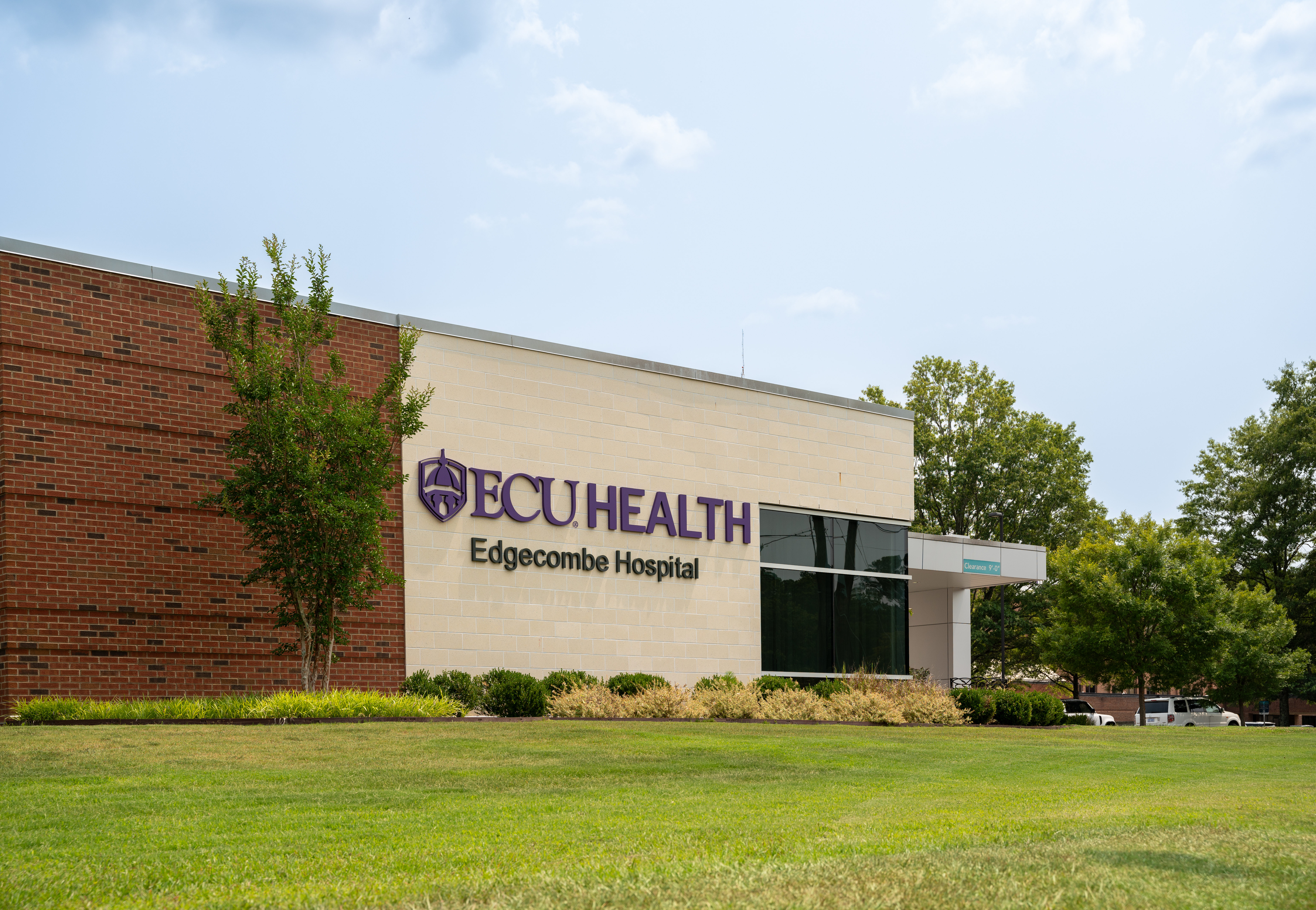
Tarboro, NC – ECU Health Edgecombe Hospital proudly commemorated 40 years of service to the community, honoring its legacy of compassionate care and medical innovation, at ECU Health Edgecombe Hospital on Thursday, Nov. 13, 2025. For four decades, ECU Health Edgecombe Hospital has served as a vital health care provider for the region, offering a wide range of services and specialties to meet the evolving needs of its patients.
“We are honored to celebrate four decades of service to our community,” said Patrick Heins, president of ECU Health Edgecombe Hospital. “From our earliest days to now, our team has remained committed to delivering high-quality, patient-centered care. This milestone is a testament to the dedication of our team members and to the trust our community places in us. As we celebrate 40 years of service, we look ahead to continue growing, innovating and ensuring that every patient who walks through our doors receives the highest standard of care.”
To mark the occasion, ECU Health Edgecombe hosted an event with nearly 200 attendees, including employees, donors, retirees, members of the board of directors and development council, local government and businesses. The hospital also hosted a celebration on Wednesday, Nov. 12, 2025, for team members. Patrick Heins opened the ceremony by welcoming guests, former president Jim Raynor and Drs. David Miller and Mark Petruzziello reflected on the past 40 years.
Originally dedicated in October 1985, the hospital opened its doors to patients on Nov. 1, 1985. Over the years, the hospital has introduced numerous advancements, including the opening of the Women’s Pavilion and Special Beginnings Birthing Center in 1987 and the Heritage Cancer Care in 1998 in partnership with Brody School of Medicine at East Carolina University. ECU Health Edgecombe Hospital joined what is now the ECU Health system in October 1998. In the spring of 2005, the OB/GYN unit received national recognition from the Jackson Organization for having the highest patient satisfaction scores of any hospital in its category.
The hospital continued to expand its services with the opening of the Heritage Chronic Heart Failure Clinic in 2004. The cancer center earned accreditation from the American College of Surgeons in 2009. In 2012, the hospital launched a telehealth and care coordination program to support patients with cardiovascular and pulmonary conditions transitioning from hospital to home and opened its behavioral health clinic. Inpatient dialysis services were added in 2014, followed by a major expansion of the ECU Health Multispecialty Clinic–Tarboro in spring 2015. The emergency department implemented a Telestroke Program in 2016, and an eight-bed Medical Intermediate Care Unit (MIU) opened in 2017. In 2020, the hospital introduced a dedicated Palliative Care Suite. By 2024, ECU Health Edgecombe expanded its MIU to 12 beds and opened a fourth operating room, further expanding its capacity to serve the community.
“Throughout ECU Health Edgecombe’s history, we have embraced innovation to better serve our patients,” said Van Smith, president of ECU Health Community Hospitals. “From expanding access to specialized services like cancer care, to implementing cutting-edge programs in telemedicine and stroke response, ECU Health Edgecombe has consistently led with providing patient-centered care in the forefront. Our team members have built a legacy of excellence that reflects integrity, community and a continual commitment to meeting ECU Health’s mission of improving the health and well-being eastern North Carolina.”
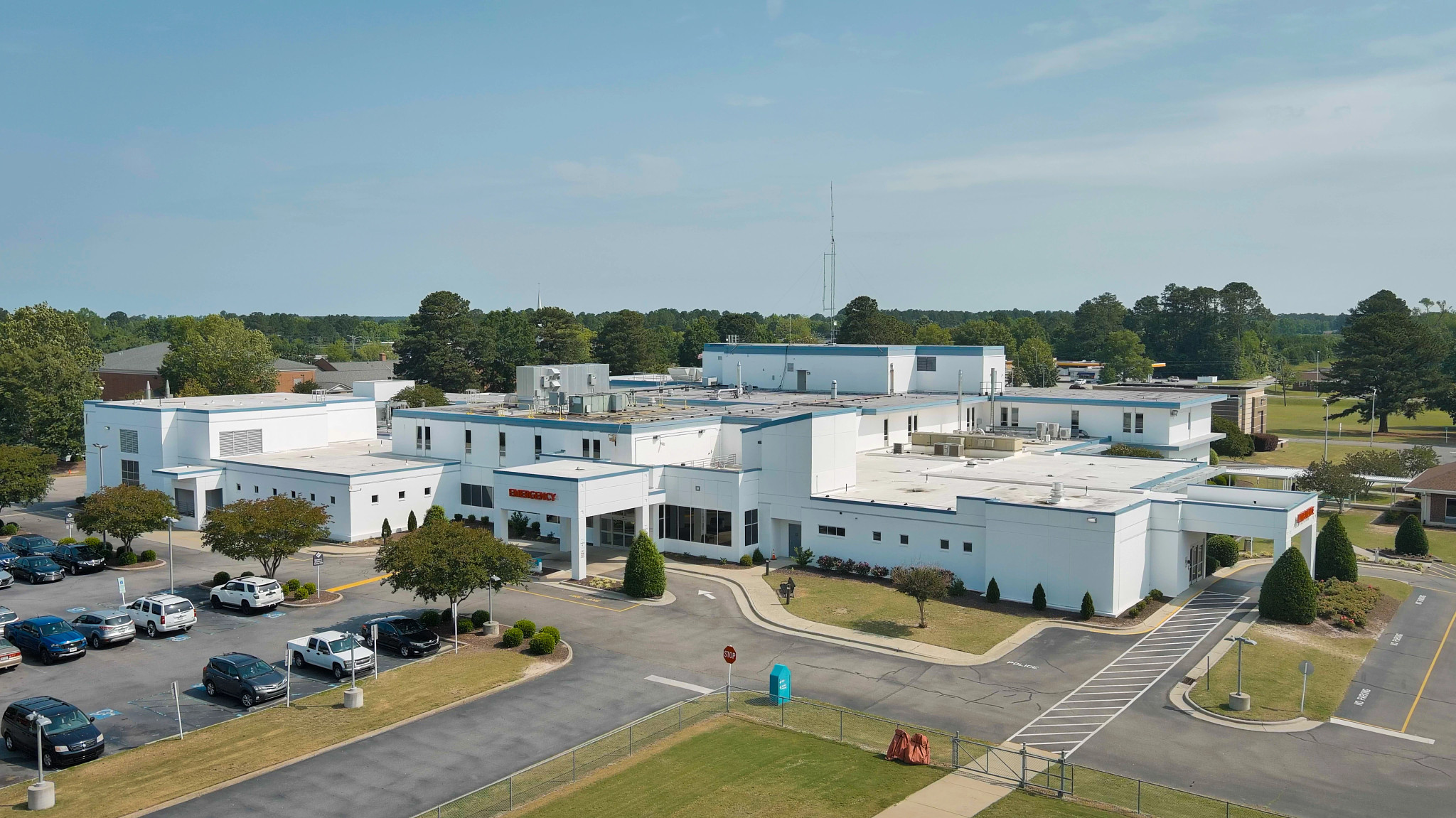
Edenton, NC – ECU Health Chowan Hospital has been nationally recognized for excellence in patient experience, earning the second spot on PEP Health’s 2026 US Hospital Rankings. This recognition places ECU Health Chowan Hospital among the top-performing hospitals in the country, based on real-time feedback from patients and families.
“Being recognized as one of the top hospitals in the country for patient experience is a tremendous honor,” said Brian Harvill, president of ECU Health Chowan Hospital. “This achievement reflects the compassion, dedication and professionalism of our entire team. We are proud to serve our community and remain committed to delivering excellent care.”
PEP Health’s rankings are based on tens of millions of unsolicited online comments posted between Sept. 1, 2024, and Aug. 31, 2025, across public review sites, forums and social media. Using an AI-powered platform, PEP Health analyzes and validates patient sentiment to provide a transparent, unbiased view of how care is experienced across the country. To be eligible, hospitals must have received at least 365 unsolicited comments and consistently high scores across seven domains of patient-centered care, including: Fast Access, Effective Treatment, Emotional Support, Communication & Involvement, Continuity of Care, Attention to Physical & Environmental Needs and Billing & Administration.
“Patient experience is a powerful reflection of values in action, and this recognition from PEP Health affirms the importance of listening to our patients and continuously improving based on their insights,” said Dr. Julie Kennedy Oehlert, chief experience officer at ECU Health. “Being recognized nationally for excellence across multiple elements of people-centered care affirms from our patients that we are providing safe, healing environments. I am grateful for our teams and this recognition is validation of the ECU Health team’s commitment to improving the health and well-being of eastern North Carolina.”
According to PEP Health, hospitals that prioritize patient experience see improved clinical outcomes, stronger financial performance and enhanced health equity. Last year, ECU Health Medical Center recognized as leader in patient experience for second consecutive year by PEP Health. To ensure fairness and representation, only the top-performing hospital per health system is featured. Positive experiences also influence CMS Star Ratings and play a key role in attracting and retaining patients.

Kelly Spivey received a call from an ECU Health recruiter during a difficult time of her life.
“I was in a vulnerable situation at home, and I was looking for a way out,” she said. “I cried out to God about what to do. Then the recruiter called me.”
The recruiter invited Kelly to a job fair, citing an application Kelly had filled out. The only catch was Kelly hadn’t filled out an application.
“Then how did your information come across my desk?” the recruiter asked.
“I felt like God was telling me where to go, so I went to the job fair,” Kelly said. “I received three job offers that day. I packed up me and my two boys and moved with nothing. I’ve been here ever since.”
That was in 2012. Kelly began working in the traumatic brain injury (TBI) unit as a care partner, and she loved it.
“I had always felt a calling to work in health care, and in this job, I got to work with a special population of patients. I also met my now-husband, Lee Spivey, who was a charge nurse there.”
When a physical therapy technician announced his retirement from the rehab team, he suggested Kelly apply for his job.
“I interviewed and started working as a tech in 2014,” she said. “I joined the military in 2016, but I stayed at the hospital PRN. Lee and I got married in 2016, and he transferred to [ECU Health] Edgecombe Hospital, but I stayed in Greenville working in rehab, drilling for the National Guard on weekends and serving as the after-school director at my kids’ school.”
Even when the pandemic shut down schools, Kelly still worked PRN at ECU Health Medical Center and in a remote position at the Down East partnership. Over the next few years, Kelly found out she was pregnant, had a miscarriage, left the military, discovered she was pregnant again and supported her husband when he was diagnosed with stage 4 lymphoma and later had a heart attack.
“During all of this, Edgecombe hospital and the whole community supported our family,” Kelly said. “I was able to stay on at work because my team worked with me. They have a special part of my heart,” Kelly said. “It’s been such a roller coaster, but the two hospitals gave us hope.”
In June 2024, Kelly received a call from a friend at ECU Health Edgecombe Hospital asking if she’d like to apply for a community health position.
“I really loved working in rehab, but the manager reminded me community is what I do,” Kelly said. “I prayed on it and applied, and I got the job. I’m so glad I did. It’s truly been a blessing.”
A legacy of service
Community is what Kelly does. In addition to her professional work, she established a community pantry, which she runs out of her own house, in April 2018.
“I was coming home one day with my children, and there was a homeless man on the street,” Kelly said. “My son wanted to give him an oatmeal cake, but the man didn’t want to take it. It was laid on my heart to give people a place they could get what they needed and not feel like they were taking it from someone.”
Kelly cleaned up some old furniture, collected food and toiletries, and announced the pantry on her Facebook account.
“It became a hit – people were using it,” she said.
Now, Kelly said people frequently donate to and take what they need from the pantry.
“People might clean out their closets, or those of a loved one, and drop off clothes,” she said. “Sometimes people drop off one thing and pick up something else. Grandparents come and get snacks for their grandkids, or people get a boxed cake mix for a birthday celebration.”
Kelly cited her parents as inspiration for her passion for service.
“My dad could fix anything outside the house, and my mom could fix things inside,” she shared. “My dad always had a huge garden, and he’d drop off food to people in the neighborhood. My mom could sew, and she made us clothes and even made a wedding dress and all the bridesmaid dresses for a woman who was getting married. She was always that person in the family. When I received the Governor’s Volunteer Award, I drove all the way home to Whiteville to give it to her.”
The “sandwich lady”
In her current role, Kelly was instrumental in bringing the Summer Meal Program to Tarboro. She and her team landed on using Braswell Community Center and Park in Tarboro as the hub for their program.
The Summer Meal Program is a partnership between ECU Health and Sodexo, the ECU Health Foundation and Food Lion Feeds to provide free meals to kids, teens and those with disabilities throughout the summer. Free meals are also offered in Ahoskie, Bethel and Greenville.
“It gave people a place they could play, eat and have access to air conditioning,” Kelly explained. “Seeing kids run up and get something to eat – it took me back to my own days as a single mom. I had a calendar with local restaurants’ ‘kids eat free’ days, and that’s how we ate for a while. It upset me to think of those kids not having something to eat.”
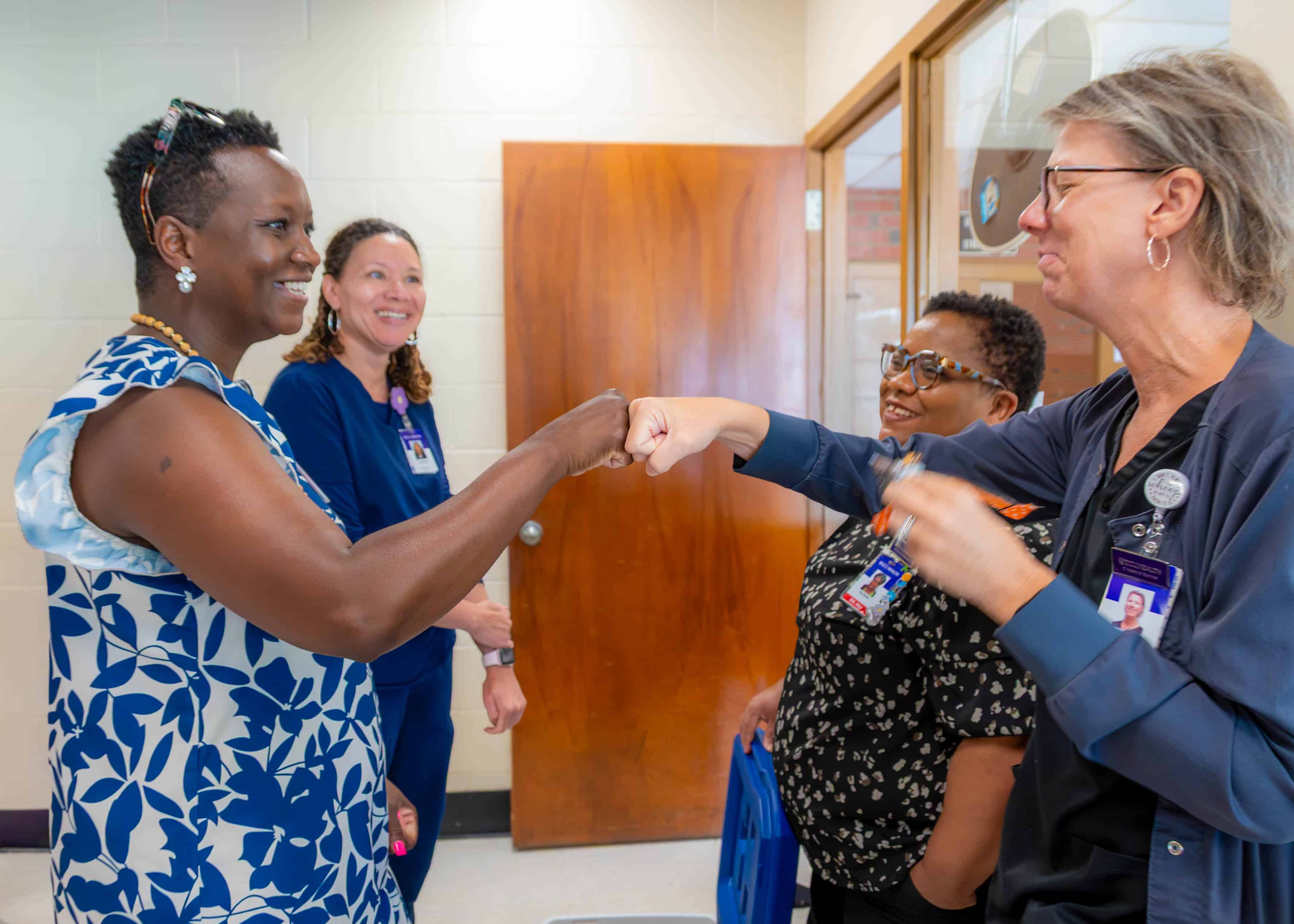
Kelly said now she’s known throughout the community as the “sandwich lady,” but for her, the service is not just about providing a meal.
“We offer healthier options for free, and this opened opportunities to share mental health resources. I’ve helped people sign up for ECU Health Now, and I’ve given them information about support groups. This bridges trust between the hospital and the community.”
Kelly said her passion for service has been fueled by her own experiences, and these are opportunities to give back.
“Everyone is going through something, and we’re not meant to do life alone,” she said. “We truly need each other, and this is my purpose.”

Established in 1979, the North Carolina Governor’s Volunteer Service Award honors the true spirit of volunteerism in individuals and groups who make a significant contribution to their community through volunteer service. Individuals or groups from the public, nonprofit and private sectors may be nominated for this award. This year’s winners include one ECU Health team member, Jennifer Congleton, and two ECU Health Medical Center volunteers, Mattox Piscorik and Deborah Coleman.
Jennifer Congleton
Jennifer Congleton grew up volunteering.
“My family owned small businesses and were connected to our community. We always volunteered and gave back,” she said. “It wasn’t new to me.”
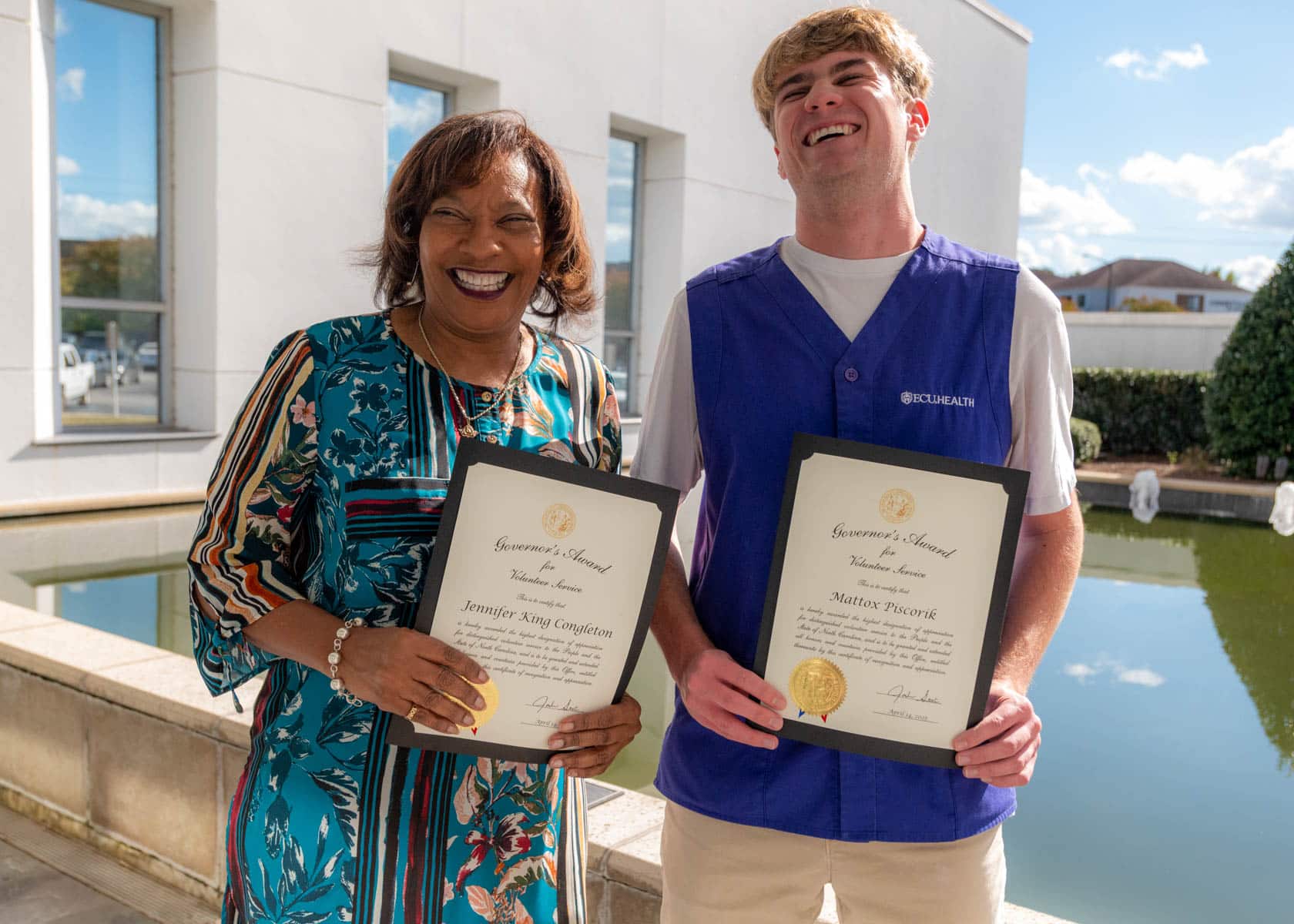
The East Carolina University (ECU) graduate said during her time in college she continued to find many ways to serve others.
“I was the ECU Women’s Residence Council president, I joined the SGA and I was a member of Alpha Kappa Alpha Sorority, Incorporated, where I started a global volunteer experience,” she said. “I had a passion for making a difference in my little part of the world.”
Jennifer initially wanted to work in health care as a nurse, but with her interest in community, she thought it would be a better fit to work in public health.
“I earned my degree in public health, and my graduate degree is in adult education with a concentration in community college systems,” she said. “I felt this bridged the gap between volunteerism and my profession, because I want to do what I can to make our community better.”
While working as the director of admissions for Beaufort County Community College in Washington, North Carolina, Jennifer saw a job listing for a coordinator of allied health education. “I hadn’t thought about working at a hospital, but they wanted someone with an undergraduate degree in public health and a master’s in adult education,” she said. “That was me.”
Jennifer now serves as the director of chaplaincy and volunteer services at the ECU Health Medical Center.
“My current role allows me to help grow volunteers and put them in places where they can find future jobs. We direct them to places where their gifts can be used,” she said. “Volunteers serve as a pipeline. We have many who come here to volunteer and end up working here. We’ve had college students volunteer and then they go to medical school and come back as physicians. Volunteering is a great way to explore jobs while giving back.”
Giving back continues to be a big part of Jennifer’s life. Before her most recent recognition, she was the 2015 Volunteer of the Year at the American Cancer Society’s Hope Lodge, she was elected as the 19th Mid-Atlantic Regional Director of Alpha Kappa Alpha Sorority for 2018 – 2022 and in 2022, she was honored with the Order of the Long Leaf Pine, the highest award for state service granted by the Office of the Governor.
Despite her past recognitions, Jennifer was surprised to learn she had won a Governor’s Volunteer Service Award.
“I had no idea I had been nominated,” she said. “I was shocked. I have been in the working world for almost 40 years, and I thought this was a great way to recognize my career. But you can’t rest on your laurels.”
Mattox Piscorik
Mattox Piscorik began his service at ECU Health as a VolunTeen, first at ECU Health Medical Center and then at ECU Health Beaufort Hospital, where he transported patients, worked in the emergency department and greeted people in the hospital lobby.
Service in health care came naturally to him; Mattox comes from a long line of health care practitioners, including his mother, an ECU Health nurse, and his two brothers, both pursuing careers in health care fields. “We are heavily involved in service in our family,” he said. “We believe in taking care of others as we want to be treated.”
After his work as a VolunTeen, and his graduation from high school this past spring, Mattox joined the cardiovascular intensive care unit (CVICU) in June as an adult volunteer.
“I stock supplies in rooms and make sure all patients and their families are comfortable. The CVICU can be a high-stress environment,” he said. “I also assist with patient transport, and I sometimes help with scanning or faxing to help the nurse manager. I have loved every minute of it.”
Work in the CVICU is even more meaningful to Mattox because his father was once a patient there after having open heart surgery. “To work with some of the same people who cared for him is super special,” he said.
The experience has also inspired Mattox to make a change in his career plans.
“I started off wanting to be an emergency department doctor,” he said. “After being a VolunTeen, I changed my plans and decided to pursue health care administration. But after working on the CVICU, I have decided I’m going to nursing school.”
Mattox is currently attending ECU in the Honors College and plans to apply for nursing school next fall. “The end goal is to get a job in the CVICU,” he shared.
Mattox said he was shocked to learn he’d won a Governor’s Volunteer Service Award.
“I was stunned when I got the email from Chad Tucker,” he said. “I was also honored and humbled to know that my years of hard work and dedication had paid off. I am driven by the belief that small acts of care can lead to big changes, and I’m eager to learn and grow in a field that truly makes an impact.”
Deborah Coleman
Deborah Coleman joined the ECU Health volunteer team with her husband’s and Jennifer Congleton’s encouragement.
“My husband was working as a volunteer before me, and he said I’d enjoy it. Jennifer also kept asking me to volunteer, and I kept telling her no,” Deborah said. “Then one day I changed my mind, and I’ve been doing it ever since. I enjoy it.”
“I met Deborah through my mother,” Jennifer shared. “When I realized Deborah was retired, I told her about the world of volunteering at the medical center and how she could make a difference. Deborah is full of compassion, and we need more like her.”
Deborah works as a patient escort, and she likes meeting different people.
“I take them to different areas of the hospital for screenings or tests, or I take them out after they’re discharged. It’s nice to meet people. Even if they’re grumpy, I tell them, ‘Today is a good day! Smile because God has blessed you to be here.’ I like to make them feel better.”
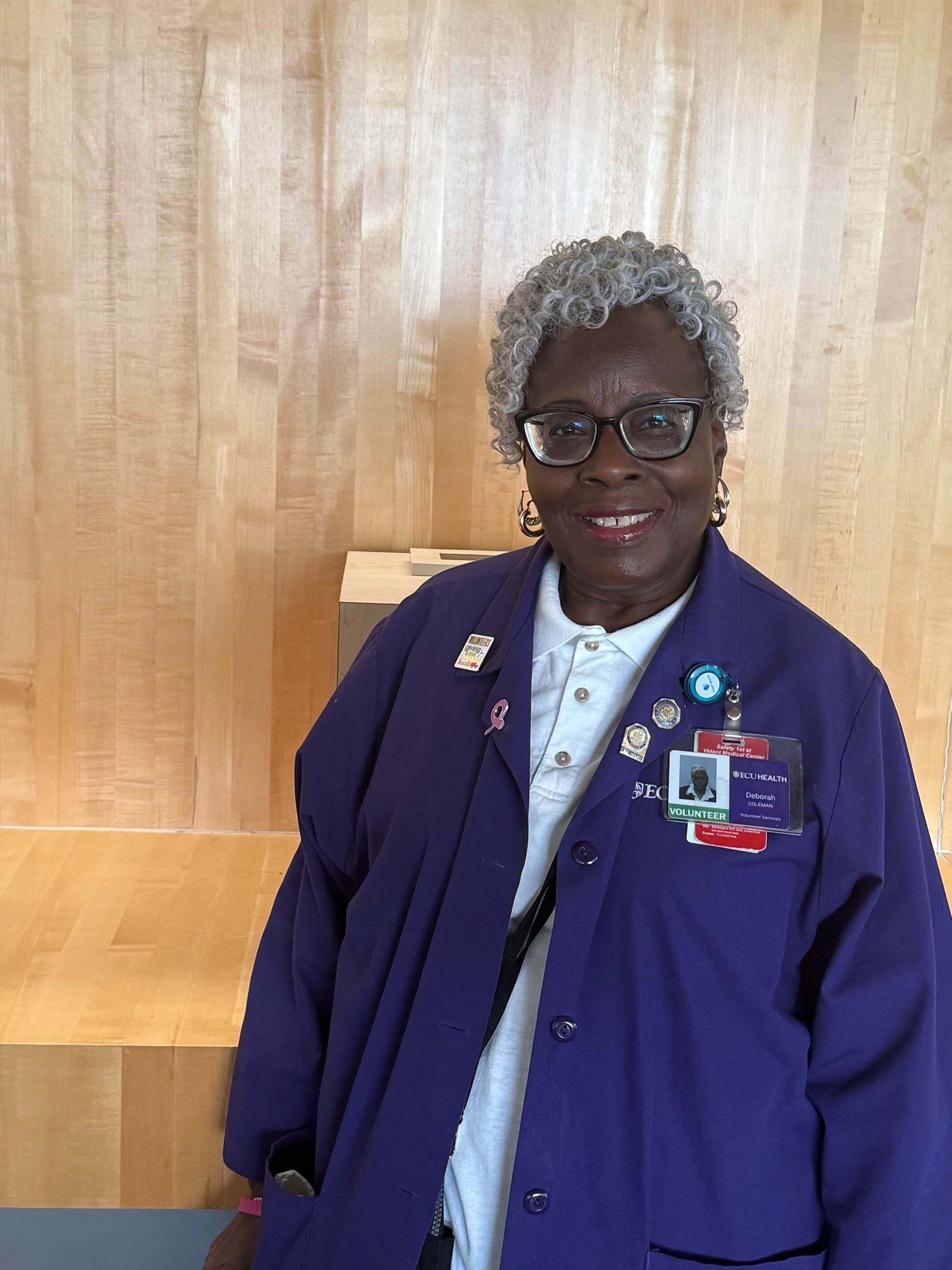

More than 70 emergency services nurses and physicians from across the ECU Health system came together Oct. 8, for the inaugural Emergency Services Nursing Summit at Eastern AHEC. The daylong event offered a mix of professional development, peer connection and heartfelt recognition for the vital work of emergency department teams.
The summit began with welcoming remarks from Dustin Bass, vice president of emergency services at ECU Health, and Dr. Leigh Patterson, chief of services for emergency medicine at ECU Health Medical Center and chair of emergency medicine at Brody School of Medicine at East Carolina University, setting the tone for a day focused on professional growth and celebrating the contributions of ED nurses.
One of the first sessions addressed imposter syndrome, led by Rachael Smith from the Emergency Nurses Association (ENA), offering insights into overcoming self-doubt in high-pressure environments.
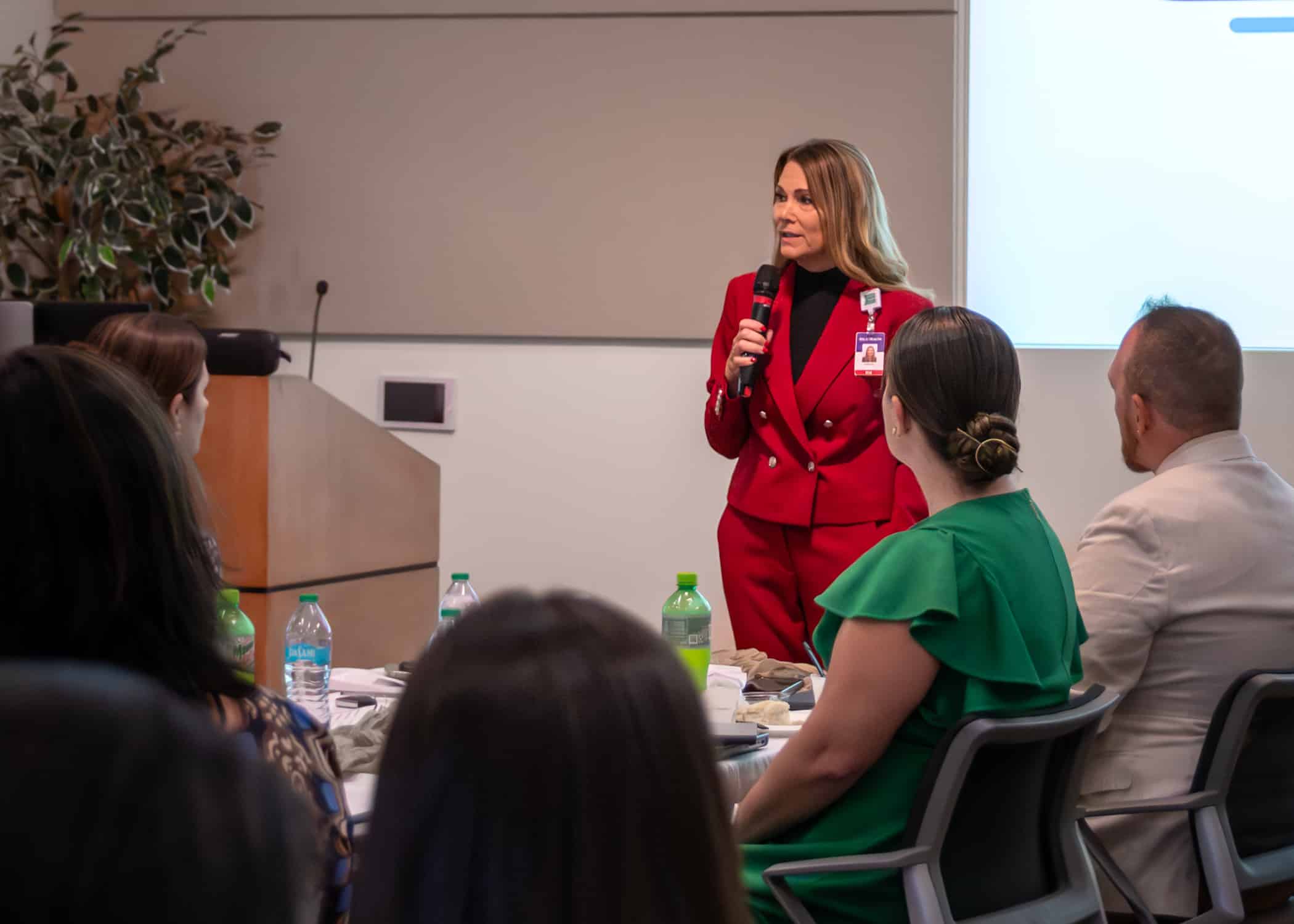
Dr. Trish Baise, chief nursing executive at ECU Health followed with a presentation on The State of Nursing at ECU Health, highlighting current initiatives, challenges and the future direction of nursing within the organization.
The afternoon featured a series of practical and forward-thinking sessions. Theresa Wilson from Stryker shared strategies for pressure injury prevention, helping nurses strengthen patient safety practices. Lori Puthoff from Mednition introduced attendees to AI for Nursing, exploring how artificial intelligence is streamlining workflows in emergency care.
Later, Paige Tyson led an interactive workshop titled, “True Colors”, which helped participants better understand personality styles and how they influence communication and teamwork.
Throughout the day, attendees had opportunities to network, share experiences and build connections across hospitals and disciplines.
“We have EDs in every hospital across the system, but they are all different,” Bass said. “Bringing us together creates opportunities to collaborate, share resources and learn from each other.”
Bass said he hopes the summit helped nurses build relationships with peers and physicians, meet leaders and potential mentors and feel inspired to explore new career paths.
“I also hope they leave with a sense of gratitude for what we’re able to do for patients, feel uplifted and have a renewed sense of purpose,” he added.
The summit not only recognized the dedication of ECU Health’s emergency services teams but also reinforced the organization’s commitment to innovation, collaboration and excellence in patient care.


ECU Health celebrated Wear Pink Day on Oct. 17 to honor those impacted by breast cancer and to raise awareness of the importance of annual screenings. In addition to wearing pink, the Cancer Care team and members of the East Carolina University Women’s Basketball team, including head coach Kim McNeill, handed out pink ribbons and information about breast cancer and 3-D mammograms to ECU Health team members and ECU Health Medical Center visitors.
ECU Health Cancer Care and the ECU Women’s Basketball team work together to share the importance of early detection for breast cancer across the community. For several years, the Women’s Basketball team, assistant coaches and staff, as well as McNeill, have visited ECU Health Medical Center to greet and educate team members and patients.
“Even with their busy season starting, the ECU Women’s Basketball team is committed to spreading this awareness message,” said Phyllis DeAntonio, administrator of ECU Health Cancer Care. “We are extremely grateful for the team’s commitment to ECU Health’s mission, to improve the health and well-being of eastern North Carolina.”
Screenings are important for prevention and early detection. ECU Health offers 3D mammography at 11 locations throughout eastern North Carolina. Key advantages of 3D mammography include:
- Greater detail for improved accuracy
- 40 percent increase in cancer detection
- Locates more invasive, life-threatening tumors
- Better at detecting cancer in dense breast tissue
- Digital images allow doctors in other locations to consult if needed
- Fewer call-backs, resulting in less anxiety
- Patient-friendly design that is more comfortable for all breast sizes
As Breast Cancer Awareness Month continues, make sure you are talking with your health care provider about receiving regular mammograms. Women at higher risk may need to start screening earlier. Learn more about breast cancer and finding a screening location near you by visiting ECU Health’s breast cancer page.
Greenville, NC — Andy Zukowski, chief financial officer of ECU Health, has been recognized by Becker’s Hospital Review as one of 38 Rural Hospital and Health System CFOs to Know in its newly released list. Zukowski, who has served as CFO since 2022, oversees financial operations for both ECU Health and the Brody School of Medicine at East Carolina University.
“It is an honor to be nationally recognized for the work the entire team does at ECU Health,” said Zukowski. “Our goal is to build the national model for high-quality rural academic health care, and being good stewards of our resources is a key component of that. I am proud to work alongside mission-driven individuals who dedicate their time, expertise and energy to meeting the mission of ECU Health by improving the health and well-being of eastern North Carolina.”
Rural hospitals are a lifeline for communities that too often face barriers to convenient, affordable and high-quality care. According to Becker’s, the CFOs featured on the list are the financial architects behind that mission. With expertise in planning and resource management, they strengthen the financial foundation of their hospitals while driving cost-effective, innovative and accessible care. Their leadership ensures that rural communities continue to benefit from up-to-date services and sustainable healthcare delivery.
“Andy brings a mission-focused approach to financial leadership that reflects ECU Health’s broader mission to serve and uplift our communities,” said Dr. Michael Waldrum, CEO of ECU Health and Dean of the Brody School of Medicine.
“As the largest health care provider, employer and medical educator in the region, Andy’s strategic insight helps ensure we remain a strong, sustainable force for health, education and opportunity in rural eastern North Carolina. We’re proud to have Andy helping lead the way.”
Becker’s Hospital Review accepted nominations and curated the list to highlight the outstanding accomplishments of rural hospital CFOs across the country. The full list, which includes individual profiles of each honoree, can be viewed on Becker’s website. Inclusion on the list is not exhaustive nor an endorsement, and individuals cannot pay for placement.
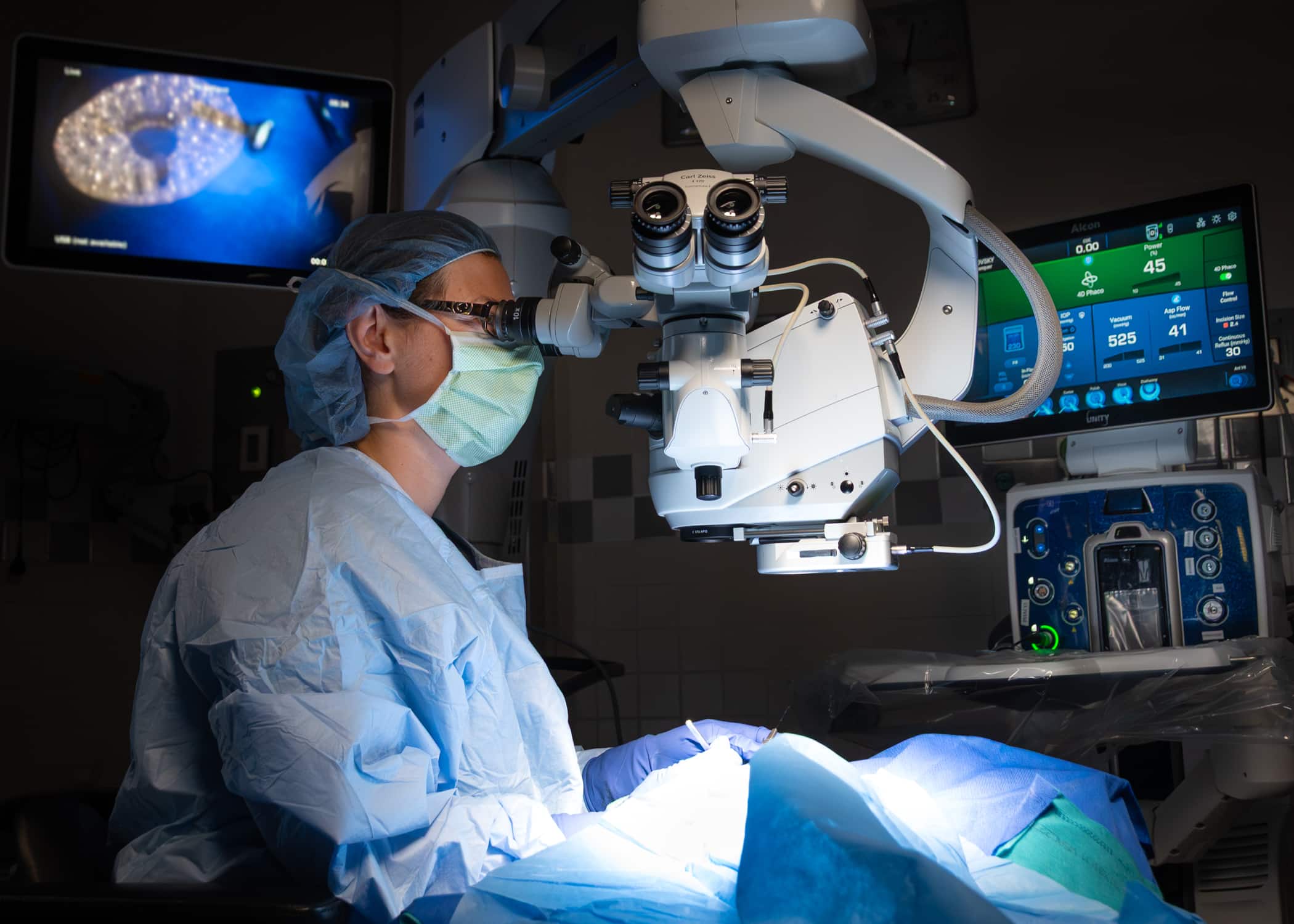
Greenville, NC — ECU Health Chief of Ophthalmology Services Dr. Ann Ostrovsky successfully performed the health system’s first procedures with the Alcon UNITY™ Vitreoretinal Cataract System (VCS), a groundbreaking advancement in ophthalmic surgery that merges cataract and retina capabilities into one integrated platform. ECU Health Medical Center is the first hospital in North Carolina to obtain a UNITY™ VCS.
“As a physician serving eastern North Carolina, it is imperative that we integrate the most advanced surgical technologies into our local care delivery,” said Dr. Ostrovsky. “This technology allows us to offer high-precision ophthalmic procedures, significantly reducing the need for patients to travel long distances. By improving intraoperative stability and reducing energy delivery to ocular tissues, we are enhancing both safety and recovery outcomes while maintaining access to high-quality care close to home.”
According to Dr. Ostrovsky, the UNITY™ VCS enhances eye stability during procedures, reduces intraocular pressure and minimizes energy use within the eye. These improvements translate into shorter operating times, gentler procedures and faster visual recovery for patients undergoing cataract or retinal surgery. Thanks to these technological advances, patients with advanced cataracts and retinal disease are now experiencing dramatically improved outcomes.
Many cataract surgery patients are achieving excellent vision as early as the day after surgery, an extraordinary leap forward compared to the extended hospital stays and long recoveries that were common just a few decades ago, according to Dr. Ostrovsky. ECU Health’s newly appointed vitreoretinal surgeon, Dr. Peter Jones, will also leverage the UNITY™ VCS to treat complex retinal conditions, including diabetic and rhegmatogenous retinal detachments.
“This milestone reflects ECU Health’s deep commitment to bringing cutting-edge care to the communities we serve,” said Brian Floyd, chief operating officer of ECU Health. “Innovative technologies allow us to deliver world-class treatment without requiring patients to travel far from home. ECU Health is meeting people where they are and ensuring that rural eastern North Carolina has access to high-quality care close to home.”