To be a health care provider is to answer a calling. For some, the journey to health care is a straight line; for others, the road is winding. This series features stories from ECU Health team members who took the winding road, but found the destination to be worth the effort.
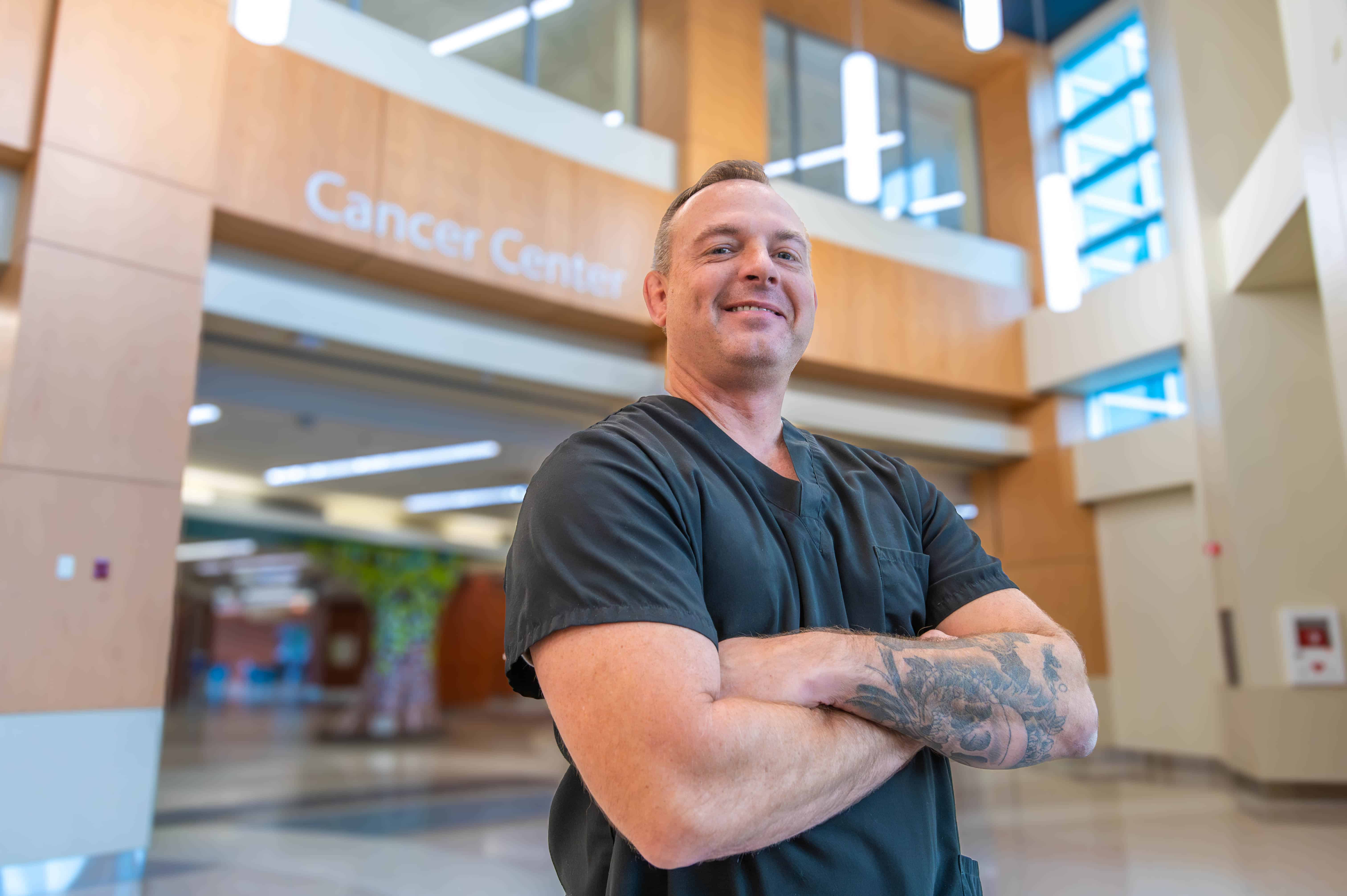
Tim Barnes, the clinical manager for radiation oncology, has spent 17 years with ECU Health, but a career in health care wasn’t his original plan.
“I grew up wanting to work in law enforcement,” Barnes said. “My four-year degree is in criminal justice and in 1996, I started my career at the Wilson Police Department. I worked there until 2006 and served in various roles from patrol officer to the SWAT team to homicide.”
Somewhere along the way, however, Tim felt called to do something different.
“Medicine and law enforcement are both fields you have to feel led to do,” he said. “As a child and through high school and college, I had a strong desire to be in law enforcement. But somewhere along the line, and maybe it was because I was getting older or was married and had a family, there was a point I felt a calling to the medical field.”
Having a close friend diagnosed with head and neck cancer planted the seed for working in health care.
“When my friend passed away, that directed my focus on cancer care specifically. So, I started researching different jobs and opportunities where I could transition from law enforcement into the medical field,” Barnes said.
That’s how Barnes ended up in radiation therapy.
“I drove over to Pitt Community College and looked into their Radiation Therapy Technology program and met the program director at the time, Elaine Spencer,” she said. “She explained the process of going back to school and I just followed her advice – which is how I ended up here.”
Barnes joined ECU Health in 2009 as a radiation therapist, when radiation oncology was a part of the Brody School of Medicine.
“I worked there until the radiation oncology department moved into the new cancer tower, and I’ve been there ever since,” he said.
Barnes said that although law enforcement and medicine don’t seem connected, there’s a lot he applies from his experience as a police officer to his current role.
“It’s obviously a very different job, but my attention to detail, my focus on safety and the importance of working as a team – I learned those skills from my time with the police,” he said. “It’s very high risk in law enforcement, and you learn to depend on each other and function as a team. That carries over into the medical field and how departments and teams coordinate to take care of patients.”
That collaboration and support is very important to Barnes.
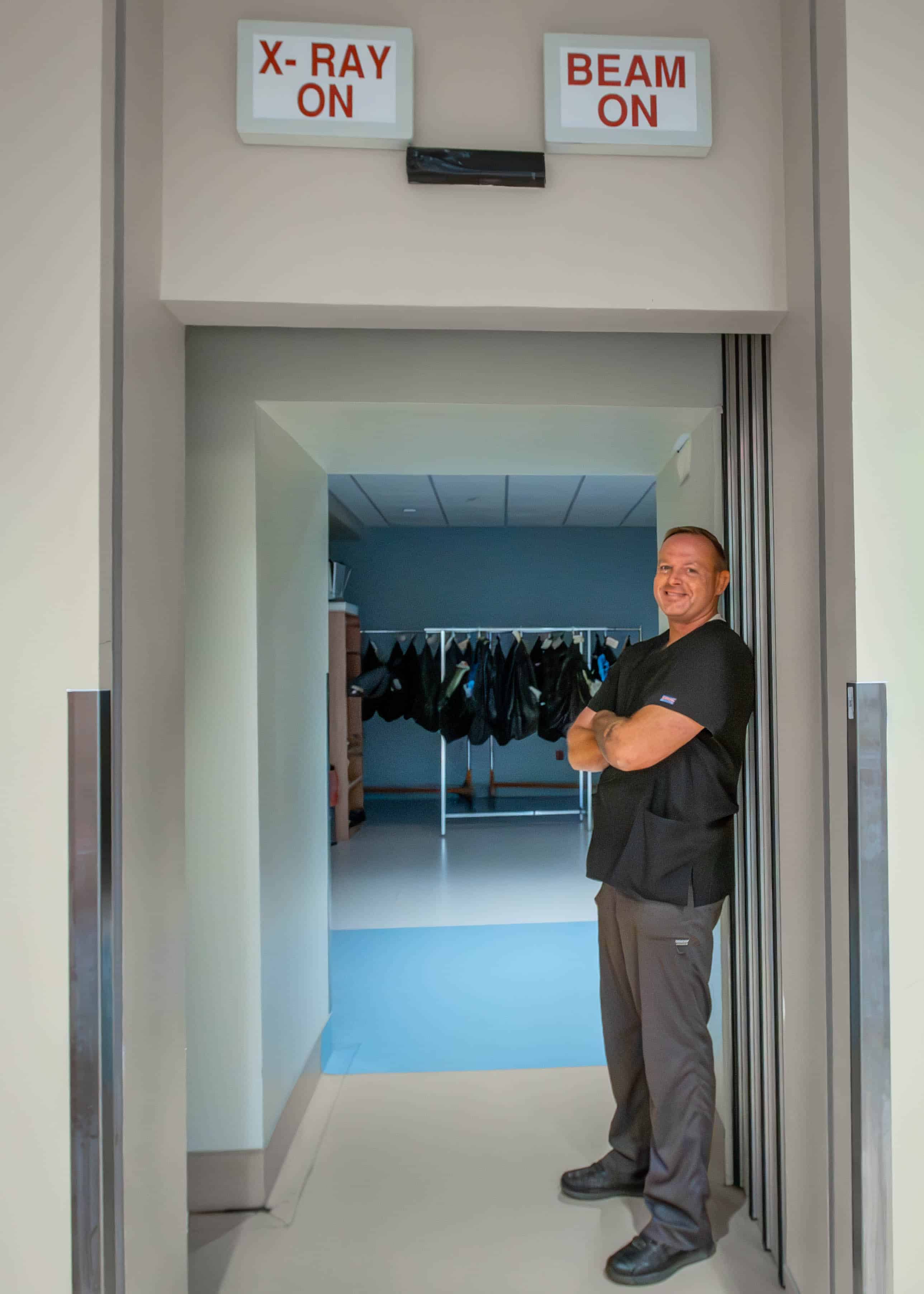
“I have always felt like I belong here,” he said. “We have an awesome team. To do what we do, you must feel led here, and the people on my team are here because they care. It’s not just a job; our people are doing more than just a technical service. They believe in what we do and really want to care for our patients.”
That’s only one reason why Barnes said he would gladly advise anyone to pursue a career in health care.
“There are so many options and opportunities, so you can go out and research to see what fits your lifestyle and interests,” he said. “I chose radiation therapy, but that’s just one specialized area. There are those who treat patients directly, but there are other options, too. Nothing works if you don’t have leadership and administrative support. Nothing stays clean without the environmental support staff. If someone isn’t sure what’s right for them, I’d highly suggest they look into health care.”
Barnes said a lot of people are surprised when they hear he was a police officer, but for him, the transition to health care makes sense.
“People hear I worked in homicide and say that’s such a big jump to treating patients,” he said. “It is definitely different, but I’m still doing a job where I serve and help people, and really, that’s what matters at the end of the day.”
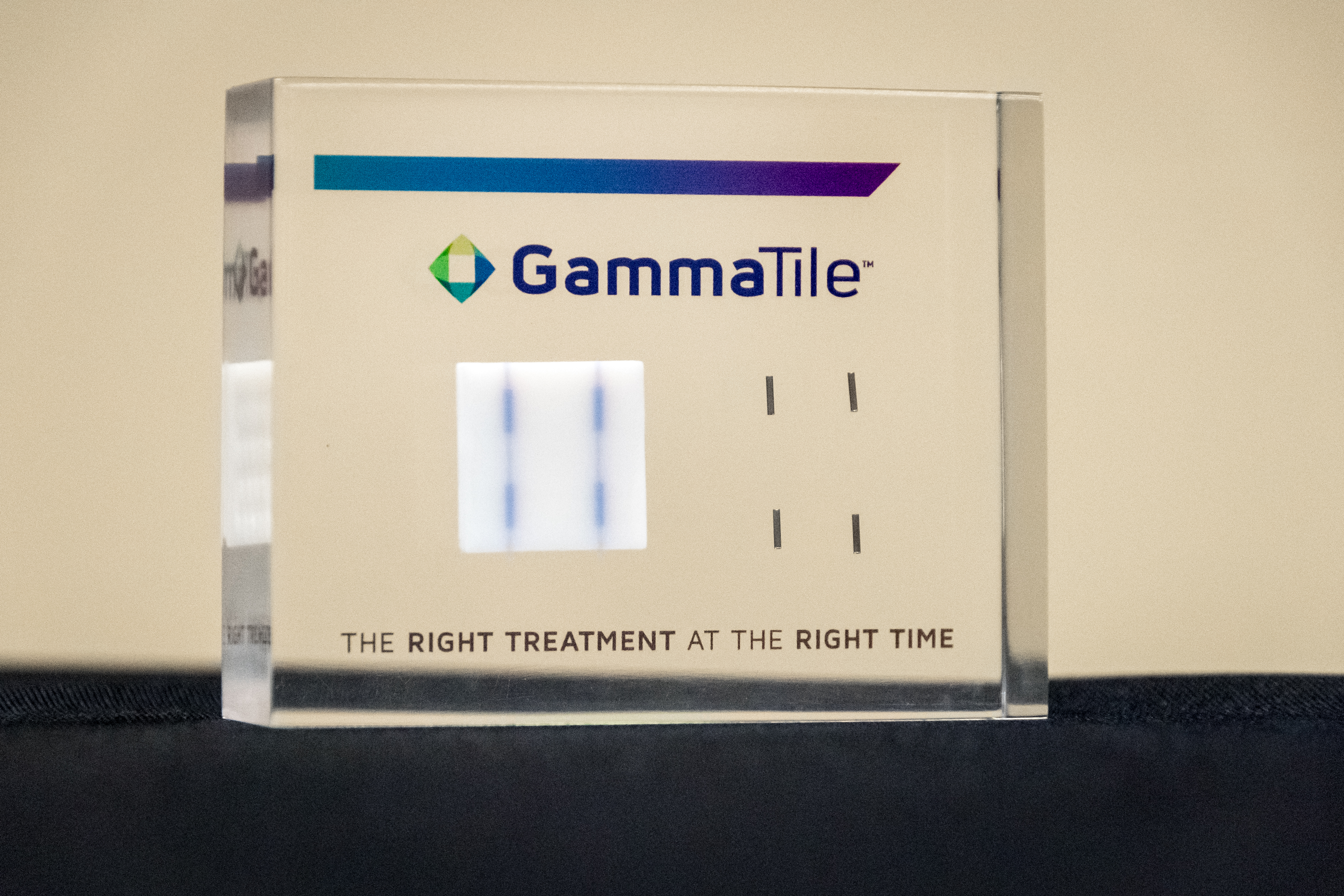
Greenville, NC — ECU Health has been designated a GammaTile® Center of Excellence Program (COE) by GT Medical Technologies, recognizing the health system’s exceptional expertise and leadership in advancing brain tumor care. The designation honors institutions that demonstrate outstanding clinical skill, patient education and commitment to improving outcomes for patients with operable brain tumors.
“We are proud that ECU Health is leading the way in brain cancer care with GammaTile®, a vision we set in motion back in 2019,” said Dr. Stuart Lee, chief, division of neurosurgery, ECU Health and medical director of The Gamma Knife Center, ECU Health Medical Center. “GammaTile® allows us to deliver radiation therapy safely and effectively during surgery, offering new hope and better outcomes while preserving healthy brain function. It is a privilege to provide this level of care to the people of our region.”
ECU Health began offering GammaTile® therapy in November 2019 and has since completed more than 85 implantations, becoming one of the first centers east of the Mississippi River to adopt this innovative treatment. GammaTile® is an FDA-cleared, bioabsorbable collagen implant embedded with radiation seeds. Placed directly where the brain tumor was removed at the time of tumor removal, GammaTile® delivers immediate, localized radiation when cancer cells are at their lowest levels. This approach eliminates the traditional delay between surgery and radiation therapy, maximizing effectiveness against remaining cancer cells while minimizing exposure to healthy brain tissue. This way, radiation starts working immediately, right at the spot where cancer cells are most likely to come back.
“ECU Health is honored to be designated a GammaTile® Center of Excellence, a recognition that reflects our team’s unwavering dedication to innovation and collaboration,” said Brian Floyd, chief operating officer, ECU Health. “This achievement ensures that patients across eastern North Carolina can access the most advanced, high‑quality treatment options without leaving their community. We remain committed to bringing cutting‑edge care close to home, where it matters most.”
Multiple ECU Health team members were recognized with Center of Excellent Achievement, including:
- Neurosurgeons: Aaron E. Bond, MD; Richard Dalyai, MD; Jennifer L. Griswold, MD; Regis G. Hoppenot, MD; Hilal A. Kanaan, MD; K. Stuart Lee, MD; Lenwood P. Smith, Jr., MD
- Radiation Oncologists: Andrew W. Ju, MD; M. Sean Peach, MD
- Medical Physicists: Christopher Bentley, DABR; Sean Cavenaugh, MS, DABR; Blane Jernigan; David Rushing, MSPH
- Nuclear Medicine Technologist: Heather Grillo
Greenville, N.C. – ECU Health is proud to announce it has earned system-wide accreditation from the American College of Surgeons Commission on Cancer (ACS CoC), marking a significant milestone in the organization’s commitment to delivering world-class cancer care across eastern North Carolina. ACS CoC accreditation is awarded to institutions that demonstrate compliance with rigorous standards designed to improve survival and quality of life for patients with cancer.
“As a rural academic health system serving eastern North Carolina, ECU Health recognizes the importance of bringing high-quality cancer care close to home for the 1.4 million people we serve,” said Brian Floyd, chief operating officer, ECU Health. “We are proud of the leadership team, physicians and team members whose dedication made this achievement possible. Their collective efforts underscore ECU Health’s mission to improve the health and well-being of eastern North Carolina.”
ECU Health Cancer Care delivers standardized, high-quality services across all System hospitals and clinics. ECU Health Cancer Care Network includes ECU Health Medical Center, ECU Health Edgecombe Hospital, ECU Health Beaufort Hospital and ECU Health Roanoke-Chowan Hospital. Each location aligned on shared goals, projects and outreach initiatives, including cancer screenings to improve community health and well-being. Patients benefit from standardized care protocols across the system, multidisciplinary participation in cancer conferences, a collaborative cancer registry that enhances data-driven care and access to highly trained specialists in Greenville working seamlessly with care teams across the region.
“This system accreditation means patients across our region can expect the same high standards of cancer care no matter where they seek treatment,” said Dr. Emmanuel Zervos, executive director of cancer services at ECU Health, and professor at the Brody School of Medicine at East Carolina University. “It ensures that advanced treatments, multidisciplinary expertise and supportive resources are consistently available close to home. Most importantly, it gives patients and families confidence that their care is coordinated, compassionate and designed to achieve the best possible outcomes.”
Accredited programs must undergo comprehensive evaluation and review to ensure patients receive a full continuum of cancer care services, from prevention and early detection to diagnosis, treatment, survivorship and supportive resources. This accomplishment reflects the strong collaboration across the ECU Health system. The initiative was led by physicians and leaders across the health system to establish a state-of-the-art care model that unites specialists and resources across the region.
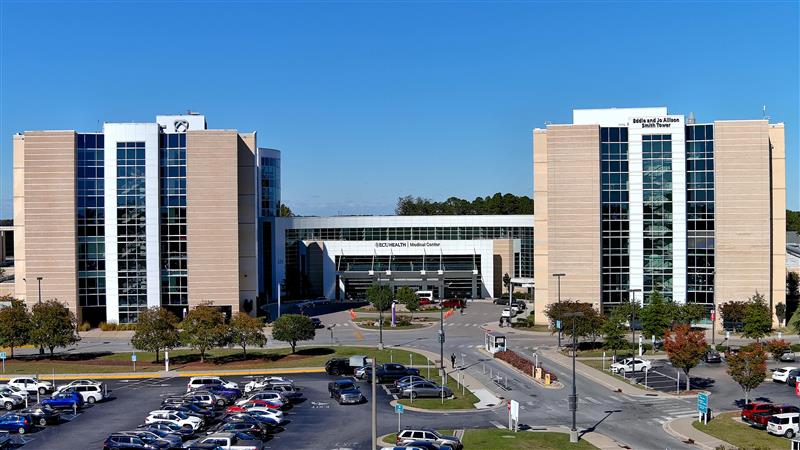
Greenville, NC —The National Accreditation Program for Breast Centers (NAPBC), a quality program administered by the American College of Surgeons, has again granted accredited status to ECU Health Medical Center, which lasts through 2028. Accreditation by NAPBC is granted to programs proven to provide the best possible care to patients with breast cancer.
“ECU Health is committed to delivering comprehensive, high-quality care for every breast cancer patient,” said Dr. Karinn Chambers, breast surgical oncologist at ECU Health and associate program director in the Division of Surgical Oncology at the Brody School of Medicine at East Carolina University. “This national designation affirms our patients can trust their care meets the highest standards and reflects the latest advances in treatment, research and multidisciplinary collaboration. Most importantly, it ensures that patients are supported through every stage of their journey – from prevention and diagnosis to treatment, recovery and survivorship.”
Breast cancer is the second leading cause of cancer deaths for women in North Carolina, according to the North Carolina Department of Health and Human Services. The even higher prevalence of cancers in eastern North Carolina highlights the importance of having an accredited cancer care center in the region. Access to preventative screenings and early detection allows for less invasive treatments, a greater variety of options and a greater potential to prevent the spread of breast cancer. Patients receiving care at a NAPBC-accredited center have access to information on clinical trials and new treatment options, genetic counseling, and patient-centered services including psychosocial support, rehabilitation services and survivorship care.
“ECU Health Medical Center serves a vast rural region where chronic diseases, including cancer, are especially prevalent,” said Jay Briley, president of ECU Health Medical Center. “As a rural academic medical center, ECU Health Medical Center – with the expertise of the Brody School of Medicine – offers patients access to groundbreaking research and clinical trials while also attracting and training top-tier cancer care providers. Delivering standardized, high-quality care close to home for the 1.4 million people we serve is integral to our mission of improving the health and well-being of eastern North Carolina.”
To achieve NAPBC accreditation, a breast center demonstrates compliance with the NAPBC standards that address a center’s leadership, clinical services, research, community outreach, professional education and quality improvement for patients. Breast centers seeking NAPBC accreditation undergo a site visit every three years.
To learn more about breast cancer screenings and treatment options near you, please visit ECUHealth.org/breast-cancer.

For Tracie Costin, a staff nurse I in the ambulatory med unit, getting married in ECU Health’s Healing Garden made perfect sense.
She and Matt Costin met at work; he was a nurse and she was a nursing assistant in a behavioral health unit in Wilmington, North Carolina. Eight years later, Matt proposed.
“He proposed in January 2025, and we were already planning a trip to Scotland and Ireland for September, so I said let’s get married Aug. 15 and the trip can be our honeymoon,” Tracie said. “We were going to get a magistrate to do it, but then we discovered the magistrate’s office is at the juvenile detention center,” Tracie laughed. “Matt and I didn’t want to get married there, but we only had a few months to figure out a new plan.”
After looking at a few other options, Tracie’s co-worker offered a solution.
“I was talking to a colleague at work, and she was the one who suggested we get married in the Healing Garden.”
The Healing Garden at ECU Health Medical Center’s Eddie and Jo Allison Smith Tower gives patients with cancer and their families a calm and relaxing outdoor space that incorporates babbling fountains, medicinal herbs and flowers and a tranquil place to sit and relax.
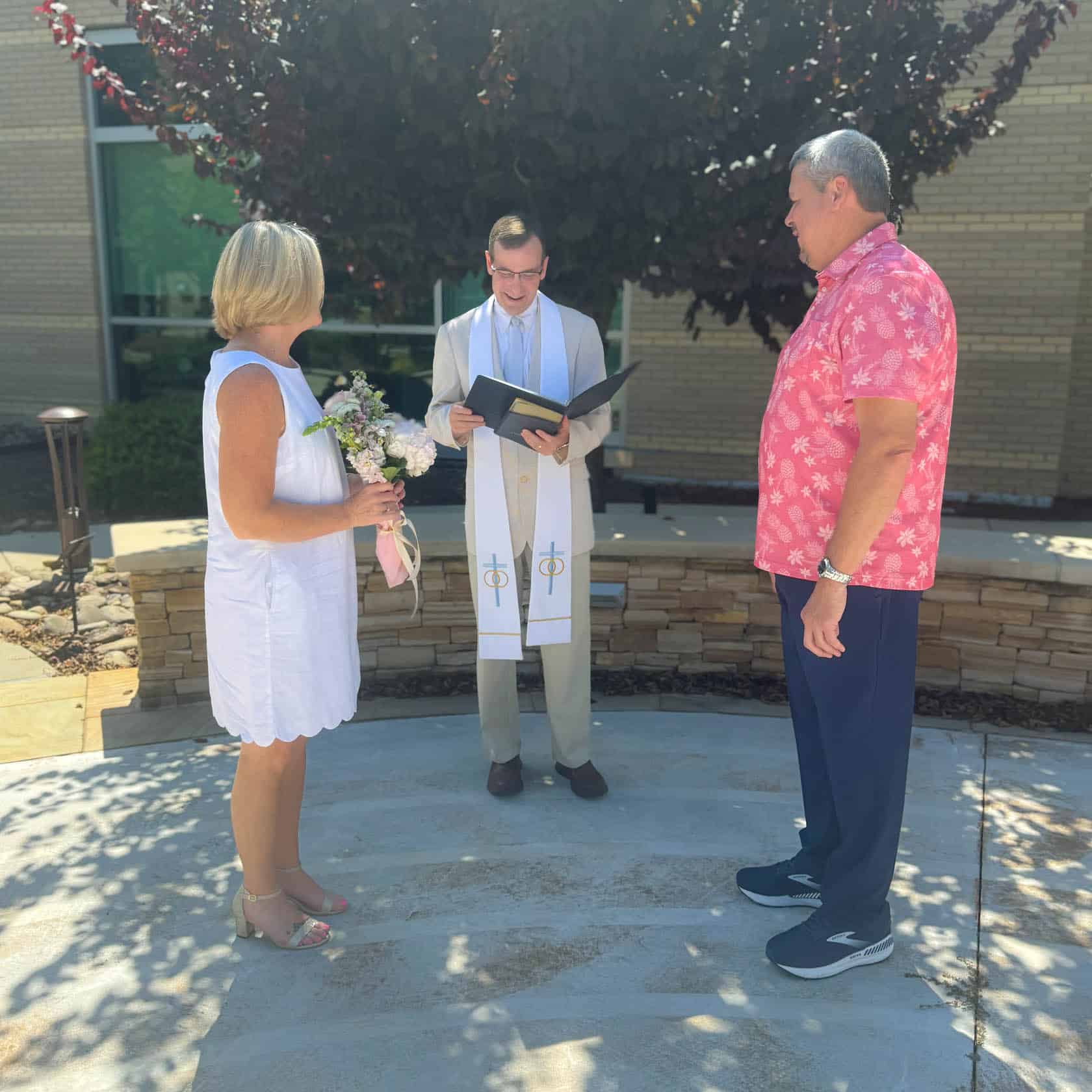
“My co-worker knew this place was special to me because of my brother, and the garden is gorgeous,” Tracie said. “I talked to my manager about it, and she confirmed we could get married there. That’s how it happened.”
A difficult diagnosis
Back in 2017, at about the same time Tracie and Matt started dating, Tracie’s brother – also Matt – was diagnosed with glioblastoma.
Tracie and her brother were close, and despite receiving the best of care at ECU Health’s Cancer Center, he wasn’t doing well. Tracie and Matt eventually moved to Ayden to be closer to family – especially Tracie’s brother.
“I was in nursing school in New Bern,” Tracie said. “Matt’s daughters lived in Plymouth, and my daughter lived in Wilmington. Both of our parents needed care, and my brother was nearing the end of his cancer treatments, but he was getting sicker and sicker. Ayden was a good halfway point for us.”
In April of 2022, Tracie’s sister-in-law, Kelly, called with news.
“New scans showed my brother’s cancer had returned on his brainstem, and there was nothing they could do,” Tracie said.
Tracie’s brother entered hospice, and she dropped out of nursing school to spend more time with him.
On June 10, Tracie and her family had spent the day at her brother’s house.
“Our mom, dad, me and everyone else had been there all day, and we were getting ready to go home,” Tracie recalled. “I noticed The Wizard of Oz was scheduled to be on TV that night at 9 p.m.
That movie was special to us; we watched it together at least once a year. It was something we did together. I promised him I would watch it at my house, and he could watch it at his.”
Back at home, Tracie watched the movie. Kelly called around 8 p.m. to let Tracie know that her brother’s breathing had changed, and just as the last movie credits rolled at 11 p.m., Kelly called again. Matt had passed away.
More than 300 people attended Matt’s funeral, and Tracie said she misses him every day.
“He was one of those people everyone loved,” she said. “He had a smile that lit up the room. I want to call him all the time, but the time I did have with him was precious. A lot of people don’t get that time.”

There’s no place like home
After her brother’s passing, Tracie returned to nursing school, and after graduation, she found a job at ECU Health Medical Center on 4 North, the TSIU. Her now-husband is also a nurse at the medical center in the rehabilitation department.
When a position opened in the cancer center’s outpatient infusion unit, Tracie said, “That’s where my brother went for so many years – I have to apply for this job.”
The same day she applied, Tracie was invited to an interview. When she mentioned her brother, they stopped in their tracks.
“They said, ‘We loved your brother,’” she said. “I knew that was true, because he loved those nurses and doctors. Matt used to talk about getting his treatments there, and how everyone was great. They kept him and Kelly going, even on the days he didn’t want to. Dr. Pam Lepera pushed for every treatment available. He lived for over five years when his prognosis was 14 months.”
That afternoon, they offered Tracie the job.
“Ever since I walked through those doors, I’ve felt at peace. I can’t describe it. The place felt like home”
Meant to be
On Aug. 15, 2025, Matt and Tracie, along with their daughters, gathered in the Healing Garden to exchange vows.
“When we finished the ceremony, we heard this knock on the window, and my whole nursing staff was there waving,” she said. “It was a perfect moment.”
Tracie said it felt right to get married in the Healing Garden, surrounded by people who cared for her brother while he received his cancer treatments.
“As cheesy as it seems, the way everything happened, from getting the job to us getting married – it’s like it was meant to be.”
It has also felt right to work in the cancer center and serve patients with cancer and their families.
“I feel like I’m a better nurse, a better caregiver, because of my experience with my brother,” she said.
“I can talk to the patients and comfort them because I know what they’re going through and how scared they are. I just love them and take care of them and their families. When I go to work, I say this is my place. Like Dorothy says, there’s no place like home.”

NAGS HEAD, N.C. — October 1, 2025 — Outer Banks Health (OBH) has a new, state-of-the-art mammogram screening machine, Senograph Pristina 3D with Efficiency Suite 2. This advanced screening technology offers higher accuracy in diagnostic performance, especially in dense breast tissue, by using 3D imaging to reduce the overlap of tissues, which can hide abnormalities in 2D scans. With a 40% higher cancer detection rate and the ability to find more invasive, life-threatening tumors, 3D screening mammography offers unmatched clarity and peace of mind. The new Pristina takes images faster than 2D and supports greater patient comfort due to an ergonomic and patient-comfort-forward design that gives patients the option to apply the pressure themselves.
“Outer Banks Health is committed to our community’s health and well-being. That’s why we invest in state-of-the-art technology. We also respond when the community provides feedback on our services. In addition to our new equipment, it is easier than ever to get an appointment for your mammogram, and our waiting room is now warm, welcoming and ready for your next visit,” shared Amy Montgomery, executive director of OBH.
OBH has refined its mammogram scheduling system, creating an additional 30 appointments per week, with plans to increase this number further. The wait time for a mammogram is less than one month, and patients are now able to self-schedule through the MyChart patient portal if they have an order from an ECU Health or OBH provider.
On the day of their mammogram screening appointment, patients also now enjoy upgrades to the mammogram imaging suite. These upgrades were funded by proceeds from the recent Nags Head Links Ladies Driving Fore a Cure Golf Tournament. Thanks to the Nags Head Links Ladies, the mammogram suite now provides an atmosphere that promotes patient comfort. Features such as a gown warmer, a TV, a coffee station, new furniture and artwork, and other cosmetic elements, such as new curtains, painted walls and artificial skylights have all been added to improve the patient experience.
The most likely outcome of a mammography screening is peace of mind that comes from knowing you do not have breast cancer. When breast cancer is detected, Outer Banks Health has the highest quality of care available to help patients navigate the breast cancer journey.
In fact, the Outer Banks Health Breast Care Program has once again been accredited by the National Accreditation Program for Breast Centers of the American College of Surgeons, marking its second recognition since 2022. OBH’s full cancer program has earned Commission on Cancer accreditation three times in a row since 2016. Out of over 1,300 similarly sized hospitals, OBH is the only one in the nation to earn this prestigious designation. OBH has a full team of screening and cancer care specialists ready to help and guide patients every step of the way. OBH is also accredited by the American College of Radiology as a gold standard of medical imaging, as OBH offers the safest and best quality of care possible.
Our high-quality care is evidenced by the fact that OBH has reduced the breast cancer mortality rate in Dare County. When OBH opened in 2002, the county’s breast cancer mortality rate ranked among the highest percentiles statewide. Today, it is among the lowest, at an above-average survival rate. Since OBH’s opening, the detection of life-threatening tumors has shifted dramatically from clinical diagnoses to proactive screenings. Previously, results were primarily discovered in a clinical setting, with only 44% of women having regular screenings. Now, 80% of women in Dare County are learning of their results through proactive screenings, increasing their chances of survival if any life-threatening discoveries are made. This significant decrease in mortality rate is the direct result of OBH’s initiatives, including promoting regular screenings, fundraising for state-of-the-art mammography technology, and fostering a community-wide focus on prevention and well-being.
Further, our high-quality care is available to all. Outer Banks Health offers free screening mammograms to individuals who do not have health insurance. Dare County residents, as well as Hyde, Currituck and Tyrell county residents who work in Dare County, are eligible. The free screenings are made available through the Get Pinked! Program of Outer Banks Health’s Development Council. Since 2011, we have provided more than 2,800 free mammograms.
Breast cancer screening using mammography is recommended to begin at age 40. An order from a provider is needed to schedule a mammogram appointment. Contact your primary care provider or OB/GYN to obtain a mammography order. For more information about screening mammography at Outer Banks Health and to schedule your appointment, call (252) 449-5918. If you need a primary care doctor, call (252) 449-4540 to be connected to an available provider.

Each summer, Camp Hope and Camp Rainbow offer a sanctuary for children in eastern North Carolina living with cancer, sickle cell disease, hemophilia and other chronic bleeding disorders. More than just a change of scenery, these camps provide a place where kids can just be kids.
“This is a week for them to come to camp and just be a kid and have fun and meet other kids that may have the same type of condition that they have,” says Tamika Mackey, child life specialist at the Pediatric Hematology/Oncology Clinic at ECU Health and the Brody School of Medicine at East Carolina University and director of Camp Hope and Camp Rainbow. “My favorite part is seeing smiles on their faces, getting hugs from the kids and seeing them meet new people.”
Camp Rainbow is for children with cancer, hemophilia and children who have lost a sibling to one of these diseases, and Camp Hope is for children with sickle cell disease.
ECU Health and Brody School of Medicine team members develop camping programs to provide pediatric patients an opportunity to learn more about themselves and their illness, participate in fun activities like swimming, canoeing, archery, crafts, music and drama, all while making life-long friendships with other children with similar conditions and experiences. While at camp, located at The Refuge in Ayden, children receive 24-hour medical care and close medical monitoring by their ECU Health care teams including physicians, nurses, child life and social workers.
“The goal is for kids to meet other children that may share the same medical condition that they have and to build lifelong relationships,” Mackey said.
For kids navigating life with chronic illnesses, especially in rural communities where connection can be even harder, Camp Hope and Camp Rainbow are more than just a week of fun. According to Mackey, they’re a lifeline, a reminder that they are seen, supported and deeply loved.
“They’ve been enjoying camp,” said Mackey. “I can tell by the hugs and smiles I get daily. Just to see them having fun and not in a medical environment, that’s everything.”
The connections the kids make extend beyond the week.
“They don’t all live in the same area, but they stay in touch with group chats and even checking on each other during hospital stay,” said Mackey. “That kind of support is invaluable.”
Lawsen Ziemba, a twelve-year-old camper, was diagnosed with leukemia when he was just two years old. Ziemba spent his first week at camp this year and said he was able to connect with kids and adults who had gone through some of the same medical experiences he had.
“You can get a perspective from other people that have gone through the same thing you had and have a relationship with them about what you have gone through,” said Ziemba.
One of the camp’s examples of the impact camp has is Heaven Glaspie, a former camper turned counselor. Diagnosed with sickle cell disease, Heaven began attending Camp Rainbow at 8 years old. Now 23, he returns to give back the joy he once received.
“Whenever I was growing up, we had mentors and volunteers that were coming to camp and taking time out of their week to make sure that we had a very great time,” said Glaspie. “For me to be able to do that whenever I aged out of camp and come back and be able to help other people have a good time, that’s one of the best feelings in the world to me. The smile on their face that they give you whenever they’re having the best time of their life at camp, it’s very heartwarming.”
His firsthand experience gives him a unique perspective.
“Not a lot of people can relate to what these kids go through, but I’ve walked in their shoes,” said Glaspie. “I can let them know they’re not alone.”
For both campers and counselors, camp is about more than just memories.
“Camp becomes a family,” Heaven said. “Everybody’s so used to seeing each other in the summer, and even when we go home, we keep talking.”
Mackey said seeing campers grow up and come back as volunteers is inspiring.
“It shows younger kids that they, too, can grow up, go to college, give back,” said Mackey. “It’s powerful for them to see someone living with sickle cell disease or a similar condition to them who’s thriving.”

Greenville, N.C. – ECU Health and Lung Cancer Initiative (LCI) are proud to announce a partnership to launch a pilot of the Screening Saves program in eastern North Carolina. This collaboration focuses on reducing lung cancer incidences by promoting awareness, education and increased accessibility to screenings for communities and health care providers across the region.
“We are honored to collaborate with Lung Cancer Initiative on this vital program,” said Phyllis DeAntonio, executive director, Cancer Service Line, ECU Health. “Together, we aim to engage our community and health care providers to break down barriers to lung cancer screening, ensuring better outcomes and healthier futures for the people of eastern North Carolina. This partnership represents a critical step in reducing lung cancer rates and improving health outcomes in the region.”
Lung Cancer is the leading cause of cancer deaths in the U.S., accounting for one in five of all cancer deaths, according to the National Cancer Institute. The incidence rate of lung cancer cases in North Carolina is much higher than the national rate at 62.9 per 100,000 compared to 53.6 per 100,000, according to the American Lung Association’s State of Lung Cancer 2024 report. While lung cancer rates are high in eastern North Carolina, over the last five years, the early diagnosis rate of lung cancer in North Carolina improved by 10 percent, which can partially be credited to an increase of lung screenings. ECU Health completed 5,274 low dose CT screenings in 2023 and 6,151 screenings in 2024.
“With lung cancer rates in eastern North Carolina surpassing state and national averages, expanding education and access to screenings is vital,” said Dr. Misbah Qadir, regional oncology medical director, ECU Health. “Early detection through programs like Screening Saves can significantly improve survival rates and empower our region to tackle this critical health challenge. By increasing the availability of low-dose CT screenings, we can detect lung cancer in its earliest stages, ensuring more timely and effective treatment for our community.”
Screening Saves is a state-wide initiative launched by Lung Cancer Initiative in 2024, which aims to raise awareness and leverage partnerships with health care providers like ECU Health to improve lung cancer screening rates through community engagement and health care provider education. The program is being piloted in eastern North Carolina to increase awareness among area residents who are at high risk. ECU Health and LCI will host community education events promoting lung screening awareness and educational sessions for primary care providers, along with additional community engagement events across eastern North Carolina.
“LCI and ECU Health share a common goal with Screening Saves—to expand access to lung cancer screenings and improve early detection rates in eastern North Carolina,” said Dr. Aundrea Oliver, thoracic surgeon and assistant professor at ECU Health and the Brody School of Medicine at East Carolina University, LCI board member and co-chair of the Screening Saves program. “We know early detection is crucial, as it significantly increases survival rates and allows for timely, effective treatment. Through this partnership, we can reach more individuals at high risk, break down barriers to screening and ensure that life-saving resources are readily available to our communities.”
In support of this initiative, LCI is providing a $10,000 grant to assist ECU Health with data collection, planning and other program-related activities. ECU Health will analyze lung screening data from 2023 to 2025, providing quarterly updates to monitor progress and address barriers. Regular review meetings will allow both organizations to strategize improvements and develop tailored solutions for the local community.

Story by Greenville Utilities Commission Communications
Tracy Colville, Water Resources Systems operations/maintenance crew leader at Greenville Utilities Commission (GUC), found a one-inch knot on his chest during the summer. He assumed that it would eventually go away, but a week later it was still there. Tracy went to see ECU Health physician Dr. Daniel Terryberry at the on-site GUC Clinic operated by ECU Health.
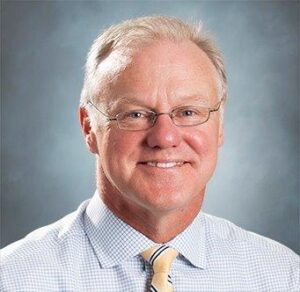
Dr. Daniel Terryberry
Dr. Terryberry suspected it could be cancerous and sent Tracy to Eastern Radiology for a mammogram and ultrasound. The tests showed what was suspected of being a highly malignant form of breast cancer, but only a biopsy would confirm those suspicions.
“I couldn’t get an appointment for three weeks,” Tracy said. Dr. Terryberry believed the timeframe was too long to wait for the biopsy and told Tracy he would make a call. “The next day I had an appointment for a biopsy.”
The diagnosis was invasive ductal carcinoma. According to the Mayo Clinic, this is the most common form of breast cancer in males, and only around 2,800 men are diagnosed with breast cancer annually in the United States. The American Cancer Society estimates that about 19 percent of those men will die.
Post-diagnosis, Tracy underwent genetic testing to determine if he was a carrier of the breast cancer gene. To his relief, he is not and will not pass it down to his children. Because of the rarity of breast cancer in men, this had not been a concern for Tracy. His timely visit to the GUC Clinic is what afforded him a positive prognosis.
“He really helped me out,” Tracy said about Dr. Terryberry. “You might want to go over there. They have ways to get you the health services you need sooner.”
Within a month, Tracy received a diagnosis and had the cancerous mass removed. Currently, he is doing well and undergoing physical therapy to help with side effects of the surgery.
“I can’t really complain about that. At least I am living,” he said.
Resources
Despite declining cancer death rates overall, new findings from the 2025 American Cancer Society Cancer Facts and Figures reveal a troubling increase in cancer incidence among women, particularly in two key age groups: younger than 50 and 50–64. These findings highlight the importance of proactive lifestyle changes and regular screenings in mitigating cancer risks.
For women under 50, the risk of developing cancer is now 82 percent higher than their male counterparts, up from 51 percent in 2002. According to the study, contributing factors include lifestyle changes among women born after the 1950s, such as increased smoking rates, obesity and sedentary habits.
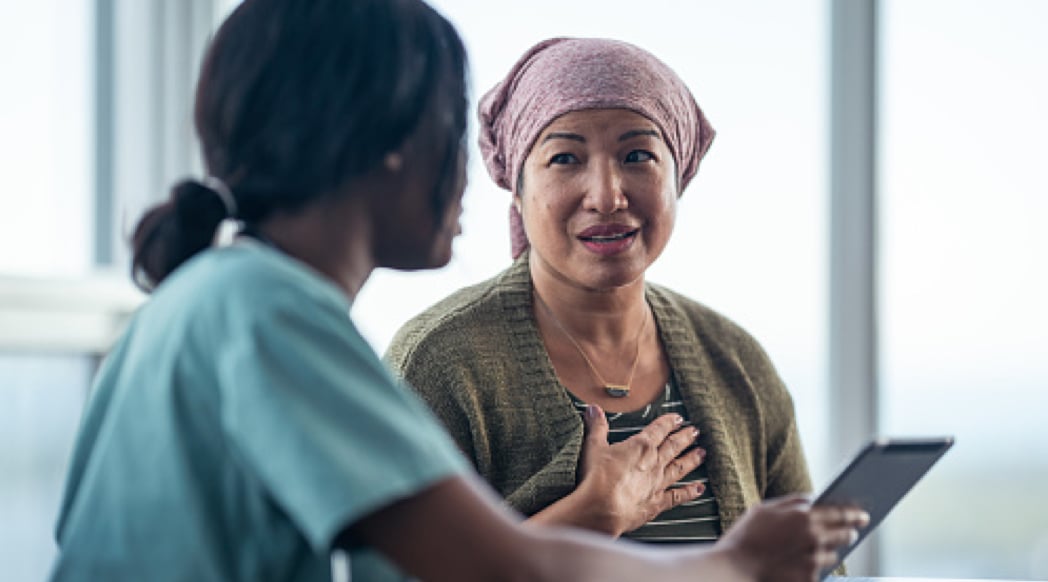
“This increase in cancer diagnoses among women younger than 50 years old is largely breast and thyroid cancers,” said Dr. Mahvish Muzaffar, a hematologist/oncologist at ECU Health. “This reinforces the critical need for routine mammograms and awareness of risk factors in this demographic. Advances in diagnostic technologies, like incidental findings during scans, have contributed to the rise in finding thyroid cancer cases.”
While lung cancer rates are declining overall, the decrease has been more significant for men than for women. In 2021 among adults younger than 65, more women were diagnosed with lung cancer than men.
“Men adopted smoking earlier but also quit sooner and more aggressively, resulting in a three percent annual decrease in lung cancer cases compared to a 1.4 percent decrease among women,” said Dr. Muzaffar. “Smoking cessation remains a crucial intervention, particularly for women who began smoking later and have been slower to quit.”
Advancements in cancer screenings and awareness campaigns have played a significant role in reducing cancer rates for some types. Prostate cancer cases among men, for instance, have declined due to more judicious use of PSA screenings. Similarly, HPV vaccination and cervical cancer screening have decreased rates of HPV-related cancers. However, some groups, particularly women aged 30–44, have seen an increase in cervical cancer incidence, potentially due to under-screening.
Dr. Muzaffar emphasized the role of lifestyle factors and screening in addressing these trends.
“The three most common cancers—breast, lung, and colorectal—all have effective screening methods,” said Dr. Muzaffar. “It’s crucial for women, and everyone, to prioritize their health, get routine mammograms and undergo screenings for these common cancers if they meet the criteria.”
As researchers continue to analyze cancer trends, further studies will be needed to explore the impact of factors like vaping, dietary habits and environmental exposures, Dr. Muzaffar noted. She also said ECU Health has observed an increasing number of younger patients with advanced cancer diagnoses.
“We haven’t conducted a formal study to compare our regional trends to national data, but anecdotally, we are seeing more young patients with cancer,” she said. “This could be an area for further research.”
The increase in cancer rates among women underscores the need for continued public health efforts focused on prevention, early detection, and lifestyle modifications. Women, particularly those over 30, should remain vigilant about their health and take advantage of available screening options to catch cancer early when it is most treatable. For more information about cancer screenings and treatment options, please visit ECUHealth.org/Cancer.