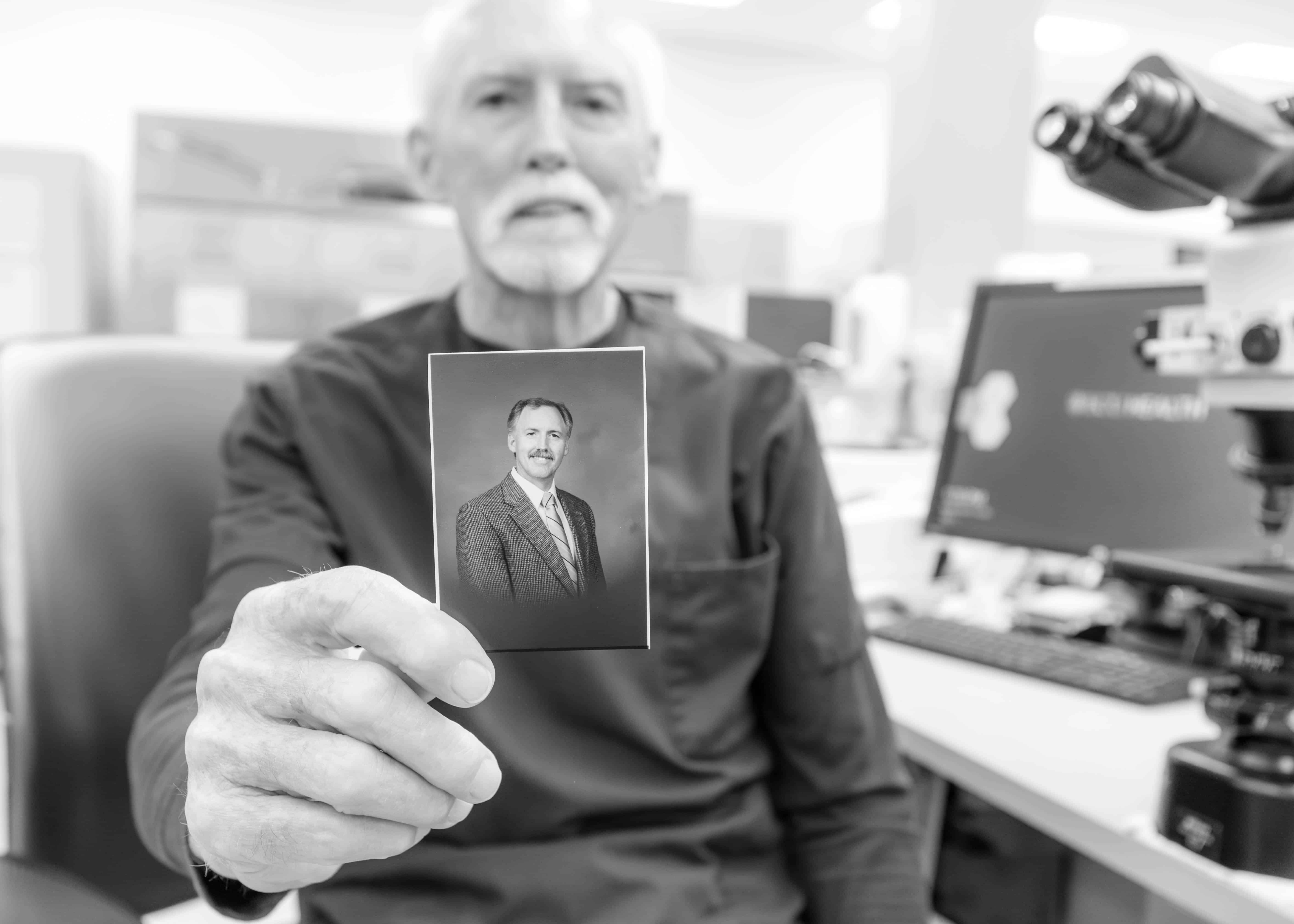
At 80 years old, Berry Warren, a medical lab technician, has seen his fair share during his 45 years at ECU Health.
“I was working for a wholesale company but felt like I wasn’t really helping anyone in that role,” Warren said. “Then my sister-in-law and brother-in-law suggested I go to nursing school. Nursing wasn’t really for me, but I enrolled in a Medical Laboratory Technician program near Asheville and was hired to work in the lab of the local hospital before I graduated.”
After working in and near Asheville for several years, Warren joined ECU Health in 1981. Over the years, he’s worked at ECU Health Beaufort Hospital, ECU Health Chowan Hospital, ECU Health Bertie Hospital and ECU Health Medical Center.
“At smaller hospitals, you get to know the patients and talk to them,” he shared. “You also get to do a little bit of everything. But at the medical center, you learn a lot because you see more diagnoses and patients.”
His wife and his daughter have also worked at ECU Health, making it a family affair.
“I’ve been in health care for 55 years,” he said. “And between me and my wife and daughter, we probably have close to 80 years of time with ECU Health.”
Working in the lab, Warren said he has served in many roles, but one he especially enjoyed was working in the cardiac surgery unit.
“In 1984, they sent us to Duke to work in the operating room while they were doing cardiac surgery,” he explained. “Dr. [W. Randolph] Chitwood was one of the surgeons and he always took time to talk to me, even though I was a lowly lab technician. And he taught me things – like he’d show me the heart during surgery and describe the parts and how they worked.”
Warren explained that during surgery, it was his responsibility to calculate blood gases and clotting time for patients.
“You have to thin the blood to work on the heart,” he said. “And we use heparin to do that. We had to determine a baseline clotting time using an actual graph on paper, and we’d calculate how much heparin the patient needed to thin the blood to go on the heart and lung machine. Then we had to calculate how much Protamine sulfate, which counteracts heparin, to give the patient after the surgery so their blood wouldn’t be too thin in recovery.”
Now, Warren said, much of that manual work is done by computers.
“I didn’t grow up with computers, but everything is computerized now,” he said. “I used to do blood cell counts manually using a microscope, but things have changed so much and so fast. The team I work with helps me out when I need it. We’re all buddies.”
Warren was recently recognized at the ECU Health Appreciation of Excellence Gala with a plaque commemorating his 45 years of service. And while he doesn’t have a specific date in mind, Warren said he will eventually retire. When that day comes, he doesn’t plan to sit around.
“My wife and I live on a farm so there is always wood to cut or a yard to mow,” he said. “I also mow my church’s grass. I don’t want to sit around the house; I like to get out and spend time with my wife.”
To new team members joining ECU Health, Warren said it’s worthwhile to keep up with changing technology.
“Don’t let it overpower you,” he said. “Jobs evolve and you have to change with it. Always be learning.”
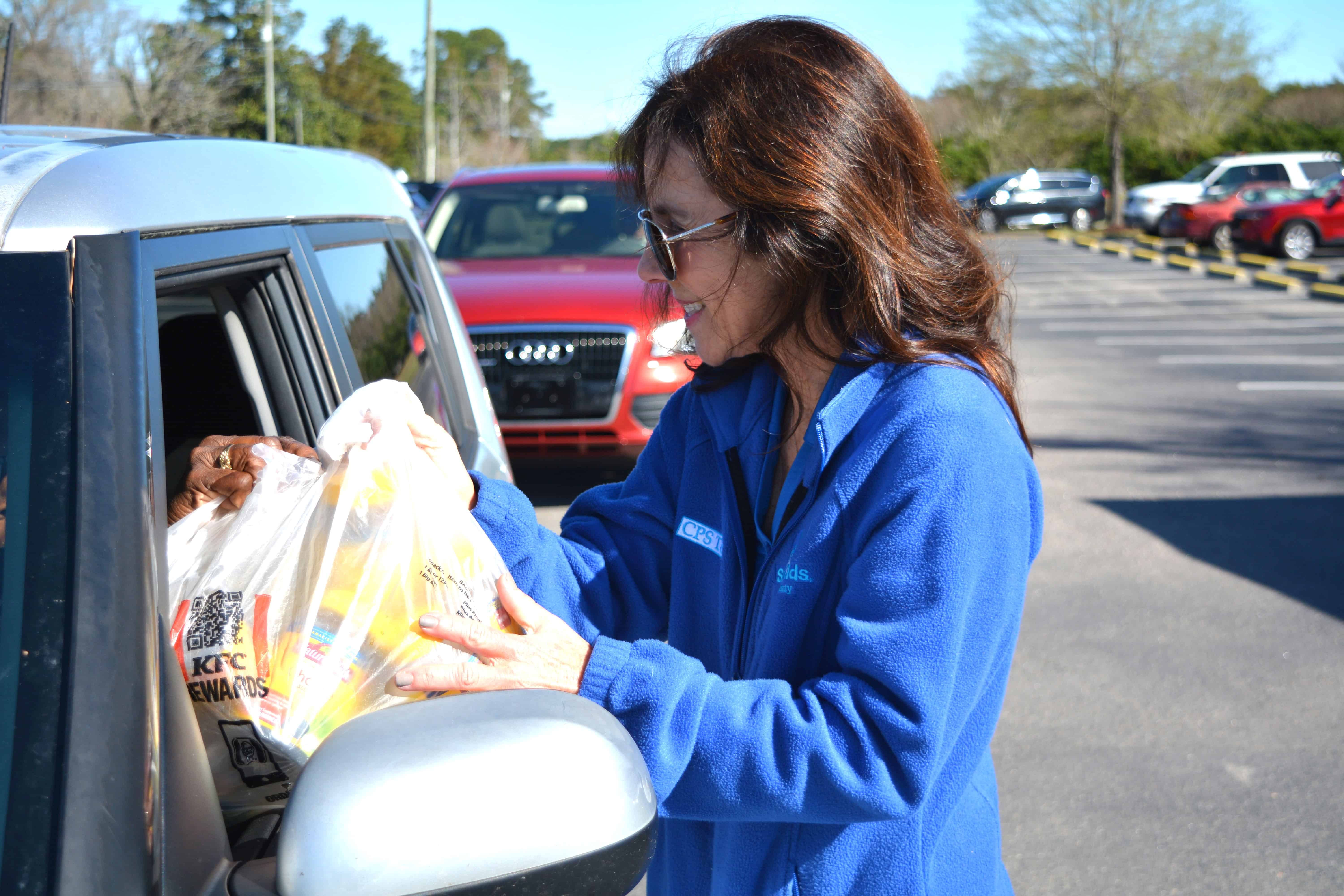
ECU Health, Safe Kids Pitt County, Pitt County Council on Aging and the Pitt County Sheriff’s Office helped Pitt County residents do a little spring cleaning during the 16th annual Operation Medicine Drop on Friday, March 13, at the Pitt County Council on Aging. The annual event gives residents the opportunity to drop off unused, unwanted or expired medication for safe disposal.
Operation Medicine Drop marks ECU Health’s commitment to educating the public about the importance of safe disposal.
More than 67,000 children go to an emergency room for medicine poisoning each year, according to a study by Safe Kids Worldwide.
Ellen Walston, injury prevention program coordinator and Safe Kids Pitt County coordinator at ECU Health, said the hosts gathered 244 pounds of medication. She said the partnership is essential to keep those medications out of the hands of small children.
“Local law enforcement agencies maintain drop boxes for people to dispose of their medication year-round,” Walston said. “It’s convenient and we don’t want people to hold onto them. We want them to dispose of them either at our annual event in March or throughout the year at a permanent drop box.”
Operation Medicine Drop serves as a reminder that those resources are available to the public.
“It also protects our waterways,” Walston said. “People tend to flush medications, and we do not want them to do that. We want safe disposal.”
ECU Health also partnered with the Pitt County Council on Aging to help residents shred their unwanted documents. Volunteers from the North Carolina Department of Transportation helped guide a long line of vehicles to a paper shredding truck where waste bins full of documents were able to be safely disposed of.
Since 2010, Operation Medicine Drop campaigns have successfully incinerated more than 422 million pills collected through permanent drop boxes and more than 4,600 events across North Carolina. Operation Medicine Drop is a partnership between Safe Kids North Carolina, the North Carolina Department of Justice, the Drug Enforcement Agency and the State Bureau of Investigation.
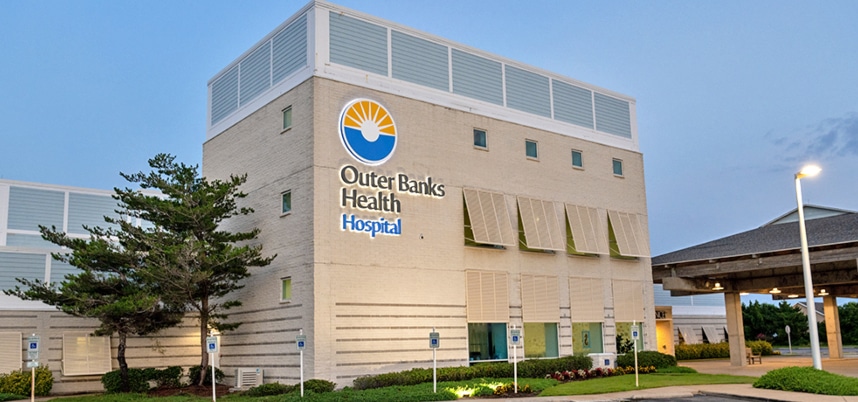
Greenville, N.C. – ECU Health today announced the appointment of Cathy Yablonski as the new president of Outer Banks Health following an extensive national search. Yablonski will officially join the organization on April 20.
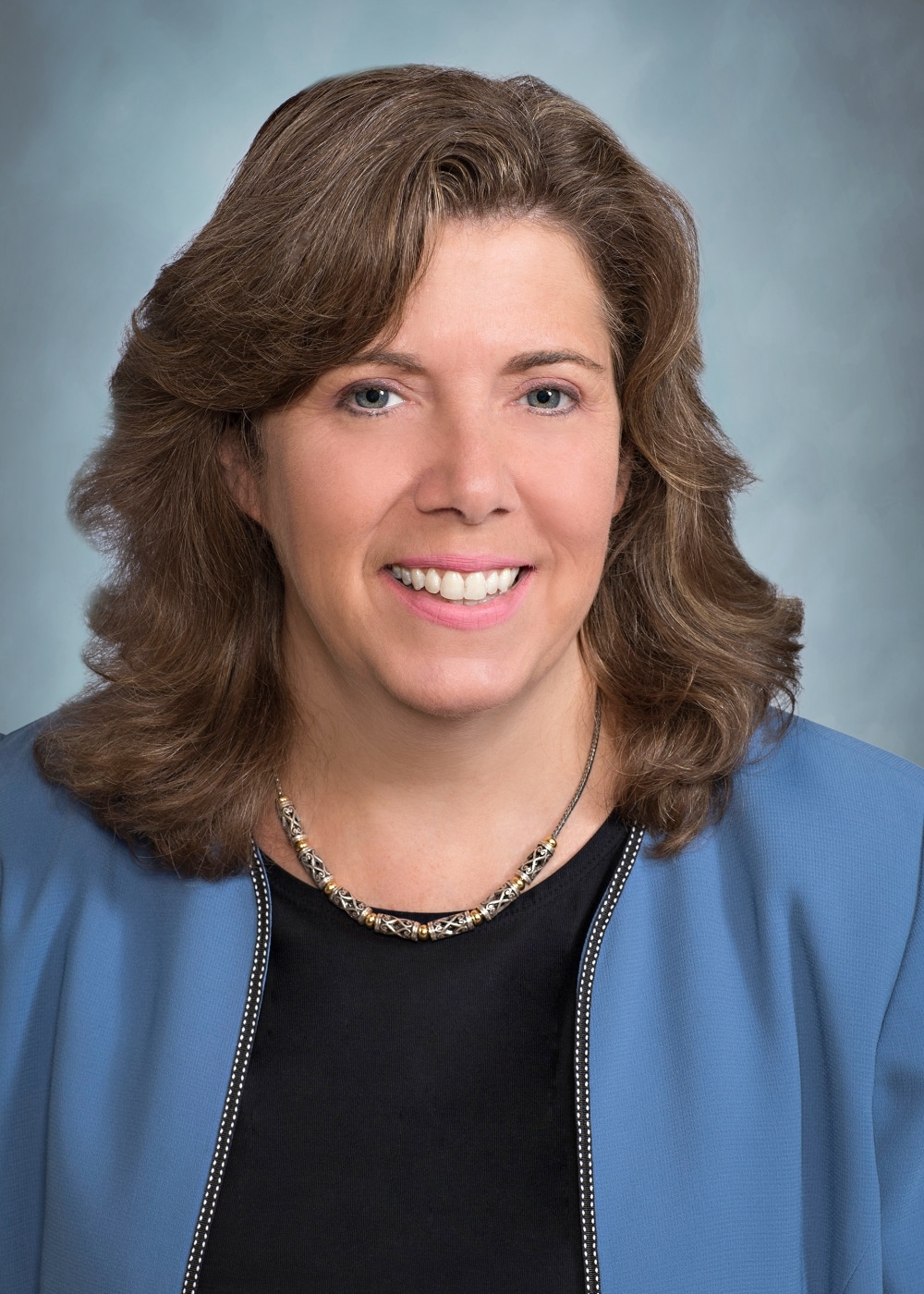
Cathy Yablonski
“I am deeply honored to join the Outer Banks Health team,” Yablonski said. “From the very beginning, I was struck by the health system’s profound dedication to the community it serves. I’m eager to collaborate with ECU Health and Chesapeake Regional Healthcare to strengthen and expand the care we provide to both year round residents and the visitors who make the Outer Banks such a special place.”
Yablonski brings more than 30 years of progressive health care leadership experience, including hospital administration, ambulatory strategy, physician practice management and system‑level operations. She most recently served as senior vice president and chief ambulatory operations officer for Mary Washington Healthcare in Fredericksburg, Virginia, where she oversaw a division of more than 1,200 team members. Previously, she spent 14 years as chief executive of Stafford Hospital, a community hospital within the Mary Washington Healthcare system.
“Cathy is a relationship‑driven, patient‑centered leader with a deep commitment to quality, operational excellence and community health,” said Van Smith, president, ECU Health Community Hospitals. “Her experience and leadership style align seamlessly with ECU Health’s mission and values. I have full confidence she will continue to advance Outer Banks Health’s reputation of providing outstanding care.”
Outer Banks Health’s strong partnership with Dare County is a key component of expanding access to high quality care for residents and visitors. With the support of county leaders, the health system continues to focus on expanding essential services and strengthening its ability to meet the community’s evolving needs locally.
“Cathy is joining an incredible team and a local community that takes great pride in having high-quality care available here in the Outer Banks,” said Myra L. Bone, chair of the Outer Banks Health Board. “Her collaborative spirit and strong commitment to local partnerships make her an exceptional fit for this role. We’re confident she will continue to strengthen our relationships across Dare County and with community leaders as we work together to support the health and well being of the Outer Banks.”
Yablonski’s appointment follows the retirement of Ronnie Sloan, who will conclude his career-distinguished service on April 1. Smith will serve as interim president of Outer Banks Health until Yablonski officially joins the organization on April 20.
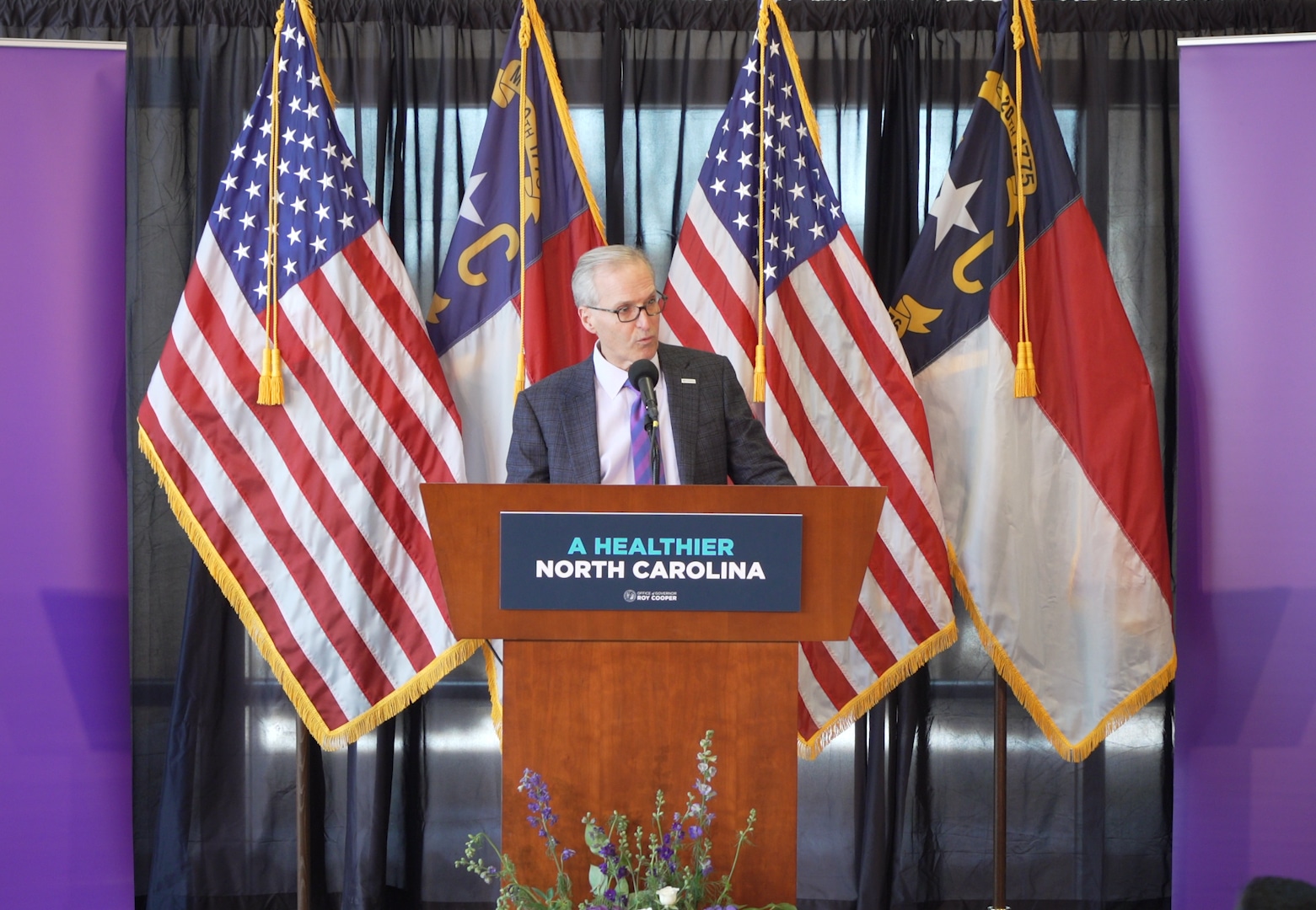
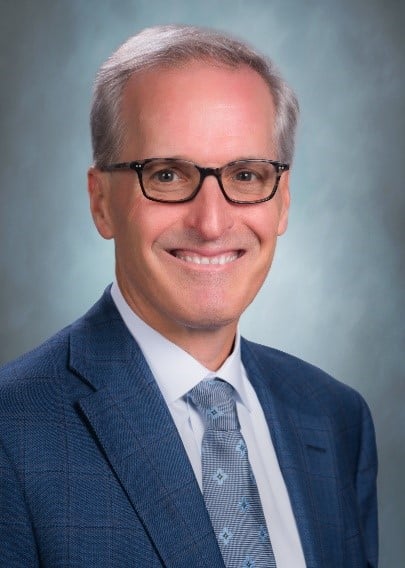
Dr. Michael Waldrum
For generations, the people of eastern North Carolina have trusted local hospitals and clinics to be there when they need care the most. At ECU Health, we honor that trust by sustaining access to high-quality care across rural communities. Our health system was built with a clear purpose: to ensure rural hospitals continue operating despite intensifying financial realities unique to rural America. We are successful because of our dedicated team of doctors, nurses and health care professionals.
Today, that purpose is more urgent than ever. Nearly half of rural hospitals nationwide now operate in the red, and hundreds are vulnerable to closure. Rural communities like ours are disproportionately affected by changes in reimbursement, escalating supply costs, workforce shortages, and chronic underinvestment in infrastructure. At the same time, rural Americans face higher rates of chronic disease, lower incomes, and limited access to vital services like maternal care and cancer treatment.
Despite these pressures, ECU Health remains resolute in our mission to improve the health and well-being of the East. To meet these challenges, we are:
- Advocating for state and federal investment to build and sustain access to care.
- Supporting patients as they navigate increasingly complex insurance environments, including Affordable Care Act plans, Medicare Advantage, and Medicaid.
- Strengthening relationships with payors, advocating for rural appropriate reimbursement models that reflect the true cost of delivering care.
- Preserving access to care for socially or financially vulnerable patients.
- Preparing for heightened regulatory oversight and more complex compliance expectations, while adapting to structural changes in state and federal programs.
- Educating, training and investing in physicians and other health care professionals who deliver the high-quality care rural communities deserve.
But no health system can safeguard rural health alone. Payors and policymakers have a critical role to play. Sustainable rural health care requires fair reimbursement, predictable funding, and policies that recognize the realities of serving geographically dispersed communities. When rural hospitals are forced to cut services or close, the consequences ripple far beyond health care. Jobs disappear. Businesses struggle. Families leave. Economic potential erodes. Investment today prevents a higher cost to everyone down the road.
At ECU Health, we’re committed to creating an optimistic future for our communities. We’re making progress in our journey to build the national model for academic rural health care, including earning system accreditation from the American College of Surgeons Commission on Cancer, teaching the next generation of health care professionals, and earning the 2025 Press Ganey Human Experience Guardian of Excellence Award.
With our partners, we are focused on providing high-quality care to patients, communities, and the region for decades to come. Because we know access to high-quality, local care is not simply a health issue – it is the foundation of strong, resilient communities.
Dr. Michael Waldrum, CEO of ECU Health and Dean of the Brody School of Medicine at East Carolina University
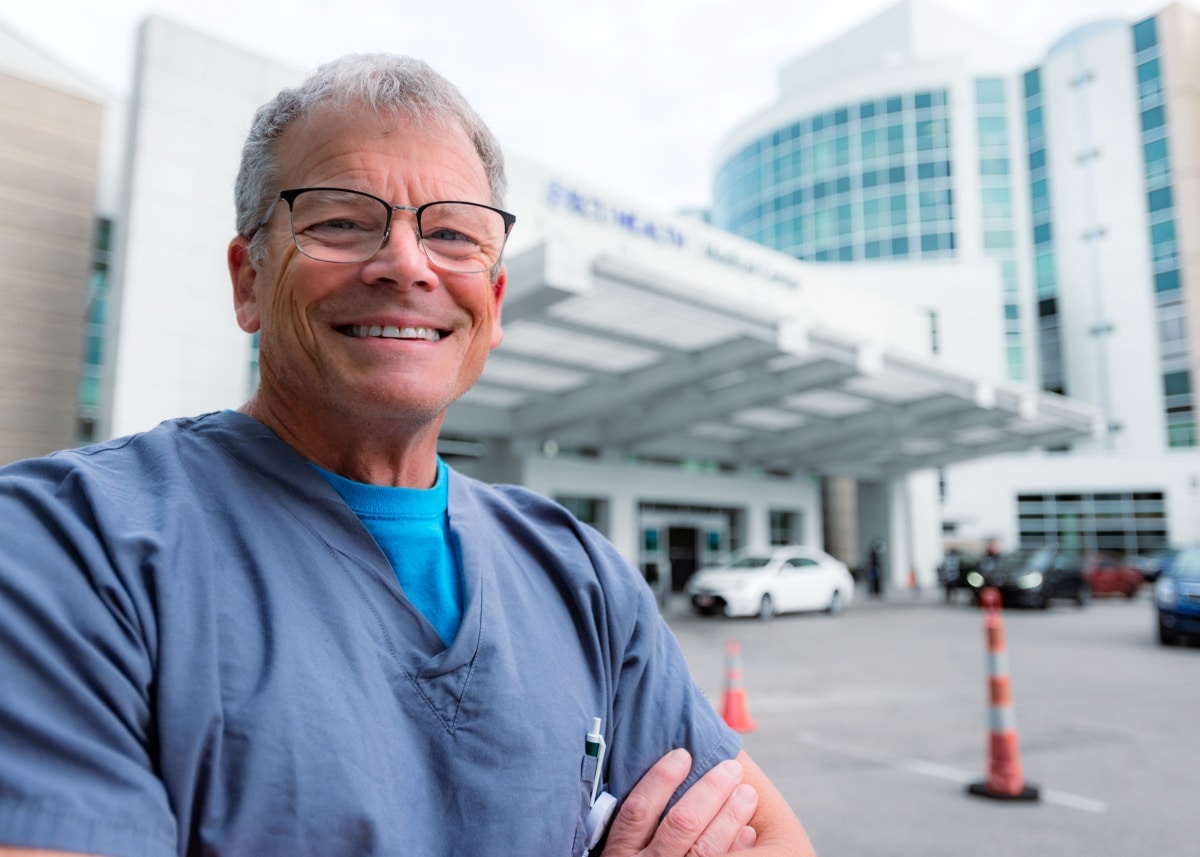
It was a quiet day in the cardiology clinic when the echocardiogram technician at ECU Health Beaufort Hospital asked Michael Joyner, a nurse practitioner, for a favor.
“My schedule wasn’t full because I had only been working at that location for about a month, and the echocardiogram tech had a student,” Joyner said. “Their patient didn’t show up, so she asked if her student could practice using the equipment on me.”
When the student viewed Joyner’s heart, however, something unexpected showed up.
“I knew I had a heart murmur, but the technician looked concerned and took over the scan. Turns out my aortic root was dilated to more than twice its normal size,” he said.
The aortic root is where the aorta, the largest blood vessel in the body, is closest to the heart. A dilation, otherwise known as an aneurysm, is potentially life threatening.
“When you research aortic aneurysms, one of the first things you read is that the first symptom is often sudden death,” Joyner said. “They’re often asymptomatic, but if it ruptures, usually the only thing people can do for you is hold a funeral service.”
Help was only a call away
After the scan, Joyner spoke with a cardiologist immediately. It helped that he knew trusted team members from across the system.
“I asked one of my former students and a nurse practitioner, Brooke Kostok, if her colleague, Dr. Ben Degner, could look at my echocardiogram,” Joyner said. “He called me personally that afternoon and spent 20 minutes on the phone outlining what he thought about it and his recommended next steps. He didn’t have to do that.”
After a computerized tomography (CT) scan and an official diagnosis, which showed the amount of dilation was borderline, Michael and his physicians opted for a watch and wait approach.
“I had a new grandson on the way, and I didn’t want to be recovering from surgery during that time,” he said.
A repeat echocardiogram in the fall of 2025 showed the dilation had grown by a small amount. Joyner decided it was time to have surgery, and on Oct. 21, he underwent an aortic root replacement with aortic valve replacement and reimplantation of the coronary arteries – also known as the Bentall procedure.
“It was a long surgery, and I was lucky to have a network of people I could rely on for support, including Chris Baxter, a certified registered nurse anesthetist (CRNA), who was with me during the surgery,” Joyner said. “I wanted him at the head of the bed during my surgery because I had full confidence in him.”
Other colleagues provided support during the surgery by placing a PICC line or being present and supportive for Joyner’s wife, Gwin, and their son.
Recovery went well until day three, when Joyner experienced some post-operative atrial fibrillation – a not uncommon event after this type of surgery. Another former student, D.J. Smith, ACNP on the CVICU, helped restore Michael’s normal heart rhythm.
After seven days in the hospital, Joyner went home, but six weeks later, a post-operative CT scan showed some leakage at the site where an intraoperative cannula had been placed. He needed another surgery in December 2025.
Looking forward to the future
Taking nearly four months off work and undergoing two surgeries has been tough, but now Joyner is feeling better every day.
“It’s difficult to reconcile that you need surgery when you feel healthy. And when you work in health care, you know what could go wrong,” he said. “To have two surgeries – to have your chest opened twice – that’s a difficult recovery.”
Despite the mental and physical challenges, Joyner is clear about his perspective of gratitude.
“I don’t believe in coincidence,” he said. “So many things had to happen to get me where I am. I had to find out about the job at Beaufort – because I wasn’t looking for a new role – and then get the job. I had to be in the clinic that day and not have a patient. The echocardiogram tech had to have a student and a patient cancellation. It was a series of events coordinated by God.”
Joyner is scheduled to return to work in March, and he’s thankful to all the people who played a role in his diagnosis and recovery – especially his wife.
“Gwin is also a nurse at the hospital, but during this time she was my personal nurse and physical therapist,” Joyner said. “I’m fortunate to work in a profession where I was in the right spot at the right time, and to have a whole network of people I can call. That’s made the difference for me.”

Greenville, NC – ECU Health is excited to announce the Academic Loan Scholarship Program, a new workforce investment designed to support students pursuing high need health sciences degrees across eastern North Carolina. The program provides $5,000 in financial assistance to eligible students and includes a one year, full time work commitment with ECU Health upon graduation, helping ensure a strong homegrown pipeline of skilled professionals for the region’s hospitals and clinics.
“Eastern North Carolina depends on a strong, well trained health care workforce, and this program is an important investment in that future,” said Brian Floyd, chief operating officer, ECU Health. “By reducing financial barriers for students and creating clear pathways into our system, we’re able to recruit and retain the talent our communities rely on. Supporting local learners early in their training strengthens both ECU Health and the long term stability of care across the region, and this commitment ensures we are preparing the next generation of caregivers who take care of the communities we serve.”
Created to address the need for allied health and nursing roles, the Academic Loan Scholarship represents a significant commitment to expanding access to education while meeting the health care needs of rural and underserved communities. A total of $165,000 has been allocated for the program, allowing for 33 scholarships of $5,000 each. Eligible students must be enrolled in or accepted into one of several high need programs at regional community colleges, including nursing (ADN), respiratory therapy, surgical technology, medical laboratory technology, radiography, sonography, cardiovascular sonography, CT, MRI, diagnostic technology, OTA and PTA. Students in the Nursing Ribbon Program are also eligible.
“At ECU Health, we believe that supporting the next generation of caregivers is essential to building a healthier eastern North Carolina,” said Josh Crocker, vice president, HR Centers of Excellence, ECU Health. “Our Academic Loan Scholarship Program is designed to ease the financial burden for students in high demand health disciplines while creating clear pathways into vital clinical roles across our region. This initiative reflects our commitment to growing local talent, expanding access to care and advancing our mission of improving the health and well-being of eastern North Carolina.”
Applications close May 22, 2026. To learn more about the Academic Loan Scholarship Program, including eligibility, FAQs and application requirements, please contact Brynn Schiller at [email protected].
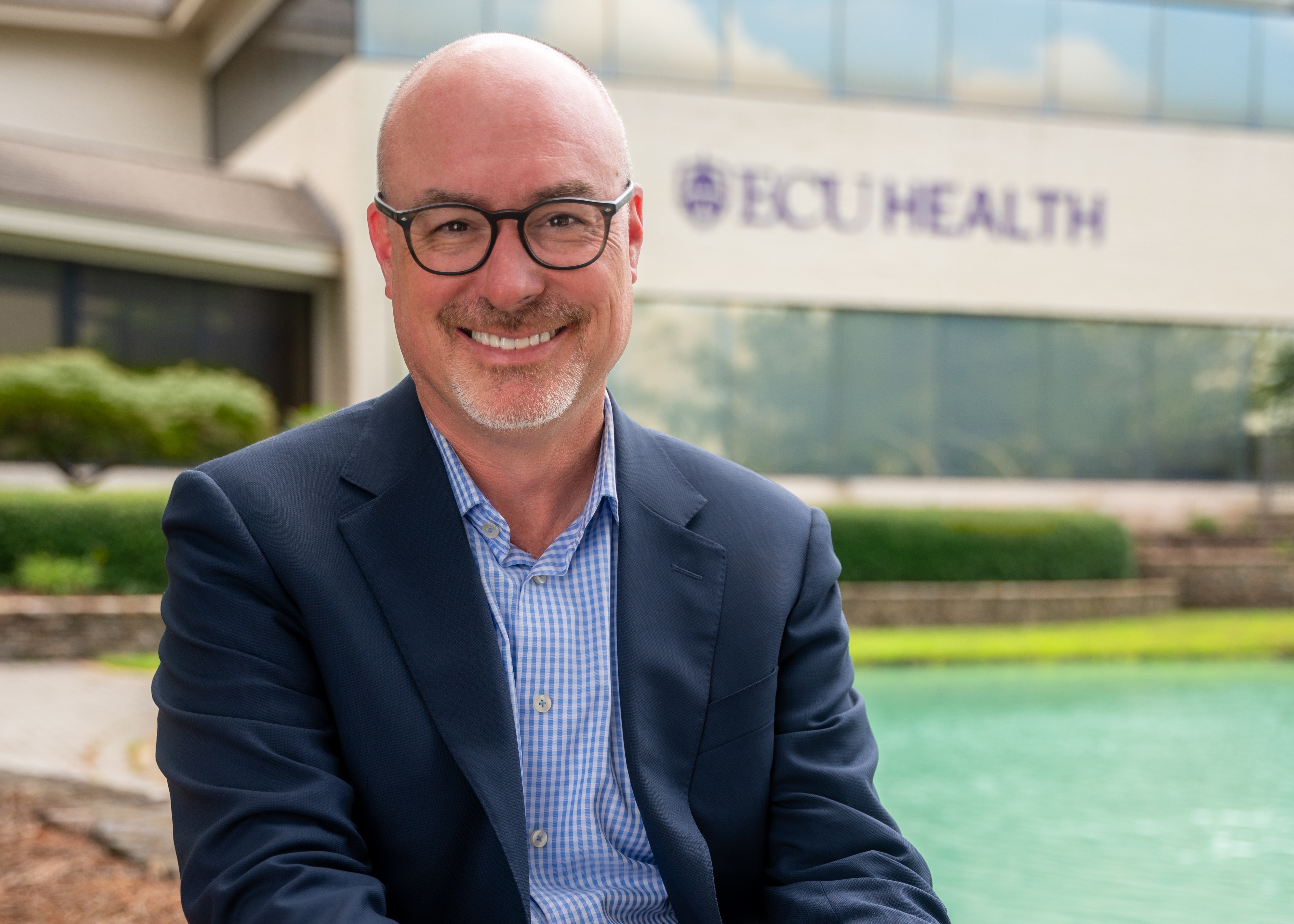
Greenville, NC – The North Carolina Healthcare Association (NCHA) announced that Brian Floyd, MBA, RN, Chief Operating Officer of ECU Health, has been elected to serve as chair of the association’s 2026–2027 Board of Trustees. As chair, Floyd will help guide the association’s strategic direction and oversee its efforts to advance policies and partnerships that improve the health of communities across North Carolina.
“I am honored to serve as chair of the NCHA Board of Trustees to work alongside leaders from across the state to strengthen our health care system and support the incredible teams who care for our communities every day,” said Floyd. “Ensuring that rural health care remains at the forefront of statewide policy and investment will continue to be a driving priority for me as we move forward together. I look forward to championing the health care needs of North Carolinians and helping expand access to high‑quality care across our state, especially in rural communities.”
Floyd began his career as a nurse in the post‑operative cardiac surgery unit at ECU Health Medical Center and brings nearly three decades of experience in health care leadership and operations. His administrative roles have included physician practice management, service line development, hospital operations and serving as the president of ECU Health Medical Center where he led several expansions to today’s nearly 1,000 bed capacity. He now serves as chief operating officer for ECU Health with oversight of the health system clinical enterprise in eastern North Carolina.
A long‑time advocate for rural health care, Floyd is deeply committed to meeting the health needs of the region. He also contributes his expertise on several national and state boards, including the American Hospital Association Regional Policy Board, the North Carolina State Health Coordinating Council and the NCWorks Commission (by gubernatorial appointment), the Governor’s Council on Workforce and Apprenticeship, Pitt Community College Board and the NCHA Board. Floyd has served on the NCHA Board since 2023 and is currently serving as NCHA Chair.
“NCHA is incredibly fortunate to have Brian Floyd as our Board Chair,” said NCHA President and CEO Josh Dobson. “His exceptional leadership and extensive expertise in providing high quality healthcare, especially in a rural setting, makes him the ideal chair for our advocacy organization. His proven ability to build strong relationships and navigate complex health care challenges positions us well toward achieving our goals of improving the health of our state.”
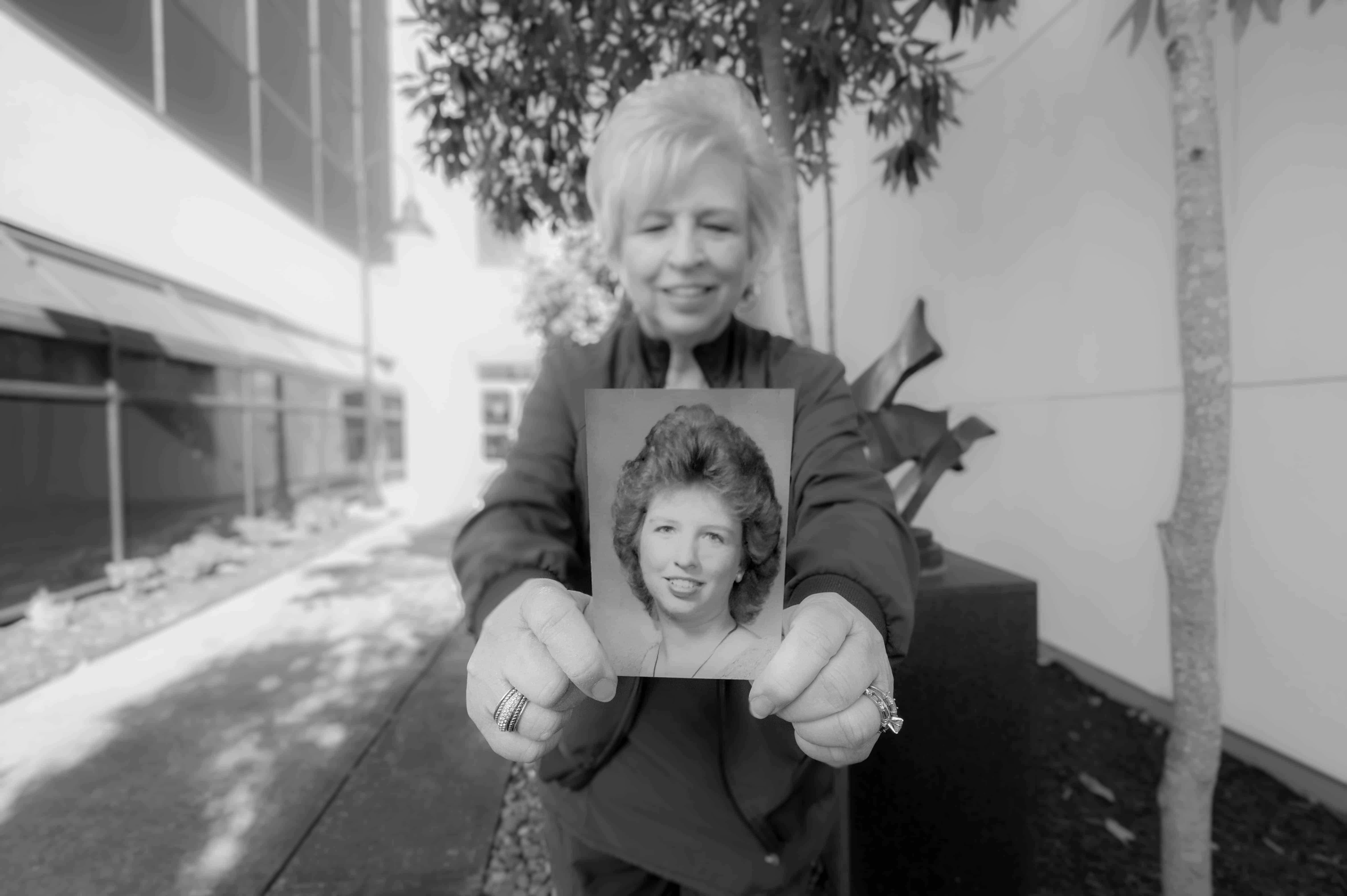
Watching her grandfather, a tobacco farmer, struggle with COPD inspired Karen Ward to pursue a career in respiratory therapy, but she said she always knew she was meant to care for others.
“My purpose is to care for others,” she said. “I have been a caregiver for my immediate family. I like working with patients, and health care is my calling.”
The sleep disorders lab coordinator at ECU Health Roanoke-Chowan Hospital, Karen began her career as a respiratory therapist. One of the administrators, however, encouraged her and her team to expand their education.
“He would come around telling us we should know more than one field,” she said. “Around that time, our hospital planned to open a sleep lab and that interested me. The hospital paid for me and others to go to Atlanta, Georgia to learn about polysomnography and I did that along with respiratory therapy for a while. For the last 10-15 years I’ve done nothing but sleep.”
In the 40 years since Karen joined her team, she said she’s only had three managers – but a lot of other things have changed.
“The technology has changed,” she said. “The type of ventilators we use and the sleep lab equipment are different.”
She said communication has also evolved with the technology.
“There were no pagers, no cell phones when I started. For EKGs, we’d have to print them out and then cut out the parts we thought were important for the doctor,” she said. “We’d have to dictate what the doctor said and our charts were paper.”
And because there were no cell phones, Karen said when she was on call, she had to keep her landline close by in case of emergency calls.
“At home I’d have a long telephone wire into the bedroom so if they called me in the night, I’d hear the phone ring,” she said, adding, “I could have never done shift work when my children were young without the support of my husband and parents.”
What hasn’t changed, however, are the close relationships Karen has forged in her time with the system.
“This is a small community, and everyone knows everyone,” she said. “We have all been together through many life changes. When I started here, I was engaged. Now I will celebrate my 40th wedding anniversary in October. I’ve had children, I’ve had family members pass away. Three of my colleagues have been here as long as I have been, and I’ve made some long-lasting relationships and friendships. My manager now was once a student I helped train in respiratory therapy.”
Her advice for new team members focuses on the close bonds forged in community hospitals.
“Consider working in a smaller hospital – the relationships you make are different,” she said. “Everyone knows your name. You work hard and you still see critical patients, but the friendships you make are invaluable. My best friend and I met 40 years ago in respiratory therapy.”
In the future, Karen hopes to one day retire on her grandfather’s farm, care for her family and enjoy her hobbies of gardening and caring for stray animals.
“I am very tenderhearted, and I have a passion for animals,” she shared. “I worked with the local humane society and everyone in Ahoskie drops animals off at my house because they know I will get them to a good home.”
“When I die,” she added, “I hope I will be told, ‘well done, good and faithful servant.’”
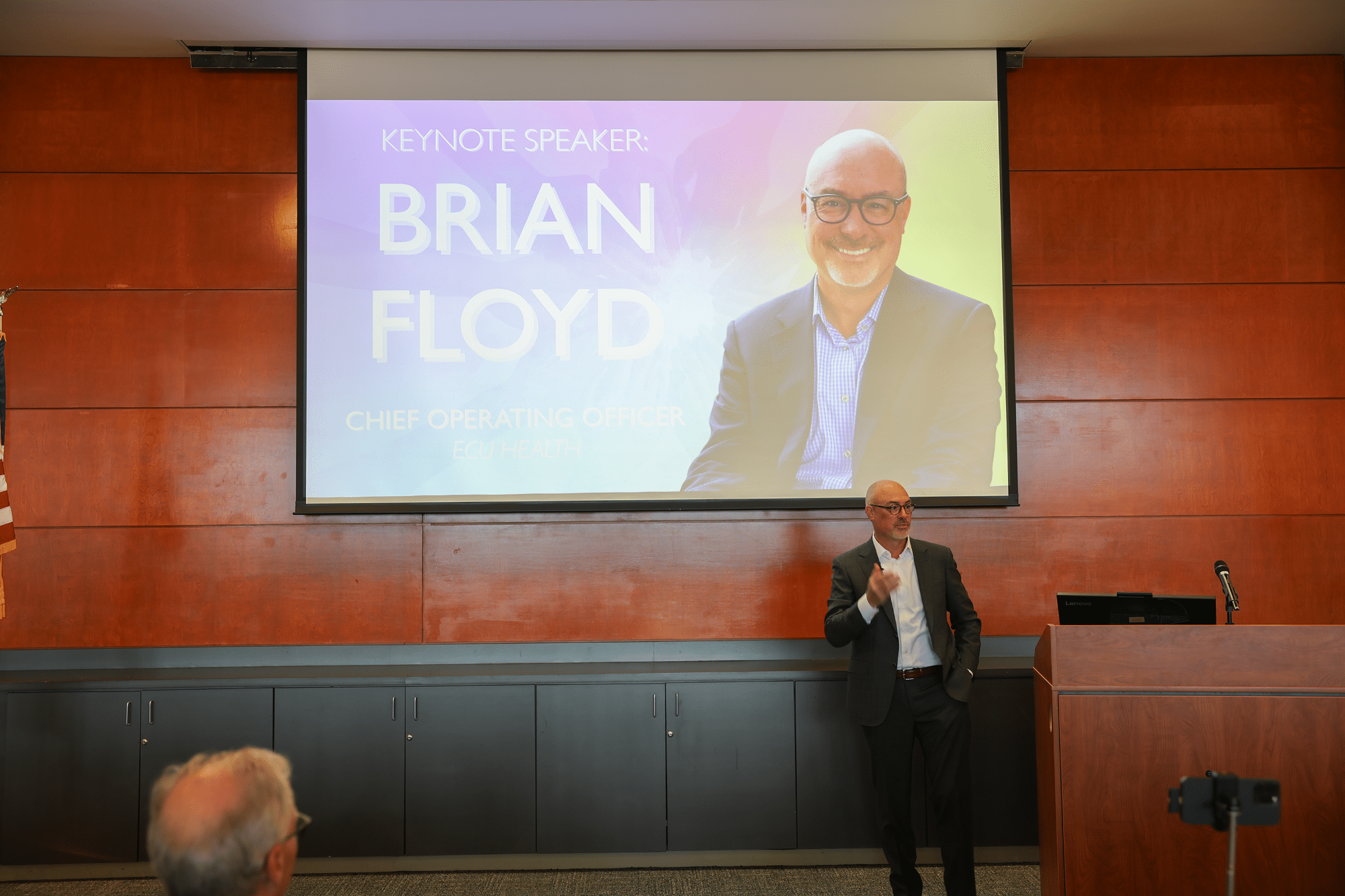
On Jan. 20, ECU Health had the opportunity to reflect on the life and legacy of Dr. Martin Luther King Jr. in events across eastern North Carolina. In Greenville, two ECU Health leaders served as speakers in community events.
On Monday morning, Brian Floyd, chief operating officer of ECU Health, served as the keynote speaker during the Community Unity Breakfast, hosted by the Greenville-Pitt County Chamber of Commerce. Later in the day, Dr. Michael Waldrum, chief executive officer of ECU Health, sat on a panel of community leaders for a Celebrating the Life & Legacy of Dr. Martin Luther King Jr. event at Jarvis United Methodist Church.
During the 29th annual Community Unity Breakfast, which ECU Health sponsors along with other local organizations, Floyd offered remarks focused on the power of a small group of people making a big difference in their community and across the world.
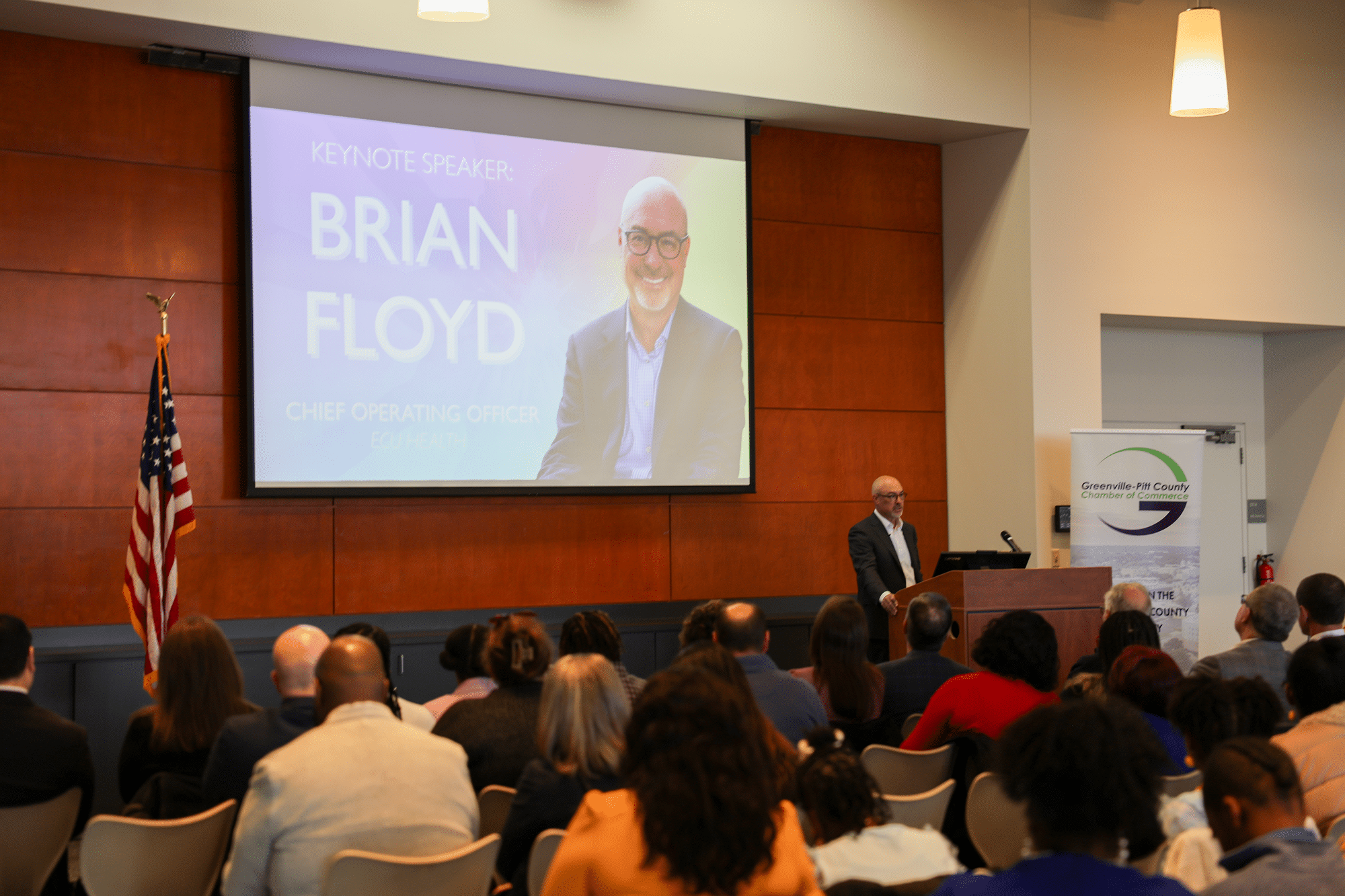
Floyd reflected that Dr. King’s work brought an awakening of the nation’s conscience and inspired others to advance civic causes and responsibilities. He related this back to the work of local leaders decades ago who saw troubling trends in the health of eastern North Carolinians.
“These people saw that and they gathered together and wondered, ‘What can we do about it?’ The idea is: let’s build access to care by creating physicians to serve in eastern North Carolina. They petitioned the state and they fought hard to get the right thing done, too,” Floyd said. “They took what little bit they had to offer and said we’ll take a little bit of this hospital and a little bit of this university and a whole lot of our interest, and people taking loans out to begin this process and petition the state to build what is now the Brody School of Medicine and what has become a national leader in academic medicine here at our hospital.”
Floyd said over the years at ECU Health Medical Center, hundreds of physicians and thousands of team members have served the community and transformed the once small county hospital into one of the nation’s largest academic medical centers. The community also had a vision for the Brody School of Medicine at East Carolina University, which trains the most of North Carolina’s primary care physicians today.
He said the success stories of ECU Health Medical Center and the Brody School of Medicine are because of people who had the courage to step up and make a difference in their community.
“People who have the courage to do something probably don’t even realize where it’s taking the future,” Floyd said. “If we have the courage to solve health care disparities or try to address them, we use what we have. Just a handful of people can put in motion something that really can be transformational.”
He closed by reflecting on Dr. King’s words, “Life’s most persistent and urgent question is, ‘What are you doing for others?’”
Floyd asked those in attendance to avoid becoming complacent in seeking change and advocating for the well-being of others. He said he’s proud of the work of 15,00-plus team members across the organization taking action each day with a commitment to improving the health and well-being of eastern North Carolina.
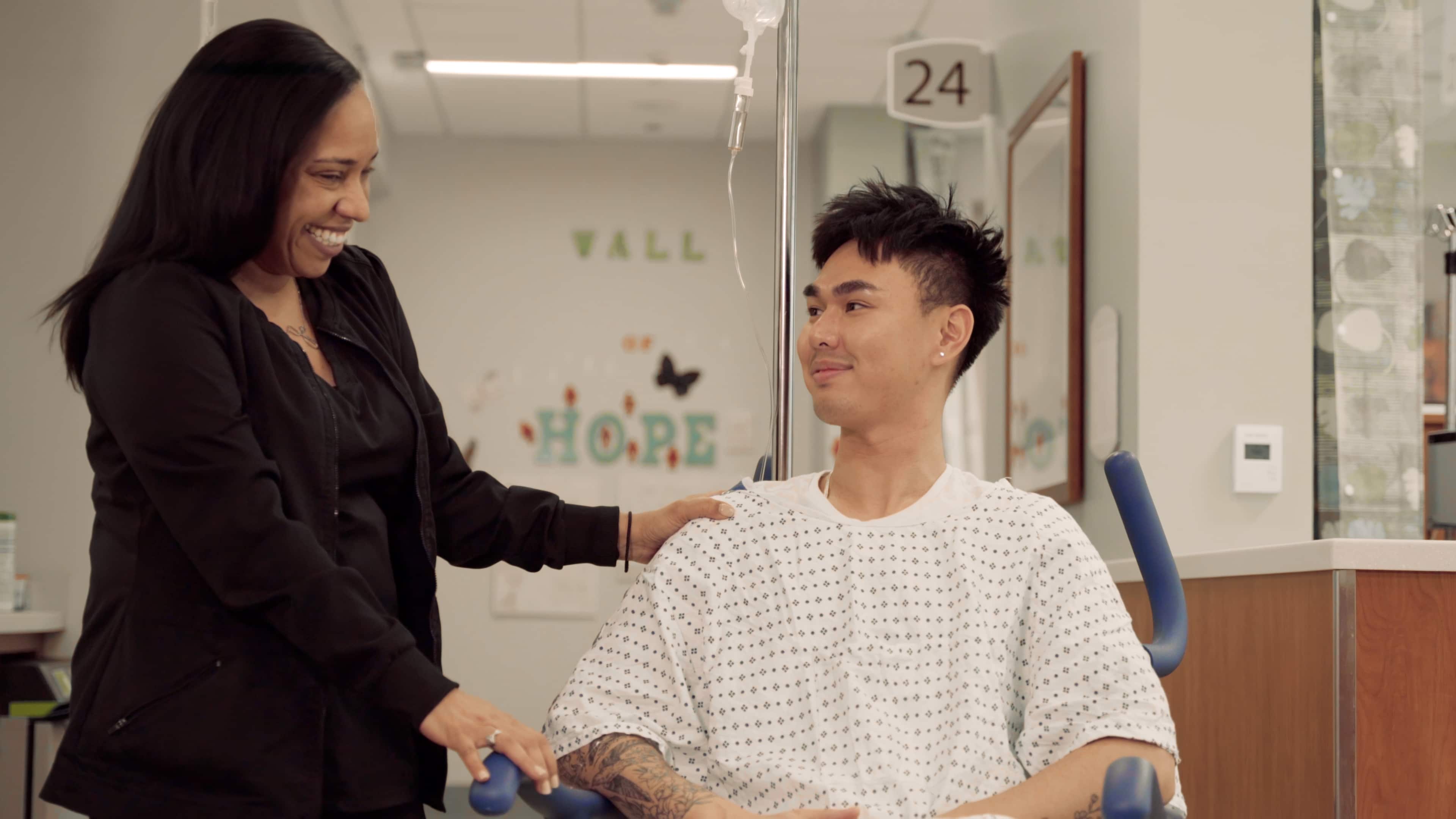
Greenville, N.C. – ECU Health is proud to announce it has earned system-wide accreditation from the American College of Surgeons Commission on Cancer (ACS CoC), marking a significant milestone in the organization’s commitment to delivering world-class cancer care across eastern North Carolina. ACS CoC accreditation is awarded to institutions that demonstrate compliance with rigorous standards designed to improve survival and quality of life for patients with cancer.
“As a rural academic health system serving eastern North Carolina, ECU Health recognizes the importance of bringing high-quality cancer care close to home for the 1.4 million people we serve,” said Brian Floyd, chief operating officer, ECU Health. “We are proud of the leadership team, physicians and team members whose dedication made this achievement possible. Their collective efforts underscore ECU Health’s mission to improve the health and well-being of eastern North Carolina.”
ECU Health Cancer Care delivers standardized, high-quality services across all System hospitals and clinics. ECU Health Cancer Care Network includes ECU Health Medical Center, ECU Health Edgecombe Hospital, ECU Health Beaufort Hospital and ECU Health Roanoke-Chowan Hospital. Each location aligned on shared goals, projects and outreach initiatives, including cancer screenings to improve community health and well-being. Patients benefit from standardized care protocols across the system, multidisciplinary participation in cancer conferences, a collaborative cancer registry that enhances data-driven care and access to highly trained specialists in Greenville working seamlessly with care teams across the region.
“This system accreditation means patients across our region can expect the same high standards of cancer care no matter where they seek treatment,” said Dr. Emmanuel Zervos, executive director of cancer services at ECU Health, and professor at the Brody School of Medicine at East Carolina University. “It ensures that advanced treatments, multidisciplinary expertise and supportive resources are consistently available close to home. Most importantly, it gives patients and families confidence that their care is coordinated, compassionate and designed to achieve the best possible outcomes.”
Accredited programs must undergo comprehensive evaluation and review to ensure patients receive a full continuum of cancer care services, from prevention and early detection to diagnosis, treatment, survivorship and supportive resources. This accomplishment reflects the strong collaboration across the ECU Health system. The initiative was led by physicians and leaders across the health system to establish a state-of-the-art care model that unites specialists and resources across the region.