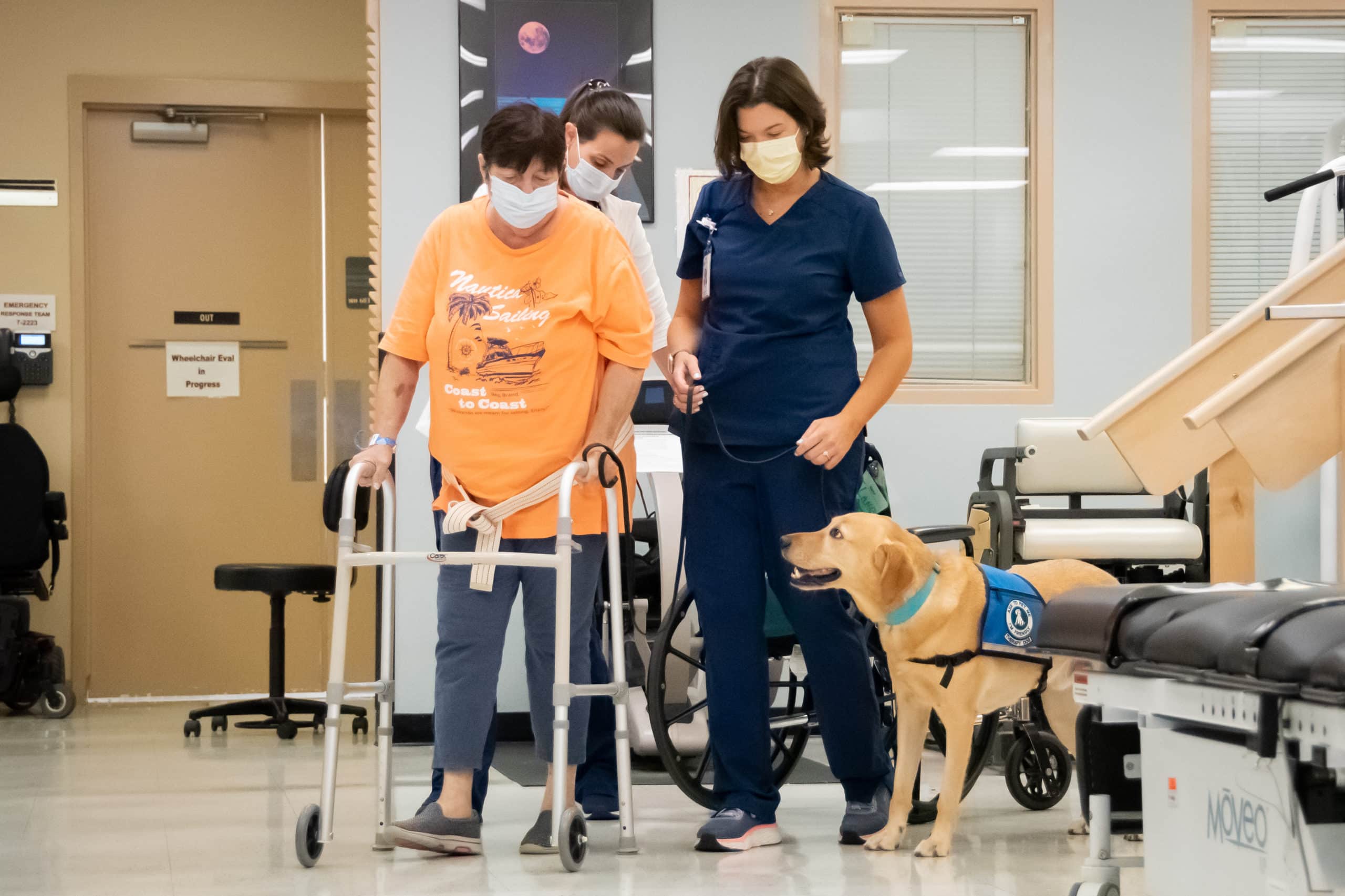
Meet Clive, ECU Health Medical Center‘s resident canine.
“Currently, he’s working two days a week with us,” said recreational therapist and dog handler Kasey Shue. “Some mornings when we go through the hospital doors, he’s just like, on a mission. I have to be like, ‘Clive, wait, hold on, buddy. You’re like, ready to roll this morning’. So I think he knows what he’s here to do.”
It’s an assignment he’s well prepared to tackle.
“A service dog is specifically trained to do certain tasks for somebody with a disability,” said Clive’s owner and outpatient rehab supervisor Tanya Bowen. “So a therapy dog is basically to provide comfort and they have to be very friendly and outgoing because there’s a lot of people that want to pet them and touch them. They have to be calm. They have to like the interaction, the social interaction. So he’s kind of like a little combination of both.”
Clive’s skill set benefits patients in a number of ways, whether that’s assisting with physical needs or providing emotional support.
“We’ll partner up with a physical therapist or an occupational therapist and we’ll work on walking him if they’re working on mobility improvement,” Shue said. “We’ll work on throwing a ball if they need some hand strengthener. We’ll work on them being able to pick up a very small treat and hand it to him if they have fine motor limitations. We really try to incorporate him into whatever functional skills they are trying to learn to make their life easier when they get home. On the other side, many times we have patients that are depressed or anxious. They don’t like being in the hospital and he just provides that comfort.”
And his services are in demand at the bedside and beyond.
“He actually wears a vest that says, I’m friendly, please ask to pet me,” Shue said. “We absolutely encourage that because he is therapy for our patients, but he’s also therapy for the staff, the families.”
Resources
ECU Health Therapy & Rehabilitation
Watch more ECU Health News videos
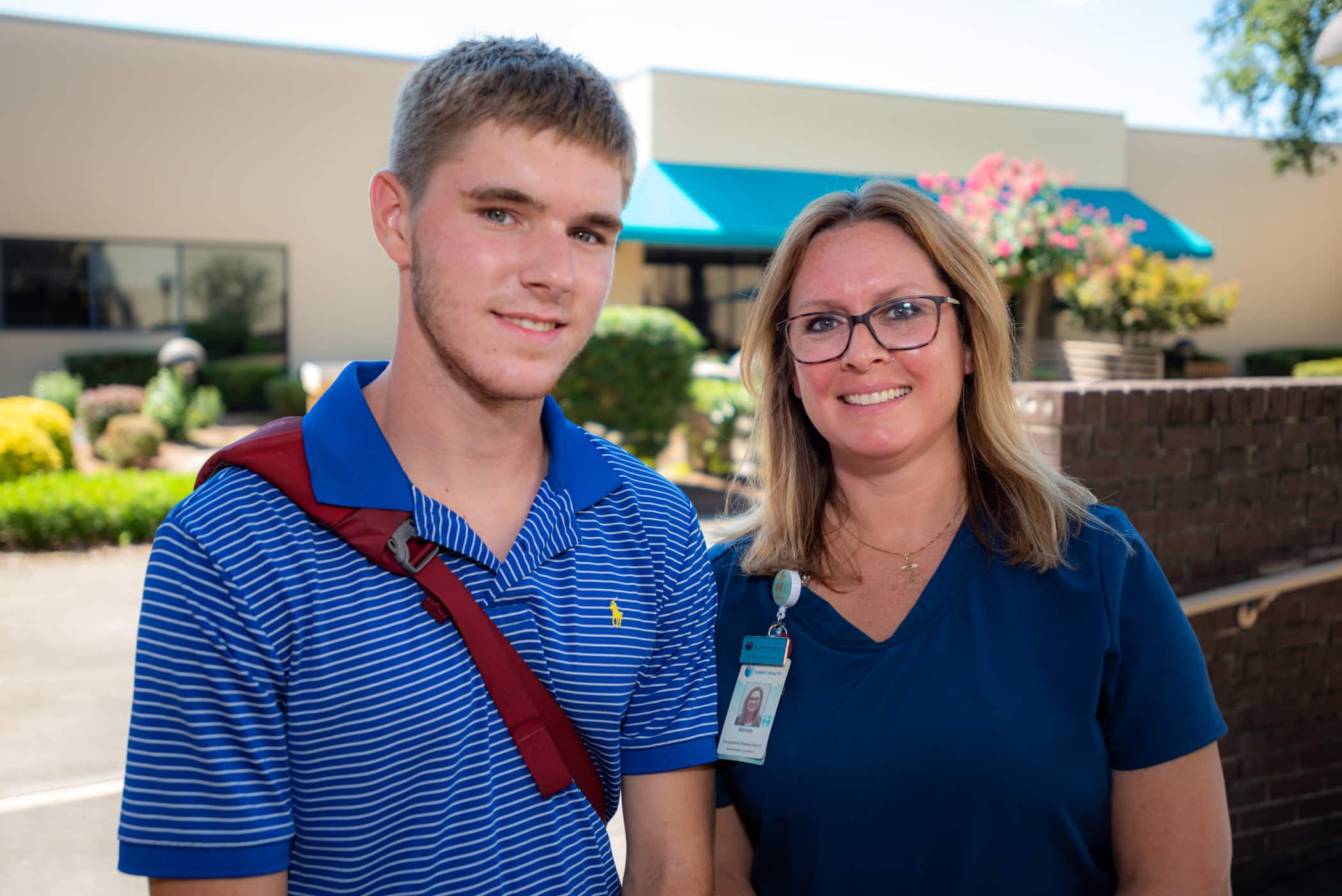
At ECU Health, team members go above and beyond to form trusting relationships with patients and their families to better serve eastern North Carolina.
Over the last 14 years, Occupational Therapy Assistant Winnie Miller worked one on one nearly every week with Taylor Anthony, who is now preparing for his freshman year at the University of North Carolina Wilmington. Taylor is autistic and began receiving treatment from an occupational therapist when he was 3 years old.
First steps
Kim Anthony, Taylor’s mother, recalled the early days of her son working with an occupational therapist.
“He was my first child and had special needs,” Kim said. “I remember walking in and just being terrified – you don’t know what your future looks like, or his future, or will college even be an option.”
After about a year of working with a couple of other occupational therapists within the health system, Miller stepped in and began her treatment sessions with Taylor.
Miller said their work together started with the base steps – figuring out hand dominance, holding pencils, learning to write, forming letters and coloring within lines.
Kim said as Taylor reached school age, she’d be frustrated when hearing about things that people believed Taylor could not do. But she knew she could turn to Miller and her expertise to come up with a plan to help Taylor reach his goals.
“I would email her and be like, ‘I’m struggling with this’ and she would be like, ‘OK we’ll figure it out,’” Kim said. “She would have checklists for him and just everything. It was amazing. She was the biggest support system I had.”
Hitting their stride
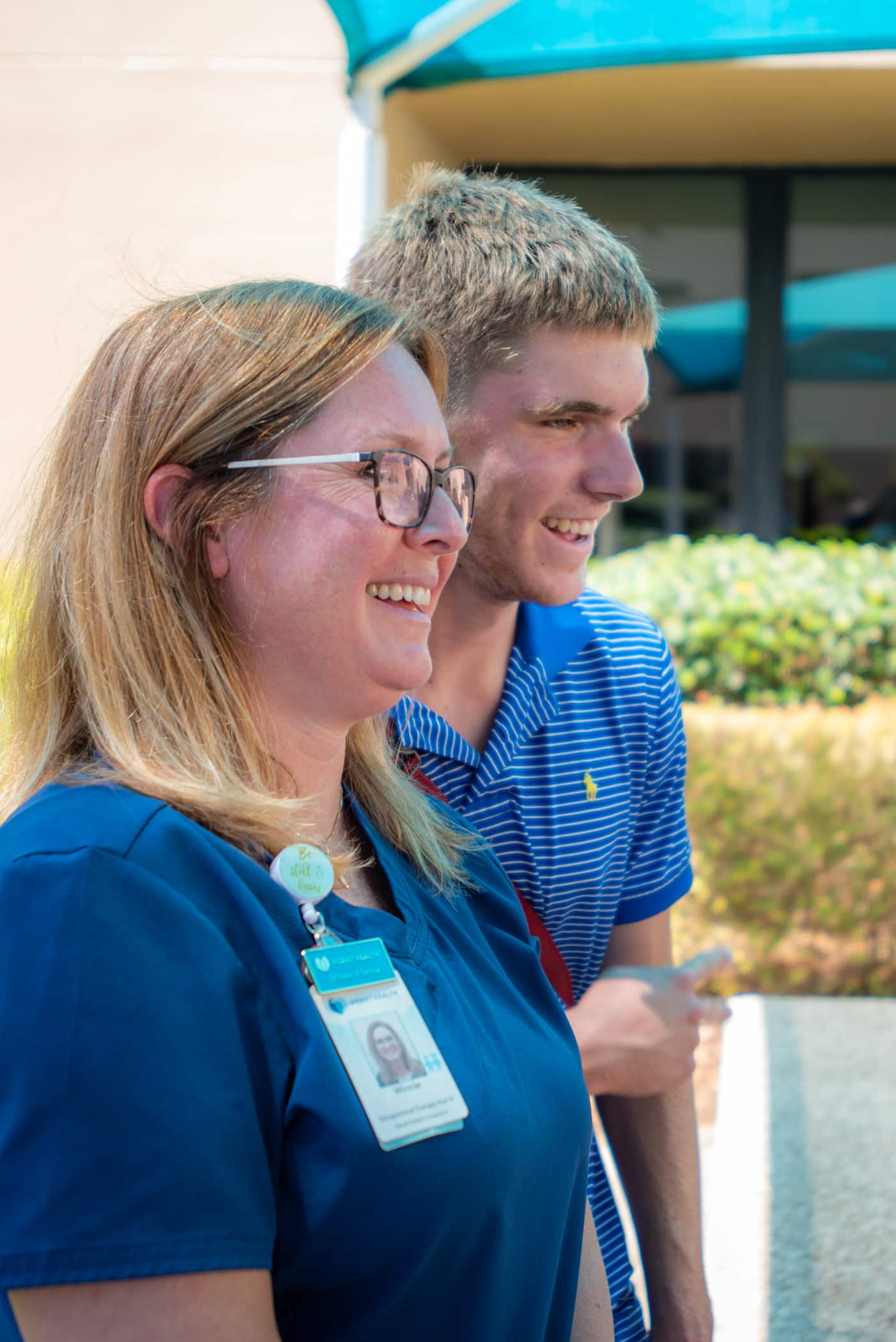
As Taylor got a bit older they worked on how to tie shoes and other fine motor skills. Then it was on to processing your environment and communicating clearly, social aspects of life, how to drive, and other elements of college life and living independently.
Miller compared her role as an occupational therapist to being a coach, with the patient’s supportive family as the team.
“The coach can give suggestions and a play-by-play plan of what you need to work on, but we’re just a little snippet,” Miller said. “I’m only with him an hour a week. They, as a team, have to work on those skills 24/7. I knew they were doing their work at home and there was always going to be follow through.”
Taylor’s father Stephen Anthony, director of service line development for Women’s and Children at ECU Health, said Miller’s out-of-the-box thinking greatly benefited Taylor’s growth into the young man he is today.
Miller broke down the learning process, kept his steps very goal-oriented and stayed in frequent contact with the Anthony family along the way.
“She made it manageable; she made it like they were just going to visit with each other. It wasn’t like a clinical visit, it was just, ‘Hey let’s go in my office and look at some stuff,’” Stephen said. “Maybe they do some stuff on the computer, maybe they use the kitchen to make some eggs or something like that, safety skills with the oven. Stuff that nobody would ever even think of.”
Off and running
These visits also included working with Helen Houston, an occupational therapy driver rehabilitation specialist, who addressed Taylor’s fitness to drive, to ensure he could approach driving safely.
Stephen said Taylor took one test as he was approaching driving age that showed his reactions and reflexes were borderline to be a driver. Before he took a driving test, he was put through the same tests, which showed about 75 percent improvement thanks to his hard work. Now, Stephen said Taylor is just as good a driver as anyone and probably safer than most his age because of the work he’s done.
Taylor said he was thankful for his time with Miller and he’s excited to take all he’s learned to Wilmington.
“It has meant a lot,” Taylor said. “I’ve definitely learned many things. It also took a lot to learn from a different perspective. My family means a lot. They’ve done everything for me to be sure I’ll be the most prepared human being. They’ll know I’ve learned enough to make good decisions and they’ll be supportive of me no matter what.”
As Taylor prepares for his first year of college, one where he’ll also compete as a member of the UNC Wilmington Cross Country team, his family knows he is prepared for different aspects of college life, thanks in part to his work with Miller.
Miller said she loved working with Taylor and can’t wait to visit with him when he returns from school and hear about his college experience.
“He was always an hour a week that I looked forward to,” Miller said. “He always had a new question for me or something new that kept me on my toes and I didn’t know what was going to be the question of the day, what we were going to have to explore and figure out. I really enjoyed that challenge. I’ve loved every minute.”
Resources
Learn more about Therapy & Rehabilitation services at ECU Health.
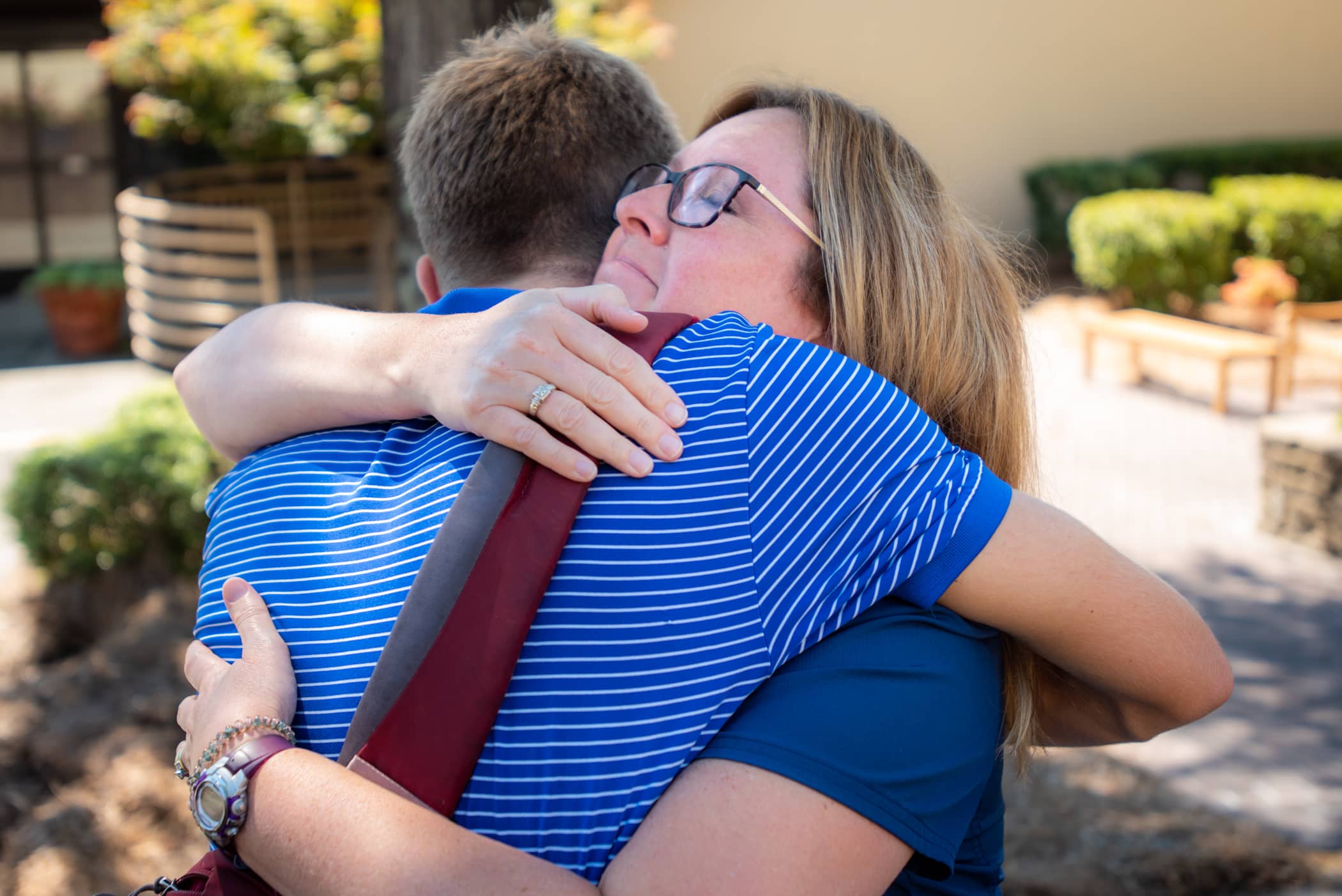
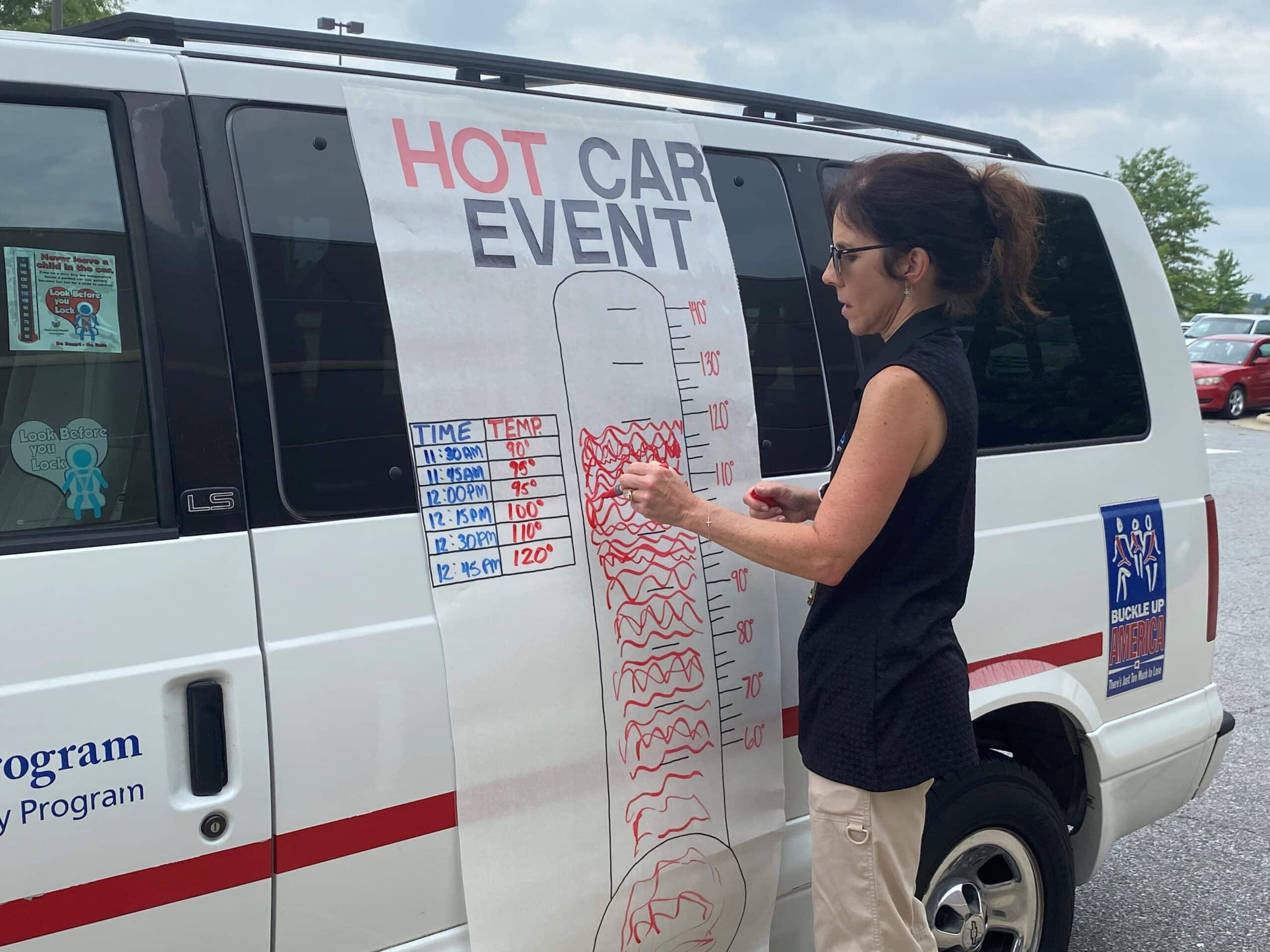
Leaving a child, senior or pet behind in a car can pose serious danger, even if it’s just for a few minutes.
That was the message of the hot car safety event hosted by Ellen Walston, Injury Prevention Program coordinator at ECU Health Medical Center, along with the Pitt County Health Department and the Martin-Pitt Partnership for Children.
Walston said it’s dangerous for anyone to be left alone in a vehicle because of how quickly they can heat up, but especially for children.
“Children’s bodies heat three to five times more quickly than adults,” Walston said. “They all have a smaller amount of body surface so they can’t cool themselves very quickly. A small child, like the families we’re serving today, they can’t verbalize when they’re thirsty if they’re under a certain age. You really have to be very careful. The message is never leave a child alone in a car, not even for a minute.”
The team had a demonstration with temperature gauges and s’mores roasting in a vehicle on an 80-degree day, one of the coolest days in recent weeks in eastern North Carolina. Despite the cooler than normal temperatures, the interior of the van rose to 90 degrees within 15 minutes, over 100 degrees after an hour, and approached 120 degrees in an hour and a half.
The s’mores demonstration showed how quickly things can literally cook inside of a car when left alone.
“As you see we have this temperature gauge here and just in the last 15 minutes, it’s already gone up 10 degrees,” Walston said. “This is a white car with light interior, and with a dark car and dark interior it can heat the car more quickly.”
Walston noted that there have already been 10 deaths across the country this year from children left alone in cars. In North Carolina, we have seen one this year and another in neighboring Virginia.
She said more than 50 percent of child deaths from hot cars are from children that have been forgotten in vehicles. She said children can be forgotten when routines are broken and leaving something like keys, your cellphone or a briefcase in the backseat next to the child is a safe way to ensure the child is not left alone.
According to Walston, about 17 percent of hot car fatalities are children that are intentionally left behind. She said no amount of time is safe for a child to be left alone, even with windows cracked.
“Many times folks think that, I’m just going into the store for a few minutes, but anything could happen inside, you could become distracted and forget the child,” Walston said. “There is a misnomer that if you crack a window and that will offer some less heat, but that really is a myth. It doesn’t affect the temperature of the car.”
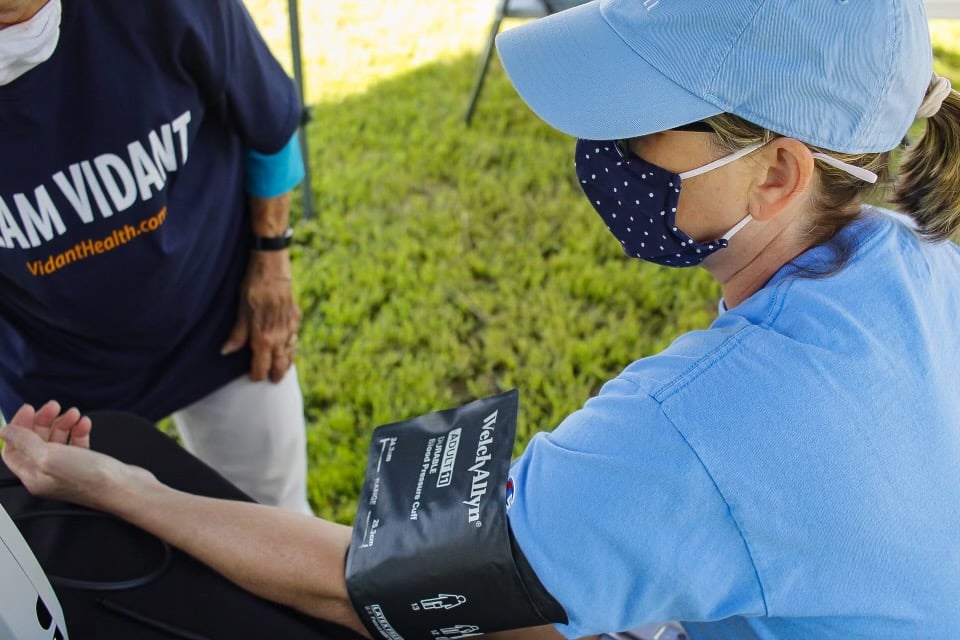
As a rural health care organization, we know there are many challenges to fostering a healthy community. That doesn’t stop ECU Health team members from finding creative solutions to bring health care outside the walls of our hospitals and clinics in eastern North Carolina and into the communities we serve.
KaSheta Jackson, DNP, RN, vice president of Health Equity and Social Impact at ECU Health, and her team developed Community Pop-Ups: A Rural Approach, an innovative health care delivery model implemented as community-based pop-up clinics across eastern North Carolina to address social and economic health care barriers.
This program makes health care both more accessible and approachable by directly providing preventative services, improving health care equity, and offering resources within communities with the greatest need.
Jackson was recognized earlier this year by the American Nurses Association (ANA) and the American Nurses Foundation (the Foundation) as the recipient of the 2022 ANA Innovation Award. The ANA Innovation Awards highlight, recognize and celebrate exemplary nurse-led innovations that improve patient safety and health outcomes. The innovation award also generated a $25,000 grant, which will fund future community health events.
Jackson said nurses are on the leading edge of connecting their fellow community members to health care and should feel empowered to innovate in that space.
“Our innovation has empowered many nurses to think and behave differently with regards to changing health care delivery and where care is delivered,” Jackson said. “By aligning the community and the health care system, we are addressing social, economic, equity, and population health, allowing us to meet our mission of improving the health and well-being of eastern North Carolina.”
Through partnerships with community leaders and other ECU Health team members, these clinics have evolved from solely offering health care screenings to providing COVID-19 testing, vaccinations, mental health resources, access to fresh produce and employment opportunities.
In 2021 alone, Community Pop-Ups provided care to more than 400 community members, identified acute diseases, provided numerous jobs, gave away 500 produce boxes, and delivered 500 health passports in rural locations across eastern North Carolina.
“We are following the model of doing health care on the outside to make health care better on the inside,” Jackson said during a July 2021 community health event in Farmville. “We’re working to address the social determinants of health, offering employment, trying to take care of the need for vaccines, taking health care into communities versus having people come to us – we’re taking services to those that need them.”
As these pop-up events evolve and grow, Jackson hopes they will help create a healthier eastern North Carolina, strengthen ties between community organizations and improve relationships between community members and health care providers.
“I am so excited to see our innovation become reality,” Jackson said. “The advice I would give to any nurse who wants to take their innovations from just an idea to action: be inquisitive, be nosey, ask questions, listen and it will be easy to make it happen.”
This is just one example of how Jackson and her team break down barriers to bring health care to the communities we serve. ECU Health also hosts a myriad of community events including: a foot clinic with Joy Soup Kitchen and Access East, which gives free foot care supplies to diabetic patients who visit the event, over-the-counter medication giveaways and Kids Eat Free with Sodexo, which provides free lunches and afternoon snacks for kids and teens up to age 18.
For more information, visit the Pop-Up Community Health Events page on our website.

GREENVILLE, N.C. – ECU Health and Acadia Healthcare announced today plans to build a state-of-the-art, 144-bed behavioral health hospital in the medical district of Greenville, N.C., less than a mile from ECU Health Medical Center. This new facility will be a center of excellence, providing North Carolinians with important access to behavioral health services and treatment from specialized clinical teams in a carefully designed environment.
Slated to open in spring 2025, the hospital will be operated through a joint venture between ECU Health and Acadia, the largest standalone provider of behavioral healthcare services across the United States. Together, the organizations will invest approximately $65 million in expanding behavioral health resources in eastern North Carolina.
The hospital will include 24 inpatient beds specifically for children and adolescents with mental health needs. These beds will be the first of their kind in ECU Health’s 29-county service area and the only child and adolescent beds within 75 miles of Greenville, North Carolina.
“This hospital will be a tremendous resource for our patients and our state, and we’re thrilled to bring a partner and a national leader like Acadia to eastern North Carolina,” said Dr. Michael Waldrum, chief executive officer of ECU Health and dean of the Brody School of Medicine at East Carolina University. “Acadia has an established track record of providing high-quality, compassionate care in communities across the country. Together, we will strengthen our level of expertise, implement proven best practices and enhance the quality and number of behavioral health services available to patients throughout the region.”
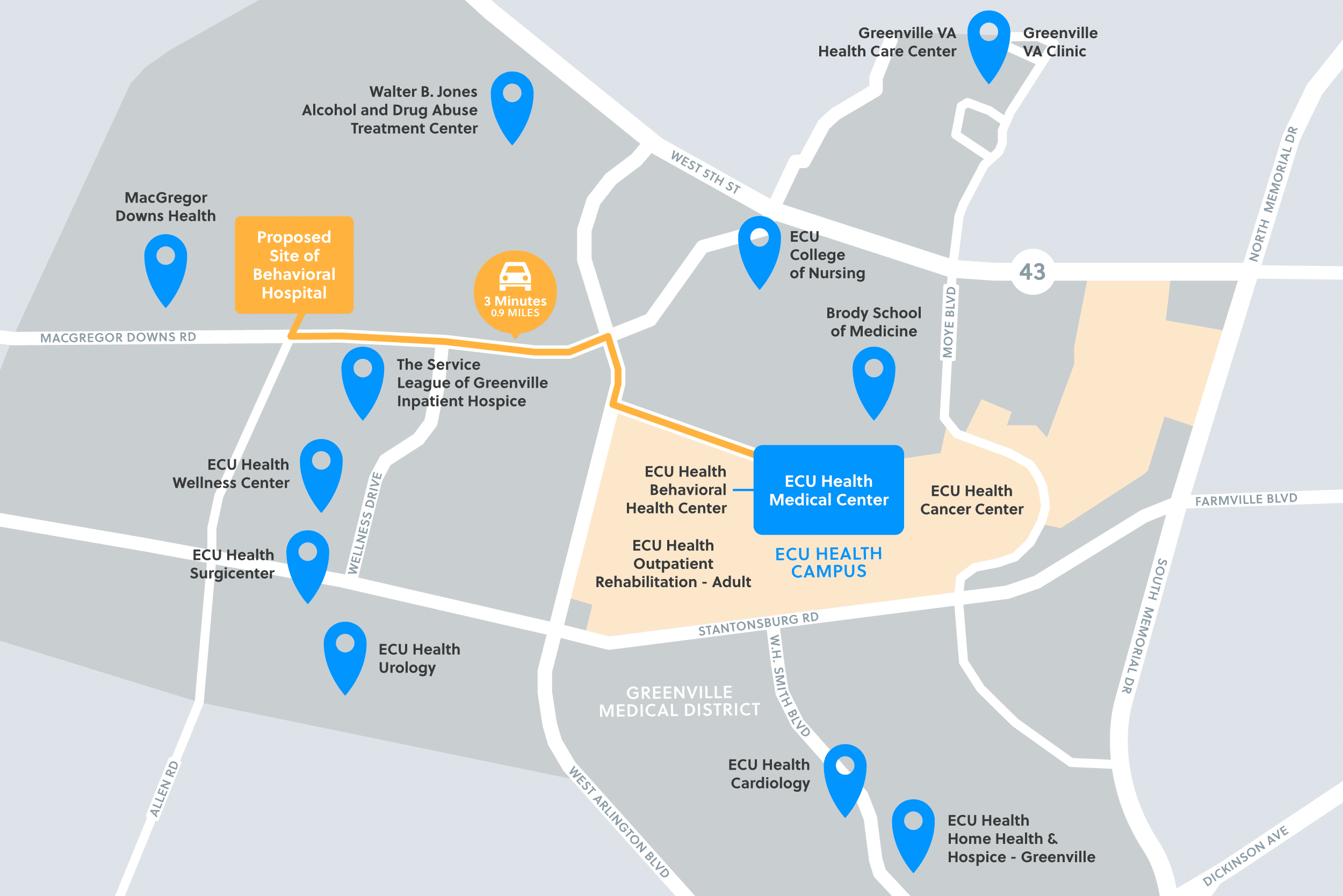
Prior to the pandemic, nearly one in five North Carolinians were experiencing a mental, behavioral or emotional disorder, according to a report from the North Carolina Institute of Medicine’s Task Force on Mental Health and Substance Use. In the last two years, national data indicates a growing trend of depression and anxiety symptoms. This partnership demonstrates a commitment to talking about mental health disorders, normalizing and treating them with the latest science and medicine in appropriate care settings.
“As a clinician, seeing this type of investment and understanding the significant impact it will have on patients is exciting,” said Dr. Syed A. Saeed, an ECU Health board-certified psychiatrist with more than 40 years of experience. “The needs of behavioral health patients differ from other patients and vary widely even within the same diagnosis. This state-of-the-art hospital will allow us to fully meet our patients’ unique needs in a safe, patient-centered environment and ensure clinicians have the resources and training needed to deliver excellent care.”
The new hospital will also serve as a teaching hospital, training students and residents from the Brody School of Medicine, many of whom will go on to practice in eastern North Carolina and carry forth ECU Health’s mission to improve the health and well-being of the region.
“We are always seeking like-minded partners who share our commitment to expanding access to high-quality behavioral health services and transforming the way mental health patients are seen and cared for,” said Chris Hunter, chief executive officer of Acadia Healthcare. “Establishing a center of excellence in partnership with ECU Health presents a unique opportunity for us to support the development of the next generation of behavioral health care workers and clinicians. We’re excited to begin this important work with such a committed, patient-focused partner.”
Construction is expected to begin in 2023, pending standard state and regulatory approvals and gaining a Certificate of Need. To facilitate the development of the new 144-bed behavioral health hospital, ECU Health will transfer 80 of its current behavioral health beds.
To learn more about the potential partnership between ECU Health and Acadia Healthcare, visit
ENCBehavioralHealth.org.
Find more information in our Press Kit.
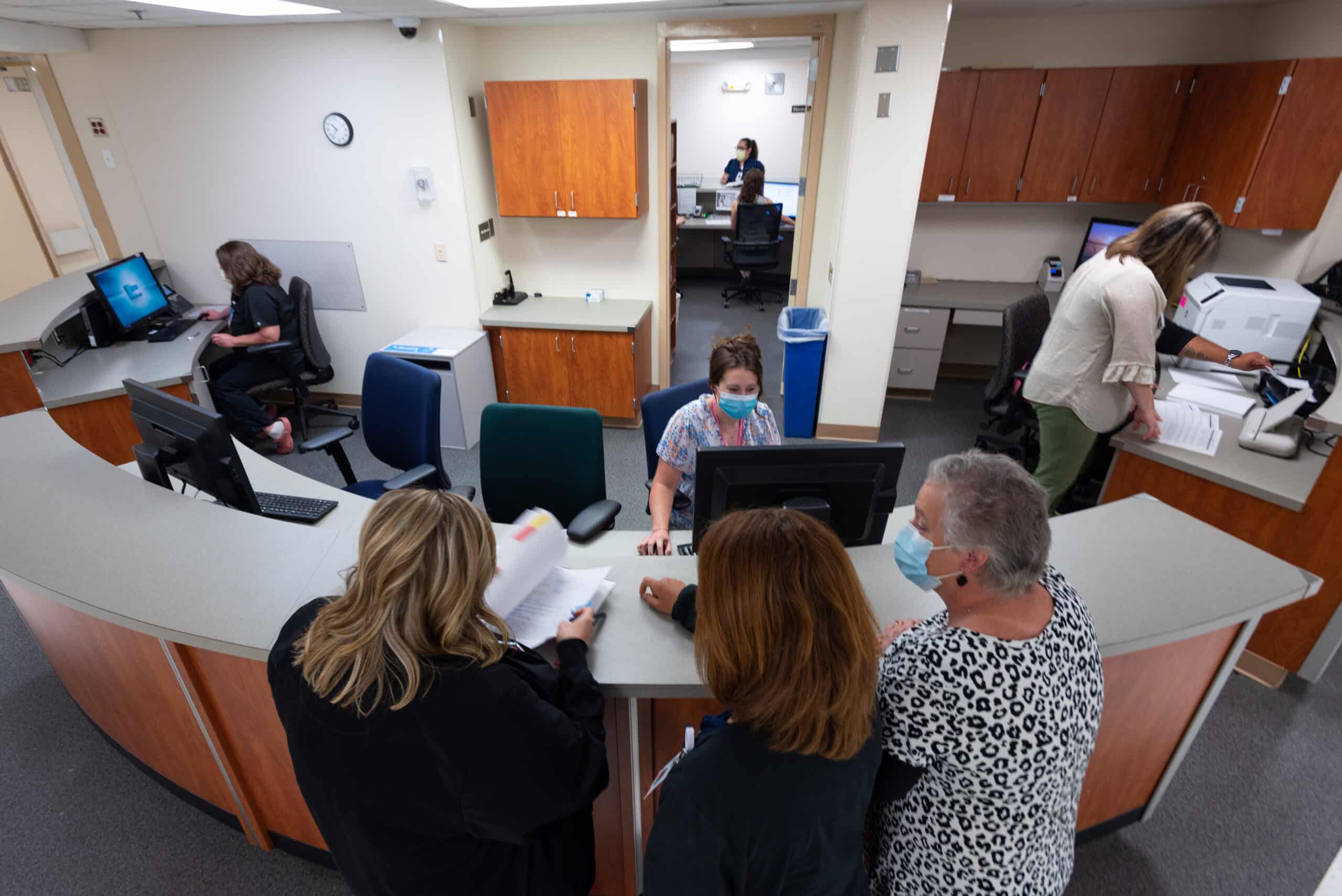
With our continued focus on the imperatives of quality, experience and finance, ECU Health’s transplant program at ECU Health Medical Center has consolidated their treatment and office spaces into the newly renovated 3 South. The area is now known as the 3 South Transplant Clinic.
The transplant program performs an average of 80 to 100 living and deceased donor kidney and pancreas transplants per year. Patients that are seen in the clinic include pre-transplant (patients being evaluated for transplant), living donors and post-transplant. This program and the services offered have continued to grow over time, but have been limited by clinic space. To enhance patient and team member experience, the pre- and post-transplant clinics have now consolidated into one, centrally-designed space on 3 South, as they have been operating in separate clinics at the Cancer Center and ECU Physicians.
Previously, the transplant team worked in separate clinics, sometimes limited to three rooms. 3 South Transplant offers 18 patient exam rooms, which in addition to consolidating space for patients, will also help to shorten wait times for new referrals and follow up appointments.
Another benefit of 3 South is the accessibility of team members such as dieticians, social workers, pharmacists, nurses and physicians, which provides patients the accessible support of various teams of health care workers critical to patients’ transplant journeys.
Lastly, this consolidation allows for expansion of potential future services such as phlebotomy, expanded pharmacy services, infusion services and vascular access.
In 2022, as we build the future of ECU Health, the exceptional care and services we provide have a positive impact on the communities of eastern North Carolina that we serve through our considerations of patient quality and experience.
For more information on transplant services at ECU Health, visit the transplant section of our website.
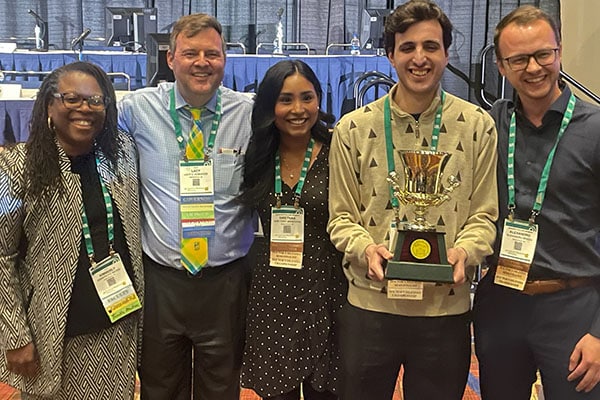
A team from the Brody School of Medicine’s Internal Medicine Residency Program won first place and the Osler Cup in the American College of Physicians Doctor’s Dilemma competition.
Coached by Dr. Lacy Hobgood, clinical associate professor in East Carolina University’s Department of Pediatrics, the team competed for three days against some of the world’s brightest medical residents, including teams from the United States, Canada, Central America and the Caribbean. Drs. Alex Bradu, Omar Khdeir and Swethaa Manickam earned the right to compete at the national level by first winning the North Carolina chapter’s competition.
Past winners of the ACP Doctor’s Dilemma competition include the India chapter, Albert Einstein Medical Center, Indiana University School of Medicine, Northwestern University and the Mayo Clinic.
Khdeir said Doctor’s Dilemma is the biggest competition based on knowledge of internal medicine, featuring as many as 60 teams each year in a friendly but highly competitive environment. The format is similar to the television show “Jeopardy,” with each game consisting of a set of questions teams must buzz in to answer, and a final round in which they must wager their points before seeing the question.
“We wagered all of our collected points in the final dilemma and got the question right,” Khdeir said. “After we won, we took turns calling our parents on speakerphone. Seeing our parents and siblings proud and happy was the biggest award.”
Dr. Herb Garrison, associate dean for graduate medical education, said the team’s performance on the national stage reflects the quality of medical education at Brody and also helps enhance its reputation.
“They competed against the best residents from around the world in a test of medical knowledge and speed and emerged as the winning team,” Garrison said. “In addition to demonstrating the type of great physician trainees we have at the Brody School of Medicine and ECU Health, this win provides us a huge recruiting advantage as other schools will take notice and want to send their best medical students our way. … I couldn’t be more proud.”
The Internal Medicine Residency Program is an integral part of the Brody School of Medicine and the ECU Health Medical Center. The Department of Internal Medicine includes nine subspecialty divisions and serves the Greenville and Pitt County area as well as 29 surrounding counties.
Read more from ECU News Services.
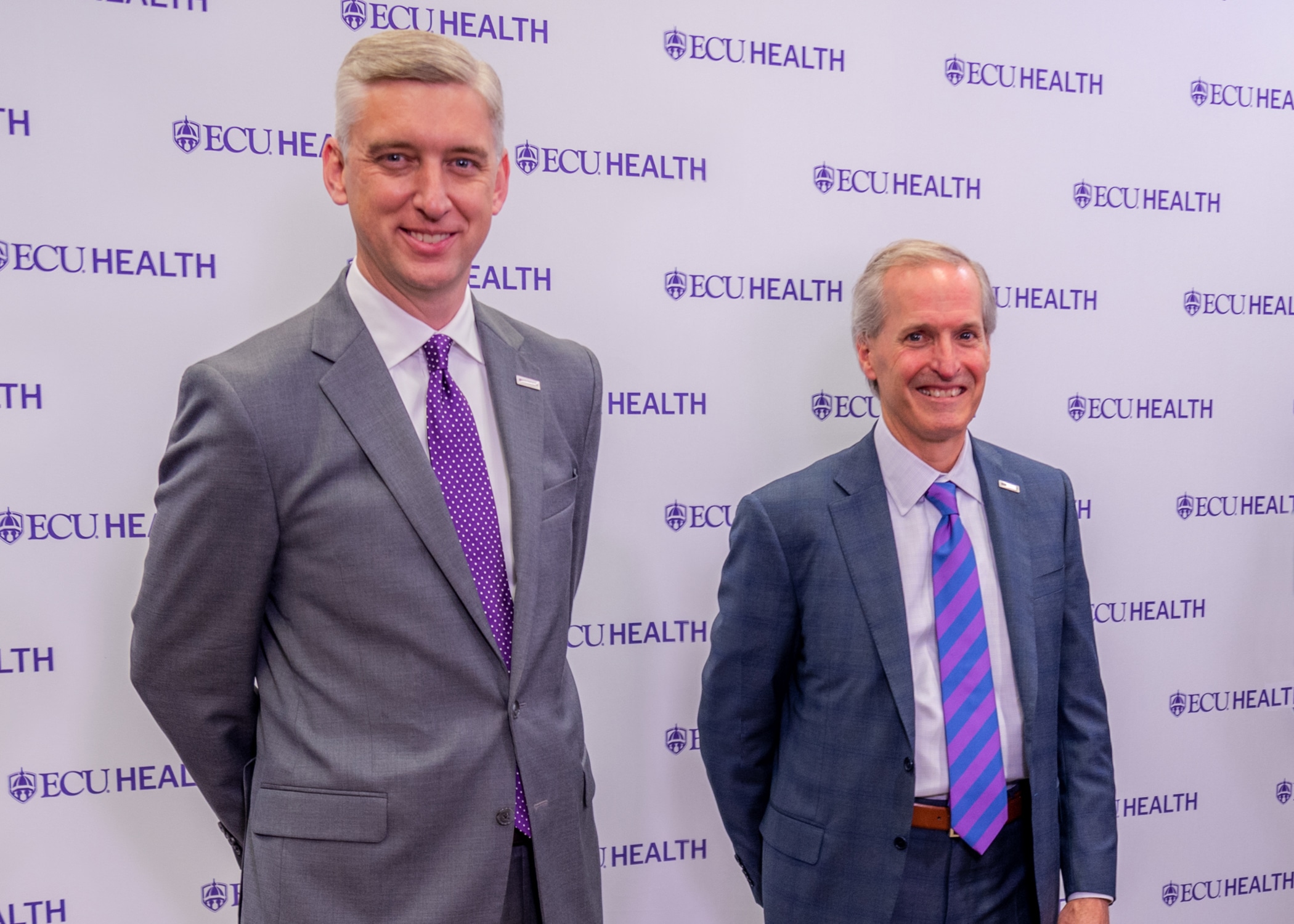
Dr. Mike Waldrum, ECU Health CEO and dean of the Brody School of Medicine at East Carolina University was recently named to Business North Carolina’s 2022 Power List. ECU Chancellor Dr. Philip Rogers was also named to Business North Carolina’s 2022 Power List in the Education section.
This yearly list names the most influential leaders in the state of North Carolina across various industries. The awarded leaders are nominated for this list based on their influence as strong leaders.
“This recognition represents the tireless work ECU Health team members do every day to serve the region and educate the future physicians for North Carolina,” said Dr. Waldrum. “At ECU Health, we strive to become a national model for rural health delivery by providing high-quality care to the region we proudly call home. Our regional health care organization, combined with the Brody School of Medicine, strengthens our shared mission to improve the health and well-being of eastern North Carolina. ECU Health will continue to innovate and provide high-quality care to those we serve.”
We are proud to have strong leadership moving ECU Health forward to meet the joint mission of improving the health and well-being of eastern North Carolina by training the providers of tomorrow, collaborating with community partners to solve complex issues and bringing clinical innovations that improve the lives of those who proudly call this region home.
To read the Business NC Power 100 List article, please visit https://businessnc.com/2022-power-list/.
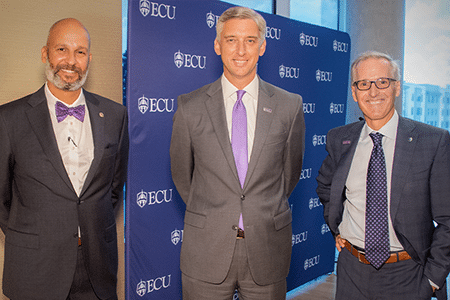
It’s a natural evolution for two organizations that have worked together for years.
“This announcement has been 40 years in the making,” said Dr. Michael Waldrum, Vidant Health CEO and dean of East Carolina University’s Brody School of Medicine.
“We are super excited for this name change, said Vidant team member Carol Ramirez, RN. “I think it’s going to be a really, really good change for eastern North Carolina.”
“This is not a moment to sit idle,” said ECU Chancellor Philip Rogers, upon the announcement of the joint operating agreement in January 2022. “It is instead a moment to launch an innovative solution for rural health care delivery and education in eastern North Carolina. And that is exactly what we aspire to do with this announcement.”
With a logo reveal that followed in April and a transition to ECU Health that will begin in May, it is an exciting time for eastern North Carolina.
“As with any change, there is a lot of angst about ‘what’s the future for me as an individual within the organization,’” said Jason Higginson, executive dean of the Brody School of Medicine at ECU. “I think one of the key things, our guiding principal, is the people within the organization are equally important to achieving the mission as anything. So, as we look to the future, we are trying to ensure that everyone in the organization is valued and that their contributions are honored.”
It’s a process that will take months to complete. The Vidant Health logo will be phased out over the next two years, replaced by ECU Health on everything from building signage and vehicles to organizational websites and social media channels.
“There is a plan to roll that out,” said Dr. Waldrum at the logo announcement in April. “And today we are showing the brand but beginning in May you’ll start seeing that happen and that will evolve over time.”
These changes will unfold across hundreds of locations in 29 counties. A visual unveiling of a forward-focused partnership benefitting those who serve — and are served by — the health system and the Brody School of Medicine.
“I think it’s awesome that two of the biggest entities here in town have collaborated to support and help the whole eastern North Carolina,” said Vidant team member and social worker Robinque Willis-Brown. “So together, I know they can make a great difference.”
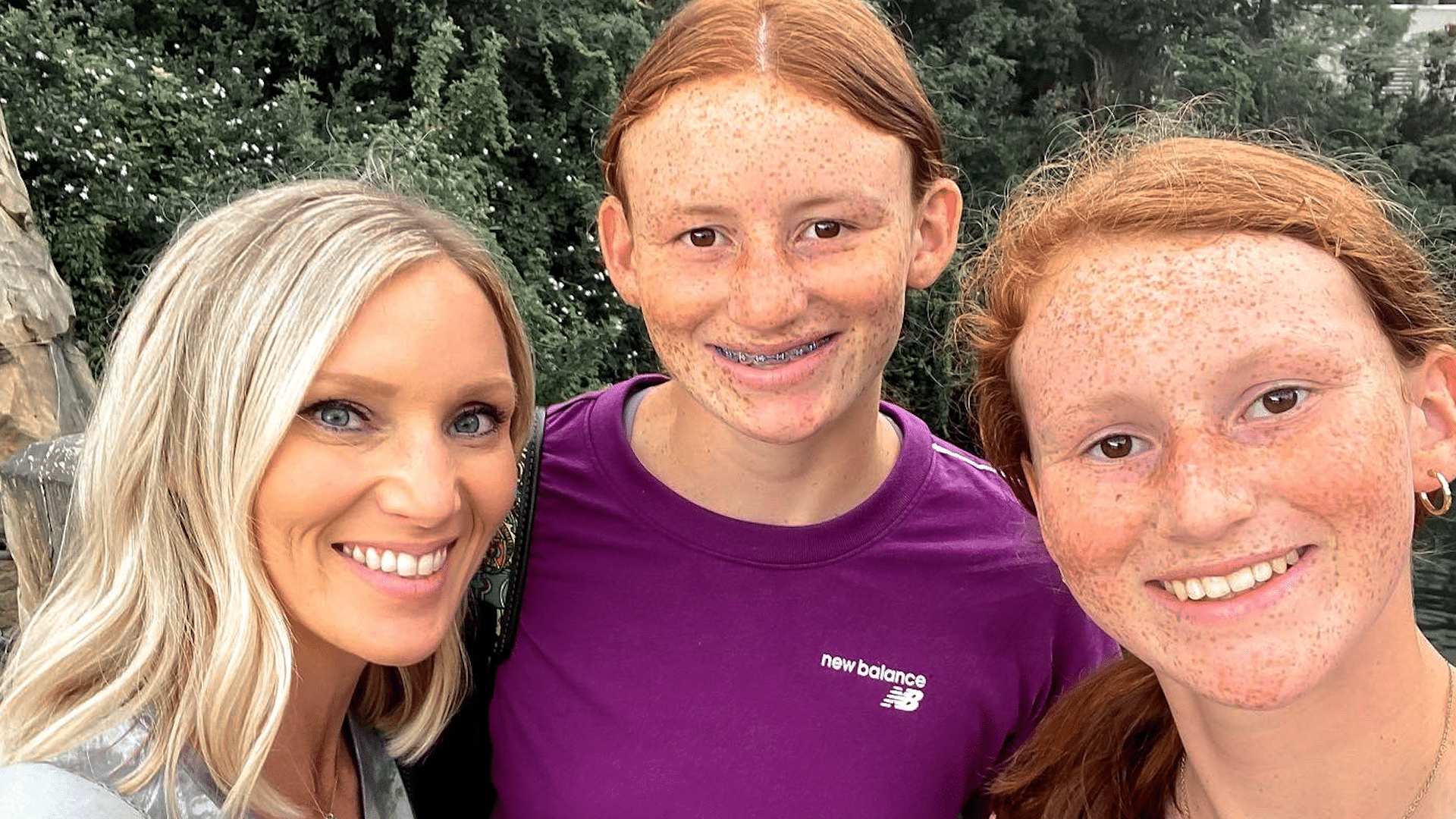
It started out as a typical holiday weekend for Dana Parker and her two daughters.
“We had plans to go hang out with my family the next day, for a cookout,” Dana said, about their plans last summer. “Fourth of July is a big holiday in our family.”
But overnight, those plans for a celebration quickly changed.
“I woke up a few times the next morning and thought, ‘Man, the house is really quiet. I’m surprised the girls aren’t up yet,’” Dana said.
Next came a horrifying discovery, as Dana found her oldest daughter Parker unresponsive on their living room floor.
“She’s just covered in vomit. She had definitely aspirated, I can hear it gurgling in her lungs,” Dana said, as she recounted the experience that day. “Her body is cold, I mean it is cold, stiff, she’s not responsive at all.”
Dana then finds herself reeling as first responders hone in on a possible cause. “They just kept saying, ‘Do you think it could be an overdose?’ They’re hooking her up to all these things and they just keep going back, like ‘Ma’am, she’s young, she’s healthy, all of these symptoms point to an overdose,’” she said.
Evidence found on Parker’s cell phone confirmed those suspicions. “In the course of about 25 minutes, she consumed almost 26 shots of alcohol,” Dana said.
“Depending on how old you are, how much you weigh, how much alcohol you’re ingesting, every child is different in terms of the effect it’s going to have on you,” Nicole Belcher, PA-C, a physician assistant at the James and Connie Maynard Children’s Hospital at ECU Health Medical Center (VMC).
In Parker’s case, she consumed enough alcohol for the care team at the Children’s Emergency Department at VMC to warn of an unknown outcome.
“They said, ‘At this point we don’t know if she’ll wake up. And if she does we have no idea what condition she’ll be in,’” Dana said. “She was already on borrowed time. I mean, it is literally by the grace of God that she was even still breathing at that point.”
Breathing then – and thriving now. While minor nerve issues persist, the multi-sport student athlete has made nearly a full recovery. And Dana is grateful for the care her daughter received.
“The little things that they do mean more than what they realize. Just the little kind words and taking the time to ask the questions and to say, ‘Hey, are you ok? Is there anything I can get you?’ I would just love to say ‘thank you,’” Dana said.
Now Dana wants other parents to learn from her family’s experience, and to consider how they talk to their children about the dangers of drinking.
“In her eyes, maybe she was drinking responsibly. She wasn’t out on the street, she wasn’t at a party, she wasn’t driving, you know – she’s in the comfort of her own home. She gets curious, she wants to experiment,” Dana said.
Experts agree.
“Bottom line, is to have the conversation. I think the earlier we walk about it, the better,” said Belcher. “The reality is, they are going to learn it from you, or they’re going to see it on social media, they’re going to see it on television, they are going to see it on the movies. Being able to have that open communication and being able to model safe behaviors with alcohol is the most important thing.”
Resources
April is Alcohol Awareness Month. If you or a loved one needs support, resources or treatment, the Substance Abuse and Mental Health Services Administration (SAMHSA) can help.
SAMHSA’s National Helpline is free, confidential and accessible 24 hours a day, seven days a week: 1-800-662-HELP.
They also offer an online treatment locator: https://findtreatment.samhsa.gov/
Watch more ECU Health News videos