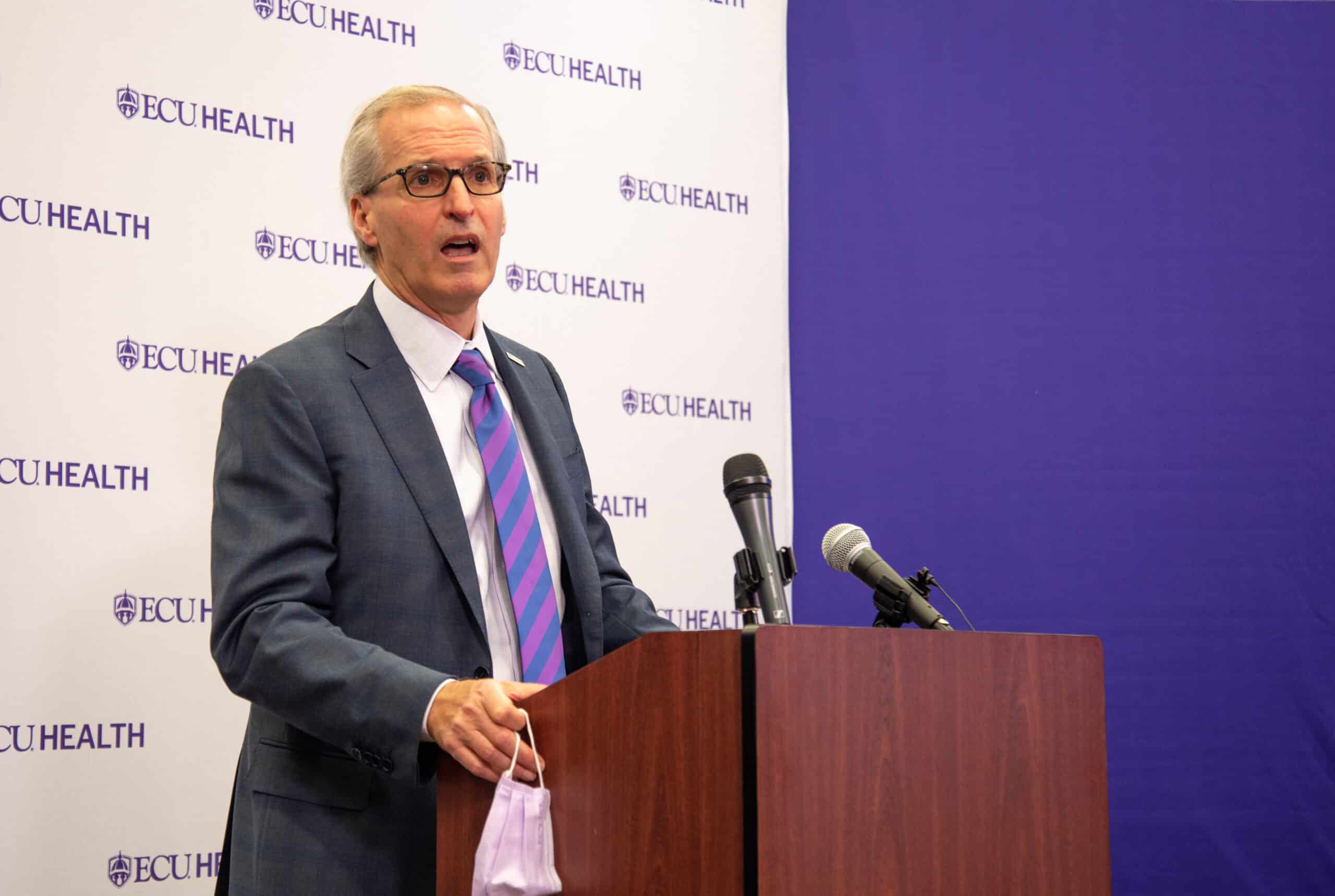
ECU Health CEO and Brody School of Medicine Dean Dr. Mike Waldrum named to AAMC’s Board of Directors
Dr. Michael Waldrum, dean of East Carolina University’s Brody School of Medicine and chief executive officer of ECU Health, has been named to the board of directors of the Association of American Medical Colleges (AAMC). He joins 18 other medical school and health care leaders from across the nation and Canada named to the board, including representatives from Yale School of Medicine, Georgetown’s School of Medicine and Harvard Medical School.
“It is an honor to be named to the AAMC Board and to work with my colleagues in academic organizations across the national landscape to chart a healthier future for our communities and region,” Waldrum said. “Academic health care drives innovation, produces clinical excellence, and creates a teaching environment that helps train the providers of tomorrow. I look forward to continuing to collaborate alongside national leaders and focusing on how we can best support our students, faculty and academic rural health care.”
The AAMC leads and serves America’s medical schools and teaching hospitals and individuals employed across academic medicine, including more than 191,000 full-time faculty members, 95,000 medical students, 149,000 resident physicians, and 60,000 graduate students and postdoctoral researchers in the biomedical sciences. This year, the Association of Academic Health Centers and the Association of Academic Health Centers International merged into the AAMC, broadening the AAMC’s U.S. membership and expanding its reach to international academic health centers.
Dr. Waldrum, who was first appointed to the AAMC Board of Directors in November 2020, will begin his new term Nov. 15 and will also serve as chair of the AAMC’s Council of Teaching Hospitals and Health Systems.
“This is such an important time in our industry and as chair of COTH, I look forward to bringing premier academic health systems together to define solutions that strengthen our health care workforce, support our students, advance research and address disparities, specifically in rural communities,” Waldrum said.
The AAMC is a nonprofit association dedicated to improving the health of people everywhere through medical education, health care, medical research and community collaborations. Its members comprise all 155 accredited U.S. and 16 accredited Canadian medical schools; approximately 400 teaching hospitals and health systems, including Department of Veterans Affairs medical centers; and more than 70 academic societies.
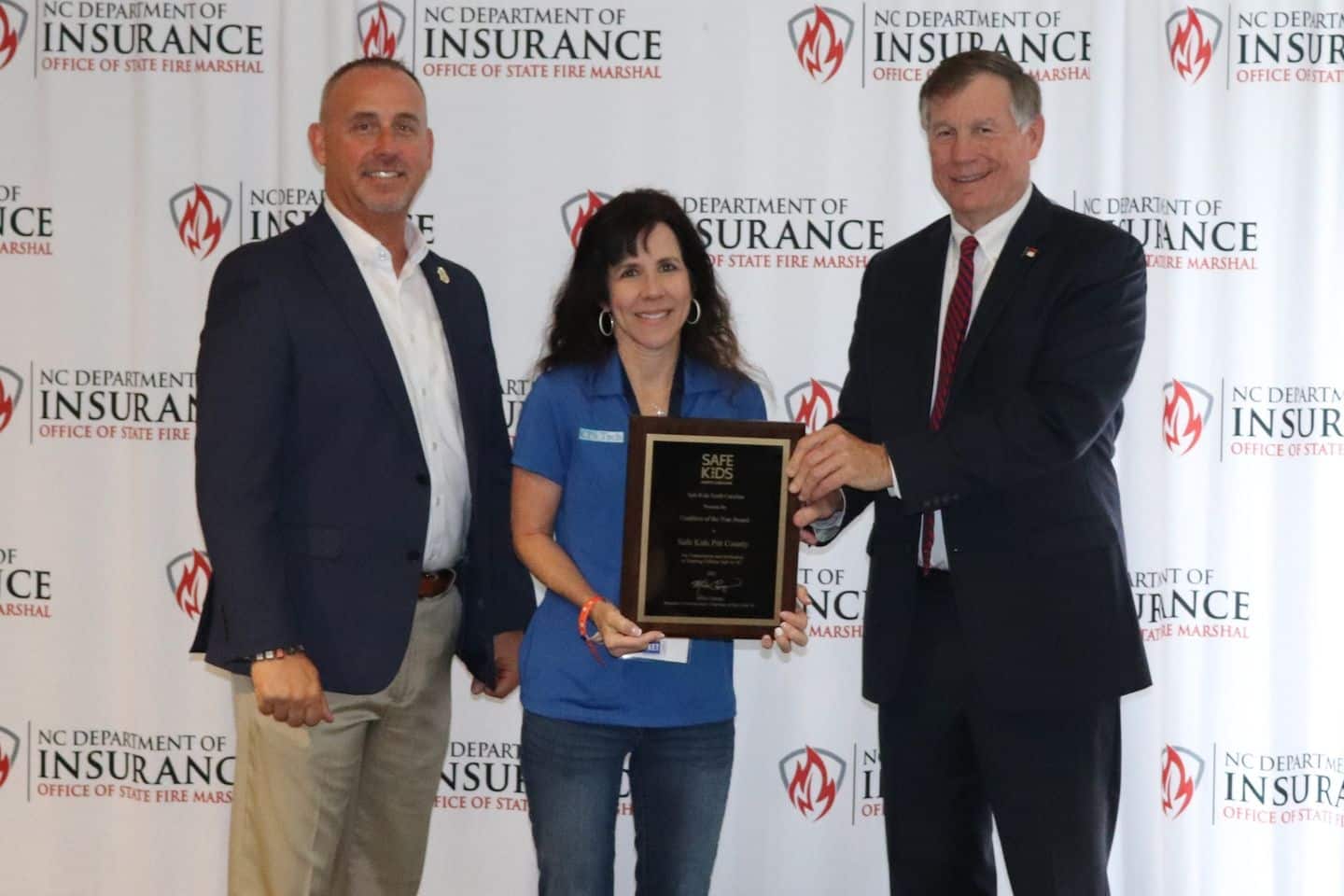
The North Carolina Coalition of the Year award is based on the coalition’s positive outcomes of the child passenger safety program, medication safety programs and maintaining partnerships.
“It was a huge surprise,” Injury Prevention Program coordinator at ECU Health Medical Center Ellen Walston said. “Lisa Blackmon with Safe Kids NC said our social media really was the catalyst for winning the award. We post multiple times a week on our risk areas in injury prevention, and it’s just really important to use those quick soundbites to get the word out.”
Preventable injuries are the number one cause of death in kids in the United States, according to Safe Kids. That’s why Safe Kids Pitt County works to prevent injuries in children and adults through simple tips and safety checks. The Safe Kids Pitt County team strives every day to keep kids in eastern North Carolina safe and healthy and to meet ECU Health’s mission of improving the health and well-being of eastern North Carolina.
A “hallmark” program
Walston called the child passenger safety program the hallmark of the coalition’s work. The program began in the early 2000s and, along with pop-up opportunities for car seat inspections, Safe Kids Pitt County has a permanent checking station. The permanent station is located at the Winterville Fire Department and is available on the third Friday of each month, 1:30-4:30 p.m.
“To me that parent’s expression of appreciation is priceless,” Walston said. “When they walk in, they just have that look of ‘I don’t know how in the world to put this seat together. Will you please help me?’ Then when they leave, you ask them ‘Are you confident in being able to put this seat in yourself?’ You just see that anxiety just melt away. That to me is the most comfort, knowing that we’ve made a difference.”
More than half of car seats are not used or installed correctly, according to Safe Kids. Correctly used child safety seats can reduce the risk of death by as much as 71 percent.
The child passenger safety program also covers free child safety seat checks when someone has received a violation, citation or ticket. The child and parent will receive one-on-one education to help ensure correct car seat installation, and the program also offers hot car safety information sessions, as well. For more information on this program or general car seat inspections, contact Walston at 252-847-8532.
Medication safety
Medication safety was another key driver for the award, and Operation Medicine Drop is an event that helps the public dispose of expired, unused or unwanted prescription drugs or over-the-counter medications. The event serves to protect children, our community and the environment. Medicines are the leading cause of child poisoning, and proper disposal of medications can largely prevent them from happening. The valuable education sessions offered throughout the community on medication safety help to reduce unintentional poisoning from prescription medications, which is on the rise in North Carolina.
Walston said the opportunity to connect with families and children is vital to the program’s success.
“We have a lot of anecdotal affirmation from children on this kind of education session,” Walston said. “I will see children in the store and they’ll say, ‘Miss Ellen, you came to my school and talked about fire safety’ or ‘You were at the park in Winterville and taught us about medication safety.’ Just making those contacts is so important, we never know when we’re planting that seed. Those children can go home and tell their siblings and tell their families what they’ve learned.”
Key Partnerships
Working with a small internal team makes it crucial to have great partnerships, Walston said. Safe Kids Pitt County primarily partners with Martin-Pitt Partnership for Children, ECU’s TEDI BEAR Children’s Advocacy Center and the Pitt County Health Department. Other partners include Greenville Fire Rescue, Winterville Fire Rescue, Pitt County Sheriff’s Department and Greenville Police Department.
“We’re so blessed with partnerships. I cannot do this work alone,” Walston said. “I just enlist partners, I’ve learned to delegate, I ask for help when I need it. We’re a small team but mighty and we get a lot done.”
Walston also shared appreciation for ECU Health Medical Center, the lead agency for the Safe Kids Pitt County coalition.
“I really want to emphasize a big thanks to ECU Health Medical Center for being here for us since 1995,” Walston said. “They provide all the technical support for me to be in this role – my office, the hours that I designate. We’re really blessed. A lot of hospitals are lead agencies but [other coalitions] don’t get the same support that I’ve received from the hospital.”
Past Recognitions
This is the second time Safe Kids Pitt County has received North Carolina Coalition of the year, first taking home the award in 2010. Other past recognitions include Safe Kids NC Outstanding Outreach Initiative and NC Child Passenger Safety Outreach Program of the Year award in 2016, as well as Walston earning Coordinator of the Year in 2013.
Learn more about Safe Kids Worldwide here.
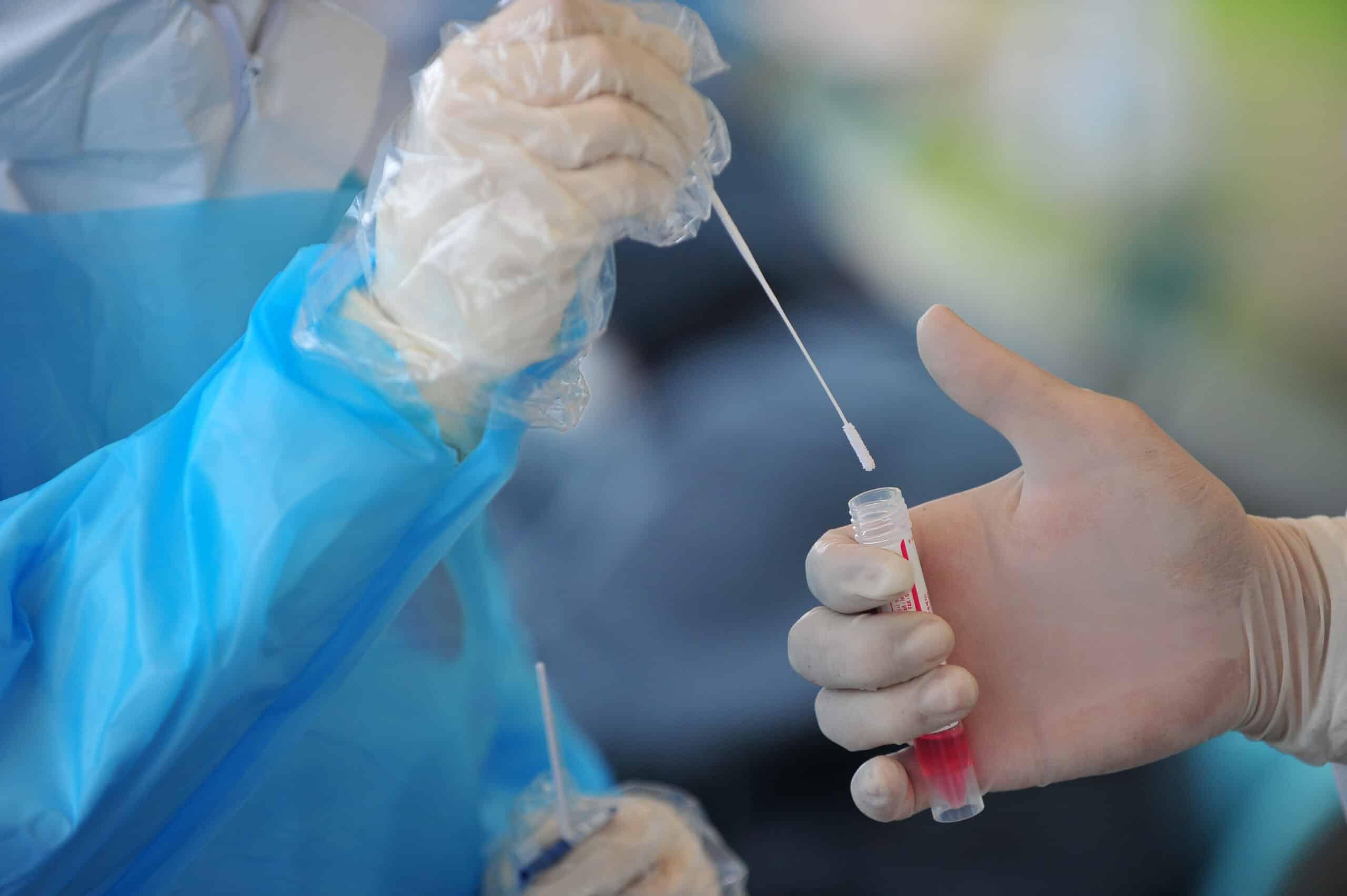
Greenville, N.C. – With a significant decrease in demand for COVID-19 testing, combined with the extensive availability of other convenient options such as at-home tests, community health departments and physician practices, ECU Health is closing its COVID-19 testing sites effective Friday, July 29. This includes testing sites at 13 ECU Health medical group clinics (formerly Vidant Medical Group) and the drive-thru testing site in Greenville. This decision comes as North Carolina nears the end of the COVID-19 state of emergency, which will be lifted mid-August.
From the onset of the pandemic, ECU Health has placed the health, well-being and safety of eastern North Carolina at the forefront of our COVID-19 response. Once COVID-19 testing capabilities were established, ECU Health heavily invested in building a robust, state-of-the-art testing program. Since launching the testing sites across the region, we have been able to monitor the spread of COVID-19 and its impact on our region as well as share this valuable data with community members.
ECU Health established the Greenville drive-thru COVID-19 testing site and regional testing sites when other convenient testing options were not available. These testing sites, which have helped mitigate the spread of COVID-19, served our communities for almost two years. Throughout this time, ECU Health resulted more than 800,000 total tests.
Regrettably, closing the testing sites impacts the employment of 141 team members across the region who were specifically hired to support the health system’s COVID-19 response. ECU Health is providing human resources and talent acquisition support to all team members who are interested in applying for open positions for which they are qualified for within the health system. This includes those who are working in part-time, full-time and supplemental roles related to the system’s initial COVID-19 response efforts.
ECU Health will continue to provide COVID-19 testing, if needed and by appointment, for patients during their scheduled visits at ECU Health primary care offices. Testing will also be available as needed in the inpatient setting.
The community should continue to follow the usual protocols when sick, and seek appointments with their primary care providers. Those strictly seeking a COVID-19 test should not visit the Emergency Department and should instead contact their primary care office or seek alternative testing options.
To find a COVID-19 testing location closest to you, please visit NCDHHS’ Community Access Points website at www.covid19.ncdhhs.gov/FindTests.
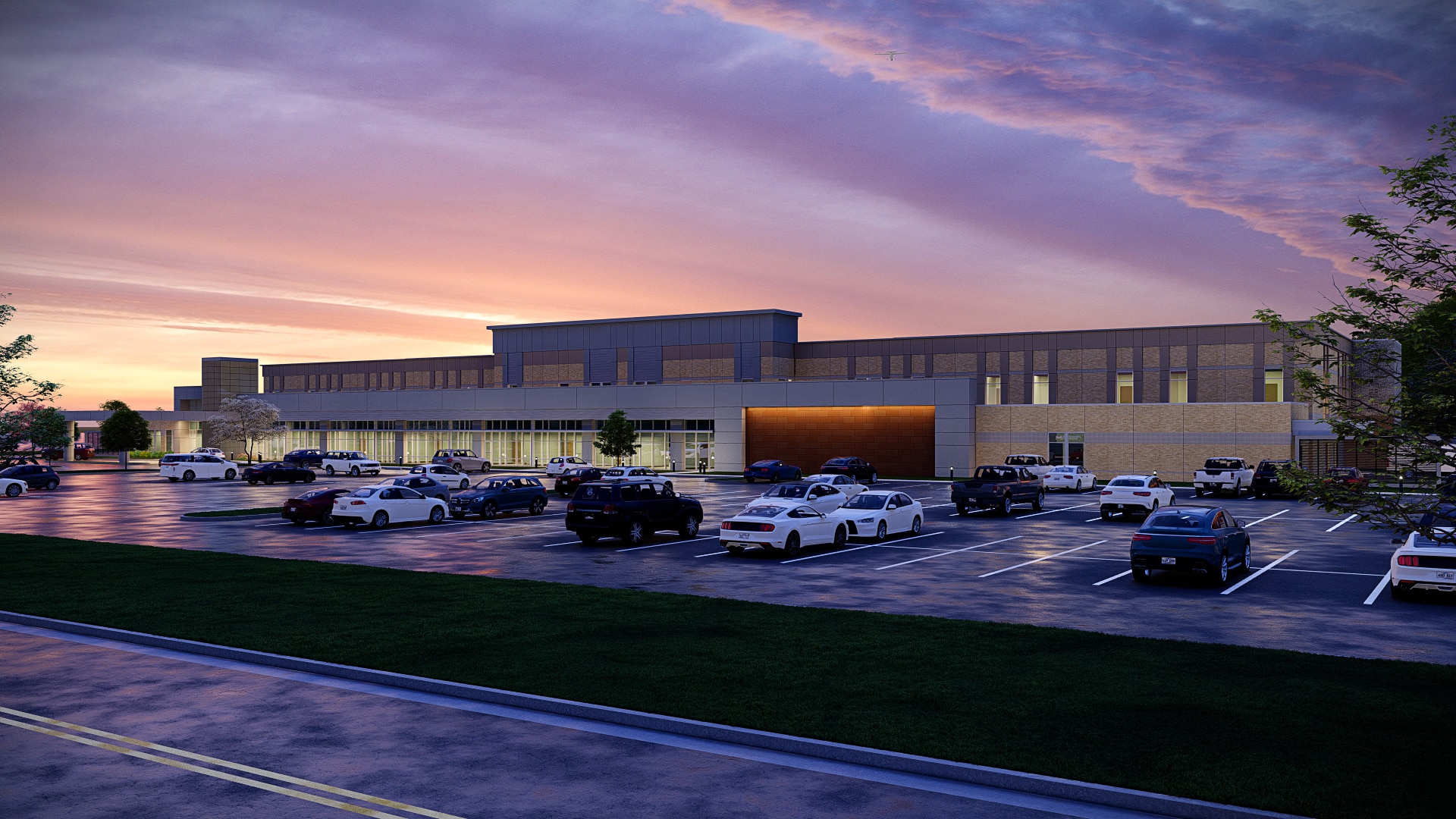
GREENVILLE, N.C. – ECU Health and Acadia Healthcare announced today plans to build a state-of-the-art, 144-bed behavioral health hospital in the medical district of Greenville, N.C., less than a mile from ECU Health Medical Center. This new facility will be a center of excellence, providing North Carolinians with important access to behavioral health services and treatment from specialized clinical teams in a carefully designed environment.
Slated to open in spring 2025, the hospital will be operated through a joint venture between ECU Health and Acadia, the largest standalone provider of behavioral healthcare services across the United States. Together, the organizations will invest approximately $65 million in expanding behavioral health resources in eastern North Carolina.
The hospital will include 24 inpatient beds specifically for children and adolescents with mental health needs. These beds will be the first of their kind in ECU Health’s 29-county service area and the only child and adolescent beds within 75 miles of Greenville, North Carolina.
“This hospital will be a tremendous resource for our patients and our state, and we’re thrilled to bring a partner and a national leader like Acadia to eastern North Carolina,” said Dr. Michael Waldrum, chief executive officer of ECU Health and dean of the Brody School of Medicine at East Carolina University. “Acadia has an established track record of providing high-quality, compassionate care in communities across the country. Together, we will strengthen our level of expertise, implement proven best practices and enhance the quality and number of behavioral health services available to patients throughout the region.”
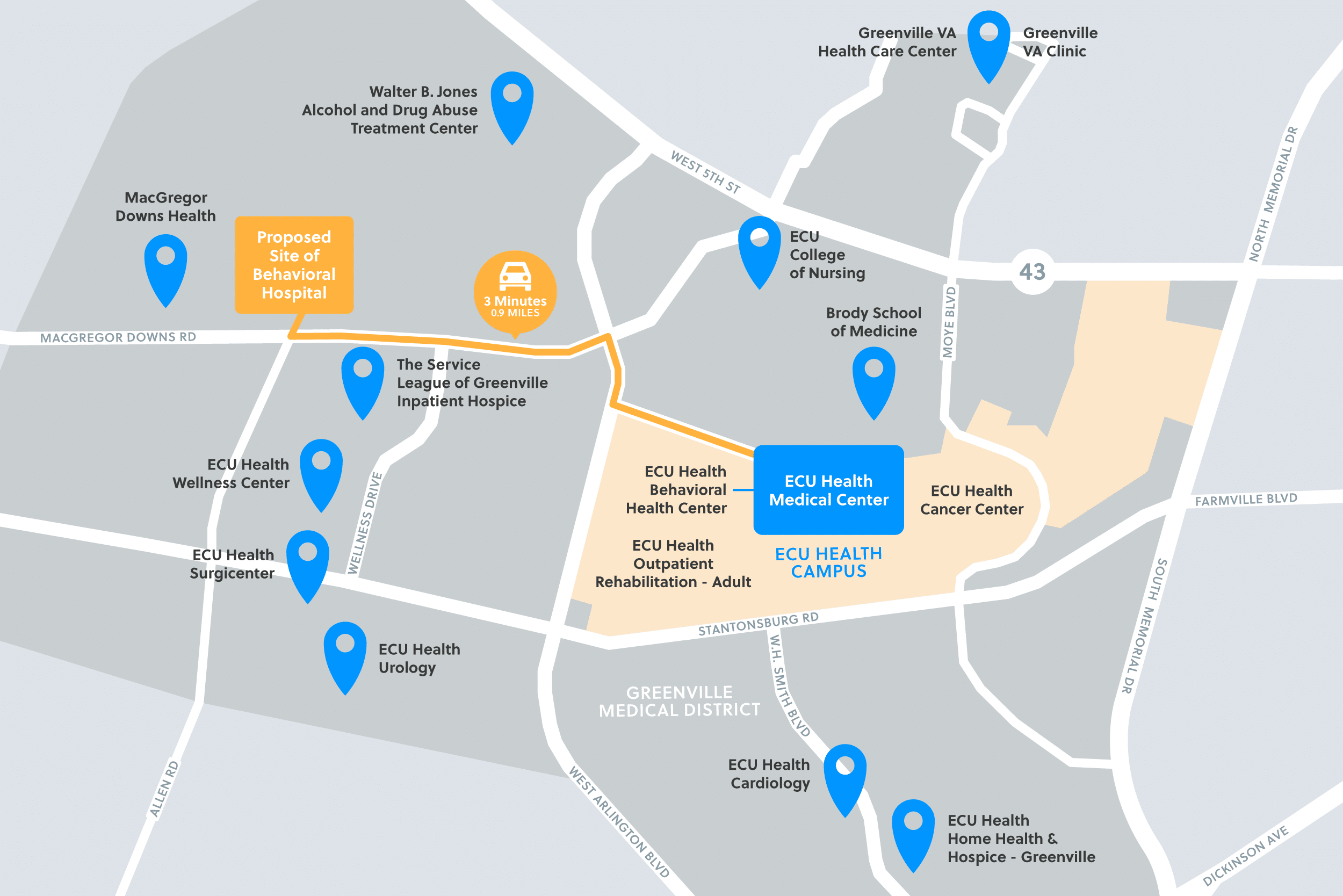
Prior to the pandemic, nearly one in five North Carolinians were experiencing a mental, behavioral or emotional disorder, according to a report from the North Carolina Institute of Medicine’s Task Force on Mental Health and Substance Use. In the last two years, national data indicates a growing trend of depression and anxiety symptoms. This partnership demonstrates a commitment to talking about mental health disorders, normalizing and treating them with the latest science and medicine in appropriate care settings.
“As a clinician, seeing this type of investment and understanding the significant impact it will have on patients is exciting,” said Dr. Syed A. Saeed, an ECU Health board-certified psychiatrist with more than 40 years of experience. “The needs of behavioral health patients differ from other patients and vary widely even within the same diagnosis. This state-of-the-art hospital will allow us to fully meet our patients’ unique needs in a safe, patient-centered environment and ensure clinicians have the resources and training needed to deliver excellent care.”
The new hospital will also serve as a teaching hospital, training students and residents from the Brody School of Medicine, many of whom will go on to practice in eastern North Carolina and carry forth ECU Health’s mission to improve the health and well-being of the region.
“We are always seeking like-minded partners who share our commitment to expanding access to high-quality behavioral health services and transforming the way mental health patients are seen and cared for,” said Chris Hunter, chief executive officer of Acadia Healthcare. “Establishing a center of excellence in partnership with ECU Health presents a unique opportunity for us to support the development of the next generation of behavioral health care workers and clinicians. We’re excited to begin this important work with such a committed, patient-focused partner.”
Construction is expected to begin in 2023, pending standard state and regulatory approvals and gaining a Certificate of Need. To facilitate the development of the new 144-bed behavioral health hospital, ECU Health will transfer 80 of its current behavioral health beds.
To learn more about the potential partnership between ECU Health and Acadia Healthcare, visit
ENCBehavioralHealth.org.
Find more information in our Press Kit.
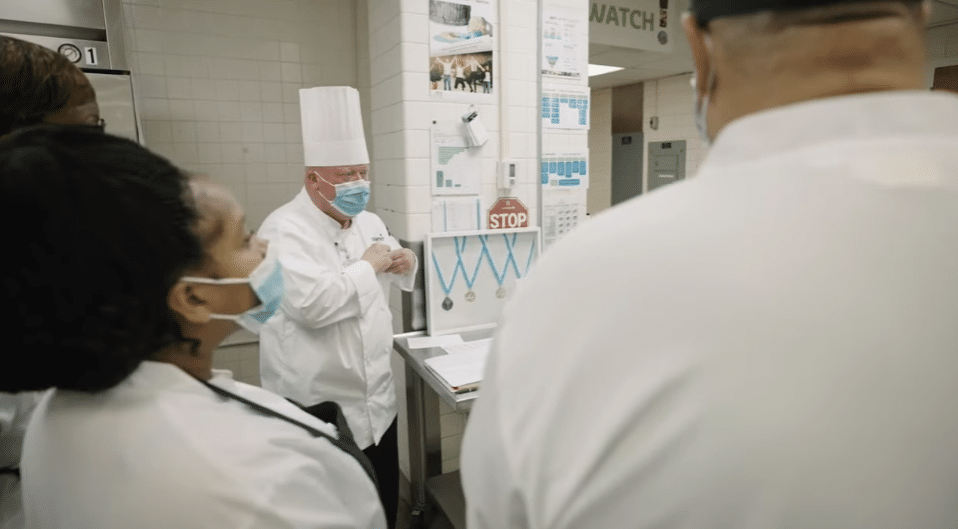
ECU Health Beaufort Hospital – a Campus of ECU Health Medical Center – is featured in a new documentary from the BBC. Produced by BBC StoryWorks Commercial Productions for The World Wide Fund for Nature (WWF), this documentary follows the Sodexo/ECU Health partnership, which shares a common goal to improve the health and well-being of the people and communities we serve.
Nearly one-third of food produced around the world ends up as food waste. Sodexo implements its WasteWatch program across all ECU Health hospitals to reduce food waste, drive cost efficiency and positively impact the environment. WasteWatch is Sodexo’s key initiative to achieve its objective of reducing 50 percent of food waste within its operations, covering 85 percent of its raw material costs. ECU Health Beaufort Hospital hosts one of the most efficient, highly successful Sodexo WasteWatch programs, producing very low amounts of food waste, which saves money and drives positive impacts on the environment.
The Beaufort team has been using the WasteWatch powered LeanPath program since August 2020, and they use the data and insights to put in place specific actions that have positive impacts for the environment. Team members tailor portions cooked each day based on data collected to reduce excess food, which helps preserve resources and reduce food waste.
“Taking care of our community and environment by doing our part to help reduce waste are values that our partnership with Sodexo helps us meet,” said Lou Montana-Rhodes, vice president of experience at ECU Health. “We are proud to recognize our food and nutrition team members at ECU Health Beaufort Hospital and all across eastern North Carolina for their commitment to leading the way in reducing food waste and bringing quality care to those we serve.”
ECU Health is proud to collaborate with Sodexo to bring high quality food and compassionate care to our patients.

Washington, N.C. – ECU Health Beaufort Hospital – a campus of ECU Health Medical Center has been designated as a primary stroke center by The Joint Commission and the American Heart/Stroke Association, recognizing the hospital’s preparedness and expertise to care for stroke patients. Stroke is one of the leading causes of death in the state, resulting in more serious long-term disabilities than any other disease. With this designation, all ECU Health hospitals are equipped to provide advanced stroke care in communities across eastern North Carolina.
“Stroke certification from The Joint Commission represents ECU Health Beaufort’s commitment to provide high-quality stroke care to not only patients experiencing stroke symptoms, but to all of our patients,” said Debra Hernandez, president of ECU Health Beaufort. “We are proud of being designated a primary stroke center. The commitment and diligent work of team members across all levels and services made this a reality.”
As a primary stroke center, ECU Health Beaufort can treat and stabilize patients experiencing an acute stroke and care for more complex patients. As part of stroke readiness by all hospitals in the ECU health system, this certification is symbolic of a comprehensive stroke network capable of meeting the needs of all patients across eastern North Carolina.
“Achieving stroke certification for all nine hospitals has been our goal since launching an intentional focus on improving stroke care in eastern North Carolina seven years ago,” said Barry Bunn, chief of medical staff and regional medical director of emergency services, ECU Health. “At the start of this process, ECU Health began a pathway of certifying all of the ECU Health hospitals with some level of stroke certification by the Joint Commission. Stroke certified hospitals were prevalent west of I-95, but there were few certified hospitals in the eastern part of the state. Now, we can proudly say that patients across the region will have access to high-quality stroke care, regardless of where they live.”
Because time is one of the most important factors in treating stroke, it is vitally important to provide stroke care close to home. ECU Health Beaufort’s stroke certification increases proximity to quality care in the Washington area, which reduces the risk of mortality, permanent brain damage and other side effects including memory loss, difficulty speaking and potential paralysis.
During the certification process, ECU Health Beaufort was evaluated on performance measures in stroke care, including education for patients and families on stroke risk factors and recognizing symptoms of stroke. Other performance measures included staff education on stroke protocols and the appropriate prescription of medications to address stroke risk factors such as elevated cholesterol and blood pressure.
The severity and likelihood of having a stroke in North Carolina is significantly higher than the rest of the country as a whole. Eastern North Carolina is at the center of many strokes, often called the buckle of the stroke belt. North Carolina is about 8 percent worse for stroke mortality than the national average, and in eastern North Carolina, that risk is even greater.
“With all hospitals in the ECU Health system now stroke certified, a patient will be offered life-saving care regardless of the patient’s proximity to any of ECU Health’s hospitals and depending upon what additional treatments are needed, can be transported to a location with more extensive services when the patient is stabilized,” said Jay Briley, president of ECU Health Community Hospitals. “This system-wide stroke certification helps fulfill ECU Health’s mission of improving the health and well-being of eastern North Carolina.”
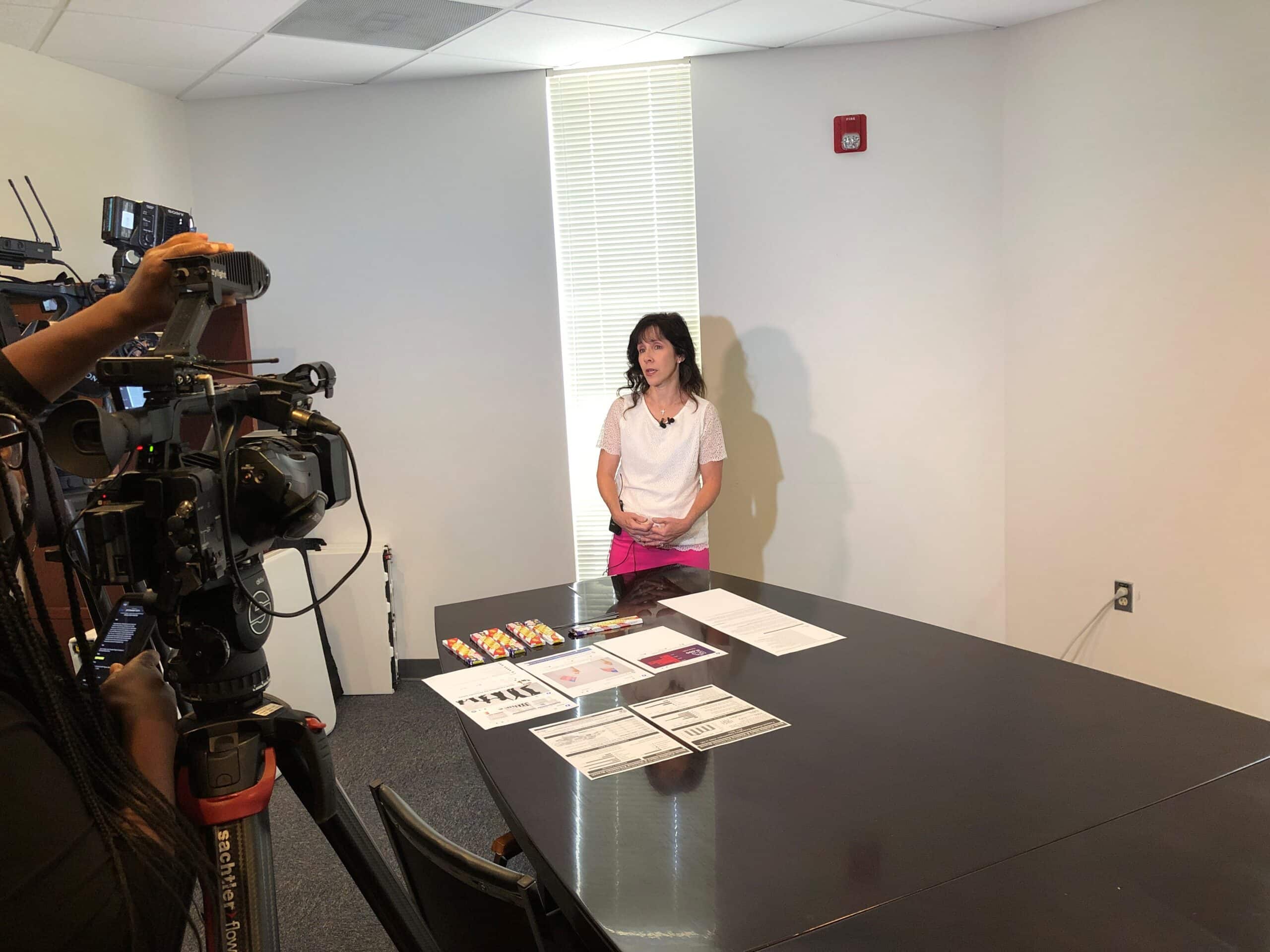
With Fourth of July weekend upon us, summer fun is in full swing. While this weekend brings families together for cookouts and celebrations, we know there are also risks to look out for.
Home firework shows can quickly turn a weekend of fun into a trip to the emergency department.
Ellen Walston, Injury Prevention Program coordinator at ECU Health Medical Center, said that in North Carolina last year, 11,500 people visited an emergency department for a firework-related injury. Of those visits, 70 percent came in July.
“July is the most dangerous month for firework injuries and actually many injuries occur in the summer months,” Walston said. “It’s a very fun time of the year with lots of vacationing, traveling, it’s time to spend with family, but you need to keep safety in the forefront.”
She said the key to safety this time of year is supervision, whether it is around water, fireworks or any other activity with increased risks. Keeping a close eye on children can help limit injury risk.
Walston also noted that many would be surprised to learn that sparklers burn at 2,000 degrees and can easily cause severe burns. Even after sparklers are done burning, they can still be up 450 degrees for minutes after they are extinguished.
“Many times parents don’t realize how dangerous sparklers are because they’re fun,” Walston said. “Children will often run around with the sparklers and may accidentally touch another child with a hot tip. That can be very dangerous.”
This year, there are a couple of particular risk factors that make this season a bit more dangerous. Fire hazards are higher than usual with the recent drought we have faced in eastern North Carolina and with Fourth of July falling on a Monday, many families will take advantage of the long weekend to have a longer celebration.
“We want you to have fun, this is a fun time of year. But we are at a greater risk for increased injuries. We just ask for families to be as careful as possible,” Walston said. “With COVID, we are excited to be able to get out, vacation, spend time with family, but we really need supervision to be at the forefront.”
Walston said letting professionals handle the fireworks is the best and safest way to enjoy the sights while celebrating the holiday. Visit your local municipal website to find firework shows in your area.
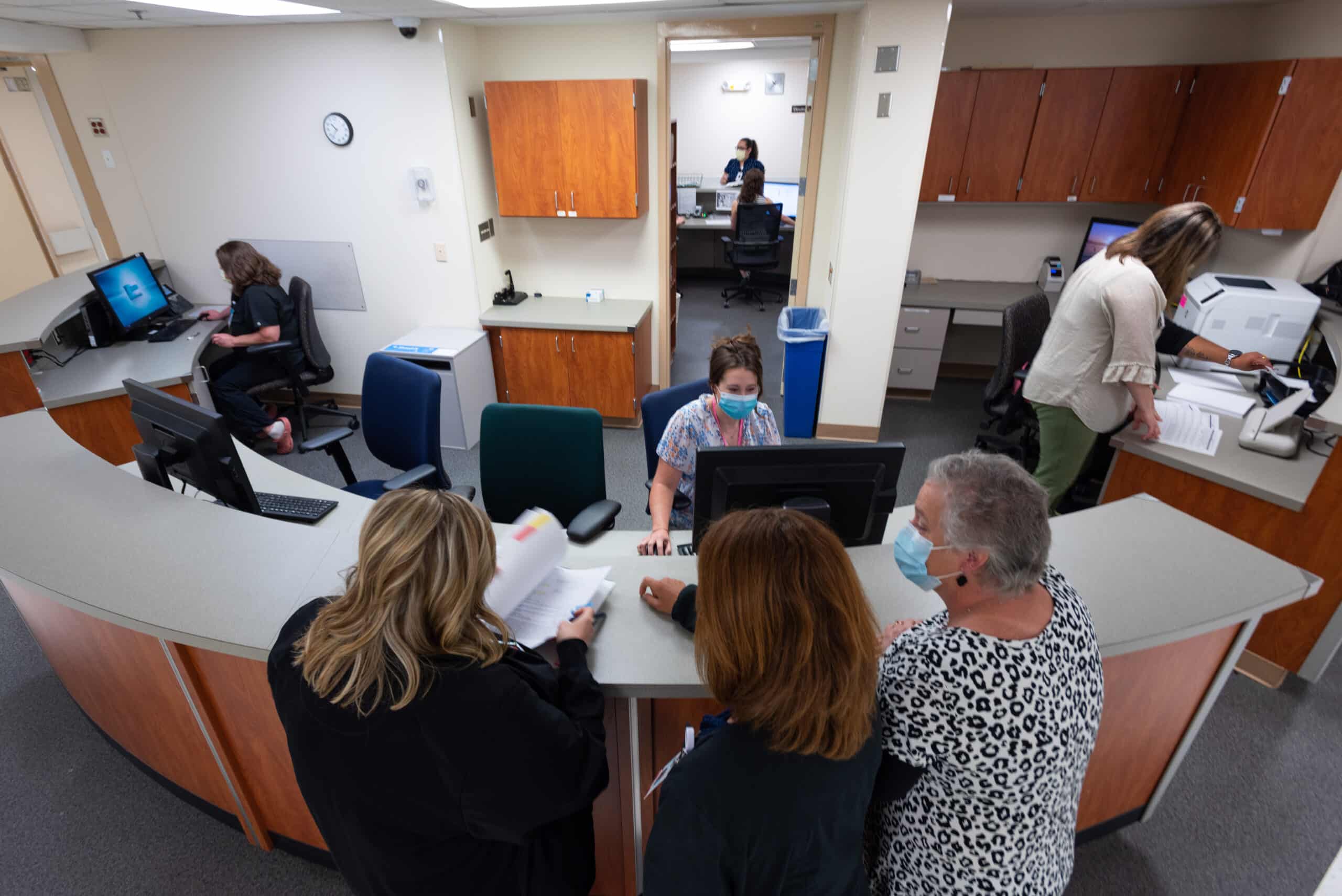
With our continued focus on the imperatives of quality, experience and finance, ECU Health’s transplant program at ECU Health Medical Center has consolidated their treatment and office spaces into the newly renovated 3 South. The area is now known as the 3 South Transplant Clinic.
The transplant program performs an average of 80 to 100 living and deceased donor kidney and pancreas transplants per year. Patients that are seen in the clinic include pre-transplant (patients being evaluated for transplant), living donors and post-transplant. This program and the services offered have continued to grow over time, but have been limited by clinic space. To enhance patient and team member experience, the pre- and post-transplant clinics have now consolidated into one, centrally-designed space on 3 South, as they have been operating in separate clinics at the Cancer Center and ECU Physicians.
Previously, the transplant team worked in separate clinics, sometimes limited to three rooms. 3 South Transplant offers 18 patient exam rooms, which in addition to consolidating space for patients, will also help to shorten wait times for new referrals and follow up appointments.
Another benefit of 3 South is the accessibility of team members such as dieticians, social workers, pharmacists, nurses and physicians, which provides patients the accessible support of various teams of health care workers critical to patients’ transplant journeys.
Lastly, this consolidation allows for expansion of potential future services such as phlebotomy, expanded pharmacy services, infusion services and vascular access.
In 2022, as we build the future of ECU Health, the exceptional care and services we provide have a positive impact on the communities of eastern North Carolina that we serve through our considerations of patient quality and experience.
For more information on transplant services at ECU Health, visit the transplant section of our website.
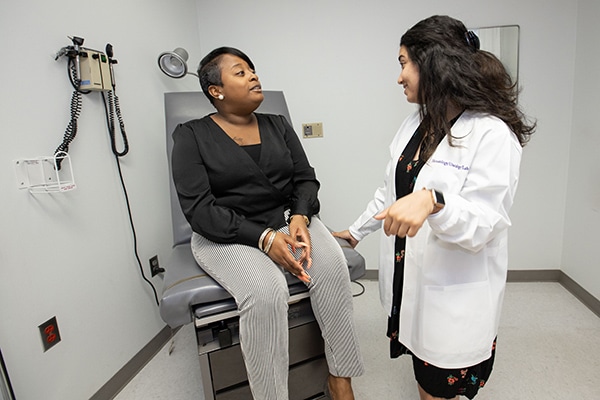
The Brody School of Medicine at East Carolina University has experienced recent success in recruiting a diverse group of patients to participate in clinical trials for new medications and treatments.
Data shows that from March 2019 to March 2020, 202 patients participated in oncology clinical trials in ECU’s Division of Hematology and Oncology; 50 percent of them represented races other than white. The following year, 419 participants were accrued, and 56 percent represented races other than white. That year, 50 percent of clinical trials participants were Black or African American.
“Our patient population, as well as Brody’s mission, has led to our success,” said Susan Eubanks, clinical trials nurse specialist in Brody’s Division of Hematology and Oncology. “Part of our core values is to cultivate a clinical environment of robust learning, innovation and discovery. There have been trials with participants here in eastern North Carolina that have led to new treatments in diseases and in some cases where there were few options.”
Now, researchers and providers hope to build on that momentum for future clinical trials studies.
Providers and researchers in the school continue to seek minority participants in clinical trials for new and potential pharmaceuticals — and to collect invaluable information on how some treatments impact patients of various races.
Doctors want to ensure that the drugs they are studying match the demographics for all the patients who could rely on those medicines in the future — by including people from a wide variety of backgrounds and races in the studies.
“We all agree that as much as possible, the drugs we give should be approved through clinical trials that match the demographics they will be prescribed to,” Eubanks said. “There has been chemotherapy that has shown promising results in one country but doesn’t carry the day in another. So, overcoming this disparity — whatever the cause — is essential.”
One of the latest innovations in oncology is the use of immunotherapy, the treatment of disease by activating or suppressing the immune system. Data that reviewed participation in those trials showed that less than 4 percent of participants in key immune therapy trials were African American.
“This is a problem,” Eubanks said. “Given the low representation we can’t predict if there will be a differences in outcomes related to differences in response from tumor biology. It is not highly understood why we see differences in drug efficacy and toxicities among different ethnicities, but it drives the point home, we need to do all we can to include the best representation of our population when bring new therapies to market.”
Dr. Darla Liles, professor and division chief of ECU’s Division of Hematology and Oncology, said diseases like prostate cancer and colorectal carcinoma see more African Americans impacted than other races, and the diseases begin earlier in those patients as well.
“Also, the distribution of the DNA mutations are different across races,” she said. “We might have a drug that works wonderfully well in Caucasians but not so well in African Americans or Hispanic individuals because of these different DNA changes. But we only know that if enough minorities participate.”
Recruiting challenges
Even with the critical need for data that better illustrates potential patient outcomes, recruiting minority participants in clinical trials can be difficult.
“Accruing to clinical trials in general is difficult, but minorities are typically underrepresented in clinical trials,” Eubanks said. “This can be an access issue, a reluctance issue and, at times, both.”
There can be many reasons recruiting minority participants to clinical trials can be a challenge, Liles said, but keeping those reasons in mind and understanding that they vary from person to person help build trust.
Brody’s mission draws heavily on a theme of access for all: to a medical education, to health care, and to resources that can sustain health and wellness. That’s one reason access to clinical trials in the medical school is vital to the study and approval of novel treatments.
“Part of our commitment to the health care of all eastern North Carolinians is ensuring the pharmaceuticals and treatments that we study are safe and effective for every patient who may need them in the future,” said Dr. Michael Waldrum, Brody’s dean and CEO of ECU Health. “Our efforts to widen the participant base in our clinical trials programs reflects the importance of thorough and inclusive studies that yield results that we are confident meet our mission.”
Liles said that people are more likely to trust providers and those running clinical trials if they feel they share common bonds with them.
“Several times when I presented a trial to a patient, afterwards the CRA has told me that they went to high school with the patient or knew them from church,” she said. “Being able to relate to the people who are treating you is essential.”
Education is key as well, Liles said.
“When I offer a trial to a patient, I often understand this is starting a conversation over several visits to ensure patients know about and understand what they are signing up for,” she said. “The consent forms for clinical trials are jam-packed with important information about the treatments, and sometimes people use that as a starting point for knowing what to ask about their treatment. I never regret giving a patient a consent form and talking to them about a trial. Even if they eventually decide not to do it ,they are better informed by participating in the process.”
Eubanks said the COVID-19 pandemic and reluctance by some to take the vaccine are a reminder of how to approach building trust in clinical trials.
“We must think beyond just education in the office,” she said. “We must reach people where they are.”
One way Brody is working to reach many different patients is having trials open for a variety of specialty care areas.
“The biggest step is understanding your population and having trials open for the specialty areas you see,” Eubanks said. “Brody has trials open with many specialties. In adult hematology/oncology we use databases and the tumor registry when approached about upcoming trials to help us determine if a trial is potentially feasible in our area. We also have the benefit of having local resources such are the University and Medical Center Institutional Review Board (UMCIRB) and leaders such as our associate dean for research and graduate studies, Dr. Russ Price, that provide expertise and infrastructure needed to offer clinical trials.”
Liles uses word of mouth to share clinical trial opportunities to patients.
“I often tell my patients about new and innovative trials that are on the horizon, even if they do not fit the criteria for the trial,” she said. “I think it is important for patients to understand that there are new things being developed all the time. Education is our best way to ensure patients know about and participate in trials.”
Liles also believes the combination of specialties and resources in the creation of the ECU Health brand will have a positive impact on the clinical trials program. With close to 1.4 million people in the system’s service area, there is promising potential to reach people through improved infrastructure for research opportunities.
Read more from ECU News Services.
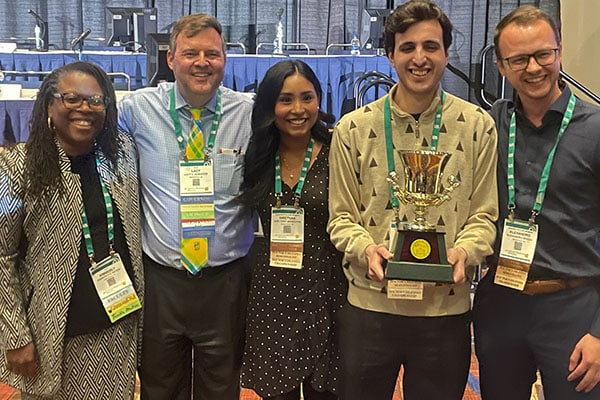
A team from the Brody School of Medicine’s Internal Medicine Residency Program won first place and the Osler Cup in the American College of Physicians Doctor’s Dilemma competition.
Coached by Dr. Lacy Hobgood, clinical associate professor in East Carolina University’s Department of Pediatrics, the team competed for three days against some of the world’s brightest medical residents, including teams from the United States, Canada, Central America and the Caribbean. Drs. Alex Bradu, Omar Khdeir and Swethaa Manickam earned the right to compete at the national level by first winning the North Carolina chapter’s competition.
Past winners of the ACP Doctor’s Dilemma competition include the India chapter, Albert Einstein Medical Center, Indiana University School of Medicine, Northwestern University and the Mayo Clinic.
Khdeir said Doctor’s Dilemma is the biggest competition based on knowledge of internal medicine, featuring as many as 60 teams each year in a friendly but highly competitive environment. The format is similar to the television show “Jeopardy,” with each game consisting of a set of questions teams must buzz in to answer, and a final round in which they must wager their points before seeing the question.
“We wagered all of our collected points in the final dilemma and got the question right,” Khdeir said. “After we won, we took turns calling our parents on speakerphone. Seeing our parents and siblings proud and happy was the biggest award.”
Dr. Herb Garrison, associate dean for graduate medical education, said the team’s performance on the national stage reflects the quality of medical education at Brody and also helps enhance its reputation.
“They competed against the best residents from around the world in a test of medical knowledge and speed and emerged as the winning team,” Garrison said. “In addition to demonstrating the type of great physician trainees we have at the Brody School of Medicine and ECU Health, this win provides us a huge recruiting advantage as other schools will take notice and want to send their best medical students our way. … I couldn’t be more proud.”
The Internal Medicine Residency Program is an integral part of the Brody School of Medicine and the ECU Health Medical Center. The Department of Internal Medicine includes nine subspecialty divisions and serves the Greenville and Pitt County area as well as 29 surrounding counties.
Read more from ECU News Services.