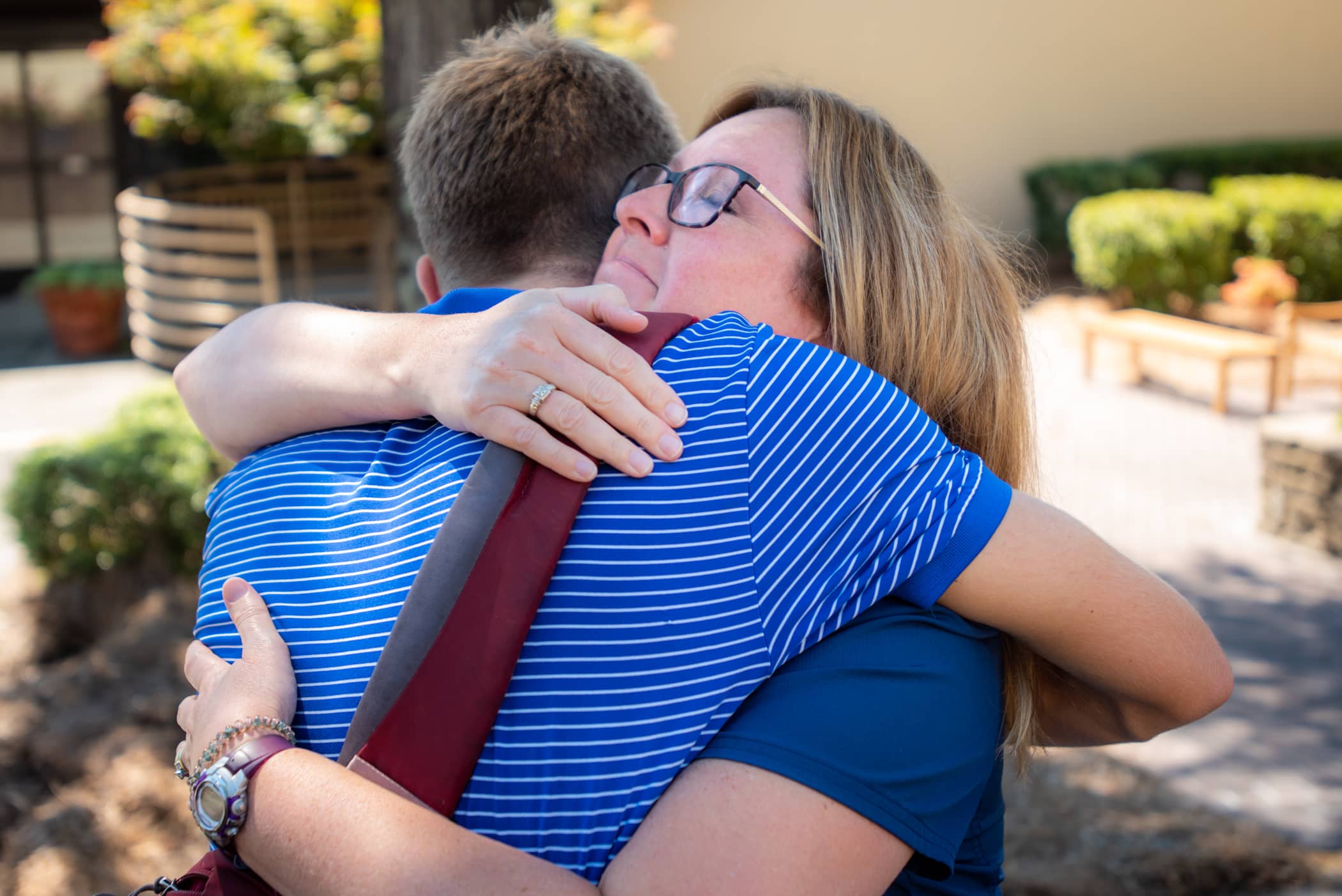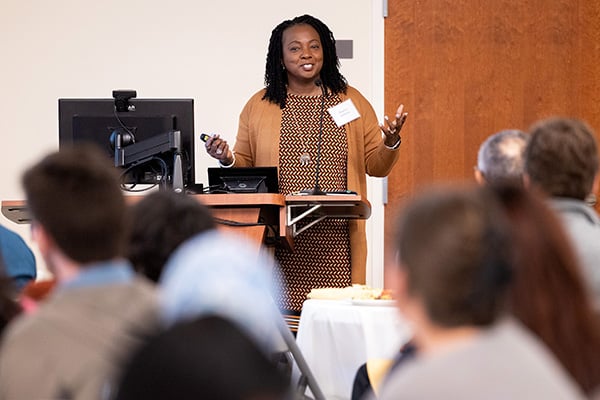
With an audience of more than 90 Brody School of Medicine at East Carolina University first-year medical students, leaders from ECU Health and Brody discussed the power of storytelling and narrative medicine during the 14th Annual Jose G. Albernaz Golden Apple Distinguished Lecture.
Narrative medicine is an increasingly popular technique that utilizes storytelling for health care providers to understand their patients as people and help process their own emotions around their work. At ECU Health, where compassionate care for patients and for the care team are foundations of how the organization meets its mission, the benefits of narrative medicine can make a difference in the clinical setting.
For first-year Brody students, the lecture provided an opportunity to learn about the value of narrative medicine so that they can apply it to their own education and future careers.
Dr. Christina Bowen, chief well-being officer of ECU Health, was once a first-year Brody student herself. In her opening remarks, she challenged students to take up narrative medicine early in their journey to becoming providers.
“The profession of medicine brings cases that will touch your hearts with much joy and sorrow. Write those stories down,” Dr. Bowen said. “These stories will be with you the rest of your medical career. Embracing the power and importance of these stories will support your emotional well-being and your growth into an excellent physician.”
Dr. Sharona Johnson, the nursing Advanced Clinical Practice administrator at ECU Health, served as the keynote speaker for the event. She said storytelling is key to understanding our humanity and helps leave a legacy for all people.
Dr. Johnson, who is a published author, is an advocate for narrative medicine – both to understand patients and as a well-being tool to get her own feelings down on paper.
“We’re learning that stories are important because we’re telling our stories,” Dr. Johnson said. “Physicians and health care professionals are writing books. We’re finding that our life has to have meaning. You can’t go through your life without thinking about, ‘Why am I here, what is the purpose, why is this patient sitting in front of me?’ It has to have meaning.”
Dr. Jason Higginson, chief health officer of ECU Health, said he received a written note from the first patient he gave a full clinical exam to in medical school. He said he can still picture himself in the exam room and remembers the patient frequently because of the heartfelt note the patient shared. He reflected that he wished he’d known more about narrative medicine as a young doctor so he could have captured more experiences like this from early in his career.
The relationship between ECU Health and Brody is important for many reasons. The opportunity for experienced providers to share valuable lessons with medical students in a clinical setting is one of the special benefits. Dr. Michael Waldrum, CEO of ECU Health and dean of the Brody School of Medicine, said the teaching offered at Brody and ECU Health stretches beyond the walls of the classroom.
“This was a really important lesson today for students and a great reminder for anyone already in health care,” Dr. Waldrum said. “Narrative medicine and storytelling help in many aspects. Brody School of Medicine concentrates on producing physicians that actually understand humanity. I’m really proud of that.”
Dr. Waldrum said that understanding humanity and human interaction is what led him to being a pre-med English major as an undergraduate.
Learning the humanities, he said, helped lay a foundation for him as a person and care provider. The lessons learned as an English major were reinforced in his first clinical rotation during his third year of medical school when a mentor told him to learn something from each patient, whether it is a personal or medical fact. He said that stuck with him and taking it into action paid off.
“That’s the story of humanity and history, understanding and respecting differences,” Dr. Waldrum said. “Stories are about history and looking backwards, but it’s also about creating an optimistic and positive future. That’s what we’re doing here: creating a new health system, evolving our school of medicine, always changing and making sure that we meet our communities needs and that we educate the best humans on the planet.”
The Albernaz Golden Apple Distinguished Lecture series is a great example of how ECU Health and the Brody School of Medicine collaborate to bring excellence in the clinical and academic setting for the betterment of eastern North Carolina.
Greenville, N.C. – After an extensive search and interview process with stakeholders across the organization, ECU Health is pleased to announce and welcome Andrew (Andy) Zukowski, MBA, as the health system’s new chief financial officer (CFO), effective Nov. 28.
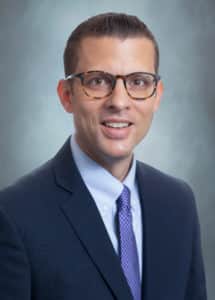 “It is my great honor to welcome Andy as the next CFO of ECU Health,” said Dr. Michael Waldrum, CEO of ECU Health and dean of the Brody School of Medicine at East Carolina University. “Andy brings more than 20 years of experience in highly-matrixed health care organizations with expertise in value-based care models and strategic financial planning and analysis that drive positive results. In addition to Andy’s vast financial background, his mission-focused mindset and passion for serving others are attributes we value and are at the core of who we are as ECU Health.”
Financial operations are a critical component of the joint operating agreement between ECU Health and Brody which outlines the goal of establishing a shared leadership and shared services model to support the enterprise. The CFO position will directly report to the health system’s CEO and have additional oversight and responsibility for Brody’s financial services and structure. This structure creates a more effective approach to integrating financial services and realizing efficiencies that will benefit patients and care teams across the organizations.
“This is an exciting time for me personally and professionally,” said Zukowski. “ECU Health and the Brody School of Medicine are both synonymous with rural academic and clinical excellence. I look forward to joining the leadership team at ECU Health to advance the important mission-driven work positively impacting the lives of the 1.4 million people who call eastern North Carolina home.”
Prior to joining ECU Health, Zukowski served as UNC Rex Healthcare’s chief financial officer since 2016. Zukowski’s arrival to ECU Health comes in succession of current CFO David Hughes’ planned retirement Dec. 30 after serving the organization and eastern North Carolina for 25 years.
“David’s leadership and expertise were instrumental in our ability to lay the building blocks that have positioned ECU Health to successfully realize its vision of becoming a national academic model for providing rural health care,” said Dr. Waldrum. “I greatly appreciate David’s contributions to our region and wish him the very best in his retirement.”
ECU Health looks forward to welcoming Zukowski to eastern North Carolina where his expertise, leadership and partnership will help the organization continue to deliver high-quality care as well as educate and train the next generation of health care professionals.
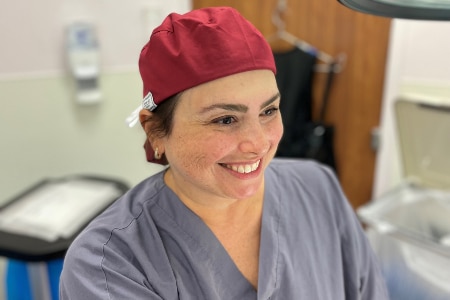
It’s no secret prostate cancer is one of the most common cancers among men. In fact, nearly one in eight men will be diagnosed with prostate cancer in their lifetime. What many may not know is if caught early, prostate cancer can be easily treated and even cured. That’s why experts at ECU Health are urging men who have delayed getting a prostate cancer screening to return to their regular screenings to prevent advanced prostate cancer diagnoses.
The prostate, which only exists in men, is a walnut-sized gland tucked under the bladder and is involved in the reproductive process. The prostate can develop cancer and is one of the leading cancers diagnosed in men.
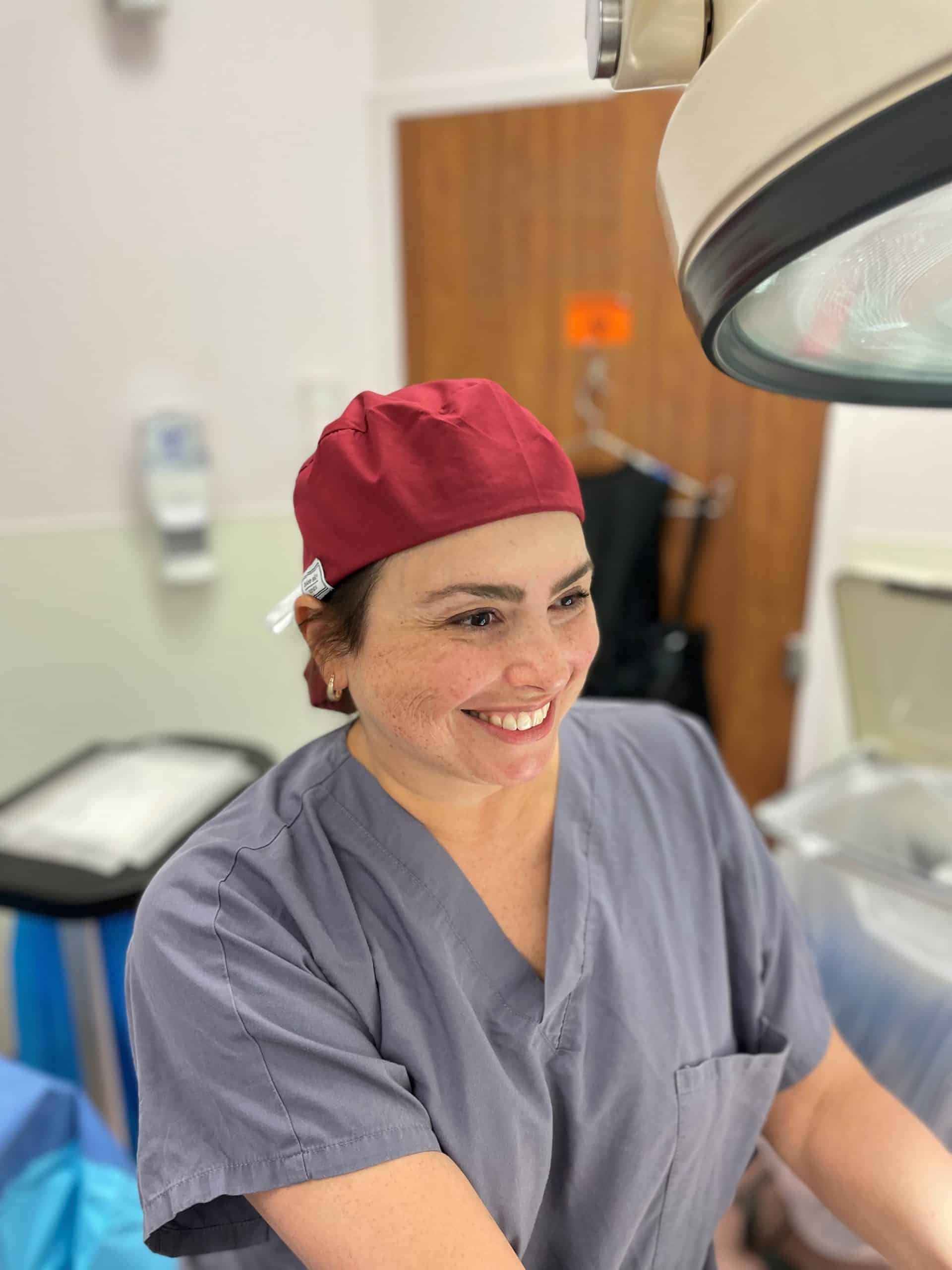
“We love to catch prostate cancer before there are any signs or symptoms. In order to do that, you need a blood test called a prostate-specific antigen, commonly known as a PSA blood test,” said Dr. Caroline Ames, ECU Health urologist. “Because the prostate is tucked up under the bladder, you may not have symptoms until it’s advanced.”
Dr. Ames says if prostate cancer grows large enough that it is causing symptoms, there may be blood in the urine or semen or difficulty urinating. More advanced stages can present symptoms such as bone pain, weight loss and swollen lymph nodes.
“Many of the people we take care of in eastern North Carolina are high risk for prostate cancer, especially African American and Latino men between the ages of 45 and 65,” said Dr. Ames.
African American men are more likely to develop prostate cancer and twice as likely to die from prostate cancer, as compared to non-Hispanic white men, according to the Office of Minority Health.
“This is likely due to genetics, lack of access to health care, general mistrust in health care and socioeconomic factors,” said Dr. Ames. “Those men with a family history of prostate cancer and men over the age of 65 who take one or two medications and are overall healthy, need a PSA screening every year.”
The screening process may look a bit different from what many may have experienced before. Dr. Ames, along with many other urologists, now do the blood PSA screening as the first line of screening. These providers will do a physical exam after the PSA screening indicates cause for concern. According to Dr. Ames, this method has brought in many more men for prostate screenings that may have not gotten one before due to anxiety or hesitancy of the physical exam. Men are encouraged to talk to their provider about the screening process.
“If you are diagnosed with prostate cancer, we will look at all of the treatment options available,” said Dr. Ames. “While some with low-risk disease may not need aggressive treatment, there are options available such as hormone therapy, radiation or prostate removal.”
The best treatment is prevention. Eating a healthy diet high in fruits and vegetables and low in processed foods and red meat can help reduce your risk of prostate cancer, along with quitting smoking.
“Obesity and smoking are two of the leading causes of prostate cancer,” said Dr. Ames. “Once you have been diagnosed and treated for prostate cancer, obesity increases the risk for the cancer coming back in the future.”
During the COVID-19 pandemic, screenings across the board significantly lowered. This is a significant concern amongst medical experts.
“Many people postponed their cancer screenings, and we are very concerned about that,” said Dr. Ames. “This increases the chance for a larger number of patients to be diagnosed with advanced or later stage cancers, including prostate cancer.”
The bottom line?
“You need to return to your cancer screenings, whether it be prostate, breast, lung or colon cancer screenings, especially if you skipped them during COVID-19,” Dr. Ames said. “Early detection can save lives.”
Resources
If you have experienced the pain, tingling or weakness that can occur with carpal tunnel syndrome, you are not alone. Carpal tunnel syndrome (CTS) is a fairly common condition which occurs when one of the major nerves to the hand, the median nerve which runs from the forearm into the palm of the hand, is squeezed or compressed as it travels through the wrist. Thankfully, what was once a complex treatment for CTS can now be accomplished more quickly and more effectively through new surgical interventions that reduce recovery times.
Milder symptoms of CTS can be treated with physician-directed home care, which may include wearing a wrist splint, avoiding daytime activities that may provoke symptoms, performing specific exercises and taking breaks from tasks to rest the hand. Medications may also be prescribed to relieve pain and inflammation.
In many cases, non-surgical treatments only provide temporary results, with symptoms eventually returning. Surgery typically becomes the recommended treatment option when this occurs.
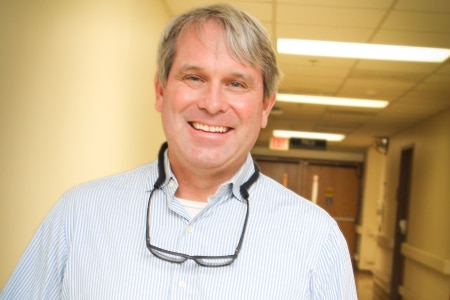
“Carpal tunnel release surgery is one of my more common surgeries,” said Dr. Jeff Barwick, an orthopedic surgeon at ECU Health Beaufort Hospital, a campus of ECU Health Medical Center. “Traditionally, we would make an incision in the palm to access the tunnel and free the median nerve. The recovery would take anywhere from two weeks on the fast end to several months on the slow end. Also, during this recovery period, many patients would not be able to resume their normal activities using their hands due to pain and weakness.”
A modified procedure performed at ECU Health Beaufort called carpal tunnel release with UltraGuideCTR ™ can perform the surgery less invasively and with much quicker recovery time for the patient.
“Now, because of ultrasound guidance, we can essentially perform the same surgery but using a much smaller incision,” said Dr. Barwick. “We also come under the muscles of the hands instead of having to cut through them. The healing of the incision and the muscles has traditionally slowed down the recovery process. The ultrasound essentially serves as my eyes and allows me to see into the carpal tunnel with a very minimal incision. Having carpal tunnel release with UltraGuideCTR™ available at ECU Health Beaufort Hospital offers community members convenient access to the procedure and allows them to stay close to home. Patients can also enjoy a better quality of life. When people can’t enjoy life due to pain, numbness and weakness in the hands and wrists, this can be taxing to them mentally, emotionally and physically.”
Some of the benefits of this new technology include a faster recovery time as opposed to the weeks of recovery involved with traditional carpal tunnel surgery. Going underneath the muscles with a drastically smaller incision, rather than cutting, creates a more positive experience for patents and often times allows them to return to work and the activities they enjoy within three to six days.
According to Sonex Health, Dr. Barwick is the first physician in North Carolina to offer his patients both carpal tunnel release and trigger finger release with real-time ultrasound guidance. Providing this new and innovative technology for the local community is another example of ECU Health fulfilling its mission to improve the health and well-being of eastern North Carolina. For more information about carpal tunnel treatment options including the ultrasound assisted surgery, please call ECU Health Orthopedics – Washington at 252-946-6513.
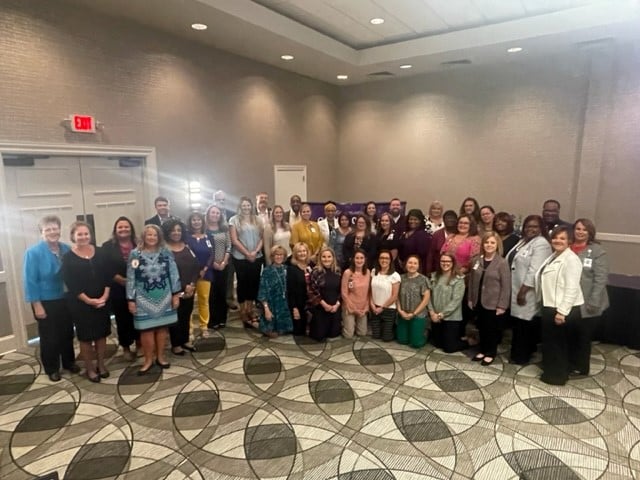
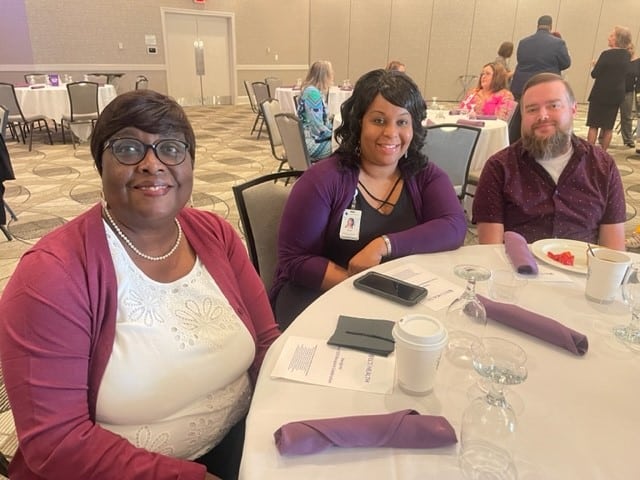
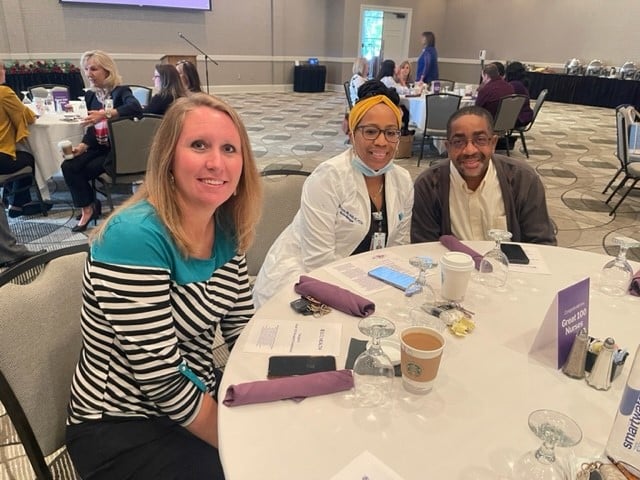
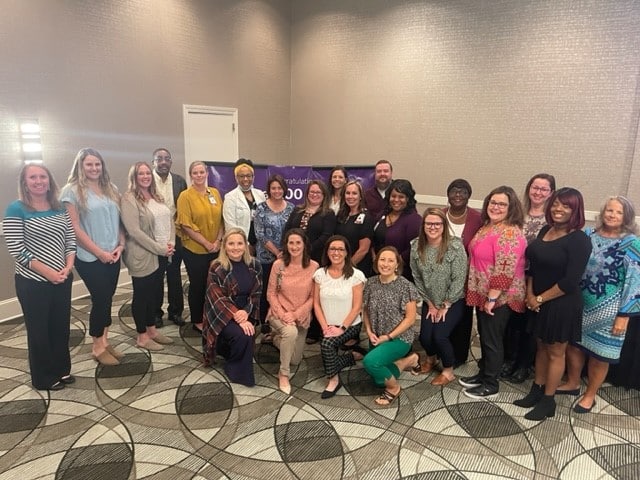
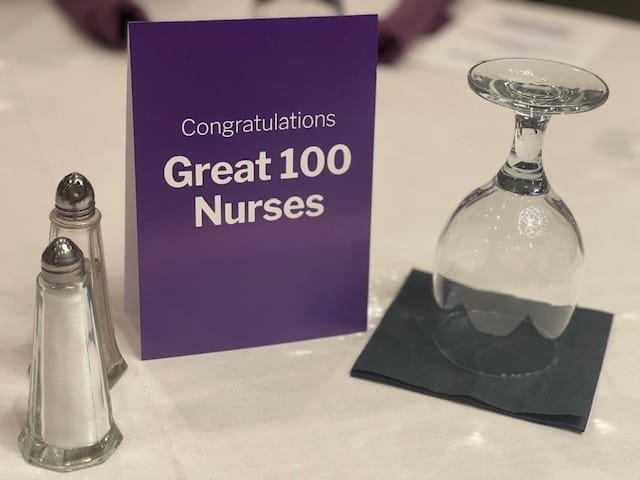
Over the past few weeks, two events were hosted in Greenville to honor the Great 100 nurses. While the pandemic impacted the in-person celebration events for the 2020 and 2021 Great 100 nurses, these recipients were able to celebrate their accomplishments this year alongside their 2022 Great 100 colleagues!
The Great 100 nurses are selected through nominations from patients, coworkers, friends and family members. To learn more about Great 100, click here. To find out more about the 2022 nurses honored with the Great 100, check out our Newsroom.
ECU Health Great 100 Nurses of NC Brunch Celebration
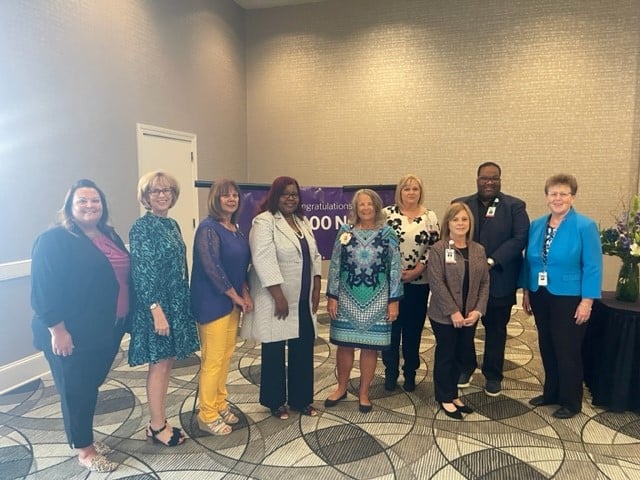
On Sept. 28, ECU Health hosted a brunch celebration to honor the Great 100 Nurses recipients from 2020, 2021 and 2022. Nurses and leaders from across the system attended the event and vocally celebrated the accomplishments of the honorees including Brian Floyd, president of ECU Health Medical Center and chief operating officer of ECU Health, Jay Briley, president of ECU Health Community Hospitals and Dr. Bimbola Akintade, dean of East Carolina University’s College of Nursing.
Great 100 Gala
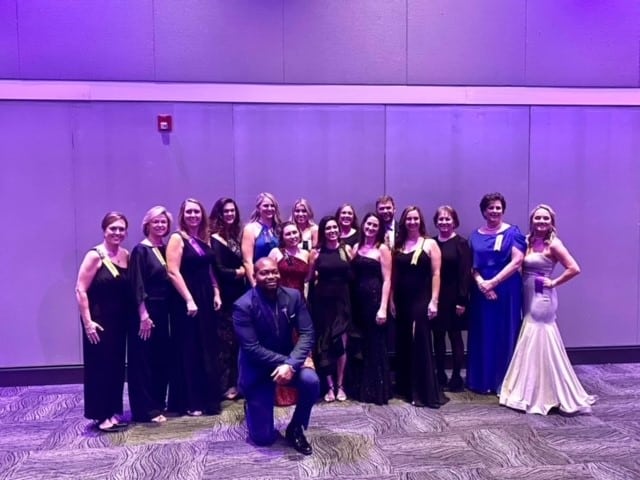
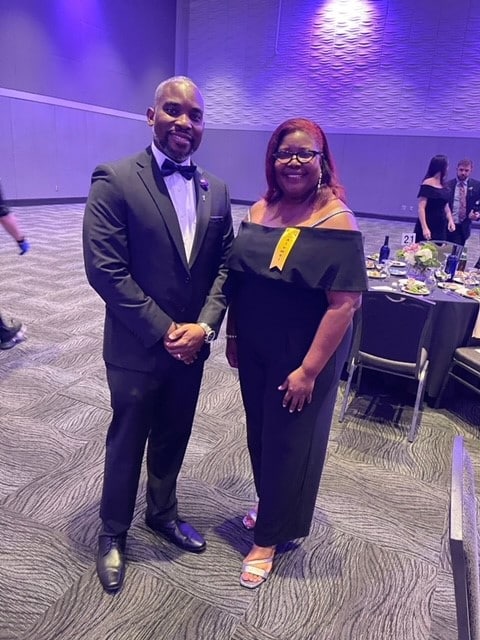
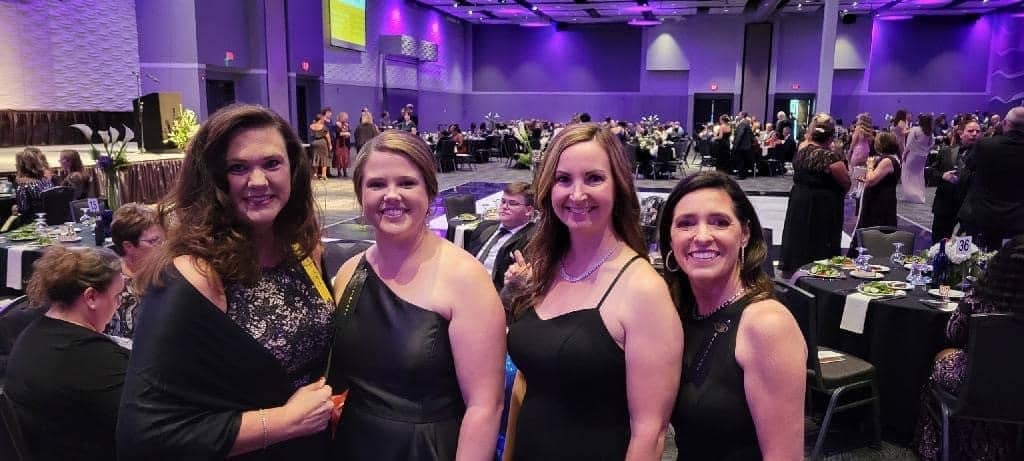
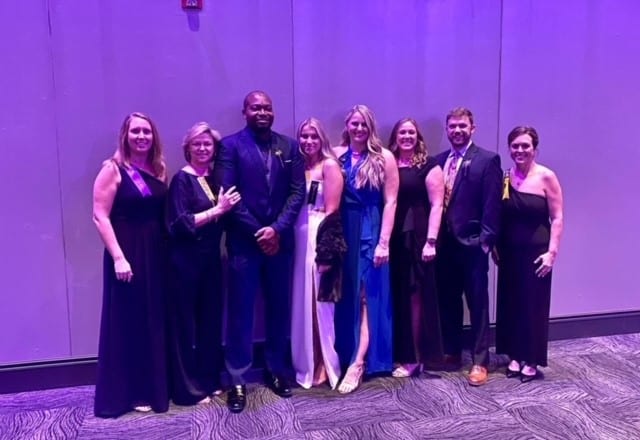
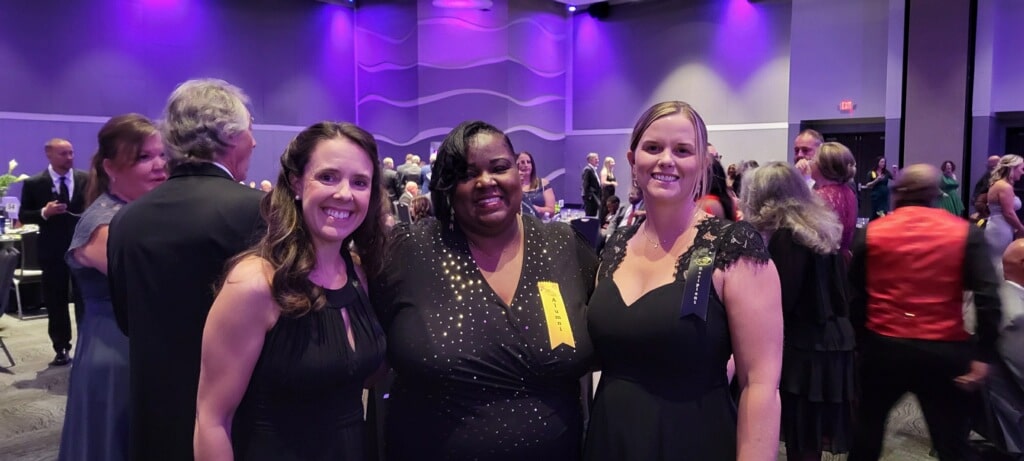
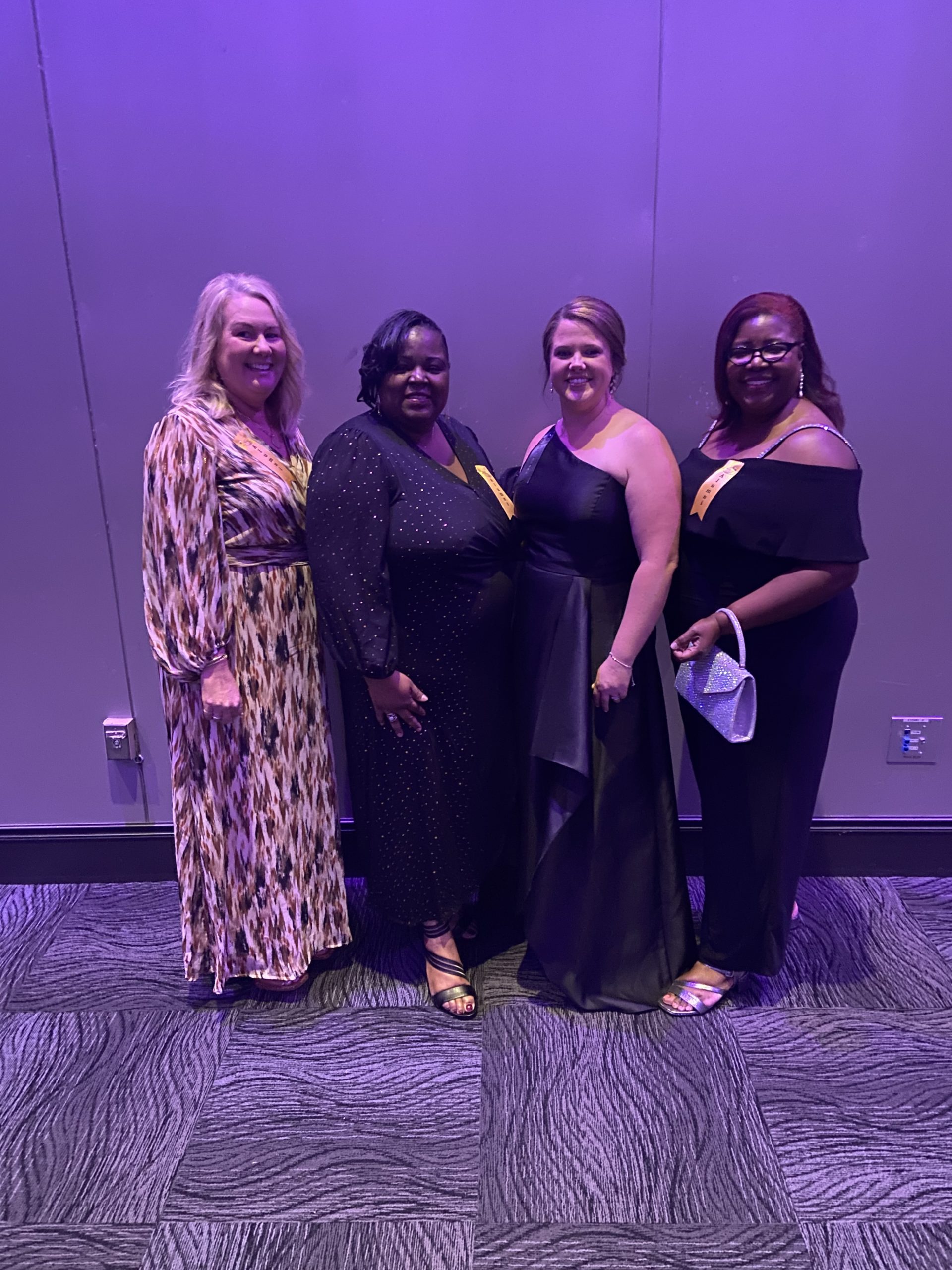
The 34th Annual NC Great 100 gala was held at the Greenville Convention Center on Oct. 8. The black-tie gala honored the 2022 Great 100 nurse recipients from across the state, with 22 of those nurses from the ECU Health system.
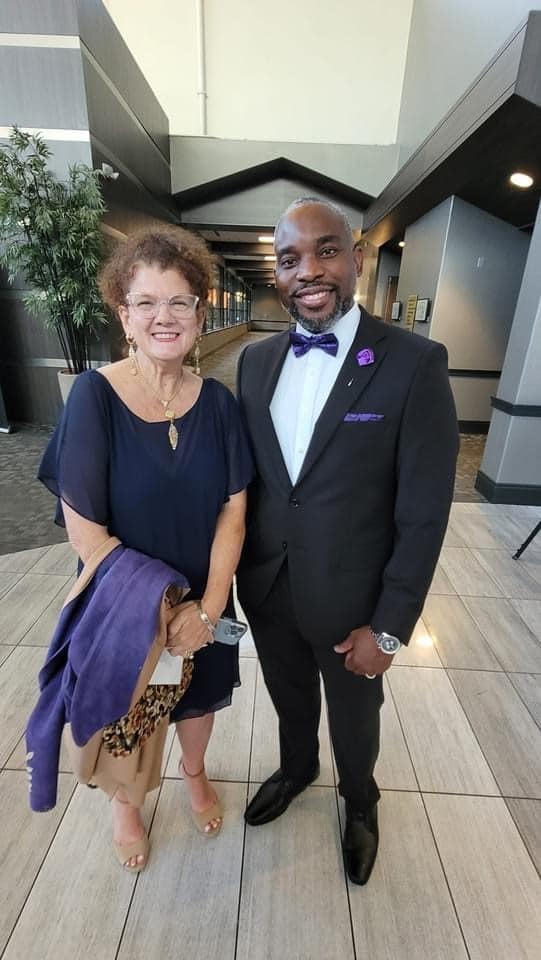
Check out some photos from both these special events.
Great 100 Brunch
Great 100 Gala

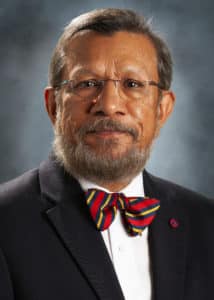
Dr. Sy Atezaz Saeed
Contrary to popular belief, psychiatric disorders such as depression and post-traumatic stress disorder are just as common as other chronic conditions. About 11 percent of the U.S. population has been diagnosed with Diabetes, while in comparison 26 percent of the population has a diagnosable mental disorder per year.
Unlike other chronic conditions, there are few resources to treat mental illnesses in North Carolina, which is exemplified by the lack of behavioral health providers. Alarmingly, 42 out of 100 counties in the state have no psychiatrist or active behavioral health provider, leaving more than half of adults with mental illness without treatment options.
How did we get here?
In 2001, the state of North Carolina began to privatize mental health services by transitioning them from public area authorities to private provider groups. This transition meant private agencies would become solely responsible for caring for people with behavioral and mental health disorders as well as substance use disorders. For those without access to a local behavioral health professional or without the ability to pay for care, their only option is often the hospital emergency department (ED). In fact, one out of every eight ED visits is related to mental illness or substance use disorders. This puts more strain on EDs, which were not designed for this type of specialized care.
Working together
As a community, we need to work together to change the way behavioral health care is delivered in North Carolina. Solving the mental health crisis requires collaboration and partnership across a broad spectrum of services. One way ECU Health is doing this is through a joint venture partnership with Acadia Healthcare, a national leader in providing behavioral health services. Recently, we announced plans to build a state-of-the-art behavioral health hospital that is slated to open in spring 2025, pending regulatory approval.
In addition to serving adult patients, the new hospital will provide much-needed access to the behavioral health needs of children and adolescents, providing the only child and adolescent psychiatric beds within 75 miles of Greenville. Together, both ECU Health and Acadia will invest more than $60 million in expanding behavioral health resources.
Working in tandem with other partner organizations as a network providing a wide variety of treatment options can create a much greater impact than we’re able to on our own.
Everyone deserves access to high-quality health care, and ECU Health is committed to doing its part to offer vital behavioral health treatment to eastern North Carolina. While this partnership provides promise for those who are seeking behavioral health care, my hope is that we continue to find ways to partner in our communities and across the state to ensure our residents have access to the care they need to live healthy, fulfilling lives.
Sy Atezaz Saeed, MD, MS, FACPsych is Executive Director of the Behavioral Health Service Line for ECU Health, and Professor and Chair Emeritus of the Department of Psychiatry and Behavioral Medicine in the Brody School of Medicine at East Carolina University. He also serves as the Founding Director of the Center for Telepsychiatry at ECU and as the Founding Director of North Carolina Statewide Telepsychiatry Program (NC-STeP). Dr. Saeed has published more than 100 peer reviewed publications. In 2019, he was awarded the prestigious Gov. Oliver Max Gardner Award, the highest UNC award and selected by the UNC Board of Governors, which recognizes UNC system faculty who have “made the greatest contribution to the welfare of the human race.” To learn more, visit ENCBehavioralHealth.org.
Greenville, N.C. – Since 1989, The North Carolina Great 100, Inc. has recognized and honored nurses around the state for their commitment to excellence and to promote a positive image of the nursing profession. Out of thousands of nominations that are submitted annually, 100 recipients are selected based on their outstanding professional abilities and contributions made to improving health care services to their communities.
This year, 22 ECU Health nurses have been selected to the 2022 NC Great 100. This is the largest number of ECU Health nurses to receive this recognition. This year’s honorees will be celebrated at a gala hosted by The North Carolina Great 100, Inc. in Greenville on Oct. 8.
ECU Health extends heartfelt gratitude to these nurses for their contributions to patient care and living the ECU Health mission of improving the health and well-being of eastern North Carolina.
The ECU Health nurses chosen this year are:
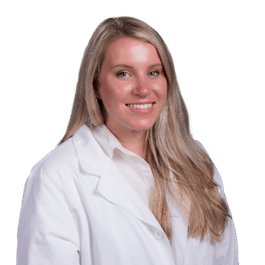
Alyssa Ballestero, MSN, RN-BC, APRN, is a staff nurse III in the Neuroscience Intermediate Unit and a nurse practitioner with ECU Health Neurosurgery in Greenville. Alyssa has worked at ECU Health Medical Center for seven years. Alyssa earned her bachelor’s degree in nursing from Barton College in Wilson, North Carolina and her master’s degree in nursing, family nurse practitioner from Simmons University in Boston, Massachusetts. She obtained specialty certification in medical-surgical nursing, as well as certification in emergency neurological life support and the stroke response team. Alyssa is an active member of the Sigma Theta Tau International Honor Society of Nursing.
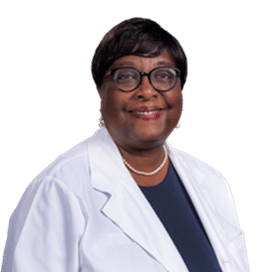
Cathy M. Bellamy, MSN, RN LNC, is the manager of Education Services at ECU Health Edgecombe Hospital in Tarboro. She has been with the ECU Health system for more than 30 years. She started her career in Surgical Intensive Care at Duke Hospital before joining ECU Health. Cathy has varied experiences in pain management, endoscopy, surgery, orthopedics and pediatrics as a Clinical Manager. For the last 20 years, Cathy has worked in the field of Staff and Professional Development, doing what she loves in her role as a nurse educator with ECU Health Edgecombe Hospital and working on system initiatives.
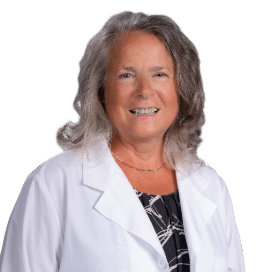
Marcia Bryant, MSN, RN, NE-BC, is vice president of Clinical Operations and chief nursing officer at The Outer Banks Hospital in Nags Head. Marcia earned her bachelor’s degree in nursing from the University of North Carolina at Greensboro and her master’s degree in nursing from East Carolina University. She was appointed Chief Nursing Officer in 2015, bringing nearly 30 years of nursing experience to the role. Her leadership posts include director of cardiac services for Children’s Healthcare of Atlanta and administrative supervisor for Emory University Orthopedics and Spine Hospital. She has also held nursing leadership roles at Mission-St. Joseph Health System in Asheville, and ECU Health Medical Center in Greenville. Bryant serves on the Outer Banks Dementia Task Force and led The Outer Banks Hospital to be the first dementia-friendly hospital in the state.
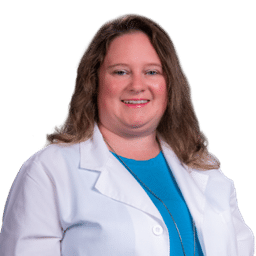
Kristy Cook, PhD, RN, IBCLC, is an assistant nurse manager in the Special Care Nursery/Neonatal Intensive Care Unit at the James and Connie Maynard Children’s Hospital at ECU Health Medical Center in Greenville. She earned a bachelor’s degree in nursing in 2009 and completed the BSN to PhD program at East Carolina University in 2019. Kristy began her career in the Newborn Nursery of Pitt County Memorial Hospital 14 years ago as a nurse extern. She has since worked in various units, such as Rehab Spinal Cord Injury, Mother/Baby, Special Care Nursery, and is currently training with the Neonatal Intensive population. She has grown with the organization, remaining at Maynard Children’s Hospital for more than eight years. Dr. Cook has served in numerous roles, including as a volunteen, nursing assistant, staff nurse, charge nurse, quality liaison, breastfeeding champion, lactation consultant and clinical coach.
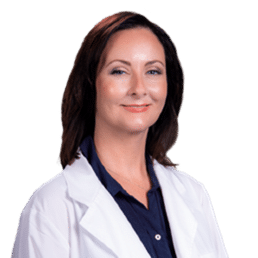
Jamie Hall, BSN, RN, CIC, is an infection preventionist II at ECU Health Medical Center. She has been with the medical center for three years in infection control and prevention. Jamie earned her associate degree in nursing from Cape Fear Community College and a bachelor’s degree in nursing from the University of Mount Olive. Jamie started her nursing career as an operating room nurse and later worked as a staff nurse for a colorectal and general surgery outpatient clinic. Jamie is certified in infection prevention and control, is a DAISY Award recipient, a member of the Association for Professionals in Infection Control and Epidemiology (APIC) and serves on the North Carolina APIC Chapter Recognition Committee. Jamie is a co-chair of ECU Health’s central line-associated infections (CLABSI) sub-committee and is involved with system-wide CLABSI quality improvement projects.
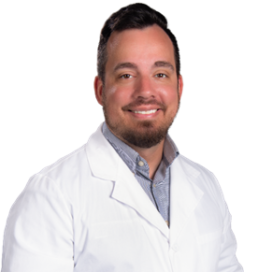
Daniel Hill, MSN, APRN, FNP-BC was recently the manager of Patient Care Services—Medical Unit at ECU Health Beaufort Hospital, a campus of ECU Health Medical Center. Daniel will continue his tenure as a nurse practitioner at ECU Health Multispecialty Clinic- Belhaven beginning fall 2022. He is a board-certified Medical-Surgical Registered Nurse and a Family Nurse Practitioner. He began his medical career in the United States Army, serving multiple tours of duty in Iraq as a combat medic. After 15 years of military service, Daniel earned a bachelor’s degree in nursing from East Carolina University and a master’s degree in nursing from Simmons University in Boston, Massachusetts. He has been with ECU Health since 2019 and has served in various roles, including staff nurse, charge nurse and nursing manager.
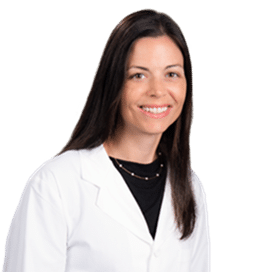
Jamie Hoggard, MSN, RN, CCRN, is a clinical education specialist at ECU Health Roanoke-Chowan Hospital in Ahoskie. She has been with the system since 2009, starting as a nursing assistant before becoming a registered nurse, and has served in her current role for seven years. Jamie earned her bachelor’s degree from East Carolina University and her master’s degree from the University of North Carolina Wilmington. She is a certified critical care nurse, certified in Nursing Professional Development, a member of the American Association of Critical Care Nurses and a member of the Association for Nursing Professional Development.
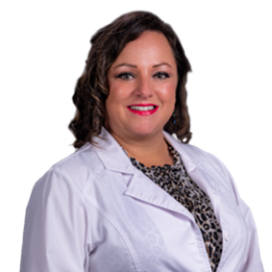
Amanda Isbell, CNM, MSN, C-EFM, is a staff nurse with ECU Health North Hospital in Roanoke Rapids, and will continue her tenure as a nurse midwife with ECU Health Duplin Hospital in Kenansville beginning fall 2022. Amanda has been with ECU Health for 17 years, dedicated to her nursing career in maternal-newborn nursing. Amanda earned her bachelor’s degree in nursing from Chamberlain College of Nursing and her master’s degree from Frontier Nursing University with her post-graduate certificate in nurse midwifery. She is certified in nurse midwifery and fetal monitoring, and is a member of the Association of Women’s Health, Obstetric and Neonatal Nurses; the Association of Certified Nurse Midwives; Sigma Theta Tau; and Phi Theta Kappa.
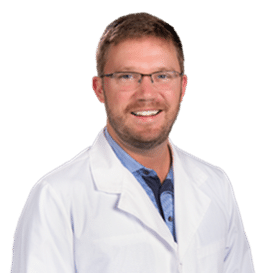
Patrick M. Jones, RN-ADN, is a staff nurse III in the 3N Neurosciences Unit at ECU Health Medical Center. Patrick has been a nurse for nine years, and served at ECU Health Medical Center for five years. Patrick earned his degree from Pitt Community College in 2013 and practiced nursing in a variety of environments, including nursing homes, home health, and inpatient nursing. Patrick enjoys the positive impact nurses have in caring for patients, families and the community.
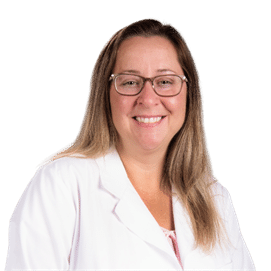
Kimberly Lodato, BSN, RN, CMSRN, is a staff IV nurse on the Medical/Surgical Unit at ECU Health North Hospital. Kimberly has been a nurse for 22 years and has worked on the same unit at the same hospital for the entire time. She graduated with an associate degree in 2000 from Halifax Community College and obtained her bachelor’s degree in nursing in 2021 from the University of North Carolina Wilmington. Kimberly is a Certified Medical Surgical Nurse and a member of the Academy of Medical Surgical Nurses.
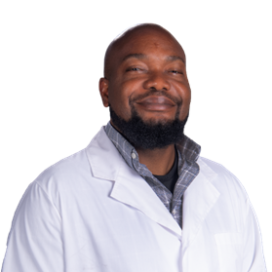
Lawrence Madubeze, BSN, RN, is an assistant nurse manager on the Neurosciences Unit at ECU Health Medical Center. Lawrence has worked at ECU Health for 10 years and in his current role for two years. Prior to his current role, Lawrence served as a cardiac travel nurse and a staff nurse on the Neurosciences Unit. He earned an associate degree from Cape Fear Community College and earned his bachelor’s degree from Fayetteville State University.
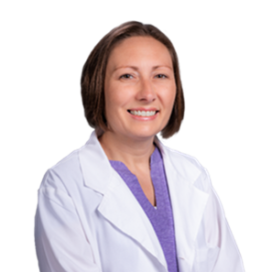
Pamela Di Mattina, MPH, BSN, RN, is a staff nurse IV in the Palliative Care Unit at ECU Health Medical Center where she has worked for three years. Pam earned her bachelor’s degree in nursing in 2002 from Binghamton University in New York. She is a certified hospice and palliative nurse and was “the most outstanding nurse of the year” as a Vidant Brody Award recipient in 2021. She is the skin champion for her floor and is a member of the Hospice & Palliative Nurse’s Association. Pam is currently enrolled in the Adult-Gerontology Clinical Nurse Specialist master’s program at East Carolina University.
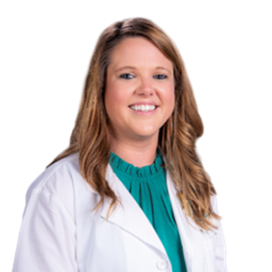
Grayson Moore, MSN, MBA, RN, is an education specialist for nursing at ECU Health Medical Center. Grayson has been with ECU Health Medical Center for 11 years and worked in nursing education for the last six years. Grayson earned her bachelor’s degree in nursing from East Carolina University, master’s degree in nursing and business administration from University of North Carolina at Greensboro, and is currently pursuing her doctorate in nursing practice at the University of North Carolina Wilmington. She is certified in Nursing Professional Development and is a member of the Association of Nursing Professional Development; the Sigma Theta Tau International Honor Society of Nursing; and Betta Gamma Sigma.
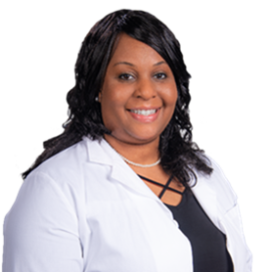
Toria Moore, BSN, RN, is an education coordinator at ECU Health Edgecombe Hospital, where she has worked for 19 years. Toria has been in her current role for more than a year and previously served as a staff nurse in the Emergency Department. She received an associate degree in nursing from Edgecombe Community College and earned a bachelor’s degree from Fayetteville State University. She is currently pursuing her master’s degree in Nurse Education at the University of North Carolina Wilmington.
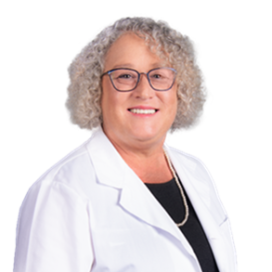
Lou Montana Rhodes, MSN, RN, is the vice president for the Office of Experience at ECU Health. Lou has been with ECU Health for 20 years, served as the vice president of nursing in two regional hospitals and worked in the Office of Experience for the last five years. Lou earned her associate degree at Beaufort County Community College, her master’s degree at East Carolina University and will graduate this year with her Doctorate of Nursing Practice focused in Nursing Leadership from East Carolina University. She is a member of the North Carolina Nurses Association, the North Carolina affiliate of the American Organization of Nurse Leaders and the Watson Caring Science Institute. Lou is a member of East Carolina University’s Sigma Theta Tau, Omicron Delta Kappa, Phi Kappa Phi, Golden Key Honor Society and the Society for Collegiate Leadership and Achievement. She also serves on the Center for Family Violence Prevention Board.
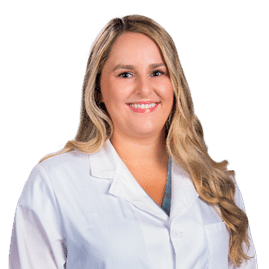
Meredith Pauli, BSN, RN-BC, is a staff nurse III for the Neurosciences Unit at ECU Health Medical Center. Meredith has worked at ECU Health for seven years. She earned her bachelor’s degree from East Carolina University and is certified in medical surgical nursing.
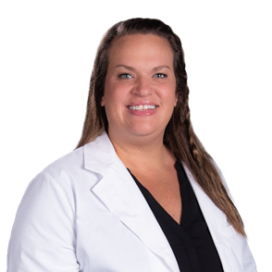
Erin Pearson, BSN, RN, leads clinical performance improvement work throughout the ECU Health system. She is a content expert in central lines and Foley catheters, guiding organizational best practice related to infection prevention. In her role, Erin collaborates with operations, information services and infection control and is responsible for building extensively successful relationships with those partners. She manages the best practice-based auditing program for ECU Health Medical Center in Greenville. Erin is a two-time DAISY Award recipient and has participated in multiple award-winning BSI quality improvement projects. She’s a recipient of the ECU Health Board Quality Leadership Award; North Carolina Organization of Nurse Leaders, Best Practice Award; and the 6th Annual ECU Health Quality Symposium, Outstanding Podium Presentation Award.

Shannon Powell, RNC-LRN, is a staff nurse IV in Special Care Nursery/Neonatal Intensive Care Unit at the James and Connie Maynard Children’s Hospital at ECU Health Medical Center. Shannon has been a member of the medical center team for 27 years, beginning her career at the hospital as a nurse extern in Newborn Nursery/Convalescent Nursery. Upon graduation from East Carolina University with a bachelor’s degree in nursing in 1996, Shannon transitioned to a registered nurse role. Certified in Low-Risk Neonatal Nursing, Shannon has dedicated her entire career at ECU Health to serving the neonatal population and their families.
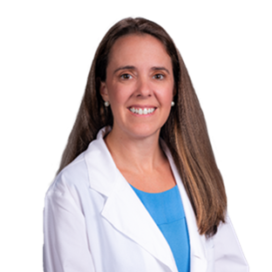
Jessica Scheller, MSN, RNC-NIC, ACCNS-N, is a neonatal clinical nurse specialist at the James and Connie Maynard Children’s Hospital at ECU Health Medical Center. She has been with the hospital for 17 years and began her nursing career in the Neonatal Intensive Care Unit. She has been in her current role for four years. Jessica earned her bachelor’s and master’s degrees in nursing from East Carolina University. She is a member of the National Association of Neonatal Nurses, National Association of Clinical Nurse Specialist and American Association of Critical-Care Nurses. She has a specialty certification in Neonatal Intensive Care nursing and Clinical Nurse Specialist Wellness through acute care (Neonatal).
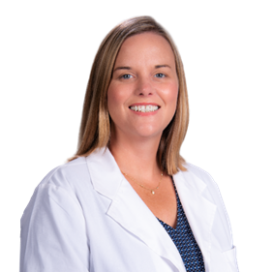
Tara Stroud, DNP, APRN, NNP-BC, is the administrator for Patient Care Services at the James and Connie Maynard Children’s Hospital at ECU Health Medical Center. Tara has been with ECU Health for more than 15 years. She earned a bachelor’s degree in nursing from East Carolina University and began her nursing career in the Neonatal ICU. Furthering her career, she earned a master’s degree in nursing from East Carolina University, practicing as a Neonatal Nurse Practitioner, and a doctorate of nursing practice in Executive Nursing Leadership from Baylor University. Tara maintains specialty certifications as a neonatal nurse practitioner and a nurse executive advanced. Tara is a member of the American Organization for Nursing Leadership and the North Carolina Nurses Association.
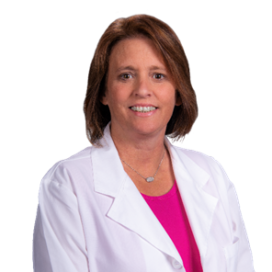
Beverly Venters, MSN, RN, CPHQ, is the director of Quality for ECU Health Bertie Hospital in Windsor and ECU Health Chowan Hospital in Edenton, and director of Nursing for ECU Health Chowan Hospital. Beverly received her associate degree in nursing at College of the Albemarle, bachelor’s degree in nursing at East Carolina University and master’s degree in nursing with an emphasis on Leadership in Healthcare Systems at Grand Canyon University. She started her nursing career in 1995 as a nursing assistant at ECU Health Chowan Hospital. She joined the Quality Department at ECU Health Chowan Hospital in 2006, and began providing leadership for the department in 2008. She is a member of the National Association for Healthcare Quality, the North Carolina Association for Healthcare Quality and serves on the Albemarle Hopeline Board. She is a certified professional in Healthcare Quality.
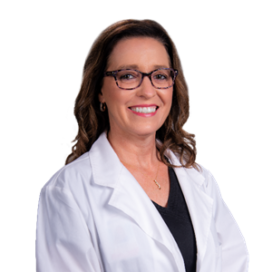
Rebecca Williamson, BSN, RN, CMSRN, is an assistant nurse manager for 4 North Surgery at ECU Health Medical Center. Rebecca has been with ECU Health for 13 years. She earned an associate degree in nursing from Beaufort County Community College and her bachelor’s degree in nursing from the University of North Carolina Wilmington. She is a Certified Med-Surg RN, a DAISY Award honoree, and a member of the American Association of Critical Care Nurses and North Carolina Nurses Association.
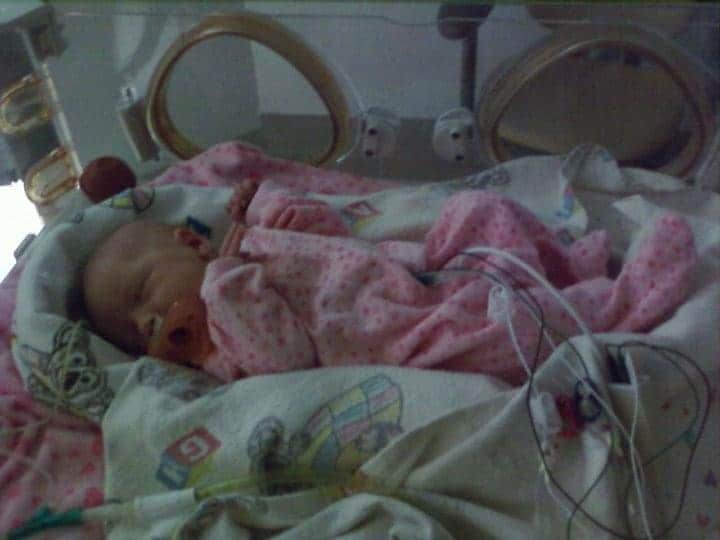
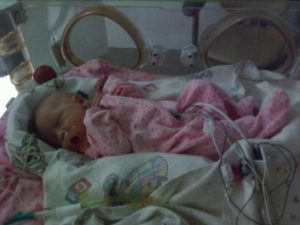
Jamysen Howard during her NICU stay in 2010.
From premature babies to complex conditions, the Neonatal Intensive Care Unit (NICU) at James and Connie Maynard Children’s Hospital sees the youngest patients at ECU Health Medical Center and provides high-quality, compassionate care while looking after families throughout their NICU journey.
Along the way, many families find a community and support system around them as they navigate the experience.
Thriving 12 years later
Tonya Howard found out at her 11-week ultrasound that her daughter would be born with her intestines outside of her body, a condition called gastroschisis.
While baby Jamysen grew, plans were lining up to have a pediatric surgeon join the team at Maynard Children’s Hospital at ECU Health Medical Center just in time for Jamysen’s arrival. However, when she came four weeks early, the pediatric surgeon received emergency privileges and successfully operated on her just after her birth.
Tonya said the supportive care team helped her and her family immensely during their time in the NICU. While they took care of Jamysen, they also kept the family up-to-date and informed.
“The NICU nurses who, probably about four or five of them I still talk to, kept me up with Jamysen’s progress,” Tonya said. “I had two other children at home, so I’d go home and spend the night and when I’d get up in the morning, the first thing I’d do is call the NICU to see how she did that night. The nurses were the ones that took care of her and they were with her all night.”
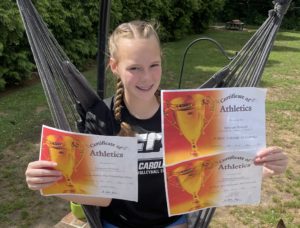
Jamysen is now in 7th grade, excels in school and plays volleyball for her school and travel teams.
She also said the NICU community is very strong and has been happy to serve as a support to other NICU families, including one that experienced gastroschisis, just like Jamysen.
Today, Jamysen is 12 years old and thriving. Tonya said while they were told there was possibility Jamysen could experience trouble with physical and mental development, she is now an honor roll student and plays volleyball with school and travel teams.
“We’ve always told her that she can do anything she wanted to do,” Tonya said. “I was like, ‘before you were one day old, you’d already been through a five-hour surgery so you know what, you can do anything you want to do.’ And she’s done just that. She knows she’s tough, she’s never had much fear and she’s headfirst into everything and always has been.”
Jamysen frequently participates in Children’s Miracle Network events as well.
Tonya has a unique perspective on the Maynard Children’s Hospital as a former team member in the pediatrics department, including time before the Children’s Hospital was built.
“At one point the NICU was just one big room. When Jamysen was born, the NICU was what it is now and each baby had their own individual room,” Tonya said. “Everything from the beds to the Child Life [team] and now they’ve progressed to where the parents can even log on and see their babies when they’re not able to be there. We didn’t have that while we were there but that’s just amazing.”
Rallying around Waylon
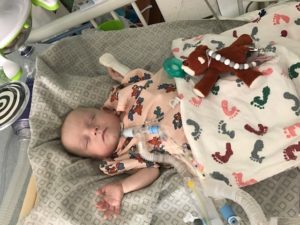
Waylon Denny is shown in a crib after having a tracheostomy.
On July 23, 2016, Waylon Denny was born at 23 weeks, weighing 1 pound, 4 ounces. He spent the first 298 days of his life at the Maynard Children’s Hospital, beginning with about four months in the NICU.
Following a surgery for young Waylon, he became sick and needed immediate intervention. His providers knew one treatment, called extracorporeal membrane oxygenation (ECMO), could be lifesaving.
“I mean, they all really rallied right around us,” Waylon’s mother, Sara, said. “They got the doctors and everybody in the PICU that had anything to do with ECMO to come down to look at him to see if he would be a candidate for ECMO. And I truly believe if it was not for his respiratory therapists and nurses fighting for him that day I really do not believe that he would even be here.”
ECMO is a treatment where blood is pumped out of your body and into a machine that removes carbon dioxide and then flows blood back to tissues in the body. One of the providers fighting for Waylon was Dr. Shannon Longshore.
“I remember Dr. Longshore telling us that in a baby his size, 23 weeks, he was already swollen,” Sara said. “Everything he had been through, she should not have been able to get the [tubes] in his neck. And I remember her telling us that she looked at the team in that room and told them that she was going to keep trying because we were two weeks away from going home. And she closed her eyes and told God if it was his will or for him to live, they would go in. Well, those [tubes] went in.”
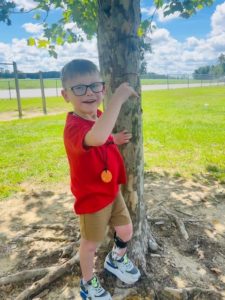
Waylon started kindergarten this year.
Sara was a first time mom and said it was hard to know what questions to even ask. Luckily, she said, the doctors, nurses and respiratory therapists were there to help. They explained things to her and the family and checked on them frequently.
Six years later, the check-ins have not stopped, she said.
“We’ve had so many nurses, doctors, respiratory therapists, physical therapists and occupational therapists friend us on Facebook just so they can keep following him and see how he’s doing,” Sara said. “And then when we were able to go to the hospital before COVID, and we would go and visit the NICU and the PICU and everywhere where he had been.”
Waylon is six and starting kindergarten and has met every challenge he’s faced in his young life head-on.
September is NICU Awareness Month and Sara said that she and Waylon have NICU Awareness Day (Sept. 30) t-shirts that they wear each year and she’s looking forward to celebrating and recognizing the day once again with her miracle son.
Twins fight through NICU together
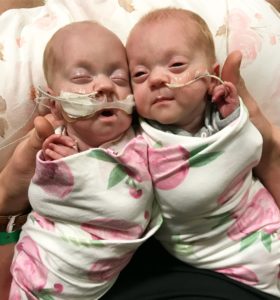
Twins Molly and Lucy Davis are shown during their NICU stay.
Owen and her husband Garrett Davis were expecting twins and enjoying a family vacation before welcoming the new additions to their family. But their vacation was cut short when Owen could feel something was not right and she went into labor at 22 weeks.
Molly and Lucy Davis came into the world each weighing just 1 pound, 9 ounces and were immediately placed in the NICU at Maynard Children’s Hospital. The twins were both fighting infections early on in their lives and experienced many tests, treatments, procedures and exams over their 128 days in the NICU.
Owen said they experienced the full range of the NICU rollercoaster during their stay, but they were comforted along the way by the supportive and caring team at the hospital.
“One of the biggest things that I remember were the nurses and our neonatologists,” Owen said. “We still keep in touch with them really on a daily basis. Some of our nurses babysit for us, which is really special. Just the people that we encountered throughout our long stay made it bearable.”
Along with the great support of care teams, Owen said some of her family’s closest friends came from their time in the NICU. She said it is a special bond and shared experience for families of NICU children.
Recently, Owen had someone reach out to her on social media saying their friend was about to have a child at 23 weeks and the two got in touch with each other.
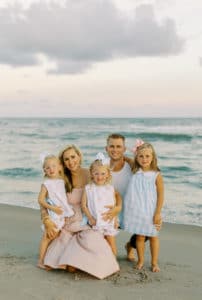
The Davis family takes a photo at the beach.
“It’s really cool to have that connection and to be able to provide insight and support to other families going through what we’ve been through,” Owen said. “So I’ve been in touch with basically a stranger from across the country who saw our story and reached out for some guidance and just a listening ear to be able to bounce questions off of and support and vent. It’s hard to understand unless you’ve been through it.”
Being open with her family’s story has brought comfort to others and she’s happy that her twin daughters are beginning to understand their own story as well.
She said it’s important to her that Molly and Lucy know how strong they are and that their parents advocated and fought for them from the time they were born.
“It was super hard and trying, but it’s also their testimony and they understand that at 3 years old. It’s really two miracles that we were able to witness,” Owen said. “They know, as much as a 3-year-old can. We have their blessing beads, these little beads that they got for every procedure and every test they had, we have them hanging up on their beds and we have their first diapers that are about the size of a credit card. We keep two of those on our entryway table in our living room as a constant reminder of what they’ve been through.”
Owen said she has a video that she put together of her daughters’ NICU stay that shows up in her memories each September and serves as a reminder of the importance of the month for her family — and so many others.
Resources
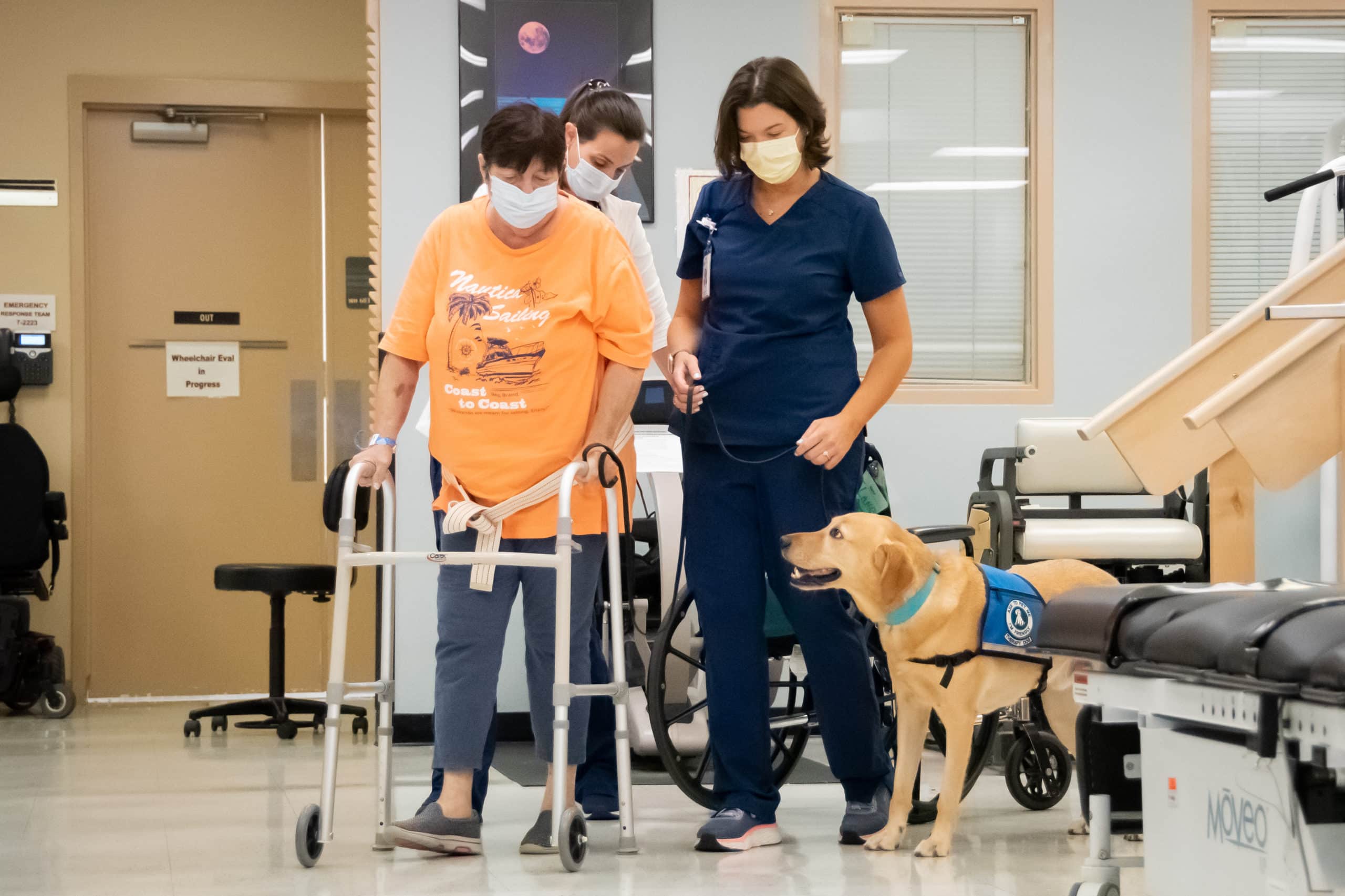
Meet Clive, ECU Health Medical Center‘s resident canine.
“Currently, he’s working two days a week with us,” said recreational therapist and dog handler Kasey Shue. “Some mornings when we go through the hospital doors, he’s just like, on a mission. I have to be like, ‘Clive, wait, hold on, buddy. You’re like, ready to roll this morning’. So I think he knows what he’s here to do.”
It’s an assignment he’s well prepared to tackle.
“A service dog is specifically trained to do certain tasks for somebody with a disability,” said Clive’s owner and outpatient rehab supervisor Tanya Bowen. “So a therapy dog is basically to provide comfort and they have to be very friendly and outgoing because there’s a lot of people that want to pet them and touch them. They have to be calm. They have to like the interaction, the social interaction. So he’s kind of like a little combination of both.”
Clive’s skill set benefits patients in a number of ways, whether that’s assisting with physical needs or providing emotional support.
“We’ll partner up with a physical therapist or an occupational therapist and we’ll work on walking him if they’re working on mobility improvement,” Shue said. “We’ll work on throwing a ball if they need some hand strengthener. We’ll work on them being able to pick up a very small treat and hand it to him if they have fine motor limitations. We really try to incorporate him into whatever functional skills they are trying to learn to make their life easier when they get home. On the other side, many times we have patients that are depressed or anxious. They don’t like being in the hospital and he just provides that comfort.”
And his services are in demand at the bedside and beyond.
“He actually wears a vest that says, I’m friendly, please ask to pet me,” Shue said. “We absolutely encourage that because he is therapy for our patients, but he’s also therapy for the staff, the families.”
Resources
ECU Health Therapy & Rehabilitation
Watch more ECU Health News videos
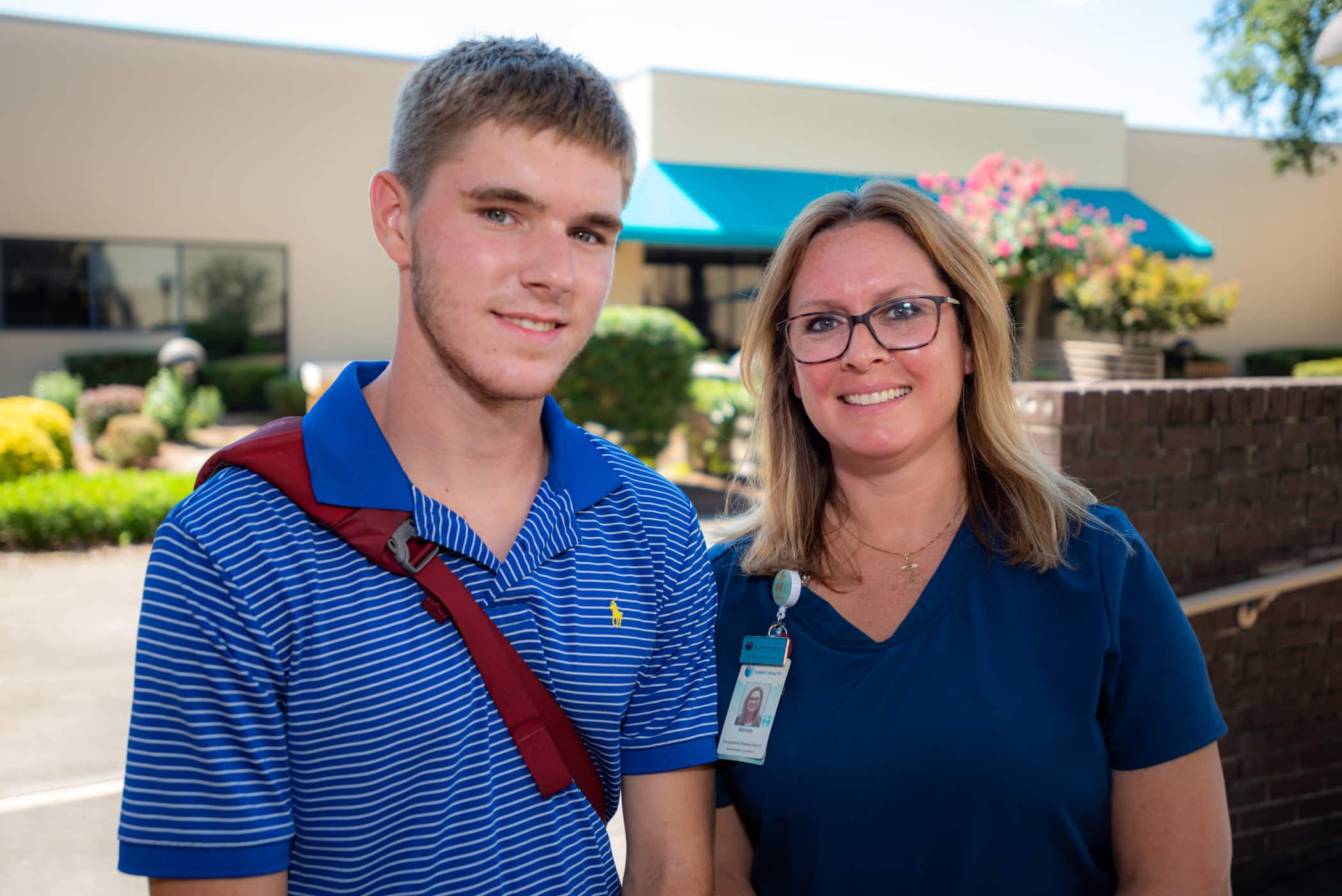
At ECU Health, team members go above and beyond to form trusting relationships with patients and their families to better serve eastern North Carolina.
Over the last 14 years, Occupational Therapy Assistant Winnie Miller worked one on one nearly every week with Taylor Anthony, who is now preparing for his freshman year at the University of North Carolina Wilmington. Taylor is autistic and began receiving treatment from an occupational therapist when he was 3 years old.
First steps
Kim Anthony, Taylor’s mother, recalled the early days of her son working with an occupational therapist.
“He was my first child and had special needs,” Kim said. “I remember walking in and just being terrified – you don’t know what your future looks like, or his future, or will college even be an option.”
After about a year of working with a couple of other occupational therapists within the health system, Miller stepped in and began her treatment sessions with Taylor.
Miller said their work together started with the base steps – figuring out hand dominance, holding pencils, learning to write, forming letters and coloring within lines.
Kim said as Taylor reached school age, she’d be frustrated when hearing about things that people believed Taylor could not do. But she knew she could turn to Miller and her expertise to come up with a plan to help Taylor reach his goals.
“I would email her and be like, ‘I’m struggling with this’ and she would be like, ‘OK we’ll figure it out,’” Kim said. “She would have checklists for him and just everything. It was amazing. She was the biggest support system I had.”
Hitting their stride
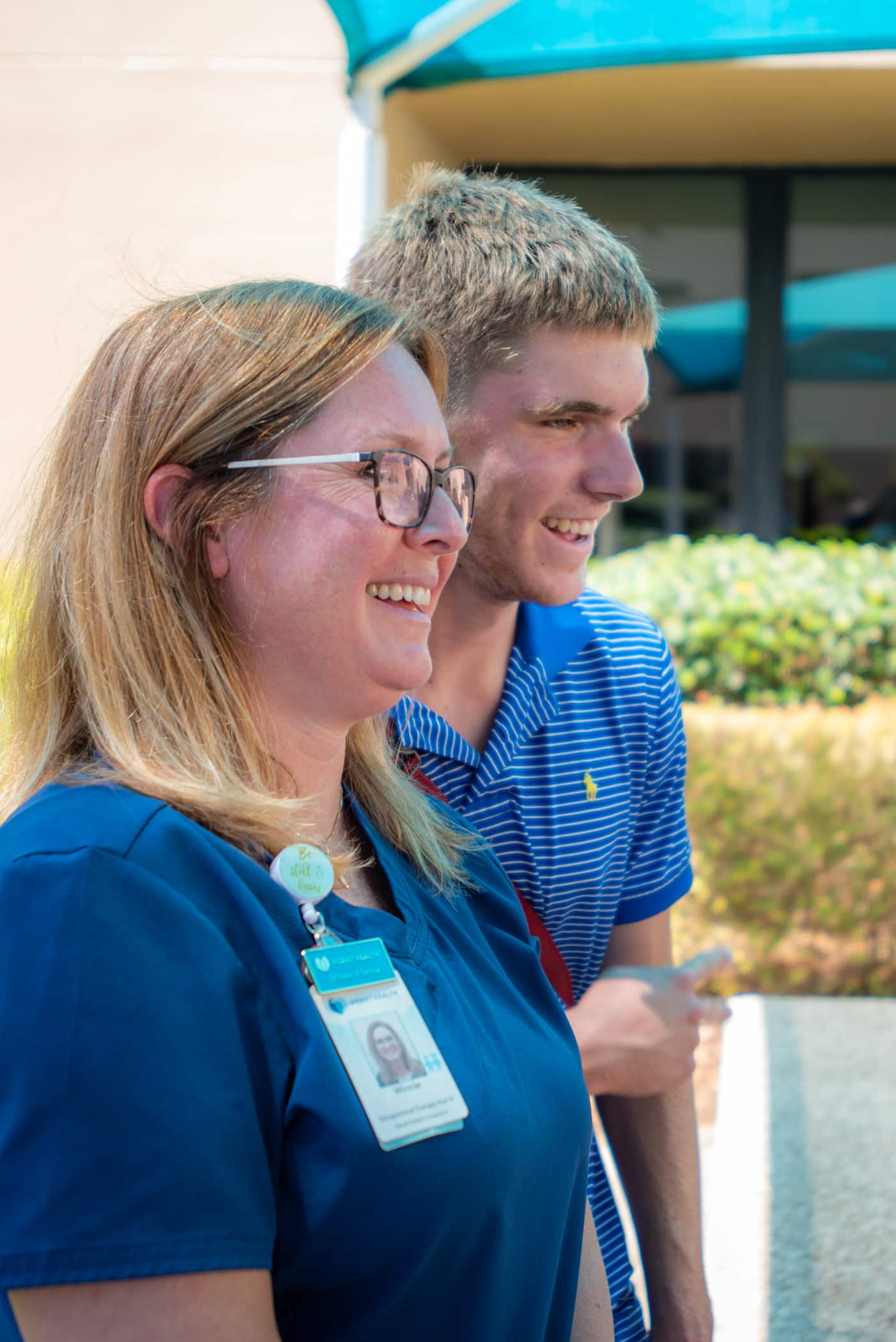
As Taylor got a bit older they worked on how to tie shoes and other fine motor skills. Then it was on to processing your environment and communicating clearly, social aspects of life, how to drive, and other elements of college life and living independently.
Miller compared her role as an occupational therapist to being a coach, with the patient’s supportive family as the team.
“The coach can give suggestions and a play-by-play plan of what you need to work on, but we’re just a little snippet,” Miller said. “I’m only with him an hour a week. They, as a team, have to work on those skills 24/7. I knew they were doing their work at home and there was always going to be follow through.”
Taylor’s father Stephen Anthony, director of service line development for Women’s and Children at ECU Health, said Miller’s out-of-the-box thinking greatly benefited Taylor’s growth into the young man he is today.
Miller broke down the learning process, kept his steps very goal-oriented and stayed in frequent contact with the Anthony family along the way.
“She made it manageable; she made it like they were just going to visit with each other. It wasn’t like a clinical visit, it was just, ‘Hey let’s go in my office and look at some stuff,’” Stephen said. “Maybe they do some stuff on the computer, maybe they use the kitchen to make some eggs or something like that, safety skills with the oven. Stuff that nobody would ever even think of.”
Off and running
These visits also included working with Helen Houston, an occupational therapy driver rehabilitation specialist, who addressed Taylor’s fitness to drive, to ensure he could approach driving safely.
Stephen said Taylor took one test as he was approaching driving age that showed his reactions and reflexes were borderline to be a driver. Before he took a driving test, he was put through the same tests, which showed about 75 percent improvement thanks to his hard work. Now, Stephen said Taylor is just as good a driver as anyone and probably safer than most his age because of the work he’s done.
Taylor said he was thankful for his time with Miller and he’s excited to take all he’s learned to Wilmington.
“It has meant a lot,” Taylor said. “I’ve definitely learned many things. It also took a lot to learn from a different perspective. My family means a lot. They’ve done everything for me to be sure I’ll be the most prepared human being. They’ll know I’ve learned enough to make good decisions and they’ll be supportive of me no matter what.”
As Taylor prepares for his first year of college, one where he’ll also compete as a member of the UNC Wilmington Cross Country team, his family knows he is prepared for different aspects of college life, thanks in part to his work with Miller.
Miller said she loved working with Taylor and can’t wait to visit with him when he returns from school and hear about his college experience.
“He was always an hour a week that I looked forward to,” Miller said. “He always had a new question for me or something new that kept me on my toes and I didn’t know what was going to be the question of the day, what we were going to have to explore and figure out. I really enjoyed that challenge. I’ve loved every minute.”
Resources
Learn more about Therapy & Rehabilitation services at ECU Health.