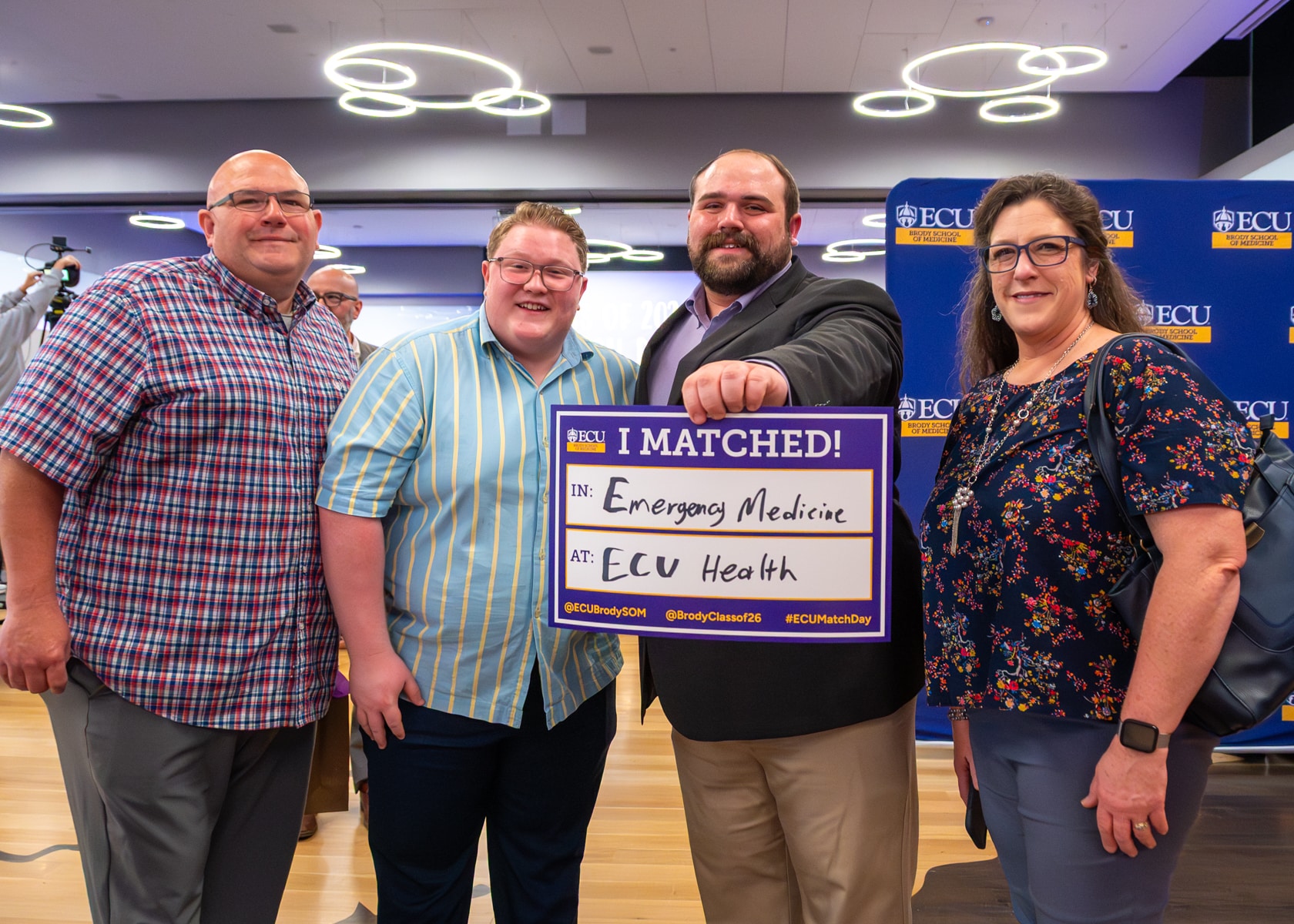
Fourth-year medical students from the Brody School of Medicine at East Carolina University learned where they will begin their career as medical residents during Match Day, March 20, and nine won’t have to look far to find their new home.
The Brody School of Medicine’s latest class continued the institution’s established track record of training future family medicine and primary care physicians. Of the 74-person class, 39 will enter a primary care residency. Nearly half matched at a North Carolina hospital and nine matched to ECU Health Medical Center.
“These students share a commitment to service that will change patients’ lives, and today we celebrate that commitment,” said Dr. Michael Waldrum, ECU Health CEO and dean of the Brody School of Medicine. “In their four years at the Brody School of Medicine they have learned how to heal, certainly, but also how to communicate and connect with people in the important landscape of rural health care. Their impact will be felt in communities across the nation, including right here in eastern North Carolina. I am exceptionally proud of them all and happy to welcome the nine continuing their journey here at ECU Health.”
Match Day was a full circle moment for Blaiz Rodman, a native of Kill Devil Hills who matched into physical medicine and rehabilitation at ECU Health. When Rodman was 16, he was in a car accident that broke a vertebra in his spine, which required fusion surgery to put titanium rods and screws in his back.
“That’s what made me really want to become a doctor and help people going through something traumatic like that in their life,” Rodman said. “It’s really why I chose rehabilitation as a specialty to go to.”
Rodman said he is healthy now and able to touch his toes, run, and play basketball. On Match Day he was excited to take his next step as an ECU Health resident.
“I love the people here. All of the people in the program are amazing,” Rodman said. “I get to stay close to my friends and my family so I’m really happy.”
Haris Shehzad also matched into physical medicine and rehabilitation at ECU Health. He agreed with Rodman that his experience working with current residents, faculty and team members have him excited to continue that relationship. As a first-generation college student, Shehzad said he wants to be a role model for others.
“I chose medicine because I really wanted to help my community,” Shehzad said. “I think that representation is very important because it provides people of different cultures a good image. Patients are more comfortable. I want to provide that comfort.”
Match Day continued a streak for Emily Tate, who matched into emergency medicine at ECU Health. A “triple Pirate,” Tate earned her undergraduate, graduate and now medical education at ECU and the Brody School of Medicine. She spent years teaching at ECU before she followed her calling into patient care.
“I have always wanted to go into medicine and I’m just so happy to be here at the end of this step in my journey,” Tate said. “Medicine is a combination of all of the things I like – education, patient care, and research are all very important to me. I’m very happy to do those things here in the place that I have trained up to this point.
“I’ve really loved it here and always feel very supported. I’m glad to work with the people who have helped me get to this point. I’m ready to shoot for the stars and be the best emergency medicine physician I can be.”
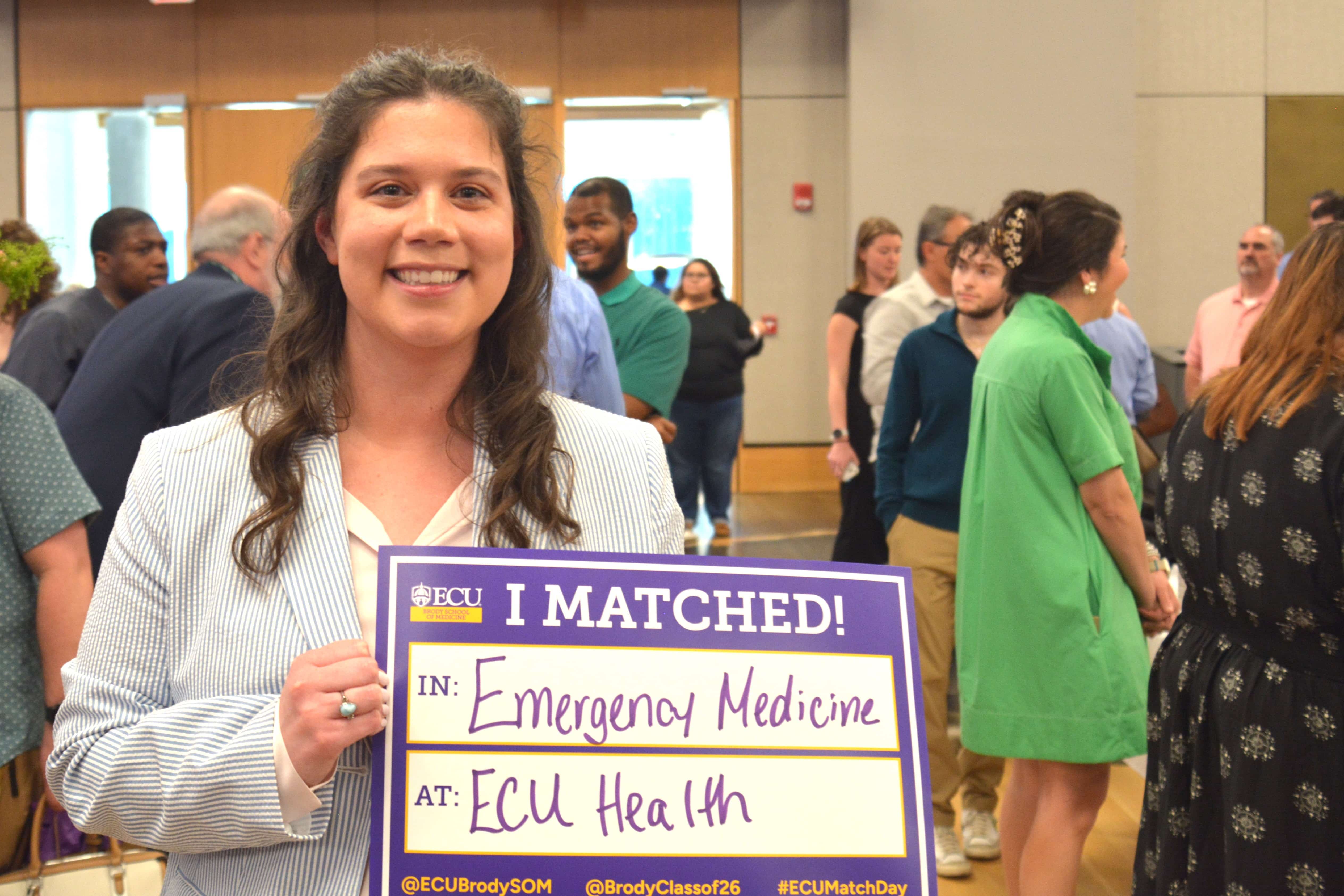
A fellow triple Pirate, Cooper Butts, was accepted into the Brody School of Medicine’s Early Assurance Scholars program when he decided to come to ECU for an undergraduate degree. Early Assurance Scholars uphold high academic standards and participate in group and enrichment activities in exchange for a guaranteed seat in their medical school classes. He said the investment made in him as an 18-year-old inspired him to want to serve eastern North Carolina.
“I felt like I need to give back to the community since they put their investment in me,” Butts said. “I’ve enjoyed my training here, so I wanted to stay – not only for the great training and experiences that I know I can get here and have gotten here, but just for the people and the patient population as well.”
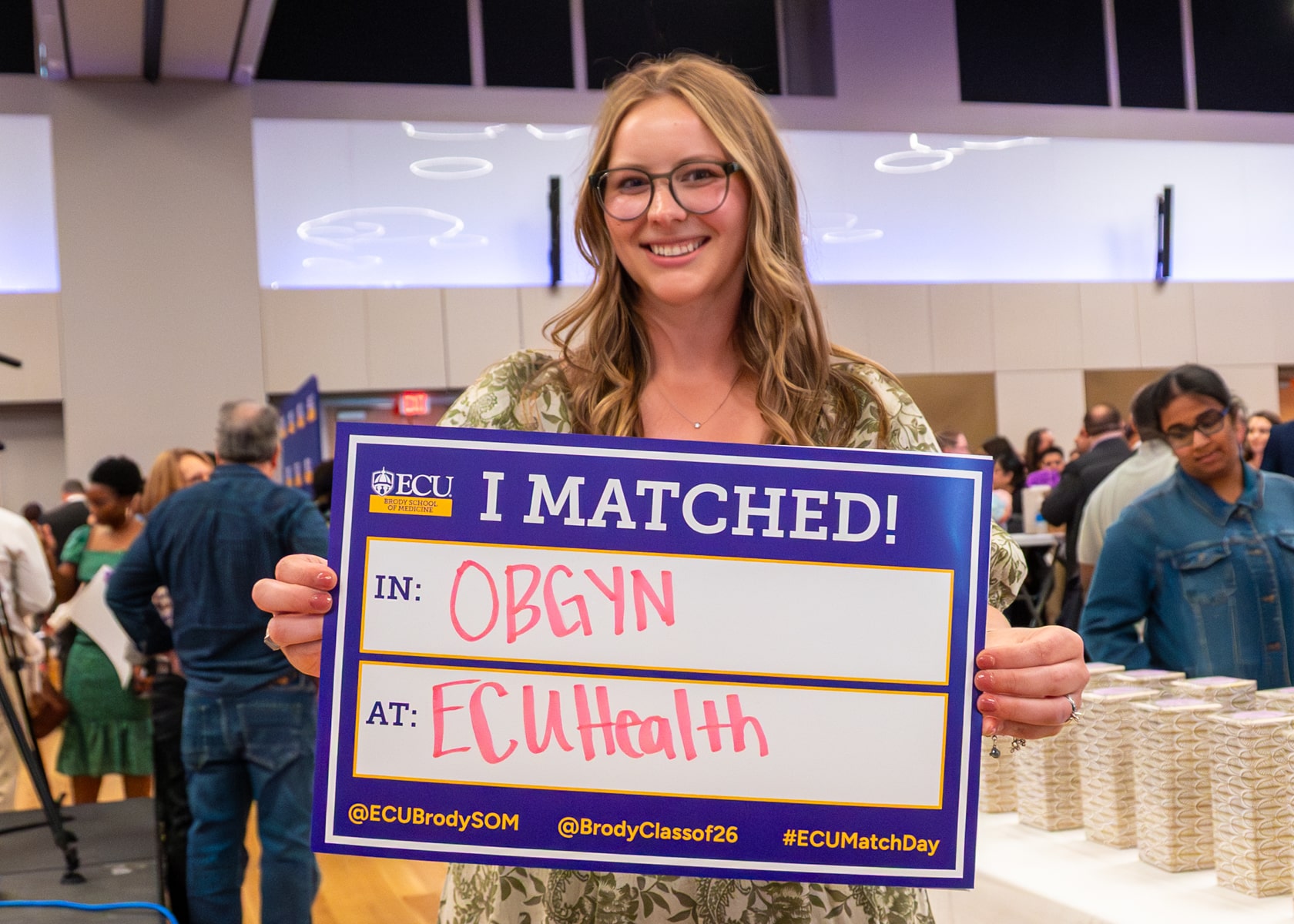
Emily Gerlach is an eastern North Carolina native who was overjoyed to match into the obstetrics and gynecology program at ECU Health for residency. She said serving the community she calls home is an opportunity she looks forward to for years to come.
“I think ECU Health has an emphasis on rural health care and it cares for everyone east of I-95, basically,” said Gerlach “ECU Health Medical Center is a tertiary care center, academic medical center and I think that’s an amazing place to train with what I want to do – working in rural eastern North Carolina in the future.”
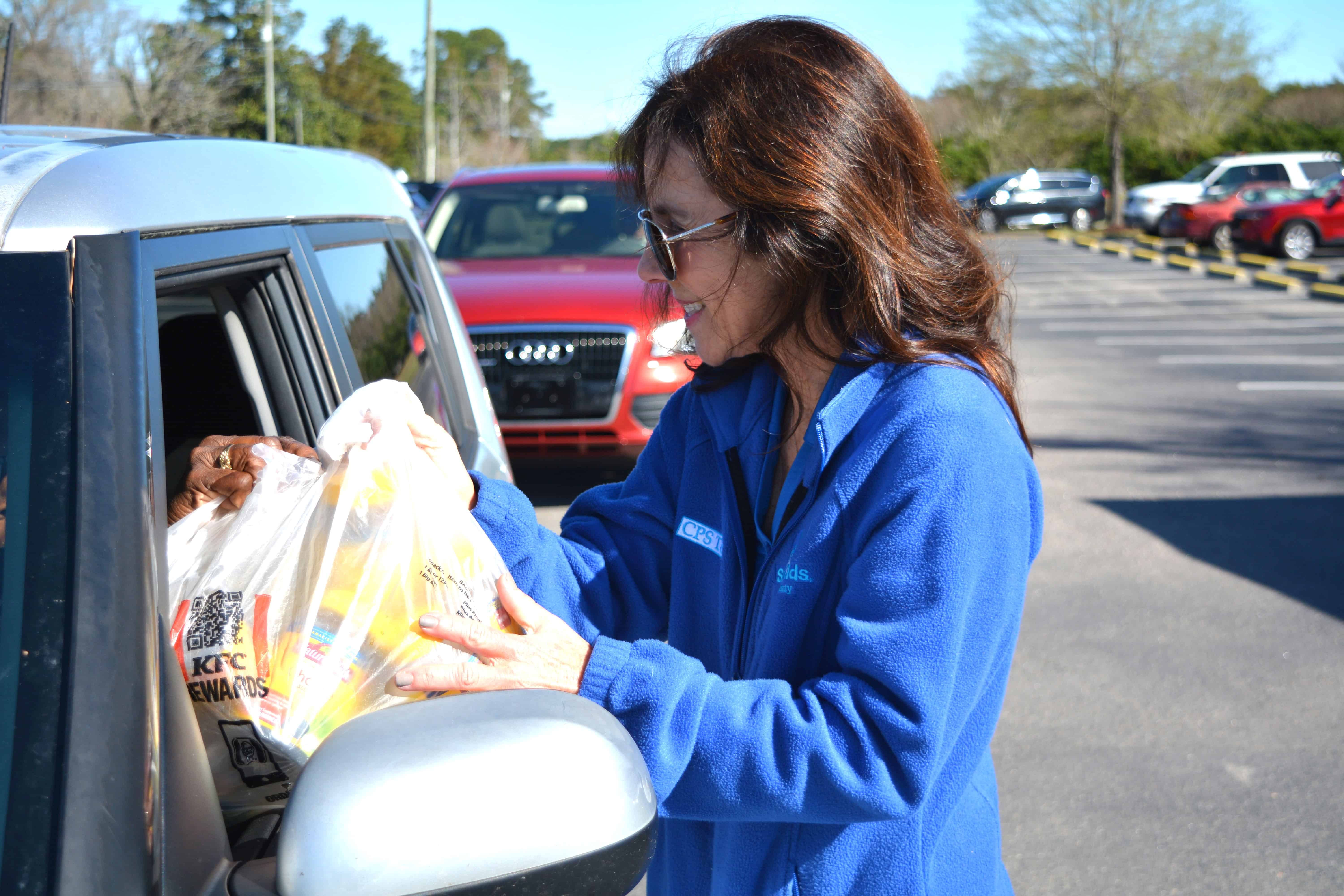
ECU Health, Safe Kids Pitt County, Pitt County Council on Aging and the Pitt County Sheriff’s Office helped Pitt County residents do a little spring cleaning during the 16th annual Operation Medicine Drop on Friday, March 13, at the Pitt County Council on Aging. The annual event gives residents the opportunity to drop off unused, unwanted or expired medication for safe disposal.
Operation Medicine Drop marks ECU Health’s commitment to educating the public about the importance of safe disposal.
More than 67,000 children go to an emergency room for medicine poisoning each year, according to a study by Safe Kids Worldwide.
Ellen Walston, injury prevention program coordinator and Safe Kids Pitt County coordinator at ECU Health, said the hosts gathered 244 pounds of medication. She said the partnership is essential to keep those medications out of the hands of small children.
“Local law enforcement agencies maintain drop boxes for people to dispose of their medication year-round,” Walston said. “It’s convenient and we don’t want people to hold onto them. We want them to dispose of them either at our annual event in March or throughout the year at a permanent drop box.”
Operation Medicine Drop serves as a reminder that those resources are available to the public.
“It also protects our waterways,” Walston said. “People tend to flush medications, and we do not want them to do that. We want safe disposal.”
ECU Health also partnered with the Pitt County Council on Aging to help residents shred their unwanted documents. Volunteers from the North Carolina Department of Transportation helped guide a long line of vehicles to a paper shredding truck where waste bins full of documents were able to be safely disposed of.
Since 2010, Operation Medicine Drop campaigns have successfully incinerated more than 422 million pills collected through permanent drop boxes and more than 4,600 events across North Carolina. Operation Medicine Drop is a partnership between Safe Kids North Carolina, the North Carolina Department of Justice, the Drug Enforcement Agency and the State Bureau of Investigation.
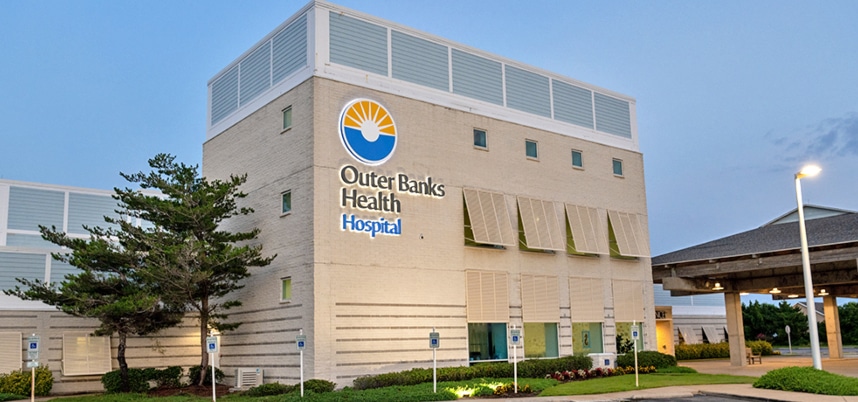
Greenville, N.C. – ECU Health today announced the appointment of Cathy Yablonski as the new president of Outer Banks Health following an extensive national search. Yablonski will officially join the organization on April 20.
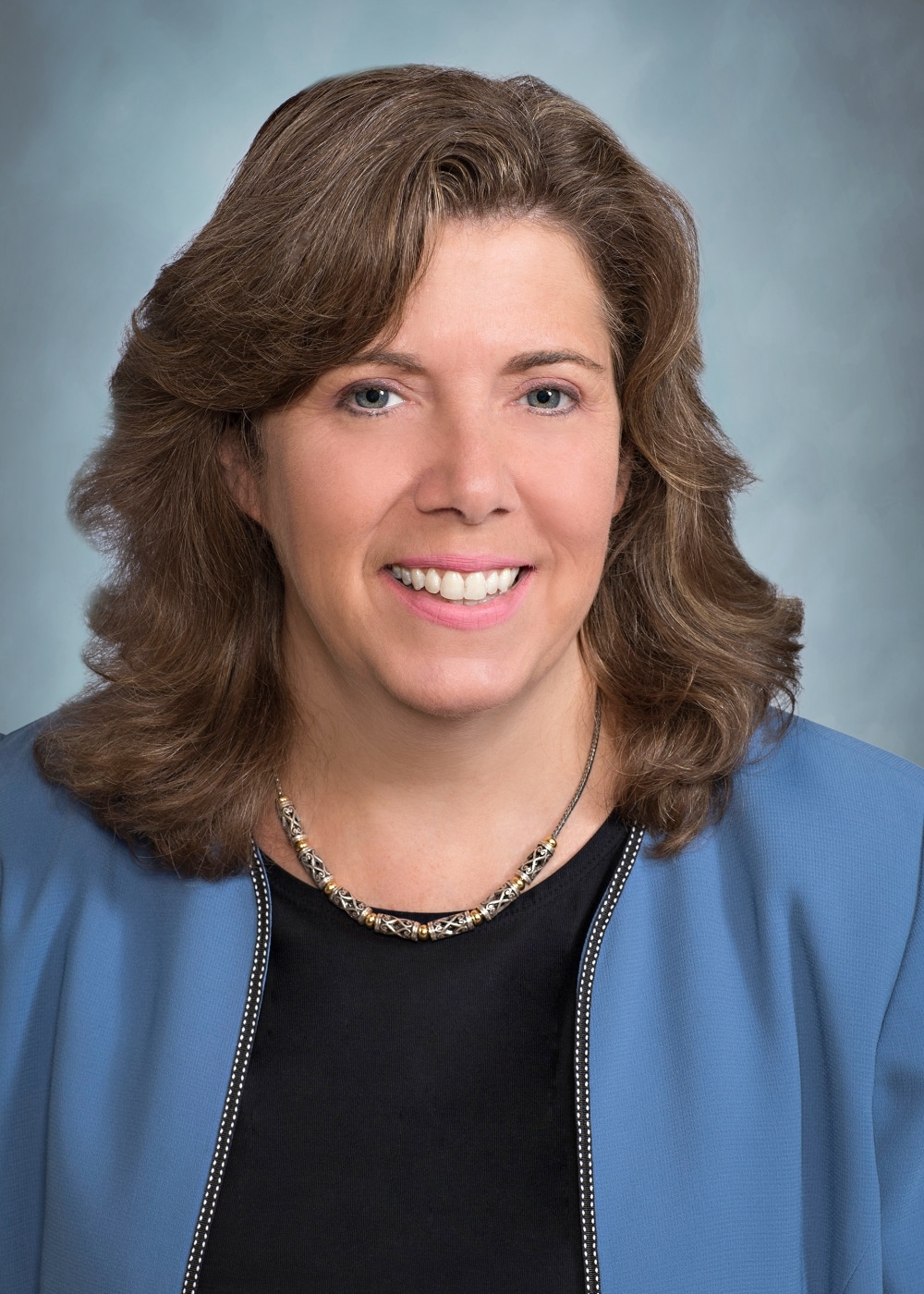
Cathy Yablonski
“I am deeply honored to join the Outer Banks Health team,” Yablonski said. “From the very beginning, I was struck by the health system’s profound dedication to the community it serves. I’m eager to collaborate with ECU Health and Chesapeake Regional Healthcare to strengthen and expand the care we provide to both year round residents and the visitors who make the Outer Banks such a special place.”
Yablonski brings more than 30 years of progressive health care leadership experience, including hospital administration, ambulatory strategy, physician practice management and system‑level operations. She most recently served as senior vice president and chief ambulatory operations officer for Mary Washington Healthcare in Fredericksburg, Virginia, where she oversaw a division of more than 1,200 team members. Previously, she spent 14 years as chief executive of Stafford Hospital, a community hospital within the Mary Washington Healthcare system.
“Cathy is a relationship‑driven, patient‑centered leader with a deep commitment to quality, operational excellence and community health,” said Van Smith, president, ECU Health Community Hospitals. “Her experience and leadership style align seamlessly with ECU Health’s mission and values. I have full confidence she will continue to advance Outer Banks Health’s reputation of providing outstanding care.”
Outer Banks Health’s strong partnership with Dare County is a key component of expanding access to high quality care for residents and visitors. With the support of county leaders, the health system continues to focus on expanding essential services and strengthening its ability to meet the community’s evolving needs locally.
“Cathy is joining an incredible team and a local community that takes great pride in having high-quality care available here in the Outer Banks,” said Myra L. Bone, chair of the Outer Banks Health Board. “Her collaborative spirit and strong commitment to local partnerships make her an exceptional fit for this role. We’re confident she will continue to strengthen our relationships across Dare County and with community leaders as we work together to support the health and well being of the Outer Banks.”
Yablonski’s appointment follows the retirement of Ronnie Sloan, who will conclude his career-distinguished service on April 1. Smith will serve as interim president of Outer Banks Health until Yablonski officially joins the organization on April 20.
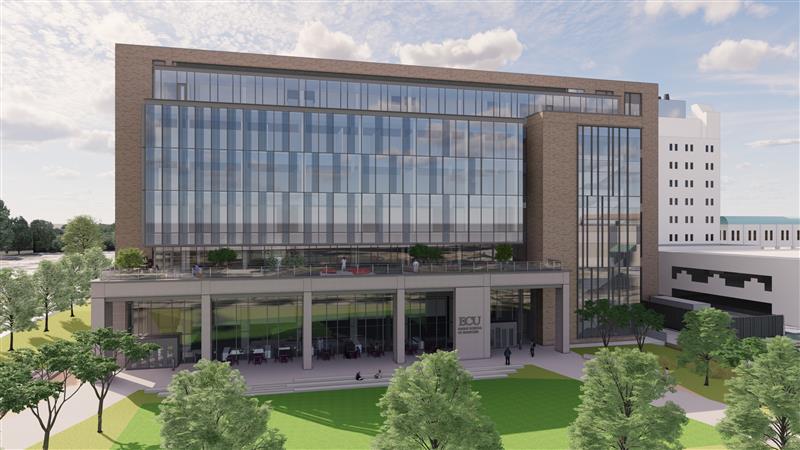
A transformational $10 million gift from David and Laura Brody of Raleigh, and Hyman and Stacy Brody of Greenville, will support and expand the Brody Scholars Program, East Carolina University and ECU Health Foundation announced today.
The university will honor the family and their steadfast ties to the institution and region with the naming of the new 195,000‑square‑foot Brody Center for Medical Education when it opens for the 2027-28 academic year. Approved by the ECU Board of Trustees on Feb. 13, the naming recognizes a decades‑long philanthropic relationship between the family and the university to strengthen ECU’s mission.
The gift directly strengthens the Brody Scholars Program and the Brody School of Medicine’s mission to train physicians to serve North Carolina, especially in rural and underserved communities.
“The Brody family has once again demonstrated its extraordinary commitment to the mission and success of East Carolina University,” Chancellor Philip Rogers said. “For nearly 50 years, our university has answered the call to train high quality physicians who will meet the health care needs of our rural communities. The state of North Carolina has put its trust in us to continue that success. I am profoundly appreciative of the Brody family’s unwavering generosity and steadfast commitment to enhancing the health and well-being of our region.”
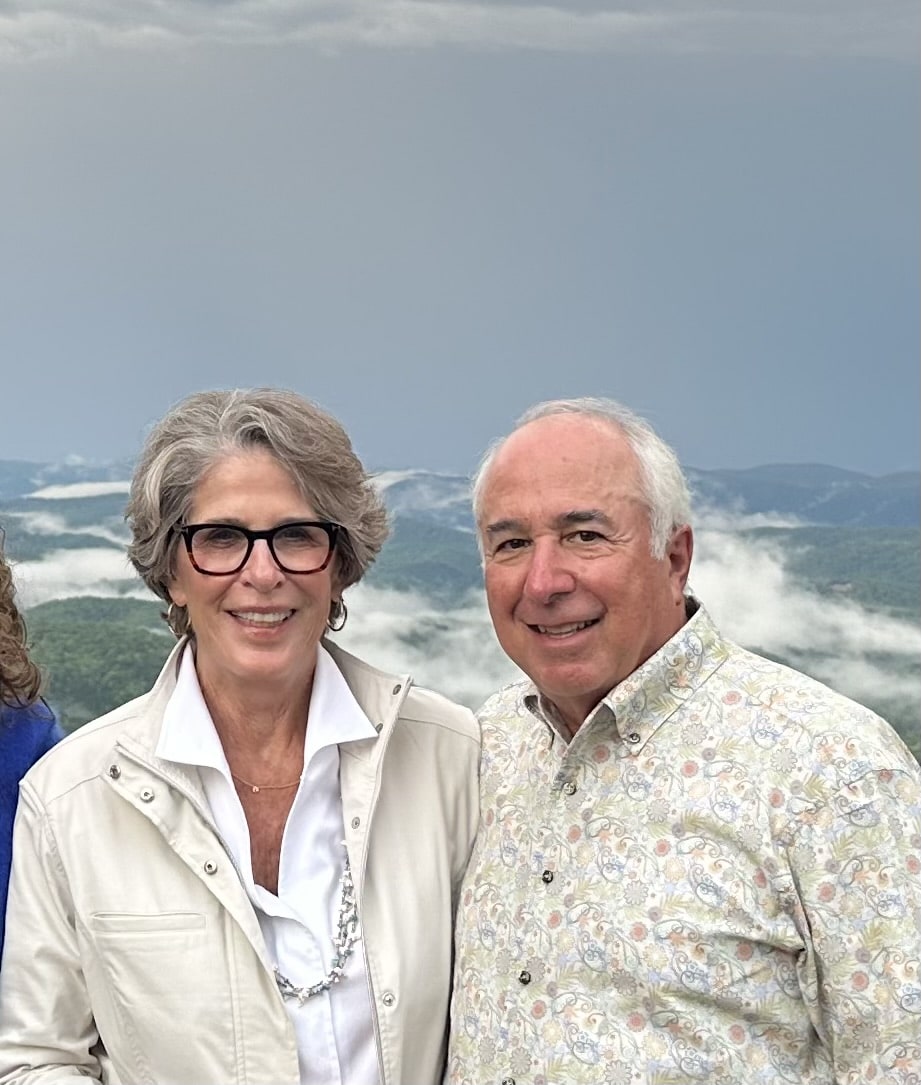
“This gift builds upon the significant funding put forward by the North Carolina General Assembly and the UNC System Board of Governors to advance the future of health care in our state,” cousins Hyman Brody and David Brody said, before thanking those elected and appointed leaders as well as Rogers, deans of the school Drs. Michael Waldrum and Jason Higginson, and others whose work has made the new building a reality.
Next year, the medical school marks 50 years since the first four-year medical school class arrived on campus. In 1999, the ECU Board of Trustees named the school, the Brody School of Medicine — the first time at the university a school had been named for a donor — in recognition of the family’s decades of significant contribution.
“Our family’s connection to East Carolina University dates to 1947 when (former Chancellor) Dr. Leo Jenkins’ friendship with my father, Morris, and my uncles, Sammy and Leo, planted seeds that grew into a shared belief in this university’s mission,” Hyman Brody said. “That relationship led to our family’s initial support of the School of Medicine — a commitment rooted not only in philanthropy but stewardship and partnership.”
Along with improving health outcomes in the region, the Brody family has funded arguably the premier medical school scholarship in North Carolina — the Brody Scholars program. It provides full tuition, fees and enrichment opportunities for four years of medical education. The Brody family’s latest contribution will expand the Brody Scholars Program. Today, there are 12 Brody Scholars at the Brody School of Medicine and 147 alumni of the Brody Scholars Program.
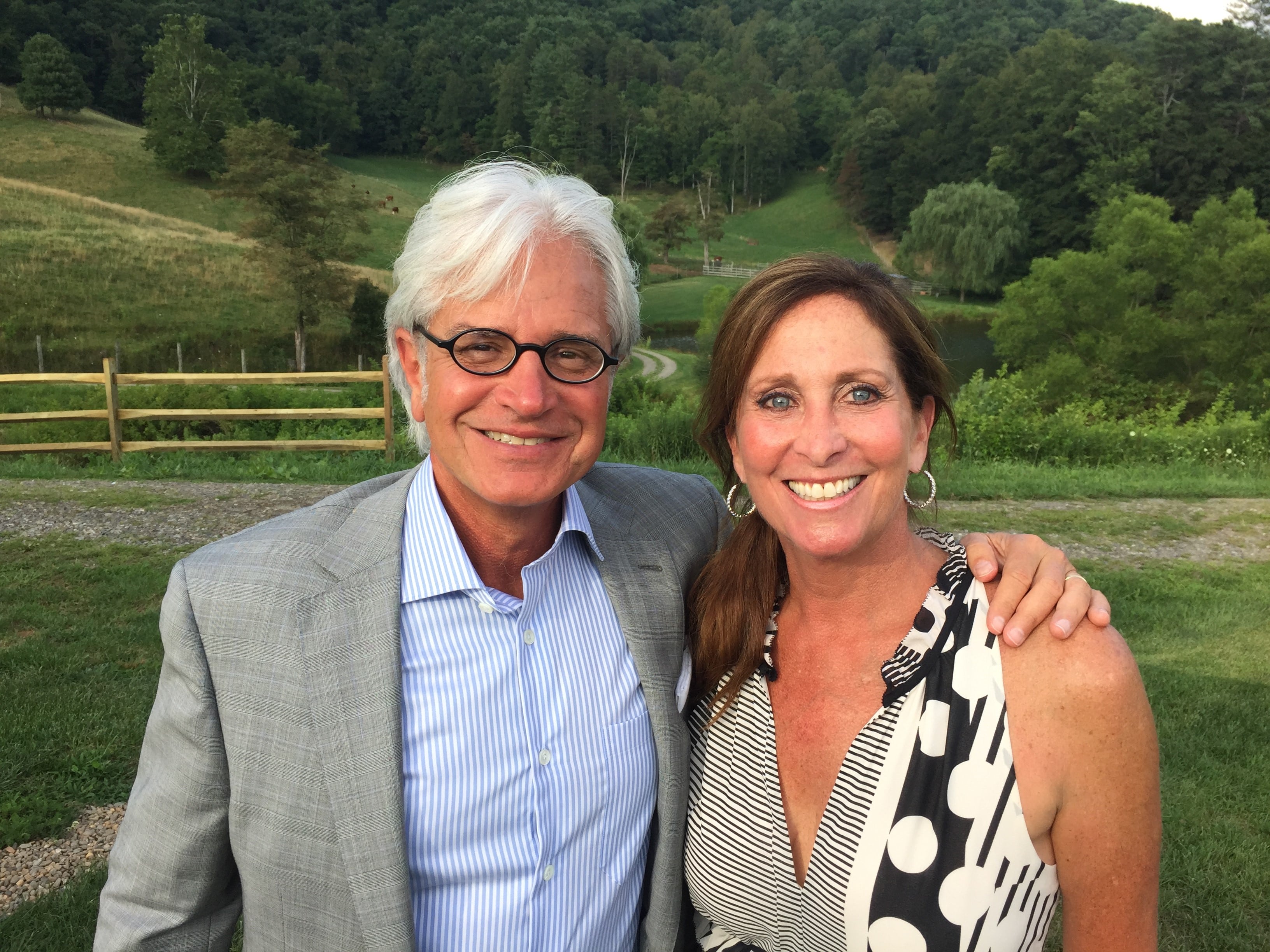
“This contribution to the Center for Medical Education is especially meaningful to Laura and me because it expands the Brody Scholars Program so more students can graduate medical school with little or no debt and focus on what matters most: caring for patients,” said David Brody. “Investing in those students is, to us, exactly what doing good looks like.”
The family’s gift will be added to an existing endowment dedicated solely to supporting the Brody Scholars Program, according to Dr. Scott Senatore, chief philanthropy officer with the ECU Health Foundation. The investment ensures long-term sustainability for the scholarship and signals the importance of philanthropy in advancing medical education, supporting community health and inspiring future generosity. The Brody family’s cumulative giving to ECU now totals more than $35 million.
The new Brody Center for Medical Education will serve as one of ECU’s most advanced instructional facilities, enabling the medical school to expand its class size to 120 students while offering state-of-the-art simulation spaces, learning studios, a new anatomy lab, student collaboration spaces and outdoor gathering areas. Construction of the new $265 million facility is funded by the state of North Carolina.
“The Brody School of Medicine was founded to meet the health care needs of our state, and this gift advances that mission in profound ways,” said Waldrum, who along with his academic role, is also CEO of ECU Health. “Brody Scholars become the kind of physicians every community needs — compassionate, skilled and committed to service. This investment ensures that more of those physicians will stay in North Carolina, where their impact is immeasurable. It is deeply gratifying to know that the Brody name will accompany this new state-of-the-art facility.”
The Brody School of Medicine is nationally recognized for graduating physicians who choose primary care specialties and practice in rural communities historically underserved by medicine. The new naming gift reinforces ECU as a leader in this mission and encourages additional philanthropic investment in the university’s medical education and health sciences enterprise.
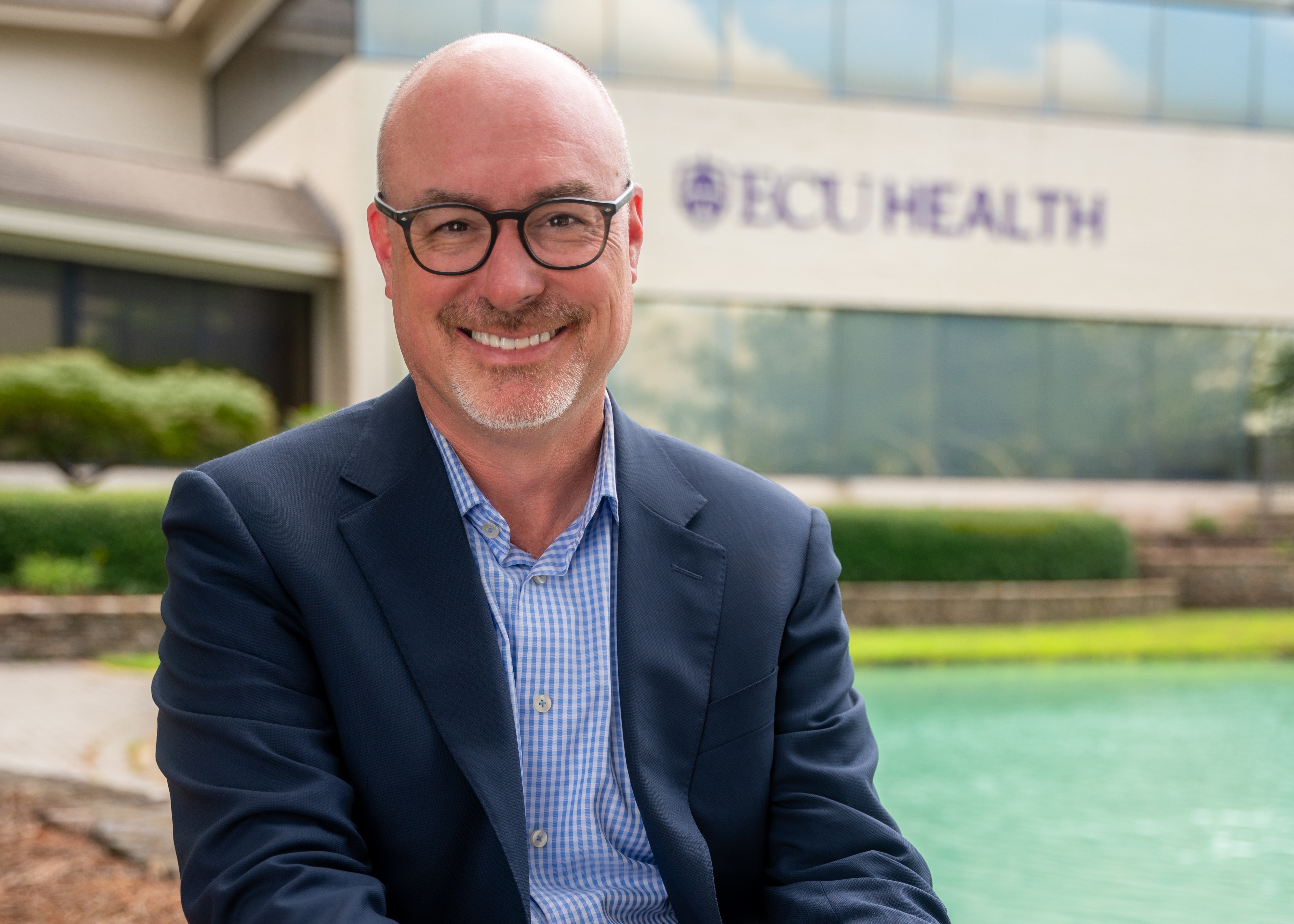
Greenville, NC – The North Carolina Healthcare Association (NCHA) announced that Brian Floyd, MBA, RN, Chief Operating Officer of ECU Health, has been elected to serve as chair of the association’s 2026–2027 Board of Trustees. As chair, Floyd will help guide the association’s strategic direction and oversee its efforts to advance policies and partnerships that improve the health of communities across North Carolina.
“I am honored to serve as chair of the NCHA Board of Trustees to work alongside leaders from across the state to strengthen our health care system and support the incredible teams who care for our communities every day,” said Floyd. “Ensuring that rural health care remains at the forefront of statewide policy and investment will continue to be a driving priority for me as we move forward together. I look forward to championing the health care needs of North Carolinians and helping expand access to high‑quality care across our state, especially in rural communities.”
Floyd began his career as a nurse in the post‑operative cardiac surgery unit at ECU Health Medical Center and brings nearly three decades of experience in health care leadership and operations. His administrative roles have included physician practice management, service line development, hospital operations and serving as the president of ECU Health Medical Center where he led several expansions to today’s nearly 1,000 bed capacity. He now serves as chief operating officer for ECU Health with oversight of the health system clinical enterprise in eastern North Carolina.
A long‑time advocate for rural health care, Floyd is deeply committed to meeting the health needs of the region. He also contributes his expertise on several national and state boards, including the American Hospital Association Regional Policy Board, the North Carolina State Health Coordinating Council and the NCWorks Commission (by gubernatorial appointment), the Governor’s Council on Workforce and Apprenticeship, Pitt Community College Board and the NCHA Board. Floyd has served on the NCHA Board since 2023 and is currently serving as NCHA Chair.
“NCHA is incredibly fortunate to have Brian Floyd as our Board Chair,” said NCHA President and CEO Josh Dobson. “His exceptional leadership and extensive expertise in providing high quality healthcare, especially in a rural setting, makes him the ideal chair for our advocacy organization. His proven ability to build strong relationships and navigate complex health care challenges positions us well toward achieving our goals of improving the health of our state.”
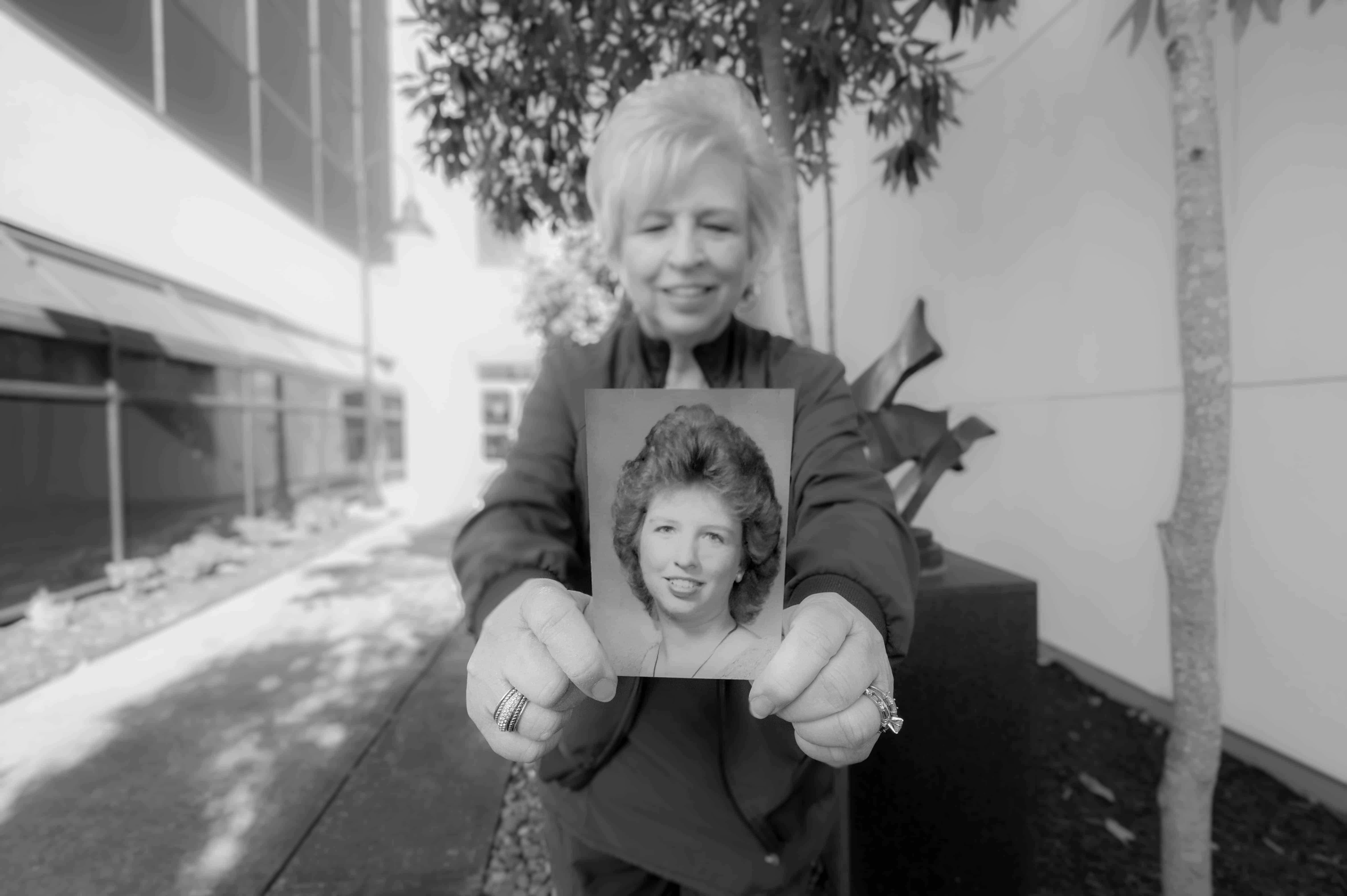
Watching her grandfather, a tobacco farmer, struggle with COPD inspired Karen Ward to pursue a career in respiratory therapy, but she said she always knew she was meant to care for others.
“My purpose is to care for others,” she said. “I have been a caregiver for my immediate family. I like working with patients, and health care is my calling.”
The sleep disorders lab coordinator at ECU Health Roanoke-Chowan Hospital, Karen began her career as a respiratory therapist. One of the administrators, however, encouraged her and her team to expand their education.
“He would come around telling us we should know more than one field,” she said. “Around that time, our hospital planned to open a sleep lab and that interested me. The hospital paid for me and others to go to Atlanta, Georgia to learn about polysomnography and I did that along with respiratory therapy for a while. For the last 10-15 years I’ve done nothing but sleep.”
In the 40 years since Karen joined her team, she said she’s only had three managers – but a lot of other things have changed.
“The technology has changed,” she said. “The type of ventilators we use and the sleep lab equipment are different.”
She said communication has also evolved with the technology.
“There were no pagers, no cell phones when I started. For EKGs, we’d have to print them out and then cut out the parts we thought were important for the doctor,” she said. “We’d have to dictate what the doctor said and our charts were paper.”
And because there were no cell phones, Karen said when she was on call, she had to keep her landline close by in case of emergency calls.
“At home I’d have a long telephone wire into the bedroom so if they called me in the night, I’d hear the phone ring,” she said, adding, “I could have never done shift work when my children were young without the support of my husband and parents.”
What hasn’t changed, however, are the close relationships Karen has forged in her time with the system.
“This is a small community, and everyone knows everyone,” she said. “We have all been together through many life changes. When I started here, I was engaged. Now I will celebrate my 40th wedding anniversary in October. I’ve had children, I’ve had family members pass away. Three of my colleagues have been here as long as I have been, and I’ve made some long-lasting relationships and friendships. My manager now was once a student I helped train in respiratory therapy.”
Her advice for new team members focuses on the close bonds forged in community hospitals.
“Consider working in a smaller hospital – the relationships you make are different,” she said. “Everyone knows your name. You work hard and you still see critical patients, but the friendships you make are invaluable. My best friend and I met 40 years ago in respiratory therapy.”
In the future, Karen hopes to one day retire on her grandfather’s farm, care for her family and enjoy her hobbies of gardening and caring for stray animals.
“I am very tenderhearted, and I have a passion for animals,” she shared. “I worked with the local humane society and everyone in Ahoskie drops animals off at my house because they know I will get them to a good home.”
“When I die,” she added, “I hope I will be told, ‘well done, good and faithful servant.’”
On Jan. 20, ECU Health had the opportunity to reflect on the life and legacy of Dr. Martin Luther King Jr. in events across eastern North Carolina. In Greenville, two ECU Health leaders served as speakers in community events.
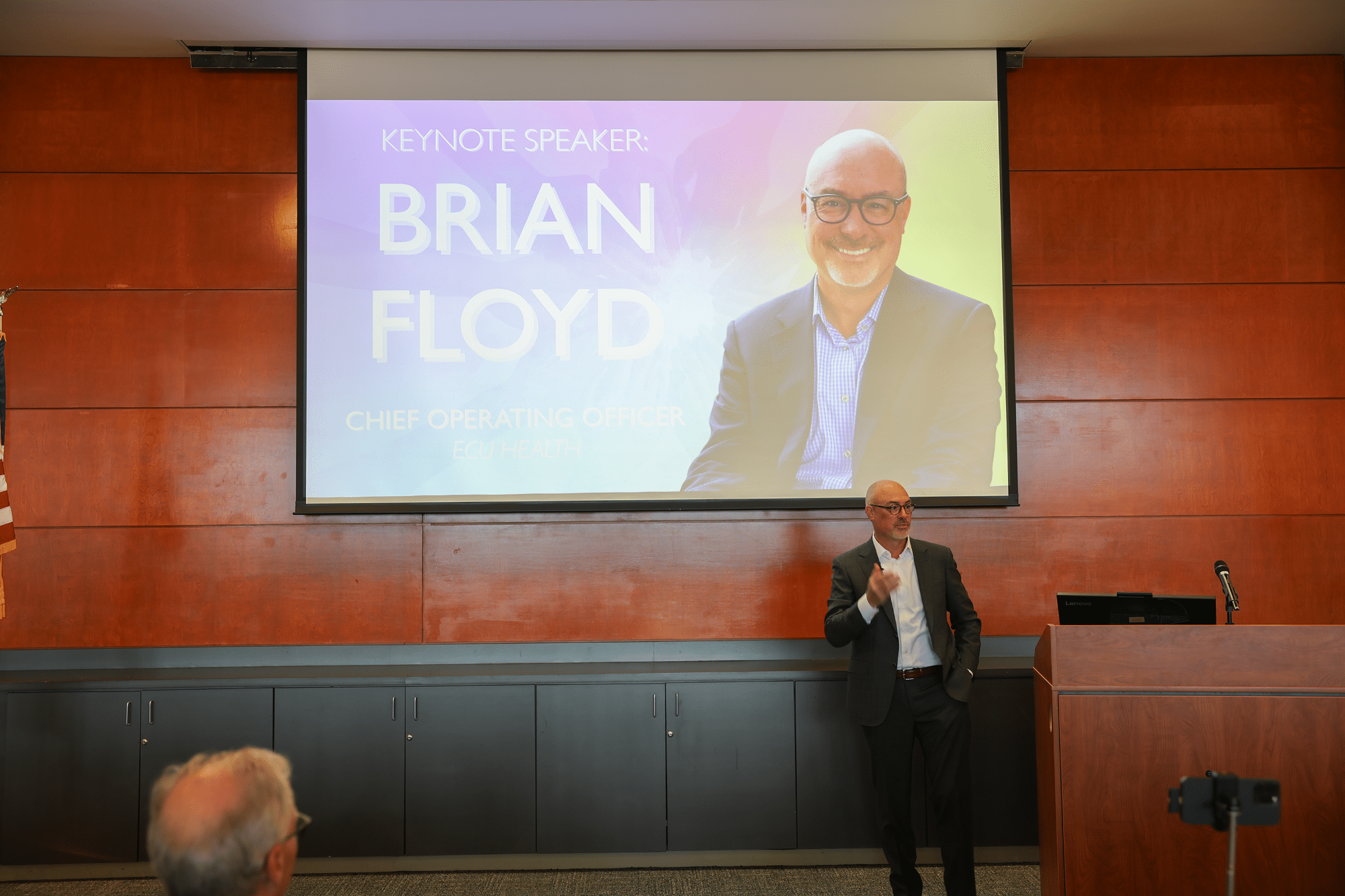
On Monday morning, Brian Floyd, chief operating officer of ECU Health, served as the keynote speaker during the Community Unity Breakfast, hosted by the Greenville-Pitt County Chamber of Commerce. Later in the day, Dr. Michael Waldrum, chief executive officer of ECU Health, sat on a panel of community leaders for a Celebrating the Life & Legacy of Dr. Martin Luther King Jr. event at Jarvis United Methodist Church.
During the 29th annual Community Unity Breakfast, which ECU Health sponsors along with other local organizations, Floyd offered remarks focused on the power of a small group of people making a big difference in their community and across the world.
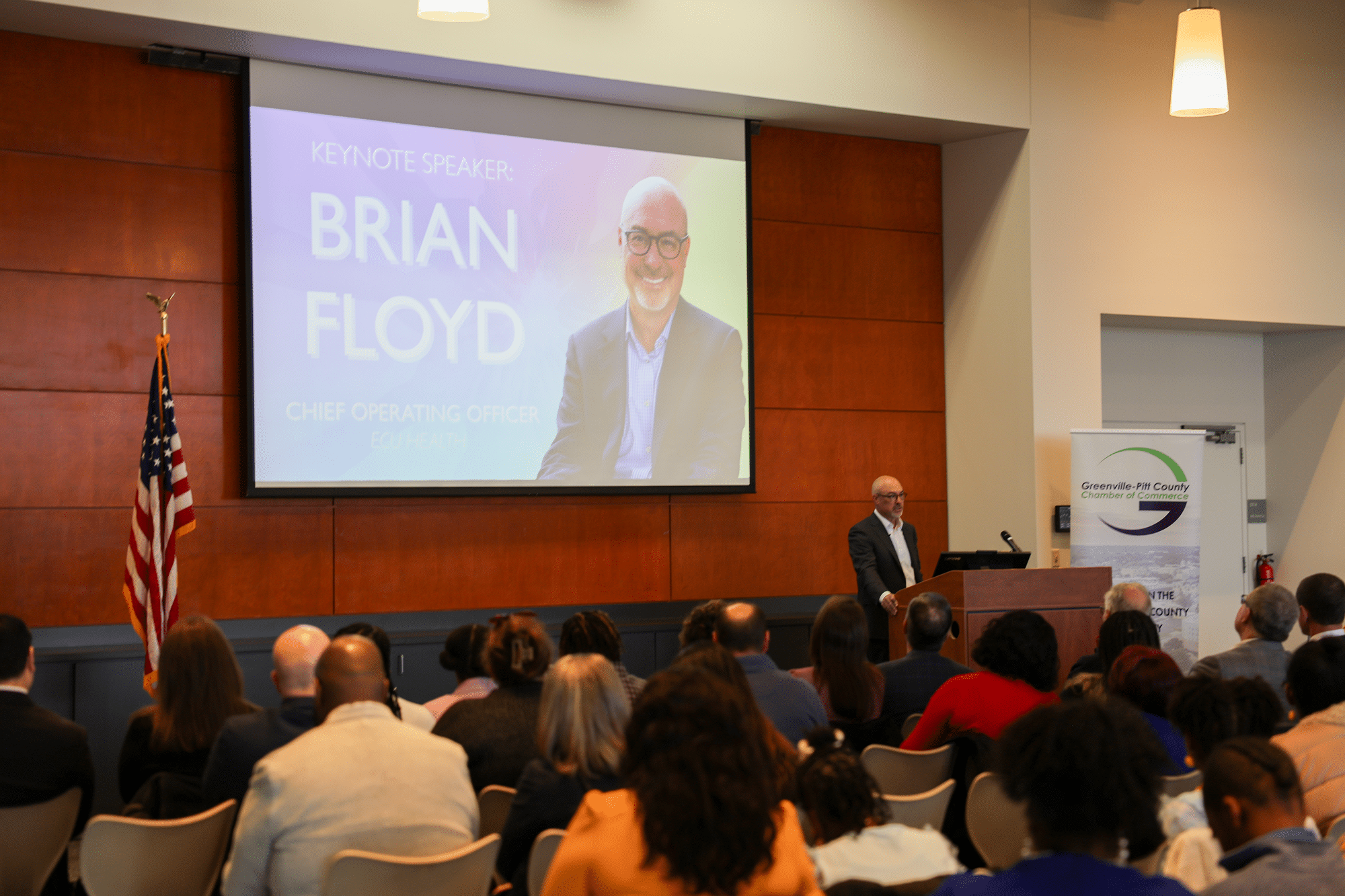
Floyd reflected that Dr. King’s work brought an awakening of the nation’s conscience and inspired others to advance civic causes and responsibilities. He related this back to the work of local leaders decades ago who saw troubling trends in the health of eastern North Carolinians.
“These people saw that and they gathered together and wondered, ‘What can we do about it?’ The idea is: let’s build access to care by creating physicians to serve in eastern North Carolina. They petitioned the state and they fought hard to get the right thing done, too,” Floyd said. “They took what little bit they had to offer and said we’ll take a little bit of this hospital and a little bit of this university and a whole lot of our interest, and people taking loans out to begin this process and petition the state to build what is now the Brody School of Medicine and what has become a national leader in academic medicine here at our hospital.”
Floyd said over the years at ECU Health Medical Center, hundreds of physicians and thousands of team members have served the community and transformed the once small county hospital into one of the nation’s largest academic medical centers. The community also had a vision for the Brody School of Medicine at East Carolina University, which trains the most of North Carolina’s primary care physicians today.
He said the success stories of ECU Health Medical Center and the Brody School of Medicine are because of people who had the courage to step up and make a difference in their community.
“People who have the courage to do something probably don’t even realize where it’s taking the future,” Floyd said. “If we have the courage to solve health care disparities or try to address them, we use what we have. Just a handful of people can put in motion something that really can be transformational.”
He closed by reflecting on Dr. King’s words, “Life’s most persistent and urgent question is, ‘What are you doing for others?’”
Floyd asked those in attendance to avoid becoming complacent in seeking change and advocating for the well-being of others. He said he’s proud of the work of 15,00-plus team members across the organization taking action each day with a commitment to improving the health and well-being of eastern North Carolina.
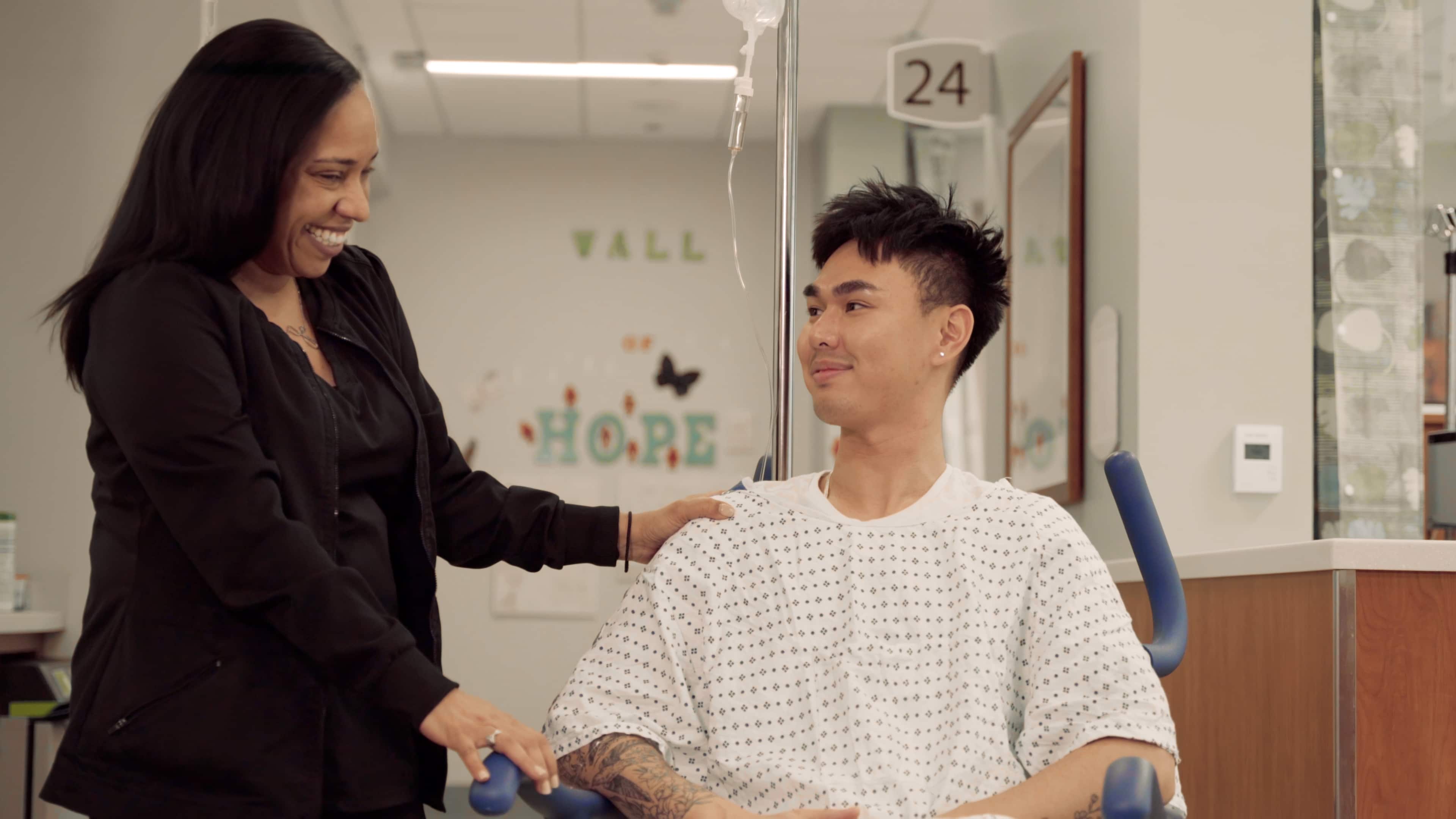
Greenville, N.C. – ECU Health is proud to announce it has earned system-wide accreditation from the American College of Surgeons Commission on Cancer (ACS CoC), marking a significant milestone in the organization’s commitment to delivering world-class cancer care across eastern North Carolina. ACS CoC accreditation is awarded to institutions that demonstrate compliance with rigorous standards designed to improve survival and quality of life for patients with cancer.
“As a rural academic health system serving eastern North Carolina, ECU Health recognizes the importance of bringing high-quality cancer care close to home for the 1.4 million people we serve,” said Brian Floyd, chief operating officer, ECU Health. “We are proud of the leadership team, physicians and team members whose dedication made this achievement possible. Their collective efforts underscore ECU Health’s mission to improve the health and well-being of eastern North Carolina.”
ECU Health Cancer Care delivers standardized, high-quality services across all System hospitals and clinics. ECU Health Cancer Care Network includes ECU Health Medical Center, ECU Health Edgecombe Hospital, ECU Health Beaufort Hospital and ECU Health Roanoke-Chowan Hospital. Each location aligned on shared goals, projects and outreach initiatives, including cancer screenings to improve community health and well-being. Patients benefit from standardized care protocols across the system, multidisciplinary participation in cancer conferences, a collaborative cancer registry that enhances data-driven care and access to highly trained specialists in Greenville working seamlessly with care teams across the region.
“This system accreditation means patients across our region can expect the same high standards of cancer care no matter where they seek treatment,” said Dr. Emmanuel Zervos, executive director of cancer services at ECU Health, and professor at the Brody School of Medicine at East Carolina University. “It ensures that advanced treatments, multidisciplinary expertise and supportive resources are consistently available close to home. Most importantly, it gives patients and families confidence that their care is coordinated, compassionate and designed to achieve the best possible outcomes.”
Accredited programs must undergo comprehensive evaluation and review to ensure patients receive a full continuum of cancer care services, from prevention and early detection to diagnosis, treatment, survivorship and supportive resources. This accomplishment reflects the strong collaboration across the ECU Health system. The initiative was led by physicians and leaders across the health system to establish a state-of-the-art care model that unites specialists and resources across the region.
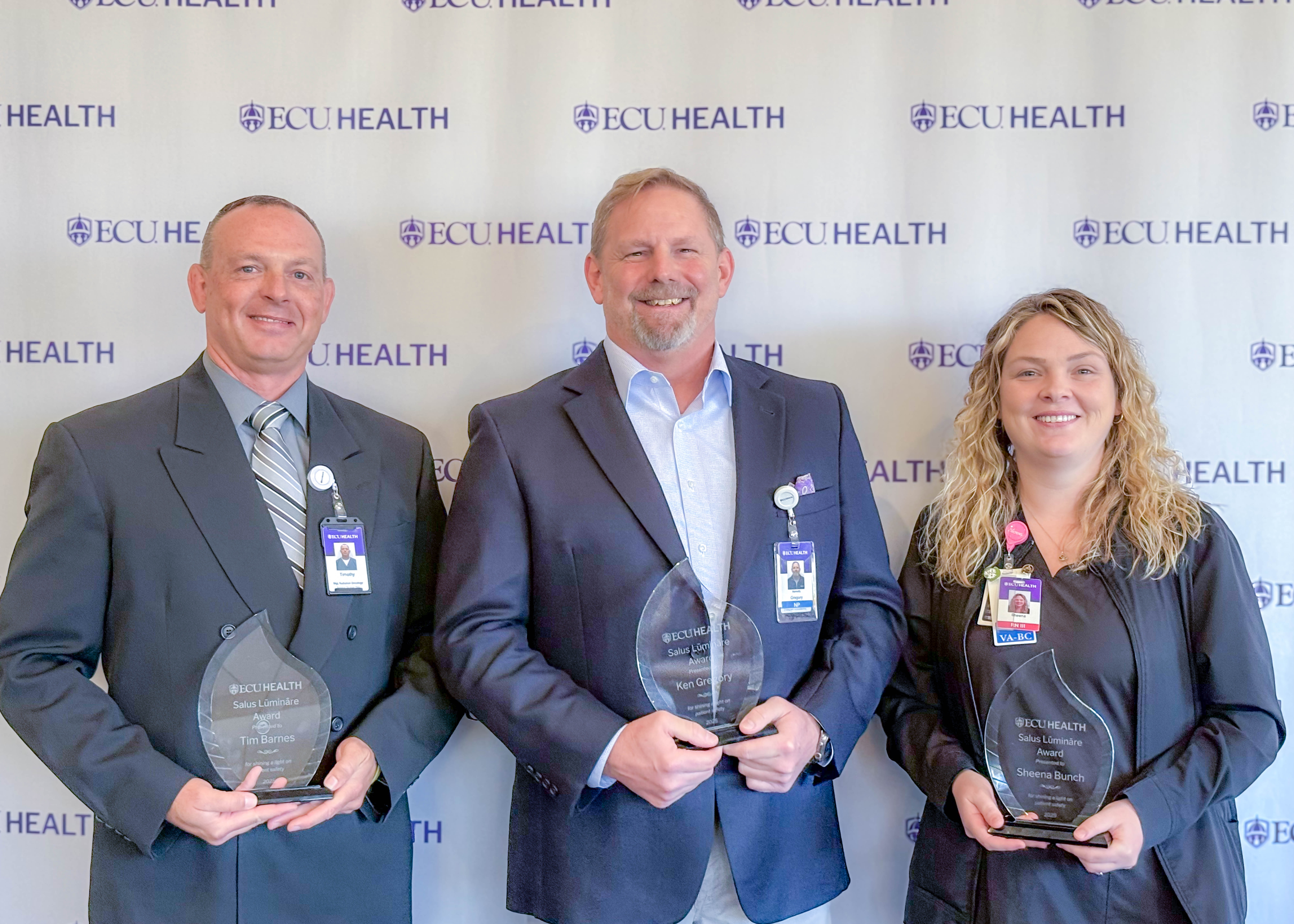
The Salus Luminare award honors team members who “shine the light on safety,” and it is a part of ECU Health’s mission to create safe working environments, both physically and psychologically. This year, Tim Barnes, clinical manager of ECU Health Medical Center’s Radiation Oncology, Kenneth Gregory, nurse practitioner at ECU Health Edgecombe Hospital and Sheena Bunch, staff nurse III with Radiology at ECU Health Beaufort Hospital, were recognized during the Nov. 18 ECU Health and ECU Health Medical Center Quality Improvement Committee of the Board meeting as award recipients.
Sheena Bunch
In her highly specialized role of performing vascular access procedures throughout ECU Health Beaufort Hospital, Sheena Bunch supports multiple departments and providers while keeping safety front of mind.
“I’m one of the few nurses in the system trained to insert internal jugular central venous lines, which has allowed me to play a big part in improving line care and patient safety,” Bunch said.
Central line-associated bloodstream infections (CLABSIs) are serious and can lead to critical complications, including septic shock or death.
 “Early in my career,” Bunch shared, “I saw how easily small oversights could lead to complications for patients and that made an impression on me. I’ve personally experienced loss and hardship that remind me how fragile life can be and how every decision matters.”
To help avoid these complications, Bunch began auditing all charts of patients with central lines to make sure the correct maintenance and care orders were entered. When she noticed some inconsistencies, she took the initiative to create a central line maintenance and care order set for nurses to follow.
“This helped standardize care, improve communication and reduce the risk of central line-associated infections. I’m passionate about creating systems and processes that prevent harm before it happens,” she said. “It’s not just about following policy; it’s about protecting someone’s loved one and giving every patient the safest chance at recovery.”
Bunch said she strives to lead by example to promote safe practices.
“I share the ‘why’ behind everything we do and explain how something like an updated order set or quick double-check can make a real difference in patient outcomes,” she said. “I also make a point to celebrate when someone speaks up or catches something that prevents a potential issue. When people feel empowered instead of criticized, they are more invested in safety.”
Winning the Salus Luminare award was an honor, Bunch said, because it recognizes the heart of nursing.
“So much of the work we do in safety goes unseen. It’s about the details and the quiet improvements that prevent harm. This award tells me that the effort to build safer systems truly matters and ECU Health values nurses to take the initiative to make those changes.”
“It’s been rewarding to see how this change has made things safer for our patients and easier for our team members caring for them,” Bunch went on. “I’m proud to work for an organization that values patient safety and empowers nurses to take initiative. I’ve been fortunate to be a part of a team that supports innovation and trusts nurses to make meaningful changes.”
Kenneth Gregory
While pursuing his doctorate of nursing practice (DNP) at East Carolina University (ECU), Kenneth Gregory used an ongoing problem he observed at work as the foundation of his doctoral project.
“I observed patients presenting to the emergency department (ED) with opioid overdose or withdrawal and realized we didn’t have a mechanism to facilitate a safe transition for continued outpatient treatment,” he shared.
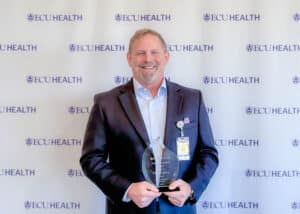 Gregory’s DNP project required he focus on a gap in health care, based on what literature says providers should do versus what was actually happening.
“I wanted to help an overlooked population and make a positive change. There is a huge opioid problem in this state,” Gregory said. “The hope was we could decompress the ED and save a life or two.”
To solve this problem, Gregory established a process that provided these patients with access to outpatient care.
“We now have a direct path from the ED in Tarboro to Freedom Hill Community Health Center where there’s an outpatient opioid care facility,” Gregory said. “Freedom Hill is close by and uses a sliding scale for costs, making it more accessible.”
To implement this new process, Gregory said it required a lot of communication with the ED team, including staff meetings with education on the new process to ensure everyone was on board. Once they caught on, Gregory said it was gratifying to see the team follow through on the process.
“Nurses would come and say, ‘Hey I have this patient who might benefit from this.’ They were taking notice of how they could help, when previously there was uncertainty on how to help these patients,” Gregory said. “You could feel the groundswell of empowerment when the nurses had a way to do something for this patient population.”
Gregory said that thinking through these kinds of quality and safety concerns is just one part of being a health care provider.
“Safety improves the quality of care we provide. I was in the army for six years, and there was this fundamental thought: always try to improve your situation,” Gregory said. “That’s how I think about my work here, and safety is a part of that.”
While Gregory said it’s a great legacy to have found a way to support an underserved population, he attributes the program’s success to his team.
“We don’t work in silos and as a provider, you have to wrap your arms around everyone who works with you,” Gregory said.
Tim Barnes
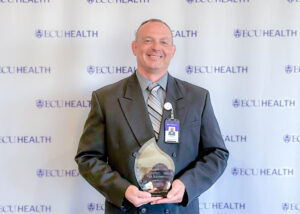
Being a registered technologist in Radiation Therapy was not Tim Barnes’ first career.
“I started off in law enforcement in Wilson,” Tim shared. “I was a homicide detective for seven years and a patrol officer three years before that.”
However, Tim said a lot of his work in law enforcement informs the work he does today.
“It’s a big jump, but there is a lot of overlap,” he said. “They both revolve around doing things safely and paying attention to details. Radiation therapy is high risk and requires a great deal of care.”
One of those details was an observation Tim made about weekend emergency radiation treatments.
“We have a rotational on-call schedule for emergency weekend treatments, and there was just one therapist on call for a weekend,” he said. “During weekdays, however, the normal process involves at least two therapists for each treatment because there are a lot of steps.”
With such complexity, Tim wondered – why weren’t they using two therapists on weekends?
“This didn’t make sense to me, and when I became the lead therapist, I made a policy change stipulating that weekend emergency treatments required two on-call therapists, as well as a physicist.”
Tim also implemented the Good Catch program, a near-miss safety reporting system.
“I wrote an article for the American Society of Radiologic Technologists (ASRT) magazine about incident reports,” he said. “I attended a presentation by Larry Marks, the Radiation Oncology chair at The University of North Carolina Chapel Hill. They were developing a proactive reporting system known as the ‘Good Catch’ system, designed to learn from near misses and share how incidents were prevented. I wanted to implement a program like that here at our hospital.”
This innovation in safety reporting encourages team members to talk about what they do to prevent safety incidents from happening on a daily basis. Tim met with his team to explain the new reporting system but he said it took three years to get the team fully entrenched.
“I had to show them it was a way to make the department safer, not a tattletale system,” he said. “It took communication, and not just one day. Every month I met with the team to go through every single Good Catch, so they knew each one was being seen and discussed. Once it caught on and our department and the doctors were engaged, it became the culture of our department.”
Now, the program is system-wide, but Tim doesn’t want to stop there.
“I want to spread this beyond the system, so I’ve shared this at the National Commission on Quality Reporting (NCOG) in Charlotte for quality and safety improvement for radiation oncology clinics. With similar programs at other clinics, we can learn from each other.”
Tim said he’s humbled to win the Salus Luminare award.
“I didn’t go into this for me,” he said. “I did it because I saw a way we could treat patients safer. But I didn’t do it alone. I was at the forefront of the idea and introduced it to the department, but it took the team to get on board to make it happen. I share this award with them.”
A culture of safety and excellence
While three team members were named winners of the Salus Luminare aware, 56 team members were nominated, demonstrating ECU Health’s ongoing prioritization, implementation and recognition of safe patient practices.

Fannie Clemmons, supervisor in Food Service, joined what was then Beaufort County Hospital at the age of 18. This month, she’s celebrate 45 years with the system.
“I had two kids and was trying to raise them on my own,” the Martin County native said. “I came from a working family, and my parents said I had to get out there and hustle.”
Fannie joined the Food Service team, where her mother also worked, and started her career as a dishwasher. She worked with a lot of older team members who showed her the ropes.
“From dishwashing, I moved to patient service line to cafeteria to baking – I’ve been all over the kitchen,” she laughed. “You had to learn how to do anything. If they needed you to help in a certain area, they trained you.”
That training included working in catering, which Fannie said she enjoyed but was a lot of work, and baking.
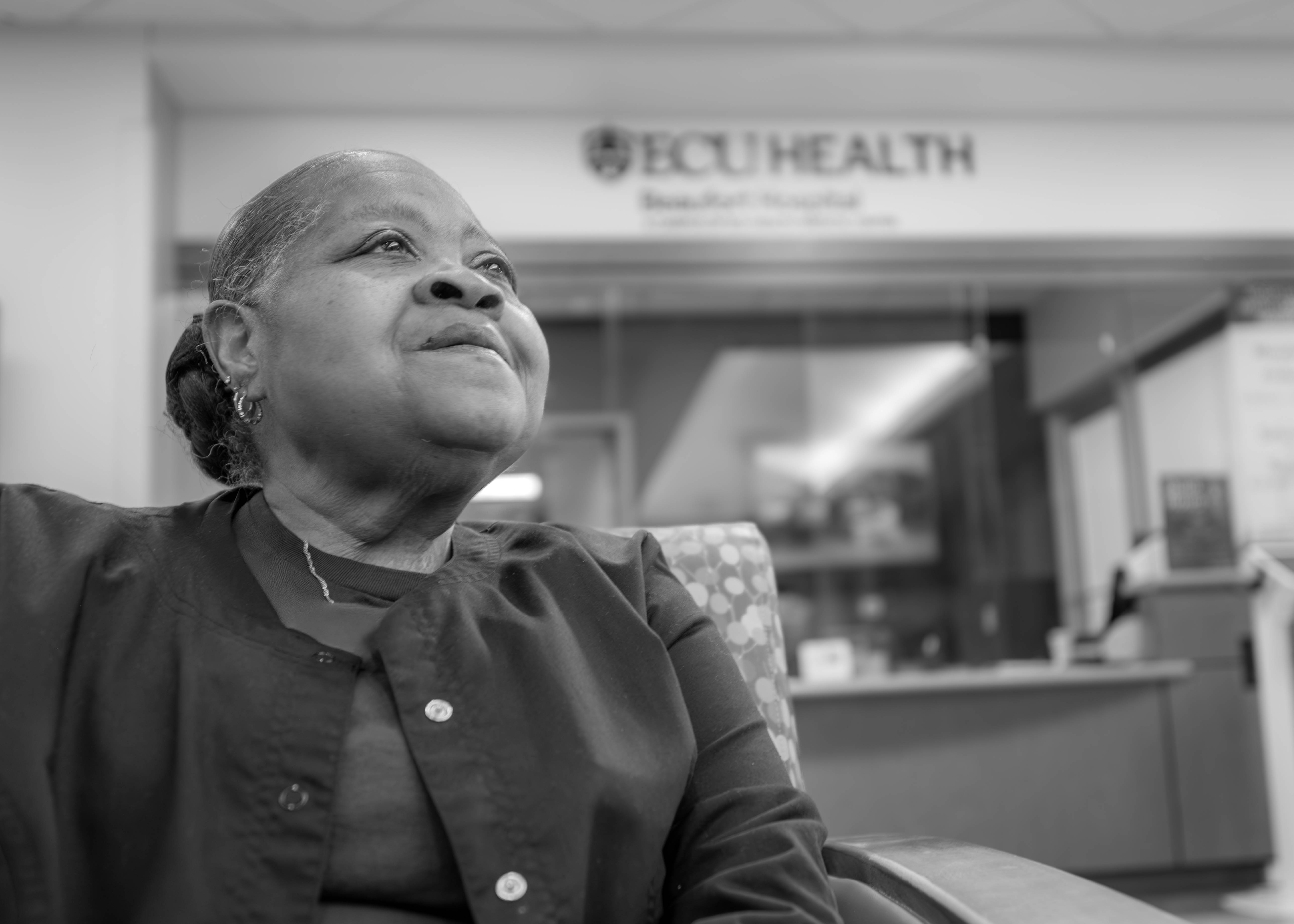
“We did light baking in those days,” she said. “We made biscuits and cakes and pies from scratch. People really loved that.”
While she didn’t plan to stay at ECU Health for 45 years, Fannie said the work has been a blessing to her and her family.
“This has been a home away from home,” she said. “This is my getaway place, where I come to think about other people and not myself. I’ve been able to meet so many people – not just co-workers but patients and others outside the organization. There are patients you meet you get real attached to. They come and go, and you don’t ever forget them.”
A lot has changed in those 45 years, she said.
“Some of the processes have changed, and other things like serving more healthy foods and more options. The hospital has also grown a lot, but the more we grow, the more we learn.”
Although she’s 70 years old, Fannie said she hopes to continue her work with ECU Health – while also spending time with her children and grandson.
She’s also teaching the new team members, just as she was taught when she first started.
“Each age group is different, and you have to adapt to each of them. But I feel valued and appreciated when I can help someone beside myself. That’s the way I was raised, and that’s the impact I want to make – to inspire them.”
When asked if she had any advice for team members joining ECU Health, she offered these words: “Life is what you make it. Be positive, be an inspiration. If it’s helping someone, it’s good enough.”