By North Carolina Health Care Association
North Carolina’s hospitals and health systems provide more than just healthcare services. They also blend medical know-how with community engagement and technology to help prevent and manage chronic conditions and to address factors affecting health like access to healthy food and transportation. Learn how health systems and hospitals work with local employers, schools, faith organizations and other partners to build healthier, vibrant communities.
Five rural healthcare leaders from across the state recently came together for a virtual town hall to discuss how their hospitals and health systems are creating healthier communities. This program is part of a series hosted by the North Carolina Healthcare Association.
Here are some key takeaways from the conversation.
Hospitals help support the livelihood of rural communities.
Hospitals are pillars in their communities and support economic development by providing education and employment opportunities that create stronger, more resilient citizens. “Our approach here at Northern Regional Hospital is to be engaged in all areas of community life. We recognize, like most hospitals, that we are the largest employer in the city of Mount Airy and one of the largest in the region,” said Chris Lumsden, President and CEO of Northern Regional Hospital. Lumsden emphasized that hospitals engage in a mutually beneficial relationship with the surrounding community. “If the hospital is healthy, the community [members] in a rural community will be healthy, and vice versa.”
Penney Burlingame Deal, President and CEO of Onslow Memorial Hospital, also touched on the relationship that hospitals share with their community. “In rural settings, hospitals play a part in community resilience,” expressed Burlingame Deal. Communities can support and sustain quality health and social services by attracting and retaining well trained healthcare professionals. This can then lead to a stronger economy, which in turn supports a stronger local healthcare system. “It’s recognition of that link between rural healthcare, economic strength, and overall vitality…it’s kind of this self-perpetuating feedback loop.”
John Green, President and CEO of Iredell Health System discussed how every hospital and health system is driven by a mission and vision statement, and while each is different, they all guide people towards optimal health. More importantly, this is not always done within the four walls of the hospital. Often times, hospitals are working outside of their brick-and-mortar establishments – directly in the communities they serve – to accomplish their goals. “We do that throughout the whole community, and we do it based on the needs of each part of that community,” said Green.
To that point, Annie Carpenter, Assistant Vice President of Community Engagement at Mission Health added, “We go beyond the hospital walls with our community approaches, and not just because we serve the community, but because we are the community.”
Hospitals invest in their communities to address the unique and diverse challenges they face.
Every community is unique, so it is important that hospitals listen to the needs of their community members when developing programs and initiatives. Patrick Woodie, President and CEO of the NC Rural Center, and the moderator of this conversation, shared a saying from his years of work in rural health, “when you’ve seen one rural community, you’ve seen one rural community.” This underscores that each community is characterized by its distinct array of challenges, and they must be addressed in their own unique ways.
Todd Hickey, Chief Strategy Officer of ECU Health mentioned how ECU Health is always assessing how they can invest back into the community. They do this by donating funds to support community partners, developing initiatives aimed at improving health, and through other avenues. “We see that as a role of a good steward of healthcare in a community, but also recognizing that it’s our partnerships that really connect our services to our patients, and if you will, our population,” said Hickey.
Hospitals also play a big role in strengthening the local workforce. Chris Lumsden noted that 85 percent of Northern Regional Hospital’s employees were raised and live within a 25-mile radius of the hospital. In addition, 85 percent of high school students that leave this area for work or college, do not return. “The message is, we have to grow our own. And that’s a theme that we have created through education assistance scholarship programs,” expressed Lumsden. To combat this, Northern Regional Hospital has stood up multiple programs that encourage students to not only pursue careers in healthcare, but to also stay and serve in their community.
Hospitals in rural communities use innovation to expand their reach and build more accessible health care.
Hospitals and health systems in rural communities are evolving with the changing landscape of health care. They are overcoming barriers to care and expanding access to care through innovative solutions, emphasizing a focus on maintaining good health for all.
Telehealth has blossomed as an accessible option to care, but internet connection can be sparse in some rural communities and hospitals are creating solutions to bridge the gap. “Working with our civic partners, counties and townships, trying to build out and create the funding through grants, through alignment of federal funding to help expand that [broadband] is a big deal,” said Todd Hickey. Hickey connects the availability to broadband with a greater opportunity for people in rural communities to get preventative care and early intervention for serious conditions.
Related to telehealth, Penney Burlingame-Deal said, “it is a great way of really thinking outside of the box and using innovation to make things happen that wouldn’t happen otherwise”. In addition, John Green touched on a need for stable internet access in all rural communities and technology training, especially for aging populations, highlighting the digital-based resources that will lead the future of health care.
Care options combatting opioid addiction are expanding and improving as well. Annie Carpenter mentioned a pilot program newly introduced to Blue Ridge Regional Hospital and Mission Hospital, where patients can receive medication-assisted treatment within the emergency department, an effective evidence-based practice to disrupt the addiction cycle. According to Carpenter, this care approach can impact the capacity and volume the health system while combatting the rise in opioid overdoses in the region.
“The community has been working together on responses at such a rapid rate to save lives. [The pilot] It’s something our partners in the community have been eager to see as well,” said Carpenter.
Launching more impactful programs that promote better health within rural communities often requires research and advocacy to accelerate the implementation of those programs. John Green mentioned at smaller rural hospitals, a detailed approach is necessary to implement new ideas in order to make the most of time and funding. It may be more difficult to find an effective solution using a trial-and-error approach. To advance new initiatives and programs, hospitals may glean successful ideas from other hospitals in areas with similar populations in communities with similar challenges, implementing what worked in the pilot program as a potential solution for their own community.
“I think research that allows us to see this is going to work, or we believe this should work is a huge difference to us,” said John Green.
Angela Lamson and Jennifer Hodgson began collaborating with Greene County Health Care nearly 20 years ago for an integrated care program to benefit patients in eastern North Carolina and provide valuable practical learning opportunities for their East Carolina University students. This began with one ECU medical family therapy student in 2006.
In the years since then, ECU’s partnership with Greene County Health Care focused on the delivery of behavioral and mental health services, in tandem with primary care visits, has flourished, including a recent high of 18 students across 12 sites.
All of the students who provide services with Greene County Health Care are rigorously trained for their position, ready to meet a variety of acute and complex needs for patients.
Collaboration is also reflected through Greene County Schools. During an appointment, a patient is informed about the integrated care model and asked if they would like immediate services or future services with a therapist on site.
Lamson said the students, in the College of Health and Human Performance based primarily in the Department of Human Development and Family Science and including the School of Social Work, have undoubtedly saved lives. Greene County Health Care CEO Melissa Torres has proof of ECU’s role in Greene County Health Care’s growth.
“For many years, ECU students were the only therapists providing mental health care in our clinics,” Torres said. “Over time, our partnership with ECU helped lay the groundwork for building our own behavioral health team. More therapists means more patients receive care.”
The first funding in 2006 came from the Kate B. Reynolds Foundation in partnership with Greene County Health Care. In 18 years, $4,105,762 has been secured and 154 students have received graduate assistantships to deliver integrated behavioral health care.
Greene County Health Care is celebrating 50 years this year and has five clinics offering medical, dental and mental health care covering a 17-county area.
Lamson, a Nancy W. Darden Distinguished Professor in HDFS and the university’s interim assistant vice chancellor for economic and community engagement, Torres and others have enjoyed seeing an uptick in the dental aspect and effectiveness in Greene and Pitt counties.
“One of our practice managers attributes the increase to three things: the students’ easy-going and approachable personalities, (Lamson’s) excellent rapport with our dental assistants and the students’ flexibility in approaching patients,” Torres said. “Our partnership with East Carolina University is a natural fit. East Carolina’s values are student-centered, inclusive and committed to service. Those values complement our mission and vision. Our mission is to provide compassionate, quality care, every day for all people. … The partnership gives ECU students an opportunity to learn about and serve their community as a whole, providing care to people who would otherwise not get the care they truly need.”
With mental health, Lamson said a major part of the development of student training focuses around an important question to patients — have you had thoughts of whether you would be better off dead?
“If you haven’t received training in how to ask that question and then what to do with the information, that can be really scary for the student and for the patient,” Lamson said. “What I have said time and again is I can promise you that our team is going to be ready to ask that question, and know what to do with the results. People need us to ask that question and many times, they want us to ask that question.”
National mental illness awareness week is Oct. 1-7. This year’s theme is “Together we care. Together we share.”
That is a fitting theme for what Lamson described as attempts locally to continue to reduce the stigma associated with discussing mental illness and suicidal thoughts.
“It needs to be a part of conversation, so we can really begin to make sure we are saving people’s lives,” Lamson said.
In 2005, ECU created the first doctoral program in the nation in medical family therapy. Many graduates have remained in eastern North Carolina for professional opportunities, which Torres said has helped patients of Greene County Health Care receive full care.
Alex Hernandez is a current ECU medical family therapy doctoral student who has embraced and benefited from his role with Greene County Health Care patients.
“Learning how the medical world works and how mental health is integrated into that world, this has been great and I’ve learned a lot, because it’s a huge learning curve,” Hernandez said. “It definitely prepares you. This is precisely what I want is doing therapy in the medical world, understanding that health is not just physical health or mental health. It is all of it together. That is what we practice and that is why we’re here.”
Seeing people collaborate and commit to this integrated care model has brought great pride to the co-creators of ECU’s medical family therapy doctoral program.
“The success of this collaboration and the integrated care services we have delivered across eastern North Carolina could not have been possible without the earliest vision and commitment of Dr. Jennifer Hodgson, and our partners, Dr. Tom Irons and Mr. Doug Smith, along with hundreds of devoted therapists, health coaches and our most current GCHC leadership,” Lamson said. “Most of all, this program could not have been possible without the patients who trusted our team for their care.”

Health and well-being are at the very heart of creating economic vibrancy in a community. That is why Brian Floyd, chief operating officer of ECU Health and president of ECU Health Medical Center, joined a group of statewide health care leaders at the NC Chamber Health Care Conference on a panel titled “Working Together to Create Healthier Communities” on Sept. 14 in Durham.
Speaking to a packed room of health care, business, industry and government leaders from across the state, Floyd spoke about ECU Health’s unique position in eastern North Carolina as both the largest health care system and employer in the 29 county region, and the importance of maintaining high quality and high value care in rural communities.
“Thinking about the NC Chamber and what we’re here to talk about today, it’s important to remember North Carolina is the second largest rural state in the country,” said Floyd. “One-in-three people in North Carolina lives in a rural community so rural health care is a very critical and very personal endeavor. At ECU Health, we take our mission seriously to improve the health and well-being of eastern North Carolina, which is a region with some of the highest levels of poverty in the state.”
ECU Health is a leader in rural health care, Floyd said, and is constantly exploring new ways to improve access to care for rural communities. Speaking to topics such as improving mental health resources, partnering closely with schools, colleges and universities and investing in the health and well-being of team members, Floyd made it clear ECU Health’s role in the East goes far beyond just delivering health care.
“ECU Health is a health care provider, an educator and an economic engine for our 29 county region and we understand that collaboration is key to solving health care challenges,” Floyd said. “When I think about what we do, the reason we have a 974 bed hospital in a town of more than 80,000 people is because of the tremendous burden of disease in the communities we serve. Improving quality and cost is our goal and our clinical care component certainly plays a role in that, but we know that value is created by improving wellness through initiatives that tackle social determinants of health.”
Floyd was joined on the panel by Dr. Art Apolinario, board president of the N.C. Medical Society, Dr. Creagh Milford, senior vice president of retail health for CVS Health and Jennifer Sacks, associate director of the clinical operations program lead for Biogen. The panel was moderated by Gary Salamido, president and CEO of the NC Chamber.
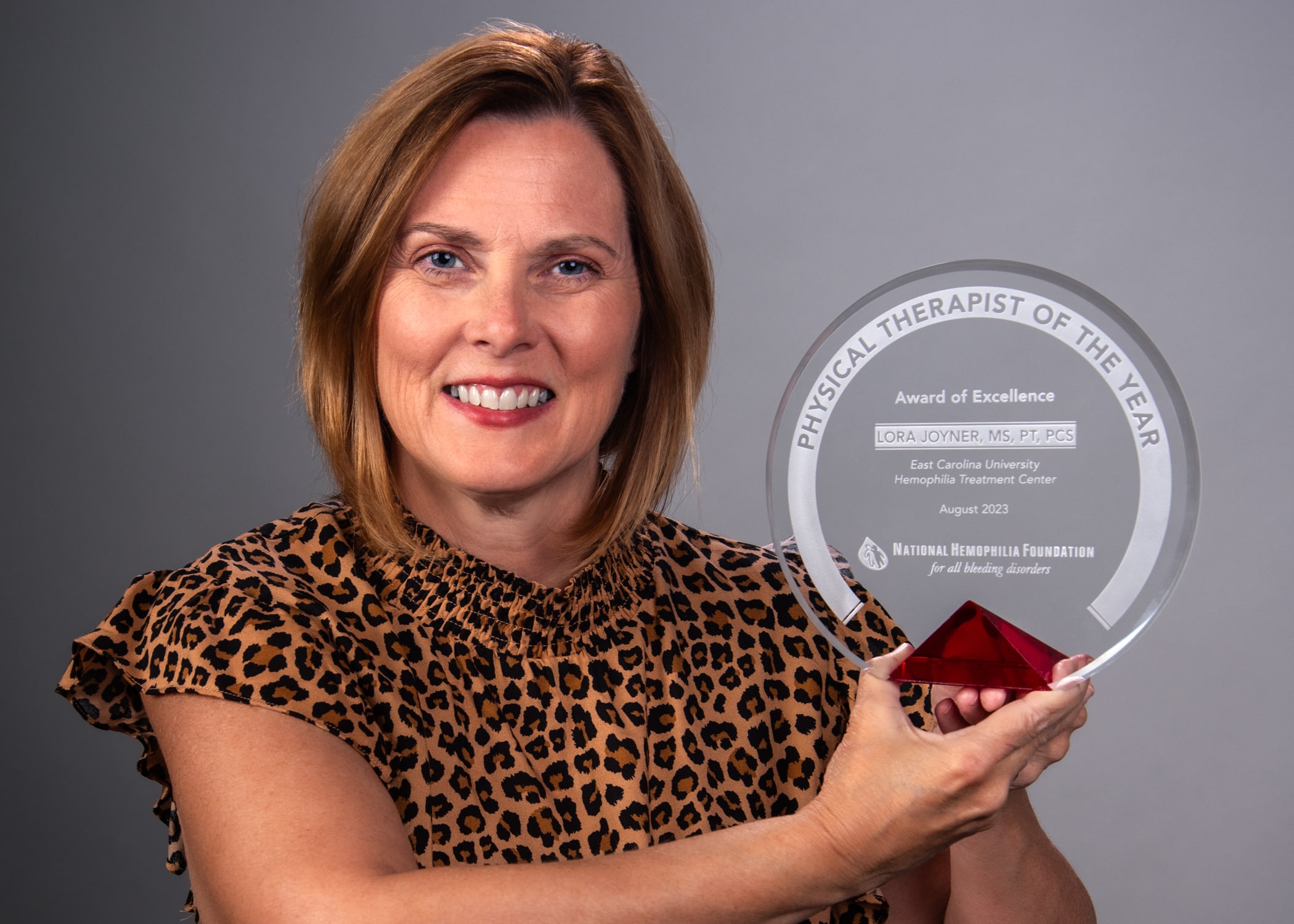
Greenville, N.C. – ECU Health and the Brody School of Medicine at East Carolina University’s Lora Joyner was recently selected as the National Bleeding Disorders Foundation (NBDF) Physical Therapist of the Year. Each year, NBDF honors those who have made significant contributions to the inheritable blood and bleeding disorders community at its annual Awards of Excellence program.
“It is an honor to be recognized for my life’s work as a physical therapist in the bleeding disorder community by fellow therapists, health care professionals, patients, families, and HTC colleagues,” said Lora Joyner, MS, PT, PCS, physical therapist and clinic manager at ECU Health Hemophilia Treatment Center (HTC). “I am grateful that my name will be associated with Donna Boone and previous award winners and recognized as a role model and mentor for current and future health care professionals in the bleeding disorder community.”
Physical Therapist of the Year, given in honor of Donna Boone, PT, honors an individual who has demonstrated service to the inheritable blood and bleeding disorders community above and beyond their daily responsibilities in an HTC PT role. This person serves as a role model for others in the physical therapy field and has a minimum of two years’ experience working with individuals with blood or bleeding disorders at an HTC. Donna Boone was a pioneer in physical therapy and bleeding disorders and served as a mentor for many professionals.
“We are proud of Lora for all of the hard work, dedication, and leadership she has put into this clinic and into our patients,” said Dr. Beng Fuh, director of pediatric hematology and oncology, “Bleeding disorders, sickle cell disease and cancer are life-changing diagnoses for patients and their families. Lora is an invaluable asset and works hard to ensure patients can live their best lives as possible after diagnosis. Lora’s passion for her patients is reflected by this well-earned achievement.”
Joyner has worked at ECU Health HTC for 32 years as a physical therapist and as the clinic manager for seven years. As HTC manager, Joyner is responsible for selecting patients for clinical trials and research, supporting transition needs of the clinic, quality improvement and writing grants and reports. As a physical therapist, Joyner is responsible for treating any muscular skeletal complications, most commonly joint or muscle bleeds. If left untreated long enough, joint/muscle bleeds can cause chronic pain, long-term joint problems and limited mobility. Joyner also facilitates safe participation in sports and physical activity of patients, including medication management, which allows patients to live an active and fulfilling life. Additionally, Lora has held leadership roles in multiple regional and national organizations. She is the currently the national chair of the physical therapy committee of the NBDF.
“When you see the joy on the face of a little one when you say ‘yes you can play baseball’ after their diagnosis, after they’ve thought they wouldn’t be able to do normal activities, that’s one of my favorite parts of my day,” Joyner said. “All parents dream that their children are able to do normal things, and I’m able to help children do that.”
ECU Health HTC is a nationally recognized comprehensive lifespan clinic with both adult and pediatric specialty services that is one of only three in North Carolina and is part of a national network of over 140 Comprehensive Hemophilia Diagnostic and Treatment Centers, which provide comprehensive specialty care to people with rare inherited bleeding disorders and their families.

Greenville, N.C. – ECU Health is pleased to announce Brian Harvill, CPA, MBA, has officially been named president of ECU Health Roanoke-Chowan Hospital and Dennis Campbell, II, DHA, RN, NEA-BC, has officially been named president of ECU Health Beaufort Hospital, a campus of ECU Health Medical Center, effective immediately.
“As we work toward the realization of ECU Health’s vision of becoming the national model for academic rural health care, the importance of collaboration, teamwork and knowing and understanding the unique needs of the communities we serve cannot be overstated,” said Jay Briley, president of ECU Health Community Hospitals. “I appreciate Dennis’ and Brian’s ongoing commitment and leadership to ECU Health and eastern North Carolina, and I am excited about what formalizing their leadership roles in these areas will mean for the health system and the rural communities we serve.”
Brian Harvill
After serving as interim president at Roanoke-Chowan Hospital since March 2023, Harvill will officially become president of Roanoke-Chowan Hospital while also continuing in his role as president of ECU Health Bertie and Chowan Hospitals. Through his leadership and collaborative approach, Harvill has successfully balanced and led the three hospitals throughout the past six months. His unique skillset and leadership ability has led to the development of a strong culture of team work and excellence in patient and team member experience and quality of care.
Harvill has been with ECU Health for 11 years, serving in financial and administrative leadership roles. Prior to joining ECU Health, he was director of Corporate Accounting for Atrium Health (formerly Carolinas HealthCare System), where he served for 17 years. He has a dedicated focus on serving the people of eastern North Carolina as evidenced by his membership in and leadership of various local professional and civic organizations.
“I am honored to continue collaborating with the entire team at ECU Health Roanoke-Chowan Hospital, which has a rich legacy of providing high-quality care to Ahoskie and the surrounding communities,” said Harvill. “I look forward to continuing in the role of president and working on behalf of our patients and team members as we continue to strive towards the collective mission of improving the health and well-being of the region.”
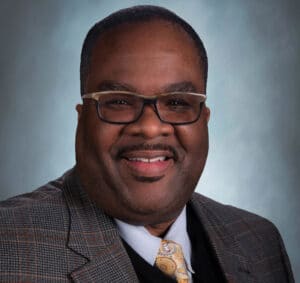
Dennis Campbell, II
Additionally, after serving as interim president at ECU Health Beaufort since February 2023, Campbell, II will officially serve as president of the hospital. During his time at ECU Health Beaufort, Campbell, II has prioritized developing relationships with important stakeholders and partners in the area including Beaufort Community College and ECU, exemplifying his dedication to investing in the future of health care in eastern North Carolina.
Campbell, II has been with the health system for three years, previously serving as ECU Health Beaufort’s vice president of Patient Care Services. In his time with the system, Campbell, II has been an important voice and visionary through a time of change for ECU Health Beaufort. He played a crucial role in two recent major initiatives for the health system: the transition of Beaufort to become a campus of ECU Health Medical Center and the introduction of the Nurse Travel Staffing program.
“This is a time of great transformation for ECU Health Beaufort and I am deeply appreciative for the opportunity to continue to lead this great team through these exciting times,” said Campbell, II. “I am passionate about serving the Beaufort community and being part of a hospital and care team that tirelessly serves patients and their loved ones during times of great need.”
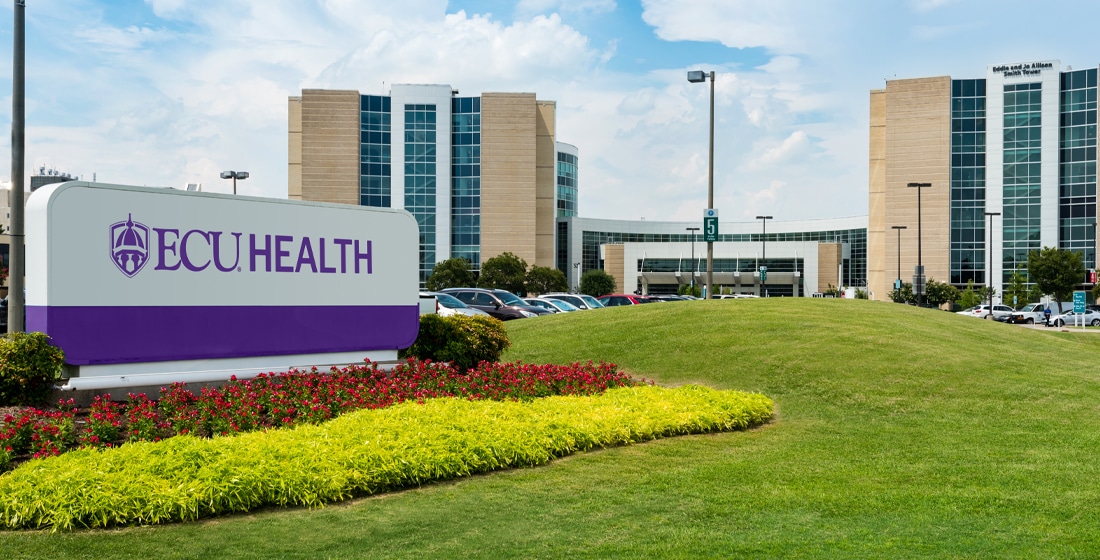
Tony Khoury, CBI, M&AM, has been appointed by the Pitt County Commissioners to the ECU Health Medical Center Board of Trustees effective June 26, 2023.
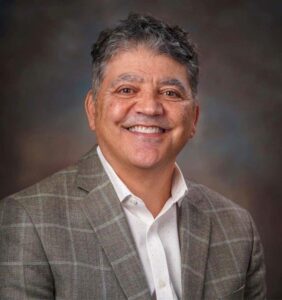 Khoury has over 30 years of business ownership experience, with an emphasis on working with privately held businesses within the manufacturing, wholesale/distribution, construction, health care, and technology sectors. He is a Senior Business Broker and the Founder/Owner of Transworld Business Advisors of eastern North Carolina, headquartered in Greenville.
Khoury holds an undergraduate degree in Electrical Engineering from Youngstown State University and a Master of Business Administration degree from Duke University’s Fuqua School of Business. Khoury has a strong passion for helping the communities of eastern North Carolina by attracting investment and improving the lives of its residents. He serves on the board of directors of the NC East Alliance, a 29-county economic development nonprofit, as well as on the advisory board of the SBTDC (Small Business Technology Development Center).
The governing board of ECU Health Medical Center sets policies guiding the operation and direction of the hospital and its subsidiaries. The governing board serves on behalf of the community, providing ideas for new programs and supporting existing ones. Members are charged with bringing the community’s voice to the health care system and, in turn, sharing the organization’s story in the community. Board members serve voluntarily and without pay.
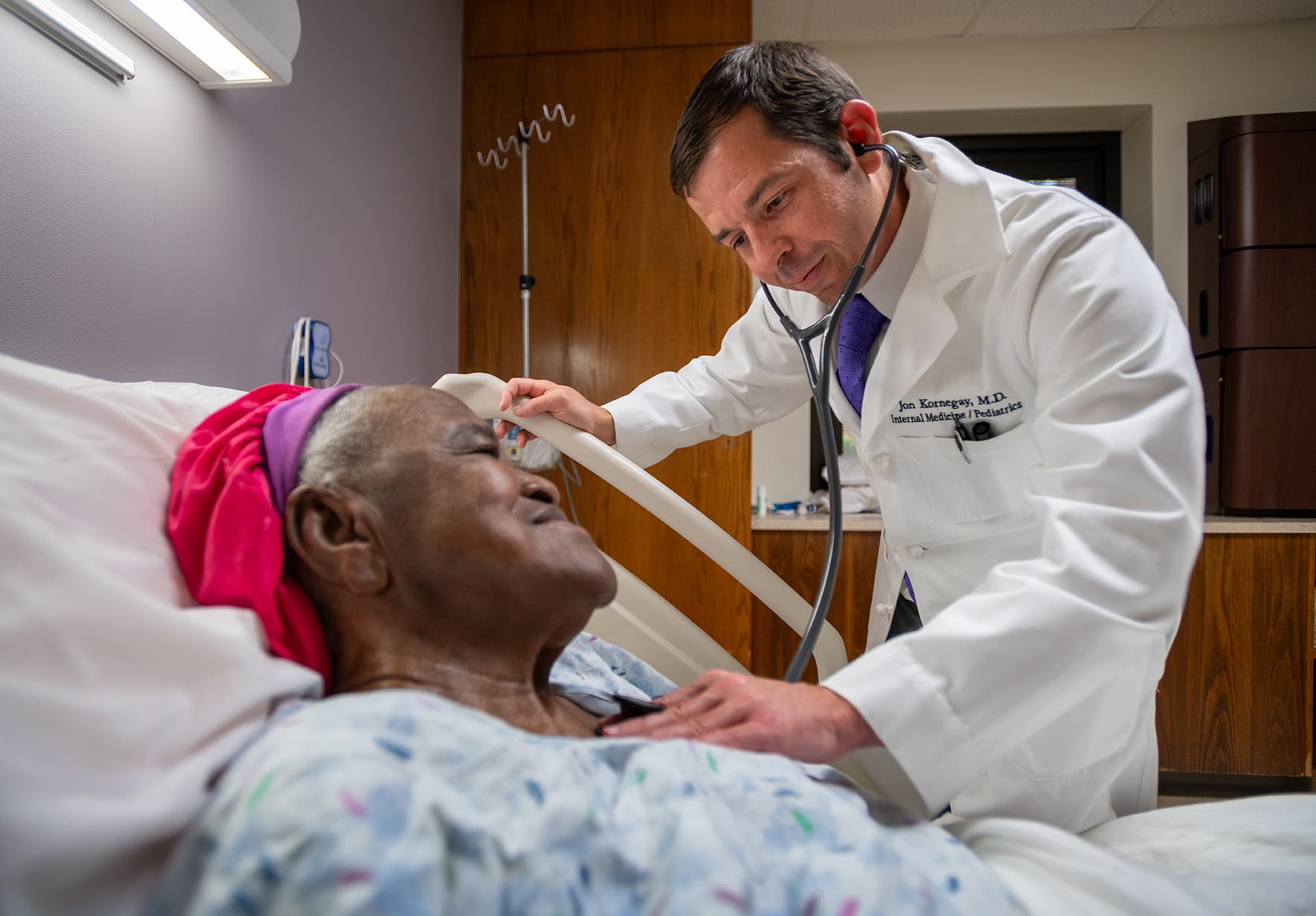
KENANSVILLE – You could say Jon Kornegay was born to be a rural doctor. His father was a physician in a small town in Duplin County in eastern North Carolina. His mother was a graduate of East Carolina University’s first nurse practitioner class in 1976.
But it was his experience at ECU’s Brody School of Medicine that sealed the deal.
“Even early on in my medical school I saw the emphasis on service. You see other members (at the school), attending physicians and professors, who live that life and lives of service,” he said recently during a break from his job as a hospitalist at ECU Health Duplin Hospital in Kenansville. “Then you get exposed early on to underserved areas and populations and see how rewarding that can be.”
ECU’s medical school was established in 1974 after successfully making the argument – contentious at the time – that it could fill a need in North Carolina to train more primary-care physicians, rather than medical specialists, and find more doctors willing to serve in places like Kenansville.
Since then it has made good on that promise: according to the American Academy of Family Physicians, Brody ranks second in the nation among medical schools in the percentage of family physicians it graduates. The school admits 86 students to each class, all from North Carolina; this year, 52% of Brody’s graduates entered primary-care residencies.
“Developing great primary-care providers for rural areas is at the core of what we do at Brody and within ECU Health,” says Dr. Michael Waldrum, dean of Brody and CEO of ECU Health. “We have students, professors, residents and doctors who really understand that side of health care, and their work in that space leaves a legacy that we can all be proud of.”
A reliable supply of physicians and medical professionals is a critical part of the economy of any rural community:
- Having primary care close to home means residents are more likely to seek treatment for medical problems before they become crises and less likely to have to leave home to get treatment, resulting in fewer missed days of work and better quality of life;
- A healthy medical community is an important selling point for developers recruiting new businesses and for families trying to decide where to move;
- Rural hospitals are among the biggest employers in a county; since 2005, 12 rural hospitals have closed across the state, part of a troubling national trend;
- And medical professionals contribute in other ways. Kornegay also serves as the county’s EMS medical director; one of his colleagues also serves as county health director; other medical professionals serve on chambers, chair charitable boards, and coach sports teams.
Kornegay knows work in rural health care is not for everyone: Physicians can generally make more in cities in highly specialized fields; rural areas don’t offer the same amenities. Overcoming those barriers, he says, will require a variety of approaches, including improved salaries, help with loan repayment, retention bonuses and Medicaid expansion.
But in the meantime, Kornegay finds some people fall in love with work in rural areas, for the quality of life, the chance to get to know patients and neighbors in a deeper way, and for the opportunity to solve a wide range of health concerns.
Kornegay, certified as both an internist and a pediatrician, will often move from a geriatric patient in an ICU to a newborn down the hall.
“If you can get doctors into rural settings for a little while – get to know the environment, get to build their social network, get that experience … you have a chance to keep ‘em,” he says.
Something’s working in Duplin County. All five full-time physicians in Kornegay’s group at Duplin Hospital either went to med school or did their residency at Brody. They join a cadre of other ECU grads in health care and other fields who put down roots in the county.
“There’s a lot of purple and gold here,” says Kornegay. “That’s for sure.”
Further reading on Higher Ed Works
“Eastern North Carolina needs us”: The economic impact of ECU
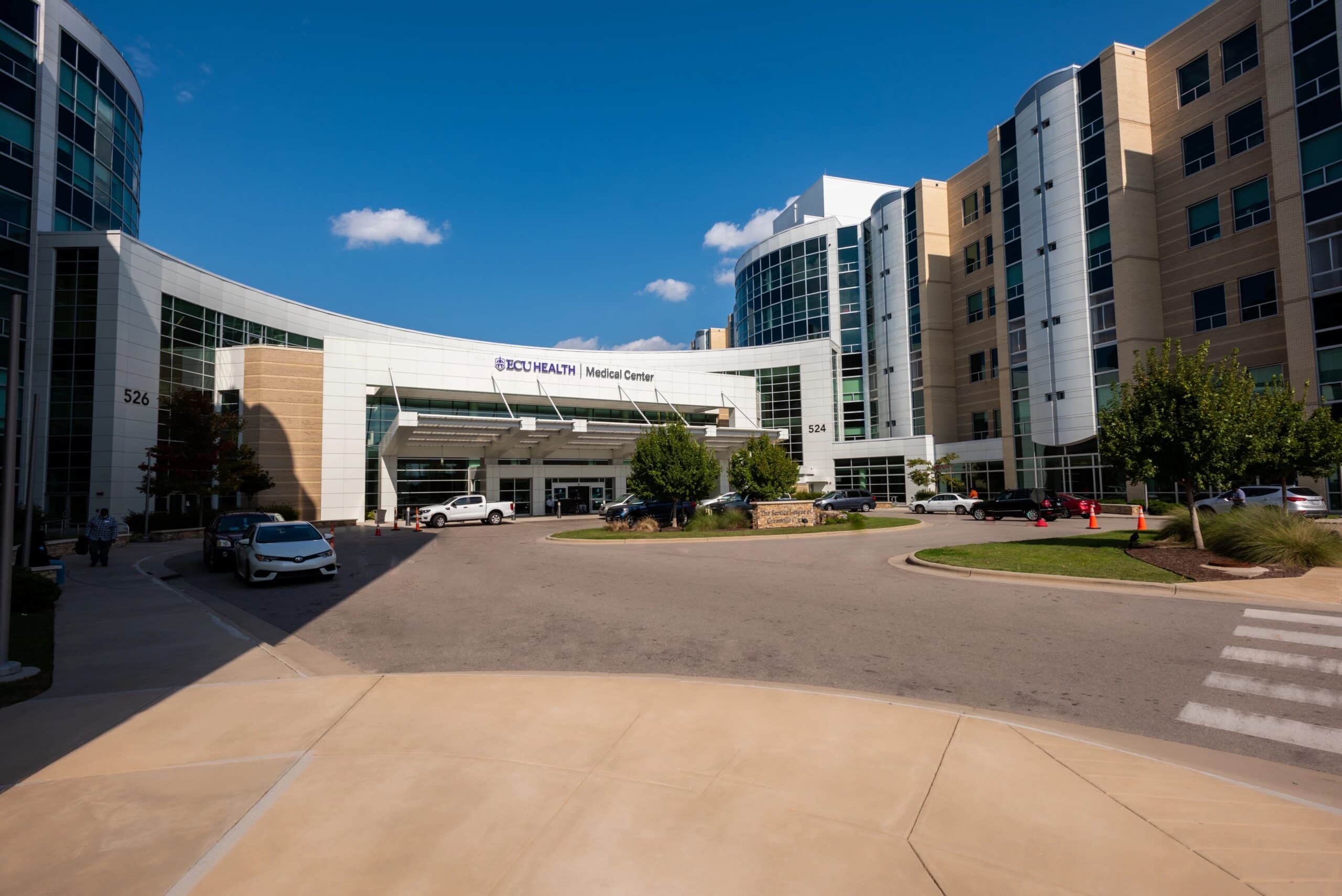
Greenville, N.C. – ECU Health Medical Center recently earned accreditation from the Commission on Cancer (CoC), a quality program of the American College of Surgeons (ACS). This accreditation means patients will receive comprehensive, personalized care provided by a team of specialists working closely together, access to information on clinical trials and new treatment options, ongoing monitoring of care and lifelong follow-up, mental health support, financial guidance, survivorship care and other long-term services.
“I am proud of our ECU Health team members and physicians who work hard to provide the most advanced cancer care to eastern North Carolina,” said Brian Floyd, president of ECU Health Medical Center and chief operating officer of ECU Health. “Cancer is a terrible disease that has touched most, if not all, of us in some way. As a regional academic medical center, ECU Health Medical Center strives towards excellence in all it does. This accreditation is a testament to the tireless efforts of our cancer care teams, who make a difference in the lives of so many in our region.”
As a CoC-accredited cancer center, ECU Health Medical Center applies a multidisciplinary approach and treats cancer as a complex group of diseases that requires consultation among surgeons, medical and radiation oncologists, diagnostic radiologists, pathologists, and other health care professionals that specialize in caring for cancer patients. Cancer patients benefit from having access to clinical trials, screening and prevention events, palliative care, genetic counseling, rehabilitation, oncology nutrition, and survivorship services.
“Eastern North Carolina faces a disproportionately high rate of cancer, and as the largest health care provider in the East, ECU Health is committed to maintaining excellence in the delivery of comprehensive, compassionate, patient-centered, high-quality care for patients with all types of cancer,” said Dr. Darla Liles, Cancer Committee chair at ECU Health, professor and chief of the Division of Hematology and Oncology at the Brody School of Medicine at East Carolina University. “This accreditation demonstrates our holistic approach to cancer care that includes preventive measures, educational resources, clinical trials, support and survivorship services and treatment with the latest technologies and highest clinical standards.”
According to the American Cancer Society, more than 1.9 million new cancer cases and approximately 609,820 deaths from cancer are expected in 2023 in the United States. Of those, 67,690 new cases are expected in North Carolina. Residents in eastern North Carolina have access to ECU Health’s cancer care network that spans across nine hospitals – including the Eddie and Jo Allison Smith Tower at ECU Health Medical Center in Greenville that is home to both inpatient and outpatient cancer services – five radiation oncology sites, three joint ventures and numerous outpatient clinics.
“The Commission on Cancer brings together experts and advocates from across the country to develop standards for cancer care so that patients with cancer receive the highest quality care coordinated by a team of dedicated physicians and specialists,” said Timothy Wm. Mullett, MD, MBA, FACS, professor, general thoracic surgery medical director, Markey Cancer Center Affiliate and Research Networks University of Kentucky, and chair of the Commission on Cancer.

As the fall season begins and young students head back to school, safety is top of mind for the Injury Prevention and School Health programs at ECU Health Medical Center.
Laurie Reed, nurse manager for the School Health Program, said starting the school year out on the right foot begins with staying healthy. Reed said it is important for parents to make sure children have an annual physical exam with a primary care provider to make sure they are healthy and have what they need to be successful in the classroom.
For students entering public schools for the first time, a health assessment is required by a physician within 12 months of starting school. Reed said providers need to fill out a form and have it submitted to the school.
“If their child has had a physical in the last year, it may just be a matter of taking that form to the provider’s office to have them complete it,” Reed said. “If they haven’t had that physical in the last year, it’s really important that they go ahead and reach out to their child’s doctor to get that appointment scheduled.”
Additionally, she noted the importance of students being up-to-date on their vaccines to help keep them in school. Reed said there are specific vaccines and boosters for children as they reach kindergarten, 7th grade and 12th grade, all of which should be part of their annual physicals.
Reed said it’s important to understand that these vaccines and boosters are all part of keeping young students healthy and in the classroom.
“These are actually diseases that are still out there and that children actually could get if they don’t receive vaccines,” Reed said. “Of course, in a school environment where children are in close conditions, it’s a public health concern if we would have a student that would come down with one of these illnesses. If other students are not vaccinated, then, of course, then it could it could spread within a school setting. Generally, just for their overall good health, it’s just very important that students are receiving their vaccines on a routine basis.”
Reed encouraged families to contact their local school nurse or the Maynard Children’s Hospital for more information.
School bus safety
Another important aspect of back to school safety focuses on our roads.
Ellen Walston, Injury Prevention Program coordinator at ECU Health Medical Center, urged motorists to use caution when driving near school buses and in school zones.
Walston said that distracted driving is a problem and to combat that challenge, some modifications have been made in school zones in the area. These updates include mounted speed boards and flashing beacons at crosswalks to alert drivers to pedestrians.
“It is really important that we emphasize distractions within school zones and any time that you’re driving,” Walston said. “Students are also distracted when they’re walking to and from school. So any education we can provide around that is important and that applies to the driver as well as a pedestrian.”
Richard Hutchinson, director of transportation for Pitt County Schools, said it’s crucial for drivers to follow the law and stop when a bus is at a pick up or drop off spot to keep children safe.
Hutchinson shared that over 3,000 stopped school buses are passed each day in North Carolina and this creates a risk for children. He asked that drivers follow the law, stop and wait for the school bus to continue.
“As soon as you see the amber lights come on, it would be good to slow down and be prepared to stop,” Hutchinson said. “If the busses come to a stop, you should come to a stop, even if that stop arm has not come out yet. That’s just going to help keep everyone safe.”
Resources
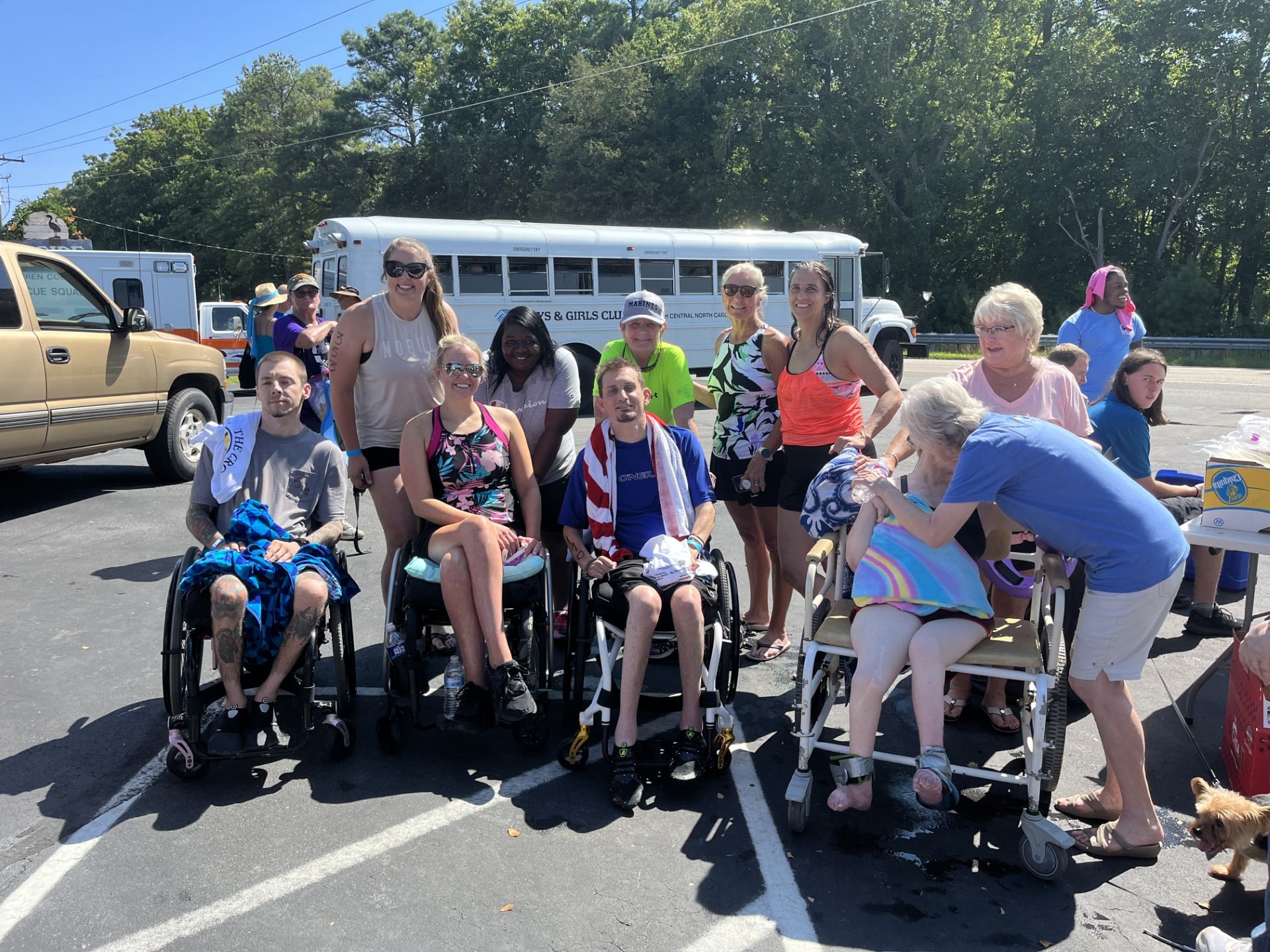
For the second year, Susan Callis, recreational therapist with ECU Health, volunteered her time to serve as a swim partner in The Crossing on Aug. 12.
The one-mile event is held annually at Lake Gaston, and participants can swim, float, paddle or walk the distance to raise funds that support the Lake Gaston community.
Last year, Callis worked with Brent Carpenter, a former ECU Health outpatient, to help him swim the distance.
“It was his idea,” Callis said of participating in the swim event. “He grew up around Lake Gaston and knew about the event.”
Carpenter sustained a spinal cord injury 17 years ago after diving into a swimming pool, but Callis became more acquainted with him while he was participating in outpatient aquatic therapy after he broke his femur while water skiing.
“I had observed him in outpatient therapy working on swimming and water safety skills to gain more strength and endurance,” Callis explained. After Carpenter was discharged from outpatient therapy, he continued to use the therapy pool and work with Callis to practice because he wanted to complete an open water swim. “This wasn’t a part of his therapy,” Callis said. “It was a personal goal, so I agreed to help him train to meet that goal. I wasn’t on the clock, but I chose to volunteer.”
Callis said her interest in aquatic therapy began after graduating from East Carolina University with a degree in recreational therapy, but she always loved the water.
“I grew up with a pool. I’m a water person. Most of my vacations are around the water,” Callis said.
During her first job after college, Callis took senior citizens to the local YMCA pool for exercise.
“I was not formally trained,” she admitted. “But I saw how free and happy the people were in the water and how they moved easier. I thought, ‘this is awesome.'”
From there, Callis found out about a water therapy conference in Washington, D.C. and her supervisor gave her the time off to attend. It was then she realized this was what she wanted to do. That confidence in her newfound passion led her to a job with ECU Health.
“I had a job but was looking to move back to Greenville,” Callis said. “I knew the hospital was building a pool facility and I asked the manager of the recreational therapy department what I needed to do to be eligible to apply for a job with them. He told me, and I went home and worked on those things. When it came time to apply for the job, I got it and I’ve been here ever since.”
That was in 1997, and Callis has been an essential player in ECU Health’s aquatic therapy.
“It was the right fit. I coordinate the aquatic therapy program and we’re fortunate to serve through the entire continuum of care, from acute to outpatient and community-based services,” Callis explained.
While she wasn’t initially looking to serve as an able-bodied swim partner in The Crossing, Callis said it’s been a good change of pace to her daily routine. This year, Callis agreed to be the able-bodied swim partner for an adult woman with cerebral palsy.
“Training her has challenged my problem-solving skills to help her be as independent as possible while improving her endurance,” Callis said. “When working with individuals with physical disabilities, the swim strokes are similar, but you have to adapt them to the diagnosis and the individual’s needs. I’ve had to figure out the logistics of things like getting my swim partner in and out of the lake, moving wheelchairs and coordinating volunteers. It’s fun because I’m training too!”
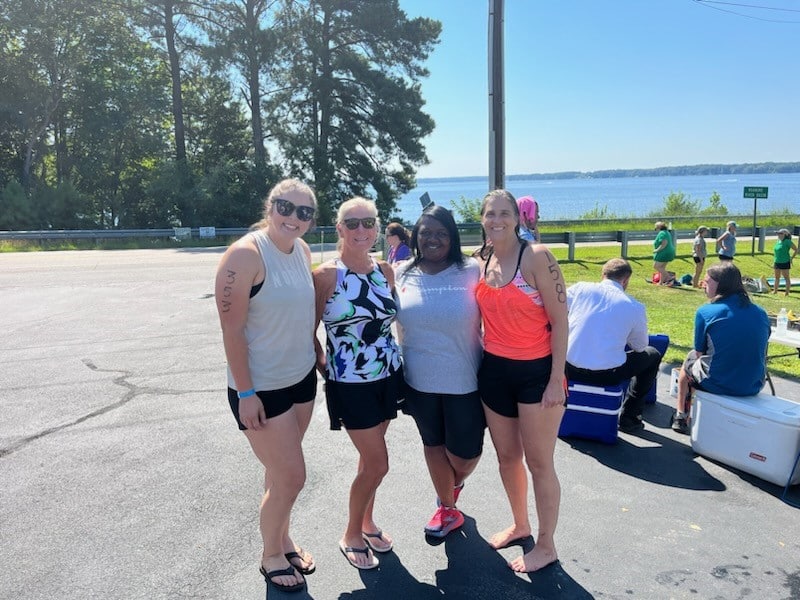
After last year’s success, this year, Callis helped coordinate five swimmers with physical disabilities to complete the event.
“With five swimmers, I needed help,” Callis said. She reached out to her team, and several were eager to help.
Kristin Jones, recreational therapist, Tasha Williams, clinical nurse specialist and Karen Pickles, physical therapist, also volunteered their time to help train and support the swimmers.
“Kristin and Karen were in the water to support the swimmers by paddle board and kayak, in addition to me,” Callis shared. “Tasha offered help with wheelchairs and transfers and cheered us on as we swam.”
That team support means a lot, but Callis said it’s not surprising that her colleagues jumped in to help.
“All of these swimmers except one have been our patients in some capacity over the years,” Callis explained. “It’s fulfilling to see a patient go from a new injury, when they’re at their most vulnerable, to having goals and flourishing. It’s nice to see it come full circle. These were once our patients, and now they’re our peers in the community.”
Callis added that while it’s rewarding the see a former patient thrive, she knows the value of them setting their own goals and putting in the work to reach them.
“The swimmers do this not because it was prescribed, but because it’s what they want to do,” she said.
Speaking about The Crossing after the event was completed, Callis said it was a huge success.
“All five swimmers completed their one-mile swim, and they were greeted on the other side by friends, family and their ECU Health family,” Callis said.
The date for next year’s event is already set, and Callis said that while she wants to help coordinate, she mostly wants to swim the one mile herself alongside the swimmers she’s helped train. In the meantime, Callis has other plans. Her next project is partnering with the city of Greenville to offer adaptive kayaking clinics. Whatever she does in the future, Callis said the work she’s done to support swimmers has been invaluable.
“It makes me happy,” she said. “It gives me such satisfaction, and reminds me that this is why I do what I do.”