
GREENVILLE, N.C. – The Children’s Miracle Network (CMN) 39th Annual Celebration Broadcast, which celebrates the thousands of children in eastern North Carolina who have received treatment at James and Connie Maynard Children’s Hospital at ECU Health Medical Center this past year, raised $1,258,511 Children’s Miracle Network Hospitals’ longtime television partner, WITN, which produces the fundraiser, shared the stories of complex illnesses, traumatic injuries and the quality medical care Miracle Children received from Maynard Children’s Hospital.
“Caring individuals, community groups, businesses and others show how much they care about children by providing generous contributions to Children’s Miracle Network Hospitals,” said Elise Ironmonger, director of programs, ECU Health Foundation. “In eastern North Carolina, this generosity enables the Maynard Children’s Hospital to see beyond obvious treatment and save more lives. The care and high-quality treatment received here will continue into the future through this year’s amazing donors.”
This year, an anonymous donor offered to match every donation up to $100,000. The family has a passion for children in eastern North Carolina and wants to ensure every child has the best chance possible to get better. They are grateful for all of the hard work, dedication and compassion that the team provides at Maynard Children’s Hospital and hopes their contribution provided an extra incentive for people to open their hearts and donate.
The theme of this year’s Children’s Miracle Network Hospitals campaign was “Change Kids’ Health, Change the Future,” which shows how important donations are in helping shape a healthier tomorrow for patients served at Maynard Children’s Hospital. Major contributors to the yearly event, held June 1-2 to raise money for Children’s Miracle Network Hospitals, featured contributions from long-time supporters from across eastern North Carolina including Speedway, part of 7-Eleven, Inc., Jersey Mike’s Subs, Log a Load for Kids and Walmart/Sam’s Clubs.
The Celebration Broadcast featured guests and sponsors who have contributed during the past year, as well as callers who pledged their support.
Earlier this year, the Music for Miracles Radiothon on Inner Banks Media Stations raised $109,703 during the 27th year of their special event, bringing their total raised to more than $3.9 million. The Inner Banks Media radio stations include: 107.9 WNCT; Talk 96.3 and 103.7; Oldies 94.1 and 102.7; and 94.3 The Game.
The largest donor to this year’s campaign came from a long-time corporate partner of CMN Hospitals, Speedway, part of 7-Eleven, Inc., which raised $260,310 in their ninth year of partnership with Maynard Children’s Hospital. The largest fundraising event for our local Children’s Miracle Network program was held by Jersey Mike’s Subs during their annual Month and Day of Giving. Collectively, the 17 participating stores in eastern North Carolina raised $148,196.
Long time CMN supporter, Log a Load for Kids, held their 27th annual sporting clays shoot on May 3-4 and raised $80,000. These funds came from sponsorships, including title sponsors, Colony Tire and Pinnacle Trailer Sales, and had over 600 participants.
Other major donors and their gifts included Walmart/Sam’s Clubs with $155,392; Panda Express with $41,567; Ace Hardware with $33,350; Extra Life with $29,334; Dance Arts Theater with $19,965 and Publix with $15,666.
Other campaign contributors were Dairy Queen with $14,273; Barbour Hendrick Honda Greenville and The Electric Cooperatives of Eastern NC both with $10,000; REMAX with $6,375; Ollie’s with $6,283; American Builders; Pepsi/Minges Bottling Group; Eastern Radiologists, Inc.; and Central Heating and Air Conditioning each contributed $5,000.
Additional gifts were from: Phi Mu Chapter of ECU with $4,791; Baynor with $4,000; Miller and Friends Lemonade Stand with $3,157; Grady White Boats with $3,000; Care-O-World Enrichment Learning Center with $2,231; Oasis Shrine Temple and brothers, Arun and Ajay Ajmera each with $1,500; Action Advertising, Equipment Plus, Ricci Law Firm; Builder’s Discount Center, Harris, Creech, Ward and Blackerby, PA, Stallings Plumbing, Heating and AC and Coldwell Banker’s Sea Coast each gave $1,000.
The local CMN Hospitals fundraising program is staffed and supported by the ECU Health Foundation, the non-profit charitable corporation that serves as the custodian for all financial gifts and bequests to ECU Health. The ECU Health Foundation oversees allocation of all donated funds.
Health care providers of East Carolina University’s Healthier Lives initiative in the Brody School of Medicine continue to use the program to address health care needs for children in rural eastern North Carolina counties and are finding pathways to expand access to care at schools in Duplin County and beyond.
The Healthier Lives at School & Beyond Telemedicine Program originally launched in 2018 to deliver interdisciplinary services virtually to rural school children, staff and faculty during the school day. In response to COVID-19, the program continued to address health care needs for children and expanded access while students were learning remotely.
Since the fall of 2020, the program has used an ECU Transit bus to visit schools in Duplin, Jones and Sampson (Clinton City Schools) counties to provide high-quality health appointments. The retrofitted motorcoach has been used to provide screenings for 303 students, with additional visits planned for existing program partnerships and newly established ones.
The initiative was recognized recently by the Mid-Atlantic Telehealth Resource Center with the Breaking Barriers Through Telehealth Award in the category for small, rural and safety net organizations. During the 2024 Rural Health Symposium, a presentation on Healthier Lives – On the Road Again: Rolling to Reduce School Suspension – was awarded first place in innovations panel.
Experiential learning
Delivering care in the community is also delivering learning opportunities for ECU students. Third- and fourth-year medical students and medical residents participate in clinic days, gaining hands-on experience providing health care to rural populations.
Recent Brody graduate Dr. Melenis Lopez said the Healthier Lives clinics demonstrate that service is truly ECU’s mission. During a school clinic in the fall, Lopez applied pediatric learning experience as a care provider. She collected patient history and assisted in making plans for children that could be passed on to the school.
“Providing care in a place that is convenient to the community can be lifesaving,” Lopez said. “Offering physicals can uncover developmental delays and health problems. Children can’t stay in school without these physicals and proof of vaccinations, so I’m happy we were able to be there for the kids.”
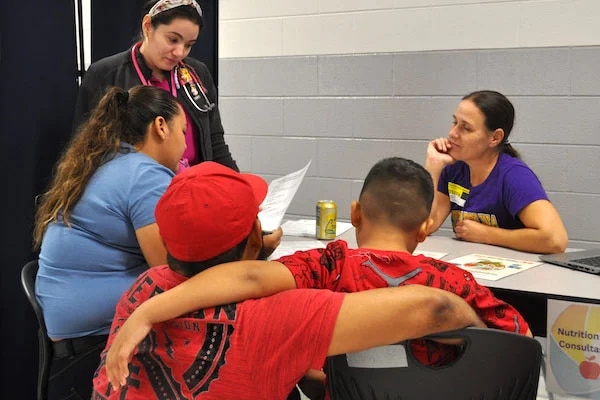
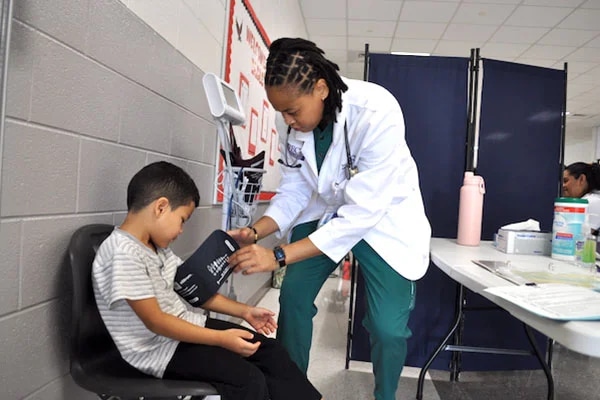
Lopez and her ECU cohort guided elementary students and their families through clinic stations to take vitals, check vision and hearing, and perform physical exams. Students could meet with mental health and nutritional professionals for additional screening when needed.
Lopez used her ability to speak Spanish to help the children feel comfortable and ease the burden on families who may not understand the forms or instructions from the care provider.
Rural health care
Dr. Krissy Simeonsson, associate professor for pediatrics and public health and the medical director for the program, is proud that Healthier Lives is giving ECU students the opportunity to experience health care in a rural setting.
“Students can see that they can help,” Simeonsson said. “Most students and residents we’ve had have that ‘aha’ moment and can see themselves in primary care. They realize they can succeed out here.”
Jill Jennings, ECU’s Healthier Lives program manager, said the hybrid approach of on-site clinics and telehealth makes it easier for the medical providers to communicate with parents in person and more readily make referrals for any nutrition or behavioral health follow-up virtual care.
A $1.2 million grant from the Health Resources and Services Administration funded the first four years of the program. Funding now comes primarily from Anonymous Trust, a private North Carolina foundation, and has been provided by the Harold H. Bate Foundation, the ECU Health Foundation, and the North Carolina Department of Health and Human Services Office of Rural Health.
“There are many opportunities for institutions such as ECU to leverage their resources to address community needs,” said Debbie Aiken, executive director of Anonymous Trust. “This initiative is a wonderful example of ECU recognizing health care disparities, and in partnership with a local school district, serving children who might otherwise not receive the care that they deserve.”
Aiken witnessed a program clinic in action at Rose Hill-Magnolia Elementary School in Duplin County. ECU medical students and residents, health sciences undergraduate and graduate students, Healthier Lives team members and partners from the school system and Duplin Health Department screened 47 students who otherwise would have been suspended for not having a health assessment completed by a medical provider.
“These partnerships should be happening across the state,” Aiken said. “Seeing it helps you truly understand the disparities in our rural communities. If more school systems understood that this is available, they would want to participate.”
Community engagement
Dr. Jenelle Brison ’24 said Healthier Lives provided an opportunity for community engagement for medical students. Brison encouraged fellow Brody students to participate.
“It’s so nice to interact with the little kids,” Brison said. “Events like this help break down barriers and offer unique training for students.”
While Brison ultimately hopes to focus on obstetrics and women’s health, she was at ease helping children with vision screenings and demonstrating a blood pressure cuff before taking vitals.
Dr. Bolu Aluko ’24, a Tiana Nicole Williams Scholar at Brody, was drawn to the opportunity for community engagement provided by Healthier Lives.
“Coming into the community is incredibly enriching,” Bolu said. “Every med student should do this. It’s a fantastic way to serve and practice our clinical training.”
Through an interpreter, the family of one student said they had received a call from the school that their son would not be able to return to class because he had not had a physical or proof of vaccinations. They had just moved from Mexico to Warsaw, North Carolina. Without the availability of a Healthier Lives clinic at the school, they would not have had access to a health screening for their son in time to meet the state-mandated deadline.
The family sat with an interpreter and was provided a nutritional referral and a connection to a primary care clinic in Warsaw to establish a medical home. “We’re grateful to know he’s healthy,” his mother said through the interpreter.
“You have to meet people where they are,” Simeonsson said. “A lot of families trust the school. When you see the families getting help for their children, you know the program is living up to expectations.”
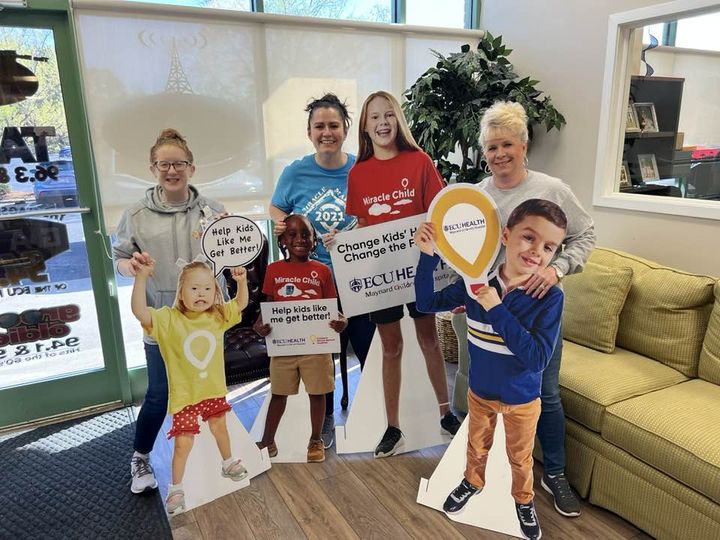
GREENVILLE, N.C. – The Children’s Miracle Network (CMN) Celebration Broadcast honors past telethon traditions by celebrating selected miracle stories of children who represent the thousands of children in eastern North Carolina who have received treatment at James and Connie Maynard Children’s Hospital at ECU Health Medical Center this past year. This year, the CMN Celebration Broadcast will be held on Saturday, June 1, from 7-8 p.m. and Sunday, June 2, from 6-9 a.m. and 7-11 p.m. airing on longtime partner, WITN. Examples of how CMN donations are used will be featured throughout the event as well to show the impact philanthropic gifts truly make.
“We are so grateful to all those who support our Children’s Miracle Network Hospitals program all throughout the year,” said Elise Ironmonger, director of programs, ECU Health Foundation. “The generosity of our donors enables Maynard Children’s Hospital, located in Greenville and serving 29 counties, to provide life-saving care to the thousands of children who are treated each year. We look forward to being able to showcase the amazing care provided every day at Maynard Children’s Hospital during this weekend’s telethon and to have an opportunity to thank our amazing donors.”
This year’s Miracle Children and Teen include:
- Jadon Green, 1 year old, Greene County
- Leonardo Velasquez-Bartolon, 2 years old, Wayne County
- Layah Collins, 6 years old, Jones County
- Wiley Sloan, 14 years old, Wake County
The 2024 broadcast will highlight examples of the amazing care offered every day at Maynard Children’s Hospital while celebrating the miracles made possible by the life-saving care generous donations help provide. Thanks to the generosity of eastern North Carolina, thousands of children receive the specialized medical care they need, bringing them and their families the gift of hope and healing. Because of this support, the team at Maynard Children’s Hospital can ensure patients receive the best care possible.
The local Children’s Miracle Network Hospitals fundraising program is staffed and supported by the ECU Health Foundation, the non-profit charitable corporation that serves as the custodian for all financial gifts and bequests to ECU Health. The ECU Health Foundation oversees allocation of all donated funds. To donate, please call 1-800-673-5437 or visit givetocmn.com.

ECU Health welcomed more than 50 exhibitors and 100 guests to the 12th annual Mental Health Expo designed to connect community members with important resources on mental health and substance use.
The expo, held at Eastern AHEC in Greenville, was a free event for individuals, family members, caregivers and providers. Three featured presentations from experts covered various mental health and addiction topics.
Duania Roberts with the behavioral health team at ECU Health Medical Center gave a presentation titled “Balanced Being” which tackled stress reduction techniques. James Lally, a certified holistic Registered Nurse at ECU Health Medical Center, spoke on understanding the nervous system to better understand yourself.
Dr. David Ryan, an obstetrician-gynecologist with ECU Health as well as a clinical assistant professor of Addiction Medicine at Brody School of Medicine at East Carolina University, presented on “Turning the Tides of Addiction.” There, he spoke on reducing stigma around addiction and understanding it as a disease. He said it’s also crucial to be familiar with and break down stigmas associated with life-saving medications for addiction treatment.
He said events like the Mental Health Expo help communities understand what is happening around them when it comes to mental health and substance use.
“There has been a lot of shame and a lot of discomfort talking about mental health,” Dr. Ryan said. “I think the fact that we’re able to have these conversations at an event like this helps us reduce the stigma and bring these issues to the surface.”
Glenn Simpson, service line administrator for behavioral health at ECU Health said getting exhibitors to come together in one place for the event is vital for the community to take in all the resources available to them in eastern North Carolina.
“This is really what we need – what this community needs,” Simpson said. “We have providers here. We have Trillium Health Resources, which manages Medicaid and does so much to provide resources to this region. We have the 988 Helpline team here. If someone needs some help with behavioral health and they don’t know who to call, just pick up the phone or text 9-8-8.”
He also said it was an exciting opportunity to share information about the upcoming state-of-the-art, 144-bed behavioral health hospital in Greenville, slated to open in 2025.
Lillie Malpass, executive director of the Pitt County Coalition on Substance Use, participated with her organization in the event and said it was a great opportunity to connect with more community members and other organizations.
“Even among other organizations, we’re getting connected with other great organizations and learning what they do and they’re learning about what we do – that’s so important,” Malpass said. “It’s about exchanging information and getting out of our silos – we’re prevention and meeting with recovery organizations, treatment organizations – it’s great to come together and see how we can all work together.”
Resources
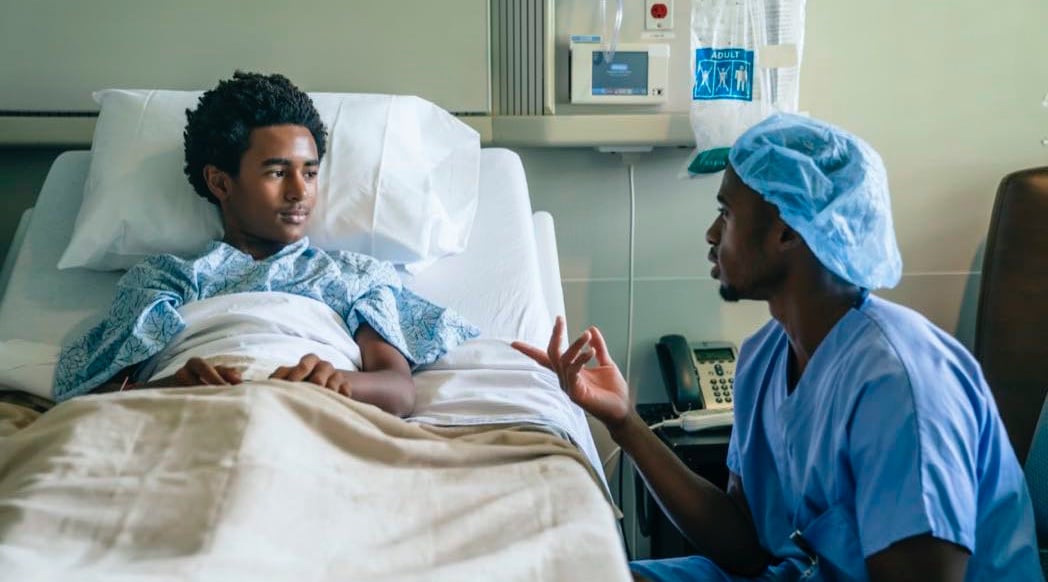
When Dr. Shannon Longshore, the medical director of the pediatric trauma program at ECU Health Medical Center, first joined the hospital, the James and Connie Maynard Children’s Hospital at ECU Health Medical Center wasn’t a verified pediatric trauma center. Now, Maynard Children’s Hospital is one of only four Level I Pediatric Trauma Centers in North Carolina and the only one serving the East.
“It is incredibly fulfilling to reflect on the growth we have experienced over the years, to now achieving verification as Level I Pediatric Trauma Center,” Dr. Longshore said. “Our teams across ECU Health have dedicated their work to constantly improving our care over the course of many years. From prevention, to treatment, and being entrusted to provide critical care at the highest level, this verification is a testament to the mission-driven work that defines our hospital and health system.”
The American College of Surgeons’ (ACS) Verification, Review and Consultation (VRC) Program is designed to assist hospitals in the evaluation and improvement of trauma care and provide objective, external review of institutional capability and performance, accomplished by an on-site review of the hospital by a peer review team experienced in the field of trauma care. There are three levels of ACS trauma center verification, with Level I being the highest verification a trauma center can achieve.
Level I Trauma Centers must be capable of providing system leadership and comprehensive trauma care for all injuries and have adequate depth of resources and personnel. These centers play an important role in local trauma system development, regional disaster planning, increasing capacity and advancing trauma care through research.
Recognizing excellence in pediatric trauma care and community outreach
Dr. Longshore herself has been instrumental in Maynard Children’s Hospital’s continued growth as a trauma center through her research and presentations at national conferences and her work with the Eastern Carolina Injury Prevention Program (ECIPP).
The ACS surveyors noted the value of ECIPP, which aims to create a safer environment, change behavior and change policy to improve the quality of life in eastern North Carolina. Sue Anne Pilgreen currently serves as the executive director of the Safe Communities Coalition and the manager of ECIPP, which has been around since 1995. Between 2020 and 2023, ECIPP was awarded more than $1 million in grant funding, which has supported work in areas such as teen driver safety, suicide prevention, firearm safety, and child passenger and bike safety.
“The surveyors were especially impressed with our work around firearm safety and suicide prevention,” said Pilgreen. “We utilize the pediatric trauma registry data, and that is what drives our work.”
Pilgreen was quick to commend ECIPP team’s work in all areas to prevent injuries, and she highlighted that while most trauma programs have one injury prevention person, ECU Health has an entire team. That enables the program to reach out to rural communities and establish new injury prevention processes.
“Even with our incredible injury prevention team, we recognize that injuries will happen,” said Pilgreen. “To have this Level I Trauma Center with the best of the best gives the opportunities for the best outcomes.”
Other specific strengths noted during the pediatric program’s survey included the addition of two pediatric orthopedic surgeons and a pediatric neurosurgeon; outreach clinical simulations in the region; the collaboration among the pediatric orthopedic surgeon, the neurosurgeon and the Pediatric ICU (PICU); and the recent renovation of the PICU to establish a family-friendly place to care for patients. Of note, a large strength also lauded was the academic research and a collaboration with the Brody School of Medicine at East Carolina University’s Department of Pediatrics.
This expansion of the pediatric trauma research footprint was accomplished through more than 10 publications in nationally recognized journals. Both Erika Greene, manager of the pediatric trauma program, and Elizabeth Seawell, manager of the adult trauma program, credited the collaboration with Brody to produce research and get articles accepted to journals.
“That was a big win for us,” Greene said. “We have an academic medical center with the resources and processes in place to care for injured patients, and we’ve done an amazing job to achieve Level I for pediatrics. We have the capabilities to take the best care of those patients to the highest level of the accrediting body.”
Sustained excellence in adult trauma care
The pediatric trauma center’s new Level I verification accompanies the ECU Health Medical Center’s adult trauma center re-verification of Level I, a title they have proudly held for 40 years.
“We were one of the first Level I Trauma Centers in North Carolina, and we were verified by the American College of Surgeons in 2005,” said Seawell. “We are recognized nationally for how we care for patients in a rural area.”
This recent re-verification was made possible in part due to the resources available to the program including neurosurgical, interventional radiology, orthopedic trauma neurology, and vascular resources, operating room capabilities and blood access, as well as a trauma team of 11 surgeons.
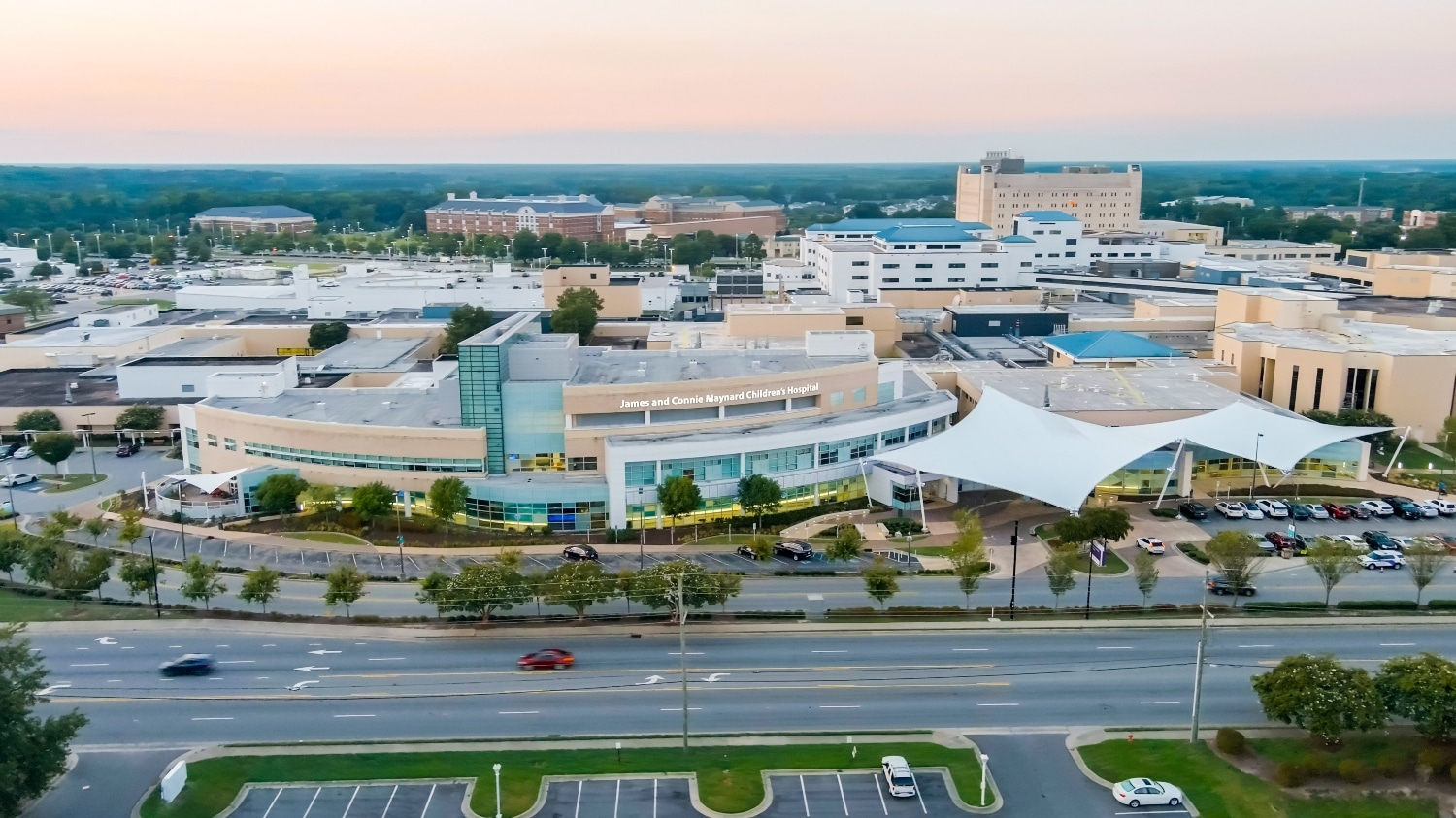
“We are the only Level I Trauma Center for 29 counties, and to reach that far and care for that many patients – we served more than 4,000 patients last year – we have to rely on local community hospitals and emergency response teams to ensure timely transfers and communication,” said Seawell.
Seawell noted that ECU Health Medical Center and Maynard Children’s Hospital have a 60 percent transfer in rate, when the national average is 30 percent, which means they work closely with local EMS agencies, regional transfer facilities, other ECU Health organizations and non-affiliated organizations to serve patients from all over the region.
“The role of our trauma program is to not transfer patients but to have all the resources we need. It provides excellence in patient care and helps keep our patients local,” said Seawell.
Dr. Eric Toschlog, medical director of the adult trauma program, emphasized the tremendous preparation required to achieve Level I. He noted that there are more than 100 standards to prepare for, including paperwork, infrastructure, teamwork and more.
“The visit from ACS is a two-day adventure in stress and anxiety,” Dr. Toschlog said. But at the conclusion, he felt immense pride. “This visit was my seventh in 24 years at ECU Health, and it was clearly our best; we were found to have no deficiencies, and the reviewers used words such as ‘exemplary’ and ‘blown away’ regarding multiple aspects of the trauma center.”
Having two Level I Trauma Centers at ECU Health is no small thing, and both centers achieving the highest level of care is due to the dedication of the trauma center teams.
“I am surrounded by brilliant, compassionate, hardworking, mission-driven individuals who share a singular vision of saving the lives of the patients we have the honor to care for each year. Our success is owed to those truly extraordinary people,” Dr. Toschlog said.
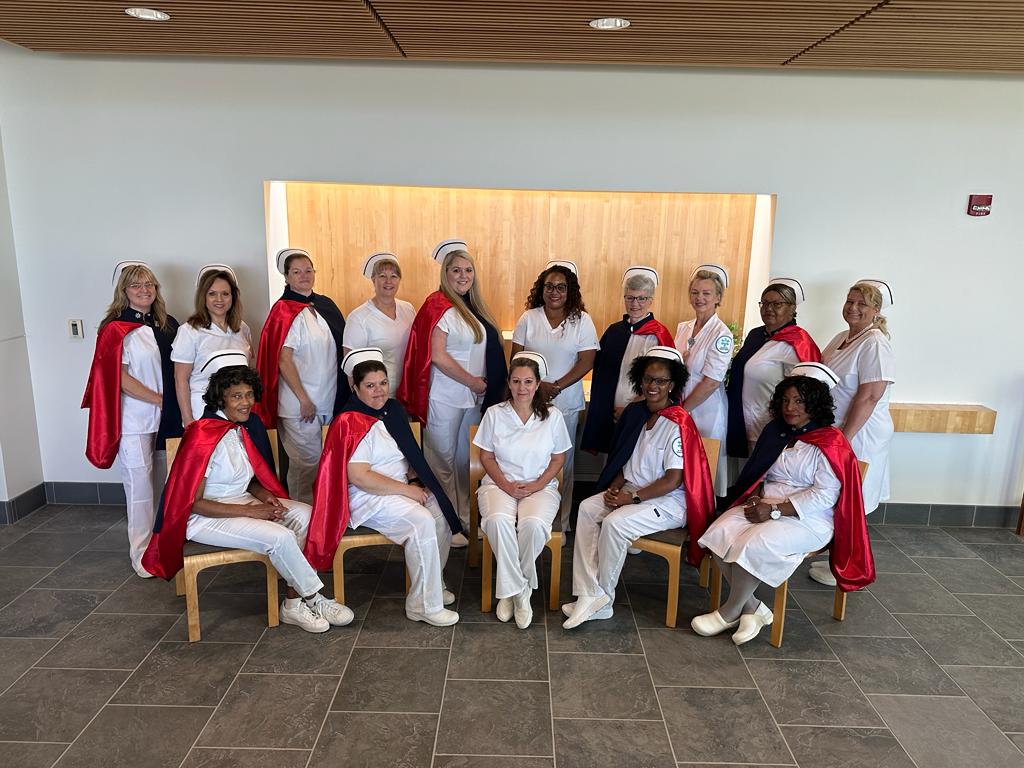
In July 2023, the Eastern North Carolina Nurses Honor Guard had the opportunity to participate in a living tribute for a fellow nurse, Janet Broady Farmer. The group of active and retired LPNs, RNs, FNPs and DNPs typically honors nurses throughout eastern North Carolina by attending their funerals or memorial services, but living tributes are a relatively new service that honors a nurse with a terminal illness or dementia. It allows the nurse to be present at his or her service, and it gives family members the opportunity to share and hear stories about their loved one.
“It is heart-touching for the family,” said Deborah Herring, a retired ECU Health nurse and honor guard member.
The national Nurses Honor Guard was initiated by the Kansas State Nurses Association in 2003. The Eastern North Carolina Nurse’s Honor Guard was established in 2017 by Tabatha Hall, assistant manager of nursing in labor resource management and its current president.
It was the first honor guard established in North Carolina, but many chapters followed. There are now nine regional chapters and one state chapter, and the Eastern North Carolina chapter serves 24 counties in the state.
During the honor guard funeral services, four or five nurses stand guard wearing their traditional white uniforms with caps and navy blue capes. They perform a ceremony customized for the honoree, but which follows a typical format. First, the Nightingale Tribute is performed. At this time, the Nightingale lamp is lit. Then, the Florence Nightingale pledge is recited; this is the same pledge every nurse recites at his or her graduation.
“It means a lot to nurses because they remember when they recited that pledge,” said Herring.
A poem is then read in which the nurse’s name is used, followed by the nurse’s prayer. The ceremony ends with the nurse’s final call to duty, and the Nightingale lamp is extinguished. This service is offered to the family at no cost.
While she’s participated in several funeral services, Herring said last summer’s living tribute was a first.
“The family wanted a little party with refreshments for the service and a table decorated with awards Ms. Janet had won,” she said. “We did our service, and then the family shared their memories of her and invited her former nurse manager to speak about how dedicated of a nurse she had been.”
Herring said the value of this type of service is that the guard can connect more with the family, and the event is a celebration of that person’s life.
It was all the more meaningful, Herring said, because she knew the nurse being honored.
“It just happened that I used to work with Ms. Janet,” she explained. “And this was back a long time ago. I was an African American woman working as a nurse at the Medical Center and I felt like I had to prove myself.” Herring said Janet pulled her aside one day and said something she never forgot: “She said I was smart and didn’t have to prove that to anyone,” Herring recalled. “She inspired me so much, and during the tribute ceremony I told the family that she was the one who inspired me to become a leader. I later became an assistant head nurse at the Medical Center, I worked as the director of nursing at the Pitt County Health Department and I was on the North Carolina Board of Nursing.”
After the ceremony, the honor guard received a thank you letter from Janet’s daughter. In it, she said, “All of our family and friends were so touched by the heartfelt words and sentiment. Having my mother’s previous coworkers there to speak of her passion and worth ethic was so special. Forty years ago, her memory and personality were so vibrant and full of laughter . . . thank you for brining those memories of her back to the forefront.”
Herring said many people don’t realize the honor guard exists or what services they offer.
“We’re trying to make sure people are aware,” she said. “That’s a big challenge.”
The guard members attend nursing conferences and funeral home conventions, they make visits to regional skilled nursing and assisted living facilities and they are working to get their information published in the North Carolina Board of Nursing newsletters. On May 6, the guard will host a booth at the Nurse and Well-Being Fair from 7 a.m. to 3:30 p.m. in the Medical Center’s cafeteria, where more people can learn about the guard and its services. It’s important to honor nurses in this way, Herring said, the same as one in the military, police or fire department might be honored.
“It upholds the profession to know that the service rendered by a nurse is valuable,” she said. “It’s your health being protected by the nurse, and you want to honor them for that.”

With construction underway on the future site of a state-of-the-art, 144-bed behavioral health hospital in Greenville, ECU Health’s Behavioral Health team visited the site for a mental health safety discussion with Thomas Construction.
ECU Health’s service line administrator for Behavioral Health Glenn Simpson visited the construction site during National Safety Week in the construction industry. This year, the focus is on mental health.
Simpson said one in five adults will experience a mental illness, and the construction industry has one of the highest rates of suicide in the nation, where 53 of every 100,000 workers in the United States die by suicide. That rate is four times greater than the national rate.
He said it’s as important to checking in on your own mental health as it is to check in on those around you.
“The construction industry especially has an extremely high rate of suicide. We know that it’s tough work that they’re doing,” Simpson said. “We’re so grateful for Thomas Construction, not only for the work they’re doing here at the site but for inviting us out for this discussion today. The message is important for everyone, but especially for this group here. It’s OK to reach out and ask for help.”
During the event, breakfast, t-shirts and mental health resources were distributed to the Thomas Construction team.
Chris Thorn, a health care team leader for Thomas Construction, helped set up the event. He said between National Safety Week, Mental Health Month and the team building a behavioral health hospital, the opportunity to hear from a professional and share resources worked perfectly.
“It can be a sensitive topic, especially in the construction industry, but ignoring mental health is not an option,” Thorn said. “These conversations are important for us to keep things moving in a more positive direction for our industry and letting our people know they have resources available to them.”
Simpson agreed and said it’s important to normalize conversations around mental health to reduce stigma.
“There’s still so much stigma attached to mental illness and substance use disorders,” Simpson said. “The more we can educate and make people feel OK about talking about those things, the greater impact we’ll have on turning some things around.”
During the event, Simpson promoted the 988 Suicide & Crisis Lifeline as well, which offers 24/7 access to trained crisis counselors who can help people experiencing mental health-related distress.
The lifeline is available nationwide and connects callers with a trained professional in the state from which they are calling. North Carolina residents contacting the 988 services are connected to a team in Greenville. The lifeline offers free and confidential support and can also help callers connect with nearby services.
Resources
ECU Health Behavioral Health Services
ECU Health, Acadia Healthcare host groundbreaking ceremony for new behavioral health hospital
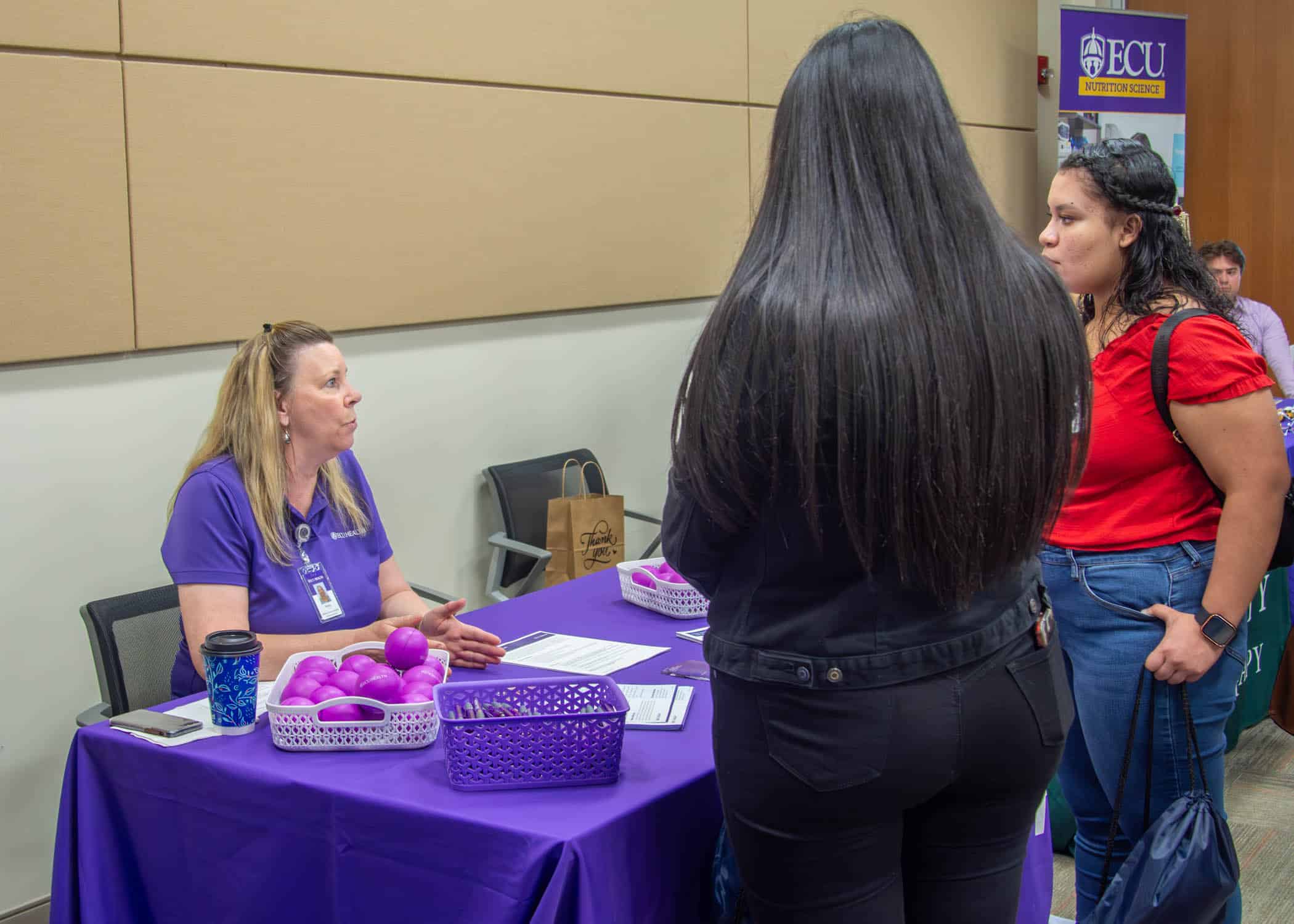
ECU Health and the Brody School of Medicine at East Carolina University participated in Eastern AHEC’s Health Careers Expo on Monday, April 29. The event welcomed high school students from Wayne County Public Schools to explore diverse health care professions and educational pathways available in eastern North Carolina.
Eastern AHEC Pathways Program serves the health care community by building a group of future providers that are equipped for their career. As part of their student services, they offer health care education resources to middle and high school students in Greenville and throughout eastern North Carolina to improve the geographic distribution, retention and quality of health care providers throughout the region.
At this expo, participants from ECU Health, Maynard Children’s Hospital at ECU Health Medical Center, East Carolina University, Wake Tech, Methodist University, the University of North Carolina, Pitt Community College, Carolina Therapy Connection and Wayne Community College displayed tables and spoke with students about health care career paths, both clinical and non-clinical, and gave advise on how to achieve their career goals.
In addition to career insights, students received essential training on identifying overdoses and administering Narcan, a life-saving medication. Dave Schiller, technical operations manager of the clinical simulation program at Brody, hosted the training. ECU Health emergency medicine physicians reinforced the importance of Narcan administration training.
During the training, a standardized patient, trained to mimic real-life scenarios for educational purposes, portrayed a patient experiencing an overdose, complete with simulated pale skin to replicate oxygen deprivation. Students were tasked with assessing vital signs and the patient’s belongings to recognize the overdose scenario. Subsequently, the training staff guided them through the process of administering Narcan.
“Events like these are great opportunities to give students hands-on experience in a safe learning environment to expose them to patient interactions and prepare them for their futures,” said Schiller. “Students learned about exciting career opportunities within the health care field and even worked with a simulated patient without causing harm with health care professionals guiding them through a scenario.”
By immersing students in practical training sessions and exposing them to a spectrum of health care careers, events like these expose students to careers they have never thought of and help develop a future workforce in eastern North Carolina.
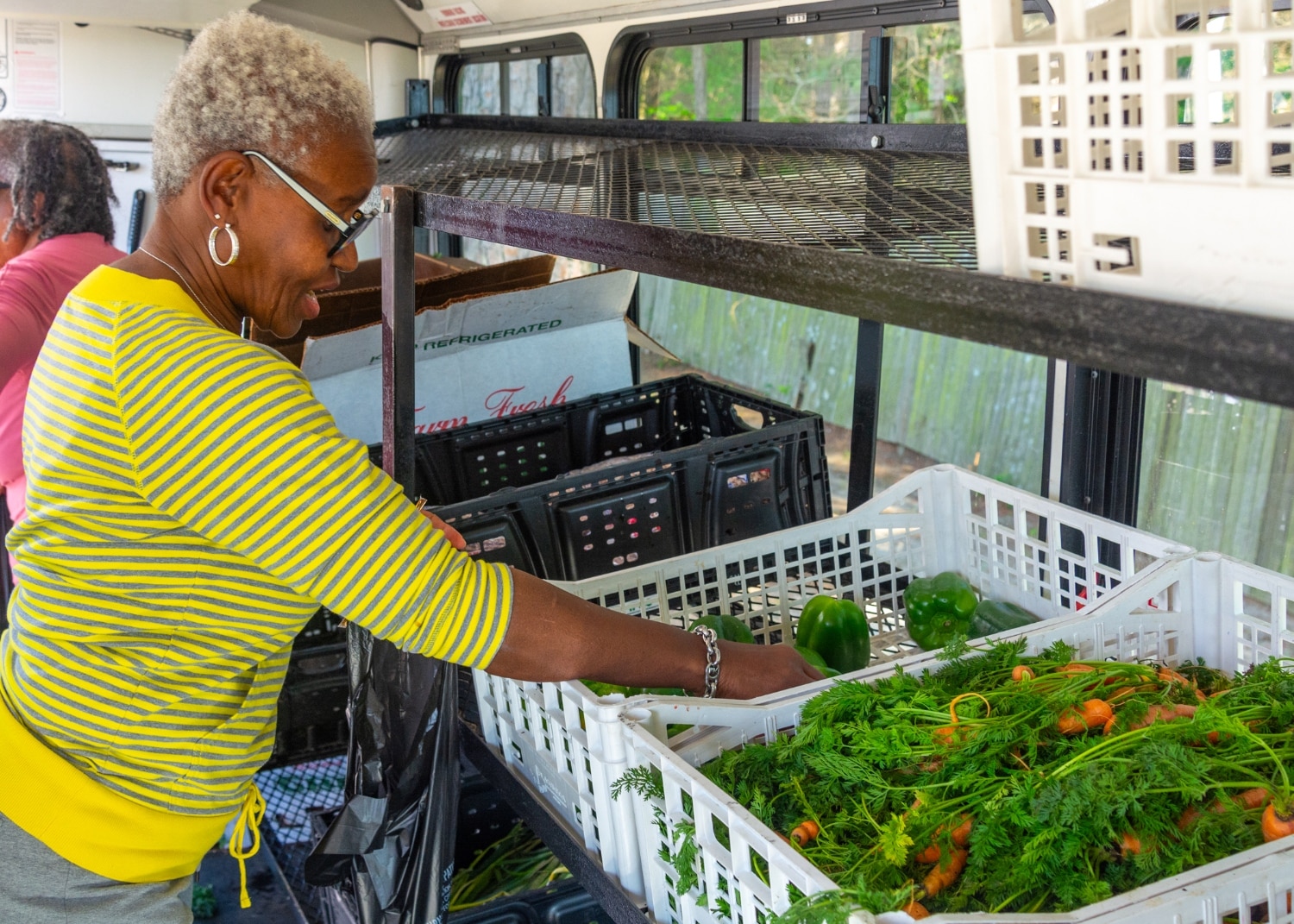
ECU Health and Conetoe Family Life Center hosted a Food is Medicine event at the Pinetops Community Center on May 1, to bring fresh produce and health screenings to the community. The initiative aims to bridge the gap in health care access and nutritional resources by providing essential services directly to the community.
Every Wednesday from 3 to 5 p.m. the Conetoe Family Life Center brings its bus of fresh produce for community members to receive free fresh produce. Paired with health screenings provided by the ECU Health team, this creates a reliable and accessible avenue for residents to prioritize their health needs.
Nurses from ECU Health provided vital health screenings to attendees. These screenings included measuring blood pressures, blood sugars and A1C levels, crucial metrics for assessing overall health. ECU Health team members engaged in meaningful conversations with community members, offering personalized insights and guidance on maintaining and improving their well-being.
“Our overall goal is to touch the lives of our community members and improve how they feel about their overall health and well-being,” said Madison Stevens, an administrative fellow at ECU Health. “Rural areas like eastern North Carolina often lack health care resources and access to healthy and fresh foods. With Food is Medicine, we want to address the root causes of health disparities and empower individuals to make informed choices about their health.”
The program is funded by a grant from The Blue Cross and Blue Shield of North Carolina Foundation, and ECU Health completes surveys with attendees to collect data from these events to measure how community members feel about their overall health from the start to the end of the program, if they are spending less money at the grocery store, making recipes they receive from the Food is Medicine event and feel in control of their health.
“We also recognize the importance of access to health care services beyond events like these,” said Rob Zerniak, an administrative fellow at ECU Health. “We are actively connecting attendees with resources to become insured and connecting them with primary care providers, ensuring that the benefits of the Food is Medicine initiative extend far beyond the event itself.”
Since November 5, 2023, this partnership has made an impact on the community, particularly through ECU Health’s primary clinic in Pinetops, which plays a crucial role in understanding the needs of the patients we serve during visits by conducting social determinants of health screenings and guiding them to available resources. The event on Wednesday saw over 50 participants bring home fresh produce like bell peppers, lettuce, carrots, strawberries and onions. For more information about future events, please contact [email protected].
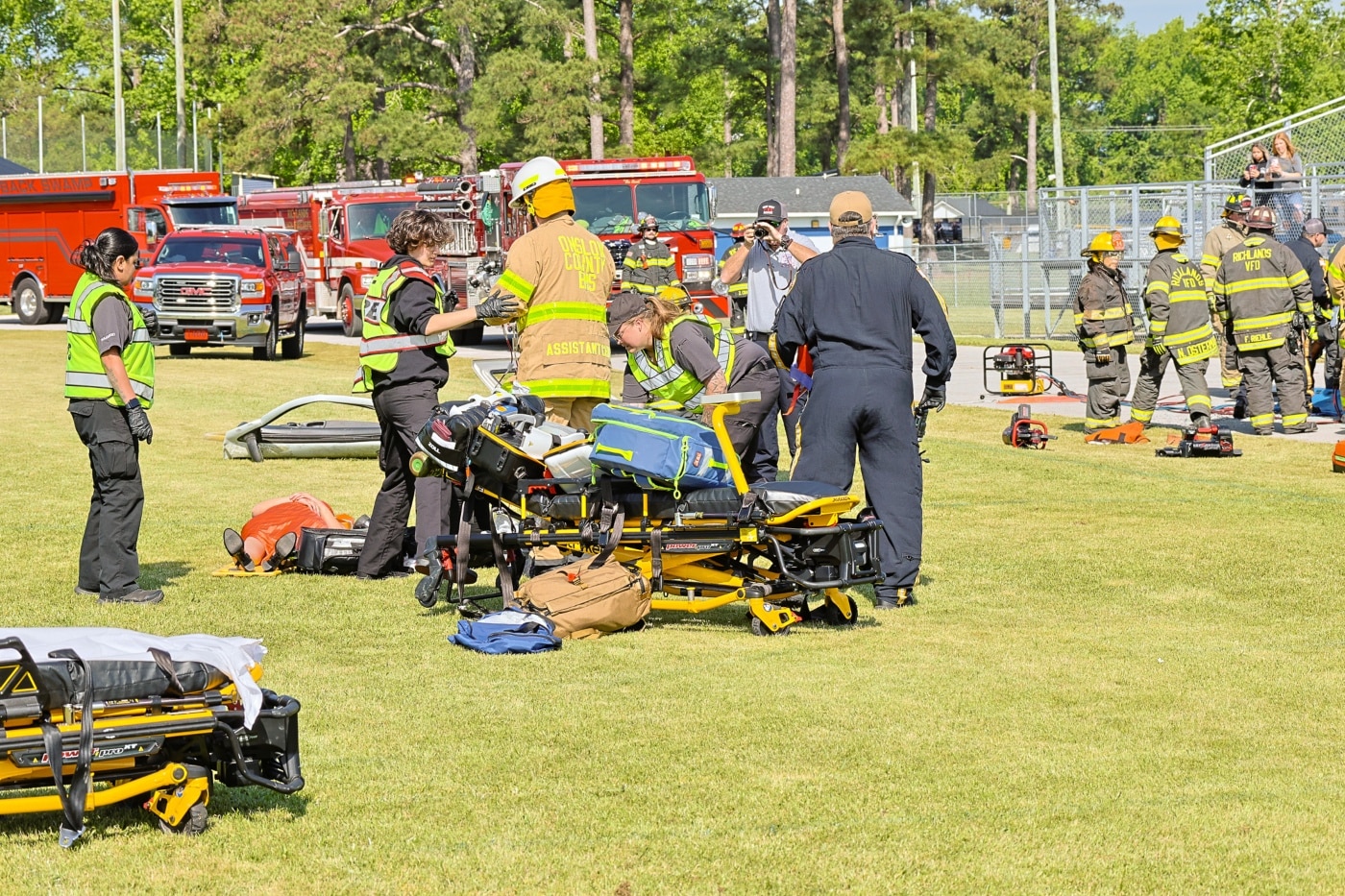
ECU Health EastCare participated in the impactful Prom Promise initiative, engaging students at both Perquimans County High School and Richlands High School on April 23 and 24, respectively. The objective was clear: to dissuade teens from driving under the influence during prom season through vivid reenactments of motor vehicle accidents.
Before the re-enactment, students were presented with facts about the dangers of drinking and driving. According to Prom Promise’s founding organization The Prevention Network, one-third of all teen deaths occur in alcohol-related collisions between April and June, and nearly 41% of teens ages 16-19 are likely to drink or use drugs during or after prom.
Chuck Strickland, EastCare’s outreach coordinator at ECU Health, expressed the initiative’s goal of leaving a lasting impression on students, steering them away from driving under any form of impairment.
The events featured realistic depictions of crashed vehicles, complete with students portraying injuries resulting from the collisions. The students witnessed the arrival of first responders who initiated care and extricated individuals with the Jaws of Life, a tool used by emergency rescue personnel to assist in the extrication of victims involved in vehicle accidents. An EastCare helicopter landed on the scene as part of the demonstration, underscoring the importance of quick response required in such emergencies.
“I want to extend my heartfelt appreciation to our local first responders for their invaluable partnership and unwavering dedication in making our DWI reenactment crash demonstration a success,” said Steve Clarke, principal, Richlands High School. “Their professionalism, expertise and commitment to ensuring the safety and well-being of our students and community are truly commendable. We are grateful for their continued support and collaboration in our efforts to educate and empower our students to make responsible choices and prioritize safety at all times.”
Through collaborative efforts and a commitment to education, ECU Health and its partners aspire to instill responsible decision-making and prioritize safety among students – not only during prom season but throughout their lives.