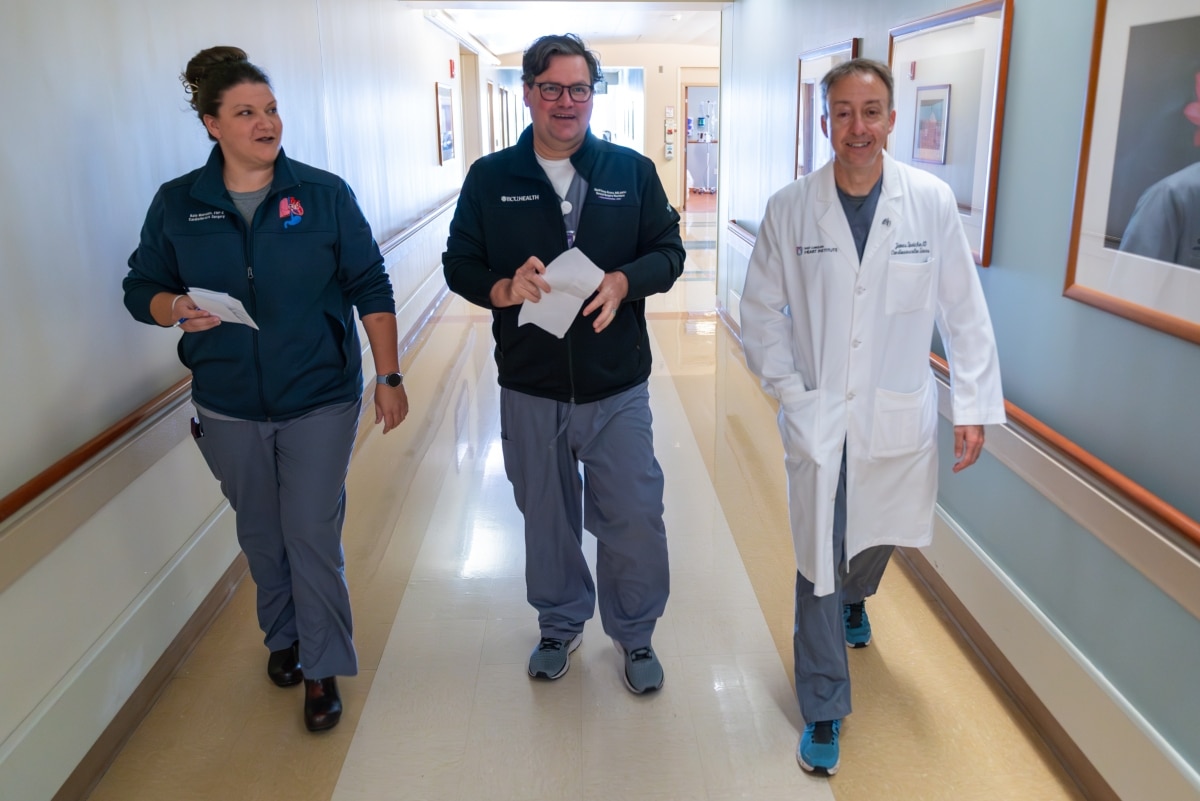
Dr. James Speicher, a thoracic surgeon at ECU Health Medical Center and director of the Thoracic Surgery residency program, and his team are working to improve pain management in patients after their surgery.
After meeting with other thoracic surgeons outside of the ECU Health system and hearing a presentation on non-opioid pain management, Dr. Speicher knew it was something he wanted to bring to his thoracic surgery patients in eastern North Carolina.
“I said, ‘That’s a great idea.’ I came back from the meeting and said to the team, ‘Hey, let’s try to do this.’ It took us some time to get access to one of the medications we would use in the pain management protocol, but we started with our protocol multimodal pain management while avoiding narcotics in 2019.”
Dr. Speicher said the new pain management protocol includes a long-acting local anesthetic for nerve blocks, along with a muscle relaxer, nerve pain medication, acetaminophen and anti-inflammatories.
The goal of the program was to send fewer patients home with prescription narcotics while limiting the use of patient-controlled analgesia pumps for patients in the hospital after surgery.
As the team looked at surgical data from 2016-19 and compared it to the study, running from 2019 to today, he said the team found even better results than they were expecting.
“What we found with our study was we had really significant reductions in the uses of opioids. It was around an 85 to 90 percent reduction in our opioid use inpatient and around 60 percent of patients weren’t going home with any sort of narcotic prescriptions,” Dr. Speicher said. “The other thing that was really impressive to me in the study was that our average pain score was actually better for our patients on the non-narcotic protocol. We were reducing the use of narcotics on the floor, sending people home with less prescriptions and introducing fewer opioids into the community, all while actually doing a better job controlling their pain.”
The opioid-free pain management program is part of a larger enhanced recovery after surgery protocol, which Dr. Speicher and his team has been working on over the last few years. He said the team has put in place walking protocols and pre-operative carbohydrate loading along with other changes that have been shown to improve outcomes for patients.
This program is active for thoracic surgeries at ECU Health Medical Center.
“This is exciting work for us because we’re really focusing on helping make patients comfortable, controlling their pain post-surgery and getting them home more quickly,” Dr. Speicher said. “If we can do all of that without a narcotic prescription, that’s a really big win for the patients we serve and the community as a whole.”
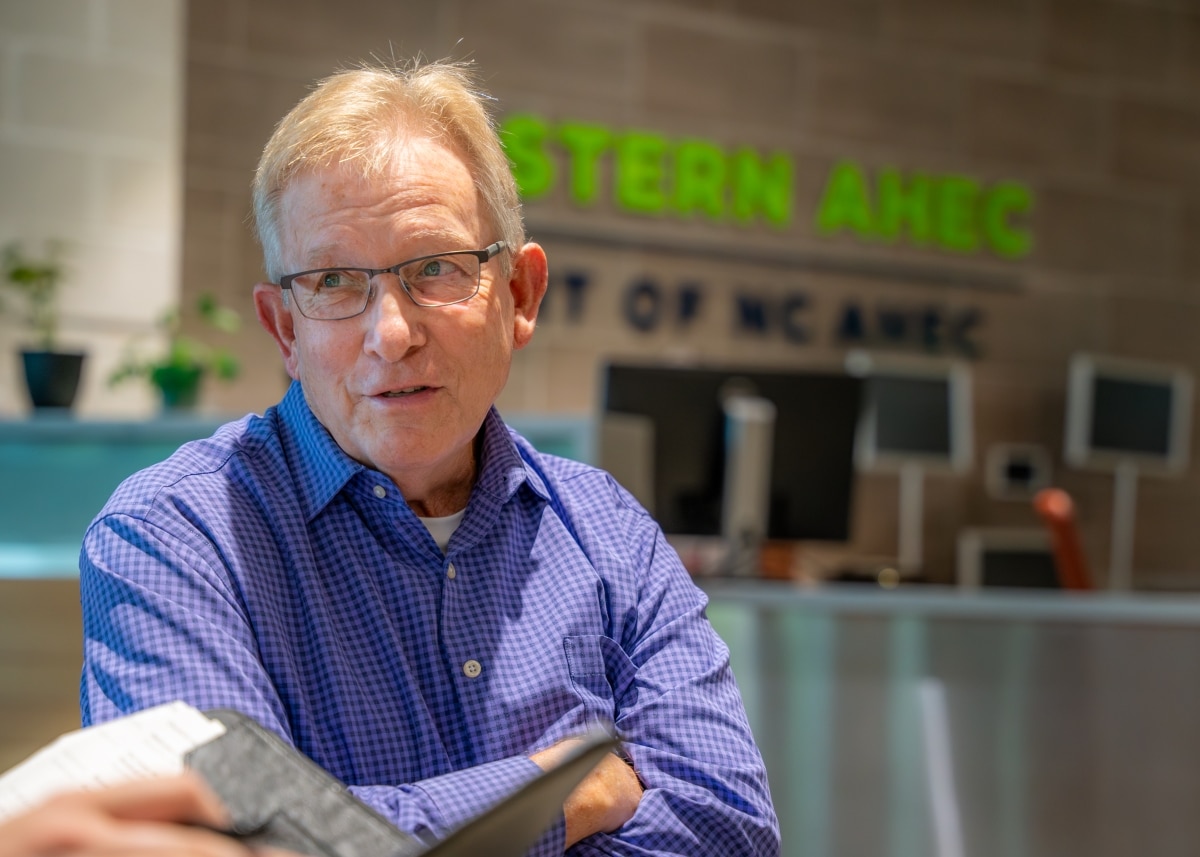
When Dr. Tate Holbrook, a pediatric hematologist, founded the Comprehensive Sickle Cell Disease Program at East Carolina University in 1979, he was inspired by the need for basic health care services specifically designed to meet the unique needs of sickle cell patients.
Now, 45 years later, the program stands proudly as a leader in North Carolina at providing state-of-the-art medical care for those living with sickle cell disease, and its founder credits the annual Tate Holbrook Annual Sickle Cell Disease Update conference as a key component of that success.
“ECU has a reputation as being a hands-on, compassionate and people-centered organization,” said Dr. Holbrook, who the conference was named after following his retirement in 2022. “The care at ECU Health Medical Center is exceptional and it’s because of the people who really care. This conference is a big cooperative effort that brings like-minded people together such as researchers, pharmaceutical companies, and others who are helping create advancements in treatment for sickle cell patients.”
The Tate Holbrook Annual Sickle Cell Disease Update is hosted by East Carolina University’s Comprehensive Sickle Cell Program and the Department of Pediatrics Hematology/Oncology, in collaboration with Eastern AHEC. The goal of the conference is to bring together medical professionals and patients to bridge the gap of communication and to improve treatment for patients with sickle cell disease.
To meet this goal, professionals with knowledge and recognition in the sickle cell community discuss the latest advances in treatment of sickle cell disease, cutting edge research, established and new medications and therapies, as well as psychosocial interventions. Conference organizers aim to encourage further discussion between providers and patients to create an environment focused on patient needs.
The most recent conference was hosted at Eastern AHEC on Sept. 6 and brought together medical professionals with 25 patients and six community-based vendors together to learn in a collaborative environment and provide resources to those living with sickle cell disease.
“I’ve come to this conference every year since 2009 when I retired and moved down here,” said Stephanie King, 70, who lives with sickle cell disease. “I think people with the disease should come to these types of events because there’s so much to learn about sickle cell. I go places and I speak about my experience and I have young people that come up to me and say ‘Oh my gosh, you can live this long with sickle cell disease?’ and I always say ‘Yes!’ With medical enhancements and the resources available, we can make it to 70 and beyond.”
Patients like King are at the heart of the conference. The concept of collaborative comprehensive care helps provide state of the art medical care for patients, including education of families and health care providers, psychosocial support to patients, families and community groups, and access to new and innovative therapies. It also emphasizes a close working relationship with other agencies involved in the care of individuals with hemoglobinopathies, including medical centers, community-based sickle cell programs, and the NC Sickle Cell Syndrome Program.
The collaborative approach is what drives progress forward for those living with sickle cell disease, according to Dr. Beng Fuh, current program director of the Comprehensive Sickle Cell Disease Program at ECU.
“One of the most important parts of this conference is that it brings patients with sickle cell together with medical providers,” said Dr. Fuh. “We get to facilitate that exchange between patients and providers to learn how we can improve things and how we can get better. Sickle cell functions best when we take that collaborative approach. When we can hear from each other, we make our providers better and we improve understanding of the disease for patients. When we’re here together we gain a greater appreciation for the fact that we’re all on the same team.”

The Great 100 Nurses in North Carolina honors the nursing profession by recognizing nurses around the state for their commitment to excellence. The recipients are distinguished for their outstanding professional ability as well as their contributions to improving health care services in their communities. This year, 19 ECU Health nurses were recognized as honorees, including Dennis Campbell, II, Myra Thomson, Alex Gilbert, Gina Coldwell and Lou Ann Proctor.
Dennis Campbell, II
Although he is now the president of ECU Health Beaufort Hospital and the interim president at ECU Health North Hospital, Dennis Campbell, II began his career in 2004 as a nurse in the medical/surgical intensive care unit. Over time, he spent his early career in the emergency department, the burn center and the telemetry floor, and he was a staff nurse educator and a clinical educator for local nursing schools in his home state of Indiana.
However, a job opportunity brought him to eastern North Carolina, and he’s since navigated his way into quality leadership, corporate compliance, behavioral health and nursing leadership.
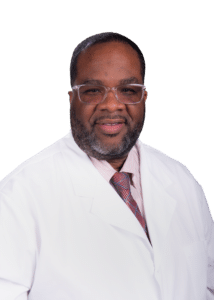 Dennis said finding his path to nursing was a winding road. “I was looking for something I could do that would provide a secure job,” he shared. “I shadowed a nurse in the local community as well as a respiratory therapist. What attracted me to nursing was how polished that nurse was. She was neatly dressed in white scrubs and a hat. The way she presented herself to her patients made me say, ‘I can do that.’” What kept Dennis coming back day after day was the difference he was making every day. “It’s the connection with people at the most vulnerable times of their lives,” he said. “I get to make the ordinary extraordinary, and if there’s something I can do to put a smile on your face, that also fills my cup.” That hasn’t changed since Dennis found his way into leadership roles. “It’s a platform that impacts healthcare and people in a larger way.”
Still, Dennis was surprised that “little old me” was nominated for and selected as a Great 100 Nurse. “It says a lot about what my colleagues think about me, and I’m grateful,” he said. “And it’s good for all Great 100 nurses, because it’s often the case that we are the unsung heroes. It means people are taking notice and want to recognize those who give their heart and soul.” Dennis said the honor is also a legacy for his family. “They don’t get to go to work with me every day and see what I do, and my work is hard to quantify. To have that recognition is impactful to my family.”
Myra Thomson
 Myra Thomson, a nurse manager in the Medical Intensive Care Unit (MICU) and the Continuous Renal Replacement Therapy program at ECU Health Medical Center, decided to be a nurse because her mother was a nurse. “It was all I knew; I was raised in a medical profession home. It fit me and my personality,” Myra said.
The East Carolina University graduate began her career with ECU Health right after graduation. During her clinical rotation on the medical intermediate unit, she had the opportunity to shadow in the MICU. This confirmed Myra’s conviction to work with the critically ill patient population. “I love that there’s a complexity, with more than one thing to treat,” Myra said. She also enjoys the MICU team. “It’s the place to be,” she said. “I love my team at work and outside of work. They call me if they need something, and I check in on them. They’re my people.”
Myra said it was amazing to find out she was named a Great 100 Nurse. “It’s an honor for me that the people I work with think enough of me to say what they did about me. It shows they’re exactly why I do what I do.” It’s also special that so many ECU Health nurses are recognized this year. “The nurses here work very hard across the system, and they deserve to be recognized. It makes you proud to work at ECU Health,” Myra said.
Alex Gilbert
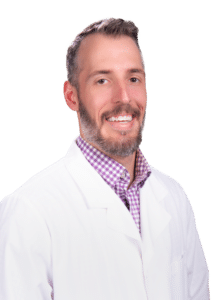 Alex Gilbert, a staff nurse III in the surgical intensive care unit (SICU), calls himself a “second generation nurse,” because both of his parents were also nurses. “Mom works in the ECU Health Cancer Center,” Alex said. “Dad was a flight nurse with EastCare. That’s how my parents met.”
Alex used to watch his father on the helipad and wait for him to get off work, which sparked his own interest in a health care profession. That spark was reignited when his grandmother got sick during his senior year of high school. “That renewed my interest and showed me I could care for people. I knew I had a calling.”
After graduating from East Carolina University with his BSN, Alex split his time between the SICU and the ECU Health EastCare Transport Team as a flight RN. He also serves as an EMT-B in the community. Alex said he was surprised when he discovered he was a Great 100 Nurse honoree. “I can think of so many others who deserve this award,” he said. “We don’t do the job for recognition; we do what we do to care for people.” Alex did cite his passion for his work as a key factor in his success, as well as the support from his family and his co-workers. “It’s not just a nine to five job; it’s someone’s life. It’s an honor and a pleasure to care for someone. But I can’t take all the credit. My faith, my family and my co-workers all play a part. I’d put my team up against any in the country, and I wouldn’t be getting this award if not for them. I’m just a piece of the puzzle.”
ECU Health’s representation in the Great 100 Nurses is a testament to the care our nurses provide, and the education and support ECU Health provides its nurses, Alex said. “We’re the biggest level one trauma center East of I-95,” he said. “Our patients are the sickest of the sick, and our nurses are on the top of their game.”
Gina Coldwell
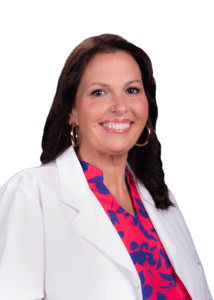 A Newport News, Virginia, native, Gina Coldwell knew she had an interest in nursing early-on, but she couldn’t go to school while caring for her four small children. “I was a stay-at-home mom for 15 years,” she said. “But then I got divorced and was working two minimum-wage jobs and I wanted to do something I enjoyed.” That’s when Gina went back to school and received her associate degree in nursing from Edgecombe Community College in 2019. “I started working at ECU Health that following summer,” Gina said. She began on the Neuroscience Intermediate Unit, but she also continued her education to complete her BSN from East Carolina University in 2021, followed by enrolling in a master’s program at Carson Newman University, with plans to graduate in 2025.
Gina said she didn’t know what specialty she wanted after initially graduating from nursing school. For her, the team on 3 North drew her to the neuroscience unit. It was a challenging first year, but Gina said she has grown to love the challenge. “It’s hard to not take the work home with me,” she said. “But it’s so fascinating. You get such a diverse group of people, from someone who fell and broke their back to someone who had a stroke. It’s not an easy fix, but you have the benefit of seeing the fruits of your labor and how your patients improve. It’s so rewarding and fulfilling.”
That passion is one reason Gina was nominated for and recognized as a Great 100 Nurse. “I was shocked when I found out,” Gina said. “I was proud because I still consider myself a baby nurse. And we have amazing nurses at ECU Health. We’re a Level I Trauma hospital, and everything we deal with is big. You must have your heart in it, and you must have good leadership that recognizes that heart.” Gina also works with new graduates and new hires. “I love to teach and train,” she said. “And if I don’t know something, I ask someone who does. We’ll find out the answer together.”
Lou Ann Proctor
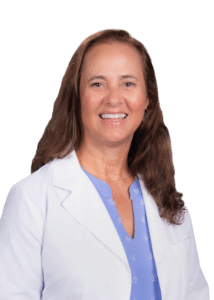 Lou Ann Proctor, a staff nurse IV in the pediatric intensive care unit (PICU), calls herself a legacy Great 100 Nurse. “My mother, Janice Proctor, was in the first group selected to be a Great 100 Nurse in 1989, the year I graduated from nursing school at ECU,” Lou Ann said. “My Aunt Lucy Weaver and Aunt Becky Lewis were also chosen in 1994 and 1993. Sadly, I just lost my mother last year, and she would have loved this.”
It was her mother’s work that inspired Lou Ann to become a nurse in the first place. “My father was a farmer, so when I turned 15, I wanted to get out of the tobacco fields and I went to work with my mother at Edgecombe General Hospital in Tarboro. I got to work beside her and see how amazing she was at her job,” she said.
Lou Ann has continued that legacy by being nominated as a Great 100 Nurse several times before being an honoree this year, although she remains humble about the work she does every day. “I’ve been a bedside nurse for 35 years and have been involved in Nurse Congress, Quality/EBP Council and my unit council, but there are so many nurses I would nominate for this award. That recognition is overdue and well deserved for them.” When she found out she has won the award this year, the moment was bittersweet. “My co-workers nominated me this time and I was both thrilled and heartbroken to be selected,” she said. “It would have meant so much if my mother was still here. But my Aunt Lucy and family plan to attend the Gala with me and that will make it special.”
The recipients will be honored at a statewide gala in September, to be held in Concord.
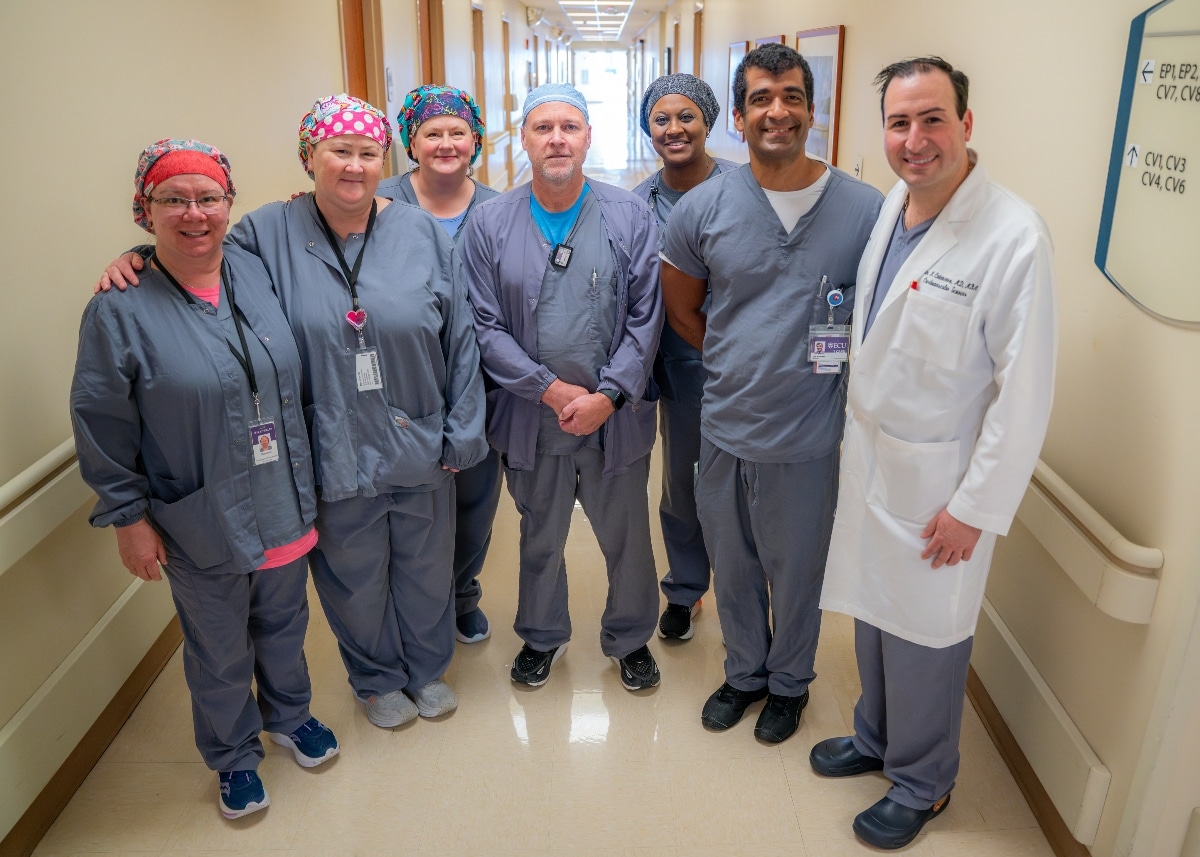
Greenville, N.C. – ECU Health performed the first ever pacemaker implantation with Elutia’s EluPro® BioEnvelope on Sept. 5. EluPro, a Food and Drug Administration (FDA)-approved device, is the first antibiotic-eluting device designed to prevent post-operative complications for Cardiac Implantable Electronic Devices (CIEDs) such as pacemakers and defibrillators.
“We are proud to be the first to perform a pacemaker implantation with the EluPro BioEnvelope, which is a testament to the work our cardiovascular teams do every day to improve the health and well-being of eastern North Carolina,” said Jay Briley, president, ECU Health Medical Center. “Being the first to perform this groundbreaking procedure with the EluPro BioEnvelope underscores our commitment to bringing cutting-edge solutions directly to the communities we serve. Our patients can access the highest level of care without the need to travel long distances, ensuring that advanced cardiovascular treatments are available right here in eastern North Carolina.”
For high-risk patients, including those with underlying health conditions or advanced age, traditional pacemakers carry a risk of complications such as infection, migration and skin erosion, affecting five to seven percent of patients nationwide, according to the FDA. These issues arise when the body’s immune system treats the device as a foreign object, leading to inflammation, device movement, and, in some cases, serious infections. The EluPro BioEnvelope offers an innovative solution for high-risk patients by combining antibiotic therapy with advanced tissue engineering.
“Eastern North Carolina faces high rates of chronic illnesses like heart disease, diabetes and hypertension, making access to advanced cardiovascular care crucial for our community,” said Dr. John Catanzaro, John “Jack” Rose distinguished professor and chief of the Division of Cardiology at the Brody School of Medicine at East Carolina University and director of the East Carolina Heart Institute at ECU Health Medical Center. “Patients with co-morbidities are at higher risk for infection after procedures like pacemaker implantations, and this new technology is a significant step forward in addressing these challenges, as it not only improves patient outcomes but also helps prevent complications that can arise from traditional procedures. I am grateful to the team that helps bring innovations like the EluPro BioEnvelope to our region, demonstrating our commitment to reducing health disparities and ensuring our patients receive the best care possible.”
ECU Health team members that were part of the new procedure include: John Catanzaro, MD, MBA, Jan Lopes, MD, Mark Dixon, RN, David Rouse, cardiovascular technologist, and Tracy Fulcher, cardiovascular technologist. As the academic health system for eastern North Carolina, ECU Health and the Brody School of Medicine perform nearly 1,000 pacemaker implantations per year and ensure patients benefit from the latest medical innovations without having to travel far from home. This integration of academic expertise and clinical care not only enhances patient outcomes but also serves as a vital resource for training the next generation of health care professionals. ECU Health’s commitment to leading the way in advanced cardiovascular treatments demonstrates our ongoing mission to address rural health disparities and improve the well-being of the communities we serve.
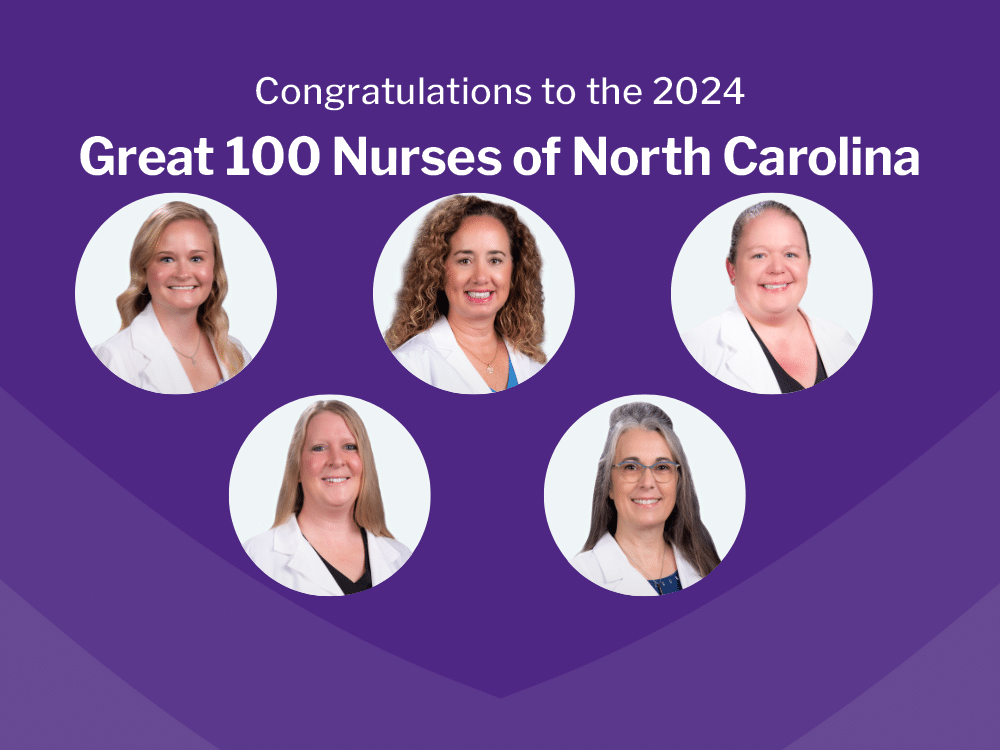
The Great 100 Nurses in North Carolina honors the nursing profession by recognizing nurses around the state for their commitment to excellence. The recipients are distinguished for their outstanding professional ability as well as their contributions to improving health care services in their communities. This year, 19 ECU Health nurses were recognized as honorees, including Virginia “Ginny” Tripp, Rebecca Hagee, Jennifer Lewis, Kelly Trout and Kelly Elliott.
Virginia “Ginny” Tripp
Like many health care providers, Ginny Tripp, a professional development specialist in the Center for Learning and Performance at ECU Health Medical Center, found the inspiration to pursue nursing through her family. “My mother was a nurse, and she has always inspired me to be compassionate and care for everyone,” Ginny said. Her grandmother, also, was a huge support for Ginny and often prepared meals and helped take care of Ginny’s children while Ginny studied in school.
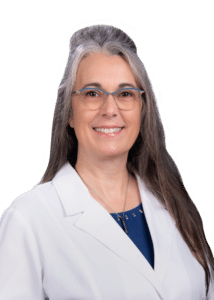 Ginny completed her associate degree in nursing in 1994 from Craven Community College and her BSN, which she received from East Carolina University, in 2006. She began her career at what was then Pitt County Memorial Hospital before transferring to a clinical practice closer to home. She always dreamed of returning “home” to ECU Health, however, and she did just that in 2009.
Now, Ginny’s mother can celebrate with her as she is honored as a Great 100 Nurse. “My mother cried for joy, and I was so excited to tell my family and leadership I received this recognition in my 30th year of service,” she said. Ginny said she was honored for her colleagues to recognize her service by nominating her for this award. “No matter what the need is, I try to find a way to support others and help them become the best version of themselves. I enjoy collaborating with an excellent team who strives to support each other.” Ginny was also quick to thank her leadership for supporting her along the way. “I am thankful to leadership who have helped me grow in my current role over the past nine years,” she said.
Ginny highlighted that having 19 Great 100 Nurse honorees was a nod to the support ECU Health provides its nurses every day. “I can only imagine that ECU Health is proud to know they have supported the professional growth and development of all the nurses who received nominations. For the 19 being honored, I am thankful I am a part of this elite group. We are living the mission and vision of ECU Health each day, and I feel blessed by God to be a part of something so much larger than myself.”
Rebecca Hagee
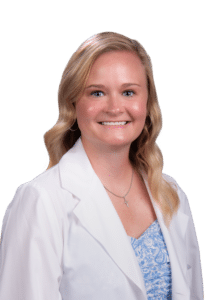 Rebecca Hagee, a staff nurse III in the surgical oncology clinic at ECU Health Cancer Center, began her career at ECU Health six years ago after graduating from Pitt Community College with her associate degree in nursing. She recently obtained her BSN from the University of North Carolina at Wilmington in 2023.
While Rebecca always knew she wanted to be a nurse, she initially thought she wanted to work in pediatric oncology. “I saw the movie Patch Adams at a young age, and I had my heart set on pediatric oncology,” she said. “Then I started my career on a general surgical unit, but I knew I wanted to work in oncology. When my current role became available, it was a perfect combination of my two interests.” Whatever her role, Rebecca said her goal in life is to “make an impact, and nursing gives me the opportunity to do that every day.”
When she learned she was a Great 100 Nurse, Rebecca said it was a surprise. “I still consider myself a ‘new’ nurse,” she explained. “I never in all my life expected to be presented with such an honor, and I’m so thankful for this opportunity to be recognized for everything I have poured into my nursing career.”
While she acknowledged that she strives to be there for patients during the hardest times of their lives, Rebecca also credited ECU Health’s support in being an honoree. “I would never have had this opportunity without ECU Health’s leadership. It has presented me with two of the best managers and assistant managers who encourage and push their team members to be the best they can be.”
Jennifer Lewis
 Jennifer Lewis, the outreach coordinator for ECU Health Medical Center Cancer Care, has worked for ECU Health for 32 years, 27 of them as a nurse. Jennifer got started at ECU Health Beaufort Hospital at the age of 18 as an emergency department (ED) clerk. “As long as I can remember, I wanted to be a nurse. I’ve always been impressed with nurses; they’re intelligent, kind and relatable. I worked in the ED to see what the healthcare setting was like,” she said.
Jennifer liked what she saw, and she completed her associate degree in nursing from Beaufort County Community College before returning to ECU Health Beaufort Hospital, now as a nurse. “I was born at that hospital and had all three of my daughters there. It was home,” Jennifer said.
After getting her BSN from the University of North Carolina in Wilmington, which she was able to do through ECU Health’s tuition reimbursement program, she found a position at the ECU Health Medical Center and made the move to Greenville. “Life takes you down roads you don’t expect, but I love it,” she said.
Jennifer was shocked to learn she was a Great 100 Nurse honoree. “I’m pretty new at the Medical Center, so to know I’d been nominated by my peers was above anything I imagined,” she said. “It’s the ultimate compliment, and I’m humbled to be among the 19 who represent ECU Health.” Without the support of her team and ECU Health, Jennifer said she wouldn’t be who she is today. “I’m thankful ECU Health,” she said. “I appreciate working somewhere where they recognize nurses for their achievements and support and grow nurses. Becoming a nurse was by far one of the best decisions of my life, and I can’t imagine doing anything else.”
Kelly Trout
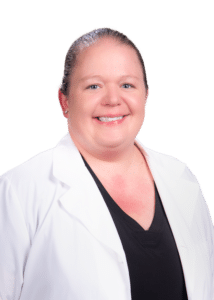 A staff nurse III in the medical oncology unit at ECU Health Medical Center, Kelly Trout has been a nurse, and has worked at ECU Health, for 15 years. “I got my bachelor’s in biology and psychology, but in 2007 I went back to school at Pitt Community College and got my nursing degree,” Kelly said. The inspiration to be a nurse came from her mother, who was a neonatal intensive care unit (NICU) nurse for 45 years. “I thought I wanted to be a doctor, but I enjoy direct care and hands-on patient interaction,” she said. A clinical rotation in medical oncology, as well as her family history of cancer, strengthened her decision to work in medical oncology. “It’s something I’m passionate about and it’s where I need to be.”
“I was shocked,” Kelly said of learning she was a Great 100 Nurse honoree. “These Great 100 nurses are doing something special, and I wondered – am I really one of those nurses? It’s a total honor.”
One of the biggest projects Kelly said she’s proud of starting in her unit is Santa’s Hope (previously Santa’s Workshop), where staff donate gifts for kids and adults and patients with cancer can then “shop” for their friends and family without compromising their immune system by going out in crowds. “We’ve had some wonderful stories. Little things like that make a difference, and I’m honored to be a part of this program.”
That ECU Health has 19 nurses on the Great 100 list is pretty special, she said. “It shows there are nurses who have their whole hearts invested in this and is representative of the care ECU Health provides,” she said. “It’s a wonderful way to advertise the care we provide and put our name out across the state.”
Katie Elliott
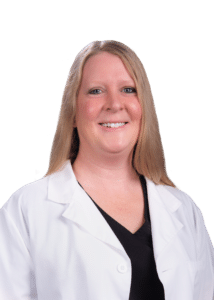 Katie Elliott is a staff nurse IV in the radiation oncology clinic at ECU Health Medical Center, where she’s worked for nearly 15 years. She originally obtained her associate degree in nursing at Beaufort Community College and started her career at ECU Health the same year on the traumatic brain injury inpatient rehabilitation unit. In 2019, she transitioned to radiation oncology, and in May, she received her BSN from Fayetteville State University.
Katie knew from an early age she enjoyed helping people; however, a high school allied health class solidified her decision to become a nurse. Still, she was surprised to find out she was a Great 100 Nurse honoree. “I was so excited, I awakened my husband early in the morning, when I read the letter,” she laughed. “It’s an honor to know your teammates care enough to nominate you for such an amazing award.”
That nomination is the result of a dedication to her team and her patients. “I work hard, and my team sees how much I care,” Katie said. “Not just for my patients. I want to be sure our team is okay too. We take better care of our community by taking care of each other. I don’t just go to work, do my job, and go home. I want to be involved.”
That attitude is one that Katie sees reflected across the ECU Health system. “We go above and beyond in the care we provide for our patients and our communities,” she said. “I recommend ECU Health to anyone. Family members and myself have been patients here. It is comforting to know there’s a place close to home, delivering safe and compassionate care.”
The recipients will be honored at a statewide gala in September, to be held in Concord, North Carolina.

The Brody School of Medicine at East Carolina University is among the top-performing medical schools in the country when it comes to providing an affordable education for future clinicians, according to a new study from the American Association of Medical Colleges.
Nationally, four out of five medical school graduates finish their education with more than $100,000 in debt. As part of its mission to train the next generation of physicians committed to serving the state, with a strong focus on training family care providers, Brody-trained physicians receive one of the highest-value medical educations in the country.
“It is exceptionally gratifying to know that the Brody School of Medicine is leading the way in making a career in medicine affordable and accessible for future physicians across North Carolina,” said Dr. Michael Waldrum, dean of Brody and CEO of ECU Health. “The tremendous need for more physicians, particularly those who practice family medicine and serve in rural communities, serves as our compass as we continue toward our mission. We are fortunate that this need is widely recognized by statewide leaders who are committed to supporting us in our mission. This recent report from the American Association of Medical Colleges is a reminder of why Brody is such an important asset for North Carolina and its citizens.”
The financial flexibility that Brody-trained physicians have upon graduation directly supports the medical school’s ability to produce family medicine physicians which is among the highest-need specialties nationally, particularly in rural communities. Brody ranks in the top 10% of U.S. medical schools for graduating physicians who practice in the state, in primary care and in underserved areas. Brody’s most recent class – the Class of 2023 – is a snapshot of Brody’s unique mission, with 52% of graduates matching into primary care residencies, including obstetrics and gynecology, and 44% matching to residency programs in North Carolina.
“The Brody School of Medicine has a rich legacy of preparing mission-driven physicians who touch the lives of so many through a career in health care,” said Dr. Jason Higginson, executive dean of Brody. “Not only do our medical students receive a high-quality education at Brody, they graduate supported and well-prepared to join the physician workforce and enter areas of practice that are most needed, like family medicine. I could not be more proud and grateful of the Brody faculty and staff. Their passion and expertise make our academic health care mission possible.”

Eastern North Carolina is seeing a noticeable uptick in COVID-19 and other respiratory virus cases. Similar to the last few years, respiratory viruses, including COVID-19, are expected to rise and fall between now and the end of respiratory virus season in 2025. While receiving a positive COVID-19 test result can still be concerning, understanding how to respond can help protect yourself and others.
What to Do If You Test Positive
If you test positive for COVID-19, consult with your doctor or health care provider promptly. If you receive a clinical diagnosis for COVID-19, you may be eligible for medication that can aid in your recovery and prevent severe illness
For individuals at higher risk of serious illness — such as those who are immunocompromised, over the age of 65, or have conditions like heart disease, diabetes or kidney disease — medication can play a crucial role in managing their health.
It’s important to act quickly, as these treatments are most effective when started as soon as possible, ideally within the treatment window after the onset of your first symptoms.
Treatments and Preventative Measures
Fortunately, treatments are available that may help reduce the severity of COVID-19 symptoms. These medications have already been administered to millions of people, helping to lower the risk of severe illness and keeping many out of the hospital.
“ECU Health has previously analyzed the number of COVID inpatients who utilized antivirals before hospitalization,” said Dr. Ryan Gallaher, medical director of infectious diseases, ECU Health. “This data highlights a significant opportunity for at-risk patients to take advantage of these effective antivirals, which can greatly reduce the risk of hospitalization.”
Dr. Gallaher also recommends staying up to date on COVID-19 vaccines, and the 2024–25 vaccines are expected to be available in fall 2024. Washing your hands often, avoiding close contact with anyone who is sick or has symptoms and wearing a mask can still help prevent the spread of COVID-19. By staying informed and taking proactive steps, we can work together to manage this increase in COVID-19 cases and protect the health of our community.
If you have questions or suspect you may have COVID-19, contact your primary care provider. Learn more about establishing primary care at ECU Health here.
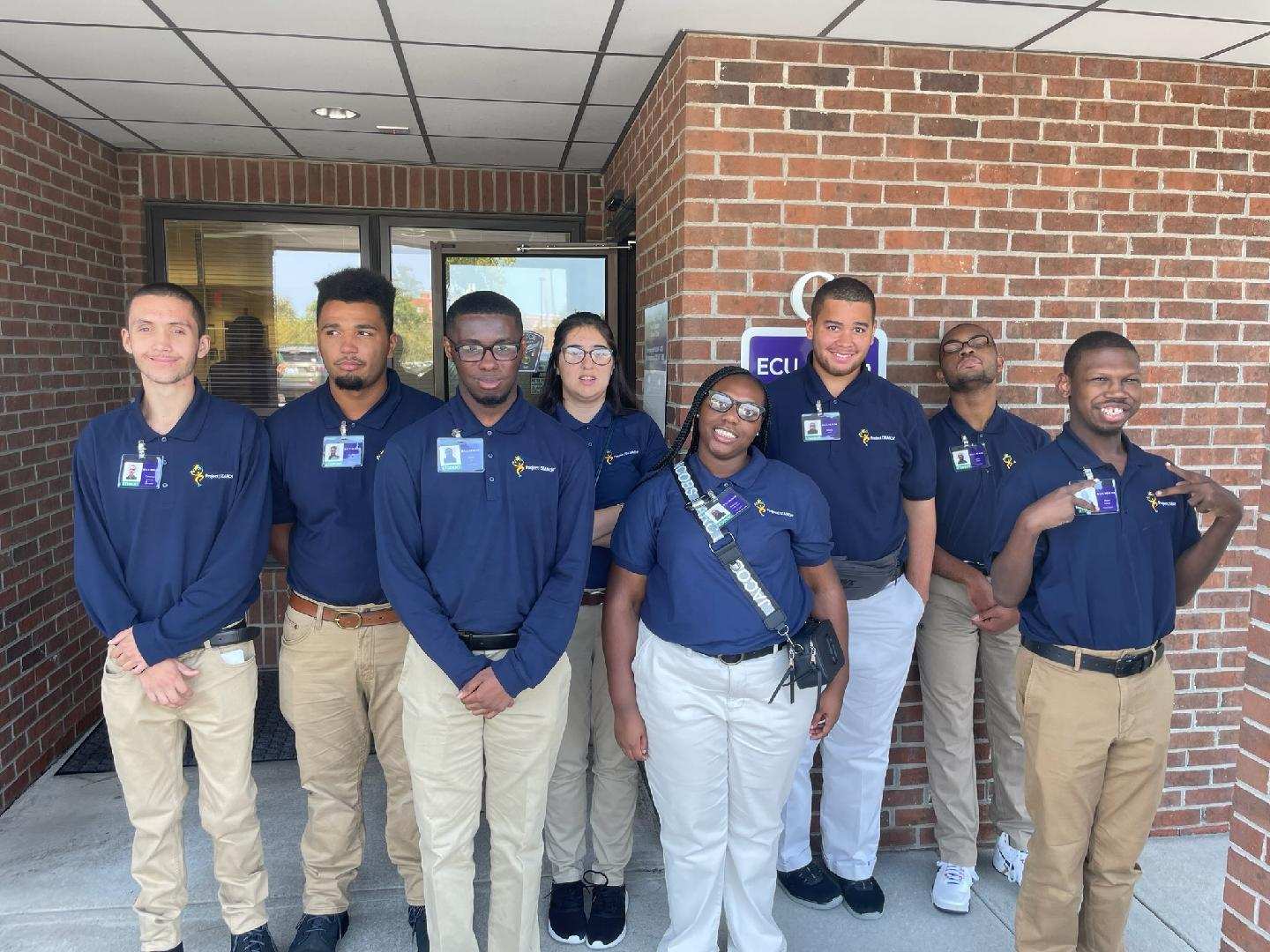
ECU Health Medical Center is excited to welcome the newest class of Project SEARCH students. The one-year internship program is designed for high school students with developmental and intellectual disabilities in their final year of their high school education. Through Project SEARCH, these students gain valuable real-world skills, enhancing their employability, confidence and independence.
The Project SEARCH Class of 2024 includes: Cameron McKenna, Daniel Sparrow, Keon Cox, Mariah Locklear, Kalasiah Forbes-Paige, Kenny Lucas, John Walker-Aytch and Nasir Gardner.
“We’re honored that ECU Health Medical Center continues to host Project SEARCH expanding educational opportunities for our students,” said Doris Hill, workforce development coordinator at ECU Health. “This program empowers students with essential job skills they can carry into their careers, while also enhancing diversity within our organization and the local workforce. We’re eager to witness the growth and new experiences our incoming students will gain throughout their journey with us.”
During the program, students participate in internships across various departments at ECU Health Medical Center, including in hospitality, cafeterias, housekeeping and some clinical spaces. These hands-on experiences help students transition from classroom learning to professional environments, bridging the gap between education and the workplace.
The employment rate for youth with disabilities is about 60 to 70 percent less than youth without disabilities, according to the Office of Disability Employment Policy. Project SEARCH has proven results with a 65 percent employment and 90 percent retention rate nationally. Students who participate in the program are enrolled at various Pitt County high schools.
The Project SEARCH program at ECU Health Medical Center began in 2015 through partnerships with Pitt County Schools, RHA Health Services and the North Carolina Division of Employment and Independence for People with Disabilities. The program has become a beacon of hope and opportunity for the students while also making significant contributions to the local community. Project SEARCH is instrumental in cultivating our ECU Health community into one that embraces diversity, inclusivity and shared success.
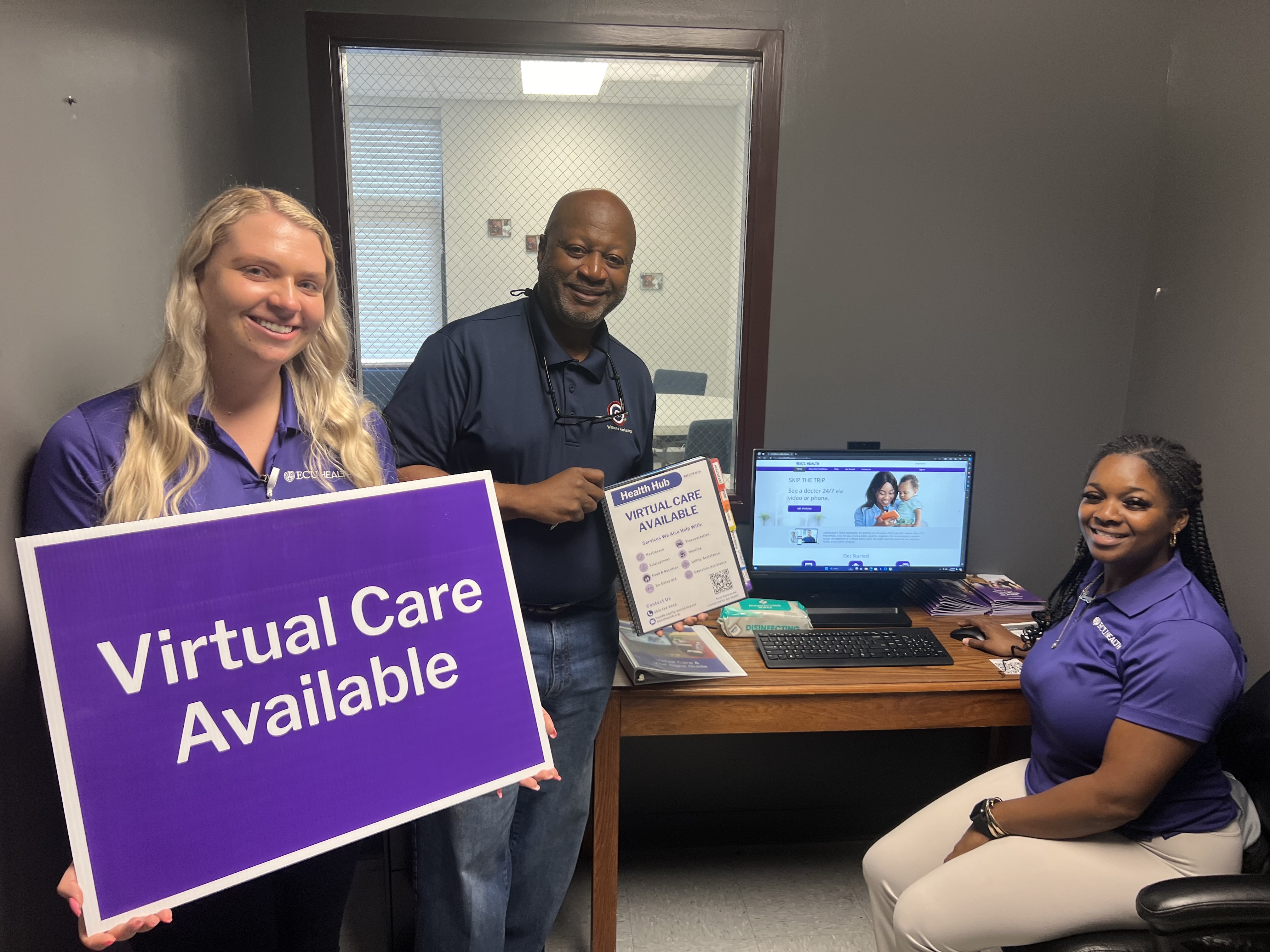
ECU Health serves a vast rural region and understands the critical need for accessible health care in these communities. The demand for health services is exceptionally high, and many residents face significant barriers to receiving the care they need. ECU Health launched the Health Hub initiative in May 2023 as a strategic effort to bridge these gaps and help meet patients where they are. These Health Hubs are designed to improve access to vital health care and community resources, specifically targeting underserved areas.
“These hubs are strategically placed based on data indicating regions of high social vulnerability,” said Kasey Perkins, community health engagement coordinator, ECU Health. “Oftentimes, these areas have limited access to primary care services and individuals have difficulty seeing a doctor for those unexpected acute illnesses we all get.”
Health Hubs are currently located in four counties: Pitt, Martin, Edgecombe and Beaufort.
The hubs serve dual purposes. First, they provide access to virtual care, which is particularly vital in areas where individuals might otherwise visit emergency departments for non-urgent issues. By educating the community about virtual care options, Health Hubs help people get appropriate care quickly and more efficiently. Second, Health Hubs offer a gateway to community resources, addressing social determinants of health such as food insecurity, housing and employment.
“Each hub features a community resource guidebook, organized into tabs for different social needs, filled with contact information and details on various agencies and services available in the area,” said Perkins.
Health Hubs are located at local churches, businesses and organizations, and a designated Health Hub ambassador serves as the community’s point of contact. These ambassadors help residents connect with virtual care services and navigate the resources available to them. The hubs are equipped with necessary devices, including a computer with a webcam and microphone, and vital sign monitors like blood pressure cuffs, pulse oximeters and thermometers. This equipment allows individuals to have virtual visits on-site if they don’t have access to the technology at home.
Three new locations were added in July 2024, bringing the total amount of Health Hubs to 21. Health Hubs are open to everyone in the community. Residents can walk in during designated hours to learn more about virtual care or access community resources. The virtual care service, ECU Health Now, is available for anyone throughout eastern North Carolina and can be accessed on a computer or mobile phone. It is free to register and make an account, and it only costs $55 per visit when you speak with a provider, which is often less than a typical insurance co-pay or Emergency Department visit.
“The Health Hub initiative represents a significant step toward making health care more accessible and addressing broader social needs,” said Perkins. “By partnering with local organizations and connecting individuals with vital resources, Health Hubs are making a real difference in the communities they serve.”

Greenville, N.C. – Nineteen ECU Health nurses have been named part of the Great 100 Nurses of North Carolina by the Great 100 Nurses of North Carolina Board of Directors. The recipients are recognized for their outstanding professional ability and contributions to improving health care services in their communities.
“ECU Health nurses have devoted their careers to caring for others and serving our community with exceptional dedication,” said Trish Baise, chief nursing executive, ECU Health. “I am so proud of the amazing nurses recognized by the Great 100. Thank you to this year’s honorees and to every member of the ECU Health nursing team. Your commitment to delivering excellent, compassionate care each day exemplifies our mission and makes a profound difference in the lives of those we serve.”
Since 1989, The North Carolina Great 100, Inc. has recognized and honored nurses around the state for their commitment to excellence and to promote a positive image of the nursing profession. Each year, the Great 100 Nurses of North Carolina Board of Directors asks patients, health care workers, friends and family members to nominate an outstanding nurse practicing in North Carolina. Thousands of nominations are reviewed, and 100 nurses are selected and honored at a statewide gala.
The ECU Health nurses chosen as Great 100 Nurses of North Carolina in 2024 are:
Kayla E. Anderson, BSN, RN, CEN
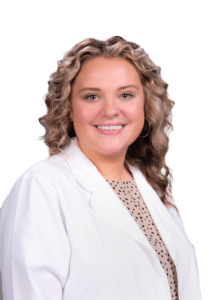 Kayla E. Anderson, BSN, RN, CEN, is an education coordinator at the Center for Learning and Performance at ECU Health Beaufort Hospital, a campus of ECU Health Medical Center. She has dedicated seven years to ECU Health. She holds a bachelor’s degree in nursing from Winston-Salem State University and is pursuing a master’s degree in nursing education at the University of North Carolina at Wilmington. Board certified in emergency nursing, Kayla also holds provider certifications in Advanced Cardiovascular Life Support (ACLS) and Pediatric Advanced Life Support (PALS), along with instructor certifications in Basic Life Support, Advanced Stroke Life Support and Nonviolent Crisis Intervention. She is an active member of the Sigma Theta Tau International Honor Society of Nursing.
Kimberly Askew, RN
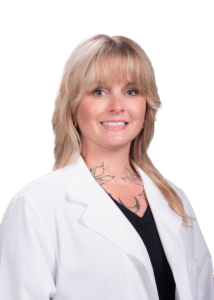 Kimberly Askew, RN, is staff nurse III at ECU Health Roanoke-Chowan Hospital. She began her journey at the hospital 19 years ago as a certified nursing assistant. It was her dream to be a Labor and Delivery nurse like her mother, who has served as a great inspiration for her. In her 15 years of nursing, she has served as a charge nurse, preceptor, childbirth educator, unit educator and an Advanced Life Support in Obstetrics (ALSO) instructor. During her years in Labor and Delivery, she helped the hospital achieve its 4 Star Breastfeeding Friendly designation. Since transitioning to peri-operative services, Kimberly has found enjoyment in creating a safe and comfortable environment for those who choose or require surgical services.
Dennis Campbell II, DHA, RN, FACHE
Dennis Campbell II, DHA, RN, FACHE, joined ECU Health Beaufort Hospital in December 2020 as vice president of Patient Care Services. He was named president in September 2023 after serving as interim president since February of that year. Dennis also serves as the interim president at ECU Health North Hospital, a position he has held since August 2024. Dennis began his health care journey as an intensive care registered nurse in 2004. Over the course of a progressive career, he has matriculated to the C-suite while gaining valuable experience in a variety of senior leadership and executive roles in nursing, quality, operations and compliance in North Carolina and Georgia. Dennis is a highly visible and collaborative leader skilled at navigating complex health systems to solve problems and execute strategic plans to deliver desired outcomes. He is a relationship builder who understands the value of relationships in developing strategies to promote health and wellness in the communities served. Dennis holds an associate and bachelor’s degree in nursing, a master’s degree in management and a doctorate degree in health care administration.
Gina Coldwell, BSN, RN-BC
Gina Coldwell, BSN, RN-BC, is a staff nurse II on the Neuroscience Intermediate Unit at ECU Health Medical Center. She has worked on this unit for the past five years. Gina earned her associate degree in nursing from Edgecombe Community College and her bachelor’s degree in nursing from East Carolina University. She is currently enrolled in the Family Nurse Practitioner master’s program at Carson-Newman University. She is medical-surgical board certified. Gina is a proud mother of four adult children and grandmother of five grandchildren.
Katie Elliott, BSN, RN, CRRN
Katie Elliott, BSN, RN, CRRN, is a staff nurse IV in the Radiation Oncology Clinic at ECU Health Medical Center and has been with the hospital for 15 years. Katie received her associate degree in nursing from Beaufort County Community College and her bachelor’s degree in nursing from Fayetteville State University.”. Katie is a certified rehabilitation registered nurse, serves as a co-chair on the ECU Outpatient Oncology Unit Based Council and is an active member of the Sigma Theta Tau International Honor Society of Nursing. In addition, Katie serves on ECU Health’s Coordinating Council and Environmental Council.
Alex Gilbert, BSN, RN, CCRN
Alex Gilbert, BSN, RN, CCRN, is a staff nurse III in the Surgical Intensive Care Unit (SICU). Alex has worked at ECU Health Medical Center for seven years and has spent time between the SICU and ECU Health EastCare as a flight nurse. Alex earned his bachelor’s degree in nursing from East Carolina University and obtained his critical care RN specialty certification. Alex is active in the community as an EMT-B and volunteering with community organizations in eastern North Carolina.
Rebecca Hagee, BSN, RN
Rebecca Hagee, BSN, RN, is a staff nurse III in the Surgical Oncology Clinic at ECU Health Cancer Center. Rebecca has worked for ECU Health Medical Center for six years. She earned her associate degree in nursing at Pitt Community College, and her bachelor’s degree from the University of North Carolina at Wilmington.
Brittany Harriett, BSN, RN

Brittany Harriett, BSN, RN, is the assistant nurse manager on the Medical Unit at ECU Health Beaufort Hospital. She was the recipient of the 2022 Juanita Jackson award and a nominee for the 2024 Susan Gerard Excellence in Leadership award. She has worked with ECU Health for nine years. Brittany also works part time at the East Carolina University College of Nursing as a nurse consultant. Brittany earned her associate degree in nursing from Beaufort County Community College and her bachelor’s degree in nursing from Capella University. Outside of health care, Brittany is the mom of two active boys. They share a love for baseball, family time and their church.
Tracy Hobbs, BSN, RN-BC

Tracy Hobbs, BSN, RN-BC, is an assistant manager for the 3 East Hospitalist Unit at ECU Health Medical Center. She has worked at ECU Health Medical Center for the duration of her 27-year career. Tracy earned her bachelor’s degree in nursing from Barton College. She is specialty certified in medical-surgical nursing. She is active in endeavors to create positive change for the future of nursing at ECU Health Medical Center.
Kathryn Jarvis, DNP, RN, NPD-BC
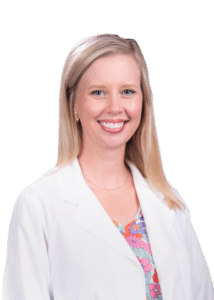
Kathryn Jarvis, DNP, RN, NPD-BC, is the senior director for Children’s Services at Maynard Children’s Hospital. She has been a nurse at ECU Health Medical Center for 12 years with experience in pediatrics, nursing education and nursing leadership. Kathryn earned her bachelor’s and master’s degrees in nursing from East Carolina University and her Doctor of Nursing Practice (DNP) degree with a concentration in nurse executive leadership from the University of North Carolina at Wilmington. She has also obtained specialty certification in nursing professional development. In addition to her role as senior director of Maynard Children’s Hospital, Kathryn is a part-time faculty member for East Carolina University’s Doctor of Nursing Practice program. Kathryn thoroughly enjoys her roles, as she has a passion for both nursing leadership and education.
Jennifer Lewis, BSN, RN
Jennifer Lewis, BSN, RN, is the outreach coordinator for ECU Health Medical Center Cancer Care. Jennifer has practiced nursing for 27 of the 32 years she has worked for ECU Health. Prior to transitioning to her current role in 2021, Jennifer worked at ECU Health Beaufort Hospital, a campus of ECU Health Medical Center in various inpatient and outpatient settings. Jennifer earned her associate degree in nursing from Beaufort County Community College and her bachelor’s degree in nursing from the University of North Carolina at Wilmington. Jennifer believes in the value of cultivating strong partnerships with churches, businesses, schools and civic organizations to promote awareness regarding the prevention and early detection of cancer.
Jessica Noble, MSN-NE, RNC-EFM
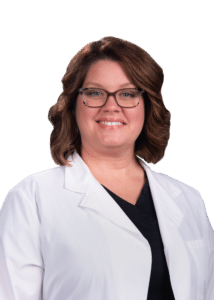
Jessica Noble, MSN-NE, RNC-EFM, is a registered nurse with over 20 years of experience in maternal health. She currently serves as the perinatal nurse champion and navigator for ECU Health, advocating for equitable perinatal care in eastern North Carolina. Jessica holds a bachelor’s degree in nursing from East Carolina University and a master’s in nursing education from the University of North Carolina at Wilmington. Jessica leads the “I Gave Birth” bracelet program and contributes to the Perinatal Quality Collaborative of North Carolina initiatives. An active member of the Association of Women’s Health, Obstetric and Neonatal Nurses, she has presented at conferences, co-authored a North Carolina Medical Journal article and serves on the North Carolina Department of Health and Human Services Maternal Health Task Force.
Amber Oakes, BSN, RN
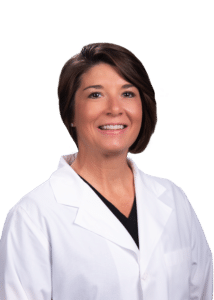
Amber Oakes, BSN, RN, is a staff nurse IV in the Gynecologic Oncology Clinic at ECU Health Medical Center. Amber has worked at ECU Health for 14 years. Amber earned her associate degree in nursing from Pitt Community College and later obtained her bachelor’s degree in nursing from Western Carolina University.
Lou Ann Proctor, BSN, RN, CCRN
Lou Ann Proctor, BSN, RN, CCRN, is a staff nurse IV in the Pediatric Intensive Care Unit at ECU Health Medical Center and has been a nurse for 35 years. She holds a bachelor’s degree in nursing from the East Carolina University College of Nursing. She has been a member of American Association of Critical Care Nurses – Critical Care Registered Nurse for 18 years, Pediatric Advanced Life Support (PALS) instructor, charge nurse and a preceptor.
Deborah Rice, BSN, RN
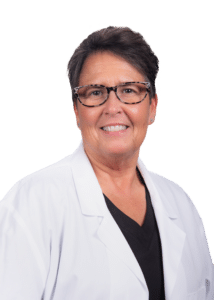
Deborah Rice, BSN, RN, is a staff nurse III in the Palliative Care Unit at ECU Health Medical Center. She has worked for ECU Health for more than four years. Deborah earned her bachelor’s degree from East Carolina University. Deborah works as a charge nurse, clinical coach and quality lead for her unit. Deborah also works as an adjunct clinical instructor for Pitt Community College and is a member of North Carolina Nurse Association.
Elizabeth Seawell, MSN, RN-BC, NPD-BC
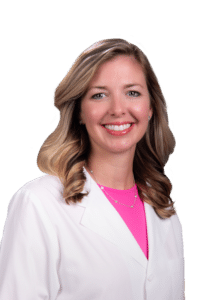
Elizabeth Seawell, MSN, NPD-BC, RN-BC, is the manager of the ECU Health Medical Center Trauma Program. Elizabeth has worked at ECU Health Medical Center for 16 years with experiences as a surgical/trauma staff nurse and professional development specialist. Elizabeth obtained both her bachelor’s degree in nursing and master’s degree in nursing education from East Carolina University. Elizabeth has specialty certifications in medical-surgical nursing and nursing professional development. Elizabeth is actively involved in the development and growth of the eastern North Carolina Nursing Honor Guard, Trauma Survivors Network, Professional Practice Council and other local community activities.
Myra Barnes Thompson, MSN, RN, CNML
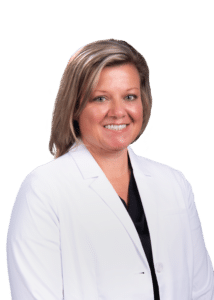
Myra Thompson, MSN, RN, CNML, is the nurse manager of the Medical Intensive Care Unit and the Continuous Renal Replacement Therapy Program at ECU Health Medical Center. Myra has worked at ECU Health Medical Center for 17 years. Myra earned her bachelor’s degree from East Carolina University and her master’s degree from Western Governors University. Myra obtained her specialty certification as a certified nurse manager and leader from the American Organization for Nursing Leadership.
Virginia C. Tripp, BSN, RN, NPD-BC
Virginia “Ginny” Tripp, BSN, RN, NPD-BC, practices as a professional development specialist in the Center for Learning and Performance at ECU Health Medical Center. Ginny has been a registered nurse for 30 years and has served at ECU Health Medical Center for the past 15 years. She earned her associate degree in nursing at Craven Community College and her bachelor’s degree in nursing at East Carolina University. Ginny has obtained specialty certifications in the fields of case management and in nursing professional development. Ginny’s passion is to elevate the profession of nursing and encourage and support others in achieving their highest potential. Her highest purpose is to please God and fulfill her God-given calling in nursing by being a blessing in others’ lives each day. She is an active member of the ECU Health Medical Center Nursing Professional Development Council.
Kelly Trout, RN, OCN
Kelly Trout, RN, OCN, is a staff nurse III in the Medical Oncology Unit at ECU Health Medical Center. She has been a nurse on Medical Oncology for 15 years and has obtained specialty certification as an oncology certified nurse. She serves as a charge nurse and clinical coach on her unit. She is also the head of the Medical Oncology Retention Council and has started programs on her unit, such as the HOPE Christmas workshop for immunocompromised oncology patients. She is an active member of the Oncology Nursing Society.